
The IL-2 Great Battles Series now has three transport aircraft available in the series with the latest, the Li-2, giving the Soviet Union a specific localized type. It operates alongside the C-47 used by the Western Allies and the Ju-52 used by the Axis forces. I go over the features, the differences between this and the C-47, and what the Li-2 is like to fly. Here we go!
A bit of history

The Li-2 is a license build version of the famous Douglas DC-3. Soviet interest in the aircraft started when the government bought its first DC-2 and then DC-3 aircraft for Aeroflot – the state airline. By July 1936, a contract for license production was issued to the Soviet government and aeronautical engineer Boris Pavlovich Lisunov was tasked with the job of producing the aircraft locally. Spending two years with Douglas Aircraft in the US, Lisunov would return to Moscow in 1939 to being production.
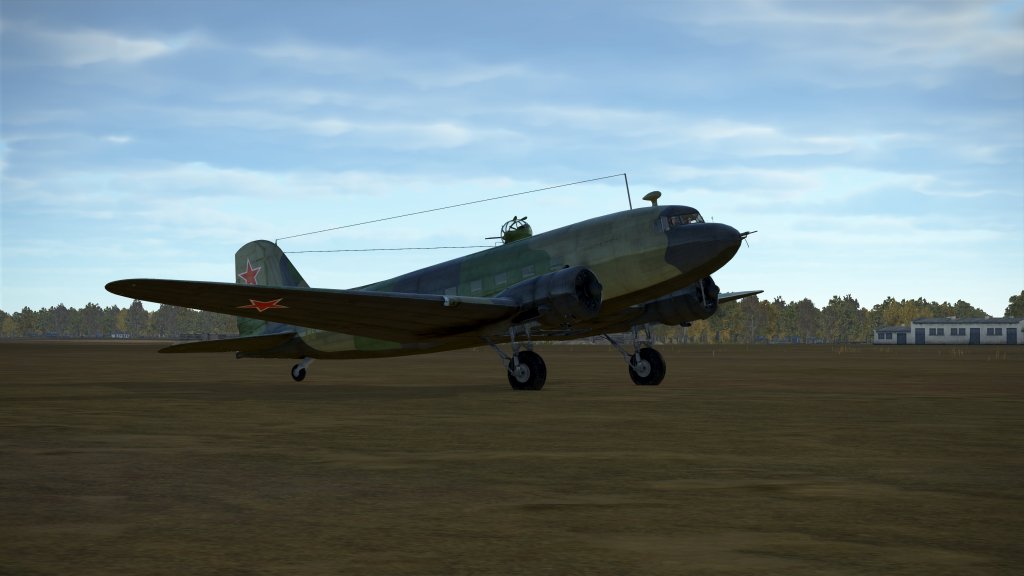
Although the aircraft is visually similar to the DC-3, the airplane under the skin was quite different with 1,293 engineering and materials changes. The aircraft design was converted entirely to metric and its engines saw the Wright Cylone engine swapped out for Shvetsov ASh-62IR radial engines. Fully shuttered engine cowlings to meet with Soviet requirements for the aircraft to be able to handle a wide variety of temperature conditions was among the most obvious of the changes visually.
The type was initially designated PS-84 but was later re-designated Li-2 in honour of Lisunov’s work – a common practice with Soviet aircraft around this time. The Li-2 even has a NATO reporting name of “Cab.”
There were 4,937 Li-2s produced in a number of different variants. They were used in a wide variety of operations including transport, reconnaissance, paradrop, and were even pressed into service as a bomber. Some variants incorporated defensive and offensive armament including a machine gun in the nose and a UBT 12.7mm Berezin heavy machine gun mounted in a turret. It’s this fully armed version that the IL-2 Great Battles Series is representing.
Visuals and sounds
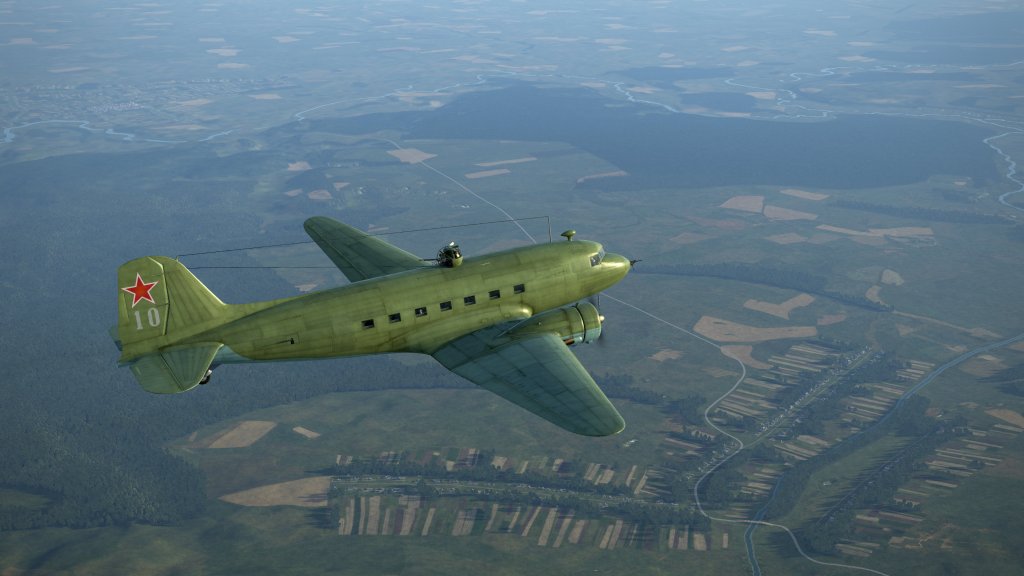
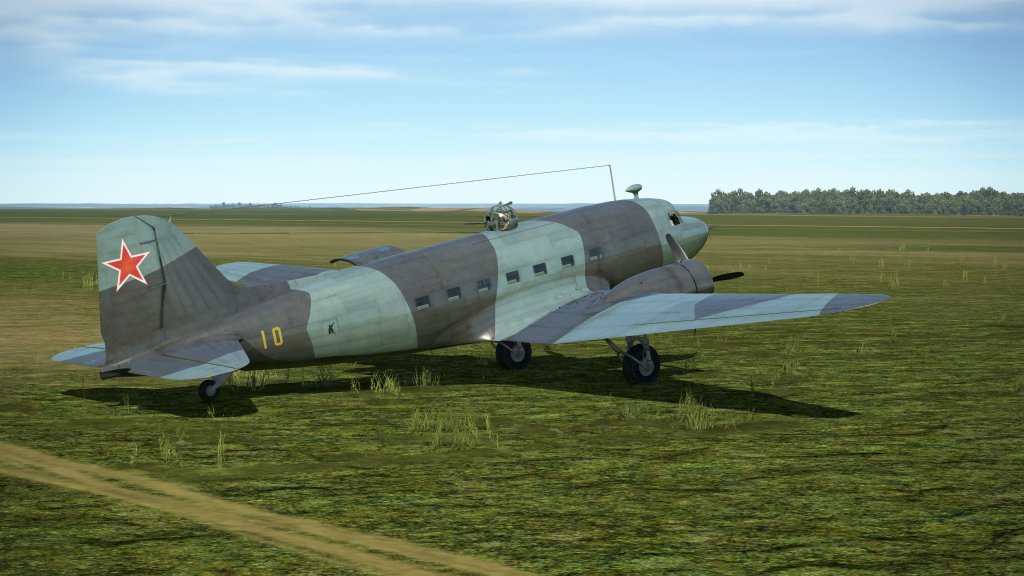
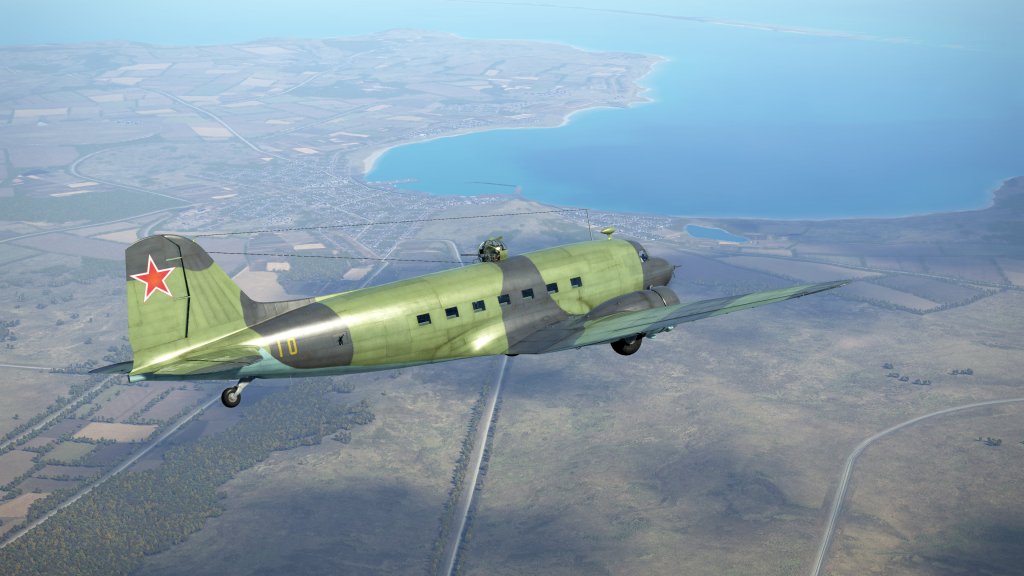
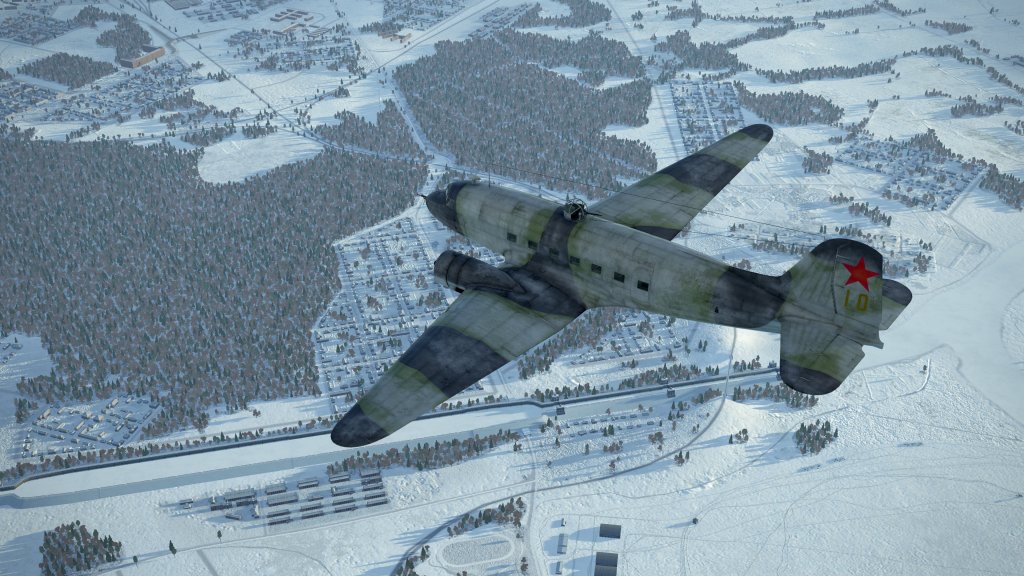
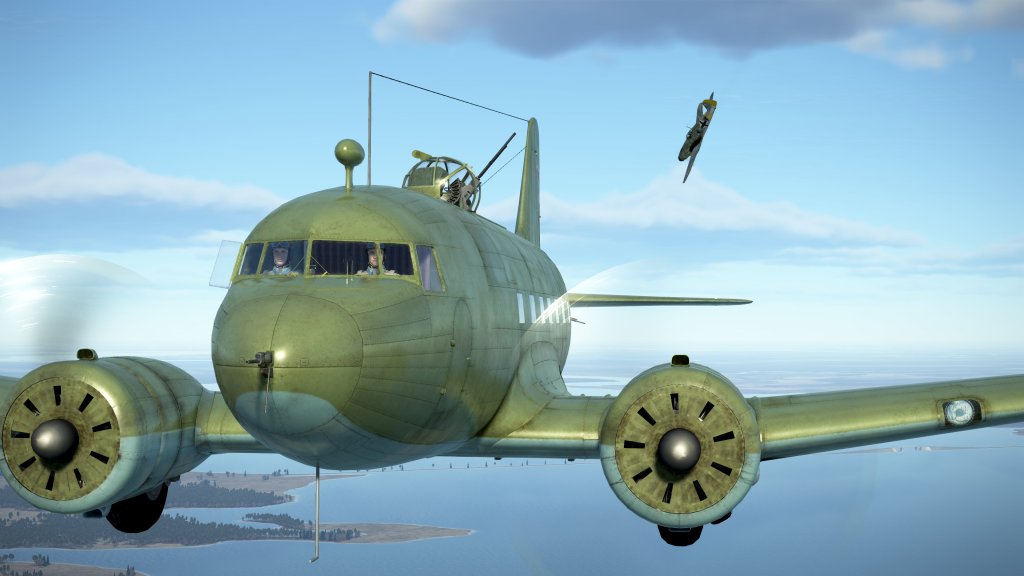
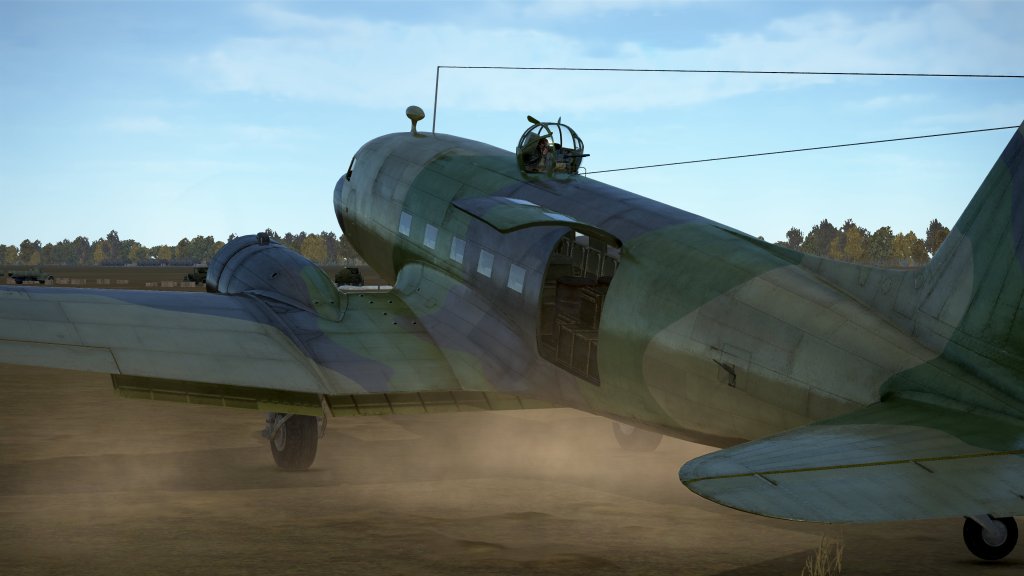
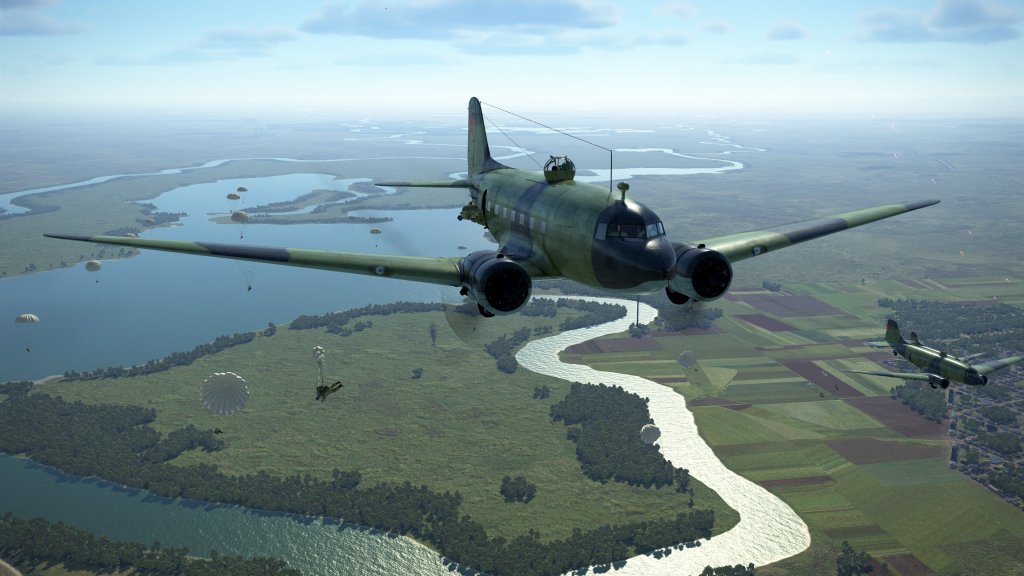
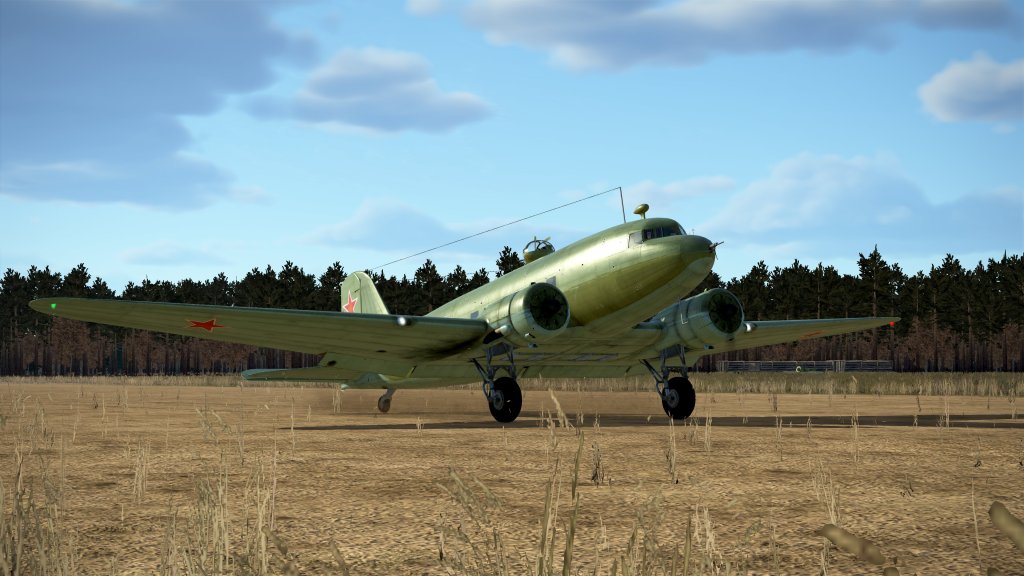
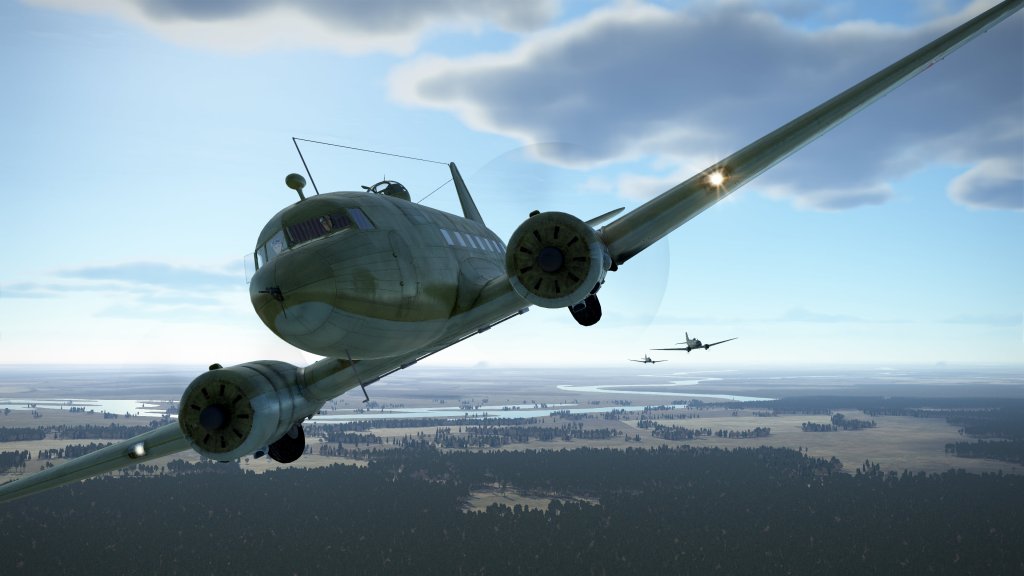
The exterior of the Li-2 is superficially similar to the C-47 from before it, however, it has been modified in a wide variety of ways. The cargo door placement is different, the engines are very clearly different, the large turret on the back of the fuselage sticks out like a sore thumb, and the swappable side machine gun, forward machine gun, and exterior ring and bead gunsight all make for a visually distinctive aircraft.


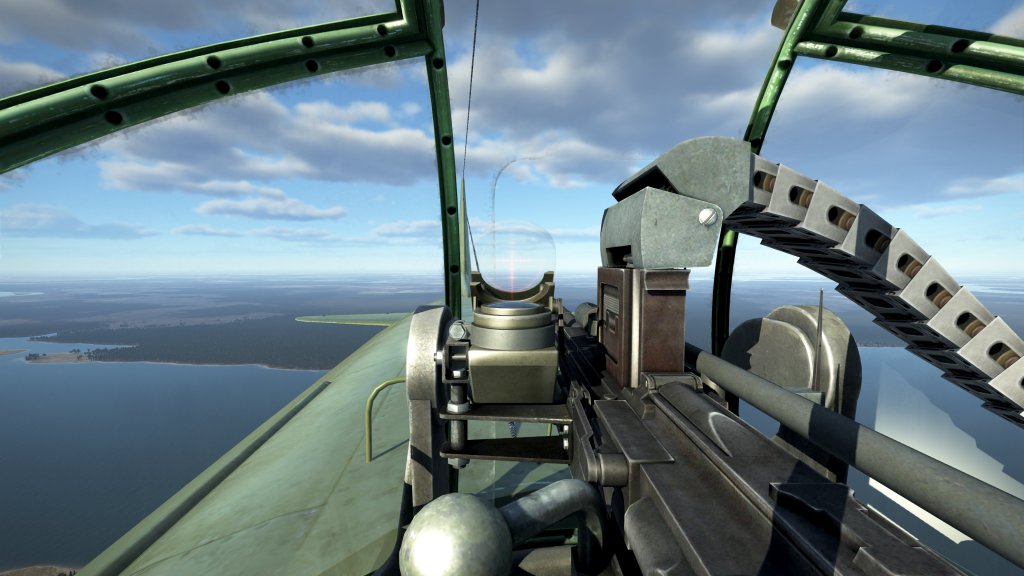

There are 10 liveries included with the aircraft. They run the range of Soviet paint schemes from the era with the tactical codes enabling you to make it into whichever airplane you wanted from the era. I would have liked to see at least one or maybe two liveries that represented a famous or well known Li-2 (if such a thing exists).





The cockpit is where you’ll notice the largest number of differences. The structure is similar but every gauge, control, switch and knob is different and essentially represents a different airplane. Placements for most of them are very similar to the C-47 so you’ll feel like everything is in the right spot if you go back and forth but they certainly look different!
The sounds as usual are at the same standard as the rest of the series. In this instance it sounds more like you have a pair of I-16s flying along than with the C-47 and its Cyclone radial engines. There’s a distinct sound here that certainly differs from the other model.
Differences between the C-47 and Li-2

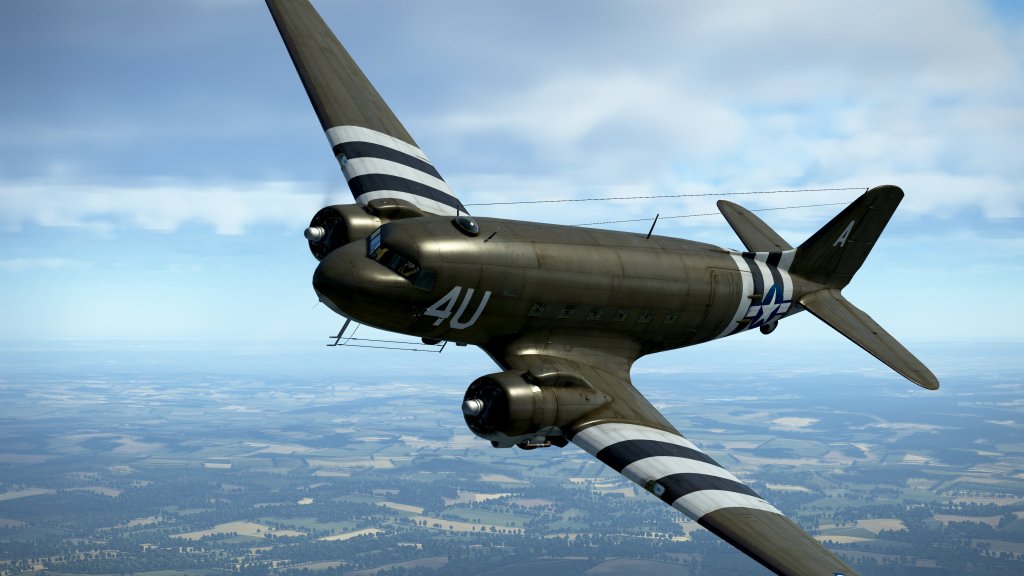
The IL-2 series already has a DC-3 derivative, the C-47, so why did they do an Li-2? There’s a couple of reasons I can think of including giving the Soviet Union side their own dedicated transport (although the C-47 was used by the Soviets too) as well as being Ugra Media’s second big WWII era project. The history of this project stretches back to at least August 2017 when I first wrote about its possible inclusion.
More meaningful to players are the differences in capabilities and here we have some interesting differences.
The C-47 is an entirely transport focused airplane with droppable cargo canisters, paratroopers, and a variety of cargo configurations. The Li-2 has these features too but it also features a bombsight, a ring a bead gunsight, a powered UBT 12.7mm heavy machine gun, a side swappable 7.62mm ShKAS machine gun, and a forward firing 7.62mm ShKAS machine gun.


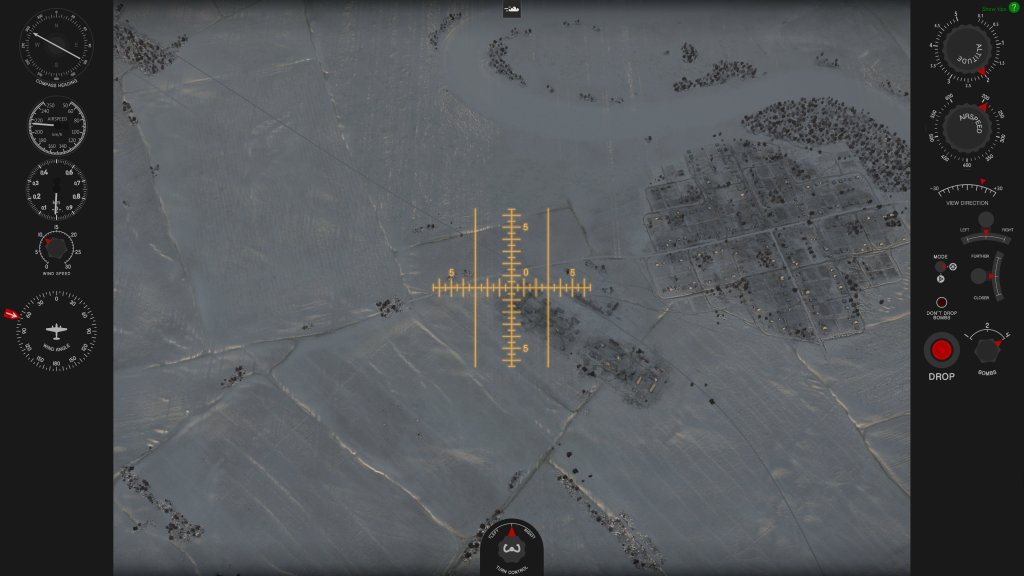
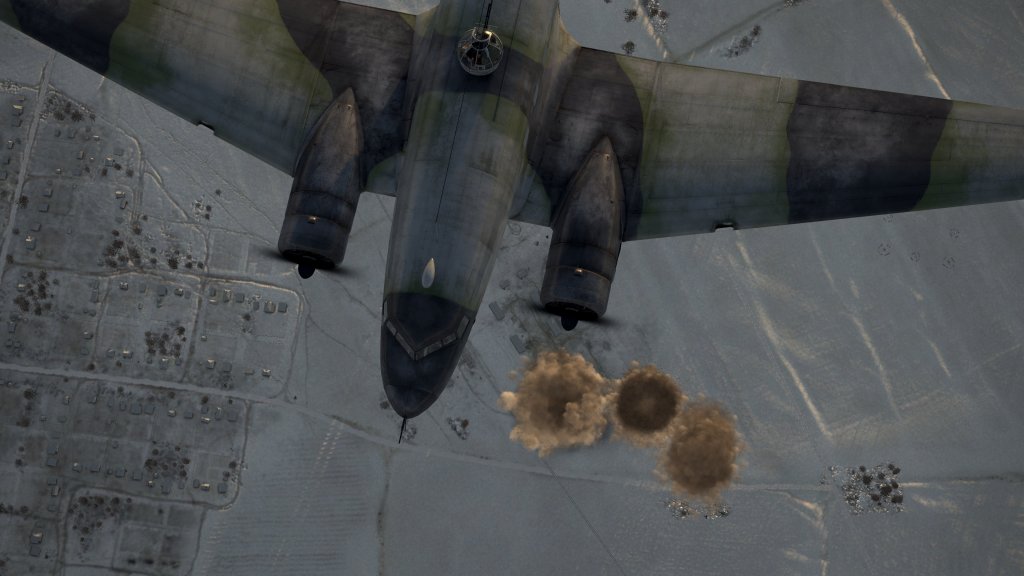
That bombsight then enables you to drop bombs from altitude with some precision and the Li-2 can carry a surprising amount of them for a transport airplane. Four 250kg or two 500kg bombs are available as loadouts – externally carried. The performance hit is there for drag but not with weight as the airplane can already carry much more in some of the cargo loadouts.
There are also Soviet specific paratroops which are unique to the Li-2. The C-47, of course, has Western troops instead.
Performance comparison
C-47 performance
- Maximum true air speed at sea level, engine mode – take-off: 365 km/h (227 mph)
- Maximum true air speed at 2000 m (6562 feet), engine mode – take-off: 394 km/h (245 mph)
- Maximum true air speed at sea level, engine mode – economical maximum: 288 km/h (179 mph)
- Maximum true air speed at 5000 m (16404 feet), engine mode – economical maximum: 348 km/h (216 mph)
- Service ceiling: 8000 m (26247 feet)
- Climb rate at sea level: 6,7 m/s (1319 fpm)
- Climb rate at 3000 m: 6,2 m/s (1220 fpm)
- Climb rate at 6000 m: 2,9 m/s (571 fpm)
Li-2 performance
- Maximum true air speed at sea level, engine mode – take-off: 332 km/h
- Maximum true air speed at 900 m (6562 feet), engine mode – take-off: 333 km/h
- Maximum true air speed at sea level, engine mode – economical maximum: 303 km/h
- Maximum true air speed at 1700 m, engine mode – economical maximum: 320 km/h
- Service ceiling: 5500 m
- Climb rate at sea level: 4,0 m/s
- Climb rate at 3000 m: 2,5 m/s
Comparing the two reveals that the Li-2 is significantly less capable than the C-47 in nearly every way. Its slower, it climbs more slowly, it has a lower service ceiling and its M-62IR radial engines make only 840 hp at their maximum. That compared to the C-47’s Wright Cyclone R-1830-92 which make 1170 hp each. The performance difference makes the Li-2 feel like you’re flying a different airplane a lot of the time.
Flying and fighting the Li-2
As I’ve already written, the Li-2’s performance makes it feel like a different airplane. With its reduced performance it struggles to gain speed, struggles to takeoff, and its takeoff weight is a key consideration. You cannot carry full bombload and full fuel with the Li-2. Nor can you go heavy on the cargo and on the fuel without needing a much more significant takeoff run. Climb-out was particularly hairy in one of my first flights with the Li-2 struggling to gain any altitude at all. Full power on the engines is only allowed for 1-minute as well and I damaged one set of engines during one of those scary takeoffs ultimately causing me to fail my mission as they lost power and I ultimately crashed.

The Li-2’s multiple roles also has you flying the type in more combat scenarios. While the C-47 can only really endure or avoid combat, the Li-2 has a few more tools to fight back with. Level bombing is possible although the airplane is not especially speedy which makes it far easier to intercept than a Pe-2. Still, when you do reach target the large bombload does have an impressive effect.

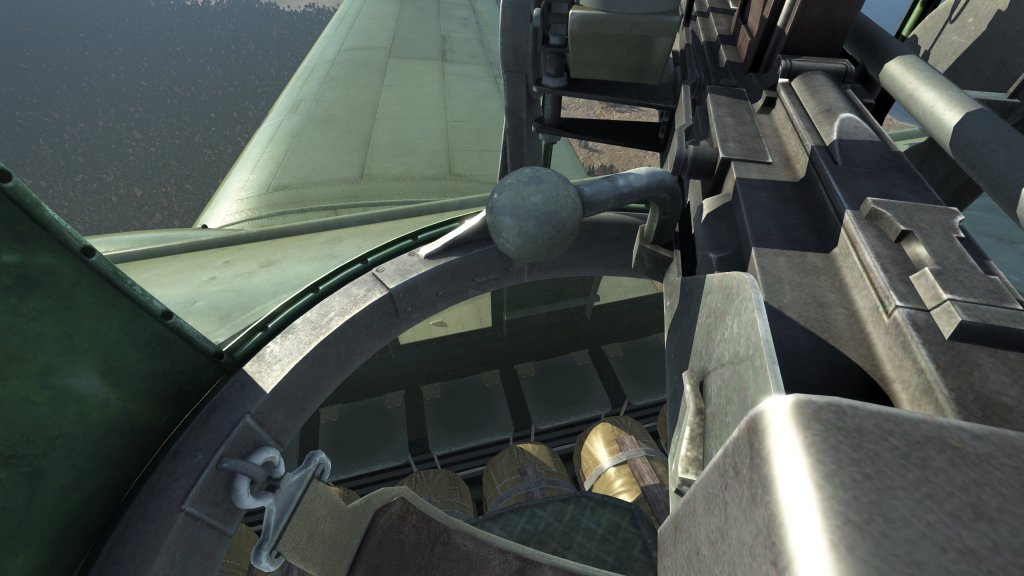
You have the three guns for defensive purposes at your disposal as well. The 12.7mm is, by far, the best defender of the airplane and the UTK-1 turret gives the gun an excellent arc with 360 traversal around the airplane and the ability to point up to around 80 degrees. The side gun is nearly useless but a side approach by fighters would be further complicated by its presence. The single forward firing ShKAS is of limited use but you could use it to strafe some very light targets or attempt to scare away forward attacking fighters. I did that once and I’m not sure if it phased the AI or not but they did break away from me so that was encouraging – if ultimately futile.

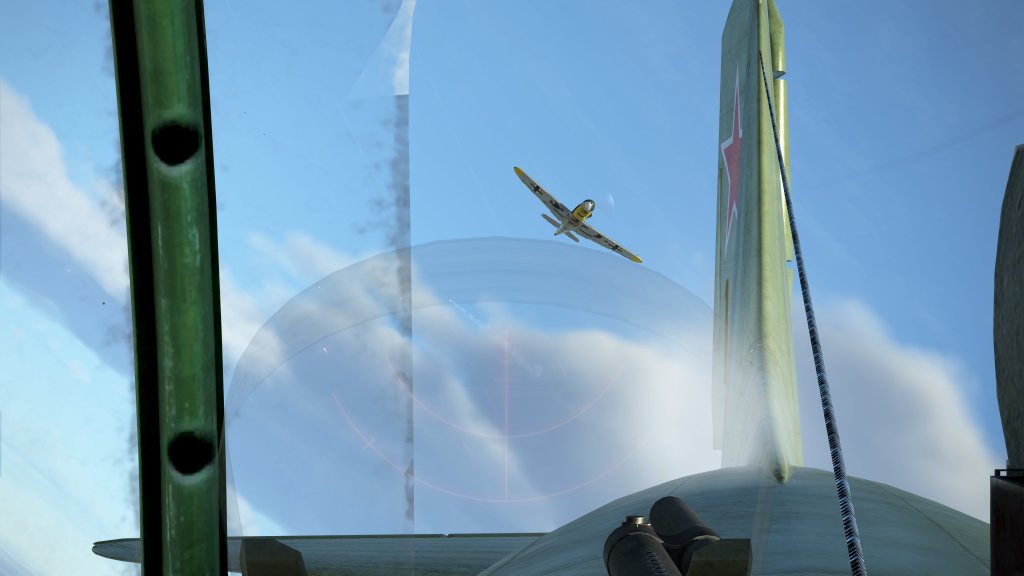
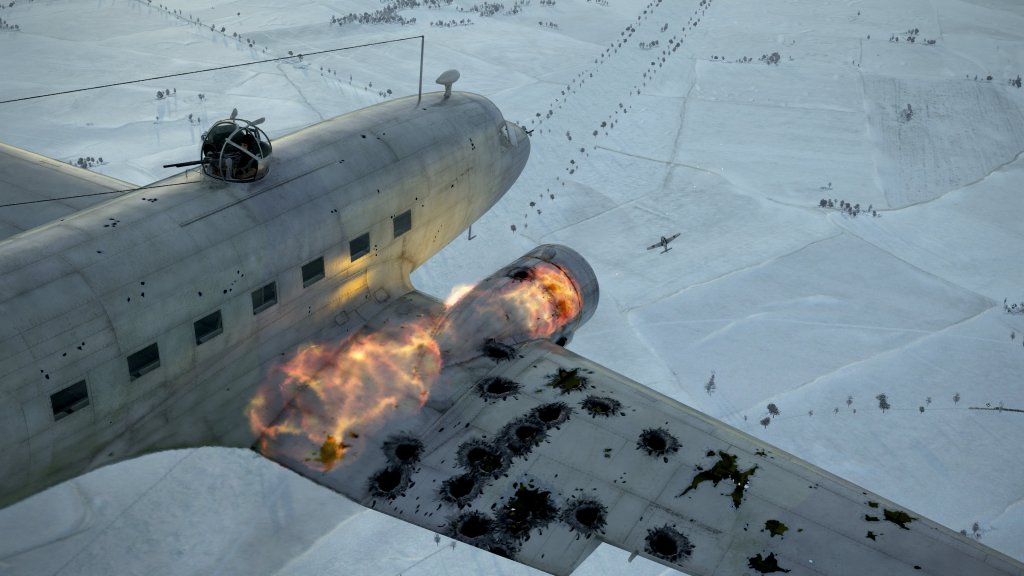
There is some optimism here with these guns as the Li-2 is still slow, large, and ultimately an easy target to attack by enemy fighters. It can take a beating but ultimately a determined fighter will bring a lumbering Li-2 down. On the other side of the coin, it is the least vulnerable of the three transports in the series.
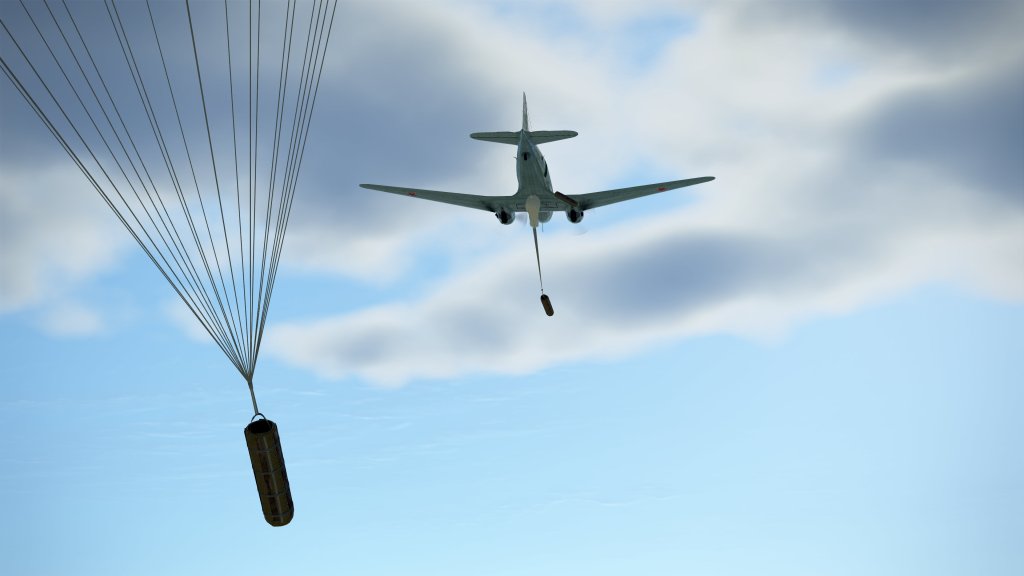
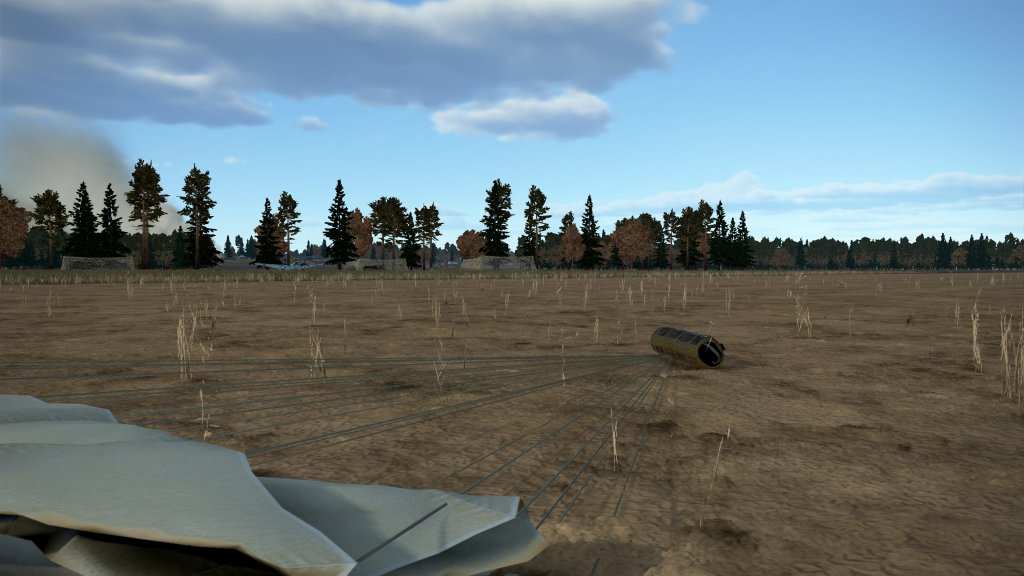
Of course, when its not doing these kinds of missions, the Li-2 is quite capable in the cargo and paratrooper role. Some missions will have you drop supplies by air while others will have you land and open the cargo hold up.

Single and multiplayer
Career mode has the Li-2 available throughout the Moscow, Stalingrad and Kuban campaigns. There are dedicated bomber squadrons as well as the civil air service squadrons pressed into combat roles. You’ll conduct paradrops, cargo deliveries and bomber missions – mostly at night for that last one.


The Li-2 also has quite a bit to do in the AQMB with several available mission types. Those mission types include Cargo Delivery, Cargo Paradrop, Special Paradrop, Bomb Artillery, Bomb Train Station, and Bomb Supply Dump. That’s quite a bit of versatility for this platform.
In multiplayer the Li-2 gets some presence on popular servers such as Finnish Virtual Pilots and on the Wings of Liberty server. I’m not sure if its on any Combat Box scenarios right now which is more Western Front focused and thus the domain of the C-47. When it is featured, you can make use of it in the bombing role and sometimes in the transport role as well. Sneaking in and out of a combat zone with or without escort fighters while deploying paratroopers can be quite fun! It can also end disastrously depending on enemy opposition.
Final thoughts
Absent any other considerations, the thing that I’m most pleased about this airplane is that we now have three aircraft that are available in the series that are intended for roles that are largely adjacent to the combat oriented missions of the fighters, attack planes and bombers. The Li-2 does blur the lines heavily here but its still primarily a transport airplane and I think its great to have that role available.
Would the Li-2 rise to the top of my list if you had asked me what to build? No, probably not. If it had to be a Soviet type, I’d have loved to see an IL-4 or an SB-2 for example. Nonetheless, it was a long-promised project, it is here, and it has been executed with the usual care and attention to detail we’ve come to expect from both Ugra Media and 1CGS. Every configuration I had hoped to see with this aircraft is here and the Li-2 feels right at home in the series.
I’d love to have seen a specific Li-2 recreated in the livery section but otherwise I have few complaints. This is a well realized addition to the series’ roster of airplanes. Does the series need many more? I’d say no, three is sufficient. But it is fun to be able to fly different roles in both single and multiplayer.
Will this be for everyone? No, certainly not. I suspect more combat-oriented pilots will look to other aircraft. However, if you enjoy transport and light bombing roles you may well find this to be an interesting experience. The Li-2 is as well realized as it possibly can be within the confines of the Great Battles Series and it’s a fun and challenging airplane to fly.
Screenshots






 Stormbirds
Leave a comment