
It’s a design that is over 60 years old now, designed in the post war WWII period, but it looks at home with the modern aircraft of today. The Mitsubishi MU-2 is a surprisingly zippy turboprop powered rocket of an utility airplane with some old school charm and challenge. Does it have enough features to match up with some of the other options out there? Let’s look at Famous Flyer 07: Mitsubishi MU-2 for Microsoft Flight Simulator!
A bit of history
The design of the Mitsubishi MU-2 started in 1956 with the aircraft being Mitsubishi’s first post-war airplane. It was a clean sheet design intended at the beginning for powerful turboprop engines. Customers were looking for a small, rugged, turboprop option and Mitsubishi managed to construct an airplane with some unique characteristics.
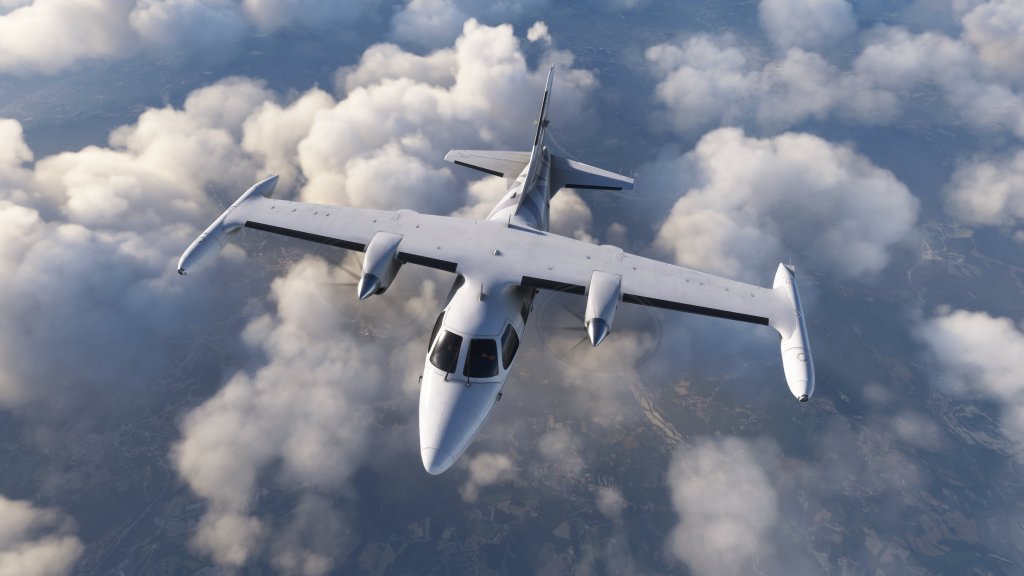
The aircraft eschews ailerons for a spoiler system on the top of the wing. That design was intended to provide more room for flaps on the bottom of the wing and the flaps extend nearly the entire length of the type’s relatively short wing. That gives the MU-2 a mixed feeling with wingloading comparable to a light jet in cruise but similar to a Beechcraft King Air in landing configuration. The aircraft can land on short runways but it does have a slightly higher approach speed compared to some similar types with a 101-108 knot speed recommended on the approach.
The aircraft’s design has aged well. It still looks relatively modern despite it being 67 years since its initial design. Modern examples have been upgraded with newer avionics including glass cockpits. Reportedly, around 400 are still flying of 703 constructed.
The MU-2 has had some issues over the years with a number of crashes being mostly attributed to pilot training issues. In the US, a Special Federal Air Regulation (SFAR) exists for the type requiring special initial and recurrent training. Since that requirement came into place, the MU-2’s safety rating has climbed above that of other turboprops though its history of crashes has certainly hurt its reputation some.
Visuals and sounds


iniBuilds are generally quite good with their visuals. I recently reviewed their Saab B17 and the work there was outstanding. How about with the Mu-2? Turns out that this one is nearly as good as their work on that one.
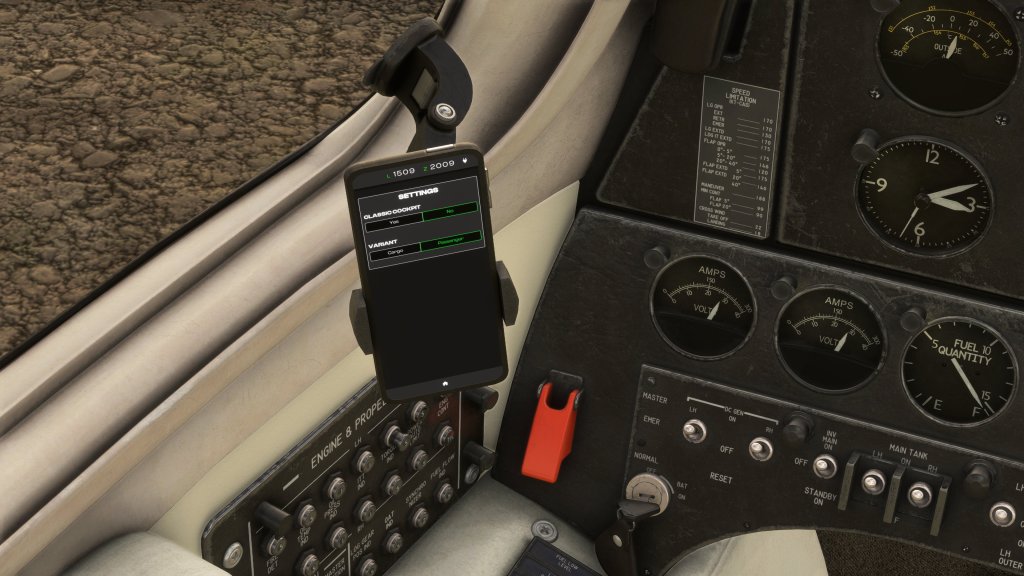
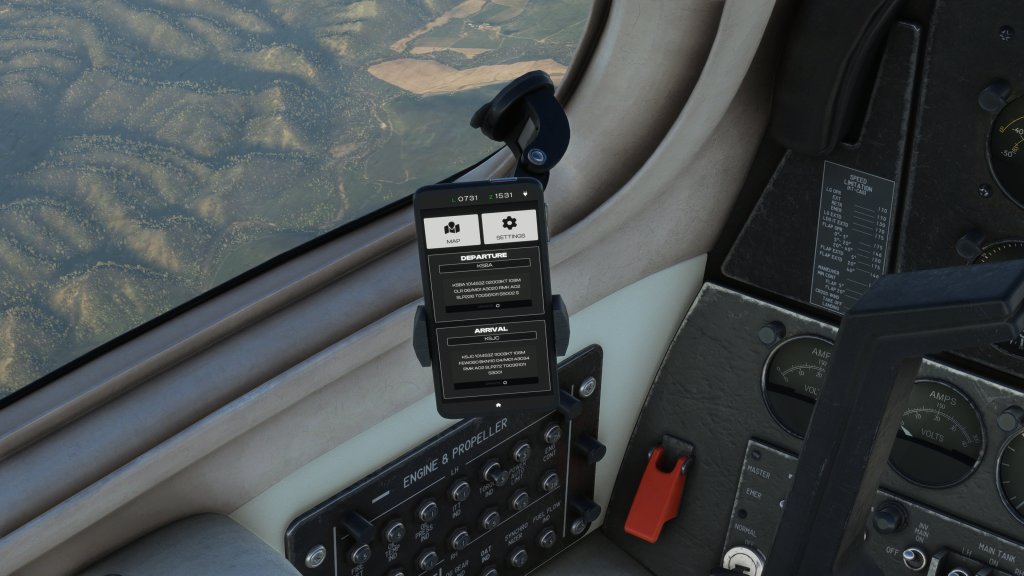
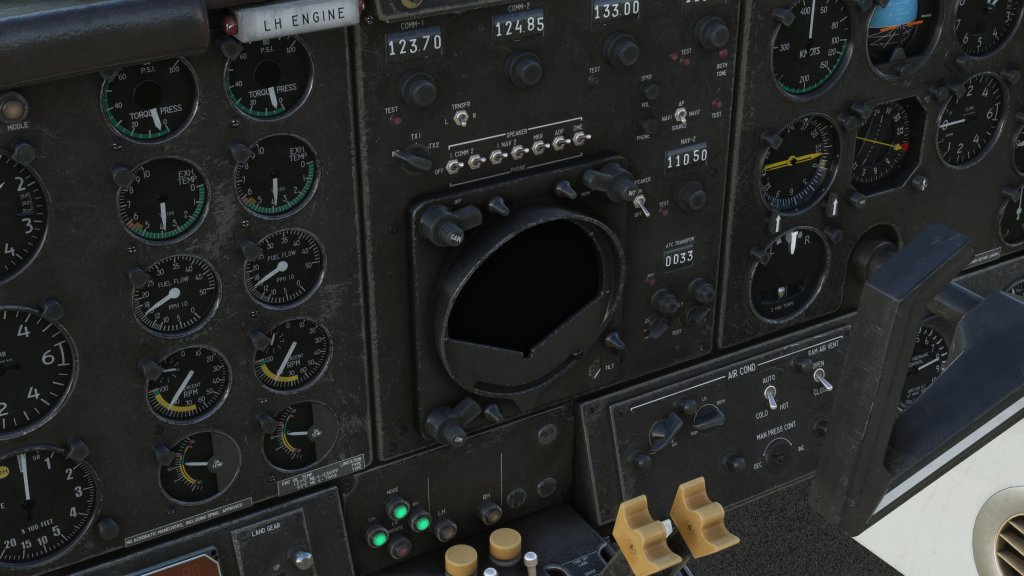
The cockpit is well done with fine details throughout the cockpit and cabin areas. Instrumentation is reasonably sharp and the cabin looks well worn but not unreadable in the amount of weathering. The dashboard is impressively detailed which stood out as I was leaning over trying to catch a glimpse of some of my destinations. Interior lighting is well done too though not overly special.
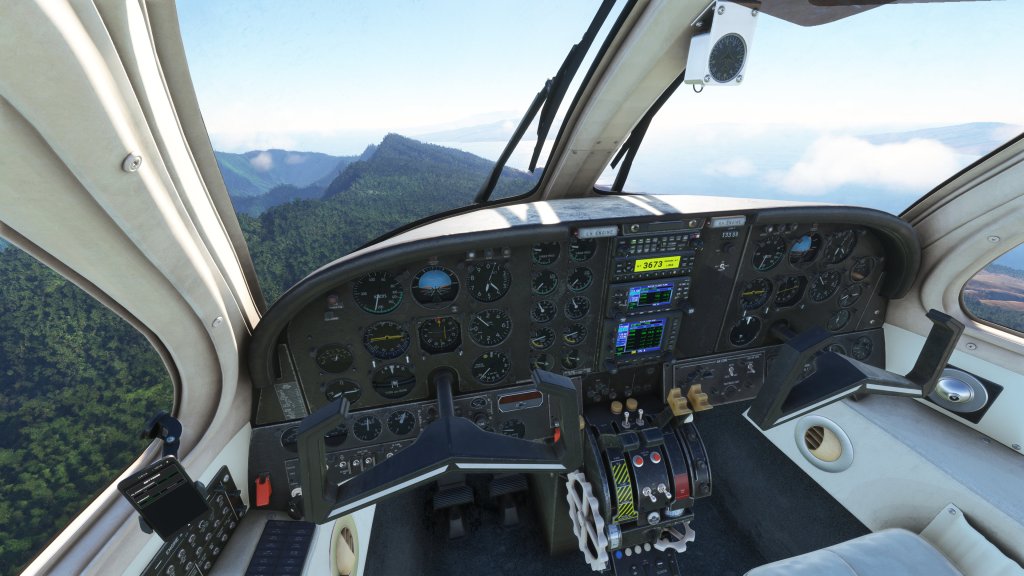
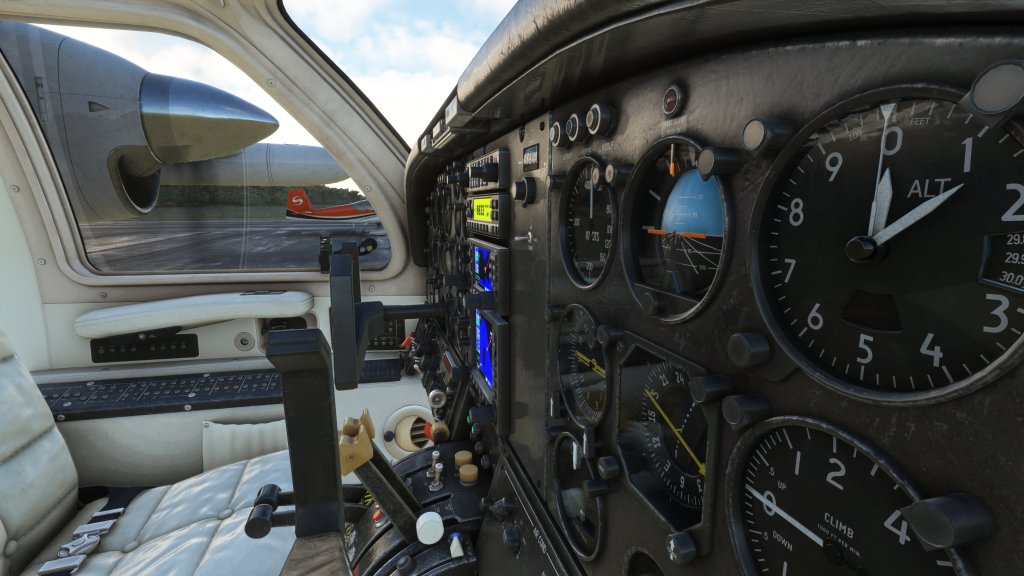
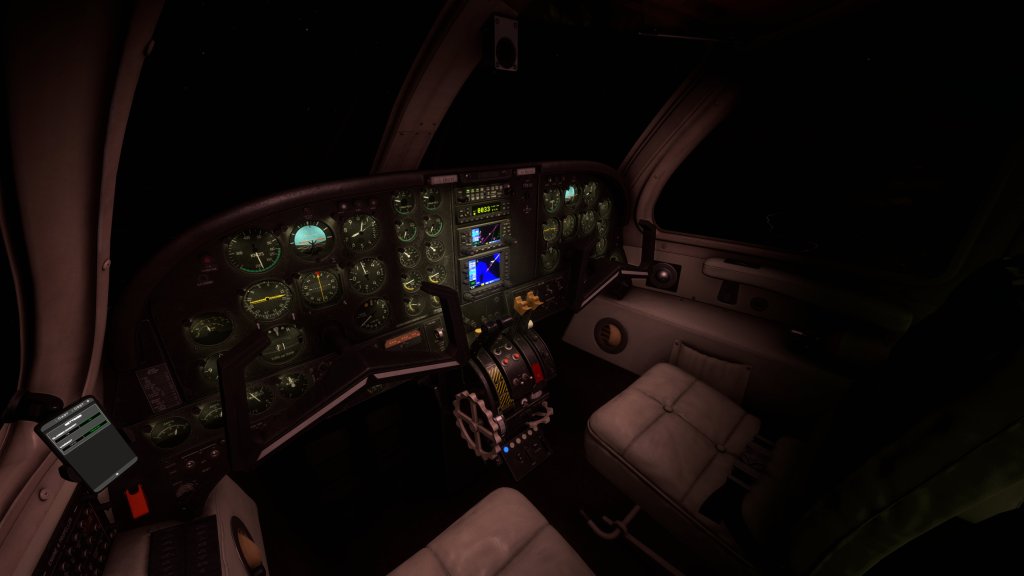
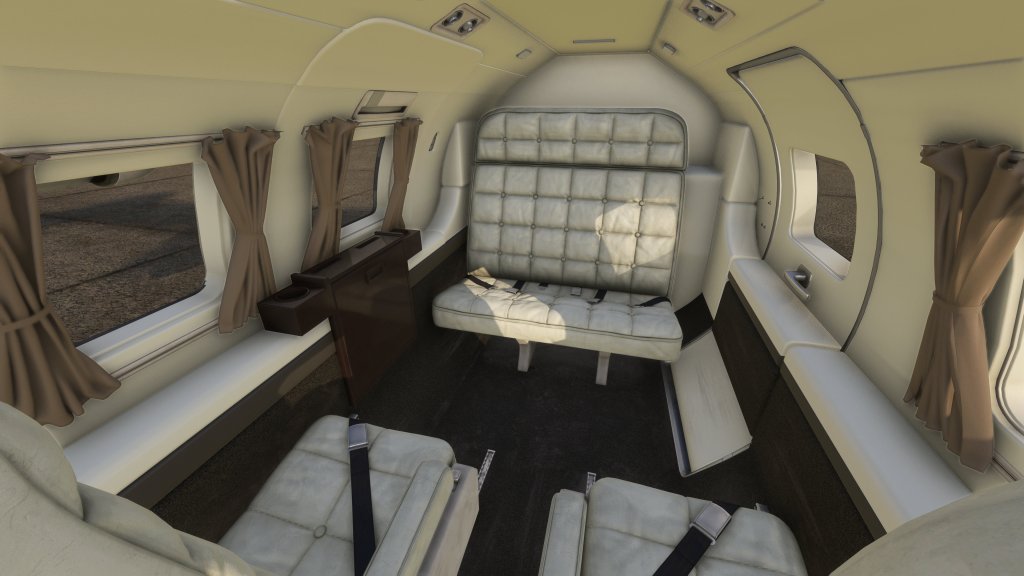
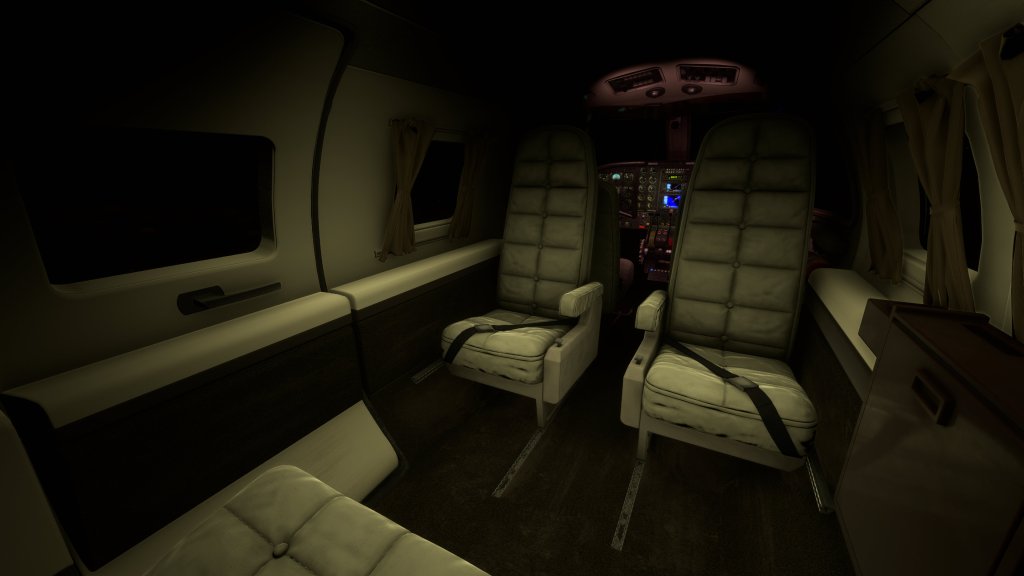
There are two cabin options available. The passenger version has beautifully textured seats that feel like you could reach out and then sit in them. There’s a folding table that is interactive and animated. It can be folded out or in as desired which is a nice little bonus. Passenger windows are somewhat dirty – maybe the most dirty I’ve reviewed for the sim.

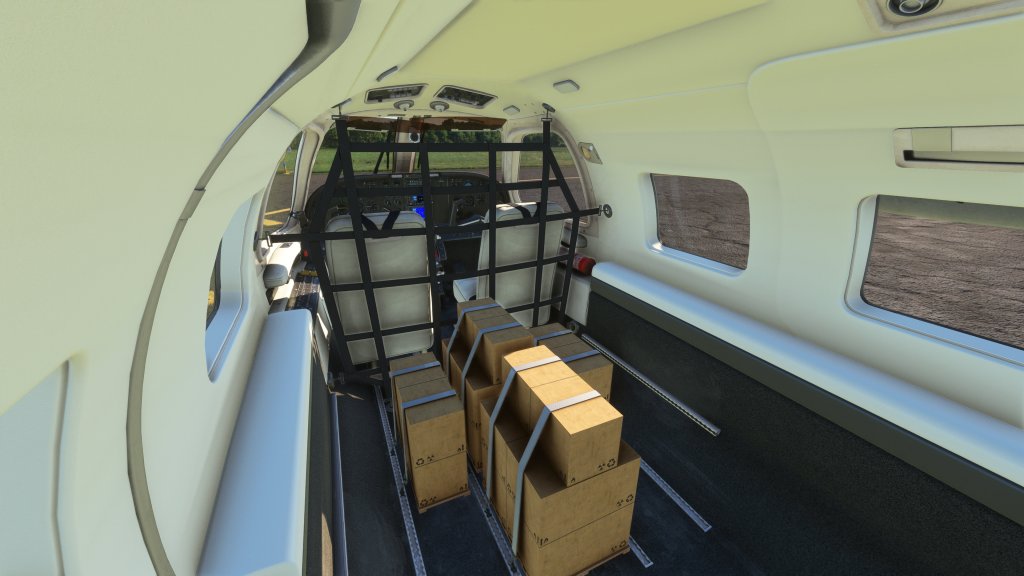
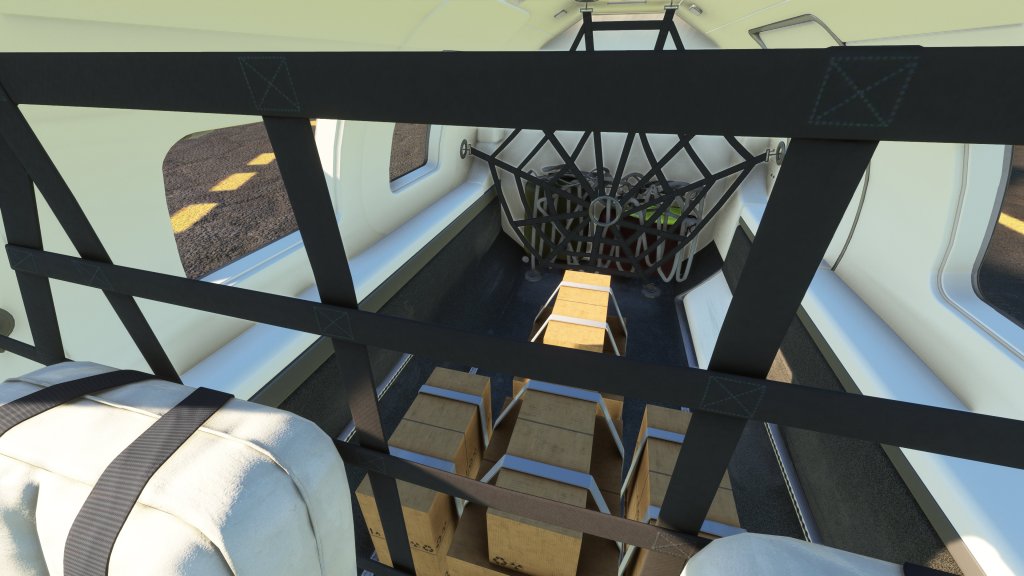
The cargo configuration is good with several boxes and tie downs as well as bungee-cords protecting the forward cockpit area and rear alike. Unlike some other aircraft I’ve checked out recently, it’s not a dynamic cargo system based on weight. It can be 0 kg or 500 kg and it looks the same.
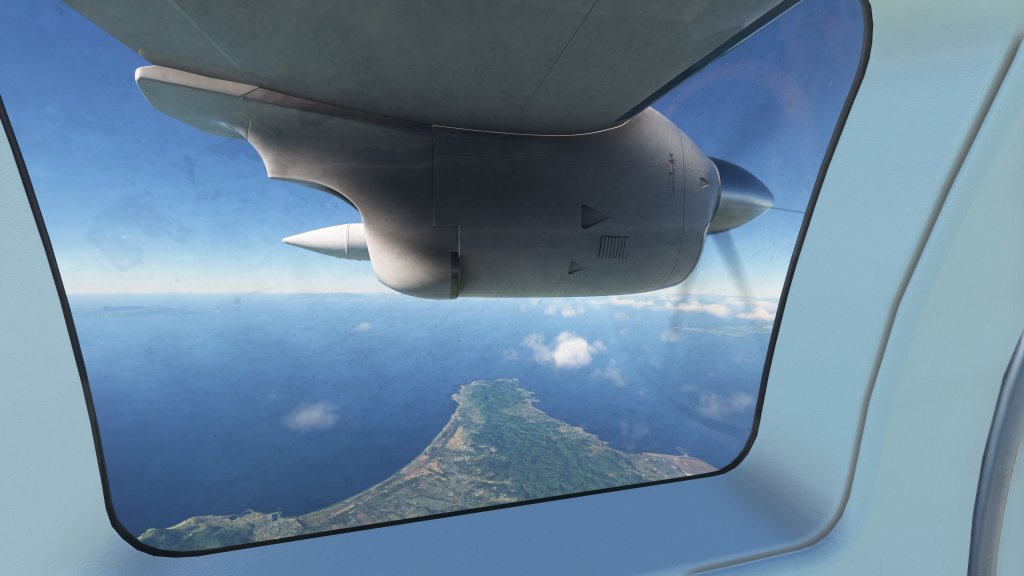
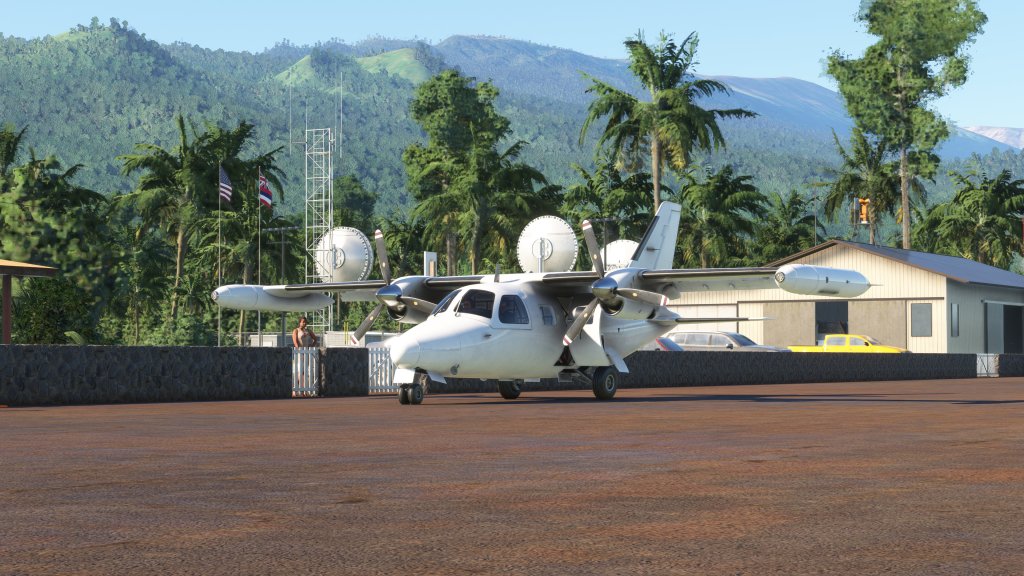
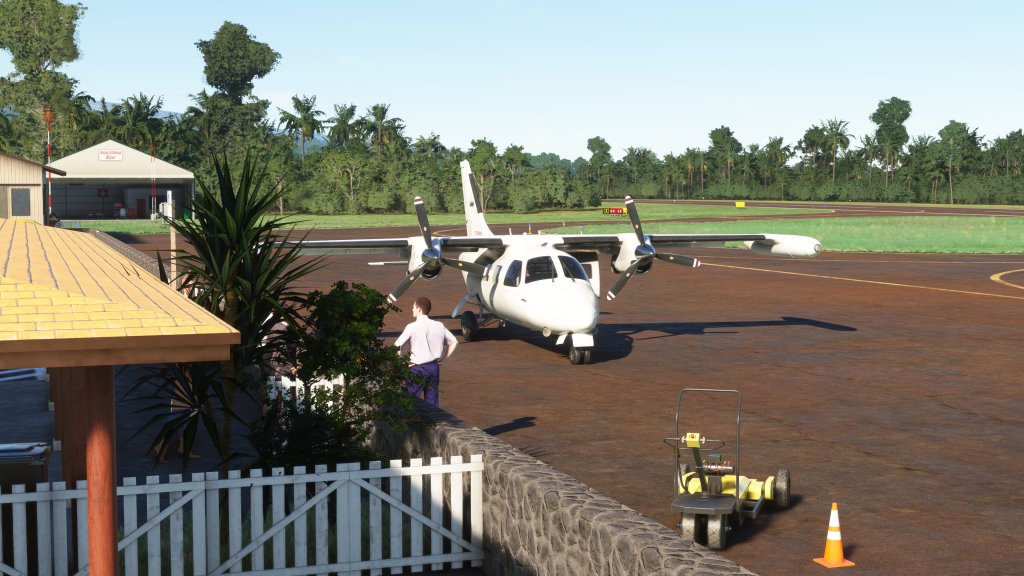
The outside is beautifully detailed as well. The cabin door works and folds down realistically. The overall appearance is of a well maintained airplane although there’s some evidence of wear and tear. The details can be found everywhere but the thing I found most fascinating was the work on the engines where the exhaust area is impressively detailed and animated.
Livery selection is disappointing. There’s an overall white scheme as the default, a white with grey swooshes option and a dark grey/black with swooshes option. There’s also MSFS and Xbox livery – but I don’t particularly like either on any plane. The overall white one makes use of your own call letters while the two options with some swooshes have fixed lettering. I went in search of more liveries on Flightsim.to but there aren’t many there either which isn’t the aircraft’s fault persay but it does make me wish a few more were included by default. Something with a bit more colour!
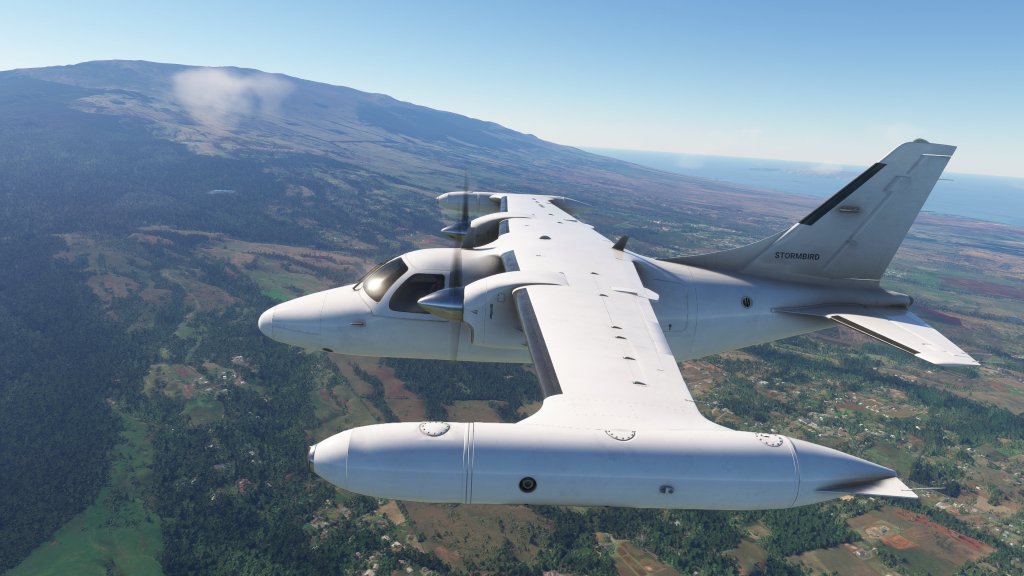
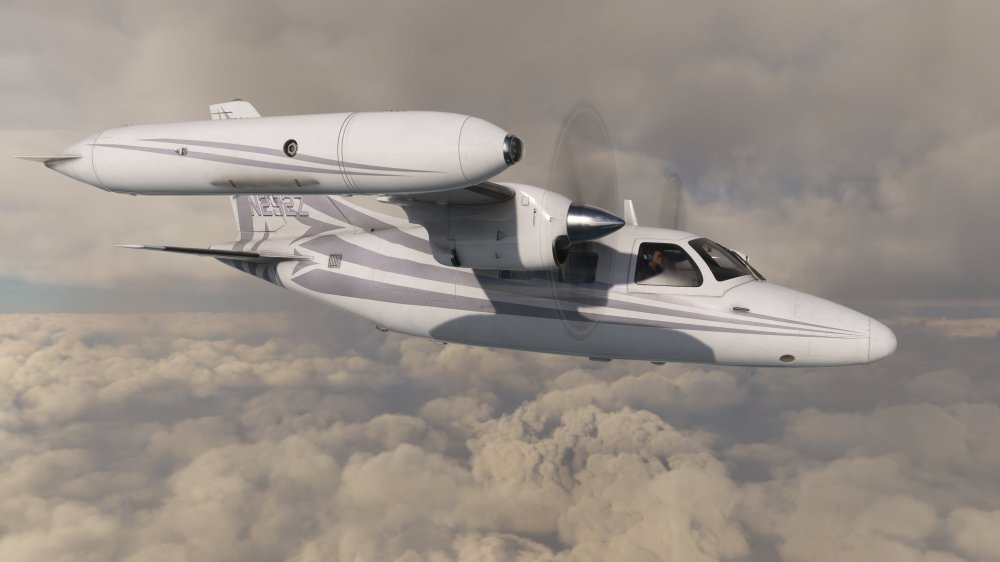
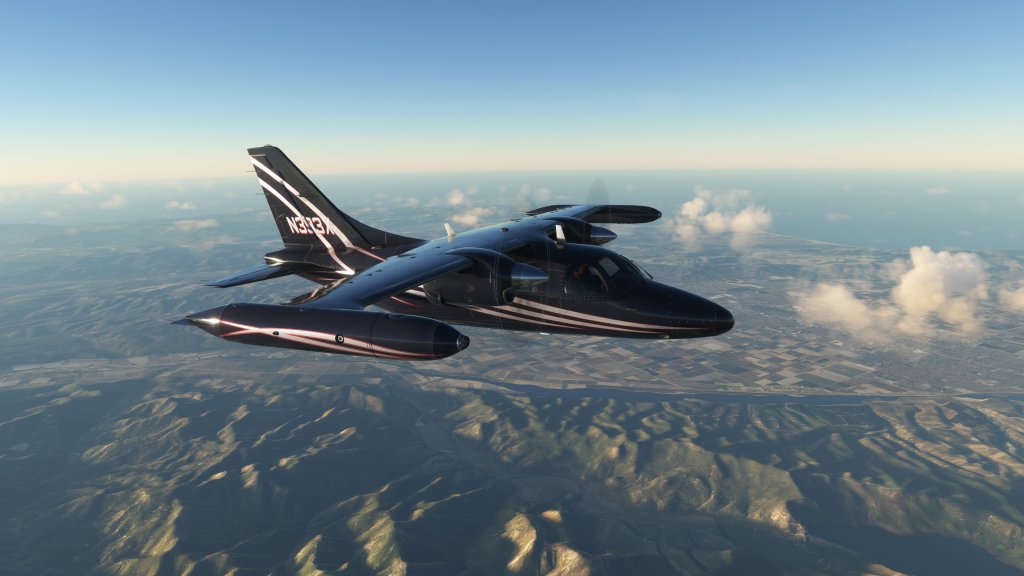
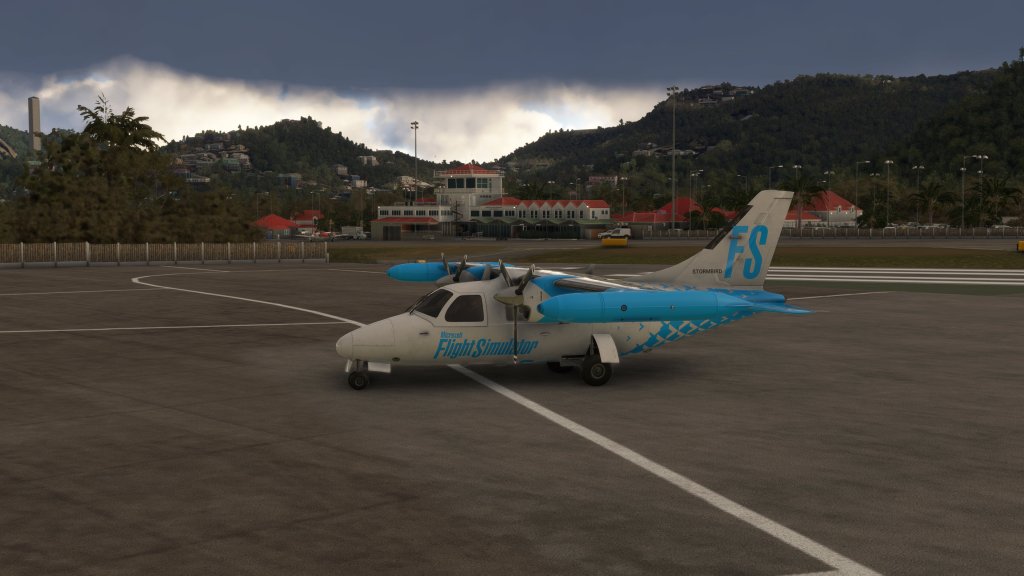

The sound work on the MU-2 is adequate but not overly impressive. On the inside it generally sounds fine and the stall and system warning sounds are represented well. The exterior sounds are very average and I feel could be a bit better considering the MU-2’s reputation as a particularly loud sounding airplane.
Flying the MU-2
This is quite the airplane to fly. Its twin TPE331-6-251M turboprop engines rated at 776 hp provide ample thrust to a small, sleek, and relatively lightweight airplane. It can easily reach its maximum speed, cruises easily at 230 knots, and climbs extremely quickly. Managing this airplane is a full time job to make sure that it doesn’t get into a bad place. Stalls are what killed me (I wrote all about it here) with a sudden snap stall that can be quite unexpected.
The MU-2 has a more rudimentary autopilot system than many of the airplanes I’ve been flying recently. The system is pretty good at homing in on a VOR or following a GPS guided flight plan but the only altitude control is a pitch up or down for feet per minute setting. Manageable to be sure but if you’re used to the airplane climbing or descending to a specific altitude, this one will blow right past it without any warning.
The big propellers give the aircraft quite a bit of control over airspeed. A low throttle setting provides for ample speed reduction even in a 2000-3000 fpm dive. You can easily hold the airplane, with a bit of careful management, to a specific speed in a dive. Just watch out when you level out.
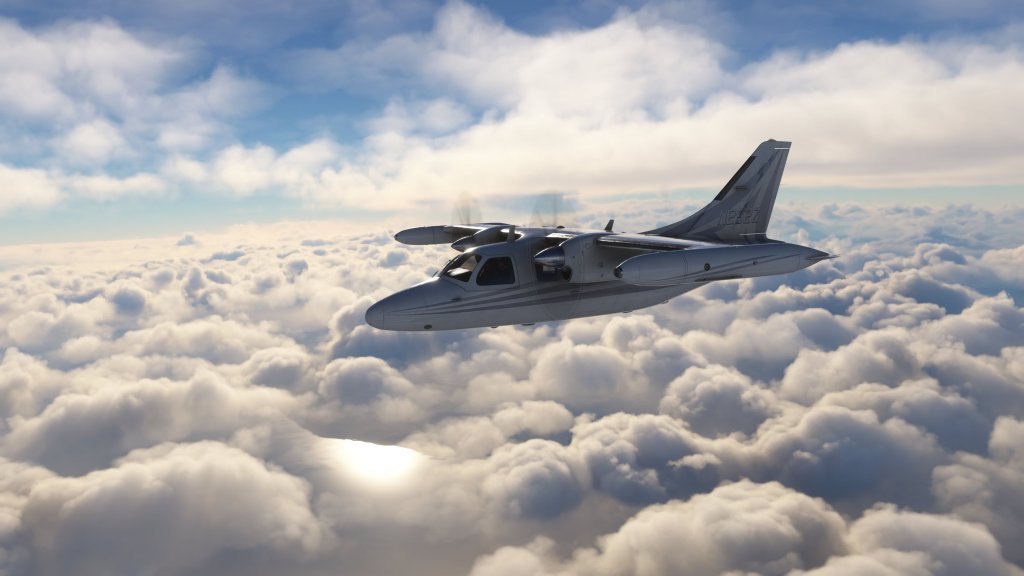

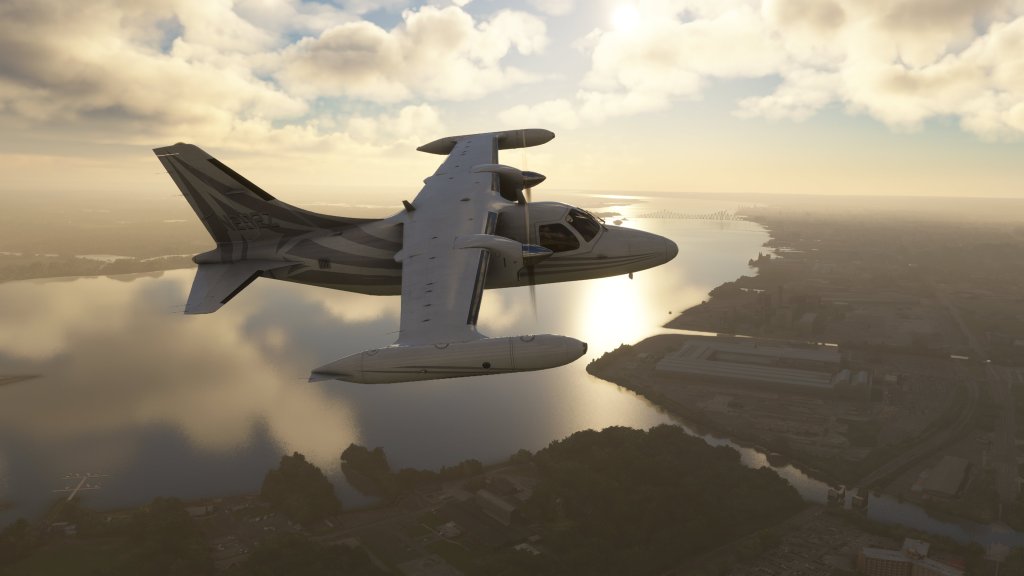
The biggest issue I’ve had is that, when fully loaded, the MU-2 feels a little stuck to the ground. iniBuilds has improved that feeling dramatically from the initial release but its still there in a small way. Ample trim is required for a smooth takeoff and on occasion I’ve really needed to use the full runway to get going.
The second issue I’ve noticed is that autopilot disconnect, when it happens automatically as a result of a stall, doesn’t seem to fully work. I ended up in an unrecoverable situation because AP disconnect wouldn’t fully disconnect and the controls were not responsive to my input. It felt like a bug rather than pilot error – though pilot error did contribute.
Landing speed is a bit on the higher side relative to other aircraft in this category with a stall speed of 100 knots with flaps down.
In summary, this is an airplane with a lot of performance and not as much automation as modern types meaning that you do really need to manage it. That’s good, and even fun, from a flight simmers perspective but it can catch you off guard as it did me. Once I got over that initial learning curve, however, I found myself growing to love the airplane. I’ve done some low level VFR flights as well as some IFR cruises from point to point and flying this has become a lot of fun.
Systems
The MU-2 is fairly straightforward when it comes to systems. When compared to the DHC-6, for example, this airplane has a much cleaner cockpit and I find that the start-up is more straightforward. You do need to get everything into place, but once there you’ll find that the engines start reliably and let you get on with your flight.
A GNS430 GPS setup is the most modern option on this aircraft. A small smartphone sized EFB lets you decide if you want this option or a more original style of control scheme. MU-2s have flown in a wide variety of configurations so something with a bit more of a modern spin would have been great and I wish that they had found time to incorporate support for the PMS50 GTN750 or TDS GTN750 as another more modern option.
As it is, all of the systems modeled appear to work including the deicing systems with no issues encountered. There isn’t a deep electrical simulation here and no circuit breaker interaction but at this price point I don’t normally expect that sort of thing.
Final thoughts
I’m mostly impressed with the MU-2. It’s a unique airplane in a lot of ways with a historical edge to it and a style that feels fits modern aviation at the same time. It’s fast and impressive but it can also get away from you and get you into trouble and that does make it kind of fun to fly. Once I got a handle on its quirks, I really enjoyed my time zooming around with it. It works well enough on IFR as well as VFR style flights so you can really get some good mileage out of it.
iniBuilds, have almost exceeded the standards of the Famous Flyer Series with this aircraft. I say nearly, but not quite as its clear that this is still a cheaper, mostly no-frills option. But like most of the Asobo partnered projects but it remains a good quality effort and this one does pack a reasonable amount of content into it. It’s relatively bug free after a couple of rounds of fixes and it looks great. Sounds are only adequate and it really could use a few more liveries to spice things up.
Though not exactly in the same price category, the MU-2 comes out at a time when FSS have just released their Tecnam P2012 and SWS have just come out with their PC-12. Both promise quite a bit more, albeit at a higher price. This is the budget option of recent turboprop and utility airplane releases but it’s still quite good.
Screenshots
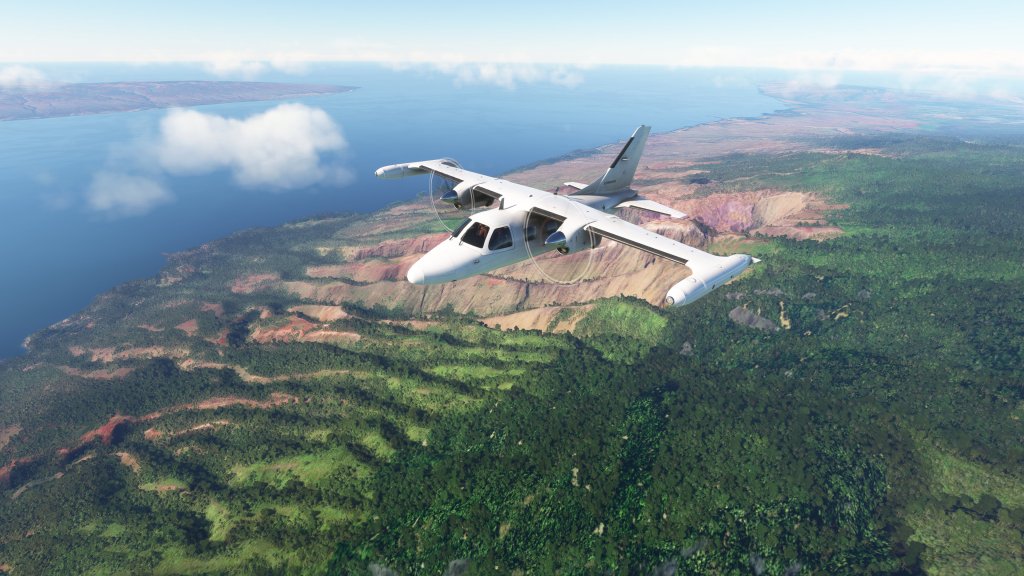
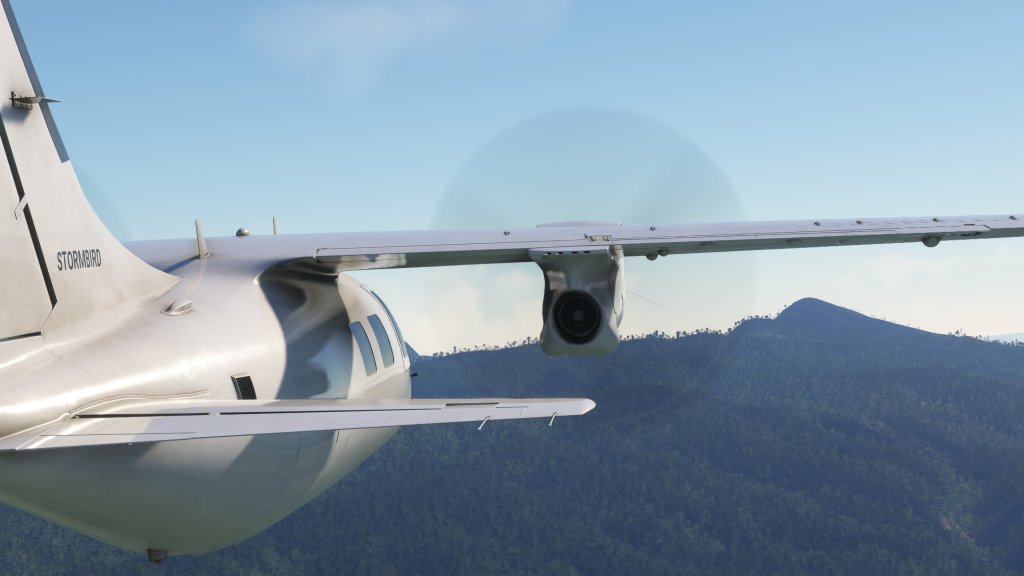








 Stormbirds
Leave a comment