
After picking up this gem of an airplane on a MSFS marketplace sale for a little over $2 and spending some time flying the RV-10 around in my recent New Zealand tour, I figured it was time for the full review. Here we go!
Updated: Minor correction of G3000 to G3X
A bit of history
Founded in 1973, Van’s Aircraft has well known for their popular kit build aircraft and by 2017 the company had celebrated their 10,000th aircraft flown. The company primarily sells kits of their aircraft that are designed to be assembled by their owners with the resulting aircraft existing under various nation’s experimental category of aircraft.
While many of the aircraft that the company produced were two seater designs, the RV-10 was intended from the start as a four person aircraft. The company touts that not only does the RV-10 seat four people but it can seat four adults comfortably. First flown in May of 2003 and introduced later that year, over 1,000 of the kit have been built and flown as of November 2022.
The aircraft is constructed of aluminum with the cabin structure and gull-winged doors made from composite materials. Its light weight, clean aerodynamic design and Lycoming O-540 six-cylinder making 260hp make for an impressive cruiser of an aircraft with a maximum speed of 181 knots, a 171 knot cruiser speed, and a stall speed of just 55 knots. It can cover just over 800 miles at 8,000 feet at 75% power.
Van’s Aircraft are currently going through Chapter 11 bankruptcy protection but hopefully their aviation history is not done just yet.
Visuals and sounds
SWS have done some of my favourite aircraft in MSFS and one of their strong points is on the visual details. The RV-10 does not disappoint in this area.
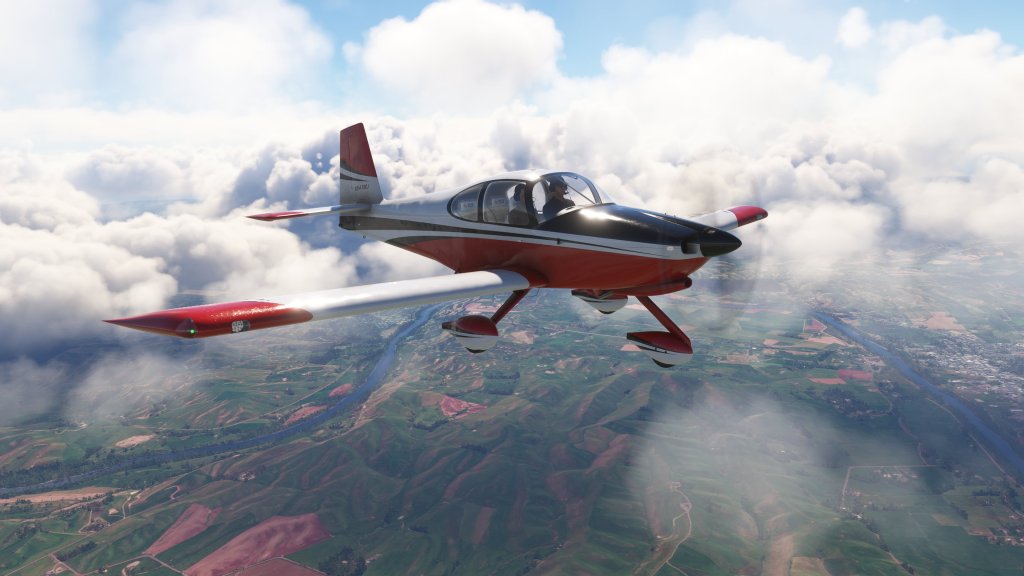
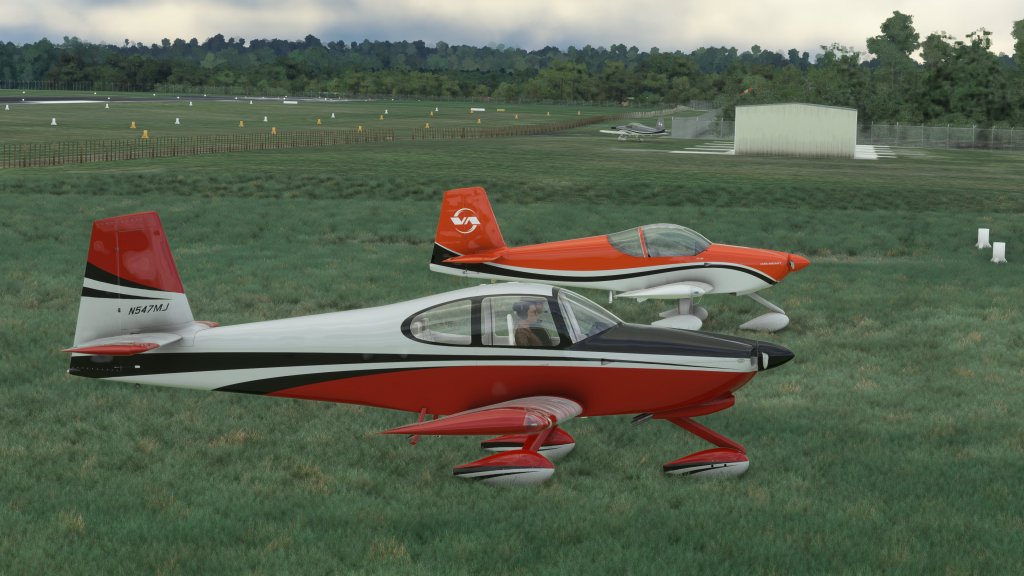
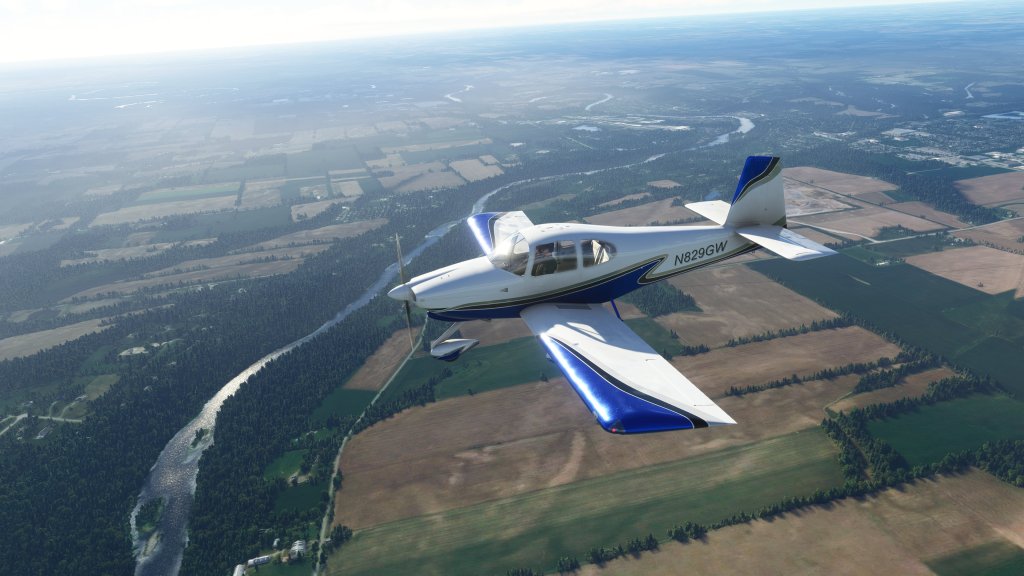
Starting with the exterior, you’ll find the model and texture work here in an excellent state. I really have to credit the modellers for capturing a lot of complicated curves on this aircraft and making them feel natural with no awkward polygons appearing unless you look extremely closely – even then it stands up to close scrutiny well. Get close up on the wings, right up to the nav lights, or check the landing gear closely and you’ll see a lot of detail baked in.
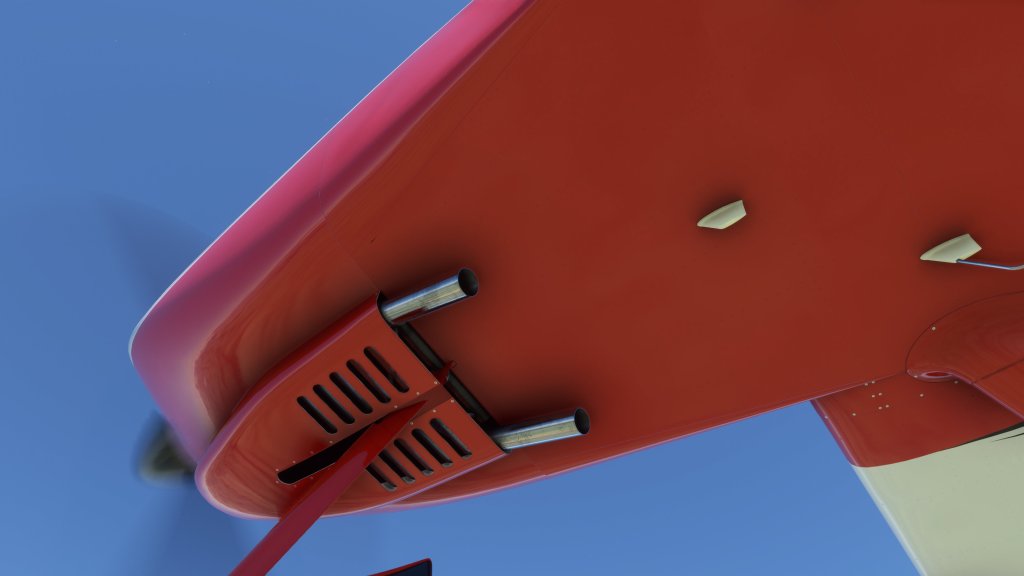
Texture work is also really strong on this aircraft. Their artists might have heard my comments on the RV-14 as they have done a better job here making the surfaces a little less perfect and a little bit more scratched and worn. The texture work is still a little too clean as there’s no dirt anywhere – I can understand a clean airplane but usually the area around the exhaust should show a bit of grime. I would love to see the dynamic wear textures that Blackbird did on the C310 here too.
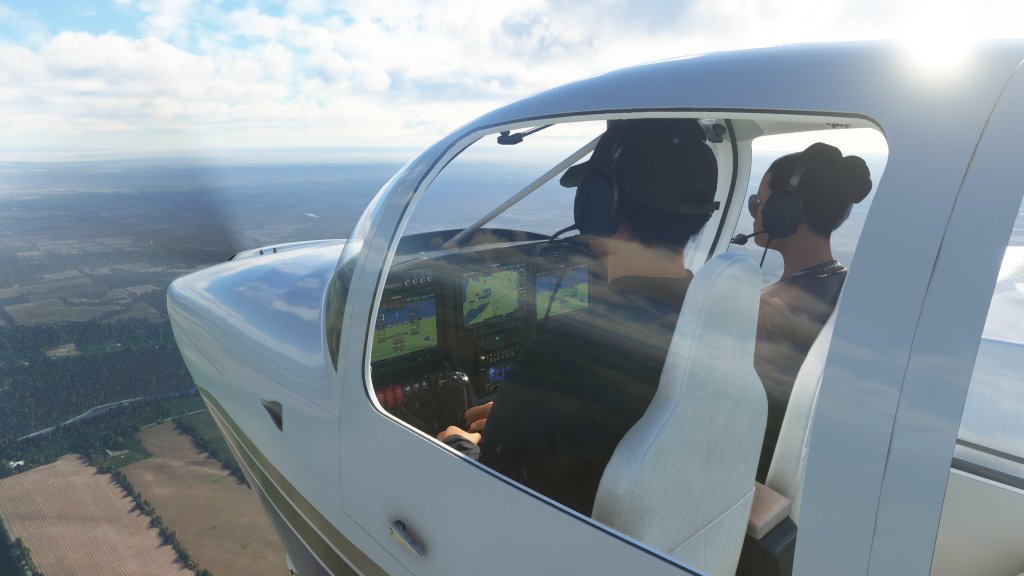
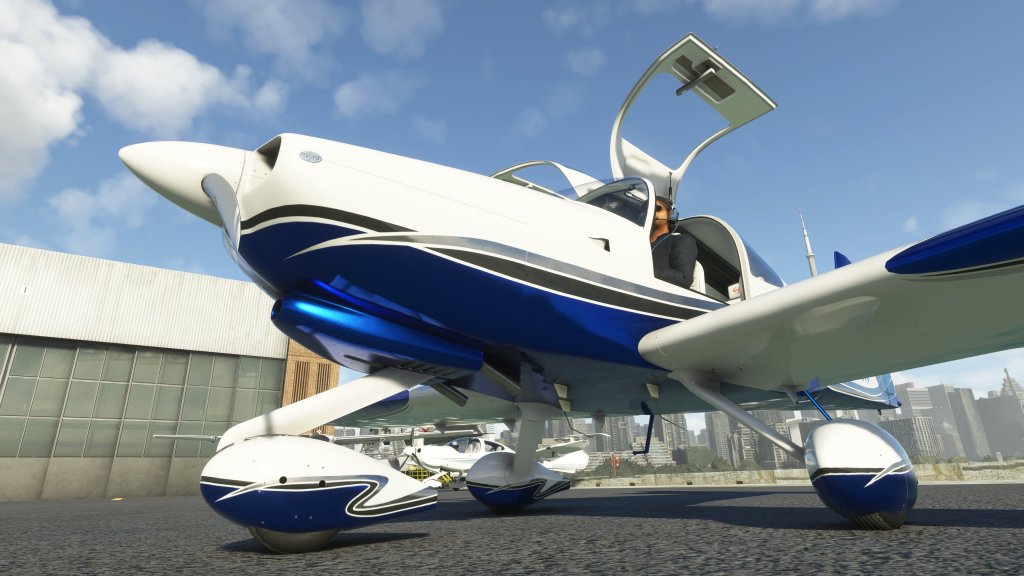
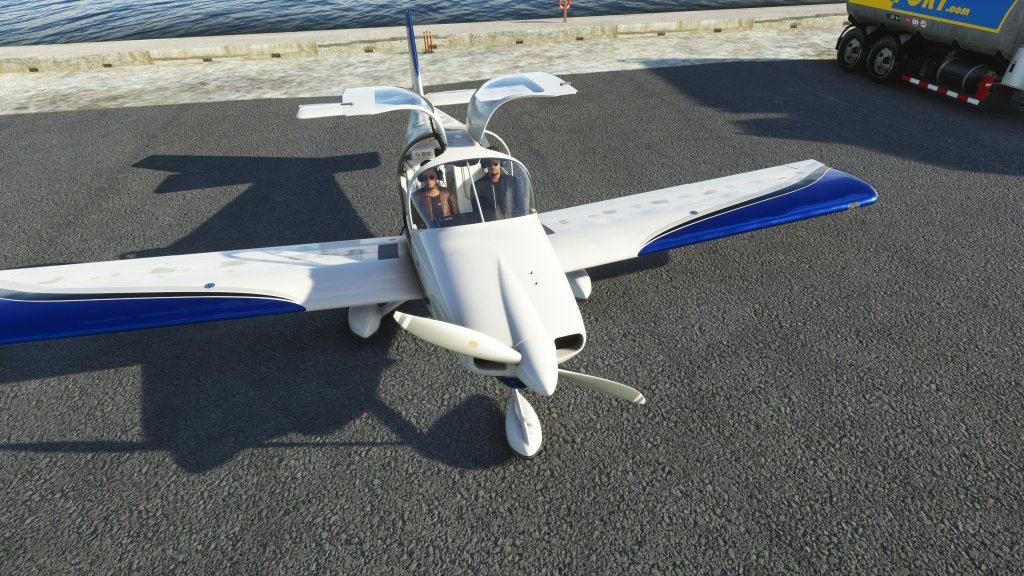

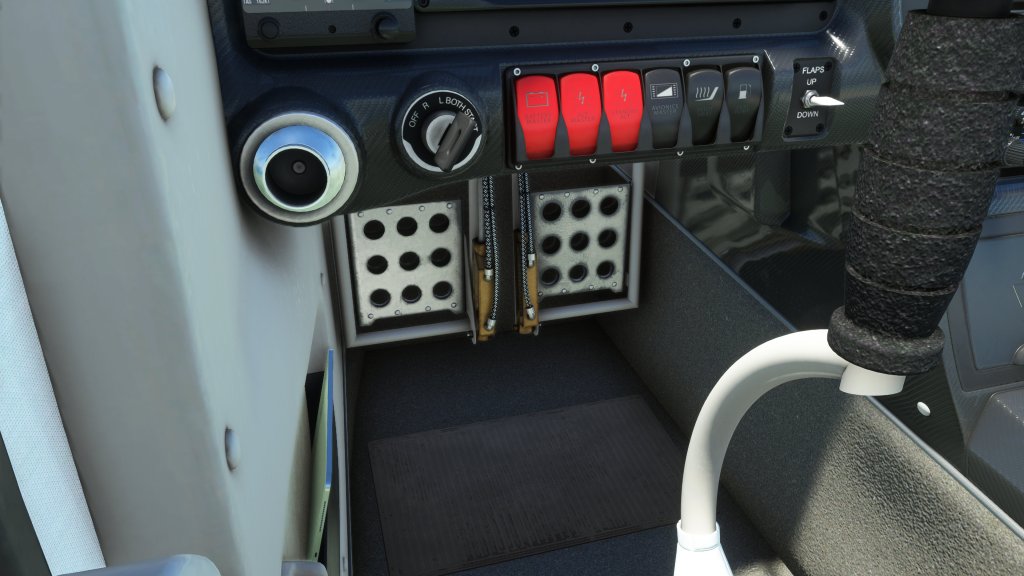
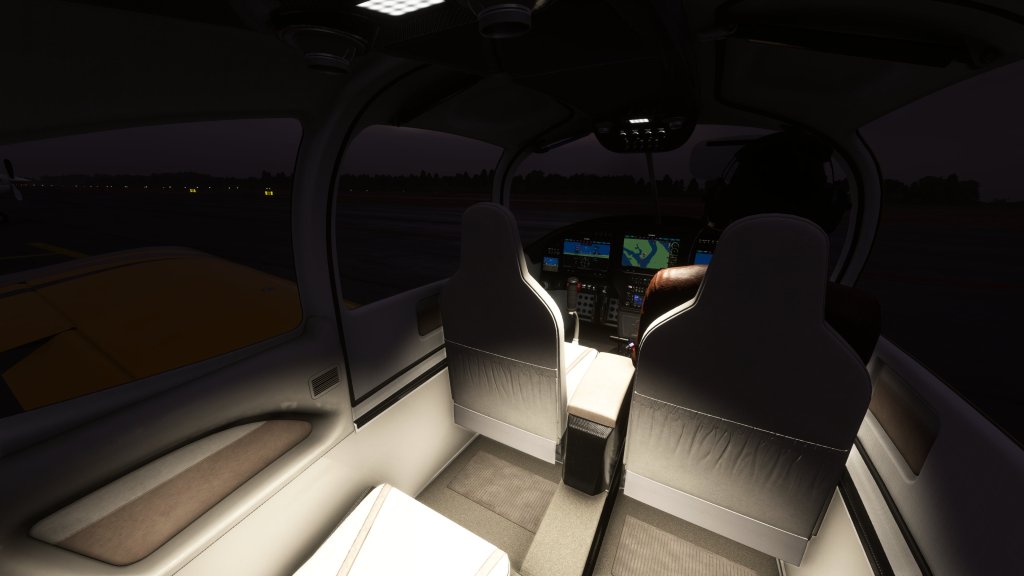
The interior cockpit is similarly well done. Clean, crisp and detailed visuals show few weaknesses anywhere. There’s a tasteful amount of scratches and even a few fingerprints on the glass when viewed in the right light.
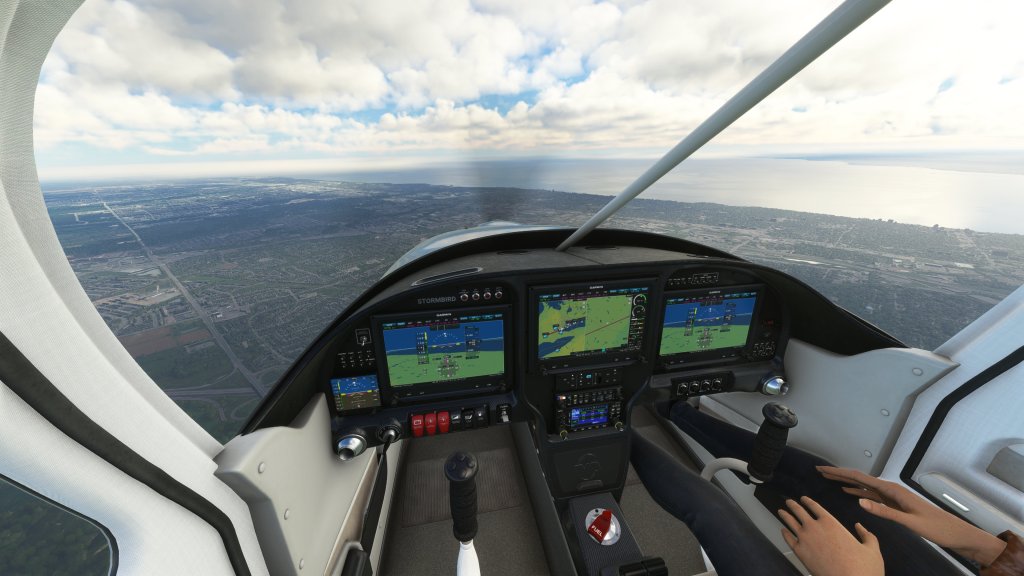
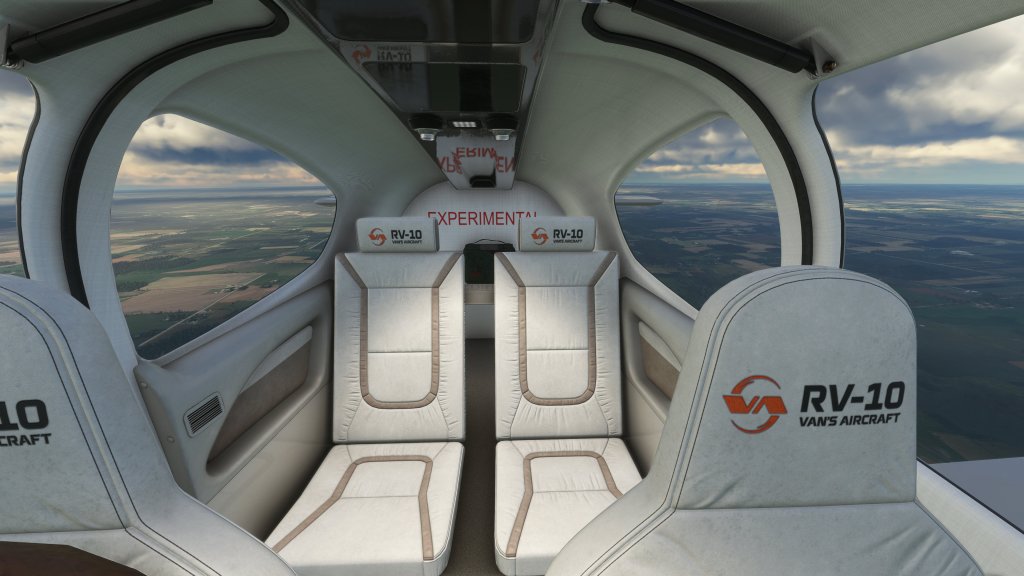
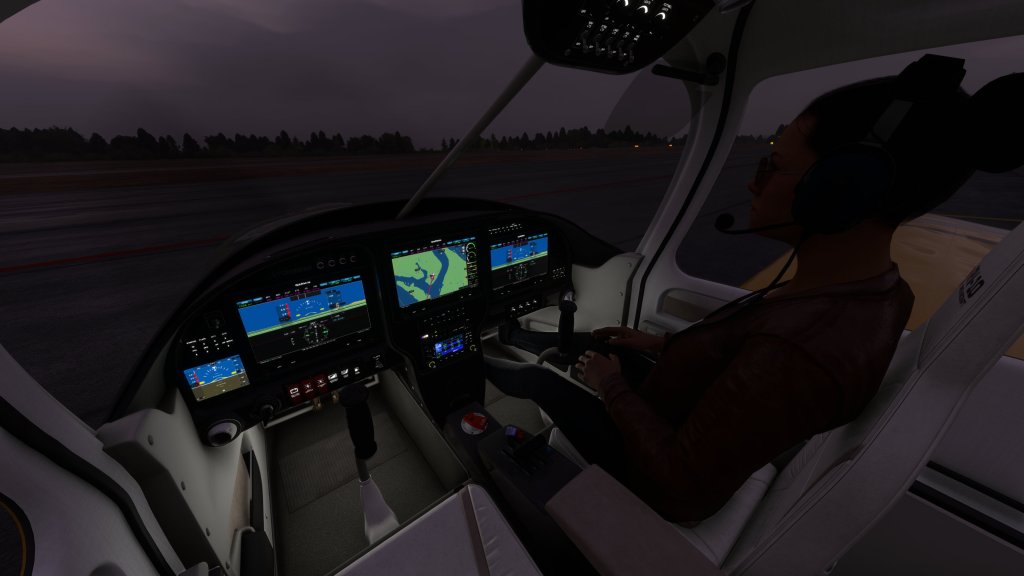
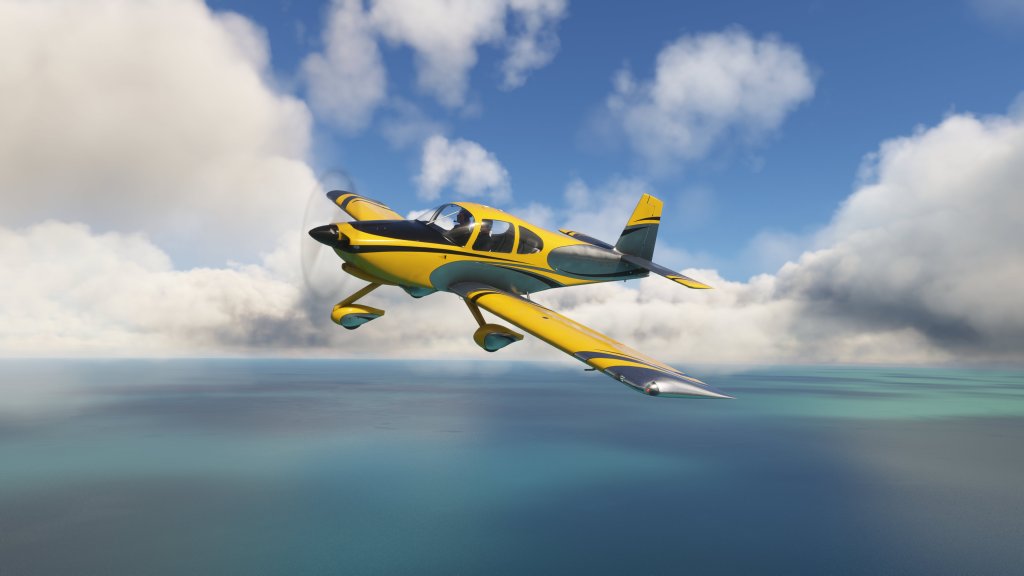
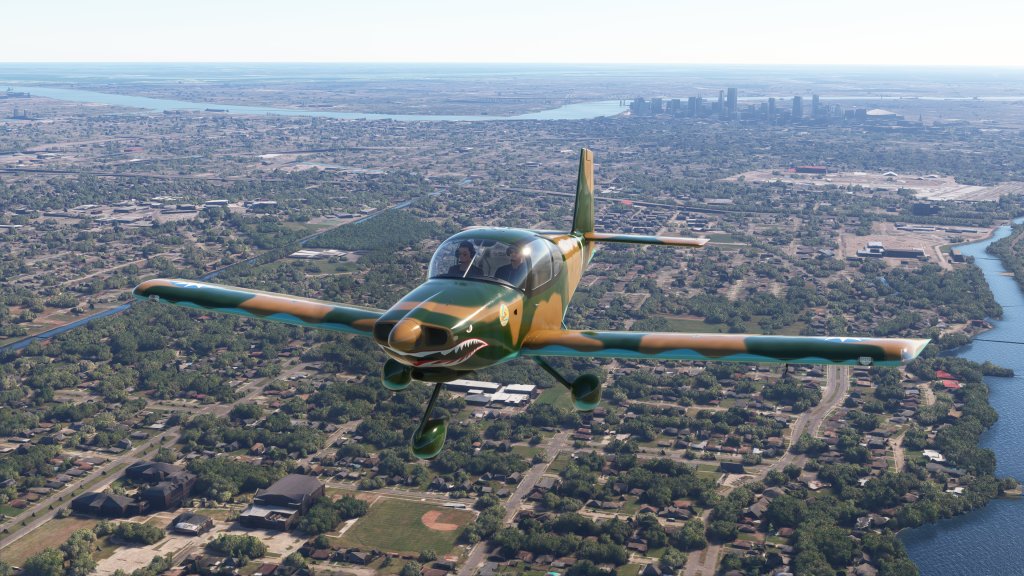
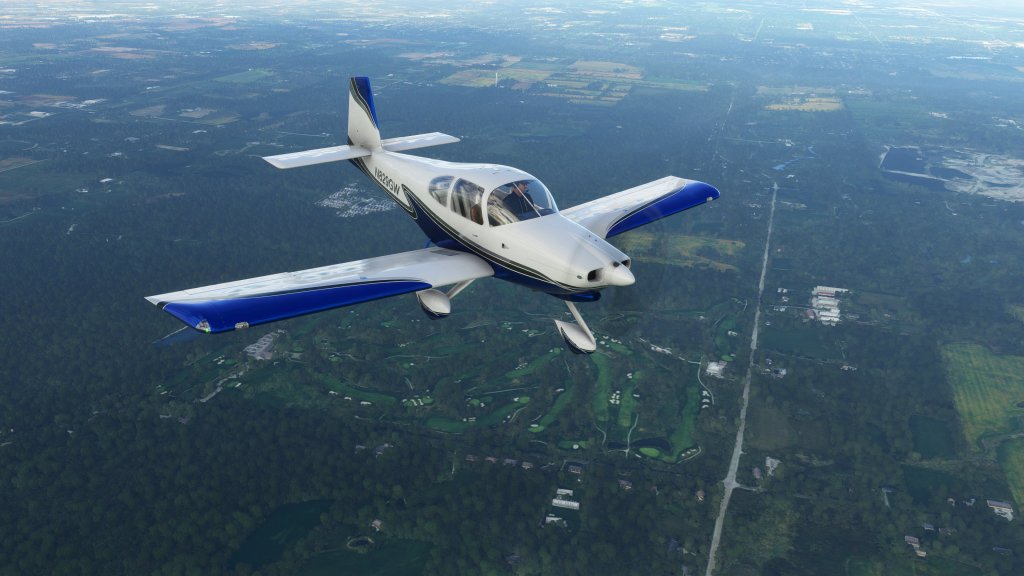
There’s only a small number of liveries available but they are generally good ones. Tail codes are not alterable with these unless you select the generic white scheme.

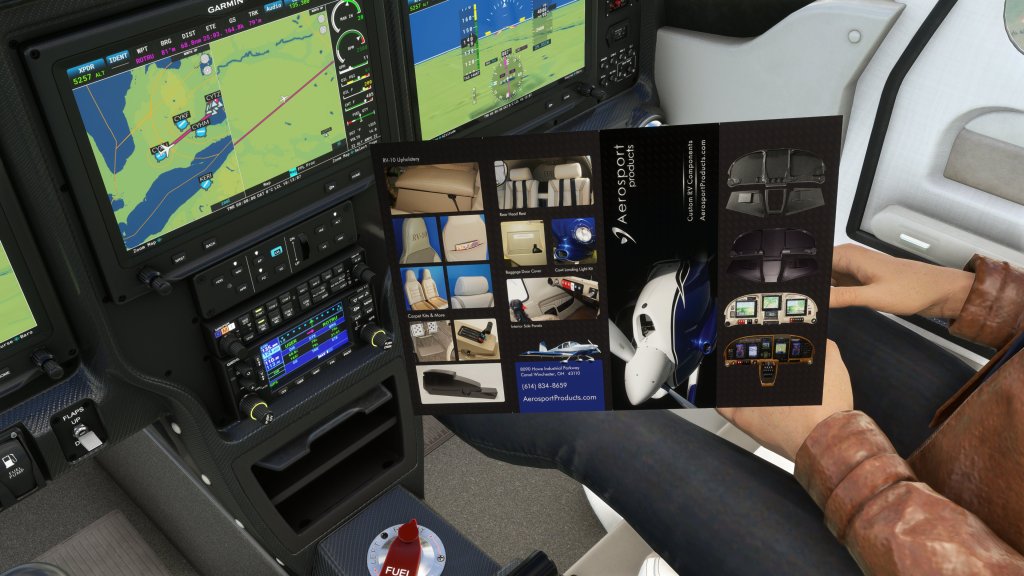
The cockpit supports Sky4Sim which has a 3D tablet that you can interact with if you have the software installed. Its a nice bit of integration that I love to see in MSFS aircraft. The cargo area is dynamic and reacts to the amount of weight you load up in that category. More weight equals more bags, less empties them out. The cockpit is mostly a no nonsense place though it does have a fun feature with a small glovebox in the center console that contains a fold out brochure for the real Van’s RV-10. I love it!
Systems and details
The avionics for the RV-10 are mostly drawn on the excellent built in offerings from Microsoft and WorkingTitle in the form of a full glass cockpit G3X system. It also has backup EFIS and a Garmin GNS430 deck.
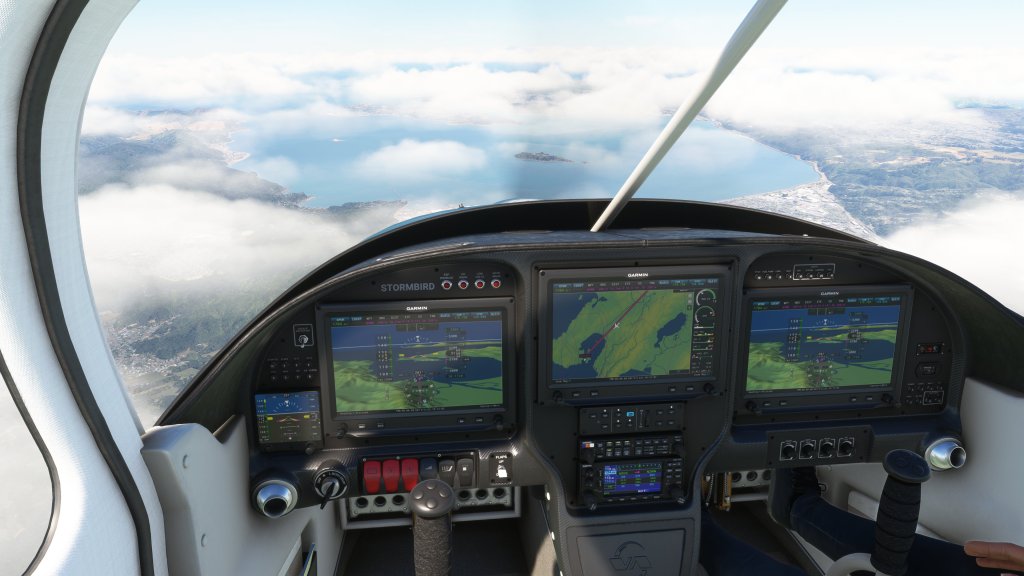
The G3X makes this a supremely capable airplane and when connected to the autopilot system is fully capable of long distance flying with ease. That’s part of the reason why I picked it for the first half of my New Zealand tour.
As mentioned before, there’s also support here for the Sky4Sim NG tablet integration as well as support for the TDS GTN650Xi.
There is a custom electrical model at work here with poppable fuses, however, I did have some weird problems with the feature. If I disconnected and reconnected the landing light fuse, my Garmin panels would flicker. On one flight they shut off and refused to come back on. I learned to leave well enough alone.
Aside from that, there’s little to complain about here except maybe that there isn’t an analogue option for the cockpit. The RV-10, like most kit builds, has a ton of different avionics packages out there so representing that might have been a nice bonus but it also would be more work and might increase the price so its a trade-off clearly.
Flying the airplane
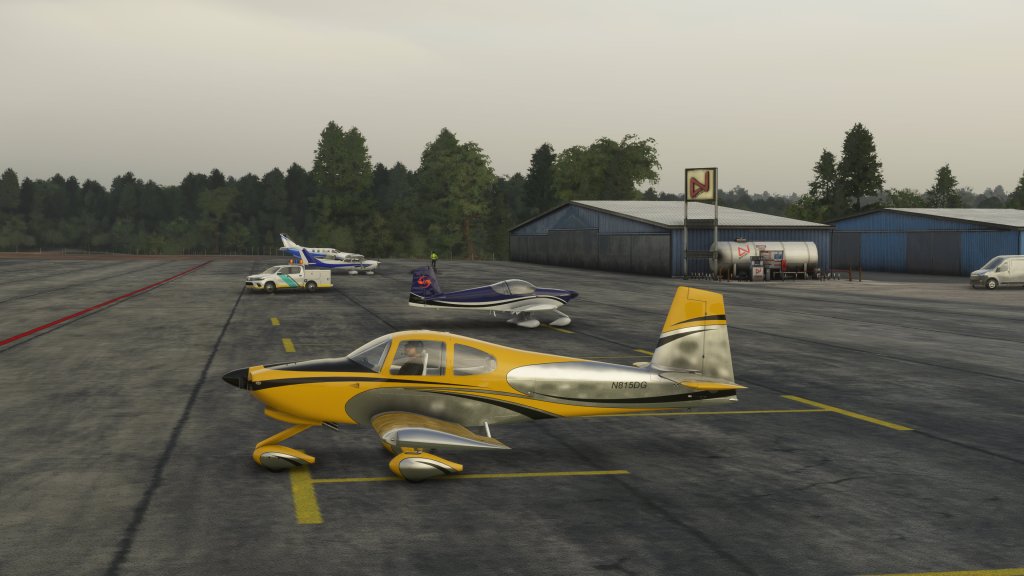
To set expectations and differentiate between the two RV types that SimWorks Studios has released so far, the biggest difference in feeling between the RV-10 that I’m reviewing today and the RV-14 that I’ve reviewed previously is that the RV-14 is an aerobatics rated airplane while the RV-10 is not. That matters less in MSFS than in the real world but you still feel it. This is a touring airplane and its less snappy feeling than the RV-14 is… and that’s ok!
Like a lot of GA airplanes, the RV-10 is quite easy to fly in most situations. I watched some reviews of pilots flying the real airplane in preparing for my review of it and the comments appeared to be that the RV-10 is extremely stable. Once trimmed, even without autopilot, you can go hands off and it will stay right where it is. Remarkably well designed.
It is a slippery airplane and while dropping power will reduce your speed, its still faster and higher performing and thus requires a bit more work than a basic Cessna. The XXX hp engine seems represented well enough as the RV-10 can climb quickly and never really feels underpowered except at maximum takeoff weight. It can get a bit squirely on takeoff at MTOW but otherwise its very well behaved in all regimes from takeoff through to landing.
Final thoughts
I wasn’t going to get this airplane mostly because I already had the RV-14 but with a great sale price on offer it made the decision to buy it easy and I’m glad that I did. The RV-14 and RV-10, though part of the same Van’s RV family that SimWorks Studios is bringing to life in MSFS, are actually different enough that owning both doesn’t feel like owning the same airplane twice.
A quality product through and through, the RV-10 isn’t priced or featured out to compete with the likes of Blackbird’s C310R or A2A’s Commanche products. Those are in another league from this one and they come in at nearly twice the price. So, if you’re looking for a fun touring airplane at a lower price point, you can’t go wrong with the work done here by SimWorks Studios.
Screenshots



 Stormbirds
Leave a comment