
1CGS have released another WWII Collector Plane in recent months and after a bit of testing and flying it in combat and non-combat scenarios I decided it was time for a review. The La-5F, like some other aircraft in the series, is a variant of an already available aircraft. Wedged in between the earlier and later models of the Lavochkin radial powered fighters, the big question is if the La-5F manages to distinguish itself enough to find itself in your hangar. Let’s have a look!
A bit of history
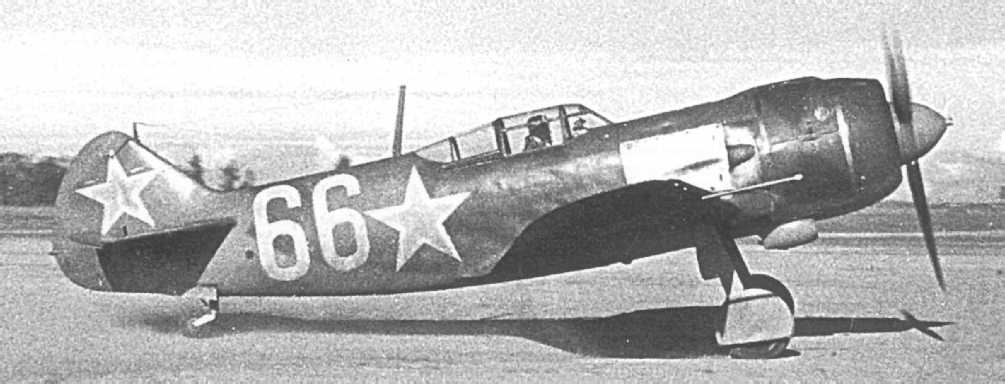
You might already know the story here. Developed from the LaGG-3 and fitted with the M-82 radial engine by Shetsov, the La-5 took an underperforming fighter and made it into something that gave Luftwaffe pilots pause. The first significant entry in the series, the La-5, was a significant leap forward but more work needed to be done to make the La-5 into something more.
Engine maker Shetsov created a boosted version of the M-82 radial engine, the M-82F, which had a small increase in overall horsepower but ensured that the engine could now reliably operate at full power for a prolonged period of time rather than the several minutes that the original engine could. The first examples of this engine made it into the early La-5 design, something that is represented in the sim with an engine modification. While early versions of this engine made it into the fighter, more work was being done to extract more performance Lavochkin worked on a refined version of the fighter.
The new version of the La-5 had sealed cowling joints, its oil cooler ducts were reshaped, and the rear fuselage decking behind the cockpit was lowered while a new cockpit canopy was installed. The changes gave the La-5F more speed while the pilot was provided with better overall visibility. These changes were not implemented all at once and rather were added over time. The earliest La-5F models were designated as such because of the M-82F engine. Over time the other elements were introduced.
The aircraft series on the whole wasn’t without issues. The cockpit was extremely hot, canopy glass quickly discolored, fumes from the engine sometimes leaked into the cockpit, and pilots frequently flew with the canopy in the rear position increasing drag. Nonetheless, the La-5F was another jump forward for Soviet fighter squadrons and the La-5F would see service throughout 1943 and into 1944 as the further improved La-5FN, with a direct fuel injection engine, would gradually come online. Both variants were in production simultaneously as low availability of the M-82FN engine delayed widespread adoption of the later model.
Visuals and sounds
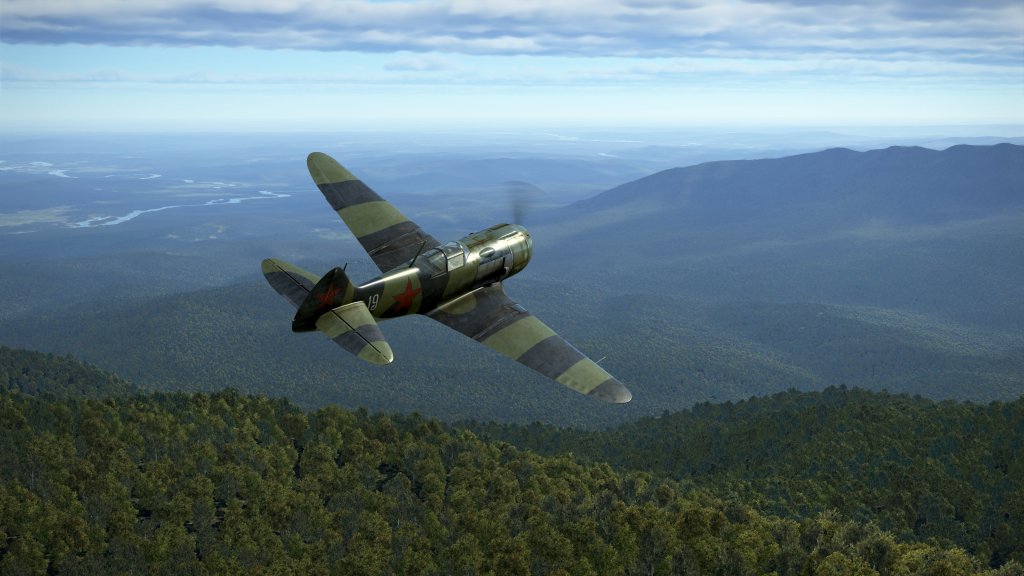
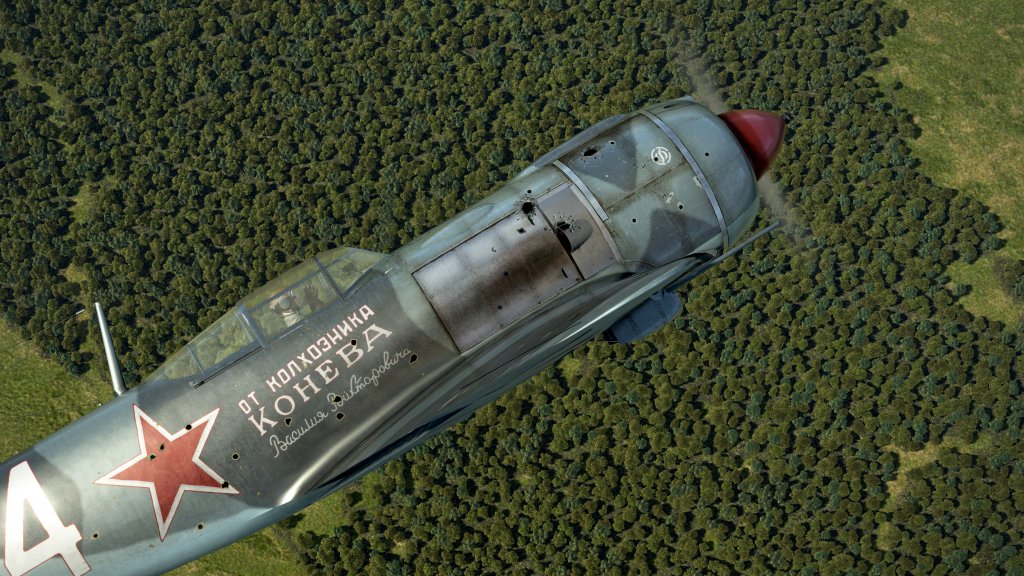
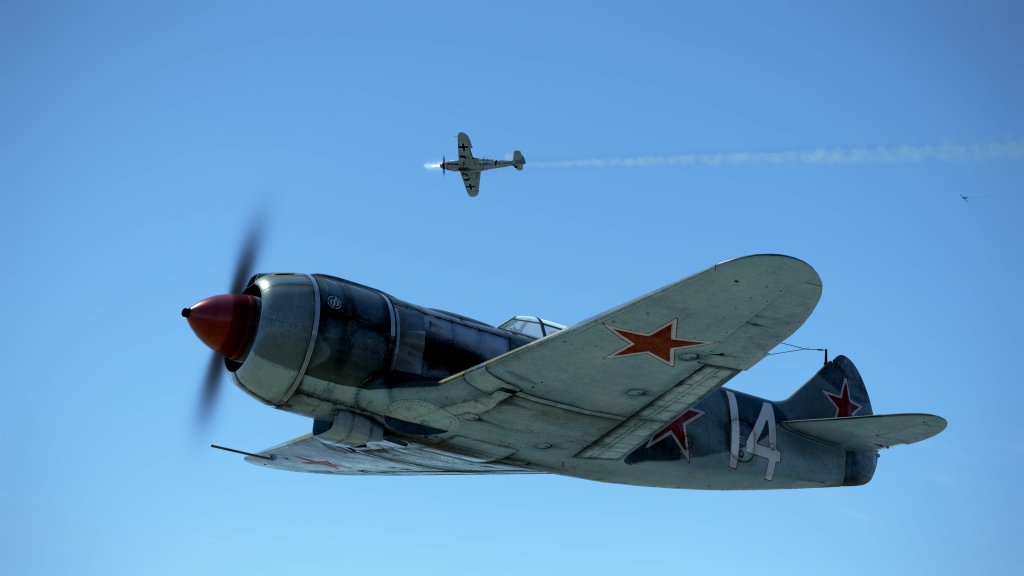
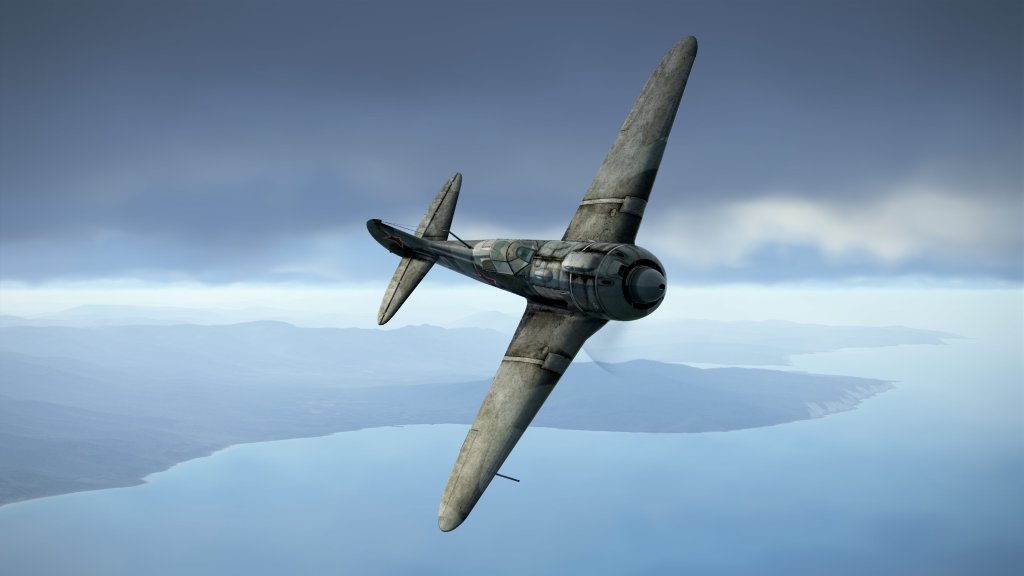
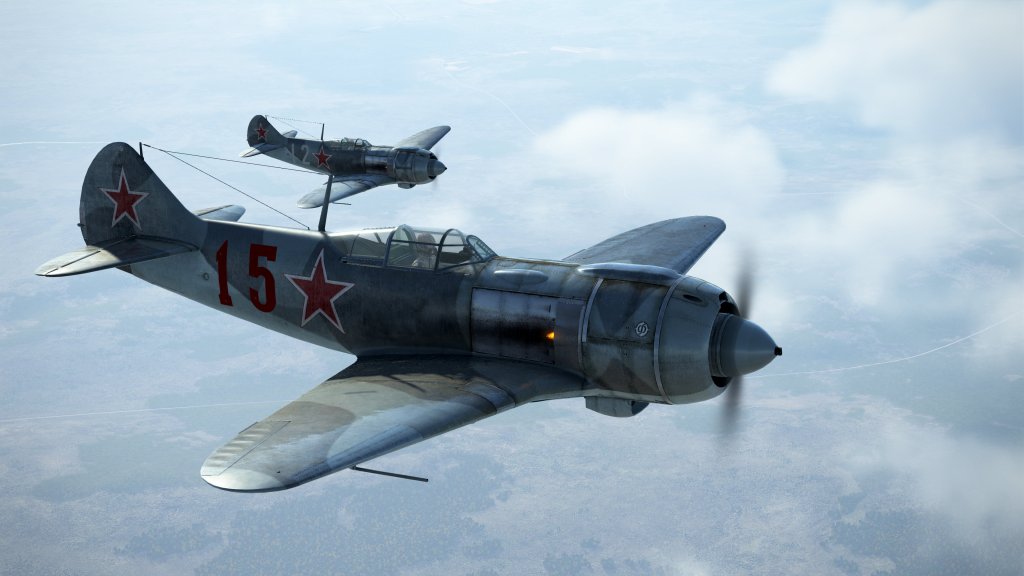
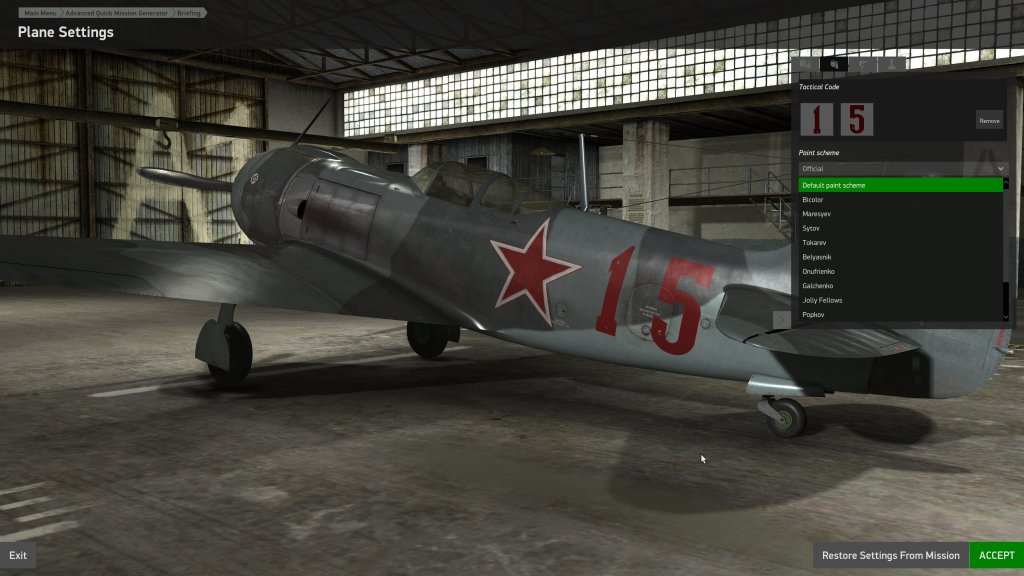
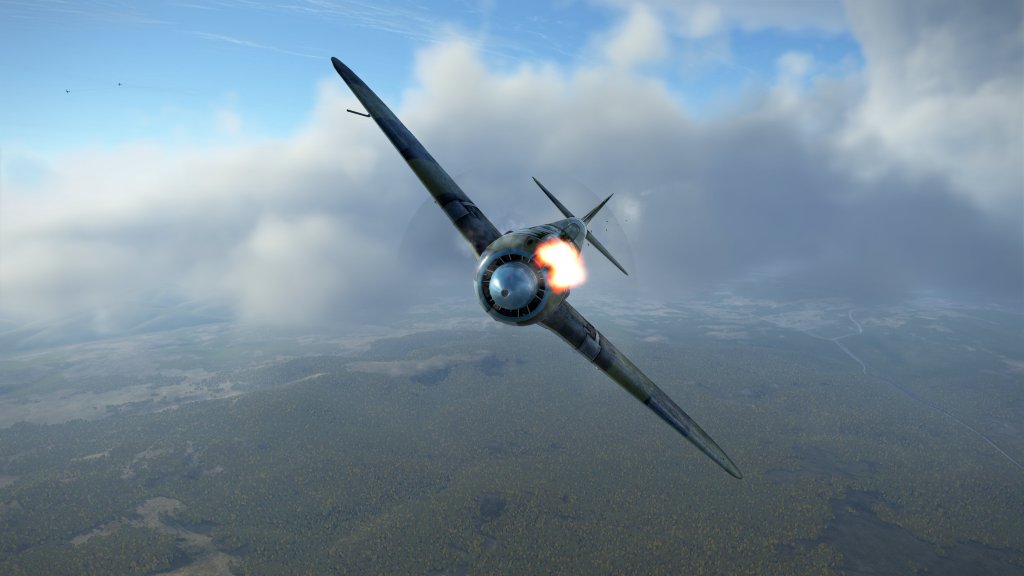
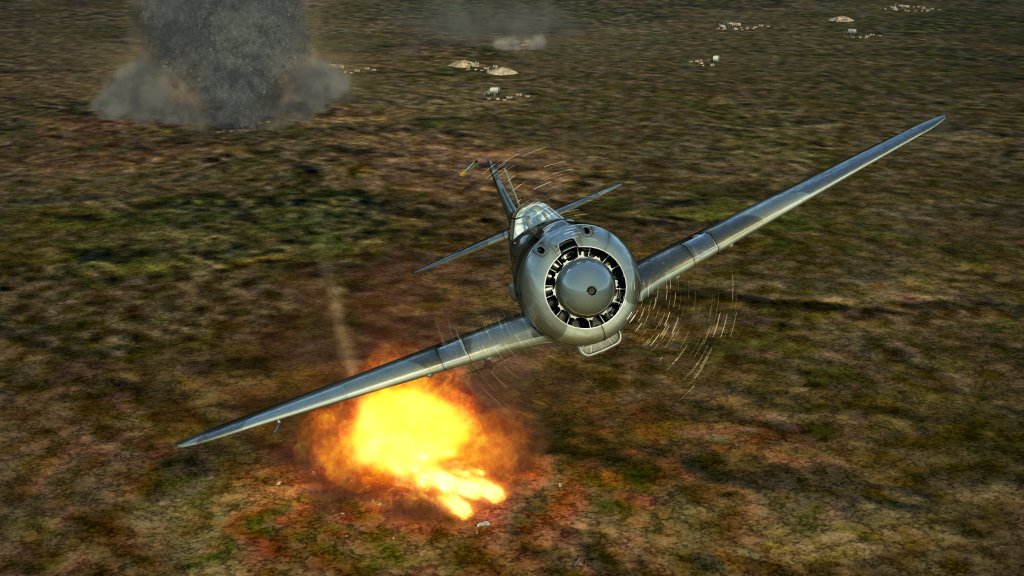
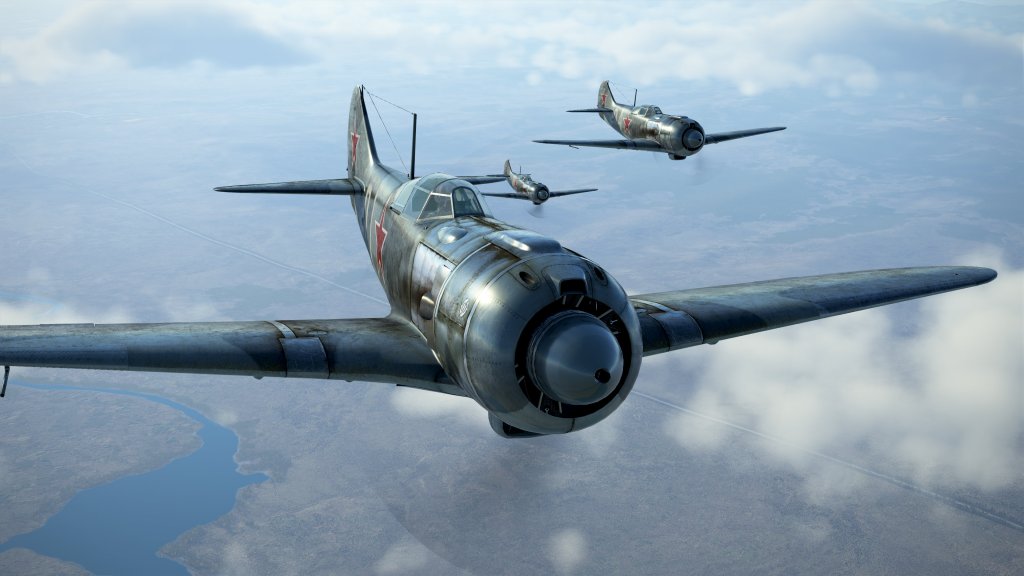
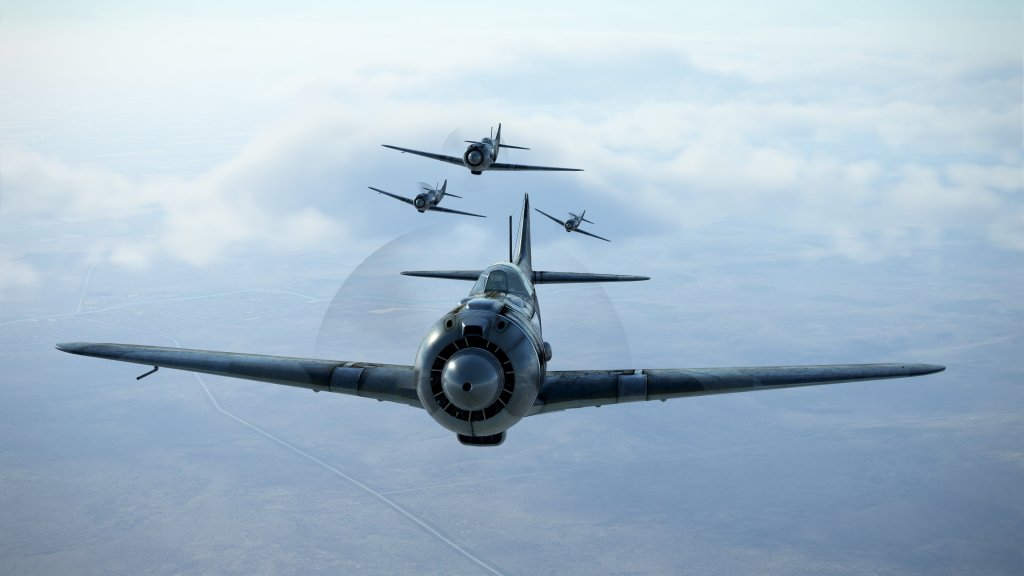
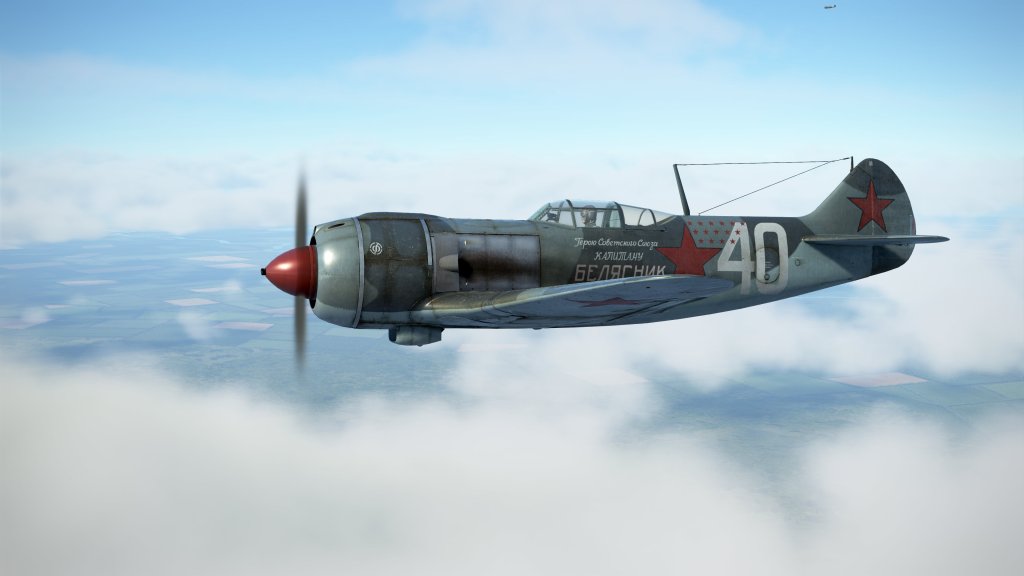
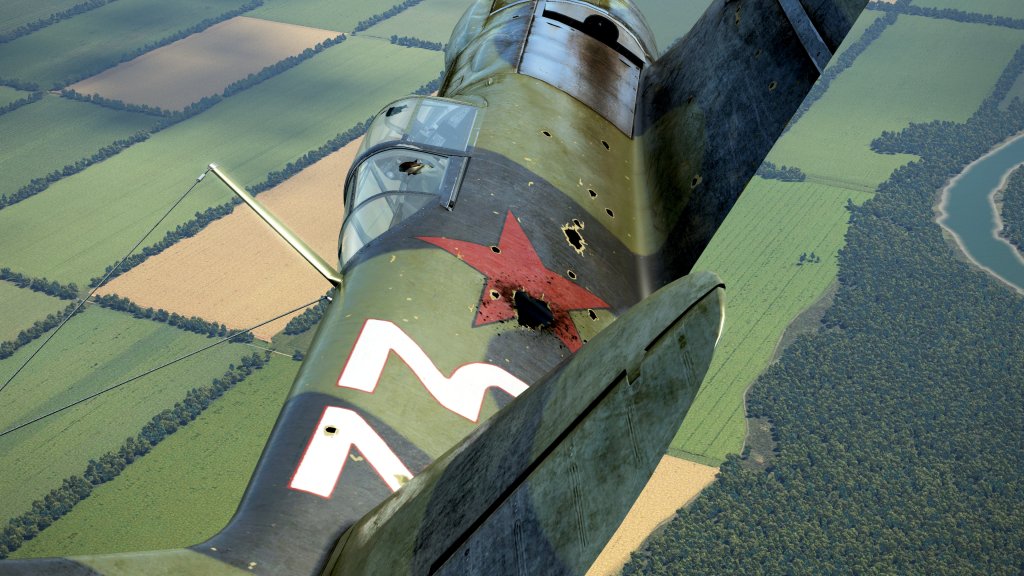
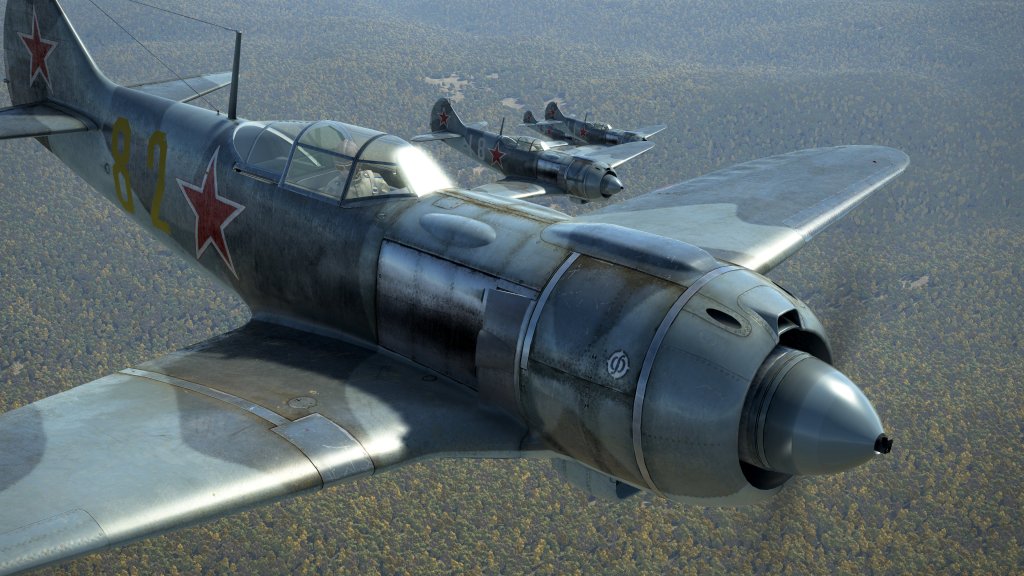
The exterior model of the La-5F is up to the usual standards of the series. Strong texture work, good 3D model work, dynamic damage system support, and tactical code support all combine together to create a cohesive visual.
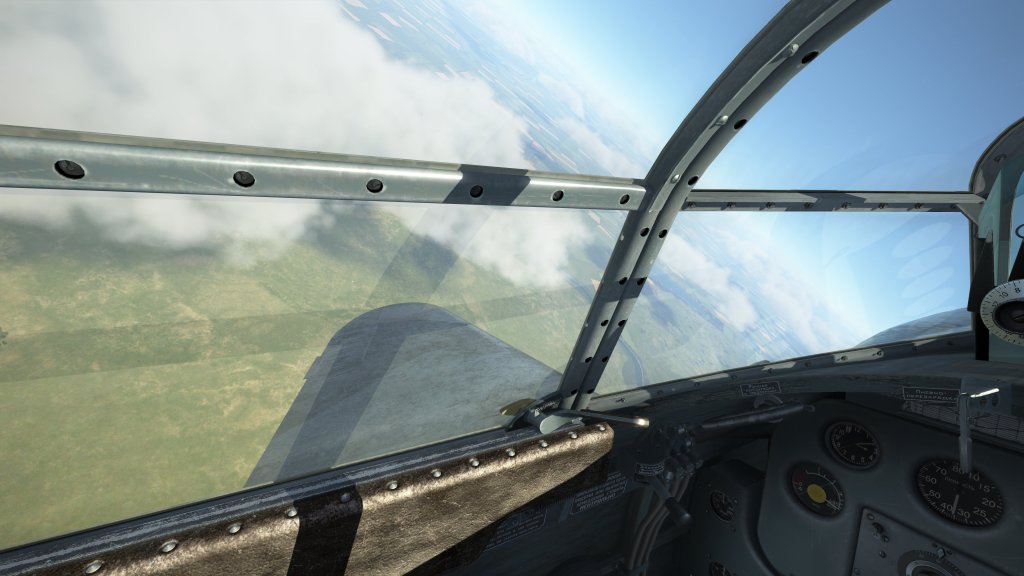
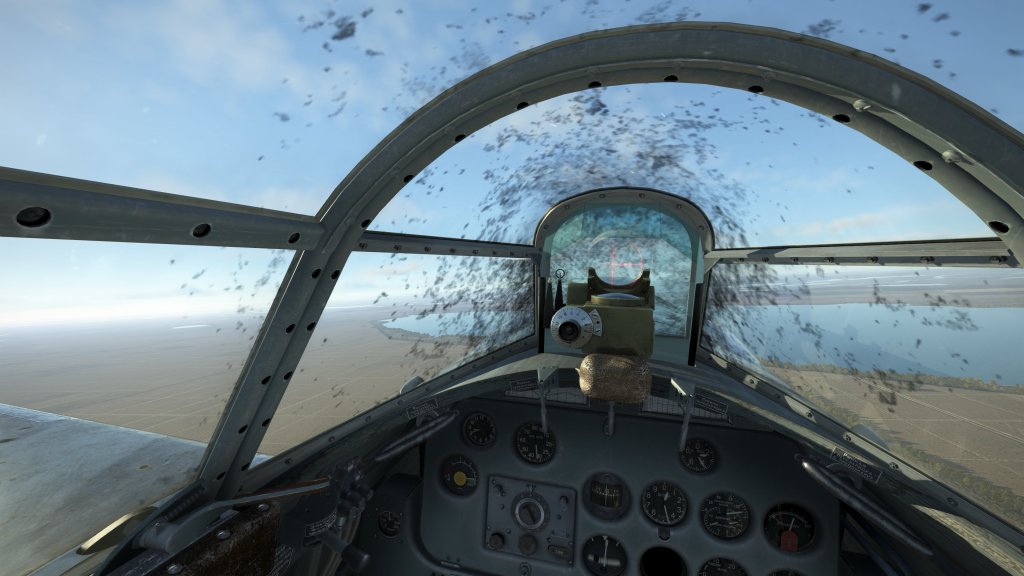
The interior is a step up beyond what we saw on the La-5, an admittedly old model from the first release of the series, and the La-5FN which came out a few years ago. The artistry on this one, in the cockpit, is a bit more advanced than the previous efforts. It also comes at a time when 4K cockpit textures are standard.
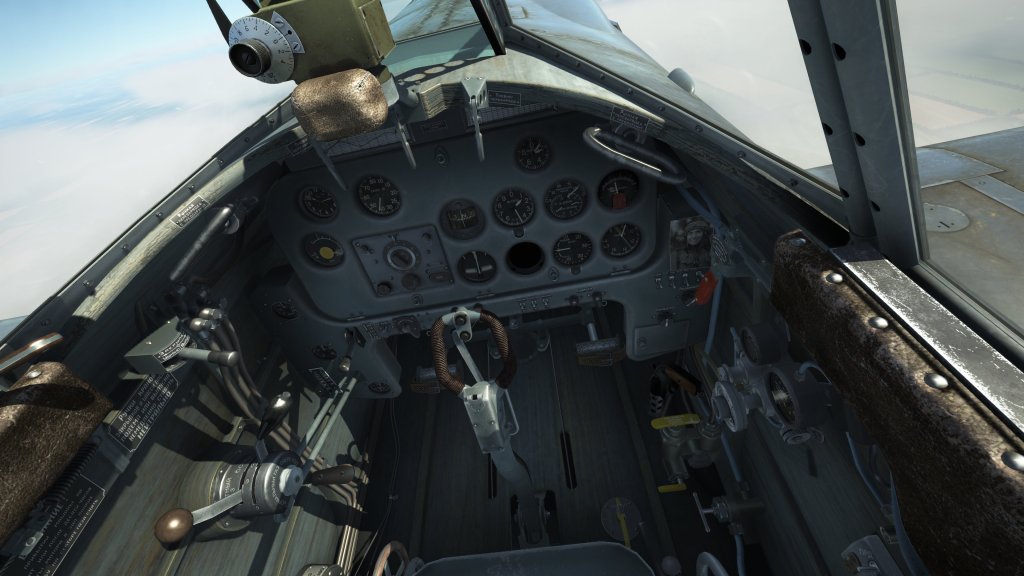
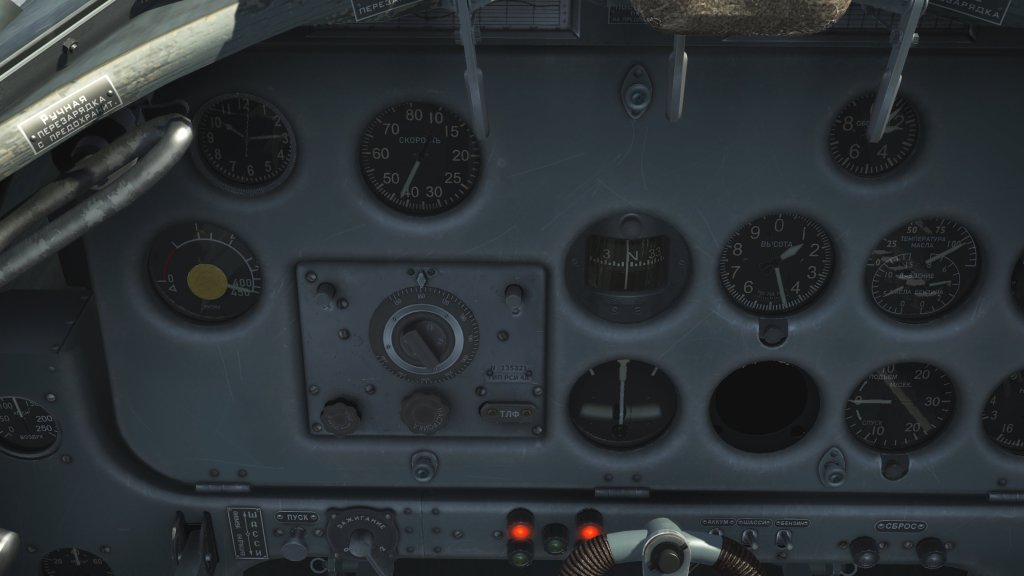
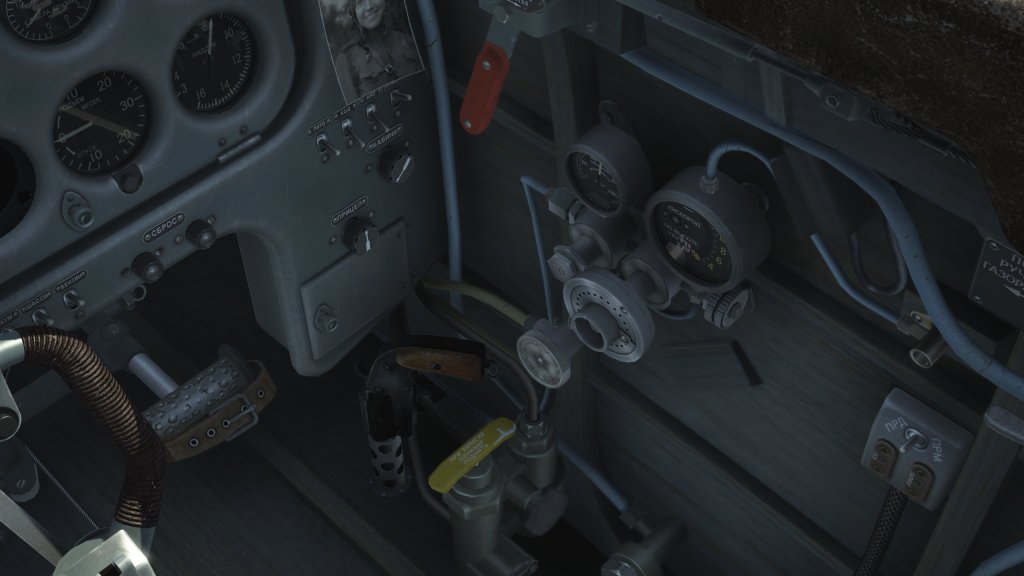
There are twelve liveries included with the aircraft that are unique to the La-5F. There are two generics, a grey and green multi-colour to give you mid 1943 and late 1943 and on schemes (to be used with the tactical code system) and then there are ten more that give you some more unique and famous examples.
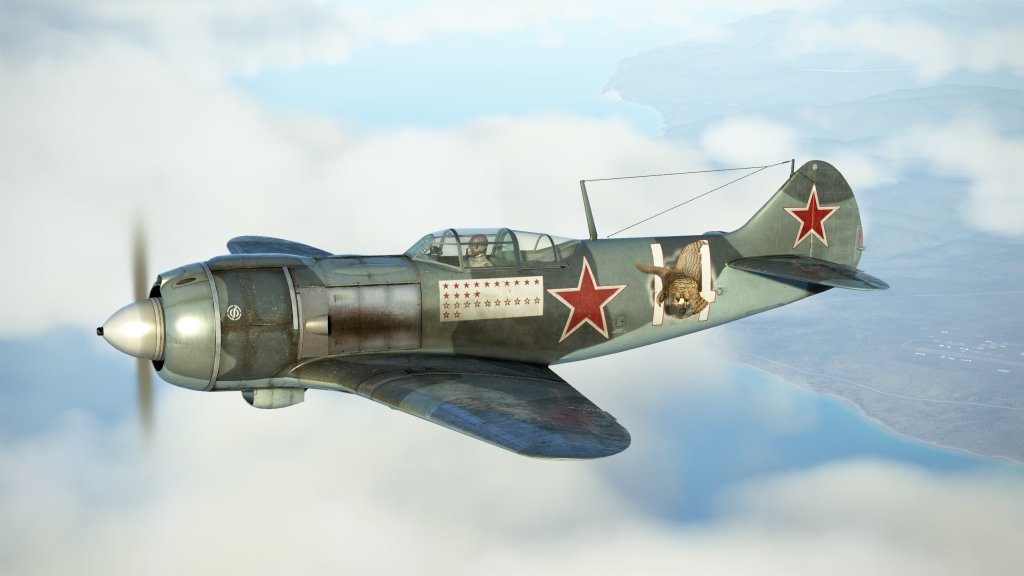
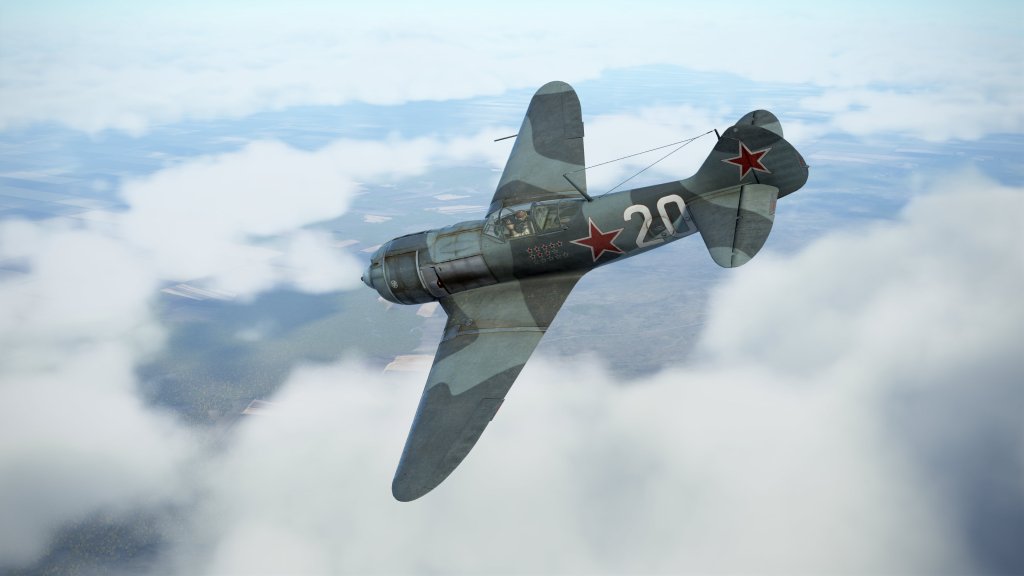
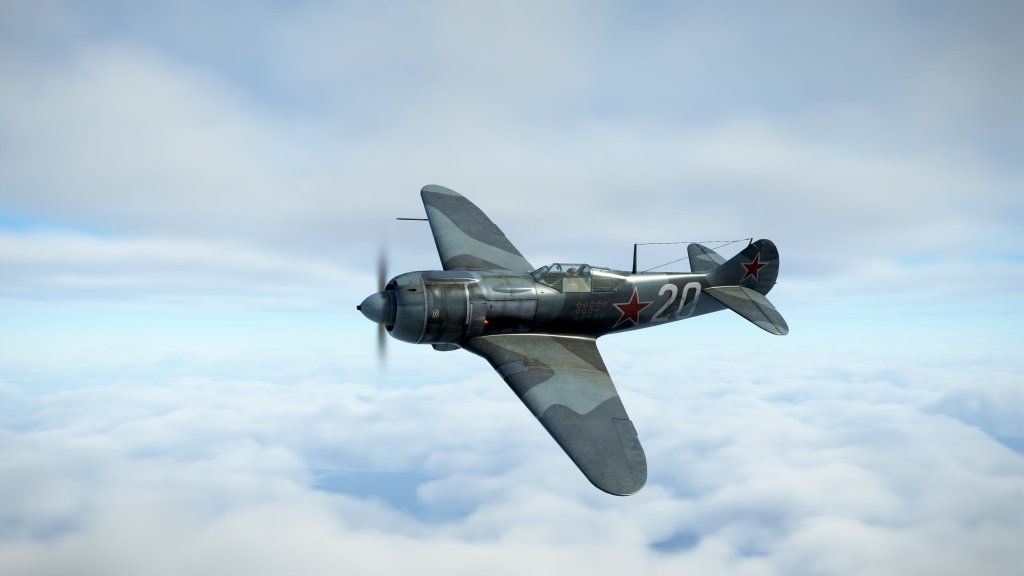
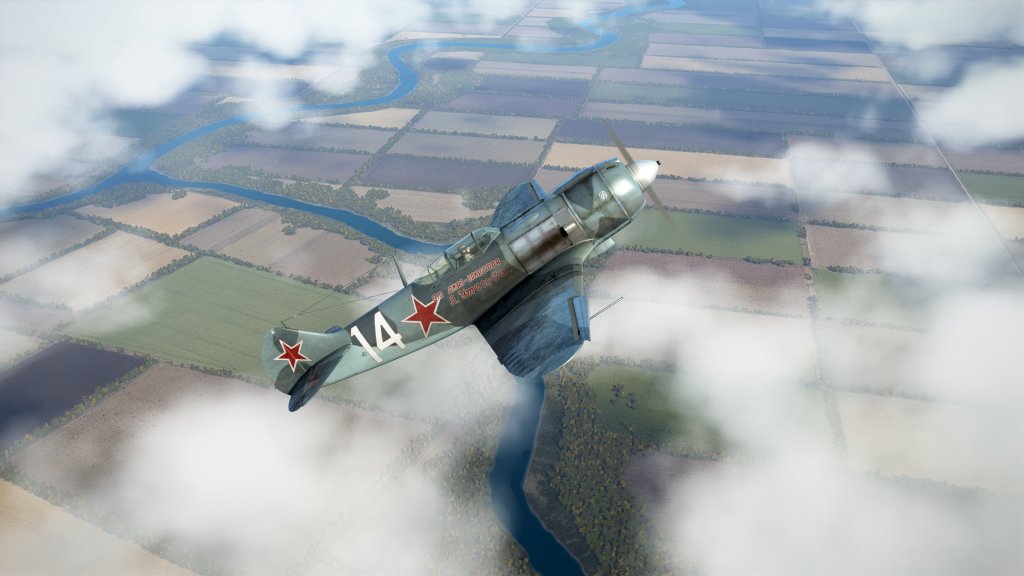
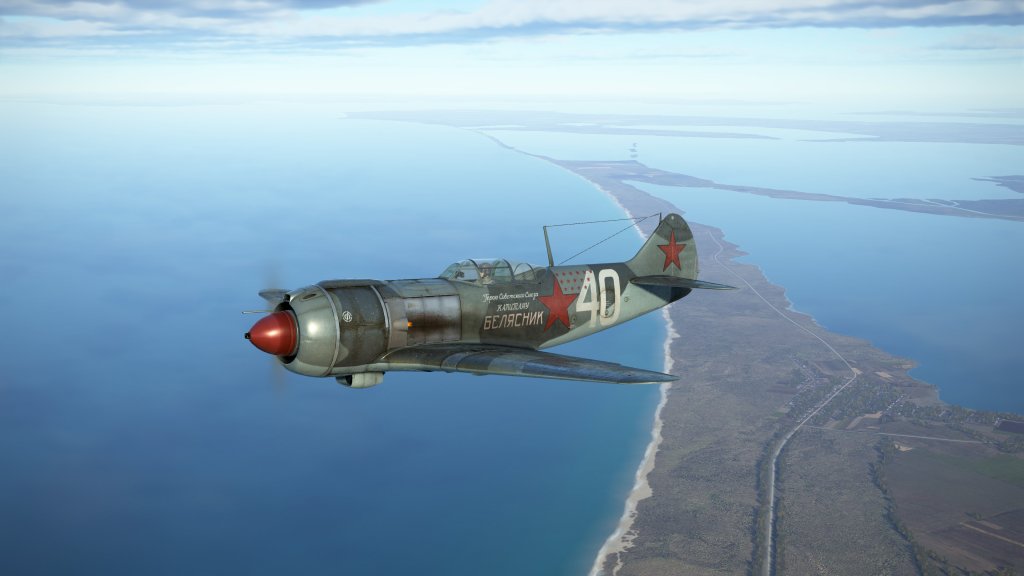
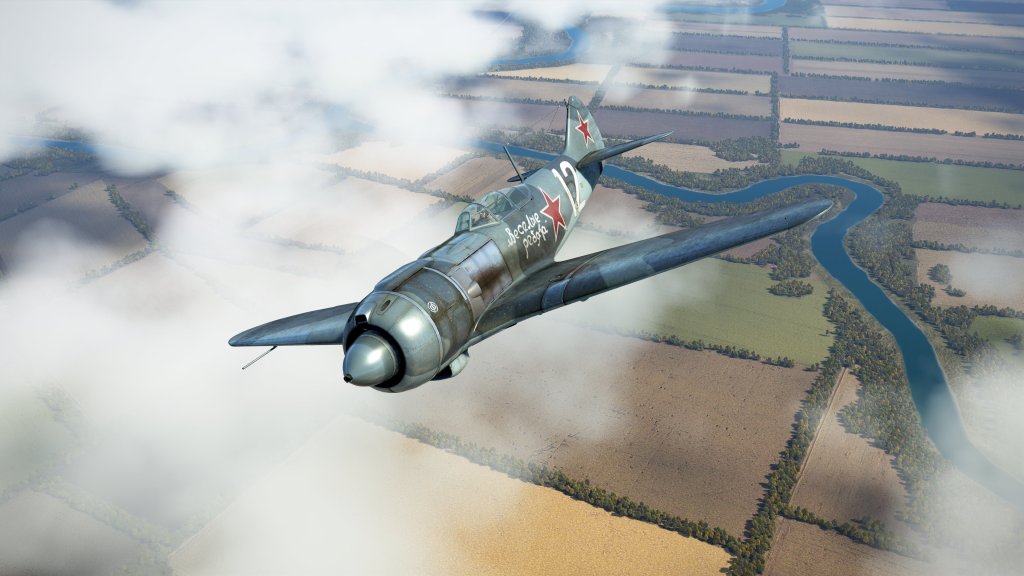
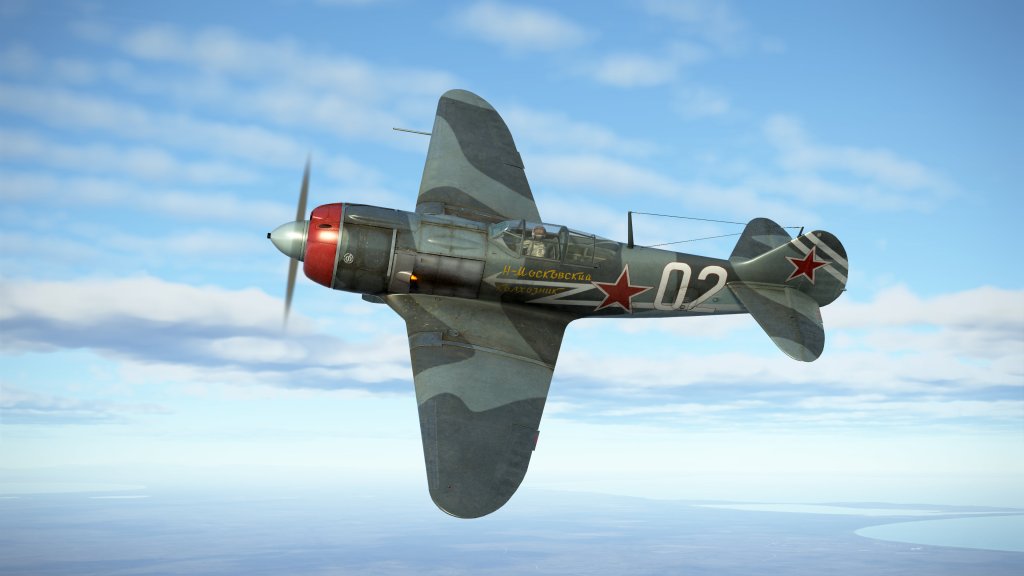
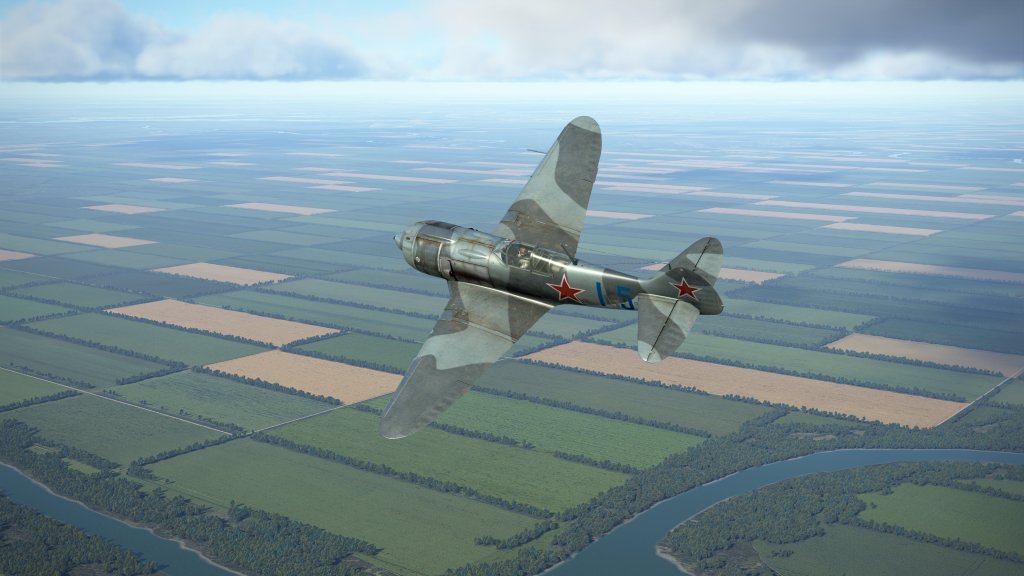



The three La-5 models do have some differences in the way that they are designed. Some recognition features that you may want to look for involve the cockpit canopy design as well as the upper nose cowling area which are different on each of the models. The M-82F and M-82FN models also have unique markings on nose and tail.
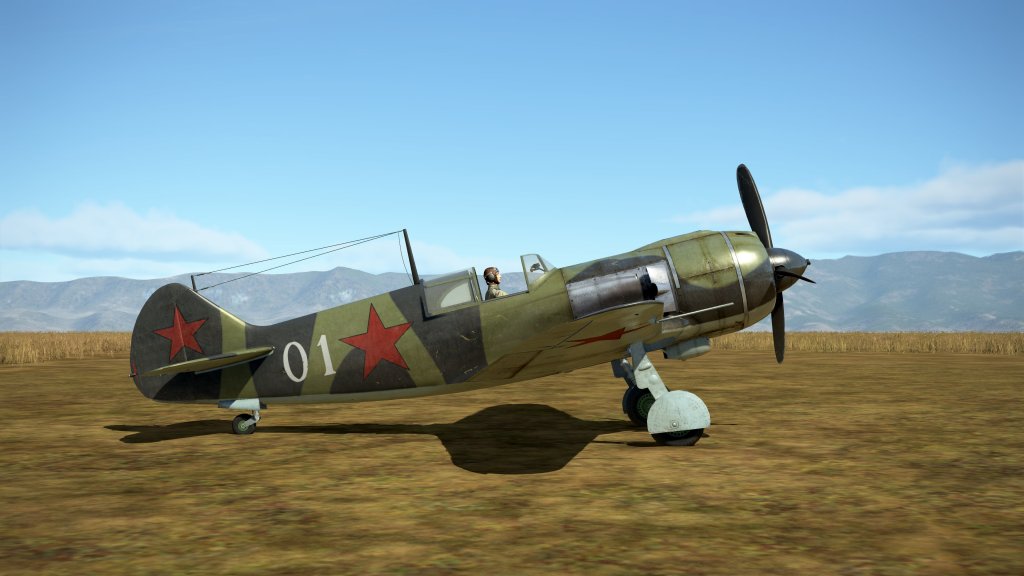
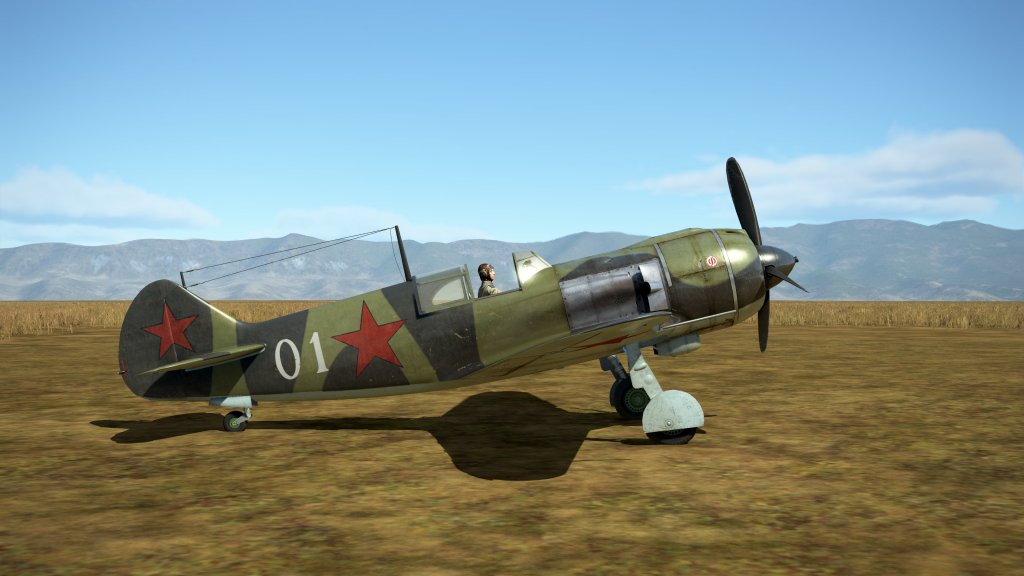
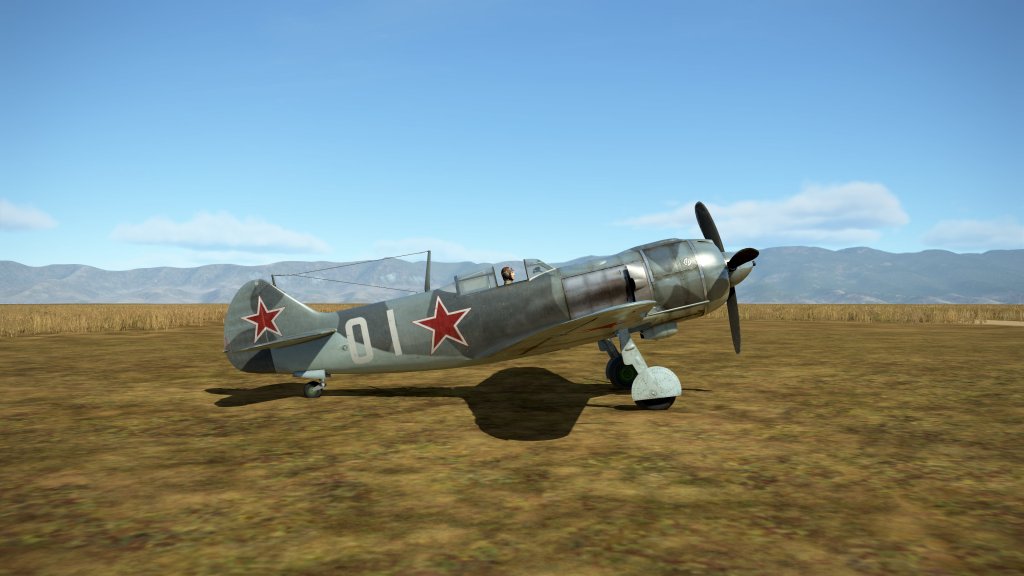
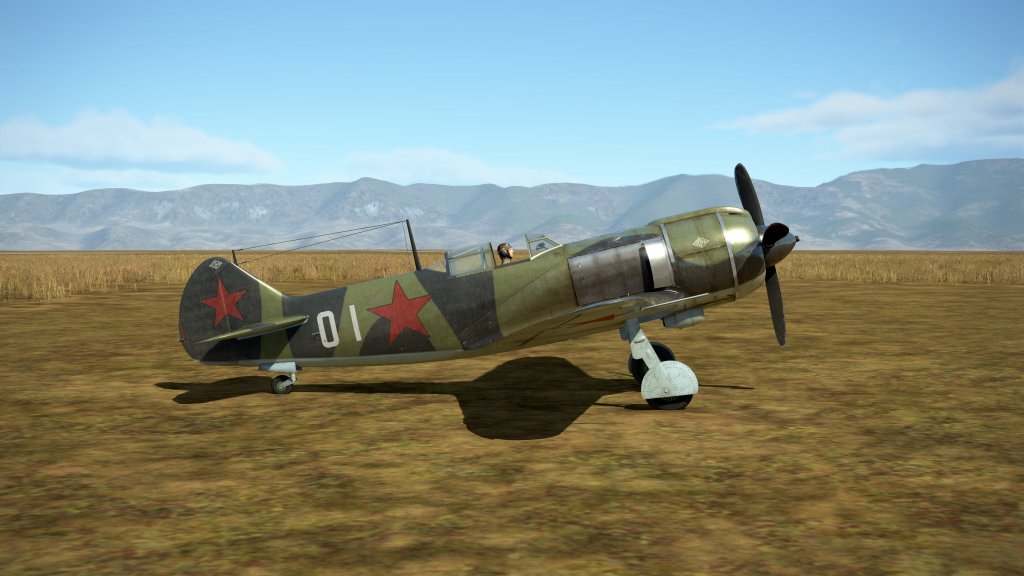
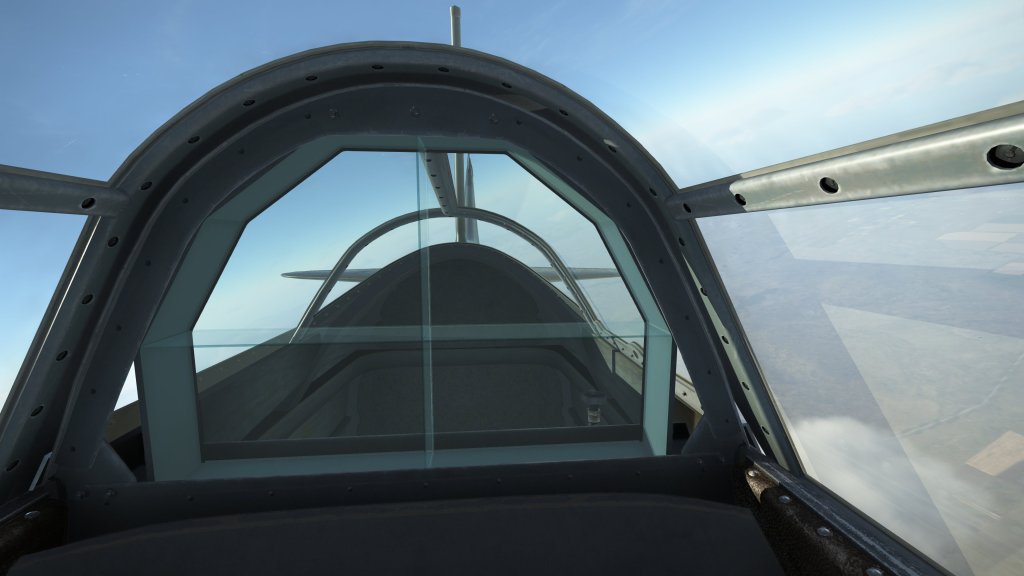
The cockpit on the La-5 is a more “razorback” style with somewhat limited visibility out the back. To improve the situation, the La-5F and then La-5FN introduced a more bubble canopy style with far better rearward visibility and a slightly cut down rear fuselage. It isn’t as drastic as the Yak-1B, Yak-9, Typhoon or P-51D Mustang but it largely gets the job done as you can see in these screenshots.
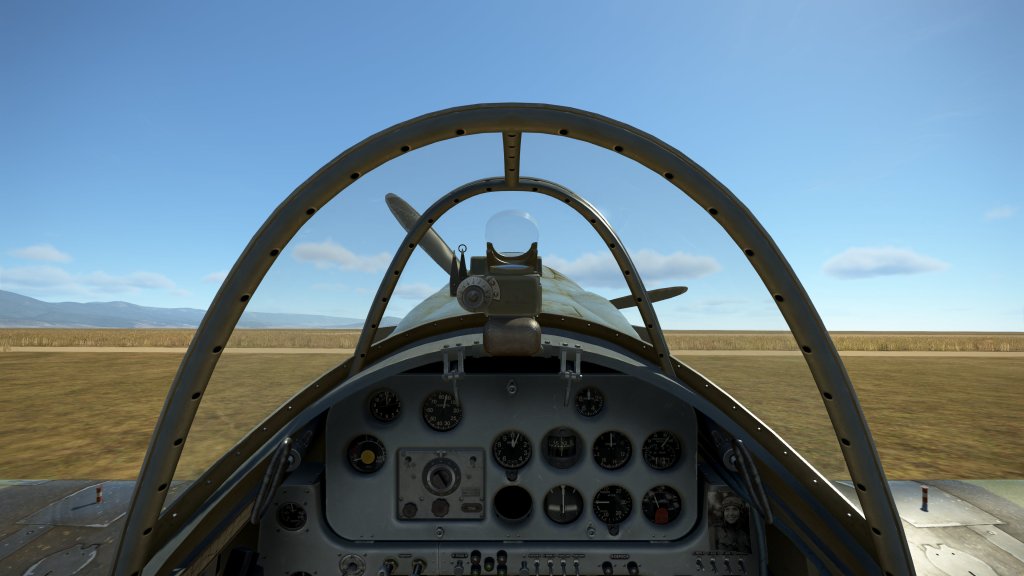
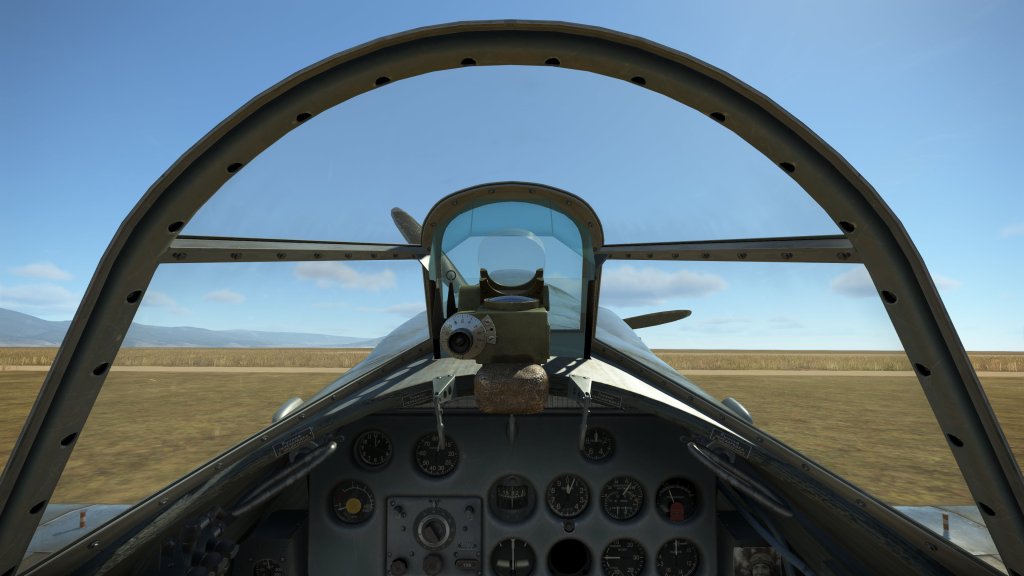
Forward visibility is somewhat impaired on all three aircraft with the view becoming somewhat more obscured on the later models. On the La-5 and 5F the upper cowling is still fairly clean but on the La-5FN the intake grows in size.
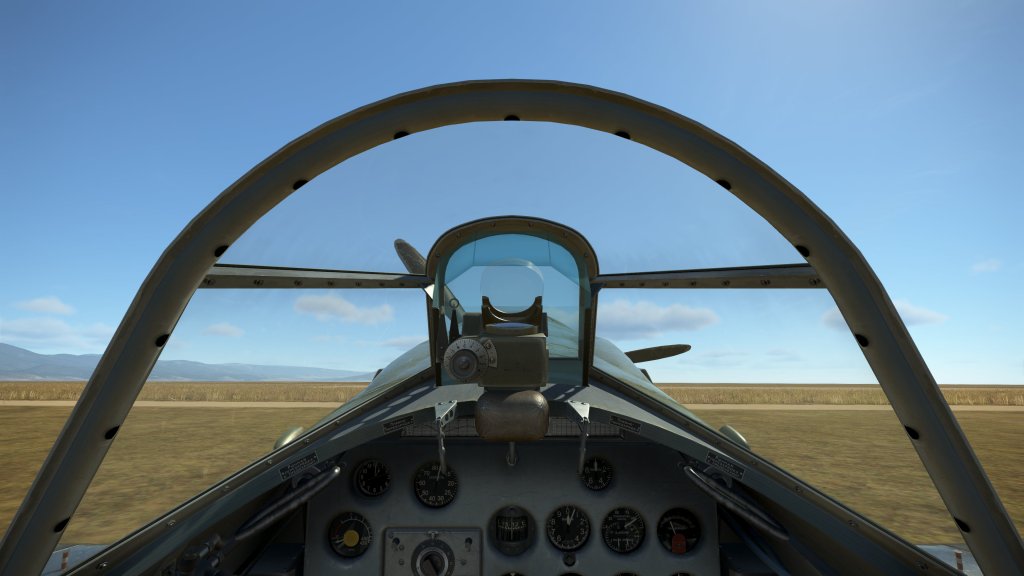
Sound work here is standard for the series and is middle of the road for overall simulator experience. The sounds aren’t authentic but they are useful and convey important flying queues to the pilot. Nothing you haven’t heard before from the rest of the series’ aircraft.
Flying and fighting the La-5F
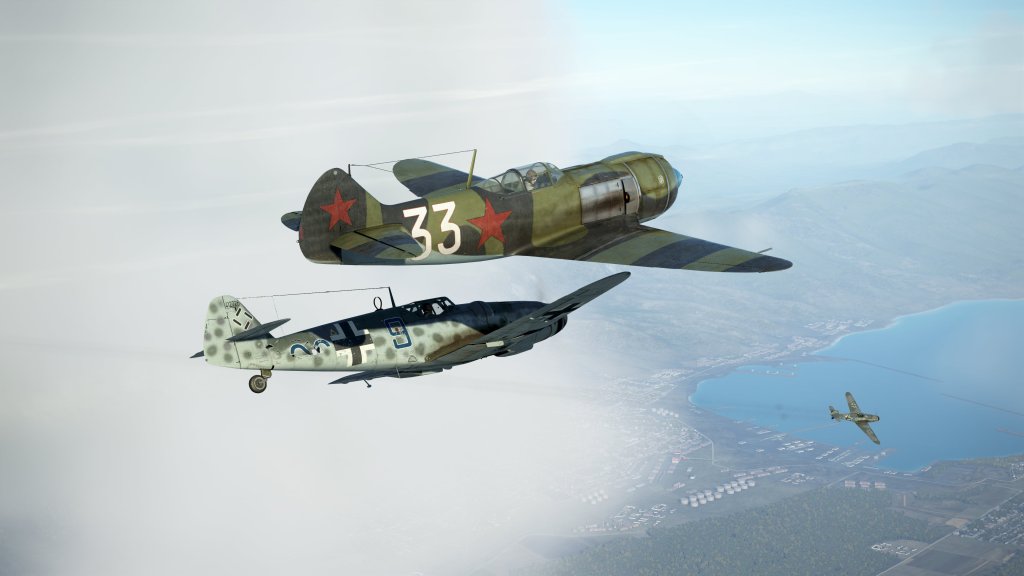
Like some other variants that we’ve seen added to the series, I think the La-5F represents a sweet spot for the series. More agile, better turning, and faster in every way over the La-5 (Series 8), the La-5F is nearly as good as the La-5FN and it has slightly better forward visibility too with the smaller intake. It is a bit easier to fly in that there’s no limit to the top end of the throttle with the exception of heat. Manage the heat correctly and you can run the engine at maximum power continuously – on the other hand you don’t have that extra boost power.
The handling of the La-5F is very similar to the other variants in the series. If I were to compare how each of them felt, I’d put the La-5F much closer to the La-5FN than the original La-5. The later two models have slightly better turn rates and generally feel a bit more responsive while the original is just a bit more sluggish owing to less engine power and less refined aerodynamics.
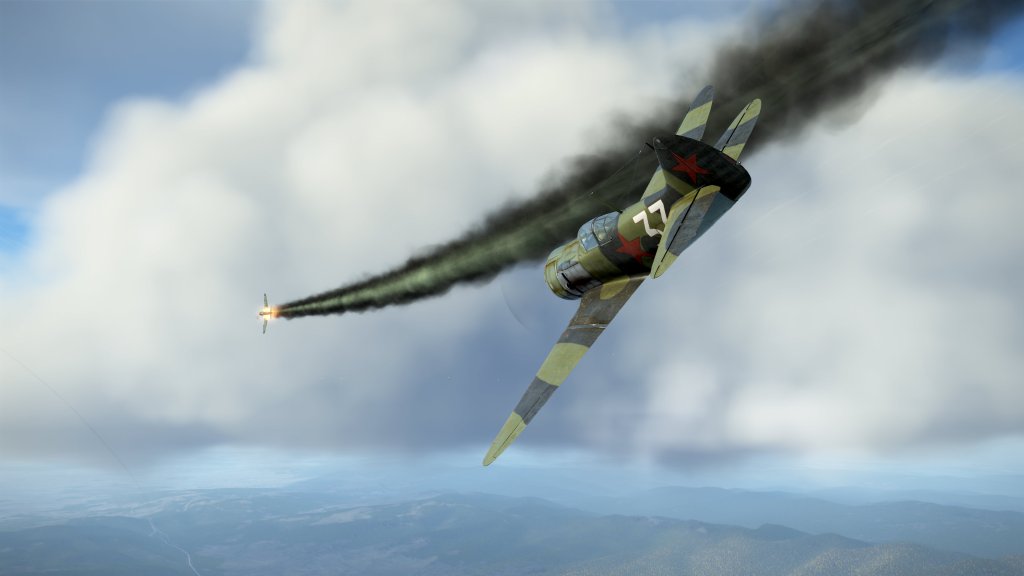
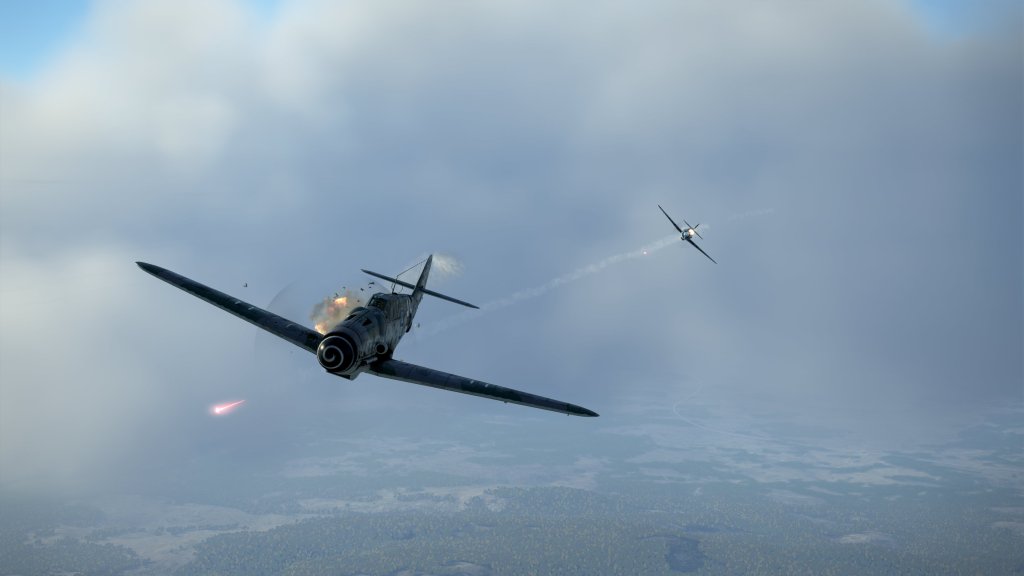
As far as combat goes, I personally struggle a bit with the La-5 series. Its undeniably one of the fastest aircraft available on the Soviet side and that puts it in strong contention with the best contemporary German fighters of 1943 and 1944. But that is mostly true at lower levels. While flying under 3,000 meters you can easily outclass a Bf109 or Fw190 trying to run away. Once you start to climb above that, the La-5 series on the whole starts to struggle and the script gets flipped quickly. The La-5F is no different.
As far as turn is concerned, all of the La-5 series are not the best at turn rates due to heavier wing loading. A prolonged turn fight versus most Bf109 versions will end in defeat. Instead, you want to fly this more like a Fw190 where you boom and zoom and use the type’s speed advantage to defeat the opposition. One thing the series excels at is the roll rate which is excellent up to the highest speed levels where it falls to good.

The other challenge with the La-5 series is that the big radial engine and the small window framing up front makes for challenging over-the-nose shots. Straight on attacks work well but any time you’re leading a shot and doing some deflection shooting it gets difficult. The La-5FN is the worst of the three with the extra large intake over the engine while the La-5 and La-5F’s smaller intake makes it a bit easier to see. That said, none of them offer a great view and as a result I do find them harder to fight in.
Single and multiplayer experiences
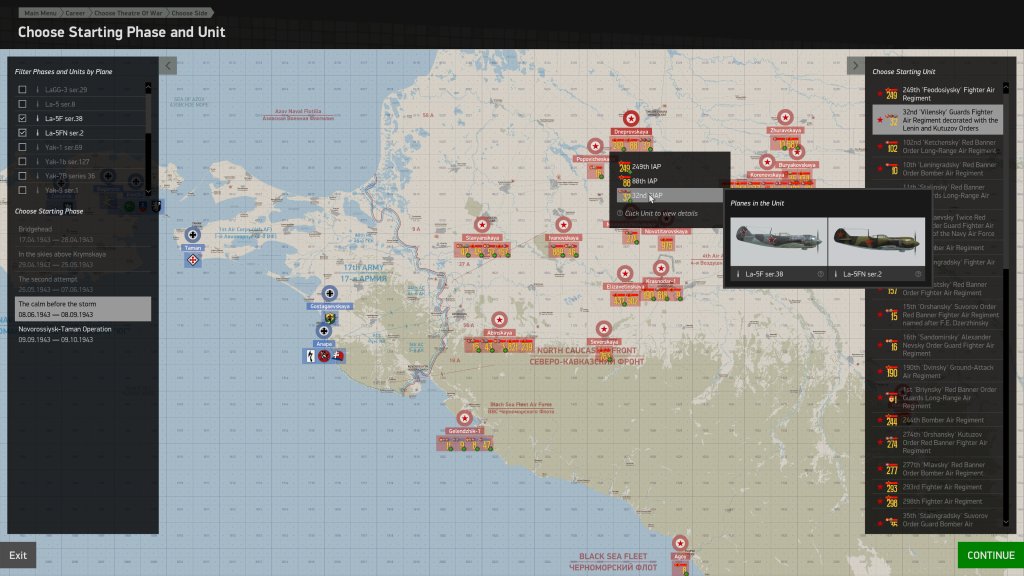
These days I’m more single player than multiplayer and so I think its important to report what you have available here. The La-5F shares single player Career experiences with the La-5FN. Both fighters become available the same time in the Career and are constrained to the same 32 GvIAP regiment in the later two chapters of the Battle of Kuban campaign. I was kind of hoping that the La-5F might become available a bit earlier but I know that the work done on Career mode is accurate as far as in-service dates so this is, I’m sure, how it was.
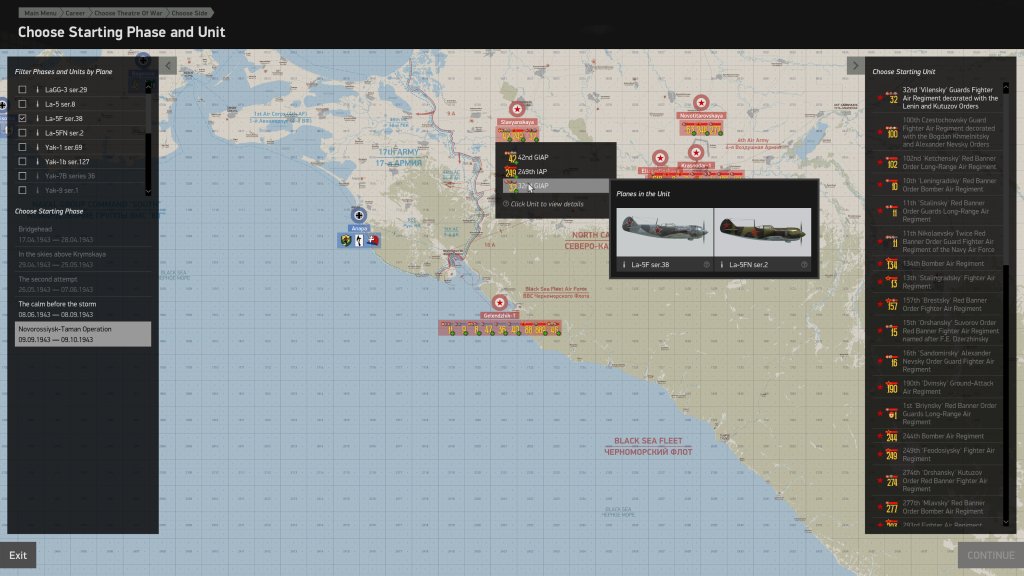
For multiplayer, the La-5F seems to be even more rare at the moment. During the review period I checked in periodically on some popular servers. Finnish Virtual pilots don’t appear to have added it to their aircraft roster and Wings of Liberty seem to mostly still run 1942 scenarios so you may struggle to find a place to fly this aircraft.
Performance comparisons and commentary
Pulling from specification data provided to us from the in-game performance information (also available on the forums) we can do some apples to apples comparisons between the three variants of the fighter.
La-5 Series 8 performance
- Maximum true air speed at sea level, engine mode – Boosted: 544 km/h
- Maximum true air speed at 3000 m, engine mode – Nominal: 571 km/h
- Maximum true air speed at 6500 m, engine mode – Nominal: 603 km/h
- Service ceiling: 9500 m
- Climb rate at sea level: 18 m/s
- Climb rate at 3000 m: 13.3 m/s
- Climb rate at 6000 m: 8.2 m/s
- Maximum performance turn at sea level: 23.4 s, at 270 km/h IAS.
- Maximum performance turn at 3000 m: 35.3 s, at 270 km/h IAS.
La-5F Series 38 performance
- Maximum true air speed at sea level, engine mode – Nominal: 552 km/h
- Maximum true air speed at 3000 m, engine mode – Nominal: 580 km/h
- Maximum true air speed at 6000 m, engine mode – Nominal: 597 km/h
- Service ceiling: 10000 m
- Climb rate at sea level: 19.5 m/s
- Climb rate at 3000 m: 14.4 m/s
- Climb rate at 6000 m: 9.5 m/s
- Maximum performance turn at sea level: 20.8 s, at 300 km/h IAS.
- Maximum performance turn at 3000 m: 29.0 s, at 320 km/h IAS.
La-5FN Series 1 performance
- Maximum true air speed at sea level, engine mode – Boosted: 583 km/h
- Maximum true air speed at sea level, engine mode – Nominal: 552 km/h
- Maximum true air speed at 2500 m, engine mode – Nominal: 605 km/h
- Maximum true air speed at 6000 m, engine mode – Nominal: 646 km/h
- Service ceiling: 10500 m
- Climb rate at sea level: 20 m/s
- Climb rate at 3000 m: 16.7 m/s
- Climb rate at 6000 m: 12.5 m/s
- Maximum performance turn at sea level: 21.0 s, at 320 km/h IAS.
- Maximum performance turn at 3000 m: 28.0 s, at 340 km/h IAS.
Right away we can see how neatly the La-5F wedges itself in between the performance of the La-5 and La-5FN. The La-5F has a clear advantage over the earlier model with the type offering a small top speed advantage in nominal engine mode with the La-5 data only showing boosted for sea level. That advantage stays consistent through 3000 and 6000+ meters. The La-5FN offers the same performance at nominal levels at sea level with engine boost mode offering a big jump.
Climb and turn performance is similarly matched with the La-5FN offering the best in every category and the La-5F falling into the middle category. That is with one exception – the La-5F is superior by 0.2 of a second in the maximum performance turn at sea level category. I don’t know how practical this is as my own combat testing reveals very little difference in feeling.
Final thoughts
Most of the development for the IL-2 Great Battles Series these days appears to be focused on adding Collector Planes that fill in some minor holes in the lineup. The La-5F is very much in this vein with this aircraft possessing small differences between the available La-5 and La-5FN. What we have here then is something that is a bit like the progression from Bf109G-2 to G-4 to G-6 with small but notable differences between each.
I generally find the progression from one variant to the next a fascinating exercise in engineering and combat reality. I find that here too, however, the differences are on the smaller side and both performance and availability in single and multiplayer make this a tougher sell. If aircraft performance is your only consideration, the La-5FN is undoubtedly the higher performing aircraft overall. If you want one that has a lengthy Career mode option in single player, the old La-5 Series 8 is the better choice as you can fly that one through the Stalingrad campaign and then into the full length of the Kuban campaign. That leaves the La-5F in an awkward spot.
To summarize, the La-5F Collector Plane for IL-2 sports the best looking cockpit of the three Lavochkin fighters in the series, it has a good selection of skins, and it adds extra spice to La-5 series fighter squadrons in the Battle of Kuban portion of the series. On the downside it offers little new and finds itself slightly awkwardly outshone by its similarly available and higher performing successor. There’s absolutely nothing wrong with the aircraft itself as it meets series expectations well but it does need a bit more to do to make it more valuable.
Screenshots






 Stormbirds

Leave a comment