
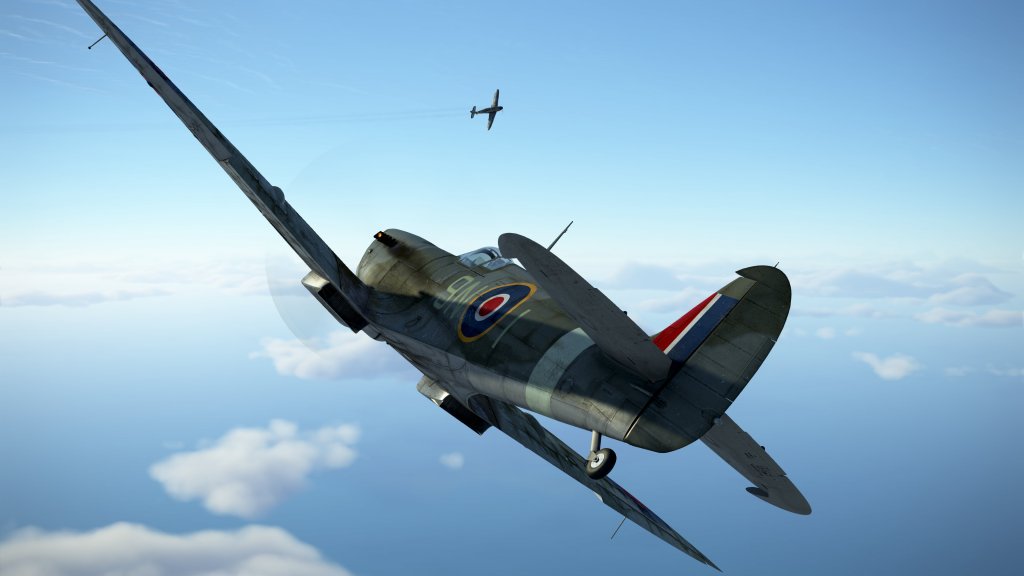
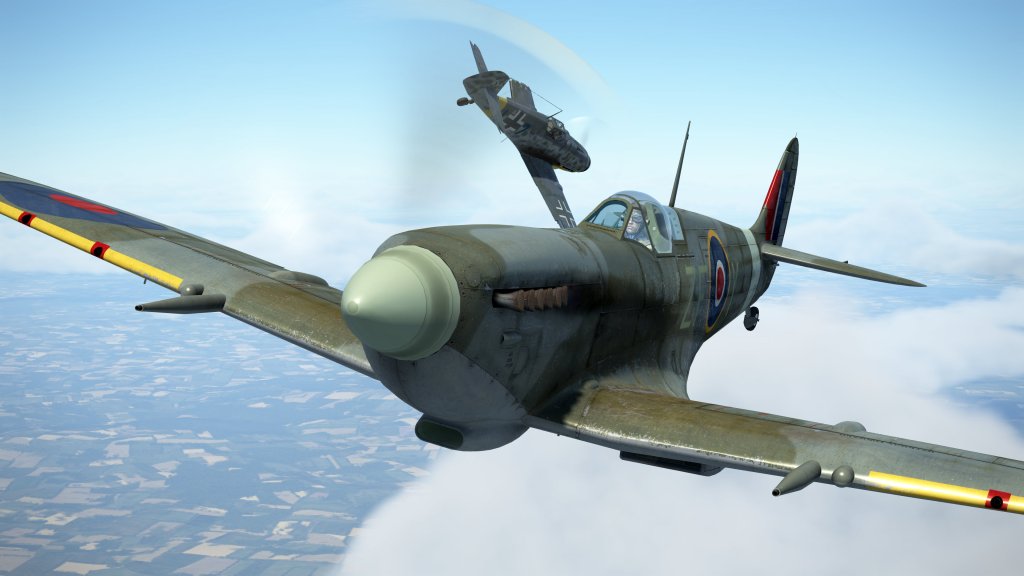
A few weeks back 1CGS added a new Spitfire to the IL-2 Sturmovik: Great Battles Series. The Spitfire Mark IXc doesn’t differ much from the previously released Spitfire IXe but there are some differences you may want to note. Where does this new Spitfire fit in? How does it differ? Let’s have a look!
Added to Battle of Normandy

I’m not sure what the background story is here but when 1CGS announced the Spitfire IXc was coming, I assumed and I think most folks also assumed, that it would be sold separately as a Collector Plane. And that was a reasonable assumption given past announcements as well as the possibility that the Spitfire IXc could be one of several modifications including a 1942 or 1943 era model with the earlier Merlin 61 or 63 engine, different cockpit modifications, different filters and exterior details, and other distinguishing features from the later model Spitfire IXe that we’ve had for years now.
Ultimately they didn’t do any of that. The Spitfire IXc is a later model version with the same Merlin 66 (or 70) that the Spitfire IXe has. Fortunately, they chose not to sell it individually but bundle it as an aircraft for the Battle of Normandy package which is a nice bonus to folks who already owned the title and a potentially added incentive for new buyers too.
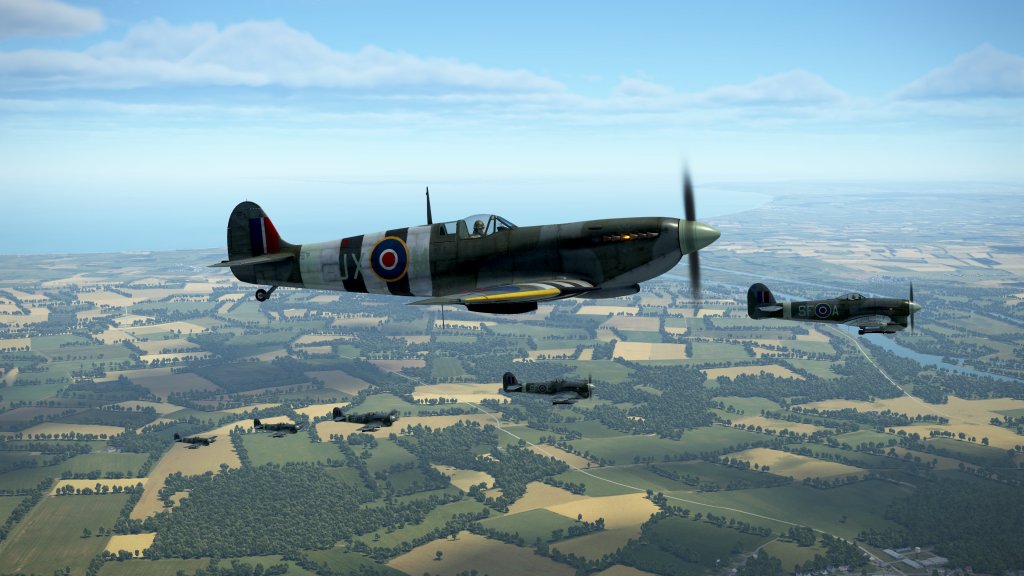
The Spitfire IXc fits nicely into the aircraft set fitting both the time period and being the predominant frontline fighter for the RAF squadrons operating during the battle. In this battle, Spitfire fans now have the choice of Spitfire Vb (Collector Plane and Battle of Kuban Premium offering), Spitfire IXe (Battle of Bodenplatte), Spitfire XIV (Battle of Normandy Premium) and this one. Indeed most RAF fighter squadrons in the June-September range were flying this model of Spitfire so it will become a familiar presence to anyone flying with or against the RAF in this career mode campaign.
What is the IXc and how does it differ?
Spitfire designations are a bit confusing to many and its made all the more confusing by the difficulties with wartime officialdom to keep up with the changes being made at the factory level. Between 1942 and 1945, multiple iterations of the Spitfire IX emerged from factories around Britain. There were big and small differences and many came sporting different engines, armament configurations and eventually different designations to try and reconcile them all.
The Spitfire IXc we’ve received is not that different from the Spitfire IXe that we’ve had in the series for a long time now. Chronologically, this Spitfire IXc is a slightly earlier model of the Spitfire IX series than the IXe and it differs in two essential ways.
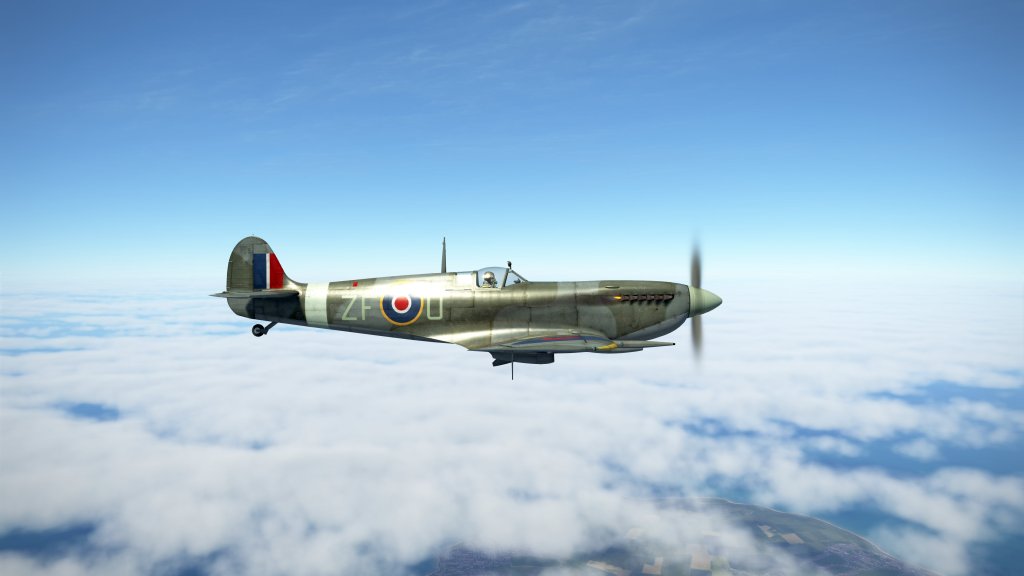

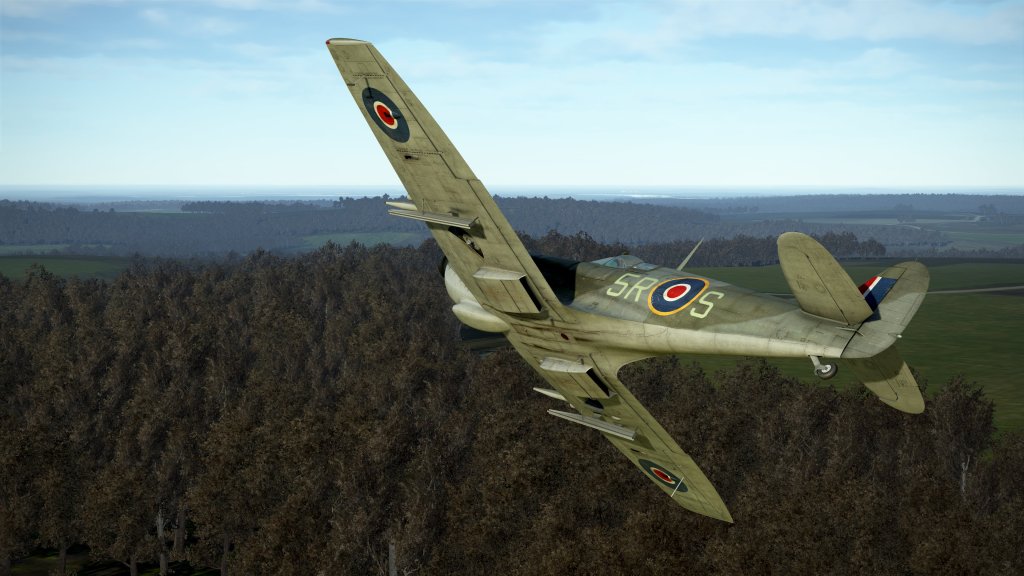
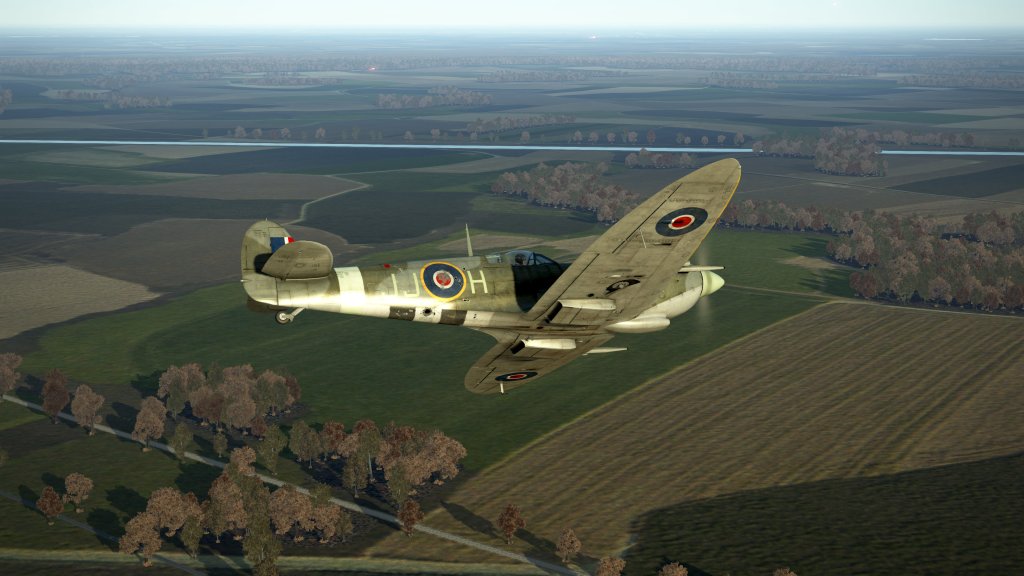
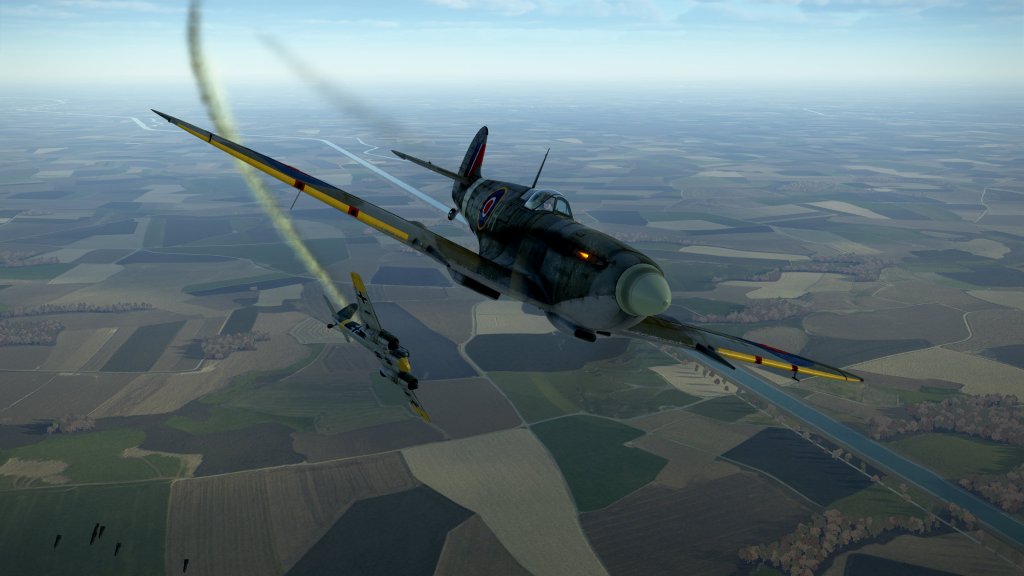
First, this model of the Spitfire IXc has a standard rudder with a rounded top similar to earlier models of Spitfire including the Mark V, Mark II and I. The designers found that the Spitfire IX had less lateral stability than earlier models thanks in part to the new engine. That issue was later solved by increasing the area of the rudder creating the broad chord rudder.
Second, this model of Spitfire has the C-type wing by default. This sports two 20mm Hispano Mark II cannons with 120 rounds per gun and four Browning .303 machine guns with 350 rounds each. This differs from the E-wing with its two Hispano Mark II cannons with 140 rounds per gun and two Browning .50cal machine guns. The E-Wing is an option too! That effectively turns our Spitfire IXc into an Spitfire IXe. One with the rounded rudder.
In combat
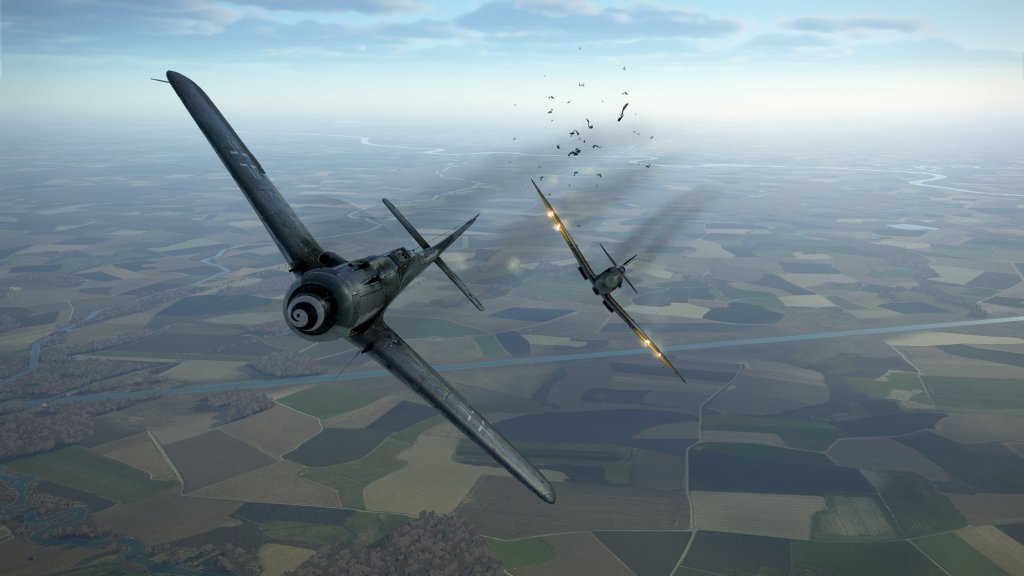
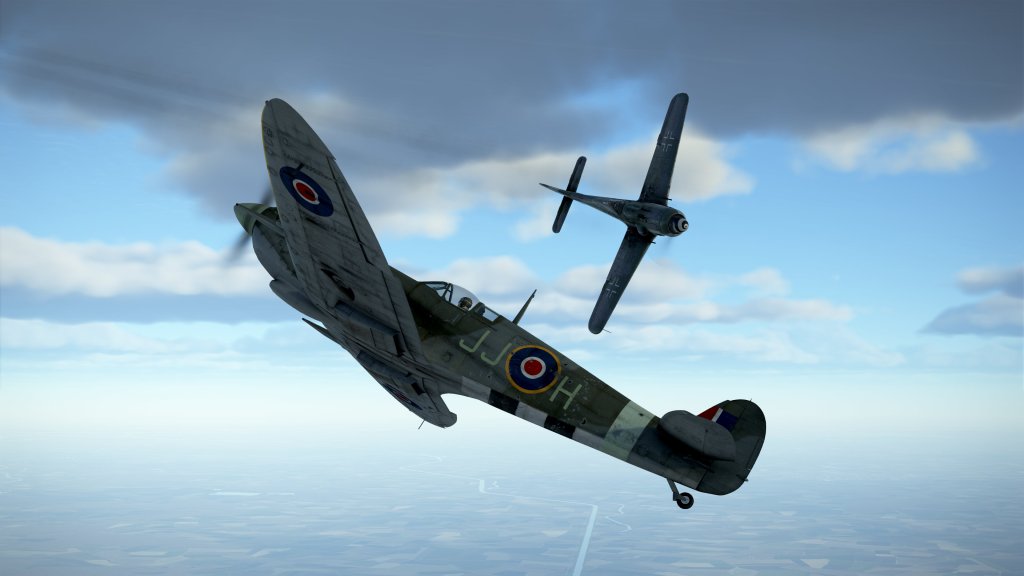
The Spitfire IXc offers much the same experience as the Spitfire IXe does. Because its technically a bit earlier in production, it will be theoretically slightly more competitive while facing down more Bf106G-6 and Fw190A-6 and A-8 models than the later aircraft. These are fighters the Spitfire IX can fight far more comfortably than the late model Bf109G-14, K-4 or Fw190D-9 that it sometimes counters in Battle of Bodenplatte scenarios.
The C-wing armament is also not quite as good as the E-wing armament. The four .303s are further out on the wing causing more issues with convergence. They also lack in punch compared to the .50cal that the E-wing offers up. The capable and potent Hispano Mark II 20mm cannon, the primary armament of all Spitfire IX models, is still present so the ultimate experience is roughly similar.
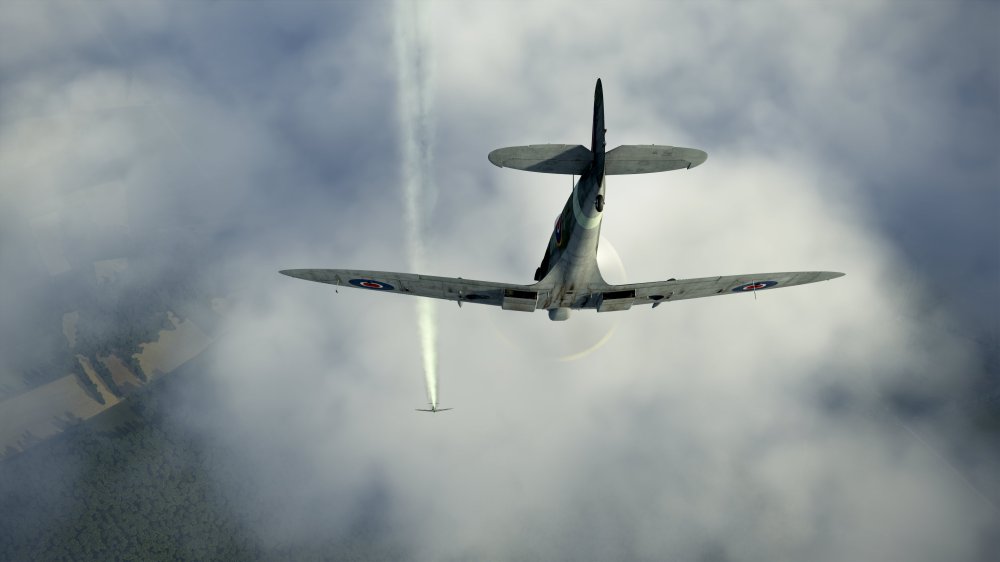
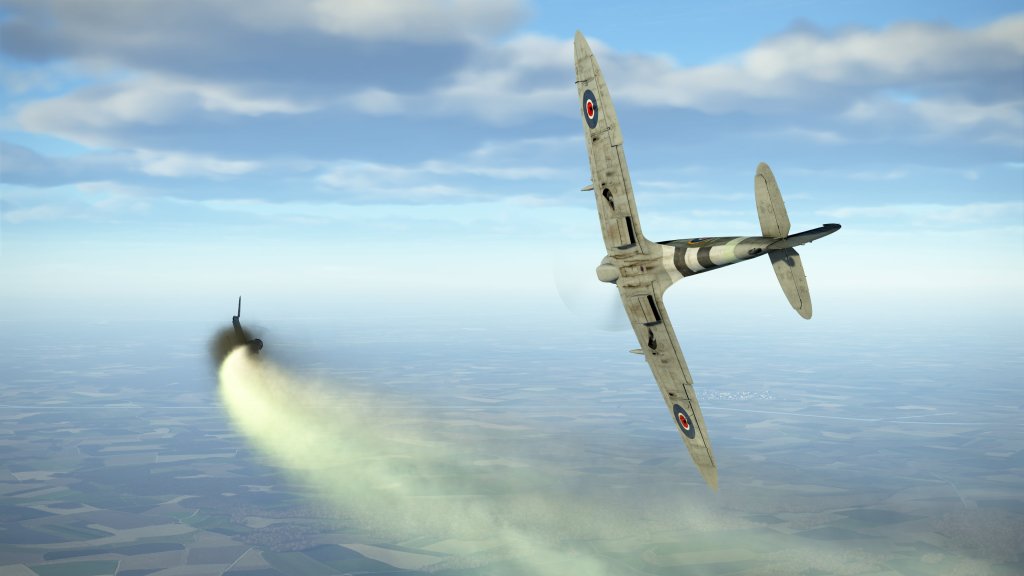
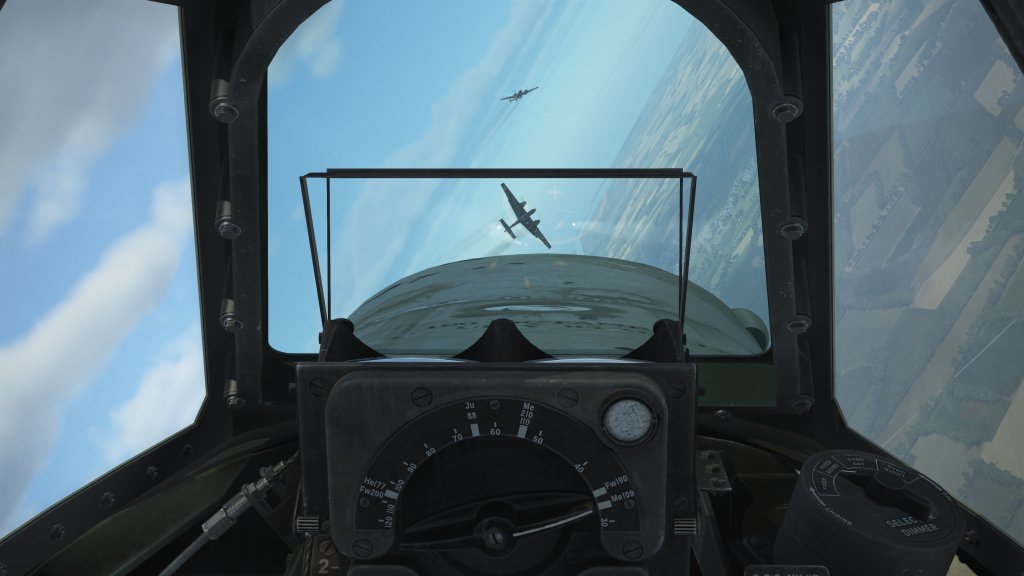
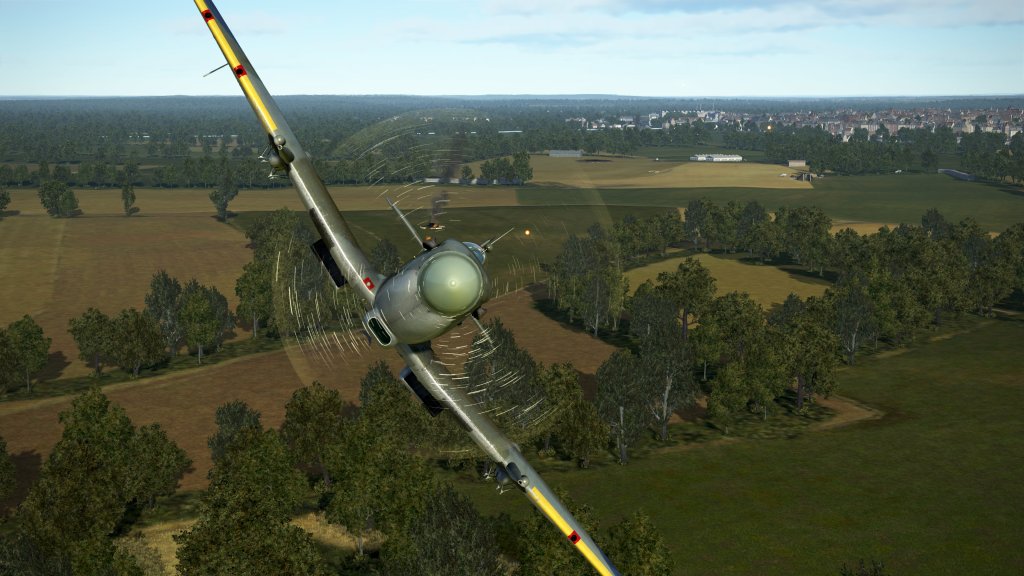
Like the Spitfire IXe, the Spitfire IXc is a potent fighter with a great combination of climb, speed and overall manoeuvrability that makes it into the legend that we know it to be. It’s heavier than the Spitfire Vb and so not quite as chuckable as that fighter but not quite as heavy and over powered as the Spitfire XIV and so ends up being a solid middle ground. Roll rate is somewhat sluggish at speed with the standard wingtip version but the clipped wing version largely solves that.
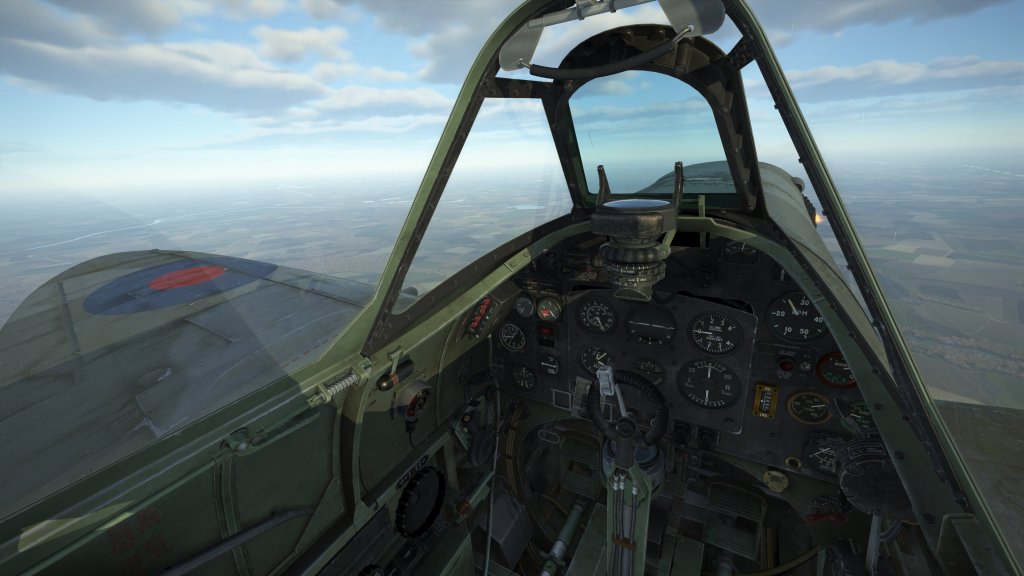
You do sometimes notice the slight lack of lateral stability with this version. It’s not always noticeable but in some high angle of attack scenarios the aircraft will depart more quickly and readily than on the broad chord IXe. It’s more than I had first assumed though not a big problem with good rudder coordination and a bit of experience behind the stick.
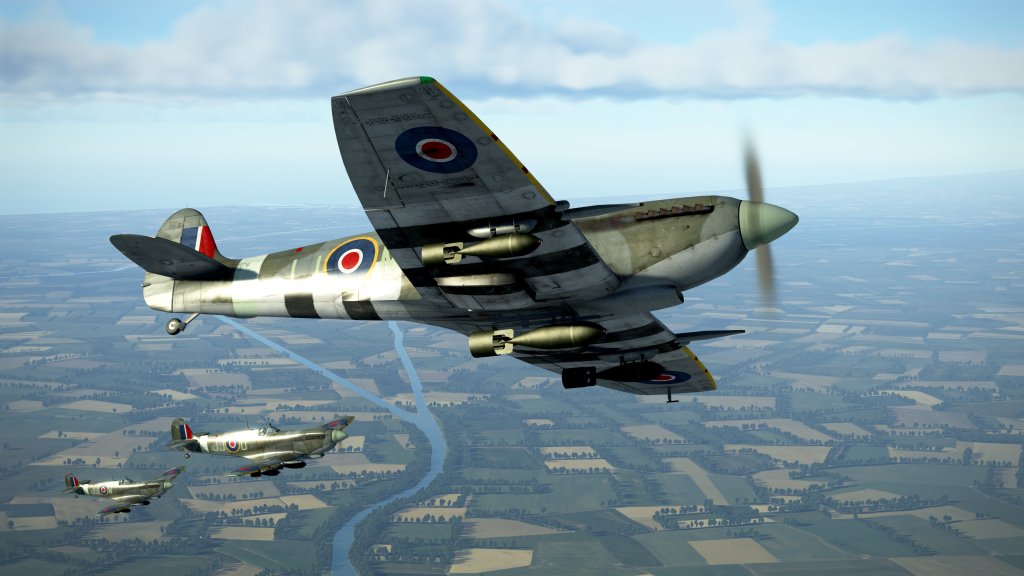

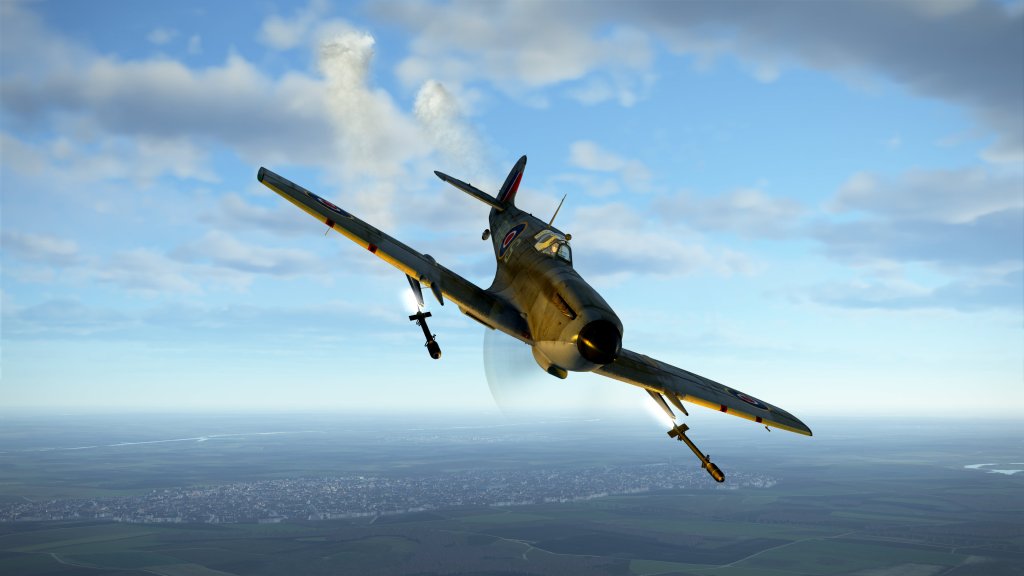
The Spitfire IXc also has the same ground attack capacity as the Spitfire IXe and that includes bombs and rockets. Spitfire’s were used as reasonably capable fighter-bombers in 1944 and 1945 with attacks on various targets including V-1 sites being a common target for some Spitfire squadrons. The aircraft can do these missions reasonably well though other platforms, such as the Typhoon, are arguably better in the role.
In Career mode
You’ll find the Spitfire IXc all over the place in Career mode for both Battle of Normandy and Battle of Bodenplatte careers. Equipped to most of the RAF fighter squadrons, this is the primary type for the RAF in this battle so you’ll see it on all but a handful of squadrons. The others will be split between other variants of Spitfire with a few XIV and a few IXe squadrons in the mix.
For Bodenplatte you’ll see more of a mix too with some squadrons using one, some using the other and many using both.
So for single player folks, you’ll be able to jump right in and experience this aircraft. In the Advanced Quick Mission Builder too where its available on all Western Front scenarios.
Modifications
The Spitfire IXc mirrors what is available for the Spitfire IXe. Options include:
- 250lb bombs (two, one on each wing)
- 500lb bomb on the centerline
- Clipped wings
- An exterior mirror above the pilot canopy
- Merlin 70 high altitude engine
- 150 octane fuel (for significantly enhanced low altitude performance)
- RP-3 HE and AP rockets
- Mark II GGS gyro lead computing gunsight
- E-wing armament configuration (with two Hispano 20mm and two Browning .50cal)
None of these modifications are new but they do ensure that the Spitfire IXc has feature parity with the Spitfire IXe. Good stuff!
Liveries, tac codes, etc.
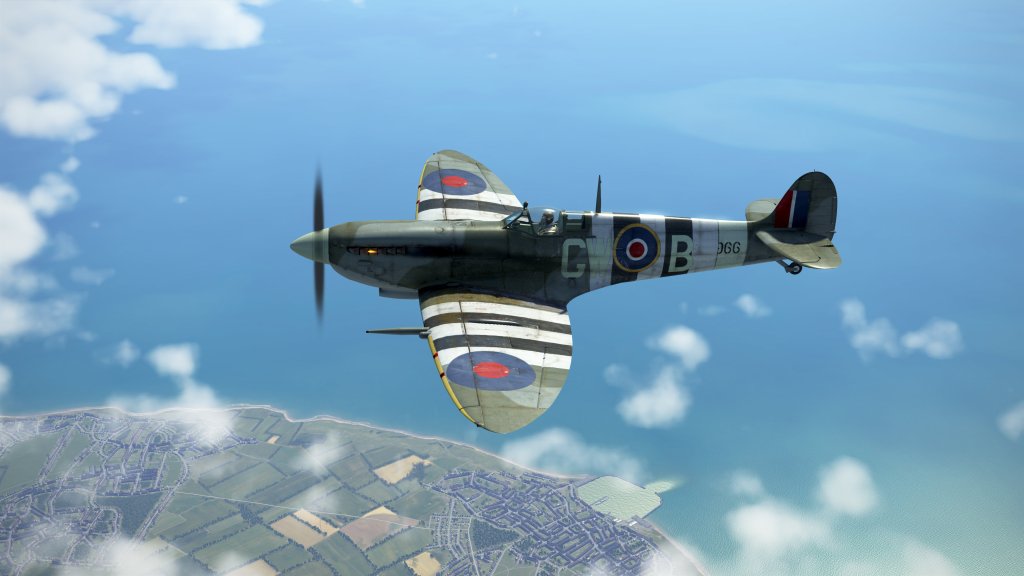


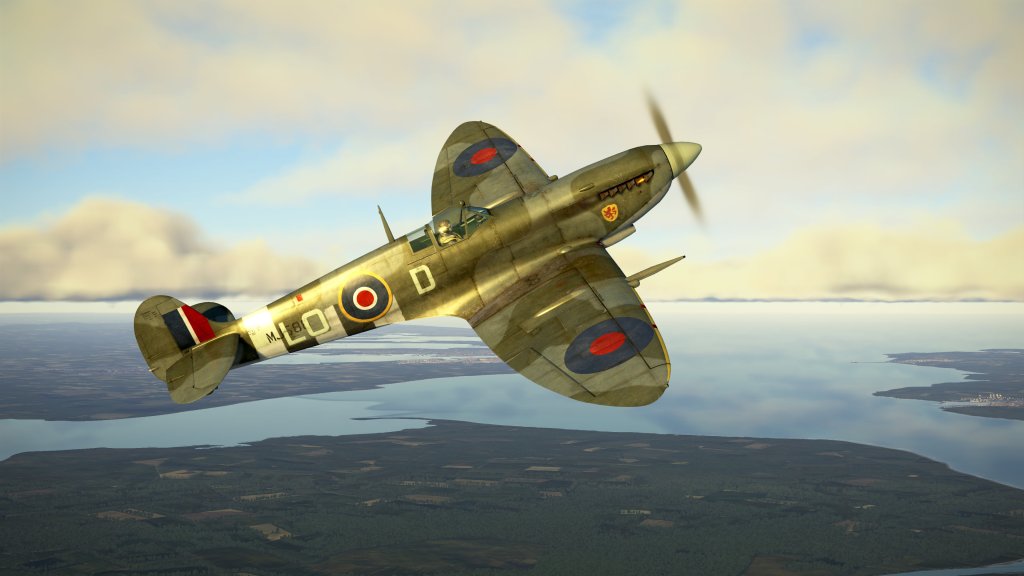
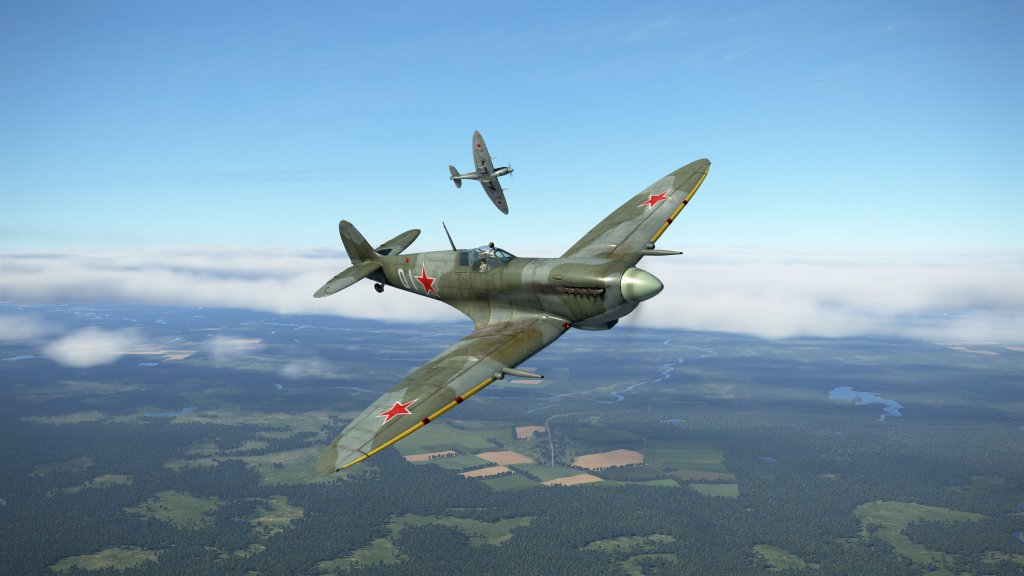
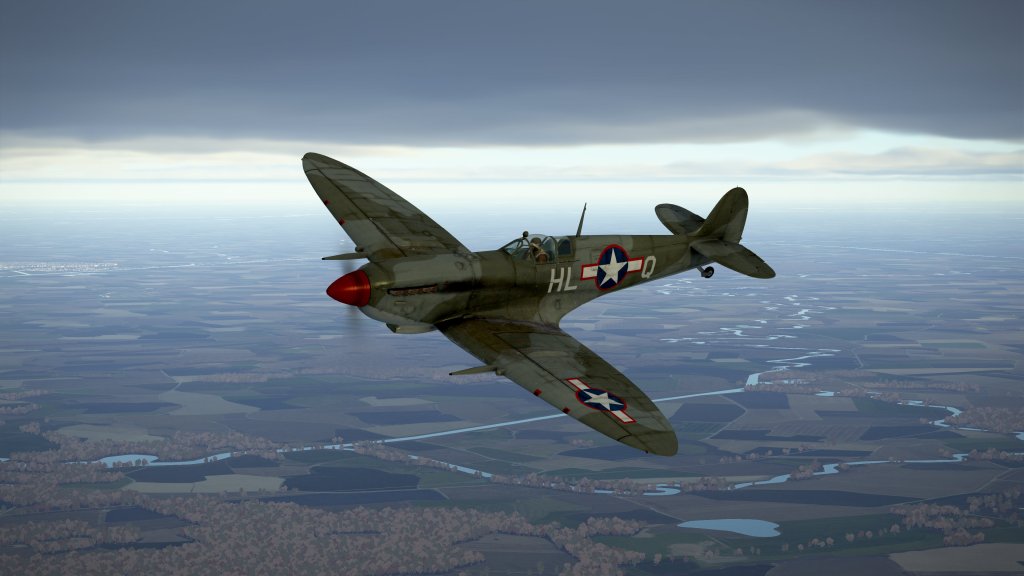
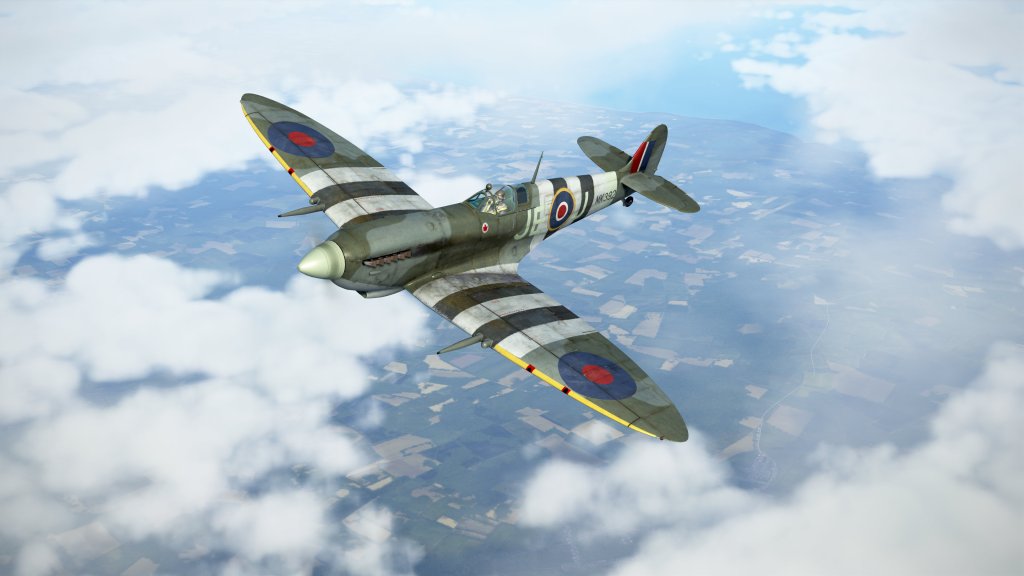
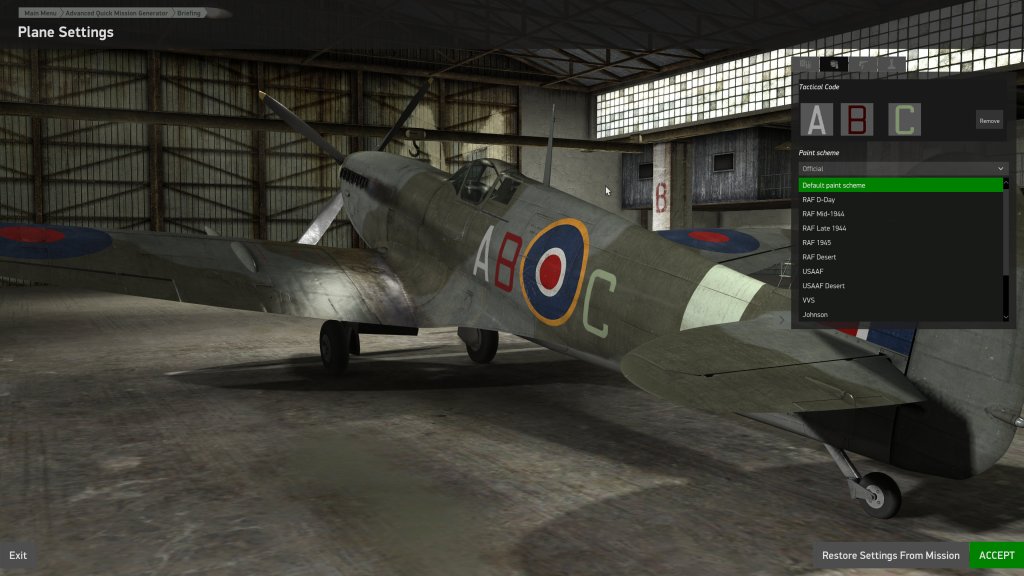
A portion of the value of a new aircraft, especially when its a variant of something we already have, is the available liveries. Here we have about a dozen liveries available with a good mix of mostly RAF mixed in together with a couple of American themes. Generic schemes include RAF versions with various pre and post D-Day schemes (with varying degree of invasion striping) and a 1945 version too. There’s two American generic liveries (desert and temperate schemes) and a Soviet scheme too. Among the collection are some famous Spitfire IXs including Pierre Closterman’s and Johnnie Johnson’s.
The Spitfire IXc comes with tactical code support, as all modern IL-2 Great Battles releases do, and it works just fine to create realistic (or goofy) codes together with the generic markings.
Final thoughts
If 1CGS had released this as a Collector Plane I would have a hard time recommending spending the $20 USD that they typically are sold for. That’s because there is just not a lot of difference between this Spitfire IXc and the Spitfire IXe that we already have. Far less than even between the bubble canopy Spitfire XIVe and standard canopy Spitfire XIVc. But they didn’t go that route and so I commend them for making a smart decision of instead adding it to Battle of Normandy and giving more value to that package.
If you haven’t bought Battle of Normandy but are considering it, that pack has just gone up in value slightly and if you had already bought it (perhaps years ago) you now have an extra plane in the hangar that you didn’t before.
Though not overly unique to the available collection, the Spitfire IXc is nonetheless an important type in the grand scheme of things. While an IXe sufficed in pre-D-Day scenarios, this model is undeniably more typical and realistic for the Normandy scenario. Done to the usual visual and audio standards with an ample supply of liveries, the Spitfire IXc is just more of a good thing. A nice bonus!
Screenshots

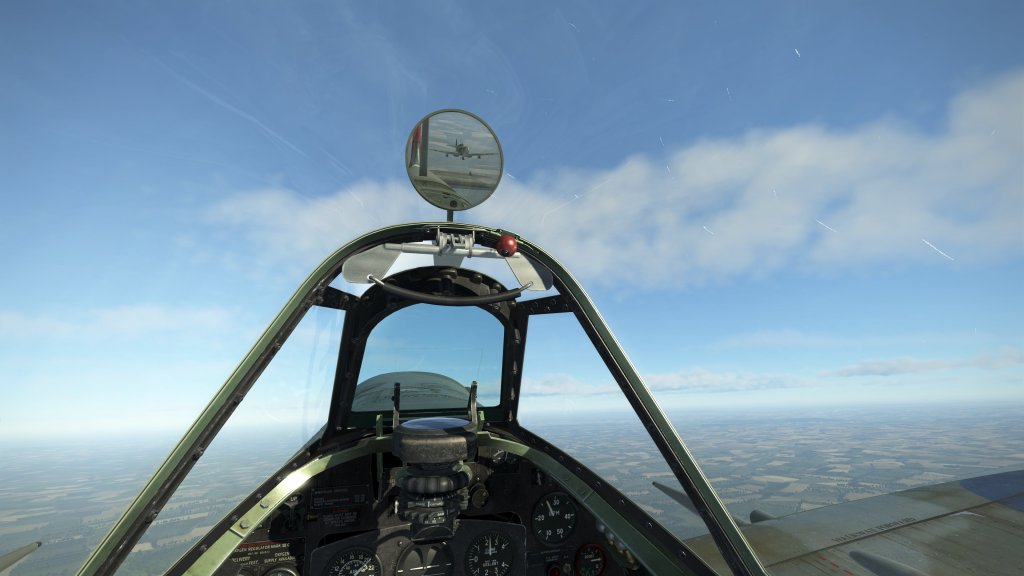


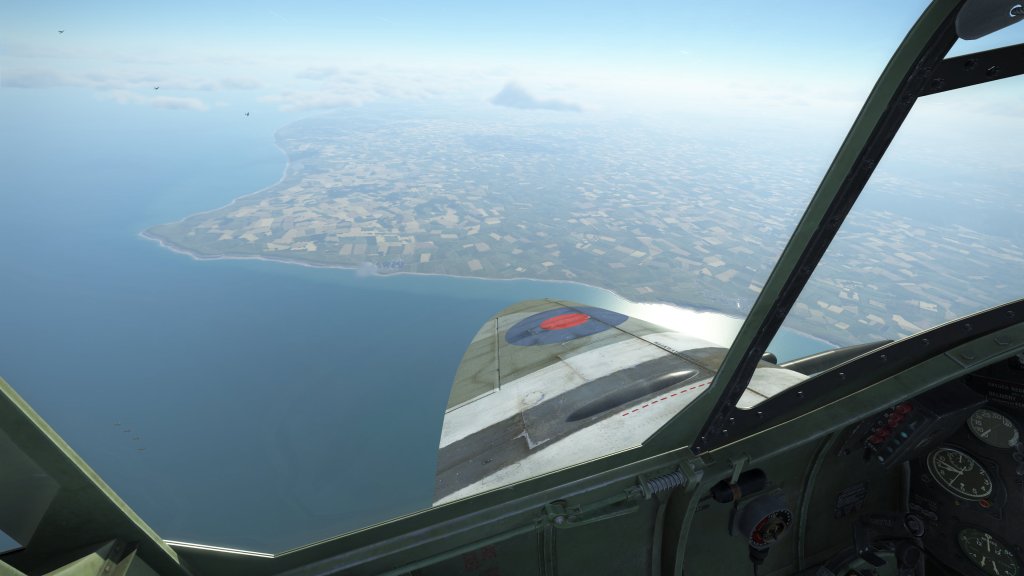

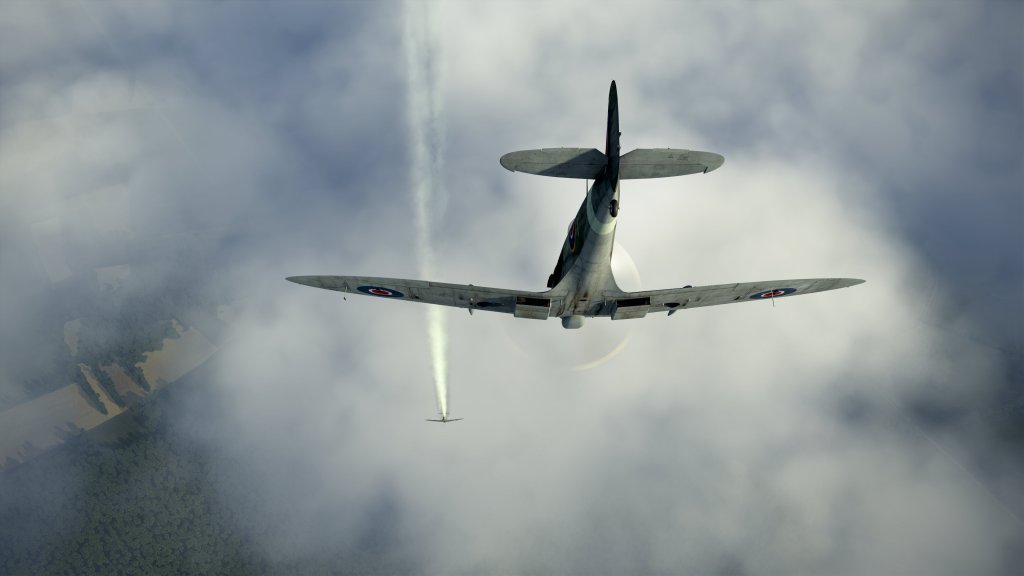
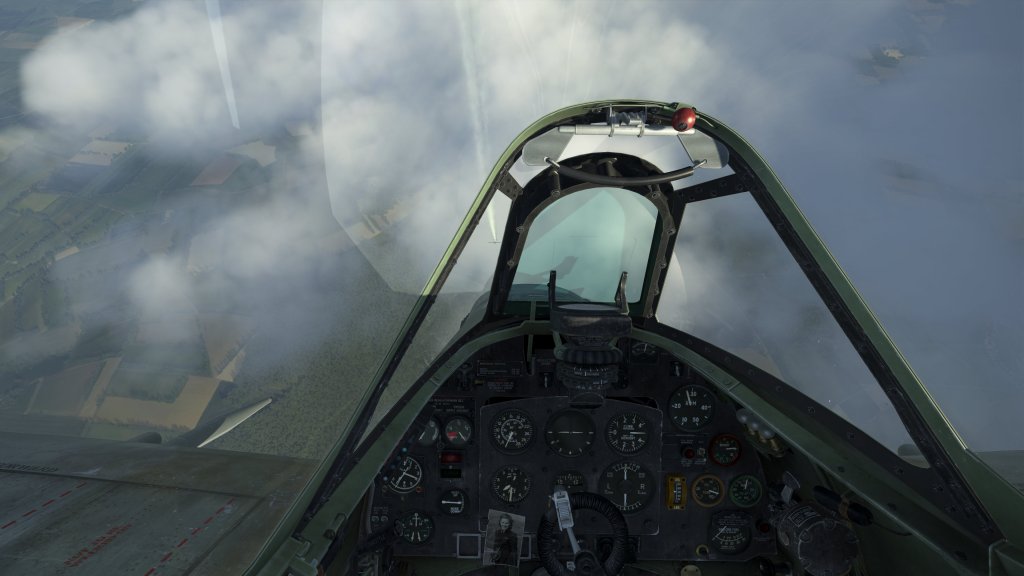




 Stormbirds
Leave a comment