
I’ve wanted to write this review for a long time but am only getting to just now. Aerosoft’s CRJ series holds the distinction of being the first high-fidelity airliner to come to Microsoft Flight Simulator 2020. While launching first sometimes has advantages, I’m not sure if Aerosoft or the CRJ managed to capitalize on that head start in the long run. Three years after its first release, I look at the current state of Aerosoft’s CRJ for Microsoft Flight Simulator.
A bit of real world history
The history of the CRJ has a couple of complex twists and turns which is par for the course when it comes to Canadian aerospace development.
The genesis of the project began with Canadair, a Canadian aerospace company that got its start as Canadian Vickers. The company then acted as a subsidiary for many years before being nationalized, then privatized, and then sold to rival Canadian firm, Bombardier. Canadair explored re-configuring their popular Challenger business jet into an airliner using the existing frame to pack in a two-by-two arrangement for short haul flights.
The project picked up speed as Canadair was privatized and sold to conglomerate Bombardier in 1986. The Canadair Regional Jet, in recognition of the origin of the project, first flew in 1991 and entered service in 1992 with Lufthansa City Line before being picked up by numerous other operators.
The aircraft series saw numerous versions developed with larger second generation versions offering seating for 50 on shorter versions while even longer variants offering a maximum of 104. Over 1,800 CRJs having been delivered though in 2024 the type has slowly begun to fade away as production ended in 2020. CRJ owner Bombardier sold the aircraft and service contracts to Mitsubishi Heavy Industries as part of an overall divestment from commercial aerospace projects and it seems unlikely that production will restart.
Aerosoft’s CRJ project history abridged
I think it’s important to recognize the history that this aircraft module itself has with Microsoft Flight Simulator to get a bit of context on this one.
Aerosoft worked closely with Microsoft around the time of Microsoft Flight Simulator’s launch which enabled them to launch the CRJ series for Microsoft Flight Simulator in March of 2021. That was not even a full year after the launch of the sim itself and that gave the CRJ series in MSFS a huge head start with other high fidelity airliner products such as PMDG’s 737 line which began arriving about a year later.
Aerosoft would go on to update the project four times with the last update arriving in the summer of 2022. No further updates have been forthcoming since then and that is unfortunate because the aircraft has a few issues that need to be dealt with.
Hope is not entirely lost, however, as the primary driving force behind the CRJ project, Hans Hartmann, is reportedly working on the aircraft again. Late in 2023 he mentioned that work would be done on the project with an improved cabin and various fixes planned. There is no ETA on that and so for now this review will talk about the current state.
Multiple packages and versions
There are three packages for sale on the Aerosoft store for the CRJ. Getting the right package for you will come down to interest and price. For some, the included liveries or the popularity of the specific version will be reason enough to purchase the right package.
The base package includes the CRJ 550 and CRJ 700. Effectively these are the same aircraft with a different seating configuration and slightly different takeoff and weight categorizations so as to meet US airliner scope clause requirements. The 550 comes with two liveries while the 700 has seven liveries available. All based on real world operators and aircraft.
Aerosoft also offer the 900 and the 1000 as an upgrade to the base package – these are not sold separately. The lengthened 900 and 1000 are functionally similar types with some unique differences between them requiring slightly different flying to accommodate for the longer aircraft and added weight. There are 11 liveries for the CRJ 900 and nine for the 1000 which once again cover a good range of real world operators.
If you want the whole thing, there is a bundle deal that lets you own all in one go. It’s this version that I bought.
Visuals and sounds

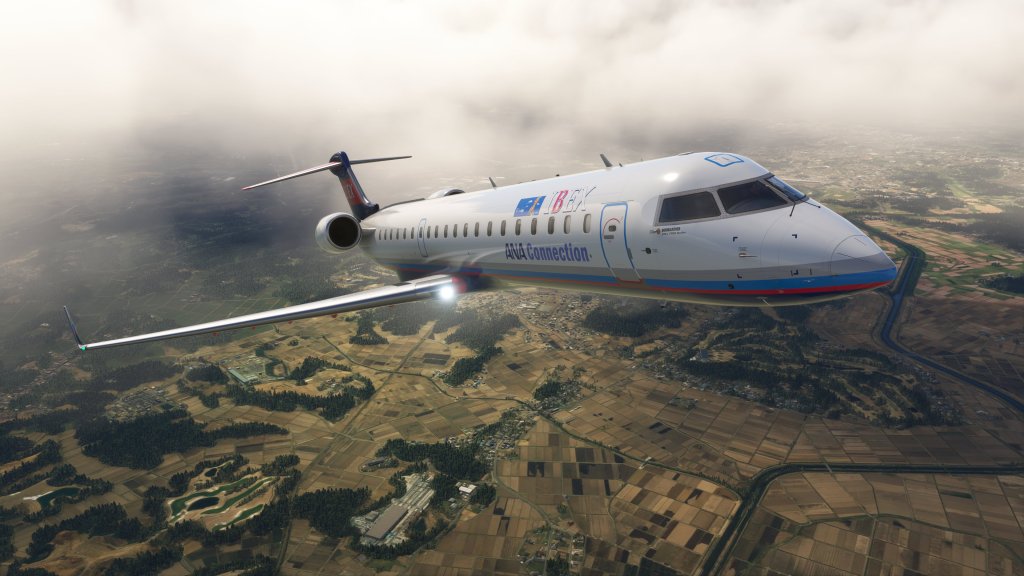

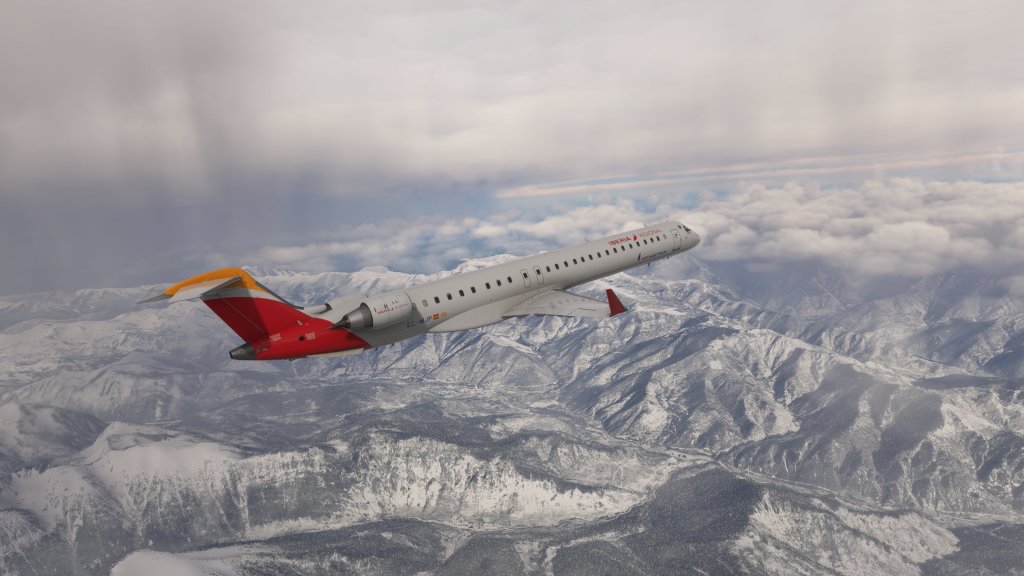
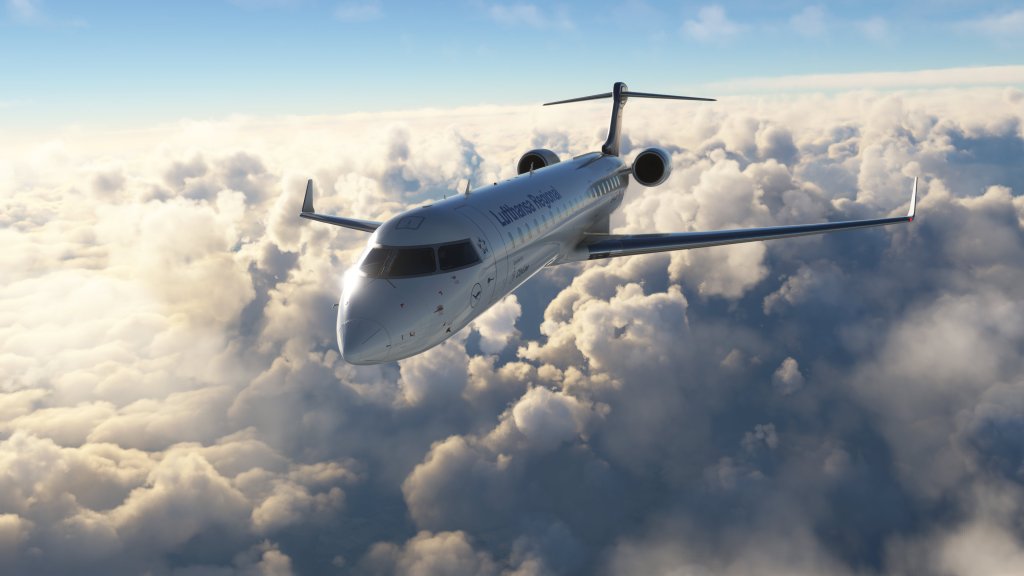
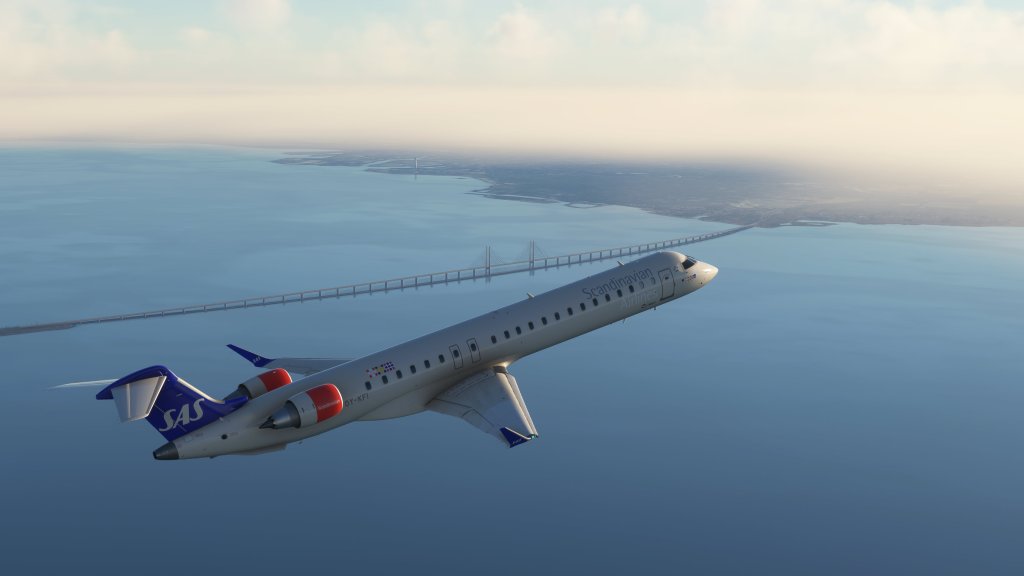


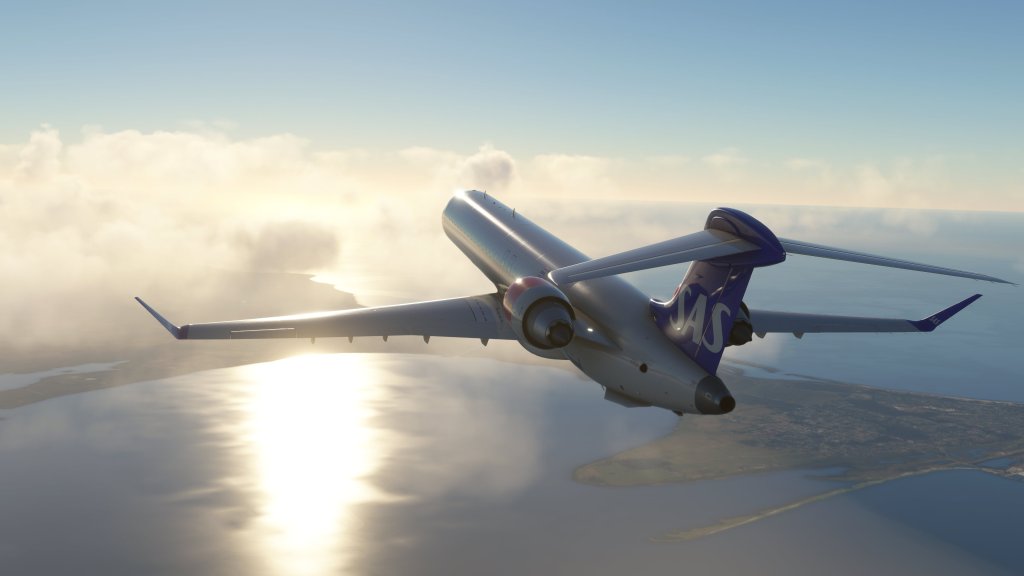
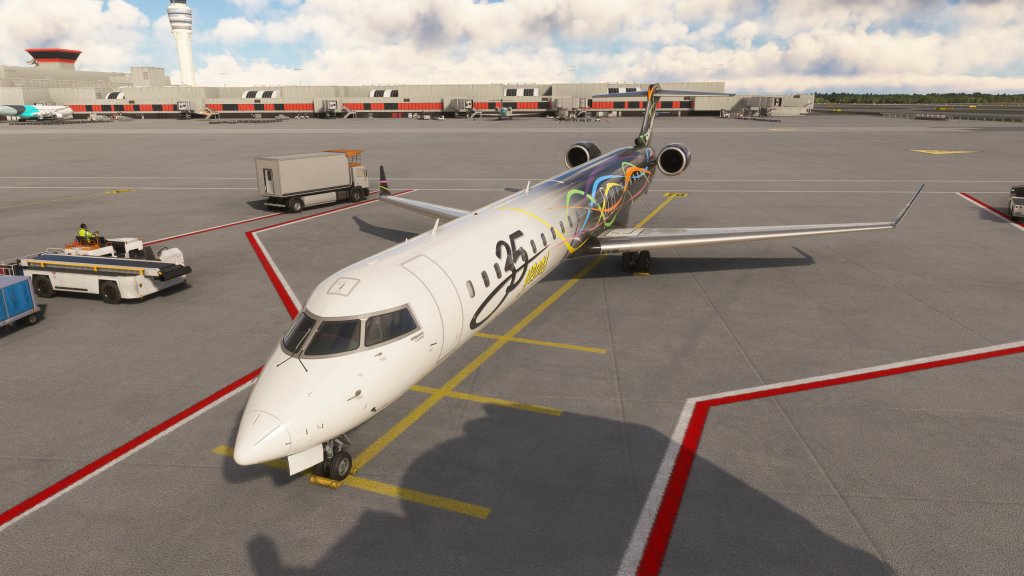
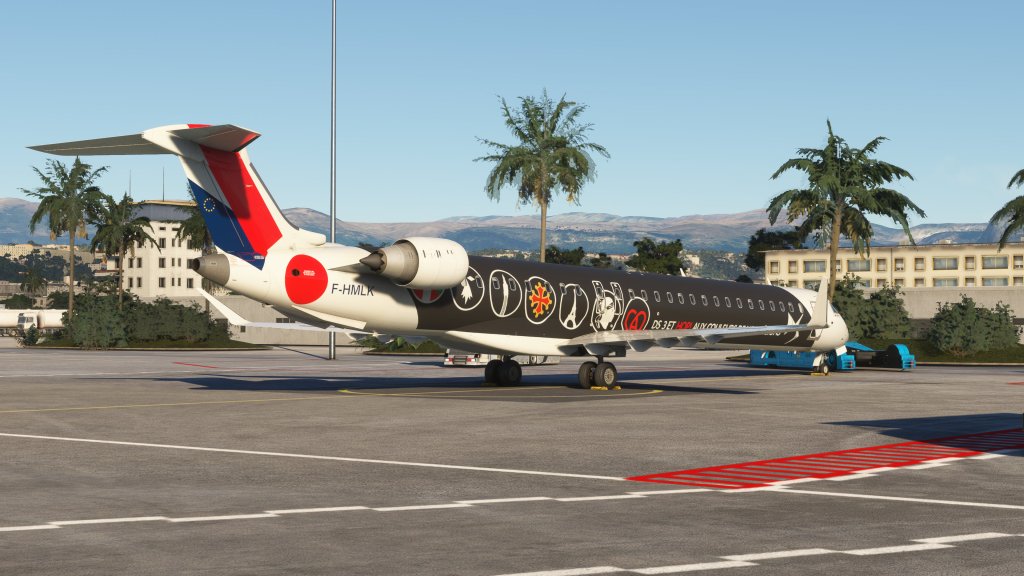
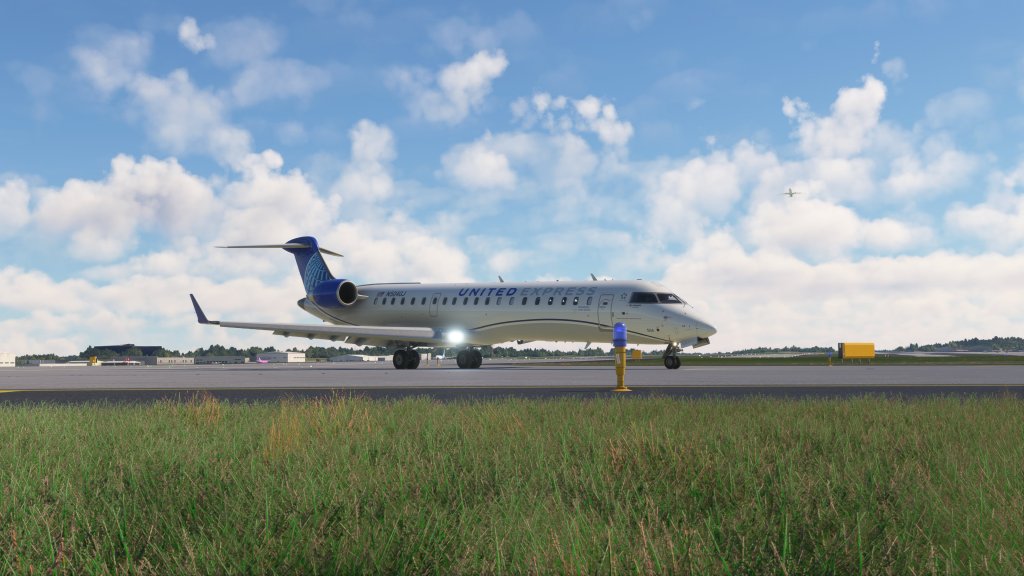
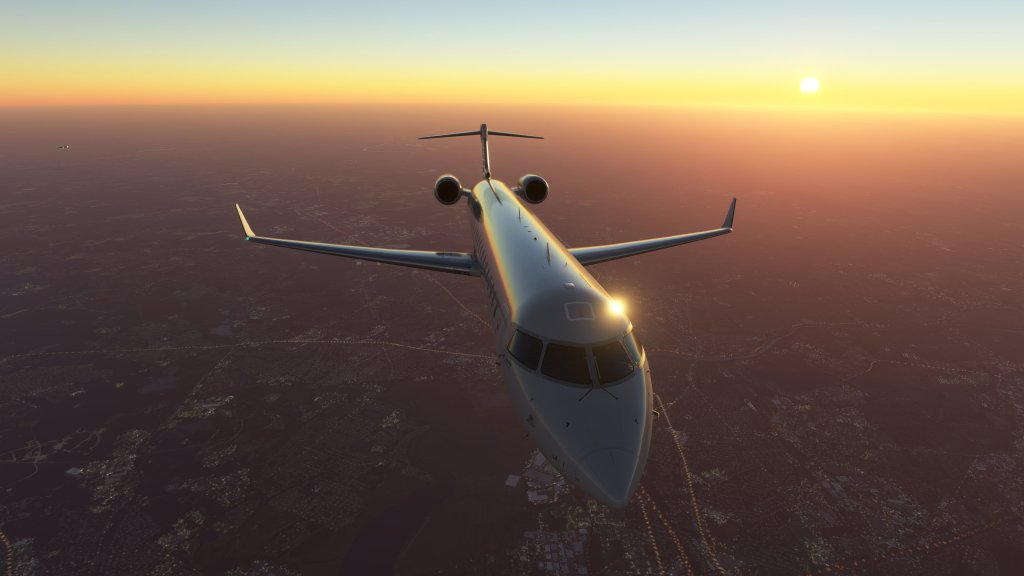
Aerosoft impressed me the CRJ’s strong exterior visuals on release and the aircraft has mostly held up well over the years. The CRJ visually is impressive with extremely good detailing even when viewed at closer viewing distances. It doesn’t have the kind of detail work we see with some competitors and the CRJ is maybe a step or two behind the PMDG, Fenix, iniBuilds and Just Flight offerings. Still, as you can see in the screenshots its quite a good looking plane.
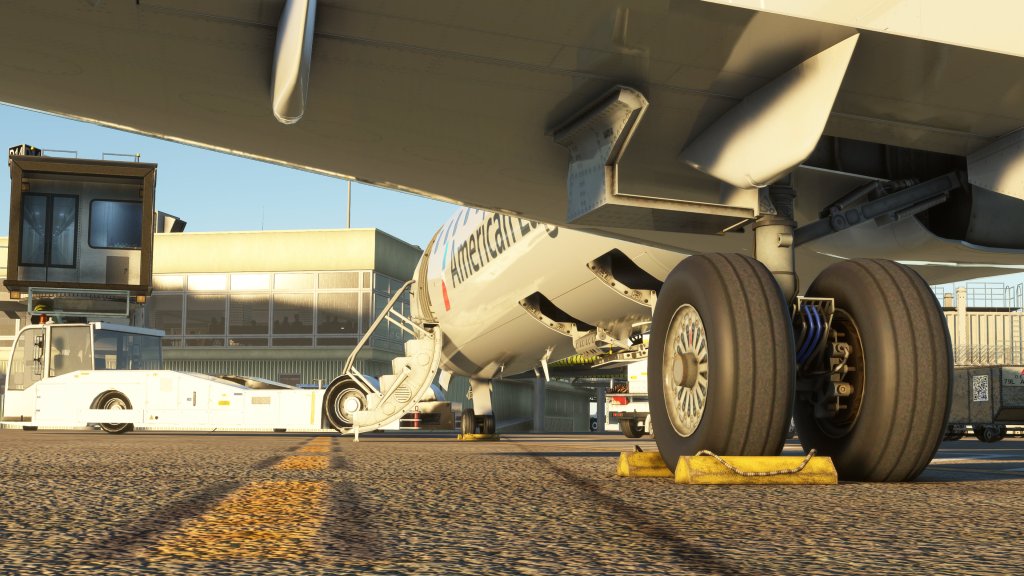
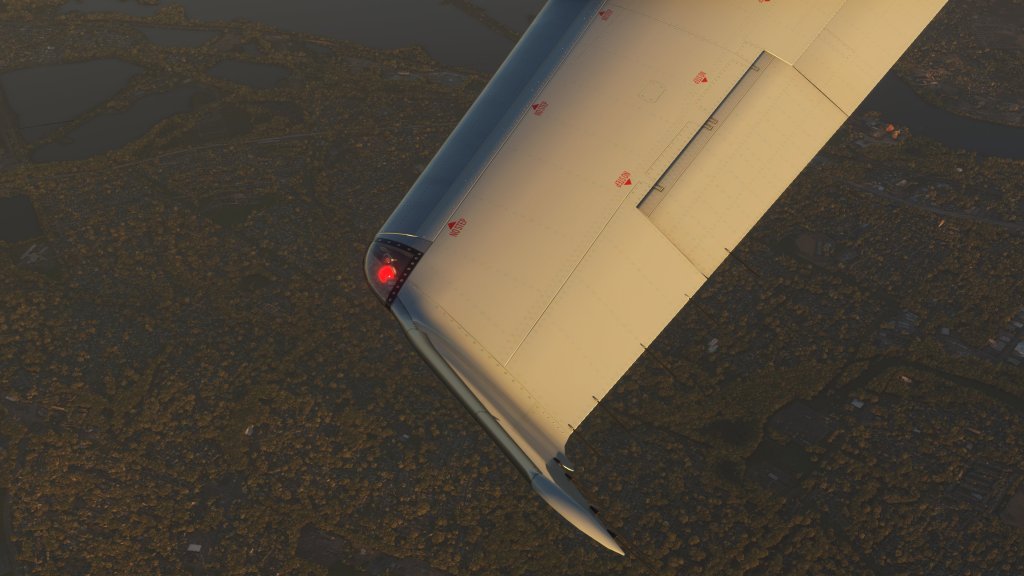
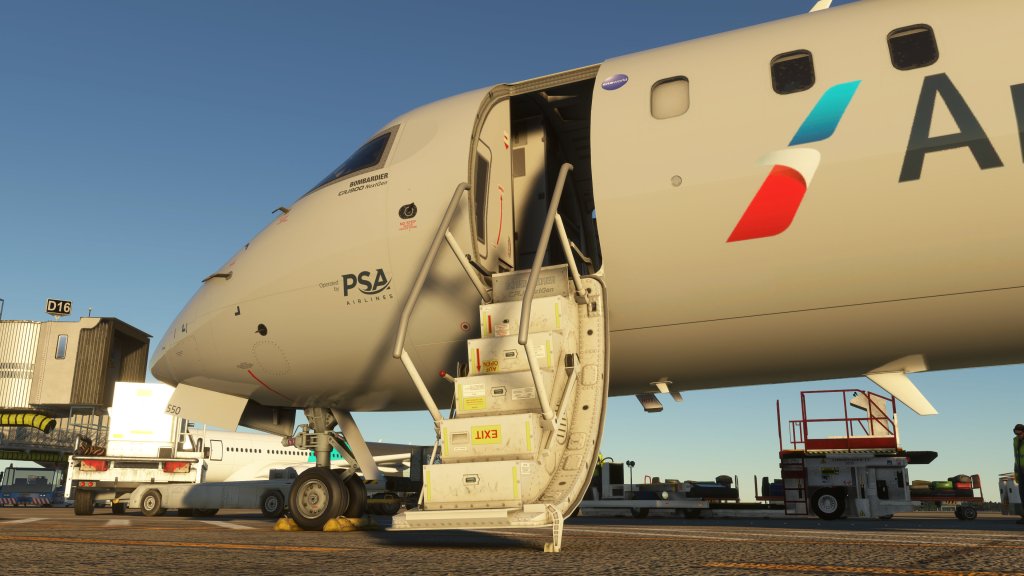
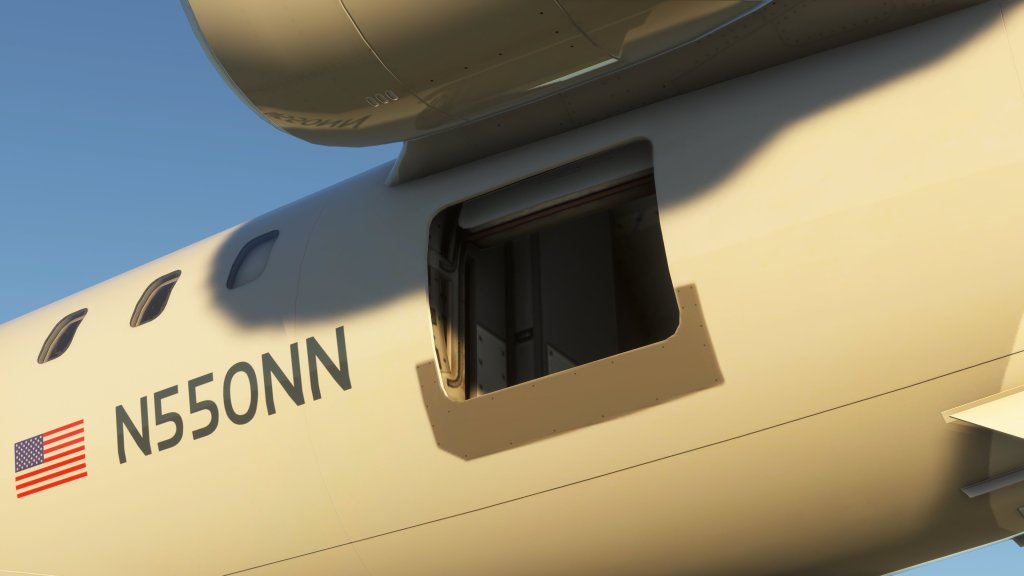
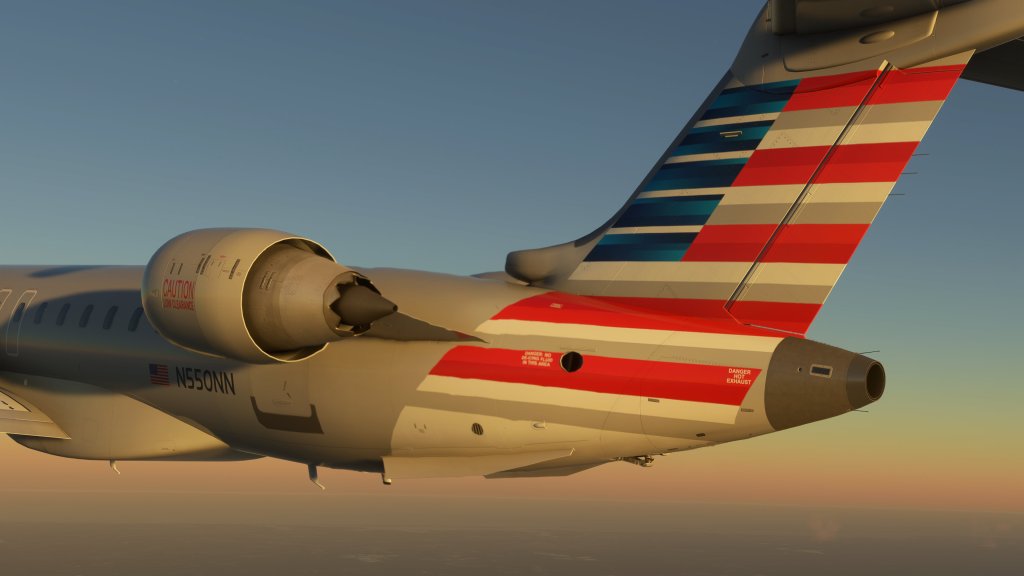
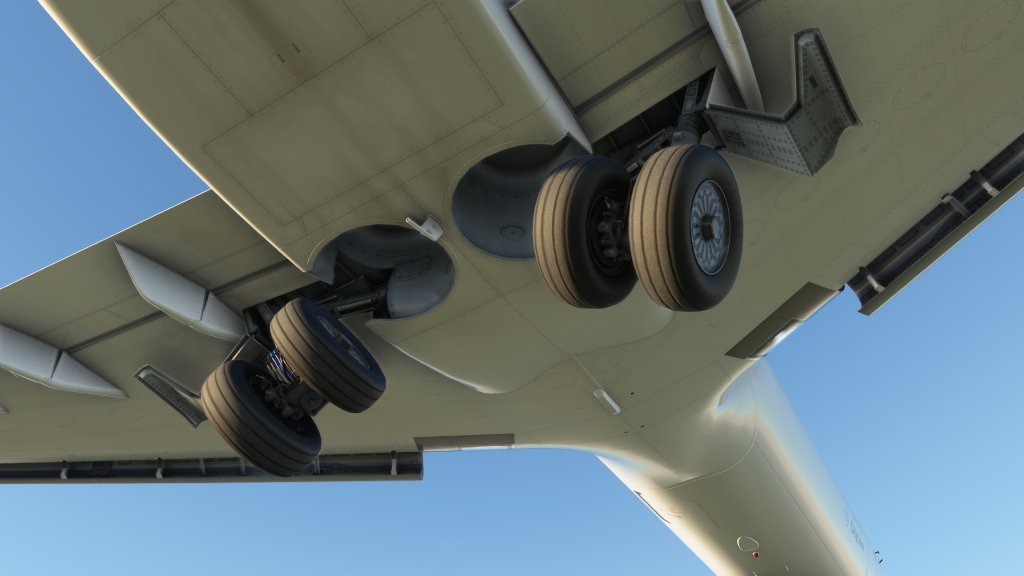
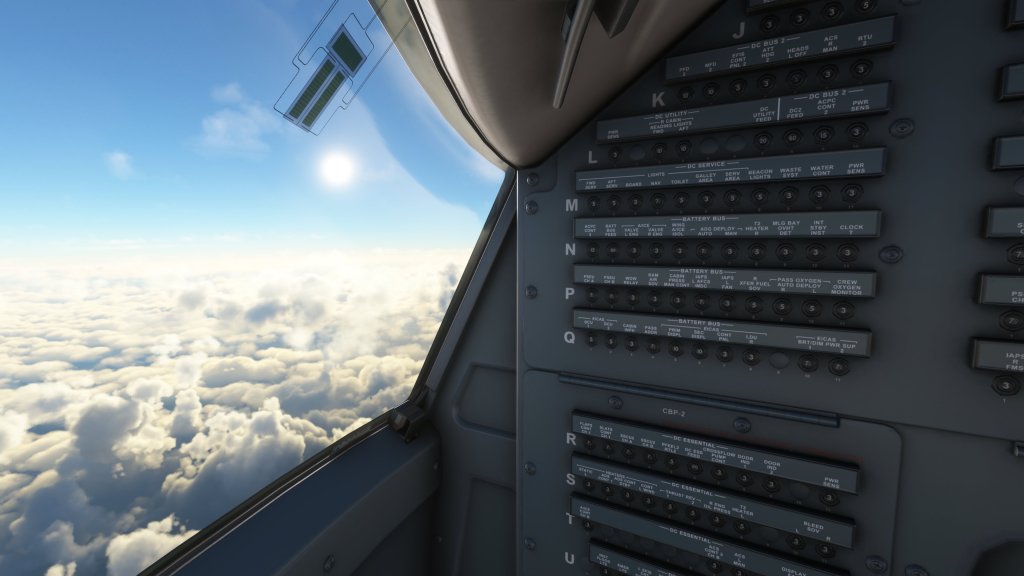
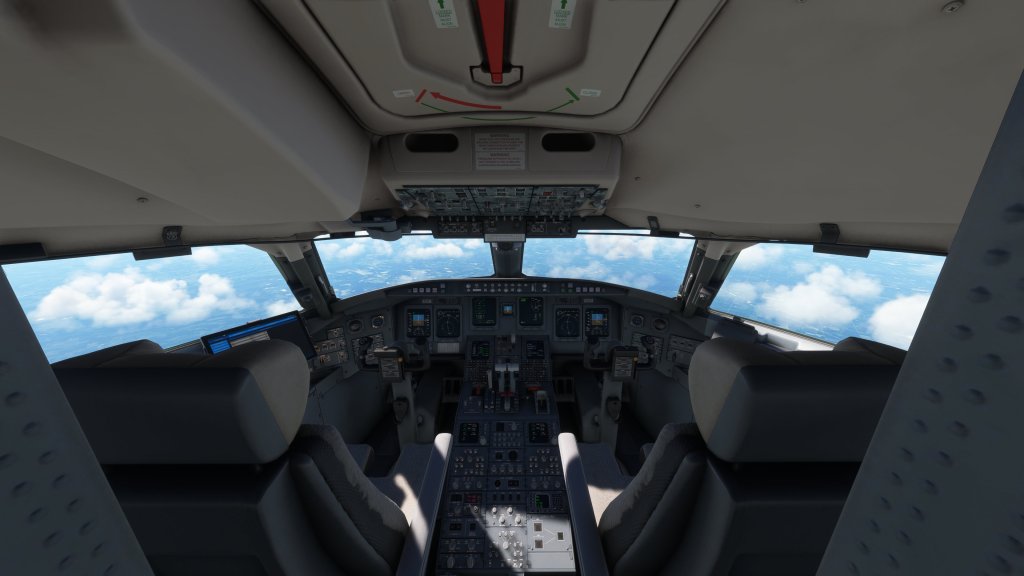
The cockpit is, again, a step or two behind the competition but its still very good with strong lighting effects, crisp textures, and good overall artistry. The cabin of the airplane is less impressive and has been modeled at only a basic level. Admittedly, I rarely spend any time back there anyways but it is nice to go back there from time to time.
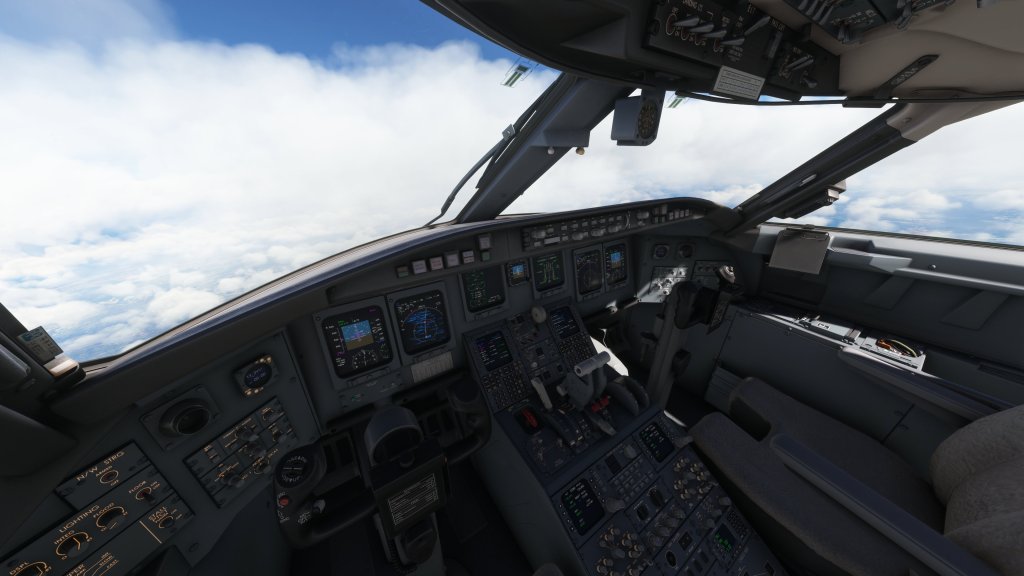

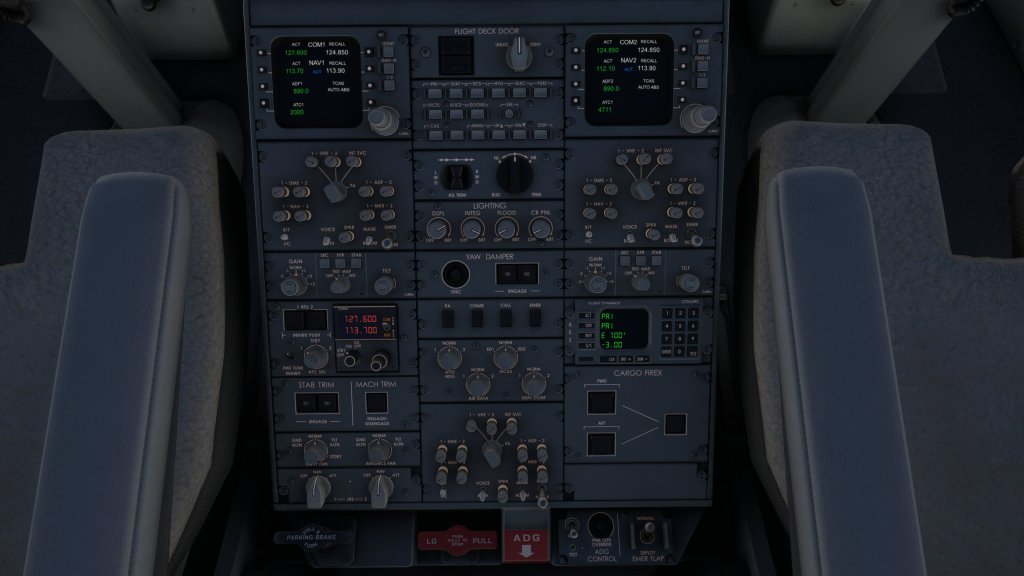
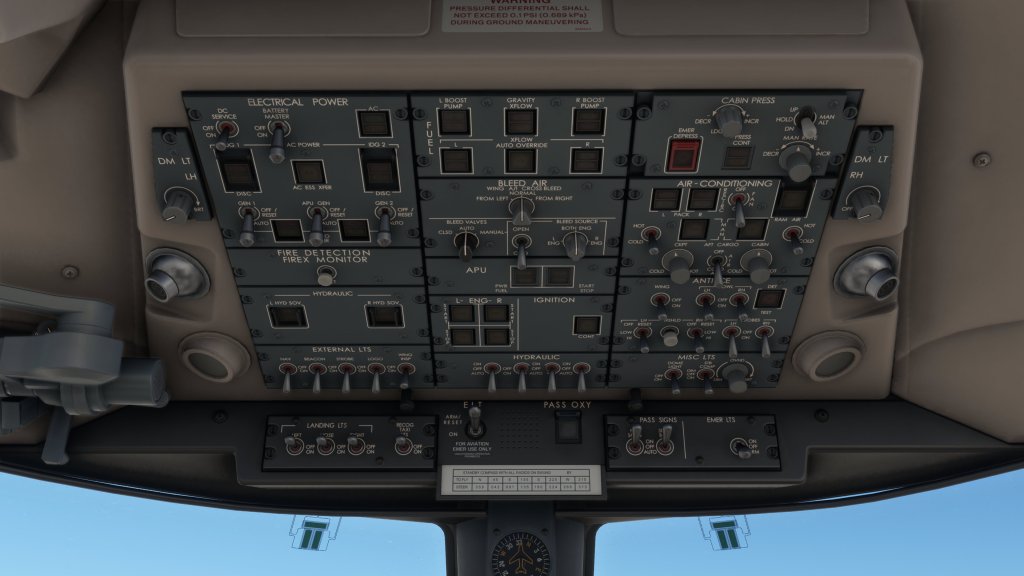
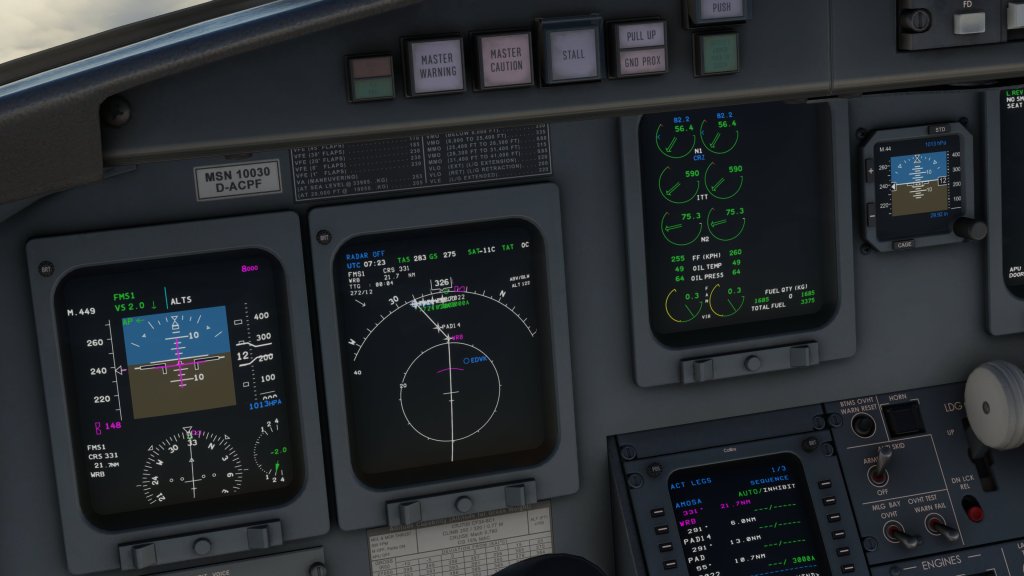
Aerosoft also did a decent job with the sounds too. They tout MSFS Wwise audio support and it generally is enjoyable though never as dramatic as what you get with the competition. Still there are good high-quality sampling and authentic sounds from all over the jet and there together with good start-up and shut down sounds. Button and toggle switch clicks and thunks are satisfying too, though many are repeated. There is a generic set of announcements for takeoff and landing that offer a bit of immersion too though they are not customized by operator.
On the negative side, I have run into an occasional repeating mechanical sound bug that very nearly had me stop doing the flight as it kept repeating for several minutes driving me a bit crazy. It’s happened just twice but it was maddening.
Sim performance
One area that Aerosoft have traditionally done well is in the area of sim performance and the CRJ is surprisingly framerate friendly. Though I don’t generally do benchmark testing, my experience has generally been that the CRJ is roughly as well optimized as PMDG’s 737 which is often regarded as the best of the airliners. It may even be better because its smooth running nearly all of the time with the CRJ.
It stands in contrast to sometimes framerate heavy iniBuilds A300-600 which was the last airliner I reviewed. Even at big airports with fancy scenery, the CRJ seems the roll along nicely and all of the buttons and switches move smoothly without the kind of stutter that we do sometimes see with the others. Definitely a high point for the CRJ!
Systems, features… and bugs
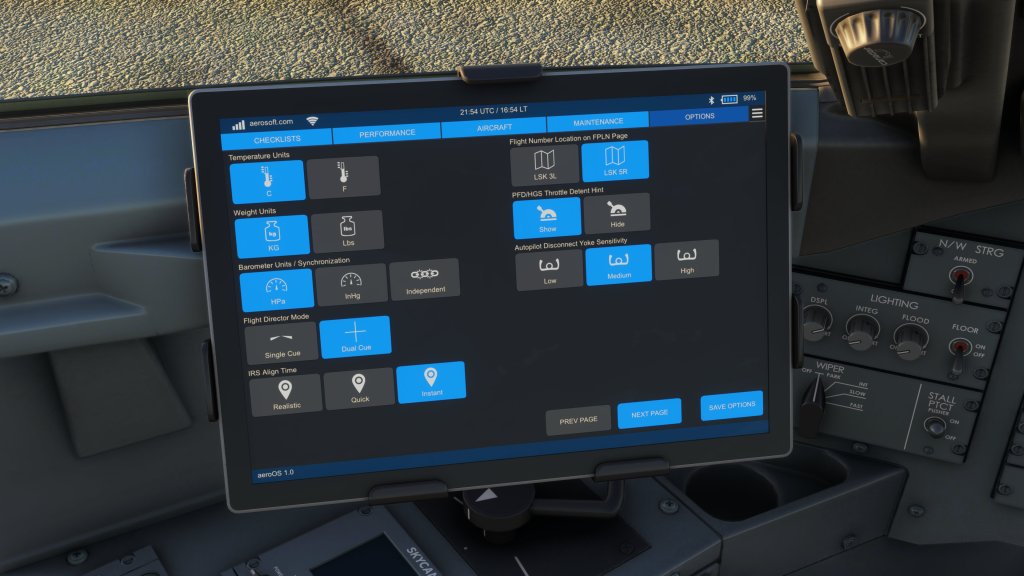
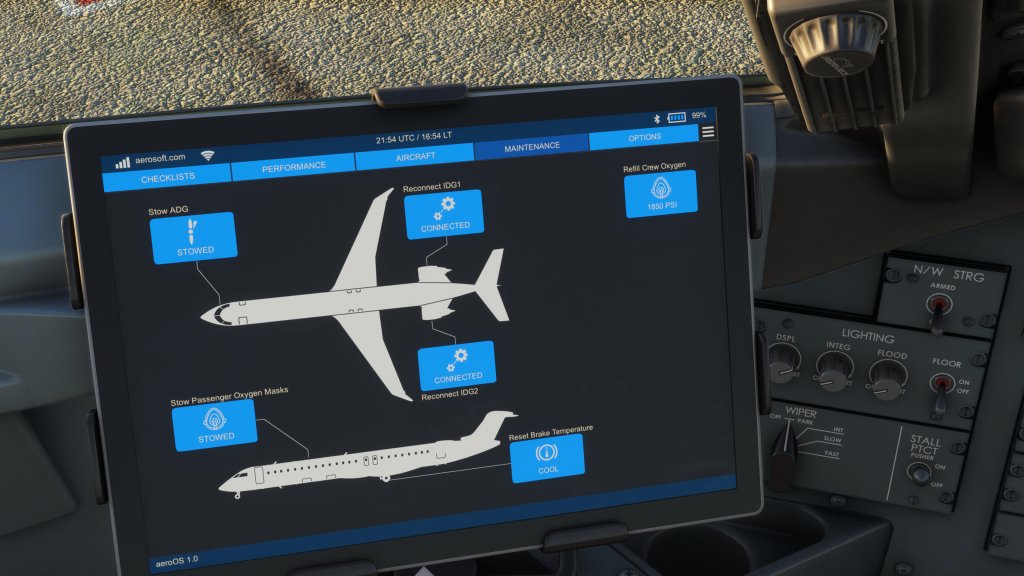
The CRJ does have quite good suite of systems and features. The list includes a reasonably well modeled FMS, a very good EFB, multiple custom displays (including hydraulics, fuel, and electrical readouts) as well as custom modeled instruments and glass panels and even a HUD. I didn’t use the HUD as much as I thought I would but on occasion it is a nice to have.
CRJ has support for SIDS, STARS, it technically has a VNAV (though it is limited) and it does TCAS too complete with aural and visual warnings about nearby flying aircraft. There is a limited ability to import (awkwardly) flight plan files from SimBrief into the FMC but its not as well integrated as with other aircraft and it feels more like a hack than an official feature. It also does not have NaviGraph support.
It also doesn’t have a full electrical modeling and so the back panel circuit breakers don’t do anything. There is a maintenance panel with some limited maintenance management but there is no failure modeling. The failure system is, in my mind, generally a bonus but it is a key feature for some.
Fair warning too that the CRJ does not have an autothrottle. I’ve gotten used to having one on other jets and so that has caught me out on a few occasions either stalling the aircraft or overspeeding and destroying the airplane. Happened a few more times than I’d like to admit! But that does make it fun to fly and more hands on.


While the feature list is generally very good, the CRJ does also have several bugs and a few issues that bring it down.
We start with the autopilot which sometimes has difficulty with following a Nav course. It can find itself snaking back and forth as it overcompensates in one direction and then the other. It also gets itself and you into trouble in more challenging circumstances such as strong head or tailwinds where it tries to compensate but ends up getting the airplane into a bank left or right and then tries to fix it with rudder. None of the other airliners I’ve flown are so challenged.
Another problem is that the CRJ’s custom systems, including altitude, heading, speed and VS controls don’t map to the controls in the MSFS control menu. So, unlike other aircraft and airliners in the sim, this one doesn’t accept my hardware inputs from a HOTAS. This may have been an issue with the sim in the early days but other airliners have since solved it leaving the CRJ behind.
A serious bug involves entering certain combinations of flight plans into the jet’s FMS. Doing so results in the aircraft’s systems freezing up completely. The aircraft becomes stuck in place and will not move, or respond to any commands or inputs. That will end your flight on the ground or midair. The primary causes is entering an RNAV approach into the flight computer. The FMS will let you do it but the aircraft can’t handle that type of approach so it just freezes. Disappointingly, the response from Aerosoft has been tepid at best suggesting that people should just not enter RNAV approaches into the FMS. I stopped doing that intentionally after I learned about it but it still seems like a poor response to what amounts to a freeze problem of their own making.
Keeping things fast and fun
My approach to airliners is more about flying them from destination to destination and spending as little amount of time on the ground doing system setups and following exact procedures. Does the CRJ manage to do that? Reasonably well actually!
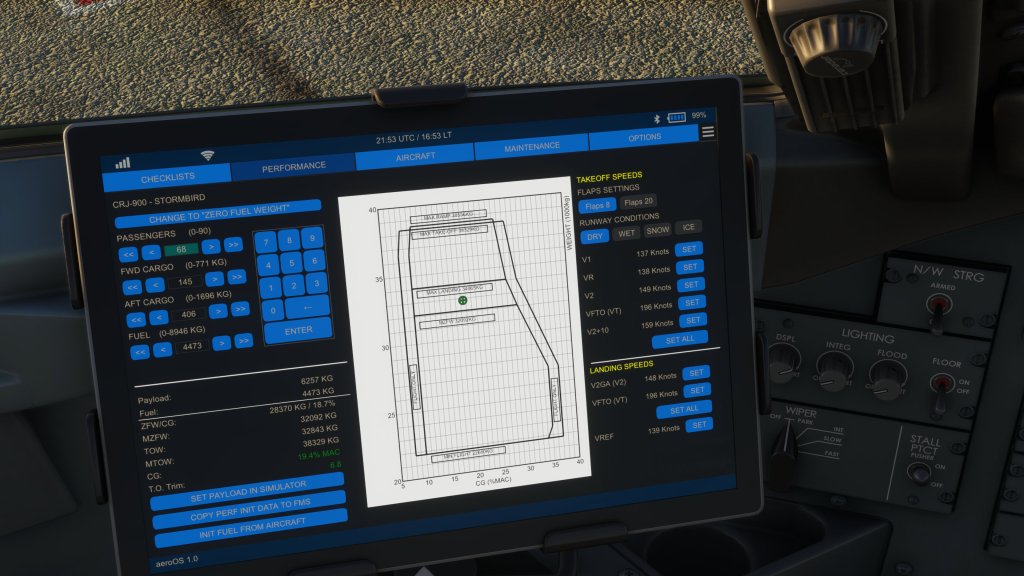
Aerosoft have smartly put an EFB in their CRJ and its quite good. It includes easy, one click, state control which means that you can start your jet cold at a gate and then do some minimal setup before clicking the state that you want the airplane to be in so you can get going quickly. I’ve made use of that on other airliners that I’ve reviewed and I appreciate it quite a bit here too.
Like most modern airliners, you can plug in important variables like zero fuel weight and calculated V-speeds for takeoff. Aerosoft also makes this easier to do as well by adding one-click options in the EFB to configure everything from fuel to passengers to those variables and even insert them into FMC without much interaction in the FMC itself. Better than the systems I’ve seen on most other airliners actually.
These are huge pros and make the jet a good option for newer virtual pilots or those who just want to get going. If you like plugging in all of that yourself, nothing is stopping you from doing it that way too and having the option is a great thing.
The CRJ unfortunately ignores MSFS’ built in flight planner like a lot of airliners do unfortunately. It’s a criticism that I levelled at the ATR, the A300-600, and PMDG’s 737 among others. I know there are reasons for it and I sometimes feel like a lone voice in the wilderness on it but I know many newer airliner virtual pilots are asking the same questions on forums and I think there should be a better answer than “use SimBrief!” In this case, the CRJ also doesn’t officially support it just yet.
Flying the CRJ and flight model

The CRJ is both easier to fly than some of the larger airliners and harder to fly. With no auto-throttle, the aircraft right away requires a bit more management and more attention paid to throttle and airspeed. That may be of interest to some sim pilots who are looking for a bit more of a hands on experience and that together with the CRJ’s short haul flying means that you spend less time cruising and more time flying the airplane.
Generally speaking the airplane is satisfying to fly too. The CRJ generally has good performance and feels pretty zippy most of the time. The CRJ’s small supercritical wing can be felt here too with the aircraft potentially able to get into a nose up stall situation with full thrust and just not being able to gain any more altitude – without the appropriate and realistic nose down correction.
The aircraft does feel more dampened and more “on rails” than some the airliners I’ve flown recently and I think that speaks to both the type’s early introduction to MSFS where most of the airplanes were like that and to Aerosoft’s team who had the same struggle with the Twin Otter. But its not bad either and feels mostly like I think it should.
Ground handling is also a bit odd. Slight corrections on the nose wheel cause the aircraft to lean left and right in a slightly disconcerting and artificial way. Again, most MSFS aircraft do this to some extent but this one feels exaggerated in a way that other airliners don’t.
It is a fun airplane to fly most of the time but also one that demands your attention.
Final thoughts
I have conflicting thoughts on Aerosoft’s CRJ series for Microsoft Flight Simulator. There are a lot of reasons why I like this aircraft including its strong visuals and sounds, the well thought out EFB and framerate friendly nature of the aircraft. With so few aircraft in its class currently, it also fits into a niche of short range commuter aircraft together with the ATR and E-Jets series and few others. I really like this type of flying and so the CRJ really hits the mark there, but it is weighed down by its issues and maybe a bit of not keeping up with the times.
If Aerosoft and Hans Hartmann are able to deliver on some significant updates this year and solve these key problems, I think it can move the CRJ from ‘maybe’ to ‘recommended.’ There is so much that is already good here but it needs to be refined to reach that higher level and meet its competitors head-on.
This is a generally good airliner but one that just just falls a bit short. Aerosoft should have kept up the pace of development and ensured that they were not only first but strongly positioned when their competition arrived. Instead we’ve got an experience that is 95% of the way there but missing the mark in a few places.. Will 2024 ultimately be a good year for this project? I hope it is and it would please me greatly if I had to revisit what I’ve written here.
If you do want to pick up the CRJ from Aerosoft, you can do so directly from Aerosoft through their online store or you can grab it from the Microsoft Flight Simulator Marketplace. The bundle with all variants together is €58.82. Or you can choose to purchase just the CRJ 550/700 for €42.01 and then add-on the CRJ 900/1000 for €16.80 later.
Screenshots


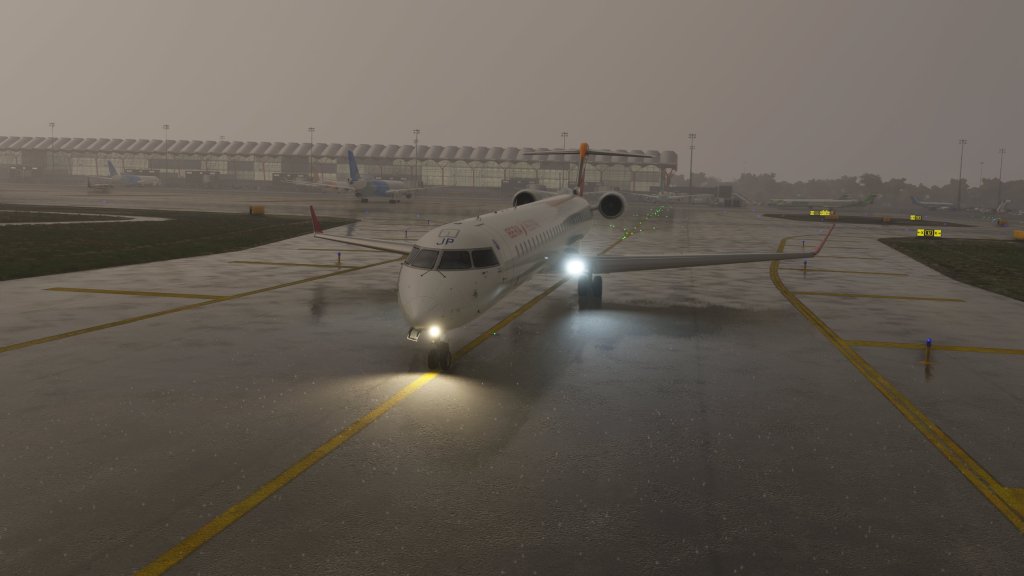
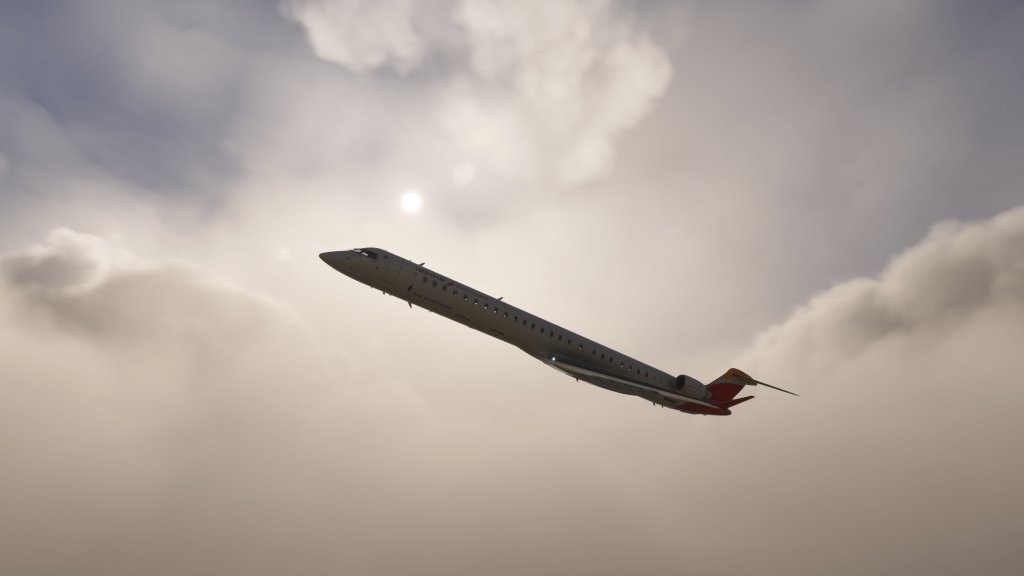
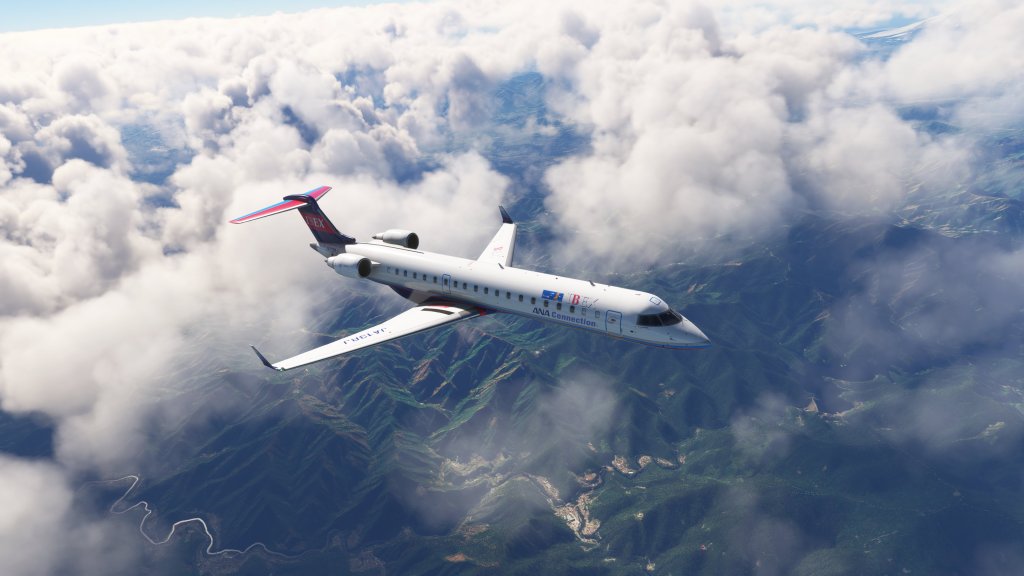


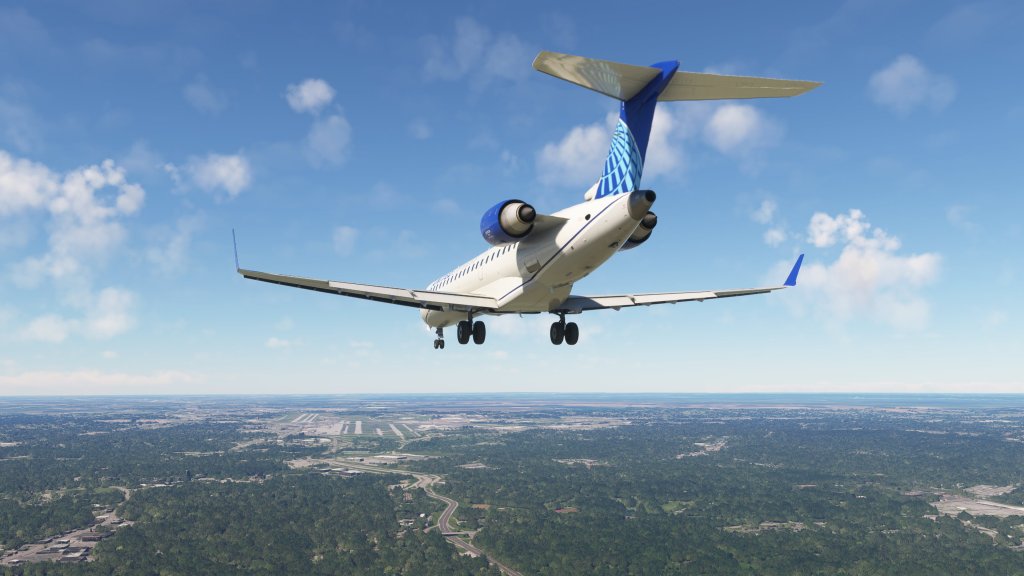



 Stormbirds
Leave a comment