
In the most recent patch notes, the P-39L-1 got an interesting “little” addition to the mix. A new modification brings in new engine timers providing the fighters with a little bit extra endurance for the engine. Let’s have a quick look at how it flies and fights with the modification and also, at the same time, take a look at the P-40E which saw a similar update in a prior patch.
Just a bit more potency
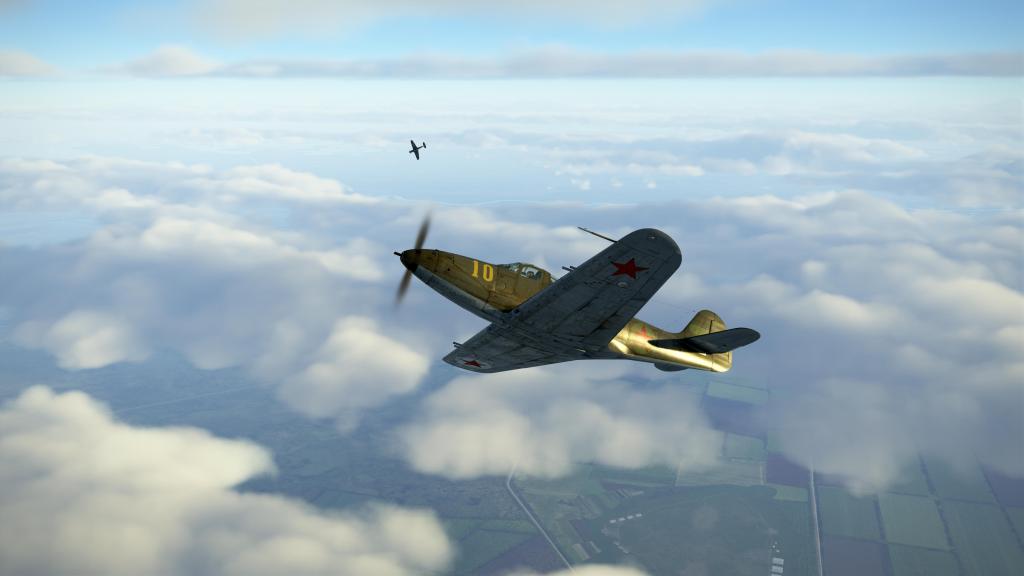
The Bell P-39 was not World War II’s best fighter. It suffered from a number of issues, however, it found a place in the ranks of the Soviet Union’s fighter squadrons. Desperate for fighters, the P-39’s reliable radio, rugged landing gear, and 37mm cannon firepower were all prized as was the overall availability of the type. According to figures, 4,773 of the type were shipped to the Soviet Union during the war.
The same story can be applied to the P-40E though it was much less loved by its Soviet operators than the P-39 was. Still, rugged construction and reliable radios were strong points for the P-40 as well with over 2,000 of the type received.
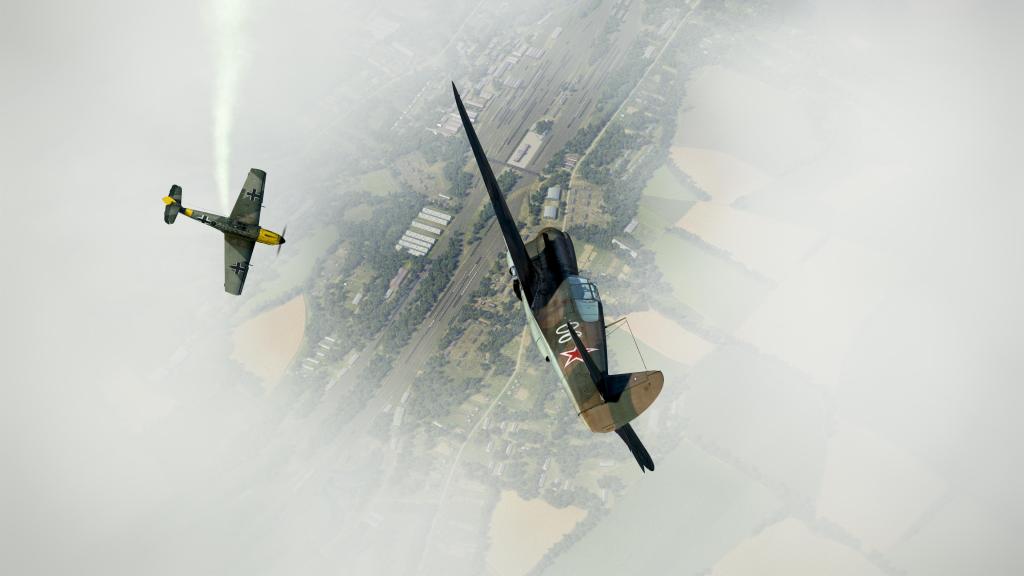
Both aircraft have a bit of a mixed reputation in the IL-2 series suffering from a lack of available engine power. That’s not to say that the P-39L-1 or P-40E didn’t have power on tap, however, the limited engine timers meant that the aircraft’s Allison V-1710 engine couldn’t maintain it for very long without a often catastrophic mechanical failure. Once the timer counted down, engine failure was imminent and the limited time on these aircraft was much more restrictive than those found on the engines in the Spitfire, Bf109, Yak or LaGG fighters.
That situation has been rectified with this latest update by providing new modifications available for the P-39, echoing a similar update for the P-40 made previously.
Comparison
The argument made for the change has been that long term reliability was often less of a consideration when airframes were flying in intense combat situations with high losses. More careful restrictions on use, often intended to prolong the life of the engine, was less of an issue and pre-war regulations that had been applied to the Allison engines wasn’t much heeded or adhered to in combat. Or at least that’s the argument that the community has been making since both the P-39 and P-40 were released to the sim. Now both aircraft have the option of letting them off the chain a bit.
With the P-39, its V-1710-63 1943 modification adjusts the situation.
Default P-39L
- Nominal (unlimited time): 2600 RPM, 37.2 inch Hg
- Military power (up to 15 minutes): 3000 RPM, 42 inch Hg
- Take-off power (up to 5 minutes): 3000 RPM, 51 inch Hg
- Maximum Possible power (up to 2 minutes): 3000 RPM, 60 inch Hg
Modified
- Nominal (unlimited time): 2600 RPM, 37.2 inch Hg
- Military power (up to 30 minutes): 3000 RPM, 42 inch Hg
- Take-off power (up to 10 minutes): 3000 RPM, 51 inch Hg
- Maximum Possible power (up to 5 minutes): 3000 RPM, 60 inch Hg
Then we go to the P-40 with a similar adjustment called the V-1710-39 (1942) engine.
Default P-40E
- Nominal (unlimited time): 2600 RPM, 37.2 inch Hg
- Combat power (up to 5 minutes): 3000 RPM, 42 inch Hg
- Take-off power (up to 2 minutes): 3000 RPM, 45.5 inch Hg
- Maximum Possible power (prohibited by flight manual): 3000 RPM, 56.0 inch Hg
Modified
- Nominal (unlimited time): 2600 RPM, 37.8 inch Hg
- Combat power (up to 15 minutes): 3000 RPM, 44.2 inch Hg
- Take-off power (up to 5 minutes): 3000 RPM, 45.5 inch Hg
- Maximum Possible power (up to 5 minutes): 3000 RPM, 56.0 inch Hg
Keep in mind, of course, that both aircraft still have the original engine restrictions still on by default and that its the modification that unlocks the extra potential.
This method of offering modifications helps players and scenario creators in both single player and multiplayer determine the level of capability of each of these aircraft. Should they perform in their slightly underpowered state, perhaps representing aircraft from earlier on in the conflict or should they have their 1942 and 1943 modifications in place. The scenario creators and users get to decide the situation.
In combat and final thoughts


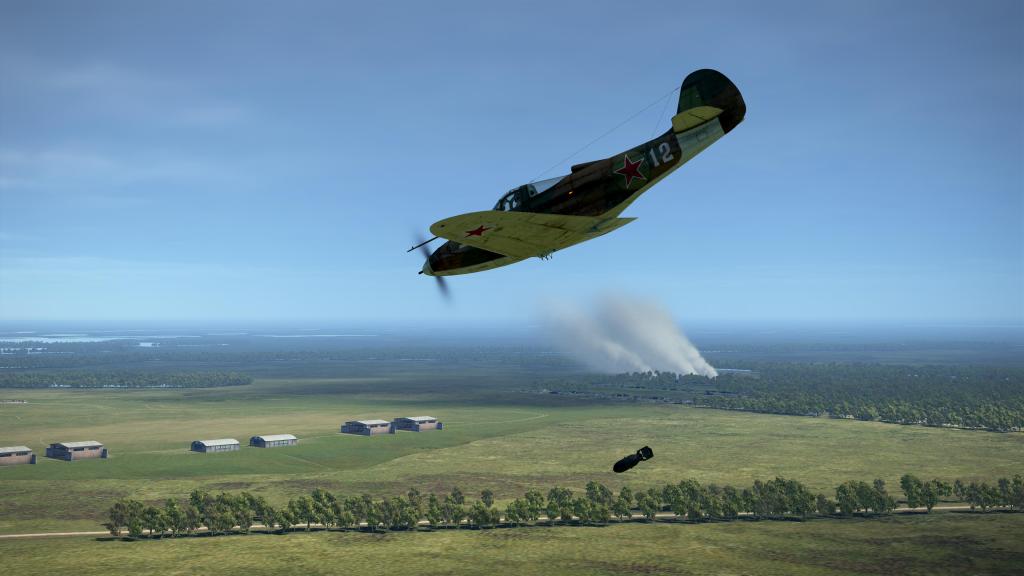
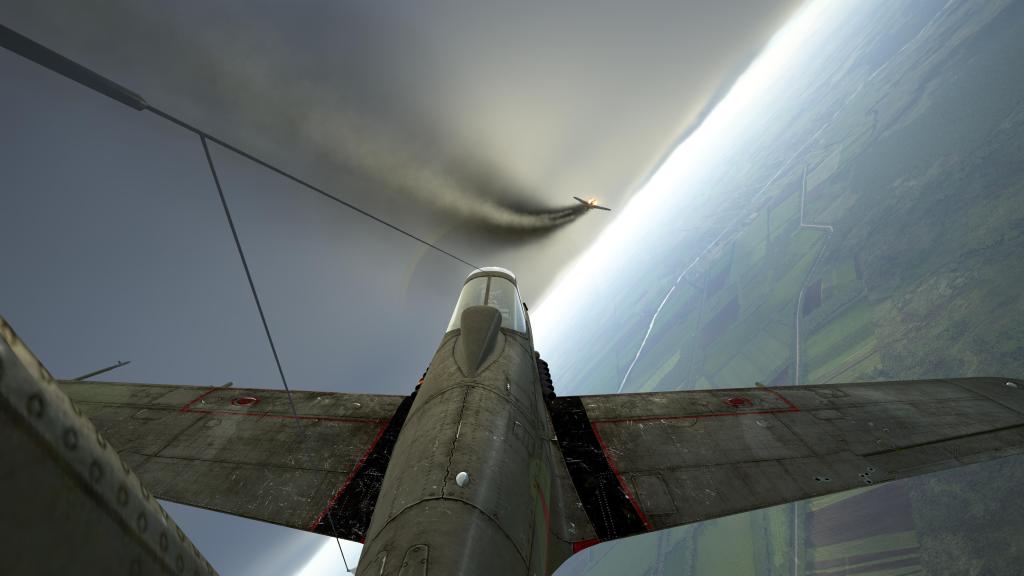
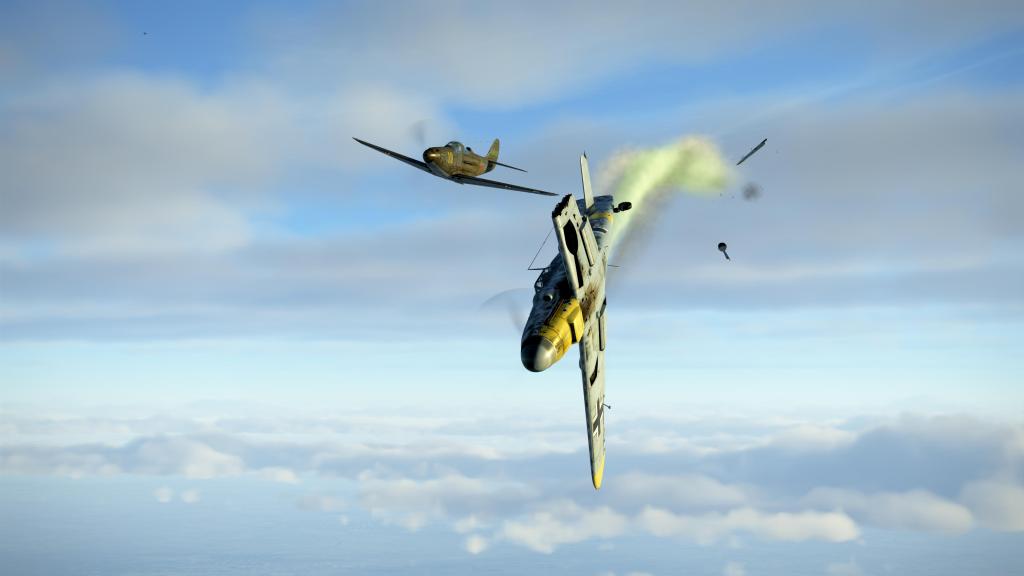
The situation ultimately plays out with the aircraft now better reaching their potential. They don’t suddenly have a new top speed that exceeds what they could do before, but instead they have more power on hand for longer which translates into better sustained climb rates in combat situations and better ability to power their way through a tight leading turn than before.
Neither aircraft gain any new abilities but they are better able to use the abilities they had before.
The P-40E becomes somewhat more confident as a fighter better able to combat the still superior Bf109 fighters that its often up against. The P-40 will never be the best fighter in the fight, but the boost does give it more options enabling it to better climb and position for combat before it happens.

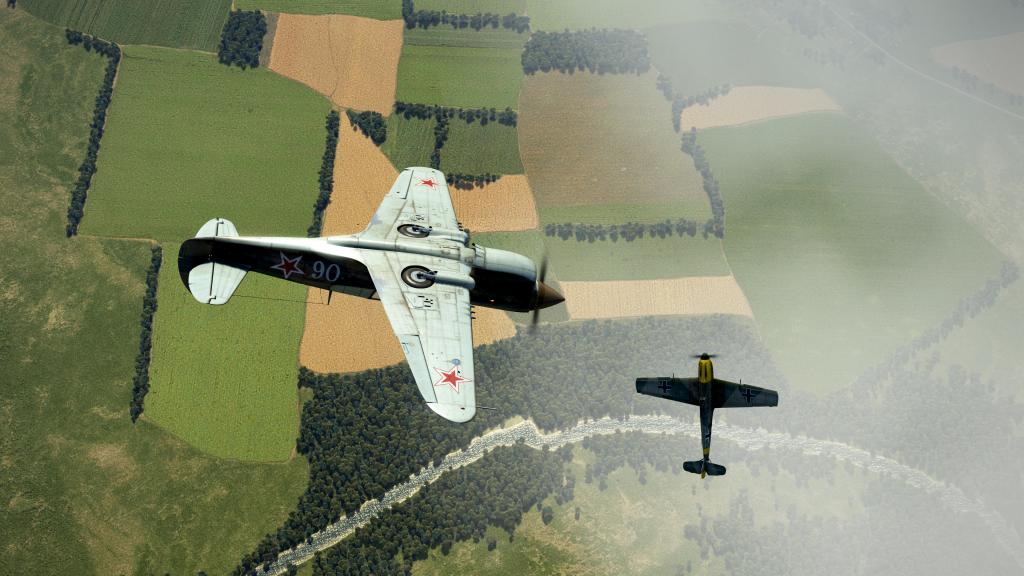
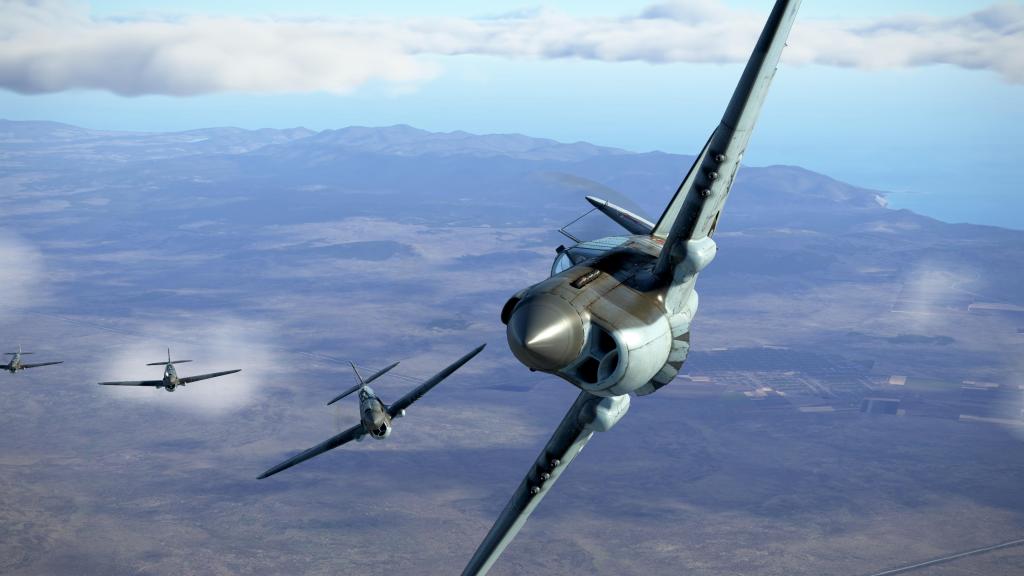
The same advantage comes to the P-39L-1 which has overall better performance than the P-40 and benefits more from the extra maximum power. Better sustained turn rates, quicker acceleration to top speed, and the ability to better power through sharp turns to lead shots with the 37mm cannon really help make the difference.
While the P-40E becomes slightly more competent, the P-39L-1 starts to take on a slightly more fearsome stance. Neither will seriously change the balance of a multiplayer scenario but the P-39 may end up becoming a bit more of a specialists favourite thanks to the modification. I can certainly see it being used more frequently!


 Stormbirds
Leave a comment