
Released earlier this year, Flight FX’s latest aircraft for Microsoft Flight Simulator is the stylish Piaggio P.180 executive aircraft. This twin engined pusher propeller executive aircraft is a bit of a unique combination of turbo propeller flying together with business jet level performance. There’s a lot of complexity here that needed to be just right to have a good experience and so the question is… has Flight FX been able to deliver with this airplane? Let’s check it out!
A bit of history

The Piaggio P.180 Avanti is rated by the World Air Sports Federation/Fédération Aéronautique Internationale (FAI) as the fastest propeller-driven aircraft in the world with a top speed of 500.8 knots. This 1980s designed stylish executive transport was part trend of aircraft aimed at Fortune 500 clients. Piaggio’s design is a two engine wing mounted pusher prop configuration with a small forward wing, conventional tail-plane and a main wing.
The aircraft was originally a partnership between Gates Learjet and Piaggio before the former’s financial trouble saw Piaggio tackle the project alone. The unique configuration achieved a number of different design goals including a higher efficiency configuration, high top speed, and quieter cabin. With the propellers and exhaust both aimed to the rear, most of the noise is directed behind the aircraft and away from the cabin area. The sideeffect, however, is that the P.180 is quite a loud and unique sounding aircraft from the ground (I’ve heard one fly immediately overhead and its an experience!) with the 81.9 dBA noise rating causing some noise complaints.
Around 250 have been built with distinct Avanti I, Avanti II and Avanti EVO models. Despite some financial difficulties, the aircraft is reportedly still in production and it has both civil and military operators.
Visuals and sounds


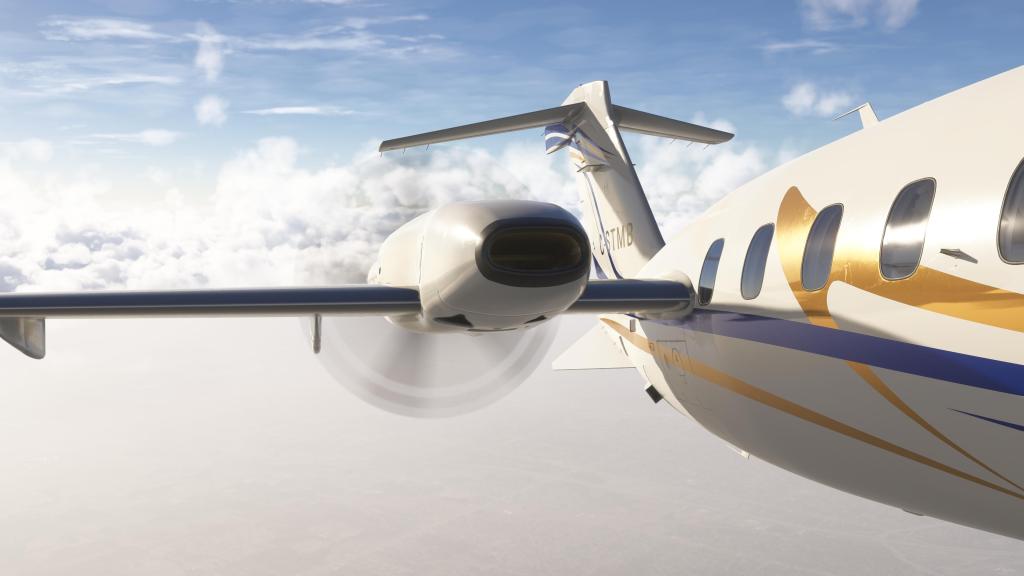


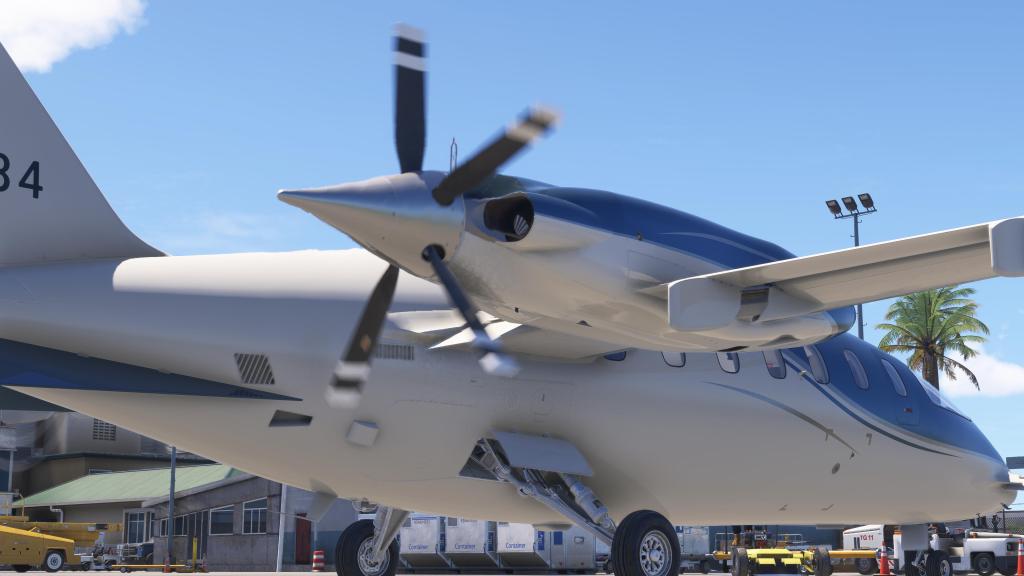

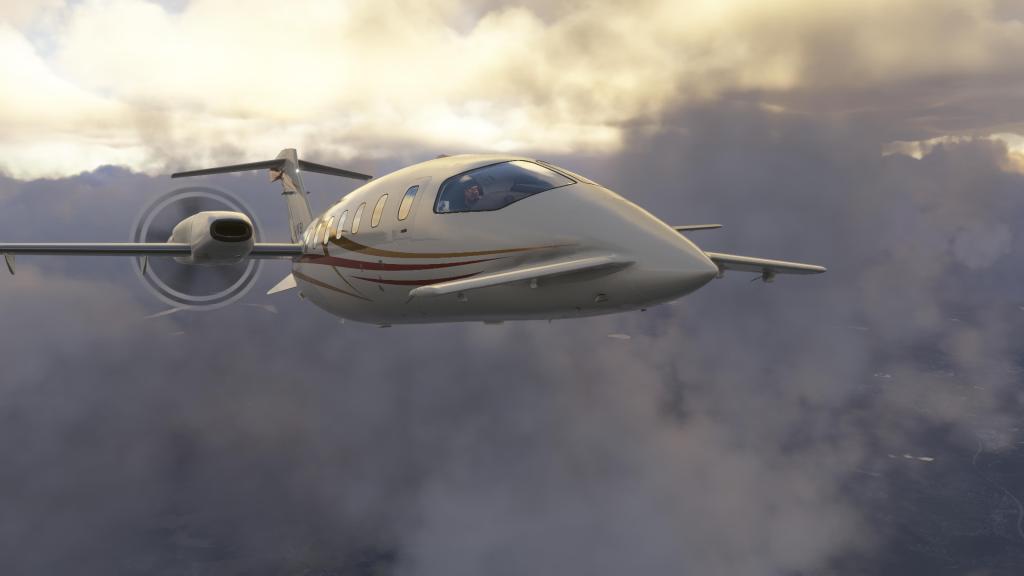
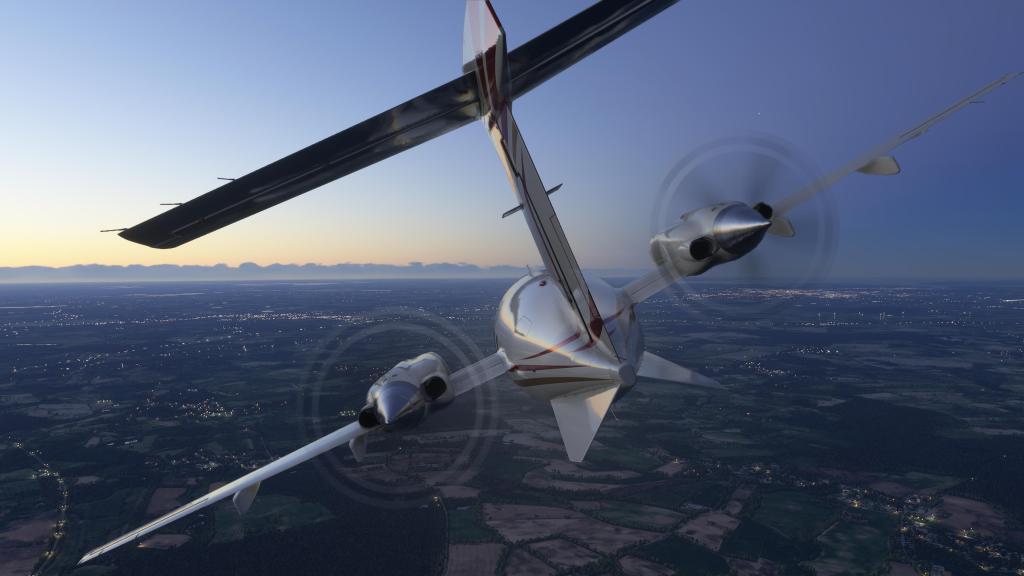
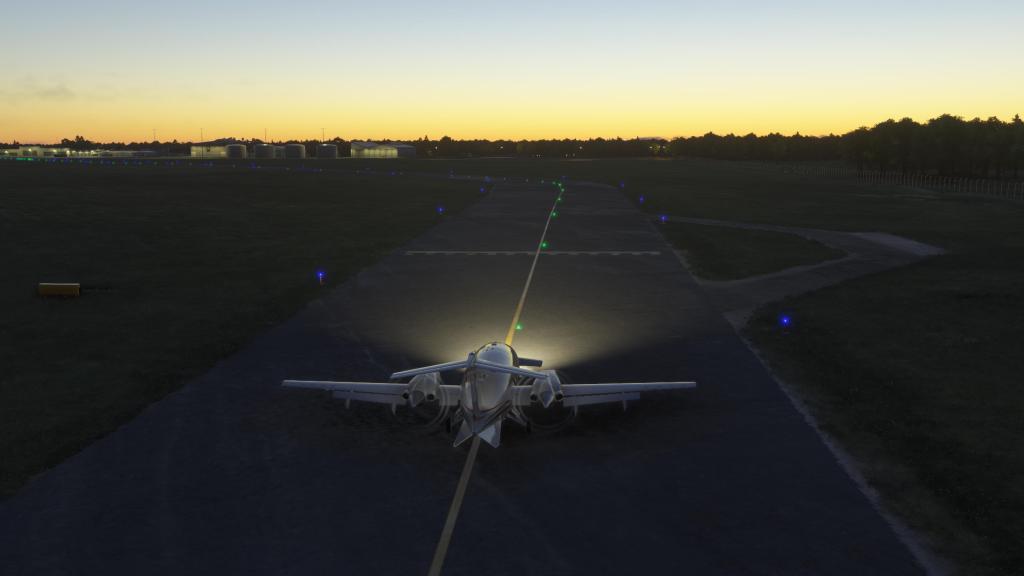


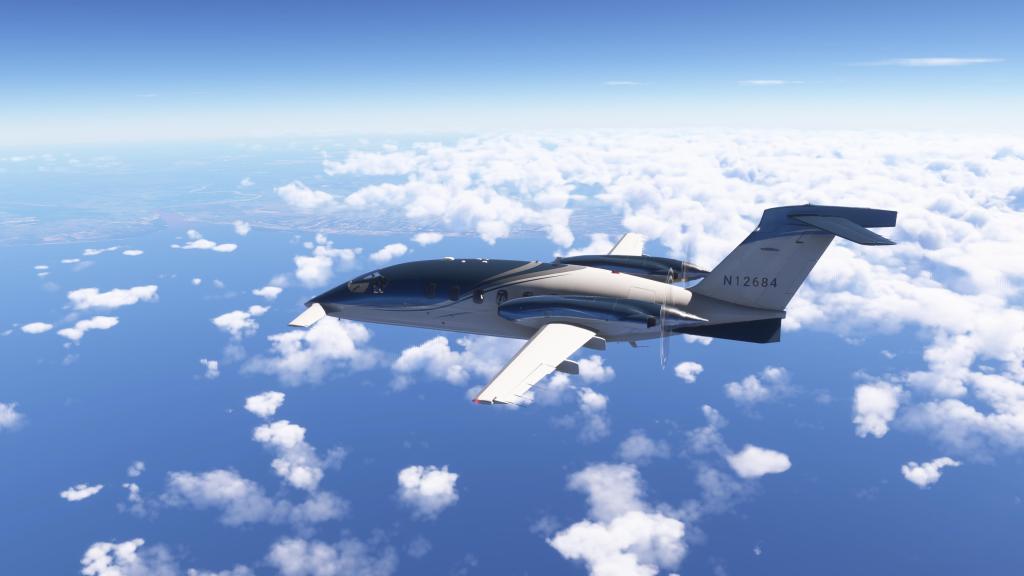

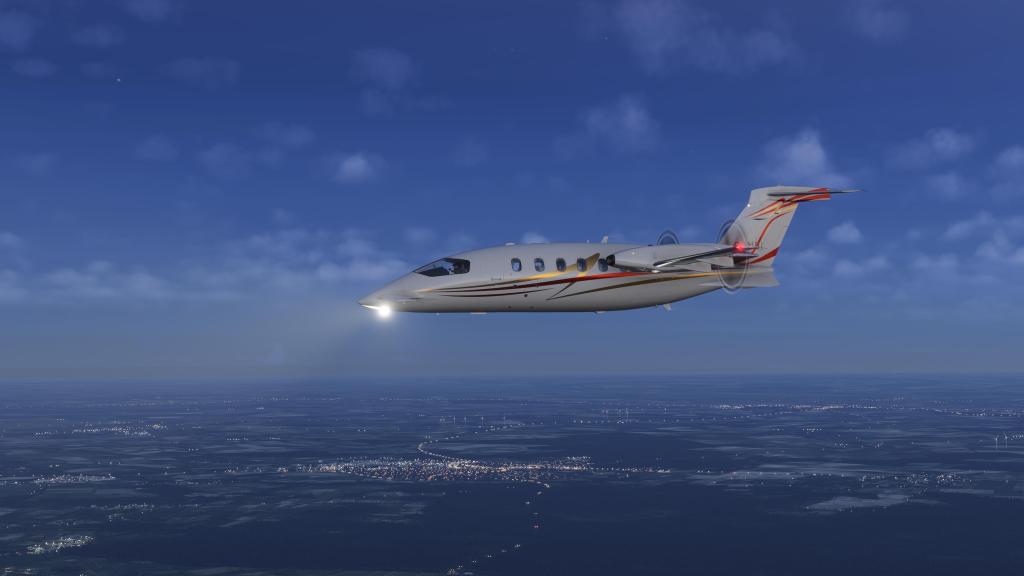

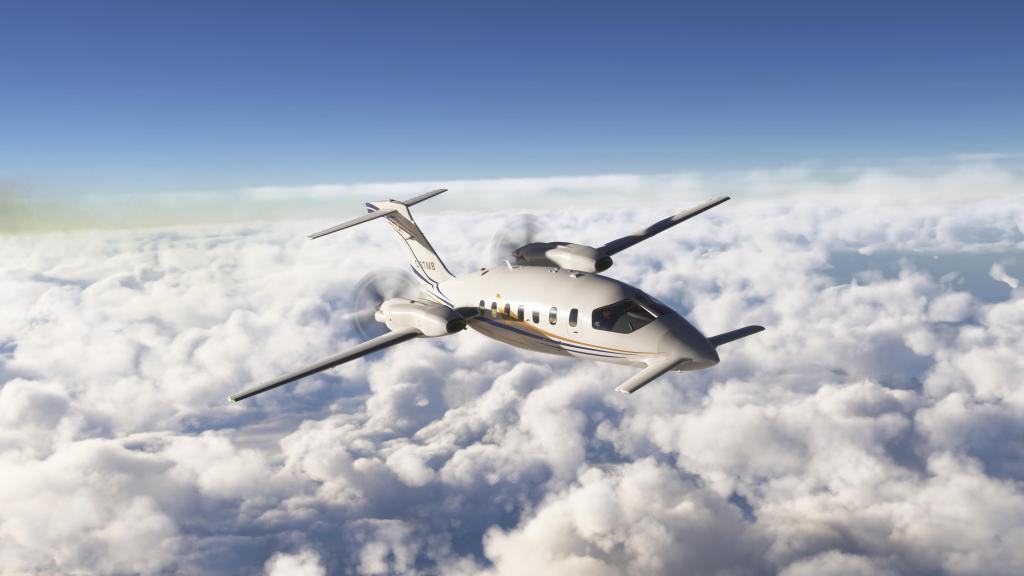

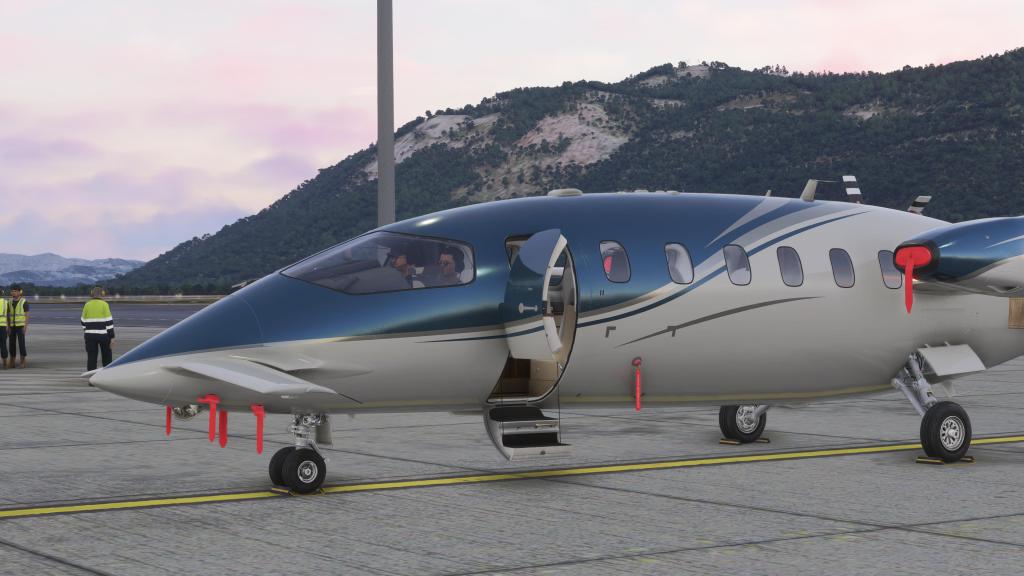

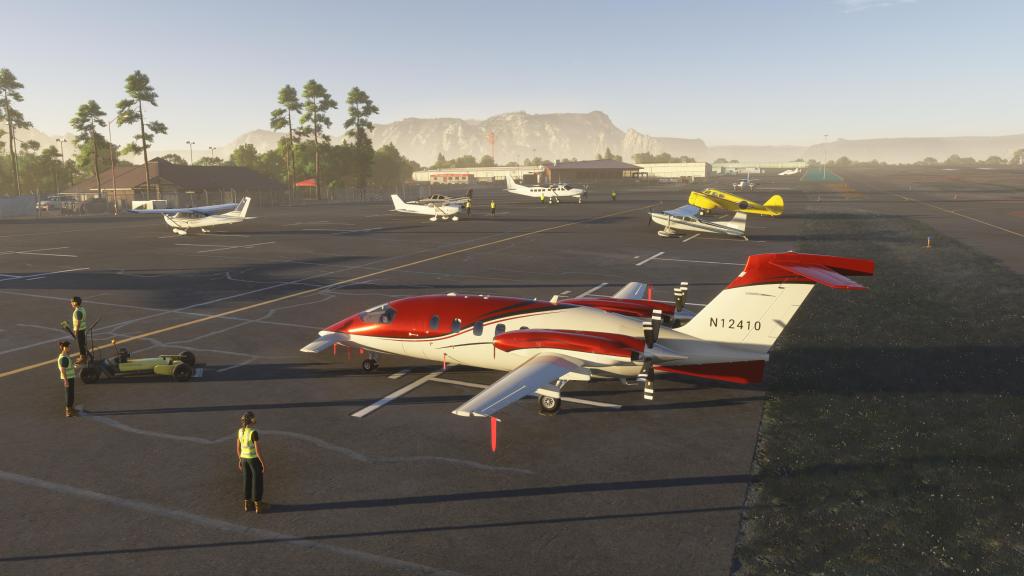
Flight FX have done a great job with the P.180 visuals! The complex curves on the nose, the unique pusher prop arrangement, the slight paint aging on the roof of the airplane, the sparkle of the paint itself, and all of the animations for the control surfaces and passenger door feature are all excellent. Through and through a solid job all around.
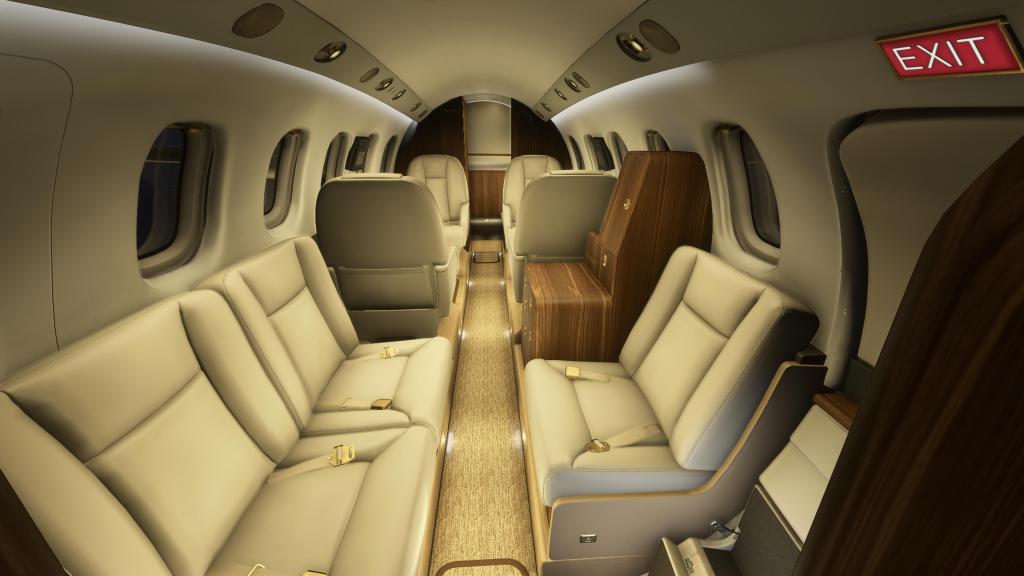
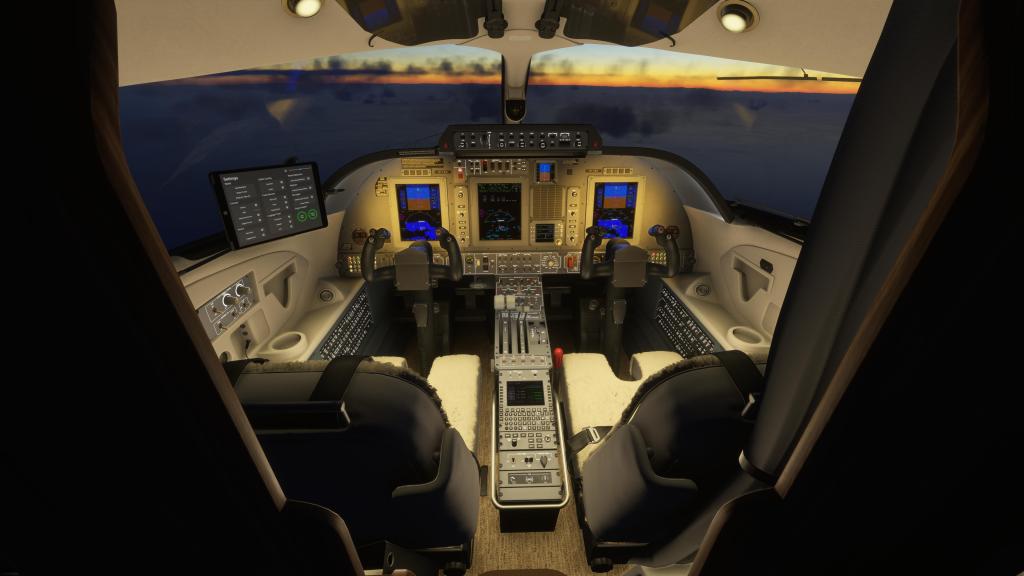
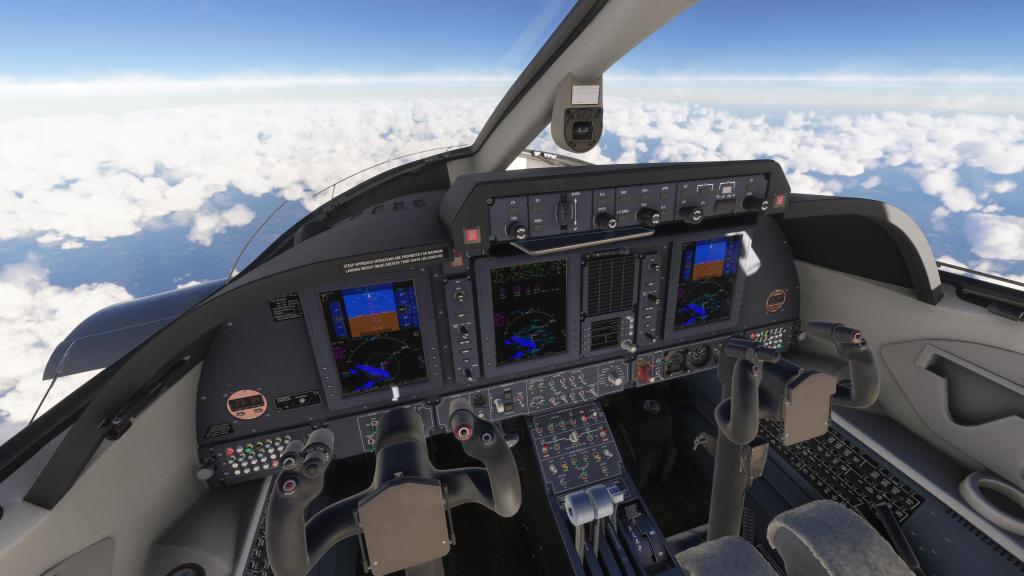
On the interior we have a detailed cockpit and cabin area. Flight FX have gone all out on the interior representing everything from the fluffy seats to the harder edges. I wish I had just a bit of scuffing and dirt in places, but overall the visuals are strong and sharp and understandably its an executive aircraft so it should be pretty clean.


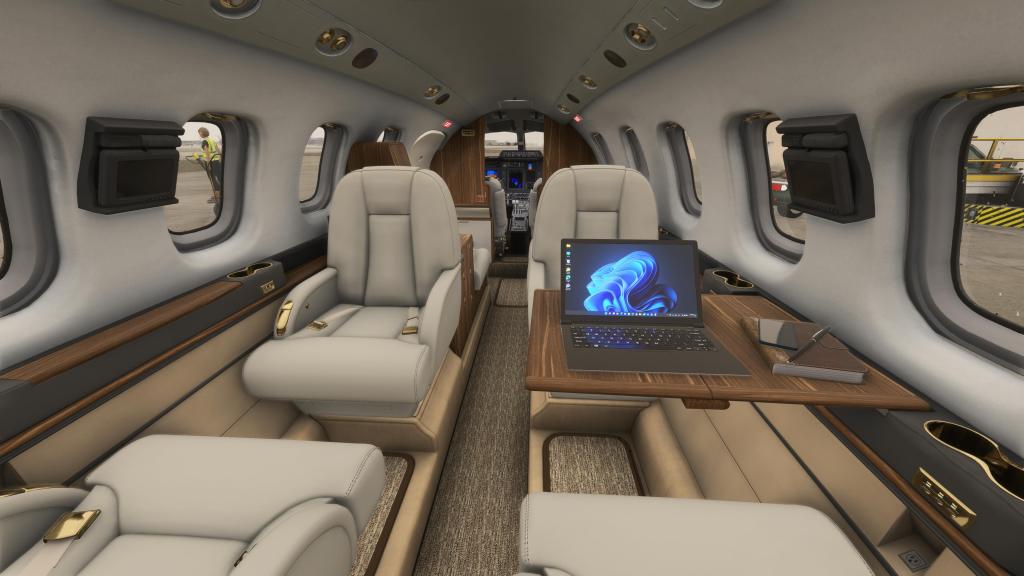


Everything is generally easy to read too though sunlight does occasionally obliterate some of the text. That may be a compatibility issue between 2020 and 2024 as I noticed that problem only in 2024.
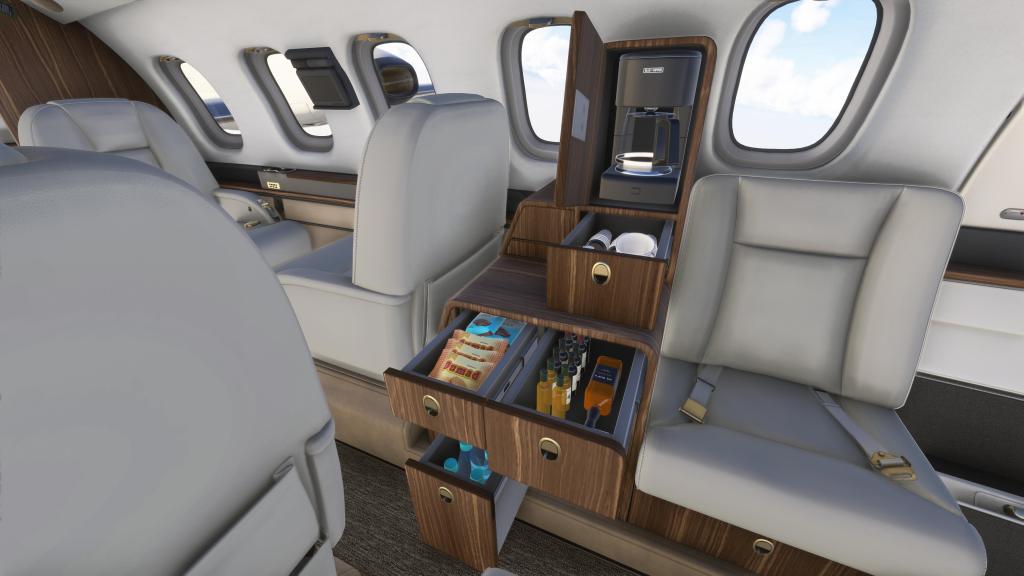
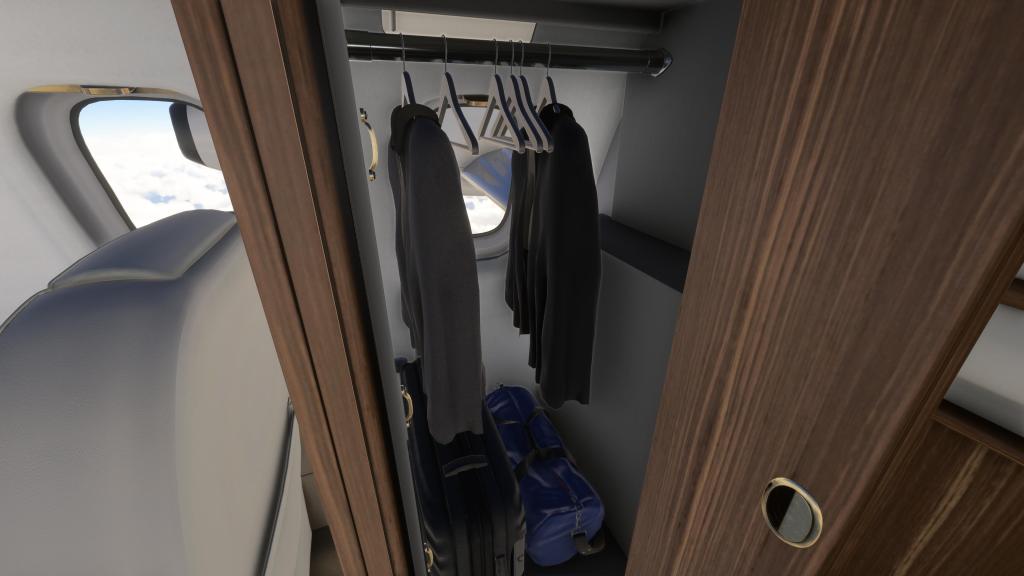
The cabin is also quite impressive for the details there. Sharp textures, great modeling, working tray tables, working storage areas, multiple different configurations and visual styles (depending on the livery you chose), and even the toilet area opens and closes. The animations are also extremely smooth for all of these moving pieces. A really spectacular effort here that goes above and beyond.


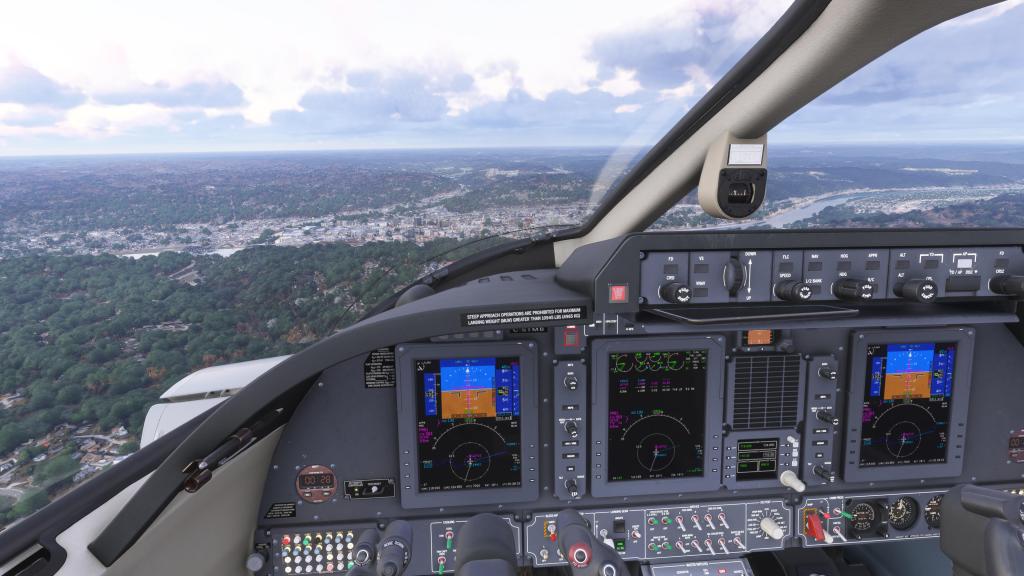
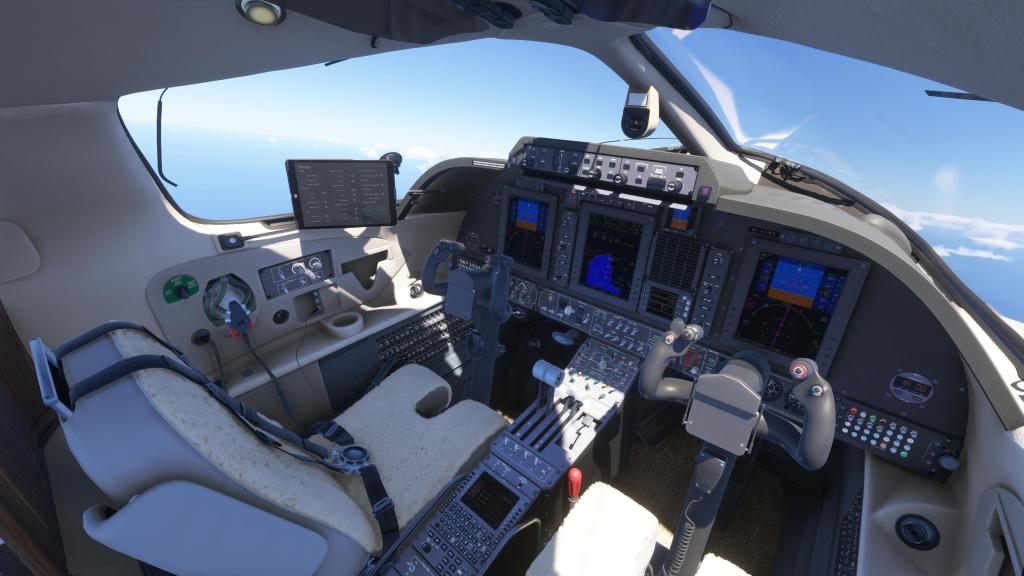
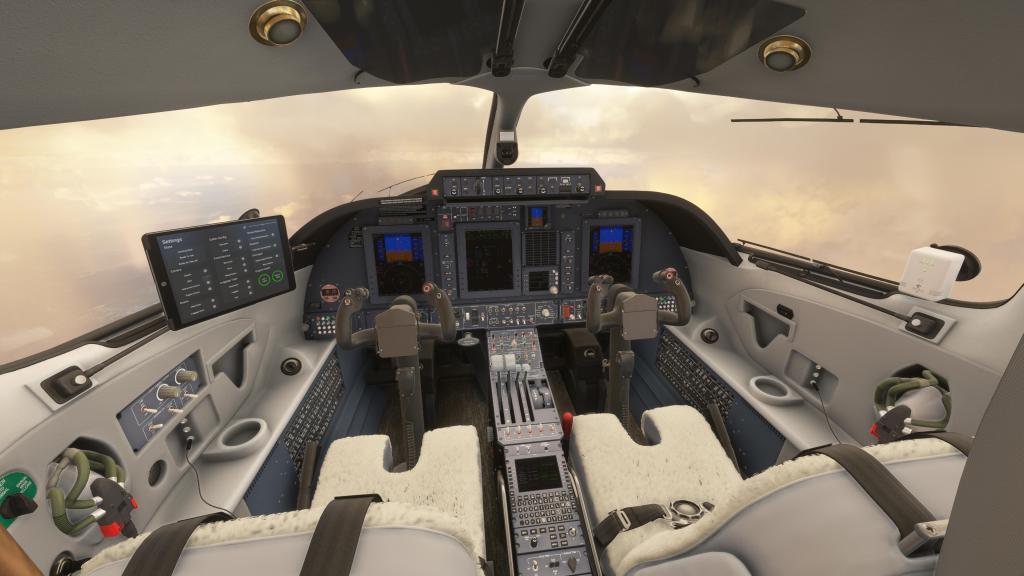


I have very few issues with the visuals, however, there are a few. First, the pilot and co-pilot models appear to be coming in from MSFS 2020 and not using the 2024 models. Would love to see that change. Second, the EFB has a map screen which is just flickering away in 2024. That seems to be a common problem so hopefully it gets sorted out in a Sim Update. Third, the dynamic registration font on the exterior of the aircraft doesn’t seem to be well matched with any of the aircraft I’ve seen images of.
The sounds are also another generally standout feature here. There is the occasional looping of sound effects on the engines that I sometimes can hear during cruise but the rest of the work is really exceptional. It does capture the “angry bees” sound of the Piaggio that is so distinct.
I love the throttle up and down sounds from inside the cockpit. It’s all very immersive and enjoyable. You can even hear the landing lights being deployed (something that sits just under the pilots so its conceivable that you might). Generally speaking its very immersive all around. An option on the EFB lets you reduce the volume and intensity of the cabin sounds.
Systems and features
Flight FX have put a lot of features into the P.180. They’ve got their own rendition of the ProLine 21 Avionics with specialized system pages, custom CAS (crew alerting system), and dedicated softkey menus. It has its own FMS with integrated SimBrief support. There’s a realistic start-up and shut-down procedure and there’s an engine health system that, if turned on, encourages you not to run the engines at full power all the time lest they break. Custom propeller modeling includes autofeather systems in emergency situations.
Flight FX have also made sure that the aircraft is both newbie friendly as well as enthusiast oriented at the same time. There are also a good array of flight sim specific comforts that I have to applaud.
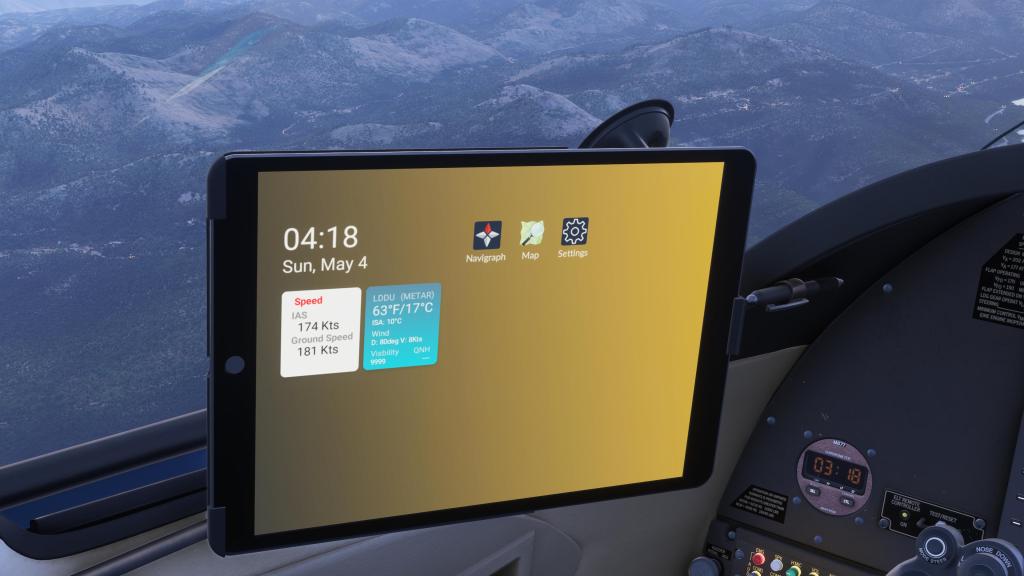

Is it fast and fun? Something I ask about airliners but the P.180 approaches that level of complexity too and fortunately the answer is yes. The integrated tablet can let you make things a bit easier without engine damage and with panel state changes that includes cold and dark and ready for takeoff. Whatever you want to do, you can.
The P.180 has specialized steering modes that are controlled via button on the aircraft’s yoke. If your setup doesn’t make that an easy process, you can use a toggle in the EFB to let you change it to a smart mode that will set things based on what your doing. I really appreciate when devs recognize the range of users they are catering to and the P.180 manages the range of users extremely well!
Bonus features
I have to applaud the extra effort that Flight FX went to in order to make the P.180 feel a little extra special. There are some cabin configuration options in the aircraft’s EFB, covered earlier, that let you deck the cabin out in various ways. You can set it up so that there are laptops out for a business meeting or working session. You can choose the types of luggage in the storage area. You can have food and pizza boxes out on display as if the passengers are eating them as you go. It can also store a snowboard and other recreational gear as if you’re “jet setting” off to some ski resort.
I love that those extra details have been put in there. I’ll once again mention too that all of the storage bins in the cabin have stuff in them. Toilet paper rolls in the toilet area, FSElite magazines in some of the other areas (how about a Stormbirds magazine… just saying ;)), and other various doodads and accoutrements are all where they should be. It’s at once both a fun thing and an immersive thing.
Flying the P.180
One of the first things that I noticed about the P.180 is the ground handling. It’s excellent! There’s a subtle bob up and down to the aircraft as it moves along the ground. It feels extremely natural in a way that many MSFS aircraft have, until recently, not really represented.
Takeoff with this aircraft is quite the treat as it has a lot of power on tap and it will leap into the air like a business jet. To stay on speed and give time for the gear and flaps to retract, you’ll mostly likely be pulling a 20 degree nose up climb.
Takeoff is not the only business jet comparison. The Avanti can do 400 knots at FL310 and 318 knots at FL410. In fact, 41,000 ft is as previously mentioned its maximum service altitude and that lets this aircraft fly very high and very fast.
Managing the P.180 is very airliner like as well. A Rockwell Collins avionics suite with a FMC are part of the package here and generally speaking its easy to work with though figuring out which knob controls which screen takes a bit of time to get used to. Just as with an airliner, the aircraft very much benefits from the input of performance profiles. It can do SIDs, STARs, holds and so forth. It will import from SimBrief as well if you put in your ID number.

The autopilot has been entirely reliable and I’ve had no problems leaving it to go and do something and then come back. It’ll cruise without issue. The only caveat to that is if you engage time compression and there’s a relatively tight turn. The system will struggle to get back on course as it weaves back and forth, over correcting each time. That’s easily solved by dropping back to normal speed where its simply not a problem.
The P.180 can be a bit spicy on landing with crosswinds and I find the short landing gear often catch me out with me thinking we’re about to touch down and then we drop another foot or two. Whoops! I’ve adjusted and gotten better at this but if you’re an airliner pilot and you jump in here, expect to get lower… a fair bit lower! Other times its very well behaved and just cruises straight on in with a lot of style.
Final thoughts
I’ve reviewed a lot of aircraft over the years and I try and present the facts as I see them, point out the issues where they are and all of the good points at the same time. After over a dozen flights with the Flight FX P.180 I can happily report that there’s little or nothing for me to complain about. Everything is done really well from the visuals and sounds to the flight model and its systems.
I appreciate Flight FX’s commitment to making sure that there are plenty of creature comforts too from the automatic steering control option to the state changing features. I also appreciate the fact that they just decided to go all out in the cabin area and make every cupboard and storage bin a smoothly animated piece that opens and closes. And then they go and throw in pizzas, laptops and other immersive elements. It’s the kind of extra step that I really appreciate in an aircraft module.
Despite best efforts to make the P.180 easily approachable for newbies, I do want to caution some virtual pilots that this is still a more complex beast of an airplane. It’s not quite an airliner in its handling and complexity but its approaching one and that means that you need to be on top of your game to get the most out of the aircraft. Working with the flight computer, setting up your waypoints, managing the the various engine control levers… you don’t have to go all out thanks to some helpful helpers but it is more of a challenge than a Cessna touring aircraft.
Approach it for the complex aircraft that it is, however, and you’ll find a lot to be satisfied with. Doubly so for enthusiasts looking for that sort of challenge. The P.180 rises to the challenge offering an immersive experience that requires a lot of those airliner skills to fly successfully. Do so, however, and you get to fly around in style the way only an Italian designed pusher propeller business aircraft can!
Flight FX’s P.180 is available for purchase in the MSFS Marketplace for $24.99 USD and is now available for both MSFS 2020 and 2024. Learn more about the project on the Flight FX website.



 Stormbirds
.jpg)
Leave a comment