
We’ve got two new aircraft that have just been added to the IL-2 Great Battles aircraft roster and that means that its time to start doing a couple of aircraft reviews so you know what they are all about. Let’s start with the Yak-1 Series 23.
A bit of history
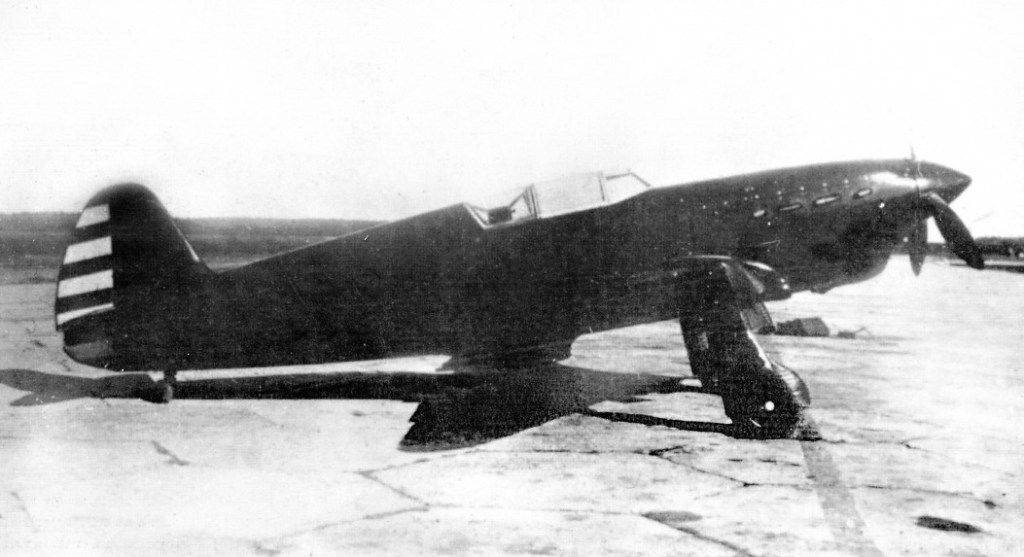
The IL-2 Sturmovik: Great Battles Series has covered the Yak series of fighters extensively and the latest entry to the series is the Yak-1 Series 23 which is the earliest Yak-1 that the series has offered.
This version of the Yak-1 is closest to the original I-26-I prototype fighter. Designed by Alexander Yakovlev who had become well known for light sportplane designs, his services were pressed into developing a light bomber and a single engine fighter. While the Yak-4 light bomber never achieved much success, the Yak-1 bred a whole generation of fighters that were prolific in World War II.
The earliest Yak-1 models entered service just prior to Operation Barbarossa and the outbreak of hostilities on the eastern front. These earlier models of the fighter, like its stablemates the MiG-3 and LaGG-3, suffered from production difficulties, quality control problems and a shortage of radios.
The earliest versions were fitted with the M-105, M-105P and M-105PA engines which made around 1,050 horsepower. In terms of the Great Battles Series, these earlier models, among some other details, were fitted with these earlier engines which made more power at higher altitudes. The M-105PF, fitted to the Yak-1 Series 69, boosted that power up to 1,260 horsepower at the expense of some higher altitude performance.
Visuals and sounds
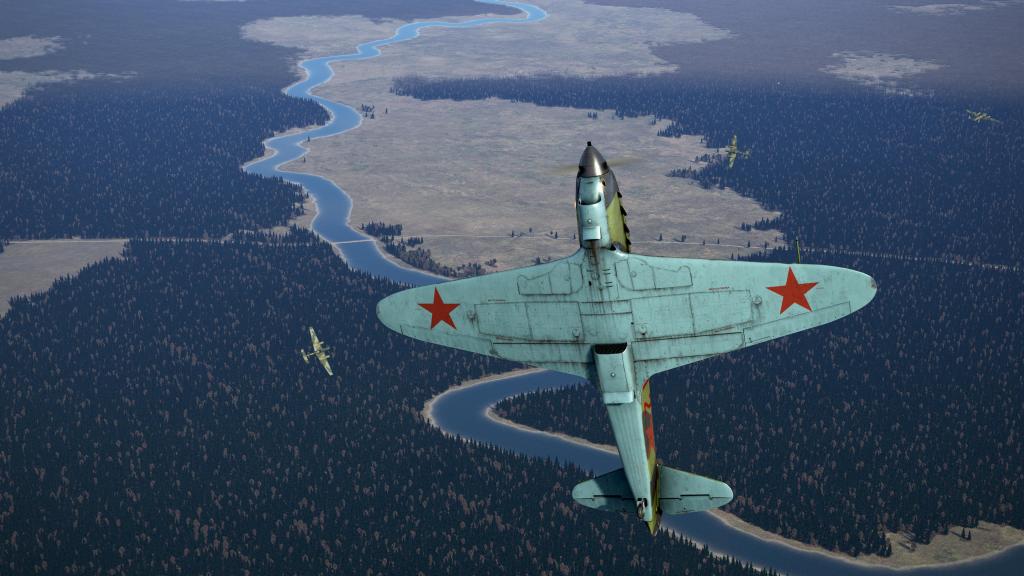

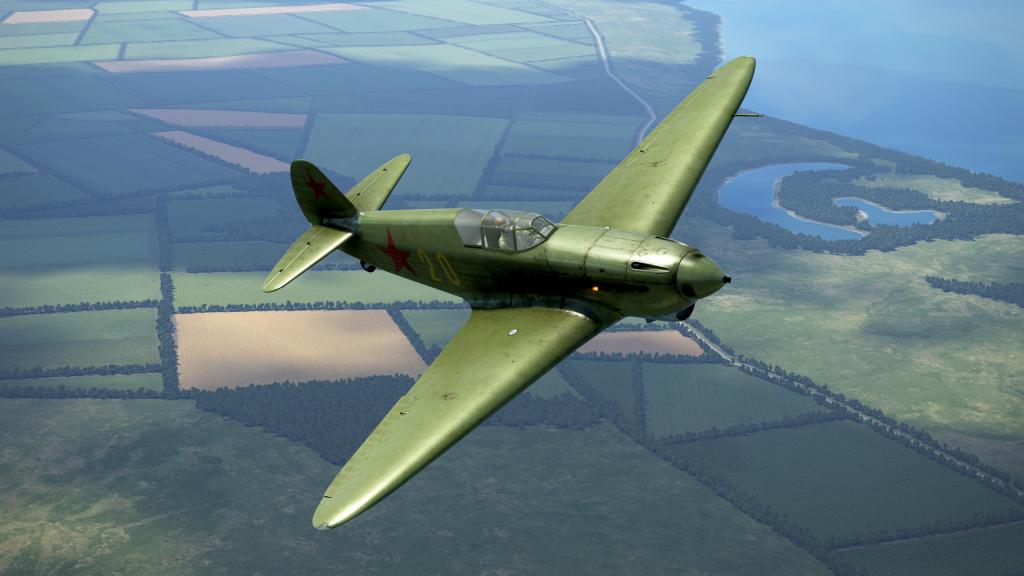
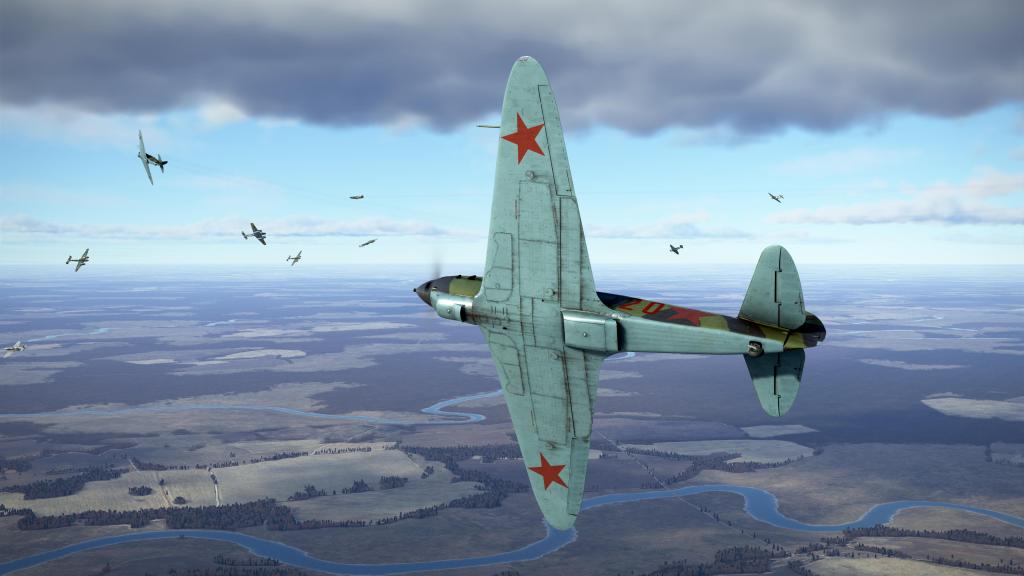

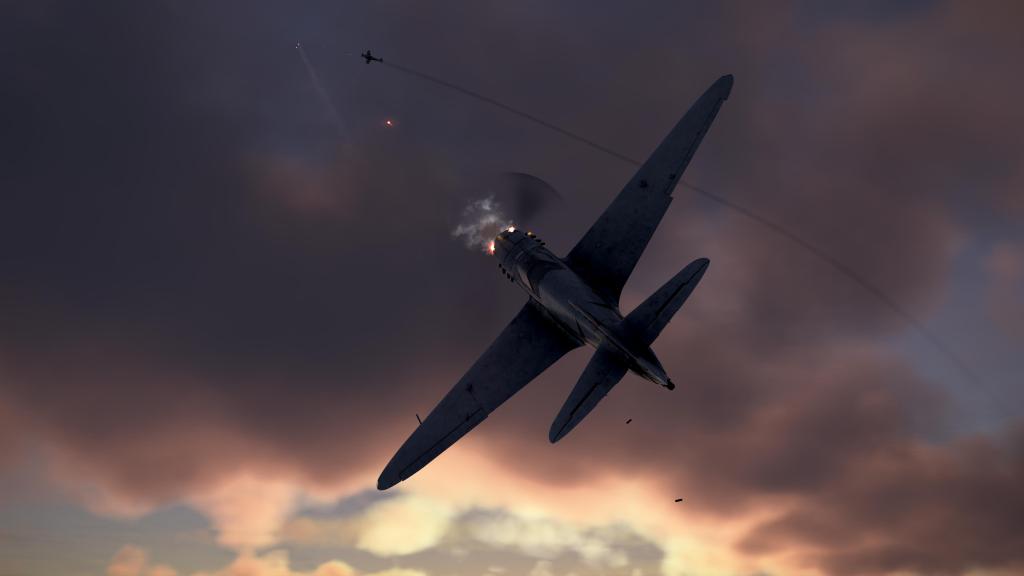
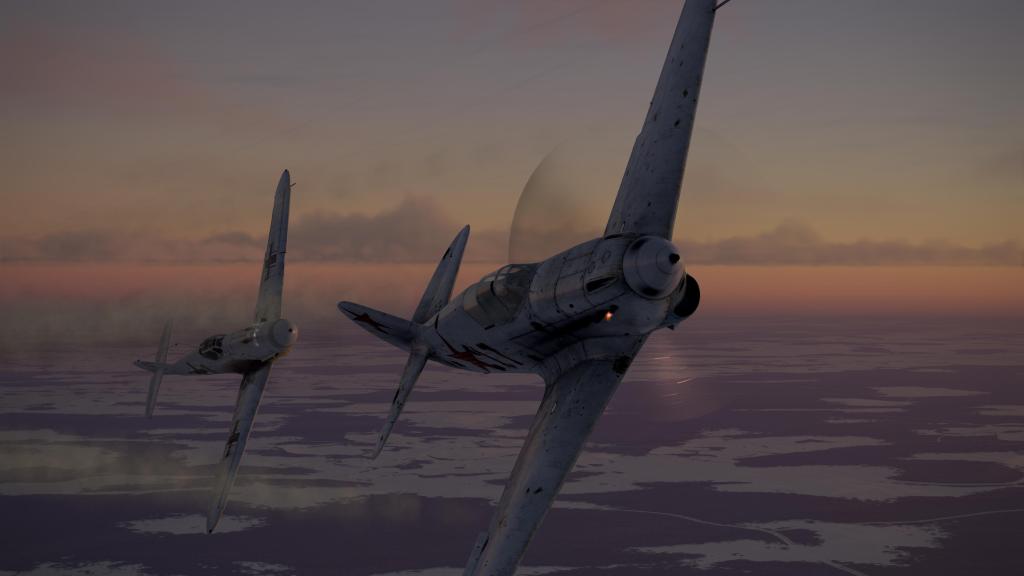


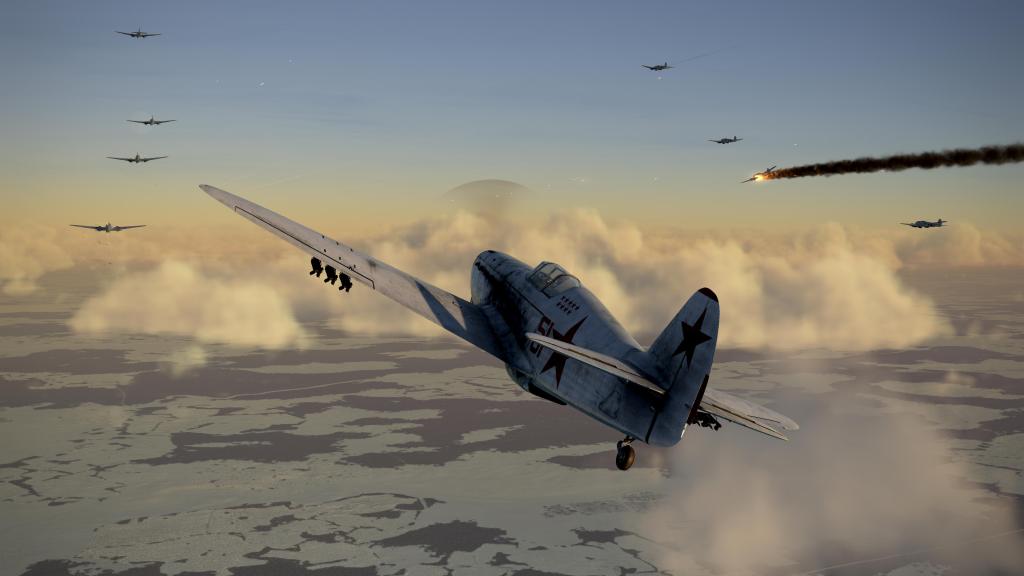
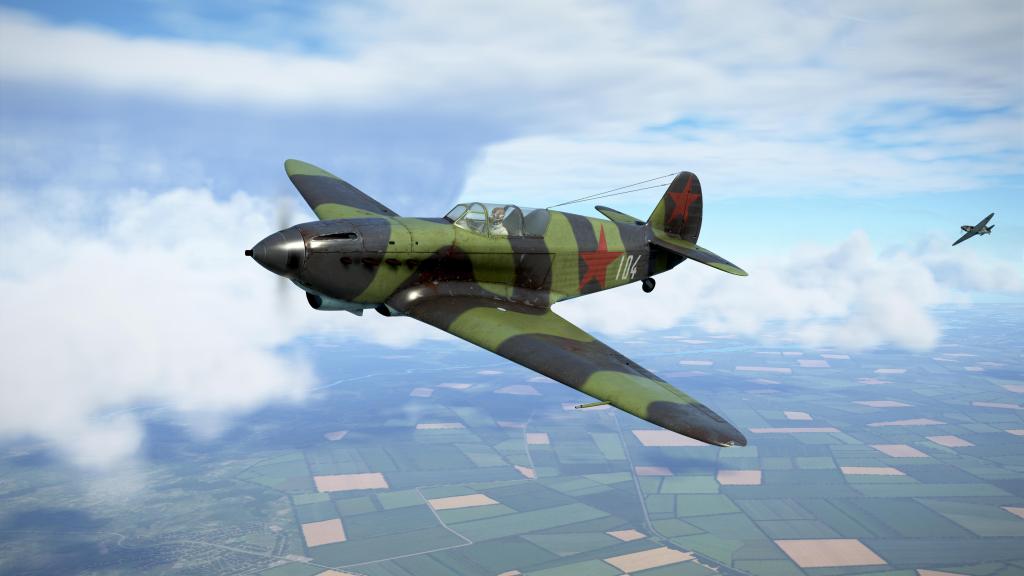
As with my LaGG-3 Series 4 review, the Yak-1 Series 29 benefits from over a decade of development in the Great Battles Series. As a result, it sports a better overall 3D model than the Yak-1 Series 69. While both have similar profiles, if you look closely around the chin scoop and in some of the smaller finer details around the fuselage and wings, you can see how the detail is a fair bit more refined on the newest addition. There are some earlier series details that are different too such as the early style exhaust stacks.

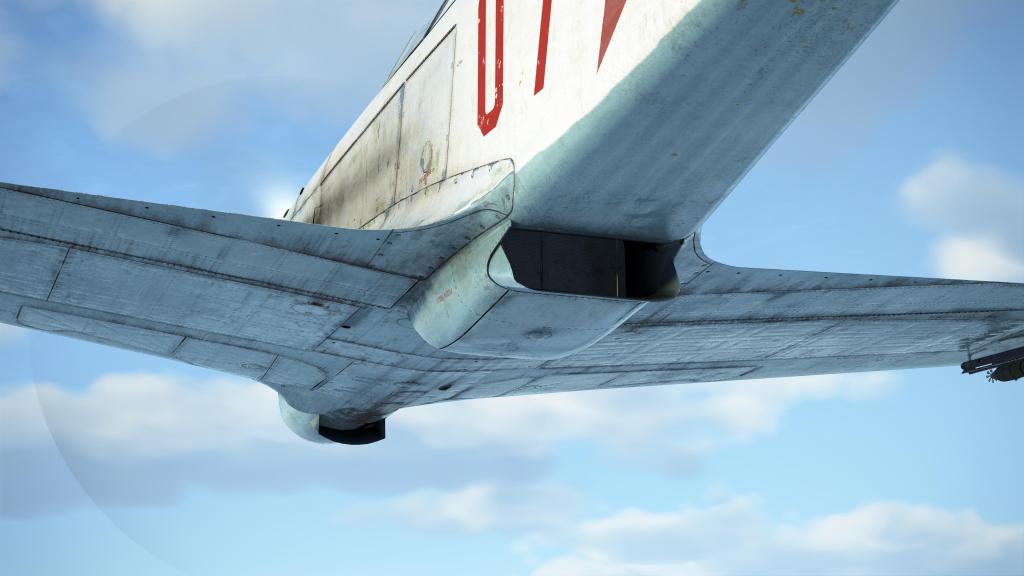
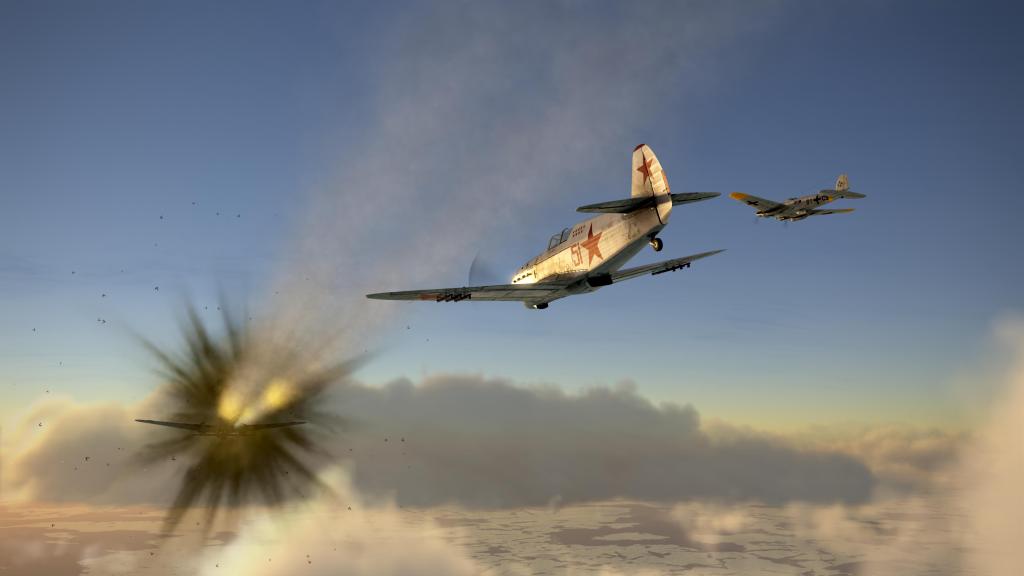
There are some nice details you can see with this version. For example, you can also spot rocket equipped aircraft from both above and below with noticeable changes to the equipment ports on the wings.
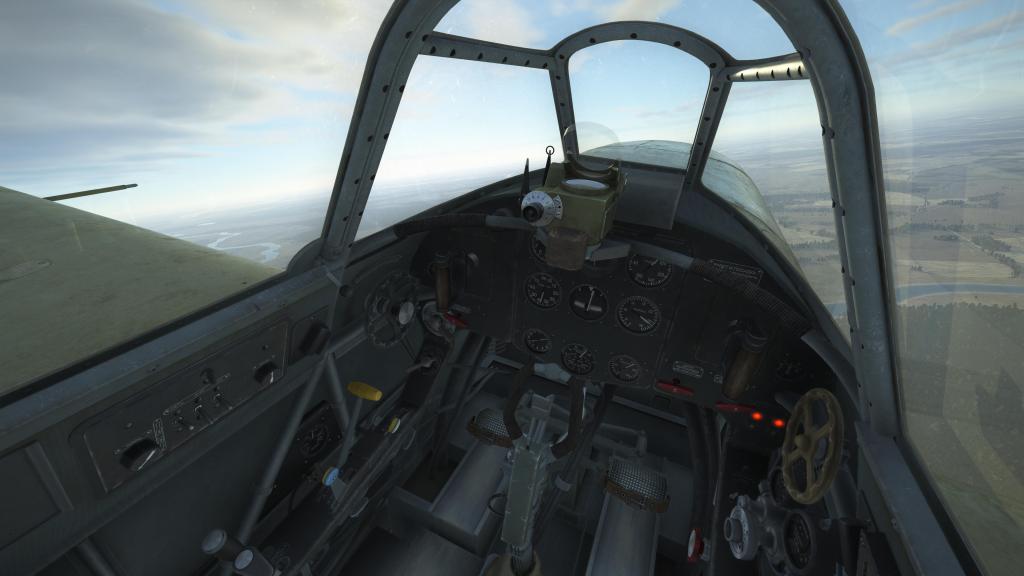


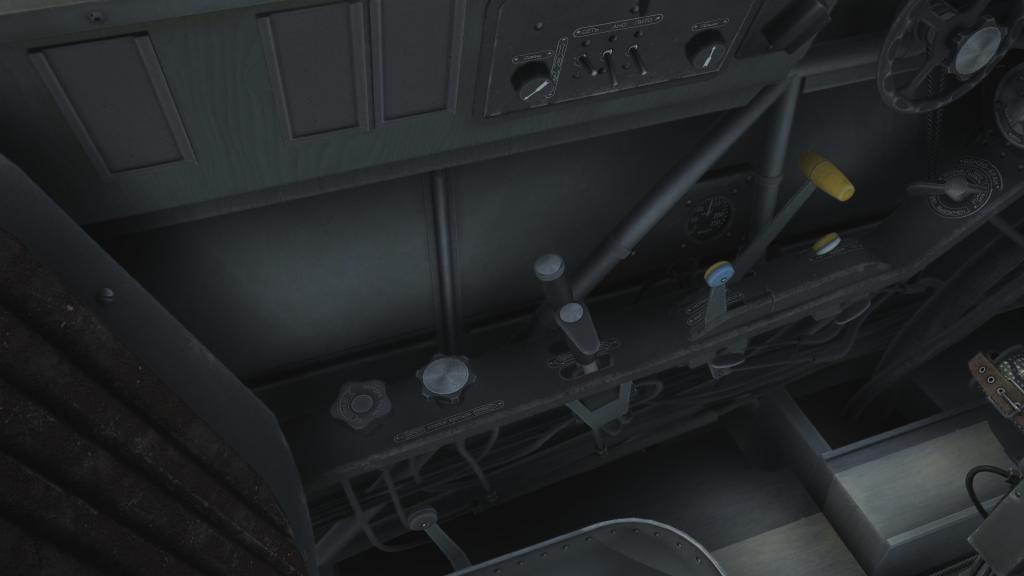
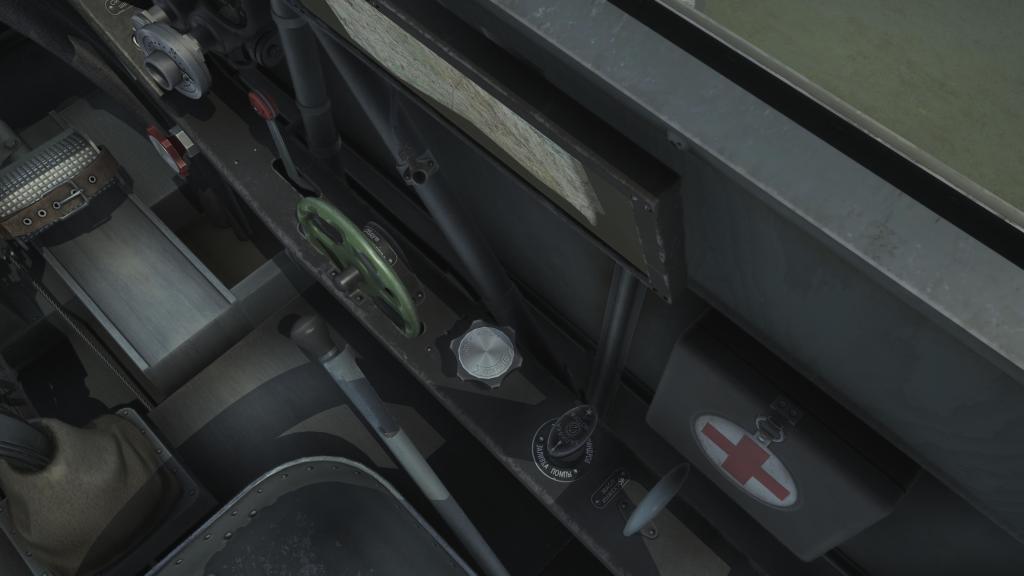
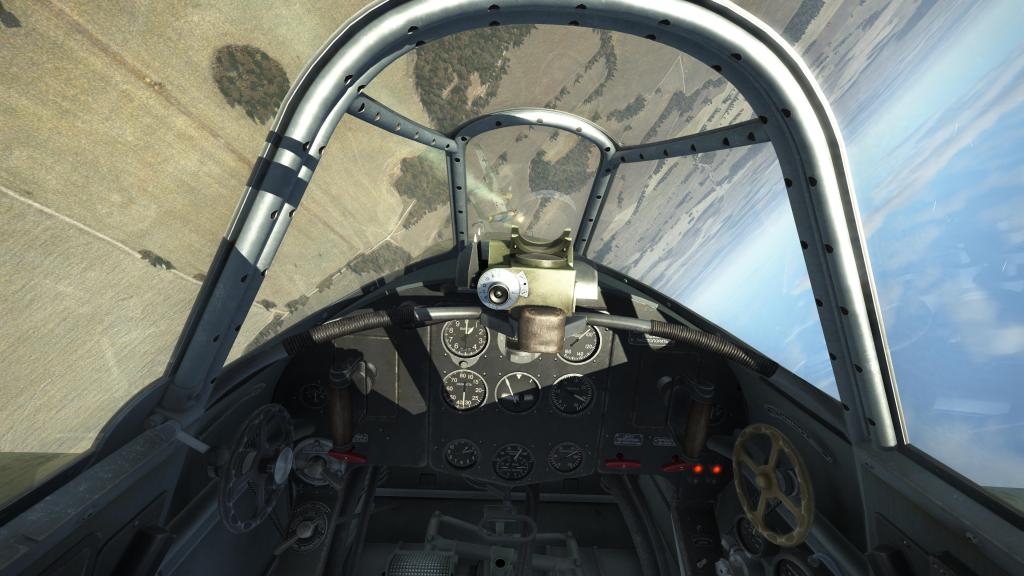
The same can be said in the cockpit. While the differences are more on the subtle side the newly added Series 29 cockpit is a step above the old one. With the Yak-1 Series 69 being one of the earliest aircraft in the sim, its not surprising and it holds up well thanks to the 4K texture update several years ago.
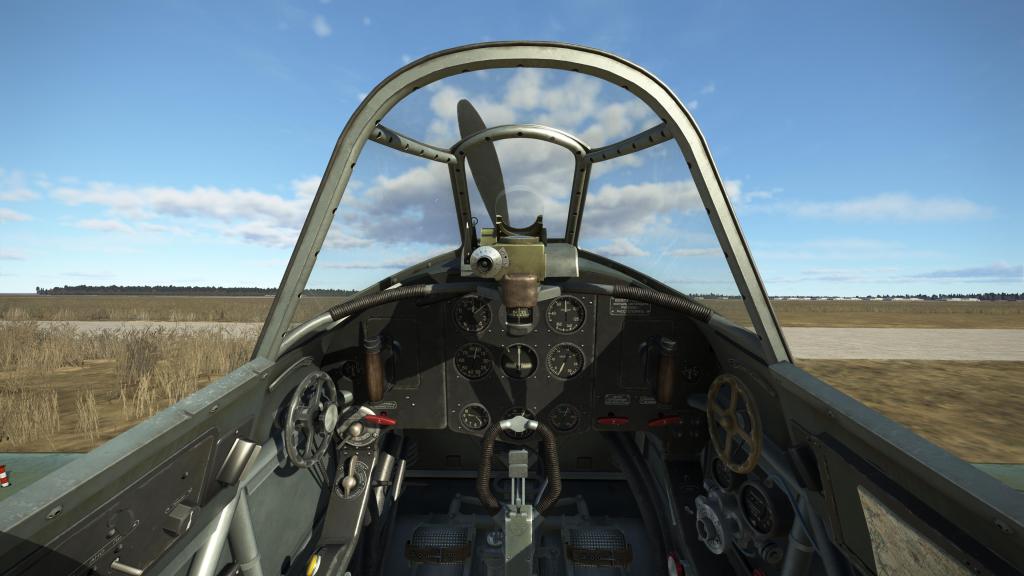
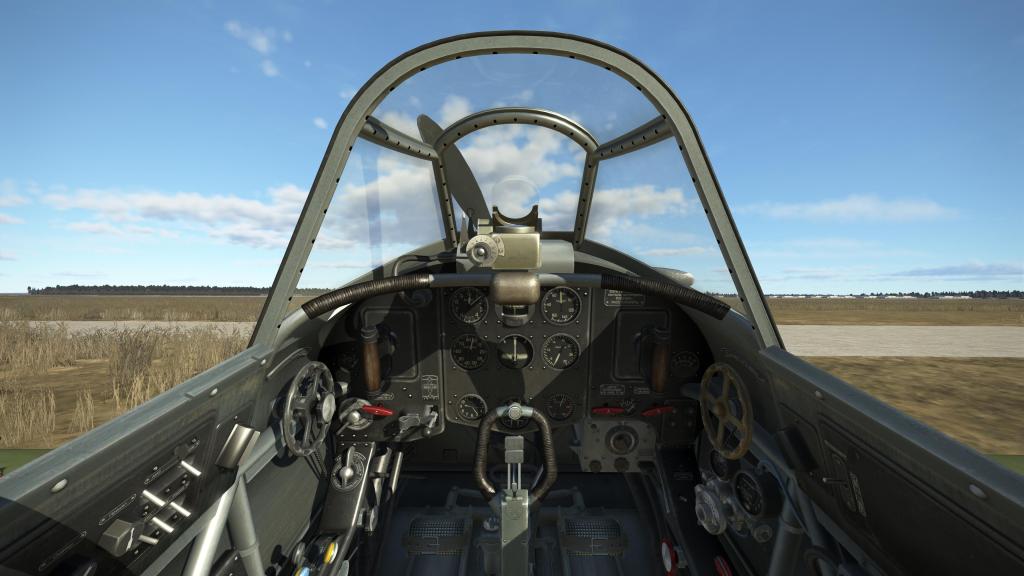
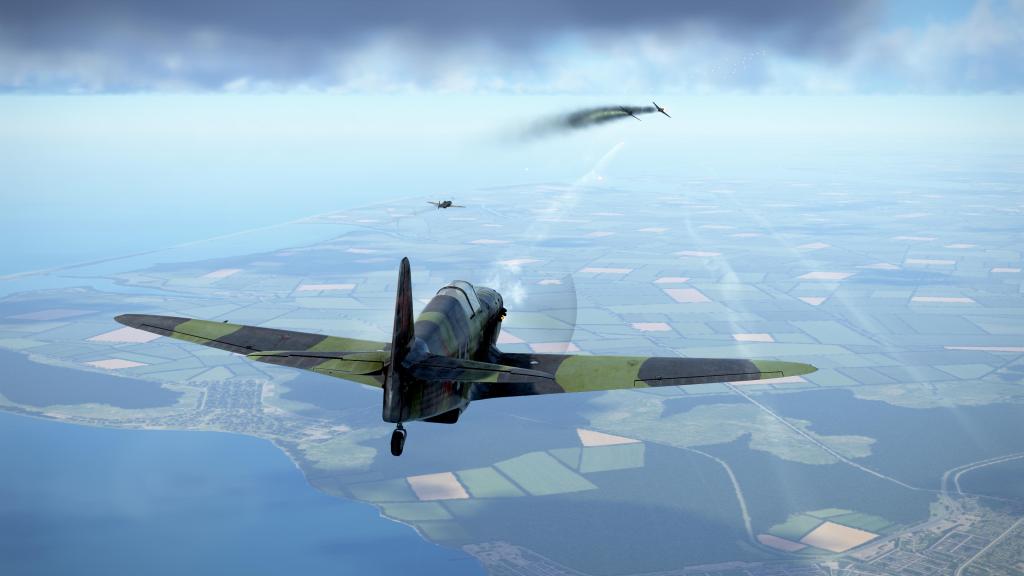
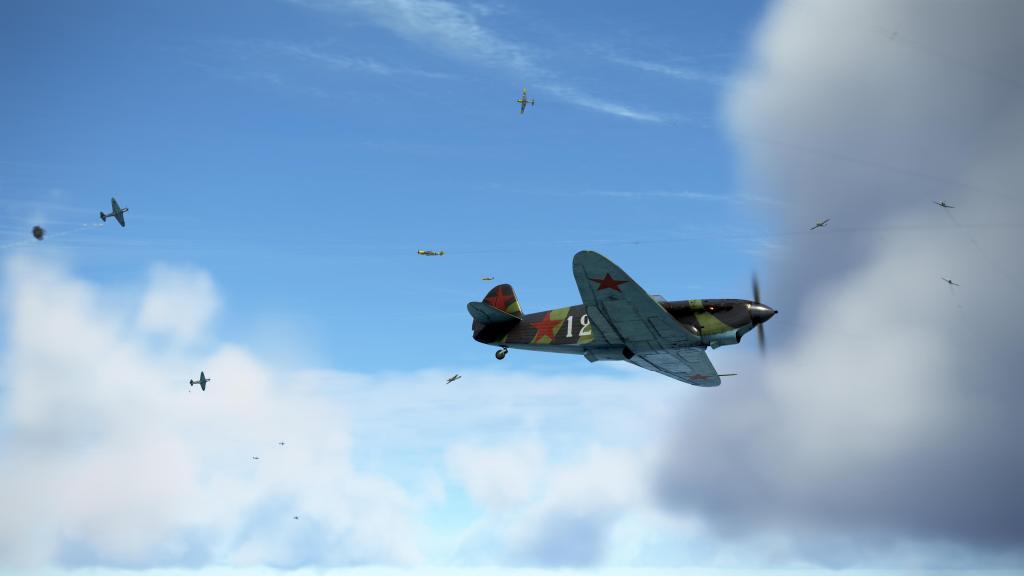
The Yak-1 Series 29 comes with a small number of liveries. I do wish we’d seen a few more but they do cover the basics with a default two tone scheme, an early over-all green scheme and a winter one. Tactical codes make each aircraft slightly unique. There are a few unique and historical schemes which is nice to see but I’d love it if there were more.
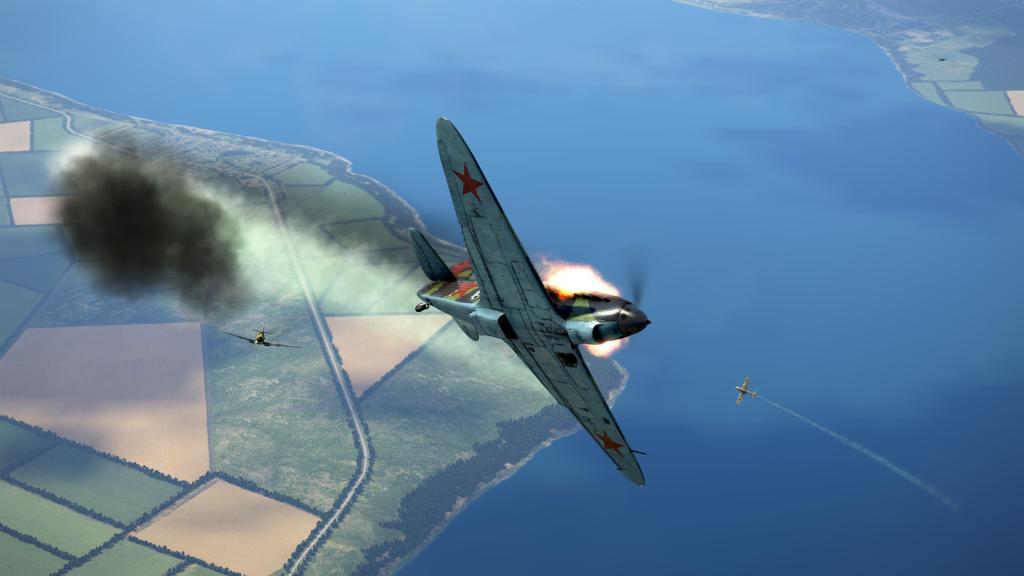
Damage effects are at their usual peak for the series. Decal effects combine with 3D model effects to create something relatively impressive looking.


The sound work here is standard Great Battles maintaining a consistent quality across the entirety of the series. Cannon and machine gun sounds are far better than they used to be and have been iterated over the last decade and a bit of development.
Flying and fighting in the earliest Yak-1


Sometimes I see people asking about why even have this earlier model of the Yak when it performs worse than the Yak-1 Series 69. I think its a slightly odd question for a historical simulation but it comes up enough that I think its worth addressing.
The Yak-1 Series 23 has interest for a couple of bigger reasons. First, you get a broad overview of the aircraft series from Yak-1 through to the Yak-3 and Yak-7 through the various Yak-9 models. By flying the earliest model you get to see how performance differed and changed and what the character of the aircraft was like early on versus its late war model. Its the same with the Bf109, albeit with fewer overall models, where you can see this important aircraft evolve over the course of a few years.
Secondly, this earliest version fits well into the 1941 battles of Siege and Liberation performing ably versus the Bf109E-4, E-7 and F-2 of the time period. It also fits into Battle of Moscow’s campaign adding more variety and available types. That integration will reportedly be done sometime in 2026 so its not there yet but it certainly is in for advanced quick missions.


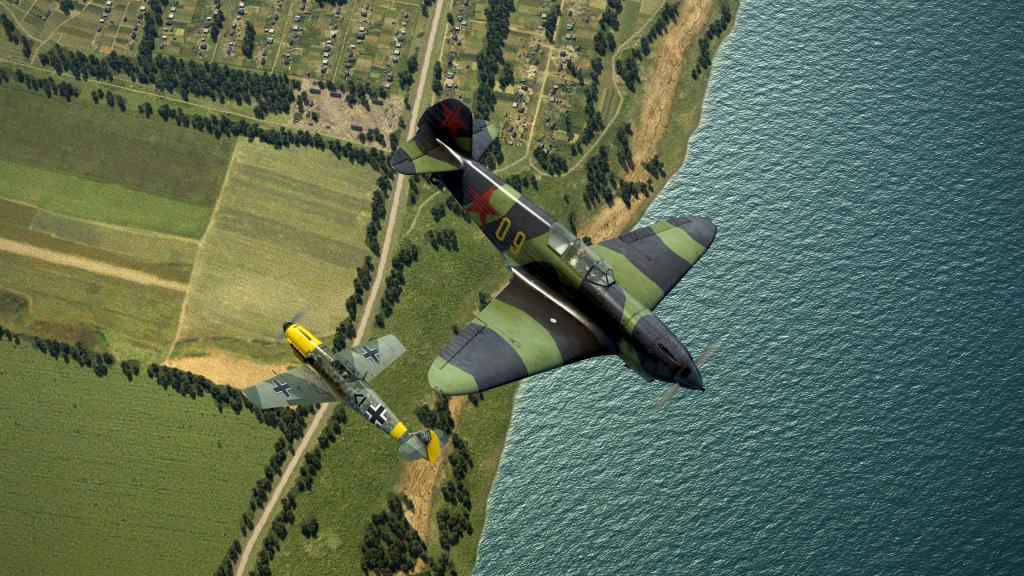

As with all of the Yak fighters, they fly best when flown at low to medium altitudes and kept at medium speeds. While the Bf109 can fly faster, it can also fly confidently at slower speeds too. The Yak-1 finds its sweet spot in the 280km/h to 320km/h range with its best turn speed and time found in this range. Here the fighter can hold most opposition fighters in turns though the less available power with this model means that prolonged fights aren’t ideal and the excellent power to weight ratio of the Bf109 begins to favour that aircraft. For short and sharp fights, the Yak-1, even in this early series, can fight capably and competitively with the Bf109 not to mention the IAR80 and MC.202 that it may find itself up against in these battles.
Great forward view and nose mounted ShKas light machine guns and hub mounted ShVAK 20mm cannon make the Yak-1 pretty capable of downing most fighters and attack aircraft at short range. It really benefits from getting in close and blasting with a few cannon shells. Use the light machine guns to asses range and aim and then follow up with the full guns if you have the mark. The ShKAS machine guns on their own don’t do a lot of damage so its the ShVAK cannon that really needs to do the work.
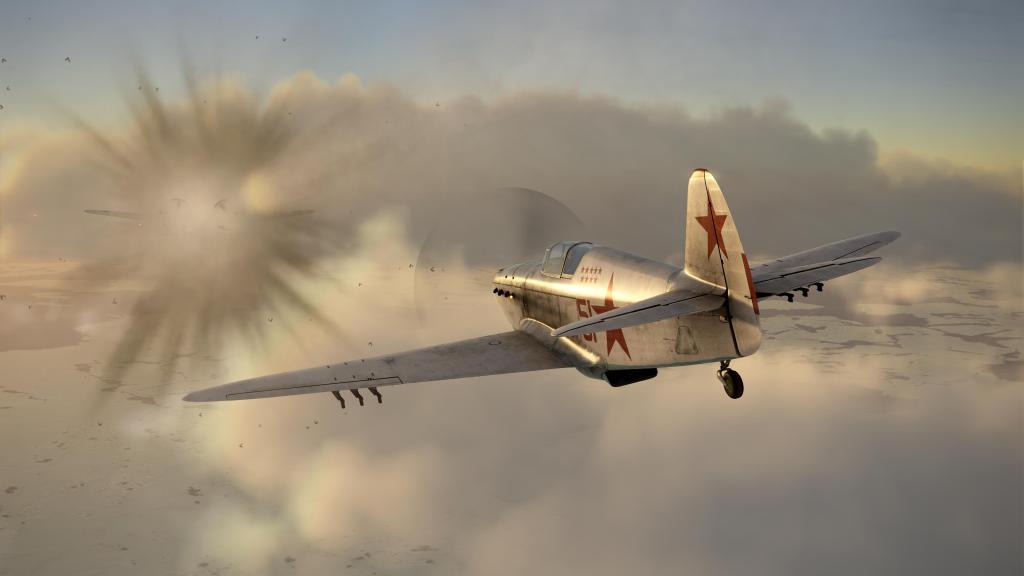
The type is capable of fitting six ROS-82 rockets to underwing pylons. These rockets are useful for both ground attack and in aerial battles against larger bombers. This early version of the Yak doesn’t have any provisions for bombs.
Overall, the Yak-1 Series 23 while lacking some power and refinement of the later series, manages to be just good enough to fight on more or less an even level with the competitor aircraft of the time period. While some Red team specialists may prefer the MiG-3 or I-16, I think its the Yak-1 that manages to be the best type in this early time period – no surprise why it became so popular.
Modifications

The Yak-1 Series 23 comes with a small list of modifications.
The aforementioned six ROS-82 rockets offer a high explosive rocket attack option that works well against light ground vehicles and, when salvoed, against bombers. Its not a good weapon against armored vehicles and tanks but it can be used against lighter ground targets.

M-105PA engine modification updates the engine on the fighter while adding 30 kilograms to the overall weight of the aircraft. The benefit? It enables the boost mode (toggled on/off) with a boost on the engine to give a little extra performance. I’ve done a bit of testing and while it does seem that there’s a bit of a speed benefit, the biggest boost is more in acceleration and temporary unlocking of extra power for combat. I do wish there were a few more details in the documentation on that.
The third and final modification is the ability to add a radio to the aircraft. Early Yak-1 fighters weren’t always fitted with one so you can simulate that lack of radio comms (and minor benefit in weight).
Performance comparison
In recent times I’ve been focused more on comparing aircraft from the same coalition than versus the ones that you’re fighting against and this comes down to choosing the right aircraft for the situation (if you have the choice) or knowing full well what your cards are when you take it into a fight. For this comparison I’m looking to compare the Yak-1 Series 23 with the better known Series 69 and with the MiG-3 Series 24. And I throw in the Bf109F-2 so you can see just how difficult the situation is!
If you’re used to the Yak-1 Series 69 and you’re flying this earlier version, you’ll want to note that its best turn time is nearly the same (with 0.4 seconds difference) but the speed is 10 km/h faster on the older version so you need to keep your speed up a little higher for the best turns. Both Yak’s, with their superior overall handling, are better than the MiG-3 and actually manage to outperform the Bf109F-2 in raw turn times. In practical effect you’ll need to watch for Bf109 pilots trading more speed for tighter turns and then using acceleration to regain lost momentum but in raw terms it is possible for Yak-1s to out turn their closest Bf109 competitor.
Of course the Yak-1 Series 23 is slower than everything else in this list and is utterly outclassed by the Bf109F-2. I didn’t compare it but its almost on par with the Bf109E-7 so there’s that.
The benefit therefore with the Yak-1 Series 23 isn’t that its better but that its better handling (not just in raw turn times but in overall flying) and that kind of confidence in flying can make up for slightly slower climb rates and top speeds. But getting into a winning position will be important prior to any fight and that long duration combat with Bf109s will be generally be a bad thing.
Yak-1 Series 23
- Maximum true air speed at sea level, engine mode – Take-off, 2600 RPM: 485 km/h
- Maximum true air speed at sea level, engine mode – Nominal, 2700 RPM: 475 km/h
- Maximum true air speed at 2000 m, engine mode – Nominal, 2700 RPM: 518 km/h
- Maximum true air speed at 4000 m, engine mode – Nominal, 2700 RPM: 537km/h
- Service ceiling: 10400 m
- Climb rate at sea level: 14.3 m/s
- Climb rate at 3000 m: 12.9 m/s
- Climb rate at 6000 m: 8.85 m/s
- Maximum performance turn at sea level: 19.6 s, at 280 km/h IAS.
- Maximum performance turn at 3000 m: 25.7 s, at 275 km/h IAS.
Yak-1 Series 69
- Maximum true air speed at sea level, engine mode – Nominal, 2550 RPM: 514 km/h
- Maximum true air speed at 2000 m, engine mode – Nominal, 2700 RPM: 549 km/h
- Maximum true air speed at 4000 m, engine mode – Nominal, 2700 RPM: 582 km/h
- Service ceiling: 10200 m
- Climb rate at sea level: 16.9 m/s
- Climb rate at 3000 m: 15.0 m/s
- Climb rate at 6000 m: 9.4 m/s
- Maximum performance turn at sea level: 19.2 s, at 270 km/h IAS.
- Maximum performance turn at 3000 m: 24.6 s, at 270 km/h IAS.
MiG-3 Series 24
- Maximum true air speed at sea level, engine mode – Boosted: 525 km/h
- Maximum true air speed at sea level, engine mode – Nominal: 493 km/h
- Maximum true air speed at 7600 m, engine mode – Nominal: 626 km/h
- Service ceiling: 11800 m
- Climb rate at sea level: 15.9 m/s
- Climb rate at 3000 m: 14.0 m/s
- Climb rate at 6000 m: 10.2 m/s
- Maximum performance turn at sea level: 22.4 s, at 270 km/h IAS.
- Maximum performance turn at 3000 m: 28.7 s, at 270 km/h IAS.
Bf109F-2
- Maximum true air speed at sea level, engine mode – Emergency: 528 km/h
- Maximum true air speed at 2000 m, engine mode – Emergency: 563 km/h
- Maximum true air speed at 5000 m, engine mode – Emergency: 606 km/h
- Service ceiling: 11500 m
- Climb rate at sea level: 16.4 m/s
- Climb rate at 3000 m: 14.1 m/s
- Climb rate at 6000 m: 10 m/s
- Maximum performance turn at sea level: 23.6 s, at 270 km/h IAS.
- Maximum performance turn at 3000 m: 29.0 s, at 270 km/h IAS.
Final thoughts
The Yak-1 Series 23 offers one thing in the very early war period that I don’t think we’ve had so far. A well balanced aircraft with a combination of speed, maneuverability, and overall easy flying that you can’t find with some of the other eastern front fighters from the period. That gives this Yak-1 a particular appeal.
The later Yak-1 Series 69, with its more powerful and low altitude optimized engine, is better in every way but we don’t always fly aircraft in the IL-2 series because they are better. Sometimes its just a matter of what is available in a given time period and this fighter is an excellent one for the time period.
From a simulation perspective, the Yak-1 Series 23 improves on earlier aircraft releases with slightly better art and visual design. Its not substantial but it is a refinement on older aircraft. In other ways, the aircraft meets and matches expectations for features that we’ve come to expect: modifications, tactical codes, damage model, and liveries. I do wish we got a few more liveries which is my only complaint.
A good addition to the mix for IL-2 Sturmovik: Great Battles the Yak-1 is a fun and capable fighter for the early war period.
Stay tuned as I now turn my attention to the other Yak fighter that has just arrived in the sim: the Yak-3!
Screenshots








 Stormbirds
Leave a comment