
For a long time now I’ve been desperately hoping for Microsoft Flight Simulator to pick up some more turboprop airliners. This is an under-served category featuring the ATR 42/72-600, the Saab 340, Dash 7 by Pilots and the freeware Fokker F27. That’s about it (let me know if I’ve missed one). We also know Majestic is working on a Dash 8 Q400. That’s not a long list relative to some other categories, fortunately, we’ve just added a new one to the mix and it wasn’t one that was on my radar… but it is now! iniBuilds and Microsoft have partnered together to bring us the NAMC YS-11 and this is my review of it.
A bit of history
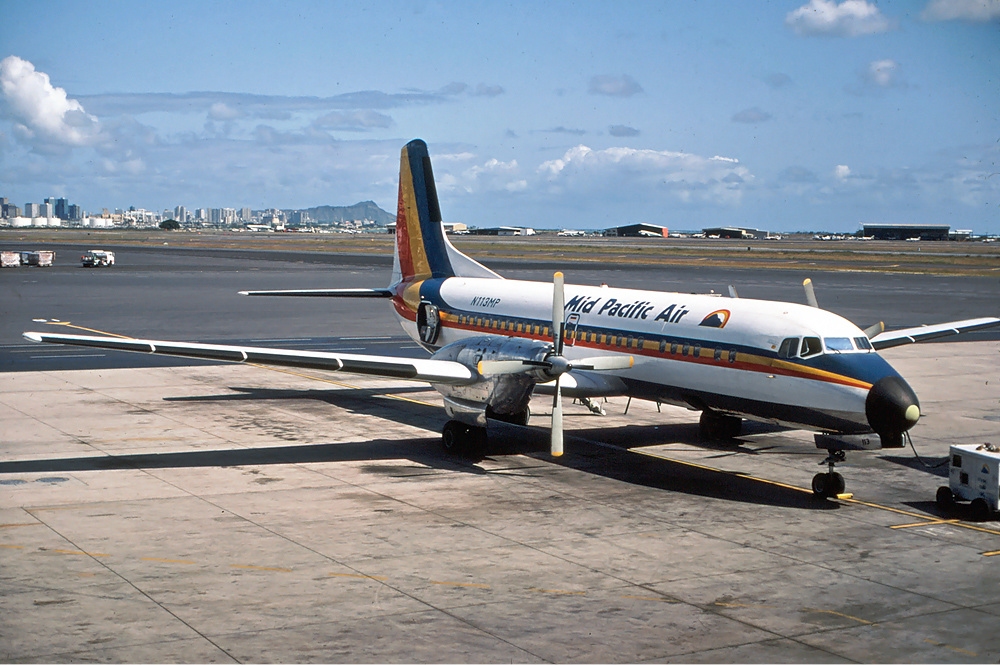
In the mid 1950s, the Japanese Ministry of International Trade and Industry encouraged Japanese aerospace companies to join forces to create a short-haul airliner. The Nihon Aircraft Manufacturing Corporation (NAMC) was a combination of multiple Japanese companies including some well known ones like Fuji Heavy Industries, Kawasaki Heavy Industries and Mitsubishi all working together.
The designers, including Jiro Horikoshi (the designer of the A6M Zero), came up with a low wing monoplane design powered by a pair of turboprop engines. Most of the aircraft components were sourced by Japanese companies but some components, including the Rolls Royce Dart engines, came from overseas.
It first flew in August of 1962 and entered series production soon after. Initial problems included some handling issues but the biggest issue was with the complicated nature of the NAMC co-development structure and overseas sales struggled though some airlines in North America did pick it up. Production numbers reached 182 aircraft before orders ended and the project cancelled.
The aircraft saw service in Japan with JAL, ANA, and with several smaller operators. It also saw military use with the JSDF. It also saw extensive service around the world from the Philippians, Brazil, Hawaii and in North America with airlines such as American Eagle and Piedmont. Though not a complete success, the aircraft saw a long service life with some aircraft going on to have 30+ year service lives. Ultimately, it was the mandate of retrofitting TCAS (collision avoidance system) into the aircraft that saw most of the fleet retired as it was deemed too expensive an upgrade to undertake.
Visuals and sounds


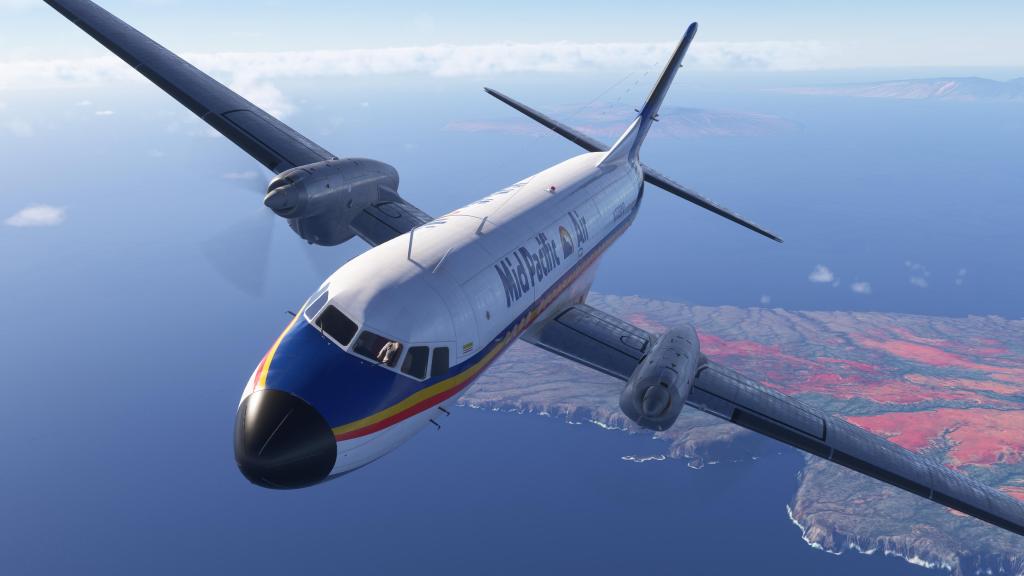
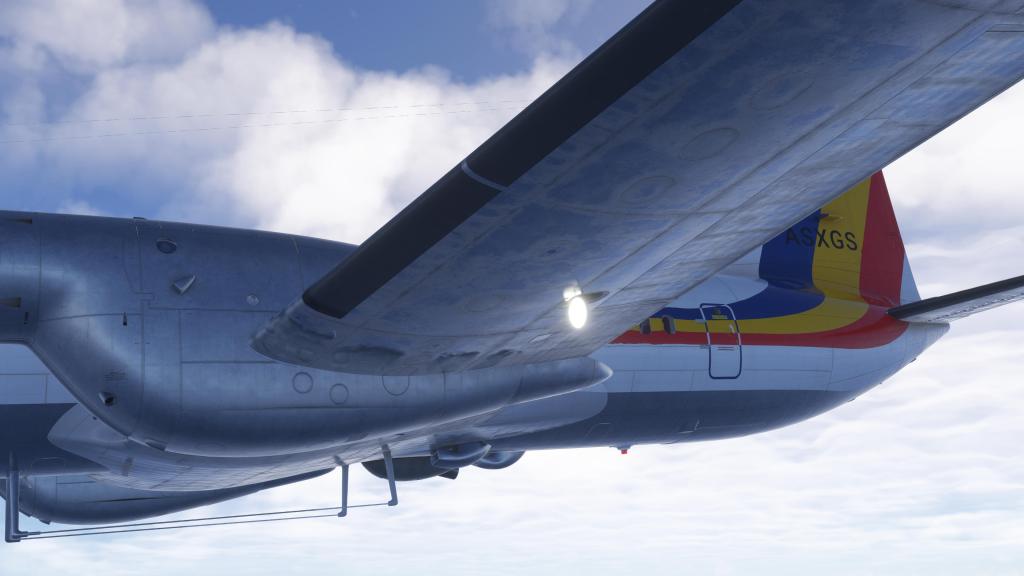

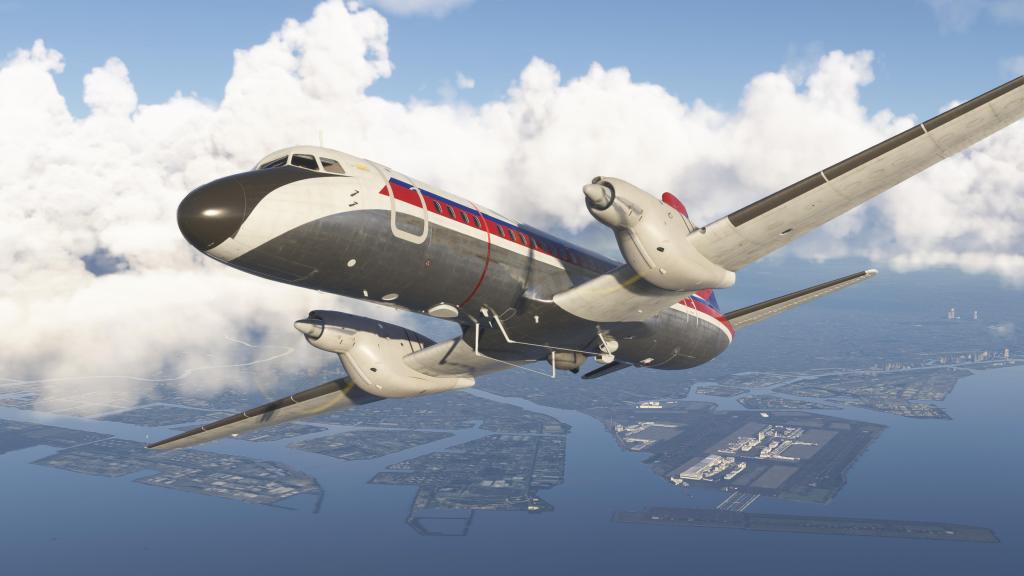

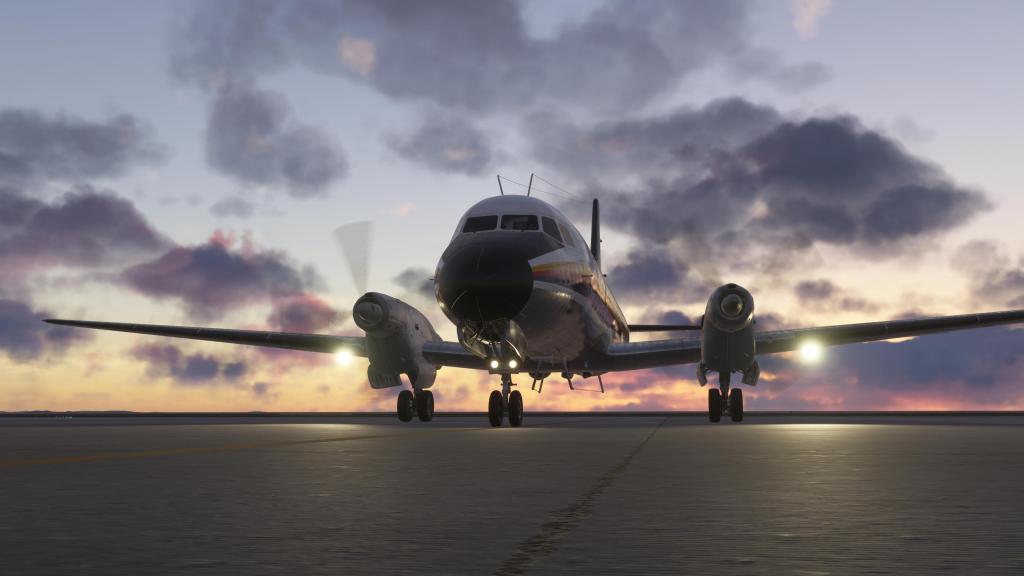

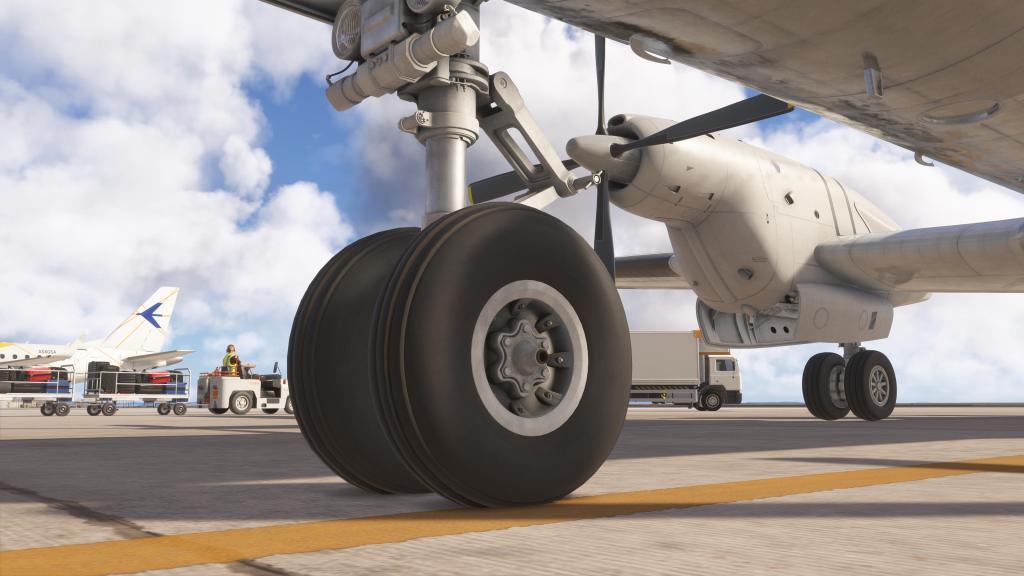
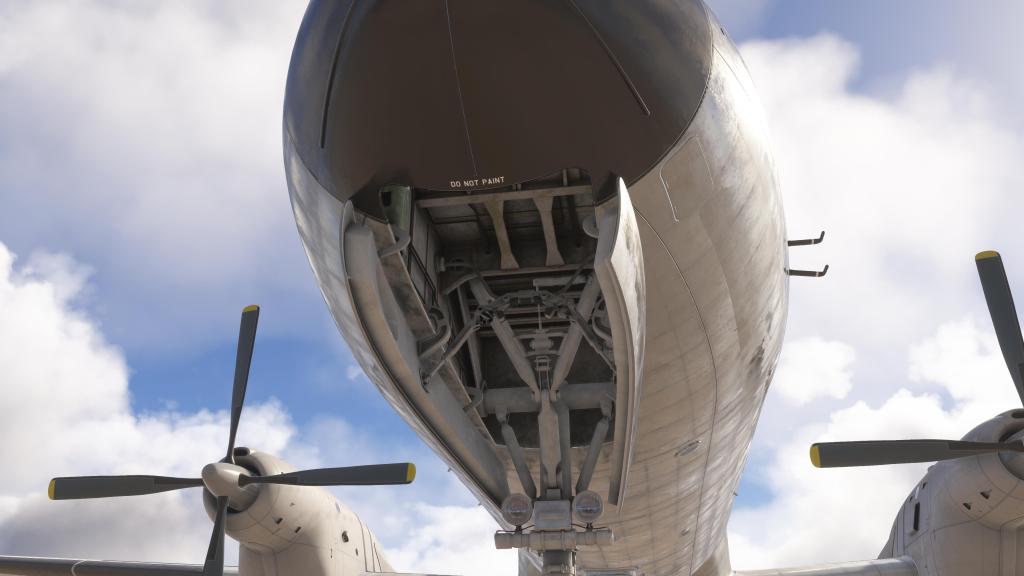

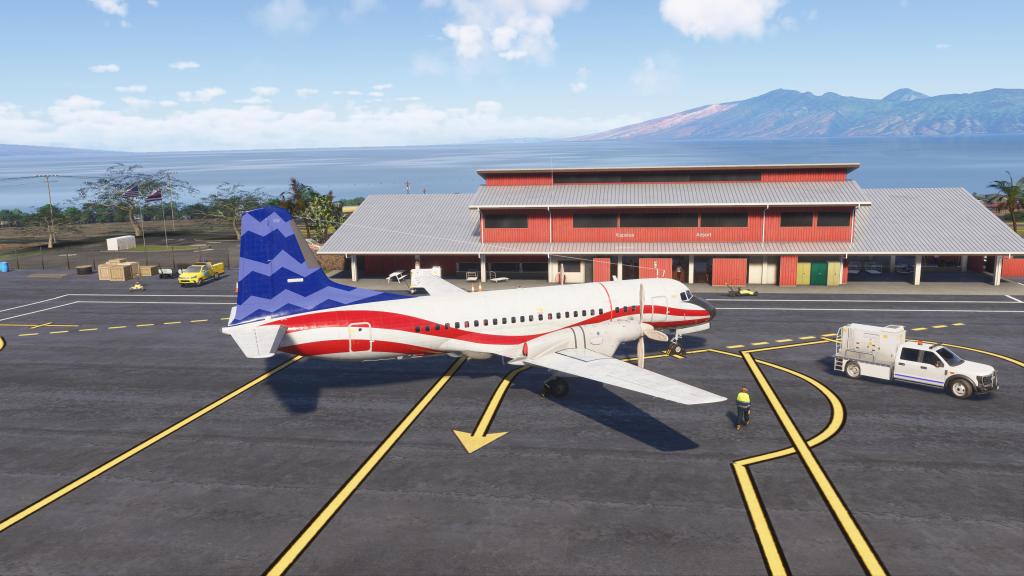
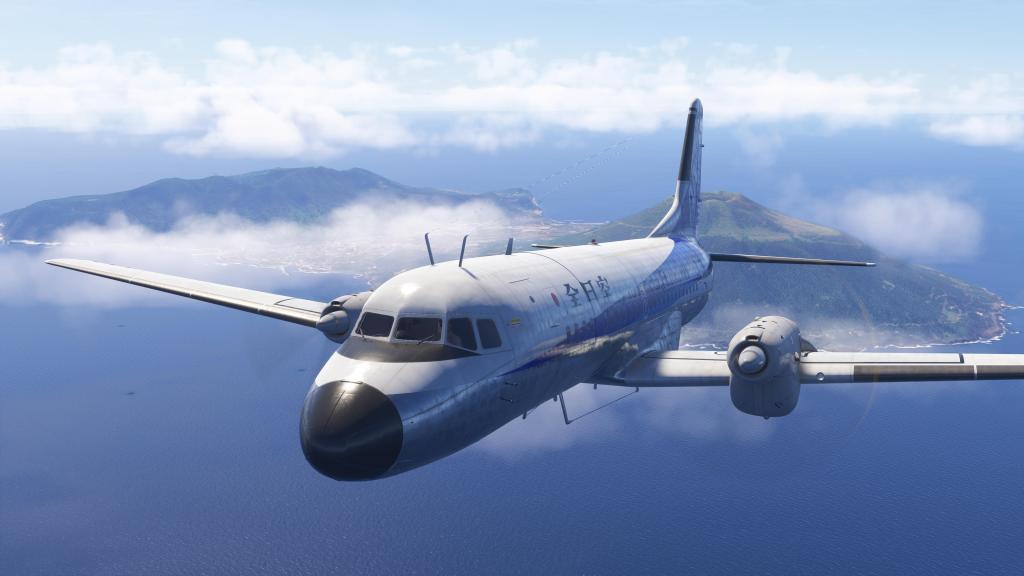
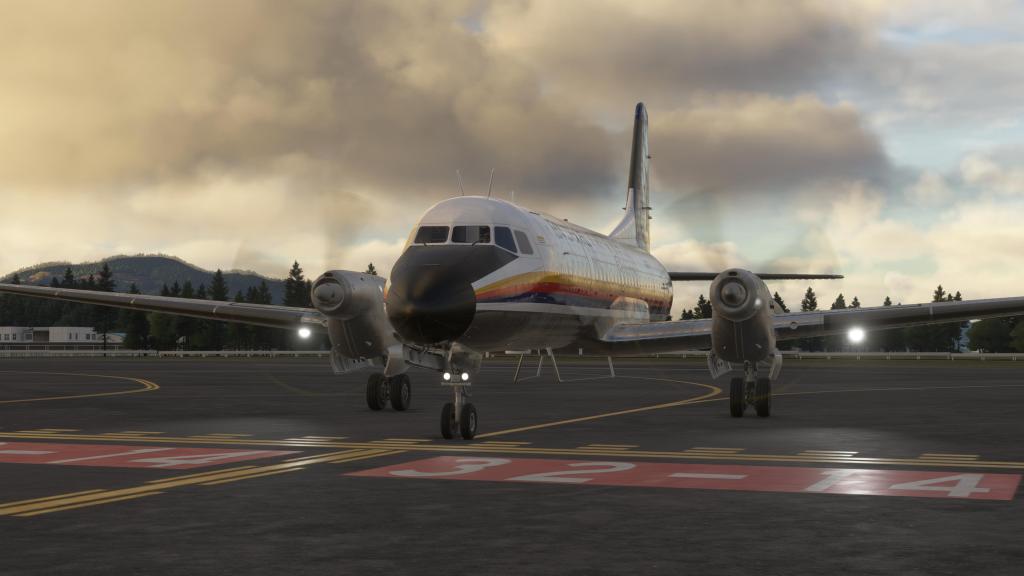
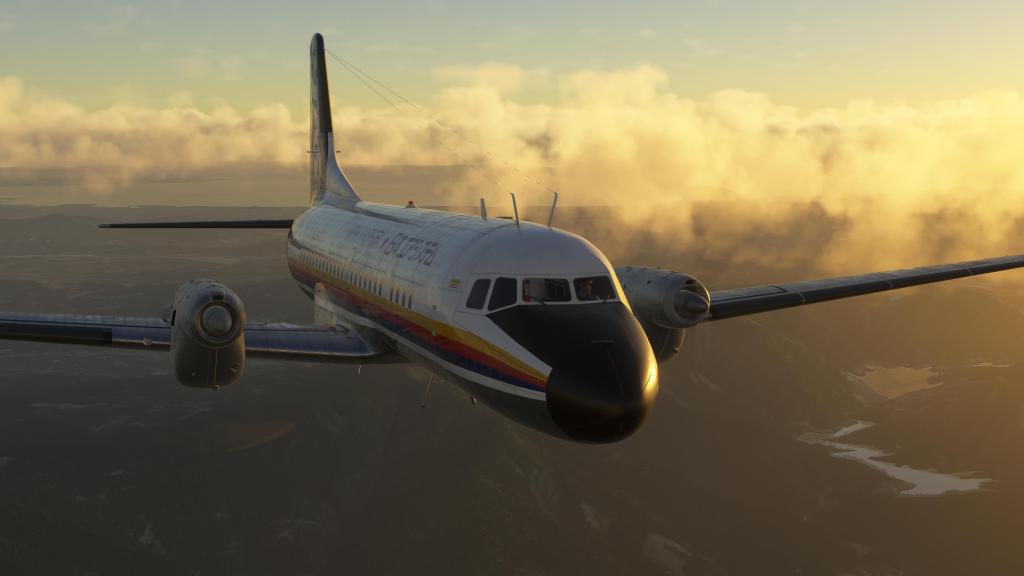
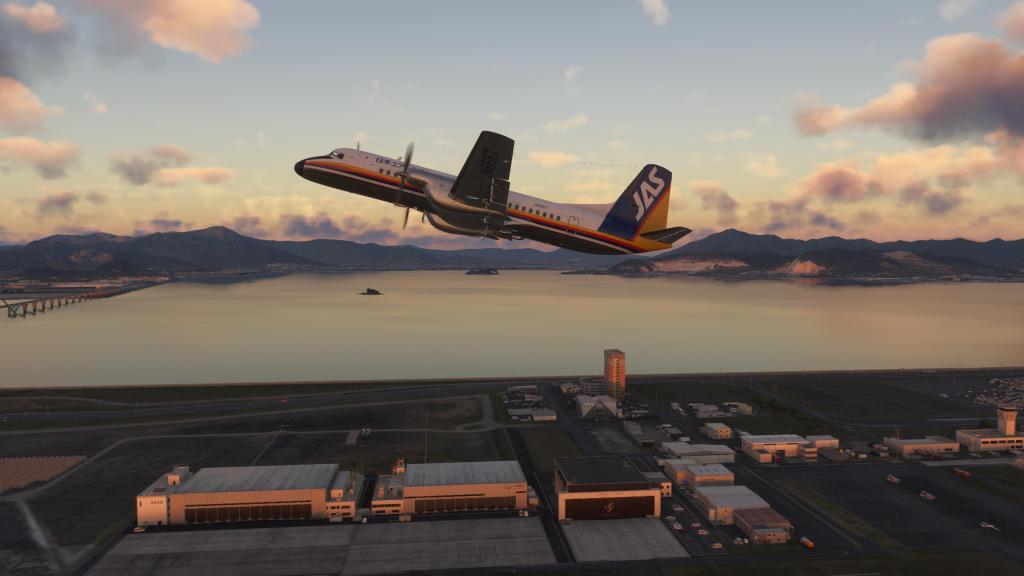
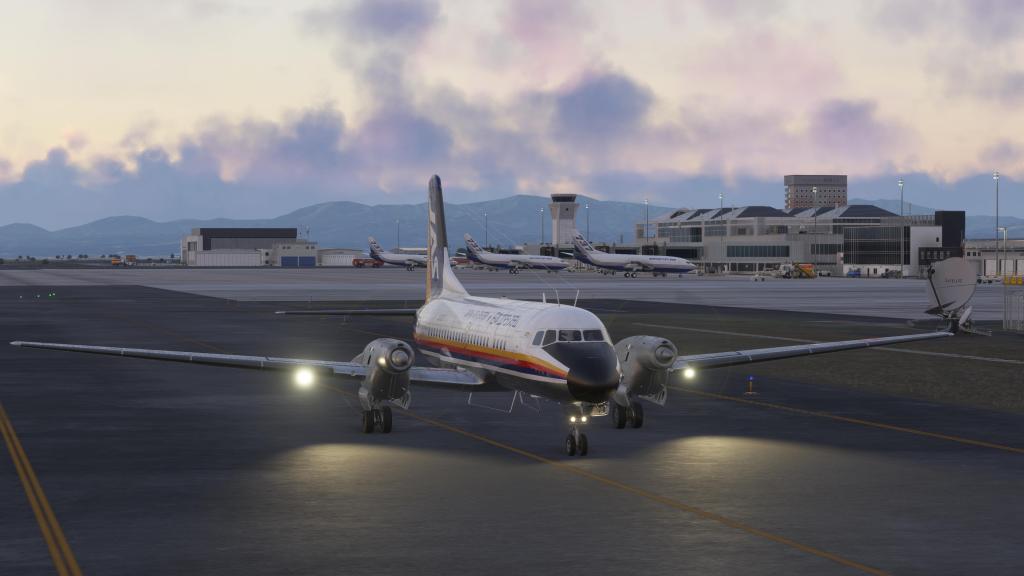
The developer behind this product is iniBuilds which typically means a reasonably strong visual for most of the aircraft that they’ve tackled. The external model is well done with a lot of close details that look good from far away and up close. You’ll see plenty of details throughout details even in the undercarriage area. It’s not their top tier effort (relative to the A300 or A350) but overall its pretty good.
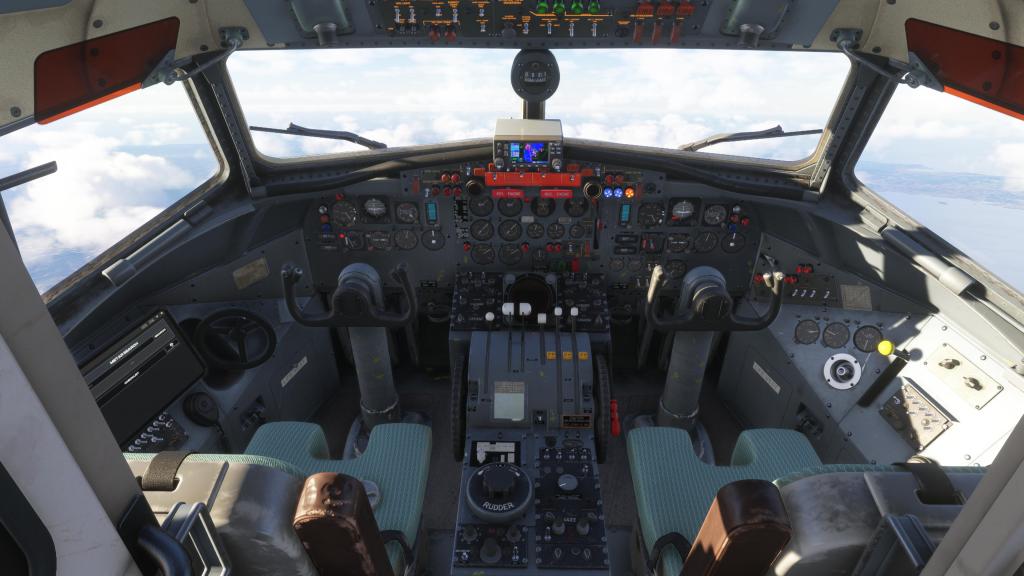
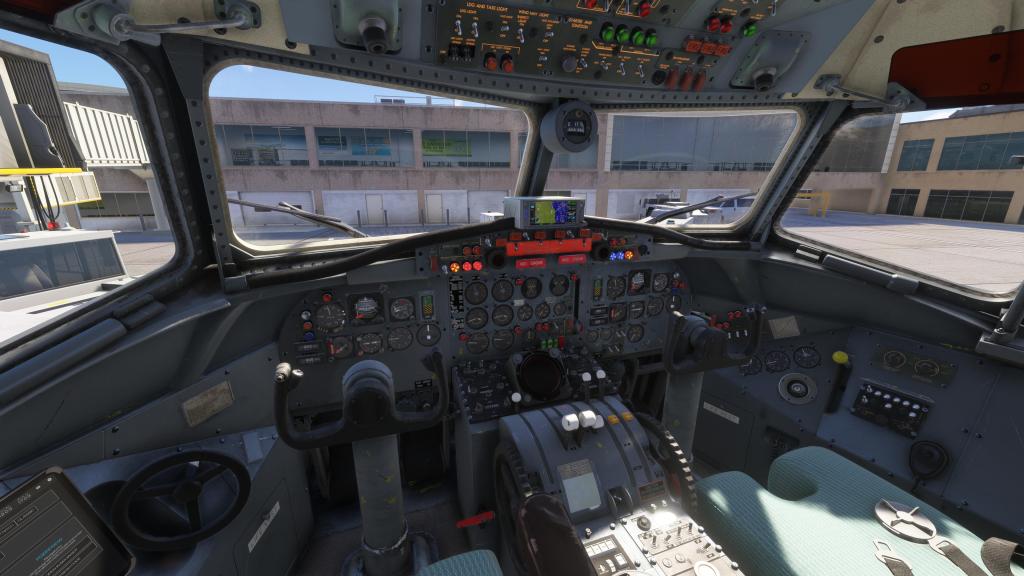
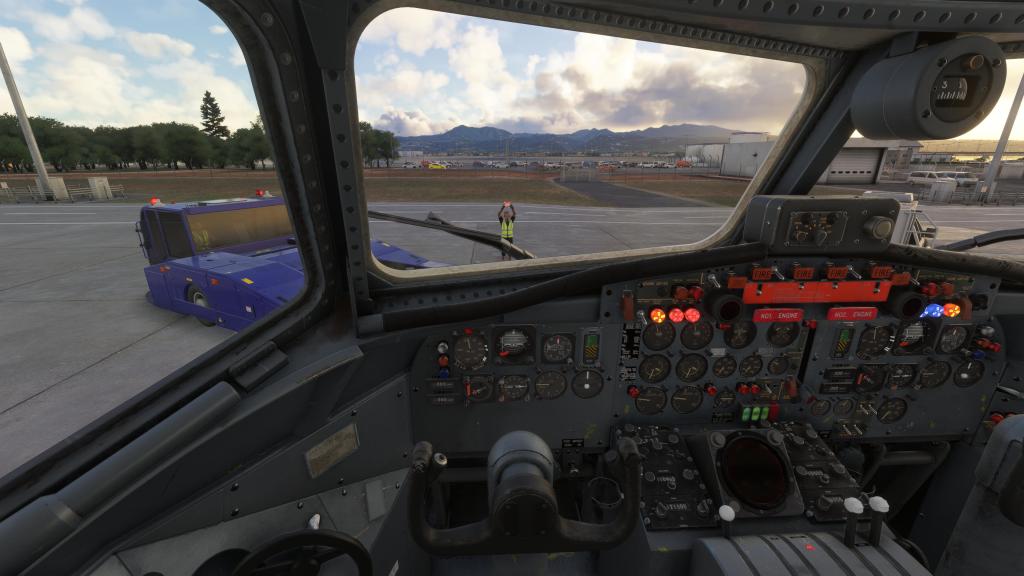
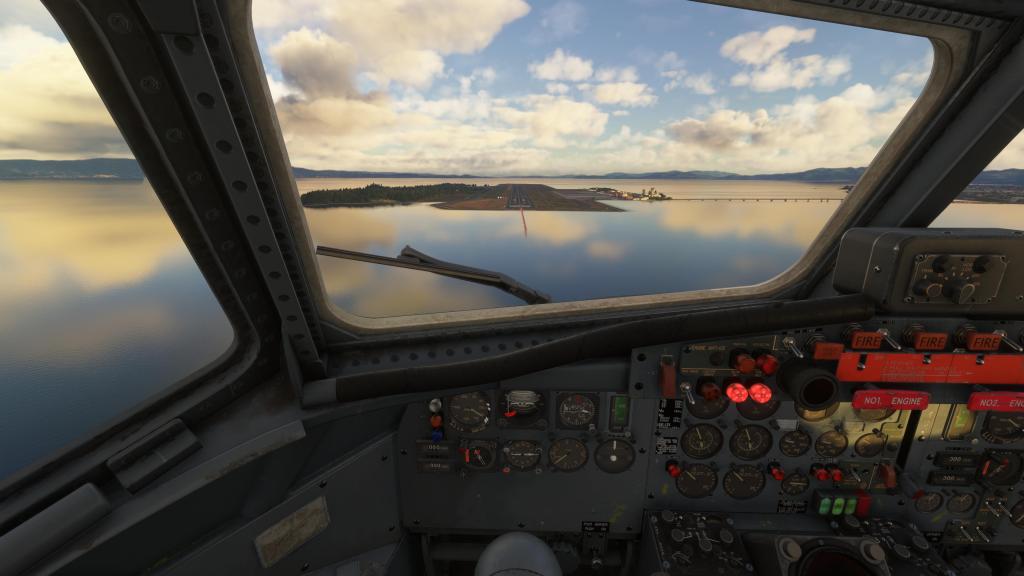
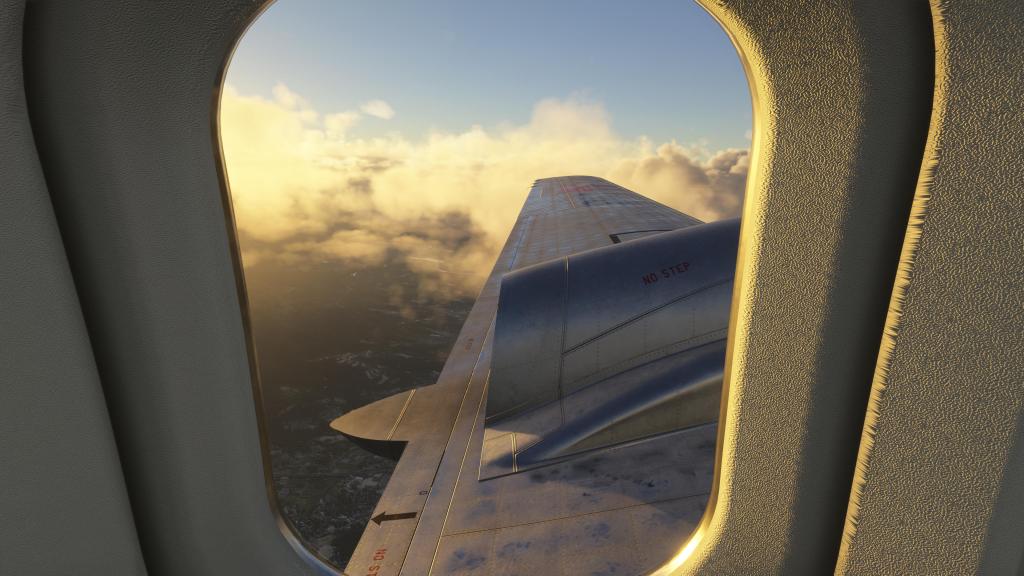
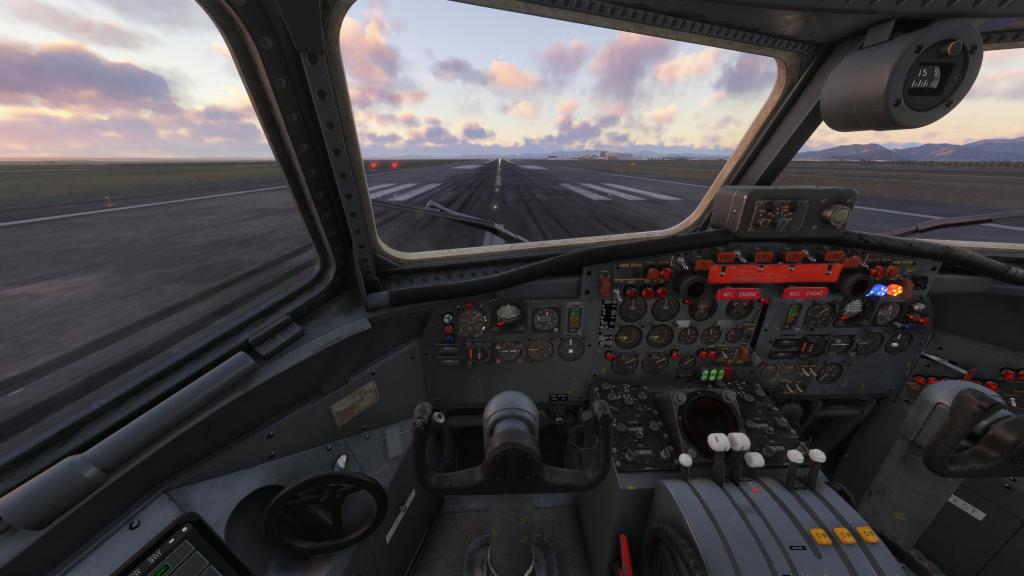
The interior is good too though maybe not quite as convincing as the outside. The texture quality is sharp, there’s sufficient scratching and wear and tear to make you believe this is a classic airliner, but I don’t think any light baking effort was put in as the global illumination of the aircraft makes it look just a little flat at times. The cabin is fully featured with the ability to see the passengers, the window shades are interactive as is the toilet (which you can click on and it plays a flushing sound… ha!). The quality is overall is good and for the price point its more than adequate.
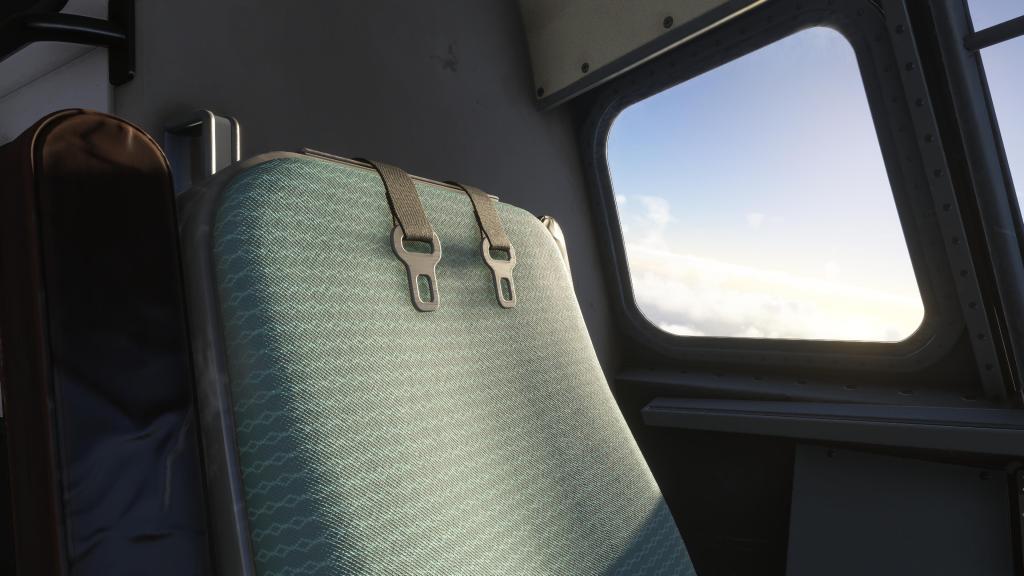
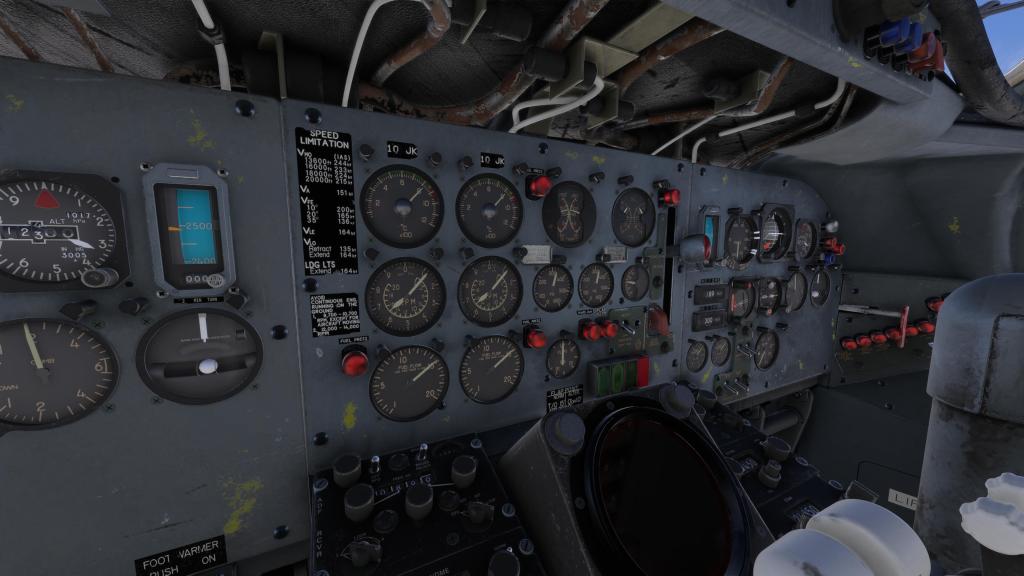
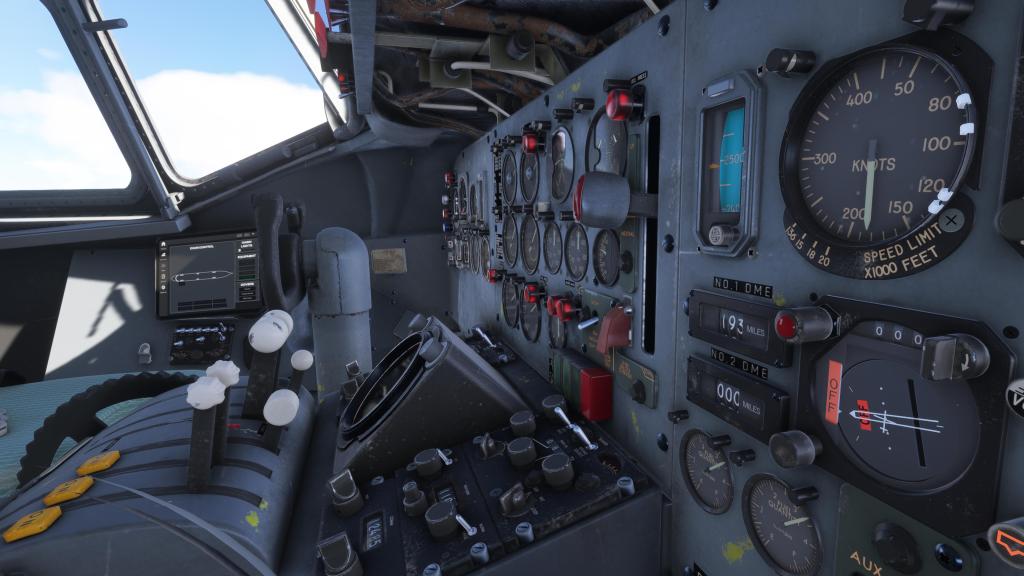
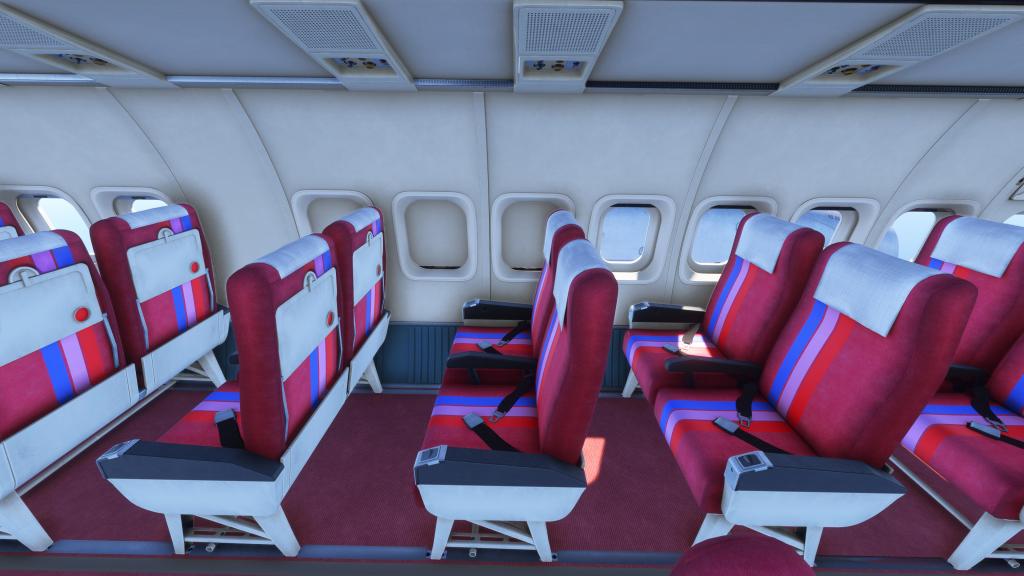

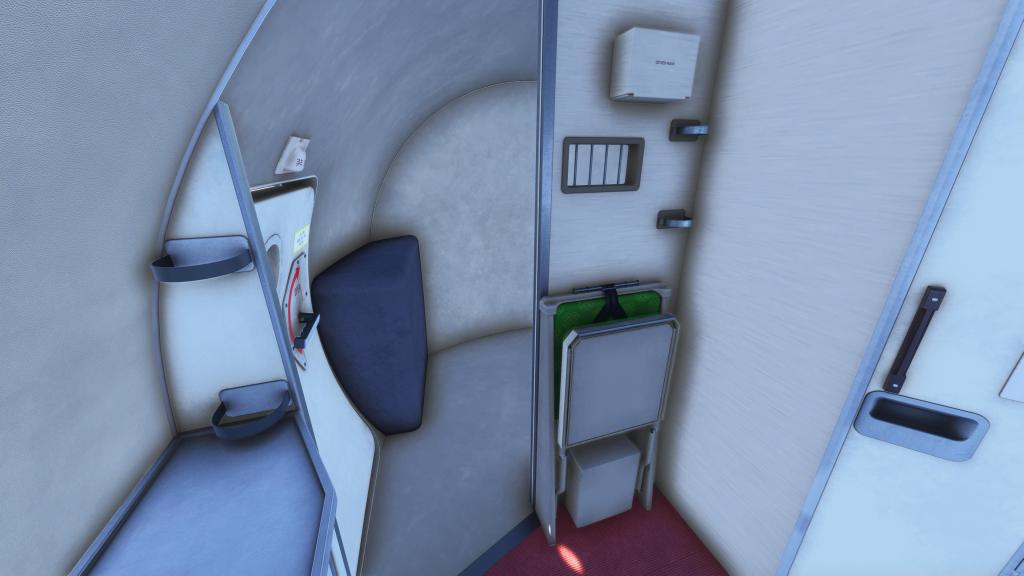

There are four liveries included that are generic options (including an overall white) that give you a feel of a classic airliner without being tied to any specific operator. These are good quality and adequate as generic options to fill out the experience.
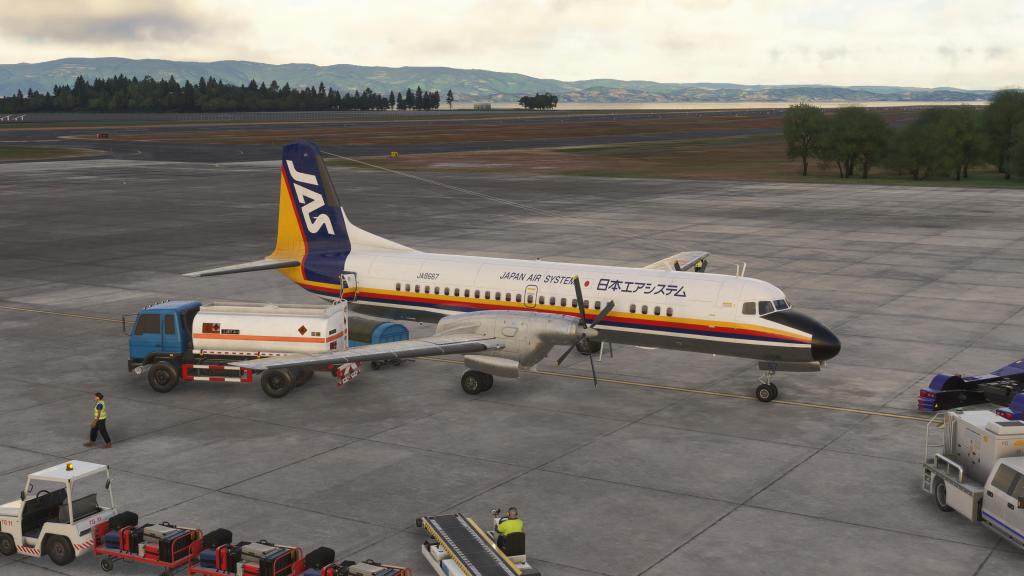
For about 48 hours, iniBuilds offered a bunch of YS-11 liveries through their iniManger software. These were then pulled with no explanation as to why. They have since reappeared featuring operations such as Air Nippon, Mid Pacific Air, Provincetown-Boston airlines, Piedmont Airlines, and Japan Air Systems among others.

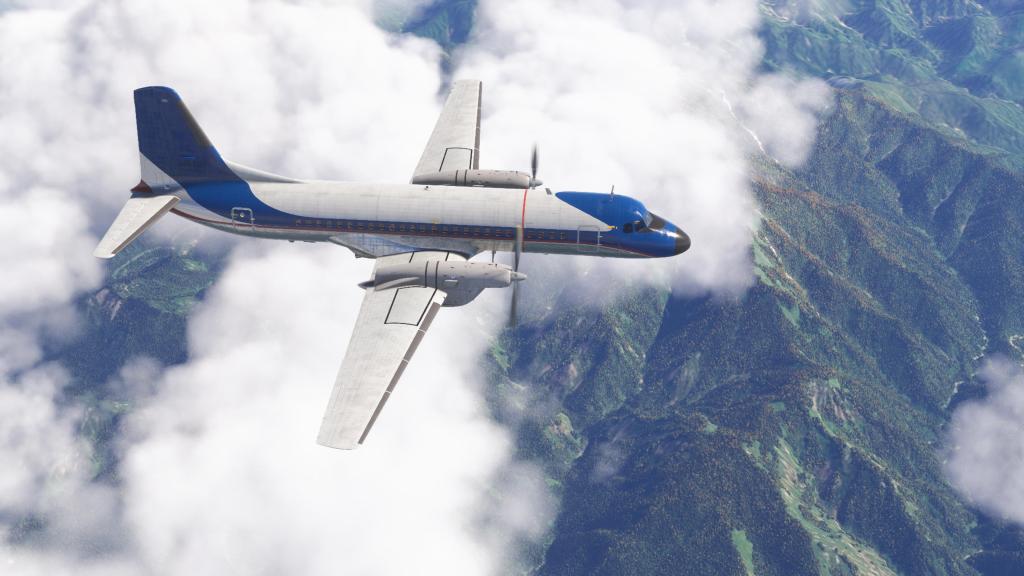

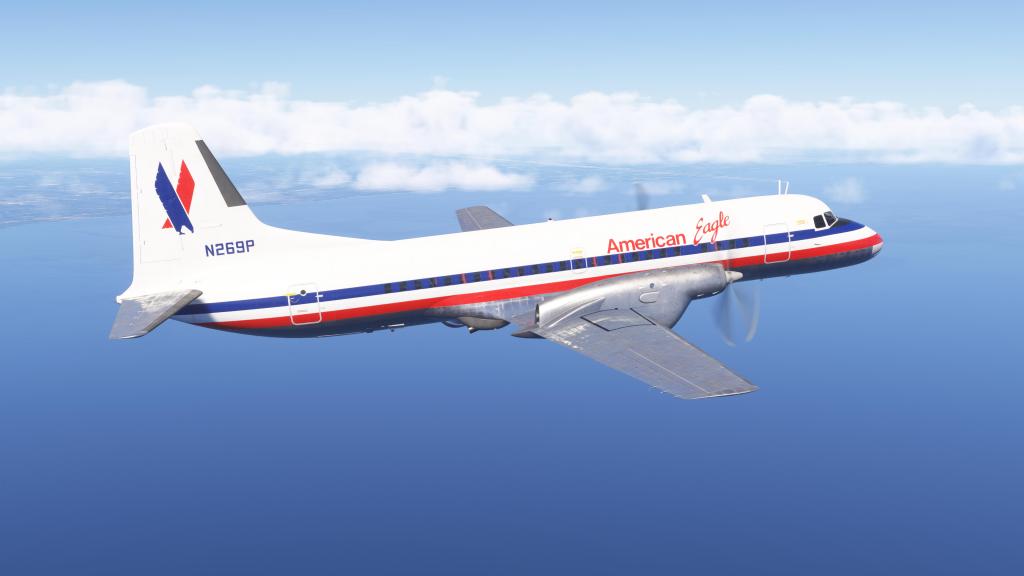

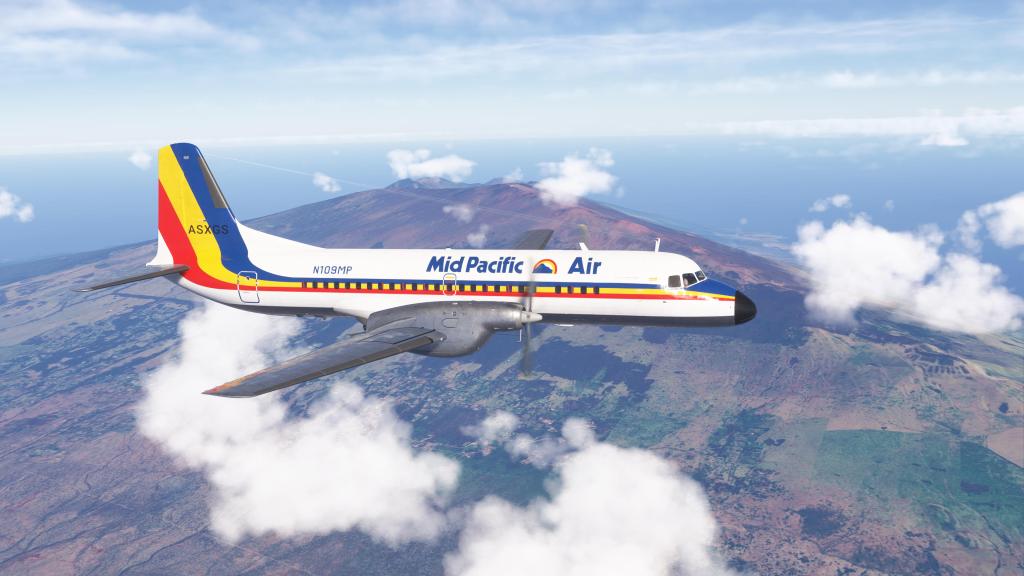

The sound work is middle of the pack with good and bad points. Its not a top tier entry and there are some rough transitions during the start-up from initial engine start through the ramp up sequence and into continuous power. I feel like this could have been done just a bit better than it currently is. During operation, however, the sounds are quite decent while cruising along. The Rolls Royce Dart engines are, from the YouTube videos I’ve found, a bit … “screamy” sounding. There is an attempt at capturing that quality here too, though it doesn’t sound like a fully authentic recording.
The cockpit sounds are quite satisfying with nearly every button and control assigned at least some sort of satisfying click or thunk associated with it. It makes going through the checklists a bit more fun.
There are also some sound bugs. If you move the drone camera away from the aircraft on the ground the sounds will cut out abruptly. There also seems to be a problem with the sound attenuation over distance on the exterior camera. A few other bugs include the stair deploy and retract sounds only play on the interior and not on the exterior where its silent.
Systems and operation
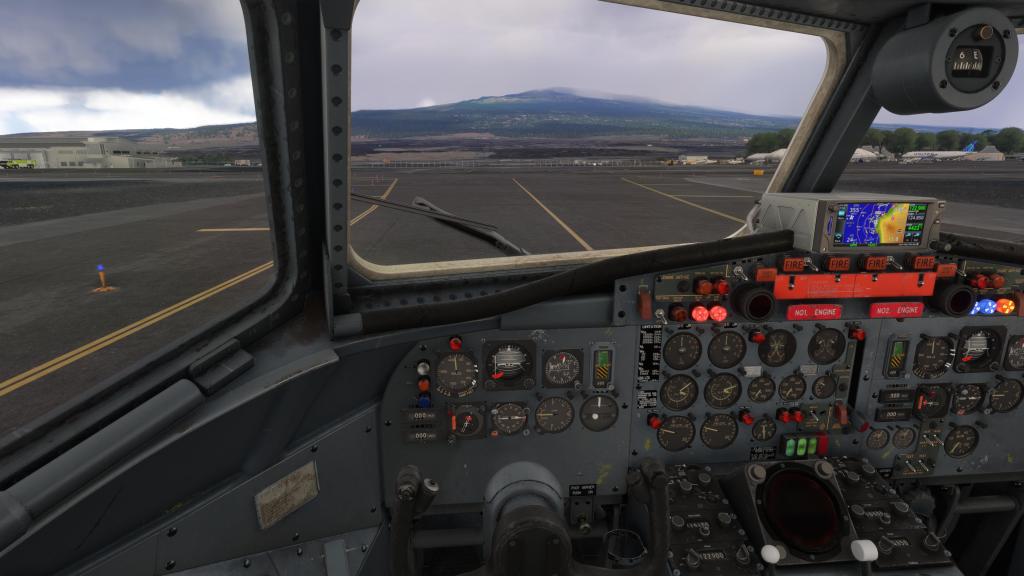

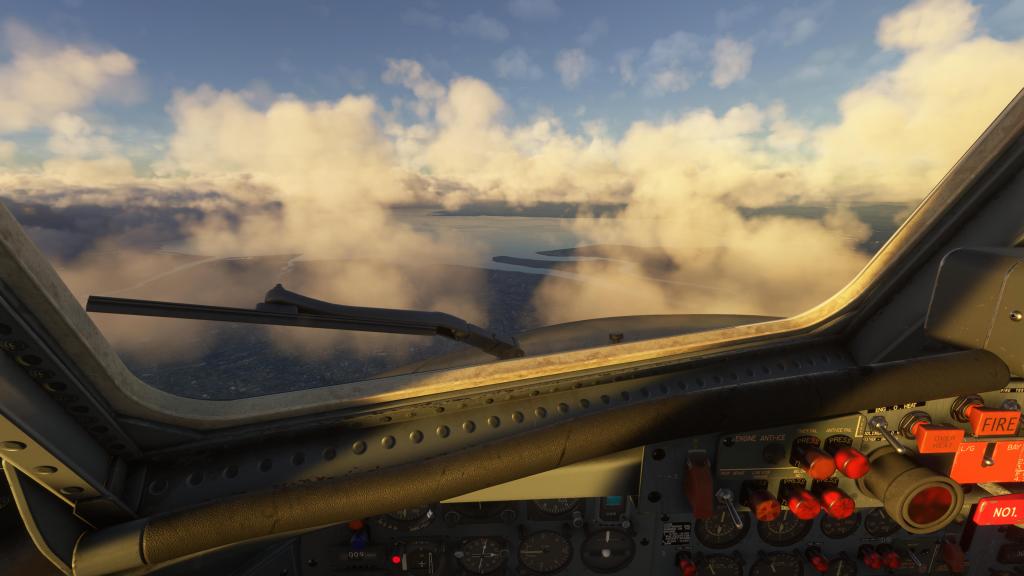
The YS-11 is an old school airliner so this is an aircraft that is, in many ways, relatively simple in its operation. You have traditional steam gauge instrumentation plus a few extras like a radar altimeter, navigation and communication radios and a weather radar. Everything that I tested seemed to work nicely including the radar though I do find it hard to see the returns on the radar system.
The engines have realistic start-up and shut down procedures that are, after a little learning, not too difficult to put together. The interactive checklist was immensely helpful in getting up to speed on this aircraft as there isn’t the kind of resources out there about the YS-11 that you’d find with other types. I did struggle with getting the alternator switches to click in but eventually I was able to move them to start and then click in to run.
There are some YS-11 quirks that seem quite unique. It has condition levers but it also has a fuel manage system called fuel trimmers that you’re supposed to adjust at various stages of flight though they don’t seem to have much or any impact on performance as described in the manual. Small dials show the status and toggle switches move it up and down.
The aircraft has four options for navigation. There’s the default setup which is a traditional VOR to VOR style airliner with just the onboard radio navigation systems available to navigate by. Or there’s options for the Working Title GNS 430, PMS50 GTN750 or TDS GTN750. You can absolutely fly by GPS if you prefer.
There is a basic autopilot with the YS-11. It can do a heading hold, vertical speed, and track mode. It can even capture a localizer if you want it to. There is no altitude pre-selector on the other hand so you’ll need to watch your altitude if you’re following ATC guidance or you’ll blow through your assigned altitude – ask me how I know!
iniBuilds offer a EFB style tablet in the cockpit which gives you options for the navigation systems, door and ground service control, as well as the ability to access MSFS 2024’s built in lido charts. Its well featured for an aircraft that is in the Local Legend category.
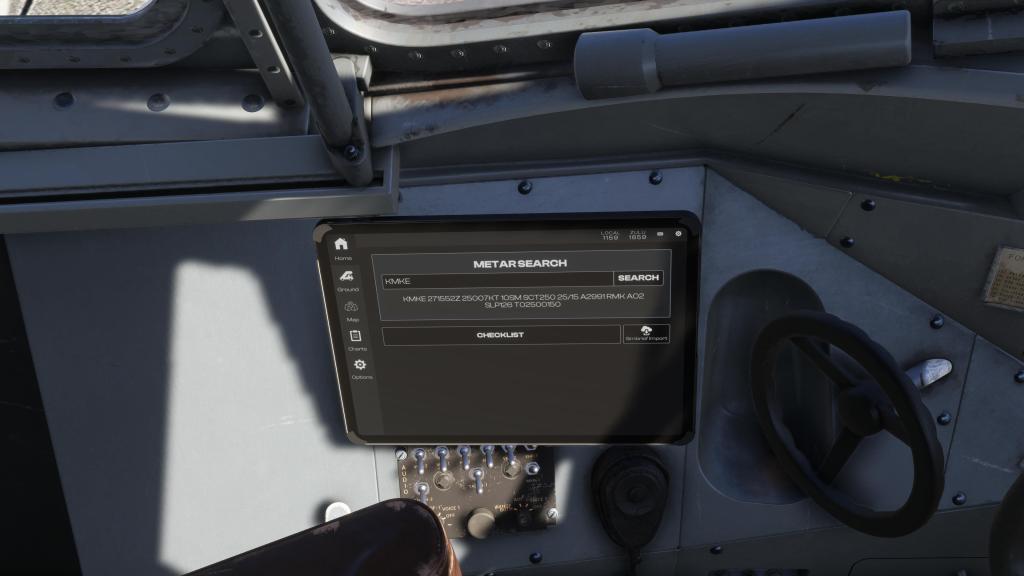
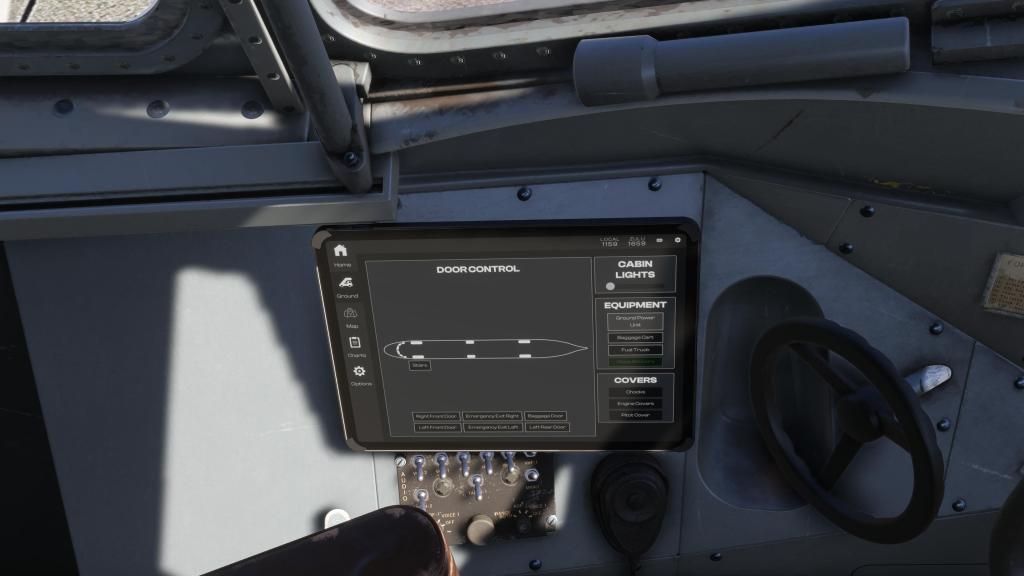
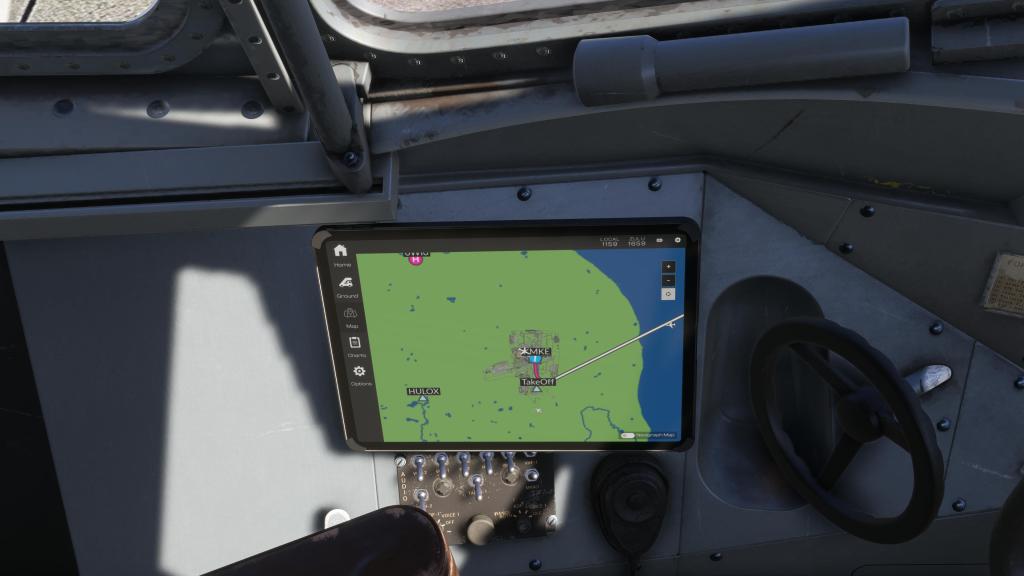


There’s little in the way of inoperative systems here (though there are a handful) and even the electrical system has at least some modeling as you can pop the breakers and have systems shut down.
Now there are some issues. Condition levers are not using the MSFS default control and it doesn’t seem like you can bind them to an axis. That may be a mixed blessing as it seems to be an issue on the ATR so maybe iniBuilds sidestepped one problem but created another because having control over those would be really valuable.
I have also experienced four separate instances where either the port or starboard engine suddenly shut down with no apparent cause. I’ve checked the fuel system, condition levers, phantom inputs to certain controls, power systems and more. Oddly, the RPM stays high but thrust is gone as are indications for oil, engine temperature or fuel system. One or two others have reported the same though it seems isolated – it may well be user error but the cause remains unknown to me.
There is an available manual from the iniBuilds forums if you’re looking for a reference.
Flying the YS-11

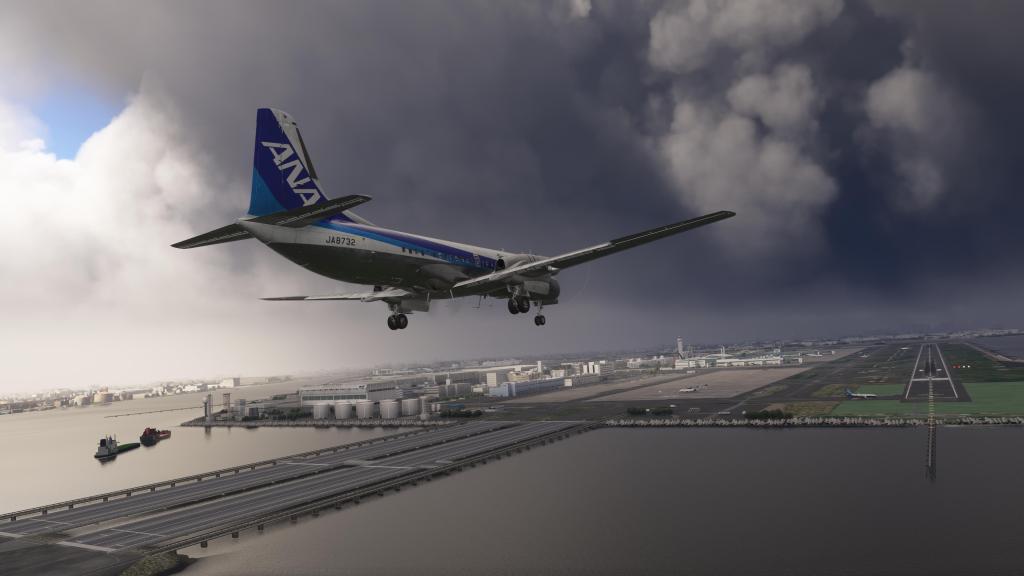
The YS-11 is not too hard to fly or manage when everything is going well. It is a little generic feeling on the whole, though I find its stability in the yaw axis is problematic in turbulence and the nose will wander quite a bit. In other phases of flight it seems well controlled. It doesn’t seem to have a ton of character and I’m just not sure how much effort was put into its flight model.
It does fly generally well and needs a bit of a steady hand on the controls when taking off heavy or landing in a cross wind. Landings are perhaps the hardest part as the YS-11 can drop speed rapidly at full flaps and thus needs very careful monitoring of airspeed. I have had some hard landings as a result and some greasers over time as I’ve mastered the quirks. Maybe its got more character than I give it credit for.
Hanging over it
Several comments I’ve seen from around the community recently have indeed given me a bit of pause with this aircraft too. My general impression is that, a few bugs aside, the YS-11 is actually quite a decently simulated airliner experience for the price point. It’s not competing with higher end products but for what it is, it’s good.
The problem is with its long term viability. Flight simmers like to revisit their aircraft collections and at this point it seems like iniBuilds has a lengthy sheet of Microsoft collaborated aircraft, just like this one, some with issues. Local Legend 16: SkyVan is currently not working in 2024. Will the YS-11, a more complex aircraft in the Local Legends Series, struggle at some point in the future too? I hope not, but its a fear and I think its put some folks off of what is otherwise a fun experience.
Worse, with these kinds of contracts it seems like there’s a kind of back and forth between the third party developer and Microsoft with both sides kind of throwing up their hands a bit when problems come up saying that they should talk to the other. For long term viability, these sorts of things need to be sorted out and both sides of this need to communicate a little more effectively. Right now, the YS-11 is in good shape so its not immediately an issue but its a growing concern within the community and worth a mention.
Final thoughts
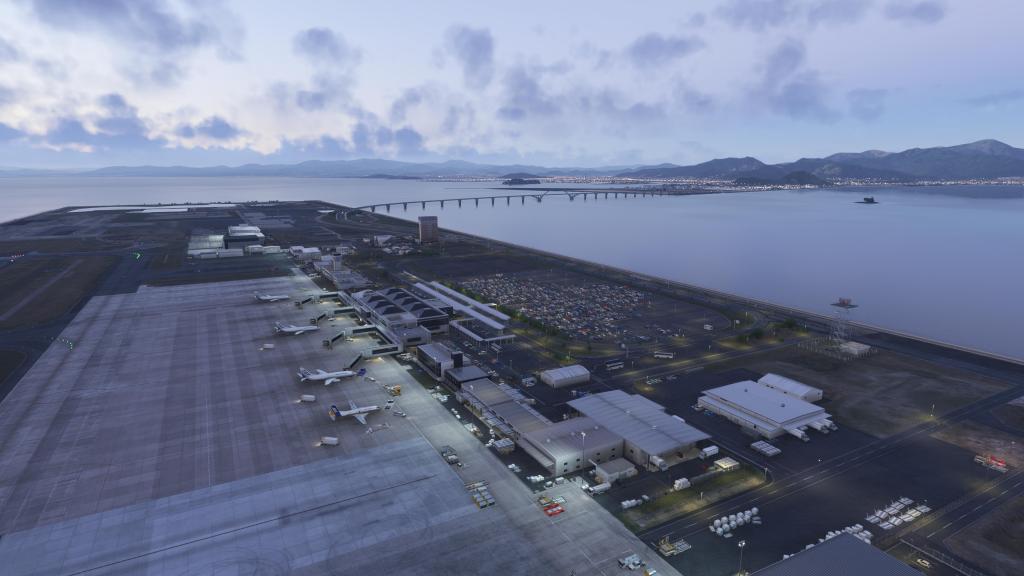
I’ve long been hoping to see more turboprop airliners added to Microsoft Flight Simulator. I’ll admit that the YS-11 was not at all on my radar before it was announced, however, Microsoft has been quite good at pairing Local Legend aircraft with World Updates and so reinvigorated Japan scenery together with one of only two Japanese designed airliners in the post World War II era really works well thematically.
While the YS-11 is not going to do battle with iniBuilds or PMDG’s top end products, in the Local Legends category this is an aircraft that is reasonably well realized. The more I’ve flown it, the more I’ve liked it even with some of its quirks. The systems work well, it has a solid set of features, and right now it has more liveries in MSFS 2024 than the ATR does. The engine failure issue doesn’t seem to be widespread but beware if you are flying it and run into the same quirk.
If iniBuilds can pump out a patch or two to address a few niggling issues with the aircraft, I think this one is going to be a fan favourite for quite a while. I’ve already had over a dozen, sometimes short, flights with it and that is what is great about regional airliners like this one. You can fly a route, sometimes back and forth, in just one short sitting. Does it satisfy? Not everything that I was hoping for but it is, for the price, pretty good. I’d love more turboprop airliners albiet I’d like just a bit more depth and character than this one has mustered so far but I can, at the very least, still recommend it as some good fun!
Screenshots


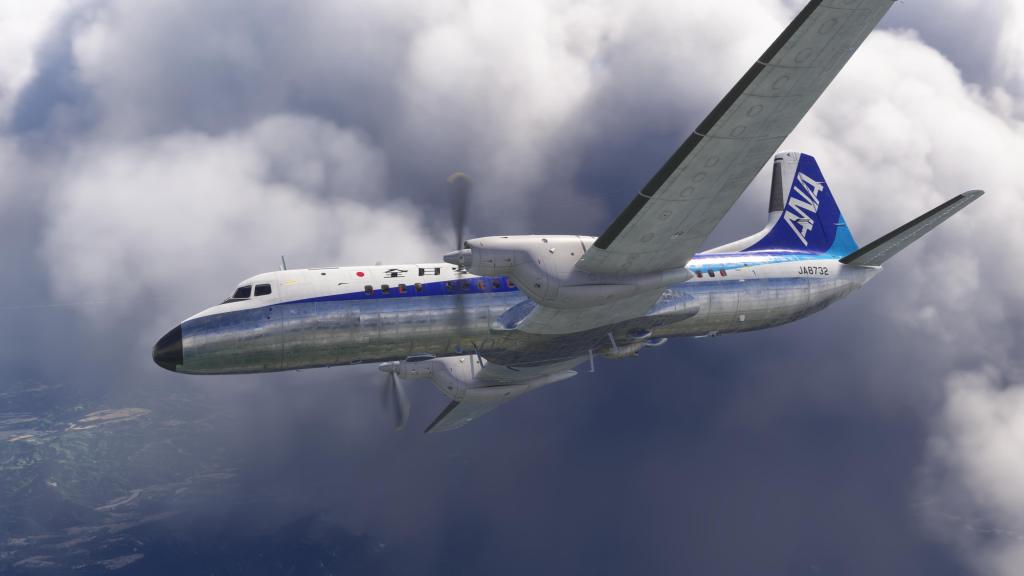









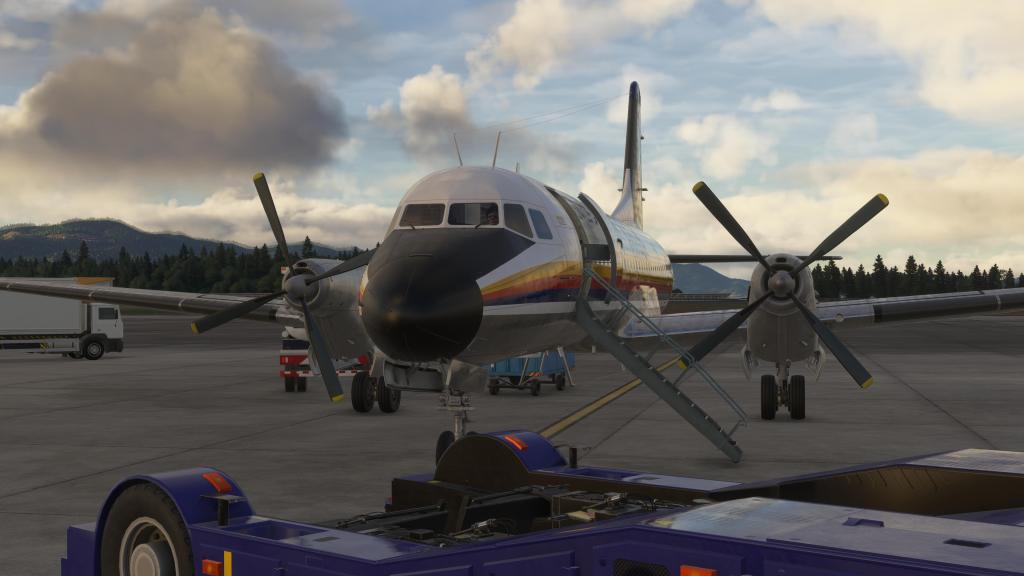

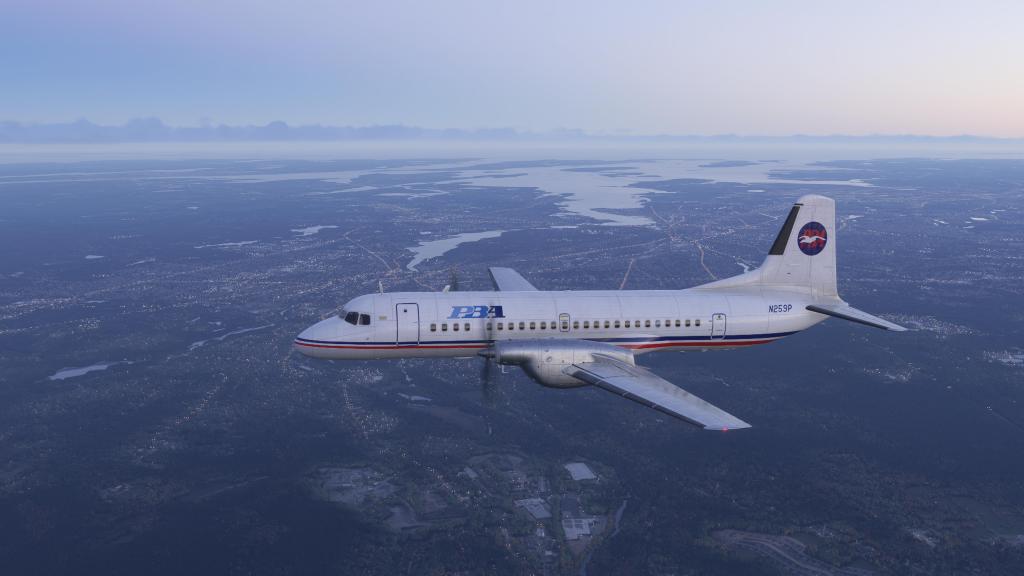



 Stormbirds

Leave a comment