
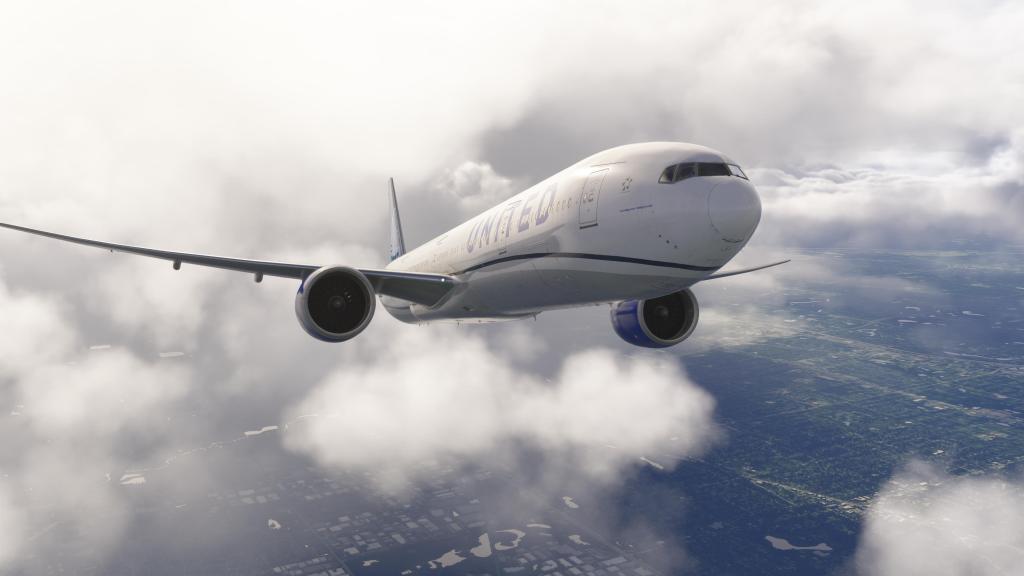
In the last couple of years, the Microsoft Flight Simulator community has witnessed an explosion of available wide-body long-haul airliners. One that can’t be ignored is PMDG’s 777 series for Microsoft Flight Simulator 2020 and 2024. Representing the Boeing 777 airliner, this iconic airplane is a frequent sight at major international hubs around the world and a staple of long distance flying in the modern era. How does PMDG’s rendition of this airplane match up against the competition? Does the aircraft help push the state of airliners ahead and correct some past issues with PMDG’s prior product releases? This is a long one so get your coffee ready, break out the popcorn, and let’s get into this.
A bit of history
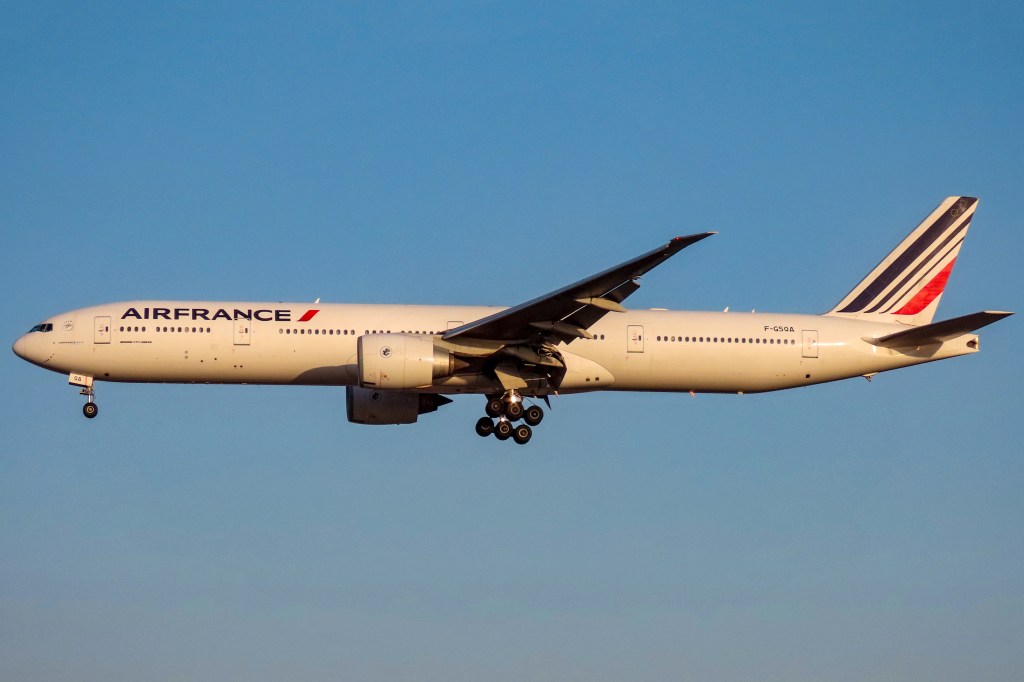
Boeing’s success with the 737 and 757 in the narrow-body category, the 767 in the mid-range wide-body and the 747 long-range intercontinental left a gap in the aircraft maker’s line-up. While Airbus was busy developing the A330 and A340, Boeing needed a response that they would be able to offer to operators looking to replace their aging L1011 and DC-10 tri-jets.
Initial design concepts of the 777 were configured as a tri-jet before the growing popularity of ETOPS (Extended-range Twin-engine Operational Performance Standards) spurred a change in direction. With the market changing quickly, the early designs were thrown out and the 777 became a twin engine long range design to match the market.
Work on the 777 proceeded quickly. It was aided by the use of computer-aided design (CAD) right from the start of the process – a first for Boeing. Initial design work was complete by 1990 and the aircraft was later unveiled and flew for the first time in 1994. Early models were then delivered to United Airlines by 1995. By modern standards this was a remarkably short process.
This first generation of the aircraft was initially offered in the 777-200, 200ER and 777-300 variants. The -300 stretched the fuselage increasing capacity to 368 passengers. These aircraft were followed in the early 2000s by a second generation of the type with the 777-300ER, 777-200LR (which had ultra-long range capability) and the 777F freighter variant. A third generation, the 777X, is currently in development, though the process has been protracted owing to a difficult testing process, global supply chain disruptions, and the well publicized difficulties with Boeing’s other products. It’s likely to be years before the 777X emerges from its development cycle – substantially longer time than it took to create the original.
That’s the real world aircraft’s history so let’s take a look at PMDG’s virtual representation.
What is available?
PMDG are offering four variants of the Boeing 777 for both Microsoft Flight Simulator 2020 and 2024. The aircraft variants are sold individually and come with a joint license for both 2020 and 2024 versions of the sim.
Here are the variants currently on offer:
- 777-200LR for $49.99 USD
- 777F for $54.99 USD
- 777-200ER for $77.72 USD
- 777-300ER for $77.73 USD
As with the 737NG series before it, PMDG have decided to offer each 777 variant as its own separate purchase. There are no package deals or bundle pricing options and sales are rare (though they do happen). The pricing is steep if you desire more than one variant, however, it is still a far better sales model than offering a base version and forcing you to buy other variants to get to the one you want.
Pricing seems to be a mix of additional features packaged into each version and potentially real world popularity at the same time. The 777-200ER commands one of the higher prices but also managed to pack in three engine variants including the PW4090, GE90 and RR Trent 800 – each with their own sounds, performance and indicators. On the other hand, the 777-300ER is priced similarly and sports just the GE90. The unpopular 200LR (in the real world) comes in with the cheapest price while the freighter is priced a just few dollars more than that.
If budget is the sole factor, the 777-200LR might be the best way to get into the 777 experience. The classic 777-200ER and the modern and popular 777-300ER are likely to be the bread and butter of 777 sales despite the higher price. Freight haulers might also find the 777F appealing and that one, despite its more moderate price, offers a greater distinction from the other models with unique cargo cabin and modeled cargo.
PMDG have teased that a 777X version may become available sometime following the launch of the real world aircraft. I wouldn’t count on that to be any time soon and PMDG’s own schedule is quite full with 737MAX, 747, and even hints of a 787 project. But one day it may become a reality. For now, we have these four versions and they cover the vast majority of uses and users of the type all around the world.
For this review, I’ve purchased the 777-300ER and the 777F to give me a good sense of both freight and passenger operations within the series of aircraft. There are unique differences to each but for the purposes of an overall assessment these give a good spread of what its like to fly PMDG’s 777 airliner.
Let’s talk about the visuals
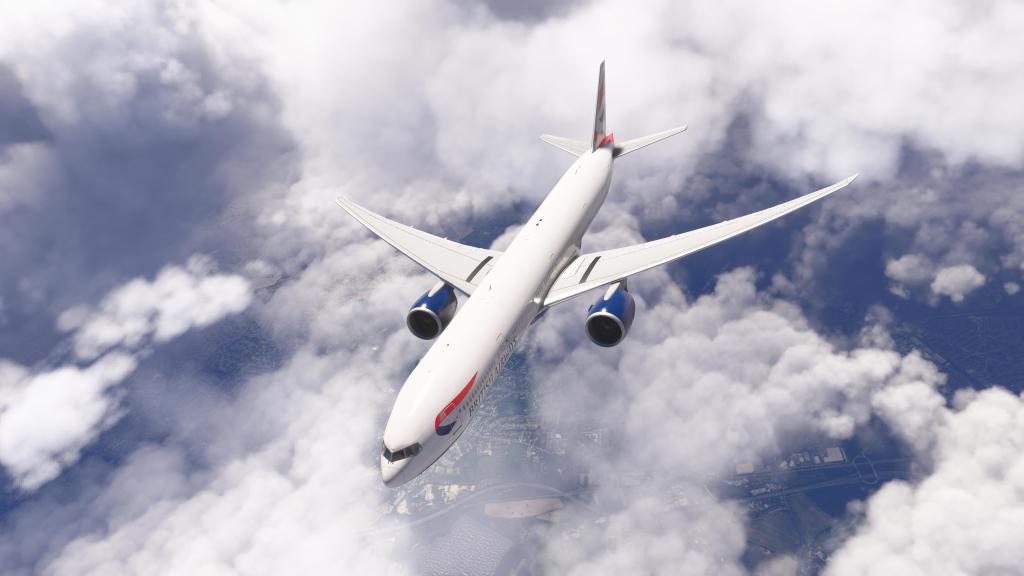
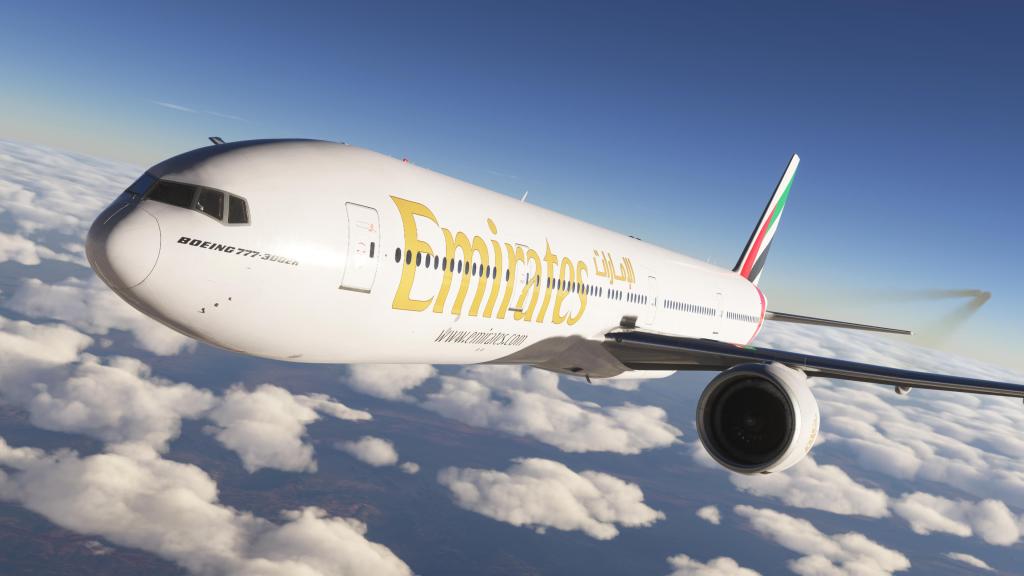
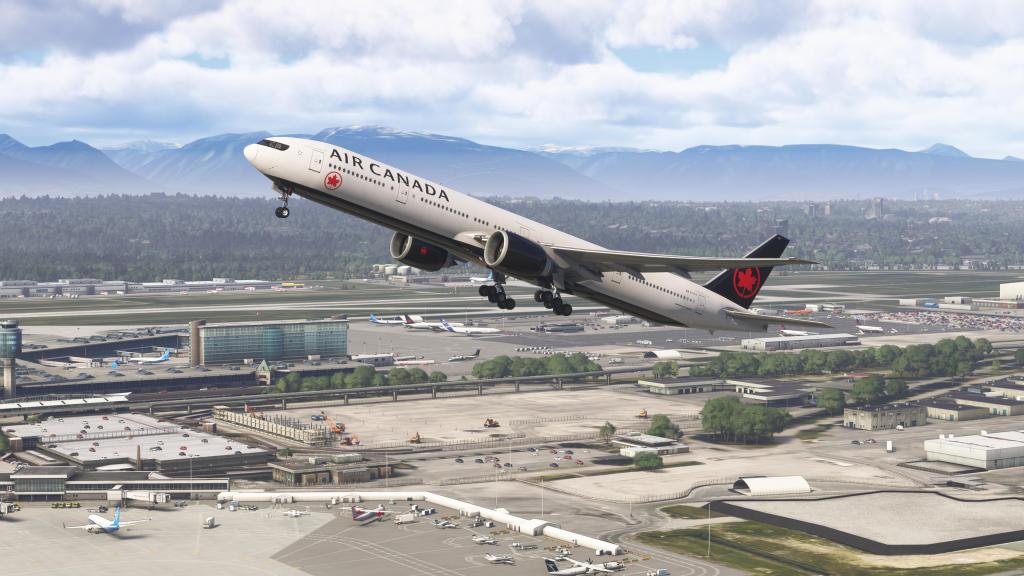
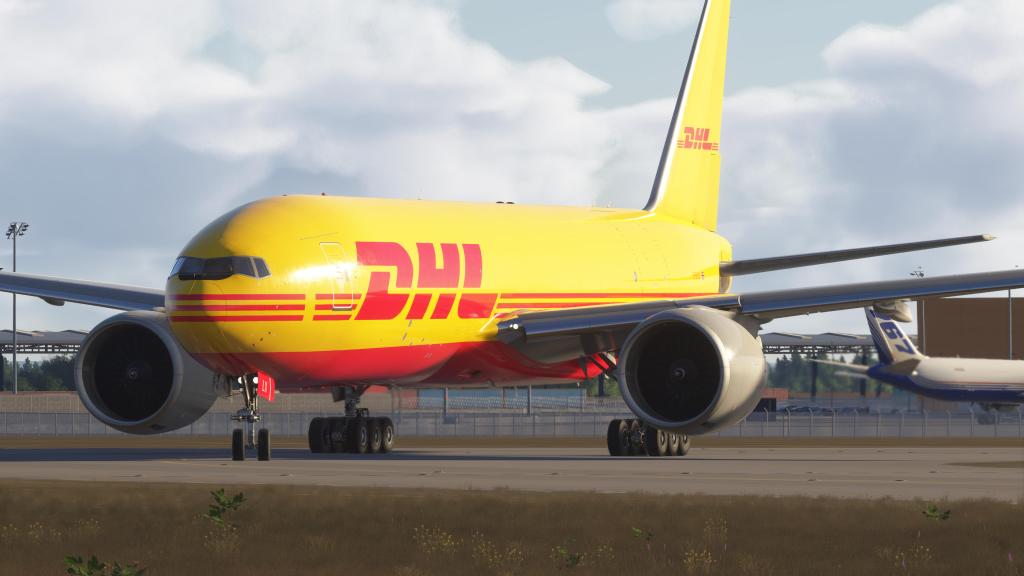
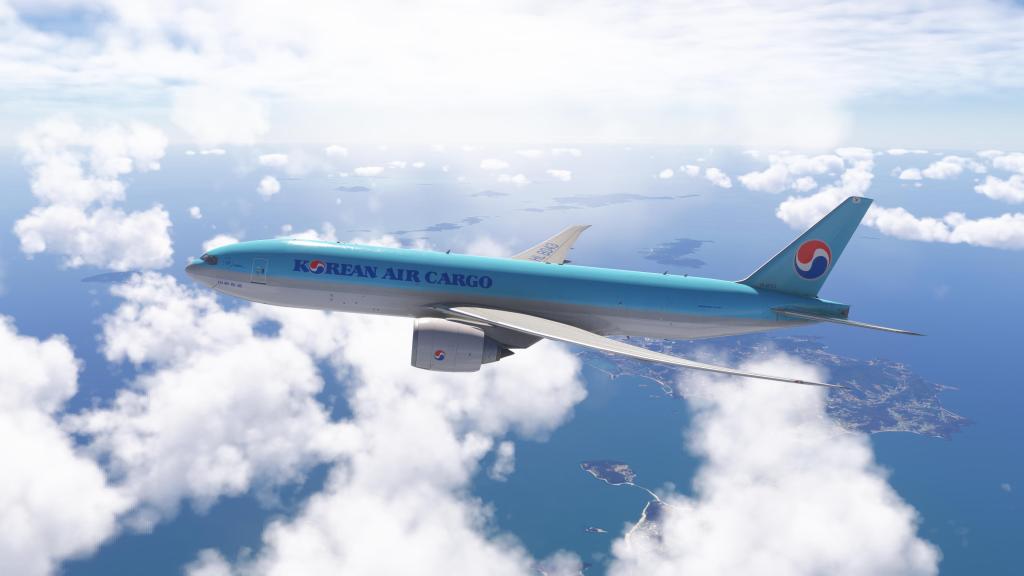
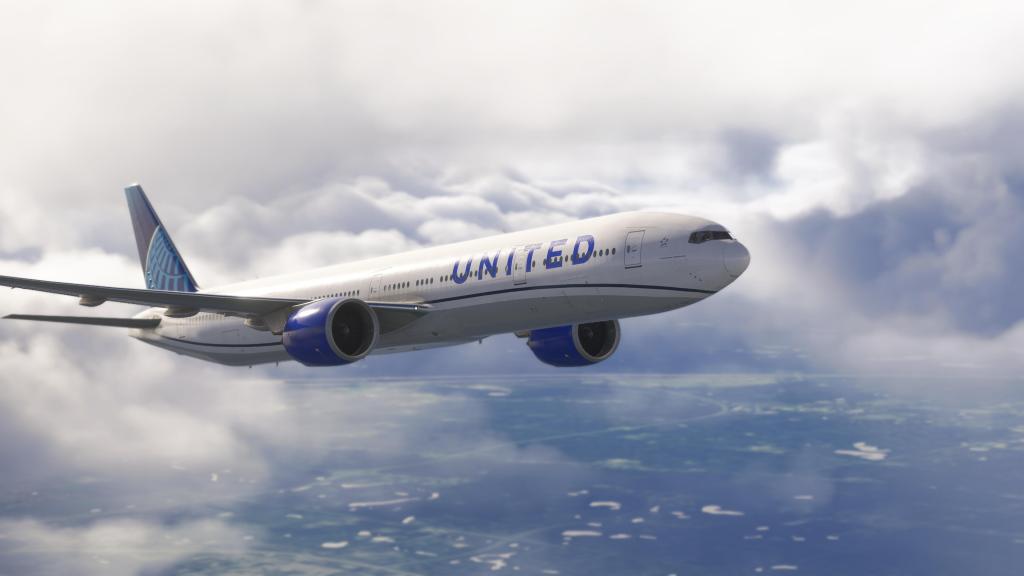
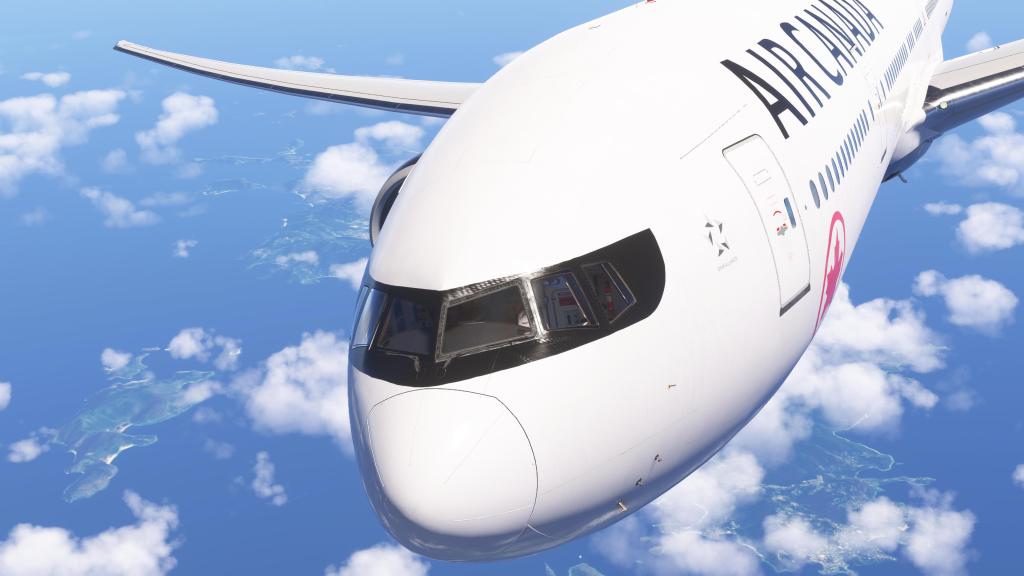
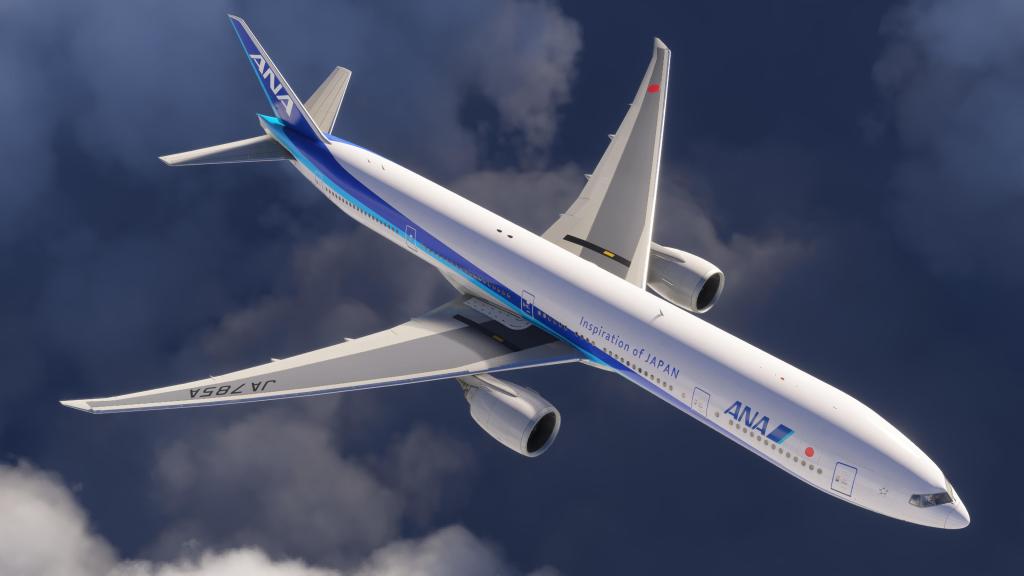
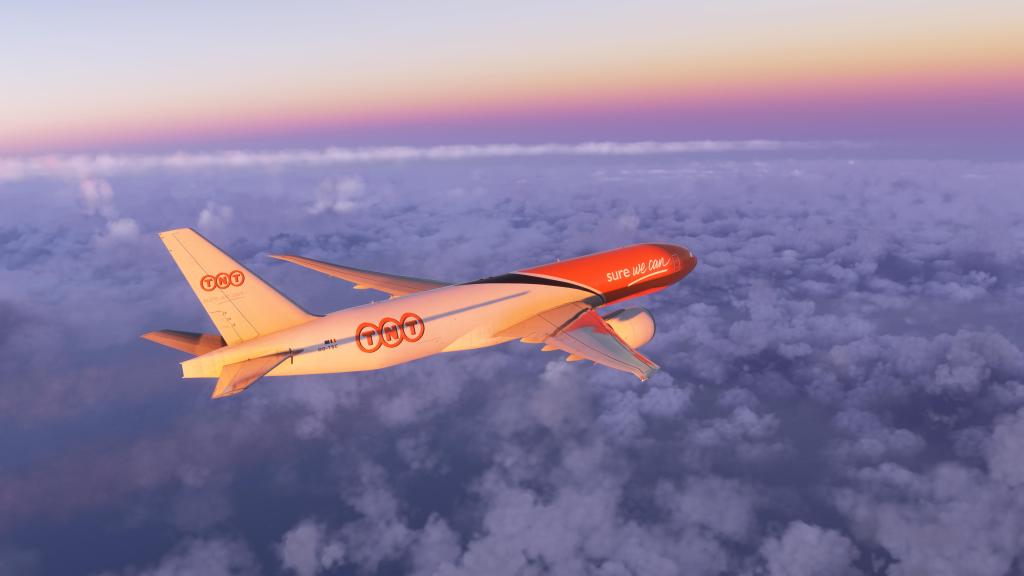
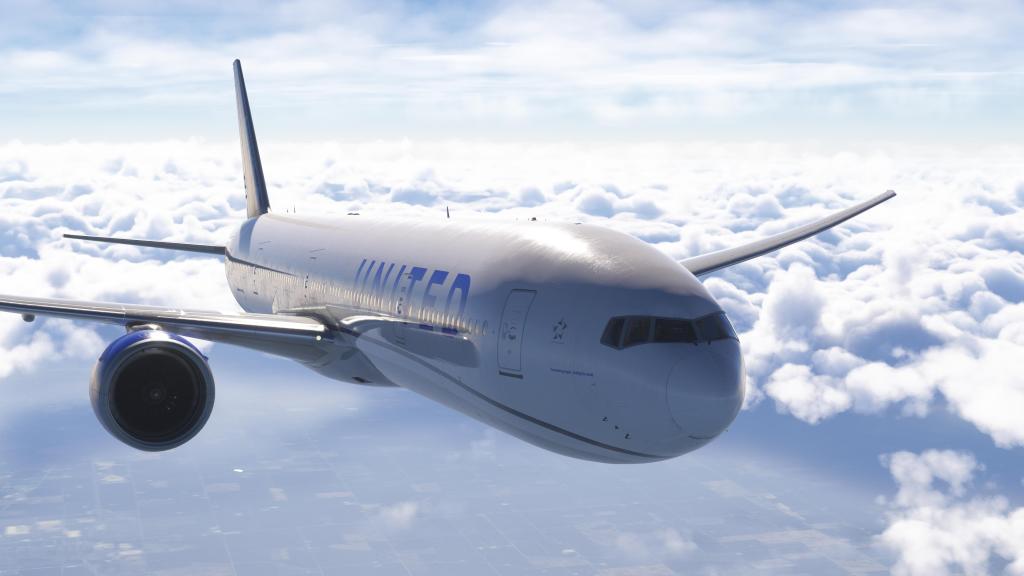
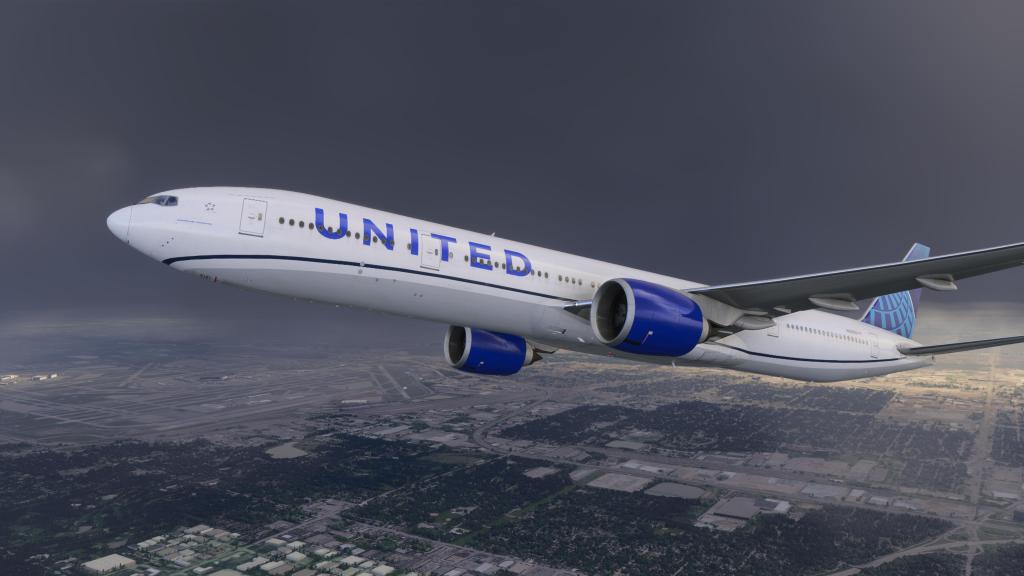
PMDG are knowing for doing a reasonably good job in the visuals department though they usually don’t lead the pack. That applies to the 777 series as well.
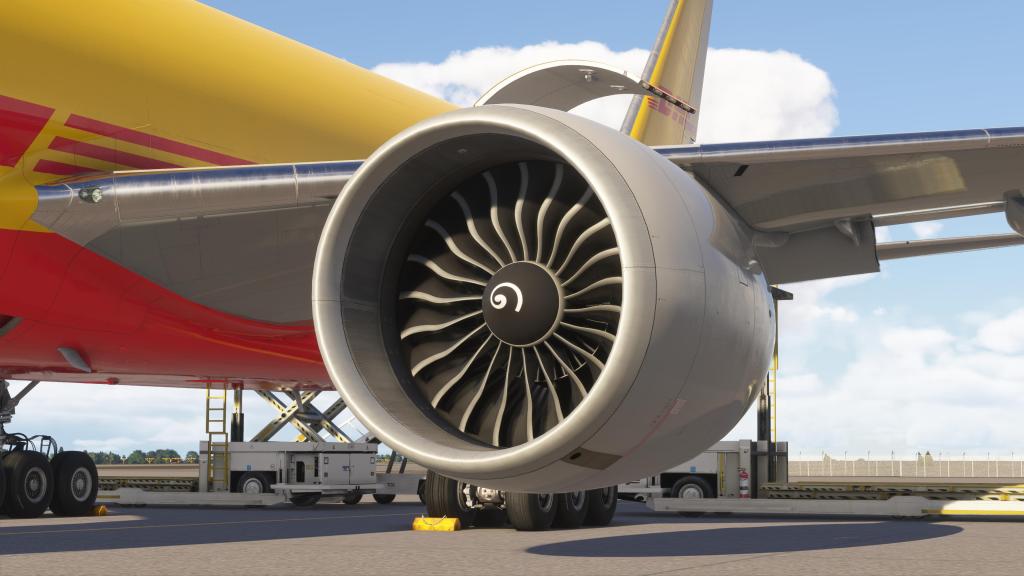
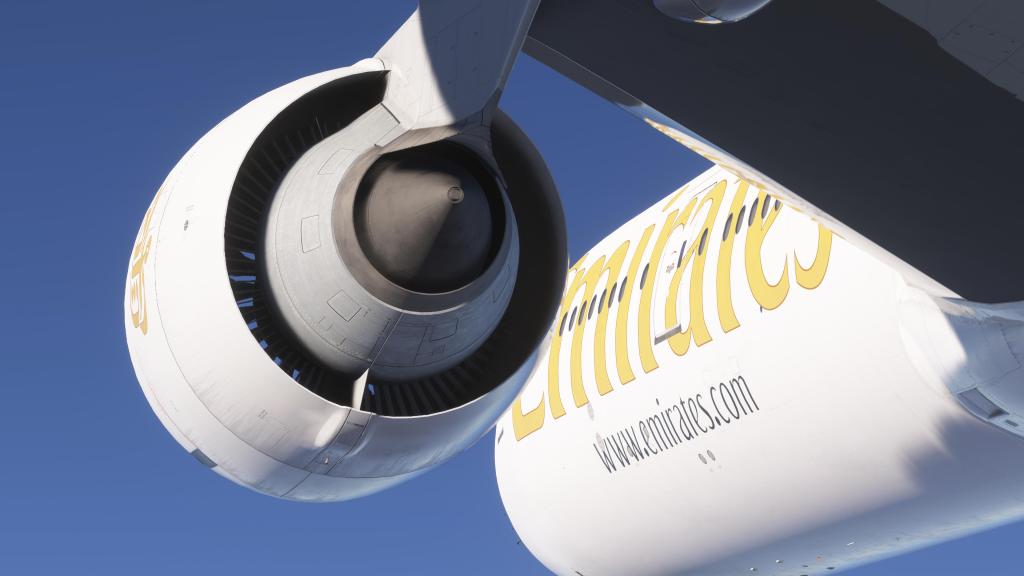
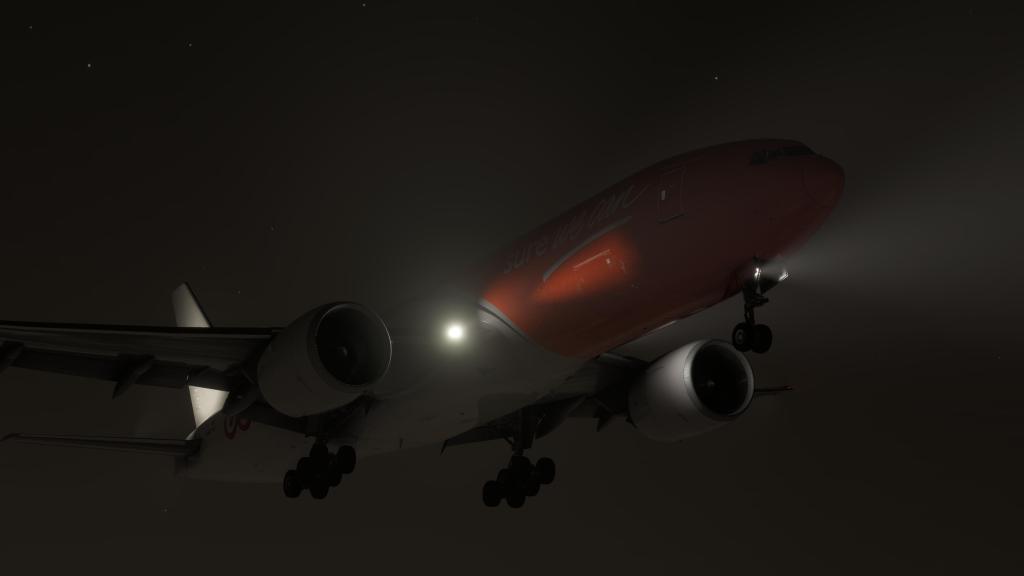
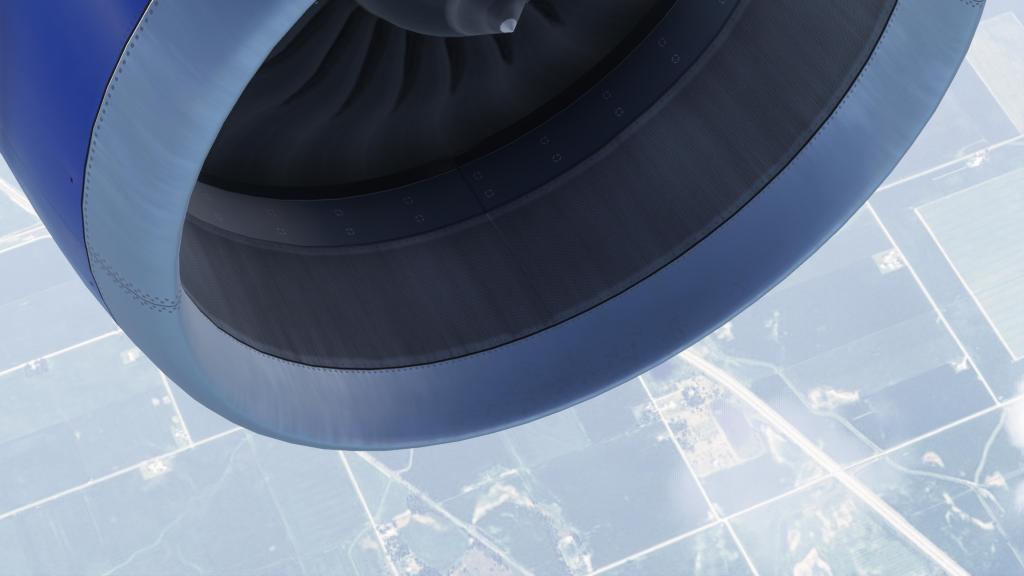
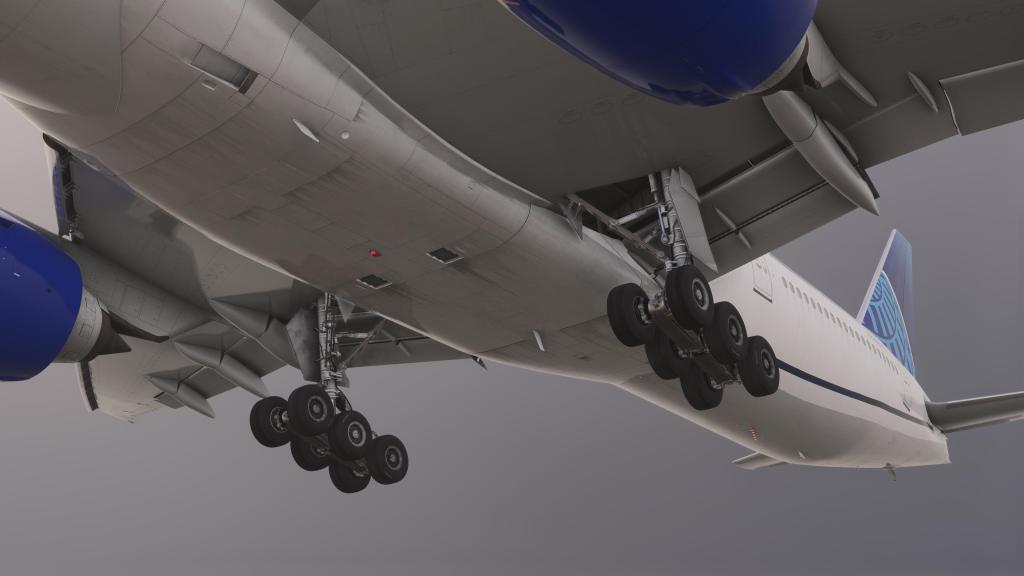
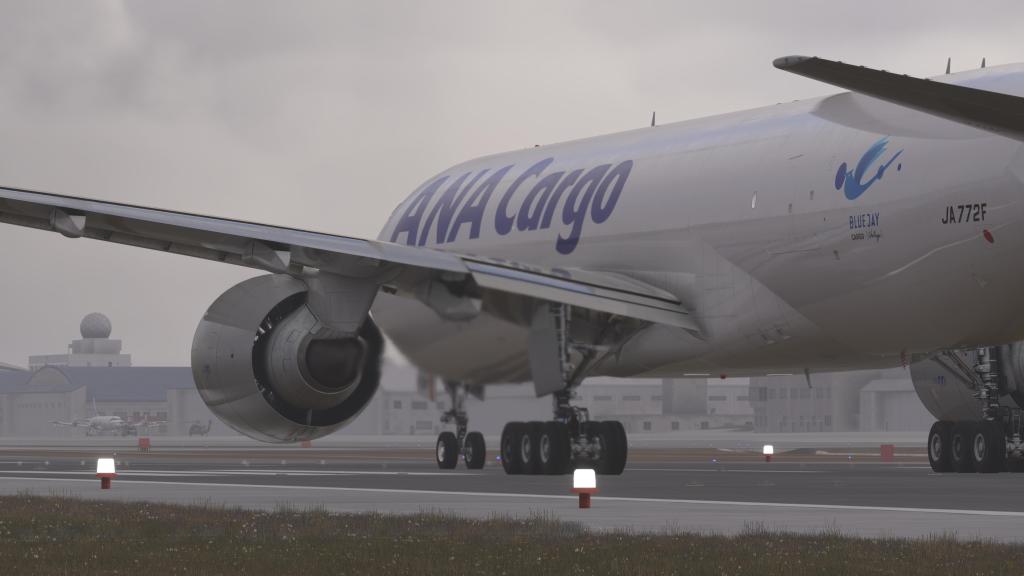
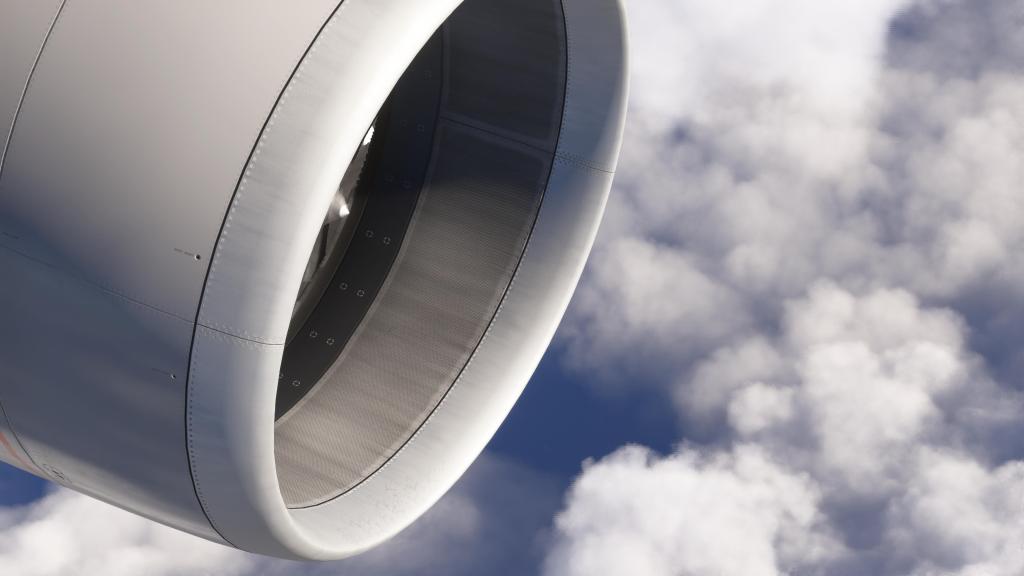
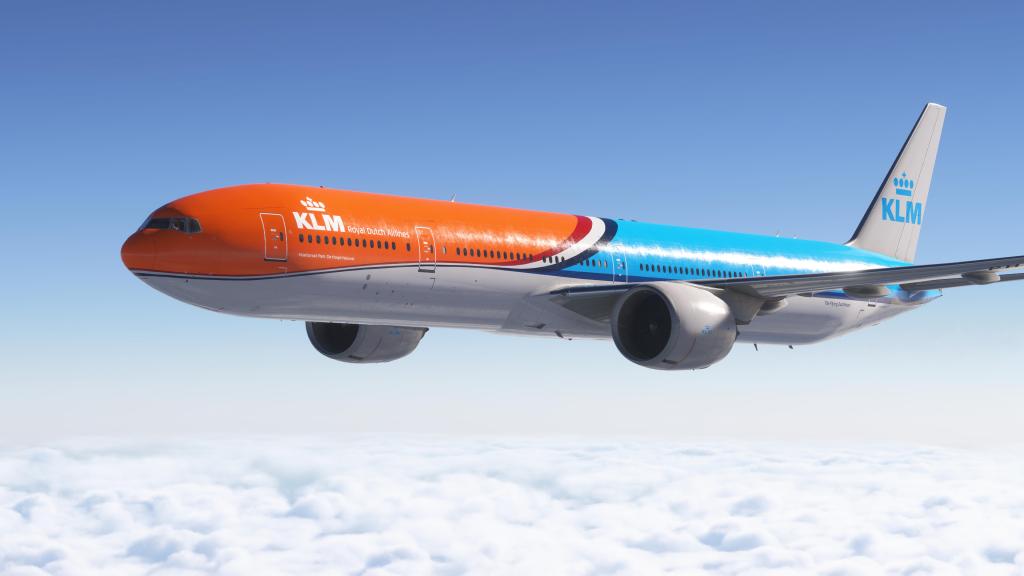
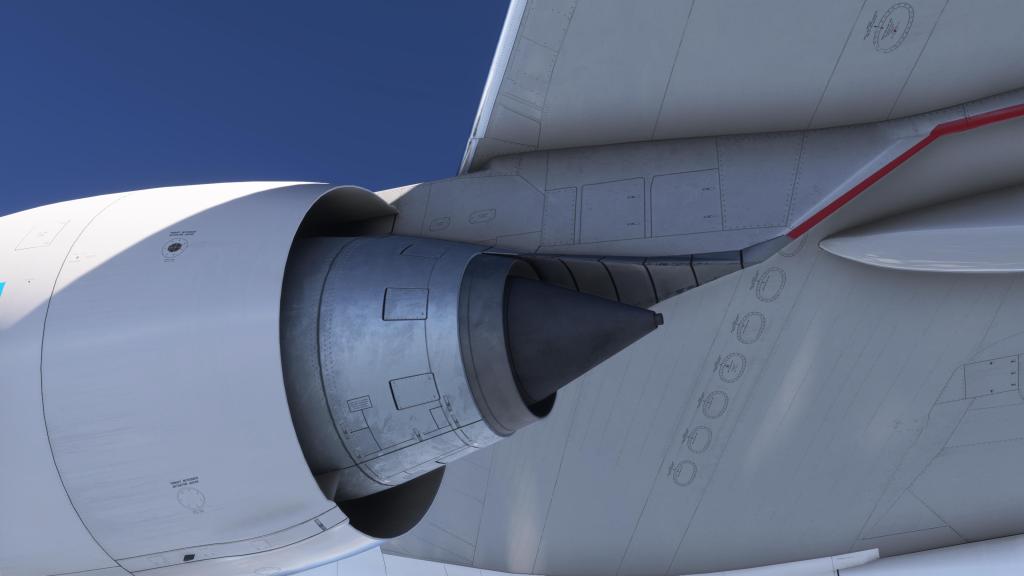
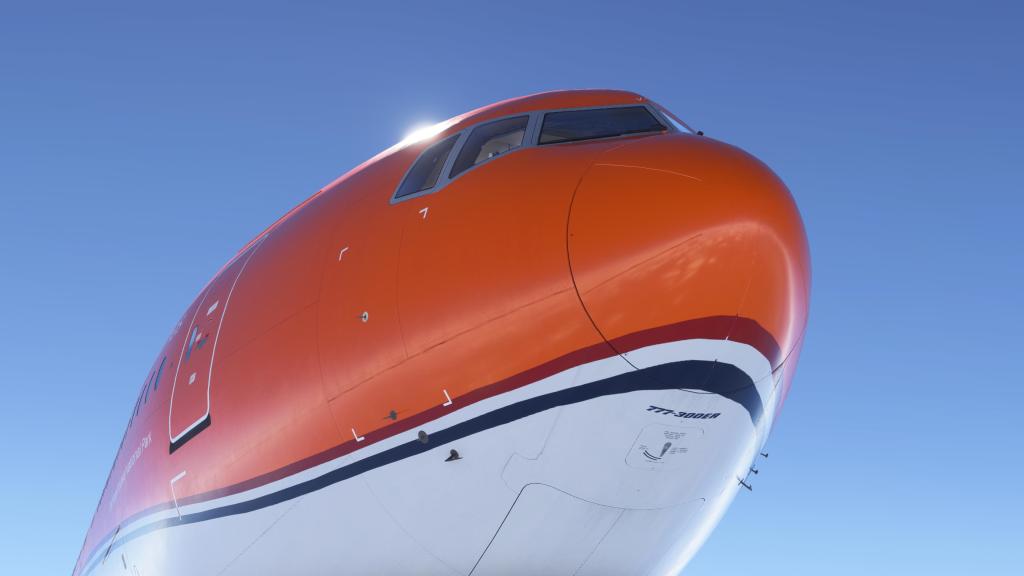
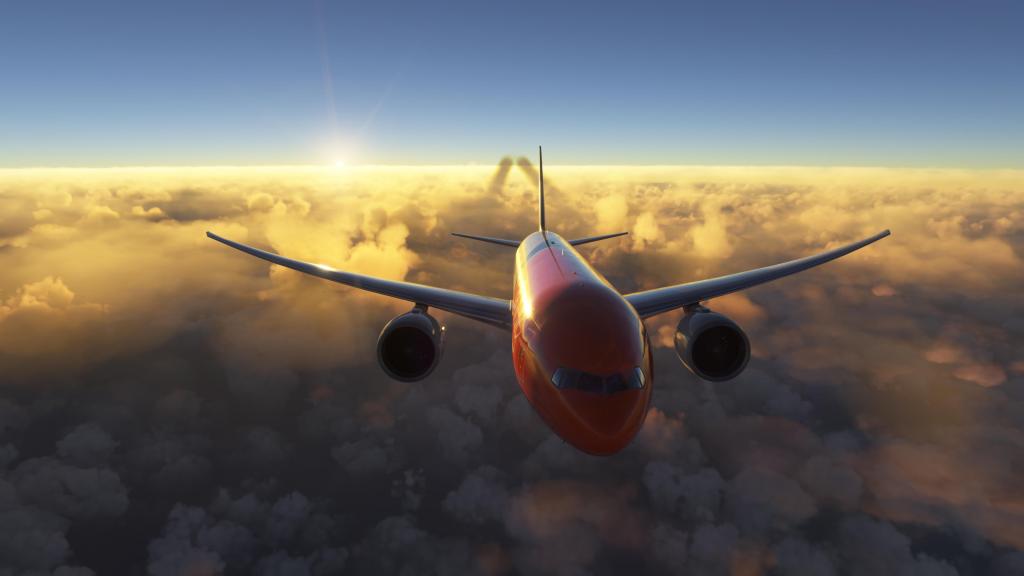
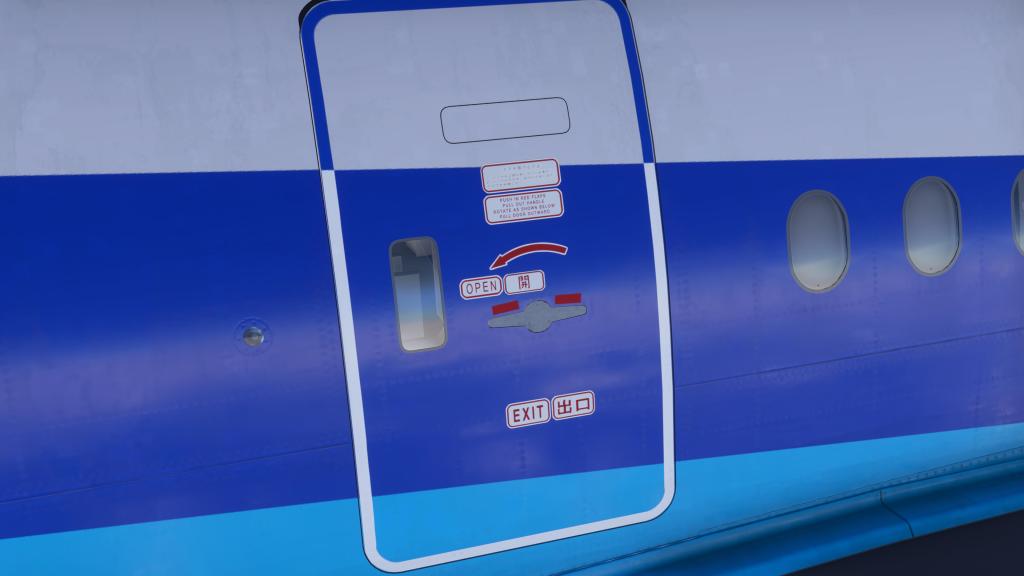
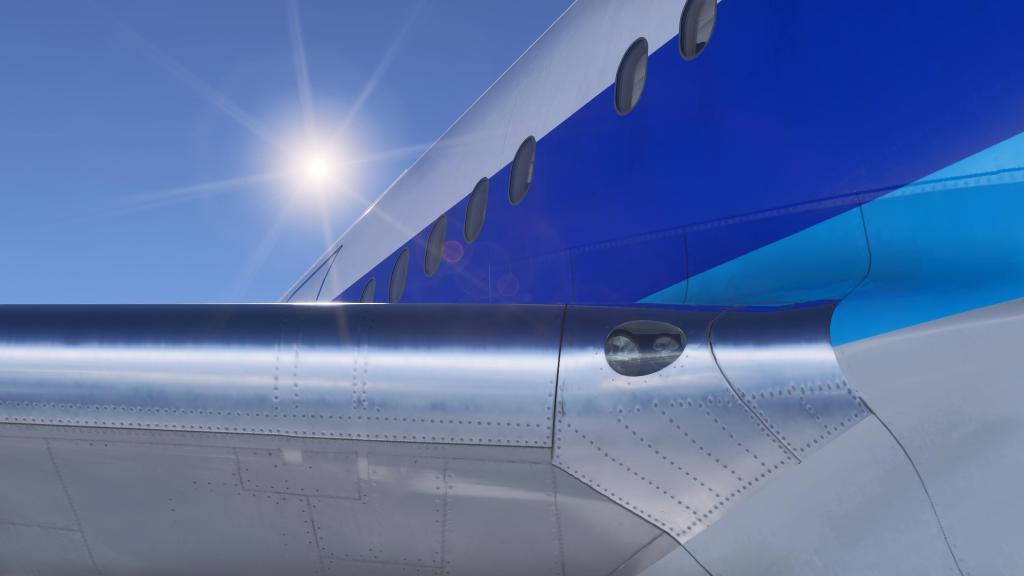
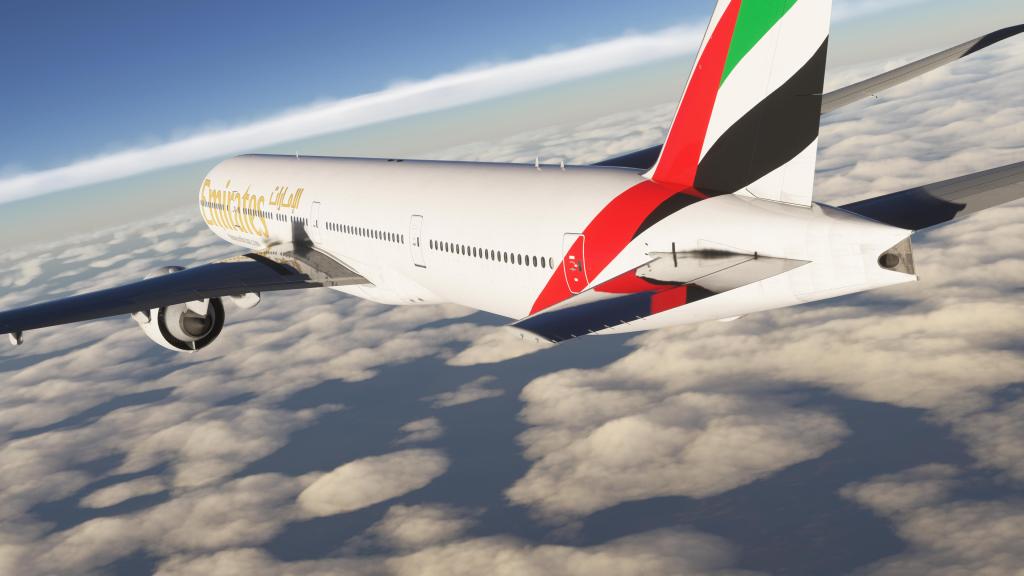
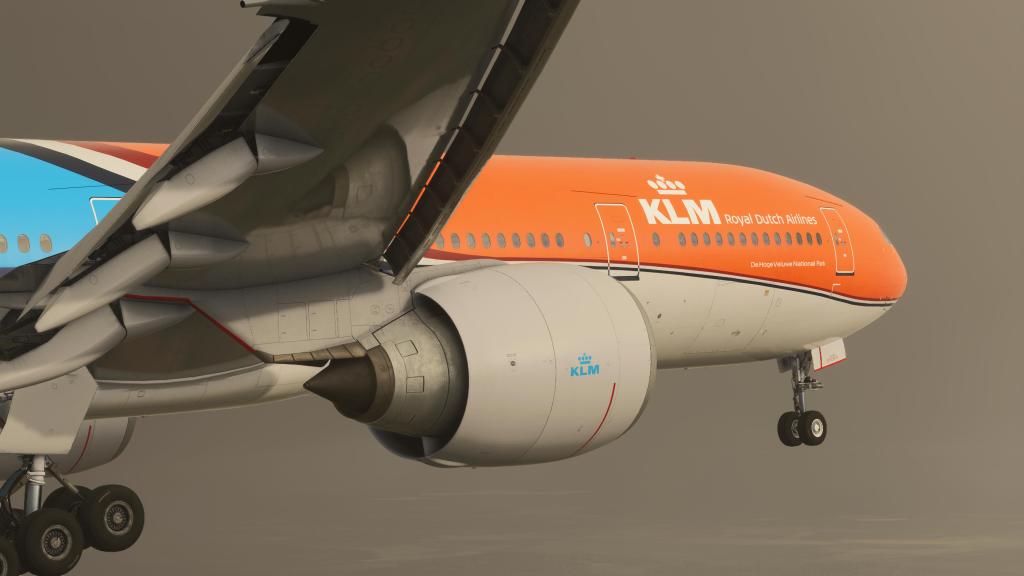
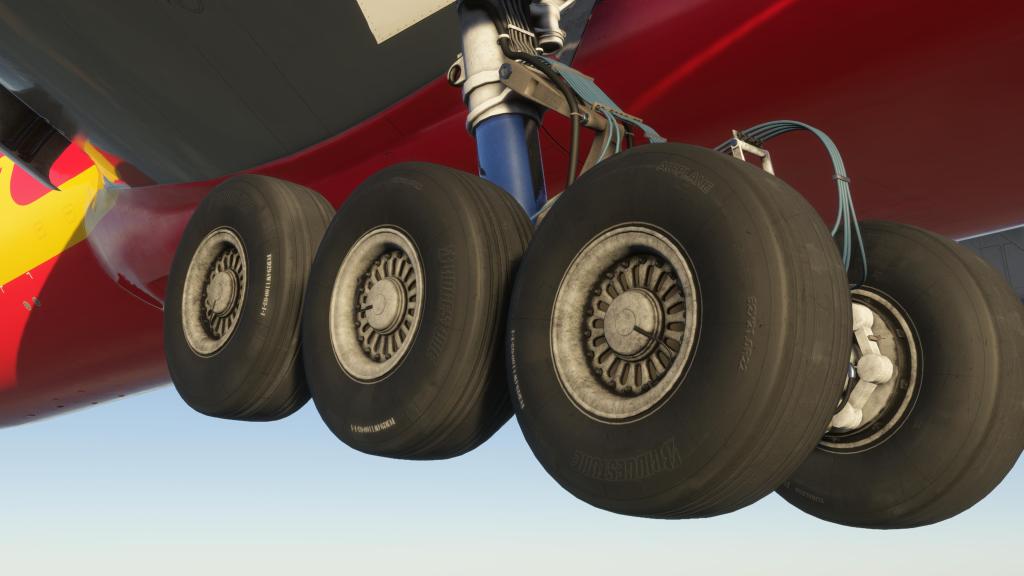
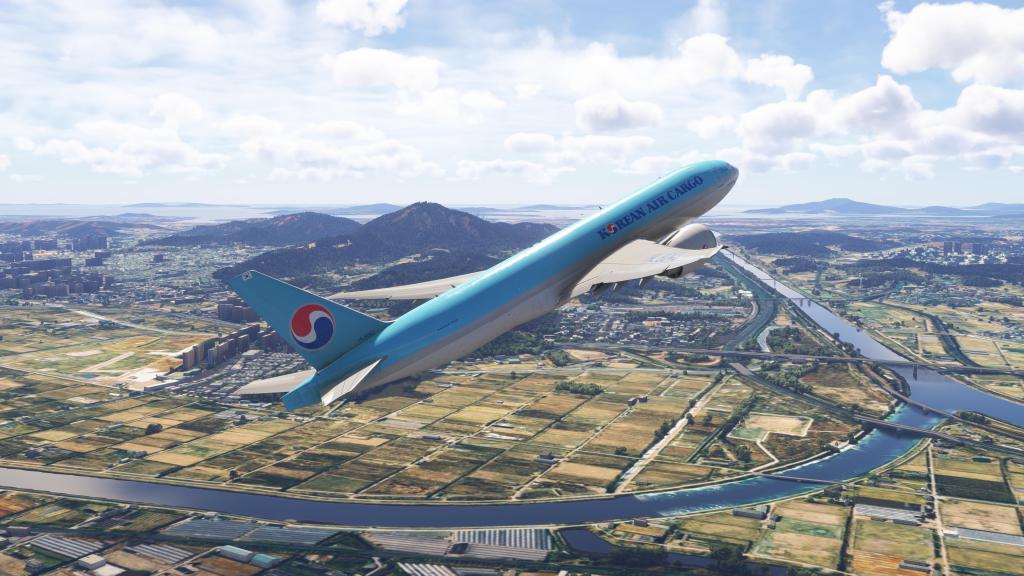
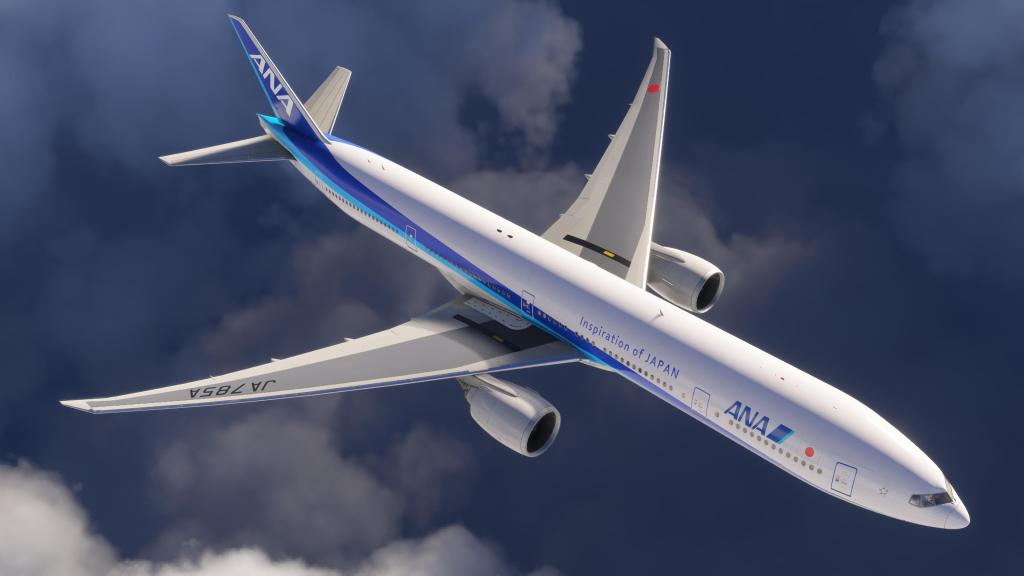
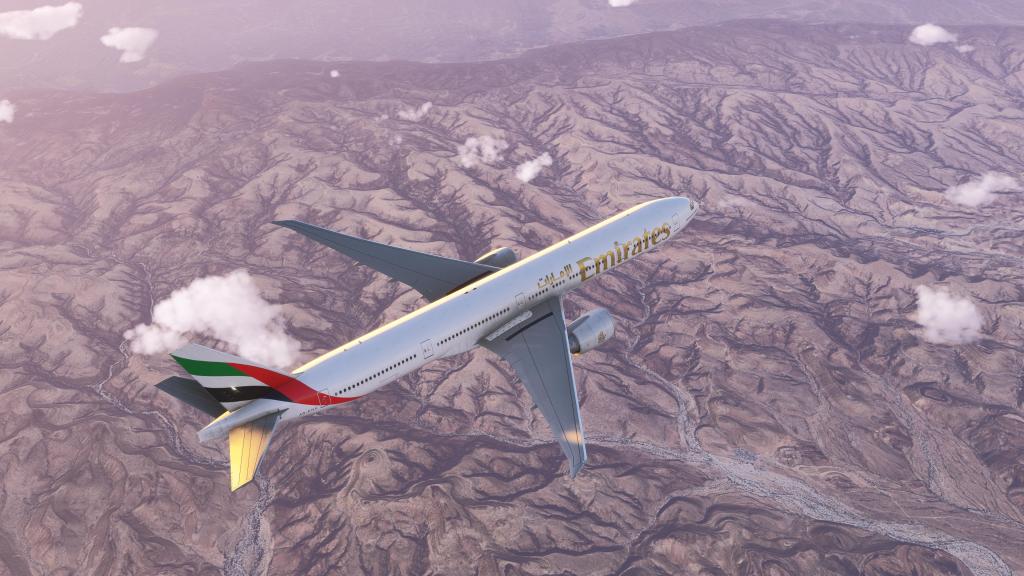
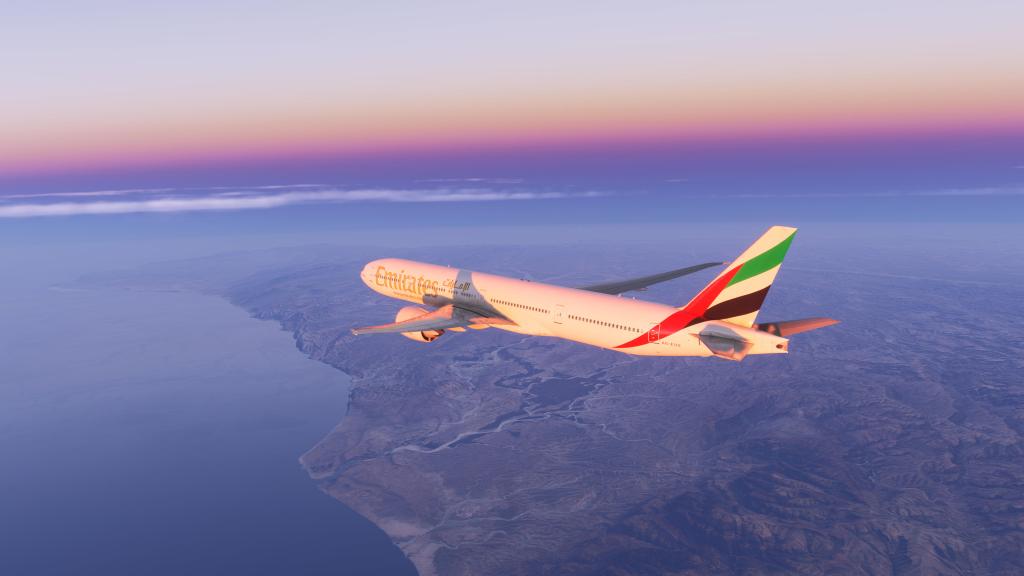
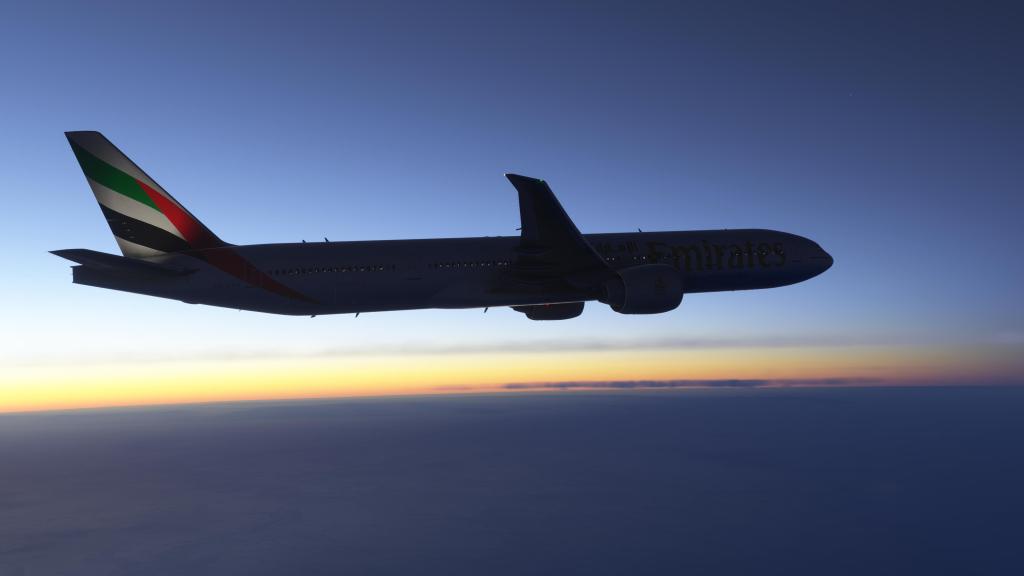
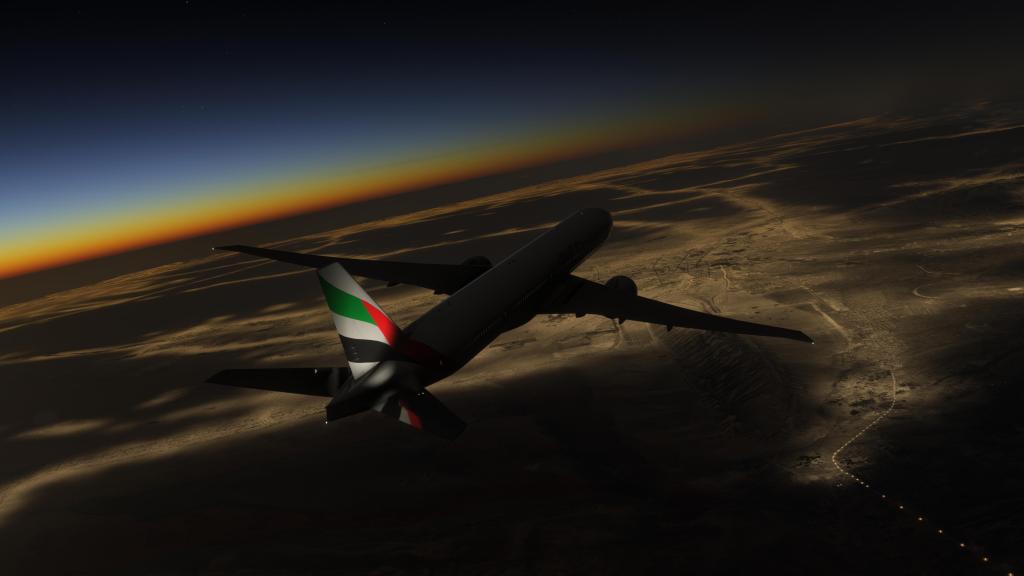
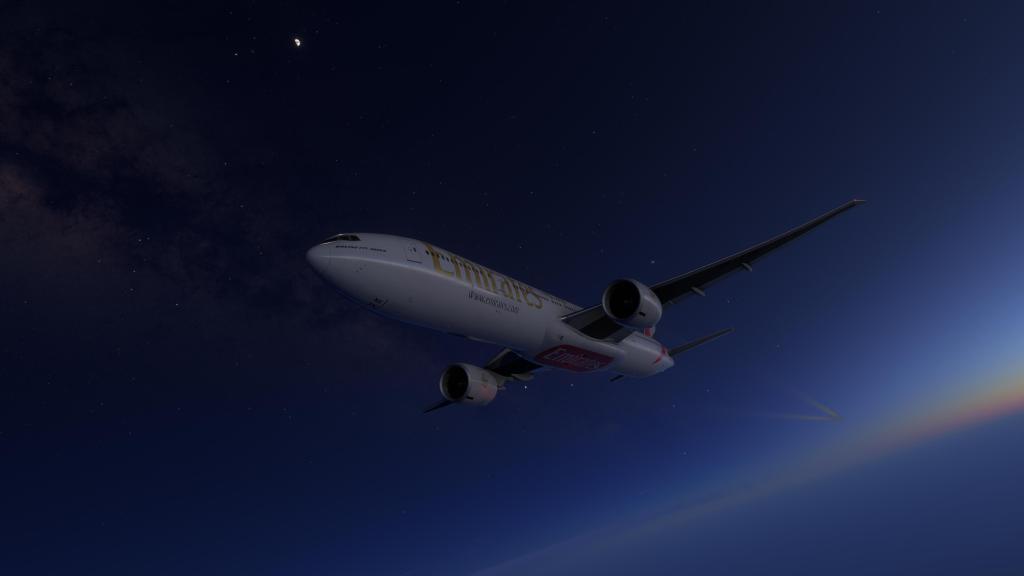
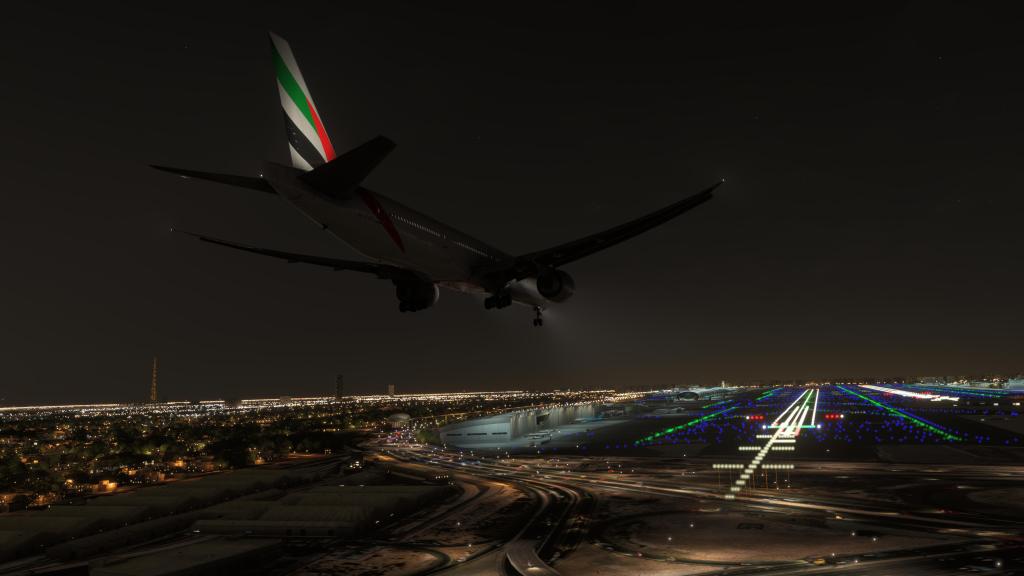
High resolution textures, great livery selection (installed primarily via PMDG’s software), and generally good overall modeling present well on the 777. Most parts of the airplane look great and a lot of that effort pays off in details around the engine nacelles, around the nose of the aircraft, parts of the fuselage, and parts of the wings. The landing gear and gear bays are excellently modeled and given a lot of care and attention to detail.
There are also great animations for the flaps, the gear, doors and the various flight control surfaces. I also have to say that both the wing flex animations and the engine nacelle wobble (yes, the engines wobble on their mounts in a subtle way) are really well animated. The animation is smooth and far better than the 737NG back when I reviewed those.
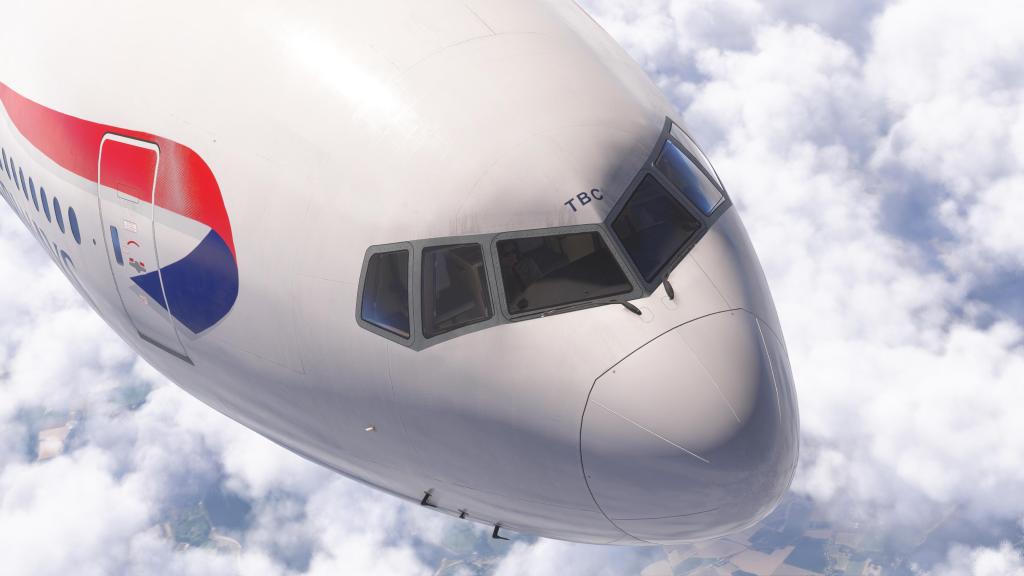
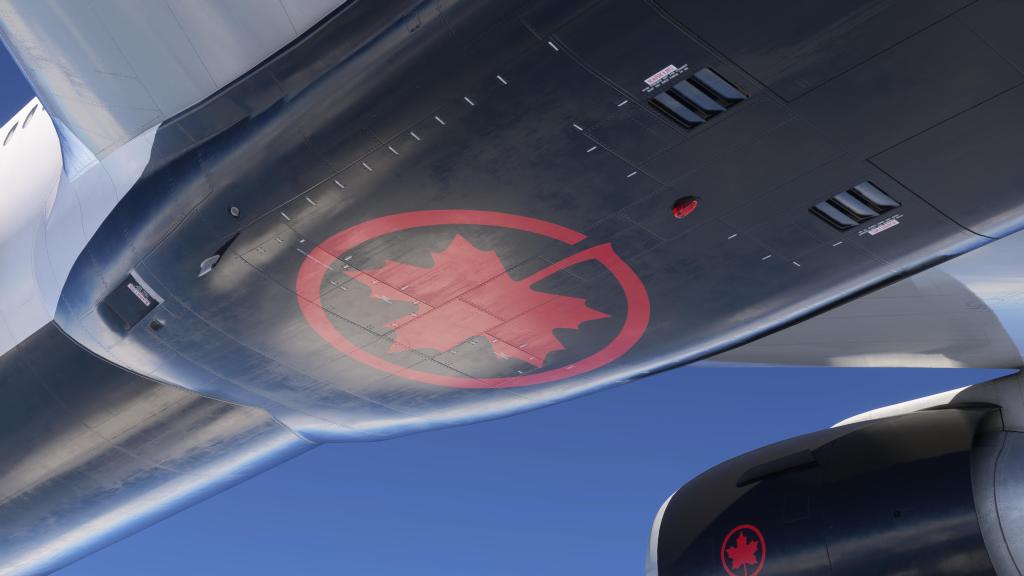
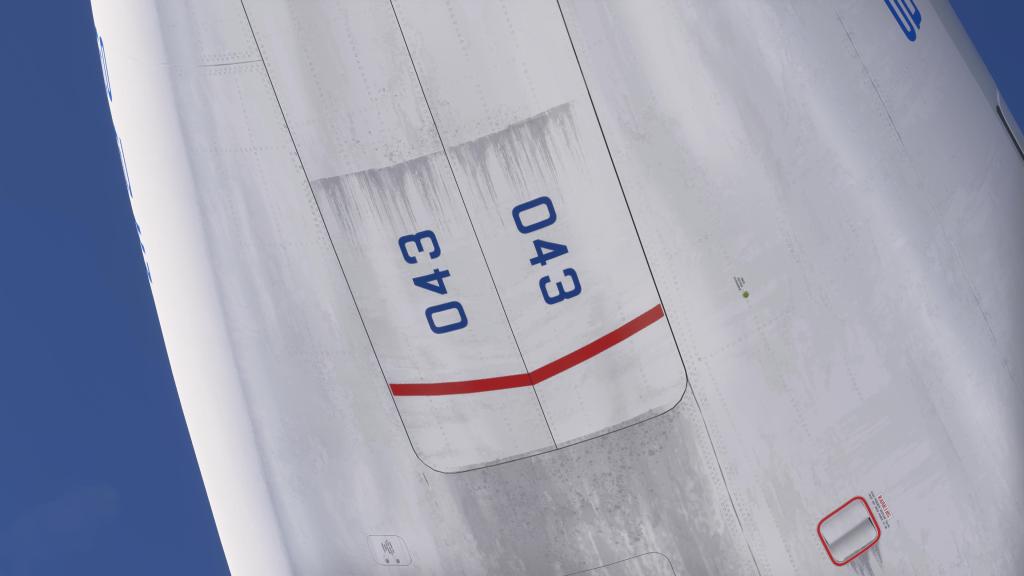
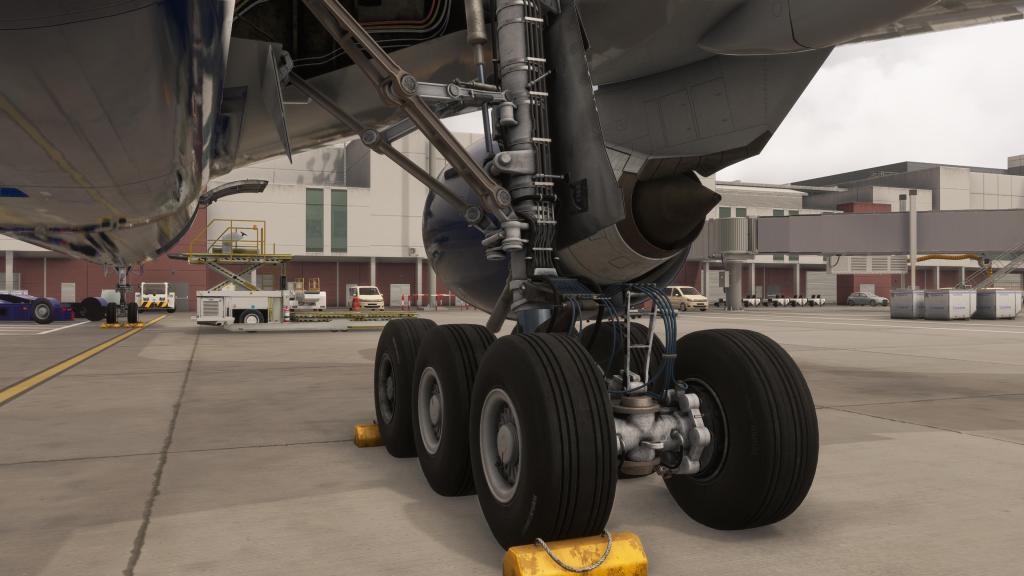
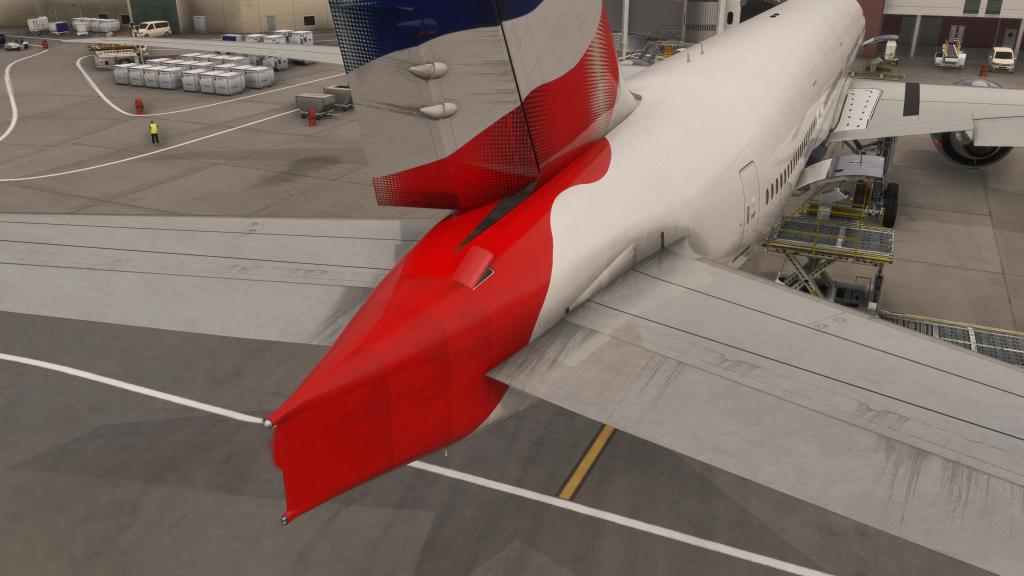
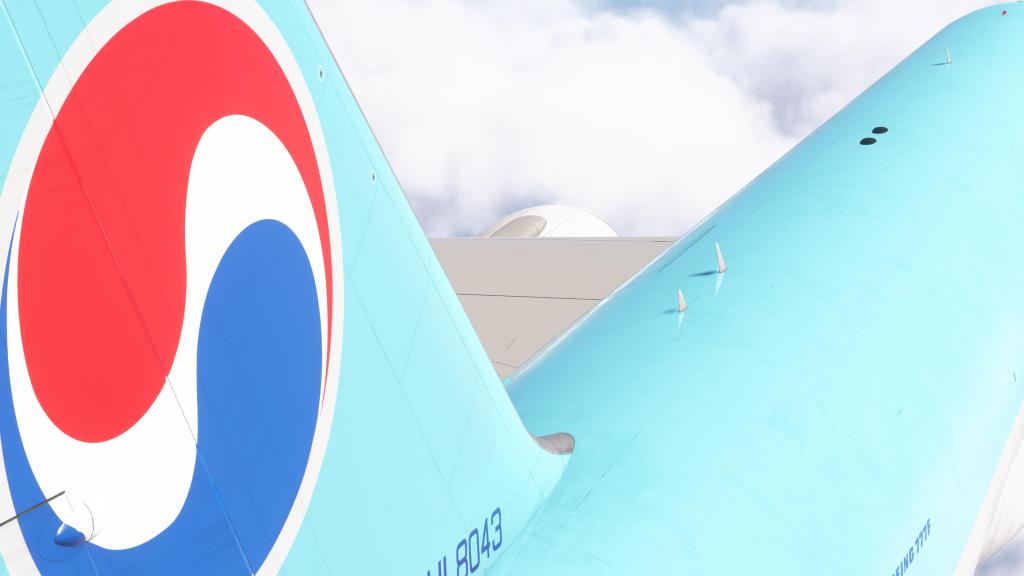


The same smoother approach to animation applies to many of the controls inside the cockpit which weren’t very smooth at all with the 737NG but absolutely are in the 777. Progress has been made! Though PMDG seem to be a little less cutting edge than some of their competition, the overall trajectory of their work continues to go in the right direction – more on that later.
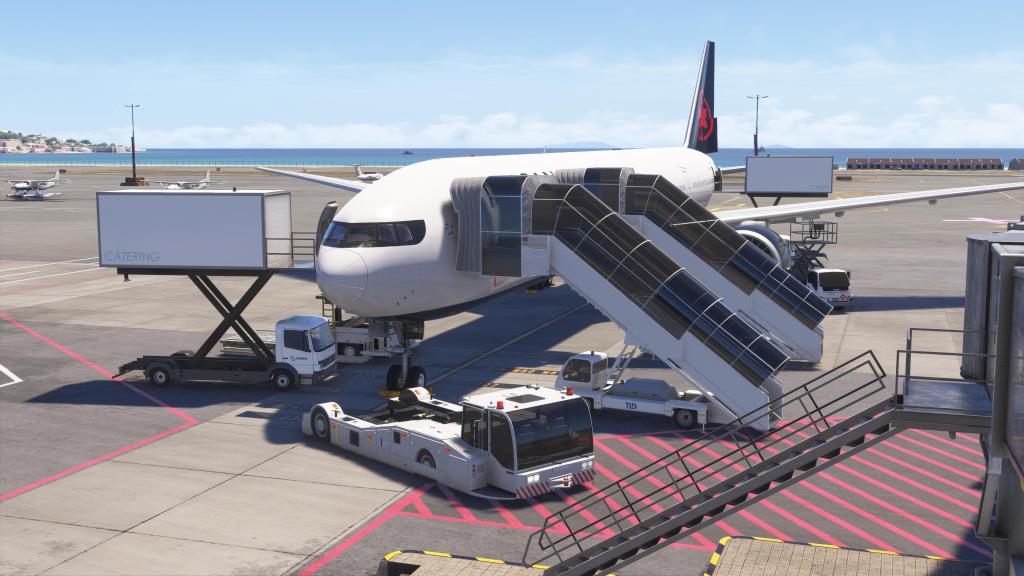
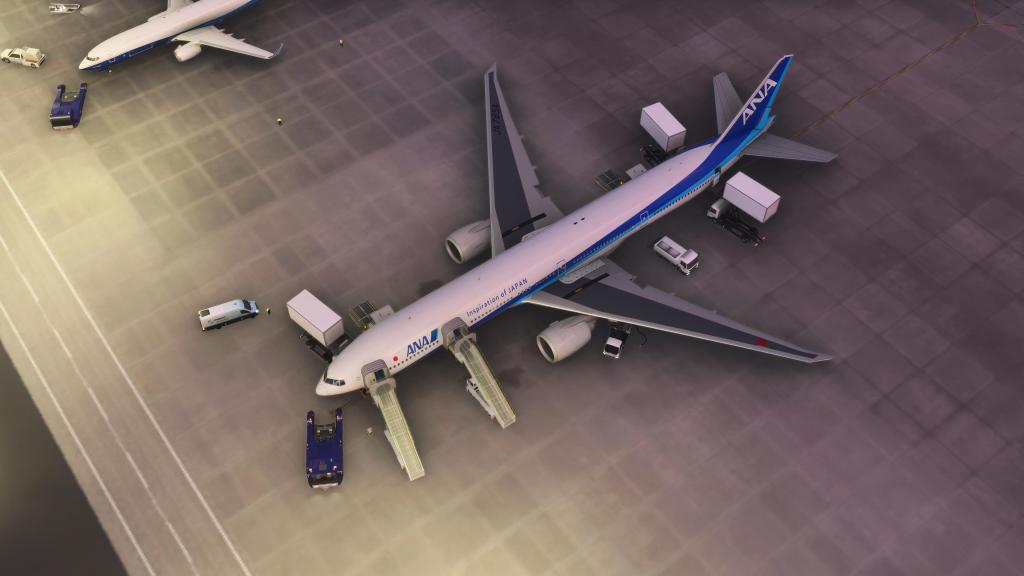
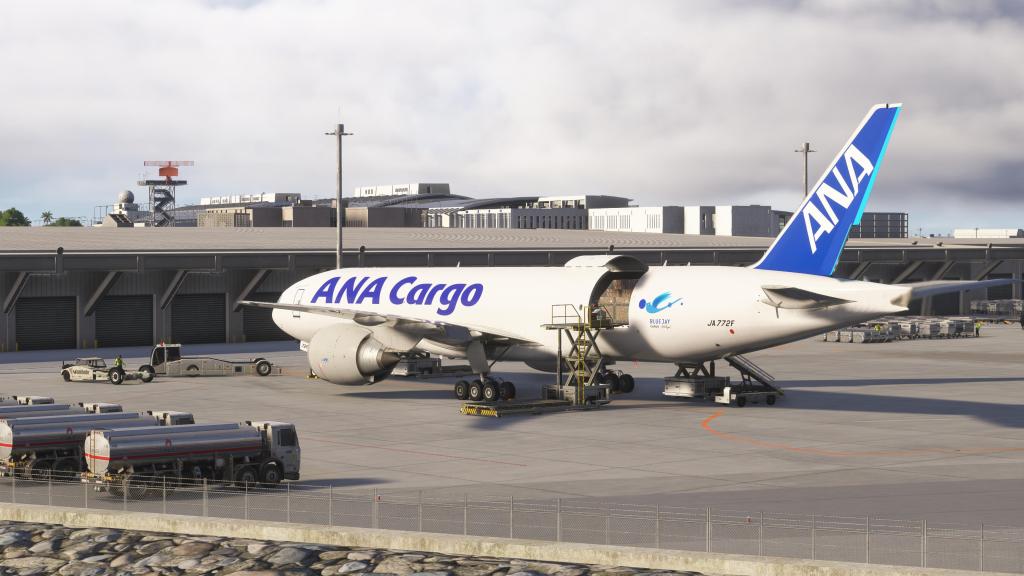
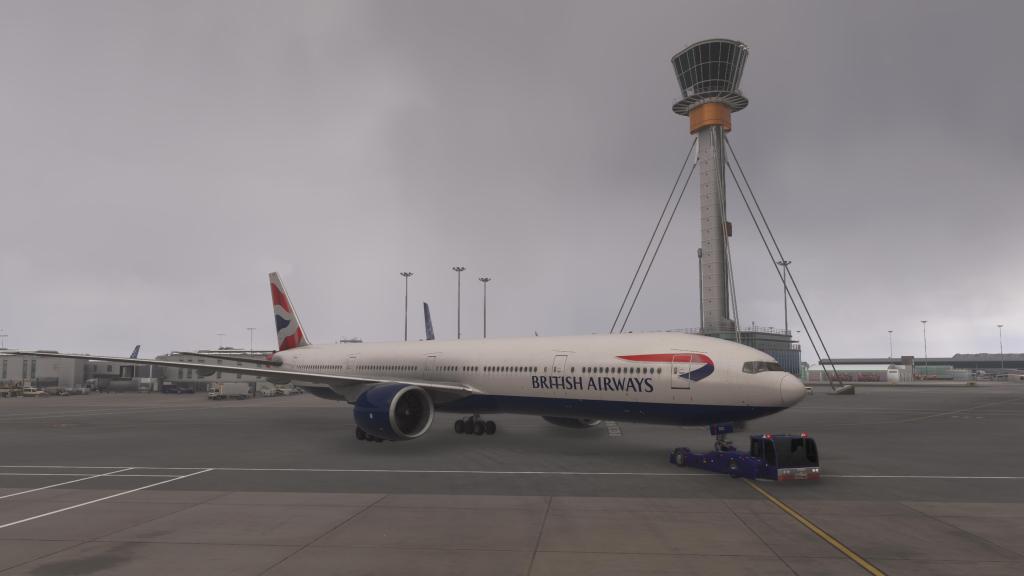
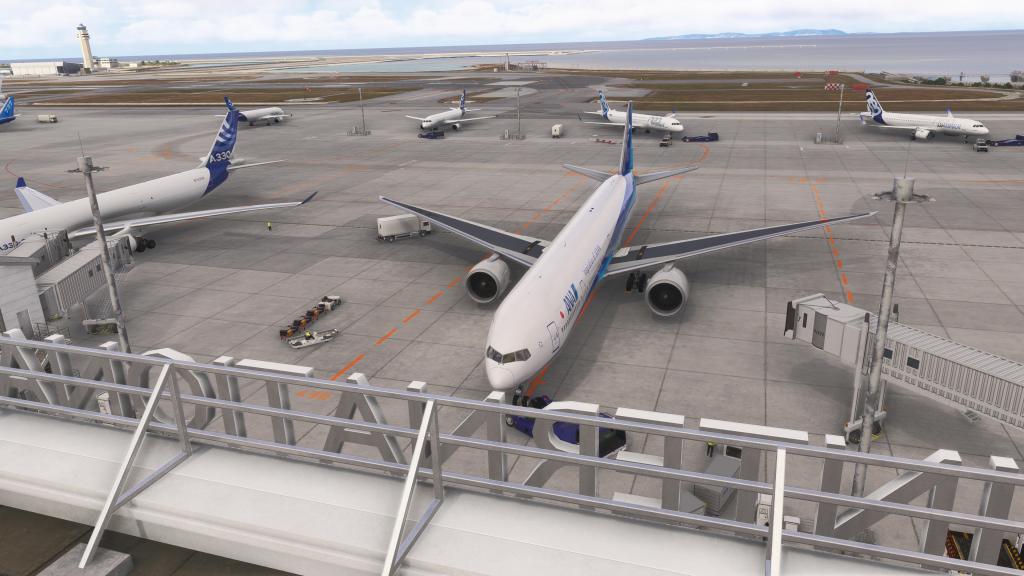
PMDG have also included a lot of extra ground assets too. Covered stairways, ground power, and various cargo and supply service vehicles are modeled and animated at what I’d say is an industry standard level for external objects like these. Some folks like using GSX for this kind of content but I like that PMDG have done quite a bit on their own here.
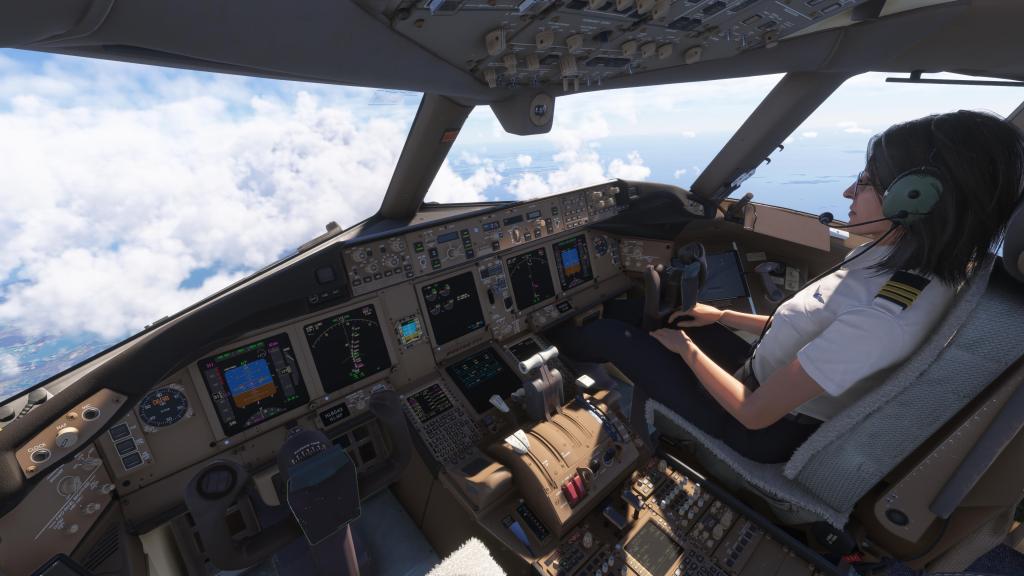
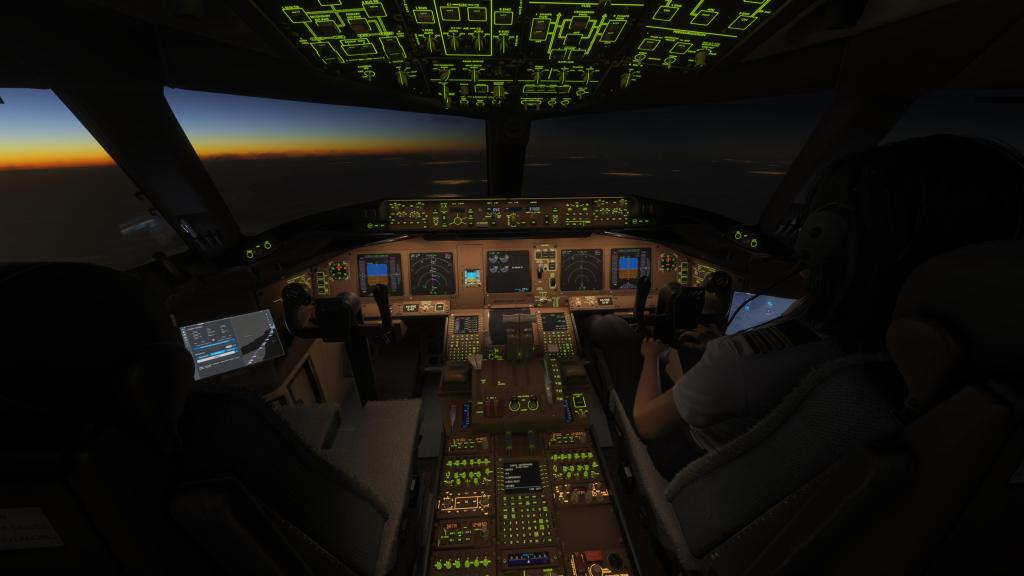
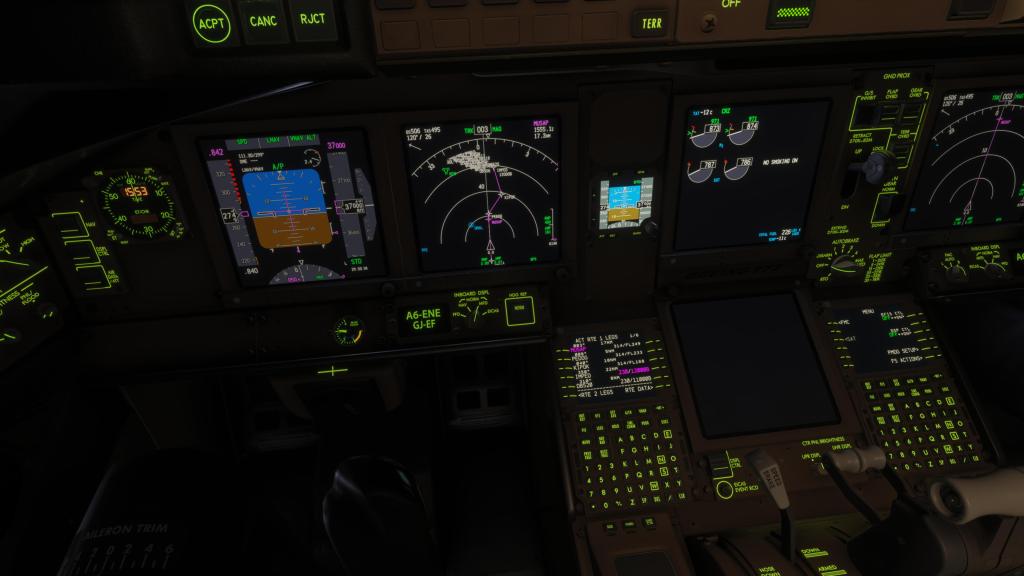
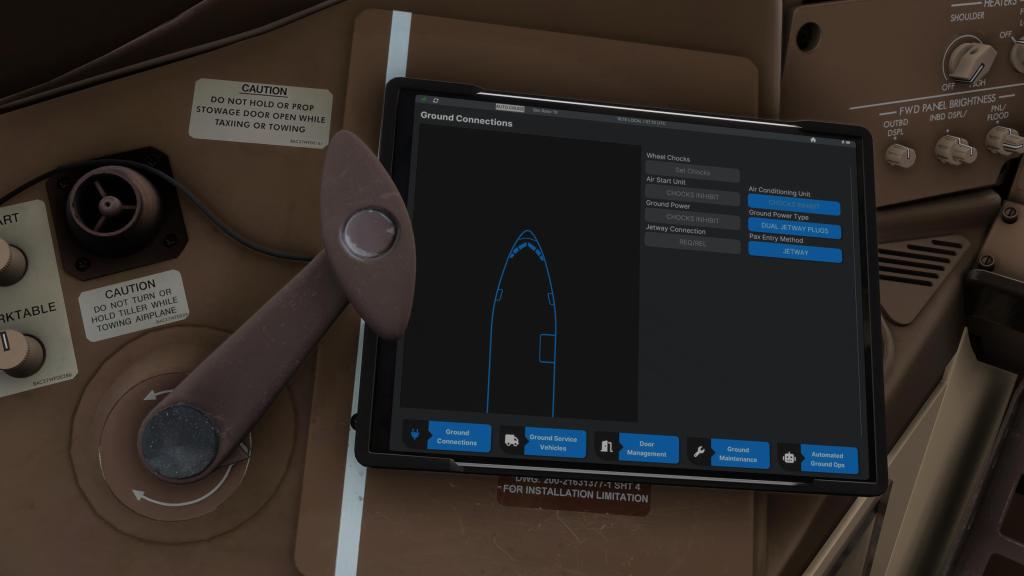
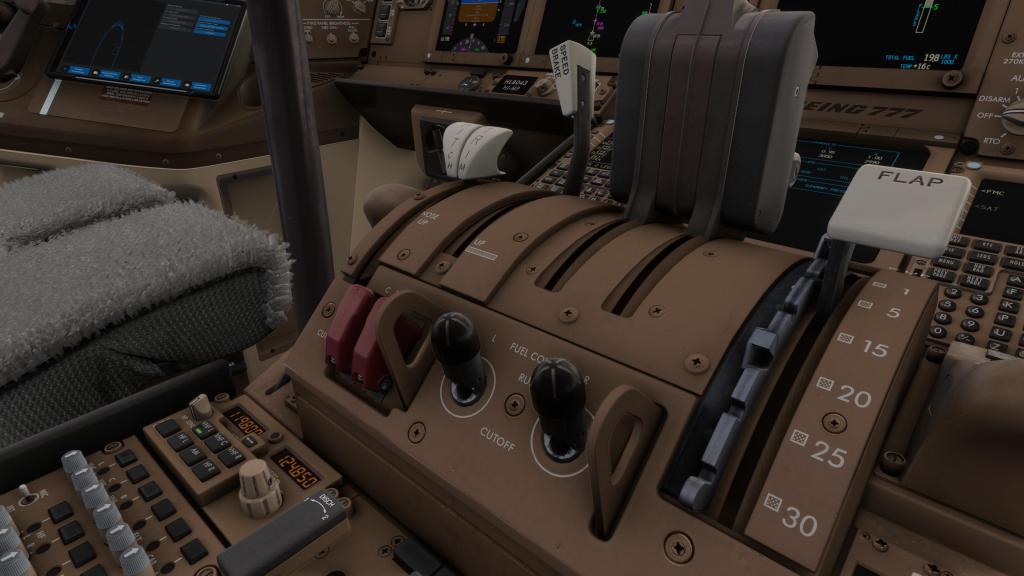
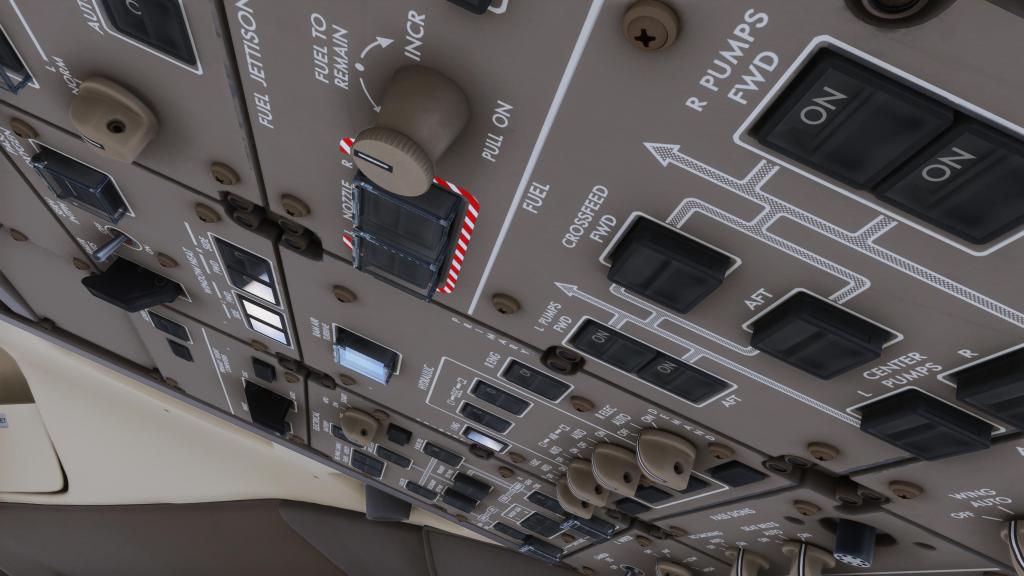

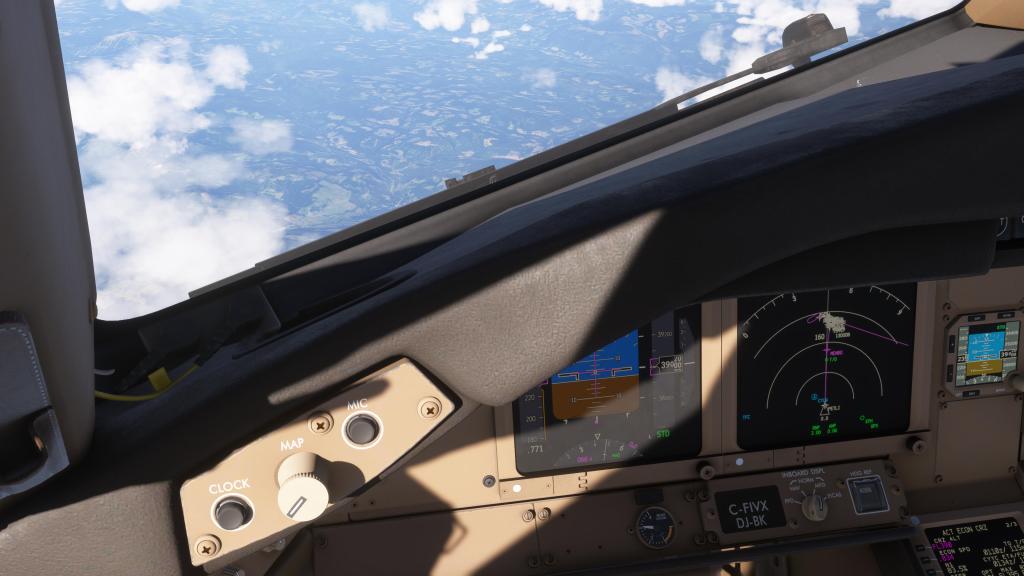
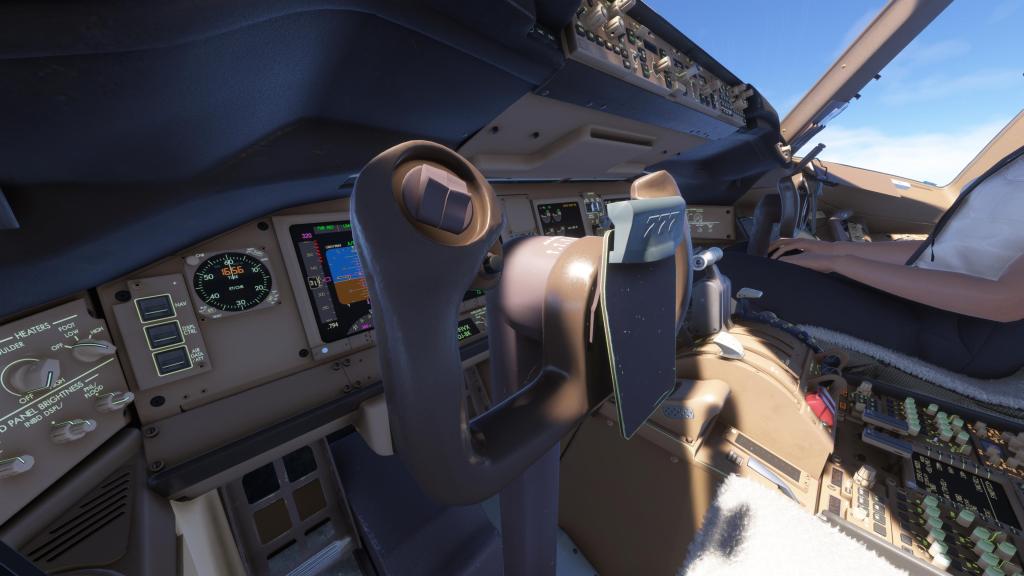
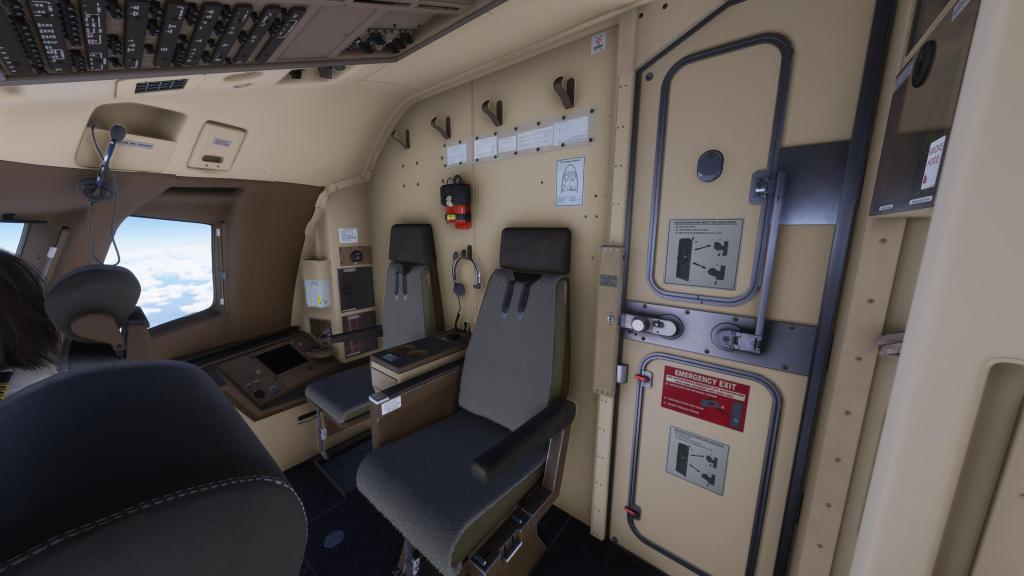
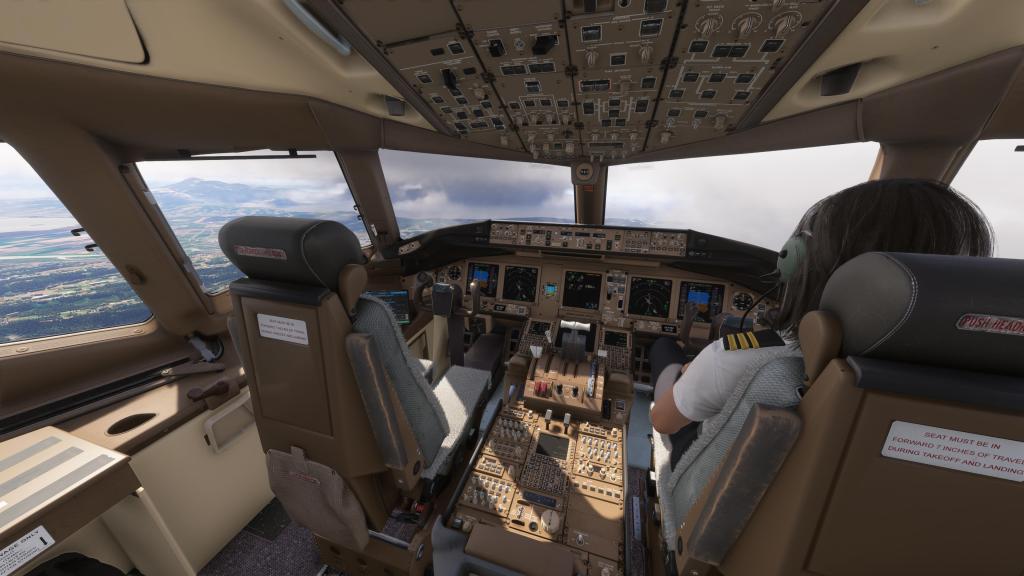
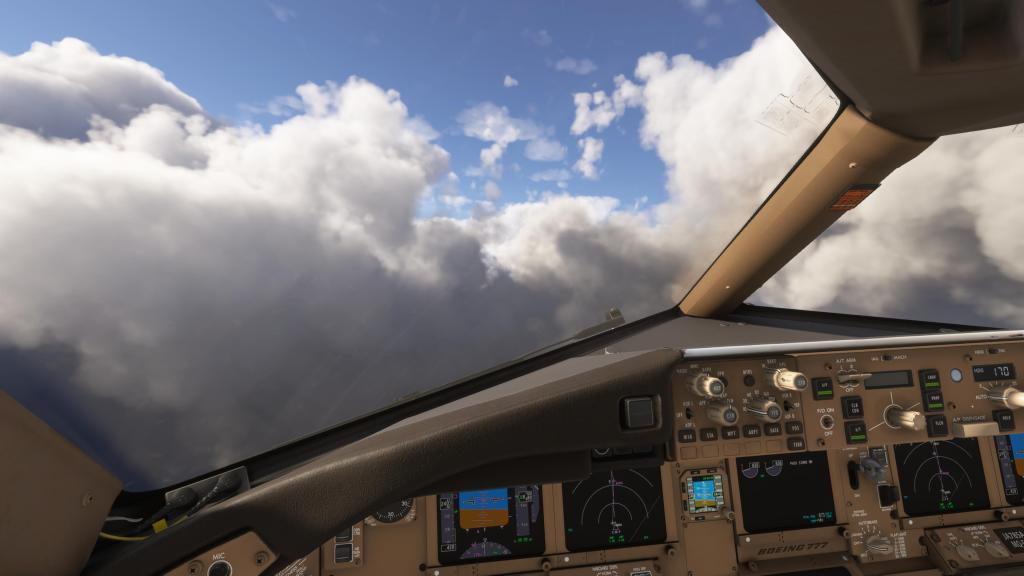
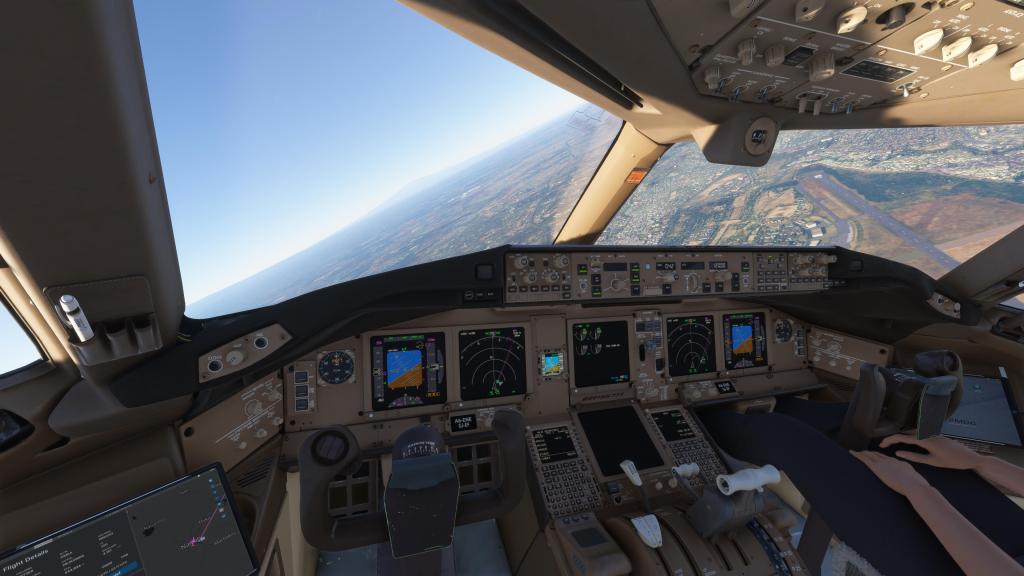
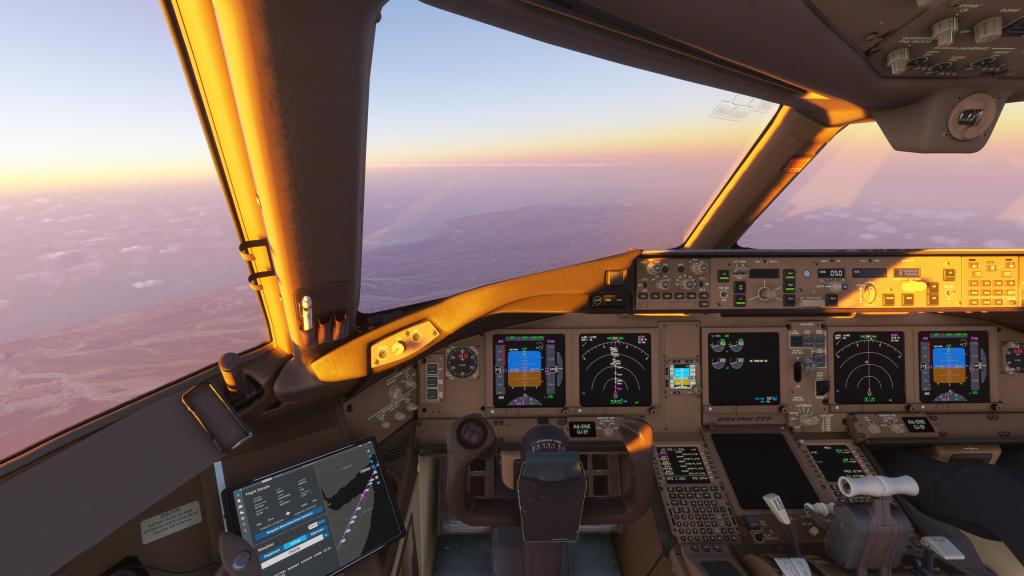
The cockpit and cabin are both generally good though I do have a few complaints in a few places. Starting with the positives, you’ll see that the cockpit has authentic lighting setup, the screens and displays are sharp and easy to read, and most textures are well sorted out.
For the passenger varieties, there’s a detailed cabin area that looks authentic enough to me with lots of details. Sometimes they are custom branded and sometimes they are generically branded (some of them even simply say PMDG on the back walls). Its not quite as fancy as iniBuilds A350 with its custom branded and designed setups. The flipside of this is, of course, that PMDG is seems to be prioritizing framerates over visuals and I think its the right decision. Its still nice enough to park a custom camera back there and have a look out the window.
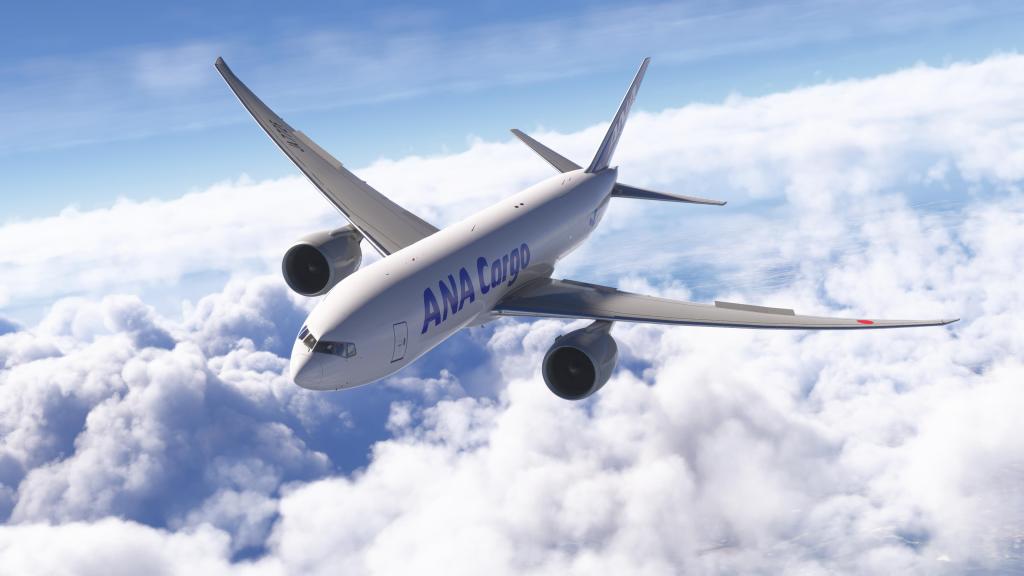
The freighter version is a little more interesting to me. The cargo area is dynamically loaded with cargo crates depending on the cargo weight set for the aircraft. Most of the cargo are in standard LD crates which is typical for freighters. There is a single unique cargo load which feature a pair of exotic cars that help liven it up a bit. This is the only option and I would have loved to see a few more visual options as iniBuilds has done with the A300-600R(F) which offers horses, race car components, and aerospace parts for unique visuals.
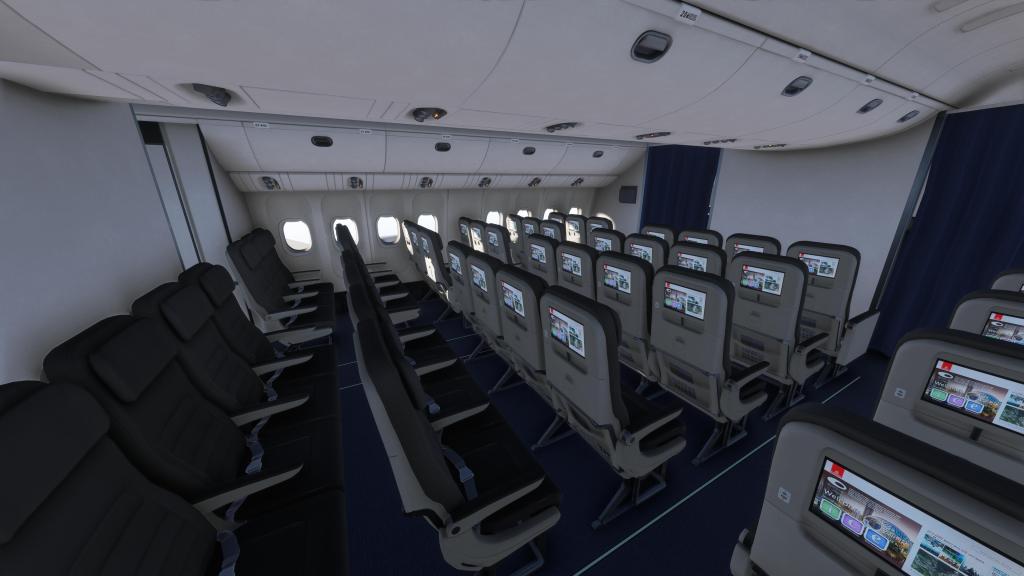
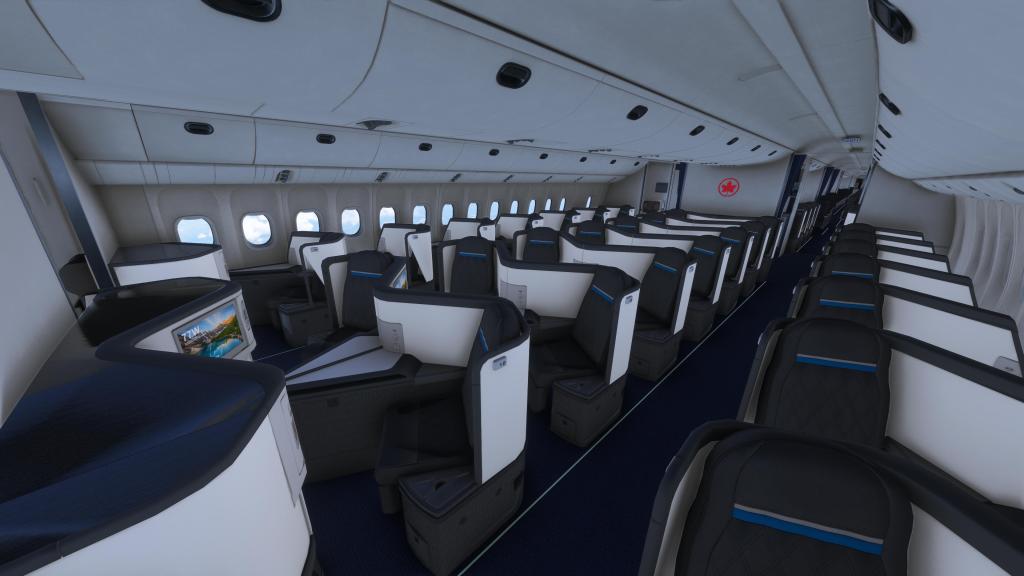
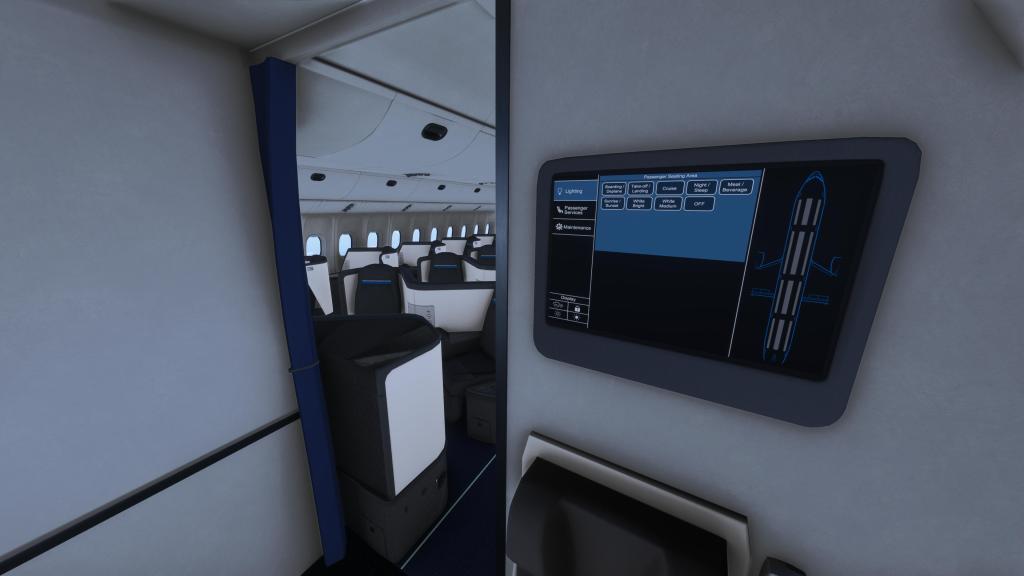
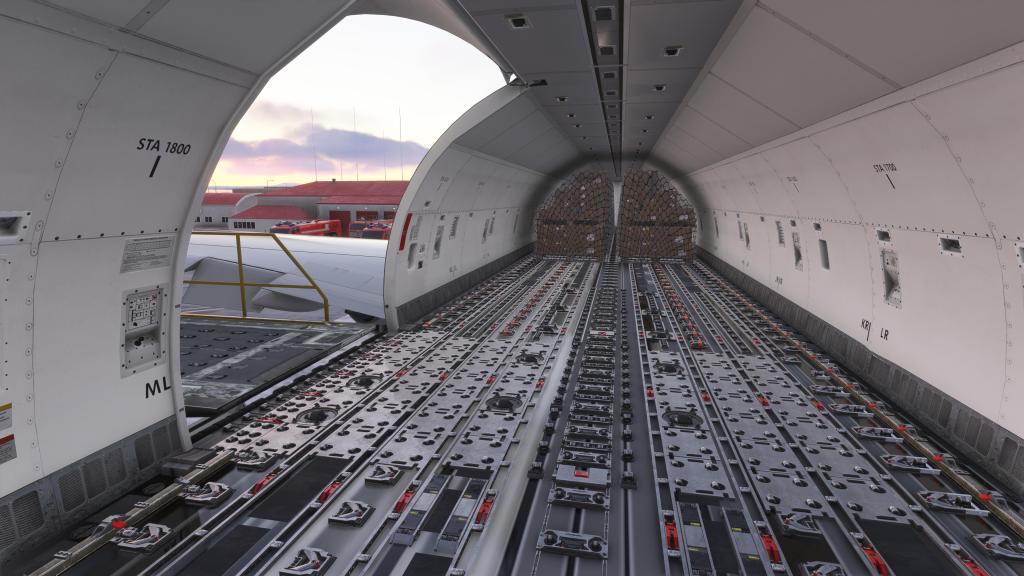
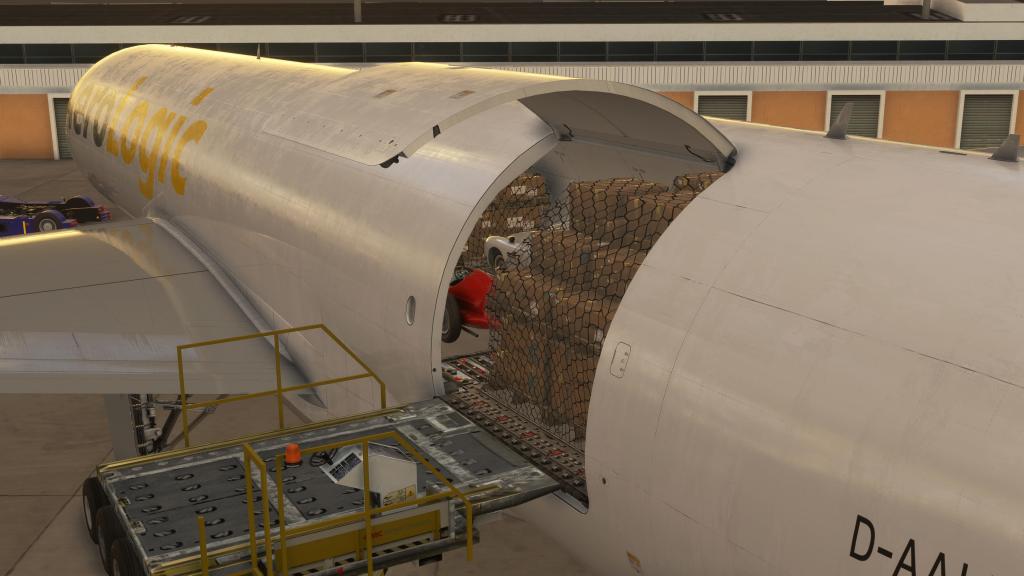

I’m going to be nitpicky for this next bit. There are details on the inside and out that also are surprisingly less detailed than the rest of the project.
In the cockpit, some controls when viewed up close seem adapted from a photo and appear blurry when viewed closely. Some of these you won’t typically notice, however, the tiller control is right next to the EFB and really sticks out. Some of MSFS 2024’s fancy new detail textures might help with that one. Some writing in the cockpit also get a little blurry under very close inspection.
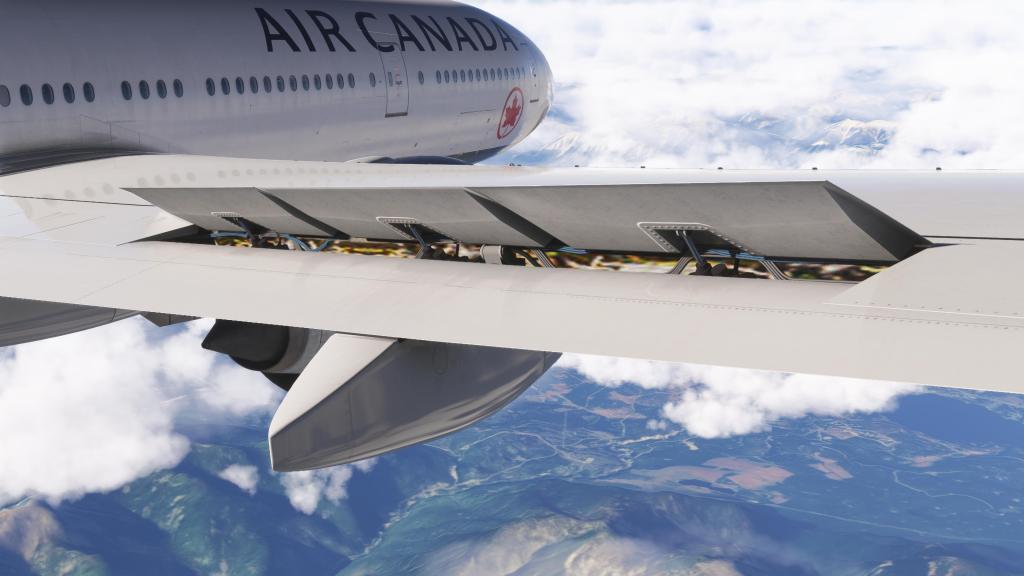
On the outside, the aircraft generally looks very good from most angles but when the spoilers are fully deployed there’s a flat texture in there that really sticks out in certain lighting conditions. These are minor issues but worth commenting on in a full review like this one.
Some community members are annoyed by these slight graphical maladies while I think most are not going to notice them or will be otherwise impressed with the rest of the product enough to overlook. I largely count myself in the later category and have generally felt that the 777, though not leading the pack, is still solid visually. It still boasts the kind of visuals that, only a few years ago, we were just dreaming about.
Audio impressions
I’m generally impressed with the audio for PMDG’s 777 though I wouldn’t say its industry leading. It’s still quite good.
The engine start-up and shut down are great, the cruise sounds in the cockpit and on the external are pretty good too. Flap actuators sound authentic enough and tarmac sound translate nicely into the cockpit while avionics fans hum quietly but audibly in the background. Switches and controls have subtle but satisfying ‘flick’ and ‘thunk’ sounds which are great to hear. There are also subtle but important wind noises in the cockpit.
For the engines things are a little more mixed. Power up and down have great rise and fall-off as the spool up and down. Walk through the cabin mid flight and the sound off the engines attenuates in a realistic way. The only area where I think I’d like to see a bit more is on the throttle up and getting that satisfaction of going to full power… its good but its not the best that I’ve heard. I’ve only experienced the GE sounds but I know from other sources that the other engine types are quite good.
PMDG have been promising a significant audio update for quite a long time now. I had been holding onto this review waiting for the audio update to arrive and for some reason it just hasn’t materialized. It sounds like it will probably address any issues I’ve had with the product but the wait has been long.
I might also add that the 777, like other PMDG products, doesn’t have any cabin ambience, co-pilot voice, or cabin announcements – aside from the satisfying ‘ding’ when you set the seatbelts. Its not a requirement in this category of simulation but they are nice to have and I kind of miss it from some other aircraft that I’ve been flying recently.
Systems and features
PMDG’s bread and butter of their products are in accurate simulation of the aircraft’s systems. So, does this aircraft match up to the reputation? As near as I can tell, as an enthusiast but by no means a 777 expert, I think the answer is yes.
According to the developers spec sheet, the aircraft has detailed fly by wire, electrical, hydraulic, pneumatic, engine, fuel and avionics simulation all going on in the background. That includes simulating everything from the braking and anti-skid systems to the simulated cabin pressure and air temperature on the airplane.
The flight controls are reportedly working just as they should relative to the real airplane too though a few comments by community members suggest that the fly by wire system sometimes lets the nose droop in turns. I haven’t found it to be overly troublesome and I can report that the aircraft is easy to fly hands on despite the size. All of this results in a highly detailed simulation that gives us simulation flyers the sense that we’re really commanding a big aircraft on its journey.
I also want to note that the 777 has its own integrated electronic checklist, fully simulated, that helps you make sure you’ve done everything needed to complete the stage of flight that you’re in.
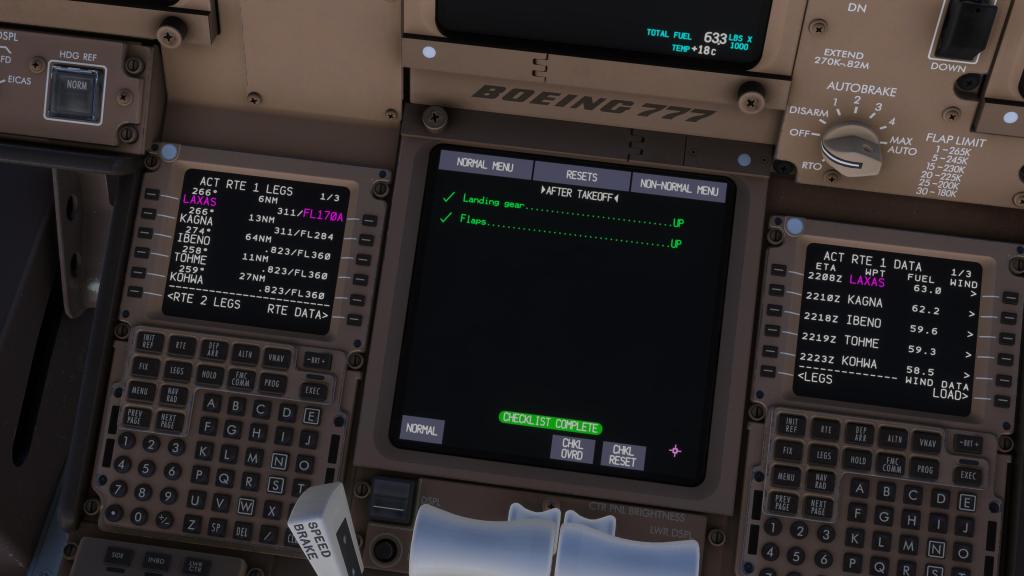
From a more practical simulation perspective, PMDG have also fitted the 777 with their latest edition of the Universal Flight Tablet (that’s an EFB tablet to everyone else).
The tablet comes with a selection of apps on the tablet that let you mange the aircraft’s ground systems, doors, maintenance items, import your SimBrief flight profiles, do performance calculations, look up Navigraph charts and otherwise configure the airplane. The tablet interface has picked up more features and capabilities since I reviewed it first on their 737NG series and it works seamlessly and responsively. A point of complaint with past PMDG offerings is now a significant strength for the aircraft.
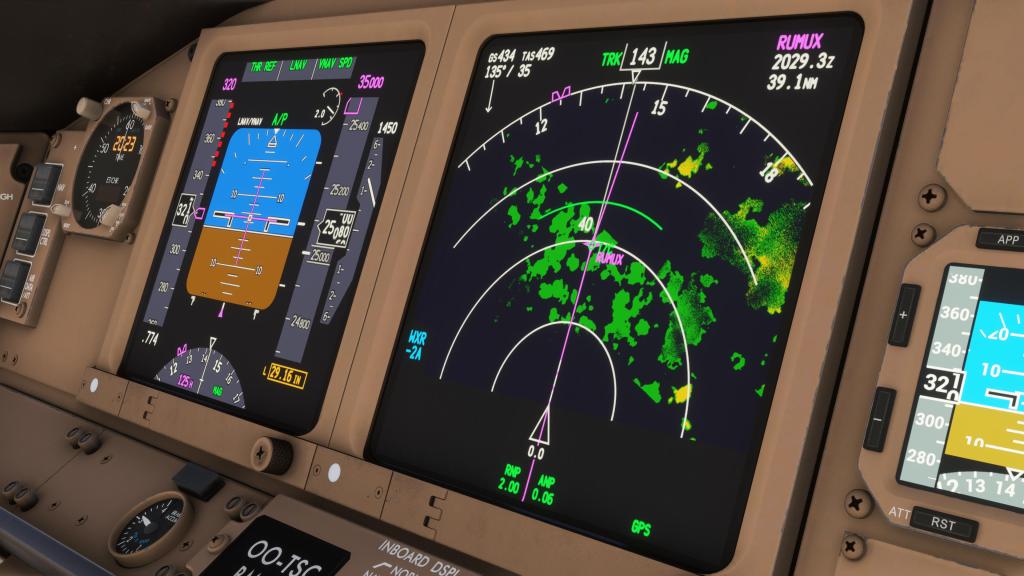
PMDG have chosen to support MSFS’s built in weather radar system this time around. They previously had not been using the system because it was deemed too simplistic. They are correct that the Asobo system does lack some depth, however, some weather radar is better than no weather radar. The Asobo version is reportedly less precise than the real one but it still gives me, the virtual pilot, more ability to assess the situation ahead than having nothing. I applaud the change in position even if the desire is to get a more sophisticated system sometime in the future.
Flying the aircraft
I thought that flying the PMDG 777 would be difficult. The size, the weight, the length all present challenges in all phases of flight. For example, its giant engines have spool-up times can be anywhere from five to eight seconds meaning that you really need to be on top of your game when you’re managing power because going from idle to full thrust is going to take a bit of time. But are these real issues or are they mostly in my (or your) head?
Turns out the 777 is, despite the size, a relatively easy to manage airplane. Yes, you need to adjust your flying and taxiing to accommodate the size but the overall handling is solid and responsive. On the ground its surprisingly capable of getting around despite the size.
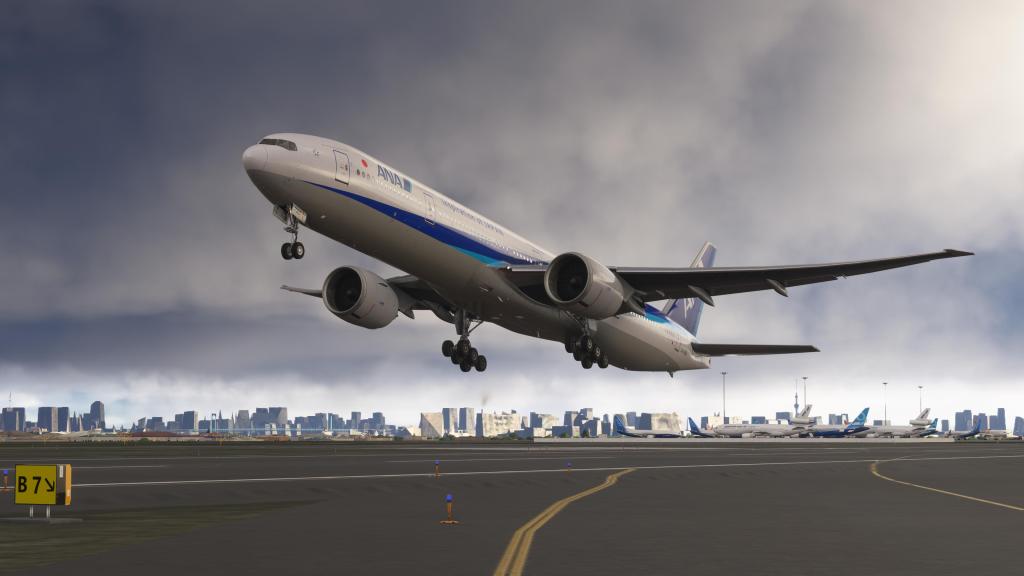
Takeoff, depending on fuel load, comes relatively quickly and in some cases my V1 has been just 125 knots. The aircraft leaps into the air quickly and with a lot of power behind fully spooled up engines. I think I expected something a bit more sluggish and that’s just not the case as the engines provide ample thrust at full power and you really can climb out quickly unless you’re fully loaded.
The type’s fly-by-wire system makes handling it relatively easy and the aircraft doesn’t really seem to have any bad habits in normal flight. Again, some commentary is out there that the aircraft may nose down a bit while rolling but I’ve found the system to generally keep me flying with the correct attitude. If it does, its a subtle effect easily accounted for and frankly not something that I had personally noticed.
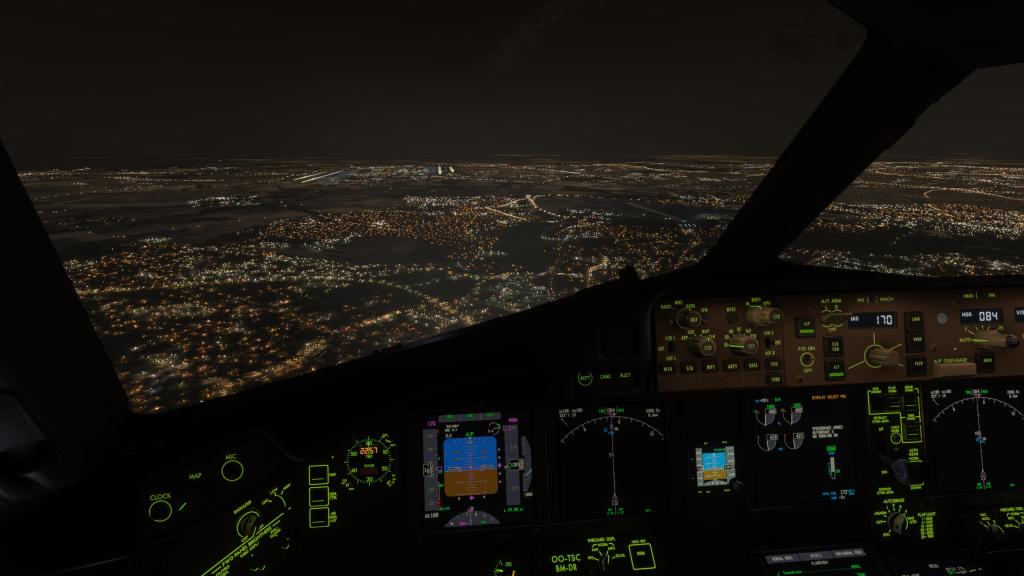
Landings too feel surprisingly easy! This again despite the large size of the aircraft. Approach speeds are also relatively benign 135-145(ish) knots depending on configuration, weight, wind and other weather conditions. That’s kind of remarkable for such a large aircraft.
Thrust reversers have provided me with a fair bit of trouble, however. PMDG aircraft, for some reason, do not use the MSFS toggle switch for reversers. Other airliners are fine but here the toggle does nothing. Instead you have to use the other reverser control in the keybinds and hold a button to make them come on. It’s a frustrating issue in an otherwise almost flawless execution. MSFS does let us do custom profiles, thankfully, but why a well documented control doesn’t work is slightly annoying to me. Its less of an issue if you have a dedicated slot on your throttle for it but I have a combat oriented HOTAS without that kind of setup.
The 777 on the whole is actually more automated, more communicative (with easier to understand error reporting), easier to fly and easier to troubleshoot configuration mistakes and errors than the 737NG in my experience. If configured correctly, the 777 flies mostly on its own with minimal pilot intervention required and that can be a benefit or make for a boring experience depending on your flight sim requirements.
Fast and fun
Here’s the part in the review where I evaluate the aircraft on how quickly you can turn it around and get the aircraft going.
The PMDG 777 scores modestly in this category. It does have state saving and the ability to spawn in whatever state you want. If you want it fully powered up and ready to fly, you can do that on spawn. I, however, prefer to start at the gate and here I usually have it set at the default turnaround state which is, as I learned, more typical for long haul widebody aircraft anyways. A few checklist items completed, SimBrief import from the EFB for performance, another import to the FMC for the flight plan, weather data, and a few button pushes and you’re ready for pushback. It does take a bit of time to setup but its not especially lengthy after you’ve done it a couple of times.
It could have a little more detailed cold and dark to fully powered up process but that niggle aside, this one isn’t too hard to get going with. Even the start-up with this just seems to be easier than with the 737. It’s not a push a button and go airplane so be aware of that.
Looking at PMDG’s Operations Centre 3
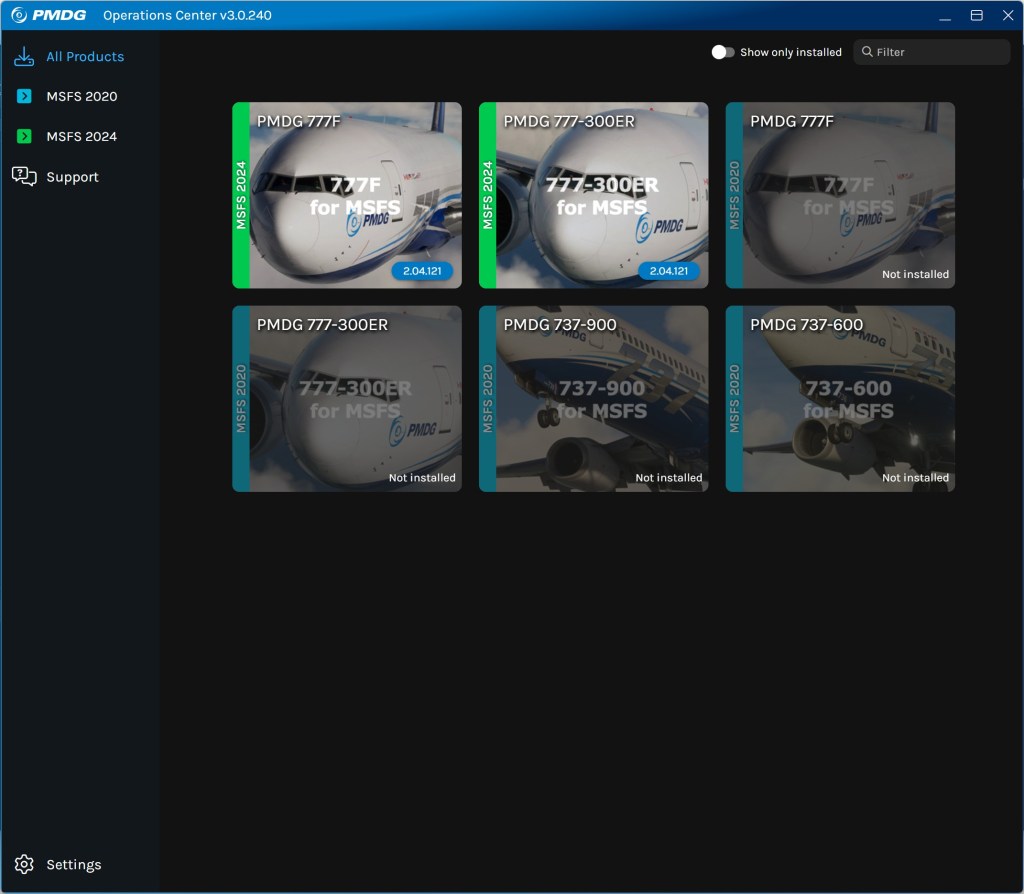
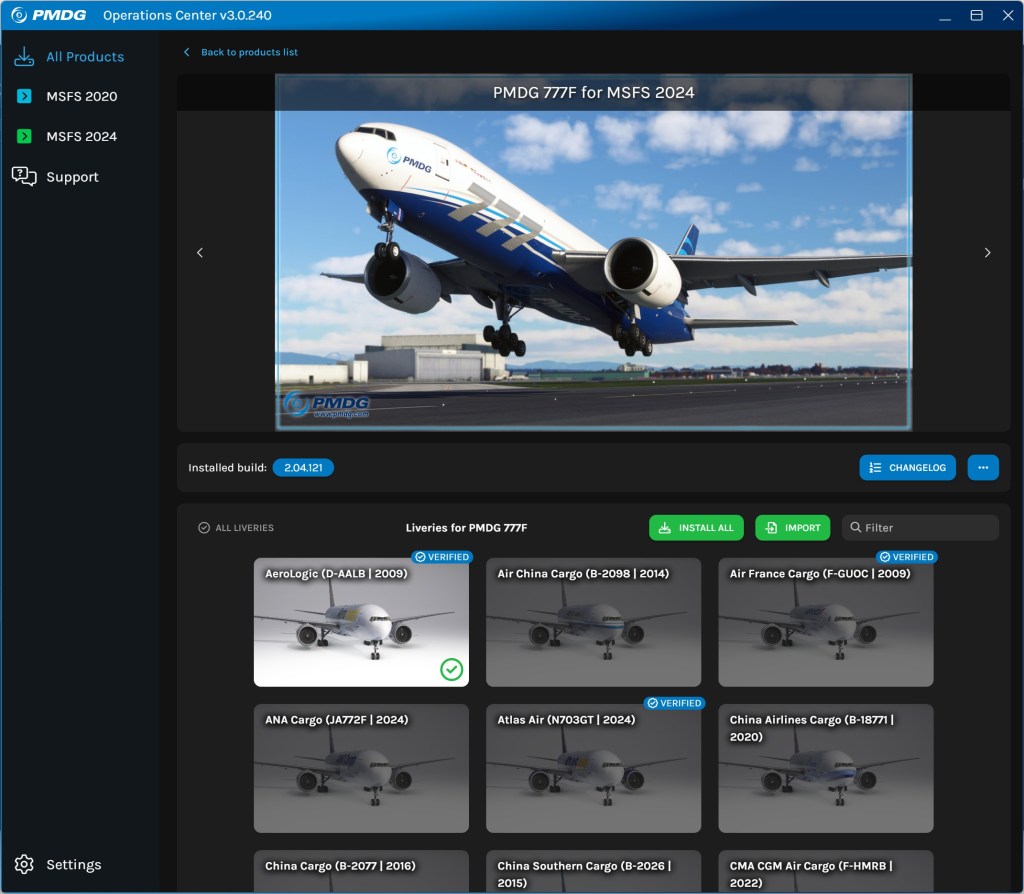
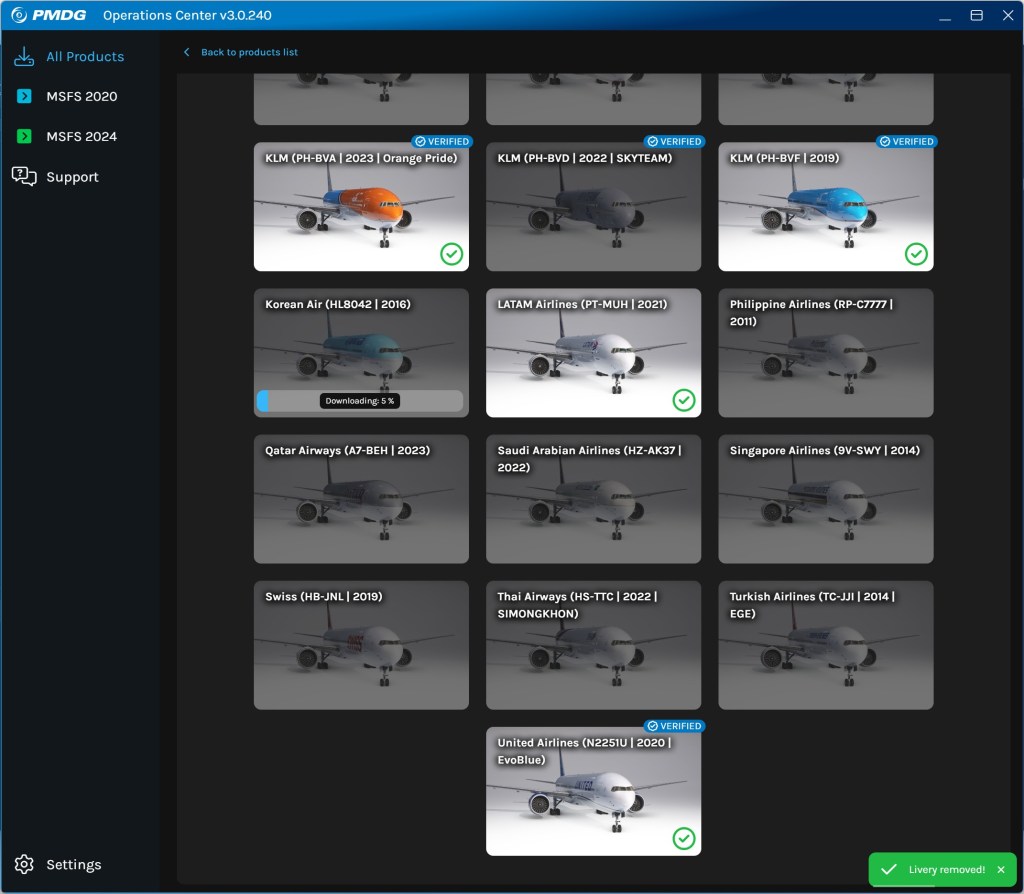
When I reviewed PMDG’s 737NG series I also mentioned their Ops Centre software during the review. This is the software that you use to install liveries and check for software updates. You may recall that I was quite negative on the experience offered by it in the past. Problems included a constant need to repair and reinstall it and a clunky and outdated user interface. I am therefore overjoyed to report that PMDG have recently launched Ops Centre 3 and that it has addressed every problem I had with their previous software.
The OC3 has been reliable with none of the issues that I had with OC2. Right away, this makes me a whole lot happier!
The interface is significantly cleaner and more modern looking and that shows not only in how easy it is to get around but also in just how smooth everything functions. Like a skin? Click install and it drops in within moments. Update the airplane? It happens very quickly without any fuss. Also need to update all of the liveries? That’s also done with a couple of clicks. There have been no problems with the software that I’ve noted and everything has run smoothly.
In short, PMDG’s OC3 software is a dramatic improvement over a weak spot in previous offerings. It puts it in good competition.
Time compression and long haul jet considerations
The single biggest issue I had with the 777 at first was figuring out how best to use it. It’s a big airplane and you can’t fly it into every airport.
I also find myself drawn into the desire to fly realistic routes with realistic operators and liveries. There is, after all, an appeal to simulating something that happens in the real world. The trouble then with something like the 777 is that the airplane is more typically flown on long flights. It could be 6 to 9 hours transatlantic or perhaps some of the longest routes that the aircraft flies coming in at 17 and 18 hours!
Time compression on the 777 helps immensely here. The EFB gives you time compression indications, options for step climbs, and the ability to pause at top-of-descent so you can go off and not worry that you’re flight is going to go badly if you don’t get back to the sim at the right moment. PMDG’s programming on the 777 has enabled it to fly at up to 8X compression with little or no chance of the autopilot going off course. Some aircraft I’ve tested have only managed 2X before the aircraft starts to wobble. This is a significant feature.
While I have done some longer flights including Nairobi to Dubai and Paris to New York, I’ve mostly satisfied myself with flying the airplane over shorter distances. Some are real world ops with that particular airline but traditionally flown with smaller airplanes and a few are short flights that 777 actually regularly fly. The 777 is indeed used on shorter trips with Qatar, ANA and Korean Air being a few of several such operators that use the wide-body on some relatively short trips with some being just over an hour. Extremely short for a type that can fly for 16 or more hours. The freighter is, by real world standards, a bit more flexible as they tend to be flown both short and long flights, moving cargo around as needed.
These are not going to be issues for everyone. If you just pick two airports that are big enough to support a large wide-body like the 777, you can just get going and not even worry about the implications of real world operations.
One thing is for sure, both the 777 itself is up for it and PMDG’s programming of it enables you do accomplish lengthier flights in just an hour or two with compression.
Frame rates and performance
The optimization on the PMDG 777 is excellent! This is something the company has done right in the past with their 737NG series and they have done it again here.
In the air, with frame gen on, I’ve been consistently getting 70-85 frames per second with no hitching or lagging of any kind. That applies too when the aircraft is running with 2X or 4X time compression. On the ground, I’ve had smooth and consistent framerates at most airports except for the most troublesome ones and I think we can blame that on the airport scenery and not the aircraft.
Over the course of dozens of flights, I’ve had just two instances where the sim crashed. Both were after long haul flights at large default airports and so I don’t know what the source of the crash was. Was it the 777 or something else? Others have reported the occasional crash as well but I’ve been generally impressed at stability.
The 777 performance is among the best airliners that I’ve tested. Its closest competitors have often struggled more with issues in this area so its refreshing to see this running so smoothly. Even more, the performance work adds to the overall enjoyment of the product and really is one of several defining feature.
Console controversy
There is one area that I’ve not really touched on because it hasn’t been a part of my experience. As a PC flight simmer, PMDG’s ecosystem works great and the OC3 software, as I mentioned, is an easy way to update and install liveries. If you’re on console, things are a little more complex.
There, you’re buying through the Marketplace which receives updates at a slower pace. PMDG has reported various issues at times getting aircraft to go into the Marketplace and that has slowed things up considerably.
There’s also the issue of liveries. PMDG has been packaging and selling them on the marketplace rather than included with the base package. Apparently a limitation somewhere in the process. These are being sold at the $4.99 minimum price… except iniBuilds A340 just released recently and its liveries are freely available. What gives? PMDG seem just as bewildered (going by the forum commentary) as the rest of us and, for the moment, livery options on console remain somewhat limited.
Hopefully this issue can be solved and solved soon. If you are an Xbox flyer, this may dim the enthusiasm a bit.
Final thoughts
There was a time when Microsoft Flight Simulator was lacking in high-fidelity, long-haul, wide-body airliners to fly. That drought is over now and PMDG’s 777 stands out among the pack. This is an impressively simulated airplane with the visual, system and audio fidelity that you’d expect from a high end product. While a few visual inconsistencies stand out to me, its nothing egregious and certainly nothing that diminished my enjoyment of flying the aircraft. The aircraft also performs beautifully on MSFS 2024 with high frame rates in nearly all situations. Summed together and this is an impressive package.
PMDG have also tackled many of the issues that I had with prior versions of their products. While the 737NG series were generally very good, I was frustrated by the limited tablet, some jerky animations, unconvincing wingflex, and disappointing experience with the supporting software. With the 777 and PMDG’s updated software ecosystem, these issues have all been capably addressed.
The more I flew PMDG’s 777, the more I really grew to love the whole experience and the aircraft itself. Its a complicated airplane to be sure but also one with a lot of automation and simplicity built-in too. It’ll generally fly the way you want it to and it has the power and capabilities to do so without a lot of hassle. Far from the intimidating large airplane that I expected it to be, its surprisingly easy to handle. Between the piloting experience, the excellent optimization, solid support for external systems like SimBrief and Navigraph and the ample array of easily downloaded real world liveries, its hard to say no to a flight!
Let’s talk competition. Both in the real world and in the sim, many simmers are going to be looking at wide-body long-haul jets to fulfill the same overall capability as their real world counterparts. There are quite a few wide-body options these days ranging from the TFDi Design MD-11, iniBuilds A300-600R(F), A350 and the just released A340. If you own MSFS 2024, you also have the A330-200 and -300 series from iniBuilds which are, admittedly, slightly less fully featured than the payware options but still worthy of some flying.
The 777 manages to compare favourably with all of these options. The A350 from iniBuild is its closest virtual competitor and while the A350 offers slightly more visual fidelity, they have also suffered from performance, crashing and stability issues for many users since release (indeed my own experience has been disappointing – a story for another day). PMDG’s 777 on the other hand has generally been reliable since release though it certainly has had a few minor issues of its own.
On the subject of pricing, I do find PMDG fall ever so slightly behind the competition just a little bit in value – but that depends a fair bit on what is important to you. To compare: iniBuilds offers the A350 series in both the 900 and 1000 variants together for $79.65 USD. TFDi offer the MD11 for $69.99 USD with an extra $9.99 USD charge to add the passenger/freighter (you choose your base pack option). PMDG offer each 777 individually with prices ranging from $49.99 to $77.73 USD. They are either the cheapest or the most expensive depending on which variant and how many you want to operate.
So, is this the best airliner available in Microsoft Flight Simulator right now? That’s a tall order and a difficult thing for me to bestow on any one aircraft as there are so many different categories to consider. When considering the sum total of everything, PMDG’s 777 has called me back again and again in a way that I hadn’t expected when I set out on this journey. It’s up there with my beloved Just Flight F28 and the fan-favourite Fenix A320 series but I’m not sure I could crown a winner. One thing is certain, if you want a long haul widebody airliner in your MSFS fleet you can buy this one with few regrets. I highly recommend!
Screenshots


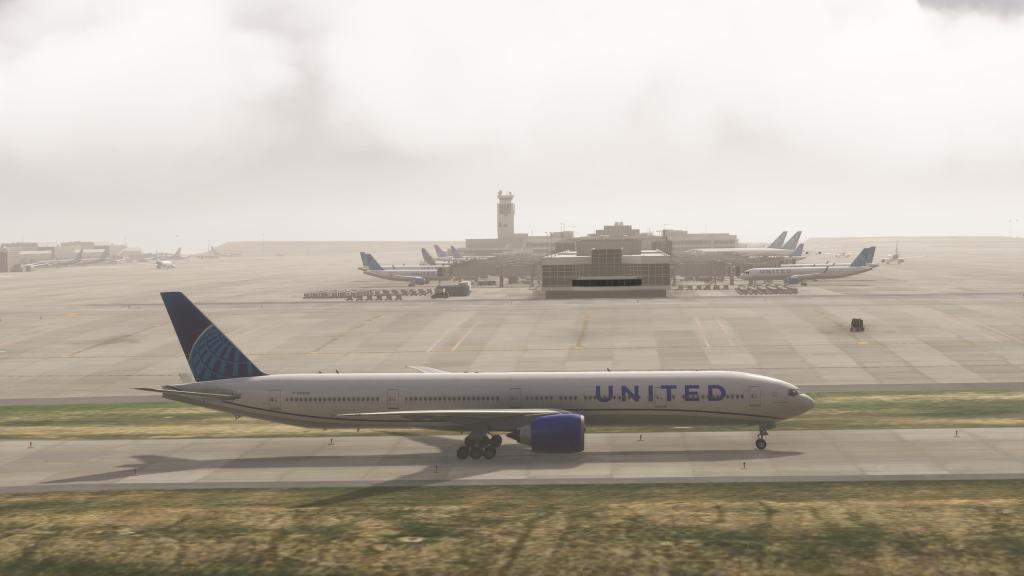


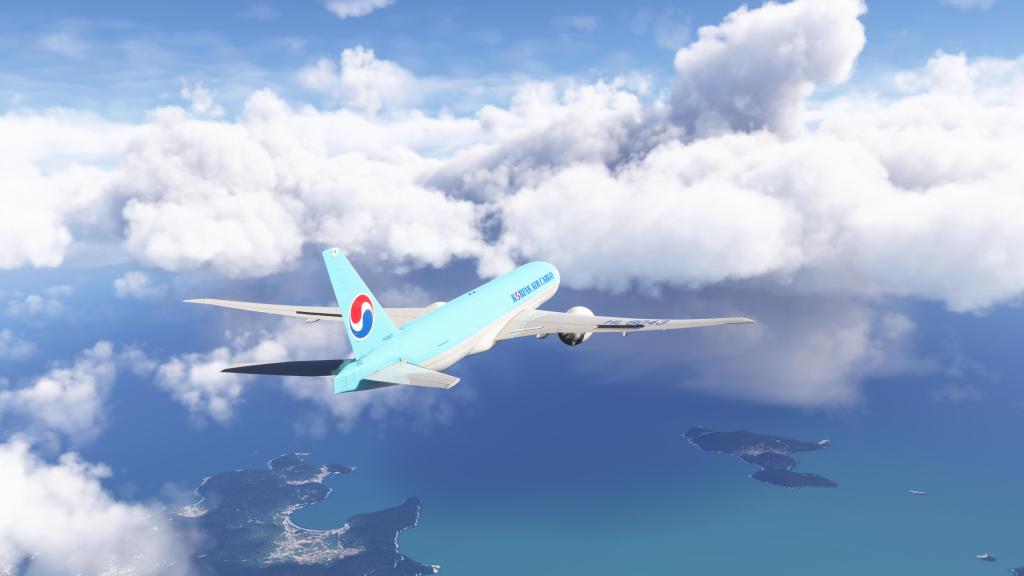
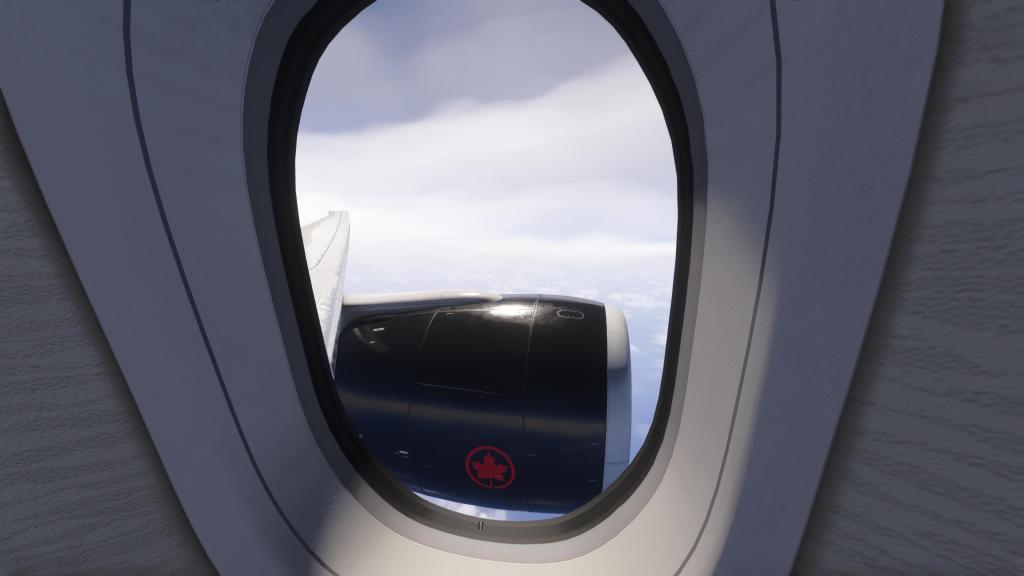
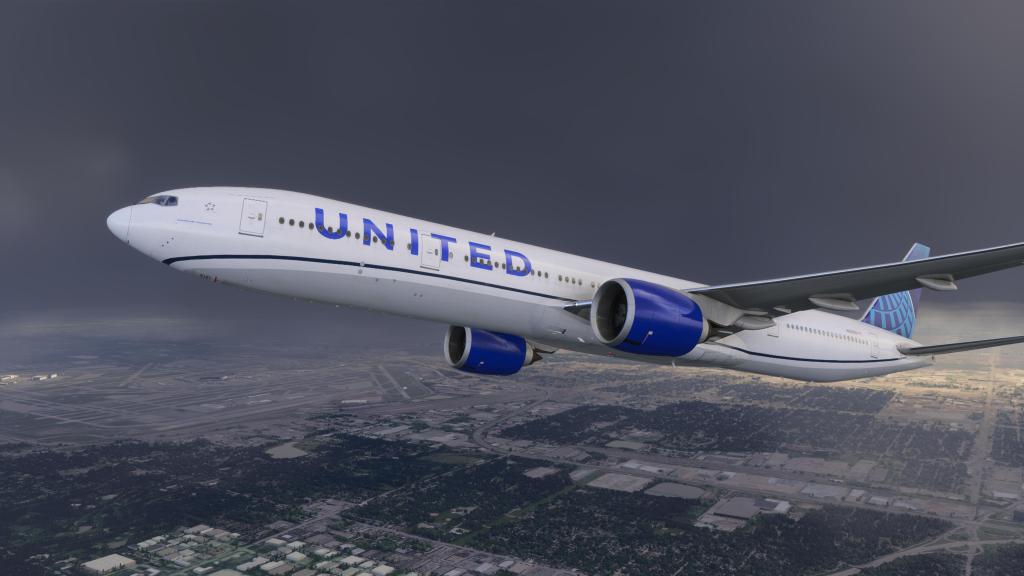


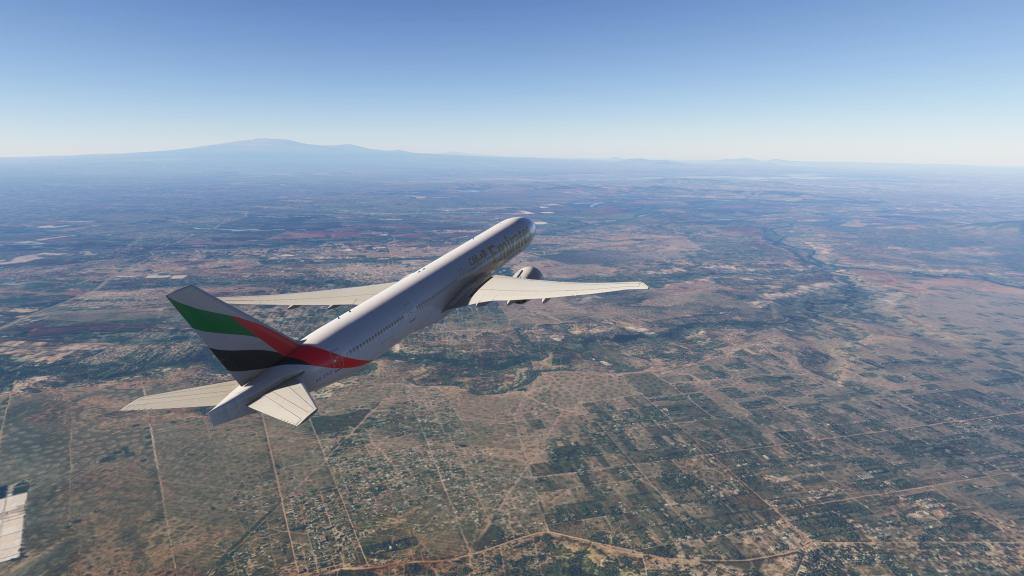






 Stormbirds
Leave a comment