
Airfields in a flight simulation are essential and yet I think sometimes they aren’t given as much attention as they should be. It is, after all, the place where you launch and (hopefully) end your mission. IL-2 Series is looking to up the ante a bit over their previous project with some new technology and visuals for their airfields in the Korea project. Let’s see what has changed.
Changes and updates
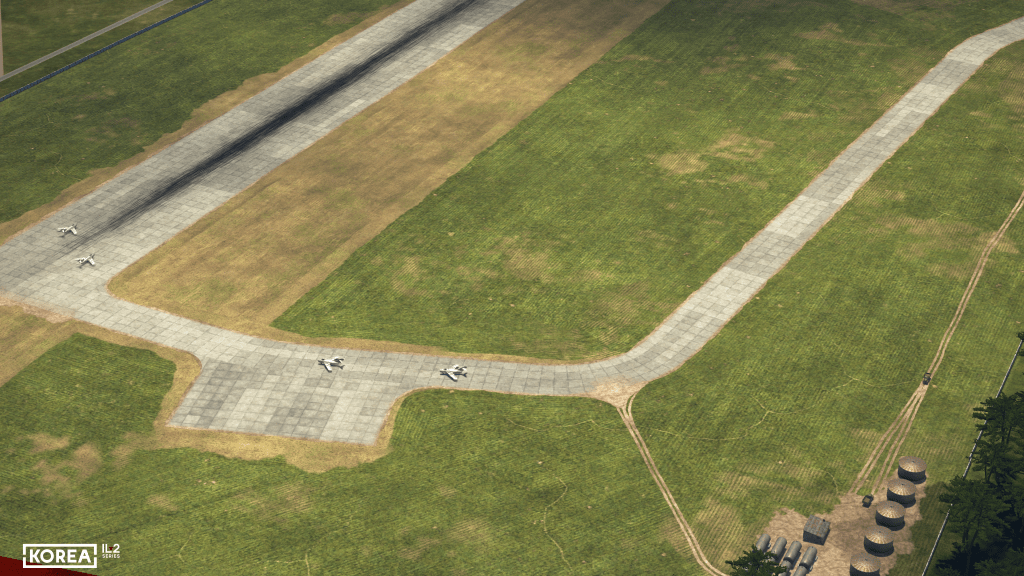
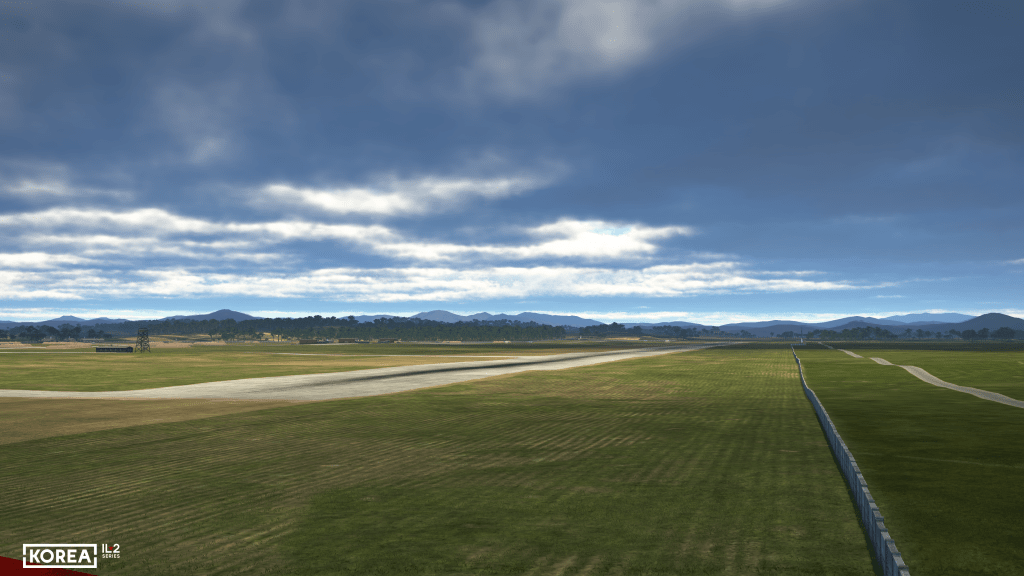
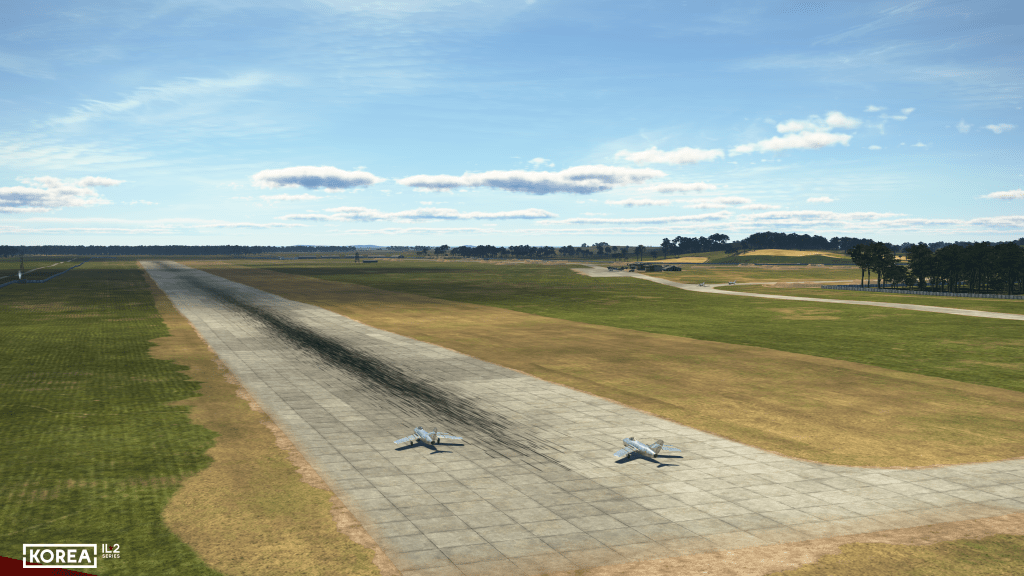
Quite a bit appears to have changed for IL-2 Series’ Korea title when it comes to airfields. New technologies have been added starting with elevation relief which will add variation to the heights of runways. Other sims, DCS, X-Plane and MSFS have all had the ability to have gently (and sometimes not so gently) sloped runway surfaces which requires adjustments and attention when taxiing, taking off and landing.
Great Battles had three types of surfaces, concrete, compacted soil and dirt. Korea will double that number adding variations between compacted soil and dirt fields. They’ve also created a new material type for Marston Matting or Pierced Steel Planking (PSP).
Visually, there’s a new texturing system using physically based rendering technology, more texture detail, and more detail on the boundaries between different types of surfaces and the ground.
AI gets a mention here too with a more complex AI system for taxiing.
The redesigned, much more complex AI aircraft taxiing module allows the entire network of taxiways and parking areas to be used. When moving around the airfield, the AI dispatcher determines the taxiing routes, the order in which aircraft occupy the runway, and the order of passing intersections.
Also new is a lighting system. Great Battles didn’t really have one (beyond the search lights and bonfires). The new series adds these lights together with overhead lighting. An electrical system is now implemented too meaning that the lights can go out if the appropriate system is damaged.
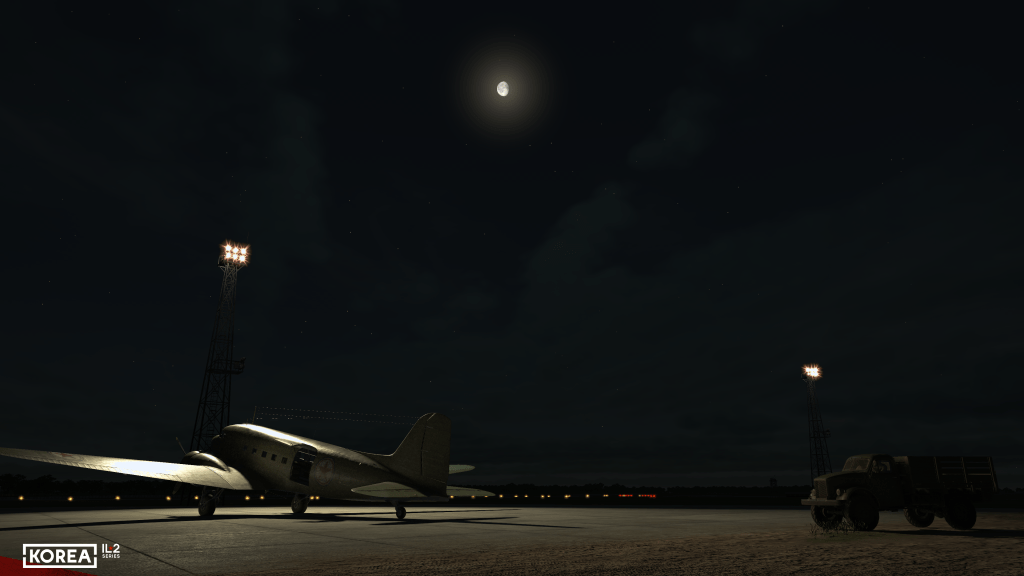

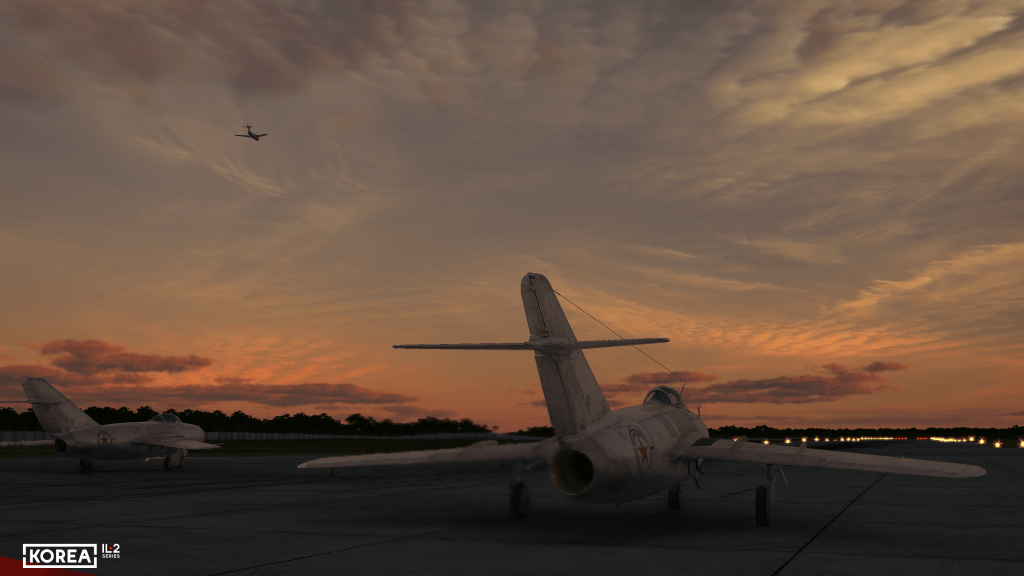
So, to summarize: new materials, new lighting, new ground taxing AI, new visuals, and runways have relief now so that they aren’t perfectly flat. Some good progress for the series.
Read the complete Developer Diary here with more descriptions of the technology and more images too.


 Stormbirds
Leave a comment