
The folks at iniBuilds have posted a new development update talking about their efforts on their TriStar Airliner project for Microsoft Flight Simulator 2024. With development reportedly entering into the final stages, we learn a bit about what they’ve been up to since the last update. Let’s talk a look!
Iconic classic widebody takes shape
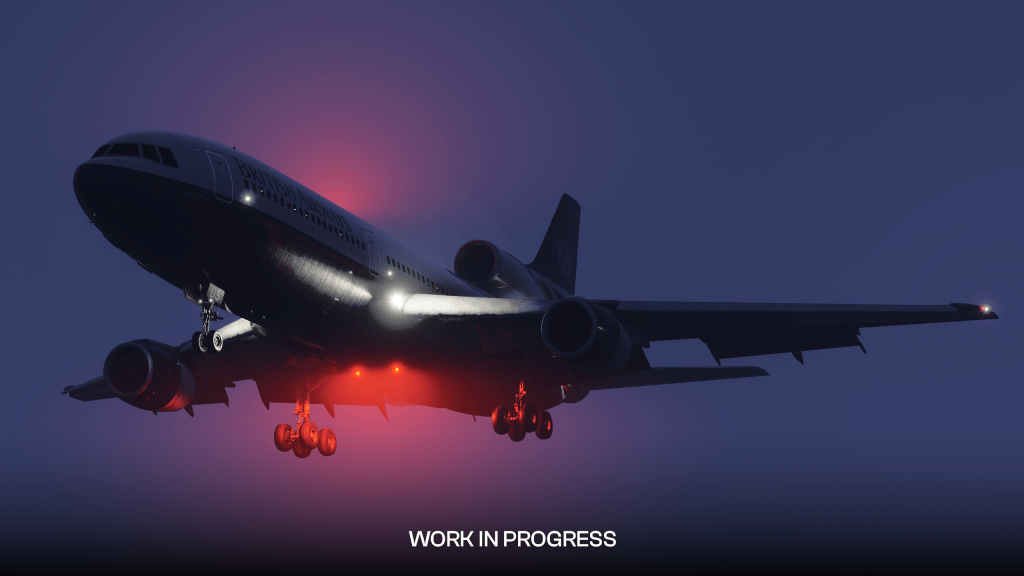
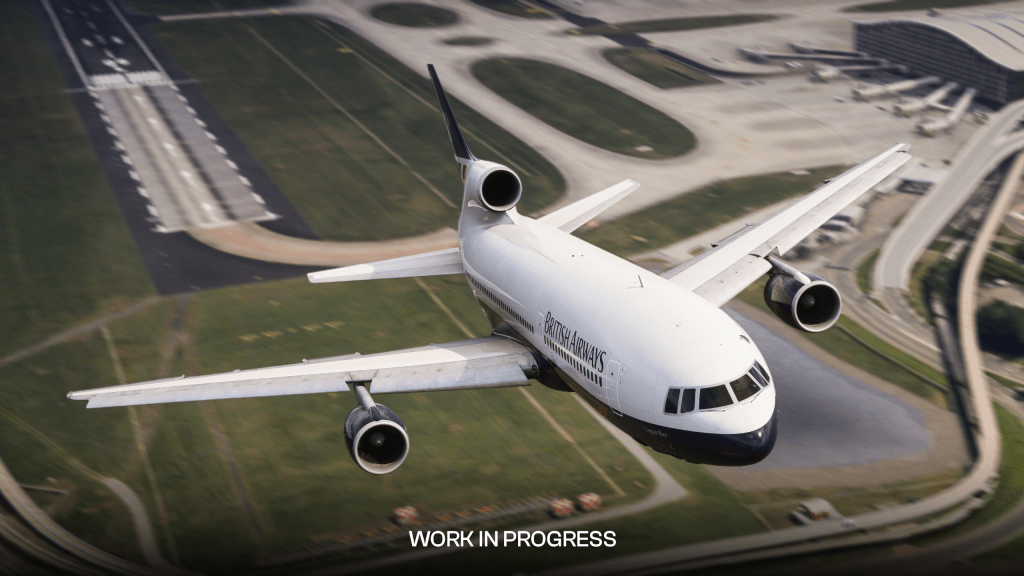
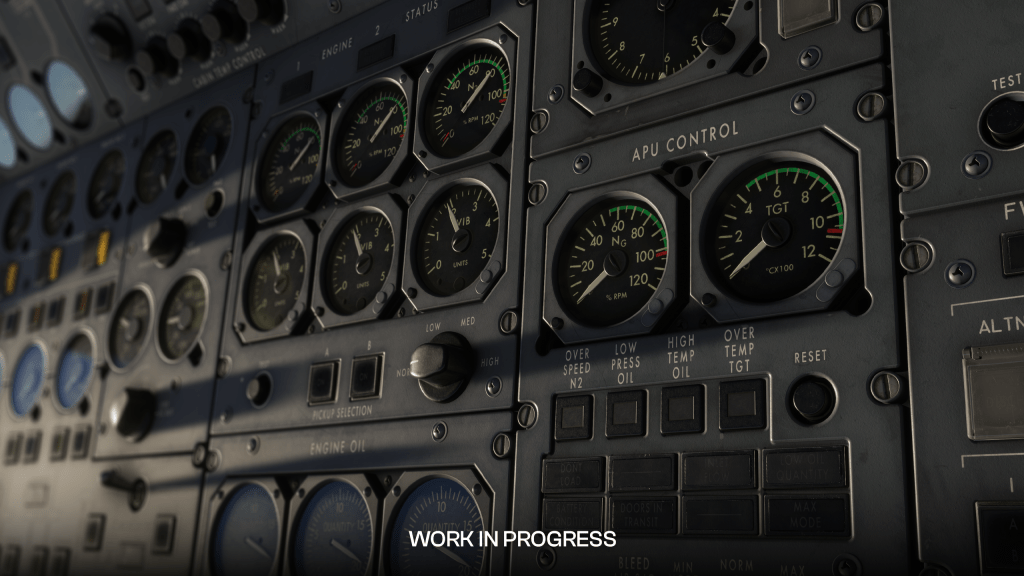
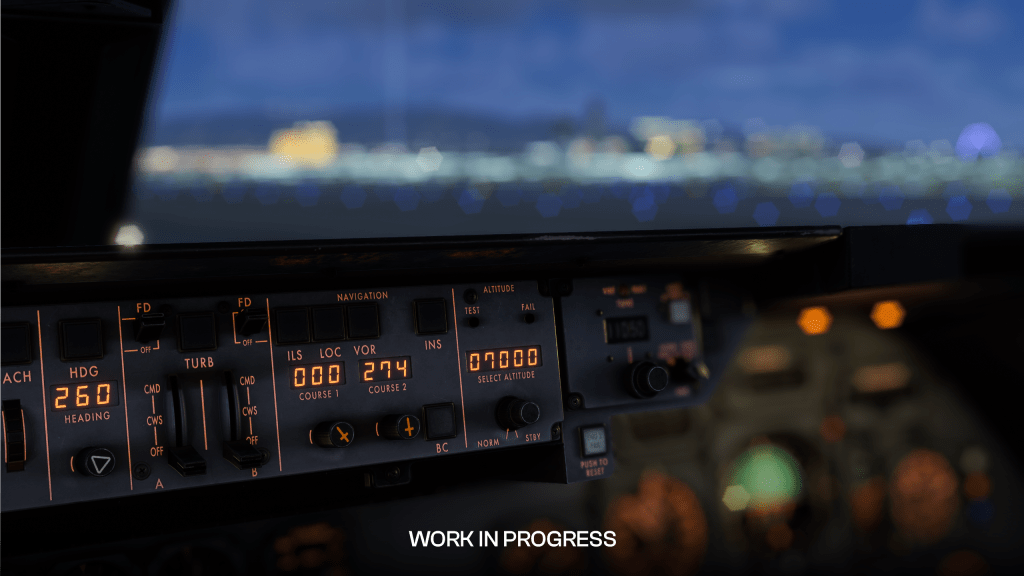
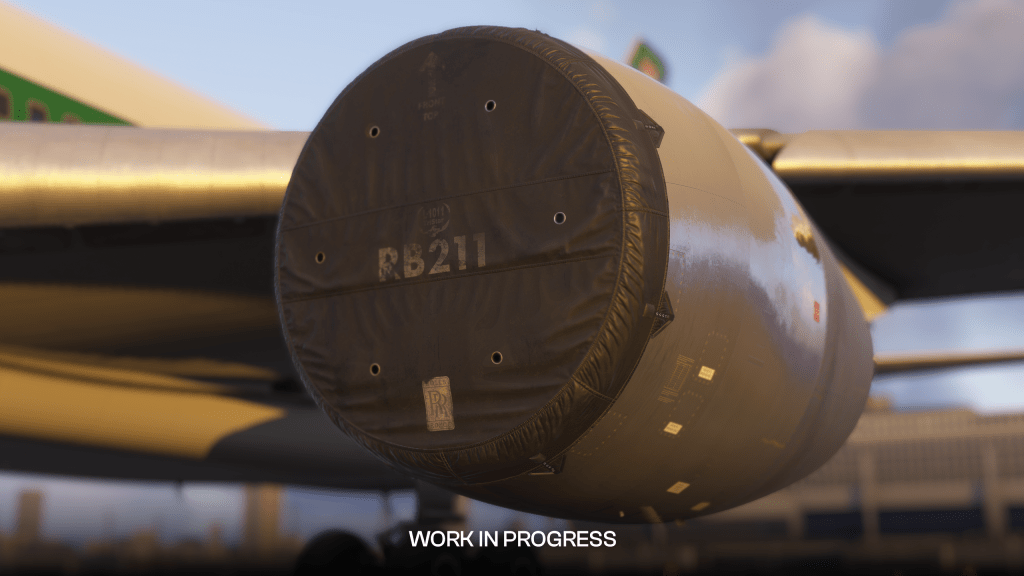

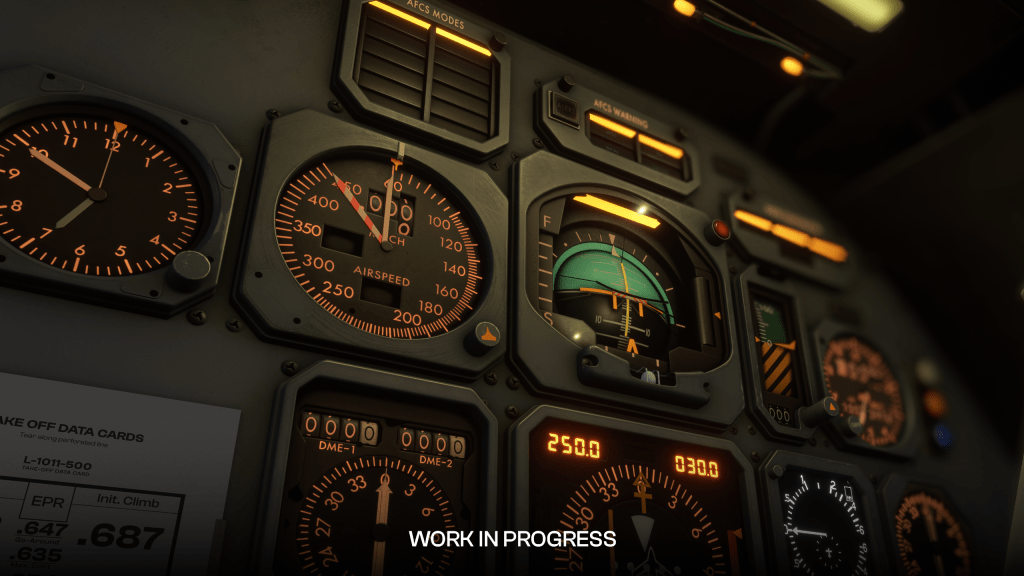
Lockheed’s TriStar has a reputation for being quite a sophisticated airliner for its day and that becomes evident as you read through the developer report. Autothrottle, Cat IIIB autoland capabilities, and spoiler-to-pitch coupling for precise glidepath control are all part of the airliner’s capabilities.
The developer update goes through the work that the iniBuilds team have been doing to bring the classic airliner to life. Flight and engine modeling, autopilot and automatic flight control system (AFCS), and the aircraft’s INS navigation system are all mentioned.
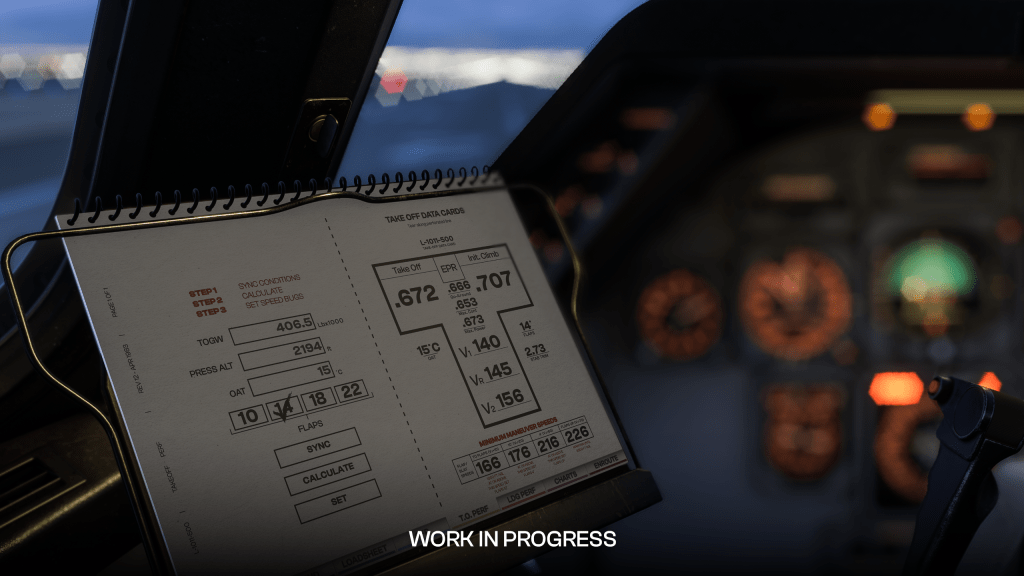
iniBuilds are using a “Paper Flight Bag” or PFB to provide similar functionality to the Electronic Flight Bag (EFB)/tablet that we see on more modern products. The art here clearly shows a ringed paper system which lets you do data import, choose settings, do performance calculations, and so forth. A nice compromise while making it feel part of the classic experience.
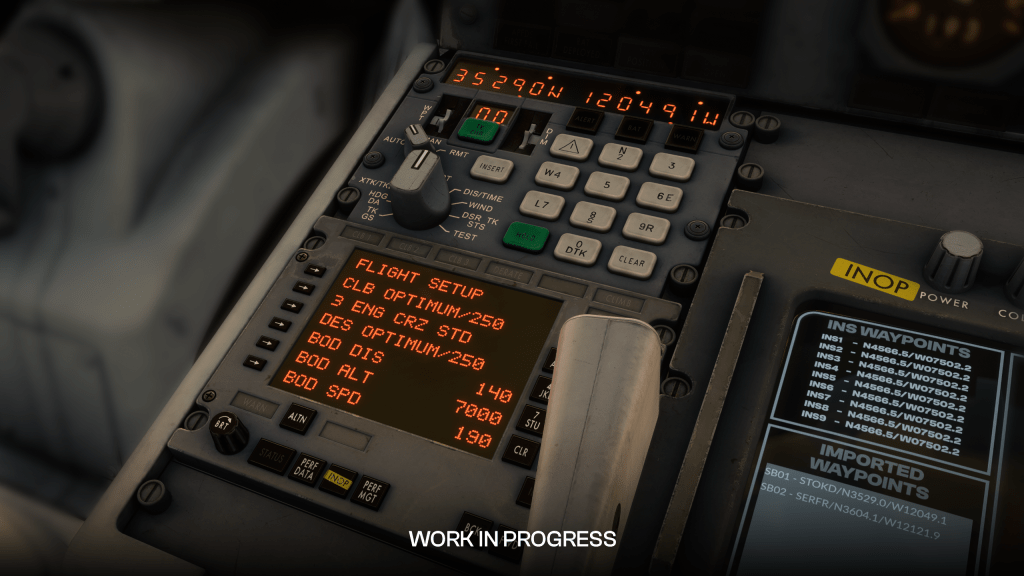
Another compromise is the ability to choose between the authentic and classic INS system or use GPS navigation via a GNS530. The developer update details some design decisions on how they chose to integrate GPS into a cockpit that wasn’t setup for it.
While some early aircraft iterations experimented with additional switching, these were not representative of operational service and were later abandoned. Adding a permanent GPS pushbutton or fictional mode would therefore mean creating something that never truly existed.
Which lead to our solution, we allow the “PFB” to determine the navigation source, which means that when a pilot selects GPS-only operation, the aircraft will replace the INS label on the AFCS with GPS.
From the cockpit, the workflow feels entirely natural — the same button, in the same location, operated in the same way. Behind the scenes, lateral guidance is now provided by the Garmin GNS 530 rather than the inertial system.
I do appreciate the discussion on an item like this finding a way to make things accessible to modern flight simmers while offering options for those who want to do things the way it was really done.
Another concession is an AI assistant to manage the flight engineer station ensuring that the aircraft’s engines and associated systems are properly managed while the pilot flies the plane. Or, you can choose to manage that station yourself.




 Stormbirds
Leave a comment