
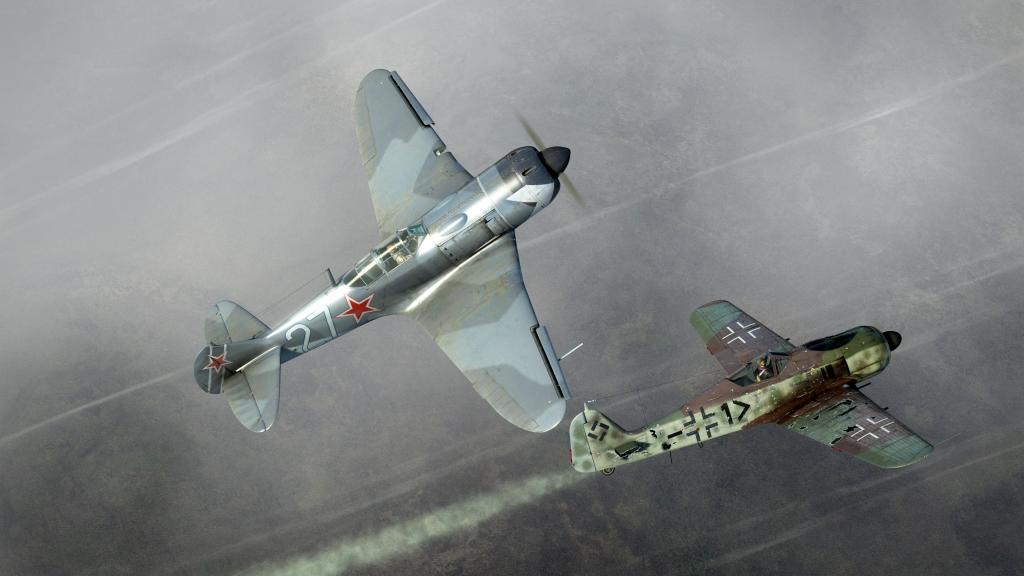
Back about 25-years ago during the reign of the original IL-2 Sturmovik series, the community often bestowed the title of “uberplane” on certain aircraft. Uber officially defined as “denoting an outstanding or supreme example of a particular kind of person or thing,” was often used within the IL-2 community as a more derogatory designation implying that not only was the aircraft better than everything else but that it was exceeding the specifications of the real aircraft. One aircraft most often given that title? You guessed it: the La-7! The term has seemingly fallen out of use in more modern times and a lot of things have changed in modern flight simulators, but I can’t help and look back at how the La-7 was seen before approaching this new rendition. Is this La-7 also overdone or is it more or less as it should be? Let’s have a look!
A bit of history
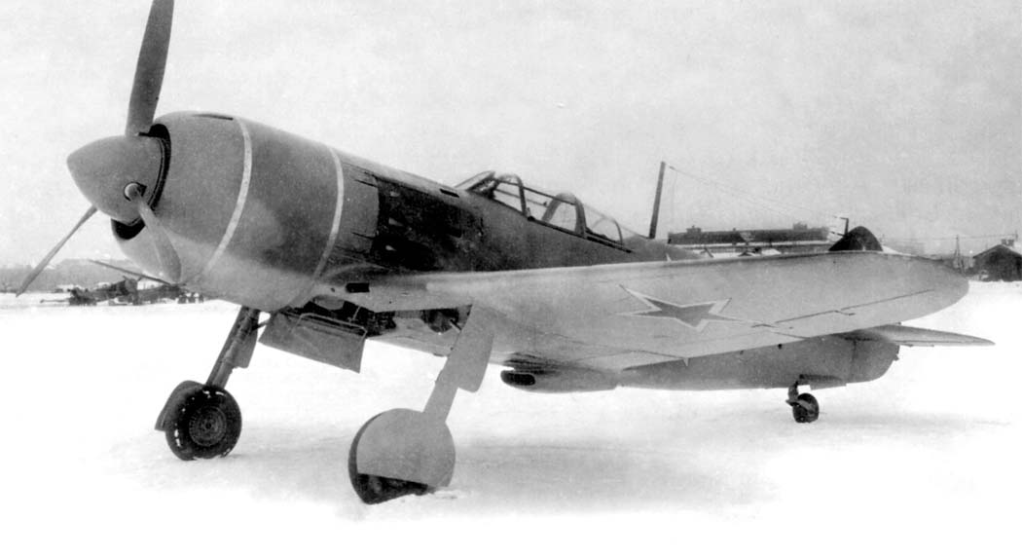
With the La-5 firmly in service by 1943, its designer, Semyon Lavochkin and engineers at the Central Aerohydrodynamics Institute (or TsAGI), looked for ways to further improve the aircraft. While a more powerful engine was not yet available, aerodynamic studies showed areas that the existing design could be improved. That, coupled with greater reliability of strategic resources, meant that Lavochkin could shave weight off the existing design while improving the aerodynamics. The La-7 was born out of these studies.
The revised aircraft design came with some notable changes including reduced need to use wooden structures in-favour of metal, relocation of the engine air intake from the top of the cowling (where it obstructed the pilots view), new exhaust pipes, revised landing gear, a new gunsight, and a new propeller – the VISh-105V-4 propeller specifically for those who know their blades.
Initial issues with quality control issues and engine failures, often caused by dust ingestion from the new under-wing intake, were gradually solved and the La-7 enjoyed a mostly successful introduction into service after that. Some reports I’ve read indicated that the La-7 retained some of the ongoing challenges with the Lavochkin series on the whole: premature weathering of cockpit glass and carbon monoxide build-up in the cockpit among them. Still, it proved a combat success and 5,753 were built between May 1944 and August 1946. Moreover, many of the Soviet Union’s top scoring aces flew the type and most added significantly to their tally before the end of the war.
Once the war had ended, La-7s were quickly withdrawn from service as their wooden structure had poor longevity while out in the elements. Not a significant issue during the war, as aircraft were lost and replaced quickly, but a greater consideration during the peace that followed. The type was replaced by the similar but all-metal La-9 and later La-11 (which is in 1CGS’ new IL-2 Series Korea title).
Visuals, liveries and sounds
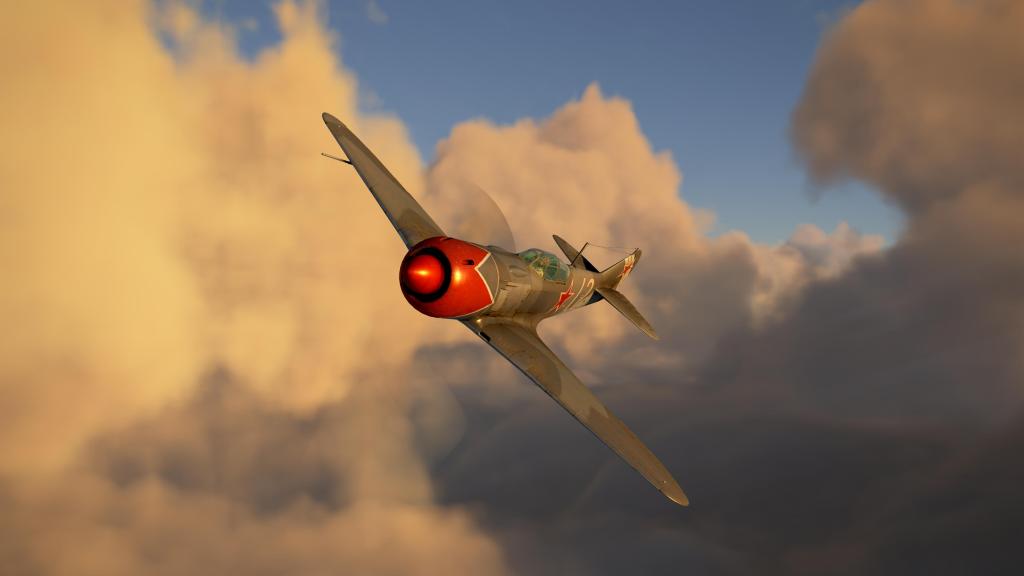
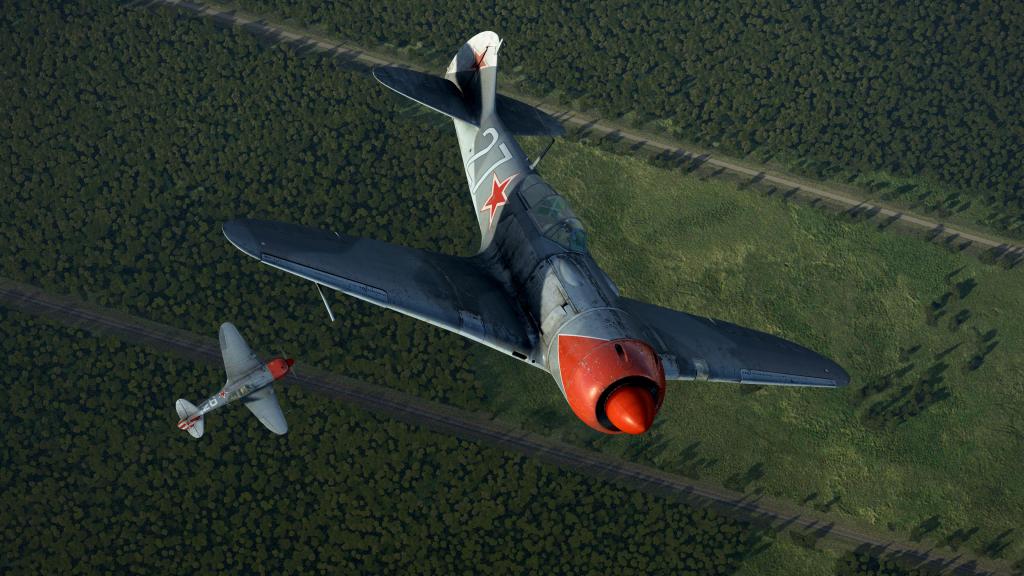
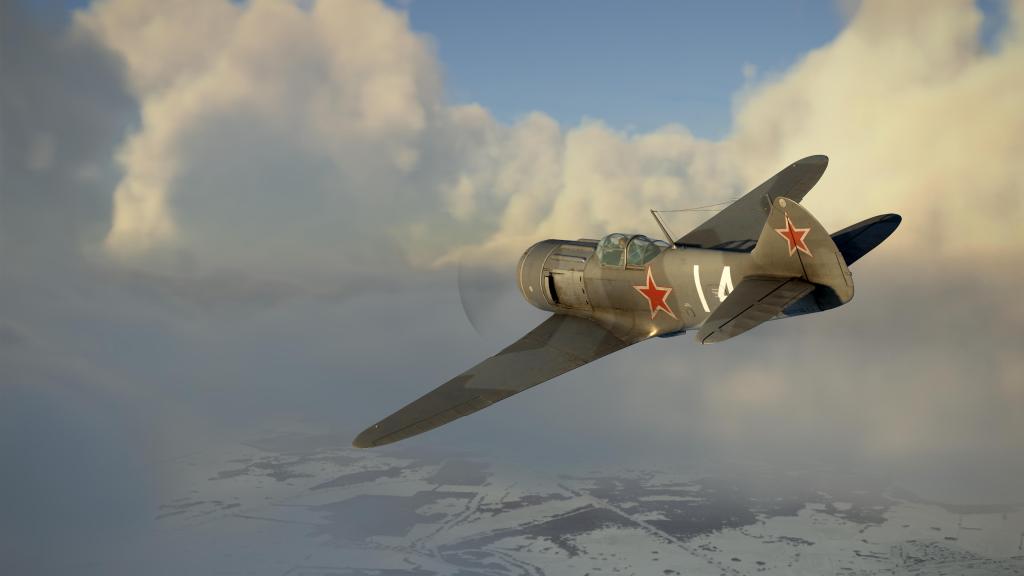
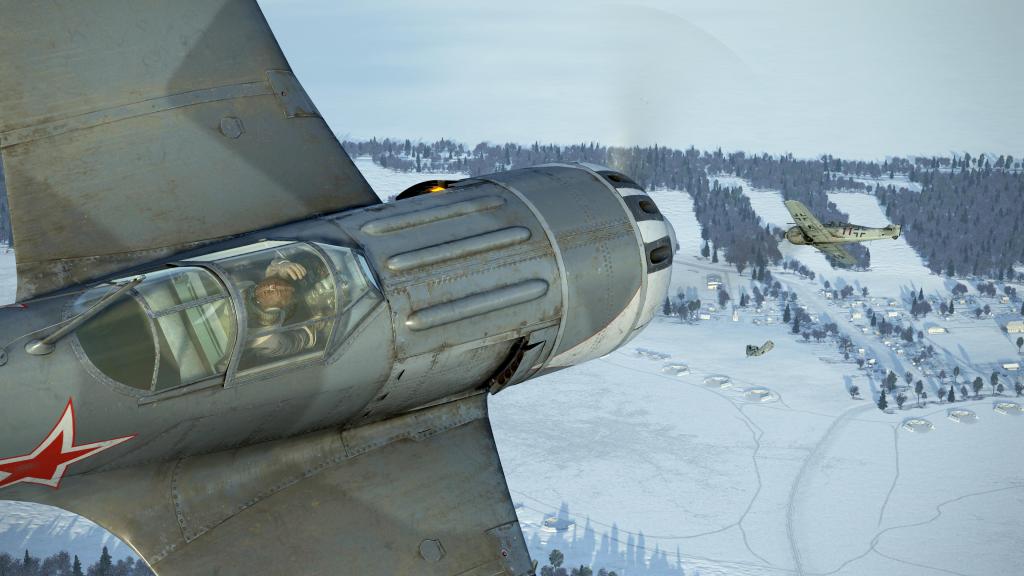
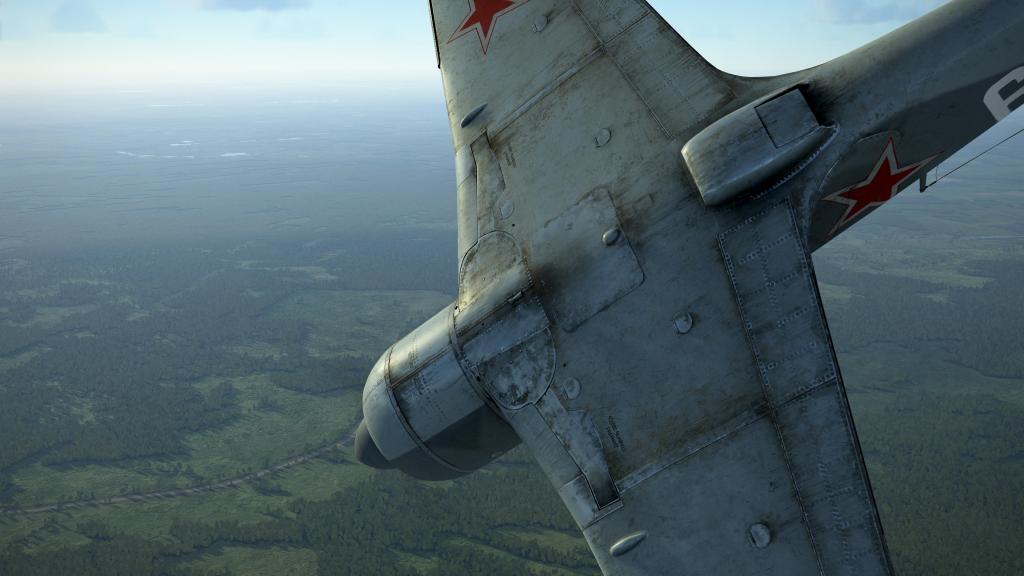
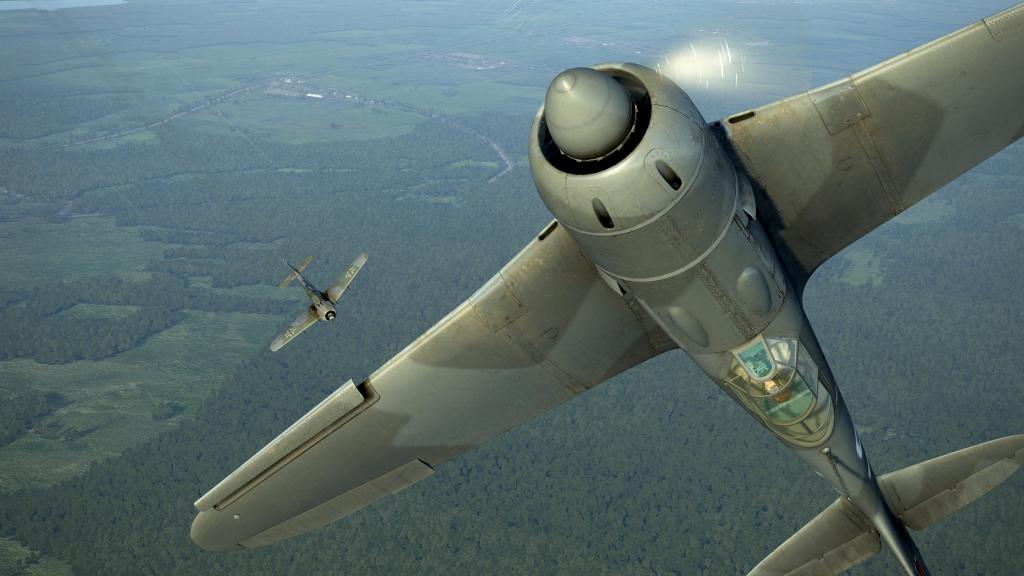
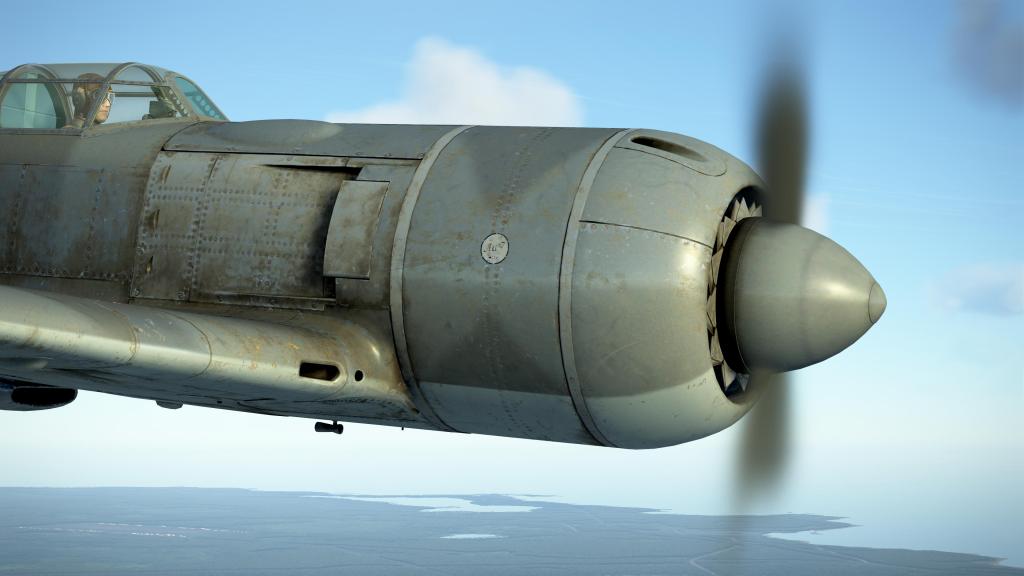
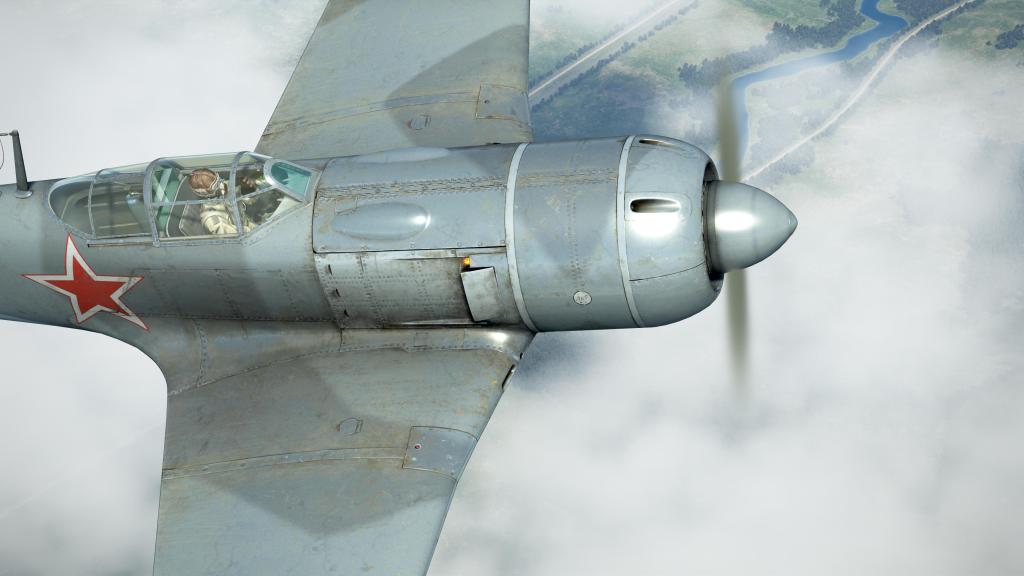
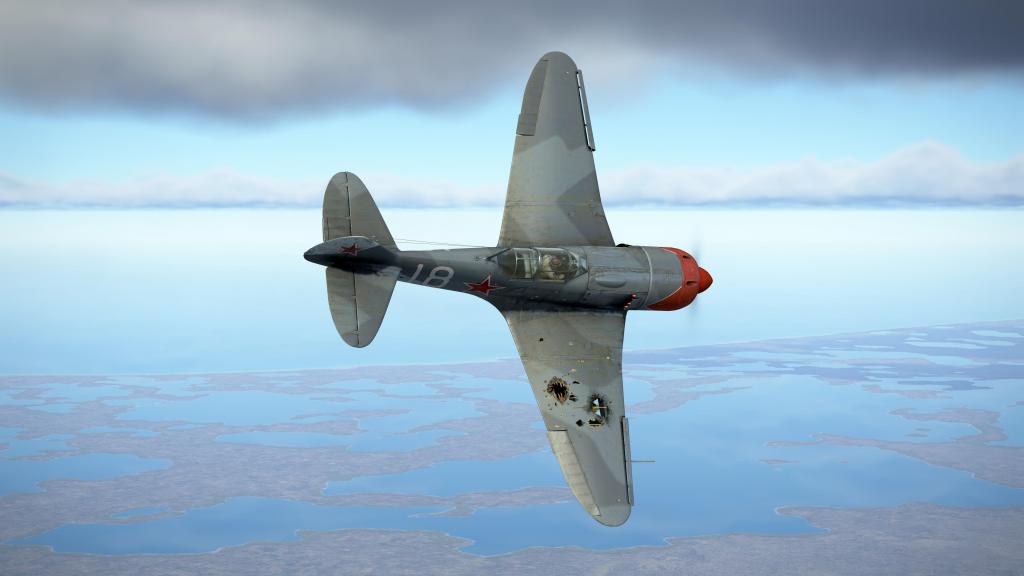
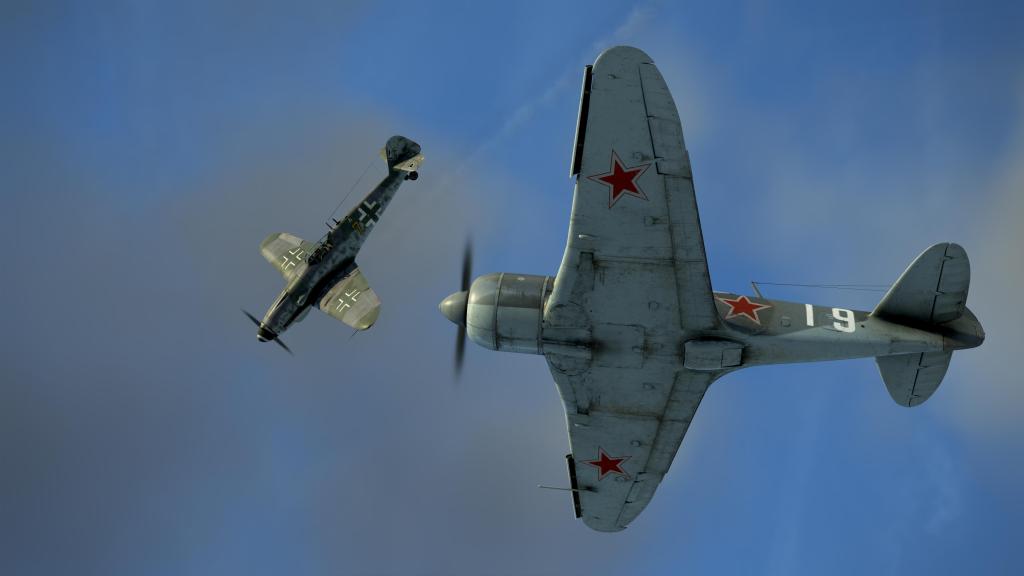
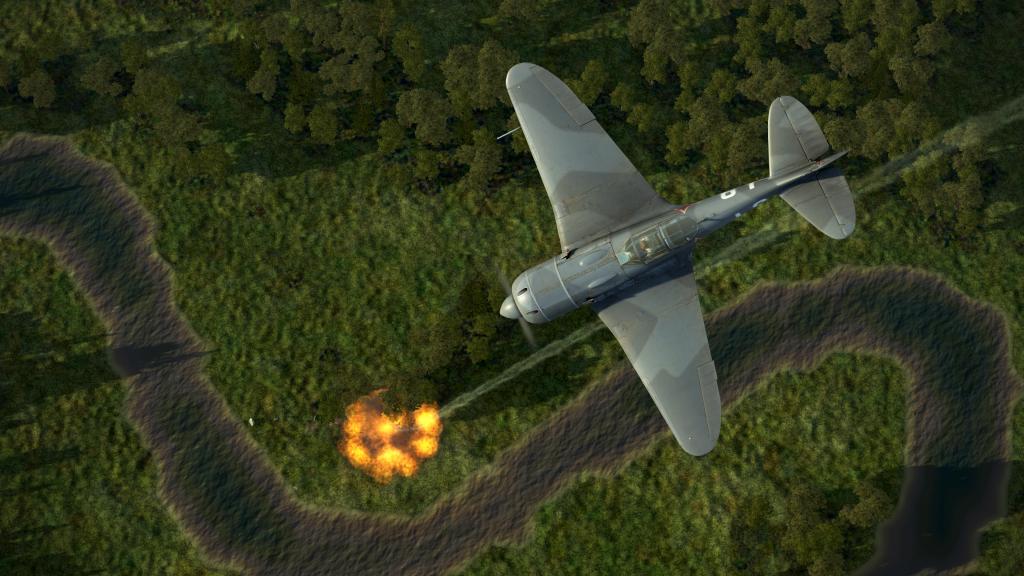
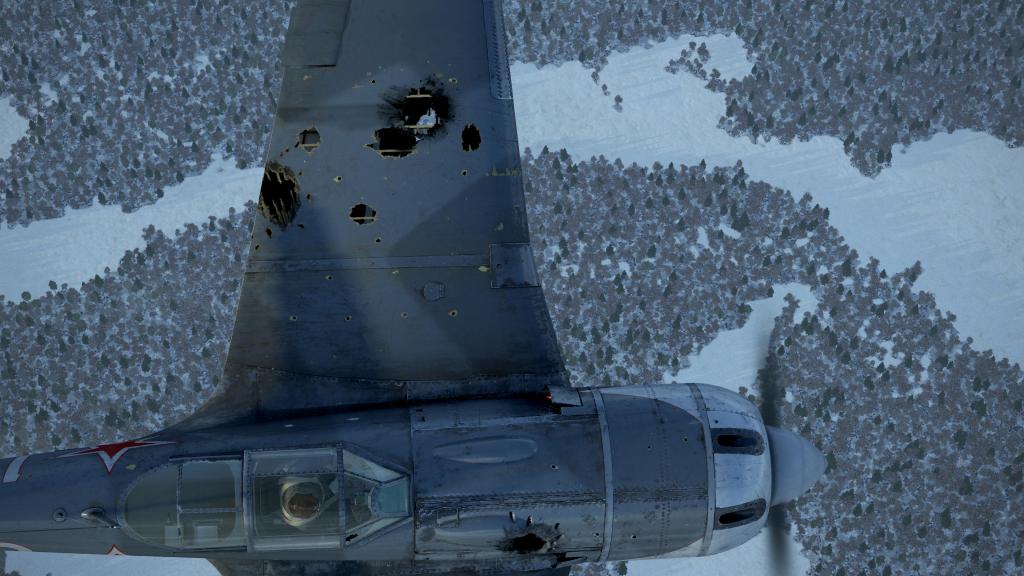
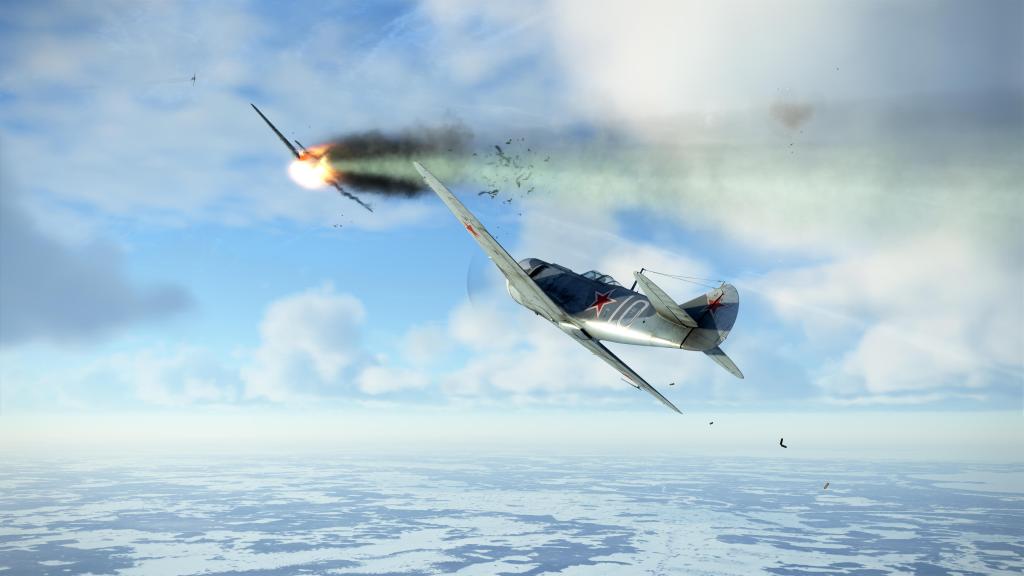
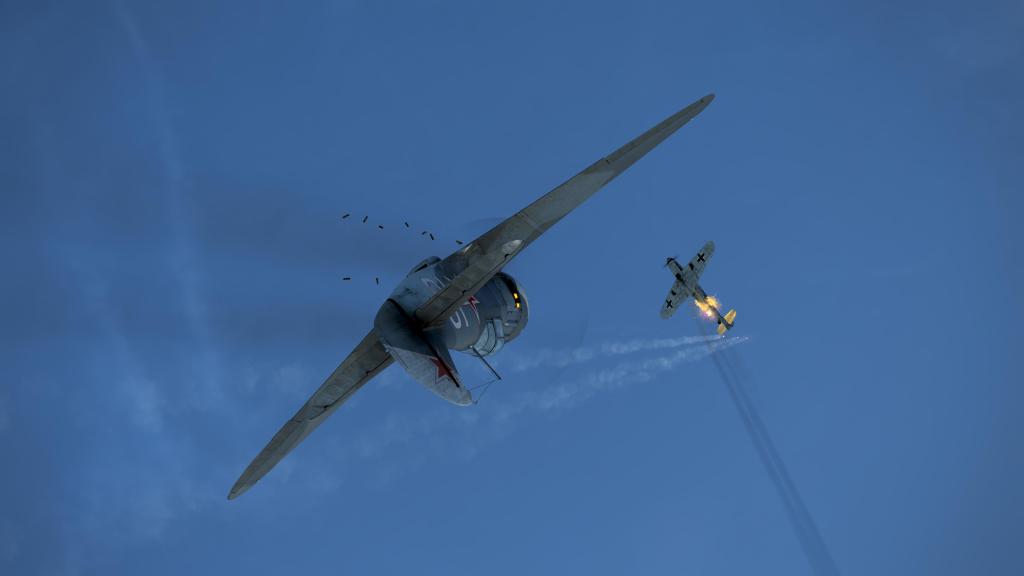
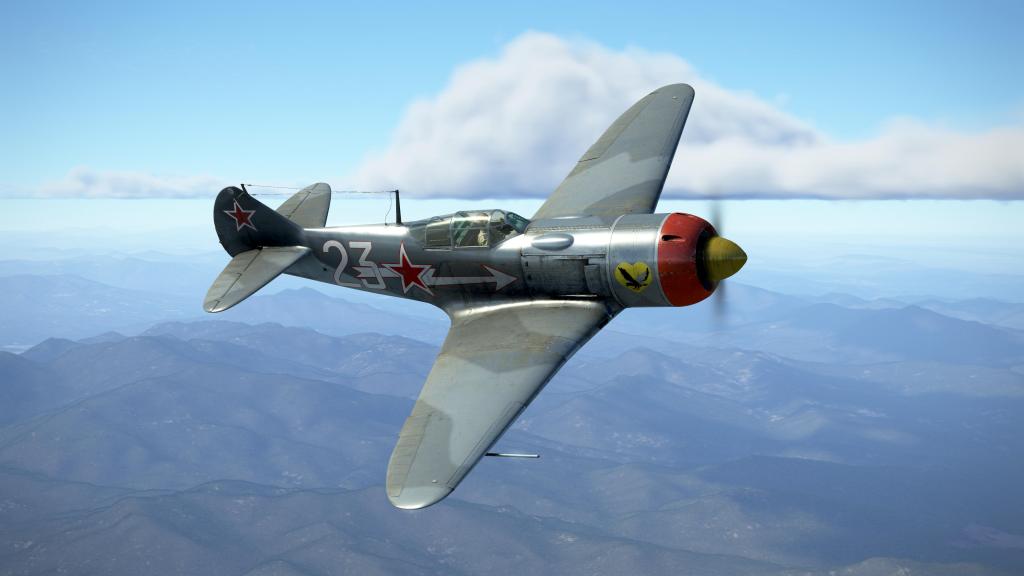
The La-7 looks really good! It’s constrained by the limitations of the older engine underpinning IL-2 Great Battles but I can appreciate that and see beyond it to the artistry that has clearly gone into doing a nice job with the visual effect of the aircraft.
Though the aircraft has the same overall shape as the prior La-5 series of fighters, it has some unique differences that are all represented visually with the biggest changes being the much better view over the nose thanks to the repositioning of the intake from the earlier model.
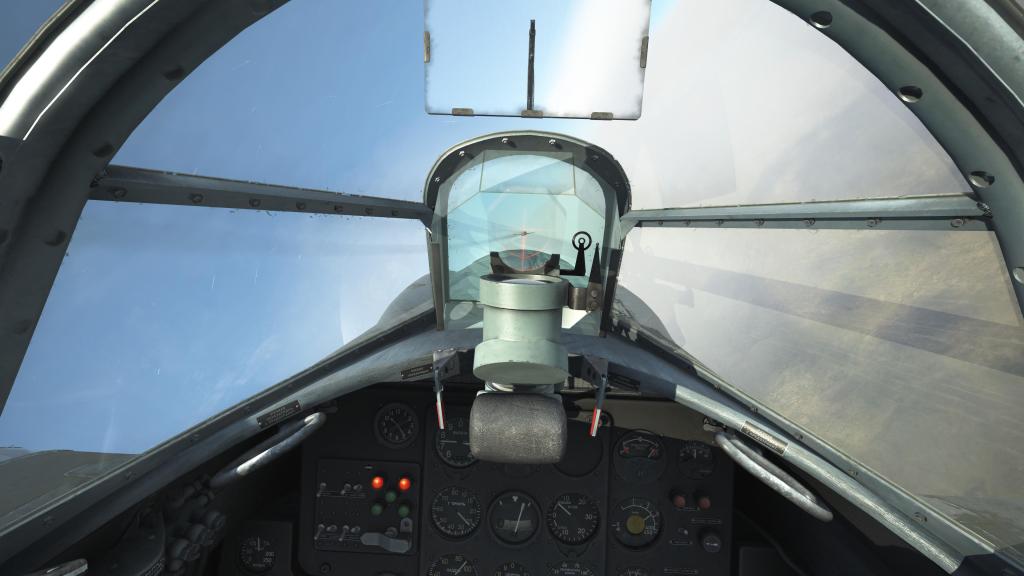
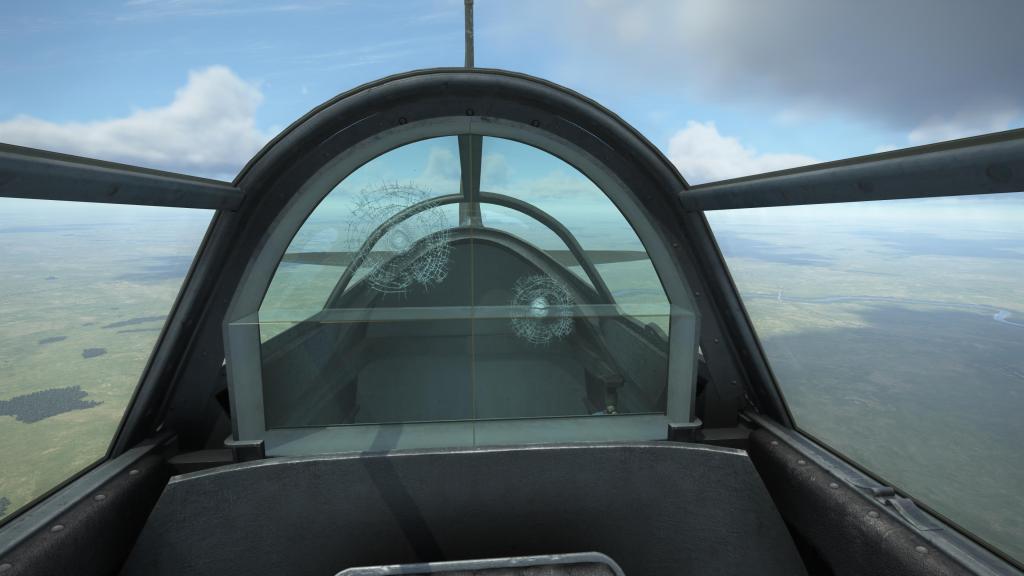
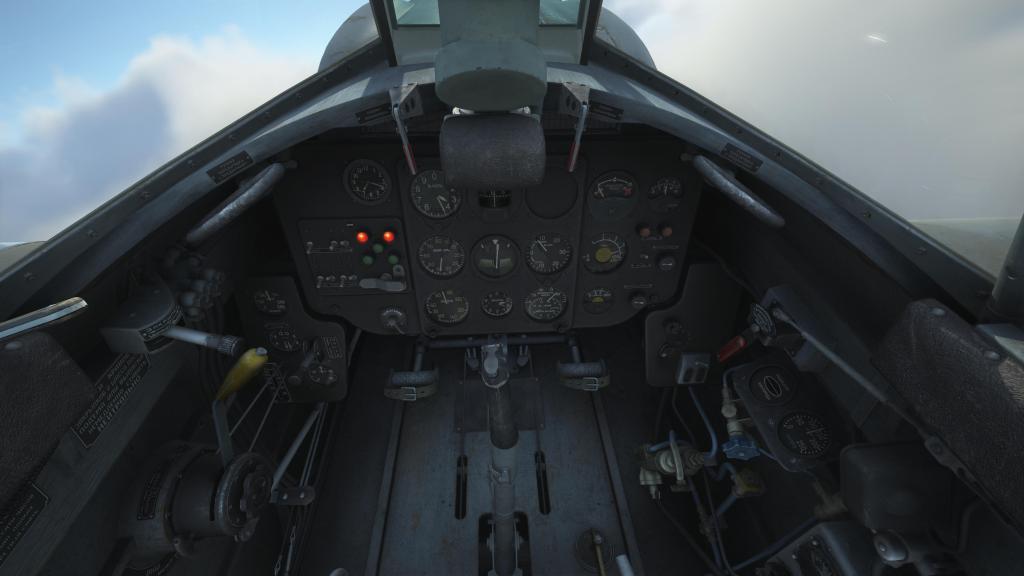
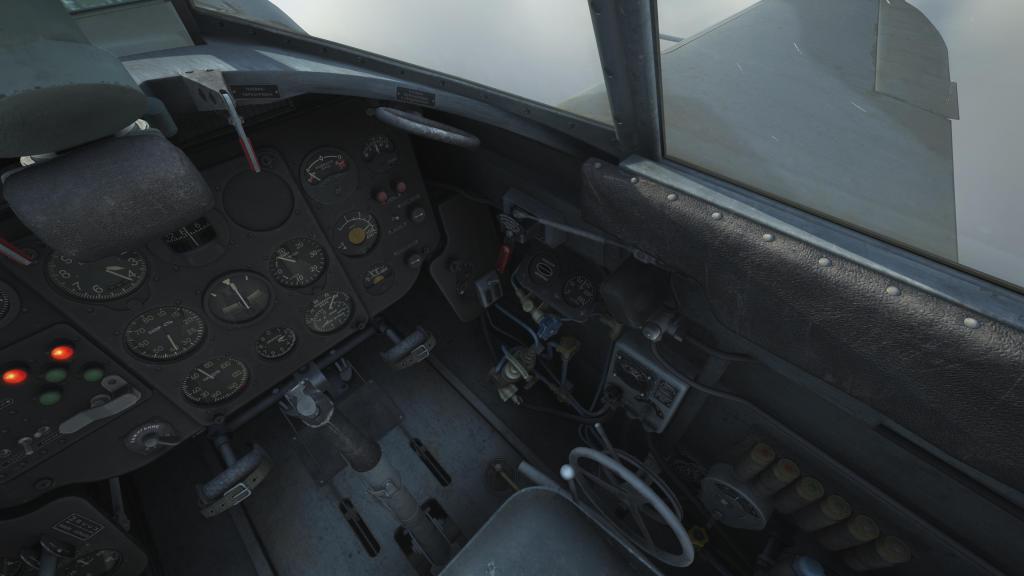
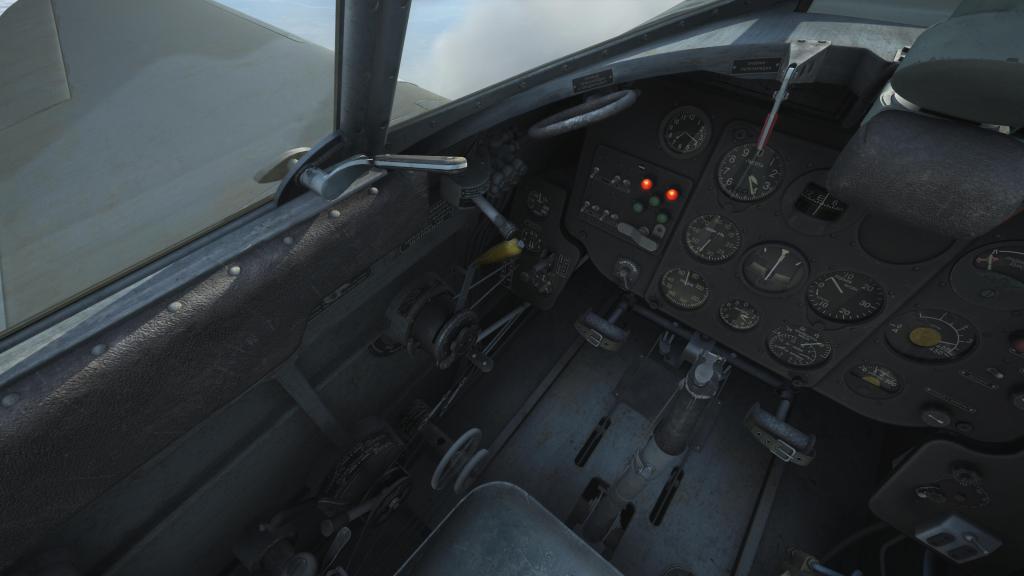
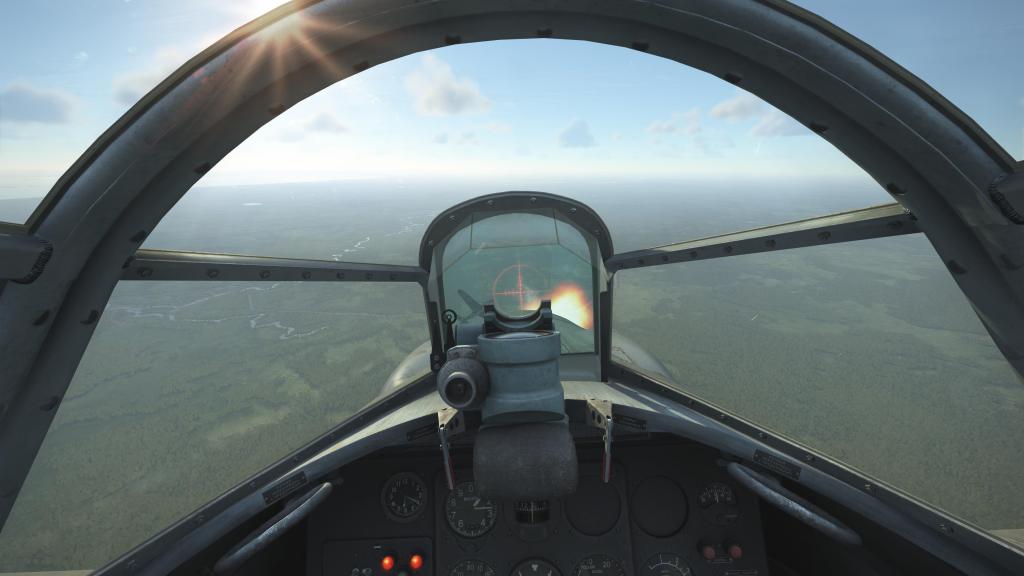
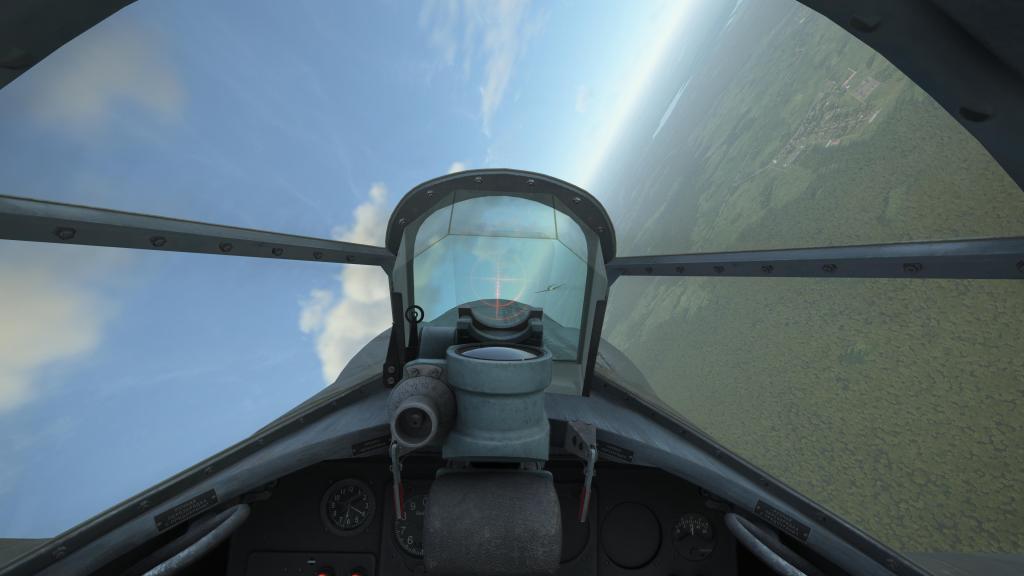
Texture detail and model detail represents the best of what 1CGS has been offering in the sim recently and that’s great. It’s a small but meaningful notch up on the scale relative to the earlier aircraft releases. The attention to texture details are there in the cockpit too with sharper textures and better artistry than in prior models, though the La-5F and FN (having been added more recently) are also quite good.
The only weak spot are the bars on the windows that come across as being a little less detailed than maybe they should be given how close they are to the pilot’s viewpoint. Nitpicking!
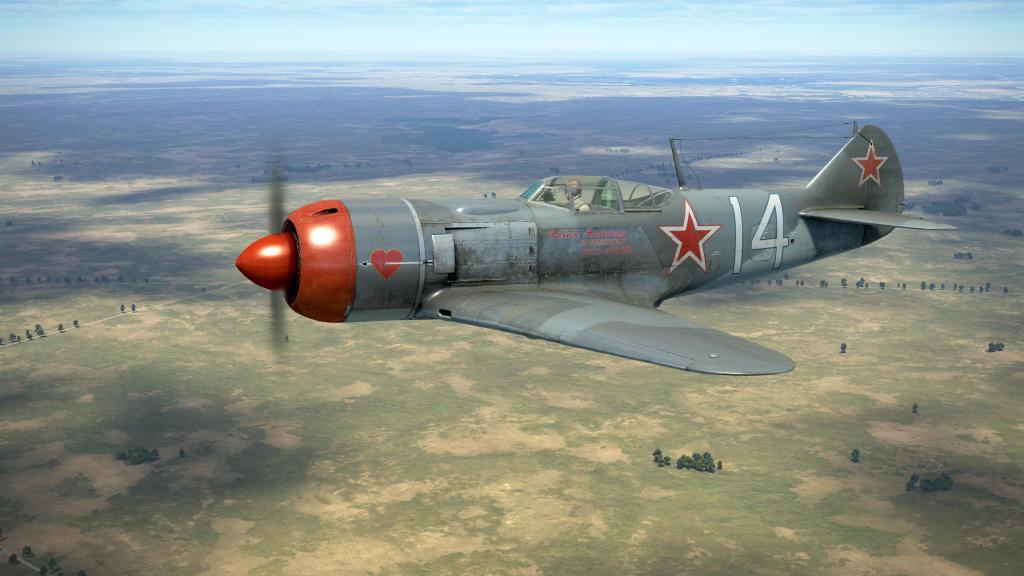
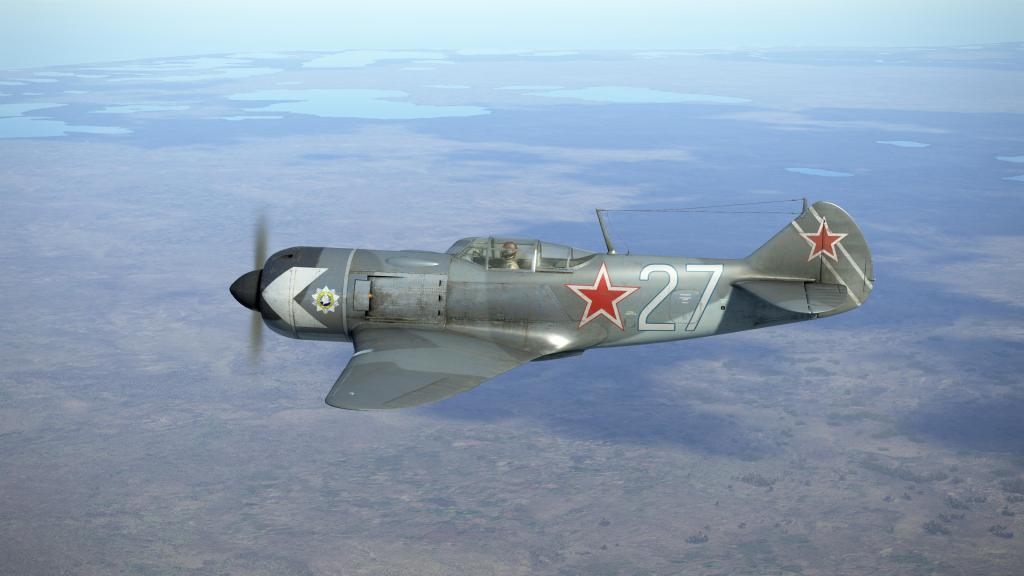
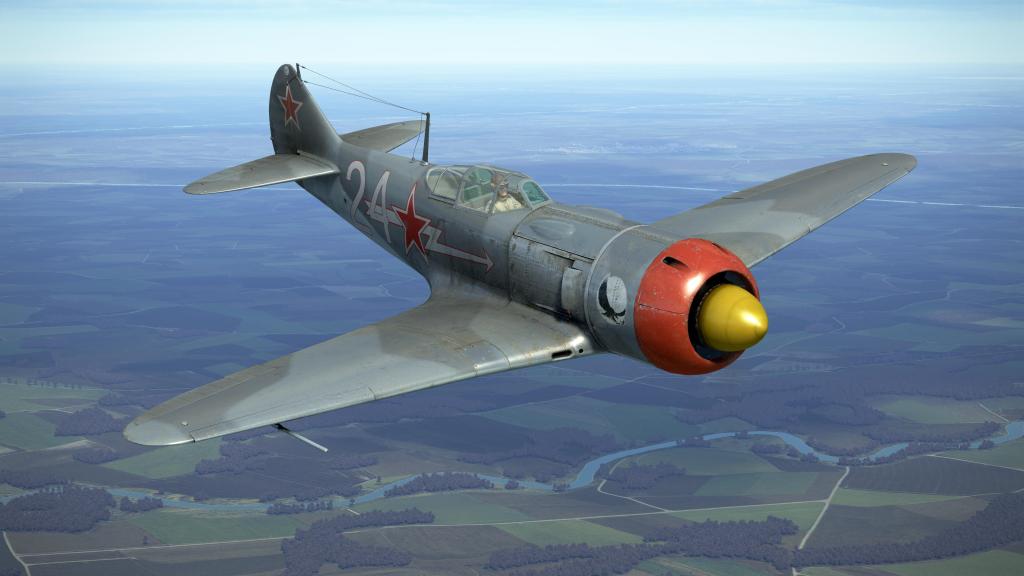
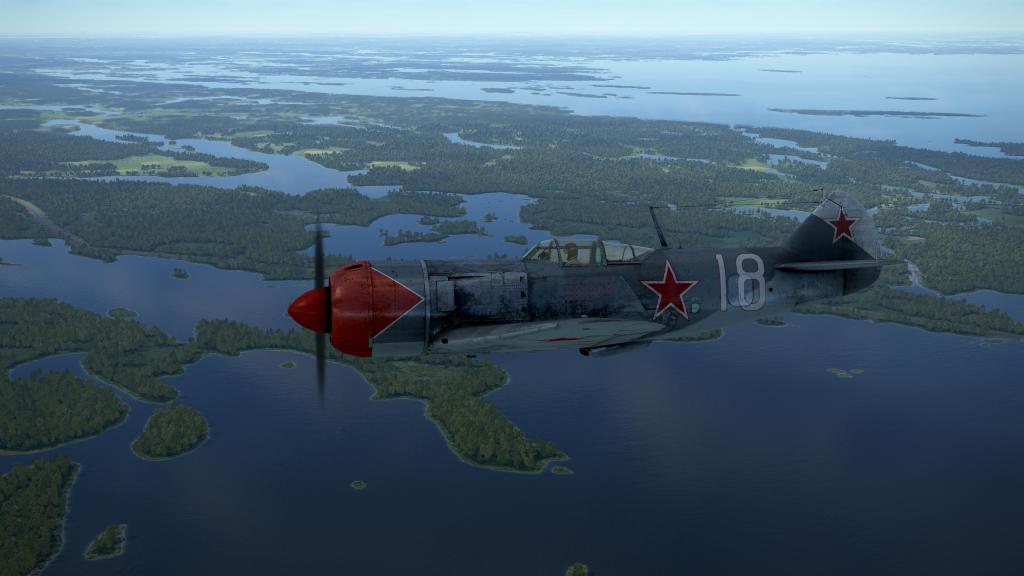
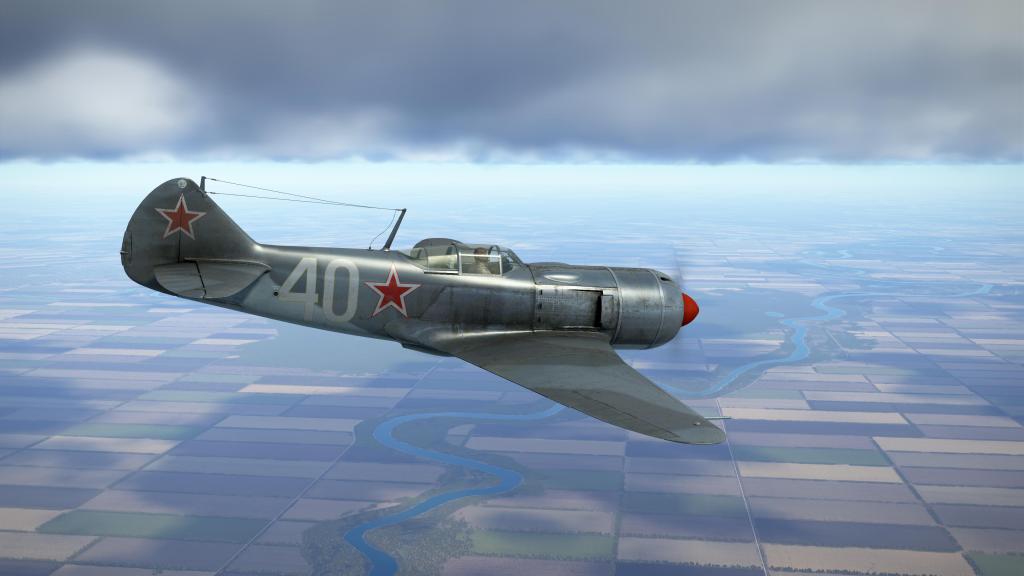
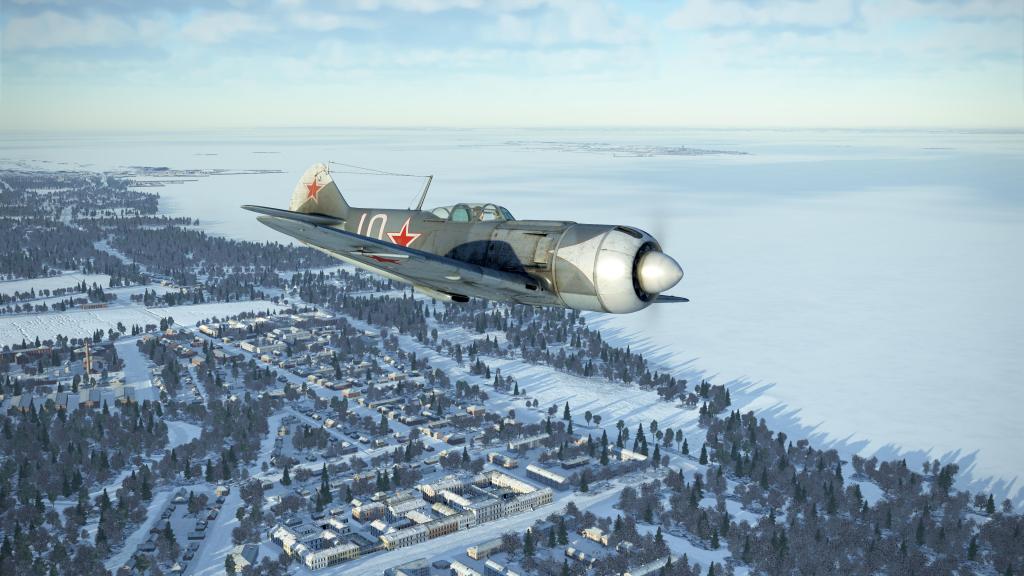
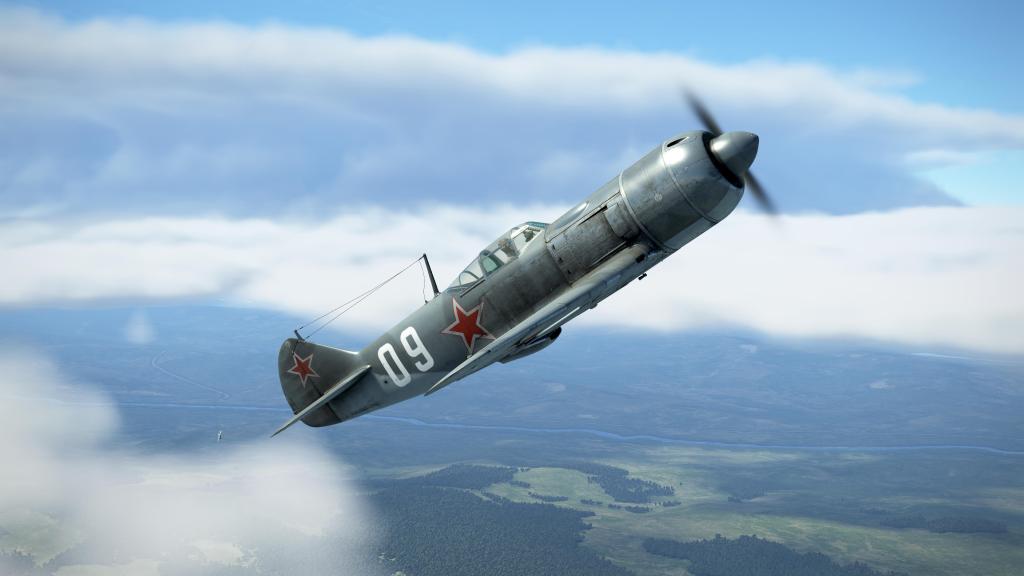
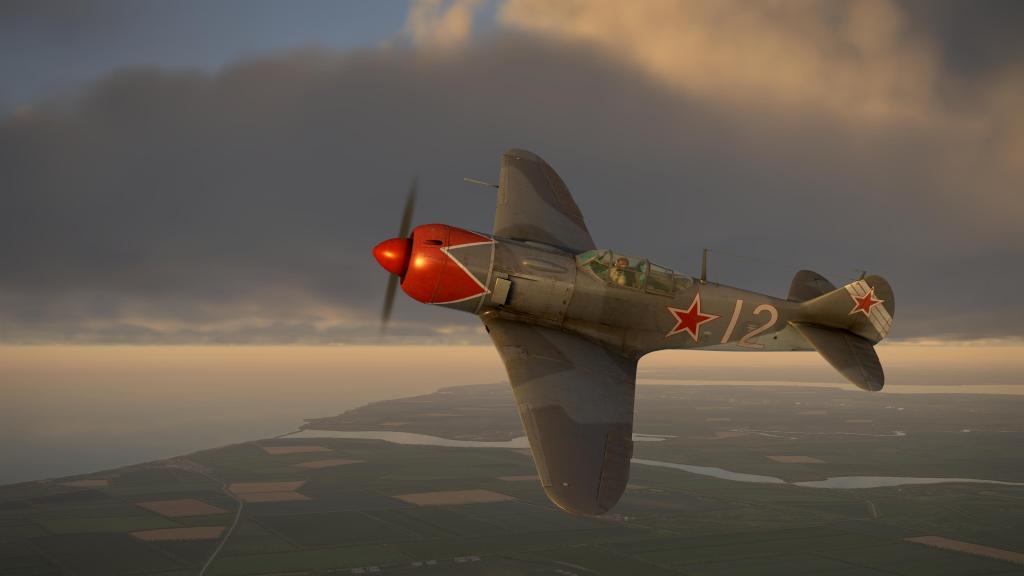
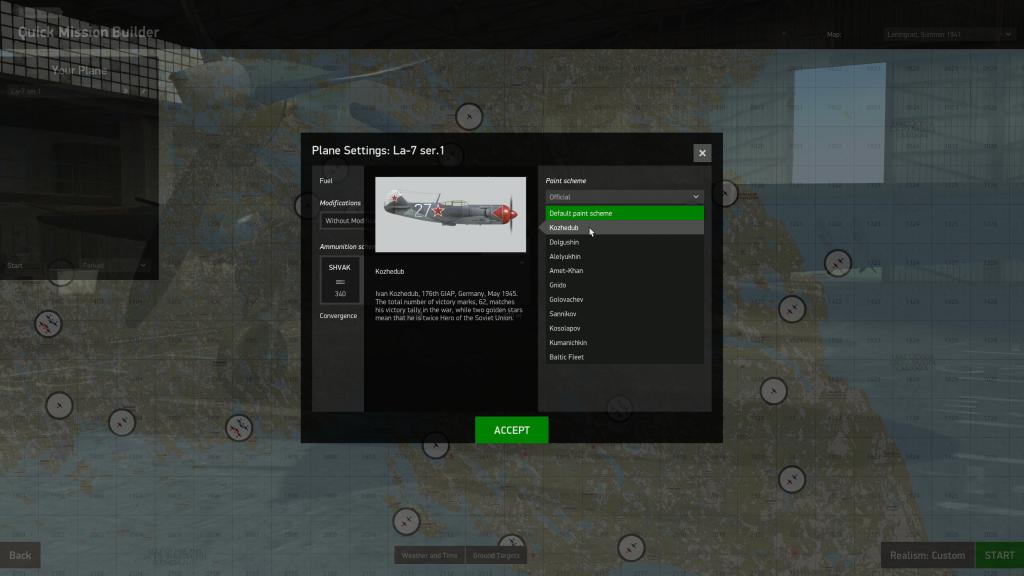
Eleven liveries are available for the La-7 which is well above the average for recent additions and I’m happy to see it! The liveries are focused mostly on individual pilots and most of these are famous Soviet Aces that flew the type. Kozhedub, Dolgushin, and Amet-Khan are just a few that are represented in the pack. There’s a standard grey scheme which is really the only generic offering. I had thought the Baltic Fleet scheme was a generic option too, however, it turns out that this livery has a bit of a disputed history possibly being an aircraft flown by Vasilii Zaitsev, deputy commander of 11 GIAD. It wasn’t typical for the La-7 to be painted with the distemper-white during the winter the way earlier models were painted, so you won’t see that here.
Sounds are series standard and are generally quite good but not outstanding from previous titles. The 20mm cannon sounds are the same on both the ShVAK and B-20 so there’s little to distinguish from when you’re in the cockpit. Of course, the effect on target from an extra cannon is nice.
Modifications
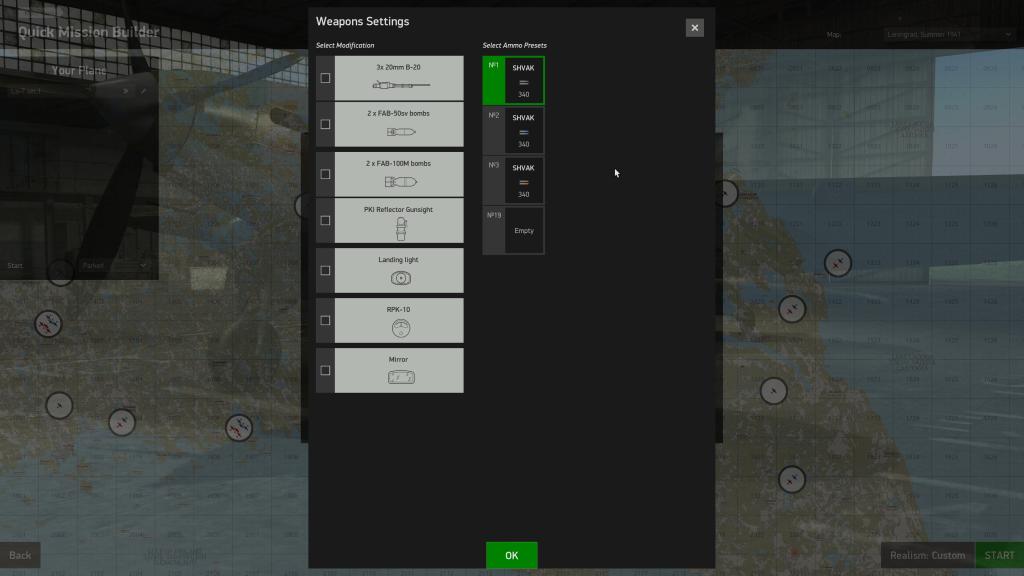
The La-7 comes with a reasonably good collection of modifications. The biggest change, and I’ll talk about the effect of this in the combat section below, is the swapping out of two ShVAK 20mm cannons for three B-20 cannons.
Other options include the ability to carry to 50kg or two 100kg bombs.
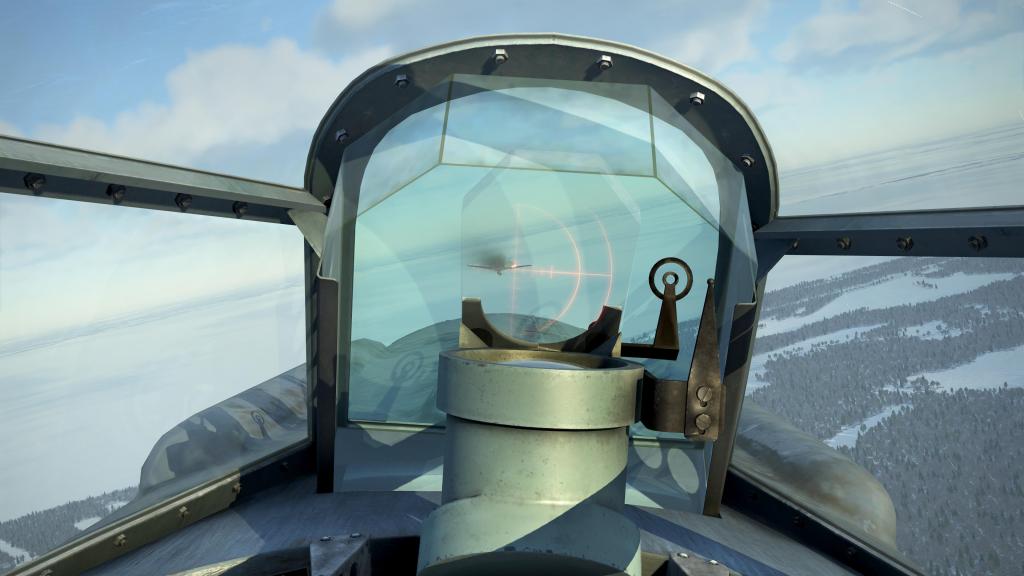
There’s a slightly more modern PKI reflector gunsight available. This is more of a neat historical detail than a practical difference so you can choose whichever you want with little practical difference in my experience.
The La-7 can also be fitted with a landing light, an RPK-10 radio repeater for navigation, and a mirror.
Flying the aircraft
The La-7, while possessing quite a lengthy list of engineering changes, isn’t all that meaningfully different in the cockpit. Here you’ll find a familiar layout, views, and controls. As with the aircraft before it, you’ll need to adjust the intake, side vents, and oil cooler system to keep the engine appropriately cool in different phases of flight.
The revised positioning of the engine air intake really does help improve the view although its not a significant departure and those used to the earlier La-5 Series 8 will find that this basically restores the view back to the earlier model before the intake grew in size. Its not the easiest to look out over while on the ground and that does make it a bit challenging to deal with.
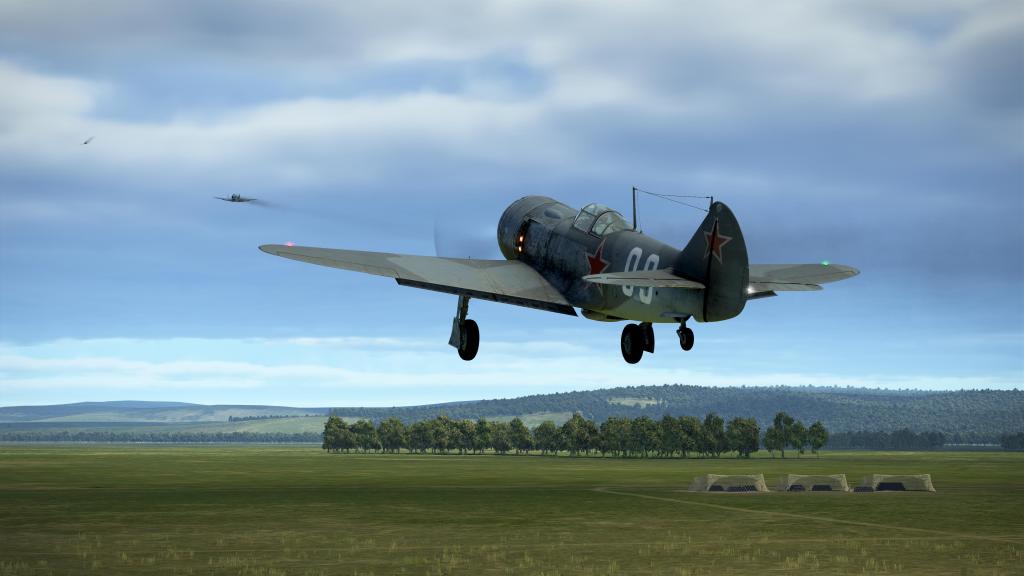
With better propeller, aerodynamics, and lighter weight, takeoff happens even more quickly than in the La-5FN and climb out and performance is superb on this fighter. At these low altitudes, the La-7 is among the quickest to accelerate in the whole series and is something of a monster at these low altitudes.
Flying the La-7 in cruise is quite pleasant and the controls are highly responsive. This version of the fighter doesn’t handle meaningfully different from the La-5FN or even the La-5F before it, its just faster and quicker in all respects (more on that in the performance comparison). It’s extremely predictable for anyone who has flown the earlier models.
Similarly, landing requires a deft touch and the La-7 lands faster than some other fighter types, but not in a way that is surprising for Lavochkin flyers. Its not that difficult but it does require a bit of rudder work on the roll-out to prevent a ground loop.
Fighting in the La-7
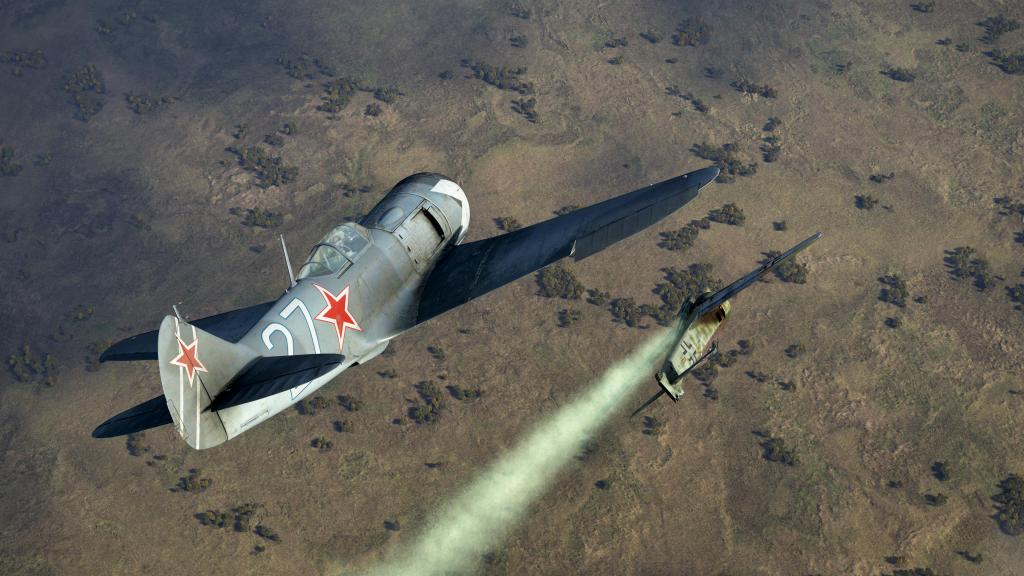
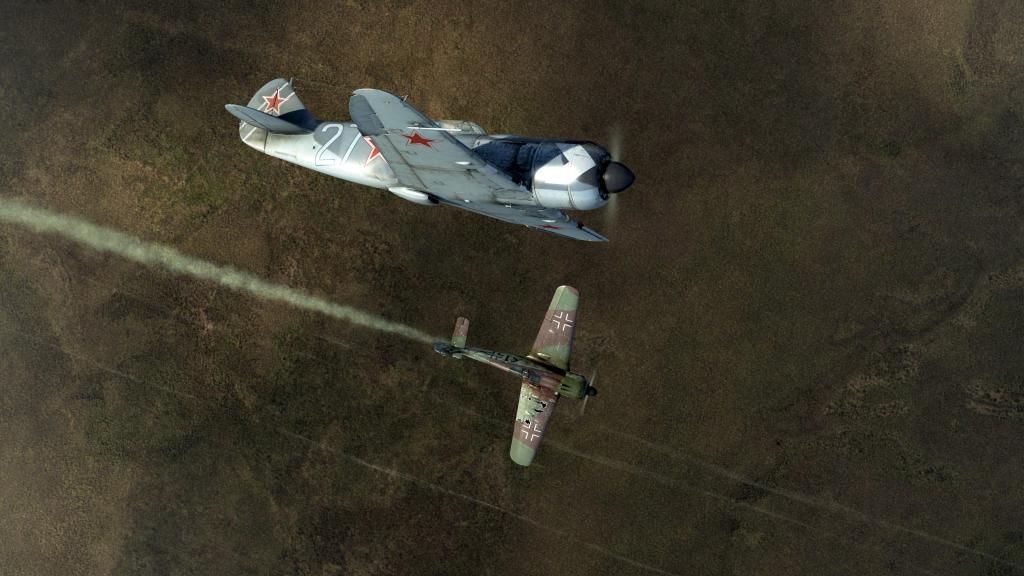
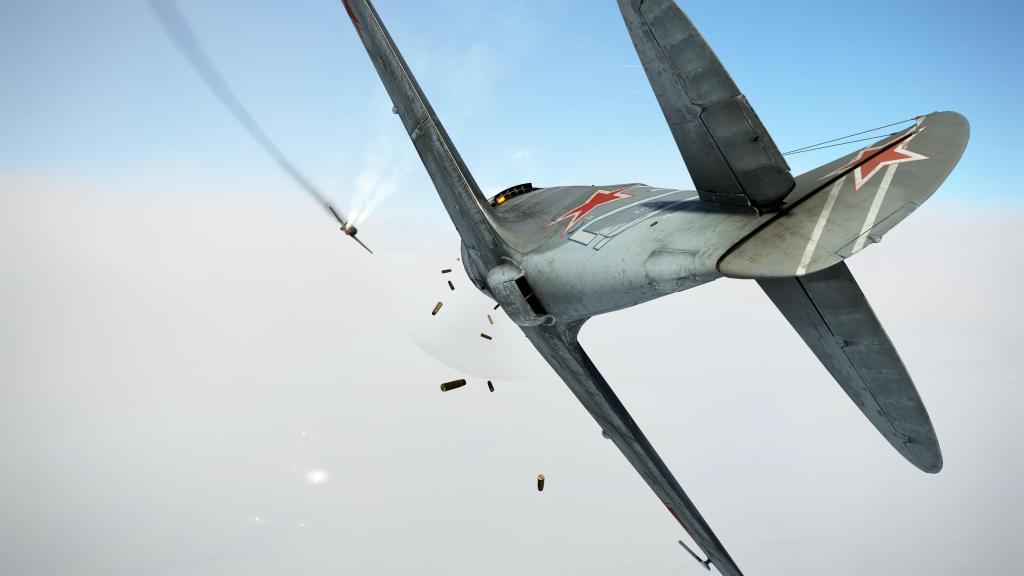
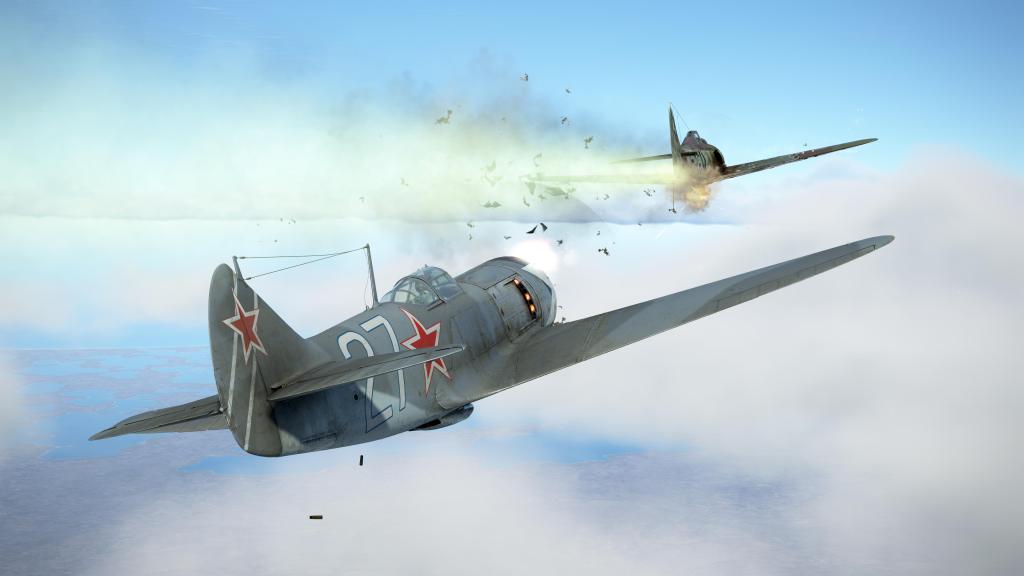
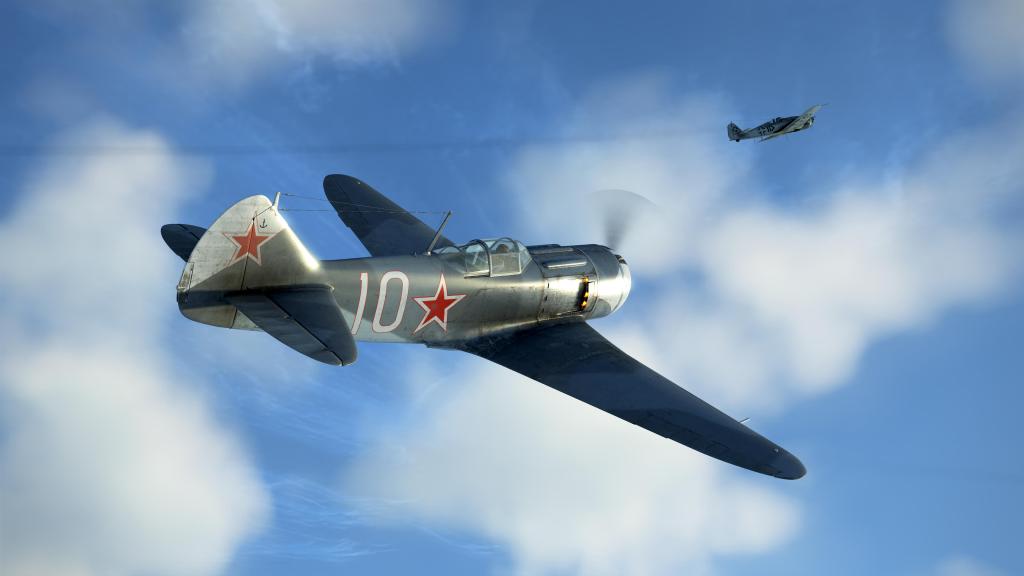
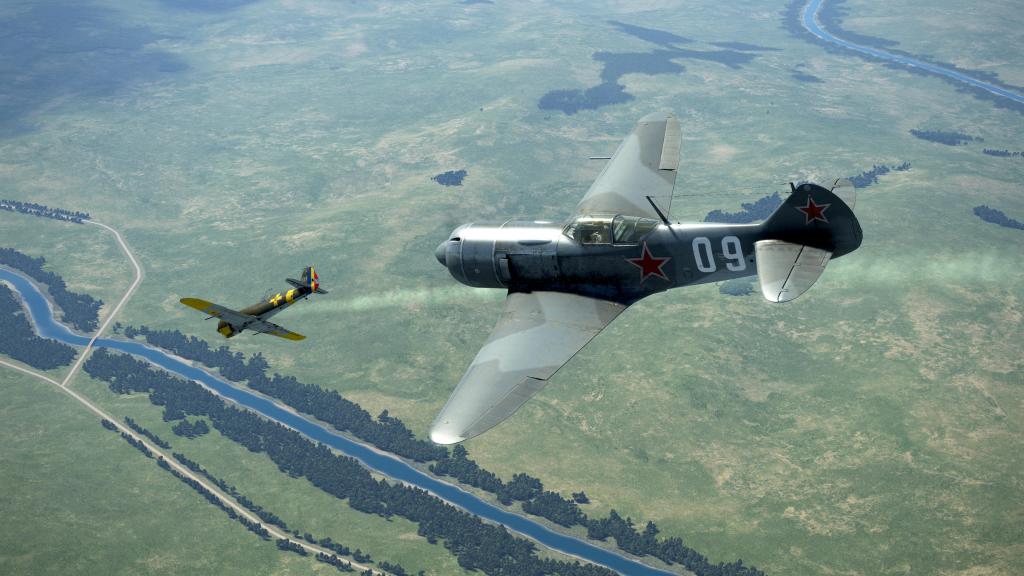
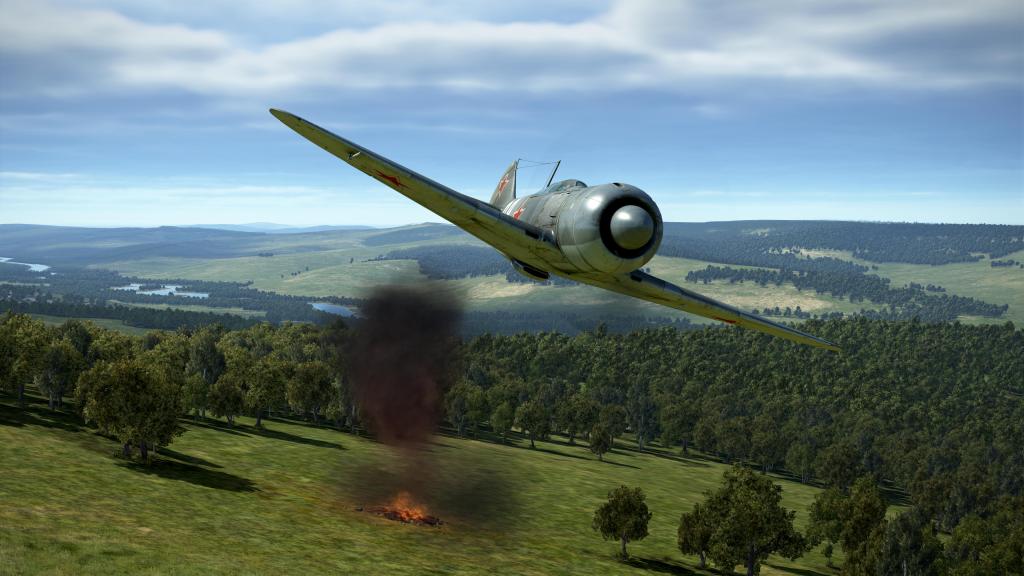
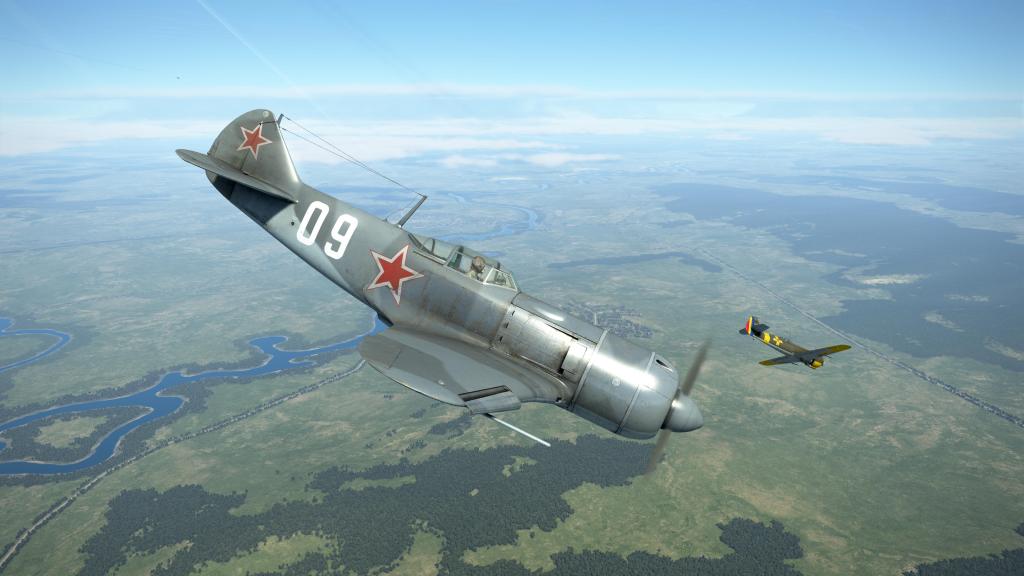
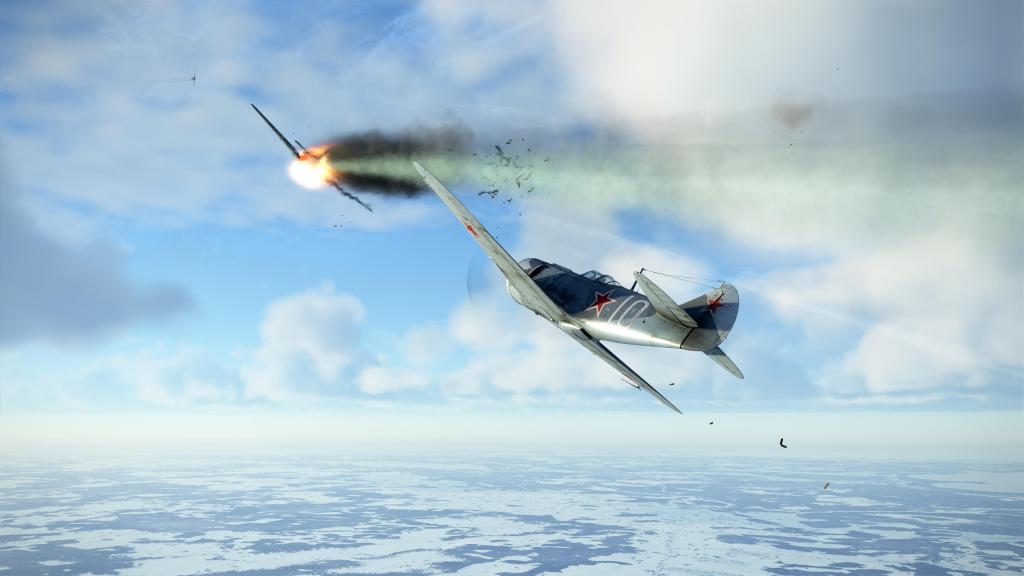
I’m going to keep up a familiar theme here: the La-7 is just like its predecessors… but also better! 1CGS have ensured that the aircraft doesn’t overdo on some key stats like the turn rate which, while quite good, isn’t the bat-turning rendition I remember from the old Forgotten Battles days. Instead you have an aircraft that favours speed and climb, defeating even the mighty Bf109 in climbs at lower altitudes.
The La-7 does best when its at its maximum power operating in emergency mode. Here, the aircraft has incredible climb and speed with some boosts to its turn as well. There are limits to this with both a thermal consideration where you may need to open things up to cool the engine off at slower speeds (say in a prolonged turn fight or extended climb) and a 10-minute recommendation at this power setting according to the manual. After which its possible that the engine could blow-up.
My recommendation? Stay fast, use emergency power to give you a boost when needed, climb above opponents and use boom and zoom style attacks. Avoid those prolonged turn fights, something the La-7 is good but not great at, and pick opportune moments to pounce on enemies. The ailerons are very responsive at slow and medium speeds giving you good competitiveness with the Fw190 series, however, at high speeds (600 km/h plus) they become very stiff and unresponsive. The elevator is sensitive and somewhat more effective even at higher speeds fortunately.
Though the view of the nose is considerably better than in the La-5FN, the big ASh-82FN radial engine is still sitting right there blocking your view. That makes deflection shooting a little more difficult than on the Yak fighters, as just one example, and thus you do have to either fire blind a little more often or try and get bounces on non-maneuvring targets. I’ve done a fair bit of blind firing flying this plane or just waiting until the deflection angle is down low enough to see effects on target when I fire.
One key difference is the availability of the optional Berezin B-20 cannons. Three of these cannons firing through the propeller arc versus the two ShVAK 20mm cannons on the default configuration. The new cannon has the same fire rate and fires the same 20×99mmR cartridge, however, its 25 kg (or 55lbs) lighter thus allowing for the extra cannon to be fitted. Ammo supply is just 130 rounds per gun versus 180 for the ShVAK, so you trade a bit of fire time for hitting harder in a single burst. If you have excellent aim, it’ll be worth the shorter duration for the harder hit.
As with other Lavochkin fighters, the La-7 has limited ground attack capability with 50kg and 100kg bomb loads. Not especially impressive but useful in a pinch. Bomb aiming with small yields like these ones will need precision drops.
Where can you fly it?
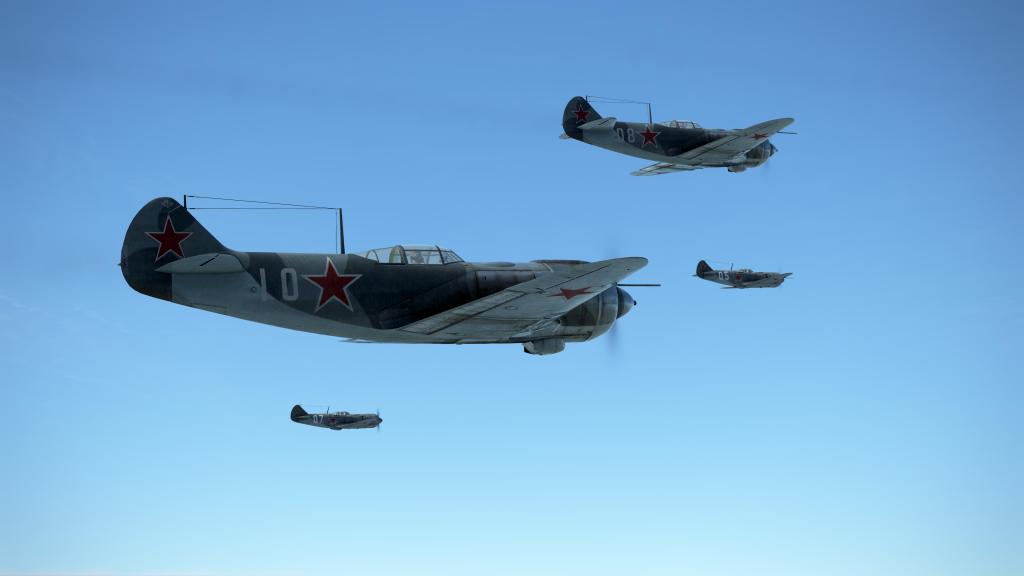
The La-7 is a bit limited in its available scenarios right now. You can, of course, fly it over any map in the quick mission builder but it doesn’t show up yet in any advanced QMB scenarios. It does, however, feature in Career mode flying over the Odessa map. Later, it will be added to a similarly late war Leningrad Career experience so there are going to be more experiences coming later.
I have yet to see it available online though I’m sure one or more eastern front focused servers will have it available soon.
Performance comparisons
La-7
- Maximum true air speed at sea level, engine mode – Boosted: 603 km/h
- Maximum true air speed at 2500 m, engine mode – Nominal: 641 km/h
- Maximum true air speed at 6000 m, engine mode – Nominal: 665 km/h
- Service ceiling: 10500 m
- Climb rate at sea level: 24 m/s
- Maximum performance turn at sea level: 21.0 s, at 320 km/h IAS.
- Maximum performance turn at 3000 m: 28.0 s, at 340 km/h IAS.
La-5FN
- Maximum true air speed at sea level, engine mode – Nominal: 552 km/h
- Maximum true air speed at sea level, engine mode – Boosted: 583 km/h
- Maximum true air speed at 2500 m, engine mode – Nominal: 605 km/h
- Maximum true air speed at 6000 m, engine mode – Nominal: 646 km/h
- Service ceiling: 10500 m
- Climb rate at sea level: 20 m/s
- Climb rate at 3000 m: 16.7 m/s
- Climb rate at 6000 m: 12.5 m/s
- Maximum performance turn at sea level: 21.0 s, at 320 km/h IAS.
- Maximum performance turn at 3000 m: 28.0 s, at 340 km/h IAS.
Fw190D-9
- Maximum true air speed at sea level, engine mode – Emergency: 607 km/h
- Maximum true air speed at 2000 m, engine mode – Emergency: 641 km/h
- Maximum true air speed at 5200 m, engine mode – Emergency: 694 km/h
- Maximum true air speed at sea level, engine mode – Combat: 565 km/h
- Maximum true air speed at 3200 m, engine mode – Combat: 623 km/h
- Maximum true air speed at 6500 m, engine mode – Combat: 663 km/h
- Service ceiling: 11600 m
- Climb rate at sea level: 19.0 m/s
- Climb rate at 3000 m: 17.3 m/s
- Climb rate at 6000 m: 14.6 m/s
Bf109K-4
- Maximum true air speed at sea level, engine mode – Emergency: 599 km/h
- Maximum true air speed at 7500 m, engine mode – Emergency: 702 km/h
- Maximum true air speed at sea level, engine mode – Combat: 543 km/h
- Maximum true air speed at 8000 m, engine mode – Combat: 684 km/h
- Service ceiling: 12300 m
- Climb rate at sea level: 20.5 m/s
- Climb rate at 3000 m: 17.5 m/s
- Climb rate at 6000 m: 13.4 m/s
- Maximum performance turn at sea level: 24.0 s, at 270 km/h IAS.
- Maximum performance turn at 3000 m: 32.2 s, at 270 km/h IAS.
The La-7 is a really impressive performer in all of the raw numbers. This, according to the data available on the specifications tab within the sim. At sea level, the La-7 is one of the best all around performers nearly matching the Fw190D-9 (just 4km/h behind) and Tempest Mark V at +11lbs of boost (the La-7 is 20 km/h slower) while also possessing the best climb rate at sea level of 24m/s (matching or beating the Spitfire XIV at this altitude). No number was published for higher altitude climbs, however, and I suspect that its climb rate drops into the mid teens by the mid-altitudes (4km and above).
Turn rate is reportedly the same numbers as presented by the La-5FN with 21 seconds at sea level. Slightly surprising given the slight drop in weight, however, my overall subjective impressions when flying the two back to back is that the overall feel is quite similar with both being good but not great in turns. Better than the earlier versions of the La-5 series but not as adept at turns as the Yak series nor the Bf109 in many situations.
The leading edge slats come out almost immediately when pulled into a turn and it doesn’t take long for the speed to begin to bleed off in long duration turn-fights. It’s steady and stable in turns and is less prone to snapping out of a turn into a stall than the La-5 Series 8 might be but all of this should send the message that the La-7 is best flown as an energy fighter using turns sparingly.
Final thoughts
This is one impressive fighter and the La-7 certainly is able to keep up with the best of the best in the late war competition. So, does that make it “uber” by the definition I used early in this article? Not exactly. It is a top tier aircraft in the sense that this is an excellent interceptor fighter representing the last of the WWII era Lavochkin fighters. But it is also not, in the old IL-2 Forgotten Battles sense, overperforming super fighter. No sustained pull into a climbing turn with little loss of energy like the one I remember from 15-20 years ago either. This one will lose energy and become difficult to handle like any other fighter and that’s a good thing!
I will say that this is the new best overall fighter for the Soviet forces available in the IL-2 Sturmovik: Great Battles Series! Improved forward visibility, and with impressive climb and roll rates, the La-7 will be the favoured ride of many. Others will steer clear and prefer the Yak-3 instead, reliving a historical rivalry between the two late war fighters. While the La-7 is clearly faster, climbing quicker, and hitting harder with the optional cannon armament, the Yak-3 has crisper handling and better view over the nose.
From a simulation perspective, the La-7 once again maintains 1CGS typical quality of release with the usual technologies, visual detail levels, sound effects, and available modifications.
The La-7’s arrival comes as one of the last two aircraft to be delivered for Siege and Liberation and contributes to another famous aircraft series that is extremely well represented through the series. It’ll be feared by its opponents, well liked by many of its virtual pilots, and is a fun addition to the series. Will there still be whispers of “uber” on the winds of the virtual forums and online lobbies? Probably. It is a La-7 after all!
Screenshot


 Stormbirds
Leave a comment