
I reviewed Marwan Gharib’s HJet back in 2023 and gave the aircraft high marks. Beyond that, the HJet became a personal favourite where I’d take it out any time I wanted to do some high altitude cruising without the complexity of an airliner setup. At the time we didn’t have very many business jets to fly in MSFS 2020 but this little jet stood out for so many reasons. Now, three years later, the aircraft has returned, freshly updated and native to MSFS 2024. It has new features, refinements, and a free upgrade for prior owners. Let’s revisit this aircraft with a re-review.
A bit of Honda Jet history
FlightFX haven’t licensed the name so HJet is the abreviated term used for Honda’s HA420 business jet.
The aircraft belongs to the very light jet (VLJ) category that has a lengthy list of types that belong to it with a range of capabilities and payloads with typically 4-6 passengers. The Cirrus Vision SF50, Cessna Citation Mustang, Phenom 100, Eclipse EA500, and … the Honda Jet HA420!
The HondaJet started off as a series of concepts in the late 1980s. Honda R&D Americas (a division of the auto manufacturer), setup a facility at Piedmont Triad International in Greensboro, North Carolina to work on a proof of concept. The aircraft was publicly shown in 2005 at the Oshkosh Airshow but it wasn’t until 2014 that the first prototype flew. Certified in 2015, production of the initial and follow-up versions of the jet have totalled 271 at the end of 2025. Less than its rivals but steady nonetheless.
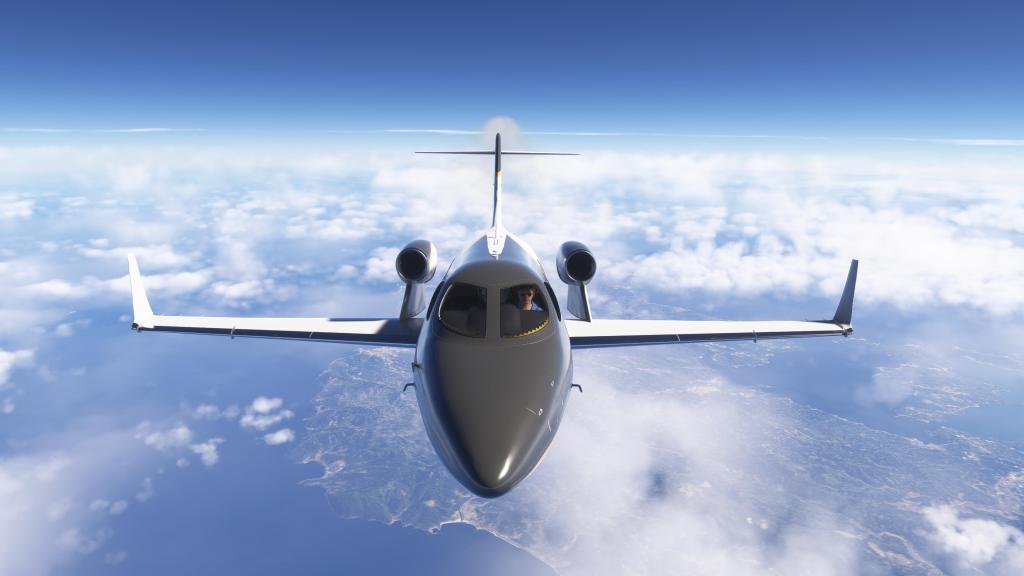
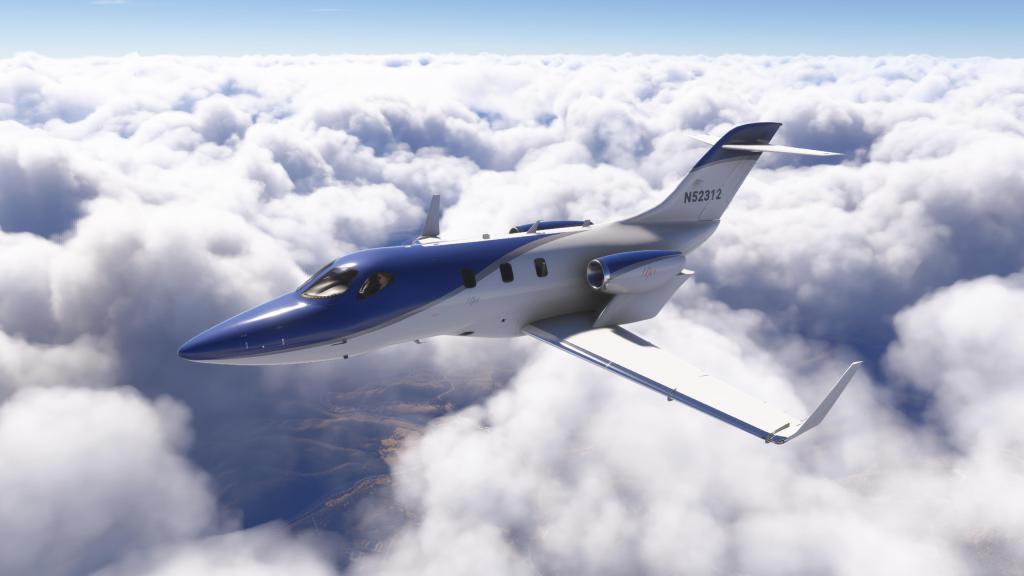
Carbon fiber and other lightweight materials together with careful aerodynamics have let the Honda Jet get, what the manufacturer claims, is 20% better efficiency to similar aircraft. Though that varies based on payload and flight profile. The aircraft also has some unique design features including a fairly unique nose shape and its overwing engine pods holding GE Honda HF120 turbofans. The design allows for more cabin space and helps to mitigate vibration and sound from the engines.
Honda Aviation appears to be keen to continue to offer the jet and are working on Echelon HA480 which is a larger and more capable aircraft than the current offering. It’s scheduled to make its first flight sometime in 2026.
Visuals and sounds
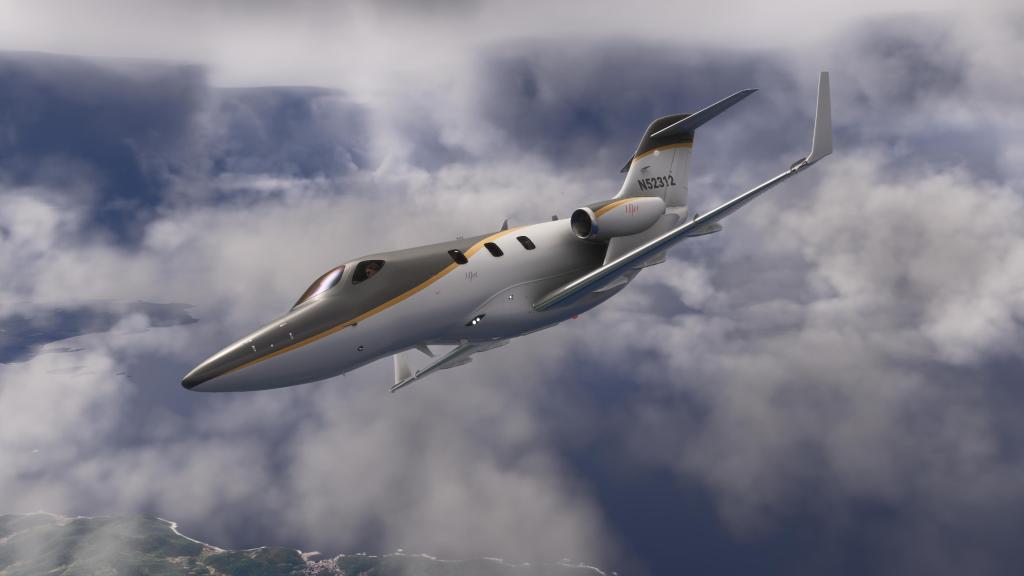
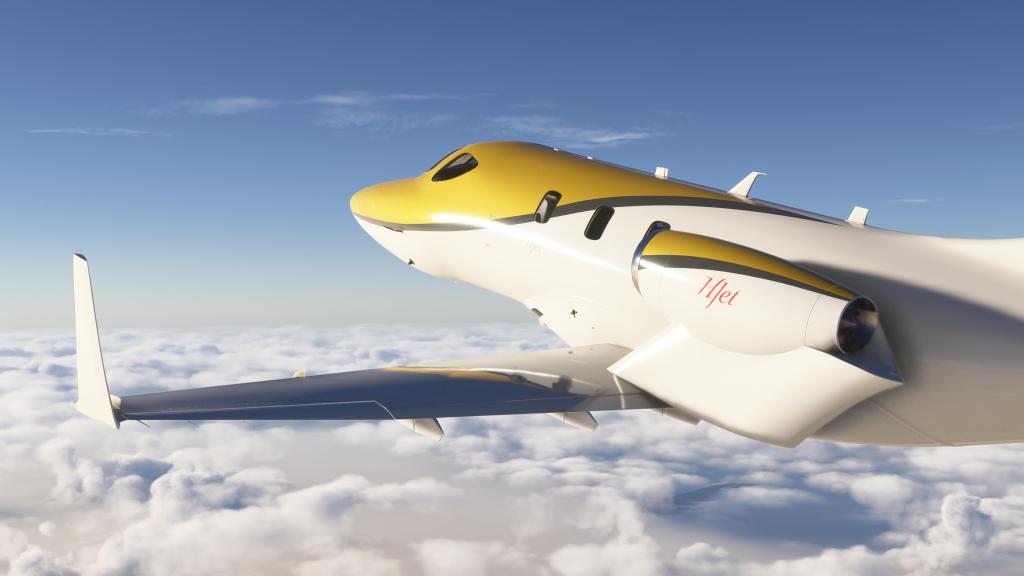
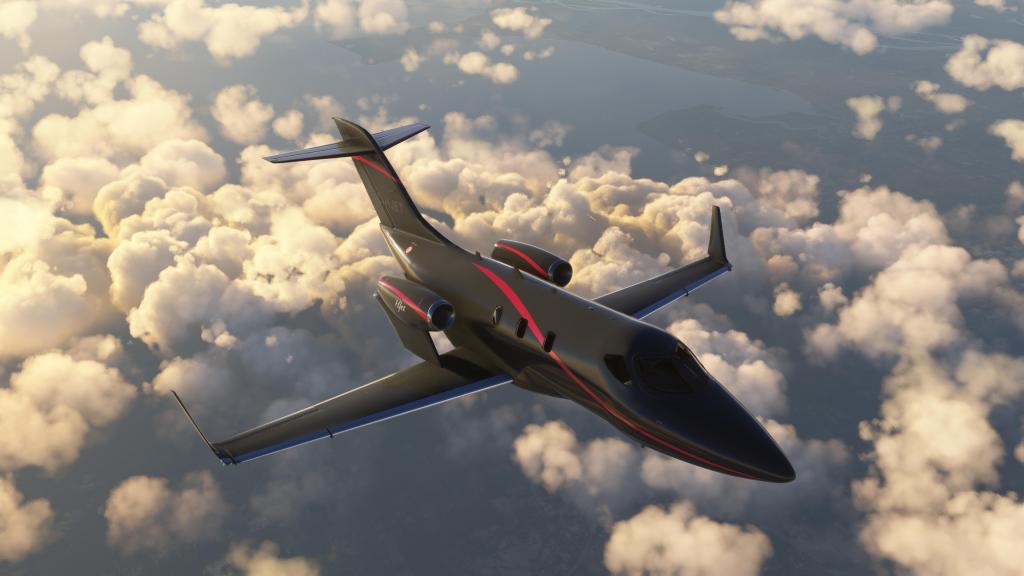
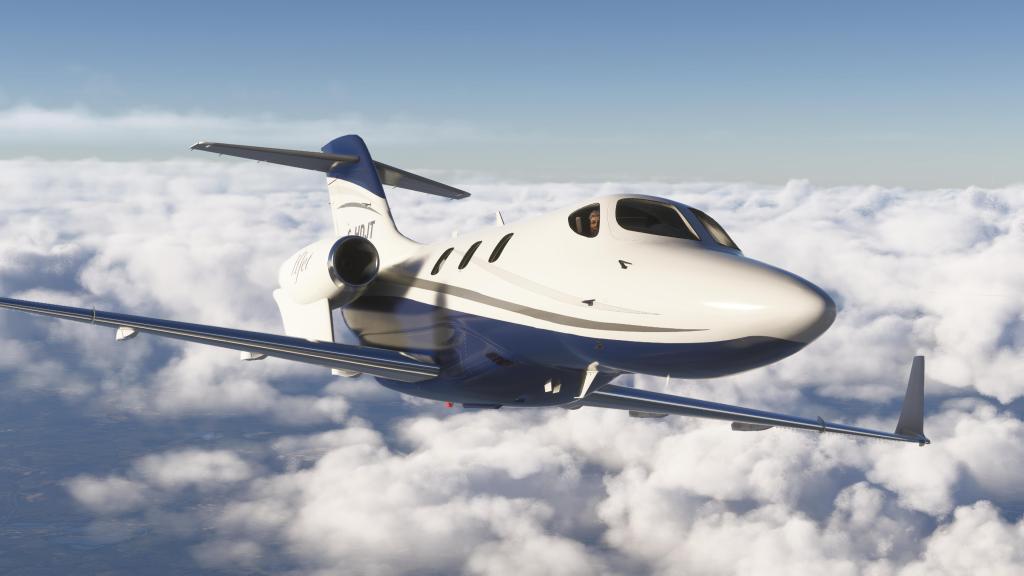
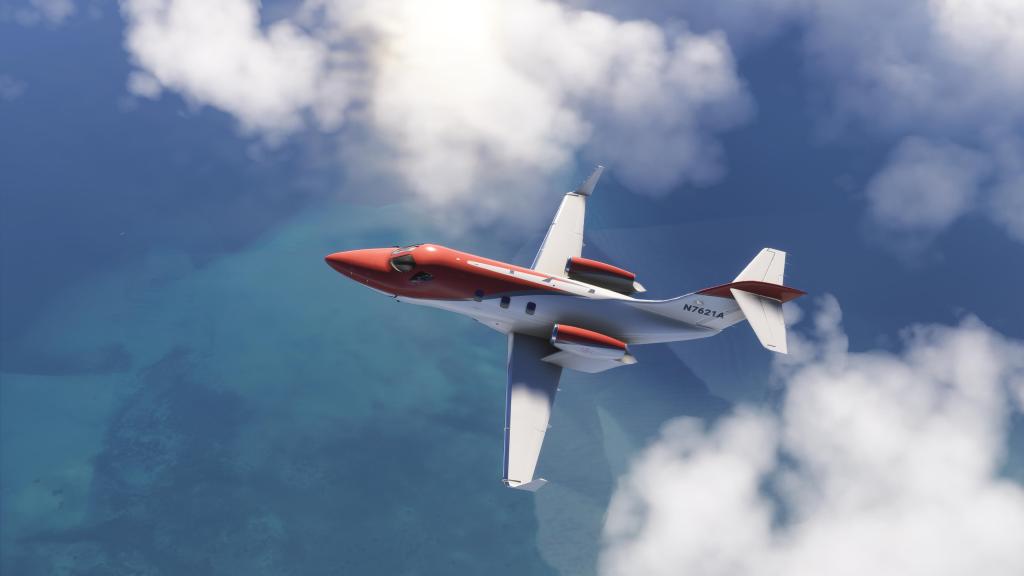
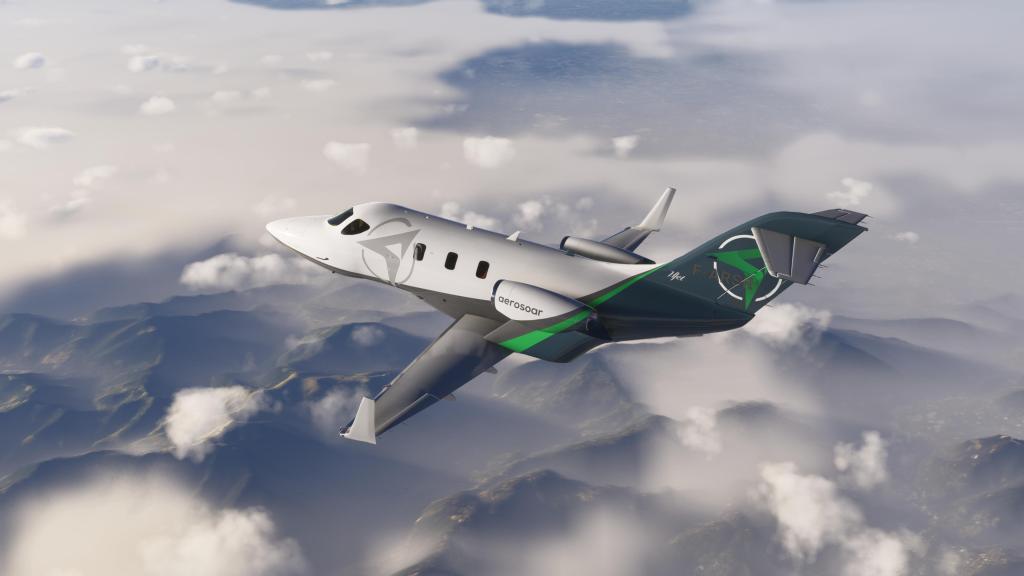
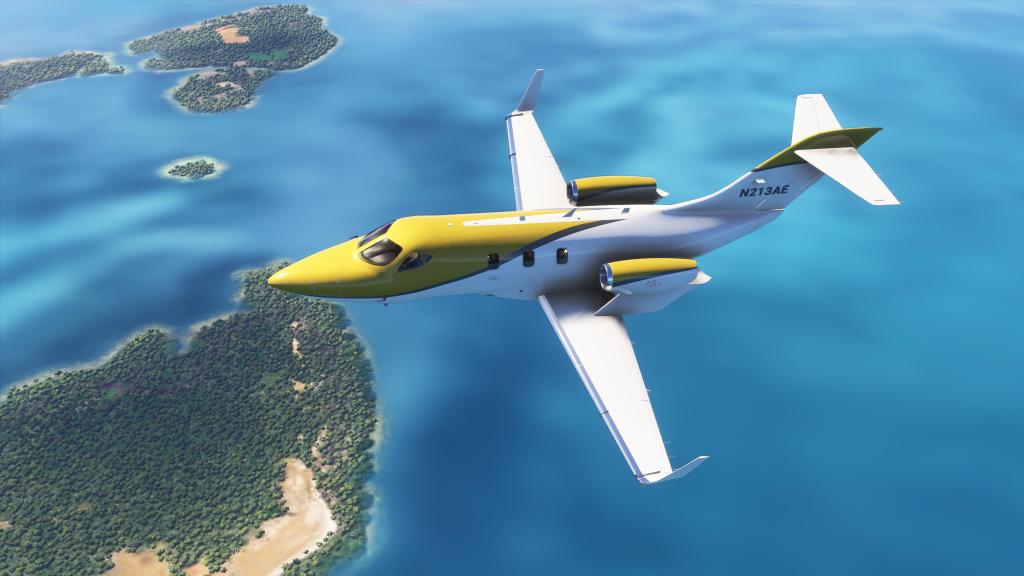
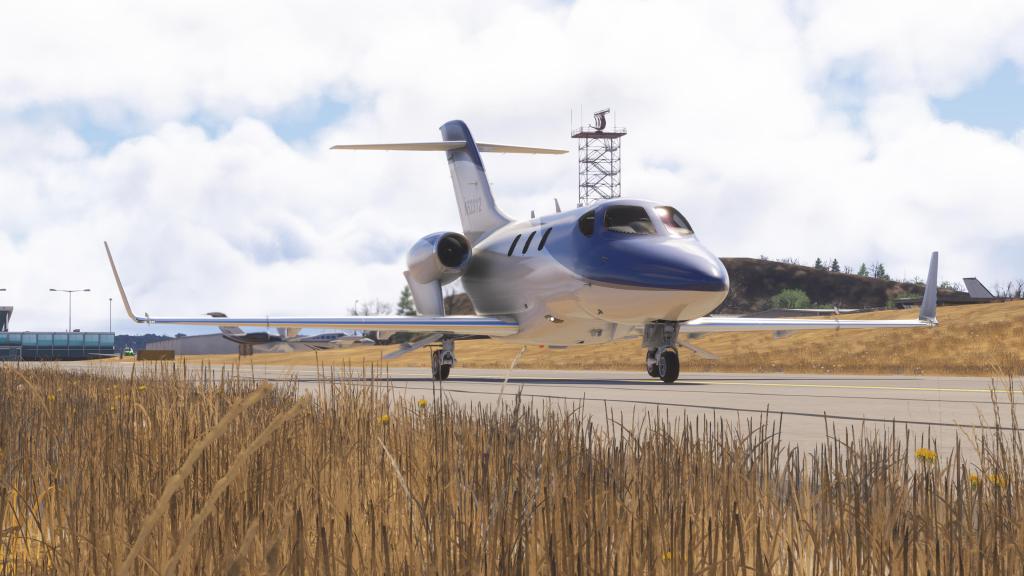
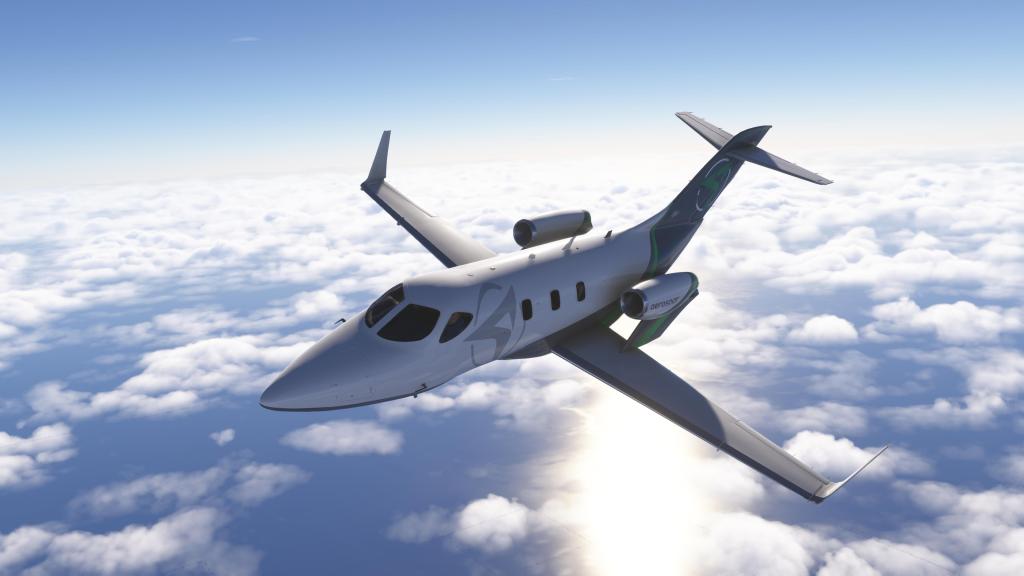
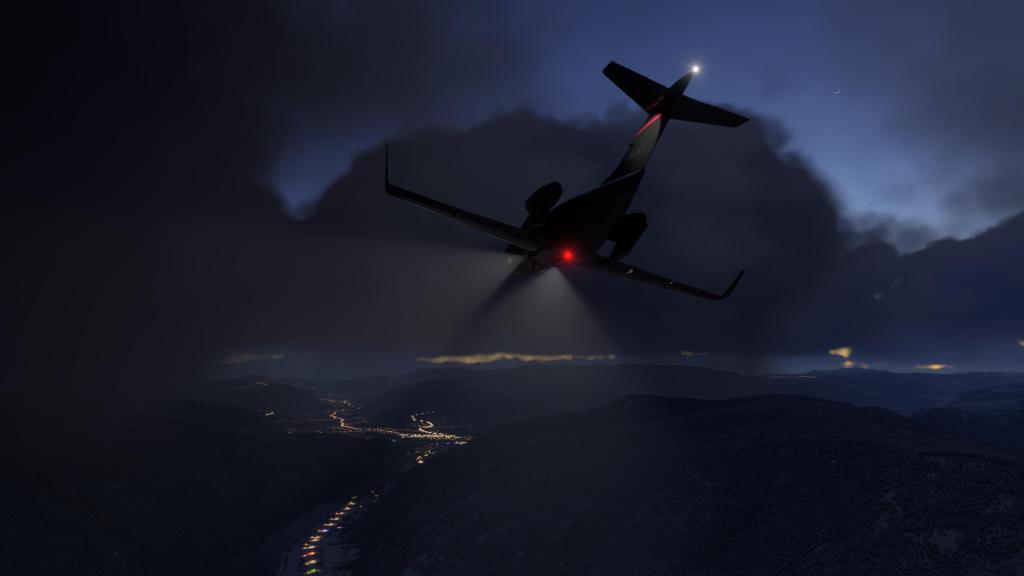
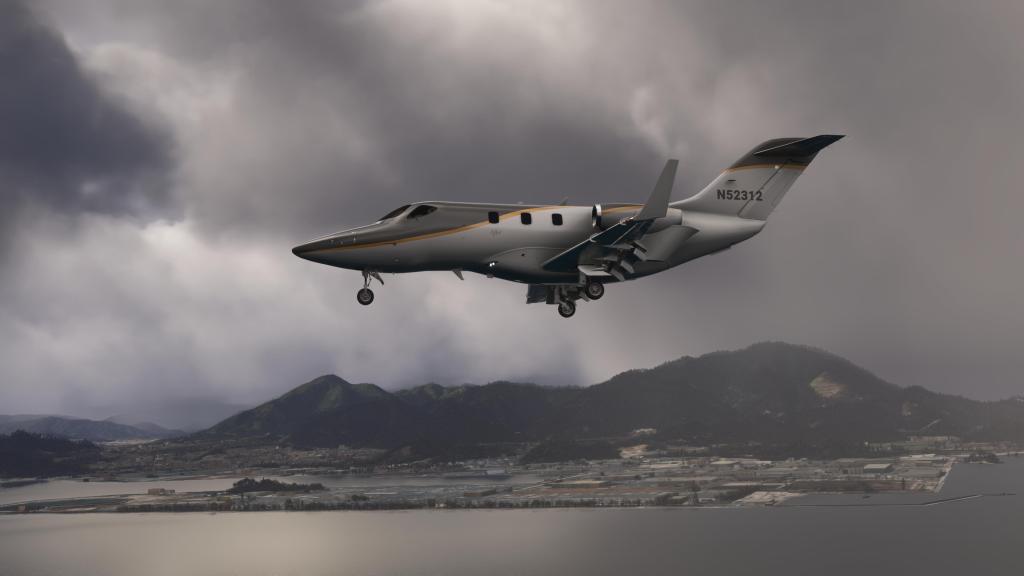
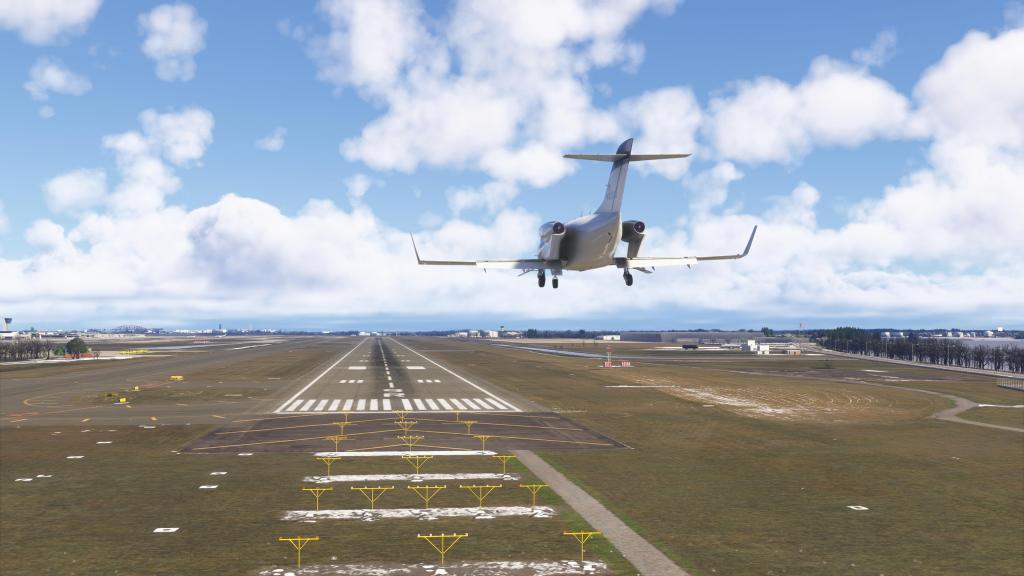
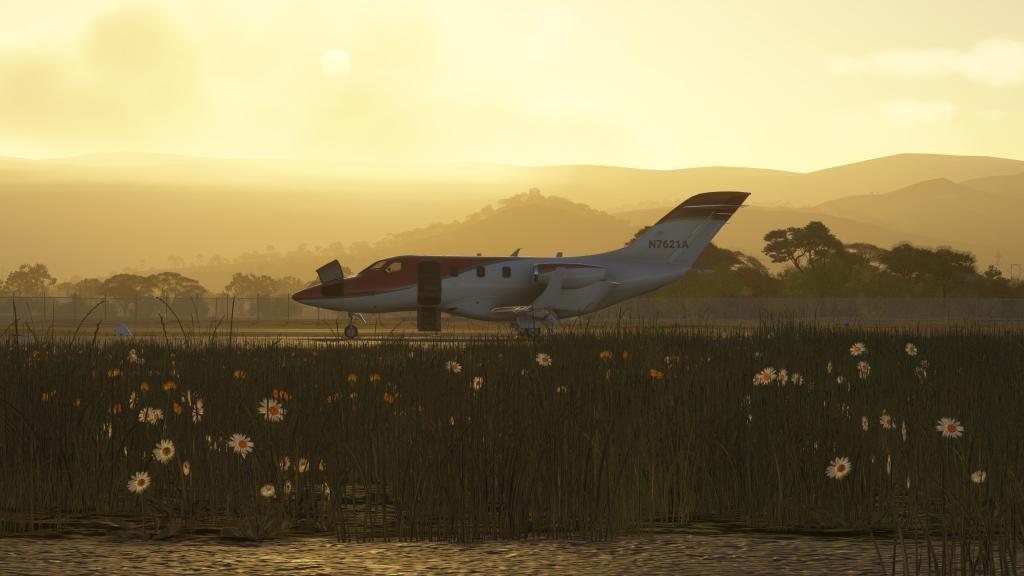
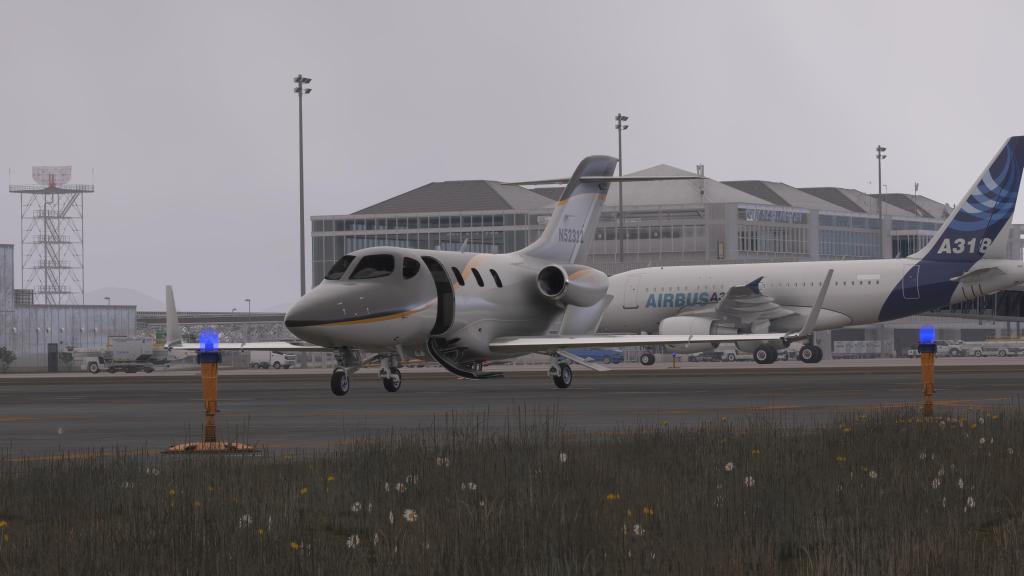
The MSFS 2020 version of the HJet was no slouch when it came to visuals. It had high quality textures inside and out and it looked great for its time. But times change, things move on, and the MSFS 2024 upgrade is generally better in every way.
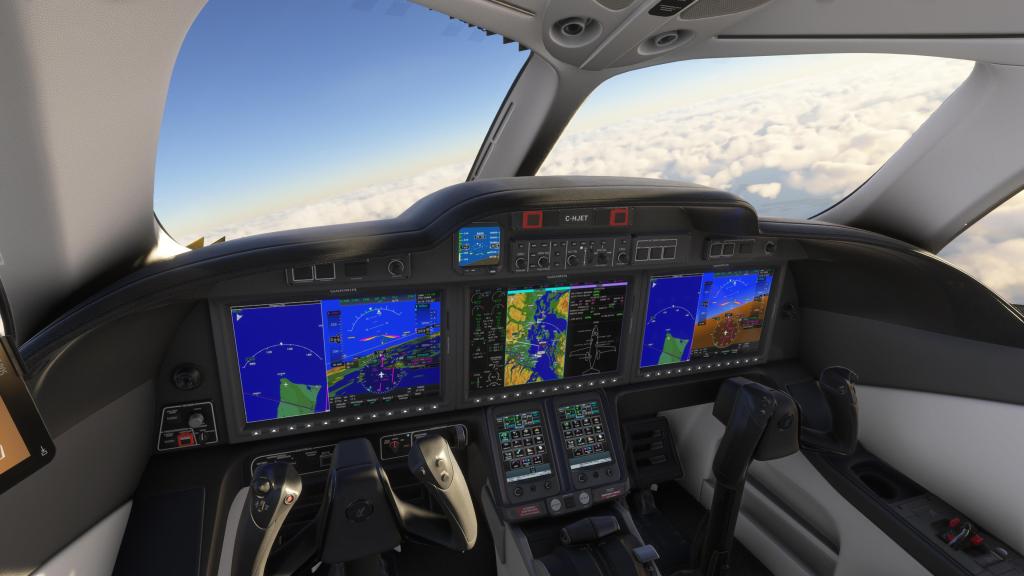
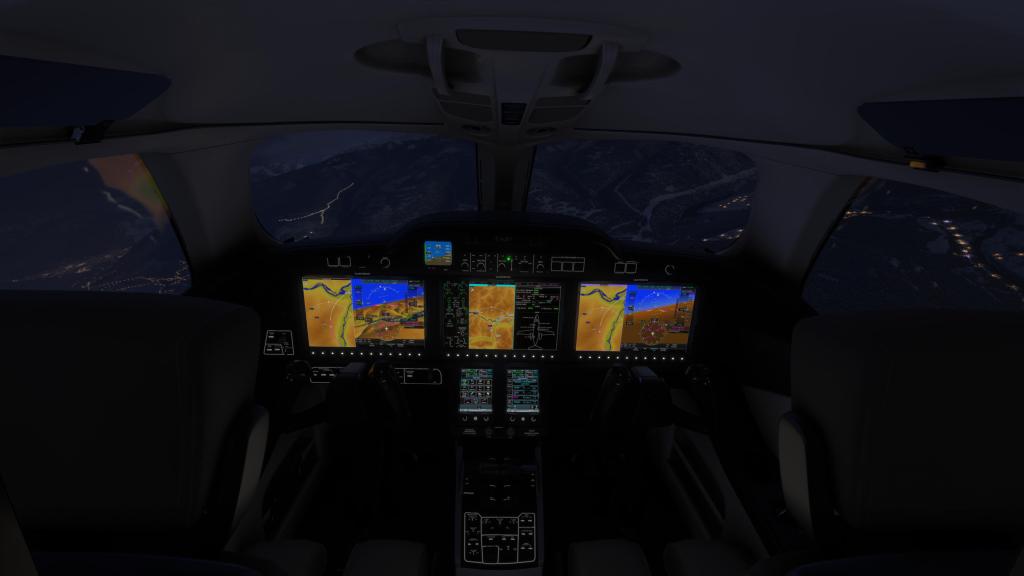
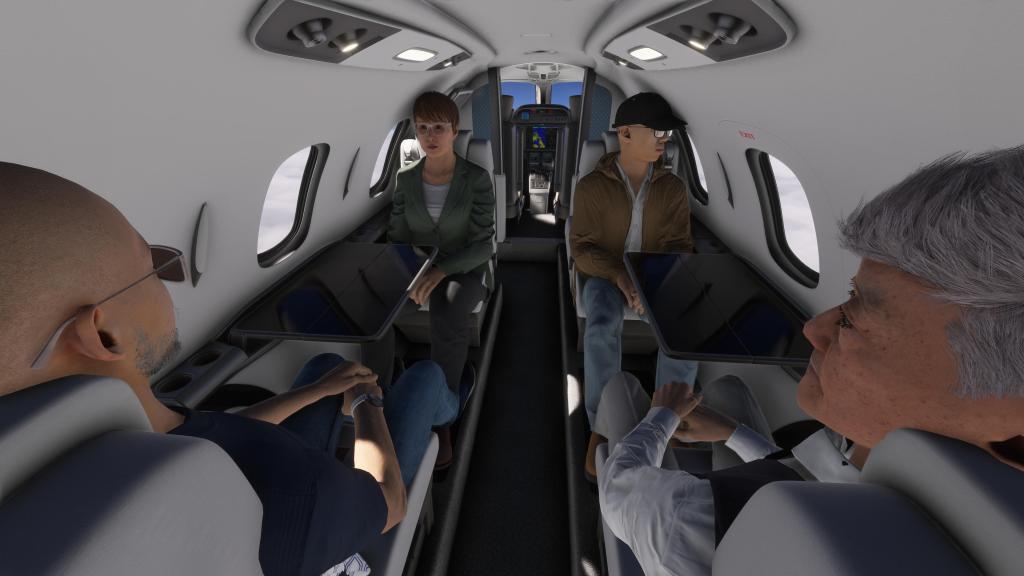
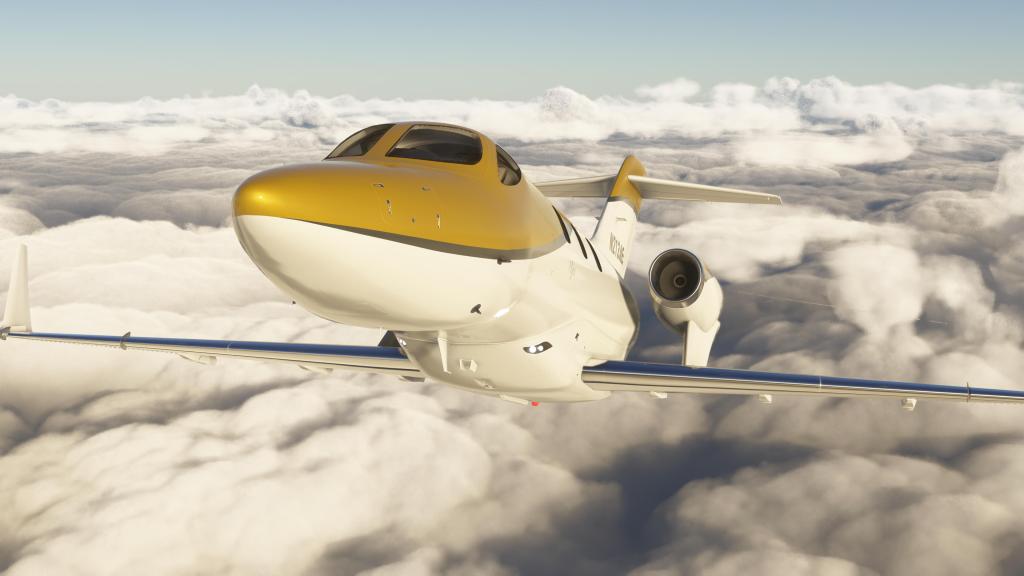
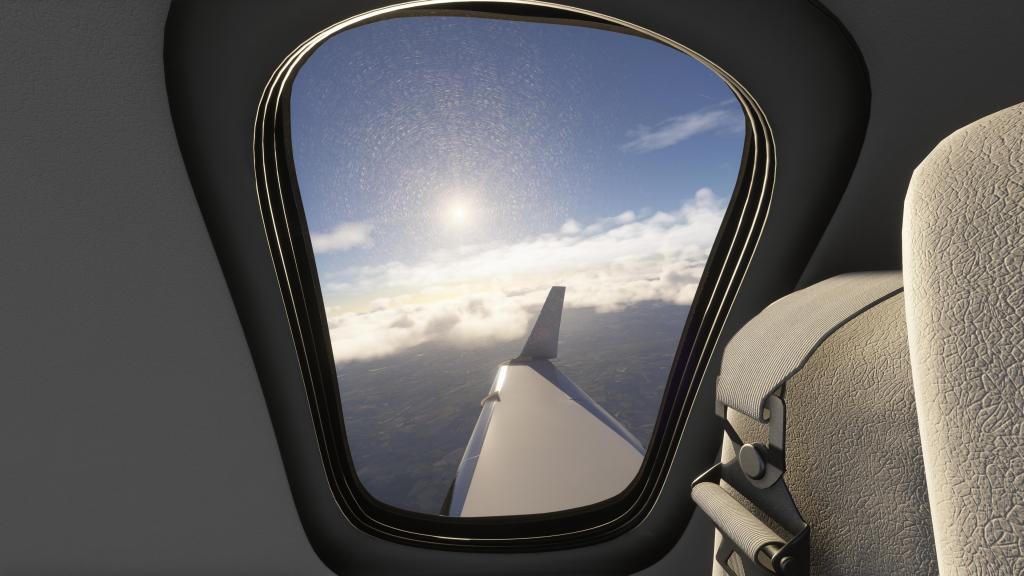
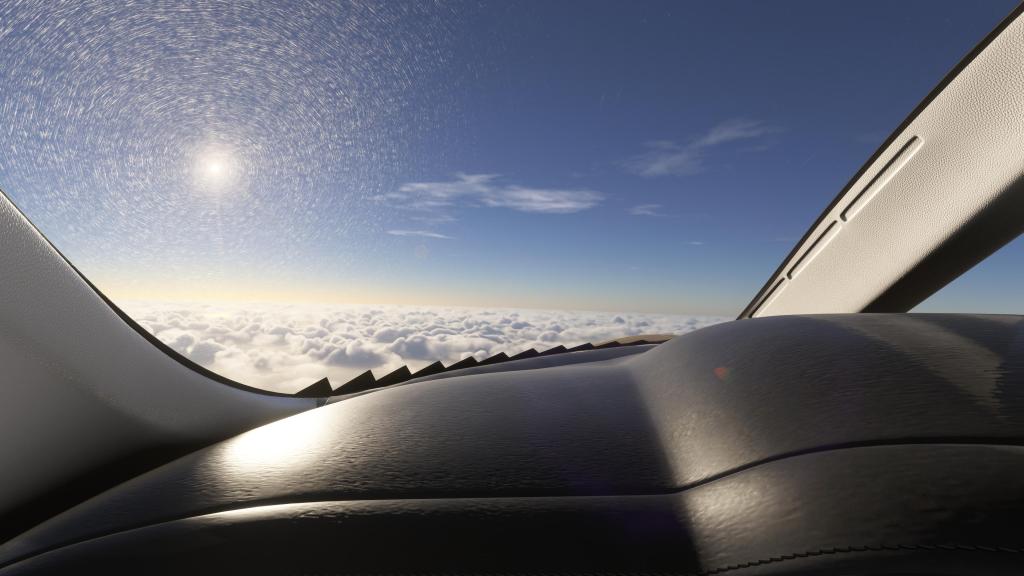
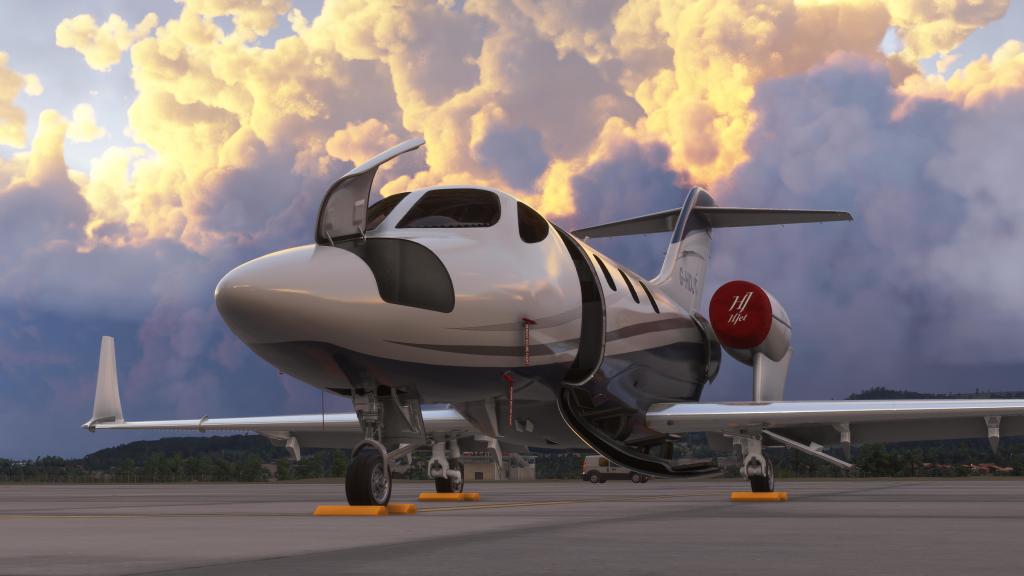
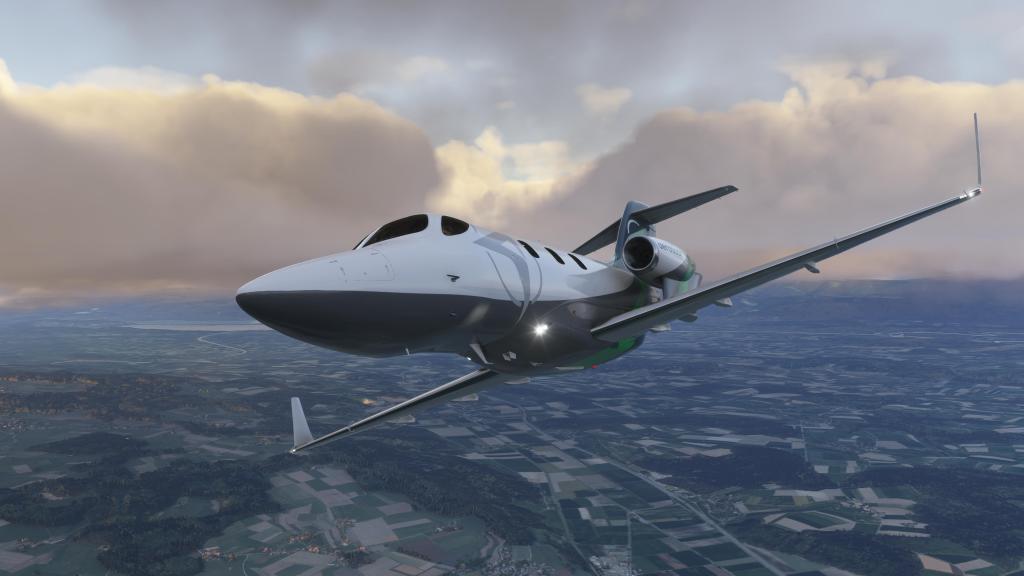
Upgraded with MSFS 2024 shaders and material systems in mind, the HJet looks crisper, sharper and better detailed than before. The exterior has been refined while the interior has been overhauled and the cabin area given a whole new look that better matches the real life jet. It looks and feels like a small, yet premium aircraft that it should be… right down to the throw pillows! It’s not a top tier presentation relative to something like the Fenix A320 or a Black Square product but its just a small notch beneath those. It’s still very much a quality presentation overall.
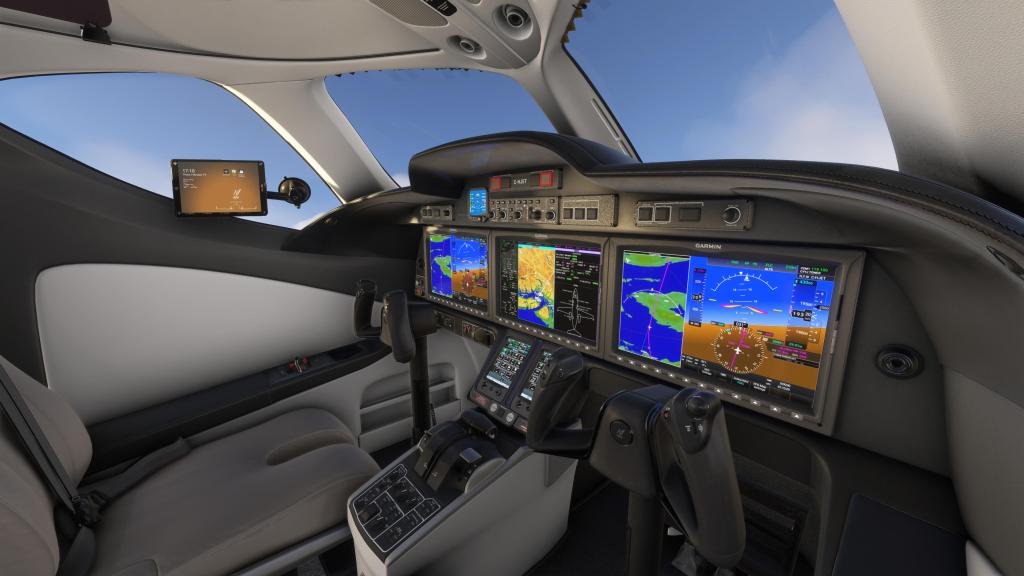
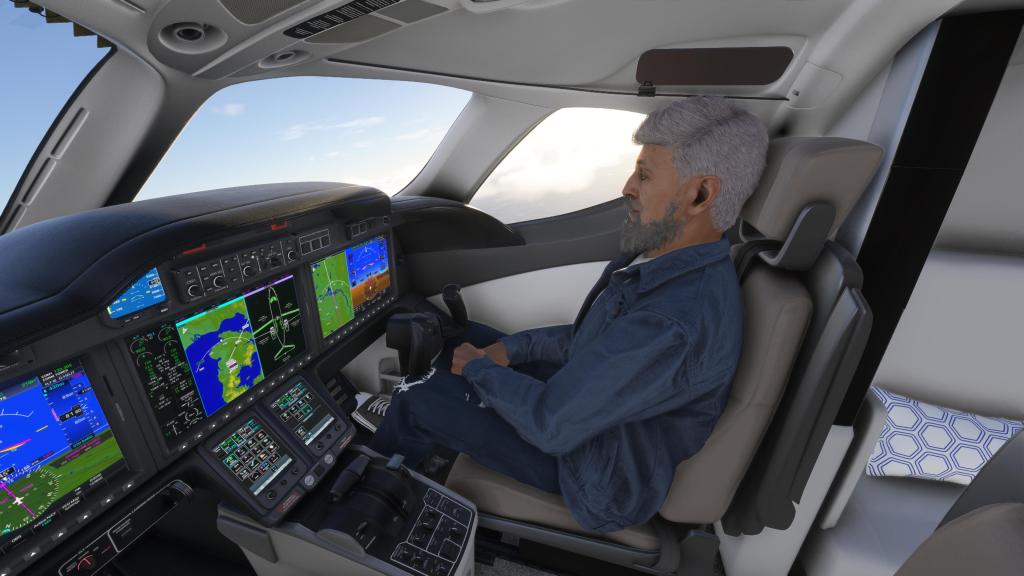
There are some good extra details in the cabin area too. Electronically dimmed windows are interactive with a button push while the lavatory remains semi interactive with the ability to open the door and check it out, though sadly you can’t flush the toilet. Tray tables fold out and back in again.
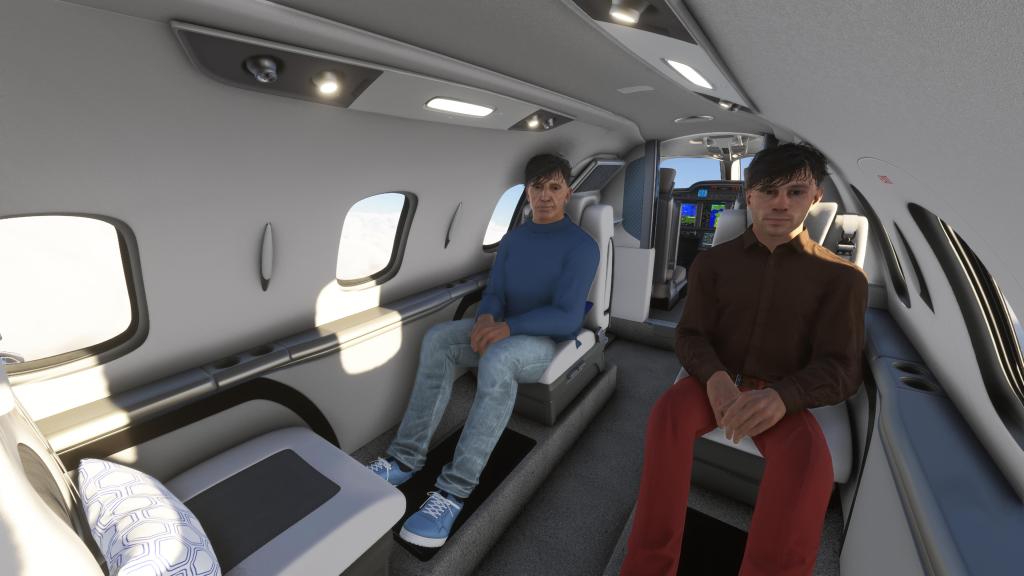
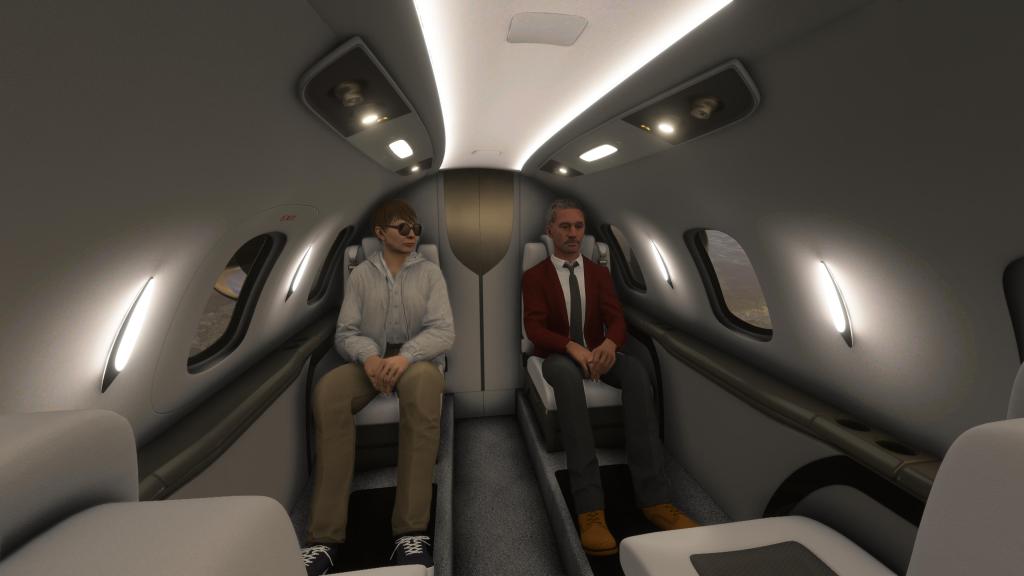
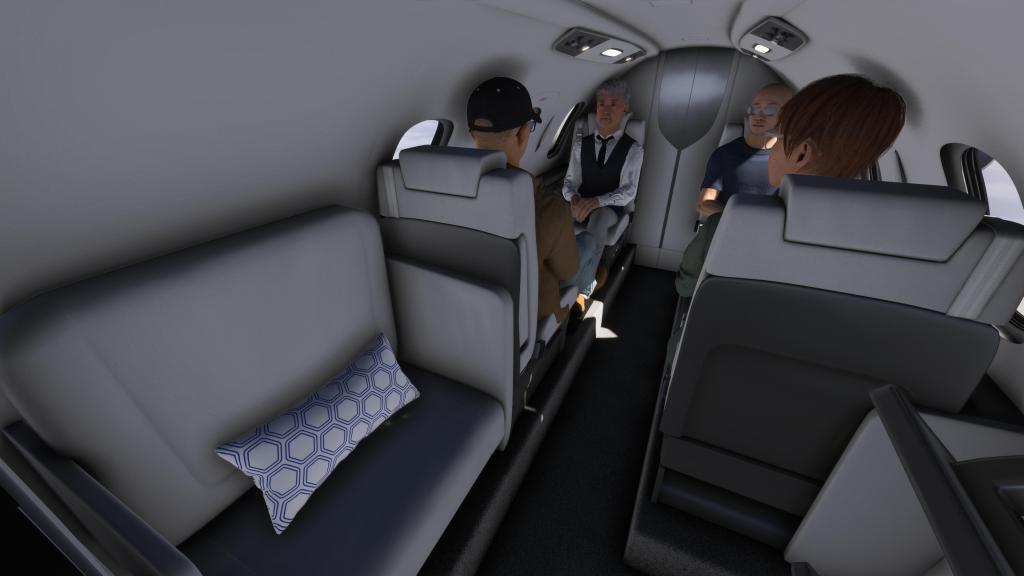
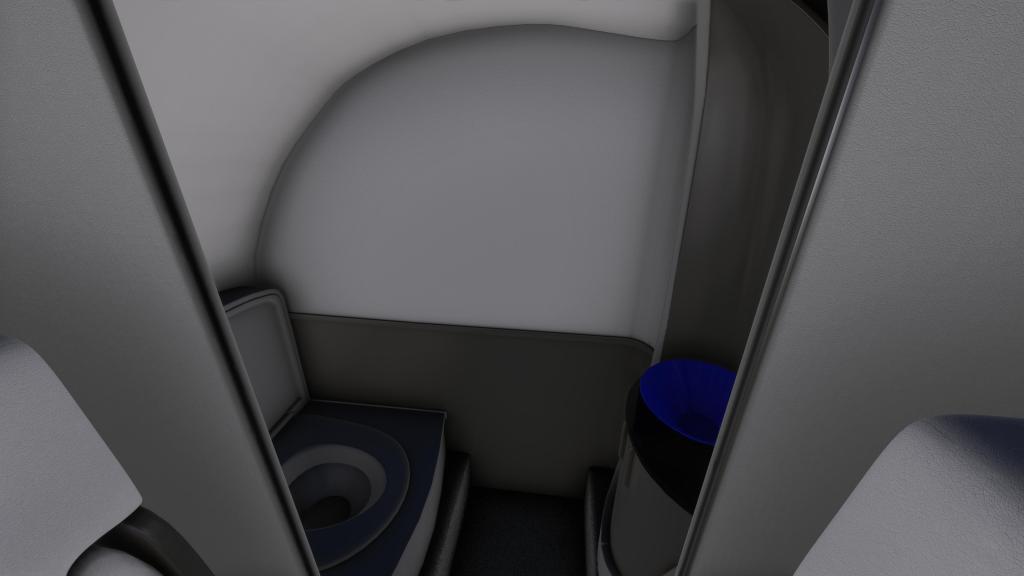
On the exterior I think the biggest change I can see is around the engines which have a beautiful yet subtle glow to them while active. The detailing around the GE Honda HF120 engines is superb and the shader work on the spinning blade is reasonably well matched with frame generation and just a slight amount of visual disruption in motion.
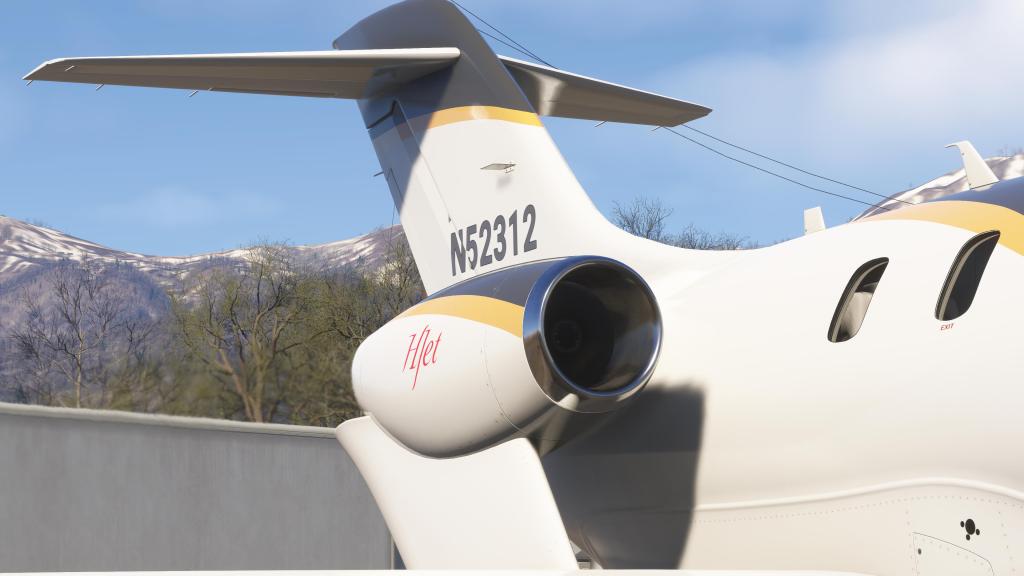
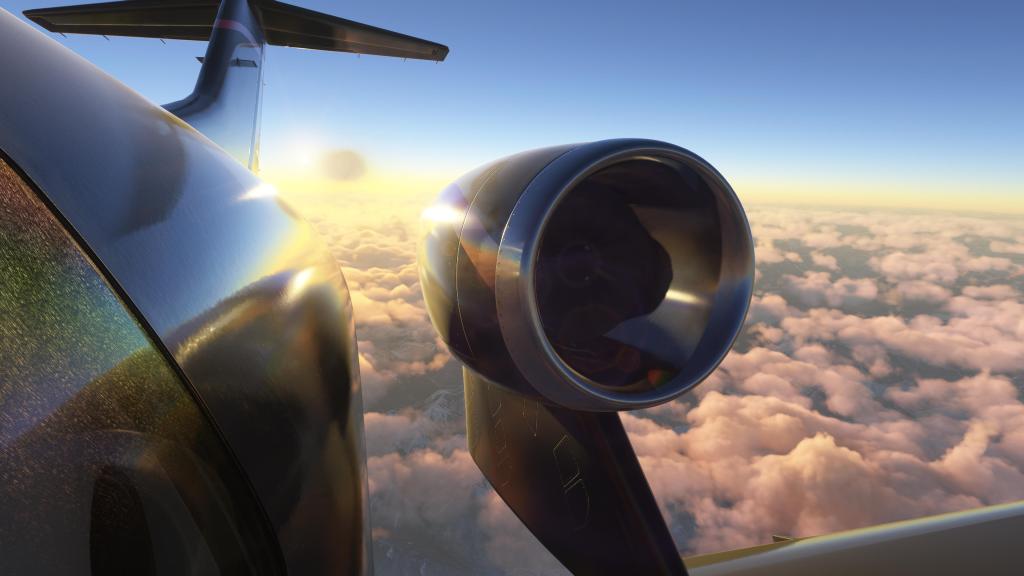
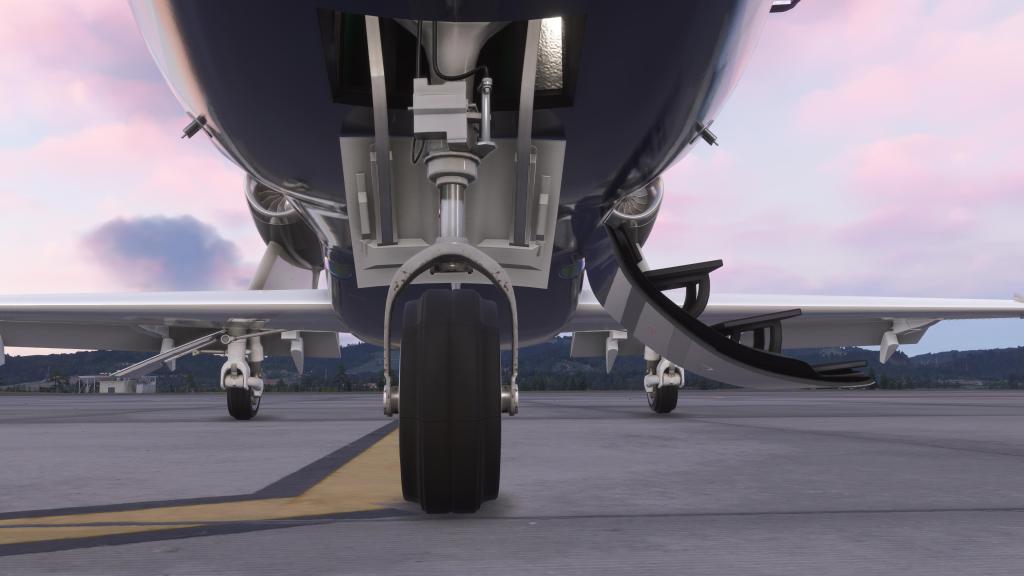
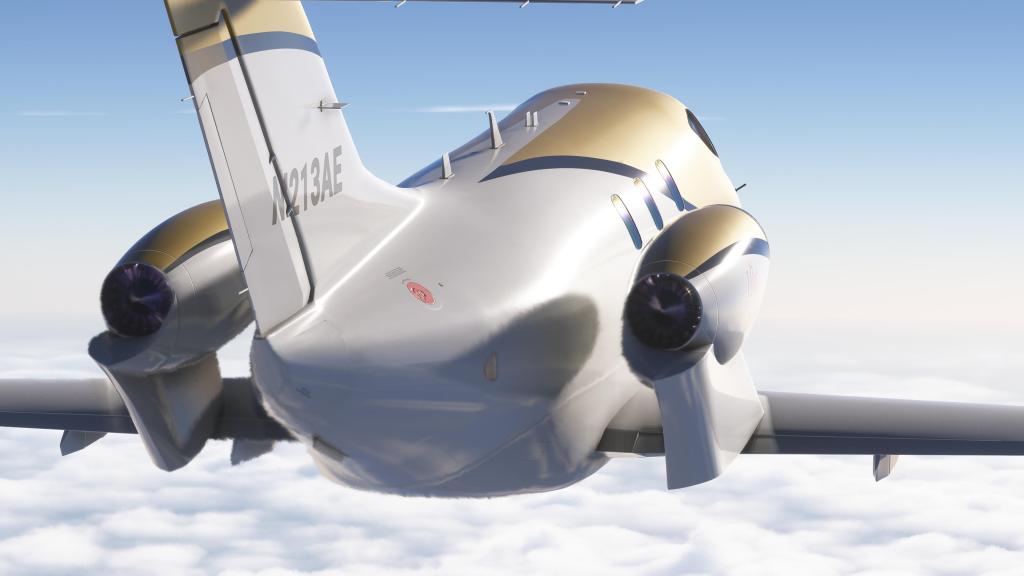
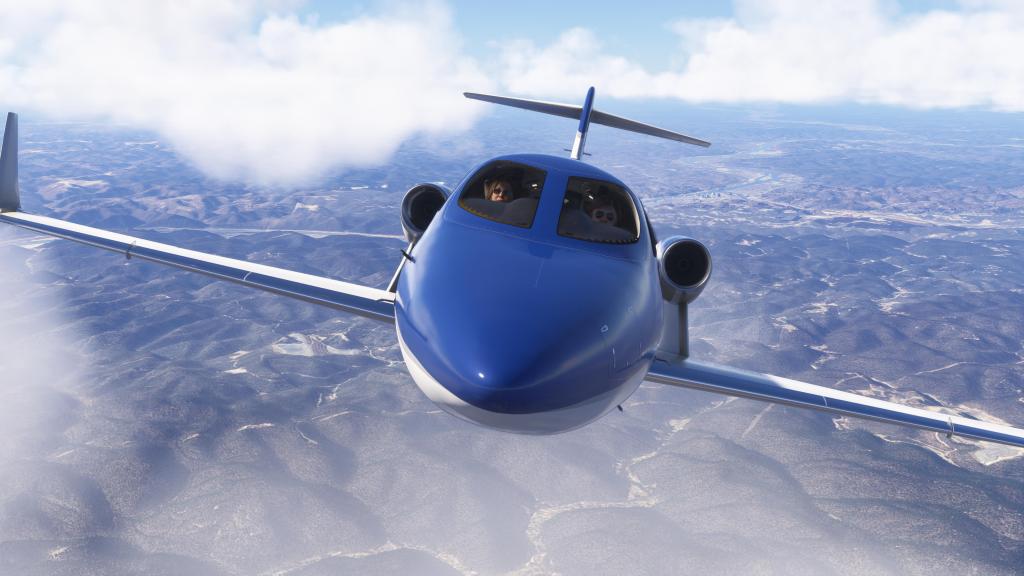
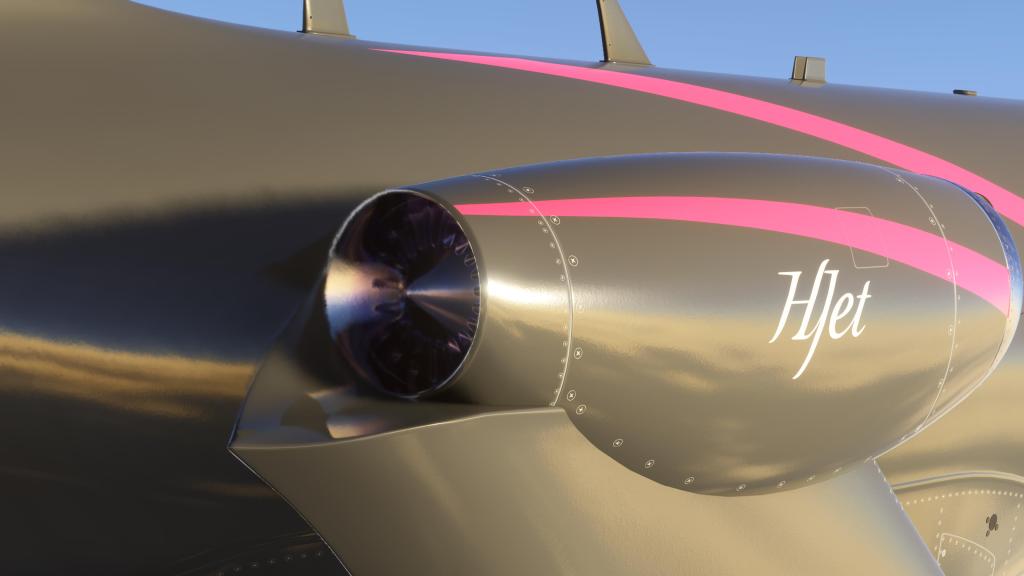
It comes with just over a dozen liveries which are the same overall as the 2020 version. This is a popular jet among livery creators and will get a fair number of liveries created or updated by the community to the modern standard. To that point, there are already over a dozen 2024 compatible liveries on Flightsim.to and the jet’s only been out for about a week.
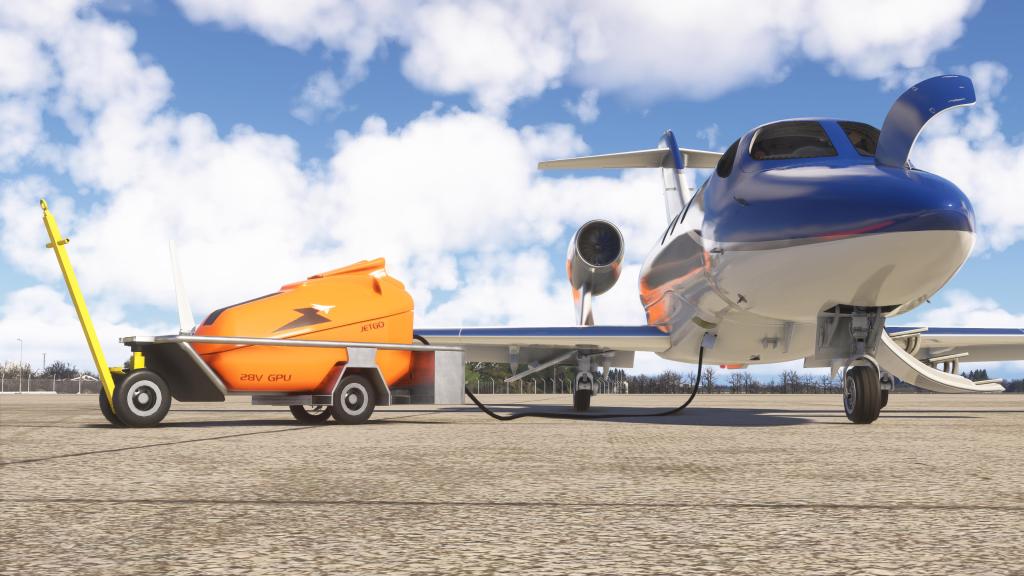
There are a few negatives with the visuals. I will mention that the protective covers on the jet are not using the fabric material system in the sim and don’t seem to be animated in the wind. There does appear to be a texture issue (at least on the Aerosoar livery) on the wheel cover for the landing gear on the one side. I’ve also found the tiniest hole in the mesh in the windscreen… its not visible unless you move the camera into an impossible spot but I saw it so its written here. I do also think the aircraft is overly clean and glossy, even for a business jet. Those are mostly nitpicky issues.
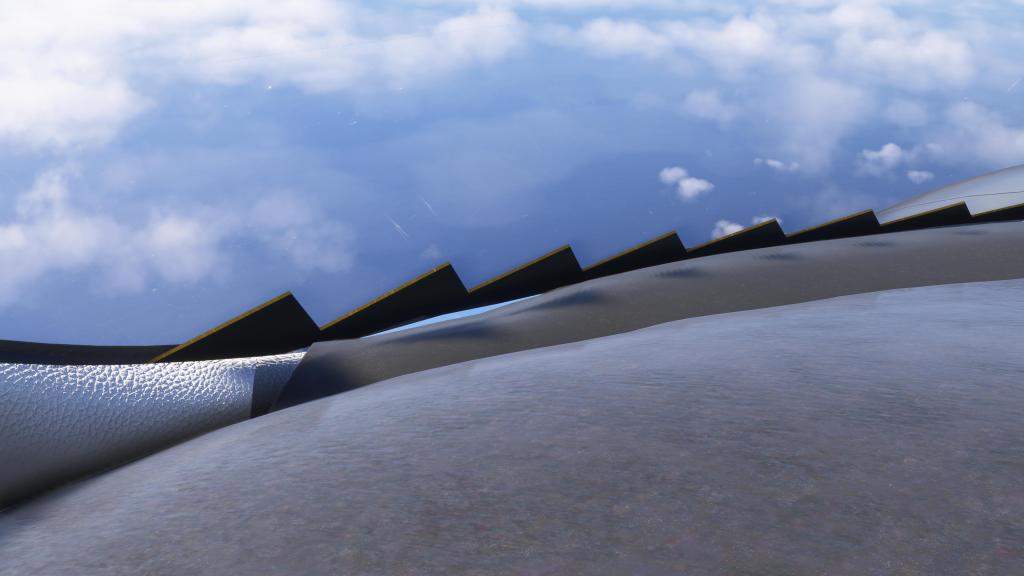
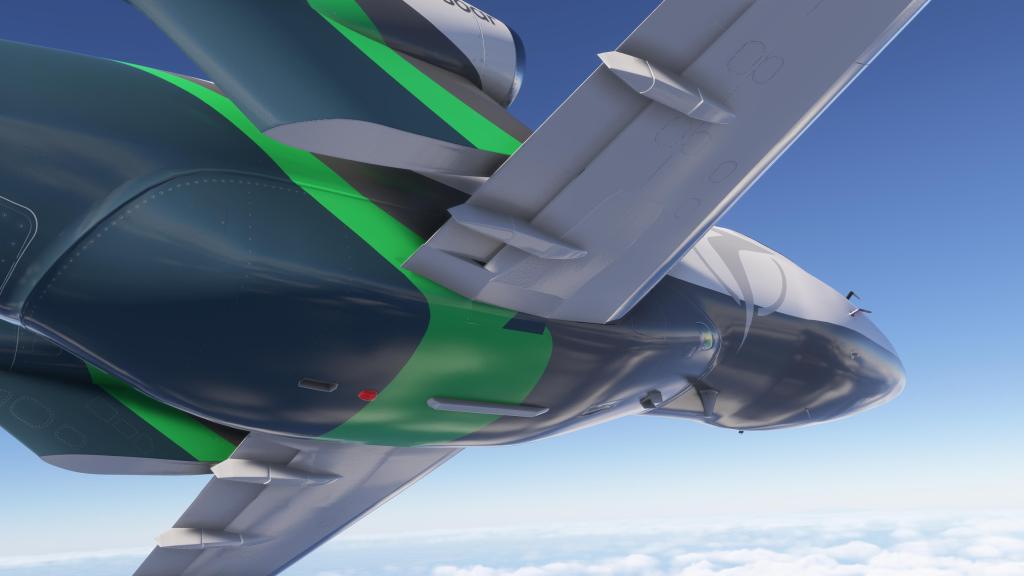
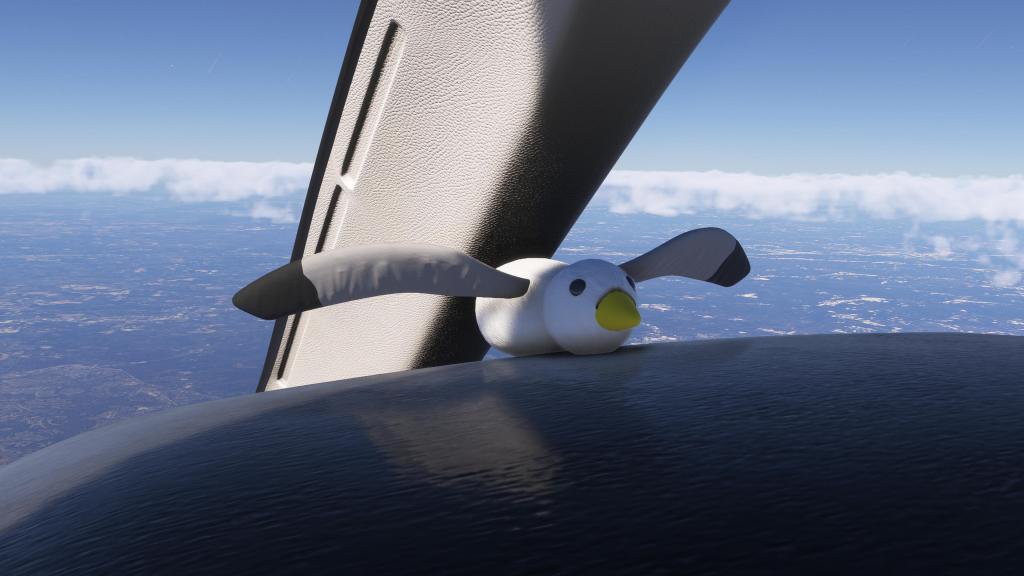
Oh and there is a little “Easter egg” style addition with Rufus which seems to be some sort of FlightFX mascot at this point. There are sounds and physics associated. I like it!
Now let’s talk about the sounds! Echo 19 did the work here and the sounds are incredible. The rumble on the ground while taxiing, the change in pitch as you roll down the runway, the spool up and down noises on the engines, all just really solid. The interior cockpit sounds including the avionics fans are subtle but solid. I appreciate that most buttons, even the soft touch ones, have some sort of feedback in the audio department which I always appreciate. It provides a tactile feeling where there isn’t otherwise one.
My only complaint is on the exterior sounds where sound doesn’t attenuate as aggressively as I think it should. Use the drone camera and zoom out away from the airplane and its nearly as loud as it is right up next to it. It might need a small tweak there.
Systems and flight model
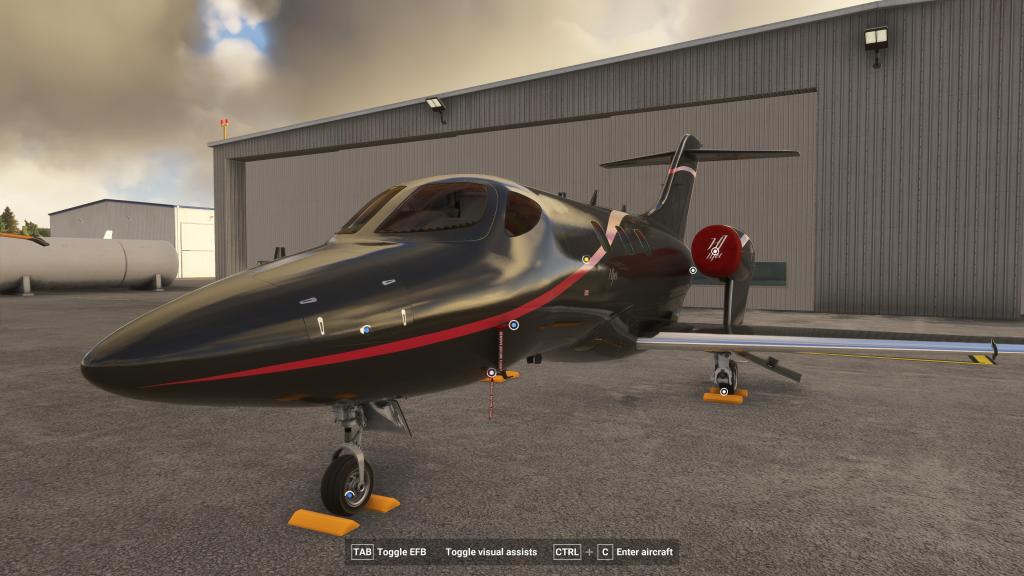
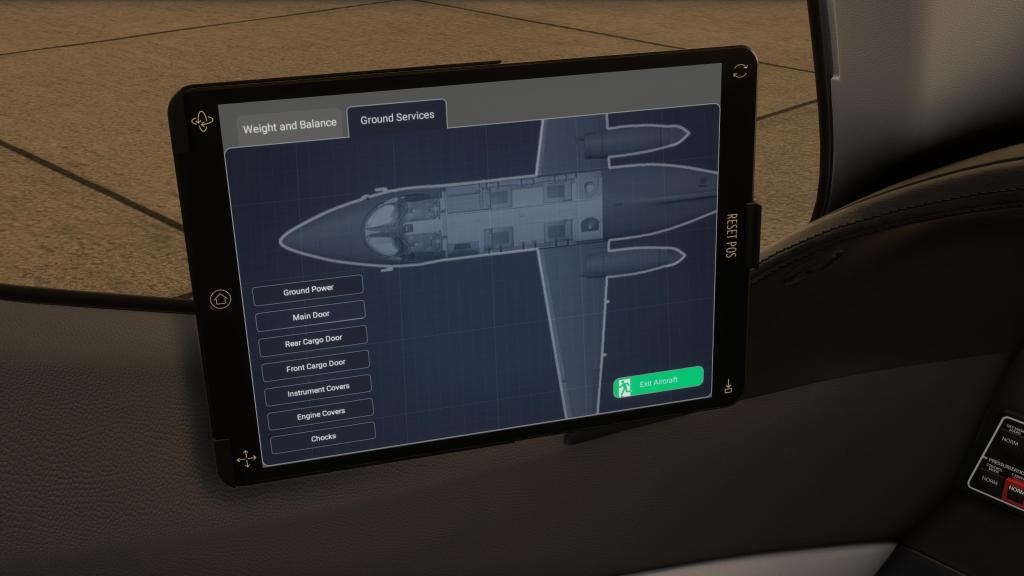
The HJet has been updated in systems and flight modeling for MSFS 2024. That starts with the walkaround mode support where you can inspect various parts of the aircraft and interact with its various exterior components. Remove the covers, remove the chocks, open the storage areas front and back, etc. You can do this from the tablet as well but its all available in the walk around mode which is great to see.
FlightFX have done some work to tweak some of the specifics of the HJet’s avionics. It uses the WorkingTitle G3000 as a base but it has lots of custom synoptics, a custom alerting system (with 130+ messages), and a lot of automated systems that kick in and do the job without needing direct pilot input.
The HJet is such a solid airplane for someone learning to do this type of flying because its a lot more automated than an Airbus or a Boeing airliner. It’s a single pilot airplane and the systems do a lot of work to make sure that you can fly it all on your own. Refreshing versus flying an airliner where the systems were really intended for two pilots.
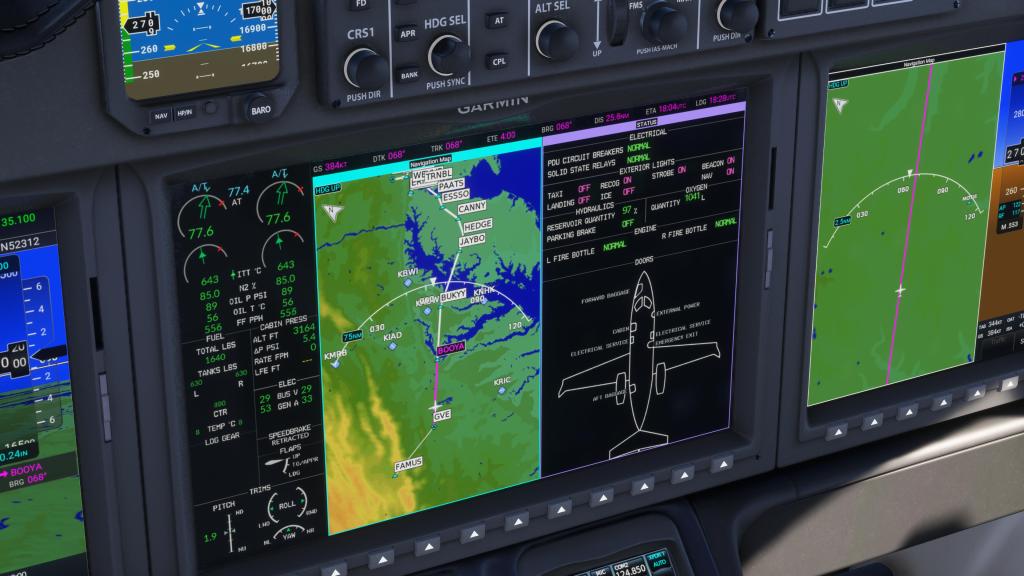
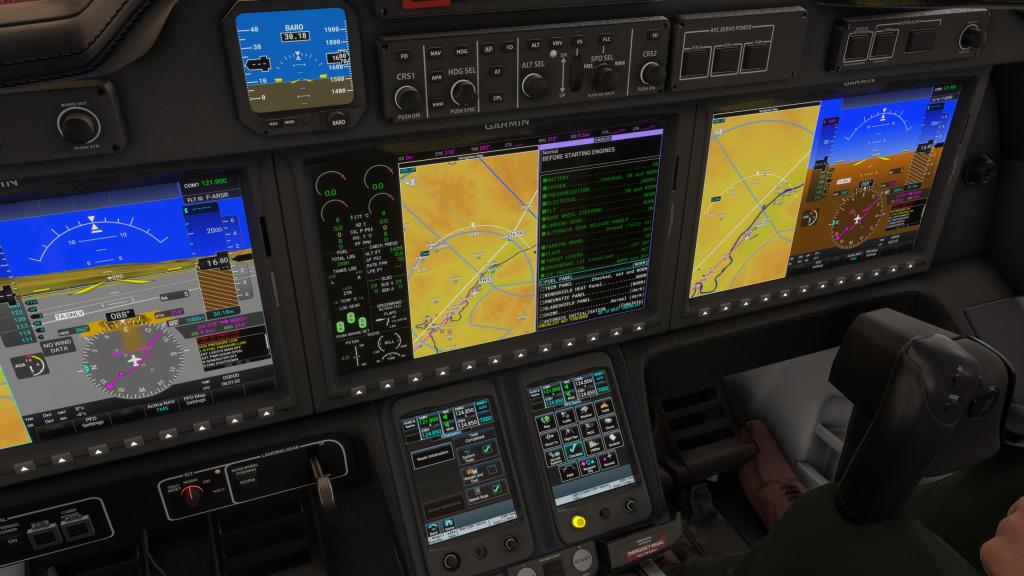
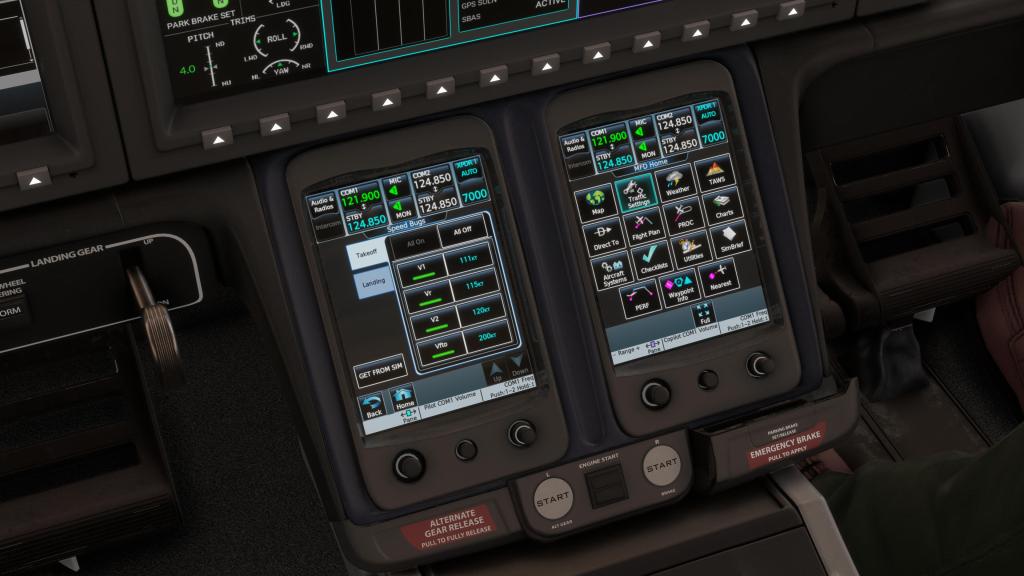
Managing the lights, letting you know that the anti-icing system is on (and off), telling you that you forgot to do something through the alerting system, its all really pilot friendly. It also has functioning VNAV and auto throttle. That’s all a testament to the real world aircraft sure, but also as programmed by a combination of FlightFX and Working Title. It’s a great combination of systems depth, plus automated systems, and easy to interact with touch screen systems that make this approachable and easier to manage as a single pilot flying a flight simulator.
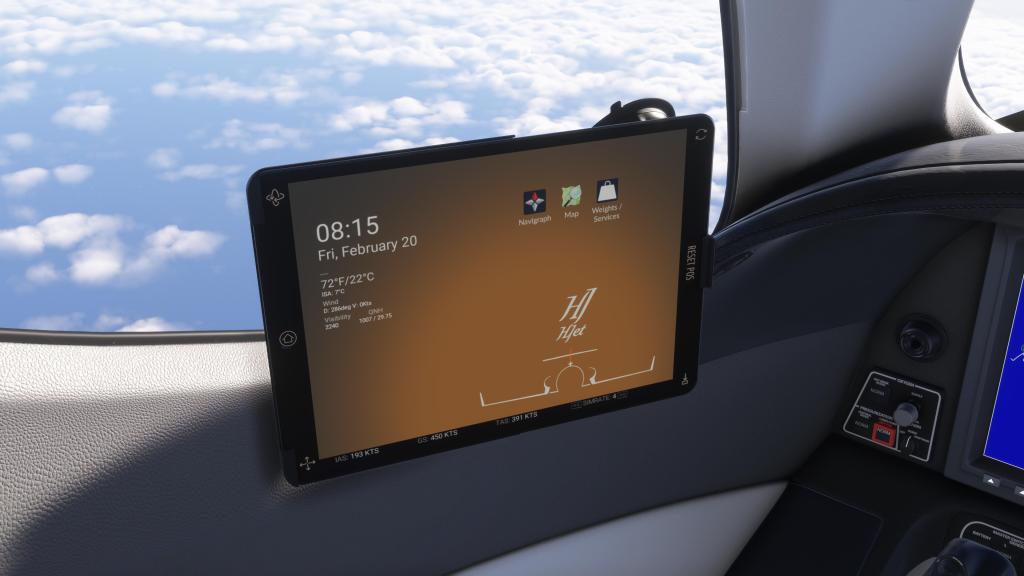
Electronic Flight Bag (VAMS 2.0) has been introduced on this re-release. This is the FlightFX EFB system that they have been refining for the Citation X and P.180. It is now available on the HJet. Its not quite as full featured as some tablets out there but it does the important things letting you manage the aircraft’s fuel and weight, SimBrief integration, Navigraph charts (which you can display on the G3000 as well), and a basic built in map as well. You can click and move it around to angle it just the right way or hide it in the documents pocket on the left.
The only thing I might ask for at this point is a automatic pause at top of descent feature for those longer haul flights (where I typically do chores around the house and check in on my jet every so often). It’d be nice to have.
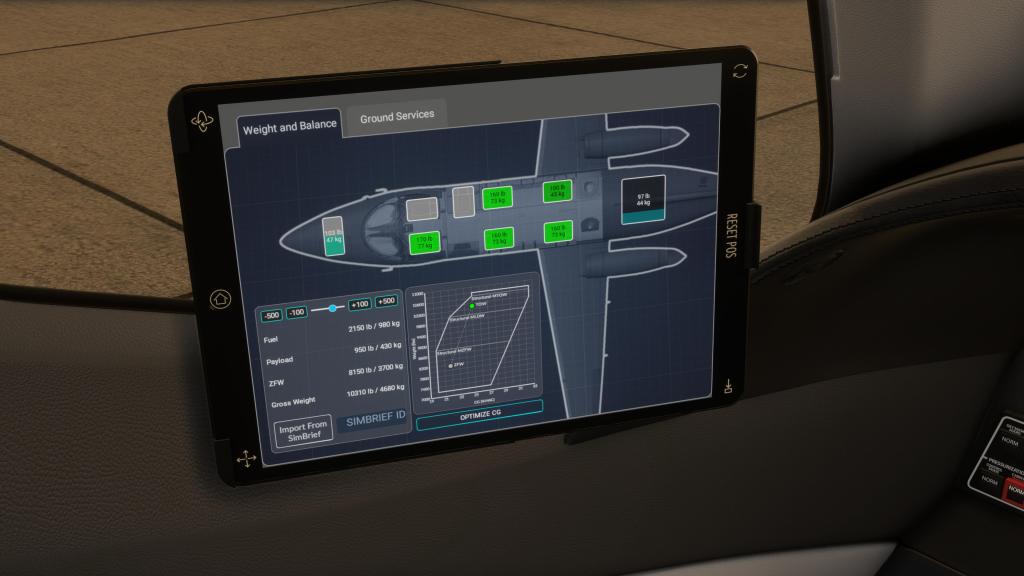
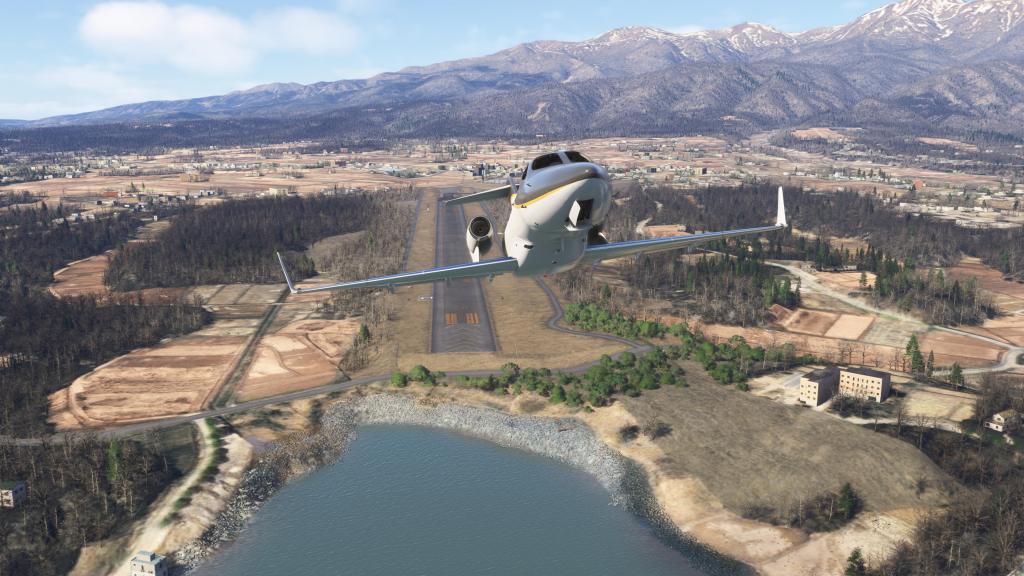
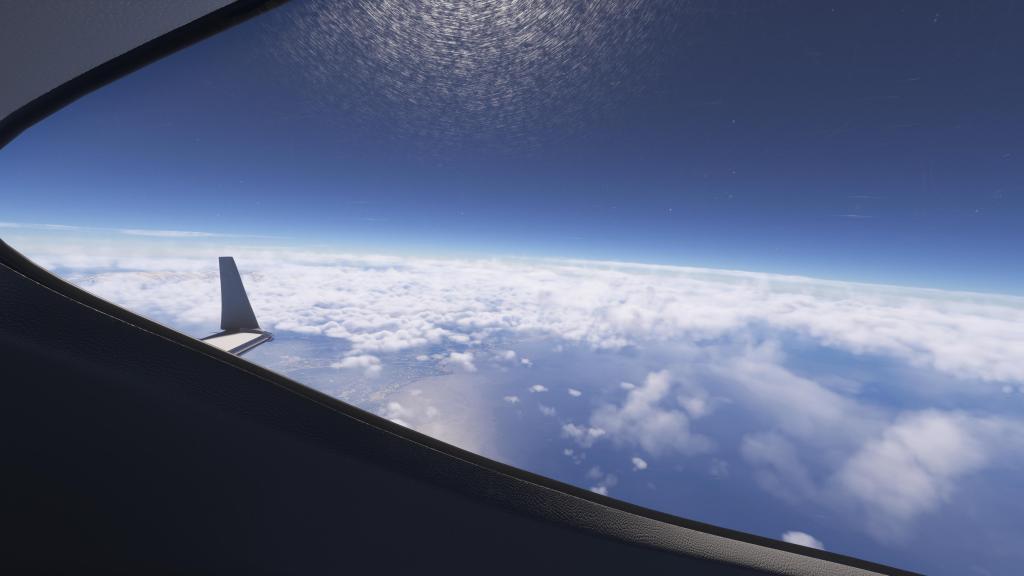
This aircraft is also a great handling and flying aircraft. It has performance thanks to a 4,000 fpm climb rate, 43,000 feet cruise altitude, and a respectable 1,547 nautical mile range. The aircraft is limited by its maximum takeoff weight requiring you to trade payload for fuel depending on the mission. It can takeoff on a 4,000 foot runway and landing in just 3,000 feet. You can fly the HJet into a lot of airports that would otherwise be inaccessible to larger aircraft so that is fun too.
The underlying technology uses the latest MSFS 2024 systems including the CFD flight model and the enhanced ground model. The result? The HJet is very satisfying to fly, it reacts realistically to weather conditions, it feels solid in the air, and the ground physics are excellent too.
Go on a mission
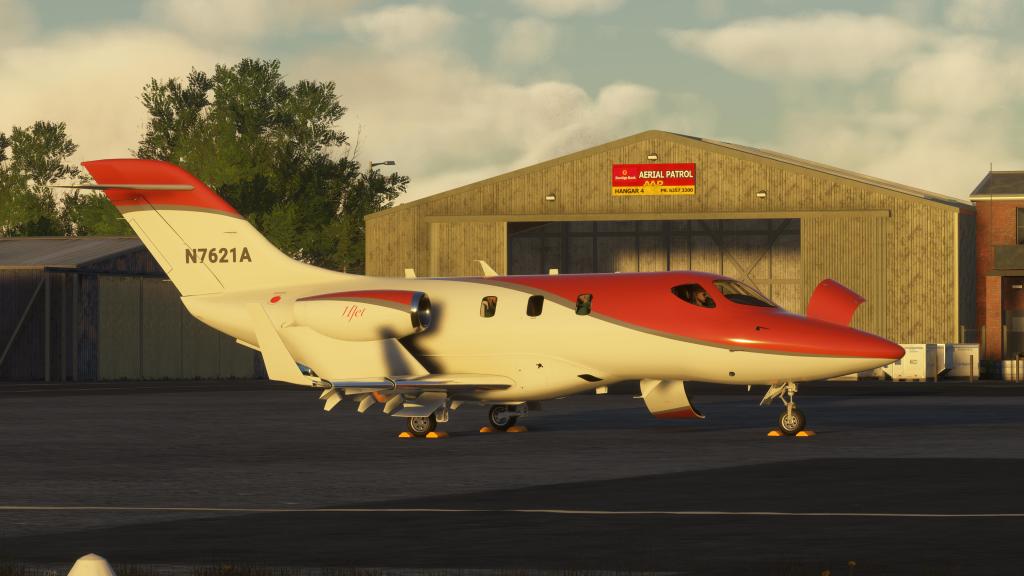
The HJet is great in free flight doing short and medium distance sorties from all kinds of airports. The short takeoff distance (4,000 feet) means a very large numbeer of airports are open to you to fly from and the tight maneuvring capabilities of a smaller plane like this means that even some of the harder to reach airports are relatively accessible without the challenge of a bigger heavier jet that you may just not take into a location like that.
FlightFX have also made the HJet compatible with Career mode. So if you’re really engaged with MSFS 2024’s Career mode (buggy as it is right now), the HJet is a new plane that you can incorporate into your flying. That requires you to have purchased it from the Marketplace so bear that in mind!
Final thoughts
I’ll make this simple: If you like business jets and you like flying short and medium-haul flights at high altitudes in a stylish little jet, FlightFX’s HJet is worth every penny!
Refined in every respect and retaining everything that made it enjoyable the first time around, this upgrade is superb. If they had charged the price of a cup of coffee, I’d have done the upgrade price too but instead they are offering it for free. If you’re new to the jet, its $24.99 USD which is a great price for the fidelity on offer.
The best part about this jet is how simple it is to operate. Between the touch screen style interfaces, the automation, integrated checklist, and various other attributes, this jet has incredible capability but without some of the mental overhead that some of the larger airliners offer. That holds tremendous appeal to me on days where I don’t have the brainpower to approach something more complex, but its also ideal for those newer to this type of flying. You can cruise at FL430 but do it in a jet that is roughly as complex as MSFS 2024’s own TBM 930. That is a great balance!
Things you won’t see here are long term maintenance features and “ownership” type items. It’s not quite at that level the way Black Square or A2A is offering with some of their products but this also doesn’t have that price point so this is smartly priced for everything that’s on offer.
Every product I’ve bought from FlightFX has been terrific value, punching well above the price point for a solid, entertaining, fun experience. I’ve run into few if any bugs and it looks, from the discussions online, that the only real challenges with the product are some niggly differences in how the jet’s avionics display information versus some versions of the real one (Marwan’s references are from a slightly older software revision). That’s the kind of nitpick you have to do to find issue here. It does sound like a few more minor bugs are being put into an update that is forthcoming but there’s very little not to like here.
FlightFX’s HJet is extremely well done! It sounds great, it looks great, the systems modeling is solid, and its fun. Just buy it.
Learn more about the jet here and then pick it up on various marketplaces including MSFS 2024’s built in Marketplace, Orbx, Contrail, and Flightsim.to!
Screenshots




 Stormbirds
Leave a comment