

Today I go a little off-topic by talking about Star Citizen and how I think its showcasing some future flight sim technology that I hope to see in future iterations of the flight sims we fly now.
What is Star Citizen?
Some of you may have legitimately never heard of Star Citizen or glossed it over so here’s my really quick recap of what it is.
Created by Chris Roberts, someone whom many may know from the late 1980s and early to mid 1990s when he and team created Wing Commander and successive sequels. He pushed the full motion video and video game combination that was popular in the early 90s to new heights enlisting film crews and Hollywood actors like John Rhys-Davies, Malcolm McDowell and Mark Hamill.
Roberts moved into movie production (and produced the critically panned yet fun Wing Commander movie in 1999) and has since returned to the video game scene. In 2011 development and the largest crowd funding campaign in history began on Star Citizen. The scope of the “game” (if you can call it that) has expanded multiple times leading to criticism that the title is “vapourware” or will never be finished.

Fans continue to pour money into it despite the naysayers and development continues on the massive open universe (with trade, persistent locations, factions and alliances, etc.) and new playable versions emerge on a semi-regular basis. A single player cinematic experience is also under development called Squadron 42. It’s at least two years behind original schedule but fans continue to wait.
Citizen Con
For the last few years, the development teams (there are several) have converged on Frankfurt Germany for Citizen Con – a convention devoted to Star Citizen and featuring multiple panel discussions and a keynote address by Chris Roberts and some of the key developers.
To say this is a gaming phenomenon that we haven’t seen before would be something of an understatement. It’s still riding just under the mainstream game-media hype train but for PC gamers and space sim aficionados, Star Citizen fans are suitably excited for the games incredible scope.
Keynote 2017
Chris Roberts gave the 2017 keynote just a couple of days ago now and I watched a good part of it. Though the games immense scope is overwhelming to me, I think the technology behind it is driving some elements of game/simulation design forward and I think those will start to impact on the way we play our sims in the future too.
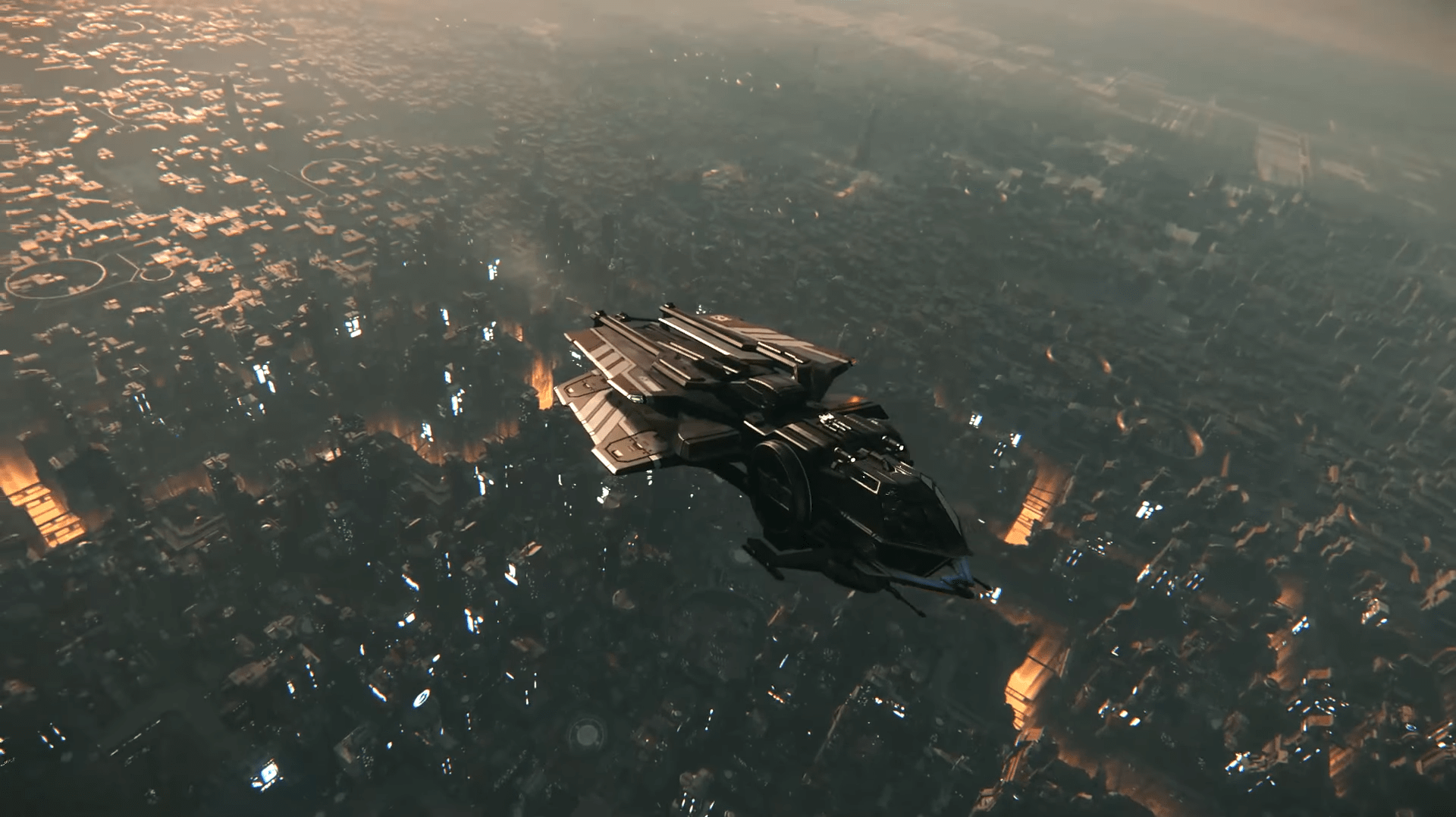
I personally suggest jumping forward to the 10 minute mark on the keynote where Roberts talks and shows what the team has been busy building. In this case, a planet with procedurally generated cities that span the entire planet. Think Blade Runner meets Star War’s Coruscant.
What the Star Citizen developers are building is a universe of planets and civilizations that have an incredible scale and scope. This takes whole new game engines to handle this and its no small wonder that Robert’s project has essentially co-opted the remnants of the disbanded Crysis team to develop the engine (itself based on Crysis originally).

Star Citizen lets you walk out of a bar, go into a trade shop, go past planetary customs and hop in your spaceship and then fly low over a planet wide city before pointing the nose skyward and flying into space. It’s all fantastical for fans of realistic rivet counting flight sims but I encourage everyone to think just one step further.
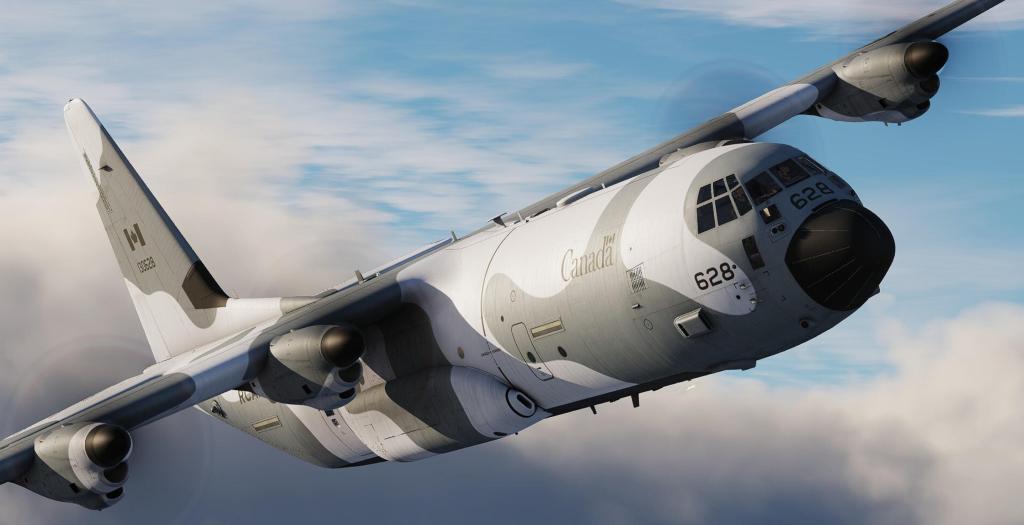
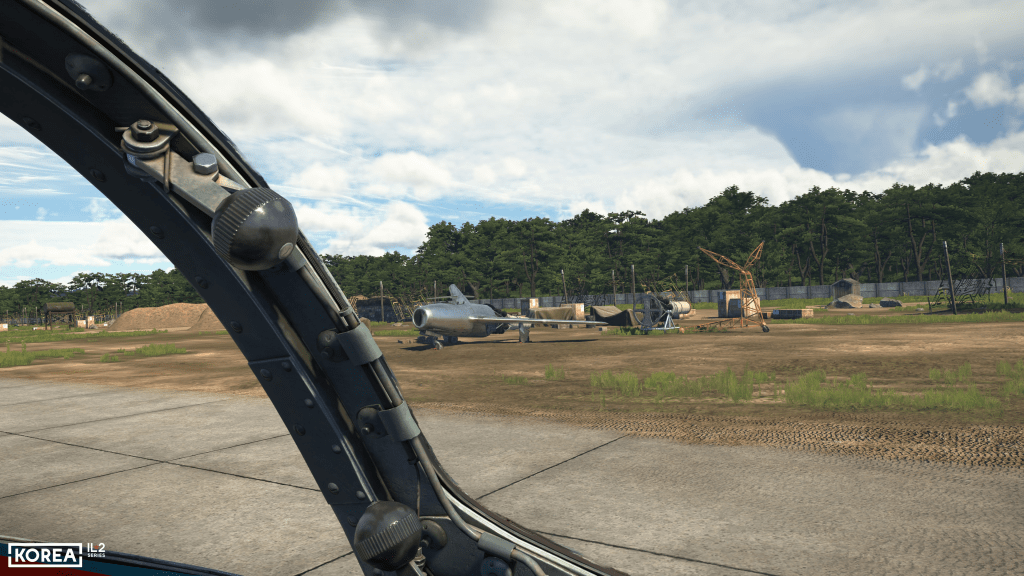
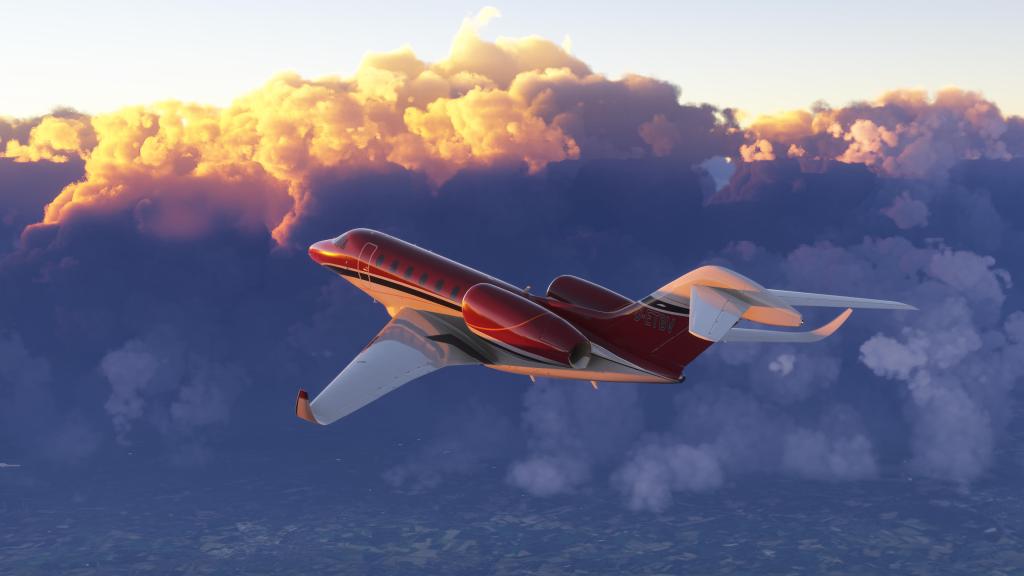
What if some of this technology eventually made its way into some future flight sim. Say in 10 or more years down the road where CPU/GPU/memory power enable the kind of physics fidelity (and lets be honest, Star Citizen is not too far behind what we have in flight sims and in some ways it takes things steps further) with realistic simulation worlds that have the scale and scope of something like the entire Pacific theatre or all of Europe from the East to West front.
The economic mode for flight sims may slow down this approach but I like to think optimistically and I think this is all something that may appear in a future iteration of IL-2 or DCS.
Massive scenarios, using hand built features in places and procedurally generated details in others, creating incredible landscapes and putting the kind of graphics and highly detailed flight and systems fidelity that we already have and more. These are all possibilities.
Star Citizen has immense crowd funding and that can fund the development of these technologies in the matter of a few years what other game developers may never be able to accomplish. I’m optimistic. It could happen.

If you want to find out more about Star Citizen, head over to their website for details. And I would probably be remiss if I didn’t mention the other title that competes in this area of the sim genre. Elite: Dangerous is in many ways an equally impressive title with a little more focus and a little less giant world building that Robert’s team is busy doing but it still has procedurally generated planets, moons, and a huge universe available to explore that Star Citizen does not yet have. Check that out too!


 Stormbirds
Leave a reply to ShamrockOneFive Cancel reply