

Being the very first aircraft to be flyable in the new IL-2: Great Battles series, the LaGG-3 Series 29 has long since been the centre of any excitement or hype. It was in many ways the “default” fighter and as a result it’s been overshadowed. But is it deserving of its “mediocre” reputation? Let’s revisit the LaGG-3!
Remaking a reputation
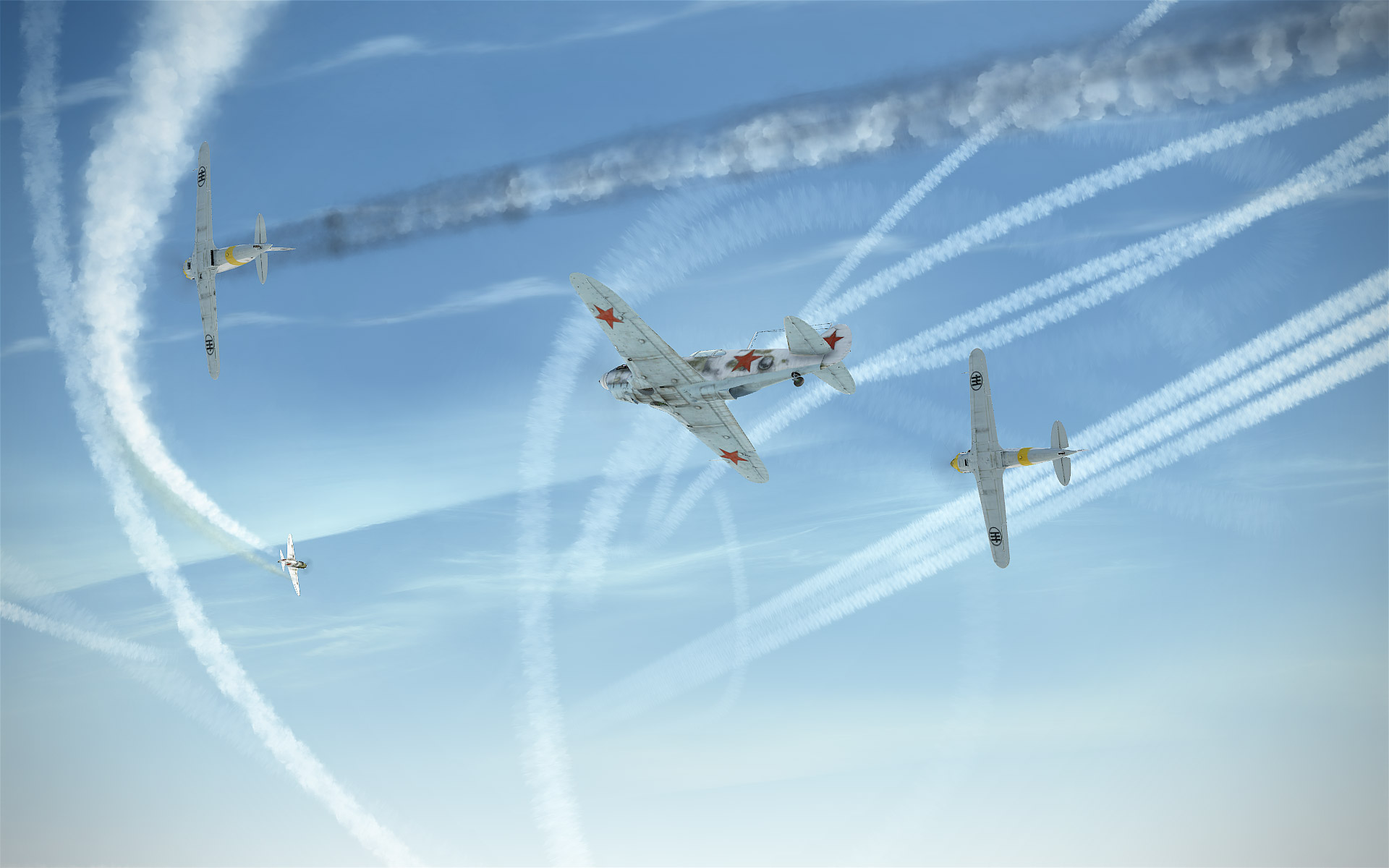
The LaGG-3 in its earliest incarnations was too heavy, too under powered, and not yet well refined. Still, it was all that was available and pilots flew it into battle for the first years of the war in the East. By the middle part of 1942, slightly more refined versions of the LaGG-3 were starting to hit the frontlines. This is what we have with IL-2: Battle of Stalingrad’s LaGG-3 Series 29.
Put on a diet and given a more potent M-105PF engine, the same found in the Yak-1 Series 69 and Yak-1B Series 127, the LaGG-3 Series 29 is trying to catch-up and match its contemporaries. But can it?
Performance comparison
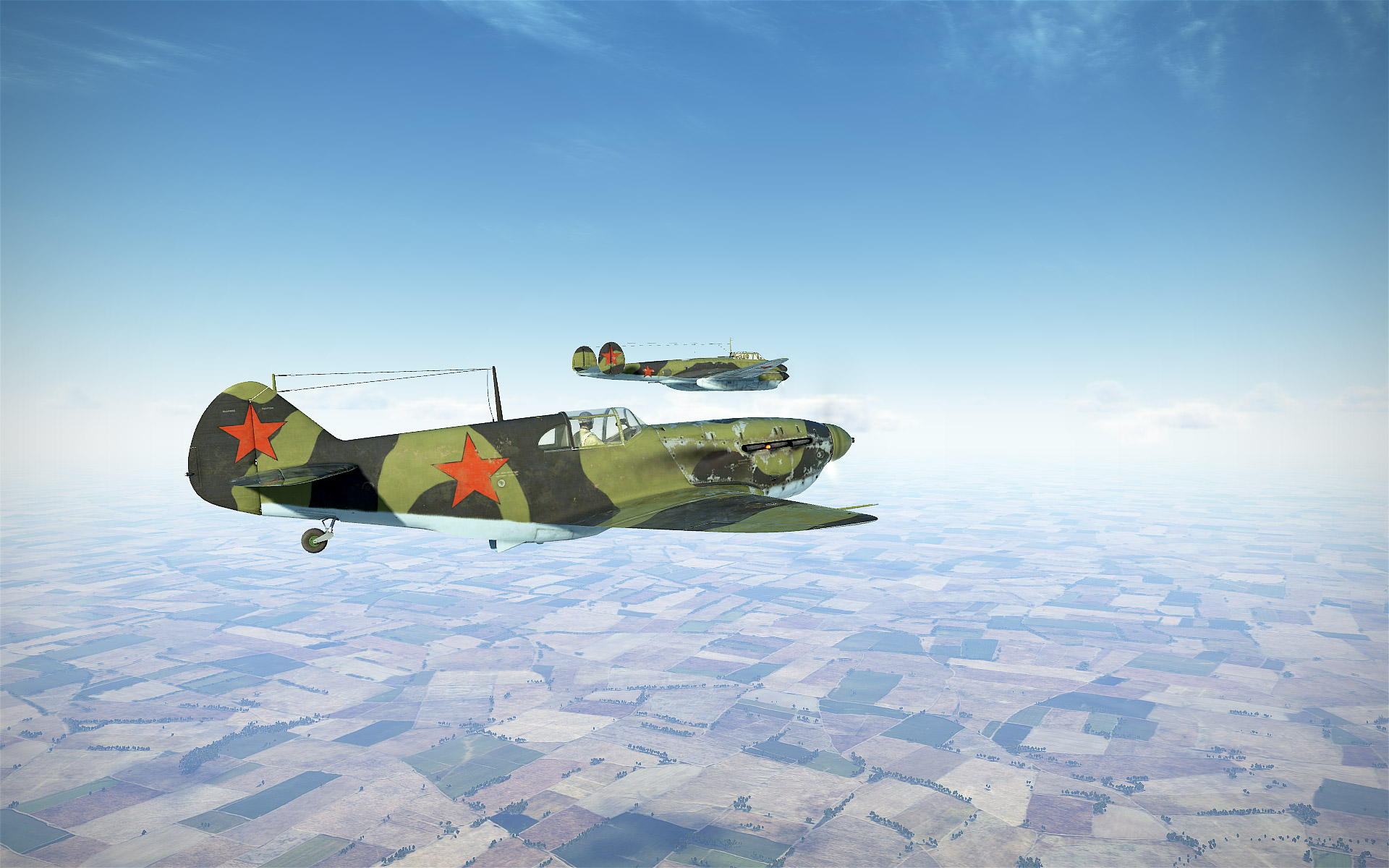
Let’s look at some key points of comparison between the LaGG-3 and some of the other fighters in the Russian 1942-1943 arsenal. Using the information provided to us from 1CGS.
Speed
LaGG-3 Series 29
Maximum true air speed at sea level, engine mode – Nominal: 505 km/h
Maximum true air speed at 2000 m, engine mode – Nominal: 548 km/h
Maximum true air speed at 4000 m, engine mode – Nominal: 573 km/h
Yak-1 Series 69
Maximum true air speed at sea level, engine mode – Nominal, 2550 RPM: 514 km/h
Maximum true air speed at 2000 m, engine mode – Nominal, 2700 RPM: 549 km/h
Maximum true air speed at 4000 m, engine mode – Nominal, 2700 RPM: 582 km/h
Yak-1B Series 127
Maximum true air speed at sea level, engine mode – Nominal, 2550 RPM: 530 km/h
Maximum true air speed at 2000 m, engine mode – Nominal, 2700 RPM: 567 km/h
Maximum true air speed at 4500 m, engine mode – Nominal, 2700 RPM: 600 km/h
La-5 Series 8
Maximum true air speed at sea level, engine mode – Boosted: 544 km/h
Maximum true air speed at 3000 m, engine mode – Nominal: 571 km/h
Maximum true air speed at 6500 m, engine mode – Nominal: 603 km/h
MiG-3 Series 24
Maximum true air speed at sea level, engine mode – Boosted: 525 km/h
Maximum true air speed at sea level, engine mode – Nominal: 493 km/h
Maximum true air speed at 7600 m, engine mode – Nominal: 626 km/h
At sea level, the LaGG-3 is the slowest of the bunch, although compared to its close contemporary in the Yak-1 Series 69 it is actually fairly similar being only 9km/h slower. It can also sustain 505km/h while the MiG-3 can only maintain boost for 10 minutes before losing speed. Of course nothing in this list compares to the La-5 Series 8 on boost and the substantial improvements to the Yak-1B give it a 25km/h lead.
At 2000 meters the Yak-1 Series 69 and LaGG-3 are essentially identical in speed and are bested by the La-5 Series 8 and Yak-1B Series 127 with 20+km/h advantages. At high altitudes the MiG-3 reigns supreme – unsurprising given its AM-35 engine was tuned to operate at those levels.
Without some datapoints in between there are probably some clearer lines to draw here. Despite being the “slowest” I think that is a dubious distinction as the LaGG-3 is only marginally slower than some other very fast aircraft.
Climb
LaGG-3 Series 29
Service ceiling: 10500 m
Climb rate at sea level: 14.9 m/s
Climb rate at 3000 m: 13.3 m/s
Climb rate at 6000 m: 8 m/s
Yak-1 Series 69
Service ceiling: 10200 m
Climb rate at sea level: 16.9 m/s
Climb rate at 3000 m: 15.0 m/s
Climb rate at 6000 m: 9.4 m/s
Yak-1B Series 127
Service ceiling: 10600 m
Climb rate at sea level: 17.0 m/s
Climb rate at 3000 m: 15.0 m/s
Climb rate at 6000 m: 9.5 m/s
La-5 Series 8
Service ceiling: 9500 m
Climb rate at sea level: 18 m/s
Climb rate at 3000 m: 13.3 m/s
Climb rate at 6000 m: 8.2 m/s
MiG-3 Series 24
Service ceiling: 11800 m
Climb rate at sea level: 15.9 m/s
Climb rate at 3000 m: 14.0 m/s
Climb rate at 6000 m: 10.2 m/s
In climb rate the LaGG-3 suffers versus its contemporaries being the slowest climbing at all altitudes. It does nearly match the La-5 Series 8 at 3000 meters and at 6000 meters. At low altitudes the LaGG-3 is 2m/s slower in climb rate than the Yak-1 Series 69 and 1m/s slower than the MiG-3 Series 24.
Turn time
LaGG-3 Series 29
Maximum performance turn at sea level: 22.2 s, at 280 km/h IAS.
Maximum performance turn at 3000 m: 28.9 s, at 270 km/h IAS.
Yak-1 Series 69
Maximum performance turn at sea level: 19.2 s, at 270 km/h IAS.
Maximum performance turn at 3000 m: 24.6 s, at 270 km/h IAS.
Yak-1B Series 127
Maximum performance turn at sea level: 19.0 s, at 270 km/h IAS.
Maximum performance turn at 3000 m: 24.1 s, at 270 km/h IAS./s
La-5 Series 8
Maximum performance turn at sea level: 23.4 s, at 270 km/h IAS.
Maximum performance turn at 3000 m: 35.3 s, at 270 km/h IAS.
MiG-3 Series 24
Maximum performance turn at sea level: 22.4 s, at 270 km/h IAS.
Maximum performance turn at 3000 m: 28.7 s, at 270 km/h IAS.
Roll rate
We don’t have official values for roll rate and I’m not sure what the best methodology is required to produce some accurate roll rate times. At the moment as things stand in IL-2: Battle of Stalingrad version 2.012 – the LaGG-3 is one of the fastest rolling fighters available versus its contemporaries. Some say its faster than the FW190 although that distinction may only be held at some speeds. It’s certainly as fast as the La-5 Series 8 at roll.
Weapons
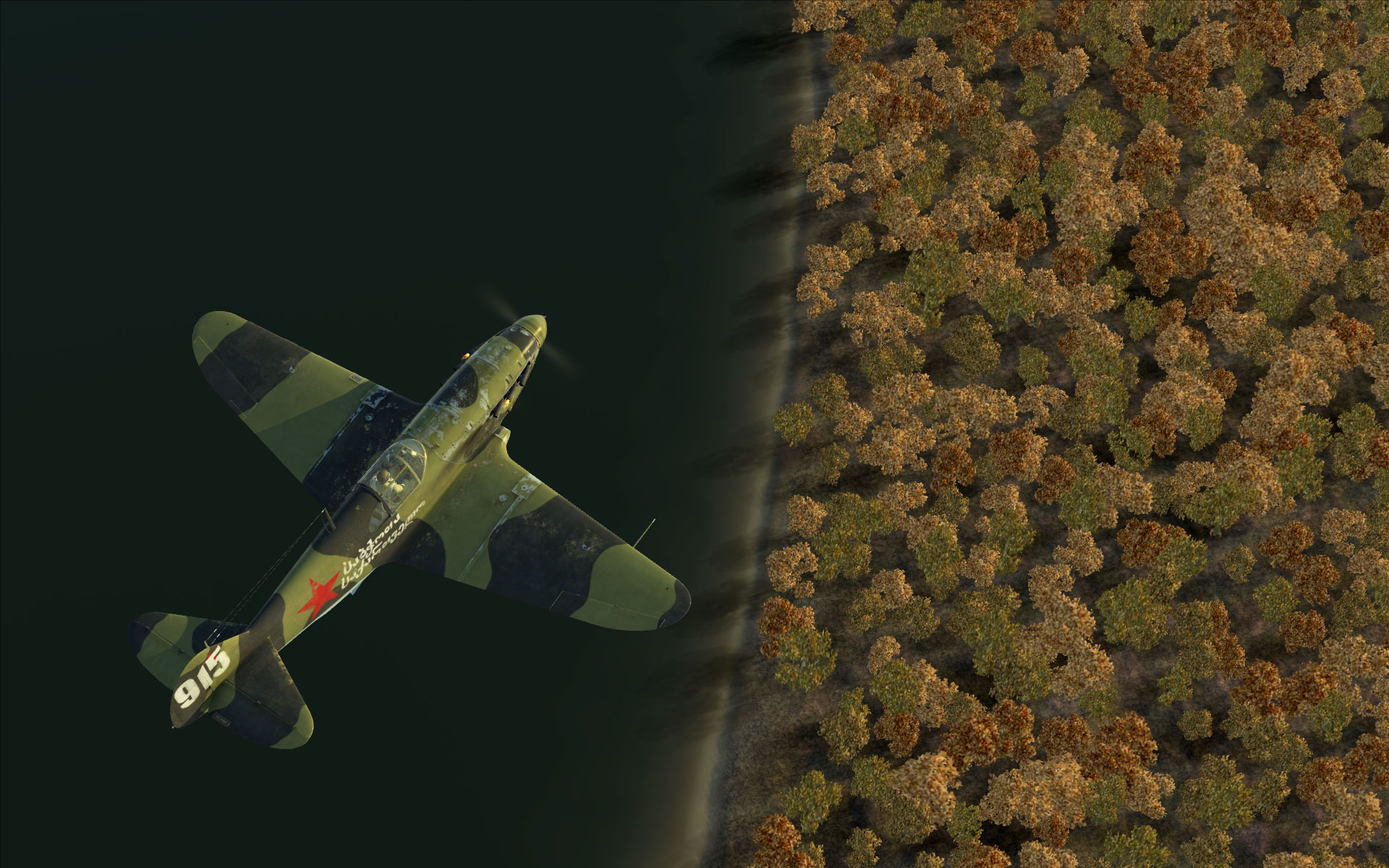
The default armament for the LaGG-3 Series 29 is a very typical Russian fighter armament in WWII. A single UBS 12.7mm machine gun firing through the prop and a 20mm ShVAK cannon firing through the propeller hub. This is the same as the Yak-1B Series 127 and its overall more powerful than the Yak-1 Series 69 and the default MiG-3 armament. The La-5 Series 8 and MiG-3 (with available mods) ups the ante with a pair of 20mm cannons each.
The LaGG-3 does go a step further offering one of the most potent armaments available. The VYa-23 is a hard hitting 23mm cannon found more typically in the wings of the IL-2. It was experimentally and operationally fitted with this cannon in some rare instances and when fitted it makes the LaGG-3 a potent bomber and attack plane killer.
The LaGG-3 also comes with another experimental armament option that was more common than the VYa-23 fitting. I am talking about the Sh-37 cannon. A slow firing 37mm cannon that can destroy fighters in a single hit and bombers in only a few shots at most.
When it comes to armament flexibility, the LaGG-3 is one of the best.
Overall feel and final comments
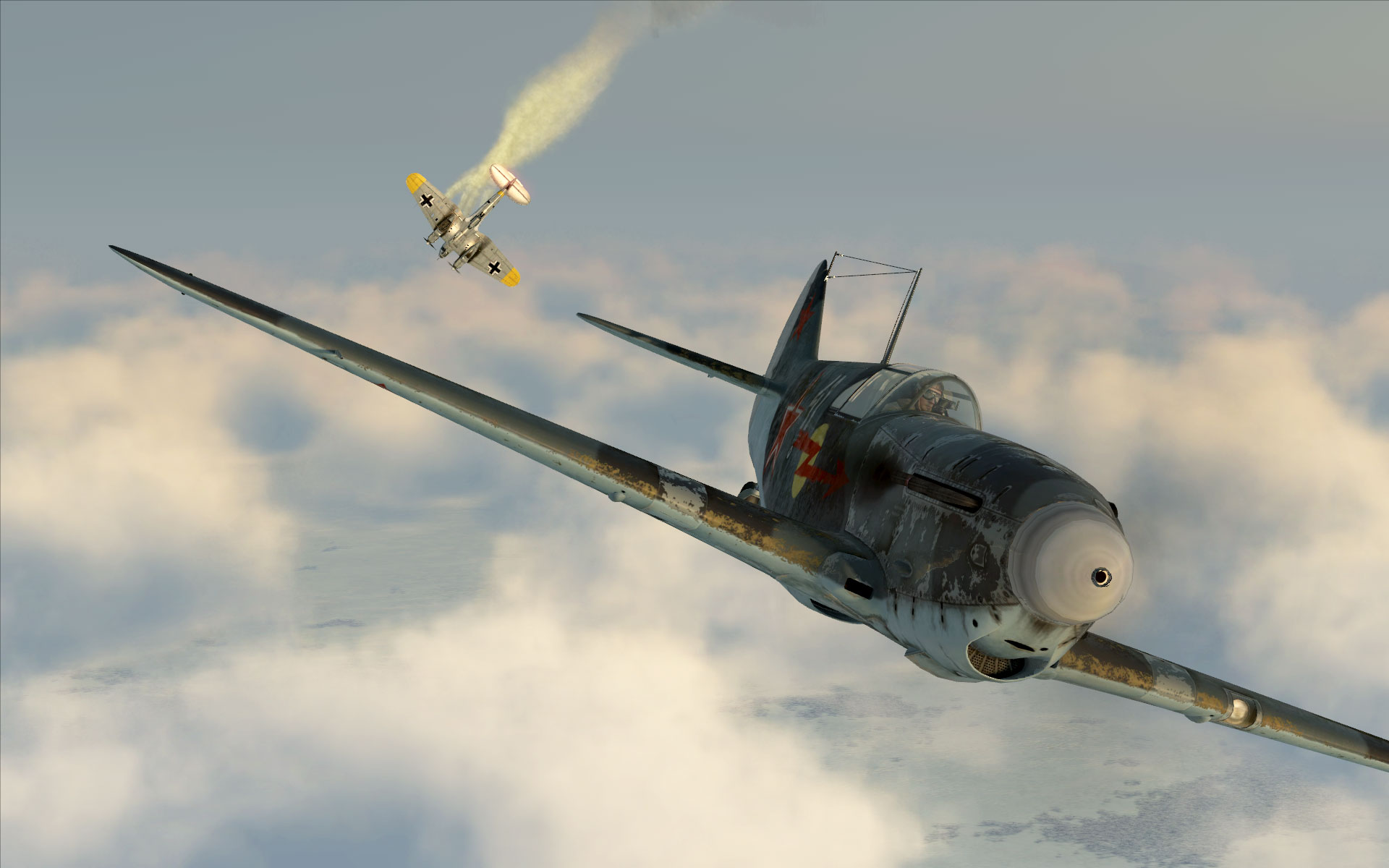
Throughout this comparison, the LaGG-3 has fallen short compared to its contemporaries on metrics such as climb, speed, and turn. However, its not far behind in any of those categories and when you pair it with a heavy cannon and a fast roll rate the aircraft becomes more than the sum of its individual performance attributes.
The LaGG-3 is only marginally slower than the Yak-1 which has such an excellent reputation and it handles well enough to keep up most of the time. Controls are not as well harmonized at high speeds where everything but the ailerons start to stiffen.
As far as fighters go, nobody will pick the LaGG-3 Series 29 as their first choice but it may be a good second choice. In situations where only the LaGG-3 Series 29 is available and fancier fighters have run out, the LaGG-3 offers a credible and adequate back up solution.
For bomber interception and defensive situations the LaGG-3 is actually a solid contender. If you know that you’re going to intercept Ju87s, Ju88s, He111s or Bf110s… consider the LaGG-3 as your first choice. Especially when fitted with more heavy armament.



 Stormbirds
Leave a comment