
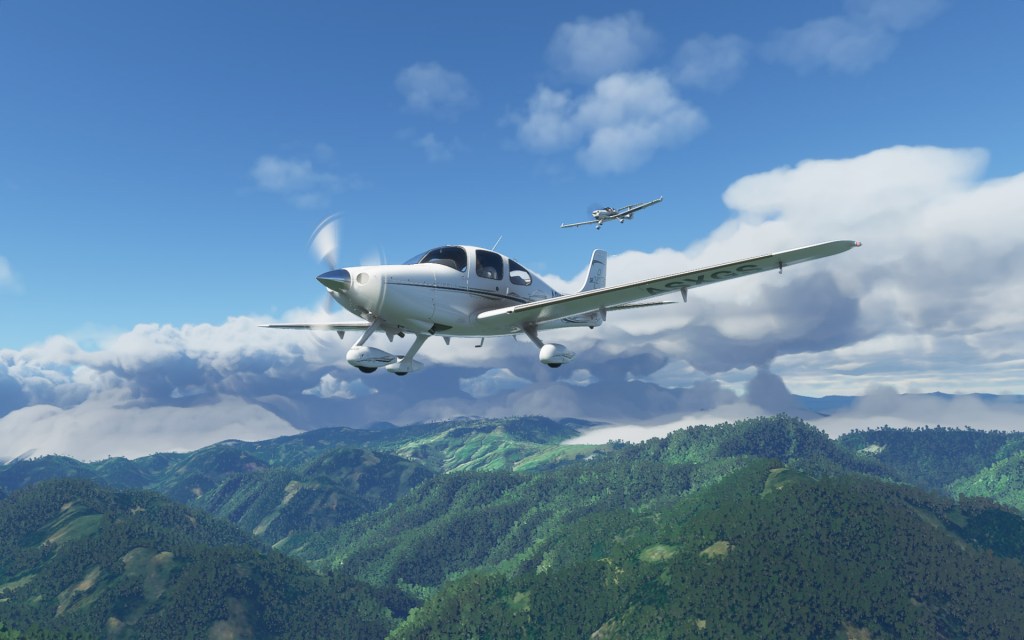
To say that 2020 has been a bad year would be understating the experience that everyone that I know has been going through. It’s in that light that I want to try and understand the irony and circumstances that conspired to make 2020 a very good year for flight simulation. This year saw some big shifts in the landscape, changes in technology, and numbers and enthusiasm that I haven’t seen in many years. Let’s take a moment and consider where our hobby is at right now at the end of 2020.
Big changes in the landscape
It’s no surprise that hobbies that you can do by yourself, indoors, away from other humans have thrived this year. With the entire planet facing down the pandemic and all of the various issues that it has caused, people have been looking for ways to occupy their time and everything from baking, sewing, stamp collecting, and video gaming has benefited.

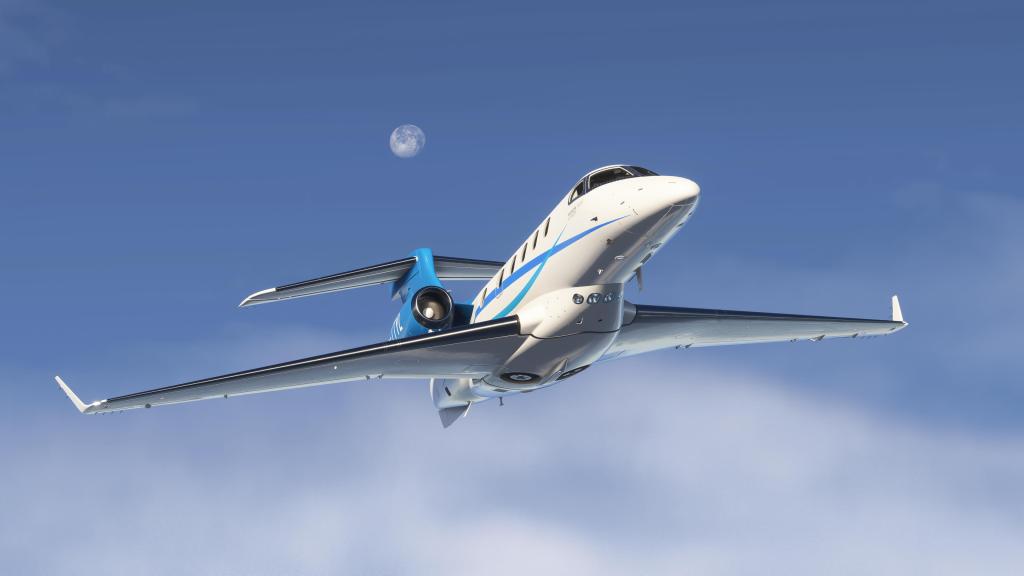
The pandemic and the world health crisis were not the only thing that changed the landscape this year. The influence that Microsoft Flight Simulator has had on the market since before it’s release has been incredible and in a couple of years it may well have been transformative. Right from the first announcement in June 2019, it was clear that Microsoft and Asobo Studio were going to make a big splash and that they did. Even before launch, hundreds of developers had signed up for the SDK and developer access with the new sim and that number is only growing. The proof is in the numbers and they number in the hundreds of aircraft, scenery packages, airports, and other modifications are in various states of development and release.
There are always ripples whenever there’s a big change like that and at this point it’s unclear exactly what all of them will be but here’s one big one. Microsoft reported that it surpassed 2-million players and has become the fastest growing entry in the series. And while many of new virtual pilots will be sticking with the new sim, others are going to be looking for other experiences from other simulators as well.
X-Plane is Flight Simulators next biggest competitor (although I’m sure there are quite a few P3D fans out there who might suggest otherwise) and it had a foundational year that should have impacts in the years to come. X-Plane 11.5 finally released this year, and with it, the benefits of the new Vulkan and Metal API boasting improved frame rates and the promise of future visual enhancements.
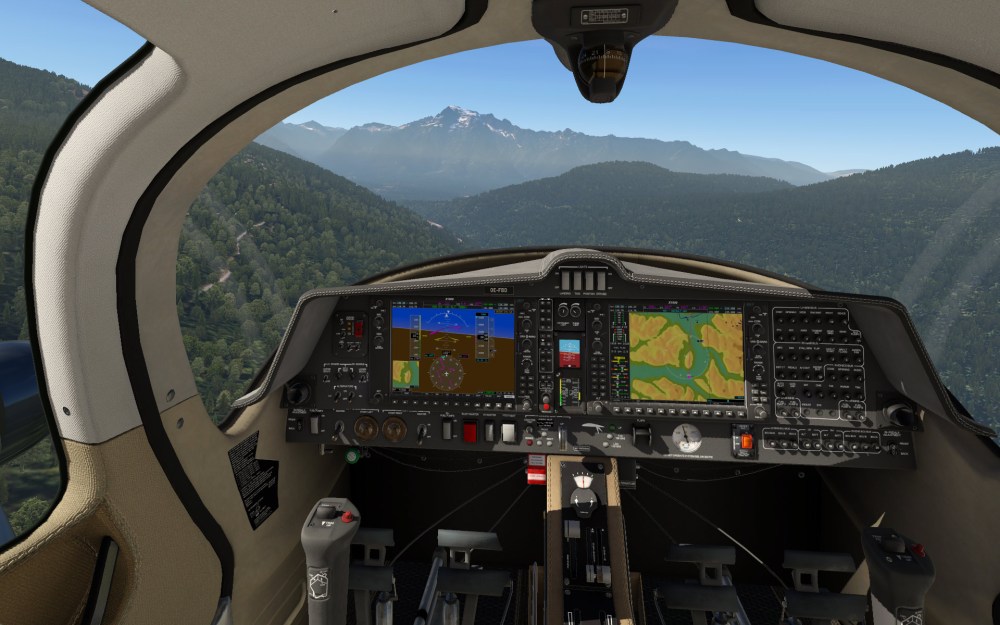
X-Plane also continues to benefit from having well-established third-party developers, development kit and a sim that, at least in some areas, is extremely well refined. Some of the new aircraft that have released this year such as the Torquesim SR20 and SR22, the Thranda DHC-2 Beaver and iniSimulations A300 have all made a mark and shown off the sim at its best. In other areas, X-Plane has fallen deeply behind the curve. While plugins are available that mitigate issues with visual effects and scenery packages such as those from Orbx can make X-Plane look great, the sim still feels more cobbled together than other experiences on the market. Despite the doomsayers, however, X-Plane is not going anywhere, and Microsoft Flight Simulator hasn’t killed it off. It may have even made it more popular given how active the X-Plane community is these days.
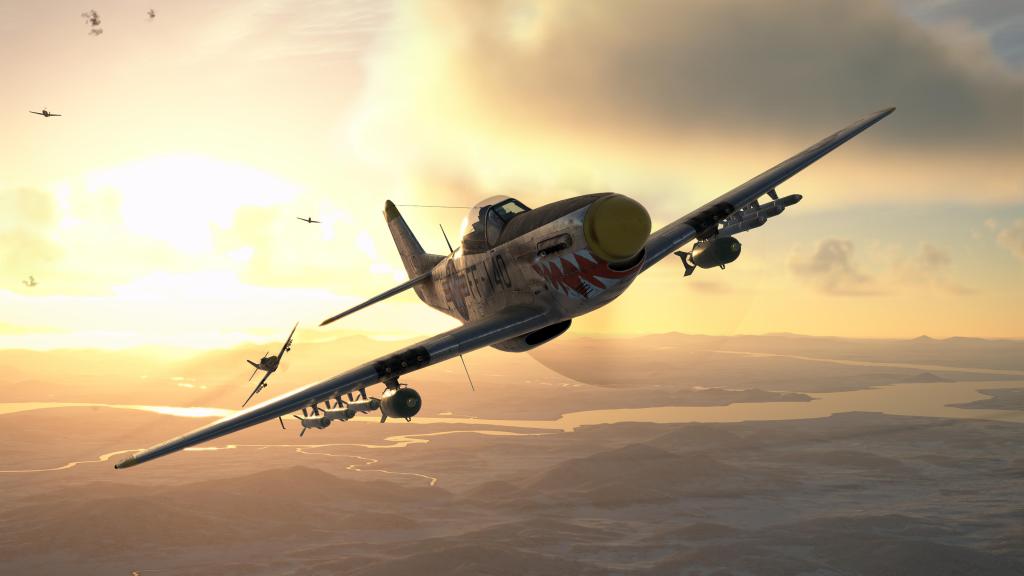
There’s a lot of activity in the combat flight simulation corner of the market as well. Both DCS World and IL-2 series have had important years with the sims releasing new content and putting a lot of effort towards their core simulation. The DCS: P-47 and Channel Map have been a real standout while in IL-2 we saw the release of some fun Collector Planes like the Yak-9 and Hurricane Mark II. I don’t report on it much, however, War Thunder remains a significant part of the landscape and a simulation that does well at drawing in interested people who sometimes seek out more serious in-depth sims as time goes on. That title has grown by leaps and bounds this year as well – many of them will be seeking even more refined experiences in 2020.

The story in hardware
Although I haven’t reported as much on hardware this year, we’ve continued to see companies such as Thrustmaster and Logitech offer ample mass market options while others such as VIRPIL and VKB-Sim filling in more niche and high-end areas of the market. This year we saw VKB-Sim offer up their next generation Gladiator NXT stick and announce more additions to what is surely going to be a popular mid-range option. VIRPIL released their first button box and offered up some very intriguing panel configurations that will come later on as well.
Although there are more peripheral options on the market now than we’ve ever seen the actual availability of these products has never been more scarce and I think we can blame the dual effect of the pandemic and Flight Simulator’s release at getting more people interested and playing these sims than perhaps we’ve seen in a long time – or ever before.
What I’m most excited about

Next year holds plenty of promise for me in flight simulation. For a long time, I’ve wanted to fly the Hawker Typhoon and Spitfire XIV in a WWII combat flight sim as my last opportunities to fly either of these were in Aces Over Europe in in 1993. IL-2: Battle of Normandy looks like it will be delivering both of these aircraft to the sim by the end of the spring which I’m very excited about.
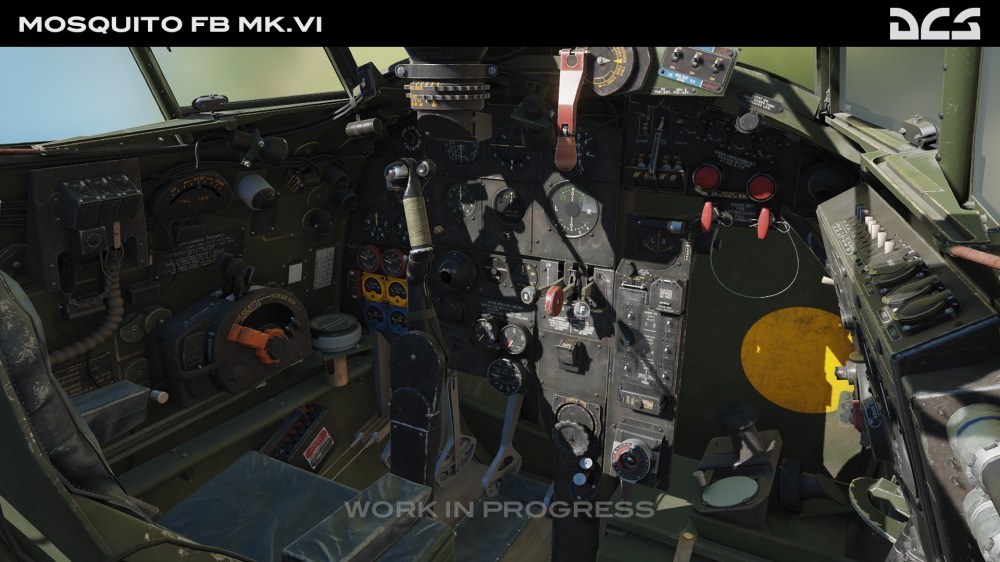
I’m also very excited about flying the Mosquito and it looks like both DCS World and IL-2: Great Battles will be delivering that experience either through 2021 or early into 2022. The “wooden wonder” is yet another legendary aircraft and it’s absolutely fantastic that we’re going to be able to experience it in both sims.

2021 is also going to be the year of the helicopter. Although Microsoft Flight Simulator isn’t planning on releasing helicopters until 2022, the X-Plane 11 roster looks as strong as it ever has and DCS World is going to be getting two significant new additions. The Mi-24P Hind looks great and will surely carry on with Eagle Dynamics high level of flight modeling and visual realism. Meanwhile the OH-58D Kiowa Warrior by Polychop should be an interesting addition as well. Multi-crew capabilities are finally being addressed in the sim as well so that should provide for some new and exciting experiences!
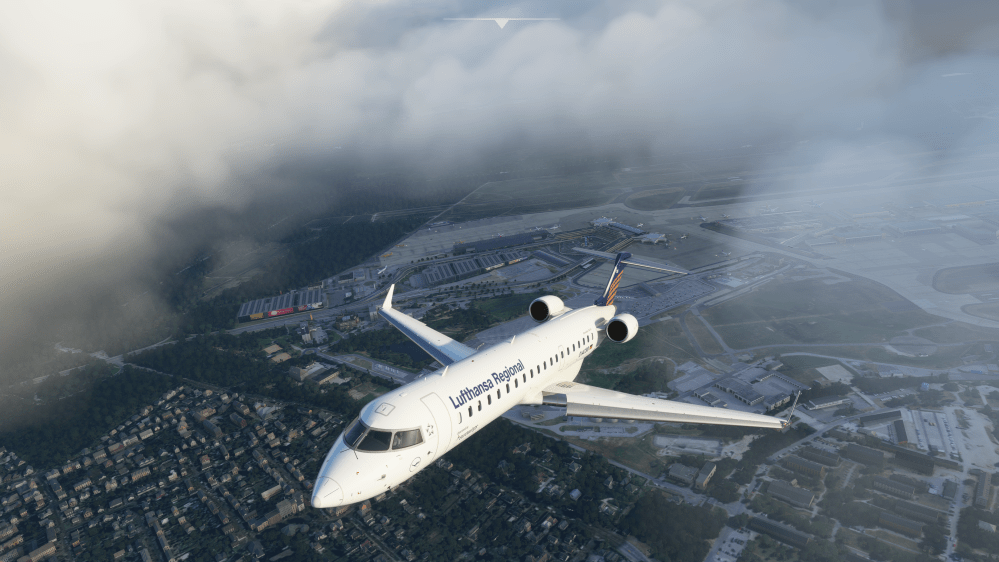
Microsoft Flight Simulator has several dozen aircraft in active development but the one that I’m oddly most drawn too right now is not my usual fare. I have been dipping my toes into flying airliners a bit recently and Aerosoft’s CRJ is likely to be a marquee product that I’m definitely going to want to check out. It was recently delayed to sometime in Q1 2021 but I have no issues with that and I’m happy to see them work through some bugs before release.
This year I’m also planning to finally do some hardware upgrades. My system is officially 5-years old as of the end of January and it’s feeling its age. Parts are in short supply right now but hopefully we’ll see more become available in the new year.
Also, on my list are finally getting a good set of rudder pedals. Yes, I’ve been flying twist stick most of this time! It works fine, flying helicopters and other aircraft with pedals is a better and more immersive experience. I have my eyes on the MFG Crosswinds or the VIRPIL ACE series right now.
Final thoughts
This year wasn’t the year any of us wanted and it has tried and tested our resolve at every turn but it has also been a year where one of my favourite hobbies has flourished and grown and I think that will be something that pays off for all of our favourite simulators in 2021 and beyond.
If you’re just new to the hobby or a grizzled veteran who has been playing for decades, I think nearly all of you will find something to like in the coming year. Let’s make 2021 a bright one!






Leave a Reply