

Another flight sim developer, Flying Iron Simulations, has released their end of year report. This one is pretty juicy with lots of details about the work that the company has done over the last year with both Microsoft Flight Simulator and DCS World modules being the focus. There’s a pretty substantial update on the DCS: A-7 Corsair II so let’s have a close look at all of this!
The Corsair II update
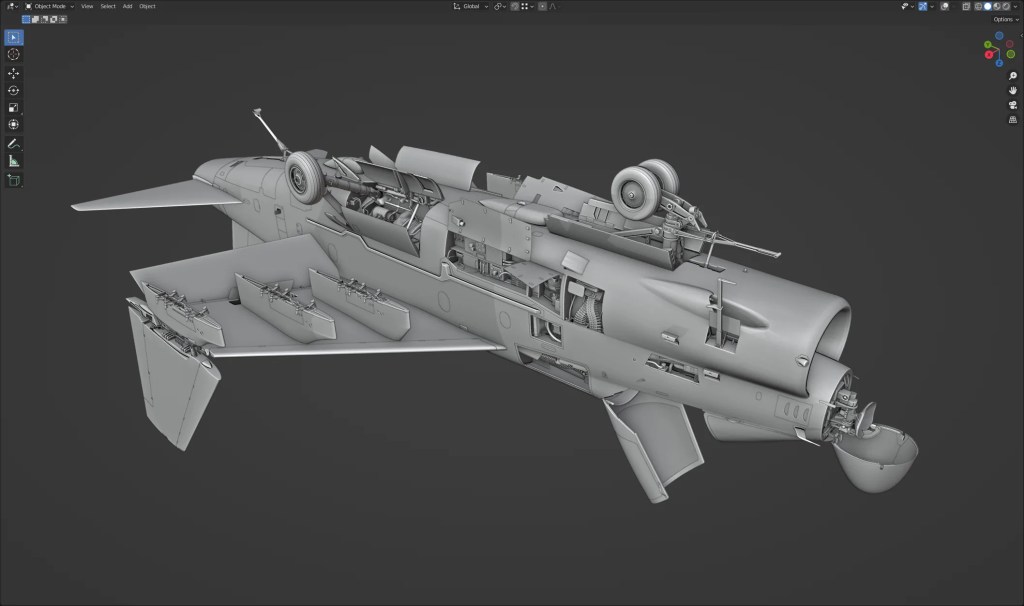
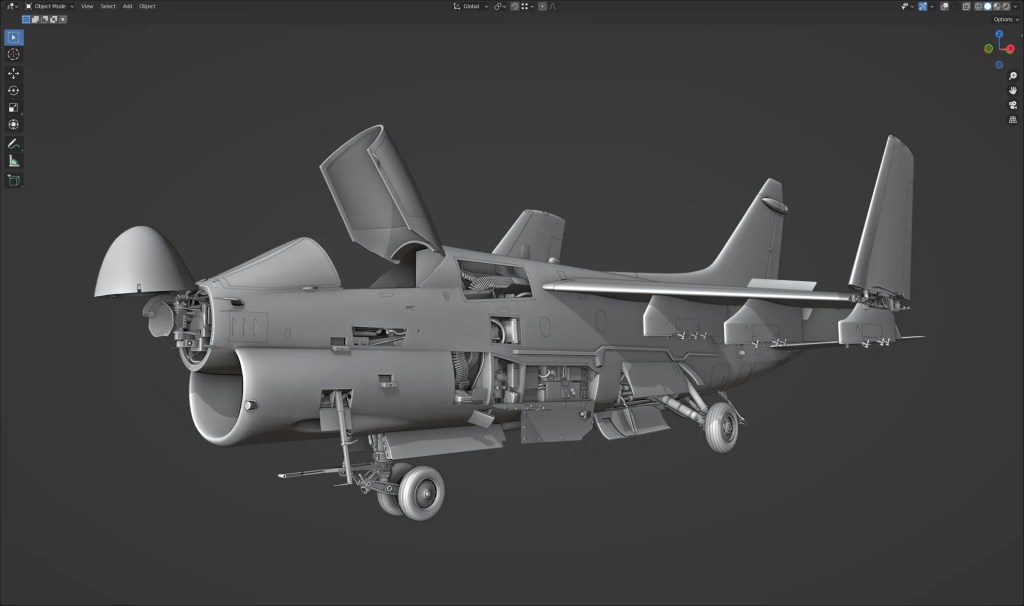
We know from prior updates that Flying Iron Simulations conducted a complete remake of the A-7 Corsair II model. They report that the rework of the model is complete and that the new version is significantly more detailed than before. It even incorporates maintenance areas (similar to the Ka-50 Black Shark III that I just reviewed).
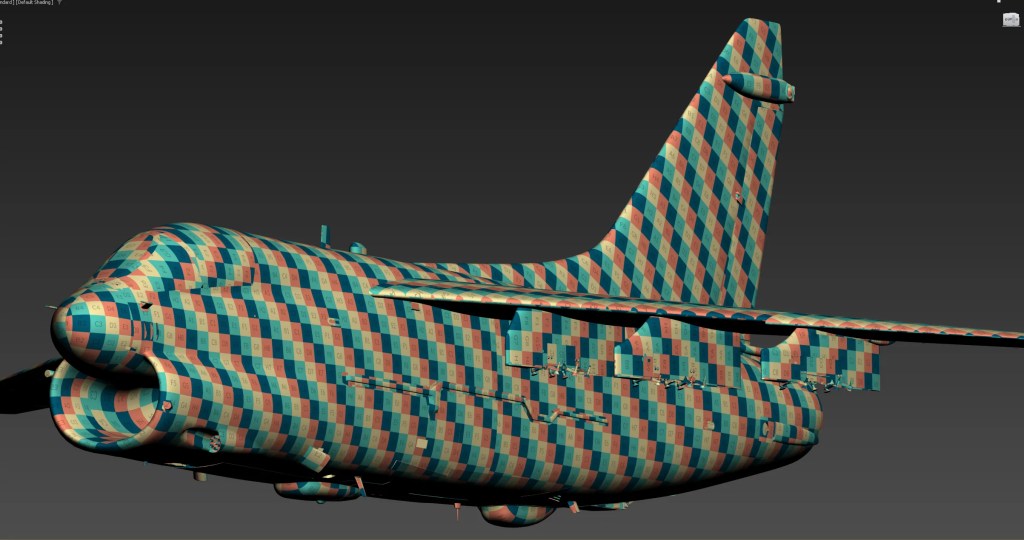
Optimization of both exterior and interior models is now ongoing. So is the UV wrapping (this is how you tell software how the texture should be wrapped onto the 3D object) which they show off in one of their in development images.
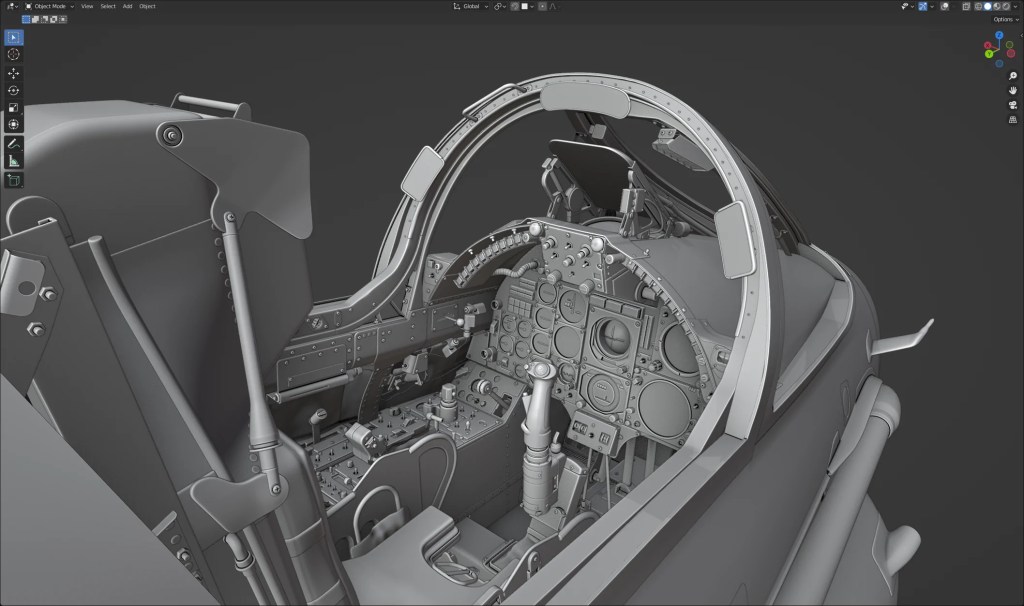
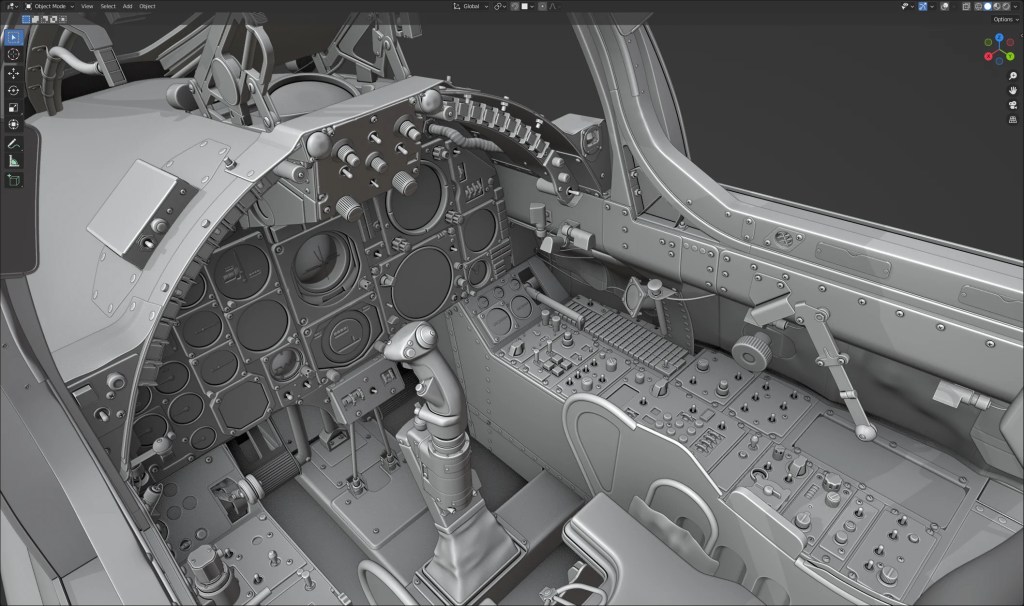
Finishing up the cockpit and animating everything as well as doing the clickable areas within the cockpit is currently going as well. Some additional images were released of the cockpit.
And we also get some nice visuals of the 3D model exterior too. Very nicely detailed!
There’s also quite a bit of discussion about systems and flight modeling. Flying Iron have been working with Research in Flight, an aerospace company, to do CFD analysis and data collection. This is letting the team replicate the aircraft’s flight characteristics on a detailed level much in the same way that we’ve heard about how Eagle Dynamics have done similar analysis on recent aircraft releases.
That work connects closely too with systems with the A-7’s control augmentation system (CAS) and automatic flight control systems (AFCS) being tied closely to the character of the airframe. Flying Iron Simulations had this to say when talking about how these systems and the challenge of flying the A-7 connect.
The A7 Corsair is not a simple airframe to fly; it has extensive quirks that need to be understood and mastered for the aircraft to be flown effectively. The AFCS is a quintessential part of this; understanding & mastering it will be a key component of flying the A7 well.
The report also talks about sound design and has cool video where they show off collecting sounds for the aircraft.
Finally, there’s quite a lengthy section talking about weapons systems and sensors. Flying Iron are doing detailed simulations of the aircraft’s INS navigation system, radar, projected map display, and even failure modeling on how issues with one area of the aircraft can create systematic issues with other systems.
The team reports that they are nearing the end of their phase 3 development and are turning to phase 4 – the last phase. This appears to be where flight model, systems, and aircraft are all integrated together. This phase is set to begin in 2023 (this year!) but they aren’t committing to a release date or anything like that so I wouldn’t necessarily expect an early access this year.
MSFS projects
The team also provided an extensive look at the work they are doing in Microsoft Flight Simulator. Their warbird portfolio now includes the Spitfire IX, P-38, and F6F Hellcat. They are continuing to push the boundaries of modeling these aircraft using the sim’s built in CFD flight model as well as developing their own ground handling simulation.
There’s also a significant section about how they are intending to improve the sound effects on their aircraft.
It sounds like this team had a great 2022 and that work in 2023 is ongoing. That includes two new projects that include a Bf109G-6 and a FW190.
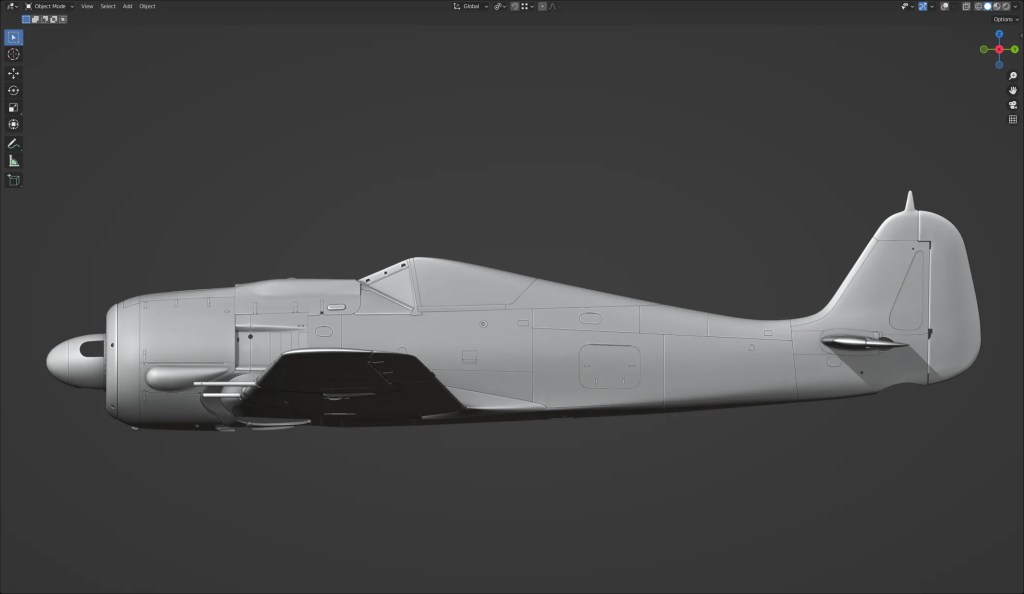

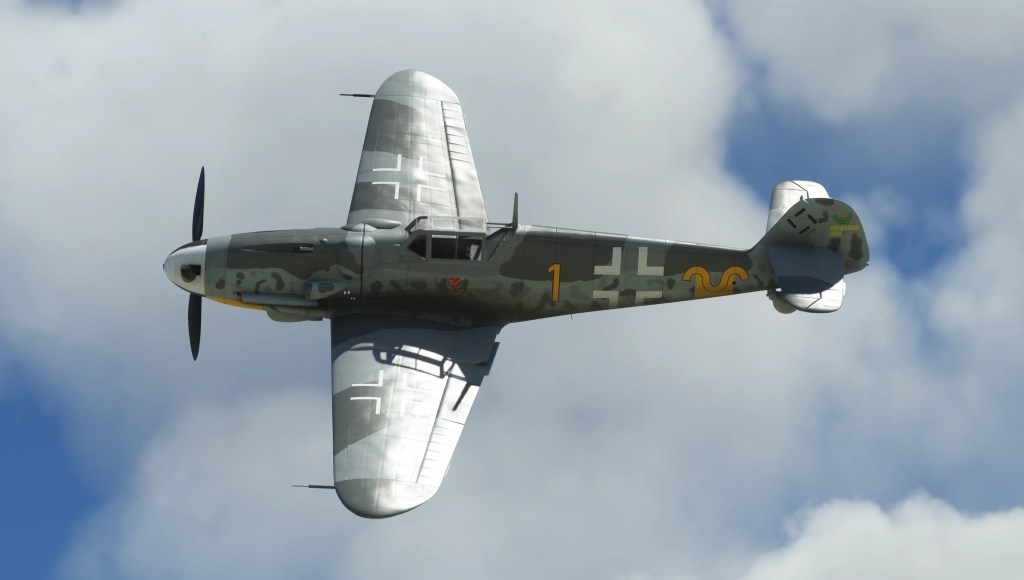
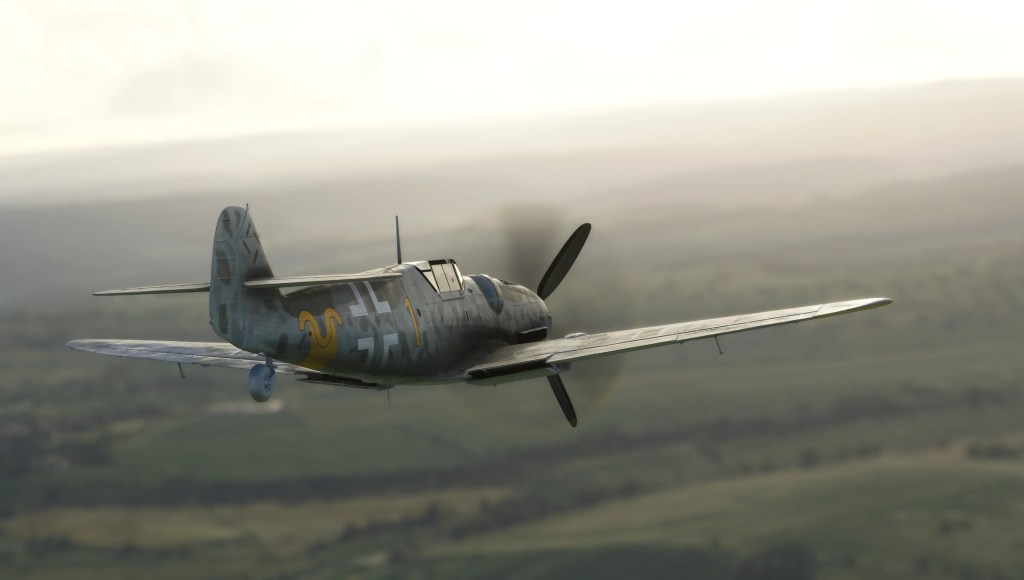
Read about all of Flying Iron Simulations 2022 accomplishments on their dev blog!


 Stormbirds
Leave a reply to Oyster_KAI Cancel reply