
Recently, 1CGS and Ugra Media added a second Flying Circus Collector Plane to the IL-2 Great Battles Series store. Sold separately from other Flying Circus volumes, the Siemens-Schuckert D.IV is a late war rarity that has been brought to life for the first time in the Great Battles and Rise of Flight series. How does it handle? Does it out perform everything else? Where does this type sit in the collection? Let’s explore.
A bit of history
The lineage of the Siemens-Schuckert D.IV traces back to the earlier D.I design which was a copy of the successful French Nieuport 17. By the time that the type was produced it had become obsolete and so the D.I was used as a trainer. Development continued with the D.II and then on to the D.III with this later version seeing 41 delivered to frontline units between April and May of 1918. Jagdgeschwader II’s pilots flew the type briefly and were enthused about the performance, however, the Siemens-Halske Sh.III engine overheated and showed piston seizure issues after just 7-10 hours of use. The type was withdrawn from combat.
With shorter and thinner wings, a redesigned tail, and an improved Siemens-Halske Sh.III that passed a 40-hour endurance test, the new Siemens-Schuckert D.IV became the definitive type of the Siemens-Schuckert series with the type entering frontline service by August of 1918. Only 123 were completed before the end of the war and about half of those found frontline units before hostilities ceased.
Visuals and sounds
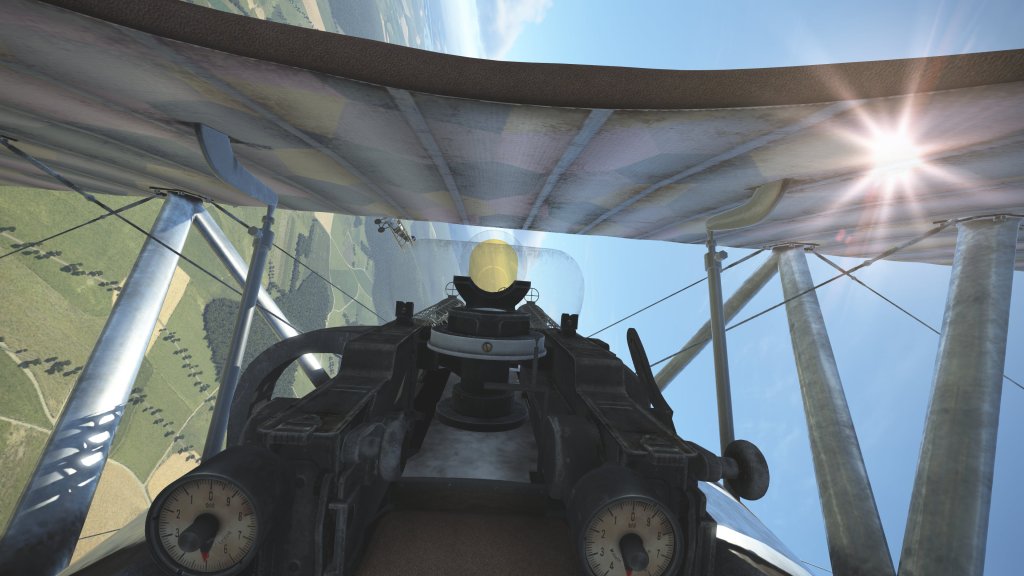
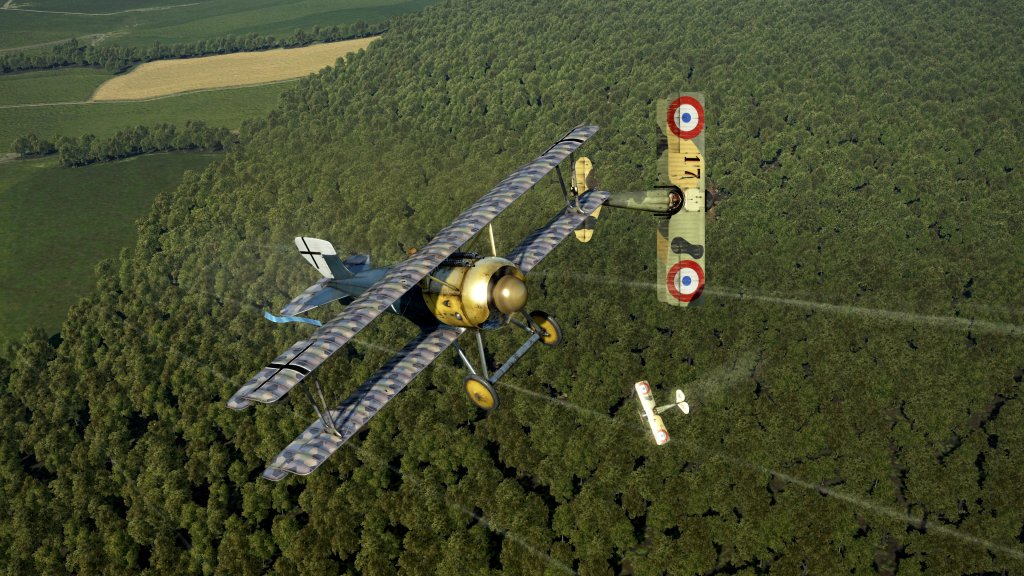
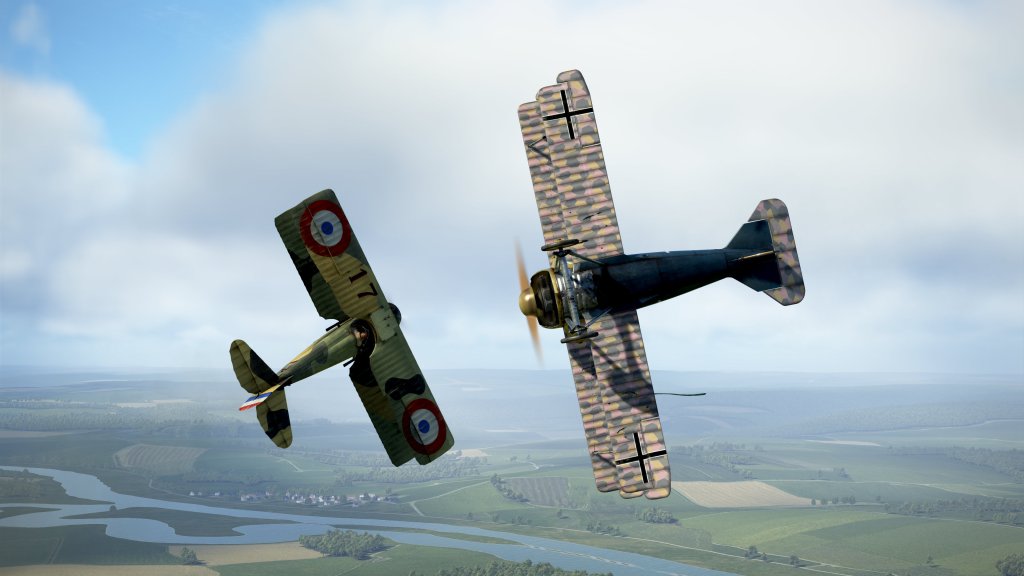
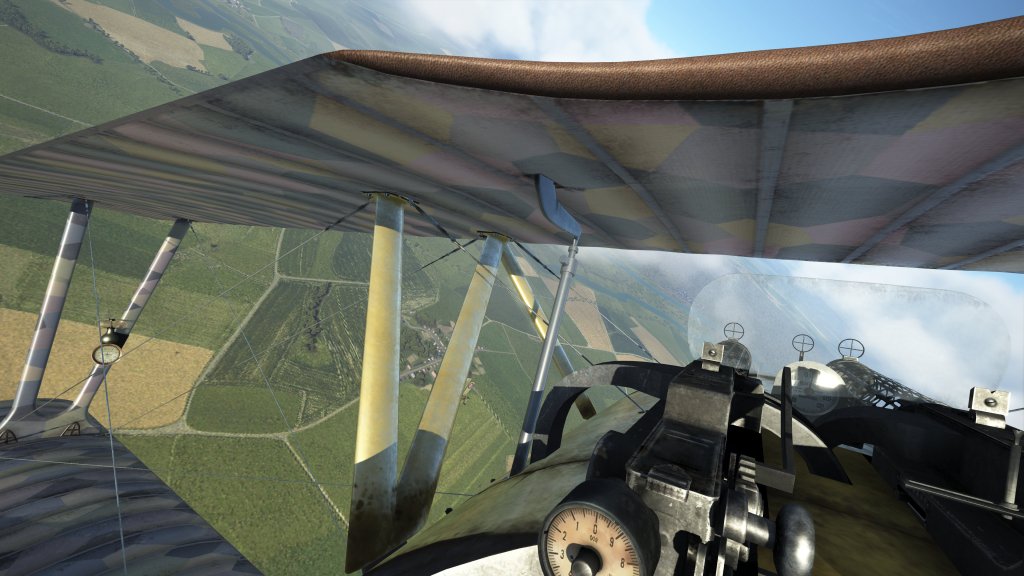
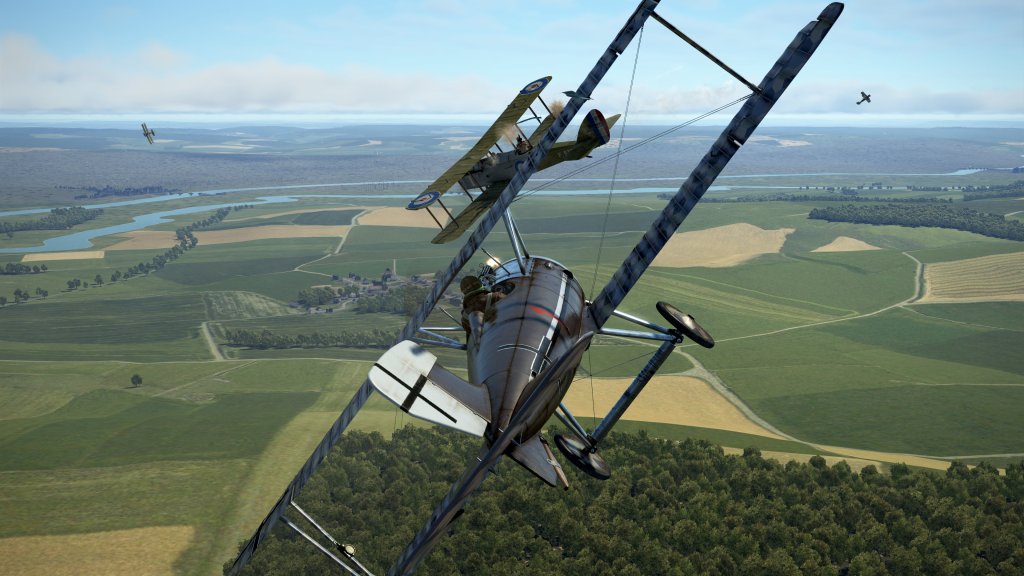
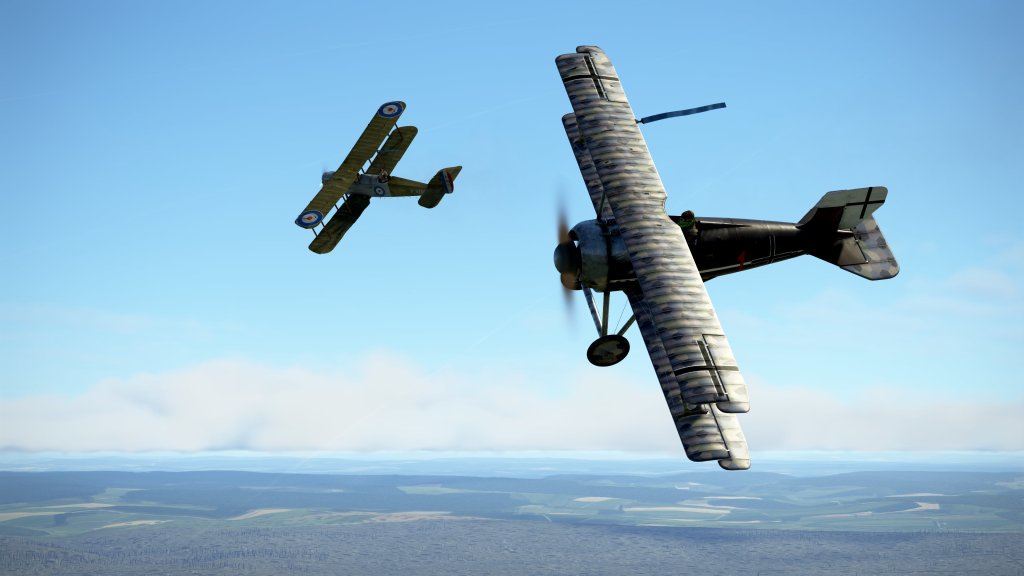
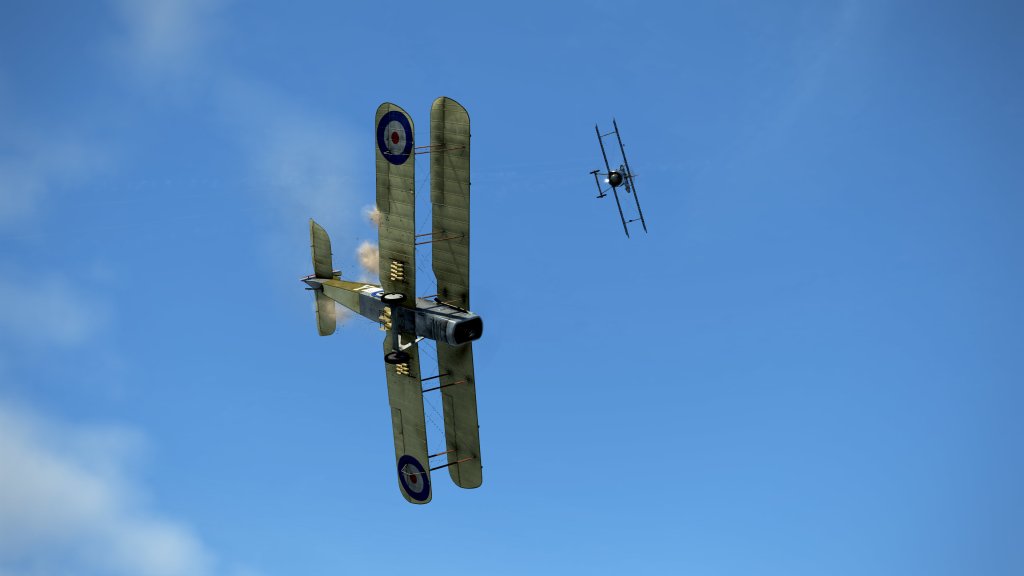
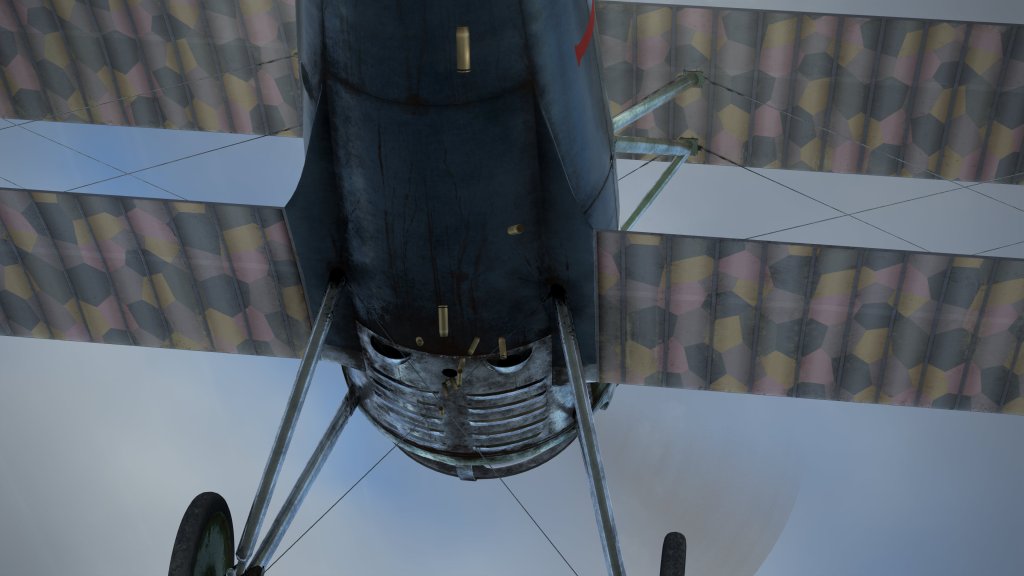
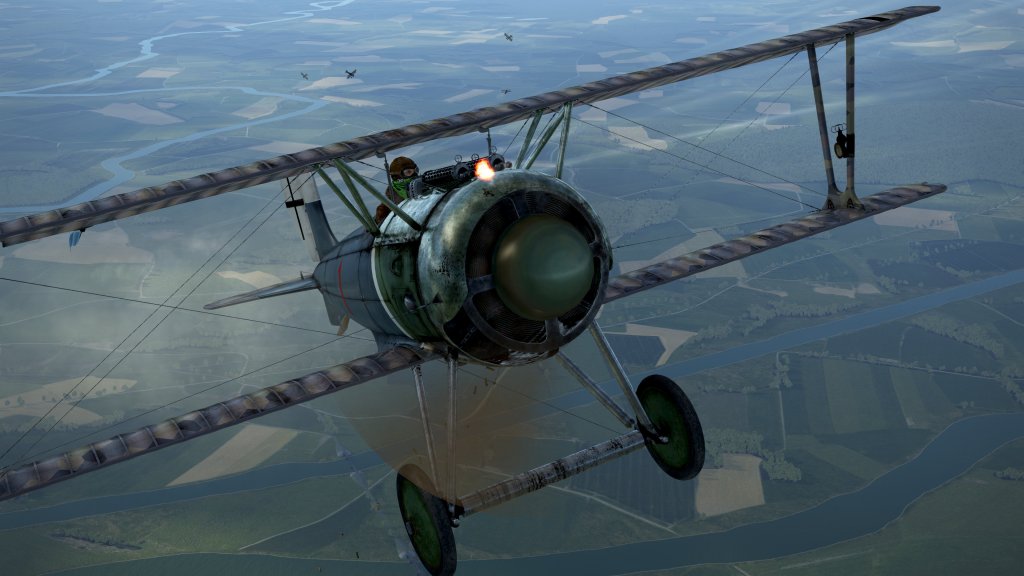
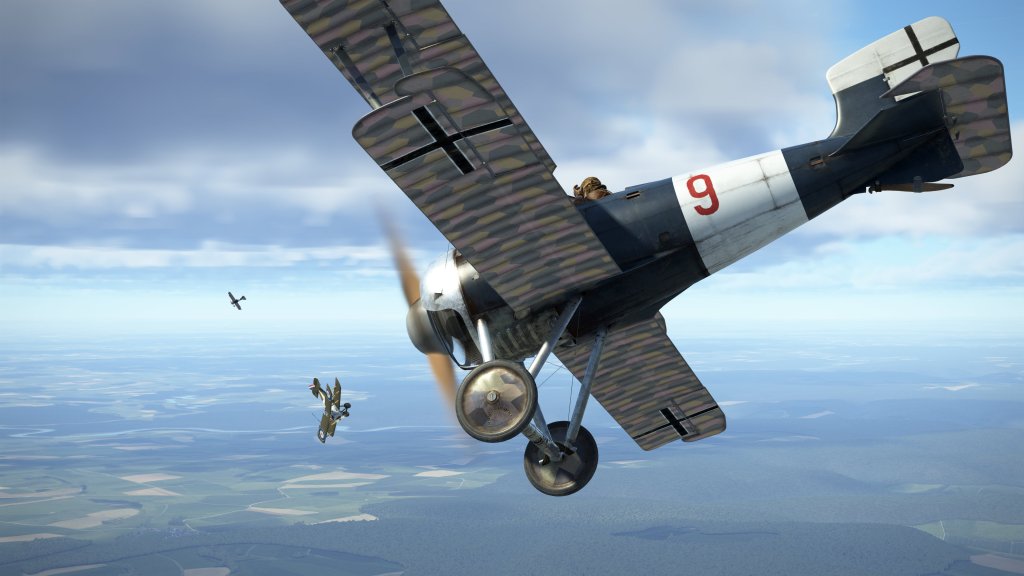
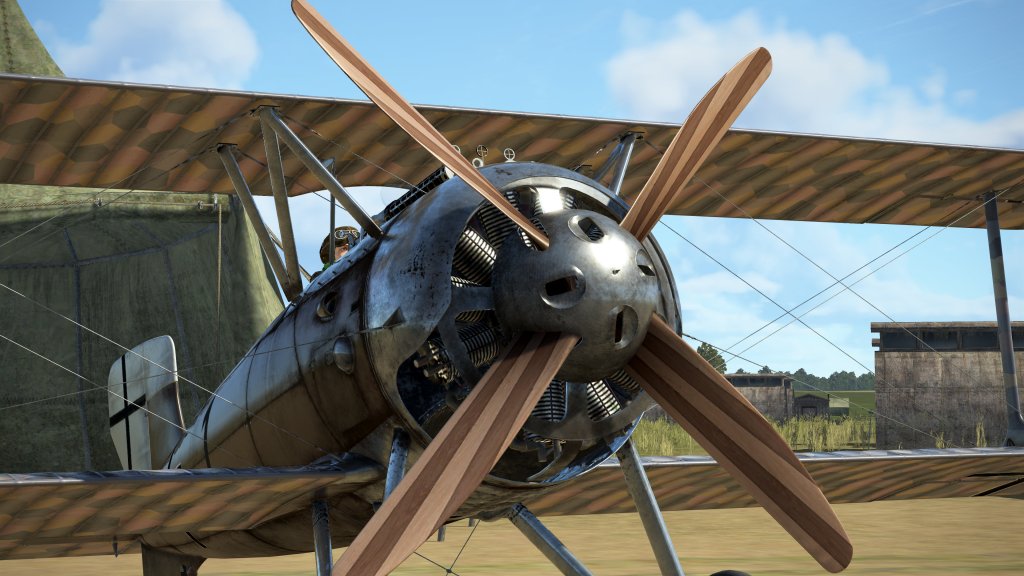
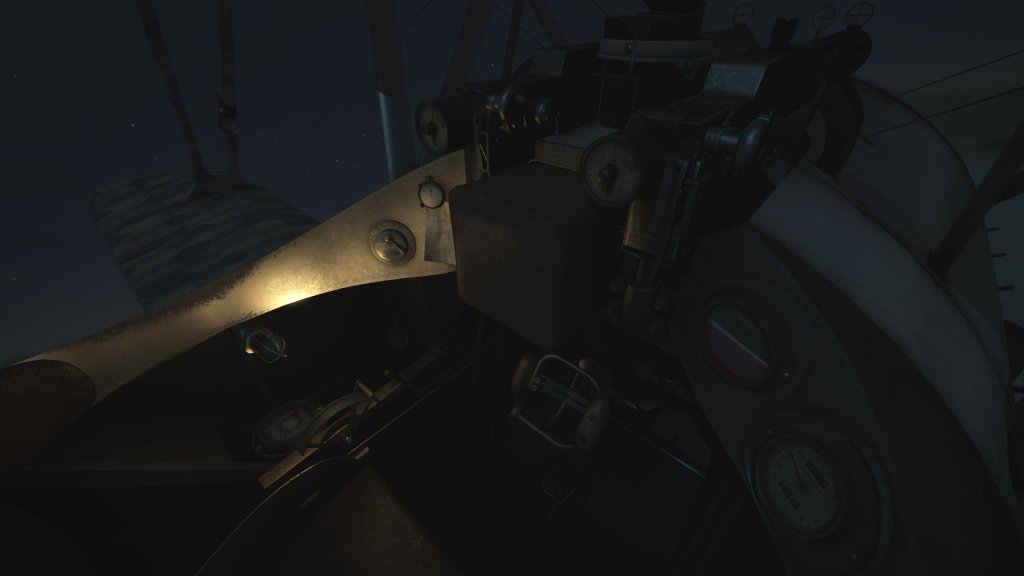
It shouldn’t come as a surprise but the visual work here is up to the usual standards of Ugra Media and 1C Game Studios. Crisp 4K textures, detail work inside and out, good work on the partially exposed rotary engine, and overall a good looking airplane all come together here nicely. It fits beautifully alongside everything else in the line-up.
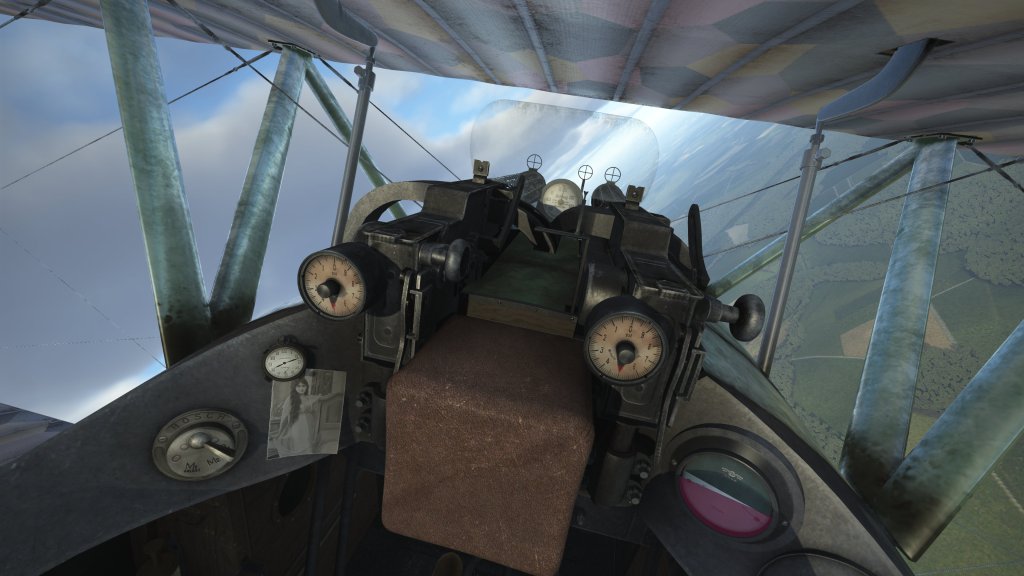
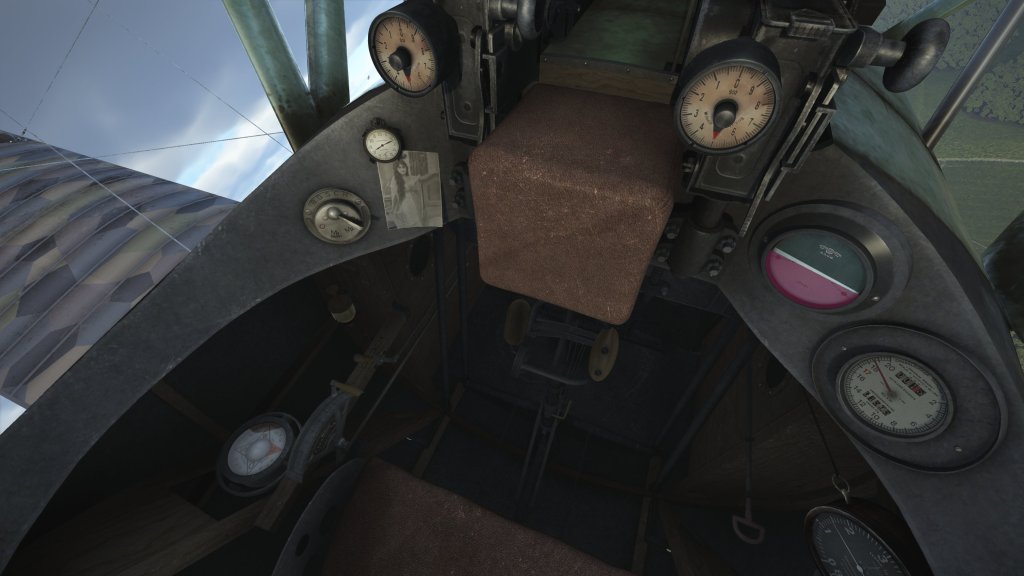
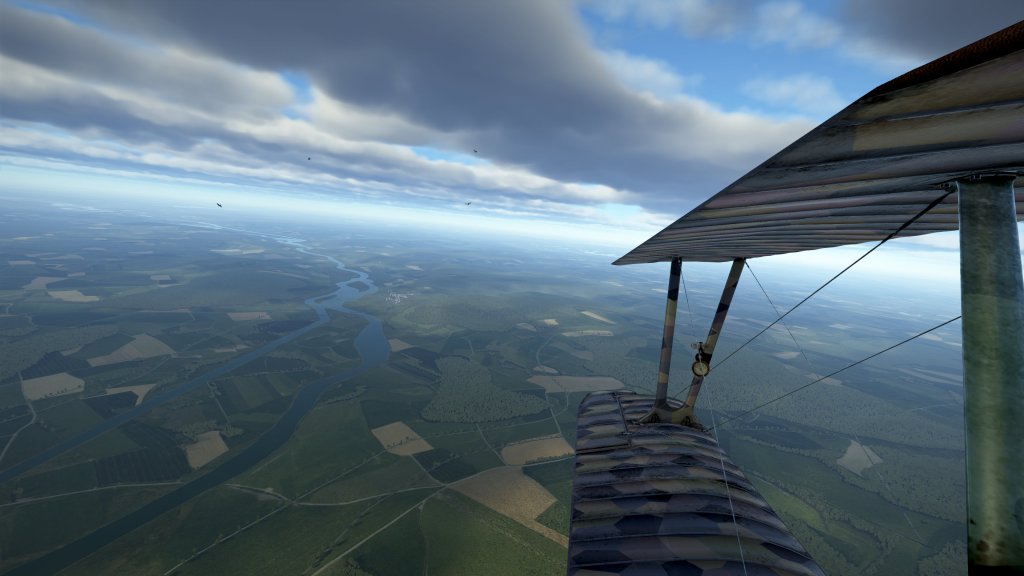
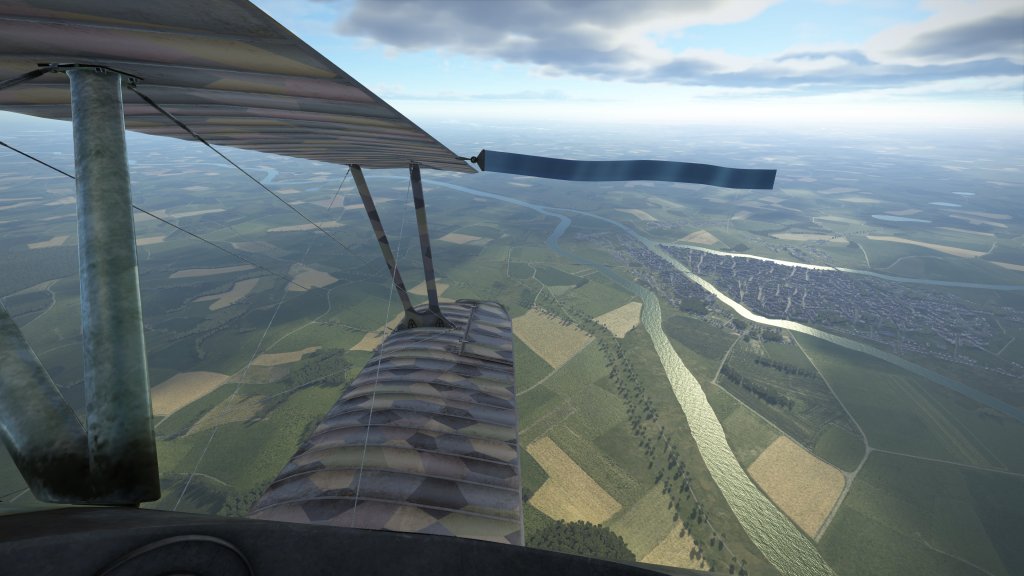

The D.IV comes with a small list of liveries that include these below. There are no individually marked aircraft and instead we get a series of different colours that you can then combine with the tactical codes system.

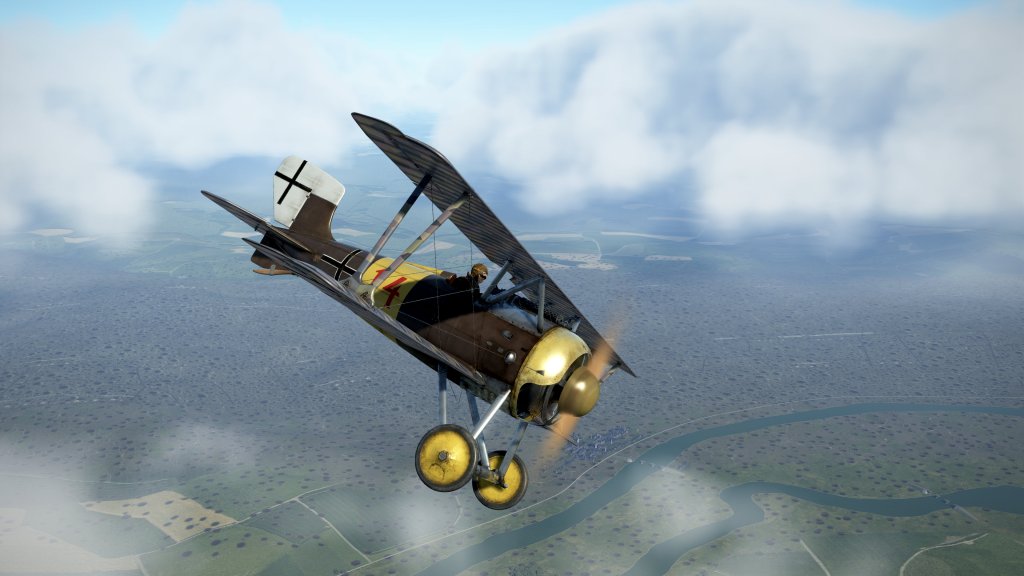

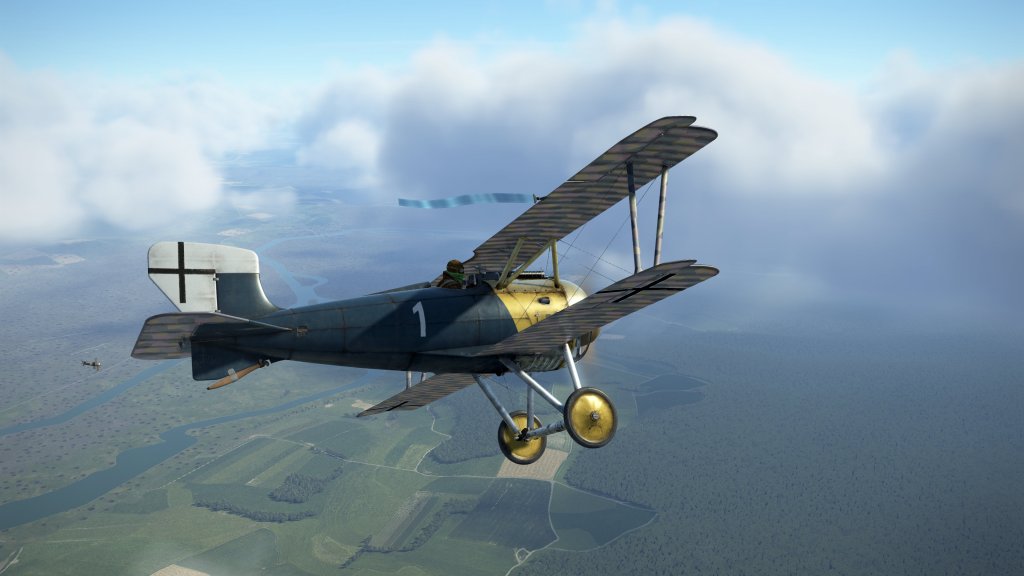
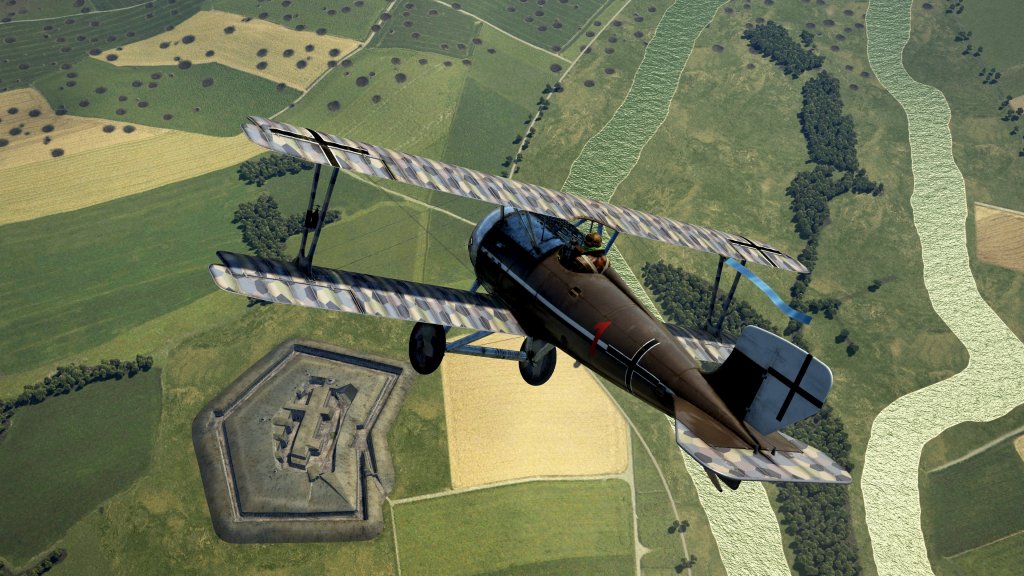


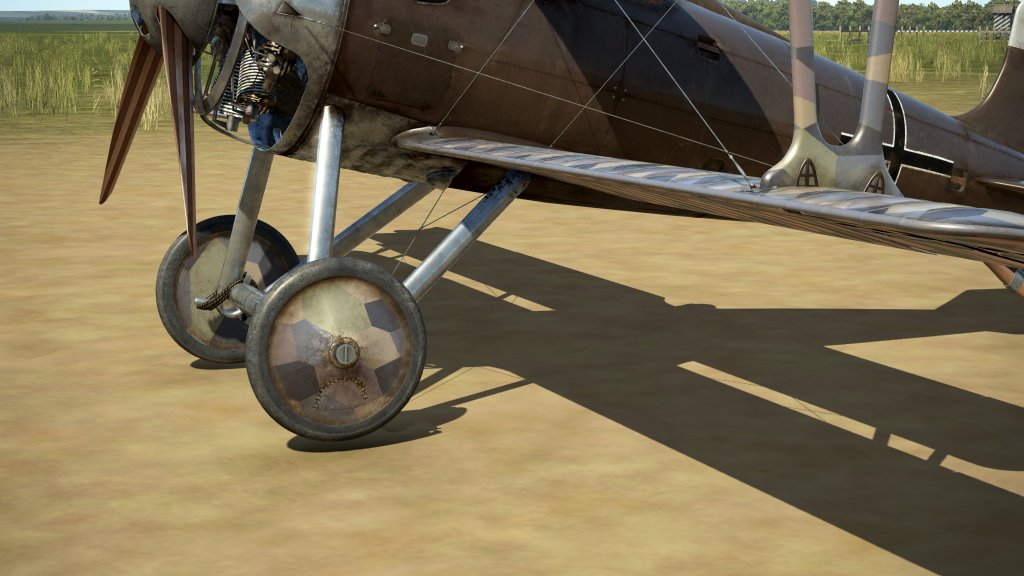
I have noted that the airplane appears to sit just above the ground. It might need a small tweak there.
The sounds are likewise the same as what we’ve seen in the rest of the series. The drone of this particular engine doesn’t really have any character or stand out from anything else but the overall quality of it is on par. It doesn’t sound the best but it is highly communicative.
Handling
Like a lot of WWI aircraft, the D.IV is an aircraft that has a kind of split personality. The way that this specific fighter splits its personality is a bit unique compared to some others so let’s jump into the challenging bits first.
The aircraft, on release, had a bug where speeds above 250km/h caused the engine to break. Although this is now fixed, the engine is still extremely temperamental and at higher altitudes it seems to be sensitive to overspeed conditions more than other WWI types. Anything over 2,000 rpm is an absolute no-no and if you do damage the engine you have precious few minutes of flight left with it in operation.
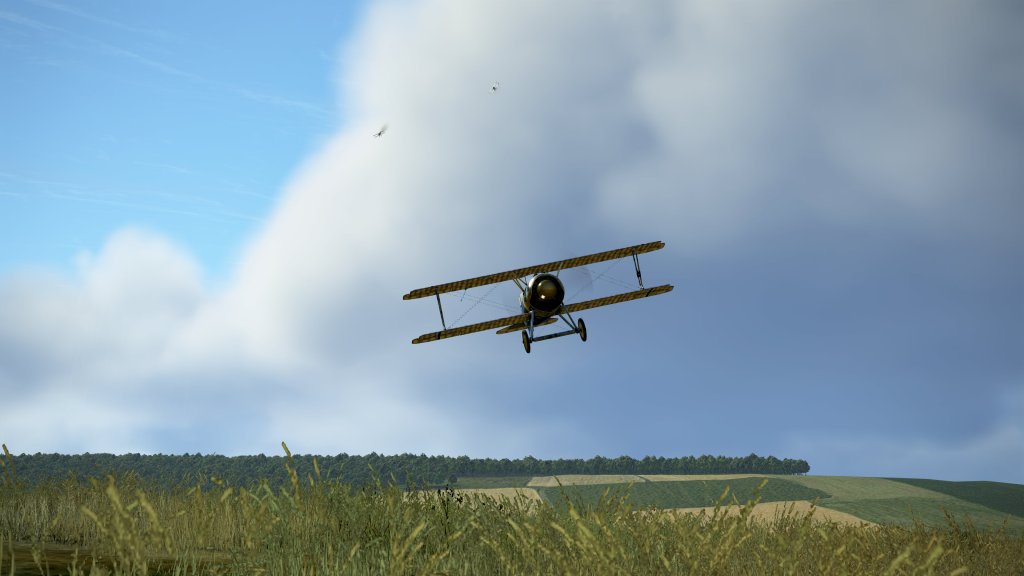
Staying in the negative column, the D.IV also has a severe stall. It takes a bit to get to that stall but once there you’ll violently drop a wing and it can take a bit of time to recover it. The stall is not well communicated by the airplane either and full control to loss of control and the snap out of controlled flight is razor sharp. Veterans of the type will know how hard to push before reaching that limit while newbie pilots will find themselves having difficulty finding the exact moment intuitively. Recovery on the other hand is quick and easy so new pilots may find that part rewarding.
Those are the negatives but there are also quite a few positives here starting with the climb rate. This aircraft can really climb. Build a bit of speed and it can zoom climb upwards, riding the stall, at 100km/h with ease. The steep angle gives confidence too although, again, you do need to mind the stall.
The aircraft is also fast, turns quickly and confidently, and relative to a lot of WWI types seems to need a bit less fancy rudder work to stay coordinated. In some respects its like a faster Sopwith Camel but without some of the harsh challenges experienced with that type’s rotary engine. Ironically, the Siemens-Halske Sh.III engine onboard IS a rotary engine, however, the designers created a system to spin the propeller in the opposite direction from some of the engine components thus negating some of the torque. A four bladed propeller absorbs a lot of the power from the engine too translating it into great performance.
Fly it right and the SSW D.IV competes handily with the best around but fly it just outside of its envelope and it will stall you right into the ground.
Performance comparison
Climb rate
SSW D.IV
- 1000m – 1 min. 54 sec.
- 2000m – 4 min. 10 sec.
- 3000m – 6 min. 44 sec.
- 4000m – 9 min. 43 sec.
- 5000m – 13 min 15 sec.
- 6000m – 31 min. 47 sec.
Sopwith Snipe
- 1000m – 2 min. 31 sec.
- 2000m – 5 min. 24 sec.
- 3000m – 8 min. 49 sec.
- 4000m – 13 min. 00 sec.
- 5000m – 18 min 31 sec.
- 6000m – 28 min. 23 sec.
Fokker D.VIIF
- 1000 m — 2 min. 18 sec.
- 2000 m — 4 min. 40 sec.
- 3000 m — 7 min. 11 sec.
- 4000 m — 9 min. 47 sec.
- 5000 m — 12 min. 42 sec.
- 6000 m — 16 min. 23 sec.
- 7000 m — 21 min. 19 sec.
- 8000 m — 28 min. 59 sec.
Speed (IAS)
SSW D.IV
- sea level — 192 km/h
- 1000 m — 183 km/h
- 2000 m — 173 km/h
- 3000 m — 164 km/h
- 4000 m — 155 km/h
- 5000 m — 145 km/h
- 6000 m — 136 km/h
- 7000 m — 126 km/h
- 8000 m — 115 km/h
Sopwith Snipe
- sea level — 197 km/h
- 1000 m — 188 km/h
- 2000 m — 178 km/h
- 3000 m — 167 km/h
- 4000 m — 156 km/h
- 5000 m — 143 km/h
- 6000 m — 116 km/h
Fokker D.VIIF
- sea level — 197 km/h
- 1000 m — 192 km/h
- 2000 m — 184 km/h
- 3000 m — 181 km/h
- 4000 m — 176 km/h
- 5000 m — 165 km/h
- 6000 m — 153 km/h
- 7000 m — 140 km/h
- 8000 m — 126 km/h
- 9000 m — 106 km/h
On climb rate, the SSW D.IV performs as it feels with incredible climb rates that outstrip the best around beating the Fokker D.VIIF by a large margin all the way up to 5,000 meters where the D.VIIF’s altitude throttle helps the type to overtake the D.IV. It also bests the Snipe’s impressive climb performance too!
In the roles are reversed for the Snipe and D.VIIF which take the lead for straight line speed. At sea level the D.IV is just 5 km/h slower but by 3000 meters the D.VIIF is faster by 17km/h. It is, however, closely matched with the Snipe up to 3,000 meters before the Snipe manages to pull into the lead.
In combat


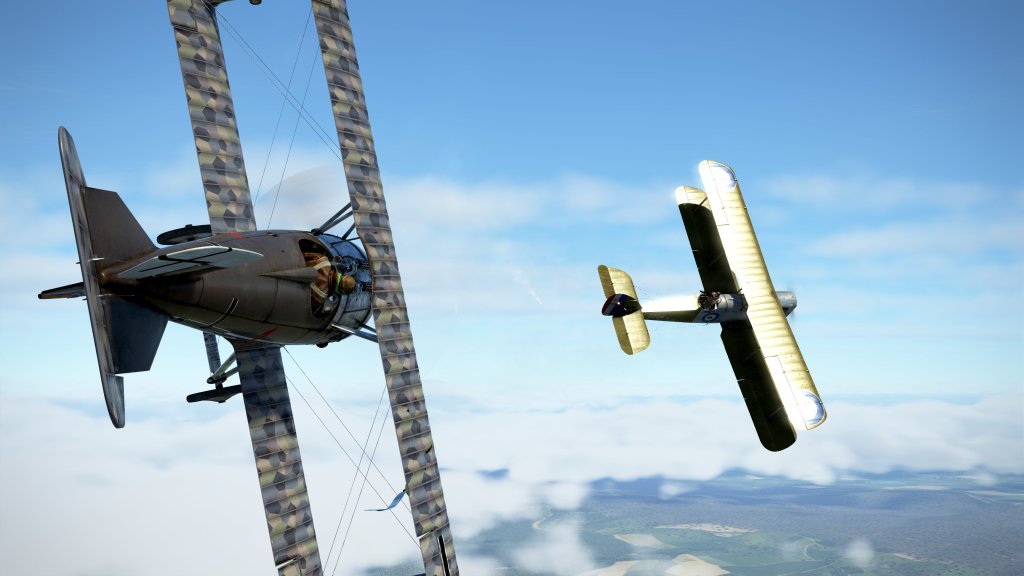
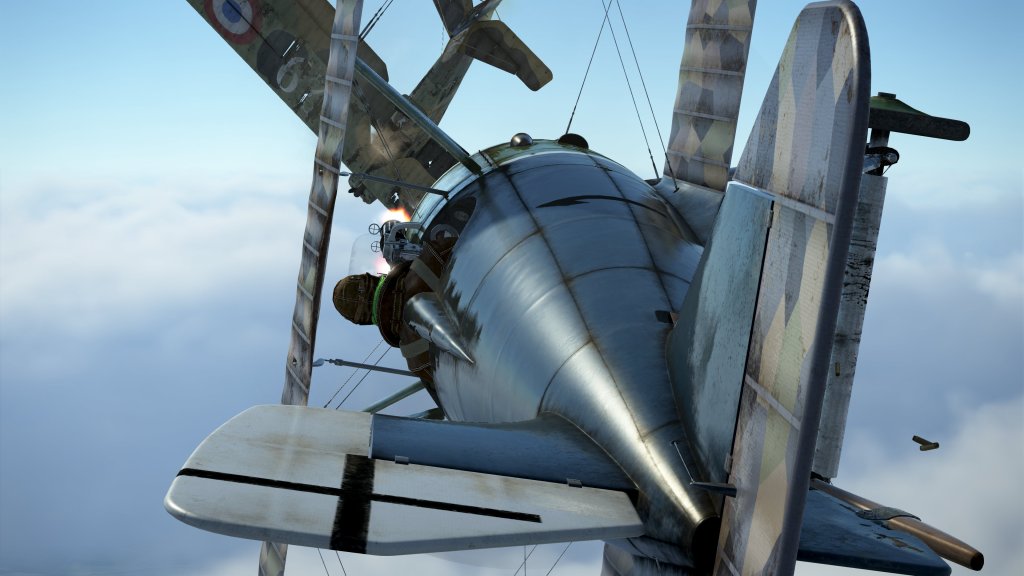

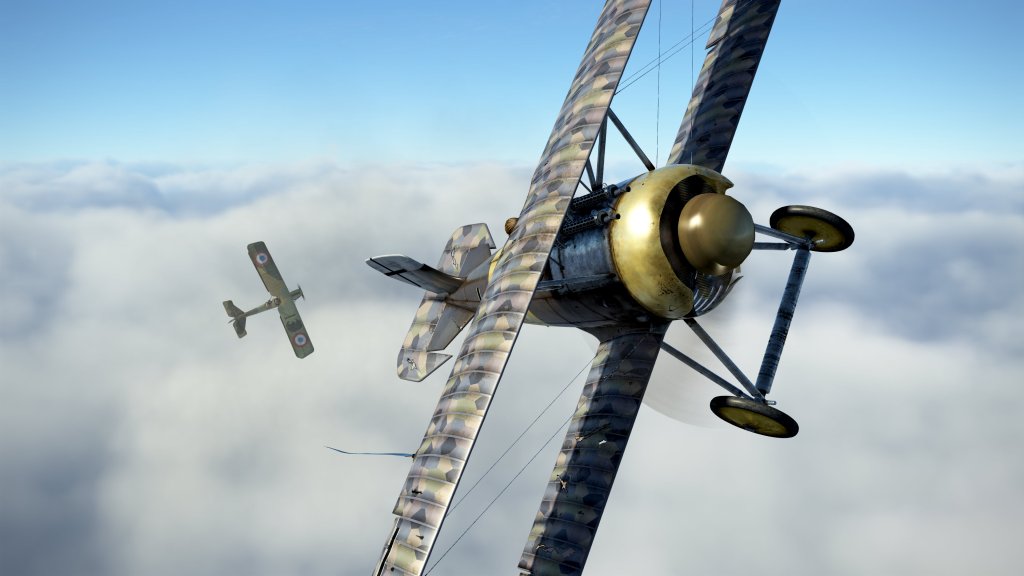
Provided that you’re watching the rpm gauge like a hawk, the D.IV feels very capable and confident. Although a few types might be able to pull away from you at speed, the D.IV can outclimb and climb steeply prior to joining the battle which gives it a strong tactical advantage.
Once in combat, the type’s standard LMG 08/15 machine guns perform as expected on enemy aircraft generally chewing them up and needing the occasional clearing before firing again.
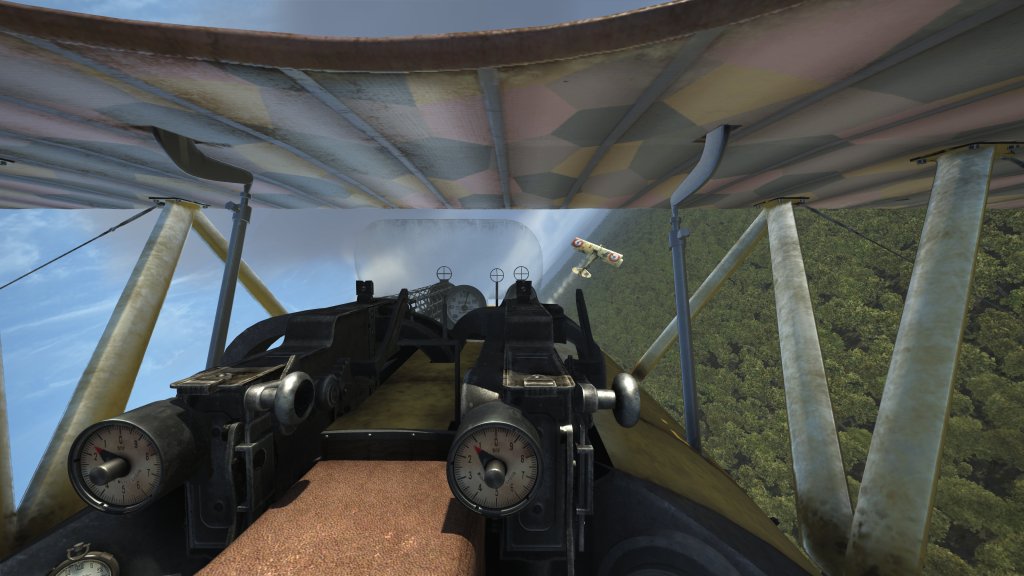
Forward visibility is decent for the era and type of aircraft and upwards visibility is generally good too with a smooth curved section cut into the upper wing near the cockpit enabling reasonably good view forward. Views down and to the sides are also good and the view in the rear hemisphere unimpeded. The pilot sits quite high up here so even the rear view has few blind spots except for immediately below.
Standard iron sights are more than adequate with reflector sights in day and night varieties offer options to those who want them.
The D.IV is a pure fighter/interceptor type of aircraft and has no provisions for bombs.
It’s worth mentioning that the SSW D.IV is the first of the Collector Planes to ship with its very own campaign. A short five mission campaign called ‘Against the Tide’ puts you in a late war scenario flying the D.IV on a number of scenarios.
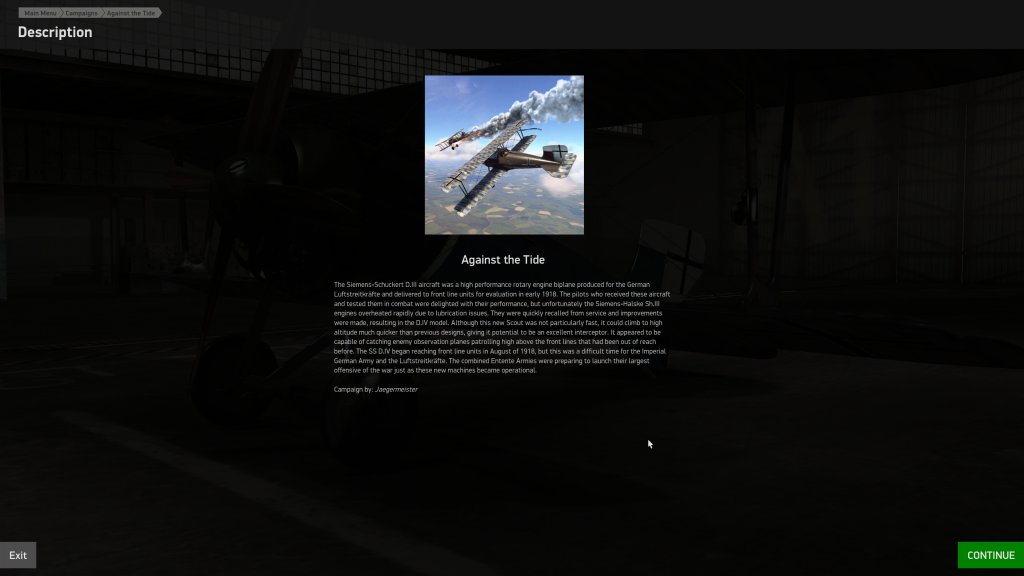

The type also benefits from having support from the recently released Flying Circus Career mode. Join Jasta (Jagdstaffel) 22 to fly the unique type.
Final thoughts
I like the SSW D.IV. I think if I had the opportunity to choose a late war German fighter and I was offered the Pfalz D.XII, the Fokker D.VIIF or the SSW D.IV that I would pick the D.IV. Partially because I’m a contrarian at times and I like to pick the type that isn’t considered the top tier but also because I generally like the handling and love the performance of the type.
I was once again looking out here to see if the D.IV would upset the apple cart in the way that I feared the Sopwith Snipe Collector Plane would – but ultimately did not. The D.IV is remarkably similar and to the Snipe with similar positive and negative attributes but neither complete dethrone the other top contenders leaving the Fokker D.VIIF as the reigning champ while the Snipe and D.IV add flavour and character to these very late war duels.
Ignoring the big picture complaints about the series that have come out in the community and when looked at in isolation, I do have to say that I both like this aircraft and have enjoyed the time I’ve spent with it. I hope too that the included Scripted Campaign might become something that filters out to other Collector Planes both old and new as it gives single player pilots something to immediately do with the airplane.
If the SSW D.IV sounds like your kind of airplane, its available in the IL-2 store and on Steam for $19.99 USD.
Screenshots





 Stormbirds
Leave a reply to Short and fun! Against the Tide Flying Circus campaign review – Stormbirds Cancel reply