
FlyingIron Simulations don’t make update posts all that often but when they do there’s usually a heap of information and discussion about what they are working on. That is very true today with the latest update from the team on the status of their first DCS World project – the DCS: A-7E Corsair II. Let’s summarize!
Updates and screenshots galore
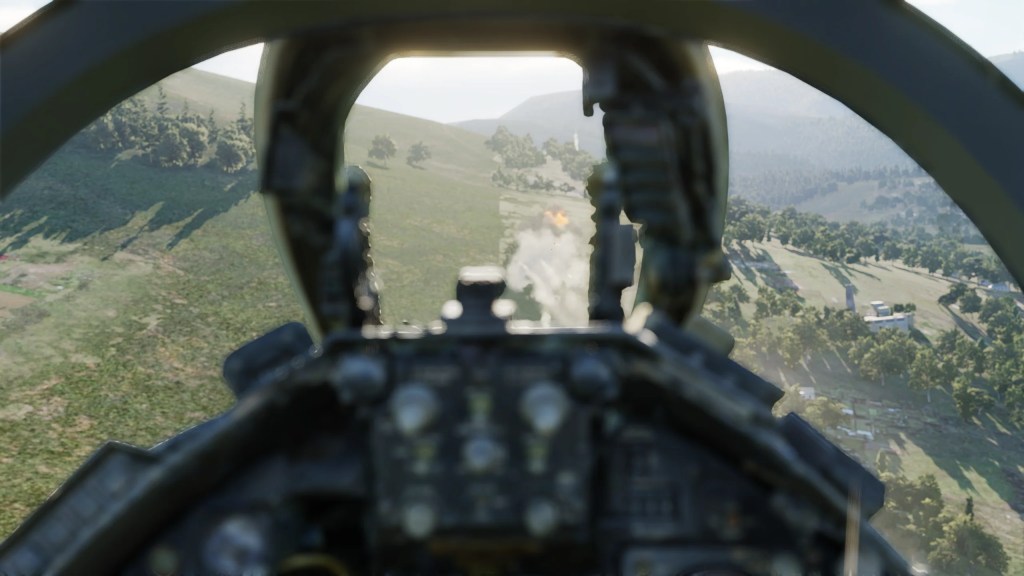
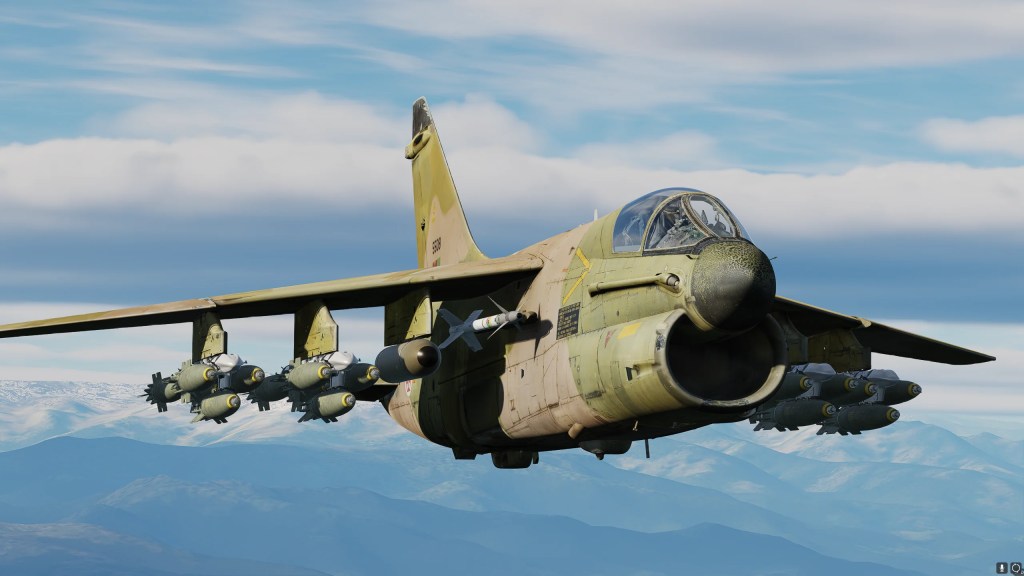
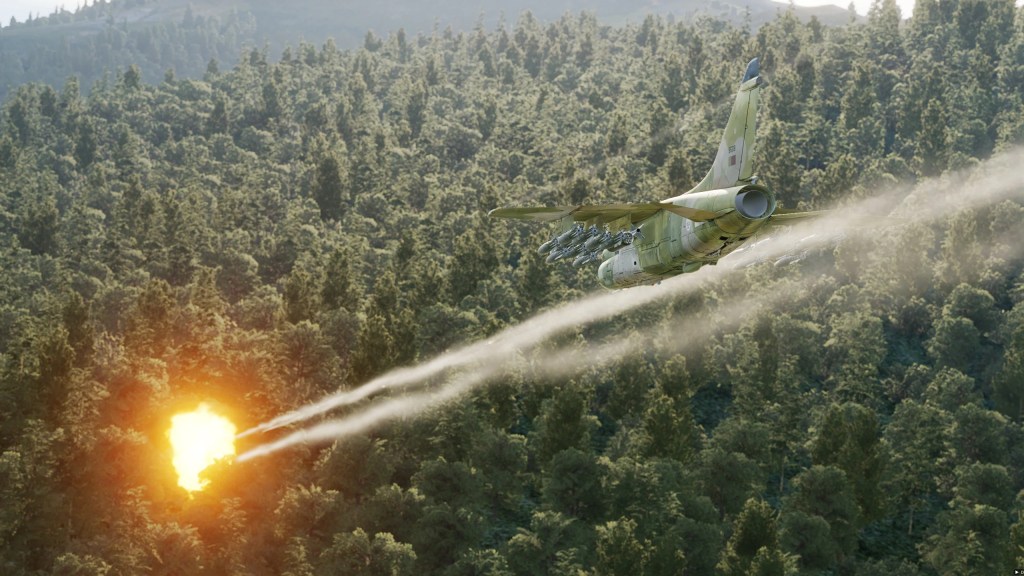
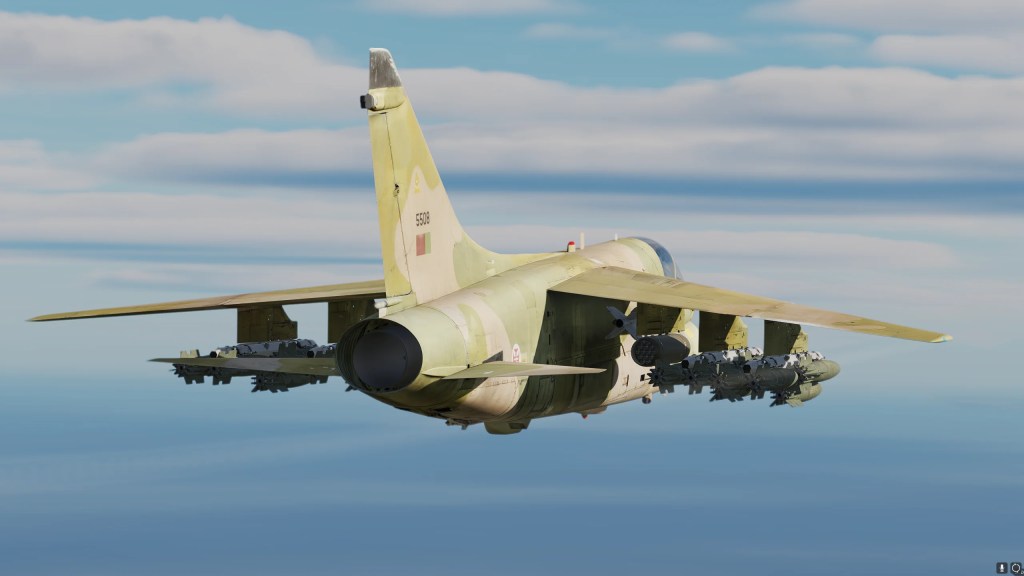

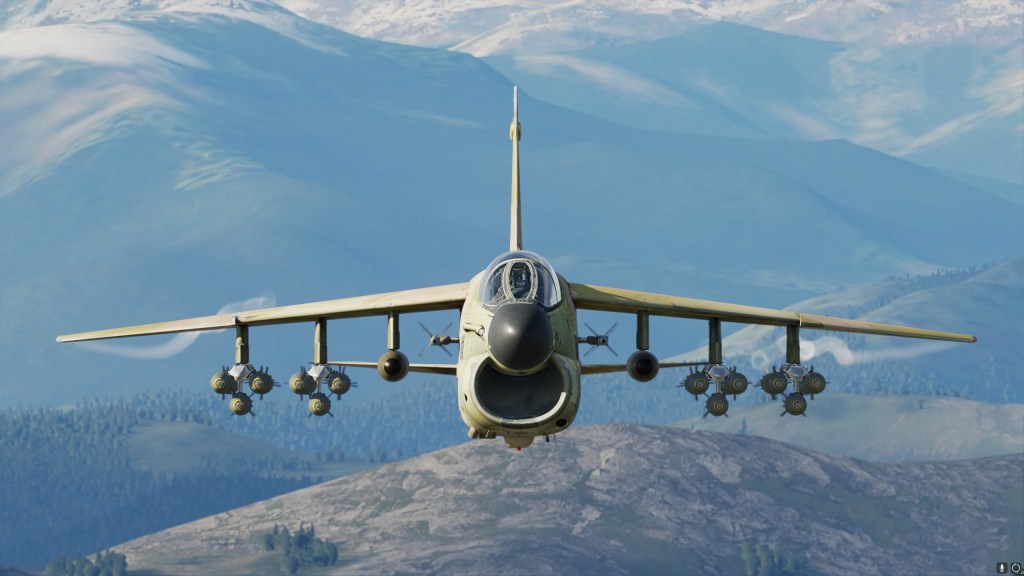

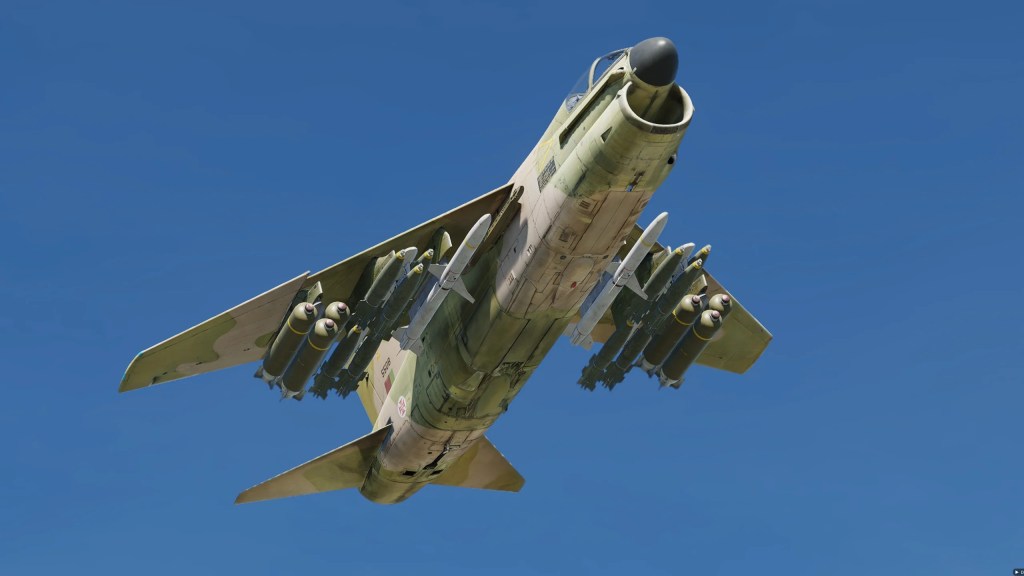
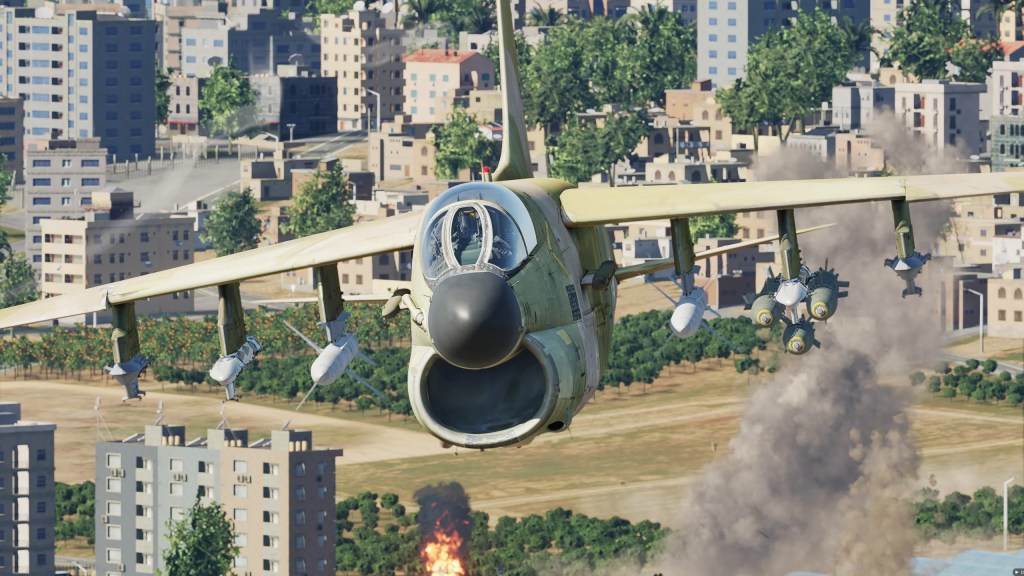
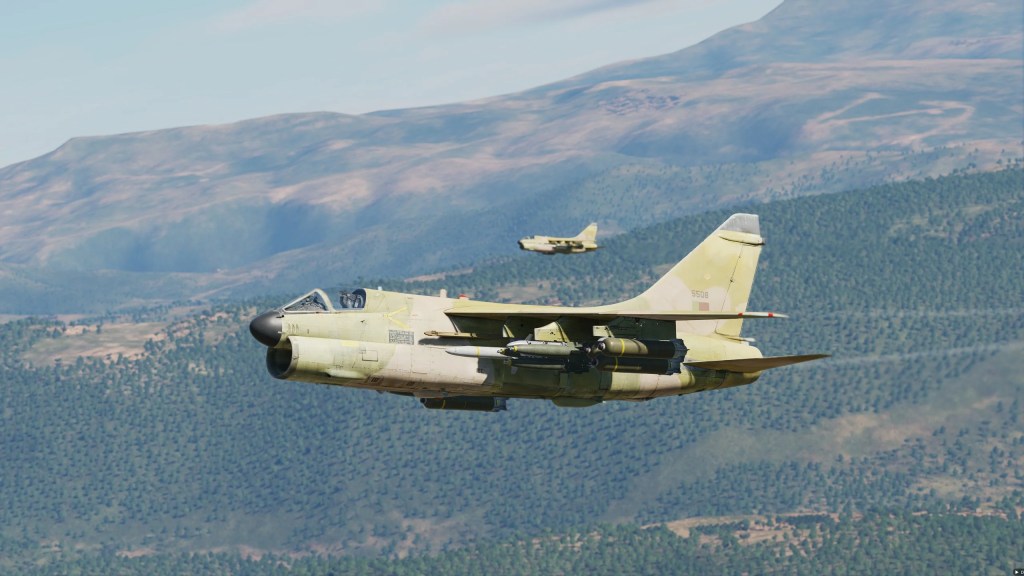
We’ve got a big update from FlyingIron Simulations and I’m going to do my best to summarize some of the key points.
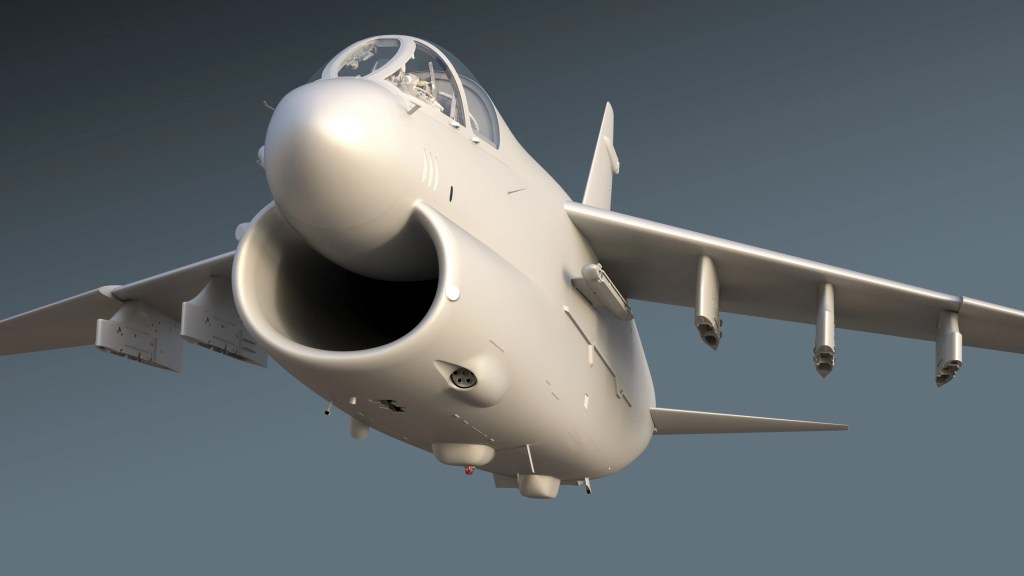
The first bit of big news is that the team there have hired a new artist to help them with the project and that has lead them to completely remark the 3D model of the A-7 Corsair II again. They’ve done it a few times now but this time looks like it will stick. Here’s what they had to say about the effort:
Ultimately though, we believe that this was the best decision going forward for the team, for the module and for the consumer. Our previous model was excellent, however any model built from blueprints & photos is prone to inaccuracies, as minor as they may be.
The new model, on display in several screenshots throughout the update, is even more accurate than their previous effort thanks to photogrammetry scanning with a real world A-7. The texture on display is not the final product but instead based on the scans that they captured earlier this year. From what I can gather, this will provide an excellent base for all of their work.
The update then turns to flight model and systems. The team here has been busy refining their modeling of the airplane making use of more sophisticated and detailed computational fluid dynamics calculations combined with flight test data. All of that data together helps to create a realistic feeling airplane that is accurate in flying and in feeling throughout and beyond its envelope. Key for combat flight sim aircraft! Their modeling on the A-7’s control augmentation system is reportedly complete and awaiting testing.
There’s a lot of technical discussion there so if you want to read more about how they are doing their modeling, do have a read!
FlyingIron Simulations also report that their work on mechanical systems is going well too. All of the hydraulics, fuel systems, gear and flaps need to be correctly modeled and they talk about how the speed brake, hydraulically operated, can suffer from droop and partial opening if the pressure systems fail. Fascinating!
As a simple example, the speedbrake is hydraulically operated, but not immune to the intense forces of high-speed flight. It will be buffeted and pushed back, partially retracted by a strong enough airflow. It is prone to drooping & partially opening should PC2 hydraulic pressure fail.
There’s even a lengthy discussion on how the ground handling, nose wheel steering, and braking systems all come into play. They have successfully launched the DCS: A-7 off of a carrier too which is surely an exciting moment for the team.
Finally, they mention work done on the Tactical Computer and how all of the aircraft’s sensors feed data into the computer to make everything work. The Corsair II is a fascinating transitional aircraft having its genesis in the analogue world but bringing with it first generation HUD and digital computer assisted functions as well.
But when?
The age old question in flight sim circles comes up at the end. When will it be done? When can we fly it? FlyingIron Simulations aren’t sure but they are expecting to move into their next big phase of development, Phase 4, early in 2024 with full testing of the module occuring sometime during the year.
I wish them all of the luck in making their project into a truly great DCS World product.



 Stormbirds
Leave a reply to Urgent Siesta Cancel reply