
When the Microsoft Flight Simulator August Q&A revealed that the Focke-Wulf Fw 200 was coming to the simulator and that it was made by iniBuilds and Oliver Moser, I was pretty much sold right then. Oliver Moser was responsible for the Ju52 which I was very impressed by and the Fw 200 has always been an interesting aircraft from someone with a deep interest in historical aviation. Now that the aircraft is out, I’ve jumped straight into the pilot seat and am checking out this airplane. Here’s my review and advice on if you should buy it!
A bit of history

The Fw 200 has an interesting history as many aircraft of the era do. It started life as a design proposal by Kurt Tank from Focke-Wulf to Deutsche Luft Hansa, the forerunner of the modern day Lufthansa, for a four engine long distance airliner intended for operations from land. This was unusual at the time with most airliners being developed for seaplane operations. Before moving on, I wanted to point out that Kurt Tank was involved in the design of several other notable aircraft of the era and mostly notably the Fw190.
The first prototype, Fw 200 V1 flew in July of 1937, and several additional prototypes were developed. The V1 was later converted into the S-1 which made several long distance flights and was the first heavier-than-air aircraft to fly non-stop between Berlin and New York. The flight took 24 hours and 56 minutes but it was quite a feat for the 1930s! More conventionally equipped Fw 200s were not capable of the full length of the flight but the airliner nonetheless proved the concept.
The type was used in civil aviation service with a few different operators including one Danish Fw 200 which was seized after Denmark was invaded at a British airport and was briefly flown by by the British Overseas Airways Corporation (BOAC).
The Fw 200, of course, was also pressed into military service and was used as a transport aircraft during the siege of Stalingrad, as a coastal patrol airplane, and for reconnaissance. 276 were produced, mostly in military configuration complete with ventral gondola, guns, bombs, and even the Hs 293 anti-ship missile. The Fw 200 design was, however, never fully able to escape its original design intentions and structural issues caused by the extra weight of military equipment lead to airframe break-ups in several instances.
The version in Microsoft Flight Simulator takes us back to the original intention of the airplane as a long distance airliner.
Visuals and sounds
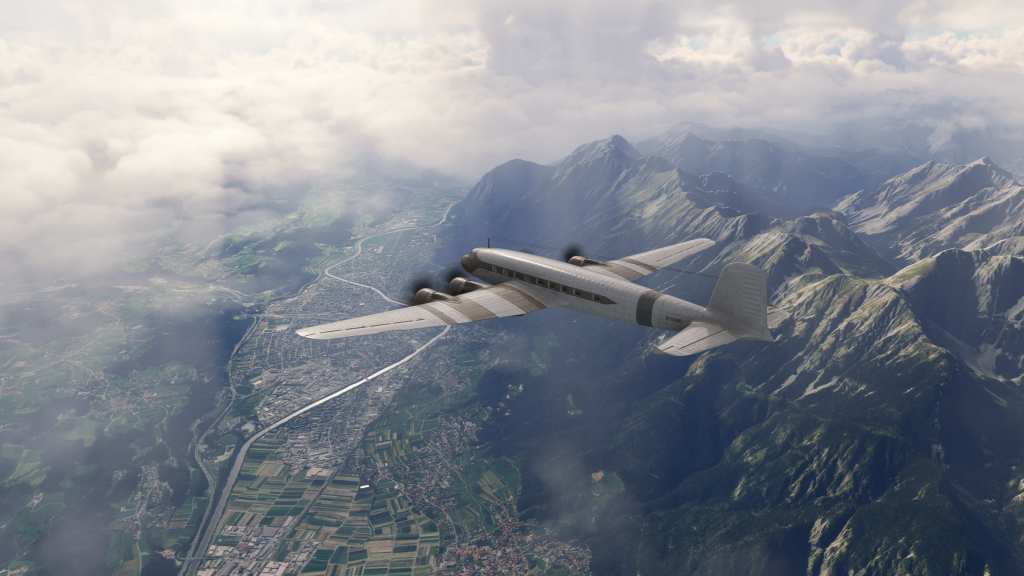
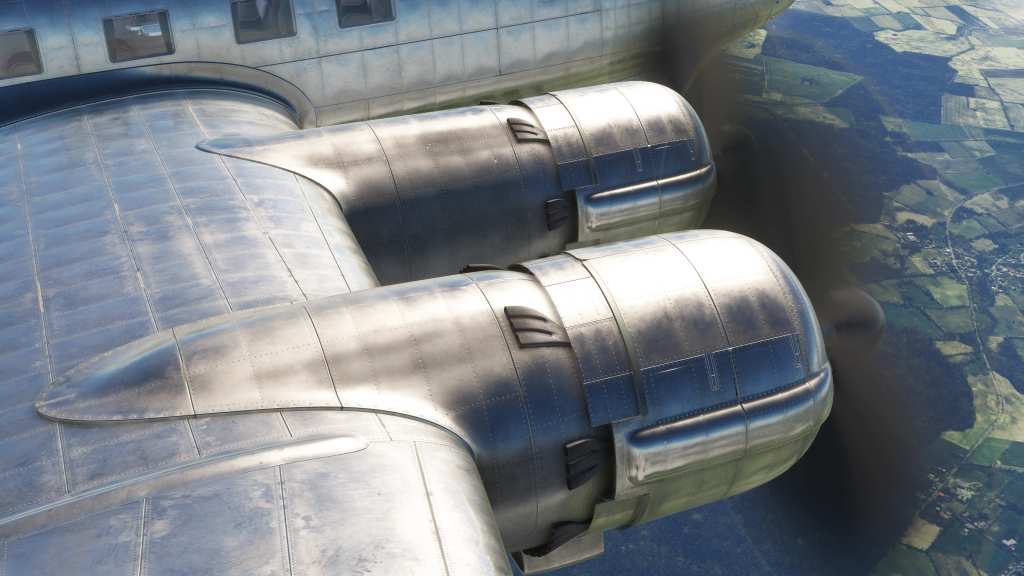
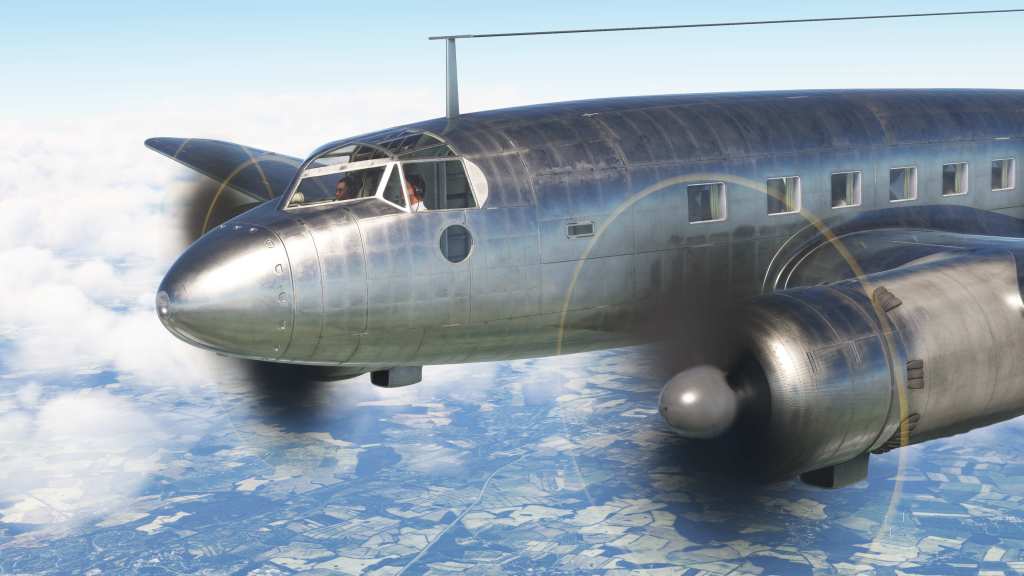
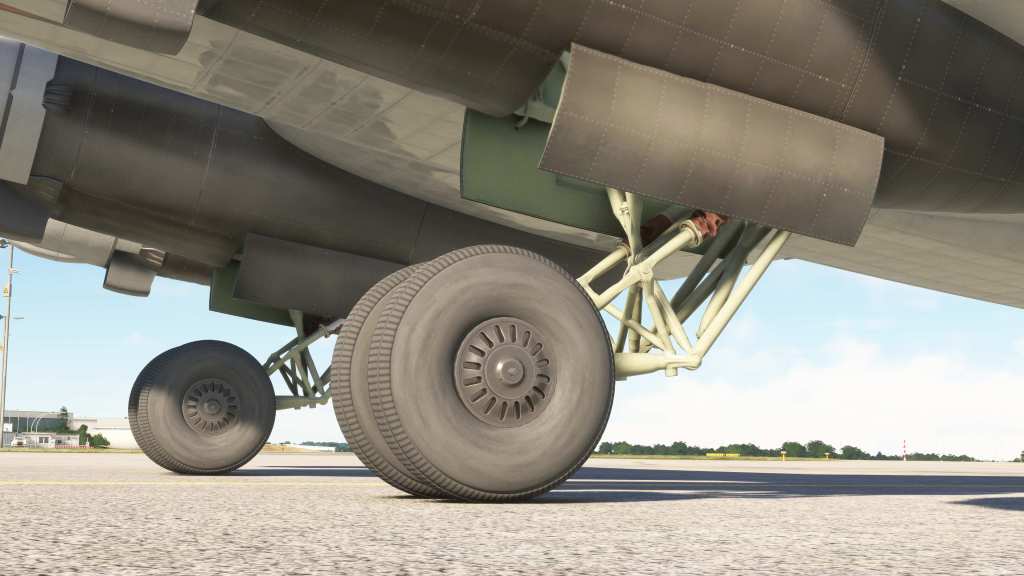
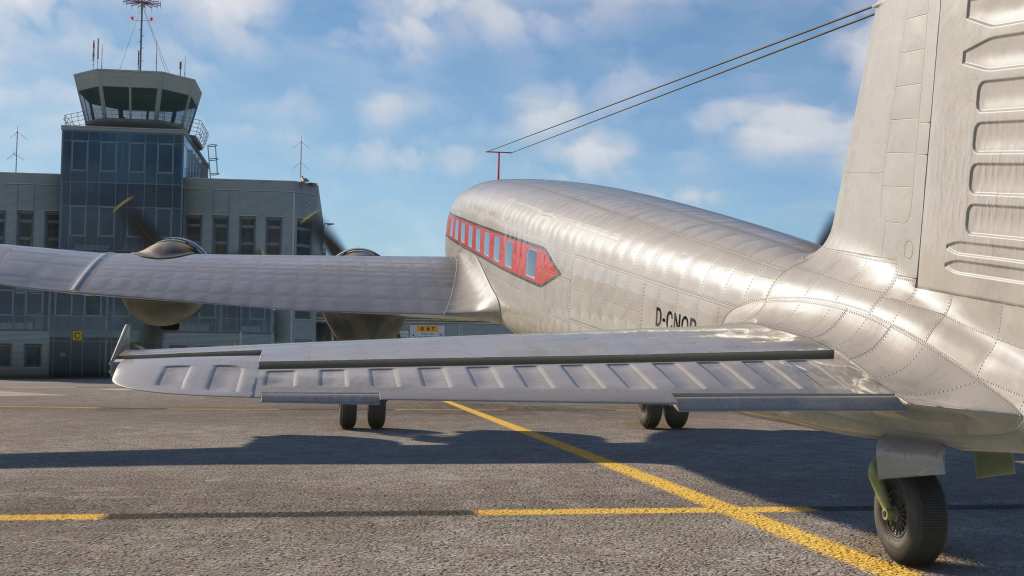
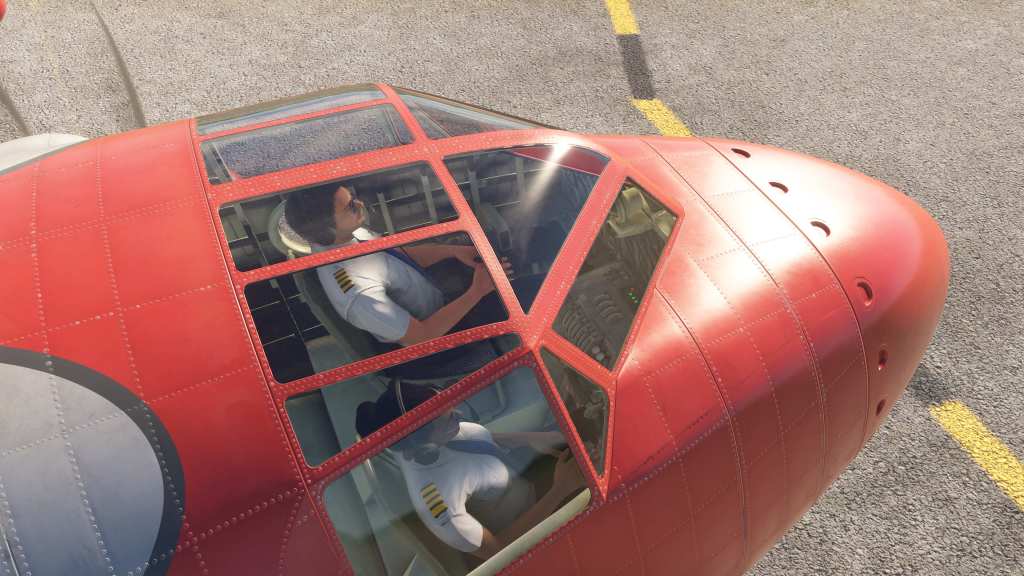
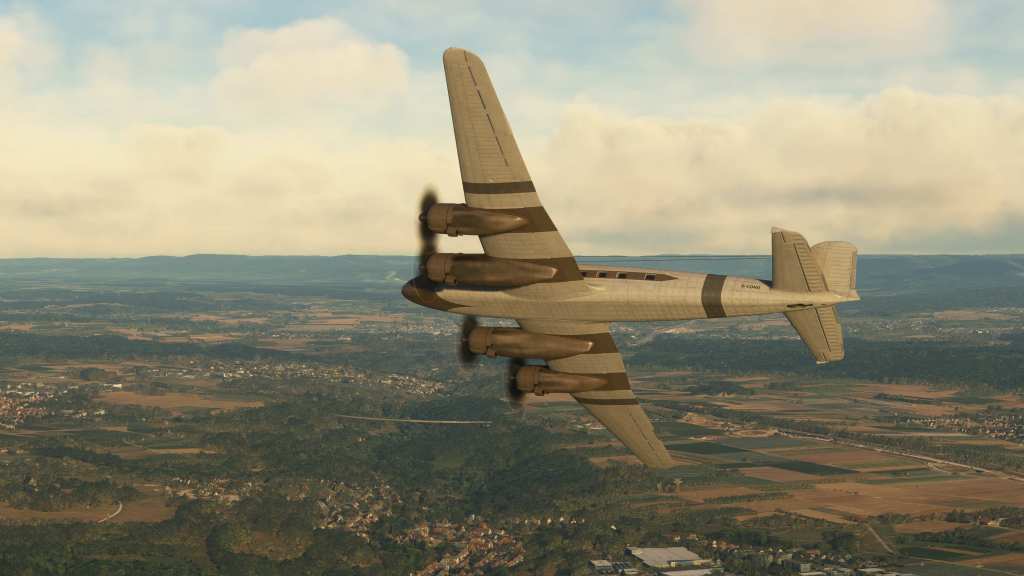
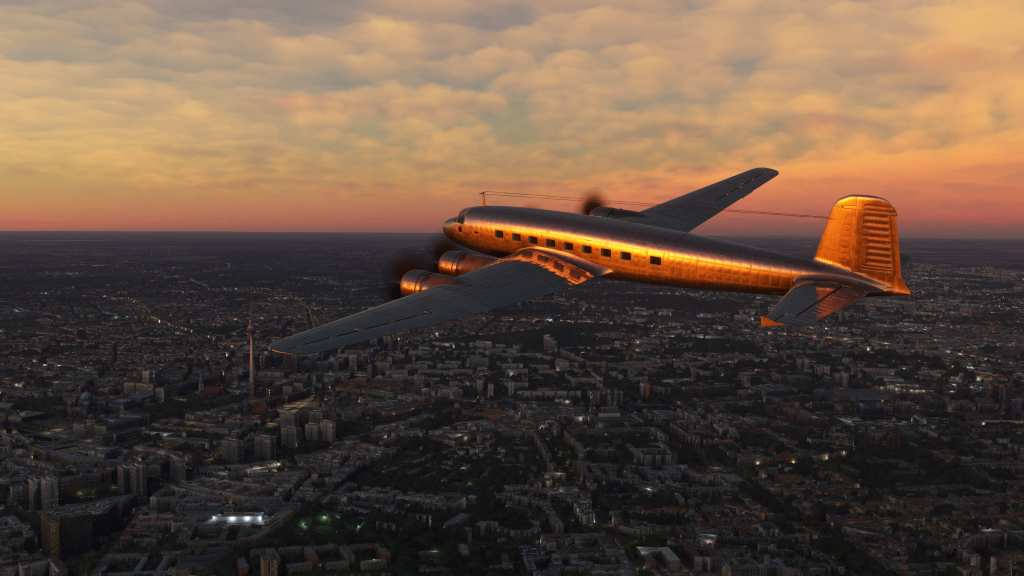
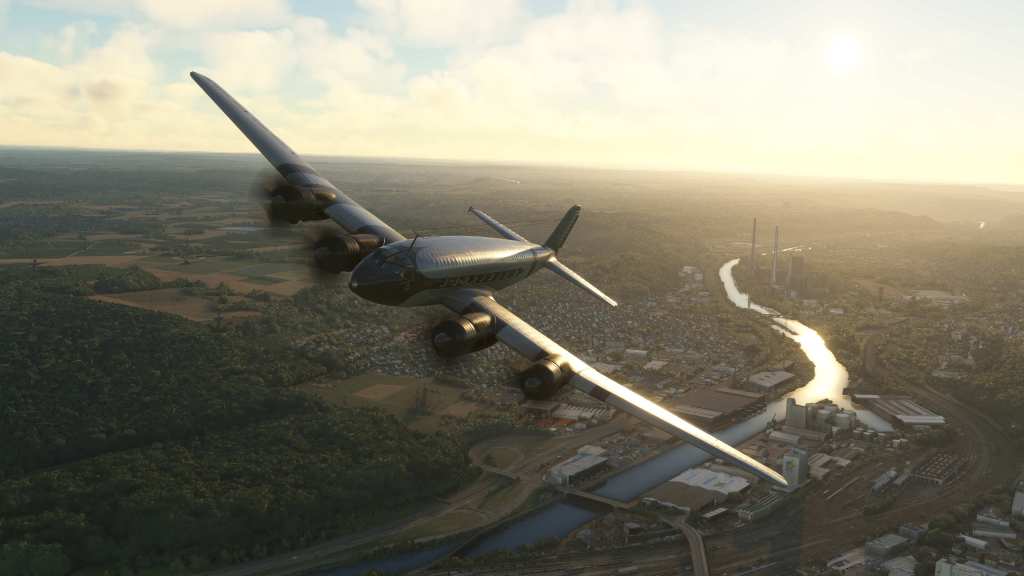
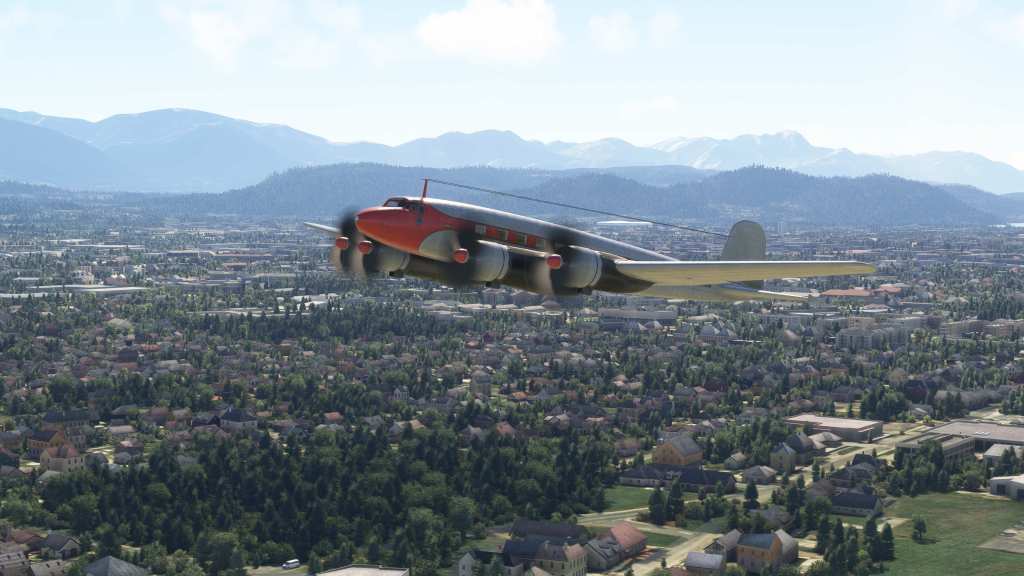
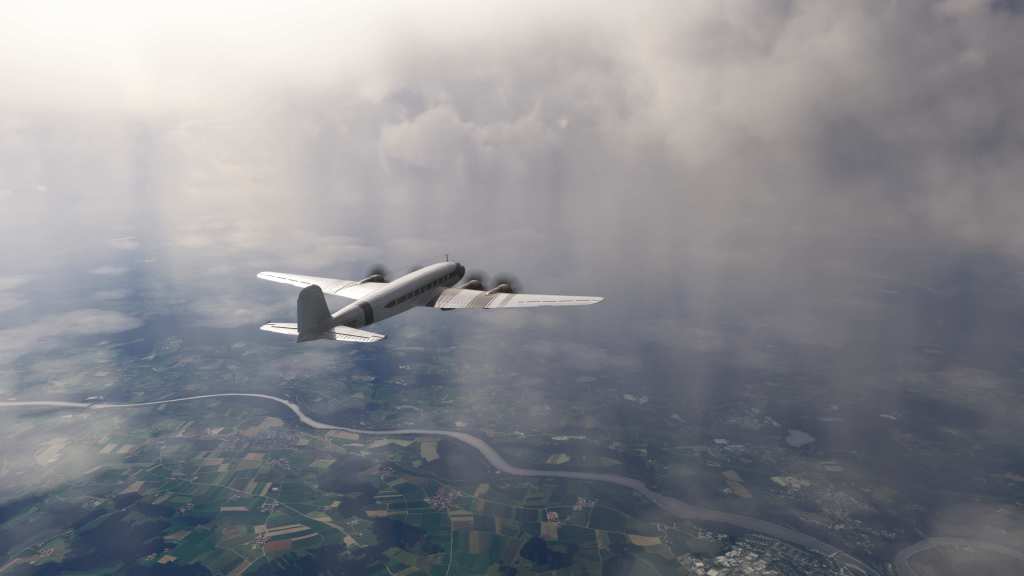
The artists at iniBuilds were responsible for the visual work on this aircraft and they have done some great work in the past. This project benefits from access to the world’s only restored Fw 200 and the making of video shows some of the scanning techniques used to get the aircraft’s dimensions just right. It’s paid off and the aircraft looks spectacular.
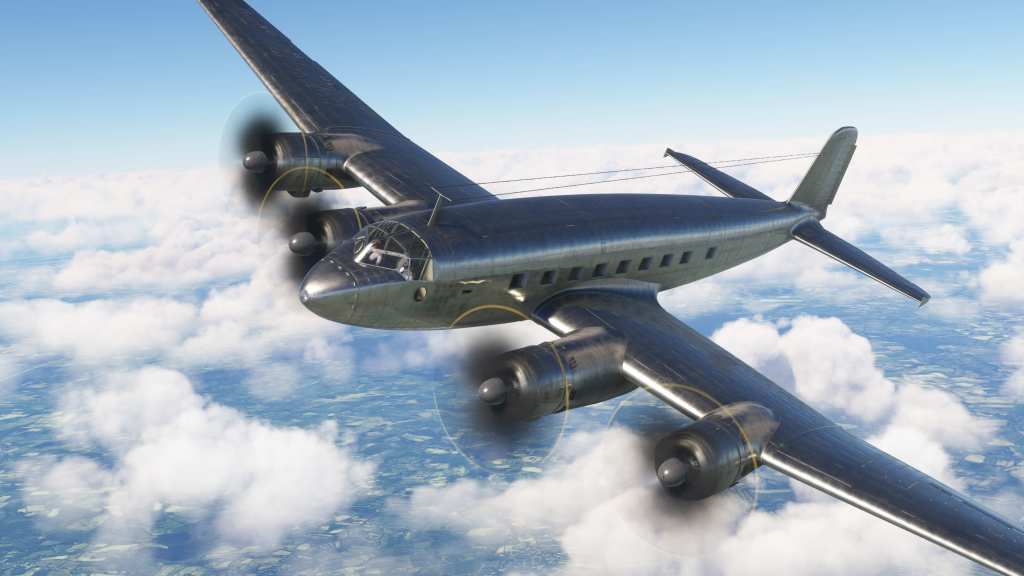
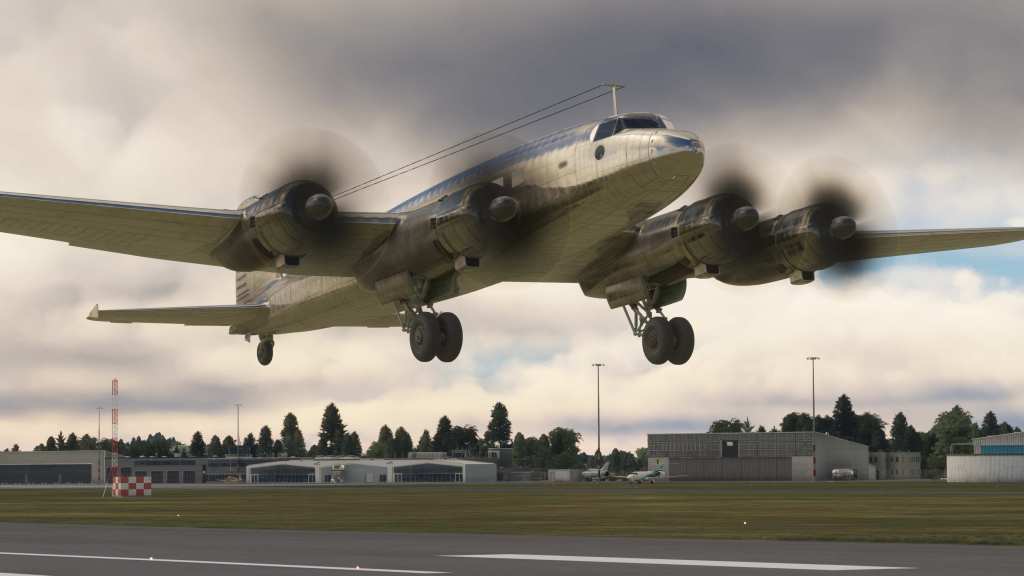
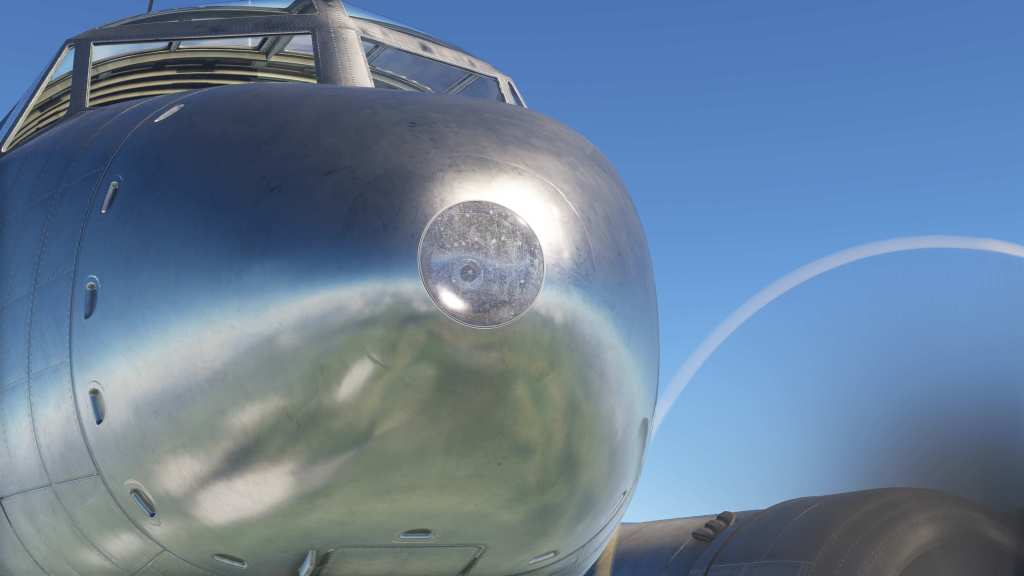
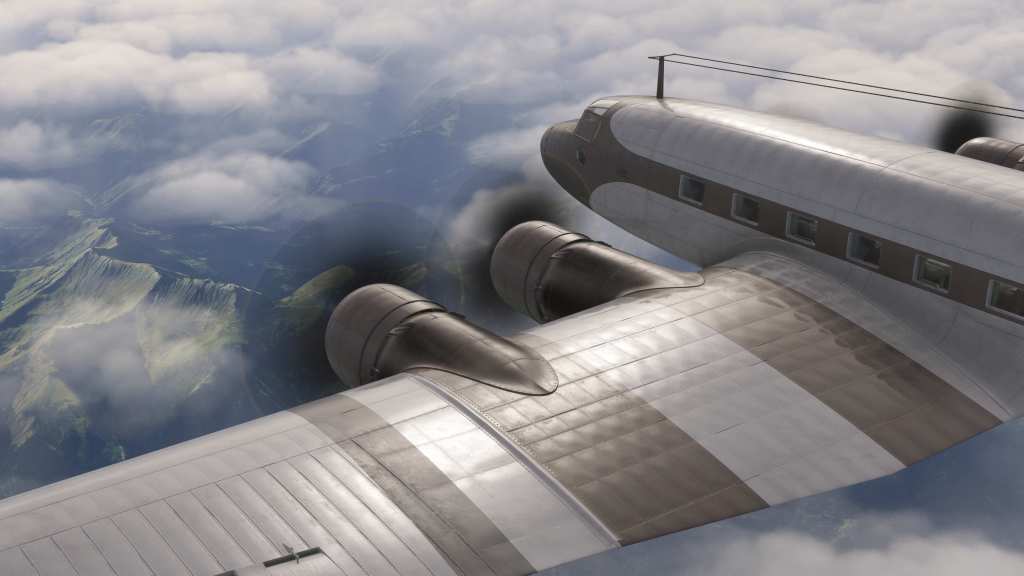
The exterior model has beautifully done rivets and the materials work on the textures is excellent. The animations for most of the aircraft’s systems are excellent too.
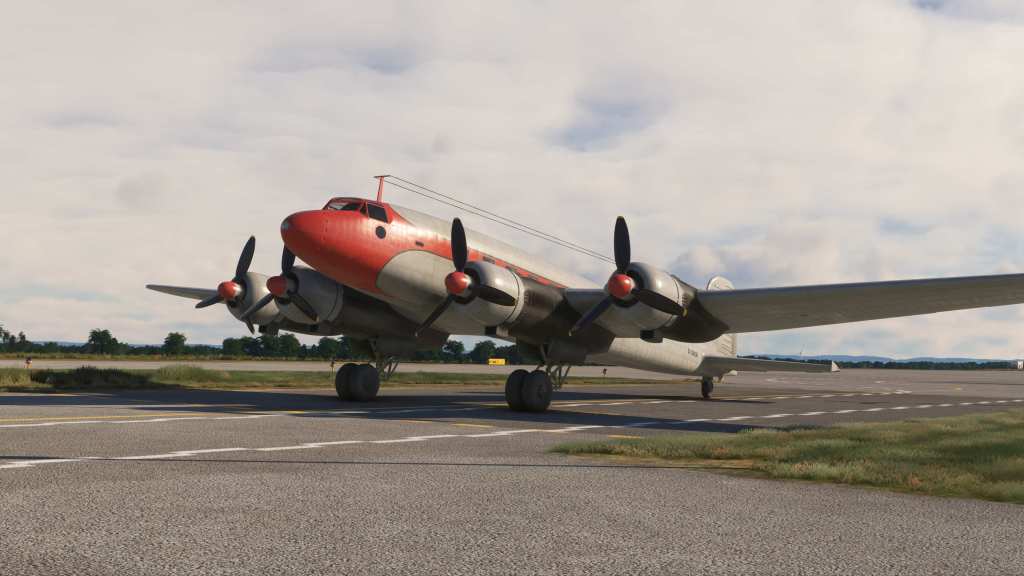
There are, however, some problems too. There aren’t very many liveries with just three: a grey, red and metallic offering on hand. A few more inspired themes would have been great to see such as the blue and orange and the black and grey schemes.
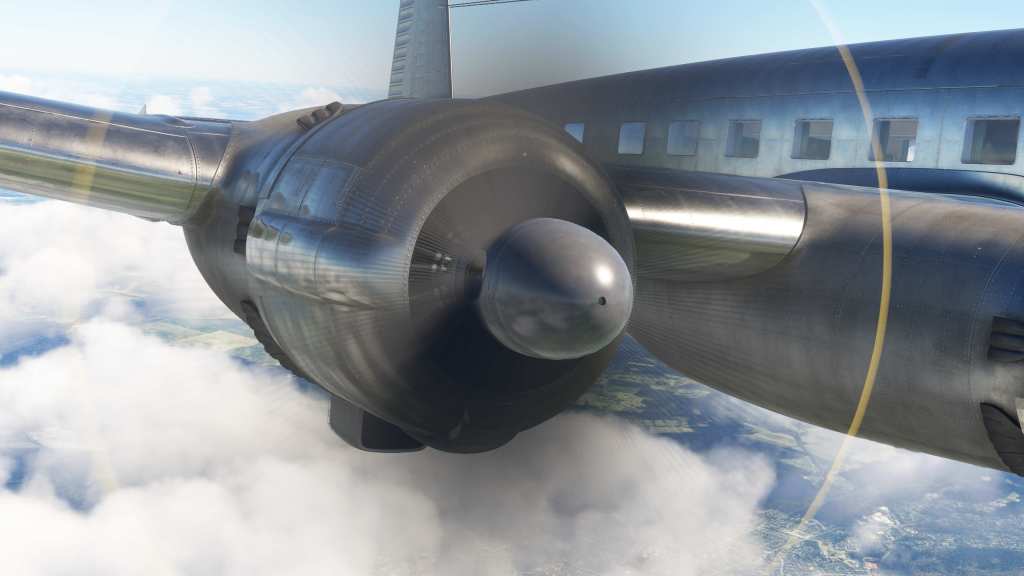
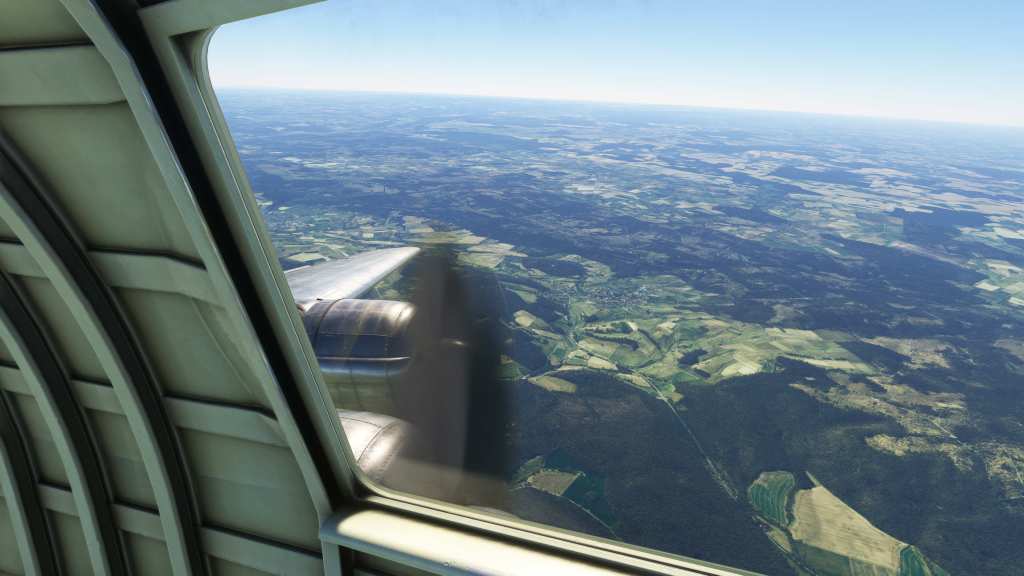
The propeller animation is a visual that didn’t quite translate well. The inner disc is far too dark and when the propeller arcs all line-up they overlap with each other and make it even darker. Multiple developers have struggled to get propeller arc visuals right and this is a more extreme example.
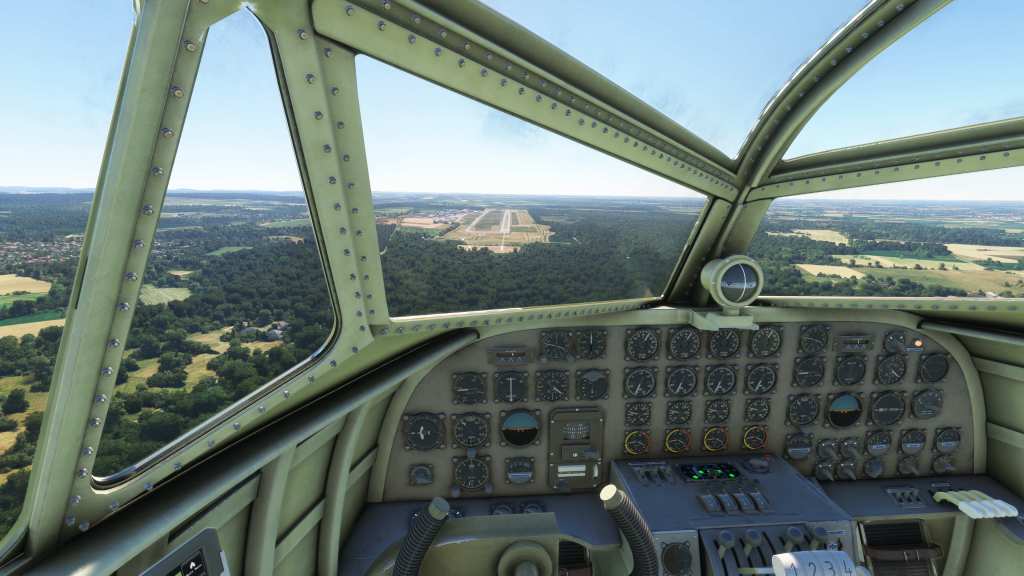
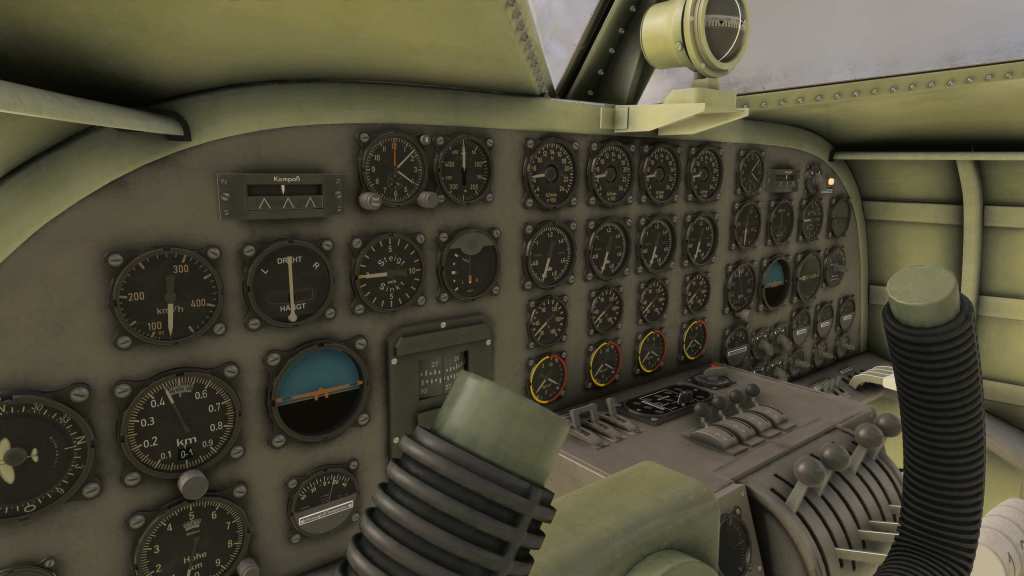
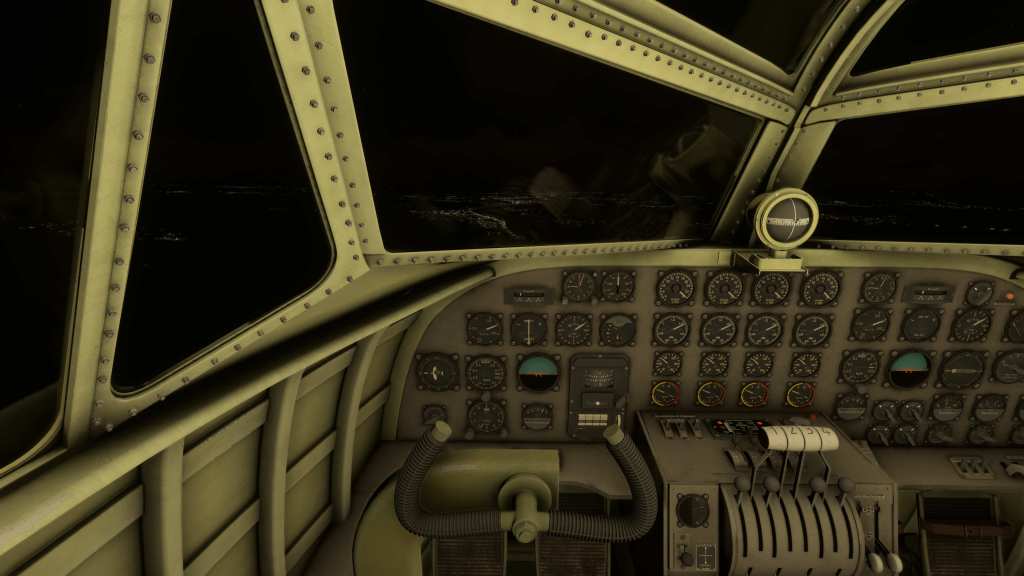
On the interior you’ll find a crisp, clean, representation of the aircraft and its instrumentation. The visuals are strong here and the instruments are historically accurate as best as I can tell. Having put thousands of hours into flying the Fw 190 in various combat flight sims, the whole setup of the cockpit and the instrumentation is actually quite familiar to me so it didn’t take long to find everything. Animations are generally smooth although a few panels open and close a little too quickly if I’m being fussy.

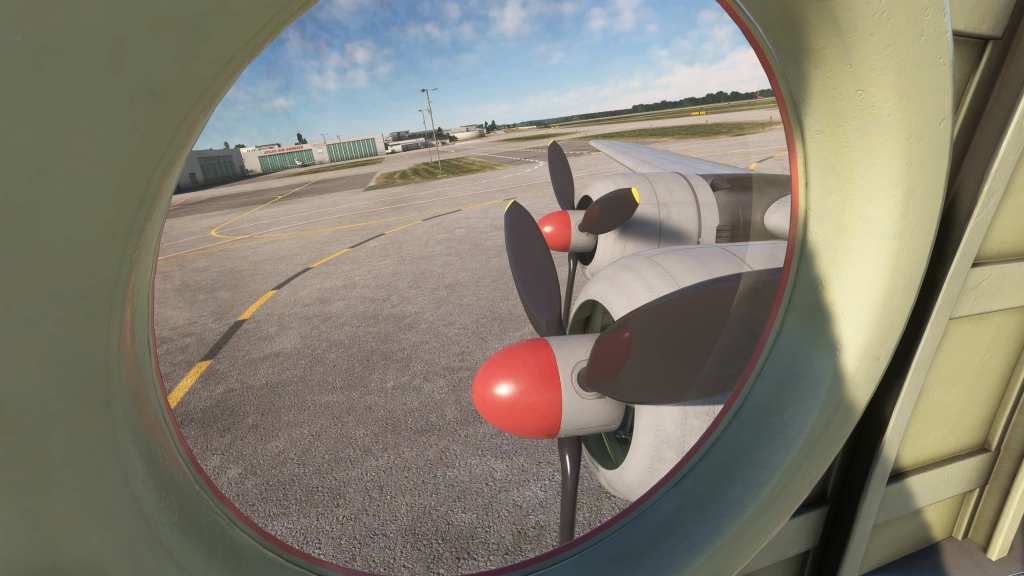
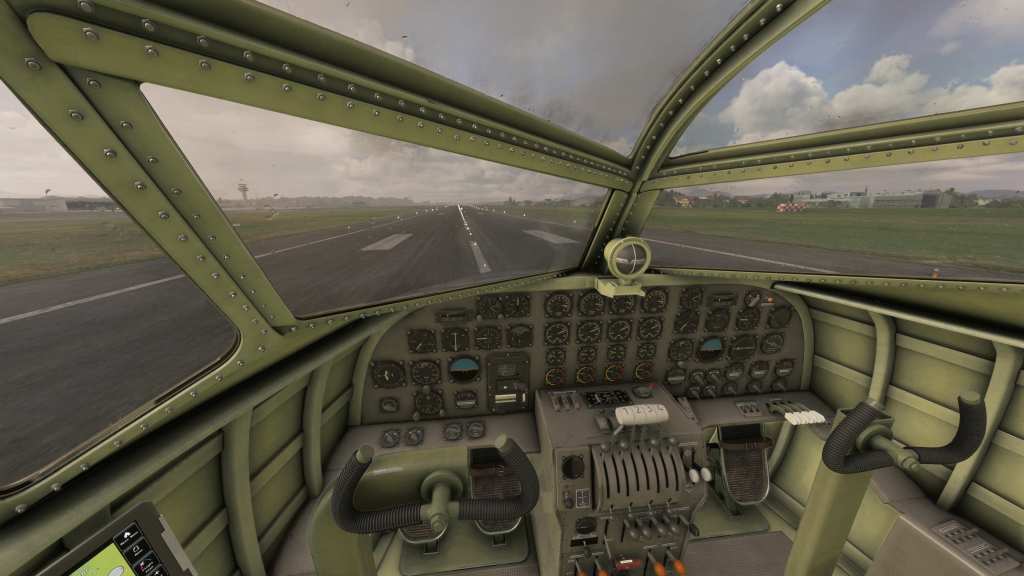
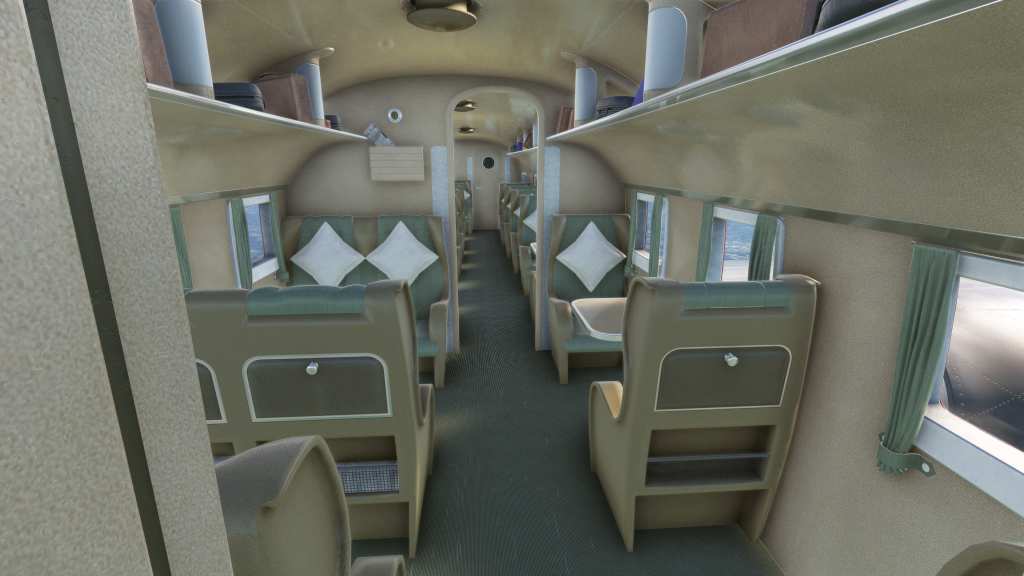
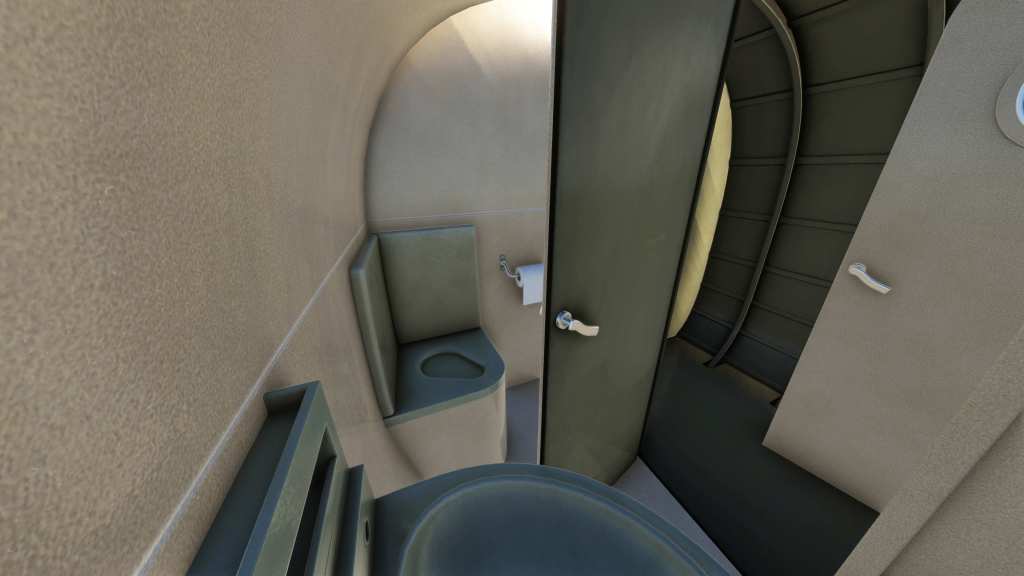
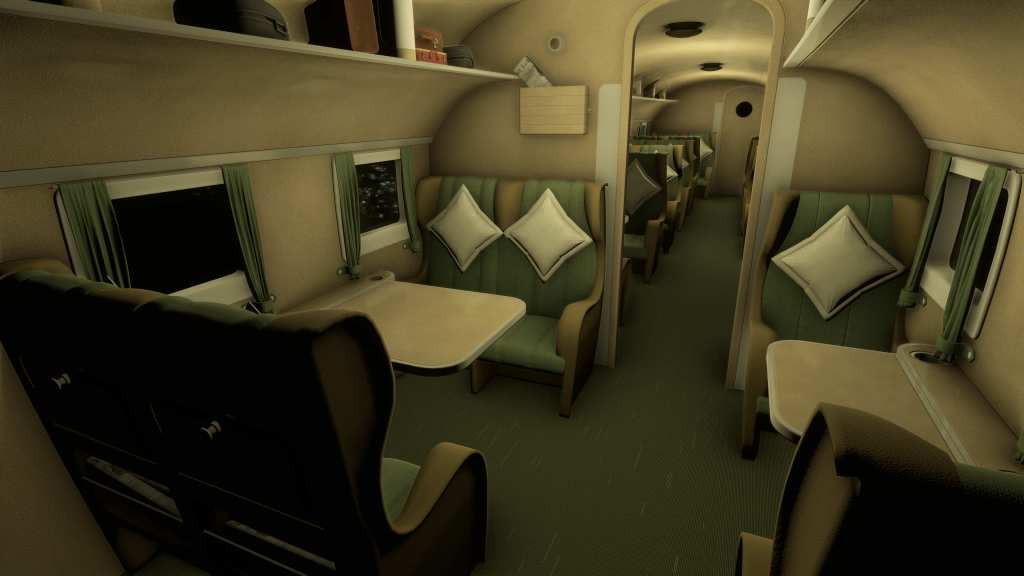
The aircraft also has a fully modeled passenger cabin with seating in various configurations. It’s all very 1930s luxurious in appointment. Each seat even has its own storage bin with a newspaper for the passengers to read. There’s also a cargo hold at the back with crates present back there and there is also a lavatory too. Neat to see!

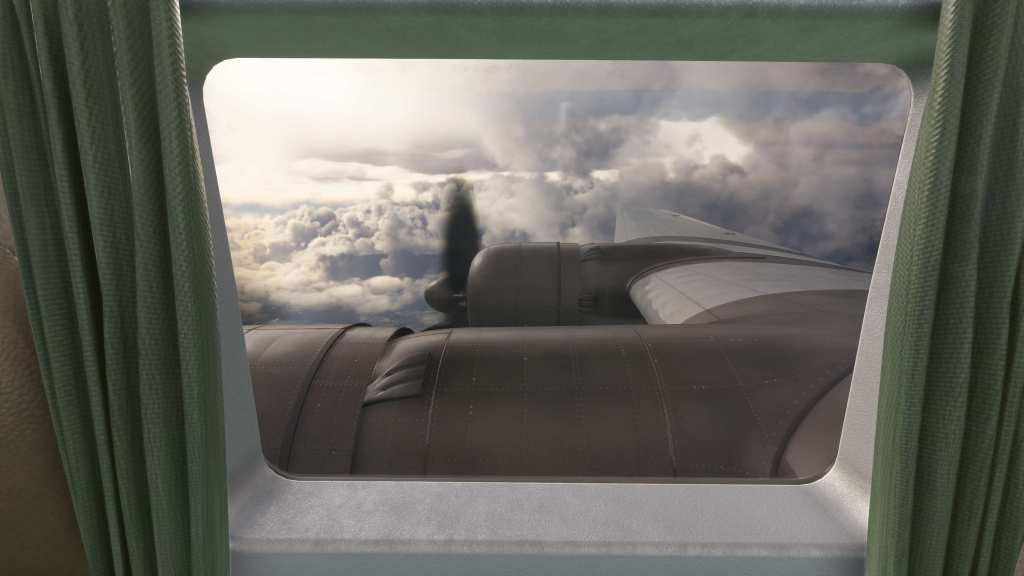
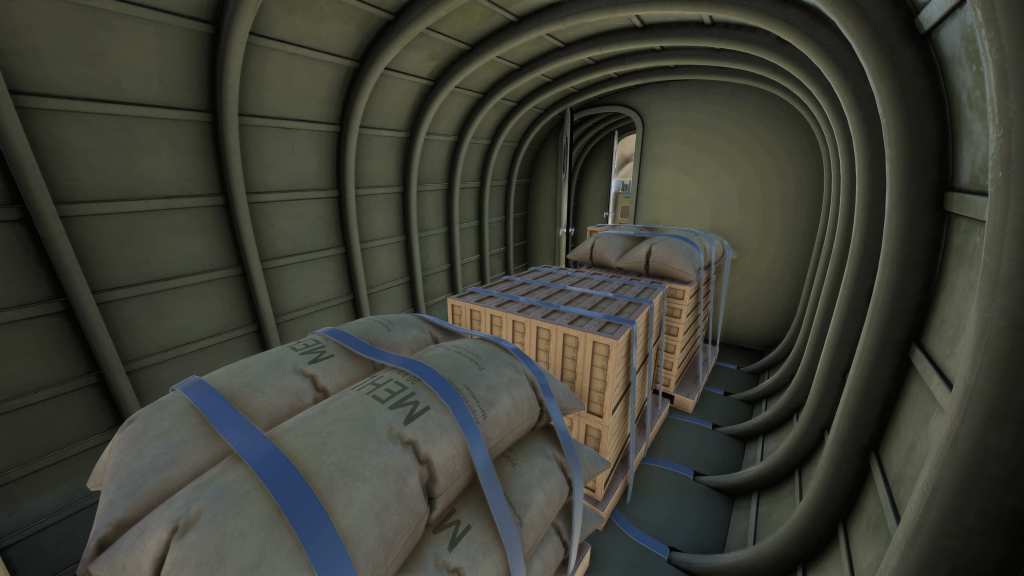
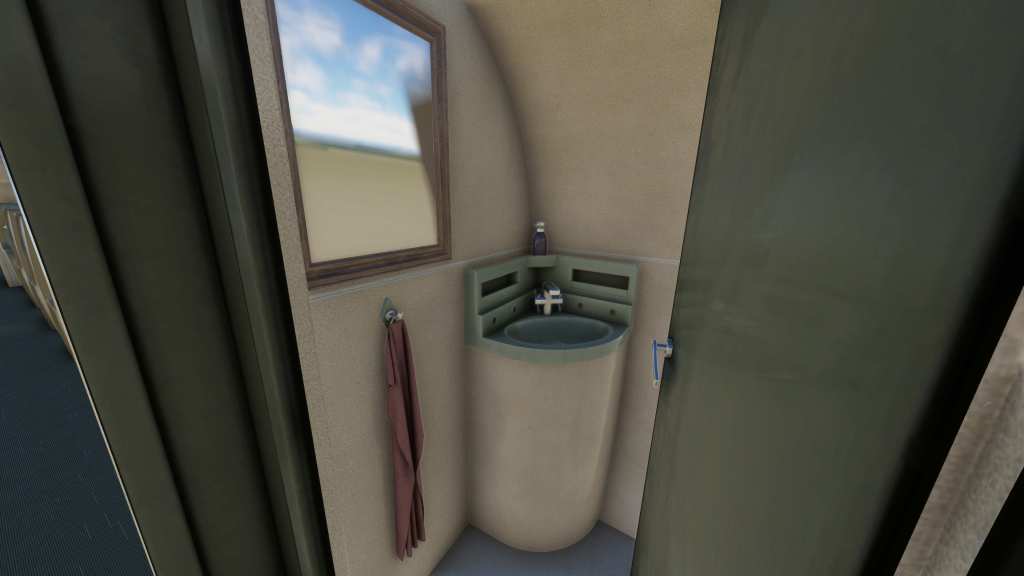
Though the textures are sharp and crisp in the cockpit the whole thing has a slightly too clean appearance. It ends up feel a little flat looking. I know Focke Wulf cockpits were very utilitarian by design but I look at this and I look at the Ju52 that I reviewed recently and that one has a bit more visual punch than this one does. There are also light leaks in the cabin. A problem with some MSFS aircraft and this one shows it fairly drastically.
I also checked out night lighting which is … kind of flat looking. That may actually be how the Fw 200 should be but for some reason it just doesn’t seem all that inspiring.
I’m particularly impressed by the sound work on this airplane. At this price point, we’ve been treated to far less but this one has strong sound work associated with nearly every switch and toggle. The engine start-up and shut down sounds are quite good and the varying pitch of the four radial engines from within the cockpit feels extremely authentic for an aircraft of this era. None of the engine ever quite balance out with each other and the pitch scales up and down slightly as it cruises along. It’s quite nice!
Systems
I have to set expectations here. This is a $14 USD recreation of a historic aircraft and not a $60 high fidelity airliner project. That said, everything that’s important in this aircraft appears to work.
Start-up on this aircraft takes a bit of jumping around to do. Once you do get everything sorted out, however, you should be good to go. The aircraft doesn’t have state saving but Cntrl + E works brilliantly if you want to do a quick start.
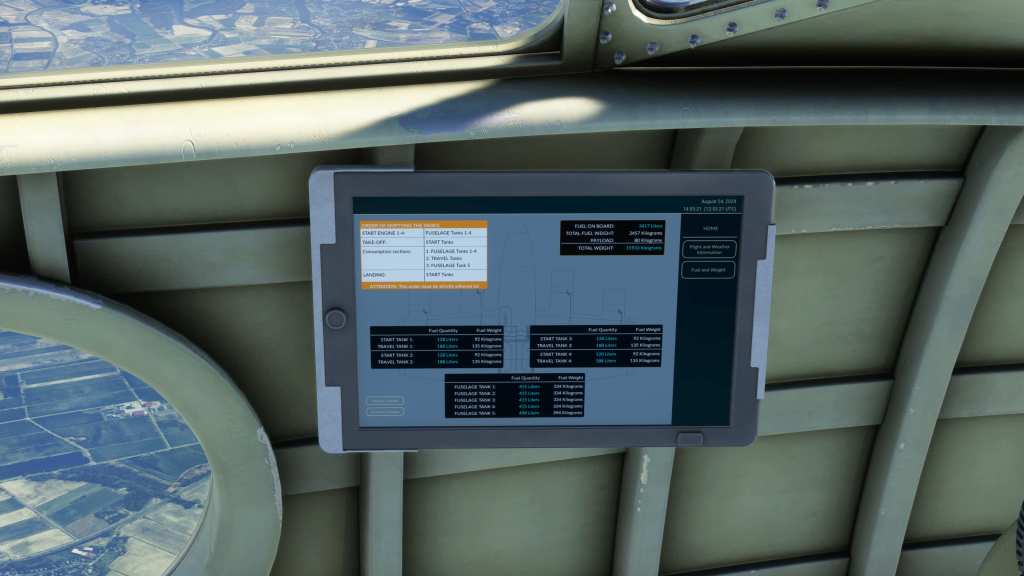
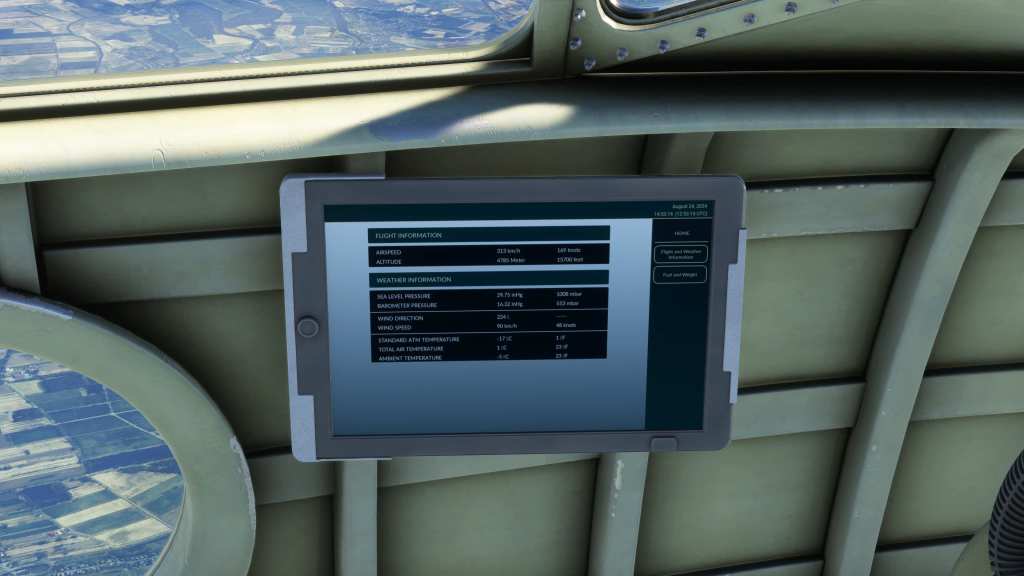
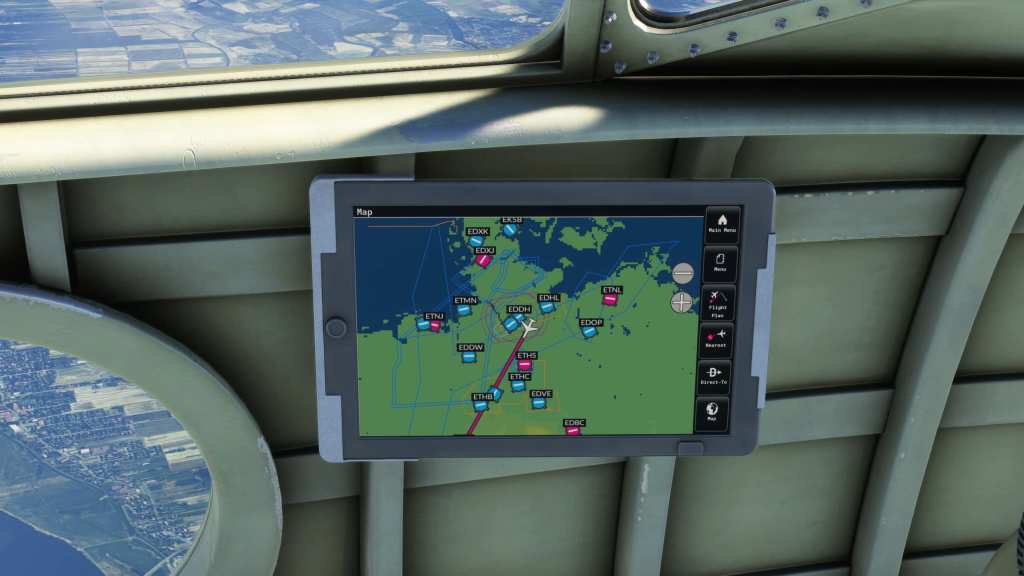
The aircraft has an available tablet which includes a few different pages. One is devoted to reminders on which fuel tanks to use and when, another with some statistics on the aircraft in its current state, and then a GPS button with a full mobile glass plane.
The autopilot system works will manage to do things like hold altitude, turn to heading and manage vertical climbs to set altitudes. I’m not sure if this is prototypical but I did have a bug where it didn’t want to do a vertical descent but its only come up once. Using the GPS panel and a button on the autopilot control, you can get the airplane to follow a GPS track or you can use a combination of radio beacons and heading hold to do it the old fashioned way. The GPS is obviously a modern concession and I like to see aircraft in this series provide options so this is good.
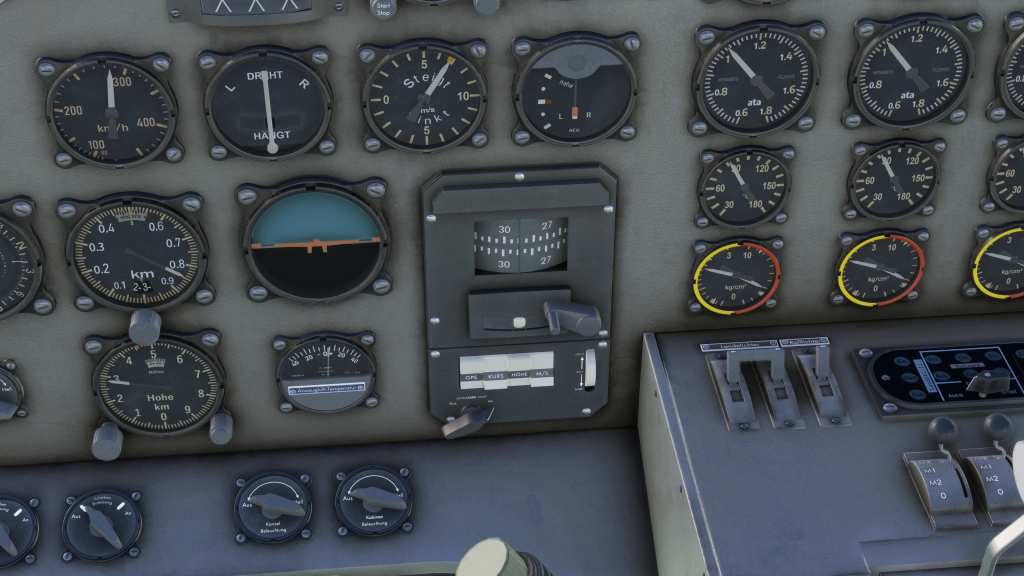
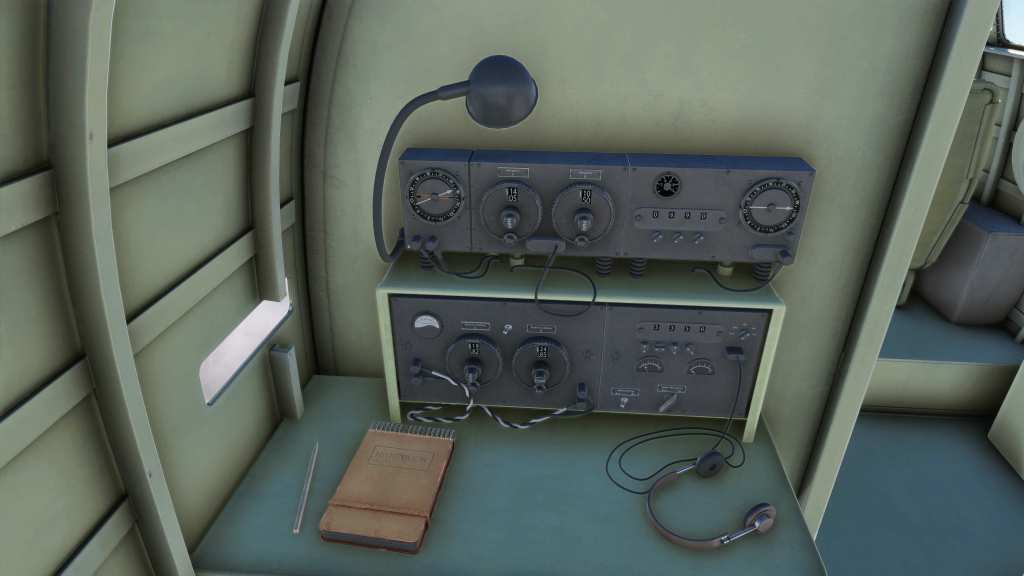
Moving over to radio and navigation, there’s a dedicated station behind the pilot and copilot and the radios do actually work. That includes the ability to home in on appropriate beacons as well as transmit a transponder code. The functionality is also replicated at the pilots position so you can choose to stay there or zoom the camera back and use the radio system itself. Good options.
The Fw 200 has a complex array of fuel tanks and for long distance flights you’re going to need to manage them in the correct order to make things work. The type’s radial engine power also makes itself felt with power dropping off as altitude increases. The type’s 4,000 meter or 13,000 foot cruise altitude is about where the aircraft starts to feel a little breathless and that’s about right with a 20,000 feet ceiling. Leaning the engines out to maintain power is an important part of the process which is great to see.
There are radiator flap controls on this airplane too. They don’t appear to do anything to the temperatures of the aircraft and they also don’t appear to be animated. Either they don’t actually move on the real airplane or there’s a missing animation.
All of the anti-ice and deicing equipment onboard appear to function which is great to see.
Of course this airplane does not have any sort of complex engine management, long term maintenance system, or failure modeling. Its not at that kind of price point.
Flying the Fw 200
A cursory glance at various sources have not revealed much information on how the Fw 200 flew. We have basics like its cruise speed, altitude, and range but we don’t know a lot about how it actually felt to fly.
The version in Microsoft Flight Simulator is generally a pleasant giant. Its long wings suggest a slow roll rate but the aircraft is reasonably responsive despite that attribute. Kurt Tank did design one of WWII’s fastest rolling fighters so the Fw 200 having a relatively strong roll respond is not too surprising. Still, its not going to fly like a fighter. This is a large airplane! I also wanted to note that the elevator is particularly twitchy on pitch changes which, if caught unprepared, could be a minor issue. Again, given the designer I wouldn’t be surprised if the real one was a bit like this too.
The aircraft was capable of a maximum speed of 210 knots (or 380 km/h) at 15,700 feet (or 4,800 meters) and it does indeed seem to reach that when you do some IAS to TAS calculations. Cruise speed is 335 km/h at 4,000 meters. Decently fast numbers and only just 20 km/h behind the contemporary Boeing 307 Stratoliner. Certainly not modern airliner speeds but it is capable of covering some ground.

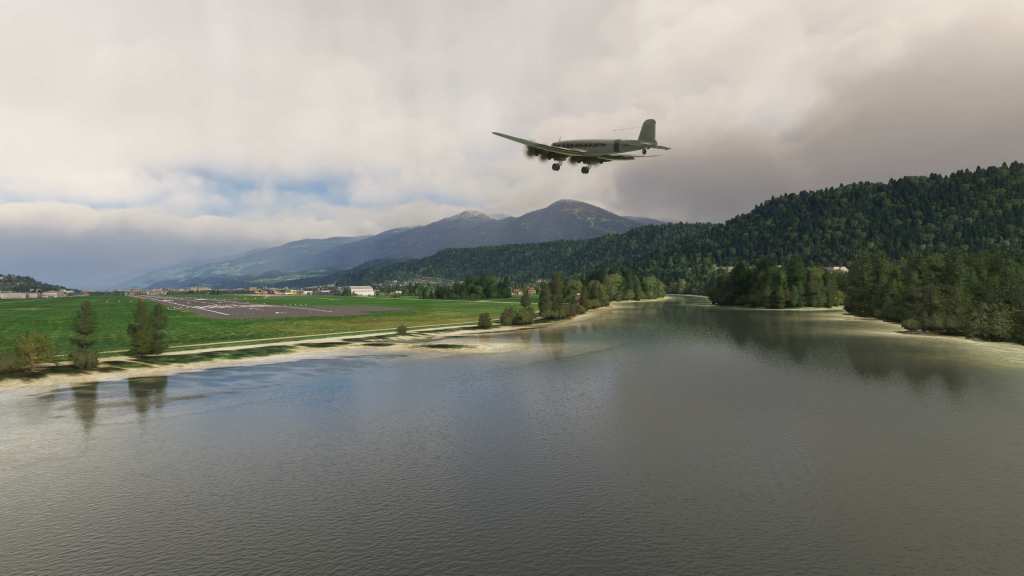
Fully loaded, the type can take a while to get going and into the air and is even more sensitive to pitch changes. With a more typical or light load, however, and it will spring off the ground fairly quickly. Not nearly as quick as the Ju52 and I feel like this is probably about right given the types’ size weighed against its long wings and four 1,000 hp engines pulling the whole endeavour along.
Stalls seem to be mostly a straightforward thing with the nose falling forward but I have had one where recovery was almost not possible and it was only thanks to heavy rudder work to counter the stall that I was able to get out of it. Its an airliner, not a fighter, it definitely needs to be flown carefully.
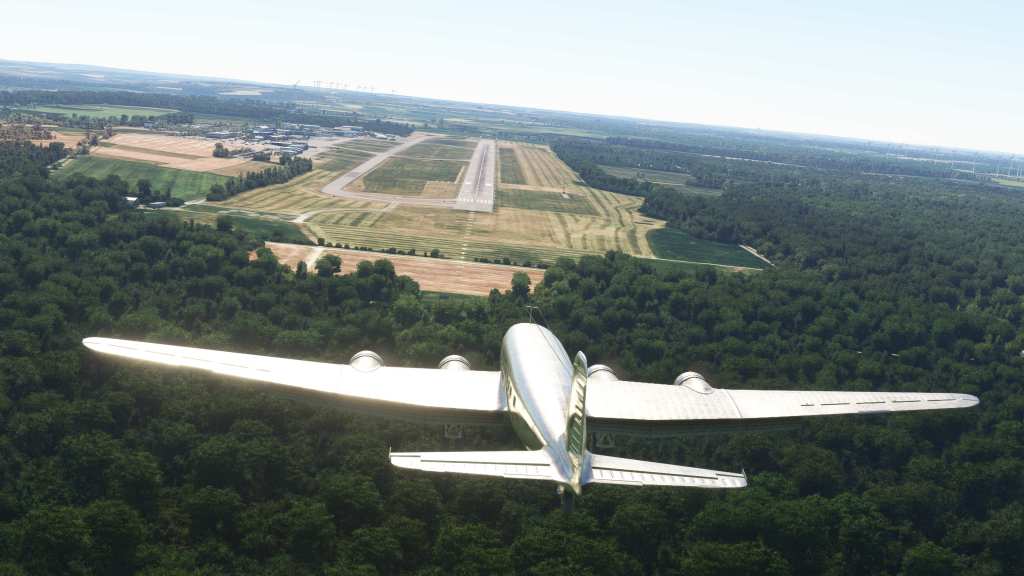
Landings in the Fw 200 are very gentle and a gentle touch on the stick is usually enough to get into a three point landing configuration. Again, the sensitive elevator can be an issue if you’re not prepared for it but otherwise its well behaved. Slowing down on the other hand, seems to be an issue and powering back on the propellers should probably create more drag than it does.
Final thoughts
I’ve really enjoyed flying the Fw 200. Being so familiar with the type as a combat aircraft and with Focke Wulf’s more famous fighter series, flying this civilian airliner version has been quite interesting to learn about and explore. The type had a very limited service but its history has been once again preserved thanks in small part because of this simulator experience.
The Fw 200, for the price point, offers an interesting four engine radial engine airliner experience. It has a few quirks and complexities but its overall a well behaved aircraft with a decent set of features. It looks really good most of the time, the sounds are excellent, and the systems are reasonably intuitive – doubly so if you’re like me and are familiar with other period aircraft and with Focke Wulf specifically.
It does have a few visual issues, particularly with the propellers, and the cockpit being every so slightly too clean and not quite worn enough for my taste. But aside from that I’m quite happy with it on the whole and I’ve had a fair bit of fun flying the aircraft from point to point around Germany. A future flight journal could possibly see me do a cross Germany tour but I think I’ll wait for some livery artists to come up with something that really excites.
The iniBuilds and Oliver Moser combined effort has largely paid off with the Fw 200 offering up a satisfying Local Legend release. It’s available on the Microsoft Flight Simulator Marketplace for $14.99 USD.
Screenshots



 Stormbirds
Leave a reply to Urgent Siesta Cancel reply