
Released in the summer of 2023, Microsoft Flight Simulator’s Local Legend IX: Latécoère 631 is an airplane that I’ve always wanted to buy and review. I hadn’t gotten around to it for a while but even a full year later I was still thinking about buying it from the marketplace. The airplane has a unique story in history and and even more interesting story when it came to how it eventually made its way into Microsoft Flight Simulator. This is my review of the Latécoère 631!
A bit of history

Pierre-Georges Latécoère’s 631 flying boat was created in response from the French air ministry in 1936 to create a 40-person airliner with a 4,000km range. The large flying boat design was intended to be powered by six Gnome et Rhône P.18 engines of 1,650 horsepower. History would soon overtake the airplane and work was stopped at the outbreak of the war.
First flight was delayed until 1942 at which point the first airplane was confiscated by the Germans and flown to Lake Constance. This first airframe, F-BAHG, was subsequently destroyed by RAF Mosquito fighter-bombers in a strafing attack.
The second airframe to be completed first flew on the 7th of March 1945 and was powered by six Wright R-2600-C14 Cyclone 14 with 1,601hp replacing the P.18s from the prototype. Maximum speed is listed as 213 knots with a cruise speed of 160 knots and a range of 3,259 nautical miles or 6,035 km – far in excess of the original requirement.
Four of the 11 produced would fly for Air France, however, excessive maintenance requirements and the fatal loss of several aircraft would doom the Latécoère’s 631 chances of success. Still, during its brief service life the aircraft ranged all across the planet with long distance flights from France to South America, Africa and Asia. It would foreshadow modern day airliner operations covering
None of these flying boats exist today. Destroyed, crashed, and scrapped, the Latécoère 631’s history has for the most part ended. It does, however, live on thanks to the work of the Microsoft, Asobo Studio, Blue Mesh (the third party developer contracted for the project), and the help of Pierre-Georges Latécoère’s family. This airplane and its history live on again thanks to access to the personal archives of the aircraft’s designer and I think that’s just such a cool story. I’ll mention that again and again before this review is over. It joins the ranks of other historical legends that the sim has brought to us from the Dornier Do X to the Ford Tri Motor and the recently released Fw 200.
Visuals and sounds


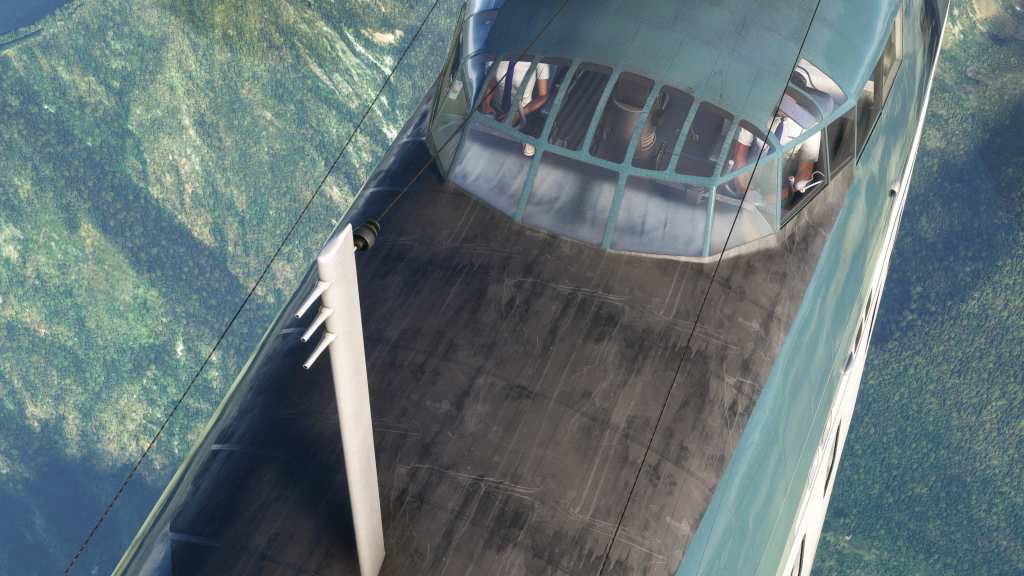
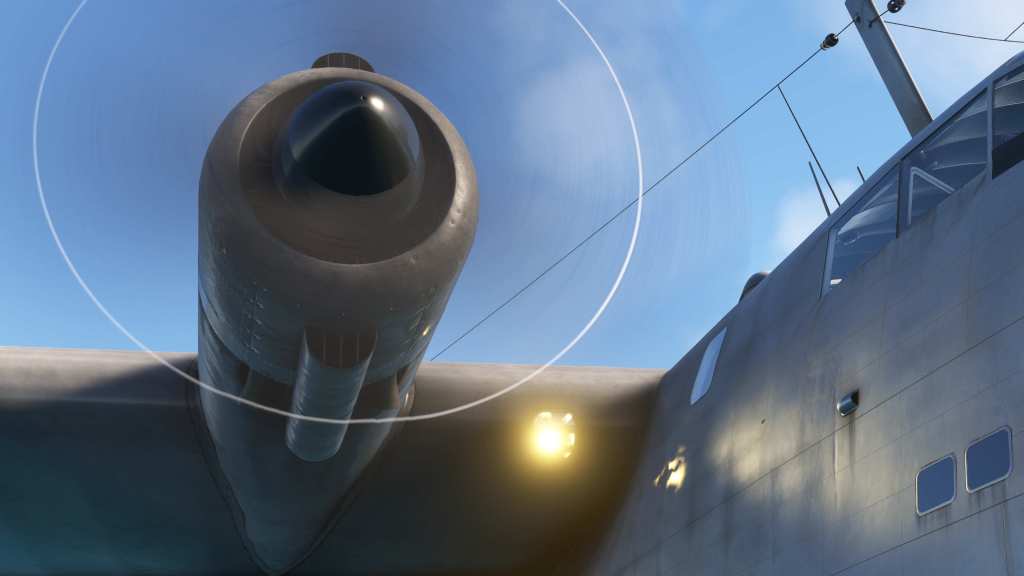
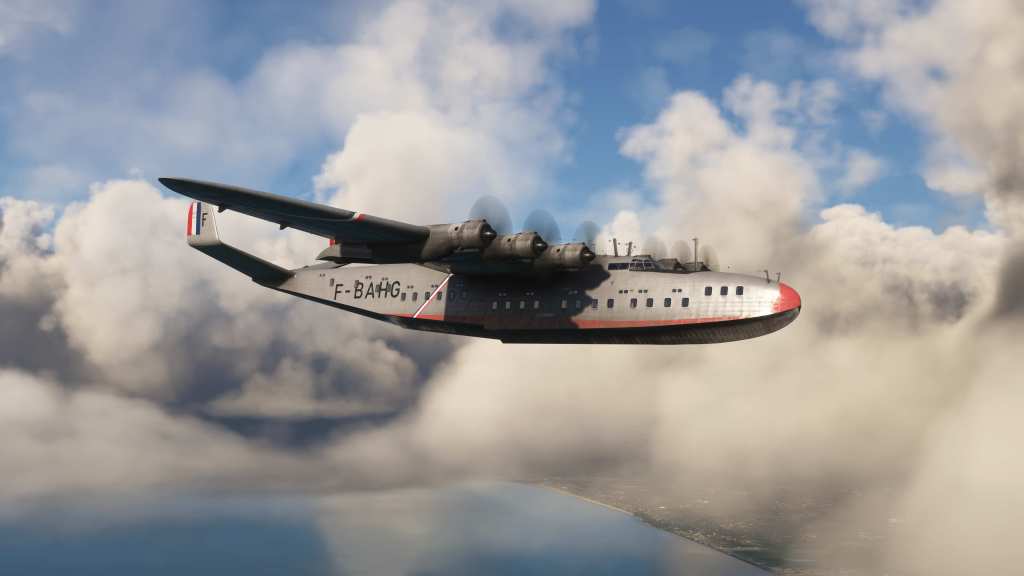


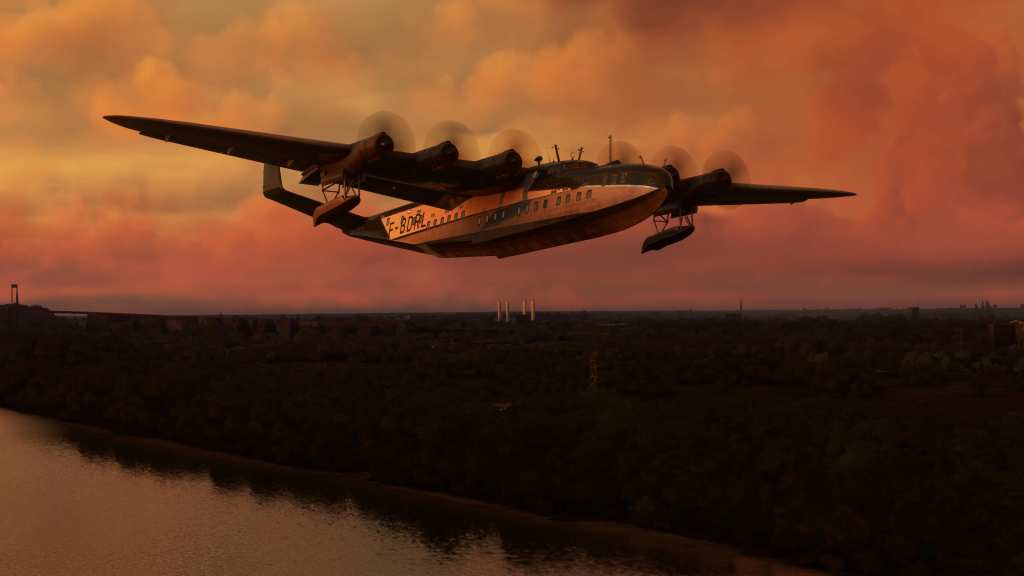

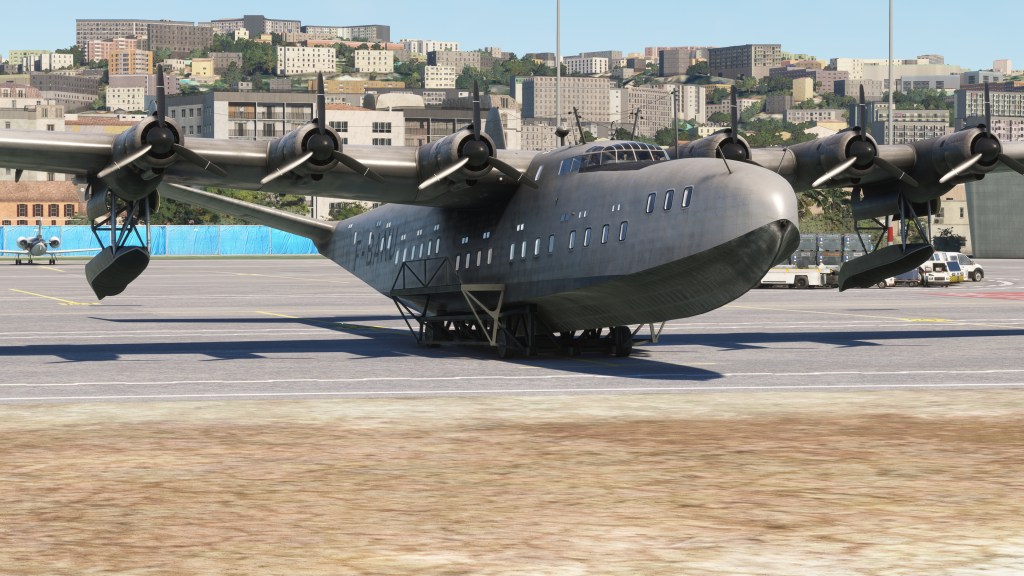
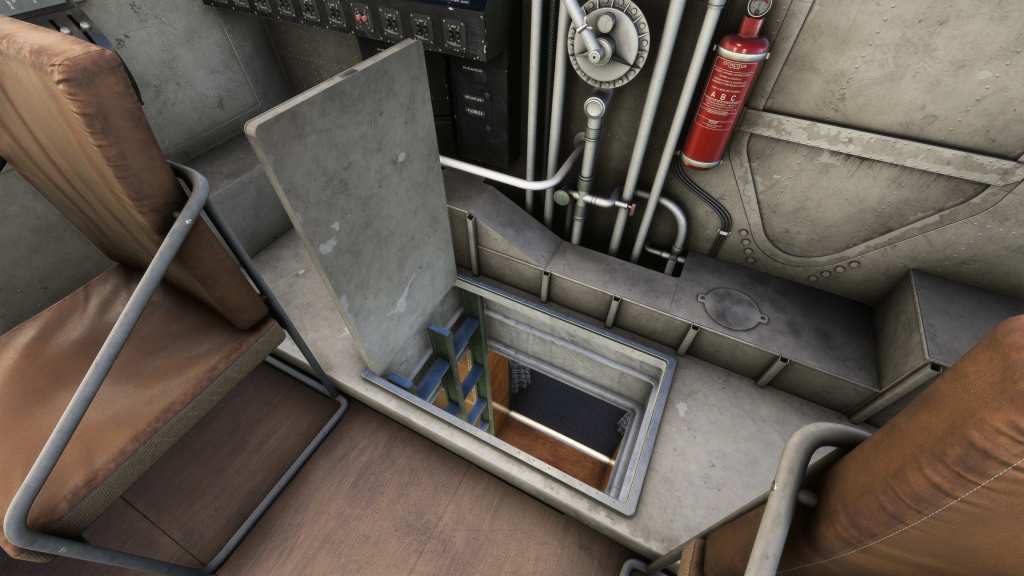
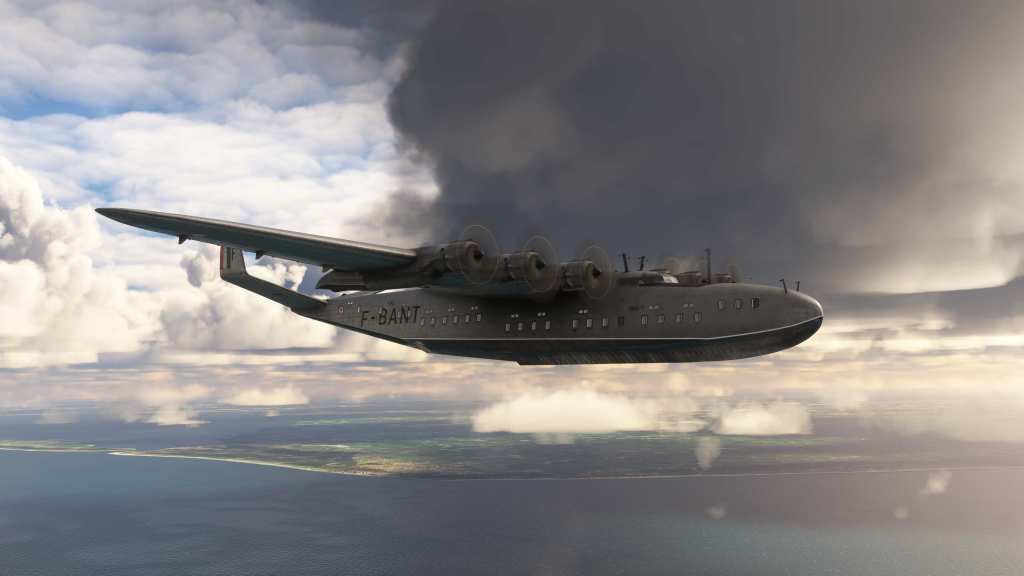
The Latécoère 631 for Microsoft Flight Simulator is a visual feast and that’s no surprise as developer BlueMesh is very good at doing this kind of work! Sharp crisp textures coat this airplane everywhere you look. On the exterior we have tons of detail around the engines, on the complicated pontoons that extend and retract into streamlined fairings on the wing, all around the fuselage, and into the cockpit. Then when you do go inside there’s a whole airplane to explore here with a flight deck that includes 7 positions – all modeled visually.
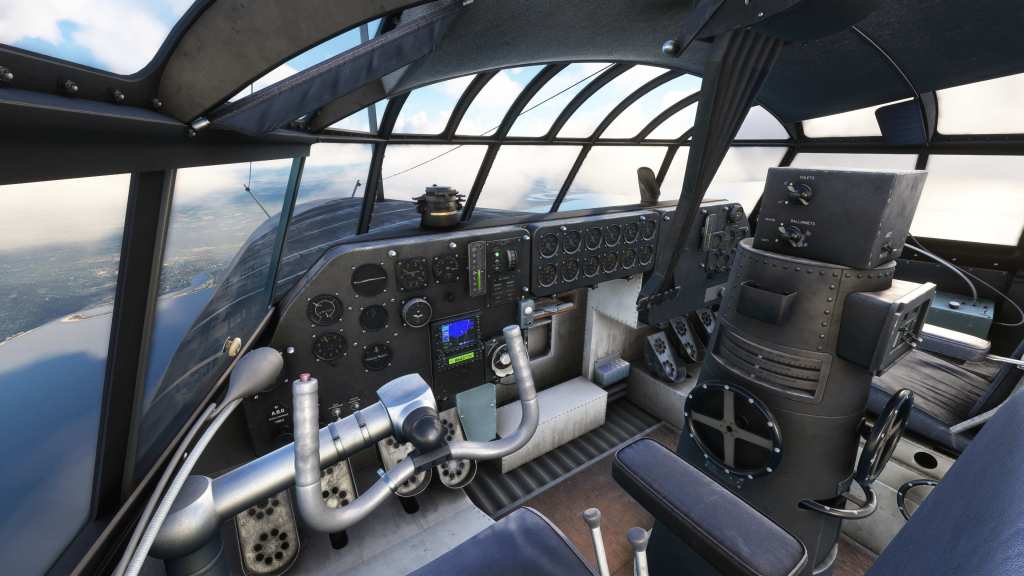

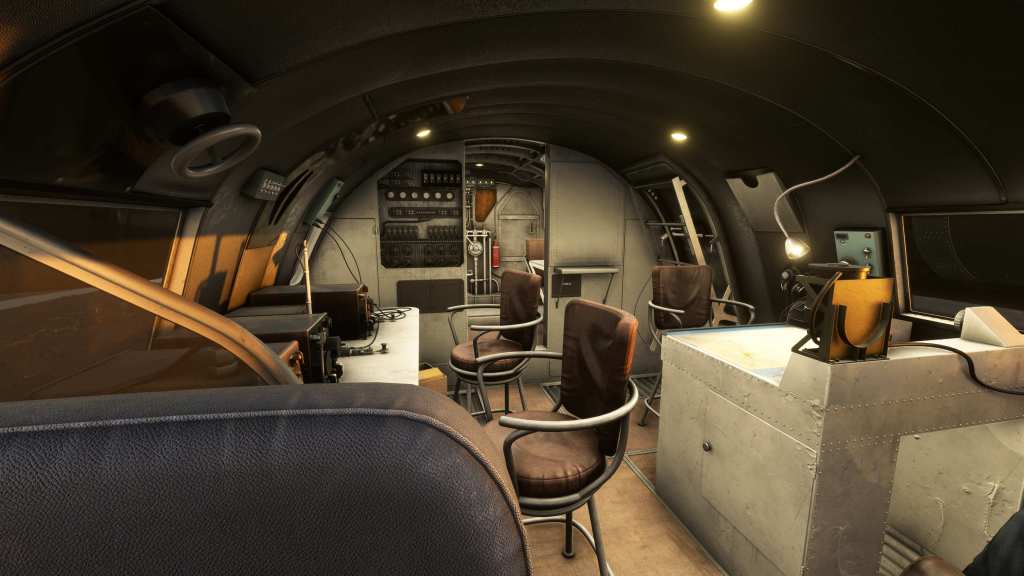
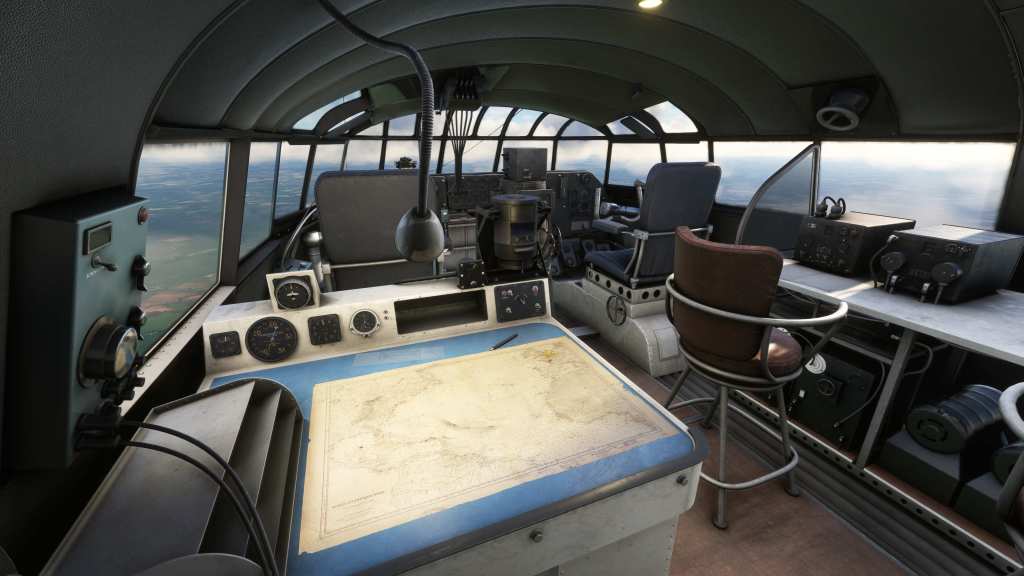


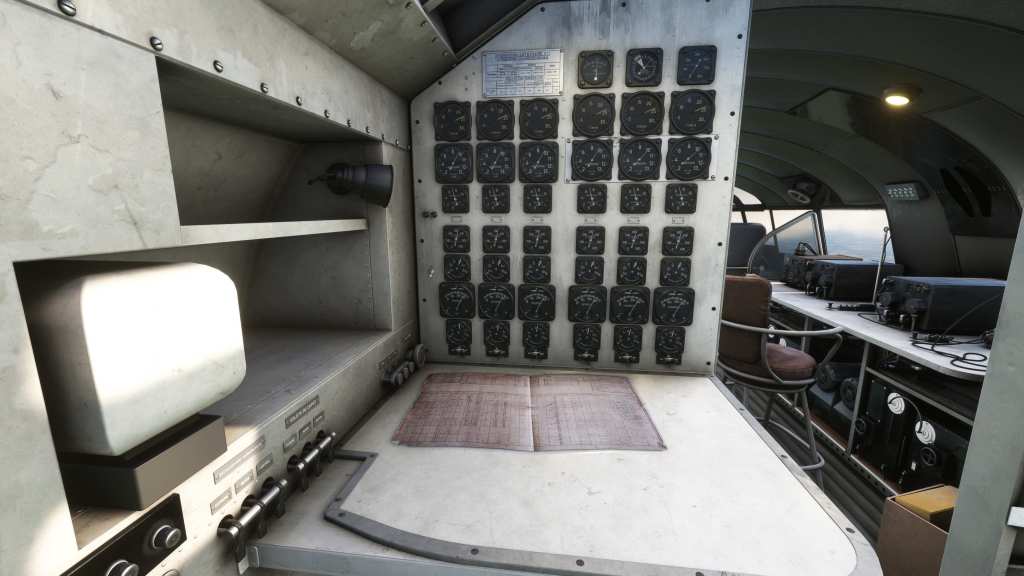
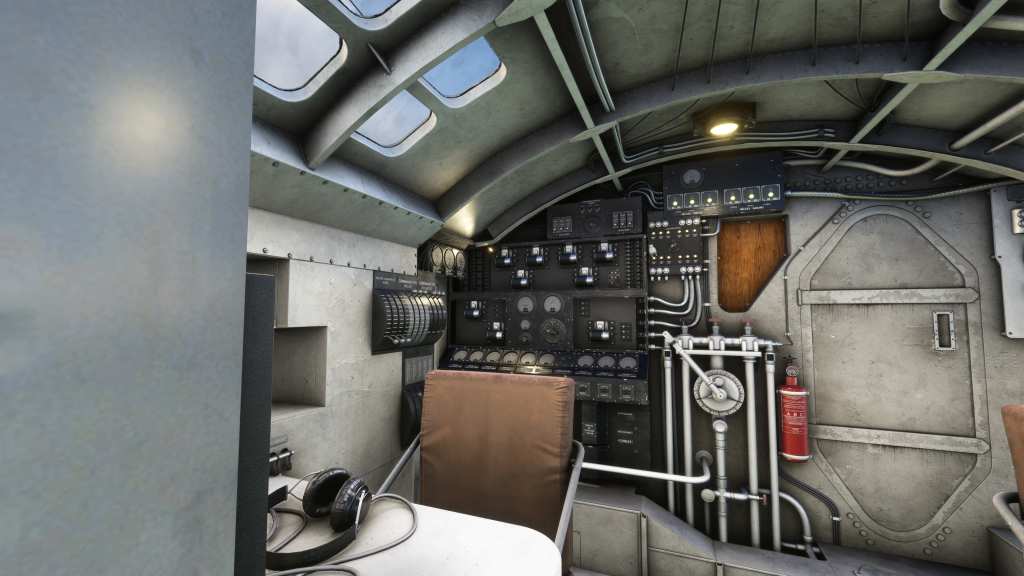
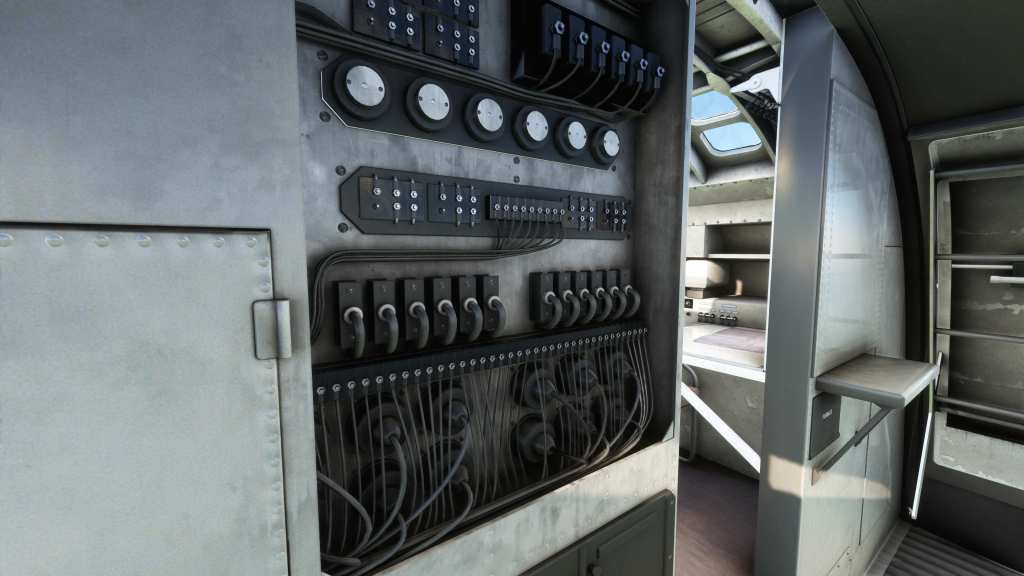
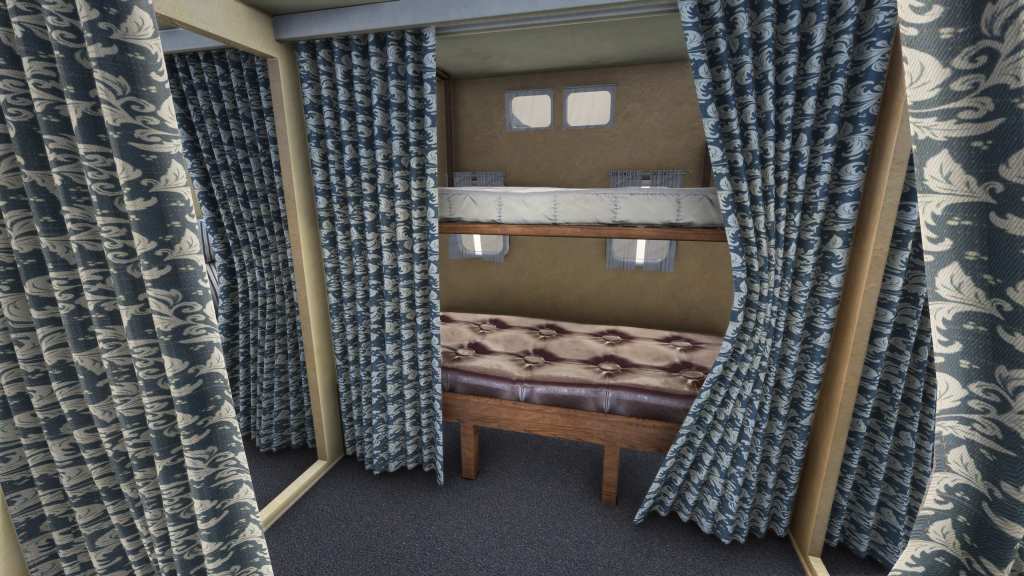
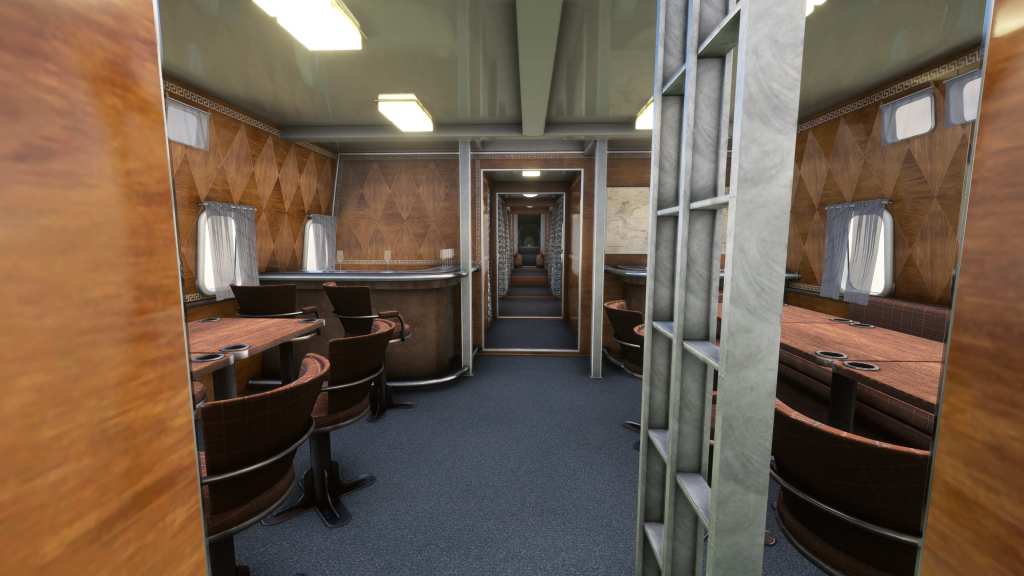
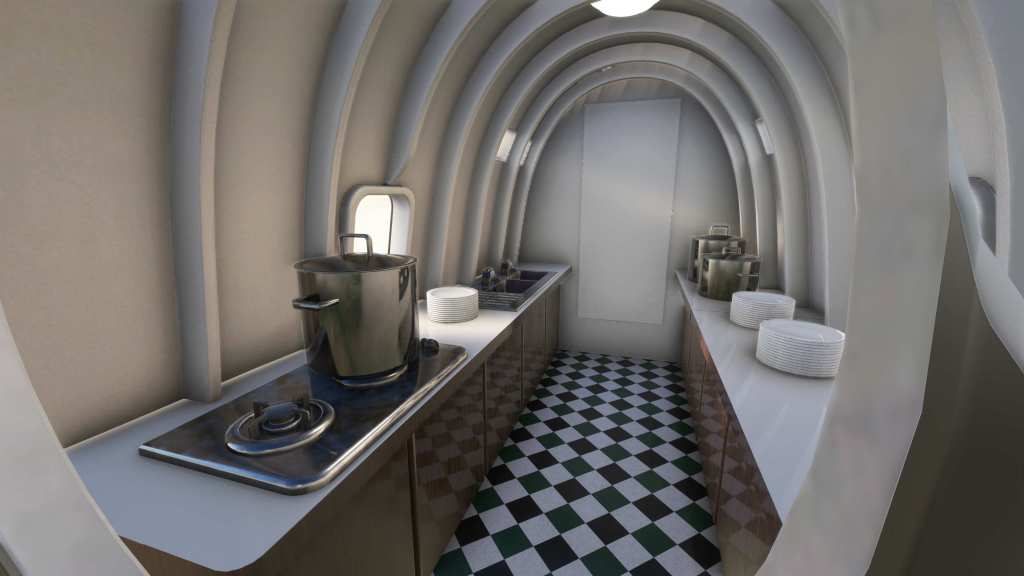
Once you’re done exploring the cockpit area then you can open the hatch and go down into the passenger area where you’ll find period appropriate seats, bunks, portholes, a washroom and shower, and you’ll even find a galley kitchen at the back.
It’s kind of incredible that they did all of this and its fun to go down into the passenger area and imagine the folks who would have gone for lengthy journey’s on this airplane crossing countries and oceans.



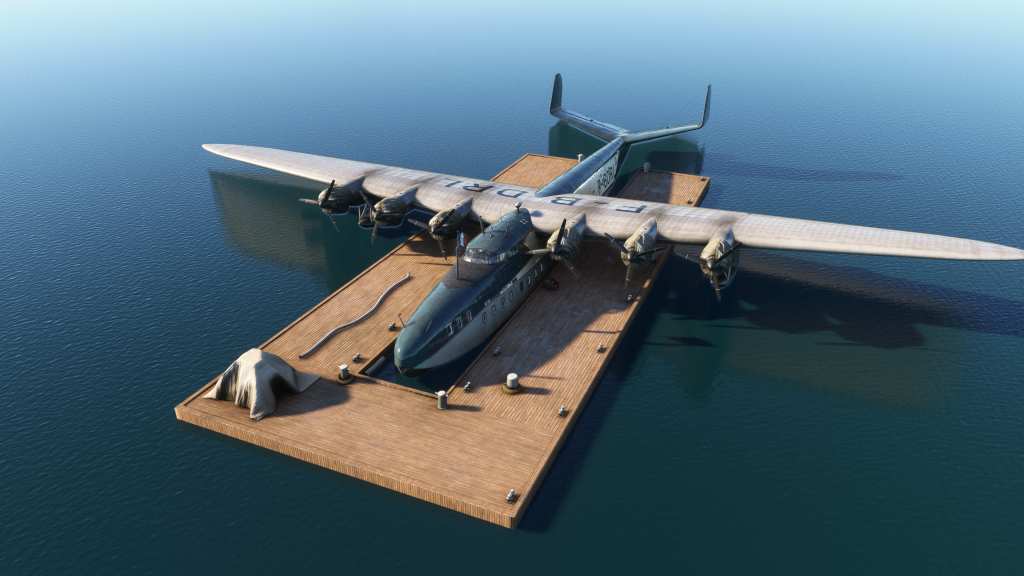
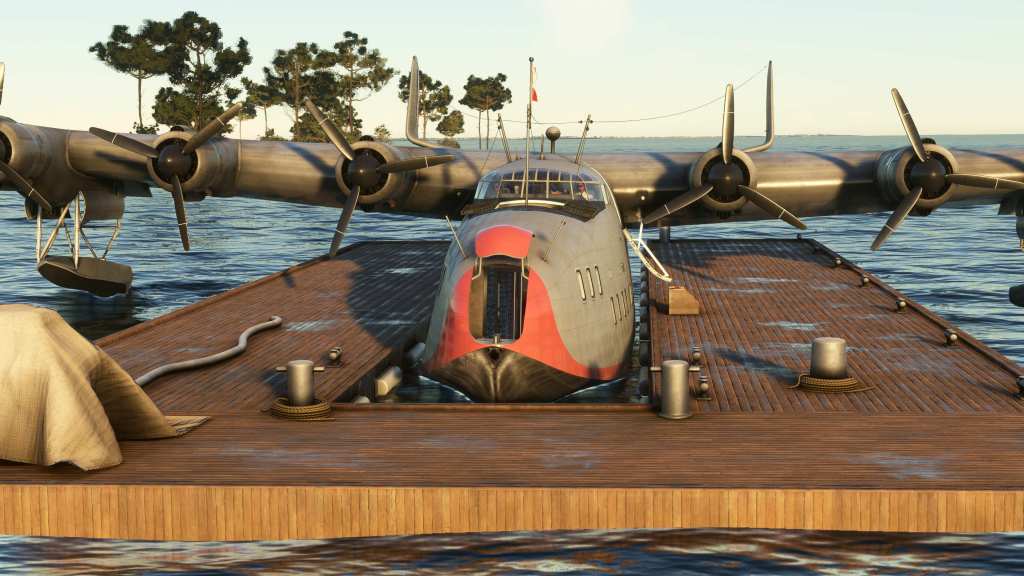
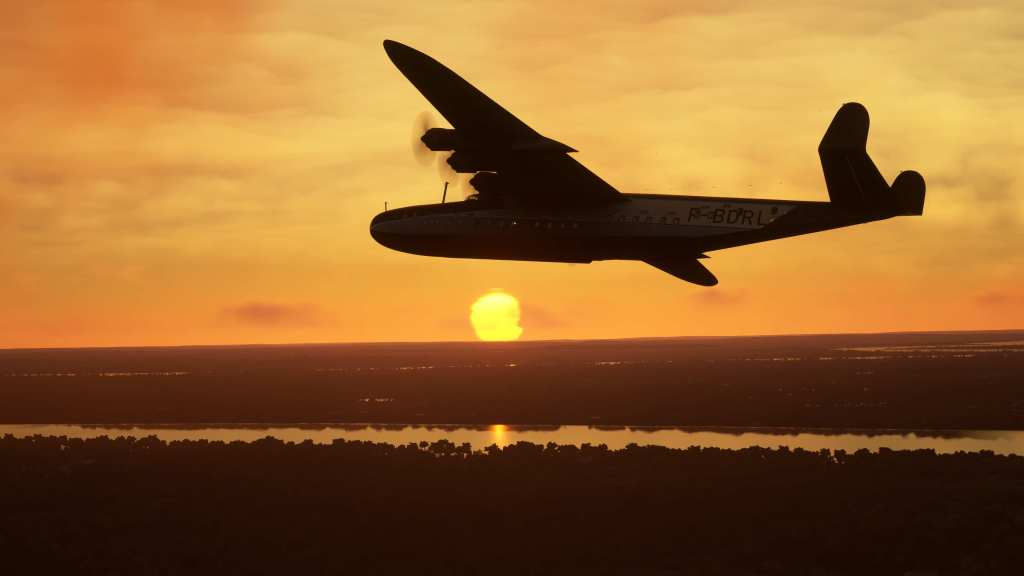
The aircraft also includes 16 liveries! This is great! We have essentially the complete production run of the type including a few different variations on some aircraft. There are no Air France markings so as to avoid any issues with licensing but I’m very satisfied with what we got. Some are quite utilitarian, some are named, while others have some colour.


There really isn’t much to complain about visually though there are a couple of light leaks on the inside of the airplane. A minor niggle compared to the overall presentation.
The sounds for this aircraft are adequate. They are generally good but there’s nothing overly special about the experience. There’s a soothing hum to the engines and the pitch of the sounds changes appropriately as you move through the airplane. The aircraft on the whole does convey its purpose and that’s good enough for something in this price range.
Flying a big boat

This is a big aircraft! At 142 feet long and with a 188 feet wingspan, the Latécoère is a large airplane and one of the largest flying boats to go into passenger service. Flying this aircraft then takes on a very relaxed yet deliberate process as manoeuvring the aircraft on the ocean requires patience and planning ahead. Once in the air its much the same… ponderous!
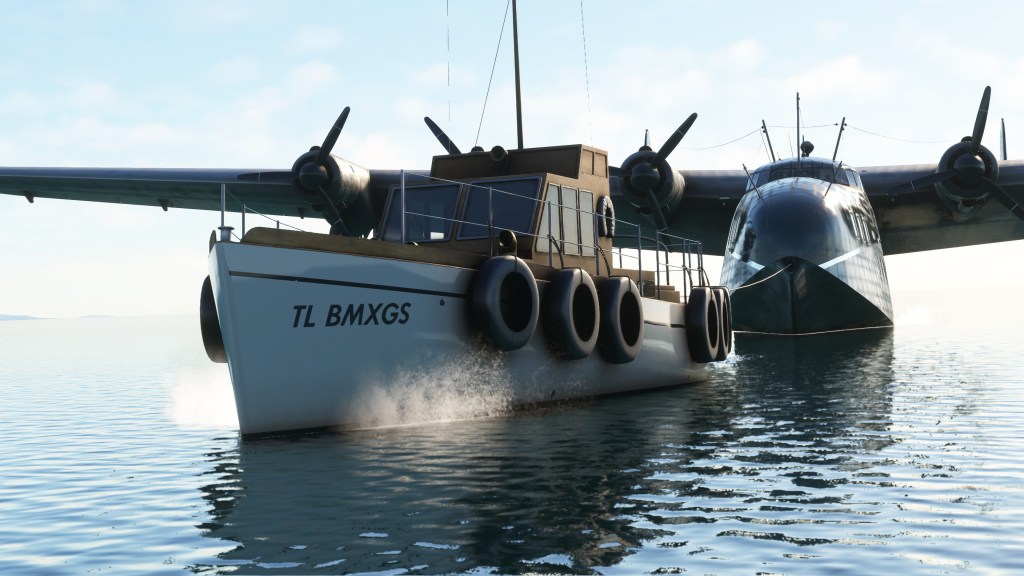
You can use differential thrust on the type’s 6 engines to turn the plane into the preferred direction at low speeds…. or you can hook up a tow boat. More on that lower down.
Climb out is slow and the type will take quite a bit of time to gather any altitude. It is surprisingly quick, once it gets going, given the size and age with a 213 knots top speed and a cruise speed of 160 knots. But long distance flying with the airplane will take a lengthy period of time and I’ve personally restricted myself to mostly doing hour long hops around the coast of France, Spain, and Italy.
Engine start is a bit of an involved process moving between the various stations to set the appropriate controls. Fortunately, you can use the provided tablet to shortcut that if you want. Either way, you’ll get to enjoy the shotgun starter cartridges fire and the engines roar to life complete with smoke and flame effects.

The tablet is thematically appropriate for the airplane and has a bunch of useful features. Its where you can do the start-up, its where you can interact with the tug boat, and where you can toggle doors and various static assets on and off.

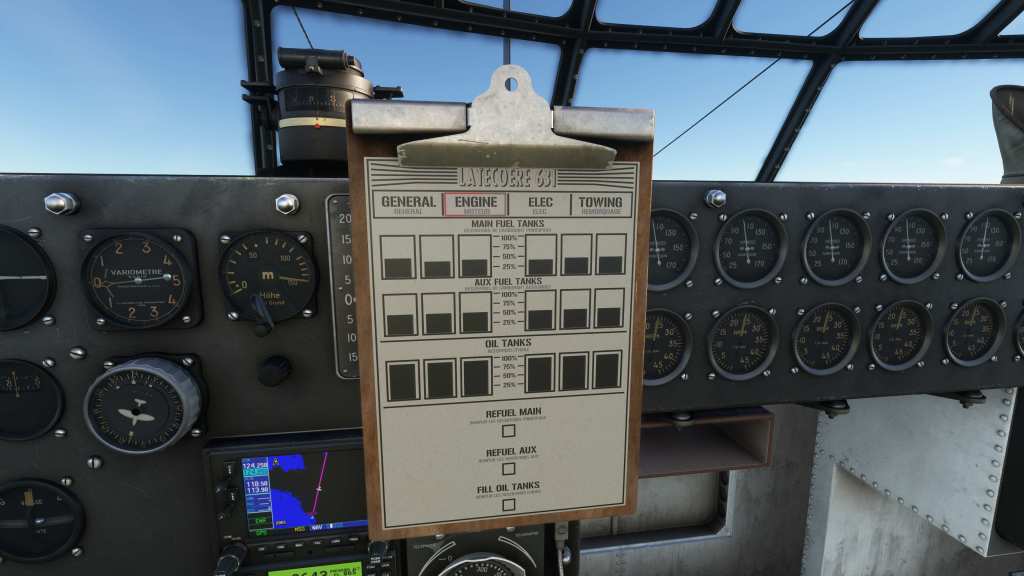


The Latécoère 631 comes with a dock, a French flag, multiple doors and windows that open and close, a driveable undercarriage and a tug boat which is a great way to get the airplane positioned for takeoff. The undercarriage is useful if you have to spawn on land and have a very short distance to carry you over to water. Only a few airports are viable for this sort of deployment but it does work. Meanwhile, I love the boat! It adds a fun layer of interactivity to the mix and its quite useful as the boat can tow you into position before starting the engines.

Once established at cruise, the type has a very useful autopilot hold system. It doesn’t do altitude changes or heading adjustments but it is good at holding the selected heading and altitude freeing the pilot to perform other tasks. It’s a pretty good cruiser as a result.
There are a few challenges with this aircraft. One is that it really does benefit from starting in the water. With so few water bases available in the sim, an external mod is needed to enable enough bases to be useful.
Another challenge is the number of engines. Microsoft Flight Simulator has four engine axis assignments available and it doesn’t recognize anything beyond that. On my split throttle I have easily assigned four engines without trouble but the fifth and six are a problem. There is a mod available (thanks to a reader for pointing that out!) that helps mitigate this problem. MSFS 2024 will apparently have support for more engines and per-airplane profiles so that should be a good long term solution.
I did get asked about the navigation system on the aircraft and although the manual says that a Radio-goniometric navigation system is planned in a future update, I don’t think that was ever delivered. Nothing was ever in the patch notes and the manual has not been updated since initial release. As near as I can tell the tunable radio navigation station doesn’t seem to actually do anything. I’ve been happily navigating using a GNS530 and while its not accurate to the original, it does make the aircraft accessible and fun.
We may lack a bit in the navigation area but we do have a map table. The map table has what appears to be a period authentic map of a good chunk of the world with a wooden model of the airplane placed on the point that you’re currently flying over. Another fun little detail! It’s not detailed enough for short range navigation but it does give you an idea where you are on longer hauls.
Final thoughts
I’m in love with this airplane! That’s probably because of both its real world story as well as the story of how Microsoft Flight Simulator has digitally brought it back to life. We wouldn’t have this representation of the aircraft out in the public like it is now without some intervention from the MSFS team and I think that’s really cool. It makes the whole thing quite endearing as a lover of aviation history that I am.
Latécoère 631 will never be mistaken as a high fidelity recreation of the aircraft but I don’t think that’s necessarily even possible. This is an aircraft that effectively doesn’t exist anymore, was quite rare even if in its heyday, but which holds a piece of a kind of romantic era of flying boat luxury long distance travel.
Strong visuals inside and out, fun interactive features, adequate sounds and mostly enough systems to make this airplane a really fun experience. The only let down is the apparent inability to tune any radios for beacon navigation. If there is the ability, I haven’t been able to to suss it out. That minor quibble aside, this is a terrifically fun airplane to have in your hangar as an interactive monument to one of history’s largest flying boat airplanes.
For $14.99 USD, the Latécoère 631 is priced like most of the other aircraft in the sim and that makes it widely accessible. If you love flying a big boat airplane, want something that’s a little different from the free included H-4 Hercules from the 40th Anniversary update, and want to experience a piece of flying history then you should definitely check out the Latécoère 631!
Screenshots







 Stormbirds
Leave a reply to ShamrockOneFive Cancel reply