
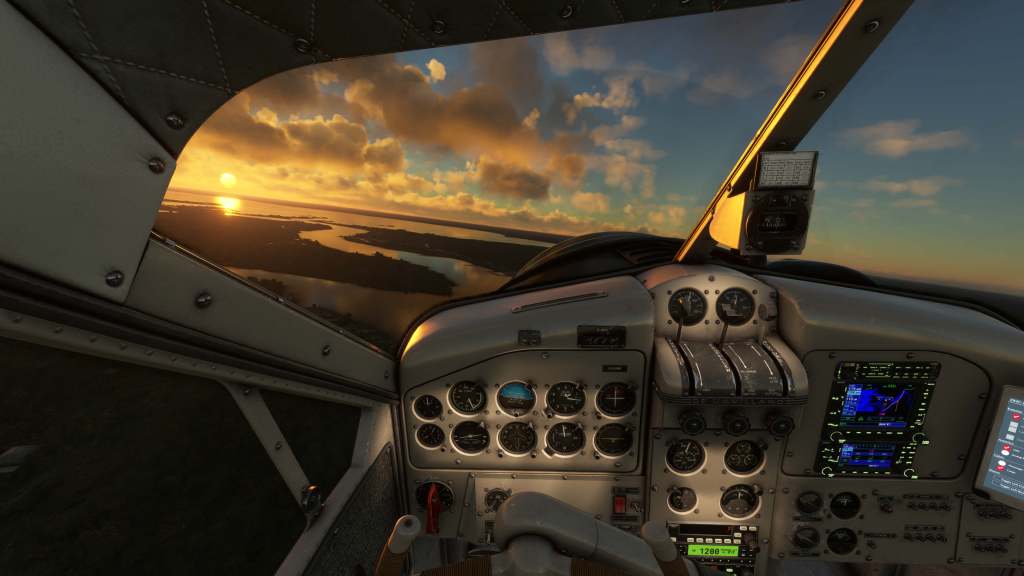
Just a little over four years ago, on August 19, 2020, Microsoft Flight Simulator released to the world and it has had a significant impact on flight simulation as a hobby and as a tool for learning to fly. As we approach another milestone release coming this fall, I thought it was time to look back at the last four years of Microsoft Flight Simulator. Quite a lot has changed over those years and with 2024 now on the horizon, a retrospective of some of the highlights and a few challenges over the years seemed appropriate!
The road to the launch
I start the Microsoft Flight Simulator story with a personal one that goes back just one more year.
Five years ago in June of 2019, I was at my first ever FlightSimExpo in Orlando, Florida. I had spent the day wandering from booth to booth and checking out all of the products for Prepar3D and X-Plane not to mention the IL-2 booth and the DCS setup over at the Thrusmaster section. As the second and final day of the expo was wrapping up, I returned to my hotel room to pack and get ready to head home. As I was doing that I came across the surprise news announcement that Microsoft was coming back to the world of flight simulation.
They tied the announcement with one heck of a reveal trailer which left my jaw on the floor and a lot of questions in my head. Here it is for nostalgia sake!
The launch trailer showed off beautiful scenery and hinted at worldwide coverage of satellite imagery supported by AI powered systems. There sky was painted with beautiful clouds and gorgeous aircraft. Airliners, business jets, bush planes, aerobatics, the sim promised almost everything and ended with a clear message: Microsoft was back in the business of flight simulation after a long period of time being away from it.
We’d seen scenery like this before of course. X-Plane 11 and Orbx together had found a way to offer packages of satellite imagery and autogen buildings in their TrueEarth package, what they were doing was at the scale of a state or a region in a country. Using OrthoXP, another popular method of getting satellite imagery into X-Plane, was possible but most people’s hard drives were not able to handle more than a small section of the world. Microsoft were promising to do this for the whole planet and then just stream it to us! It seemed almost impossible.
There were mixed feelings when MSFS 2020 was announced and there was well deserved skepticism all around. How was this possible? How would our internet connections handle it? Even if they did pull this off, would they be in this for the long haul with continued support or would the pull out of the market again like they did after Flight Simulator X and Microsoft Flight? Would the sim be too casual for enthusiast simmers to embrace? There were endless questions and some answers would take years to truly get the answer to.
The August 2020 release happened and we learned that most of what was on offer really truly was a tremendous leap ahead for simulation. Worldwide streaming AI driven scenery really was possible!
The year 2020 will live on in our memories as being a “generally not very good year” and Flight Simulator arrived with a digital twin of the world to explore at a time when real travel was at an all-time low. MSFS let us visit places near and far in the blink of an eye or over the course of a realistically timed flight and it was incredible.
Challenges
Every sim I’ve ever checked out has had its share of issues. Bugs, performance problems, and content that doesn’t meet the desires of parts of the audience. Its par for the course and particularly for flight simmers. Microsoft Flight Simulator had and, in some areas, still has some challenges.
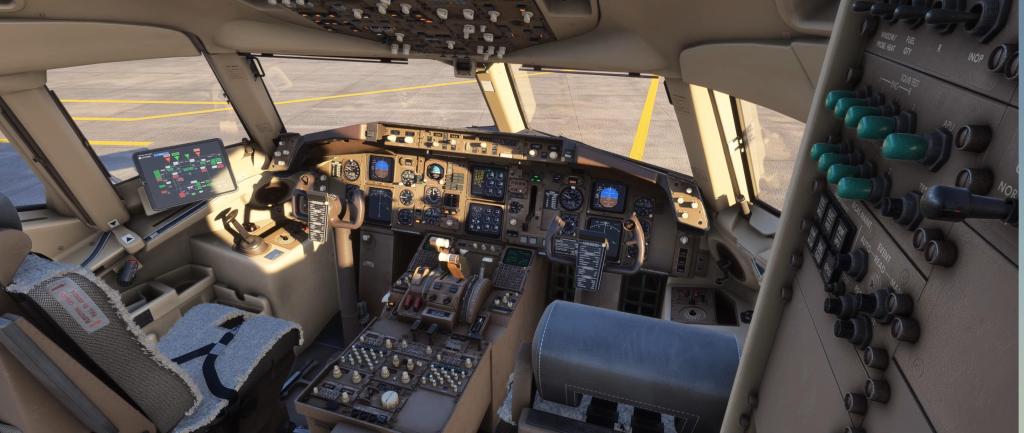
On the content side the sim launched with a good variety of aircraft types, but it didn’t appeal to everyone. Helicopters were not officially a part of the sim until the 40th Anniversary update two years later while general aviation aircraft were generally good but lacked some depth and feeling. Three airliners and a pair of business jets were included at first but none of them had the systems depth that the more enthusiast simmer demanded and the included avionics systems were fairly simple. It would take years for detailed high fidelity airliners to come to the sim though Microsoft did ensure that we got at least one of those, the A310, for free. And then, to underscore their desire to offer the depth we were looking for, went back and updated or completely replaced the others.
The sim has faced its share of challenges when it came to the depth of what was on offer. Early aircraft had simpler flight models which were better than those in FSX but not fully realized compared to what the sim was up against. X-Plane 11 (and then 12) were ahead of the sim at launch and they remain ahead in the current day though the addition of CFD (computational fluid dynamics) tools and the increasing knowledge of third party developers have helped to close the gap. Still, back four years ago it was clear that the sim had some work to do on that front.
Over on the scenery front, the sim absolutely delivered on its core promise of worldwide streaming satellite imagery though it became clear that some countries had better imagery than others. Some areas had poor satellite imagery, low detail meshes, and just didn’t look all that nice. Microsoft have been tackling that challenge but it remains a difficult one to surmount. I don’t want to downplay the extreme significance of what they have managed to pull off but still good to acknowledge that there are challenges here too.
Software stability was another issue that has continued to an issue. It was particularly troublesome in the early days and I personally spent months unable to run the sim reliably with constant crashes to desktop. Put anything in the Community folder and risk of the whole sim crashing. It was ok for some, incredibly troublesome for others, and its taken a while to get through though I’m happy to report that its a lot better than the early days.
I can’t leave this section without mentioning the update process which has been fraught with issues. The sim is a large install and it takes a lengthy period of time to download and that has had to happen with the sim client running itself which has not been ideal for many. Slow download speeds, an even slower install process, and mandatory updates have been an impediment to many. Improvements have been made but its still a long process and I do hope that in MSFS 2024 we see a move towards an update model that can happen without the full sim GUI running. Lengthy downloads are understandable but consuming a lot of PC resources while that’s happening is unnecessary especially when competitors have all perfected launchers that can handle this sort of thing.
We sometimes forget where we came from and the enormous strides taken by everyone involved so I don’t look back at these issues as a negative but rather a journey in technology and content.
Early joy
Despite challenges above, there was also a lot of pure joy for what the sim already could offer even in those early days.
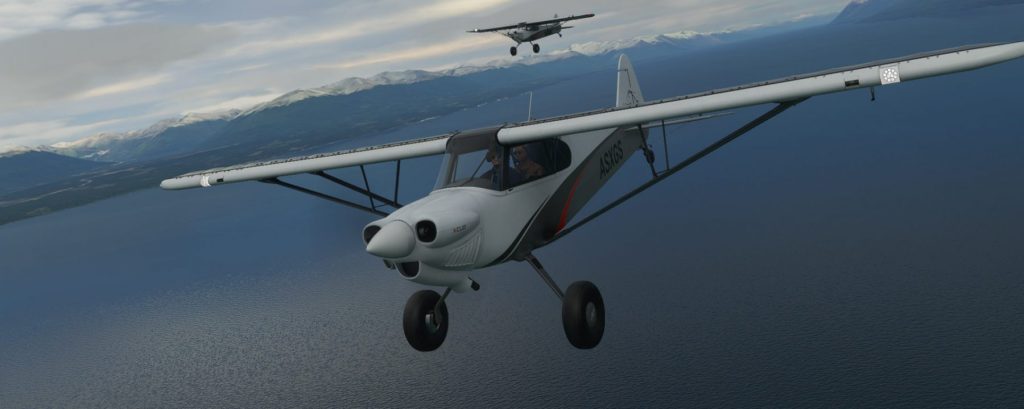
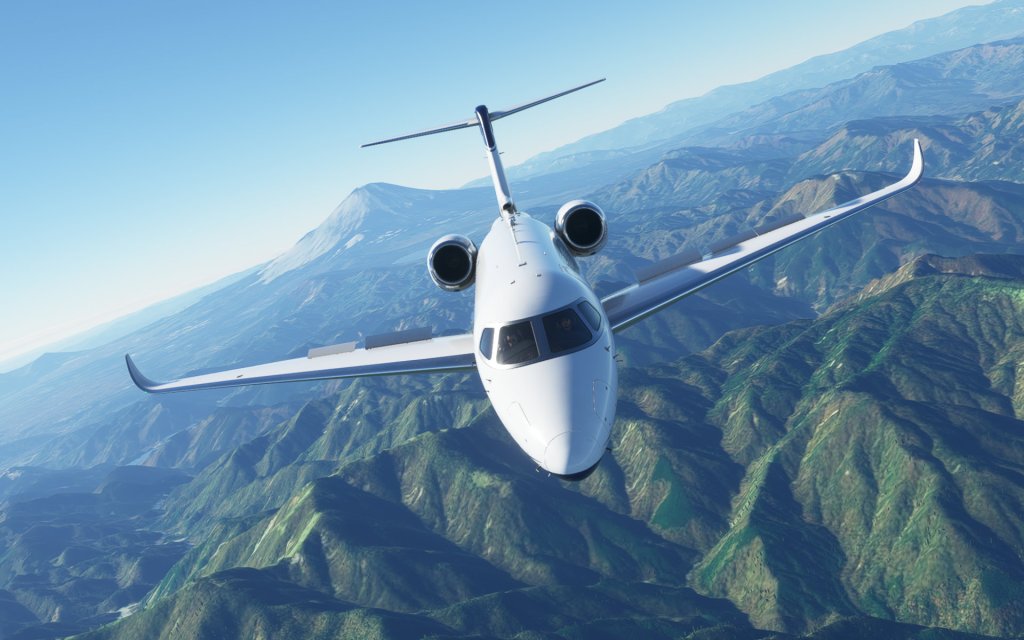
Within weeks of getting the sim on my computer I was bush flying in South America, flying into a Hurricane in the Gulf of Mexico, and after the launch of the first world update I was working my way across the Japanese islands. These experiences and many more are burned into my memory as the experience was just spectacular and I had never seen anything like it before.
I also did what everyone else did and flew over my house. It’s very fun to check out locations you already know and see how they ended up being represented in the sim.

The Xbox angle
One of the more surprising post launch reveals was when Microsoft announced that MSFS was making the jump to Xbox. That once again prompted a series of questions. How would such a demanding sim work on a console? Would a controller be able to let people fly complex aircraft? Would airliners even work on a console? Would there be peripherals? Would it cause the sim to become dumbed down? There was again a fair bit of worry.
As it turned out, adding Xbox to the sim caused the population of the sim to explode beyond the already impressive PC-only turnout. Jorg Neumann, Head of Microsoft Flight Simulator, reported a few times on the increase in player numbers and the explosive growth on the marketplace. As of FSExpo 2024 in June, Jorg reported to us that the sim had reached 15 million users and 1 billion flight sessions. A lot of those folks are on PC but so many of them are on Xbox as well.
Another innovation came with the Xbox Cloud Gaming service allowing subscribers to play the sim on almost any supported platform including Android and iOS based devices. It brought the sim, albeit in a slightly more limited fashion, to an even wider variety of people no doubt helping the popularity along and causing at least a few of those people to make the jump to more serious gameplay on Xbox consoles or ultimately over to PC.
A constant stream of content and updates
Far from the abandoned state that FSX (or Microsoft Flight) eventually found itself in, Microsoft and Asobo from the get-go were eager to tell us that their plans for the sim spanned a decade and that there would be plenty of post launch content.
World Updates have been among my favourite with specific regions receiving additional points of interest, upgraded photogrammetry, and custom airports. World Update I: Japan was the first and we’ve seen dozens of updates covering the United States, the United Kingdom, Spain and Portugal, France, Germany, the Nordic countries, the Caribbean, Australia, New Zealand and more. City Updates were introduced later and included additional photogrammetry for specific city regions enhancing the look of those areas.
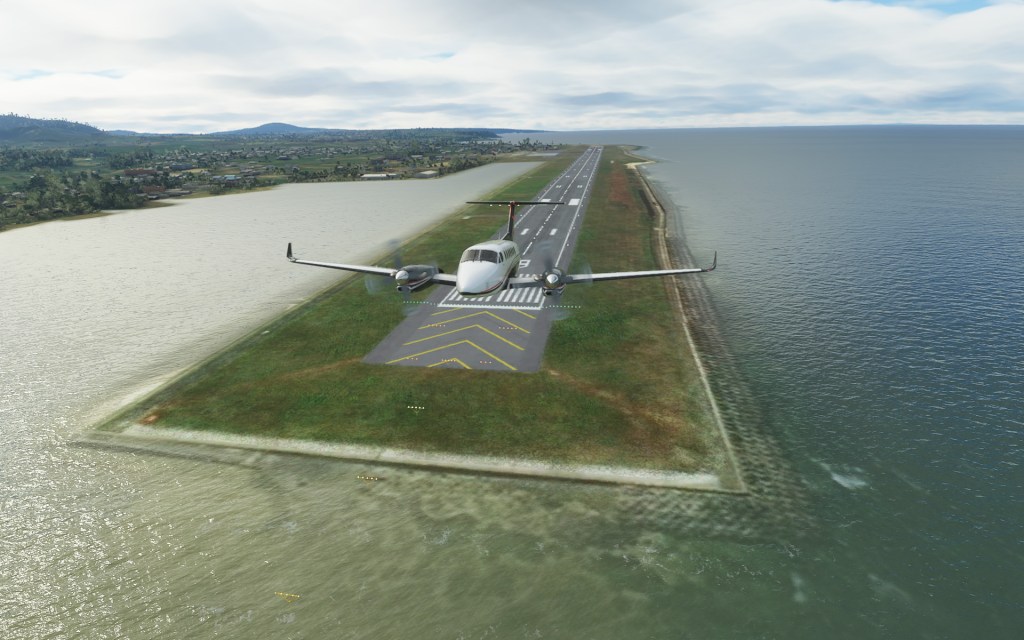
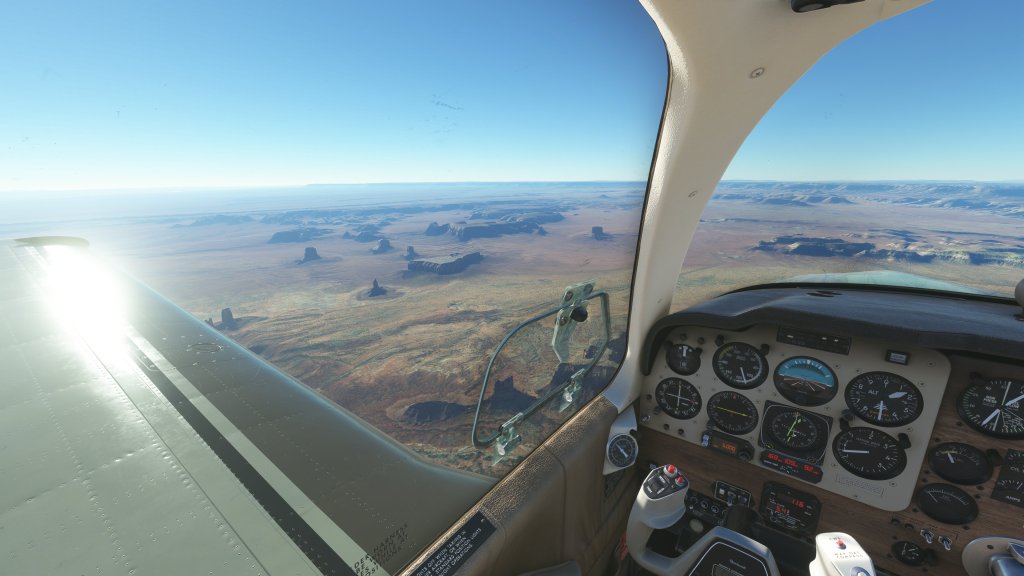


The aircraft series were also an extremely interesting component to the sim with the Local Legends, Famous Flyers and the Expert Series.
All of this meant a constant stream of additional aircraft to fly in the sim. From the Ford Tri Motor to the Beechcraft Model 17 and 18, Mitsubishi Mu-2 to the An-2 and the massive An-225, we were never short on airplanes. That doesn’t cover even half of the huge list of airplanes that we’ve seen coming from Microsoft and their partners and we aren’t talking about the innumerable third party releases that weren’t part of these official series because there are so many more there.
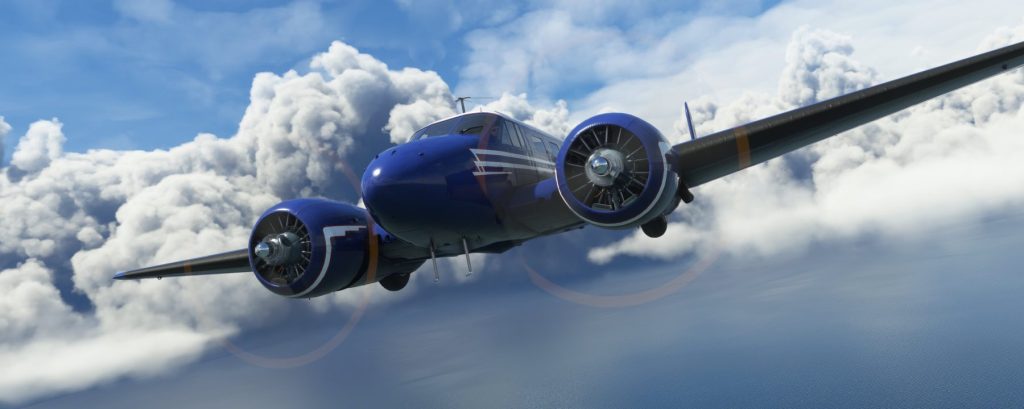
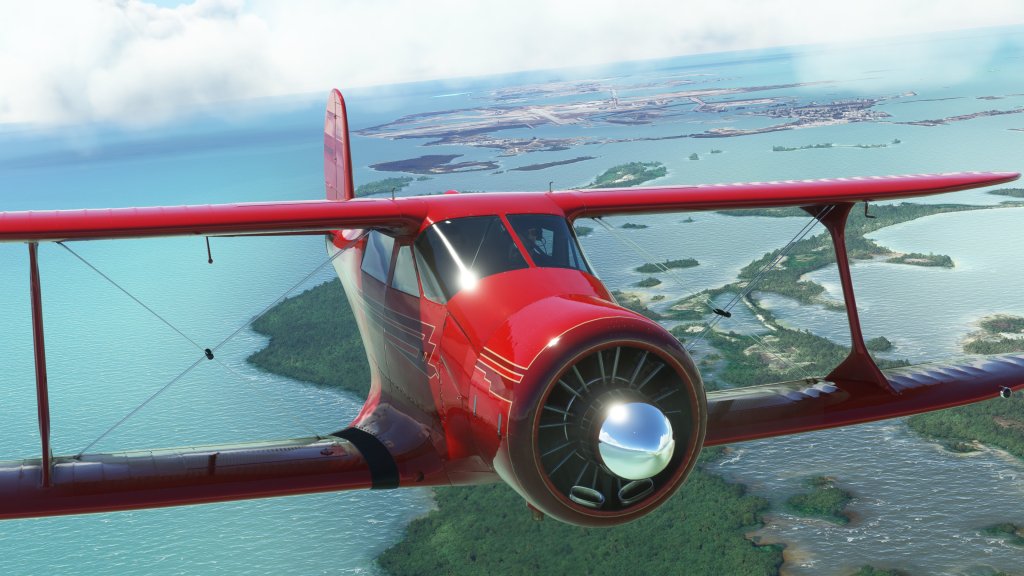
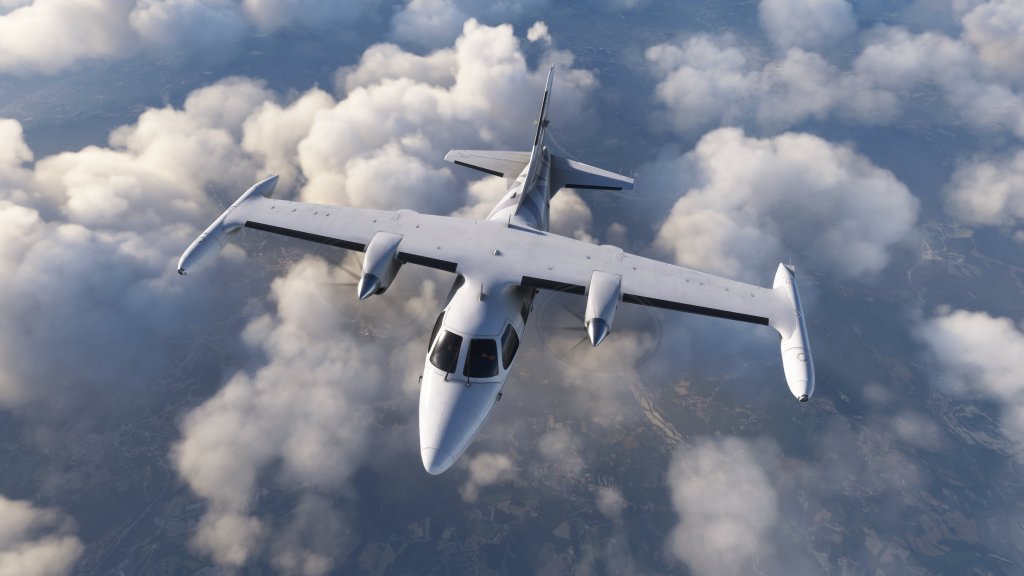
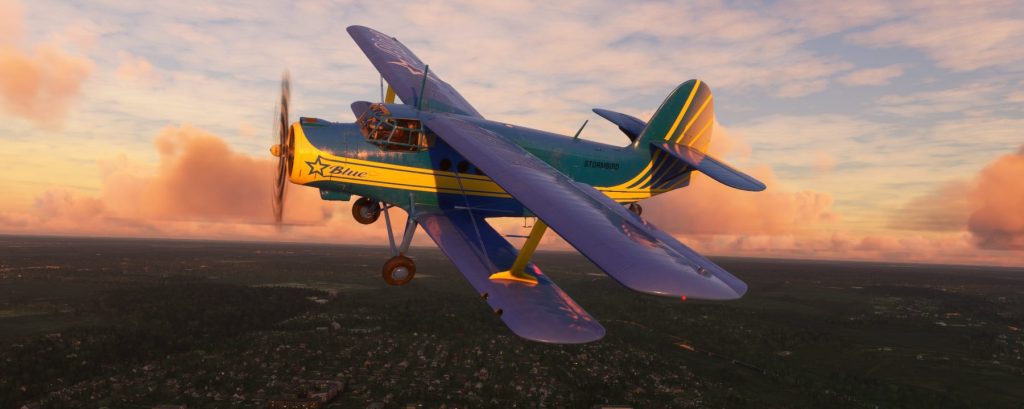

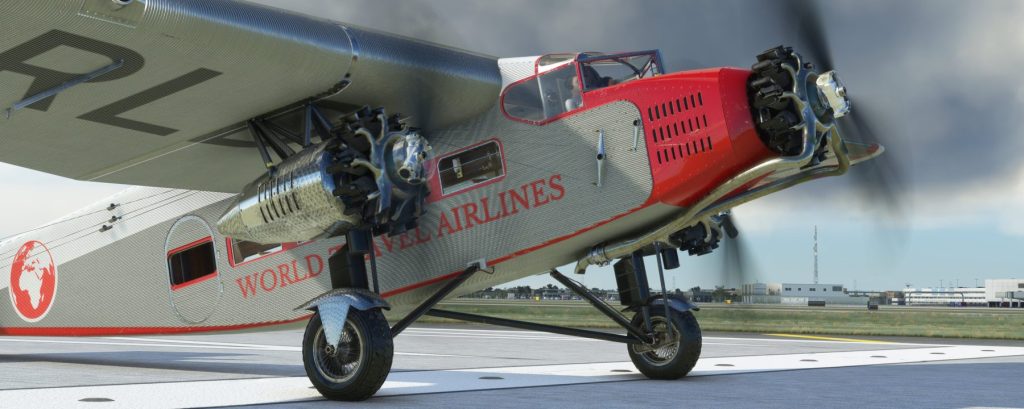
All of this has served to keep a constant flow of content. While the aircraft updates have been paid additions, the world updates and city updates have been free and offered a tremendous amount of value and given us great reasons to go explore new areas and see new sights. They’ve all helped to keep us flying and exploring and I can only think that, based on what we know of player numbers and marketplace sales, that this has been a resounding success.
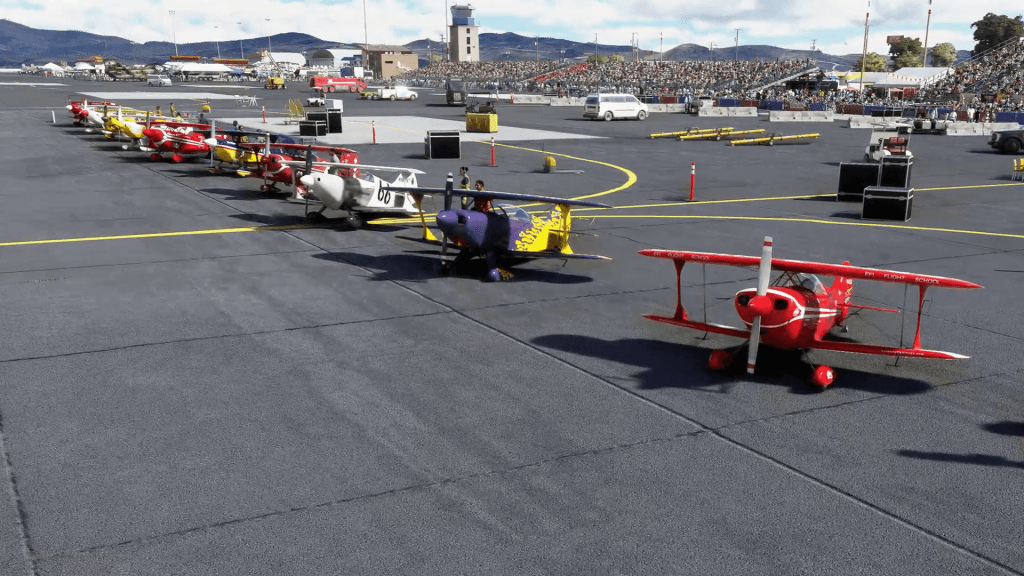
There were a few misses like the Reno Air Races which seemed like a great concept in theory but never picked up the traction or the staying power that it had the potential to offer. More courses and unique experiences I think were needed to make it into something fun. Some aircraft releases may have sold better than others as well but at the end of the day they have managed to pick some very cool an interesting airplanes.
Two movie tie-ins also were part of the content stream with Microsoft partnering with Paramount Pictures to promote Top Gun: Maverick and Denis Villeneuve’s Dune movies. These were both free to players and showed that Microsoft Flight Simulator could offer additional fun content and challenges.


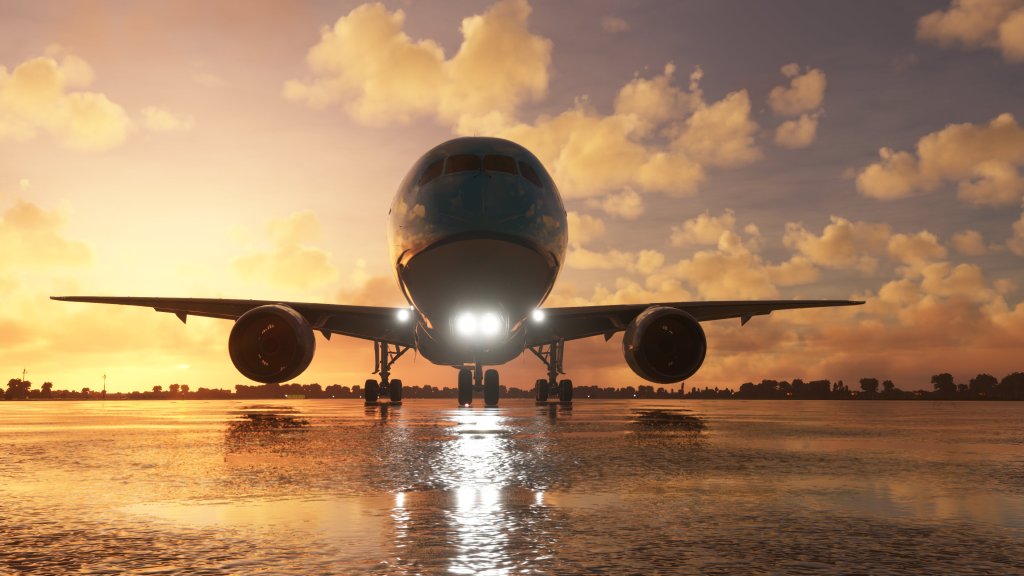
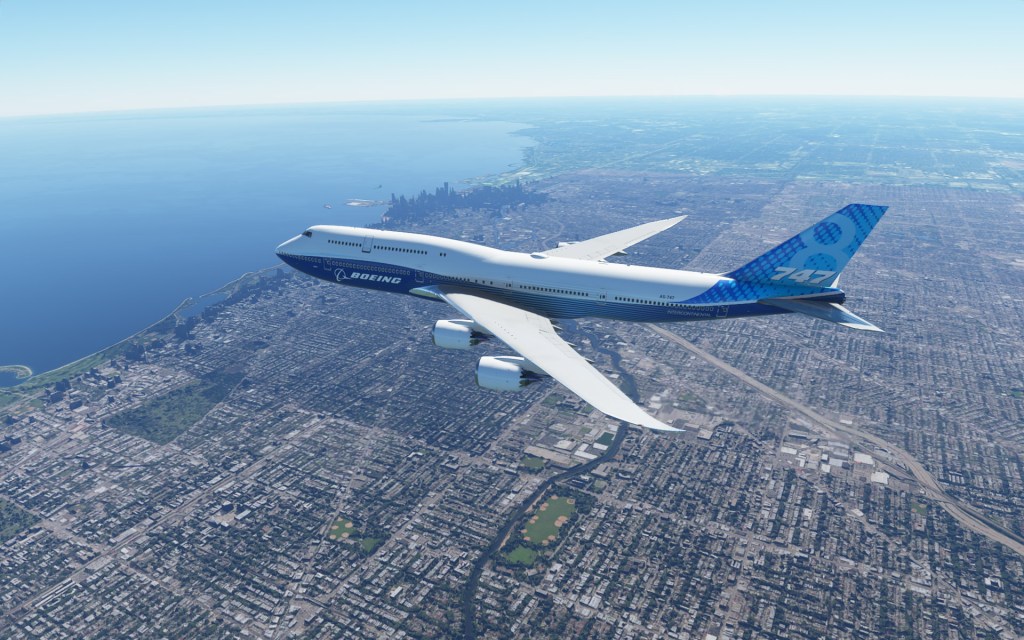
Microsoft and Asobo have been diligent in addressing the sim’s shortcomings. While its not possible to make everyone happy all of the time, they have taken critiques to heart and addressed many of the issues. The lower fidelity airliners that we started with have now essentially all been upgraded, the 747-8i and 787-10, or replaced entirely as is the case of the A320neo V2.

Avionics packages including the G1000, G3000/5000, G3X, GNS430 and 530 and others have been extensively reworked from their earlier versions thanks to the efforts of Working Title. They have leapfrogged the competition going from adequate but not entirely capable renditions of these panel types to far more accurate simulations very closely matching the real world versions.
A lot of this stream of content has been possible because Microsoft and Asobo decided to not work in their own bubble and instead partner with groups and teams whenever the opportunity allowed.
Many of the aircraft releases have been done not by Microsoft or Asobo directly but by partnering with third parties including Carenado, iniBuilds, BlueMesh, Hans Hartmann, and many many others. The same has gone for the avionics where they essentially scooped up a modification team, Workting Title, and made them a partner in their development. Those efforts have paid dividends for the core sim and for us the end users.
Try and think back to the early days and then look at how well these systems function now or how in-depth the included aircraft are compared to the early days. Its remarkable how much has changed for the better!
Digital preservation
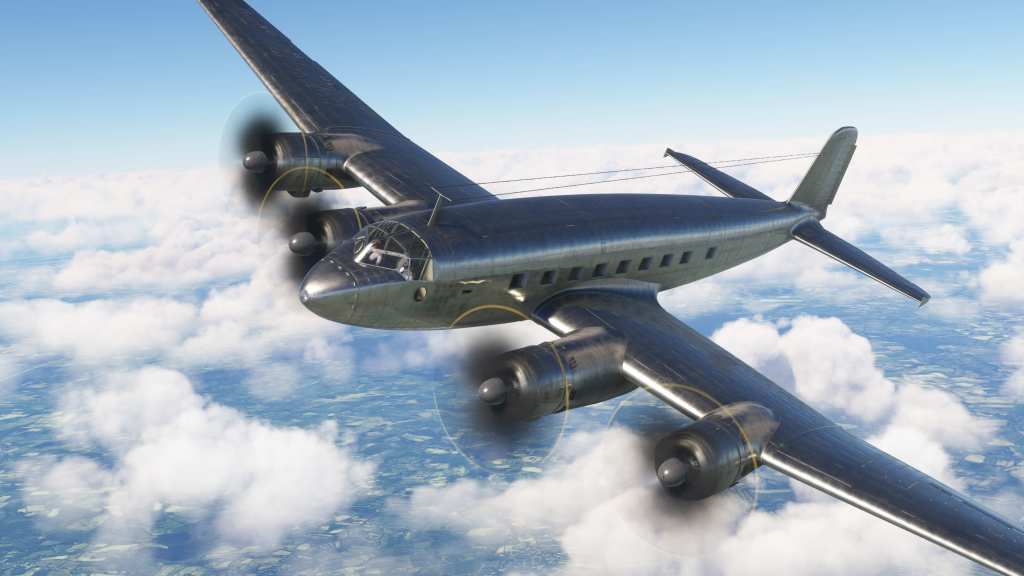
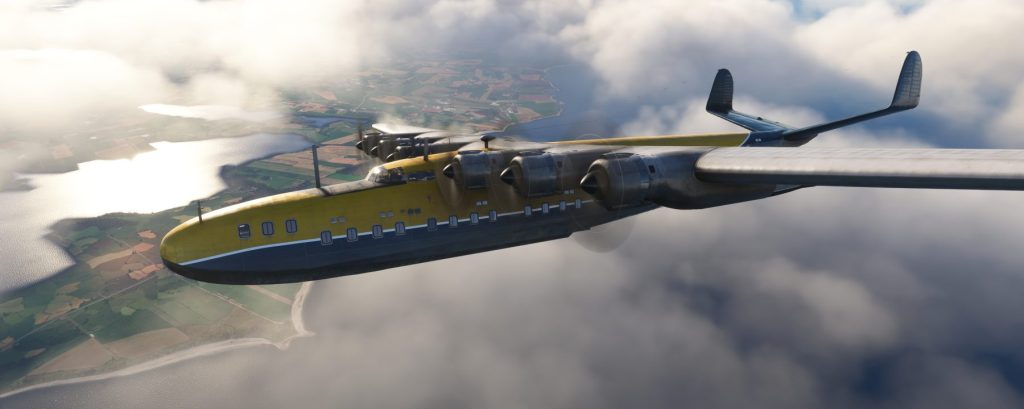
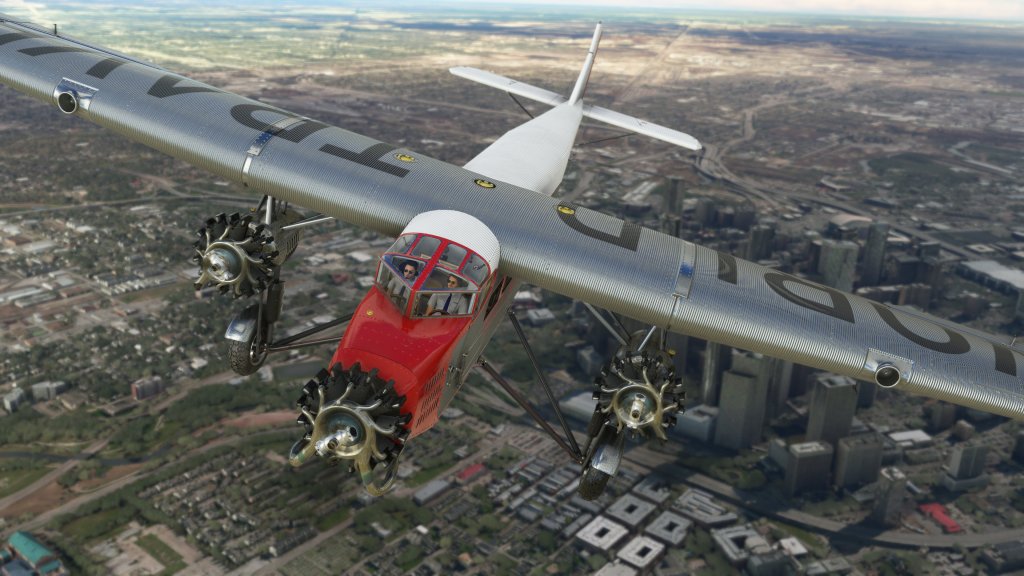


Microsoft Flight Simulator has done something interesting with its content planning. In addition to keeping up a constant stream of new stuff for us to try out, they’ve also seemingly been on a mission to both educate us on the history of aviation while also doing their best to preserve that history. In some cases, MSFS has even been the catalyst to bringing aircraft to life.
From the Spruce Goose, DC-3, C-47, Ju52, Do X, Ford TriMotor, Fw 200, Bell 47J to the Latécoère 631 we’ve seen the Microsoft work with companies and individuals to capture, scan, and recreate historical aircraft from multiple countries. I find the story about the Latécoère particularly heartwarming as very little of the original aircraft still exists, even in museums, but Microsoft were able to work with the designer’s family and access personal archives of the aircraft’s designer to turn those details around and bring the airplane to life again.
Microsoft are, of course, selling us these pieces of history for $14 USD typically but I don’t think that cheapens the efforts to preserve these aircraft and make us aware of them and their place in history. I find it incredibly valuable to the legacy of aviation everywhere that this is a journey that we’ve been on and I, as a lover of history, have been delighted with learning about aircraft that I didn’t know about or knew very little.
Third party aircraft and scenery everywhere
The interest in Microsoft Flight Simulator and the growth of the player base since launch has been impressive and it’s also caused a kind of runaway effect as third party developers turned from initial skepticism to intense interest. Companies both old and new jumped onboard to develop us an absolutely gargantuan list of products.
Initial worries that the worldwide scenery would make scenery developers obsolete were replaced with new possibilities adding details and custom experiences above and beyond what the base scenery was able to offer. Marketplaces from companies like Orbx, Contrail, iniBuilds, and SimMarket began selling custom airports, scenery packages, bush plane adventures, training flights, and plenty of new aircraft to fly.
The aircraft scene has been particularly exciting to see grow. Most early additions were fairly basic but some did manage to impress and the list has only grown in every category. While those early aircraft didn’t have huge feature lists compared to what we now see, the growth has been impressive to witness and experience.
The latest offerings to the sim like A2A’s Commanche and Black Square’s Duke show off just how complex and involved general aviation simming can be. But even in the earlier days we had some great offerings from Just Flight with the PA-28 Arrow III and IV series. Blackbird’s C310R was another outstanding GA airplane as was SimWork Studios Kodiak 100. I couldn’t move on from this section without specifically mentioning some bush plane greats too such as the Got Friends Wilga!
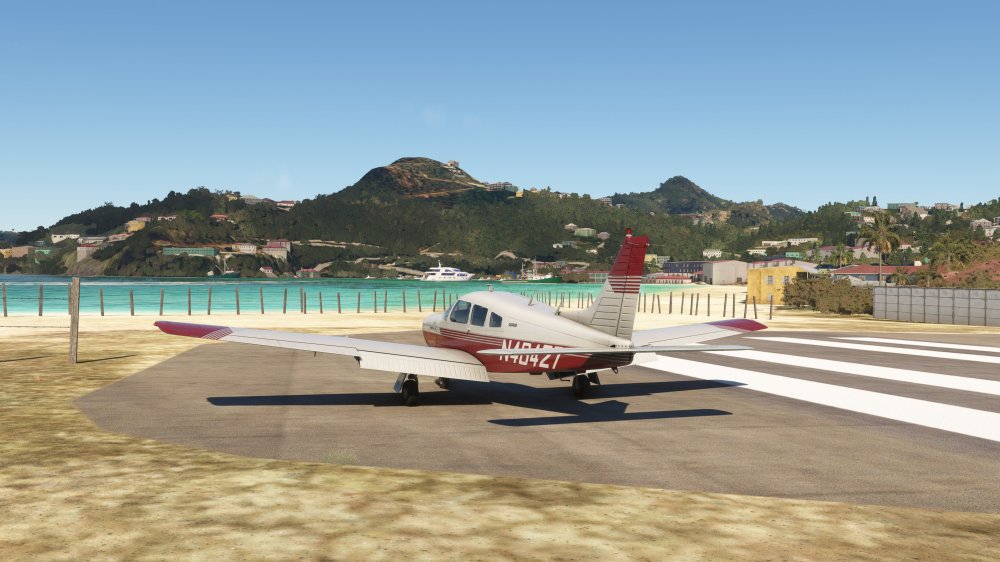
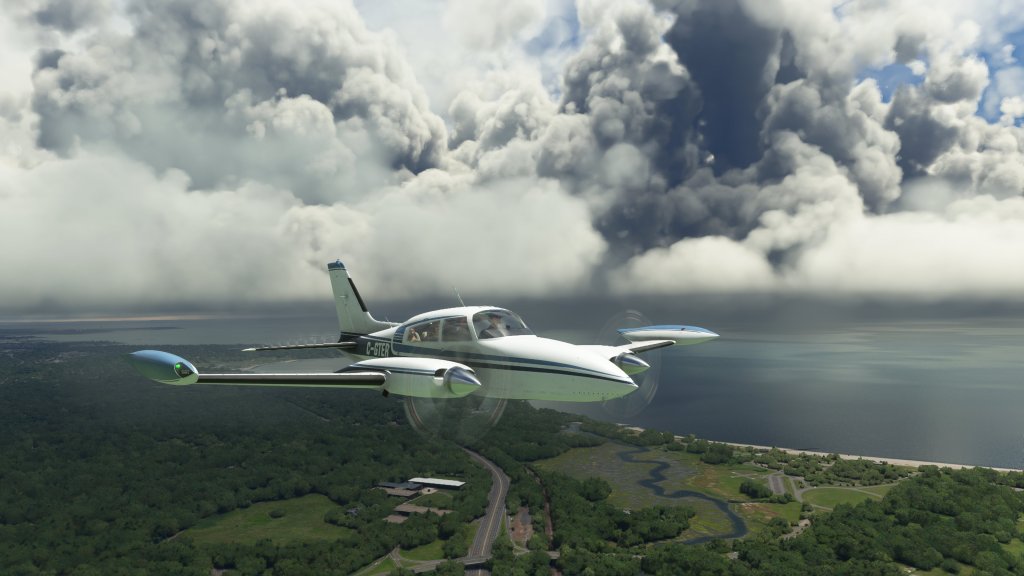


The airliner scene started slow as well but rapidly gathered momentum too. While the initial offerings weren’t at a level that enthusiasts demanded they did provide the basics to grow the sim from.
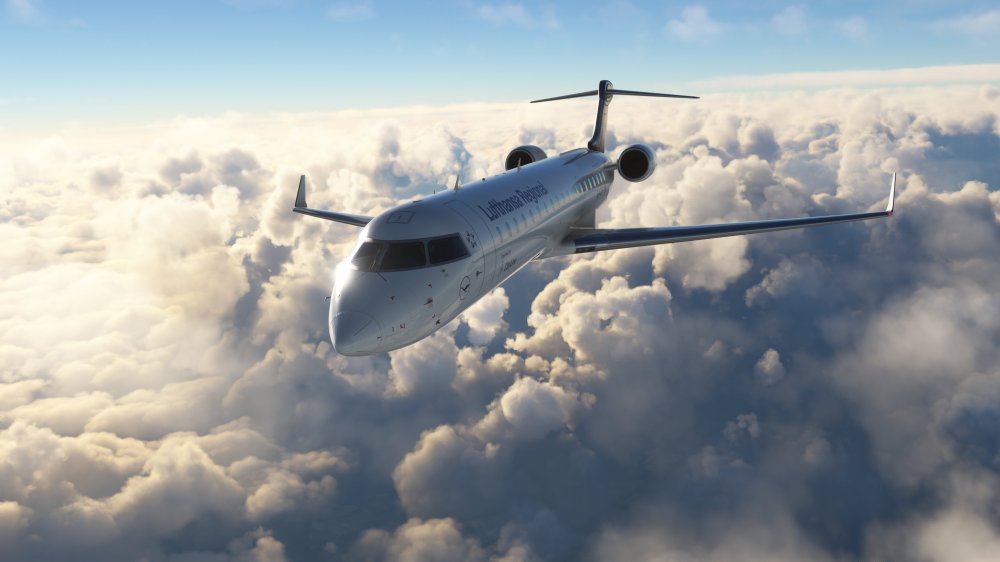
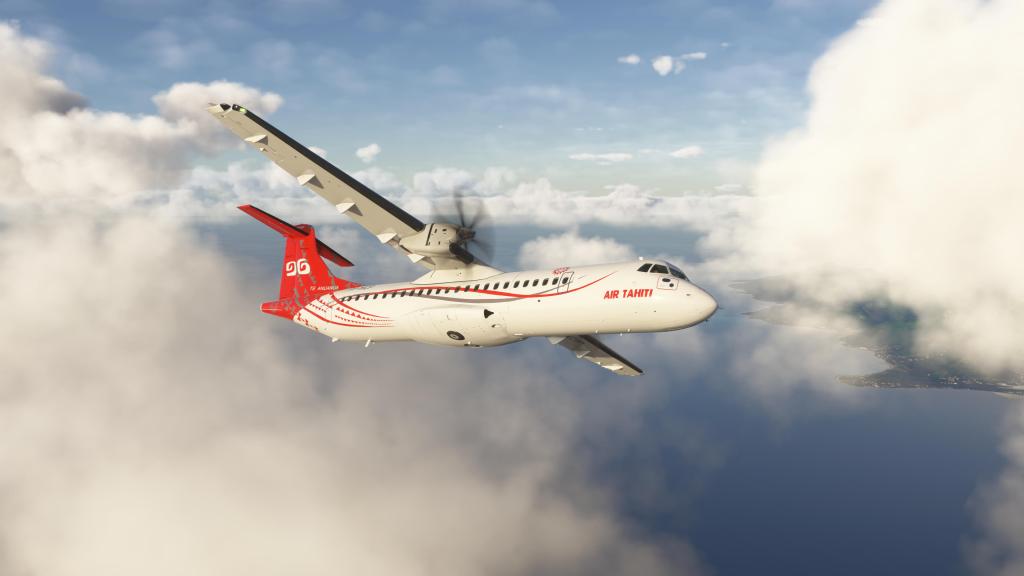
Aircraft like the Aerosoft version of the CRJ started us out with a good airliner albeit with a few issues. Just Flight’s BAe 146 came later and then the floodgates opened with the superb Fenix A320 and PMDG’s 737 series. iniBuilds offered their A310 for free with the 40th Anniversary Update, and then offered the even more impressive A300-600R(F). FSS launched their e-Jets series into early access (where it remains for now). Still other offerings from groups like LatinVFR carved out a more casual but no less important piece of the pie. I can’t move away from this section without mentioning two of my personal favourites: Microsoft’s own ATR 42/72 600 and Just Flight’s Fokker F28. The freeware efforts of groups like FlyByWire and their A32nx project also can’t be undersold offering so much extra depth.


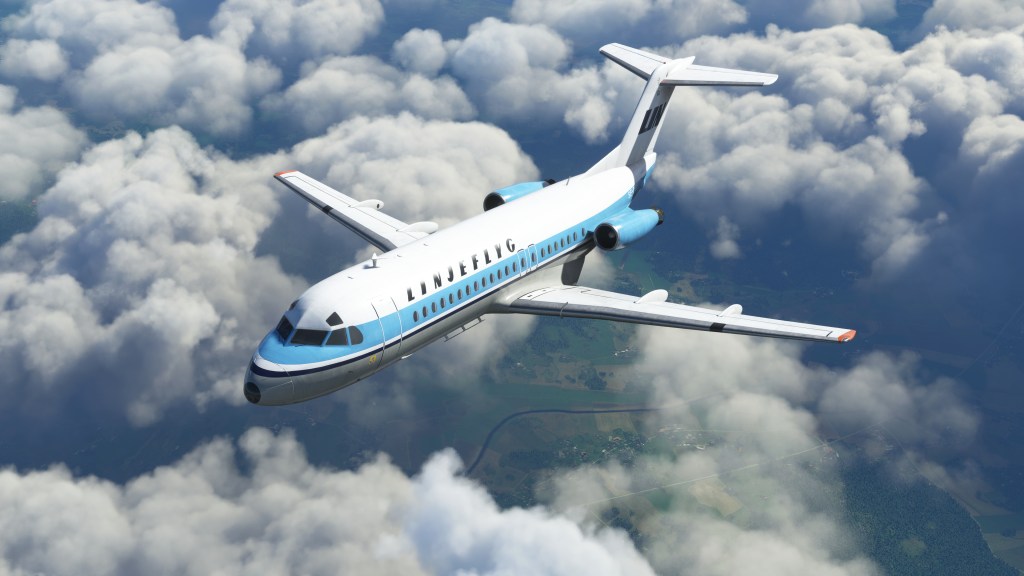

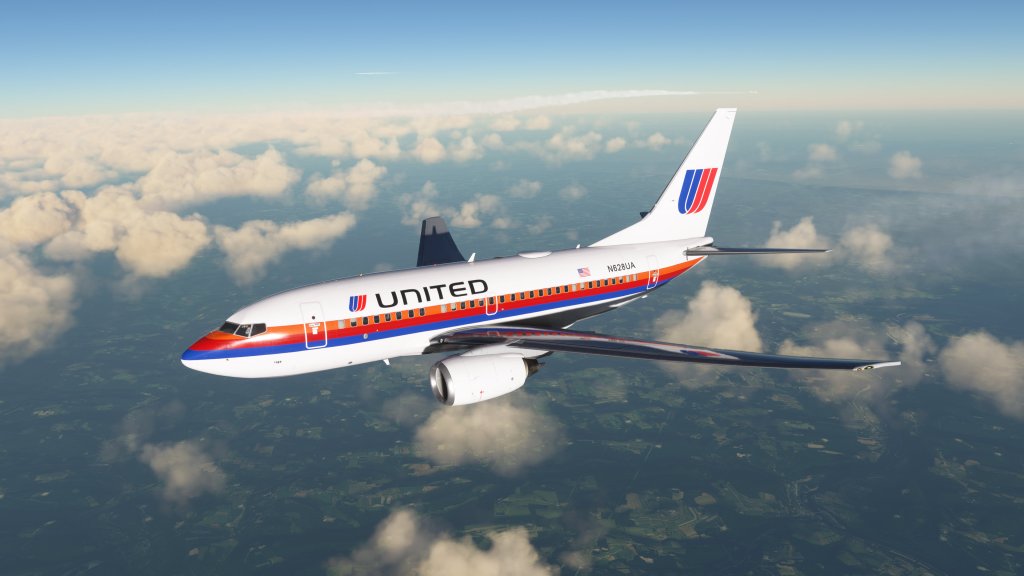
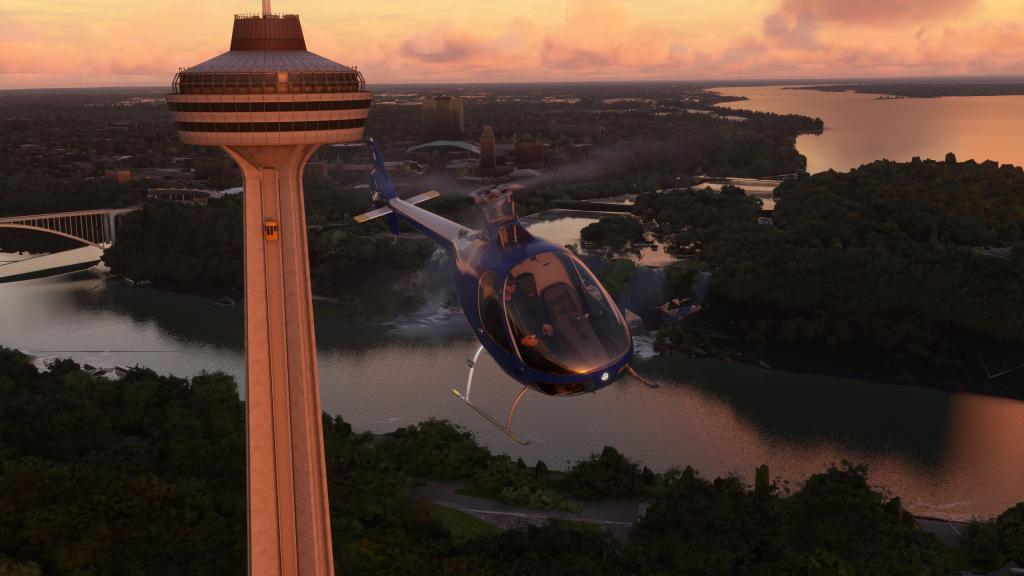
There are other categories too. After the 40th Anniversary update, we saw the addition of helicopters and gliders to the sim with steady releases, particularly in the helicopter range, from various developers. CowanSim, Hype Performance Group, Miltech Simulations and Taog’s Hangar are just a few of many developers working away at adding in various helicopters to the sim and the efforts have been great. Many others are working at delivering more of these kinds of aircraft in the coming months and years.


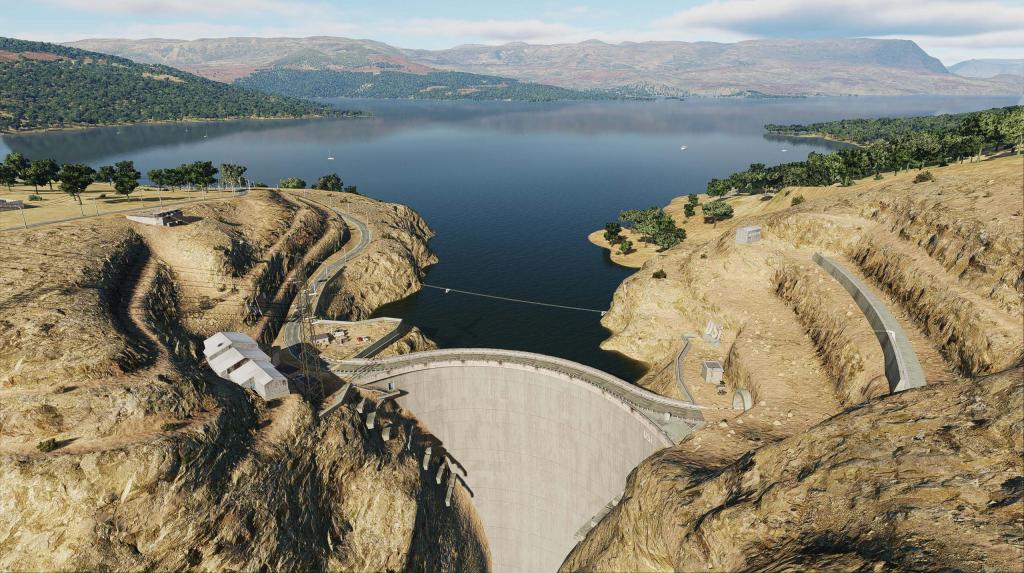
There have unfortunately been a range of products that have made their way into the official Marketplace in particular that did not offer the quality that should have been present. Some of them have been lower quality products offered by less experienced developers, a category that I have some sympathy for but others have been slightly less savoury. One of the more egregious was this release of a C-130 with no cockpit – that one is still shocking to me years later.
All in all, there are hundreds of airplanes and thousands of scenery products out there and while a few are not good, so many of them hold immense value at various price ranges and fidelity levels. There’s room for the casual simmer and the expert simmer in all of this and that is fantastic!
What the future holds
All of that brings us more or less up to today. Have I skipped over vast swaths of things? Oh yeah! There’s just so much going on and so much vibrancy in this sim that there is no shortage of things to highlight and talk about. Still, while looking back has been fun its also great to look forward. We are not too far away from what is widely expected to be the launch of Microsoft’s communications and marketing campaign for the next generation of the sim: Microsoft Flight Simulator 2024. And what a sim this is looking to be!
While 2020 has served us well and will undoubtedly continue to work well into the future, there is also always the need to evolve products and its time as the frontrunner is coming up after four years on the market. We are now waiting to find out more detail about what the company plans to do with 2024 but the new sim is widely expected to address the increasingly large size of the sim while offering up new experiences, missions and aircraft.
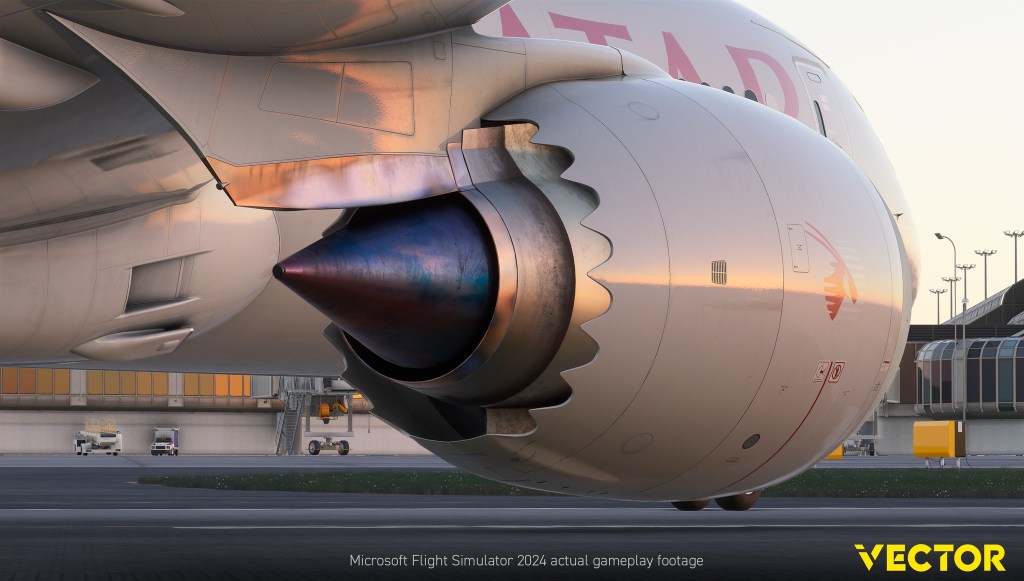
The new sim also appears to be continuing to tackle weak points and turn them into areas of strength. The next generation of the sim we already know is going to up the fidelity of aircraft simulation with more sophisticated calculations of aircraft movement, engines, engine types, and more. They’ve even brought in a legendary flight model creator, formerly of the IL-2 series, to bolster that category. I’m encouraged by almost everything that I see there.
They’ve also highlight activities as being a key part of 2024 and I’m very curious to see how those activities work and how much scale they can offer. Will they auto generate experiences across the whole world or will they simply be canned sequences that occur in a specific mission type? That’d be ok but it’d be amazing if they can take it a step further. It should be interesting but it definitely appears that the developers are looking to make MSFS 2024 be even more and cover more categories of airplane and airplane activity.
What I’ve heard about this sim so far has me incredibly excited and if it continues to grow as MSFS 2020 has over the next few years I think we’ll be in for so much more. I can’t wait to experience it all this fall when it does come out because I think I’m going to have to pick my jaw up off the floor a few more times.
Final thoughts
No matter your feelings on this sim, Microsoft Flight Simulator 2020 has shaken up the industry with technology, with partnerships, and with a scale that I didn’t think was possible. It has made many of the correct moves and brought in millions of new players to the genre making flight simulation accessible to new audiences.
While us enthusiasts tend to love to fight over the details and enjoy the deepest of simulation experiences possible, I am so glad that we see this sim attempting to appeal to enthusiasts and casual players with equal levels of enthusiasm. Seeing this sim bring in new generations of flight simmer brings me immense joy and I think it’s something to celebrate!
None of that is to say that it has won over everyone. The closest competitor, X-Plane, has suffered a bit in popularity versus the Microsoft behemoth, but it too is evolving its product likely as a direct result of the shake-up in the market. The long-lasting competitor has offered features and refinement in some areas that the Microsoft sim doesn’t yet have and competition in the space is only a good thing in the long run.
Microsoft Flight Simulator has left an indelible mark on the whole flight simulation industry. While there have been bumps in the road, ultimately the sim has offered up an incredible range of experiences to huge numbers of people and its done it with genuine enthusiasm for both simulation and aviation on the whole. It has given me personally thousands of hours of entertainment that I will cherish for a long time! Can’t wait to see what happens next!
How about you! If you fly this sim regularly, what experiences over the last four years have been most memorable?
Updated on September 8 at 10:24 am with gramatical corrections and the addition of mentions for FlyByWire A320neo, Top Gun: Maverick and Dune movie add-ons. How did I miss those?


 Stormbirds
Leave a comment