
I’ve done a bunch of flying in MSFS 2024 and recently had talked about some bushplane experiences. Now I want to talk about a short journey I made through the Alps flying between a couple of the scenic airports that are included in MSFS 2024. To do this trip I took the charming little Robin DR400 and the scenery along the way was stunning.
Part one: Megève to Courchevel


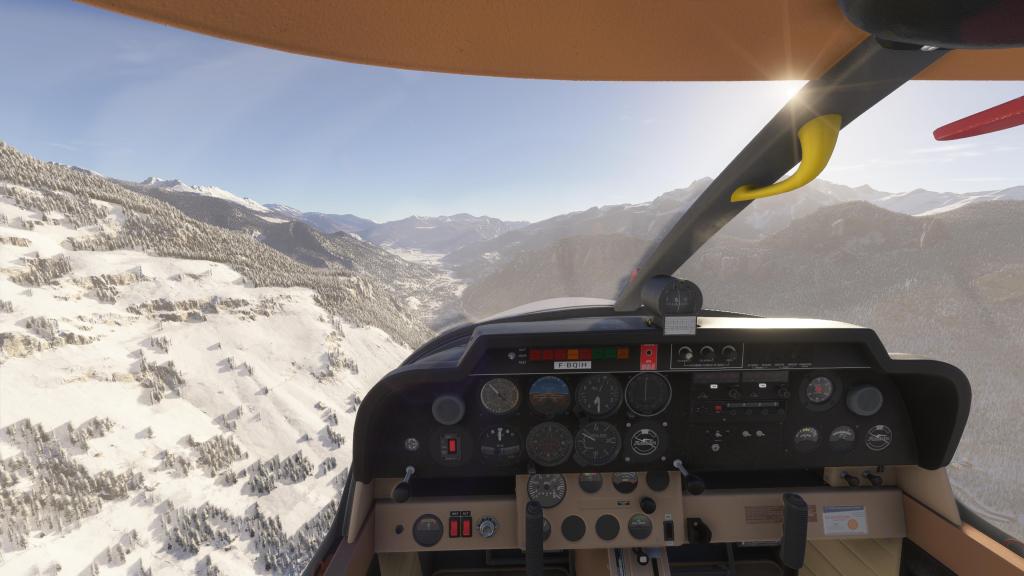
Starting from Megève Altiport (LFHM) in the dawn hours, I set out with the goal of navigating my way through the Alps with the DR400. Yes, I made ample use of the tablet’s map to help with some of the positioning but the real challenge here was the performance of the DR400 and the tall mountains. While some hills I could climb over, others were nearly impossible with the little Robin. That meant working my way around and going through various mountain passes. That can be a ton of fun!
My destination was the famous Courchevel Altiport (LFLJ) with its extremely upward sloped runway.
After starting the Robin up, I was off into the dawn. Around me were thick heavy clouds. I was worried that I may round a mountain pass and head into a low visibility area, something the Robin was not equipped to handle, or find a pass that I couldn’t climb over. Fortunately I was able to get enough performance out of the little airplane and grab some lift over some of the ridges to keep me going.
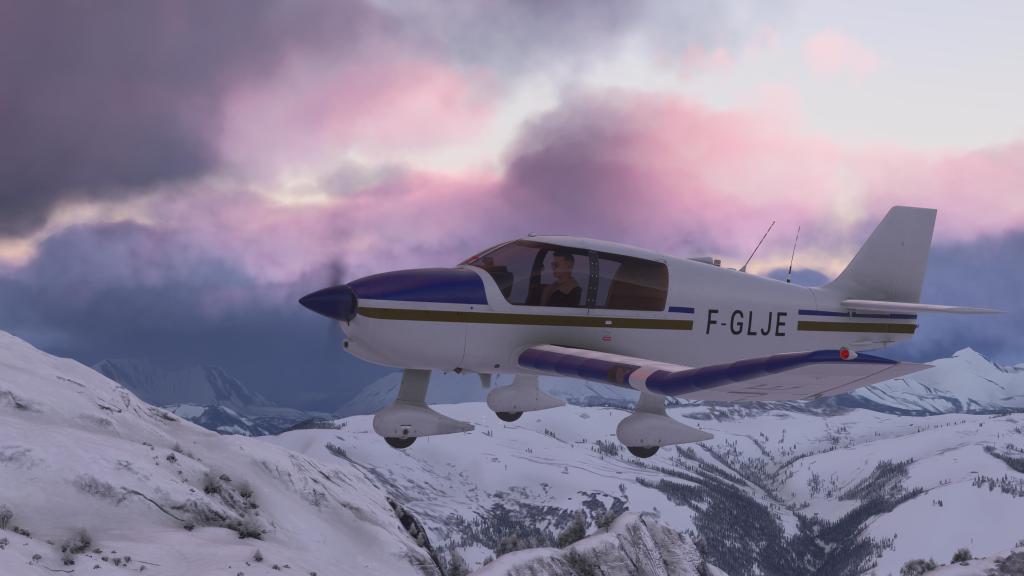
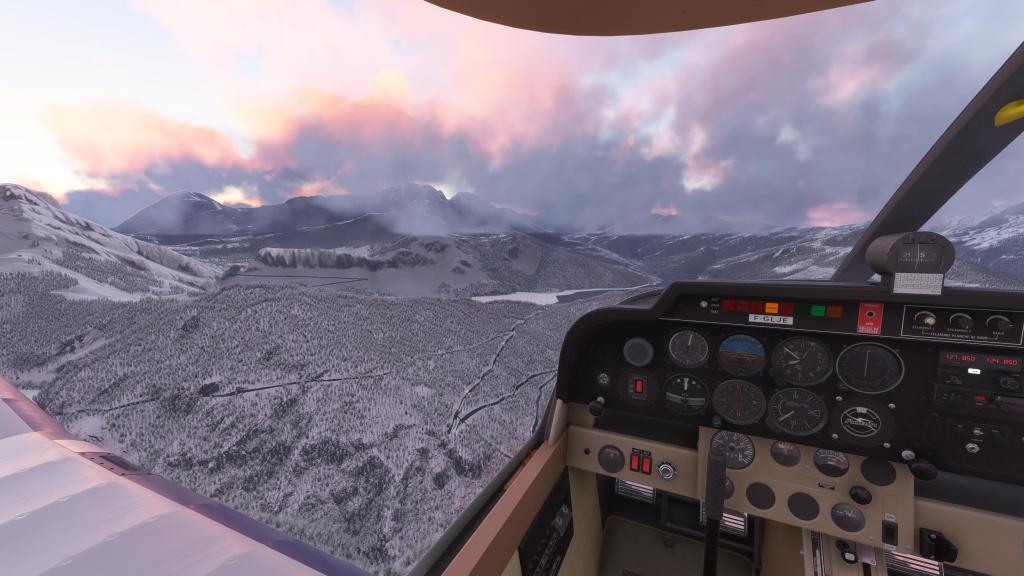
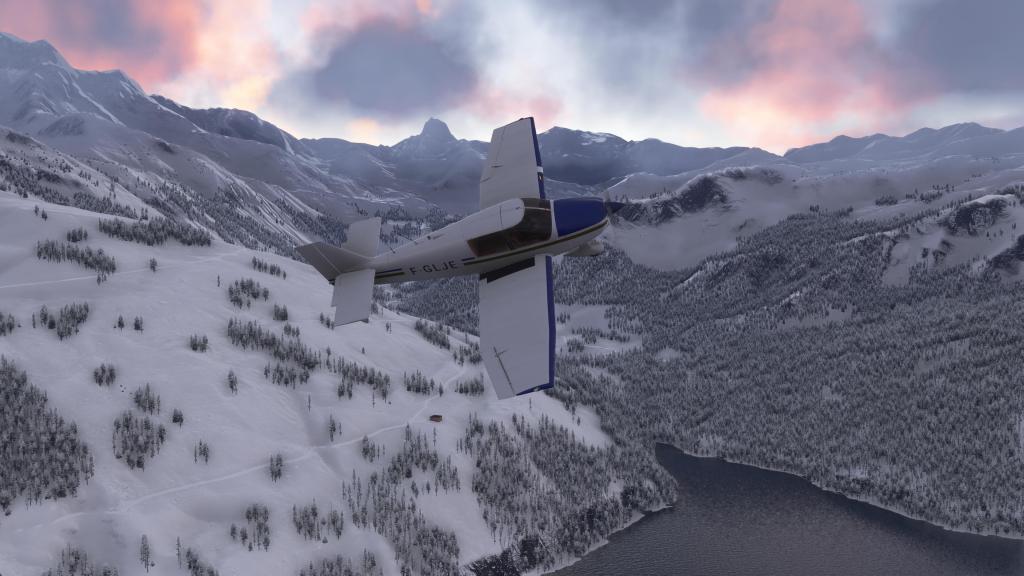
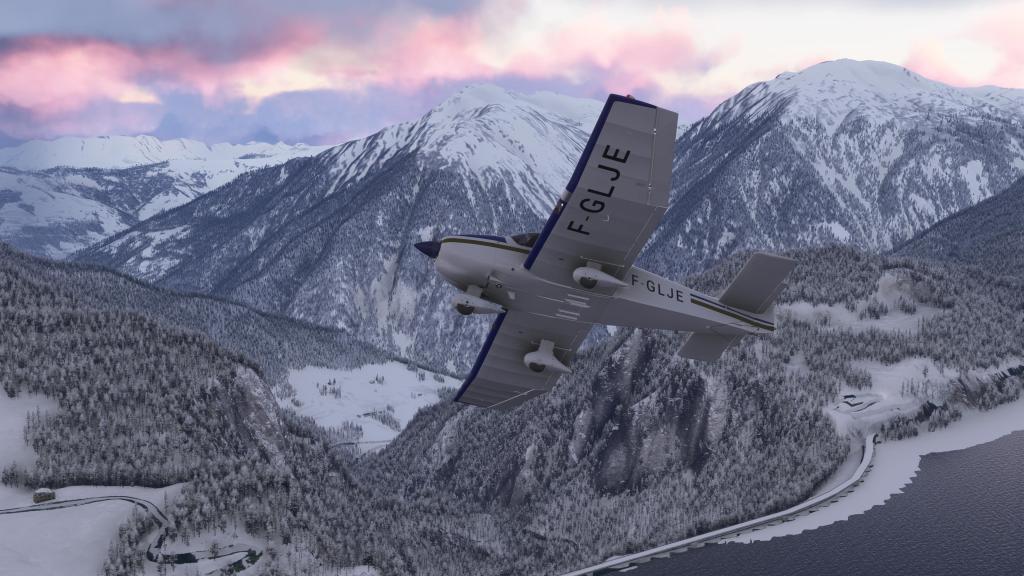
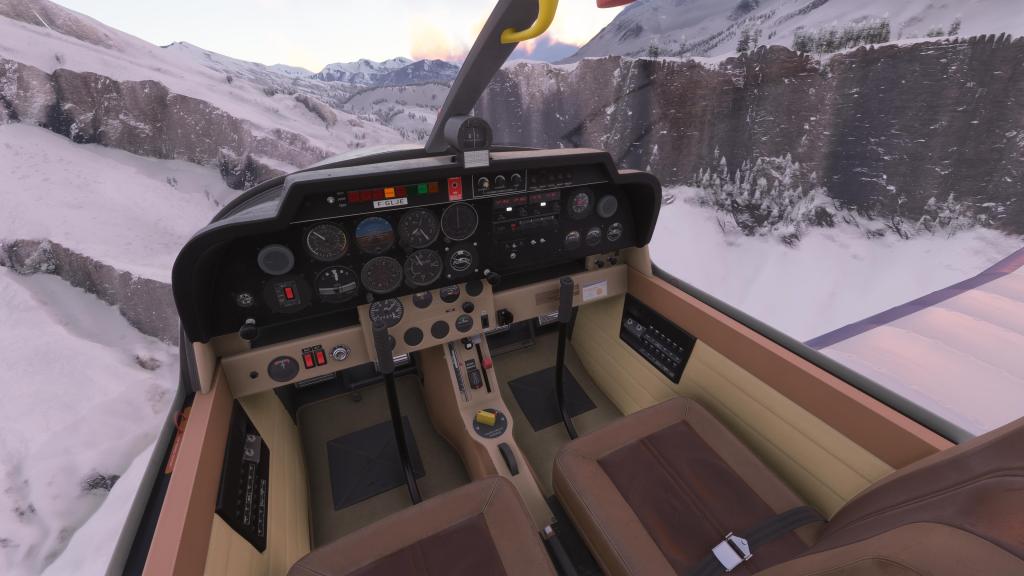


This kind of flying is aided immensely by MSFS 2024’s tessellated ground technology that, together with various AI techniques, helps make the mountainsides and various passes go from a bit of a blobby mess in 2020 to the visual highlight that it is in 2024. Another thing that the new sim stands out in is low light situations where the sun is just rising and there’s a fair bit of bounce off of darker clouds. This was really spectacular the whole way along.
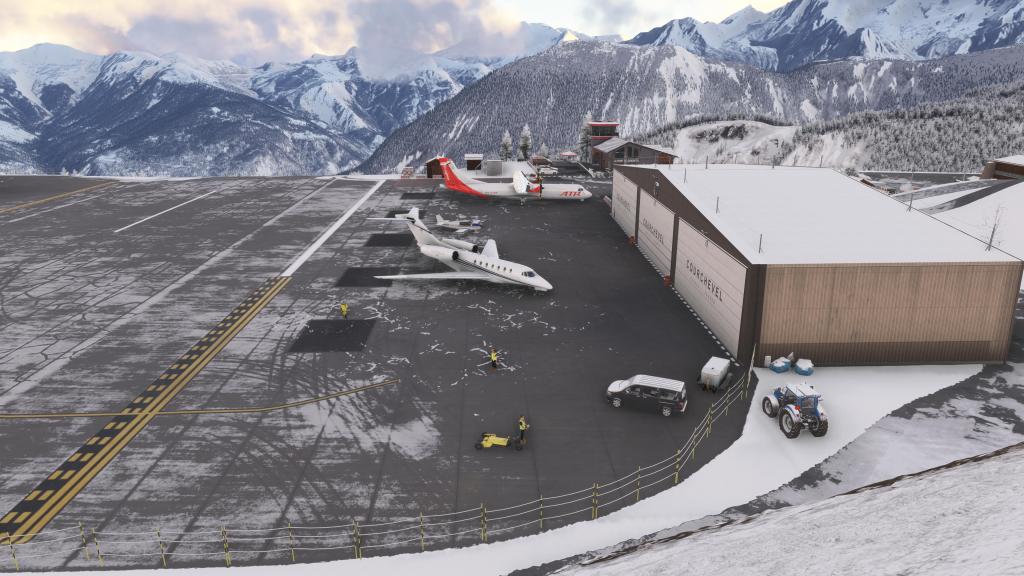
I did make it down one pathway only to find a peak that I could not climb despite my best efforts. I had to turn around and find another way. I eventually snaked my way through and made it to Courchevel where I found that I had arrived beneath the airport’s altitude and thus had to climb up to get into a landing position.
I landed and parked next to some autogenerated aircraft. I don’t think a Citation X or an ATR could land here … but I could be wrong.


Part two: Heading on down to Saint-Crépin
For the second and final part of this journey, I took the DR400 from Courchevel down to Saint-Crépin (LFNC). The name of the game was basically the same as my first flight – work my way through the snow covered mountains, through the passes, and over the peaks in the DR400 and arrive safely at my destination.
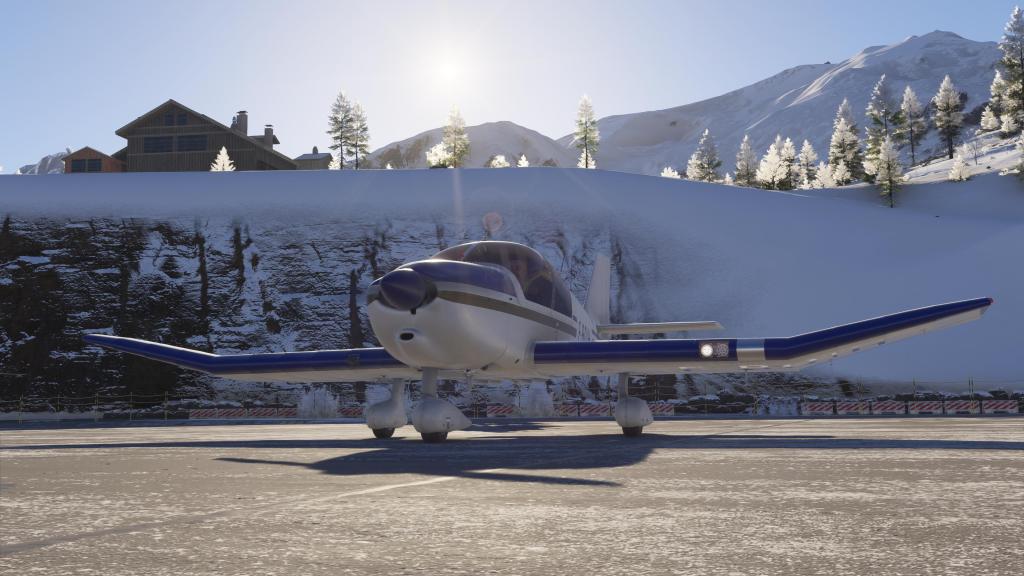
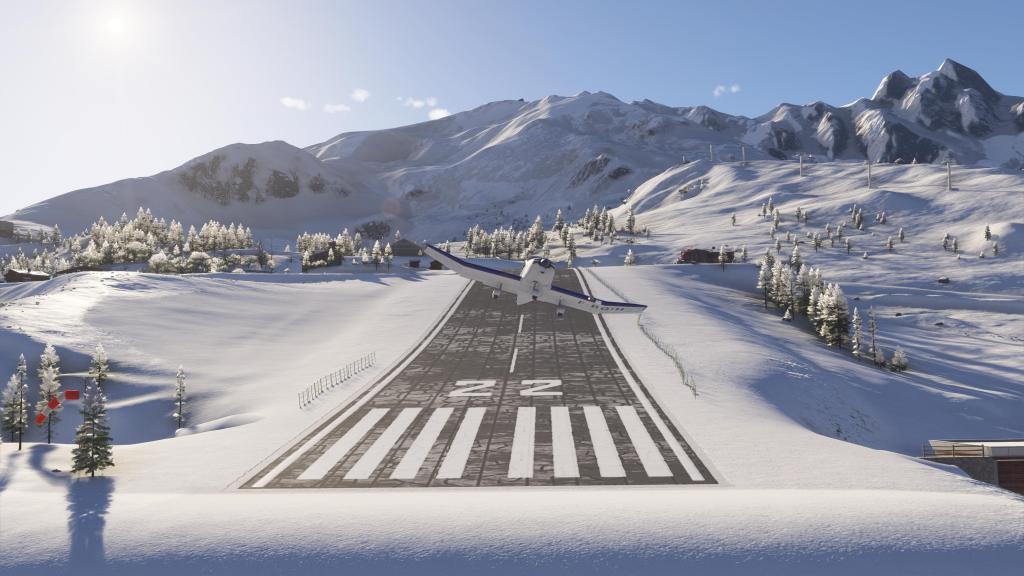


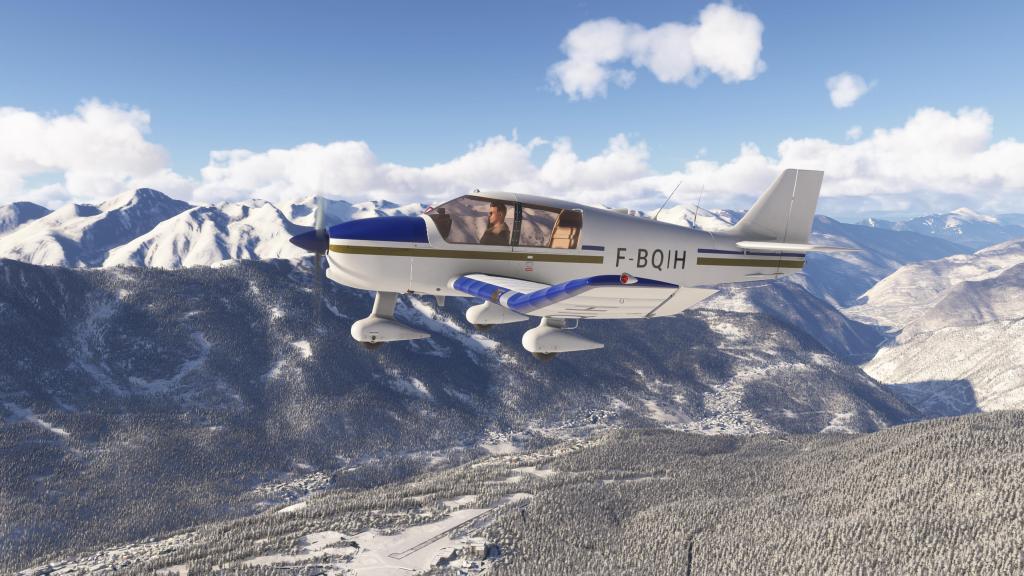
This time around I got an early start to climbing as I knew I had some tall peaks in the way. Even so, turbulence and the slower climb rate of the DR400 at this altitude meant that it took several minutes to be able to turn on course.
I ended up threading the needle a couple of times as I worked my way southwards towards Saint-Crépin. I managed to get up close to 10,000 feet and flew over most of the peaks in this part of the flight. Still, there were a fair hairy moments wondering if I’d have to turn around and either find another way or climb so more.
I was once again blown away by the detail on the ground and on the peaks. The trees, the snow effects, and the tessellated ground details showing off rocks, grasses, and cliff edges were all very convincing.
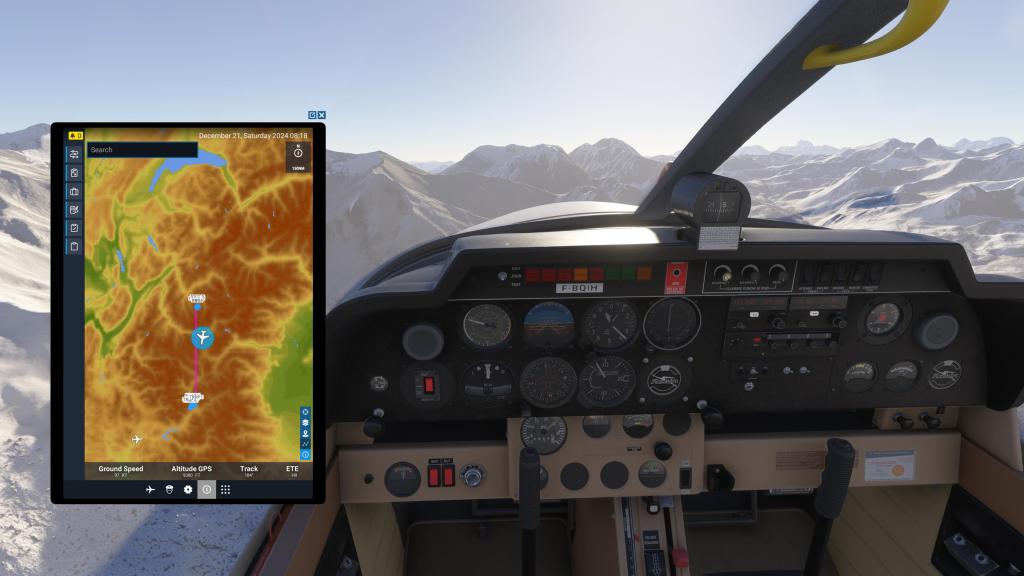

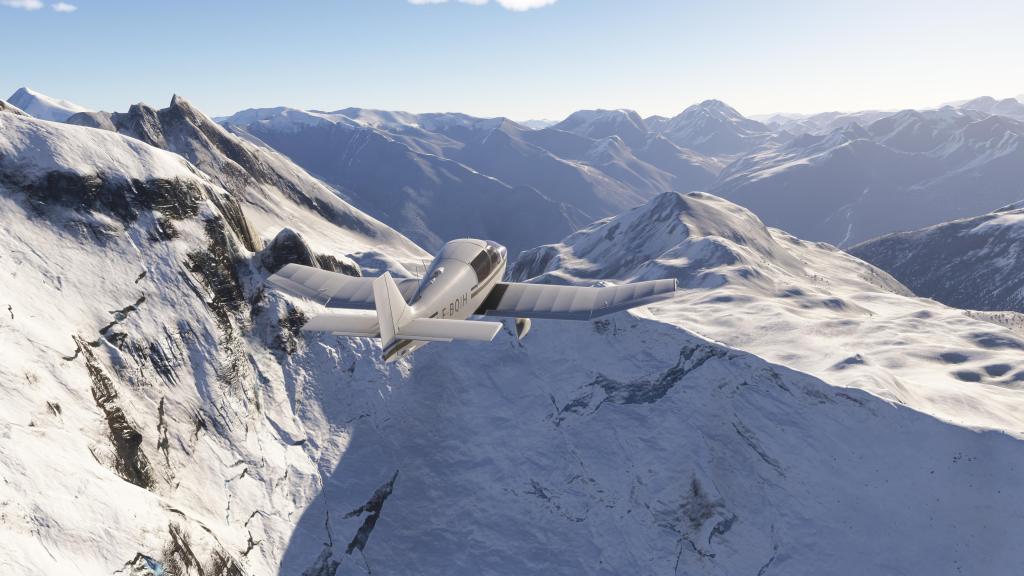
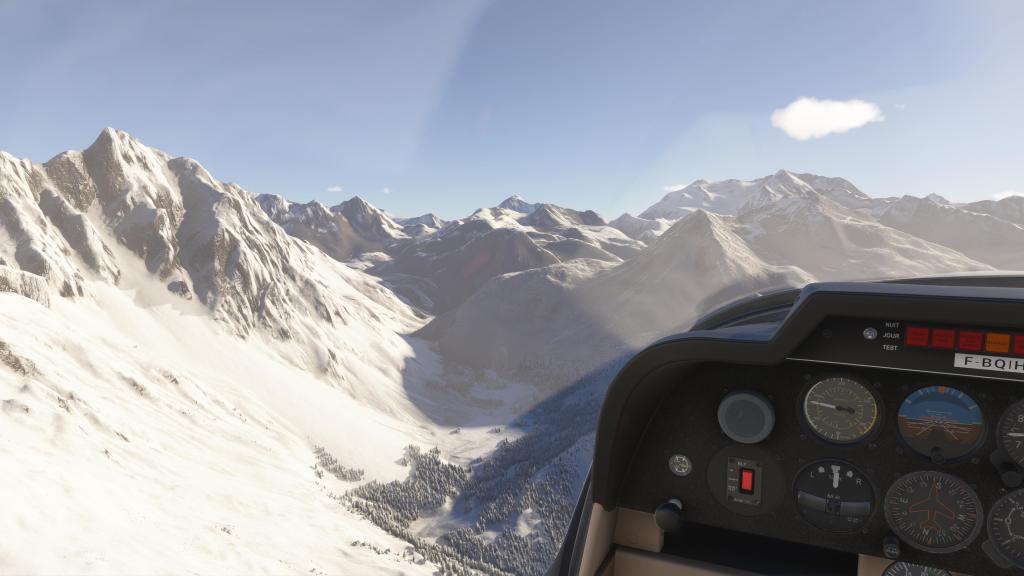
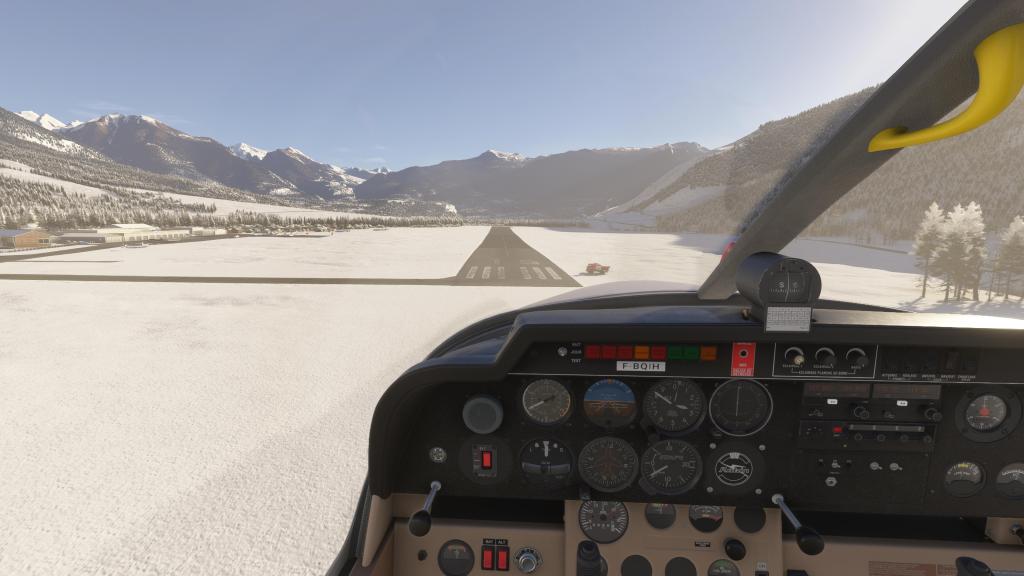
After about 25 minutes of weaving my way through and over the mountains, my destination began to take shape. A lengthy valley and river marked the way towards my destination and I began a slow descent before setting up for a gentle landing on Runway 16.
I taxied and parked the airplane before getting out to have a quick look around before it was time to log off.




First MSFS 2024 journey
This journal entry marks the first multi-part (two in this case) journey I’ve taken in MSFS 2024. While the sim has serious issues that its slowly resolving, its nice to do this kind of flying because it reminds me of everything that MSFS 2020 was great at and then adds more to it with enhanced visuals.
On this journey I decided not to use the ATC system, which seems more broken than usual and I frequently got warnings about live traffic not working correctly. Those issues aside, the sim was performing well, the visuals were outstanding, the live weather, flight model, turbulence, and all of those elements made me believe I was more or less flying a real airplane in those situations if only for moments at a time. The DR400 is one of the original aircraft from the series as has had a few modest upgrades to give it a little more depth… it definitely feels better on the ground and in the air than it used to. It reminded me, in a good way, of the Aerobask DR401 that I love so much in X-Plane.
More journeys to come I’m sure!


 Stormbirds
Leave a comment