
For a long time I privately doubted that Polychop Simulations would ever release the DCS: OH-58D Kiowa Warrior. The project appeared to be in a never ending cycle of development followed by long pauses in updates and on more than on occasion it appeared to be on the cusp of being released and then it would disappear for months and years at a time. The big question going into this module then was just how good it was going to be given that long development period. Sometimes a lengthy cycle can be a good thing and sometimes it isn’t. Let this be a good example then of how sometimes projects like these need to go through these lengthy cycles – it matters little in the end except for the result and I just had to find out for myself. Here’s my full review of the OH-58D Kiowa Warrior for DCS World!
A bit of history

The Kiowa has a long history starting back with a US Army requirement for a light observation helicopter. Bell Helicopter developed the YOH-4 which was unsuccessful in its bid with the Hughes OH-6 selected instead. Undeterred, Bell Helicopter would go on to develop the Bell 206 as a more marketable civilian variant of the single engine helicopter. The 206 would go on to see a sales success and 7,300 were produced.
With the Vietnam War in full swing, Bell was approached to help Hughes meet the operational needs for scout helicopter platforms and the OH-58A was selected based on the already in production 206.
In 1983 a new Army Helicopter Improvement Program (AHIP) would call for a more advanced set of capabilities. The helicopters were upgraded several times and during Operation Prime Chance, escorting oil tankers in the Persian Gulf, newly armed Kiowa Warrior OH-58Ds were used. The type would see action through several conflicts and would ultimately be used in US Army service during the conflict in Afghanistan used as an armed scout and spotter.
While the US Army has since divested its OH-58D fleet in favour of the AH-64 and drones for scouting, the helicopter is being used in various configurations with Austria, Croatia, Greece, Taiwan and others in the modern day.
Visuals and sounds
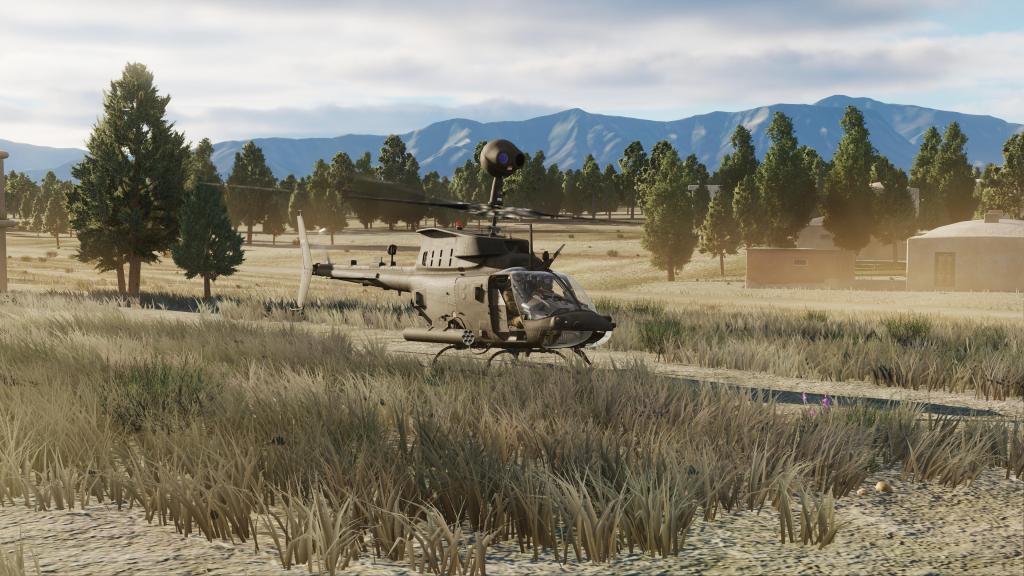
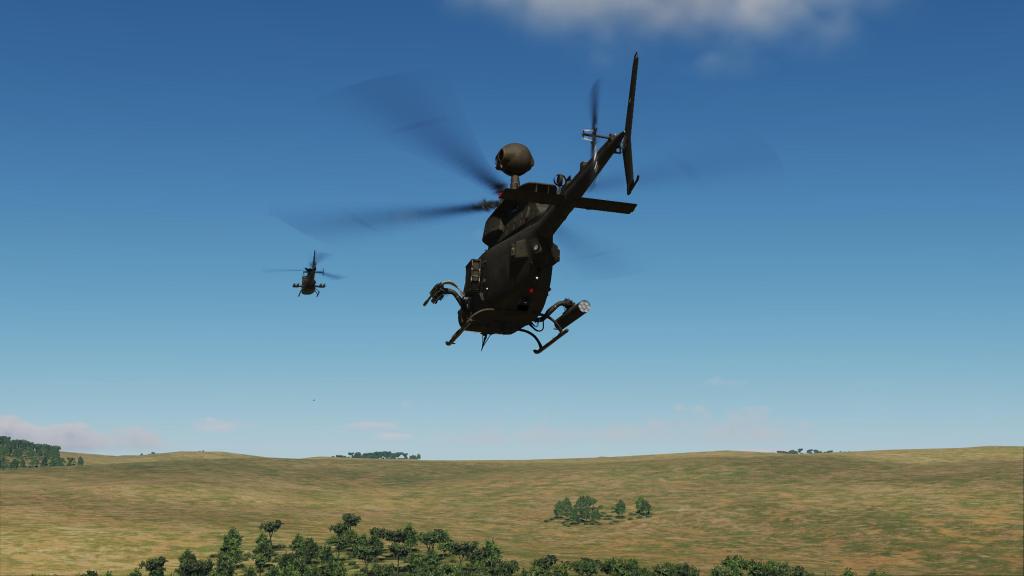

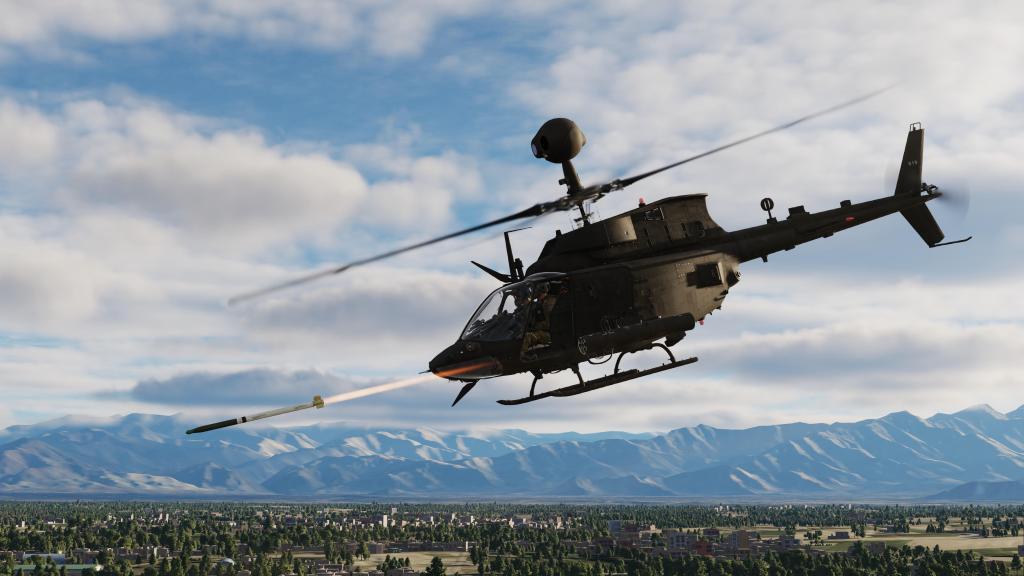
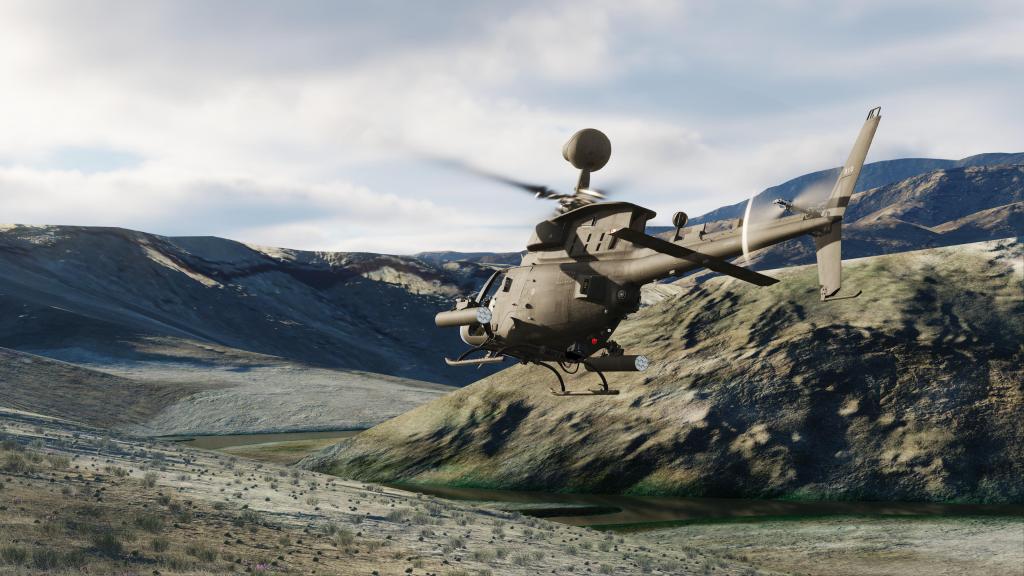
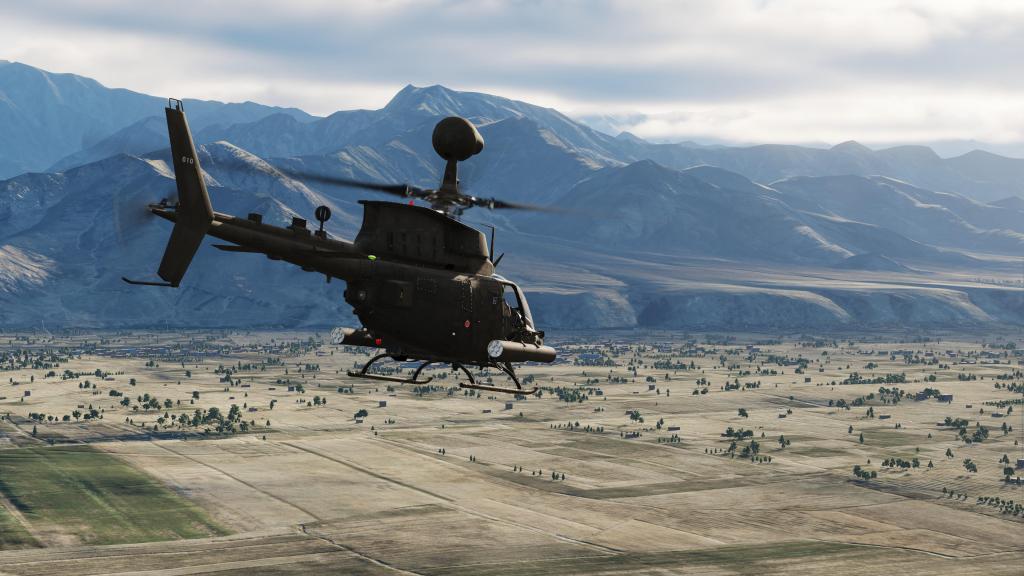
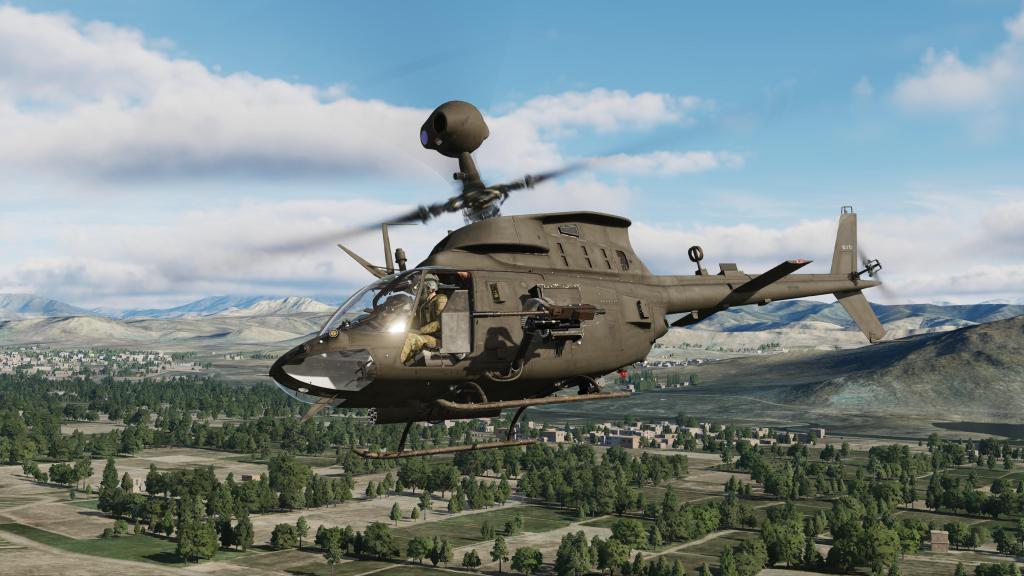


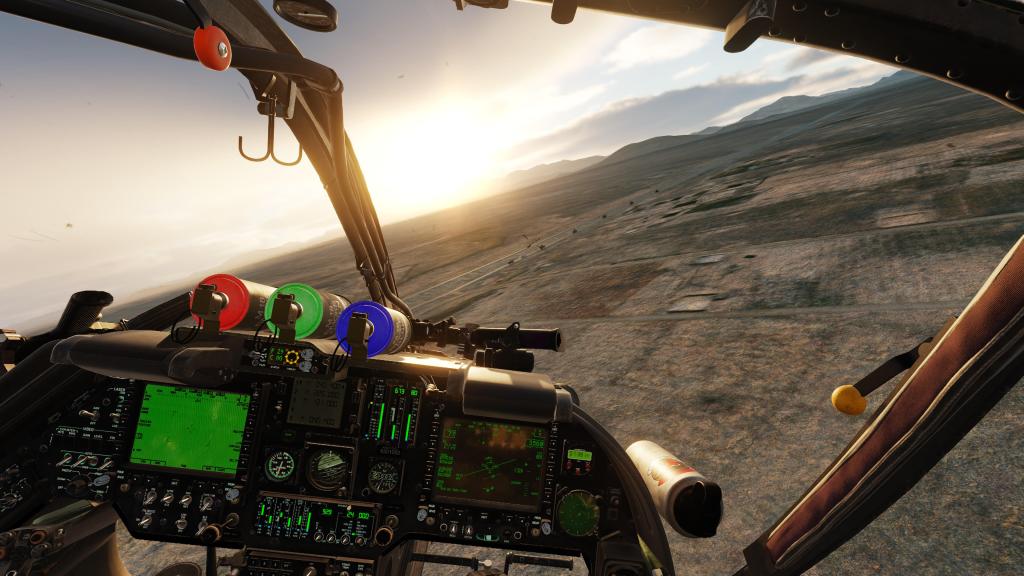
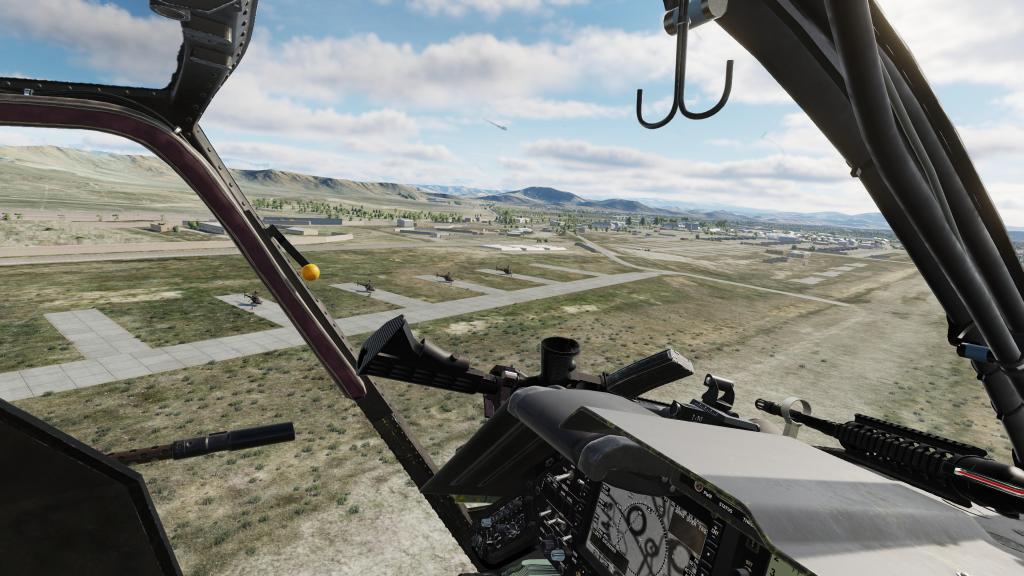
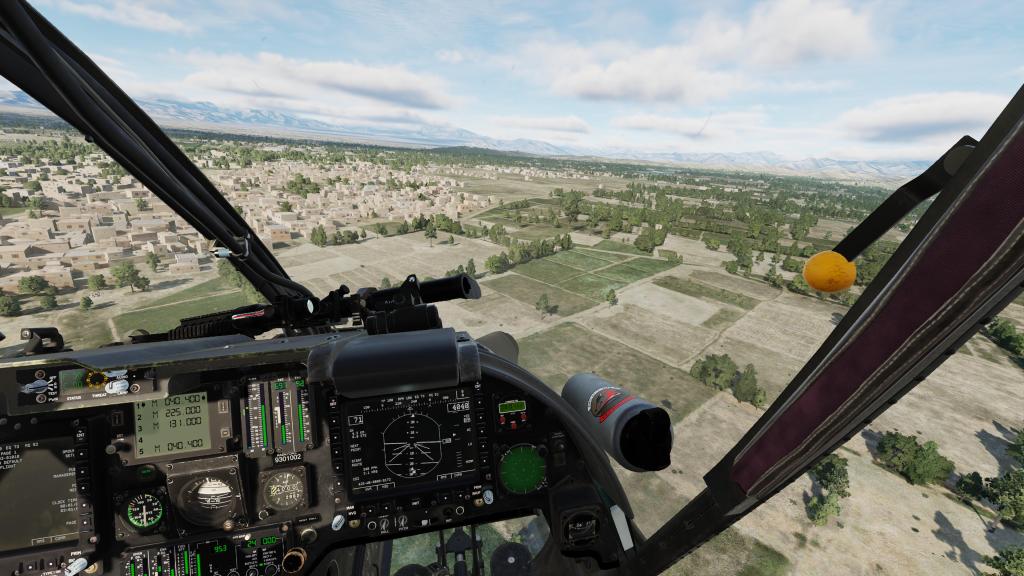
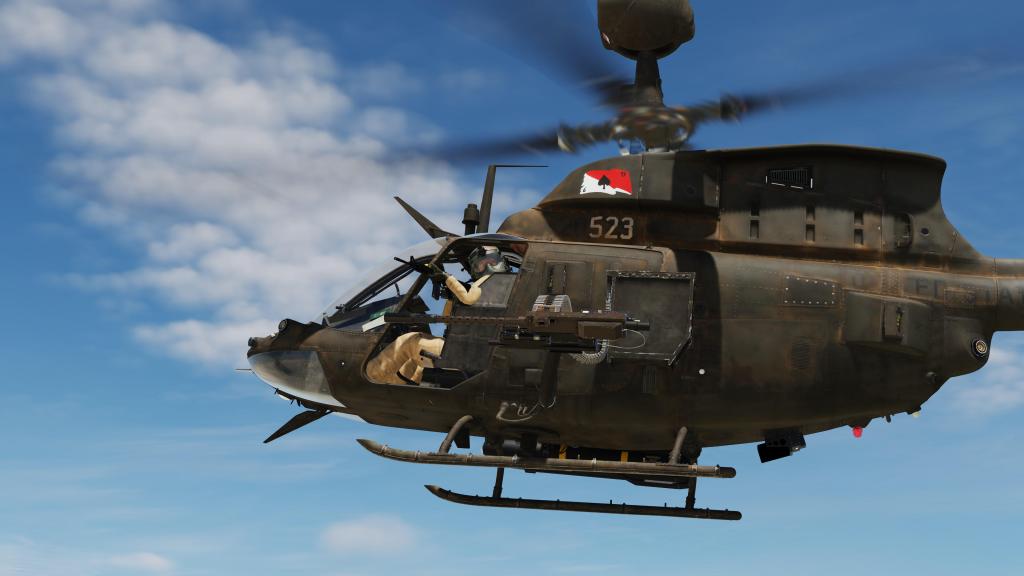
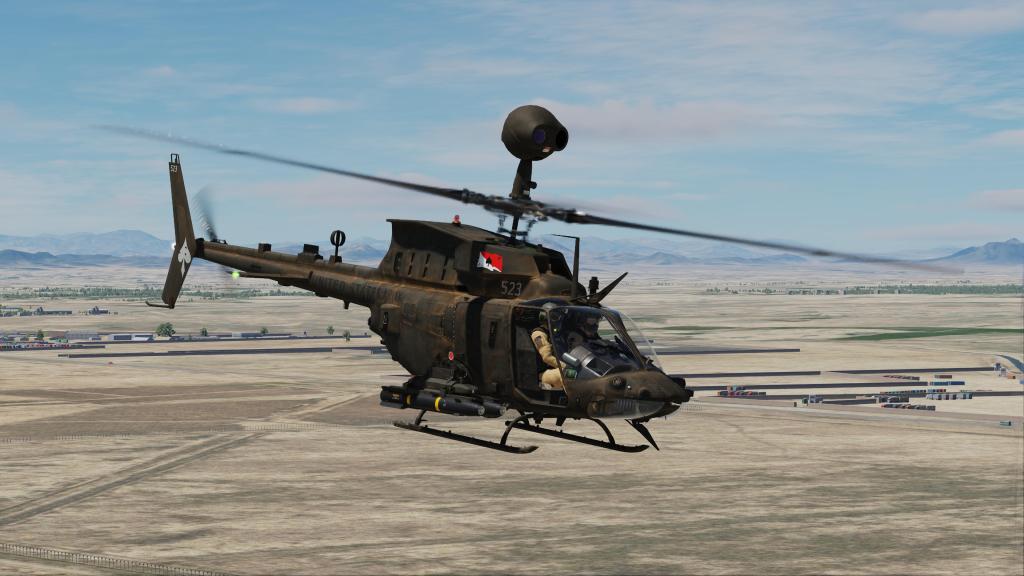
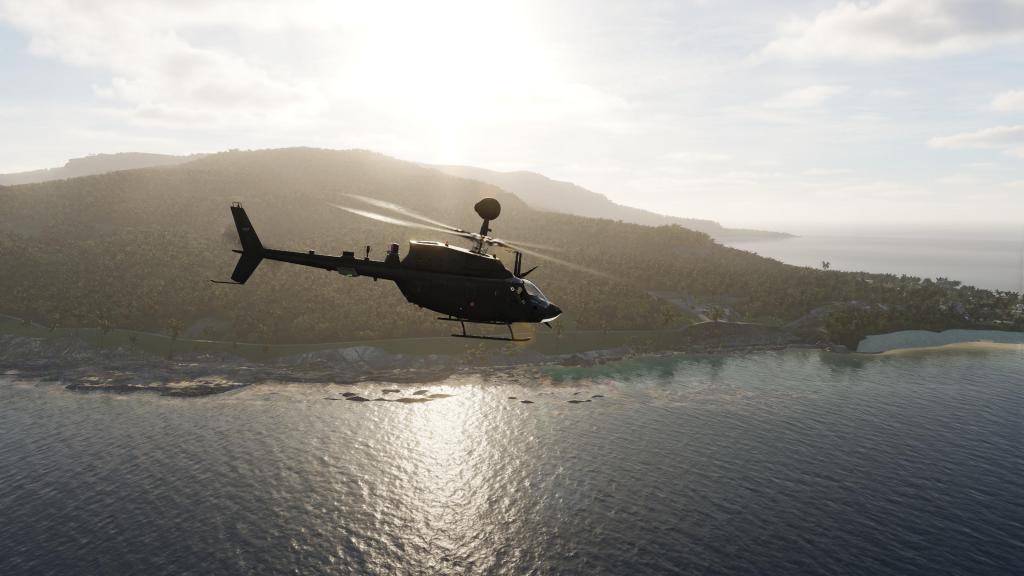
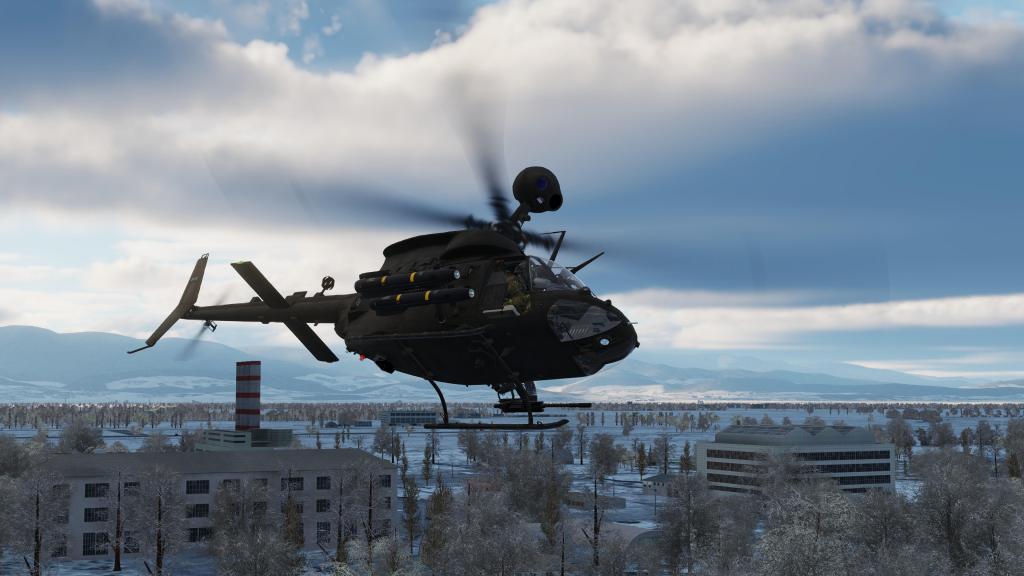
DCS modules have some difficult standards to live up to. Developers have really pushed the limits of what both artistry and technology can offer to provide some really stunning looking projects and its difficult to match up to that. OH-58D falls slightly short of the absolute state of the art, however, as you’ll see in the screenshots it still manages to be a pretty good looking module.
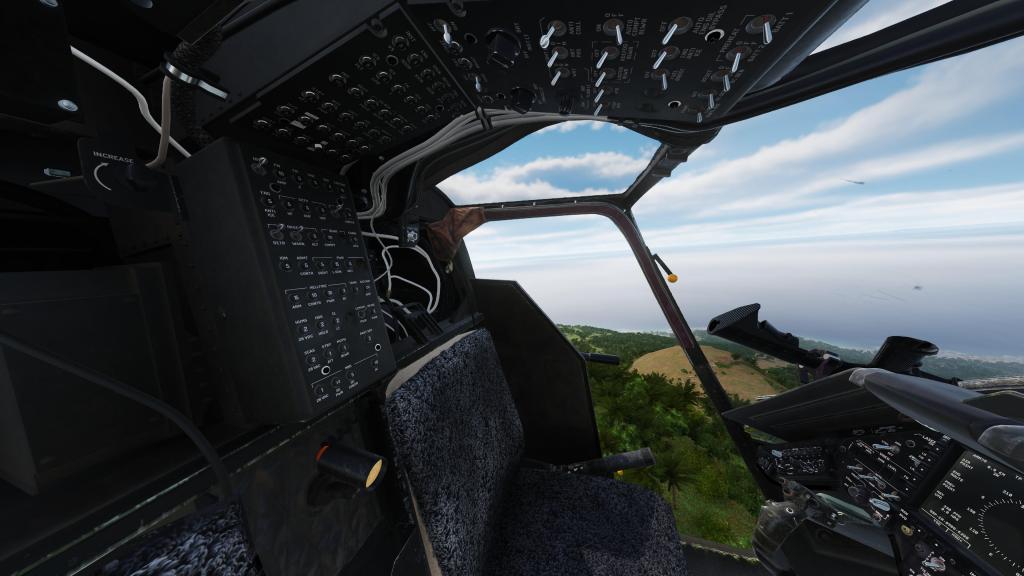
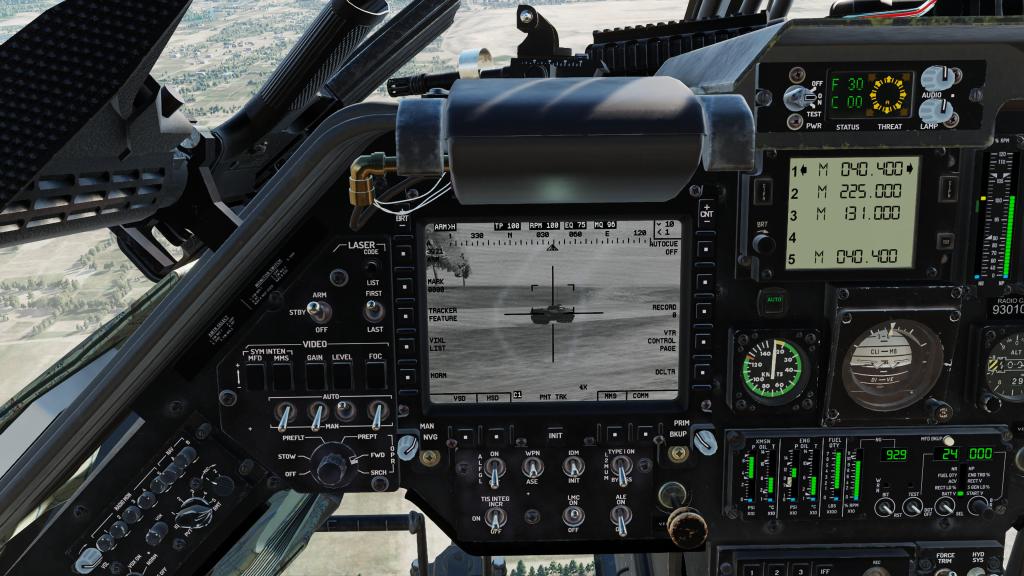
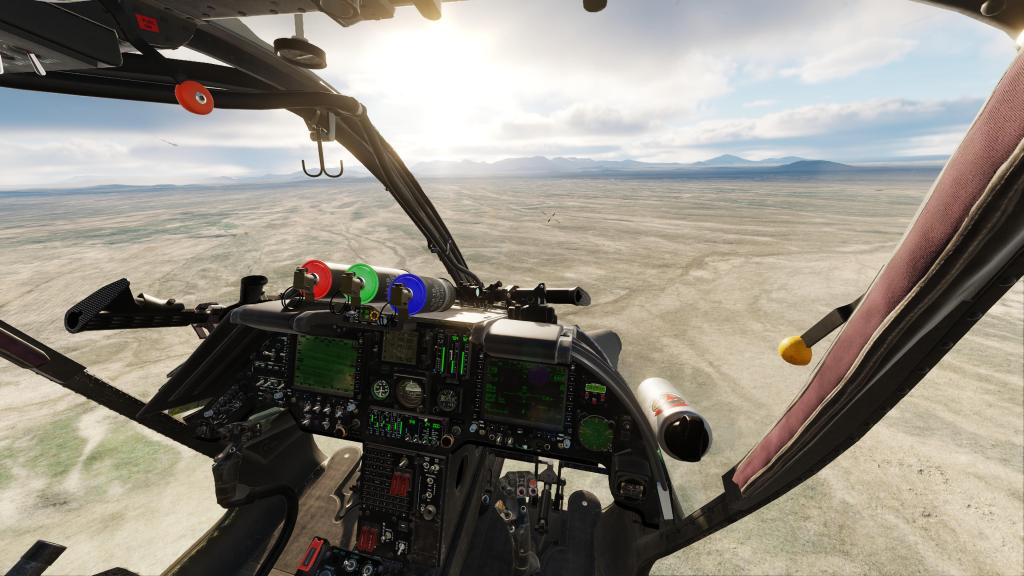
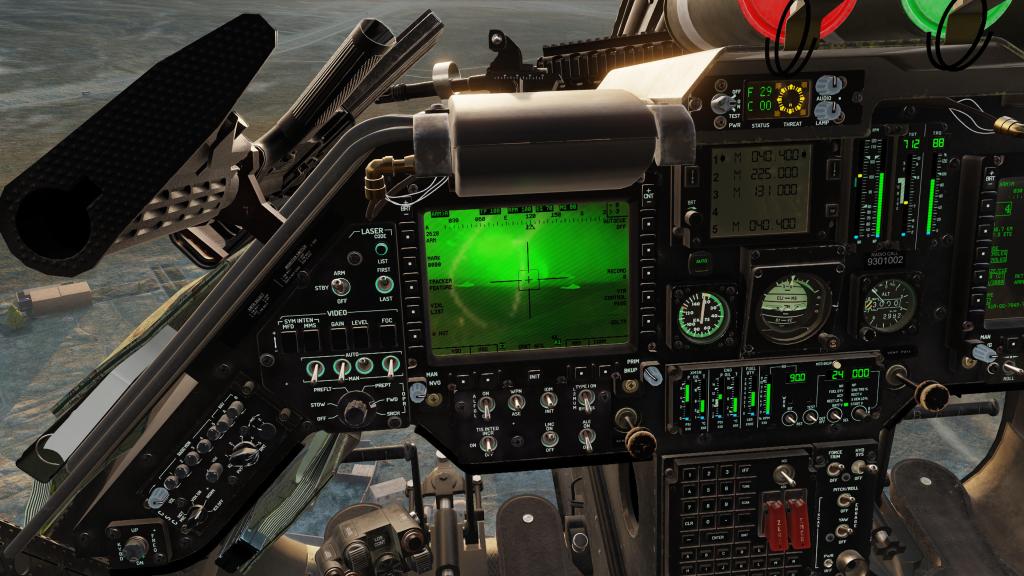
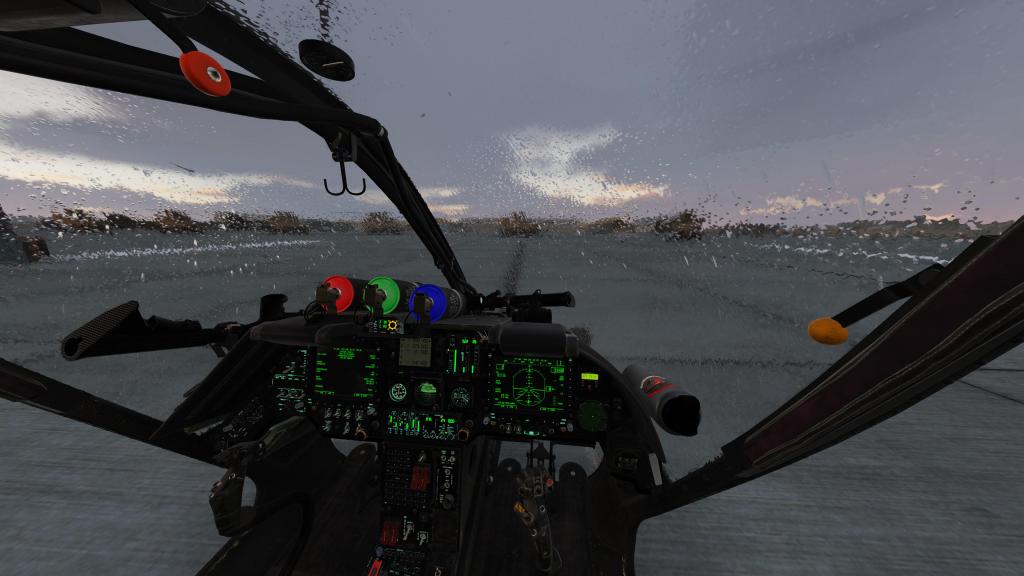
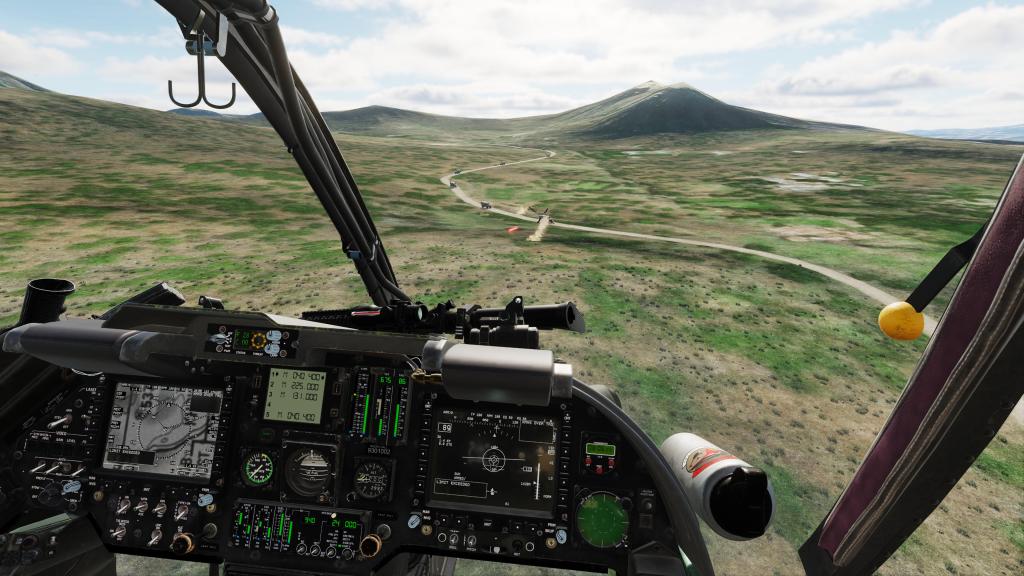
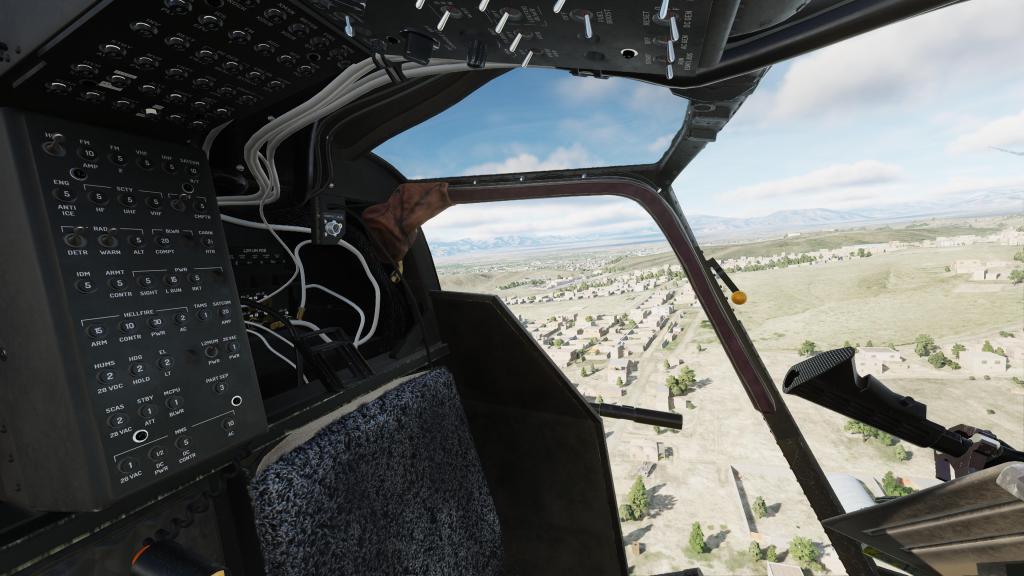
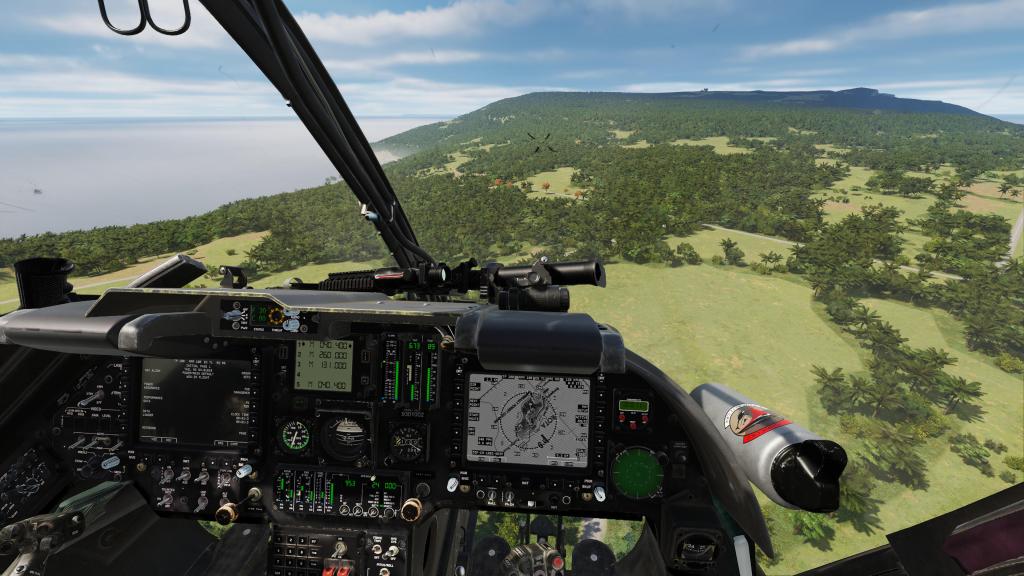
The interior is quite good if not at the level of the Hind or Apache cockpits. You’ll still find that everything important on the interior is also sharp and readable. The displays are excellently integrated and have realistic moire and sensor fuzziness where appropriate so where the visual details matter, this module absolutely delivers.

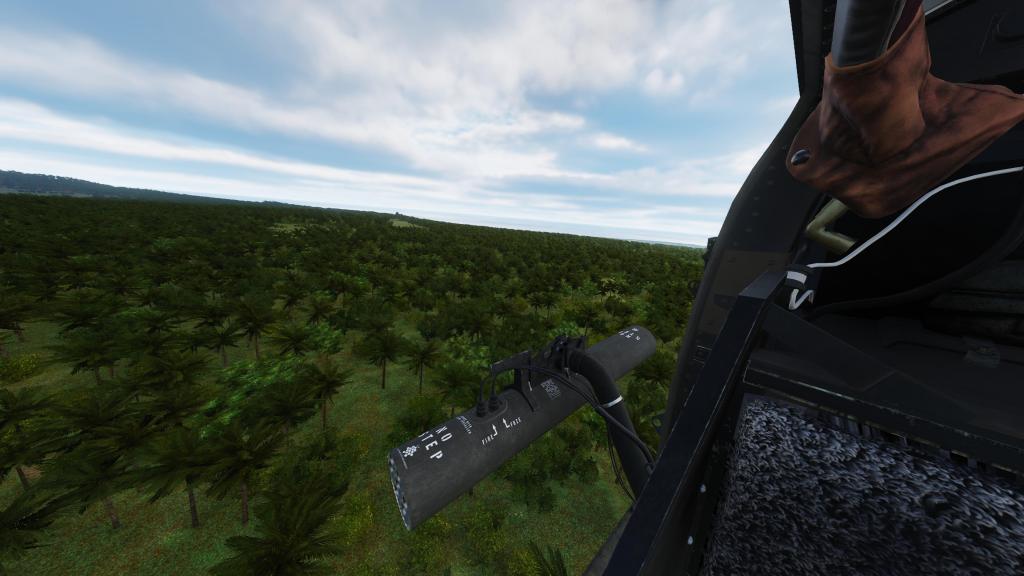

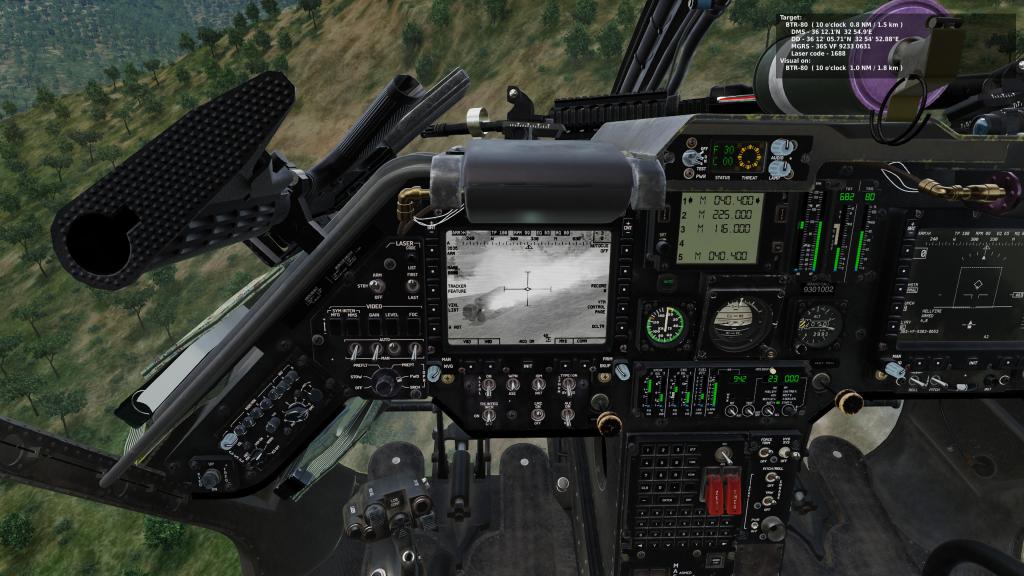
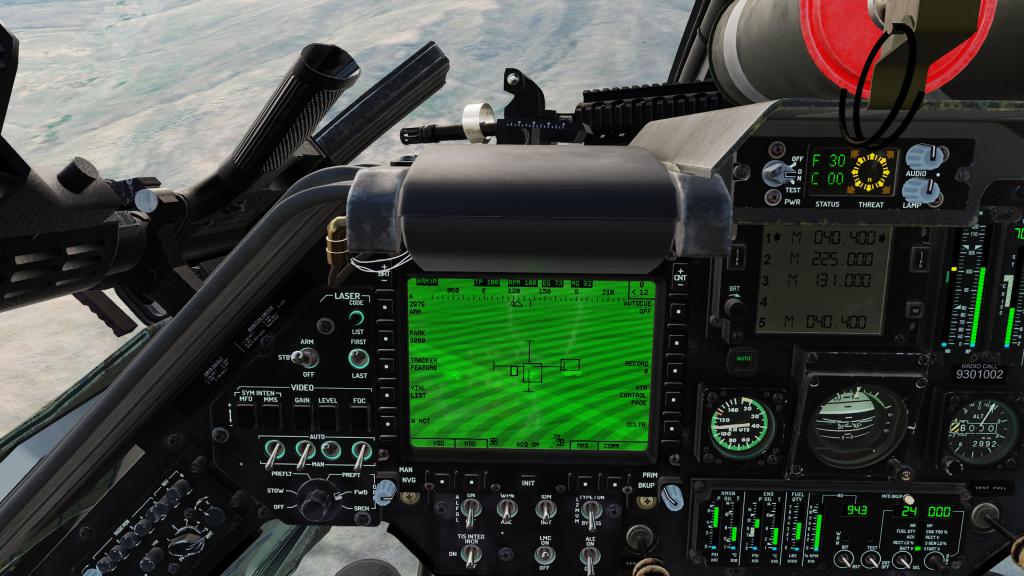
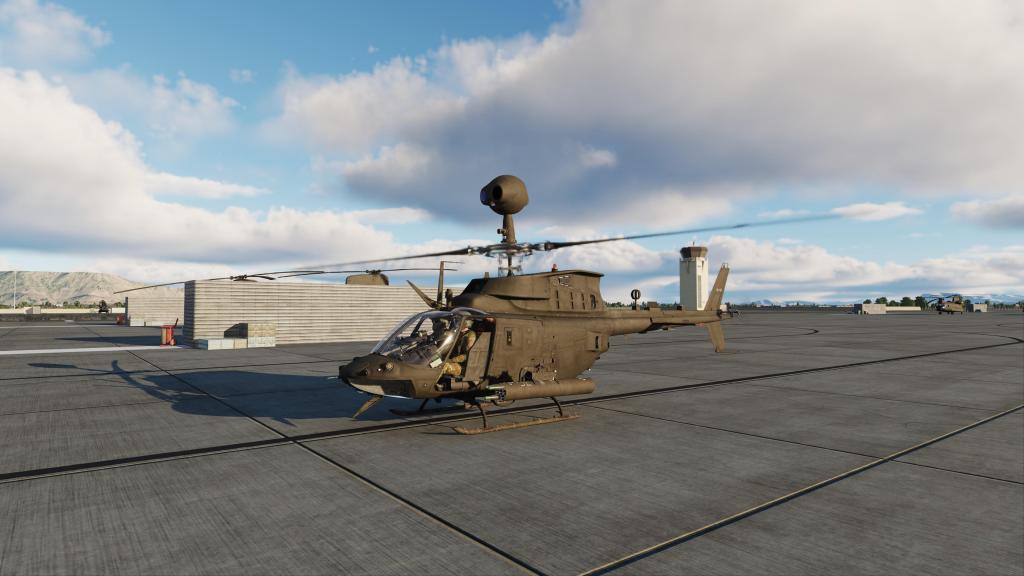
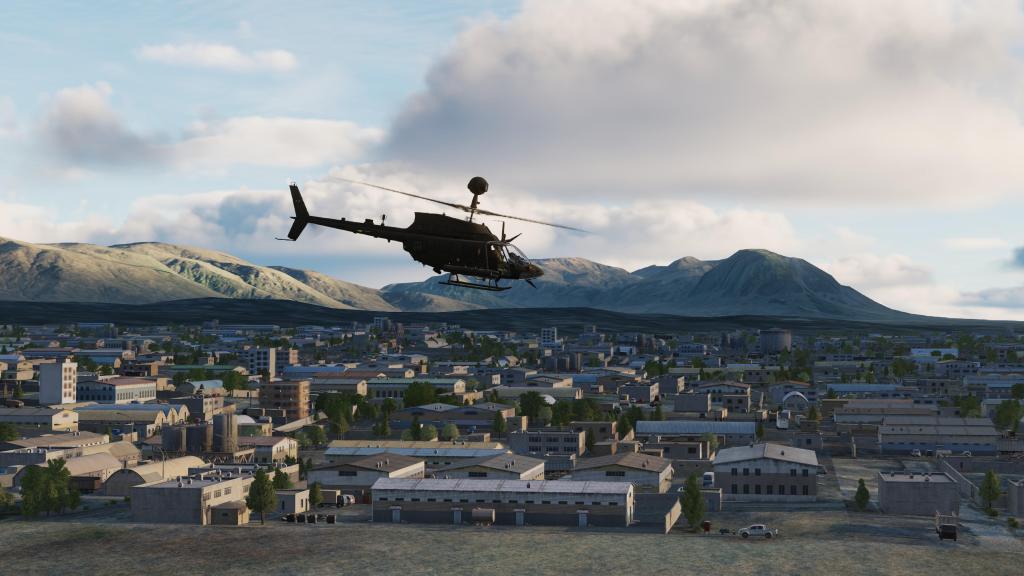
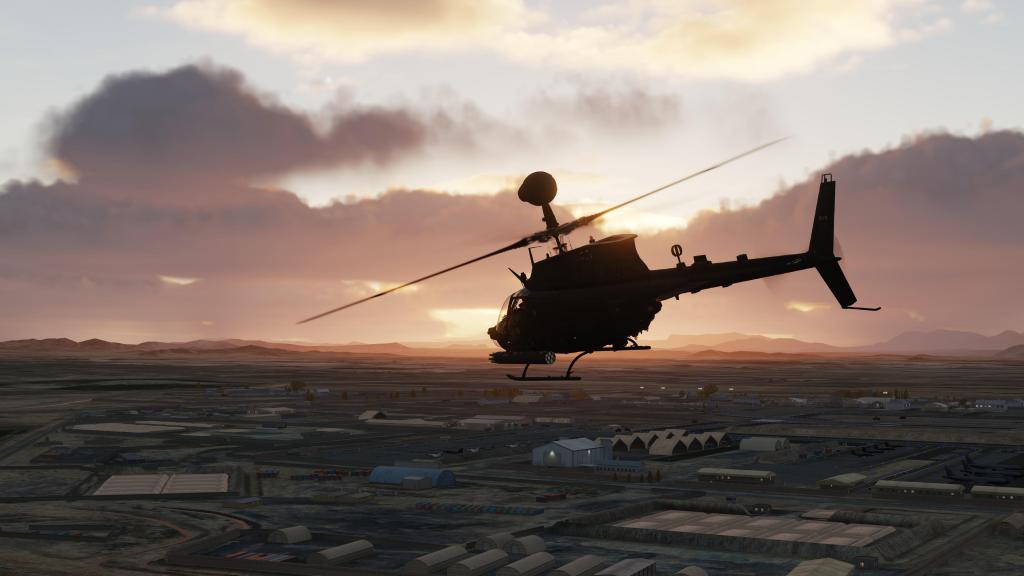
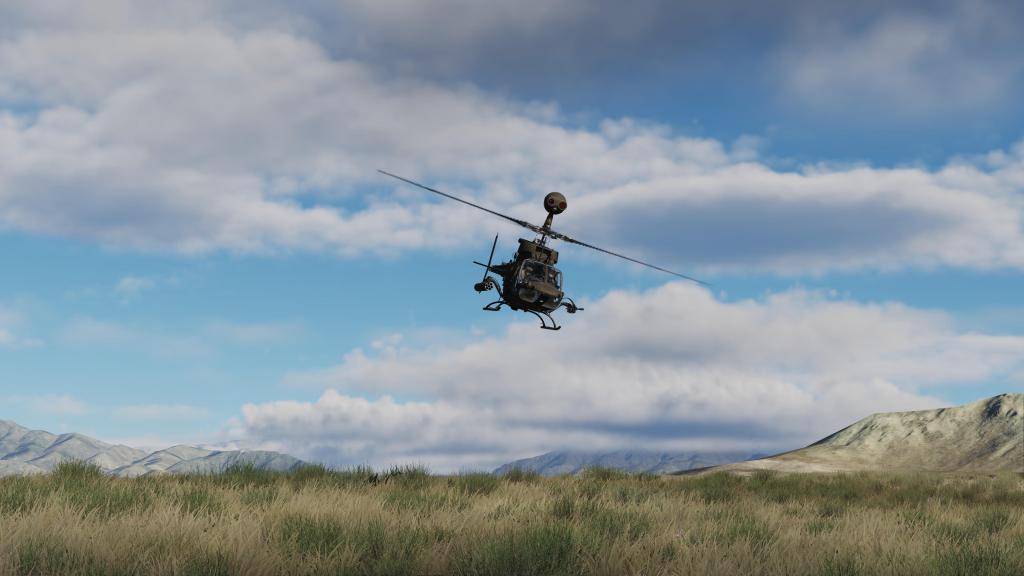
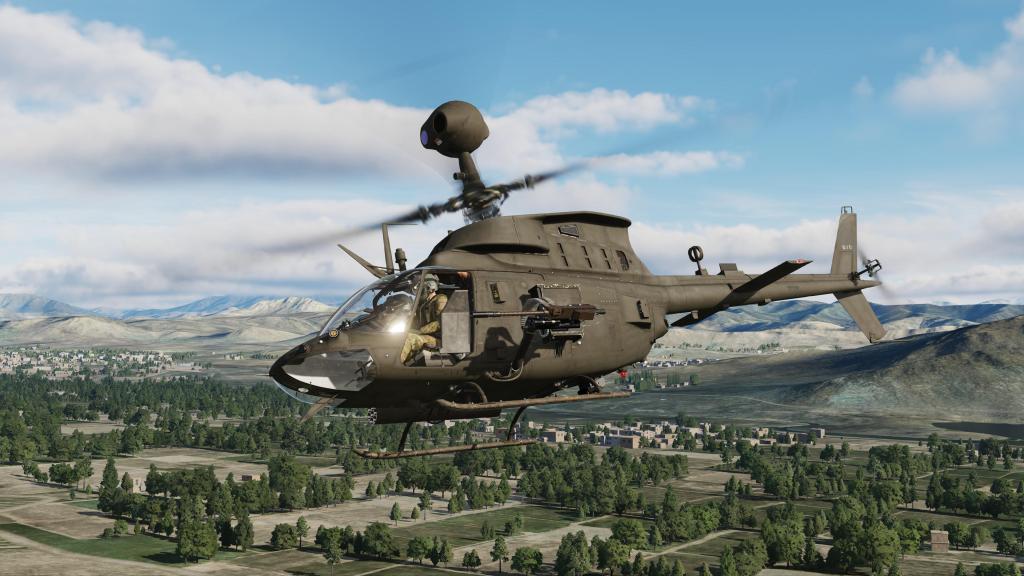
Polychop’s done a decent job with the exterior too and I think if the standard wasn’t set so high, this would be regarded as being an excellent model on the whole. I also don’t want to give the impression of it being a bad looking aircraft because, as you can see, it holds up quite well. At the same time, it falls just a little short of where some other DCS World modules are these days.
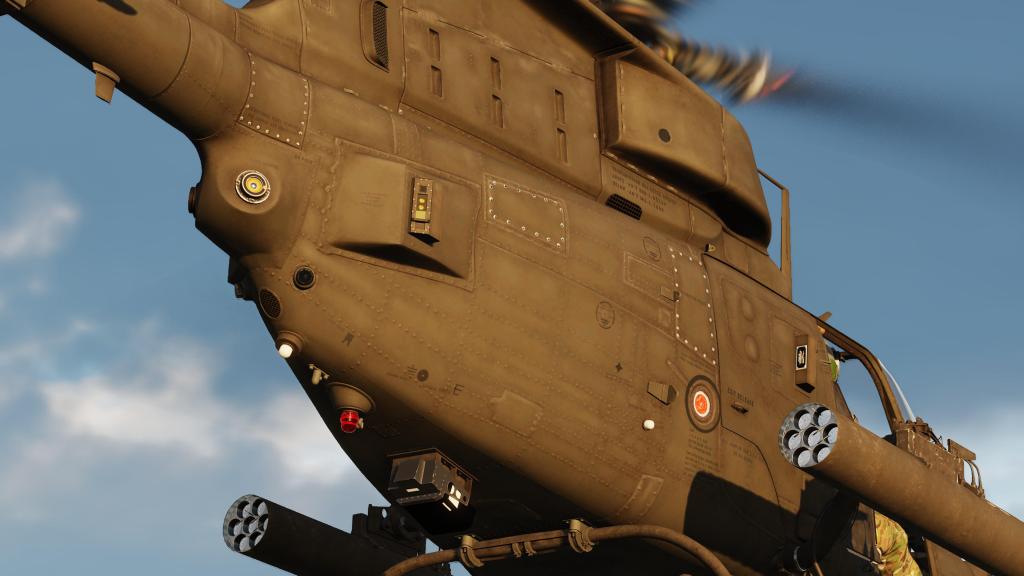

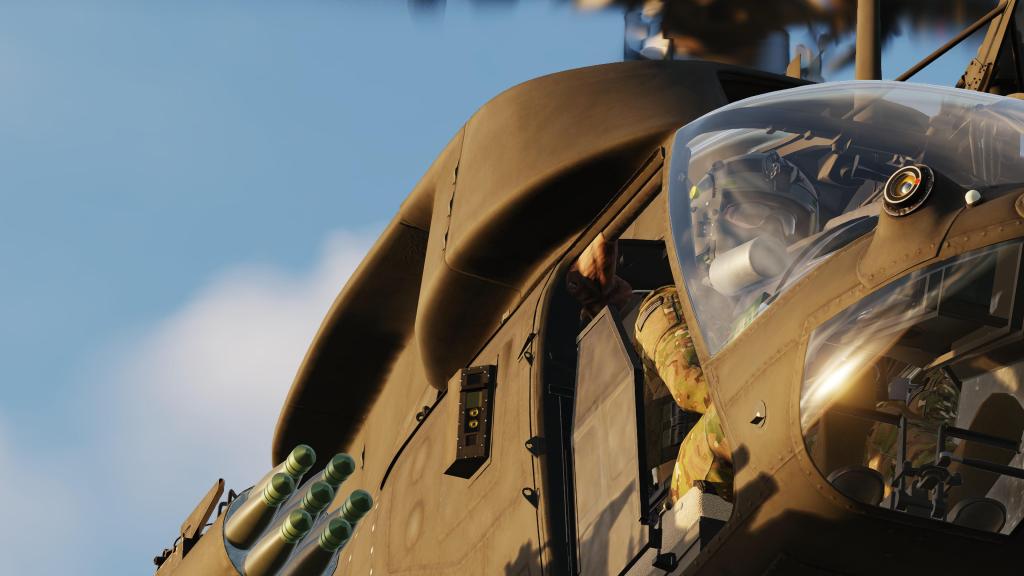


Polychop have given the module dozens of liveries covering a wide selection of U.S. Army schemes as well as some for Croatia, Greece, Australia and Taiwan covering the range of operators of one variant of the OH-58 or another. Most are realistically based though there are a few fictional ones in the mix too.
The OH-58 can be configured in a few different ways which really change the look of the helicopter. The default is with doors off, Mast Mounted Sight (MMS) equipped, and AN/AAR-57 (CMWS) equipped. But you can take most of that stuff off and turn it into an unarmed scout variant. It almost takes on the look of the Bell 206 that it was based on at that point.
Over to the sounds where I’m happy to report that they are excellent! It wasn’t that way at the start but that all changed with an overhaul by Echo 19 which was fully integrated by Polychop into their project. If you buy the module today, you’ll get those sounds.
The engine start-up and running sounds are beautifully blended, the crack of the rotor blades in different flight profiles sound sharp and punchy, the rocket and gun sounds are now quite good too! I know the .50cal was heavily criticized at launch but that old sample has been replaced by a much cleaner and more satisfying one. The synthesized voices are apparently authentic to the real one and are interesting to hear because you’ve got one voice for the RWR and another for the CMWS.
Flying the Kiowa Warrior

I really like how this helicopter flies! Many of DCS helicopters are quite challenging to fly for various different reasons and the Kiowa is a nice balance of agility and responsiveness with a bit of weight and care needed to properly manage it.
It’s not as high performance as the Mi-24, it’s not as weighty as the Mi-8, it has less power than the AH-64, and its somewhat less twitchy than the Gazelle is. The OH-58D falls somewhere in between all of these and its just… “nice” in the way that it flies. Nice is right!
Typical helicopter challenges like VRS (vortex ring state) still apply so you can’t go crazy with a descent rate though I feel like this one is a little more tossable in more situations. Retreating blade stall is still a thing too so beware the max do not exceed speed. You can also end up overcontrolling it and crash the helicopter like I did a couple of times while I was getting a feel for it.
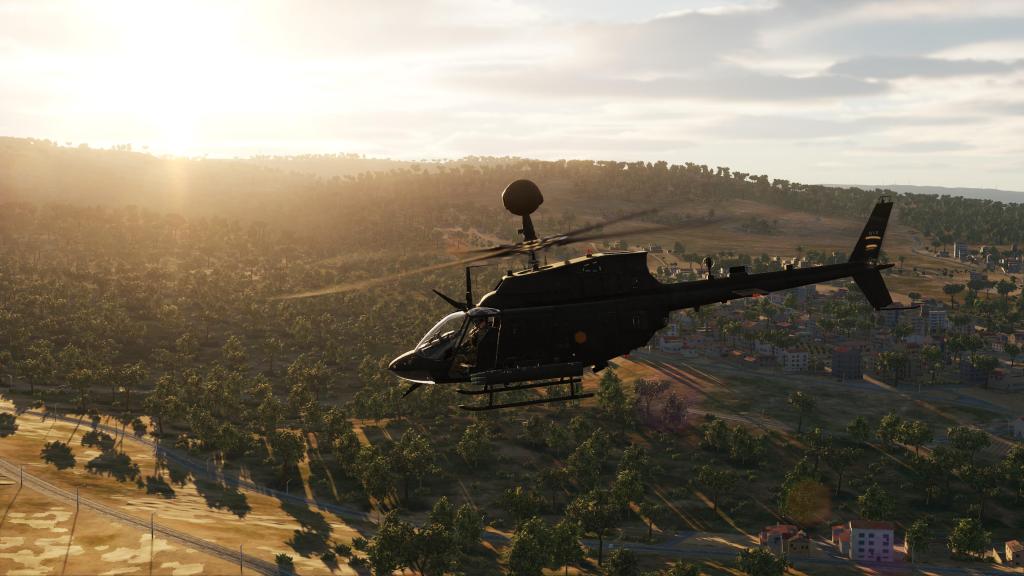


It’s worth mentioning too that OH-58D is a light helicopter that can very easily be loaded to max or beyond max weight with fuel, sensors and weapons. This can have a detrimental effect on its flight character and its range. Being aware of the maximum takeoff weight is key.
It is, unfortunately, also not the fastest helicopter and that means it can take a bit longer to get where its going. I didn’t notice this so much in some of the provided scenarios, however, online on Rotorheads I did notice it as my friend’s in their AH-64s frequently departed with me or after me and ultimately were minutes ahead of me.
Despite those points, it feels very satisfying to balance the various needs and requirements of the helicopter yet at the same time have something that is flyable. It’s easy to takeoff and hover, its easy to trim out with the force trim, its quite happy to cruise at a steady pace without a lot of adjustments, and its relatively easy to land it too. I’m notoriously bad at helicopter landings and I put this one more or less right on the mark even on my first try. Feels good! Even on a moving aircraft carrier, I was able to more or less make it work.

DCS World YouTuber Casmo has plenty of real world hours on the Kiowa flying it on a couple of tours of duty. His commentary on how good it was helps fill me with confidence as well. He pointed out, quite correctly too, that no simulation is perfect (not even the ones that he trained on to fly the real thing) but it is a good approximation which is satisfying to hear. Most of us are never going to actually fly one so if this feels good to him, and it generally feels satisfying to fly in DCS, I’d say that’s a win!
I should also mention that Polychop developed an AI helper experience for the module. It isn’t quite as fully featured as Heatblur or Eagle Dynamics AI but it is very good at flying the helicopter in straight lines and hovering the helicopter in a stable attitude while you switch to the co-pilot seat and use the MMS to mark targets. At this, its very competent and that means single pilot operations are significantly easier here than with the Gazelle. That it can also be used to fly the helicopter makes it even more useful. I honestly think this one feature puts this helicopter well above the Gazelle just in terms of single operator usability and utility.
Working with the systems

Kiowa comes with a mix of sensors and capabilities that help it fulfill its scout helicopter mission. The Kiowa is a really nice mix of sophisticated capability and basic point and shoot and that makes it easy to get into.
The start-up process is not overly onerous and its quite similar to a lot of civilian helicopters. Unsurprisingly, it’s very similar to the other various Bell helicopters that exist in flight simulation. Of course it has some military focused add-ons but those aren’t more than a few switches to get started up and going.
Radio and navigation aren’t too difficult to deal with. It took me a couple of times to get the hang of it and understand how the Nav system handles waypoint entry. But once I was through that I felt like I had a good handle on it.
The two cockpit displays are multi functional and display a ton of information. I really appreciate the HSD+ display with the moving map functionality. The Kiowa was apparently the first to get a moving map system like this in US service so this is a core part of its heritage but it’s also relatively simple to use and read and it makes moving around and finding targets fairly easy.
The bread and butter of the OH-58D’s sensor suite is the MMS or Mast Mounted Sight. This is the funny looking pod that sits on top of the rotor and it gives the OH-58 excellent TV and IR camera functionality that you can use day and night. It can spot, track and lase targets and it can be used to designate weapons for either for itself or for other helicopters and aircraft. Best yet, it’s also not all that complex to operate relative to other sighting systems.
Defensively, the OH-58D as represented comes with the ability to deploy flares, it has an RWR and it has a laser warning receiver in the form of either the AQL-144 (the IR “disco ball”) or the newer AN/AAR-57 (CMWS) with its sensors poking out at various angles around the helicopter.
Working the weapons

Weapons employment is, continuing the theme, a mix of precision guided and point and shoot and. It’s equal parts almost absurdly-antiquated and high-tech precision-delivered and I enjoy the mix.
The point and shoot weapons include the M3P .50cal machine gun which is a rapid fire .50cal with a higher fire rate than the M2 you may be more familiar with. There’s also the Hydra 70 rockets on a LAU-68 launcher. Both are dead easy to use. The challenge is in the technique. The aim point is a small X crosshair made by grease pen on the canopy – about as basic as it gets! You can even click on it and move it around to better suit your head position. I love that! You may find yourself walking your shots onto the target once engaged as this isn’t a sophisticated system.
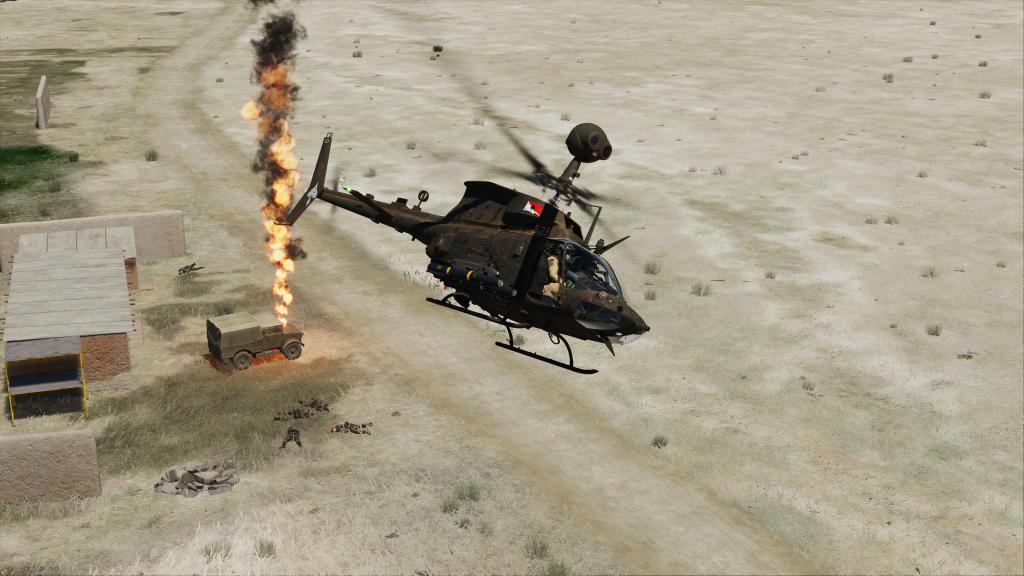
The other side of this is the precision weapons on the Kiowa. Combined with the MMS, the helicopter can sling AGM-114 Hellfire and AGR-20 Advanced Precision Kill Weapon System (APKWS) rockets giving it a precision attack capability at range. Of course the APKWS are a lighter warhead and best used on light targets while the Hellfire is a dedicated anti-tank weapon that you can rely on to destroy nearly any armored target you can point it at. The MMS itself is easy to learn, has multiple modes, can track and lase moving targets and is also highly useful for the scouting and surveillance part of the Kiowa’s role.
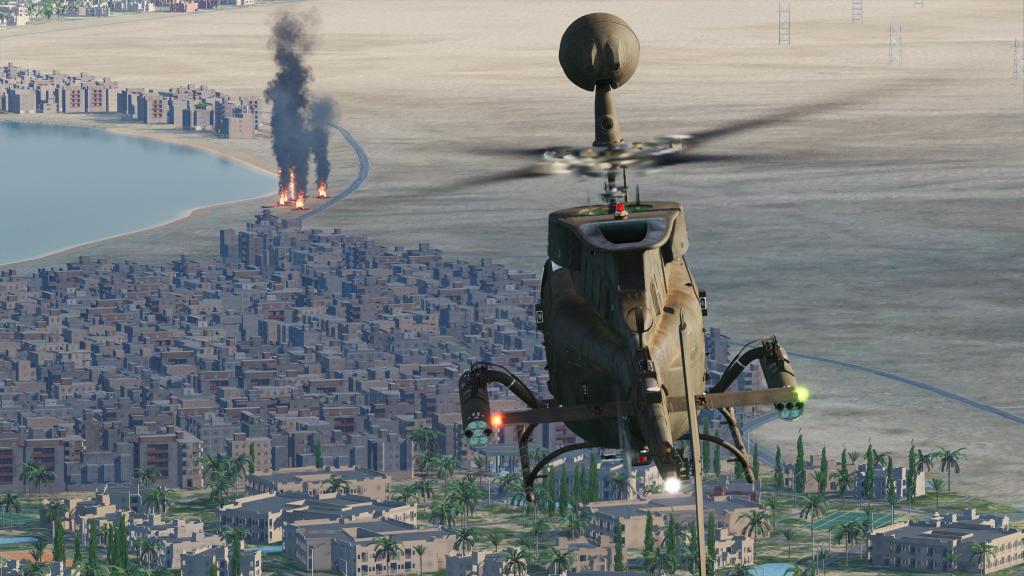
Also available are the FIM-92 Stinger missiles. These give the Kiowa a credible anti-air role with the ability to engage helicopters and even fixed wing assets. It’s a weapon the mighty Apache doesn’t have and its one of those instances where Apache and Kiowa teams can compliment each other. The Stinger is useful and easy to use, however, they are not the most powerful anti-air weapon and some targets can essentially eat more Stinger missiles than you can bring (a total of four) and continue on flying. They have their uses but they are limited.
The Kiowa also has some other weapons at its disposal. The co-pilot can pick up and fire their M4 rifle out the side which is neat. It can be used to hit targets through the experience is somewhat awkward and aiming and hitting a target is limited to a very short range. In most scenarios I haven’t really had cause to use the M4 outside of when I wanted to try it for myself. It’s still a cool feature. Perhaps more helpfully, you can also toss a smoke grenade out to mark a location which helps with the teamplay.


Because it’s a light helicopter, Kiowa can only carry weapons on a left and right station and then only a few so you have to choose wisely and you can only carry a small amount. A typical loadout might include a pair of Hellfire missiles and a .50cal HMG. Or you might bring a rocket pod on one side and Hellfires on the other. I have seen online pilots frequently going full standoff with all APWKS or all Hellfire (or some combination of the two).
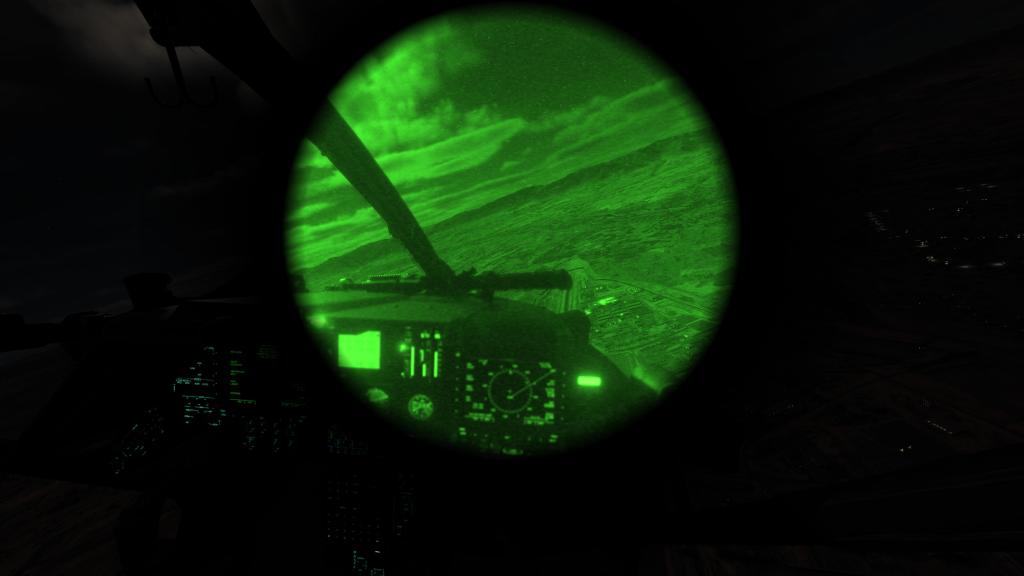
The Kiowa also has NVG capabilities so the you can function quite well at night. That includes a laser spotter used for aiming the .50cal which ironically makes aiming at night easier than during the day in many respects.
Content
One of the considerations one has to make with DCS modules are what kinds of content are available. Some modules have picked up a lengthy array of options while others languish a bit.
The OH-58D comes included with a small mix of instant action and full single missions. There are instant action missions for nearly every map that’s out there and a pair of single missiles to tackle. I’ve played most of these and they are ok but none of them really grabbed my attention.
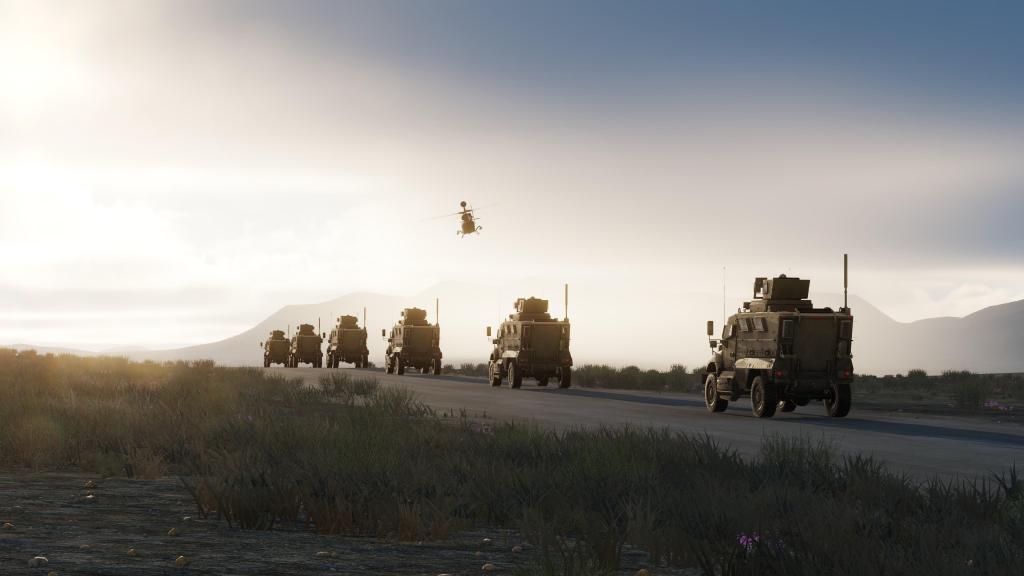
There are a decent collection of user created single missions out there too with just over a dozen currently available via the User Files section of the DCS website. There’s varying qualities and levels of development on them but a few stand out such as Kiowa Army Ranger Convoy Escort. Many of these make use of the Syria, Iraq and Afghanistan maps, the later two are otherwise a little under-served. So that’s nice to see.
No paid scripted campaigns have been released for the Kiowa to date, however, a free community created campaign called “Through the Desert Dust” offers a reasonably good experience in the few missions I’ve flown so far.
Multiplayer is going to offer some more challenge and replayability and the Kiowa is present on many of the popular DCS World servers. Here it really gets a chance to shine in the scout role marking targets and either taking them out directly or working together with friends. I’ve done that a little bit myself on Heatblur’s Cold War server, Rotorheads and Grayflag and have seen plenty of video of other people doing the same.
Training for the Kiowa
There are some good sources of information out there to help you get started with the DCS: OH-58D. One of my primary sources was Casmo’s series on how to get started with the helicopter and the various systems. I really appreciated the real world perspective that he brought to the table.
Another source was 104th_Maverick with a bunch of specific tutorials that were straight to the point and gave me exactly what I needed to know on some unique aspects of the helicopter.
Finally, I also often turned to DCS creator deephack who also has a series of tutorials covering the usage of the helicopter and how to do various things. These too are relatively short and straight to the point.
Final thoughts
There is an awful lot to like here! Buying the OH-58D for DCS World is likely to come down to individual interest rather than module quality. For me, this module represents a great experience that is a little more accessible and quicker and easier to learn than the significantly more capable but much more complicated DCS: AH-64D Apache. I also find that this helicopter is just more fun to fly thanks to the great forward view and strong flight modeling. The AI helper and stand-off weapons together with the MMS and the ability to buddy lase for other helicopters and aircraft gives the OH-58D a lot of team capabilities which I’m a huge fan of. It is, on the other hand, quite a slow mover compared to other helicopters so it can take a while to get anywhere.
Polychop took quite a long time to bring this product to market but it has arrived fully formed. The biggest post launch update being the revised soundset. The rest of the module has seen a few tweaks but its otherwise complete and not in early access which runs contrary to most DCS World modules. I had worried that the lengthy development cycling might, counter-intuitively, cause issues but it has arrived and been ready to go.
In these days of uncertainty around DCS World and third party modules, it is worth noting that Polychop has on one hand continued to provide minor updates to address DCS World issues as they’ve come up. On the other hand, much of the developer team that was working on the project has departed. It should continue to be a supported module going forward as support has been ongoing but we are in more uncertain times on the platform than usual and departure of some members of the team have at least a small cause for worry – warranted or otherwise.
Aside from maybe one or two spots on the visual model that could be tidied up a tad to keep it up with the latest and greatest, there is really little I can offer in the way of critique of the module itself. It would be great to see even more single player content to fill out the experience.
This is an solid DCS World module that combines in-depth systems, good visuals, great sounds and a fun battlefield role that has you flying down in the weeds and carefully engaging targets with a mix of weapons. It’s a fun helicopter to fly and that really endears it to me.
Polychop Simulations DCS: OH-58D Kiowa Warrior is available from the DCS World e-Shop for $69.99 USD. The module can also be purchased through the Steam store.
Screenshots





















 Stormbirds

Leave a comment