
What’s another Stuka? The Ju87 was an aircraft that, for about a year during the early war period, managed to make an impressive name and reputation for itself during the early Blitzkrieg battles. But after that, the aircraft suffered from its slow speed and vulnerability to fighters and ground based flak. Of all of the models that we were getting with IL-2’s Siege and Liberation expansion, the Ju87D-5 variant seemed like the least interesting. But my time with it has revealed quite a few interesting things about it. It can’t really overcome its obsolescence but there is some fun to be had here. Let’s have a look!
A bit of history
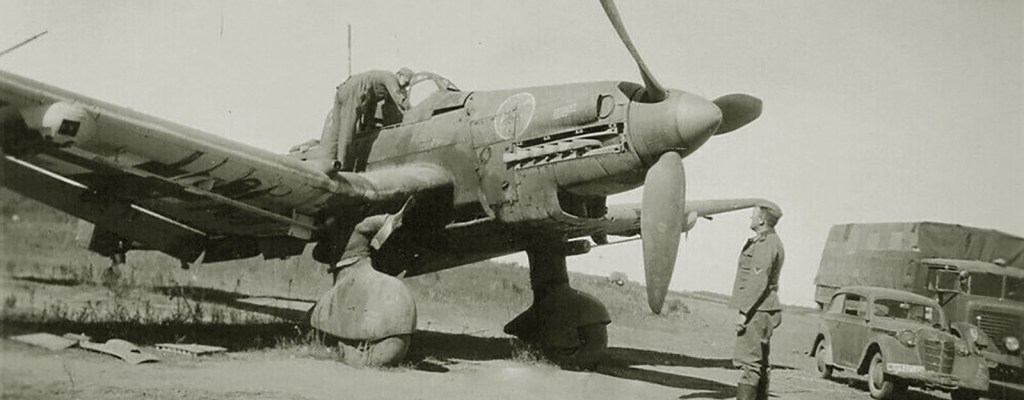
The Stuka is one of those aircraft in WWII aviation history that needs little introduction. It’s initial success during the early Blitzkrieg battles came about while the Luftwaffe enjoyed technological and aerial superiority. Stuka’s pin point attacks were revolutionary for the time in their effect. The aircraft became a victim of its own success as planners spent the next several years turning nearly every strike aircraft in the Lufwaffe’s inventory into dive bombers – with varying degrees of success.
The Ju87 was successful but only until enemy fighters showed up. With its fixed undercarriage and draggy airframe, the aircraft was slow and particularlty vulnerable. Withdrawn from the Battle of Britain after a disasterous start, the Ju87 would go back into the fighting in a big way during Operation Barbarossa. Here again, it did well when properly protected but it suffered losses when Soviet fighters were able to make an interception.
In July 1941, with no obvious successor on the way, development proceeded on a new variant of the Ju87 – the D series. Along the way, various modifications were made with the D-3 being one of the most numerous types. That was the first version added to the IL-2 series back with the launch of Battle of Britain. After the D-3, the next major version was the D-5 and it came with some notable changes. A 2-foot extension on the wings, slightly more powerful engine, and the previous variants light machine guns were replaced by the much more capable MG151/20 cannon.
This version of the Stuka was used with evolving tactics involving more shallow dive bombing runs for higher speed departures and a greater use of the onboard armament for strafing attacks on vehicles and other light targets. The D-5 was also the basis for the G-2 series. This version was the anti-tank specific Stuka models armed with Bordkanone BK 3,7 cannons fitted under the wings.
Of course, this was one of the last variants of the infamous airplane and there was little development possibilities left as the changing tides of war made the airplane obsolete.
Visuals and sounds
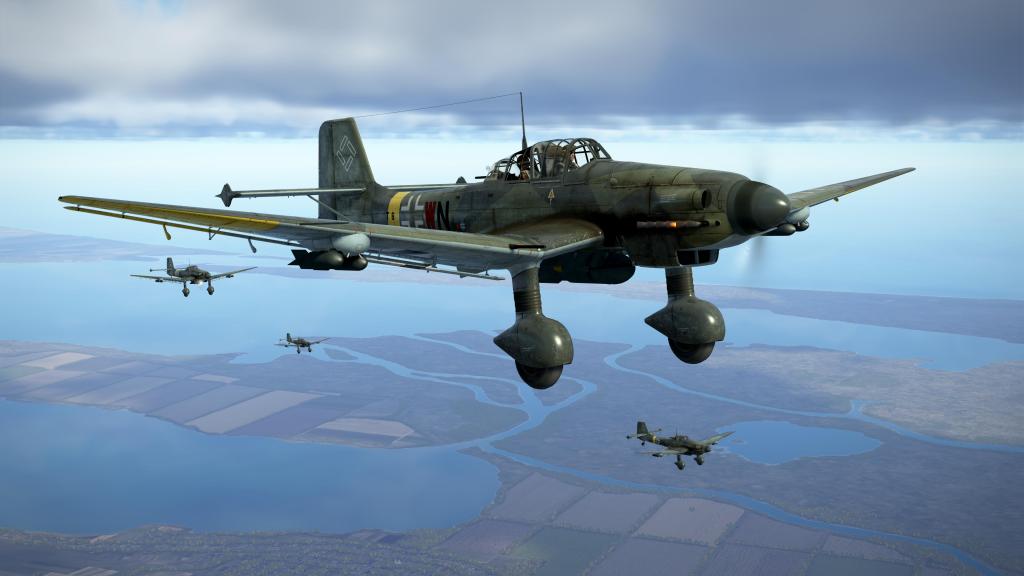
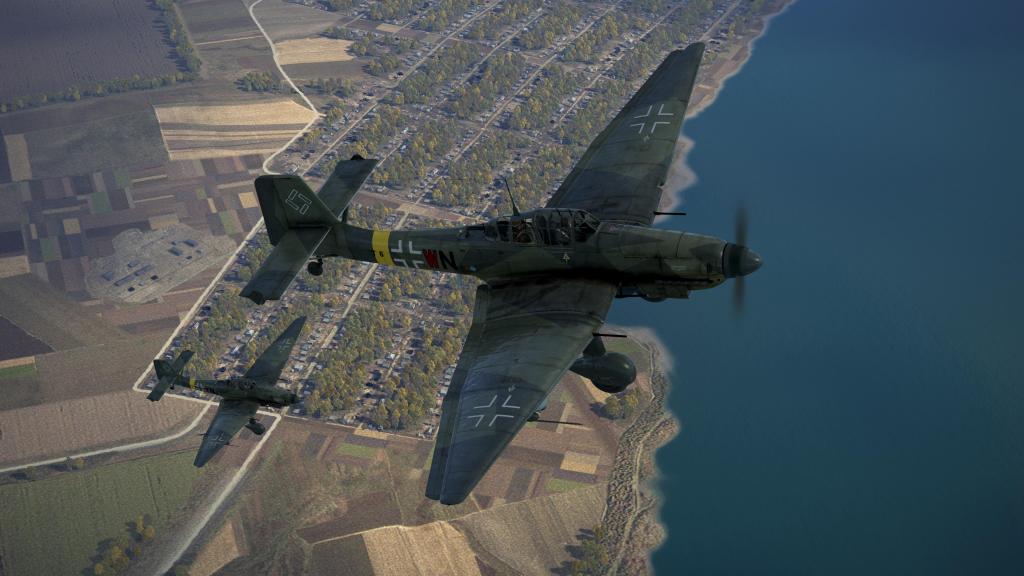
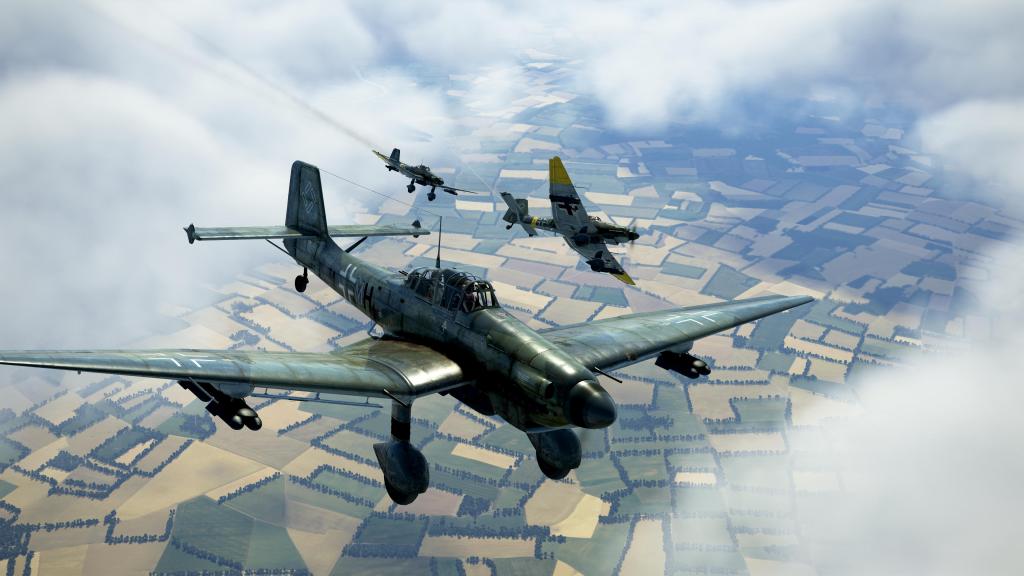
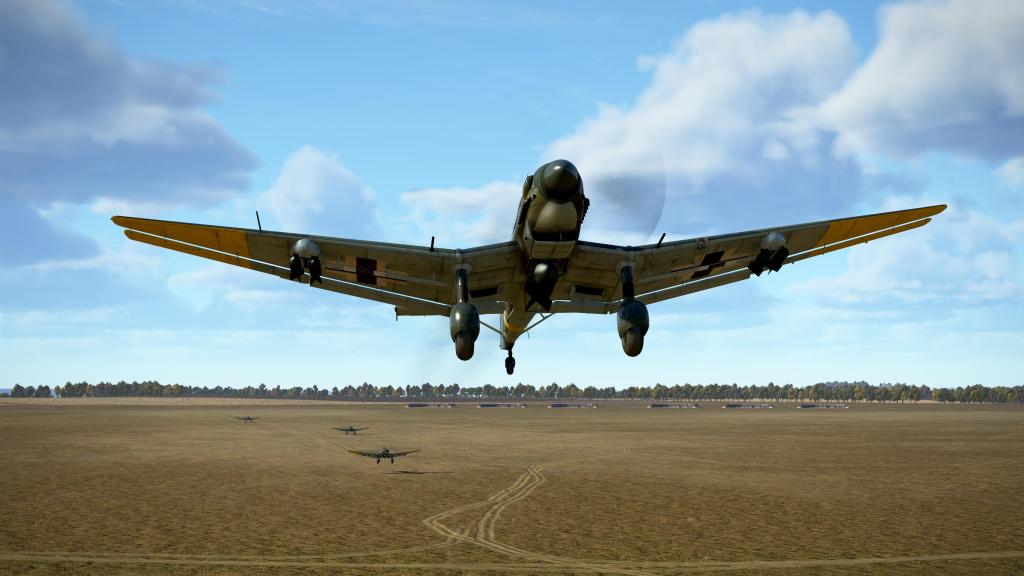
Of all of the aircraft we’ve seen released for Siege and Liberation, I think the Ju87 has seen the fewest visual updates. While aircraft like the Yak-1 and LaGG-3 have seen some pretty big overhauls for their new models, the Ju87 which dates back just as far as those ones did, seems to have picked up fewer changes.
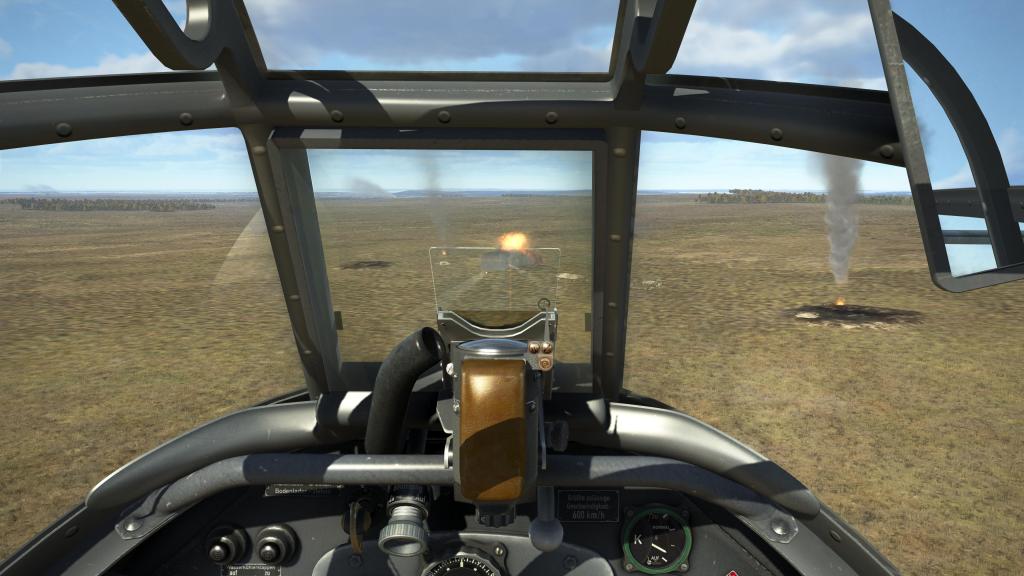
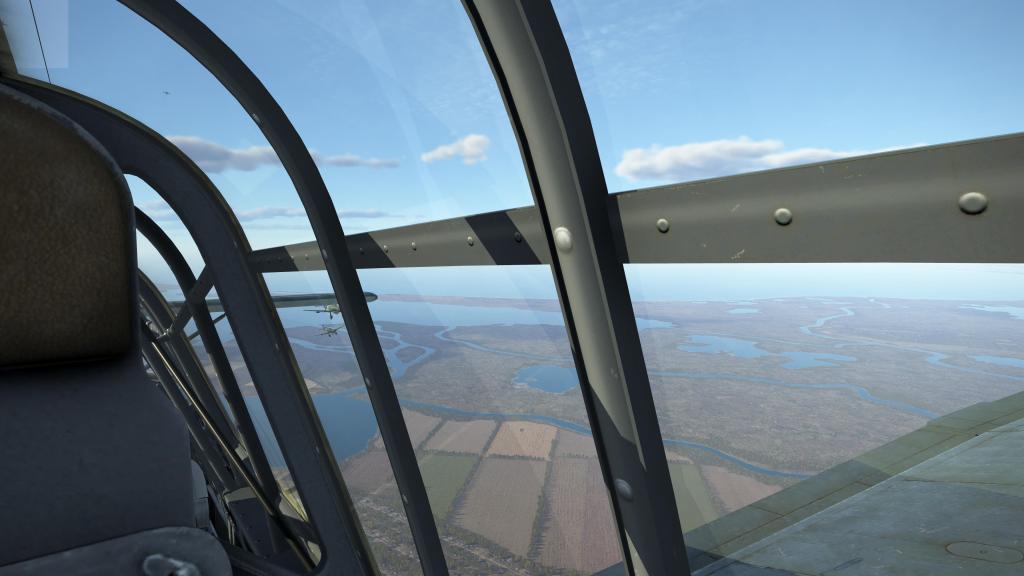
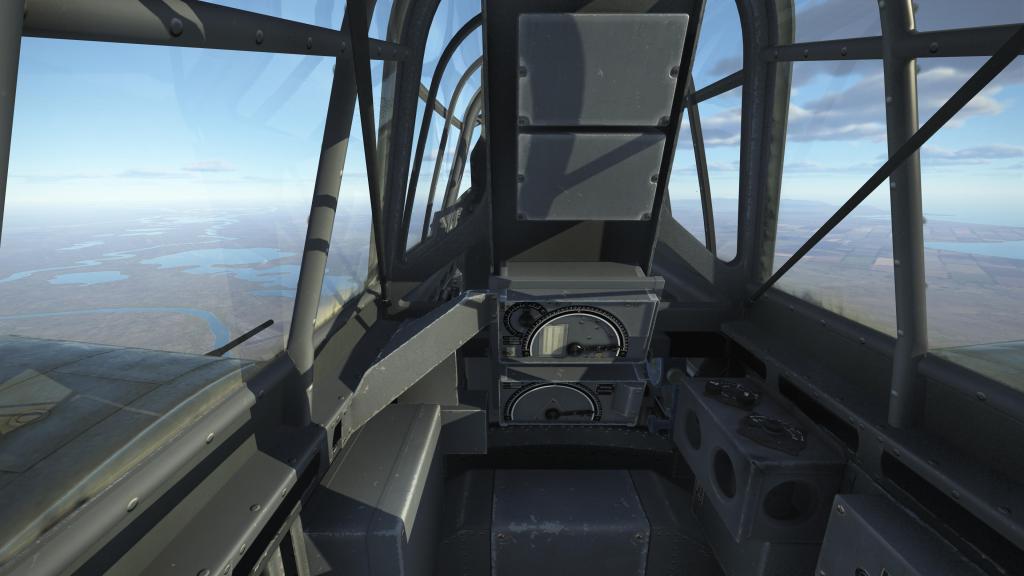
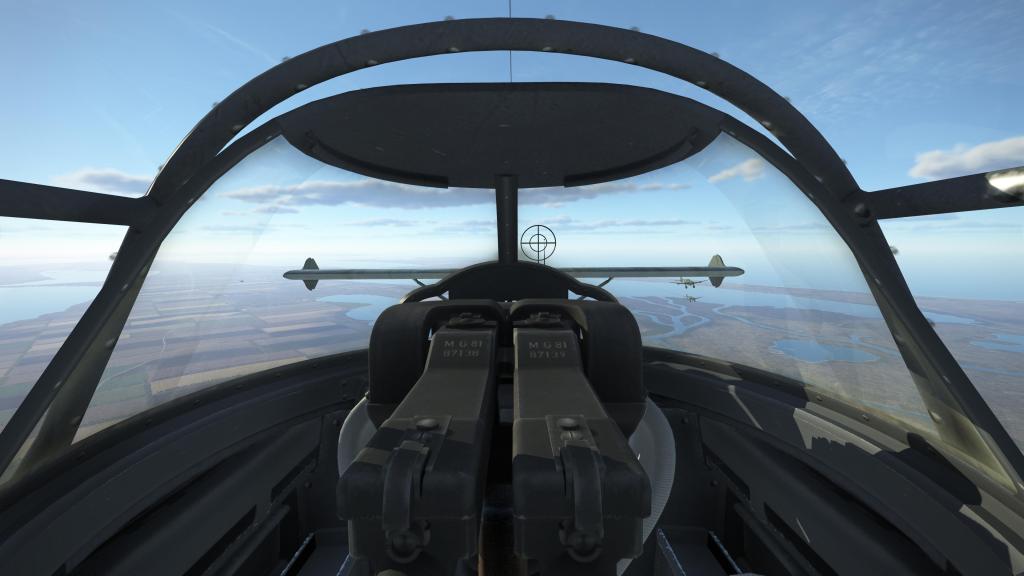
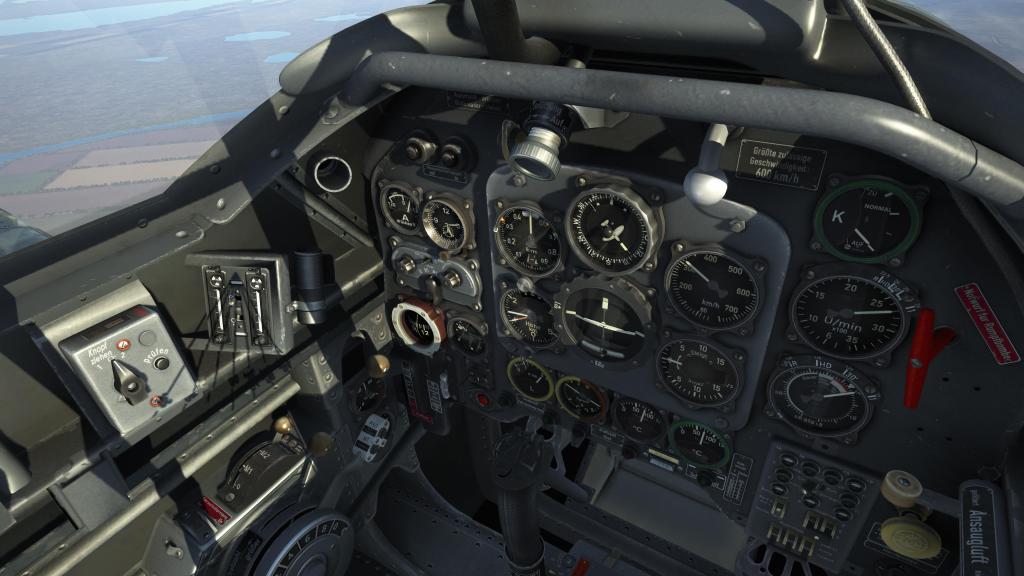
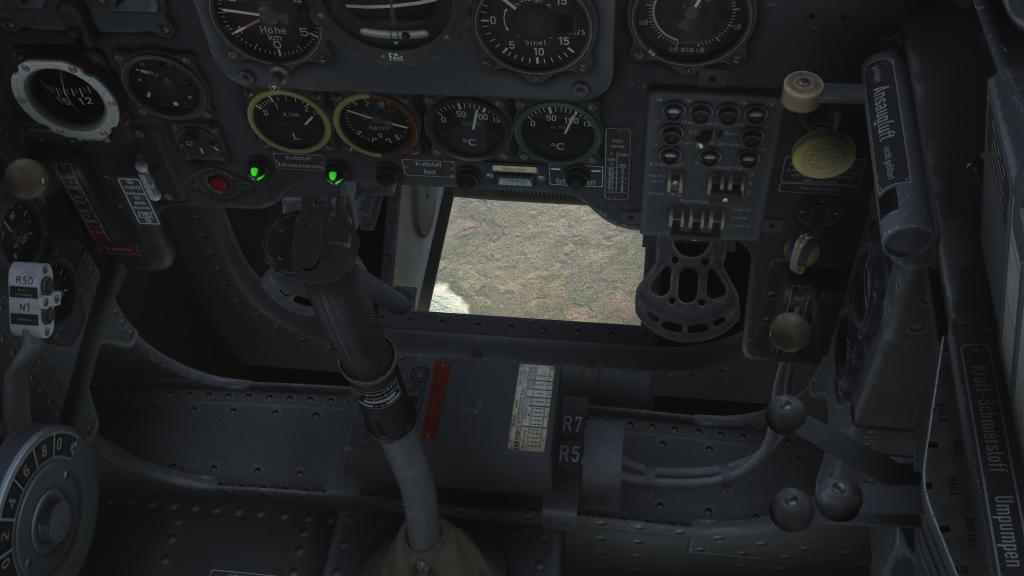
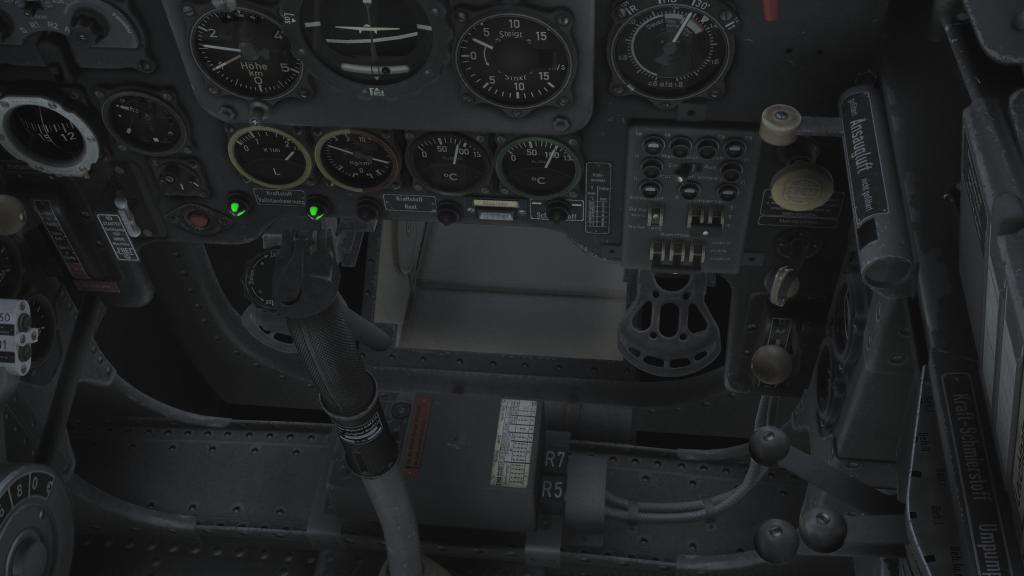
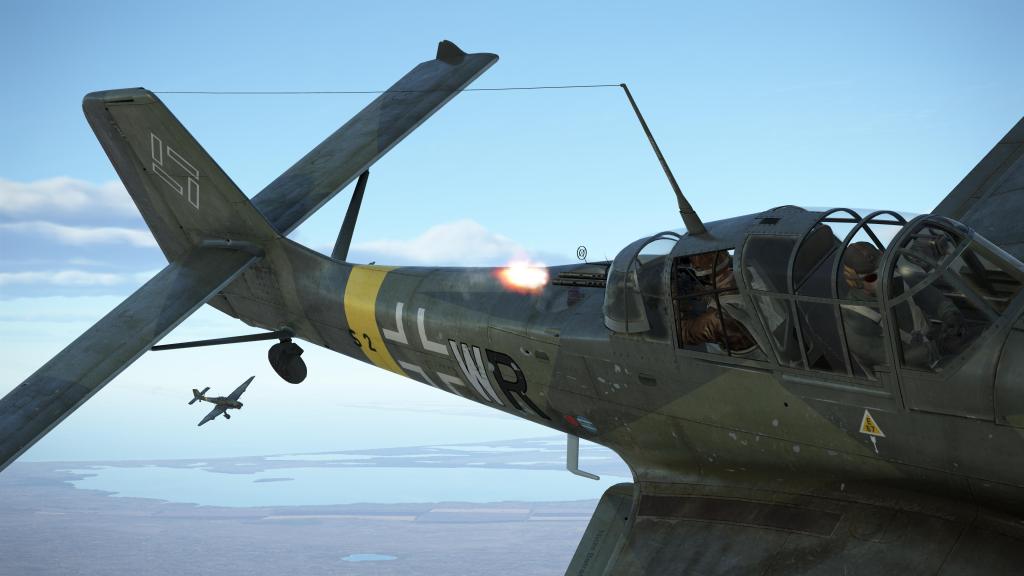
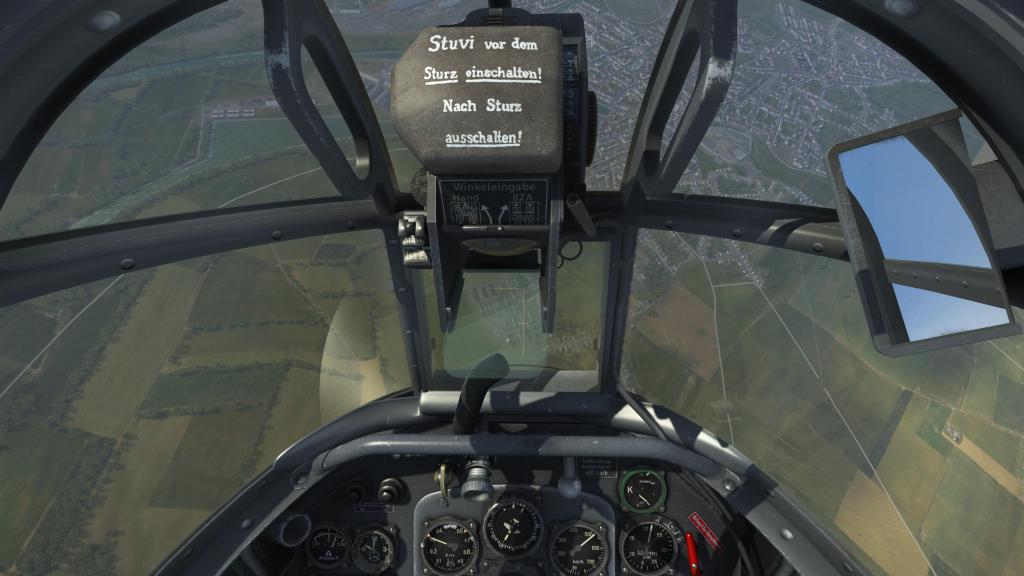
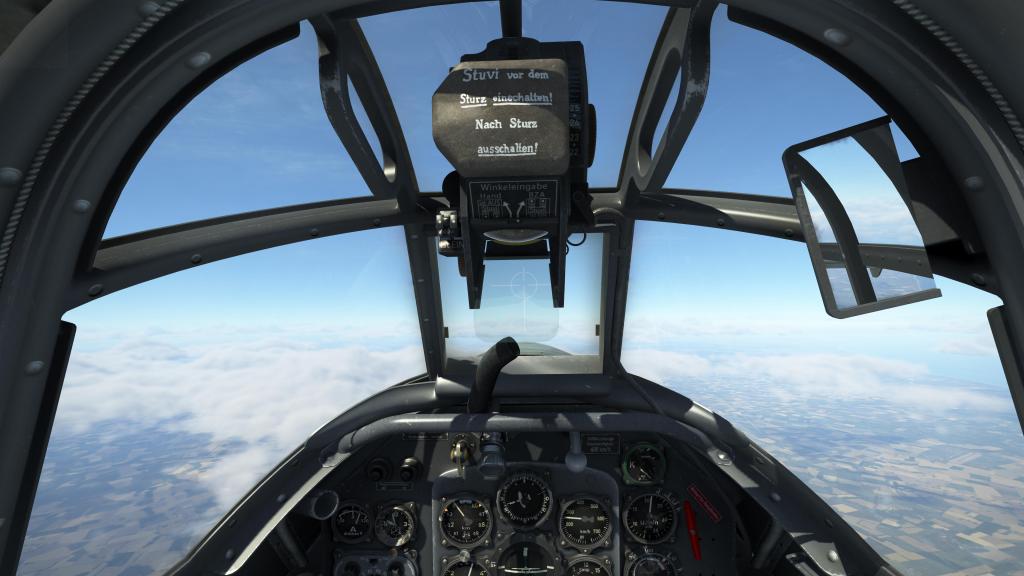
In the cockpit we see what is virtually the same as from the earlier model. It has sharp and easy to read instrumentation, buttons, dials, switches and controls. The lower window viewport still opens and closes with a nice smooth animation.
The area that I struggle with is the canopy framing which is kind of low-res in appearance and distracting at times. I never liked that part in the D-3 cockpit and its still here all those years later.
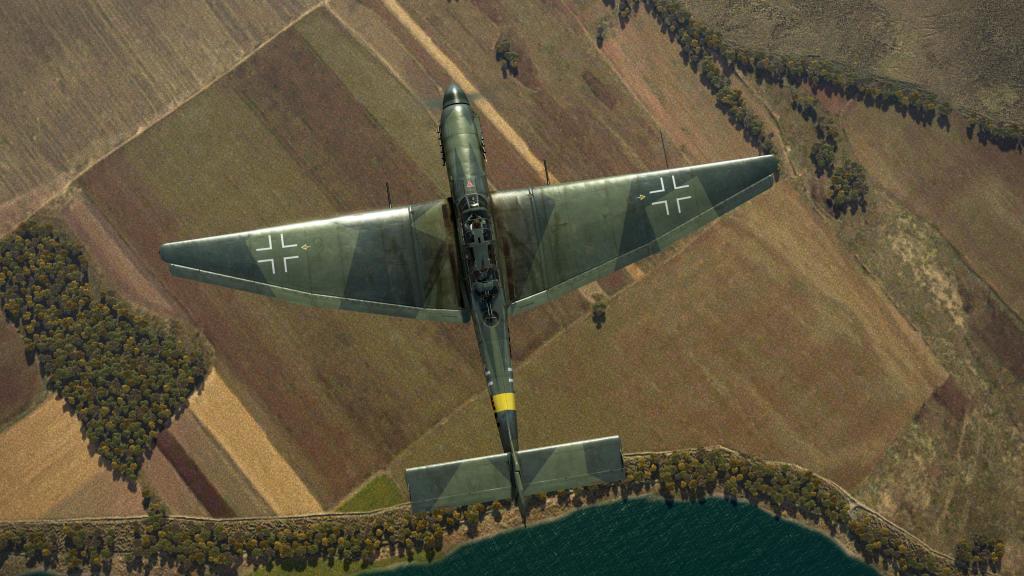
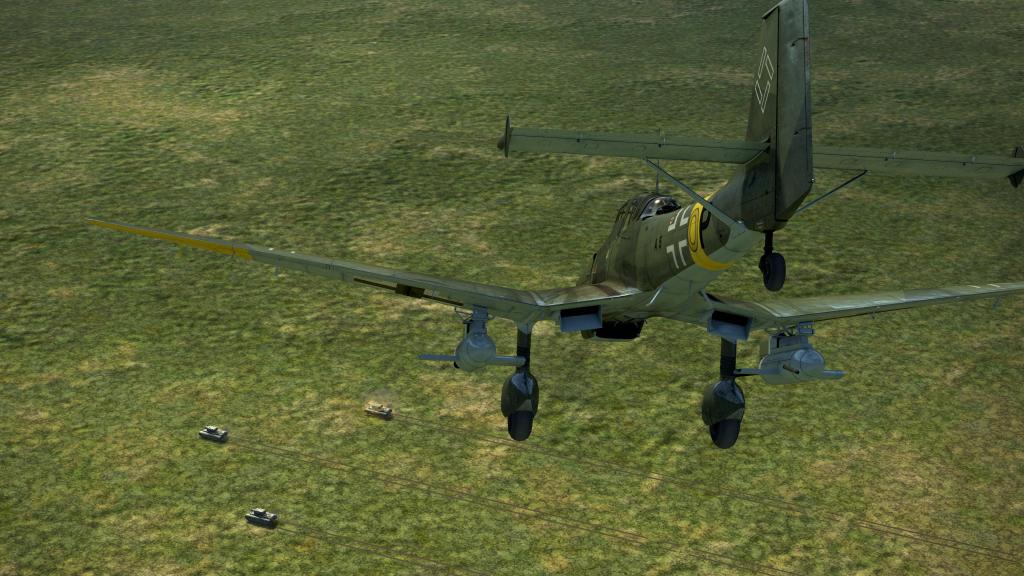
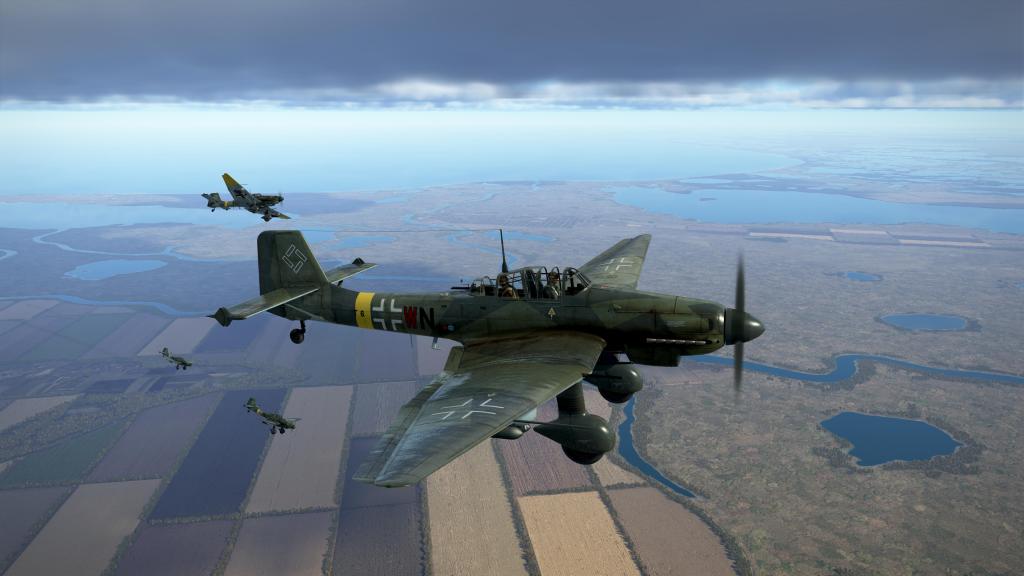
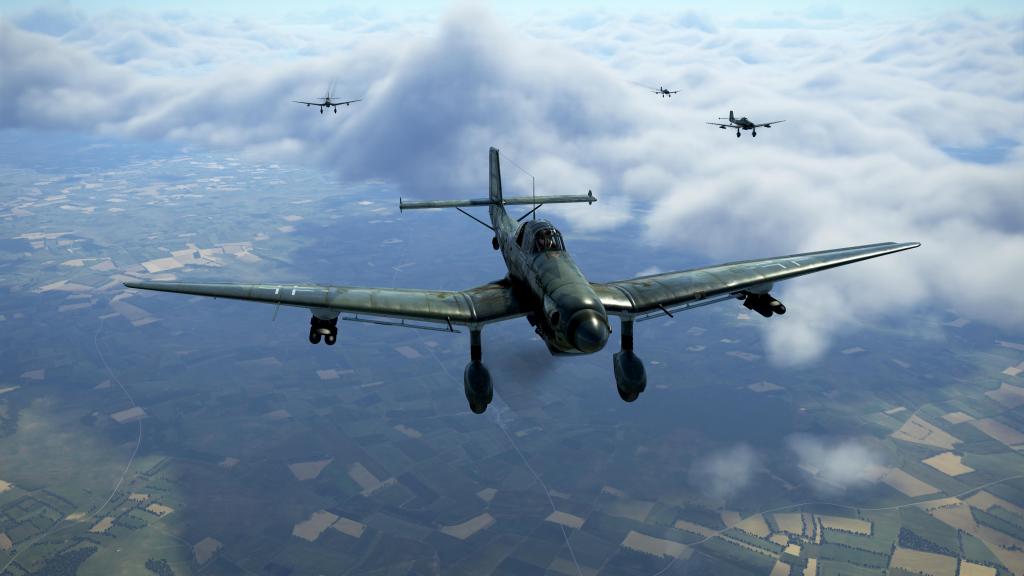
On the exterior, the Ju87D-3 was always a pretty sharp aircraft visually and the D-5 version is about the same. The Ju87D-5’s wings are longer and of an overall different configuration than the earlier version so there are obvious changes but its not dramatically different from before. The aircraft features tactical codes, dynamic visual damage, and all of those other features added across the board to other aircraft.
Damage effects offer all of the options that we’ve seen from modern Great Battles aircraft.
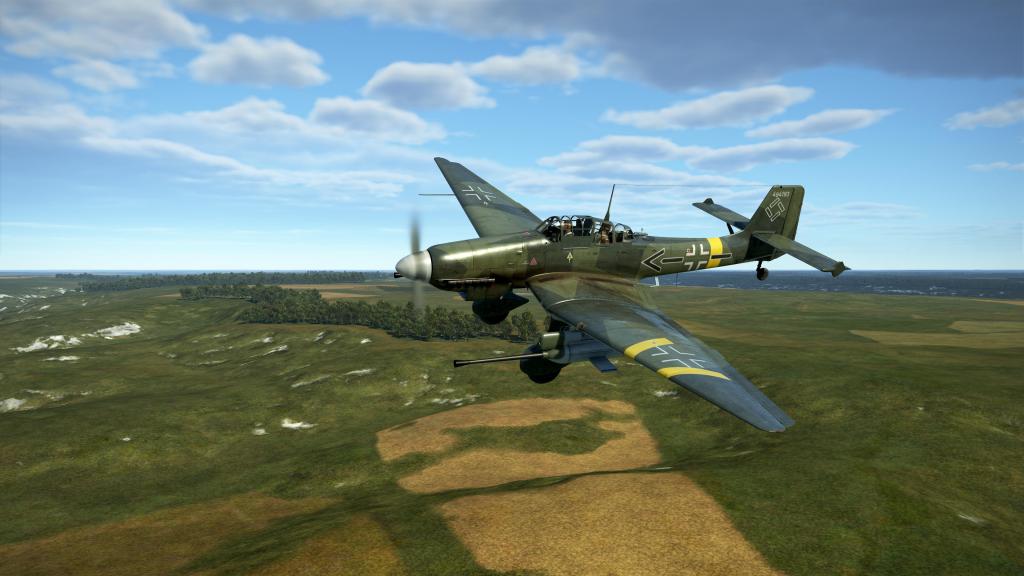
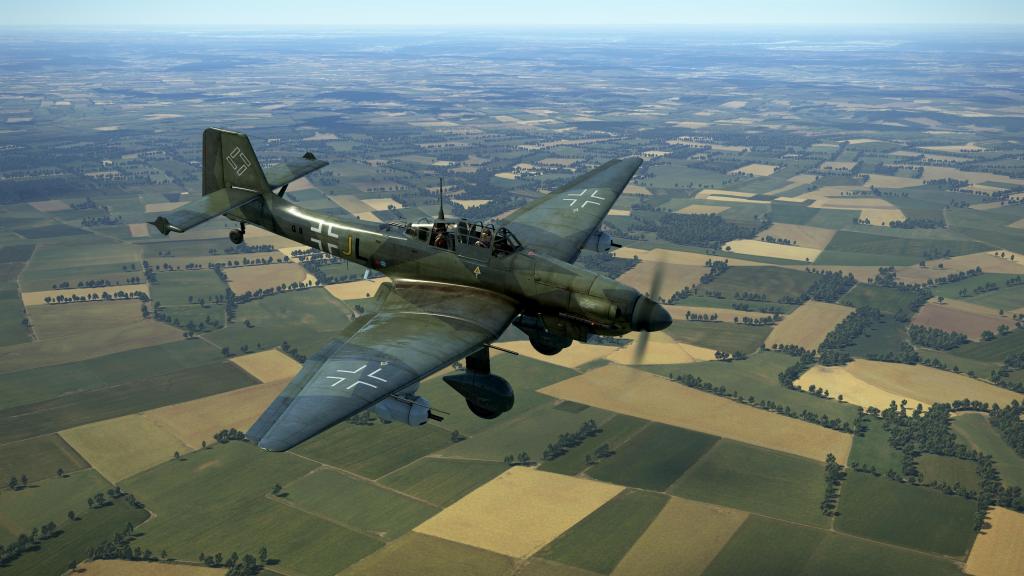
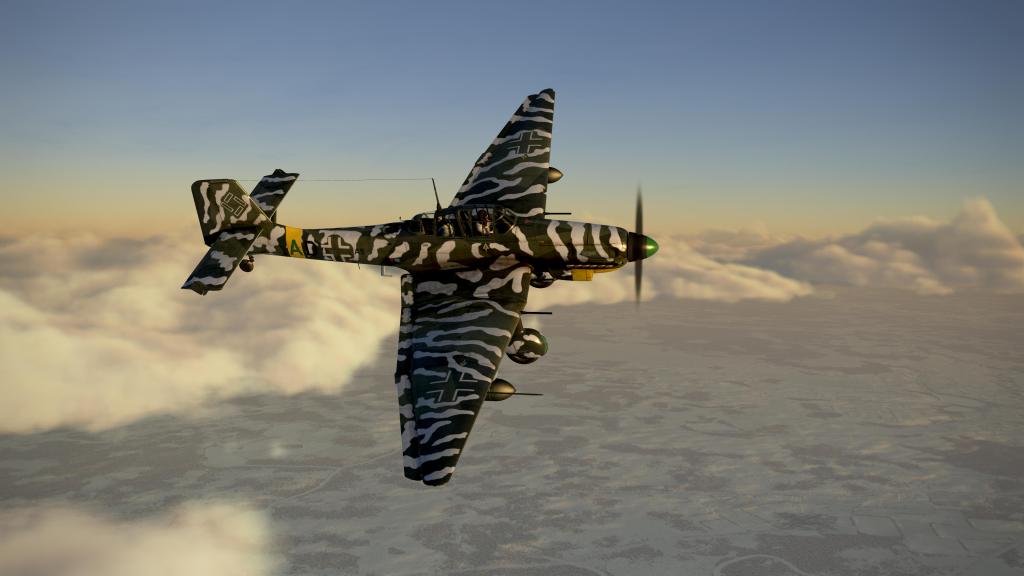
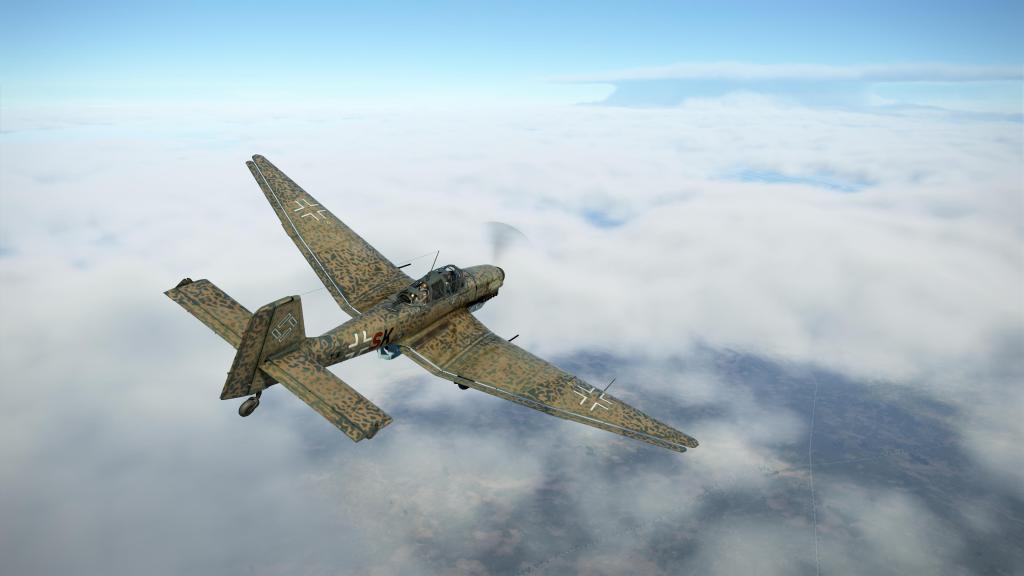
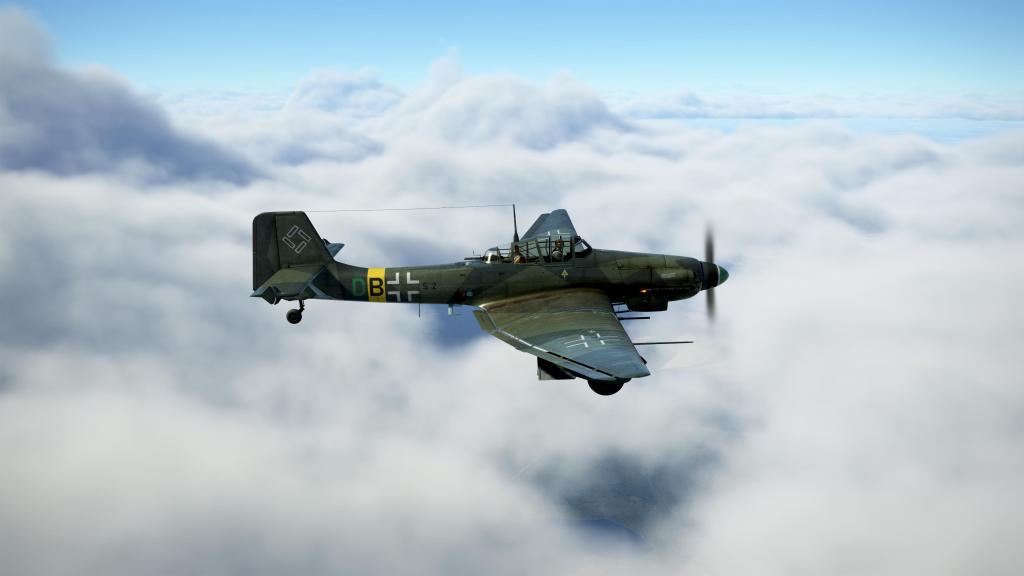
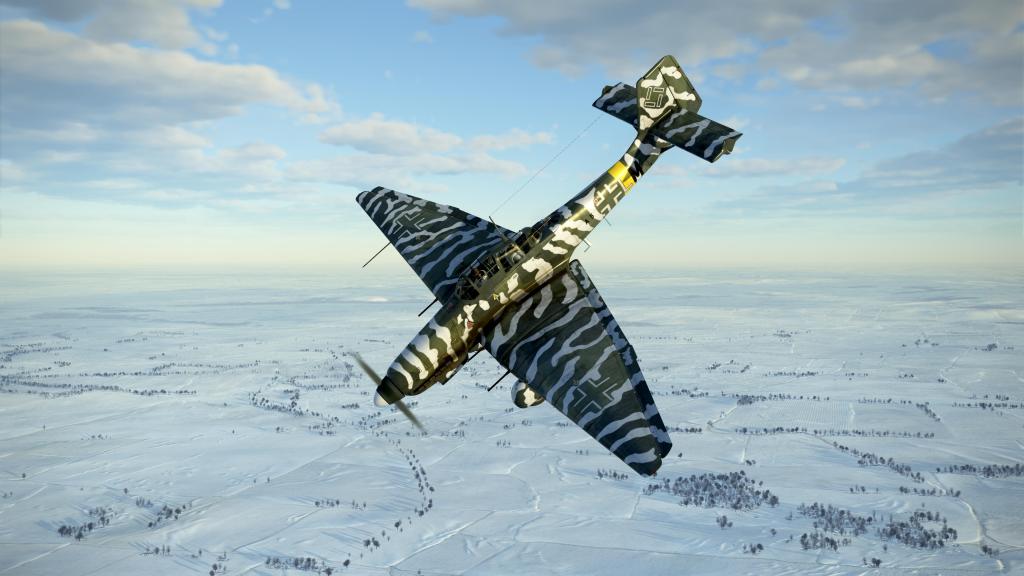
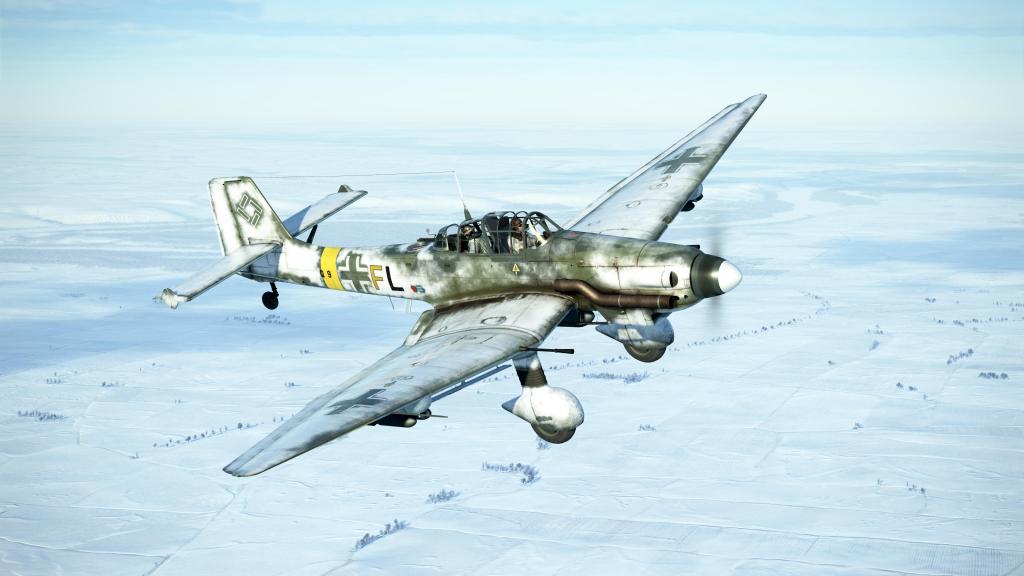

The aircraft has 8 liveries with a few unique schemes and some generic ones that work great with tactical codes. I sound like a broken record on this but I’d love to see just a few more. What we do have is very good and useful in a variety of scenarios and weather conditions and the Stuka has more than most of the other additions so that’s good.
Sound effects are similarly series standard with no obvious improvements or devolution either. Its communicative, useful, and more than adequate. The Stuka has some unique sounds like that altitude contact buzzer which sounds when you hit the pull-up altitude during a dive. This model of the Stuka doesn’t have the Jericho trumpet option so you won’t get the “stereotypical diving airplane sound” that the older version had.
Available modifications
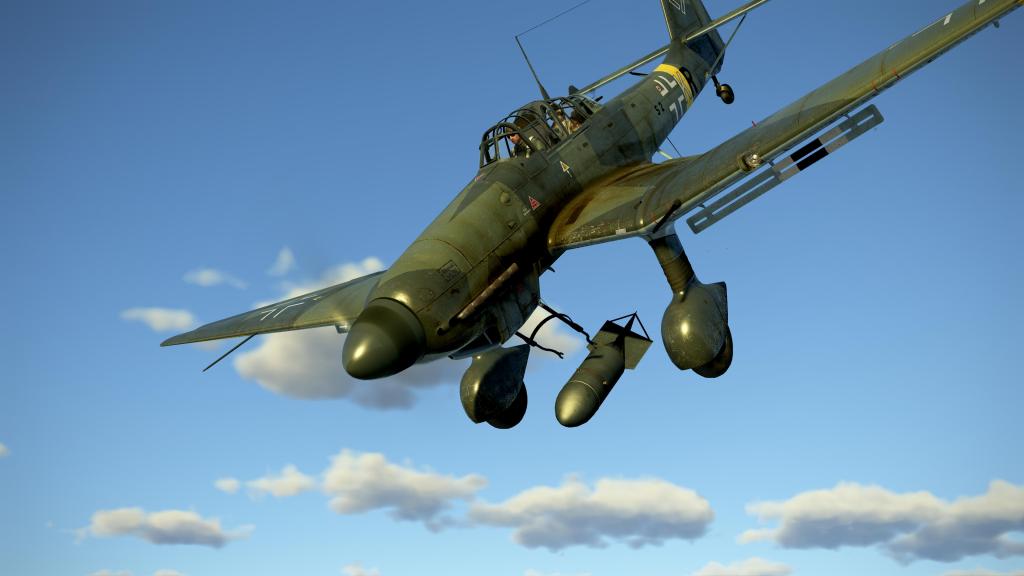
While the visual updates to the Ju87D-5 relative to its predecessor are minor, I do have to say that 1CGS packed in an awful lot of options in that fit this late model Stuka perfectly.
The standard configuration of the Ju87D-5 features a standard Revi reflector gunsight and MG151/20 cannons on its lengthened (relative to the D-3) wings. The Ju87D-5 replaces the earlier SC50 for SD70 bombs on all loadouts for slightly more punch. There are options not previously available such as adding another row of SD70 bombs on the outer wing stations for eight SD70 and one larger bomb on the centre rack. You can also put SC250 bombs on the outer wings. Those are your standard features but here are some other mods too.
One of new modifications is the breakaway system for the landing gear struts. While all Stukas had a gear design that was intended to shear off with enough force, presumably during a landing or ditching in the countryside, the option provides for explosive bolts that ensure gear separation before ditching. Its a neat addition though it has limited application within the sim.
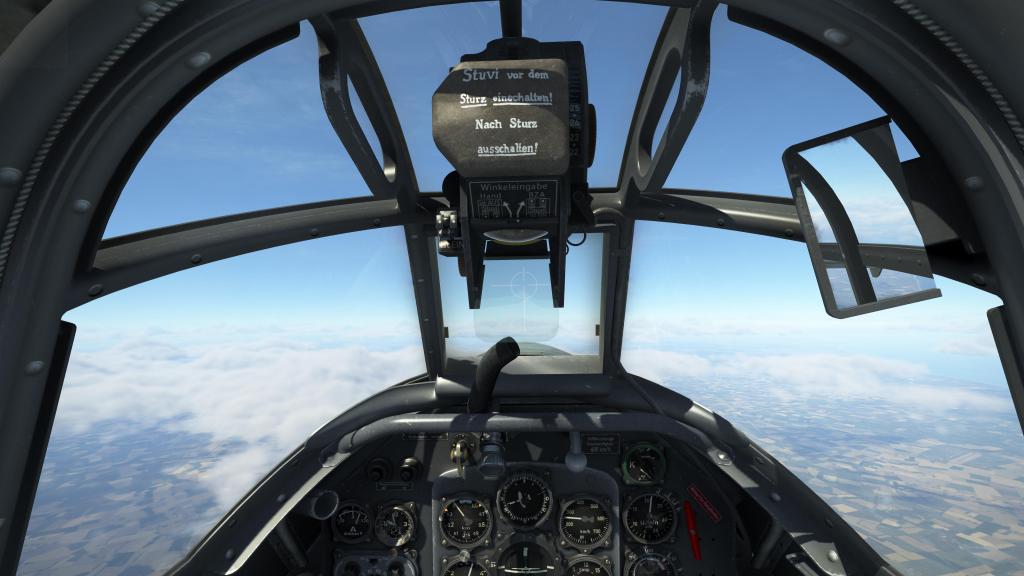
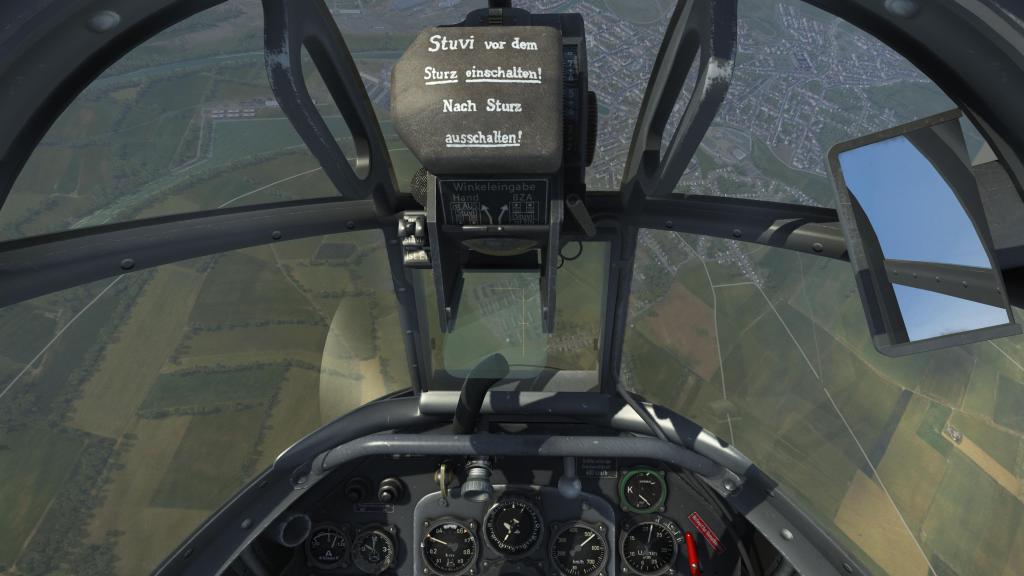
Another option is the addition of the Stuvi bombsight. If you’re a fan of the Arado Ar234 jet bomber, you’ll already know what this is. Its a mechanical bomb computing system that puts a chevron on roughly where the bomb will impact the ground. It’s an old school version of the modern CCIP (continuously computed impact point). It’s not nearly as accurate but it can aid greatly in setting up precise bomb runs.
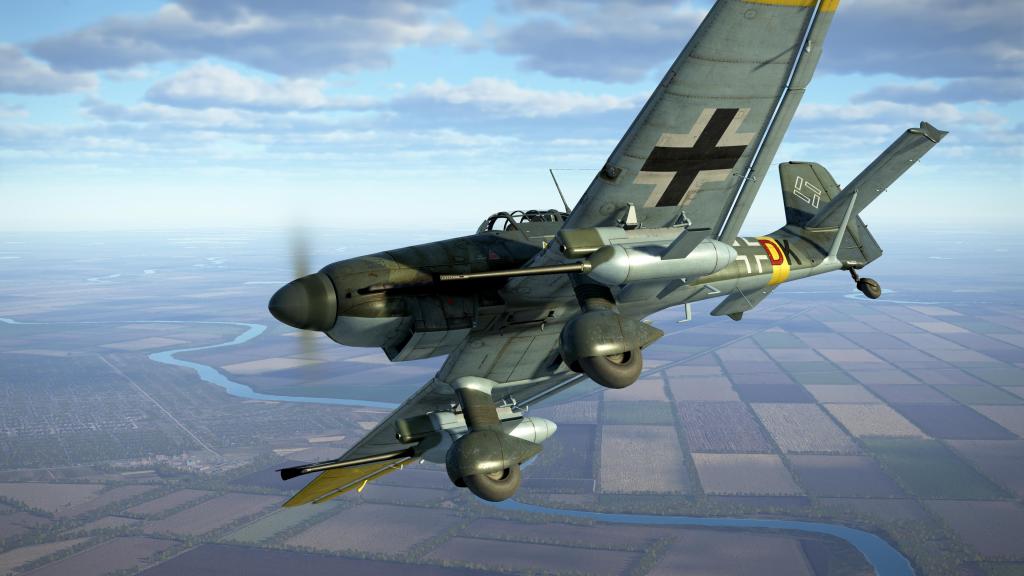
Another option converts the D-5 into the Ju87G-2 with a BK 3,7 cannon on each wing. These 37mm cannons are primarily intended for anti-tank duties with armor piercing or high explosive belting. The AP versions are decently good at punching through many tanks, though the heavier ones need repeated hits in their most vulnerable areas for best results. With some tanks I was able to disable them but not destroy them. Ammo supply is also limited so this version is going to give you mixed results.
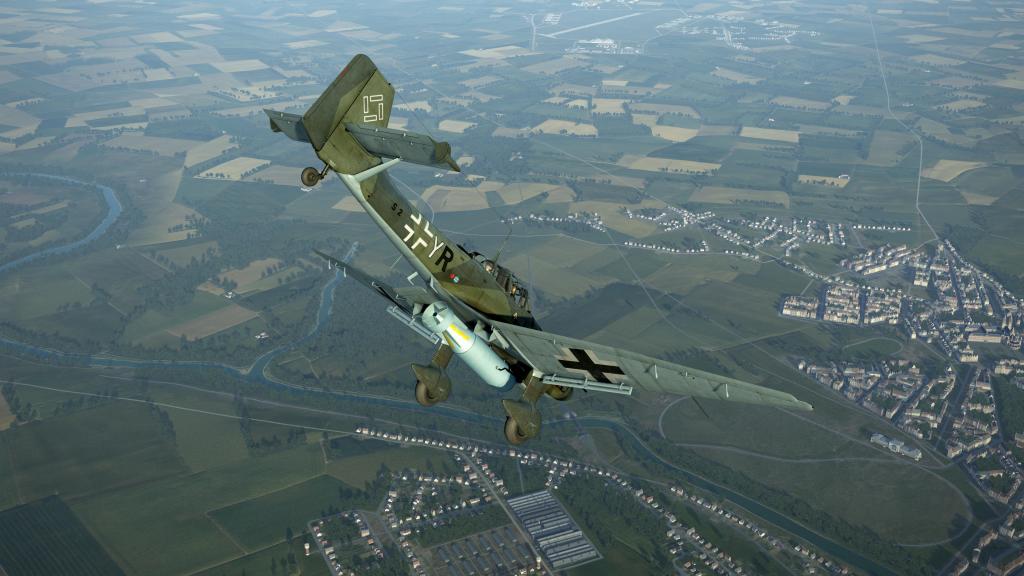
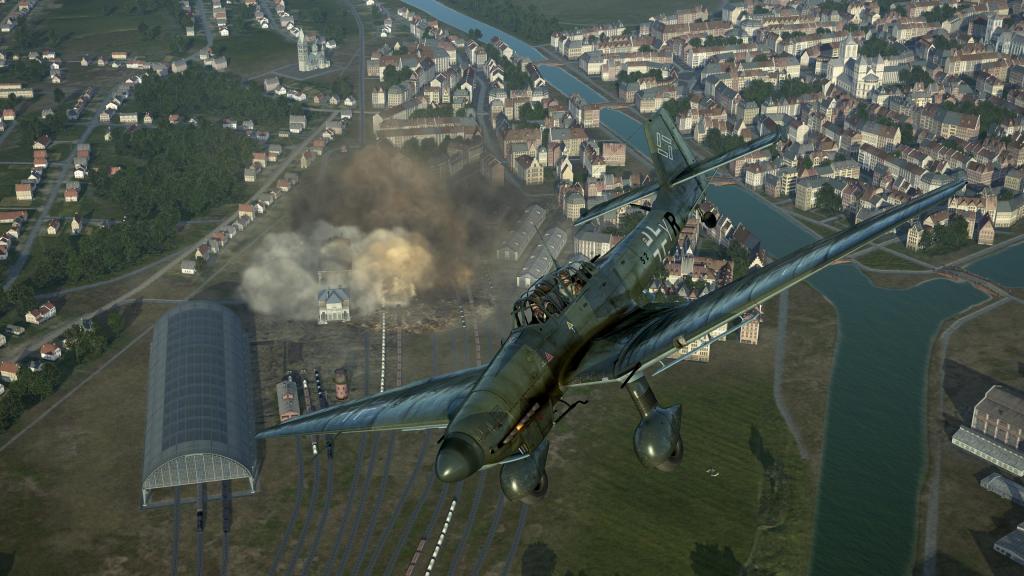
There are a few other options. You can replace the Jumo-211P engine with the Jumo-211J – it’s got 80 horsepower extra at low altitudes over the older engine. You can also fit extra armor plate for added protection (and reduced visibility to the side) as well as machine gun pods on the wings.;
Finally, you can put on exhaust tubes that hide the flames off of the engine exhaust stacks. A neat addition that is best suited for night battles.
How it flies, how it fights
I wasn’t expecting the Ju87D-5 to feel all that different from the D-3. That was laid to rest for me when a friend of mine and I flew the D-3 and D-5 next to each other on a slightly silly attempt at a strike mission, into the heart of enemy defenses, on the Combat Box server. We loaded up our Ju87s with the oversized SC1800 bomb. While his Ju87 struggled to get off the ground, my D-5 (loaded with the same fuel load), leapt into the air far more capably and was much better at climbing. Thank that wing and the slight power boost at low altitudes offered by the Jumo-211J.
In combat the Ju87D-5 is both the most capable Stuka of the versions we have and also the one that is most obsolete. By this point in the war, its been completely overtaken by enemy defenses and so running into any kind of opposition means that you’re at a serious disadvantage.
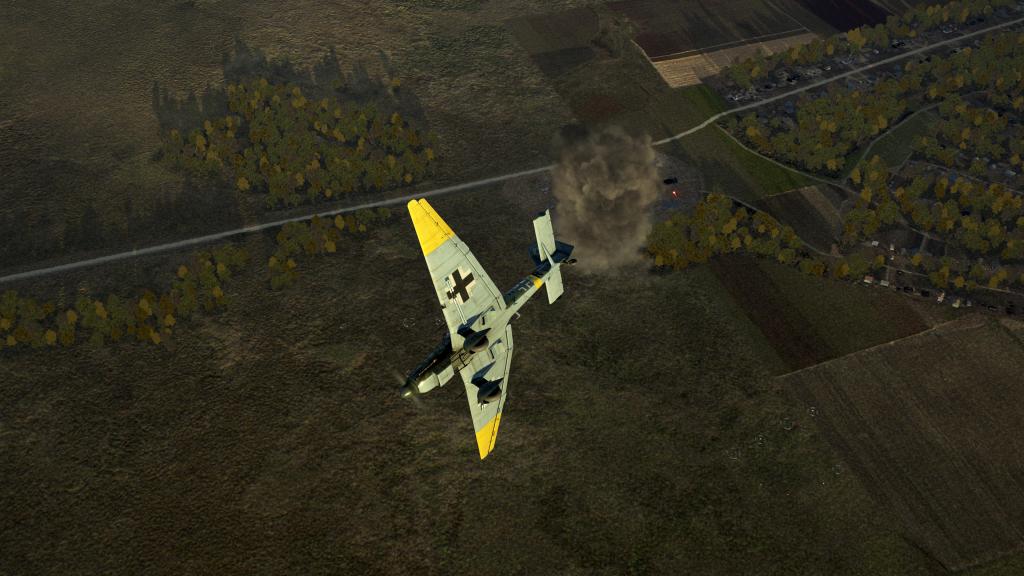
The Ju87 is quite a strong attacker if I can avoid the fighter defenses and if the flak at the target is relatively light. The optional Stuvi bomb sight means more precision drops on target. You can also use a shallower dive angle and no dive brakes keeping more speed and reducing vulnerability on the way out of the target zone.
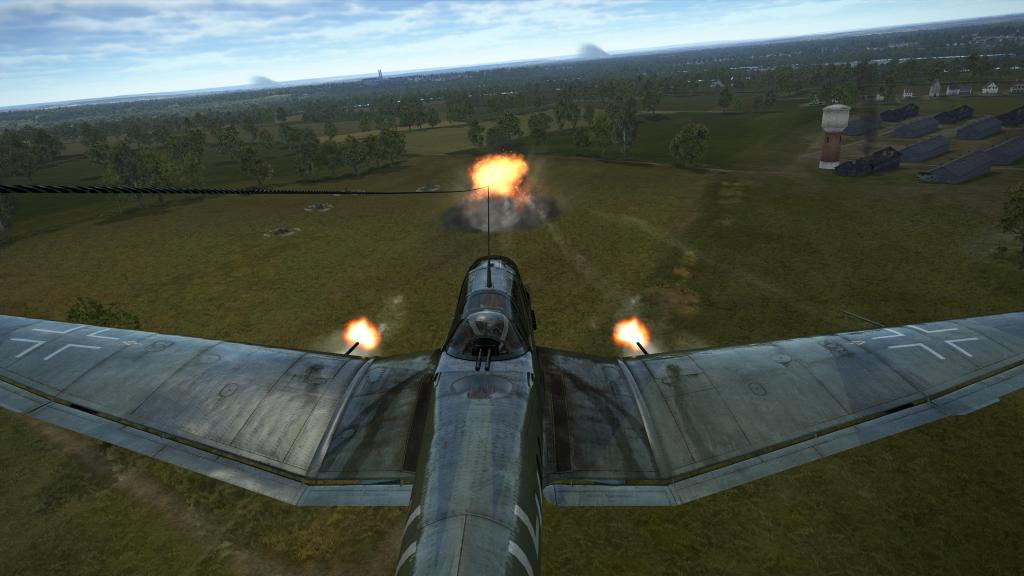
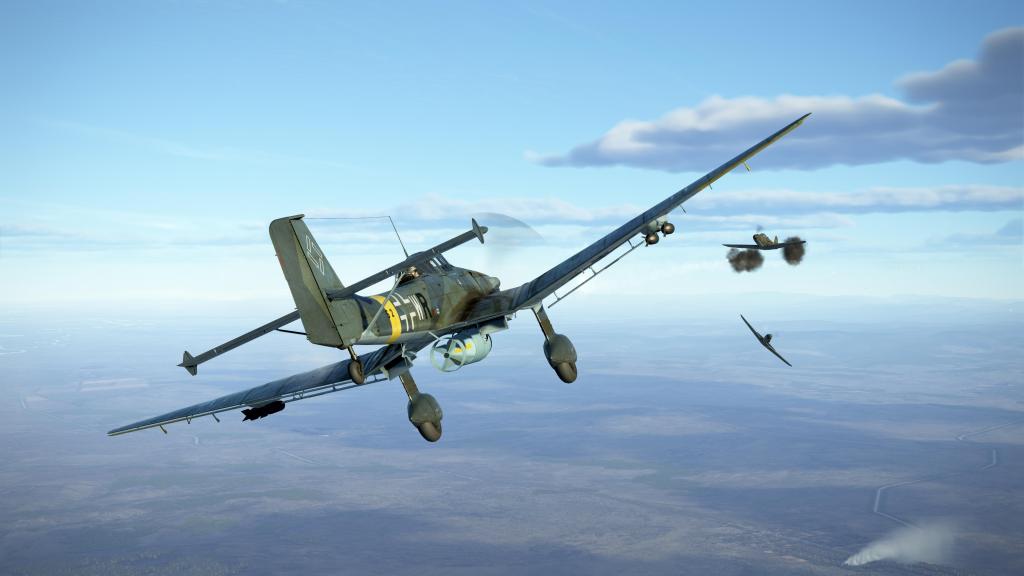
When needed, the MG151/20 cannons means that strafing is a realistic possibility versus even some of the light armor vehicles that were basically invulnerable to the previous variants 7.92mm machine guns. It also works better defensively if attacked from the front.
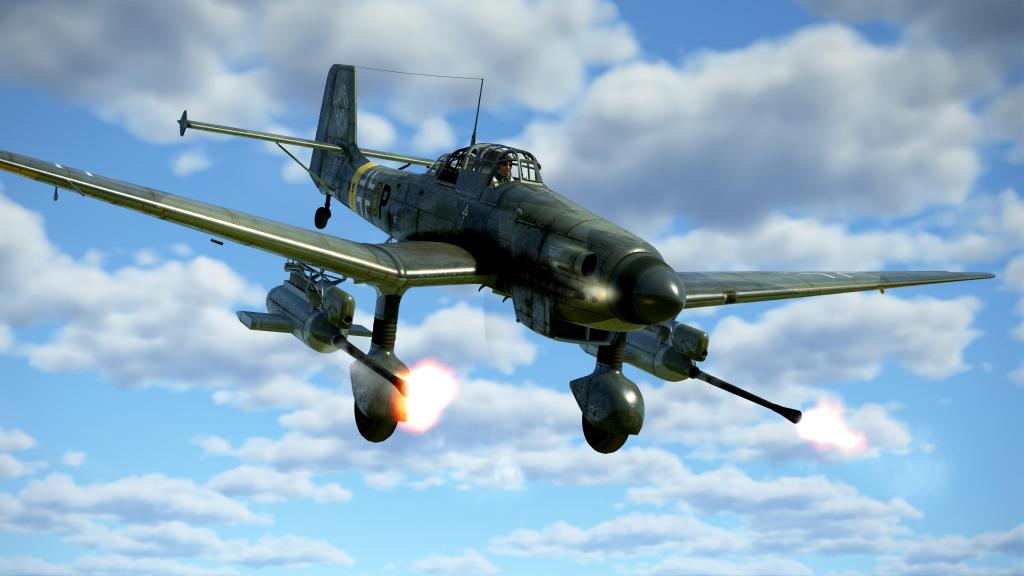
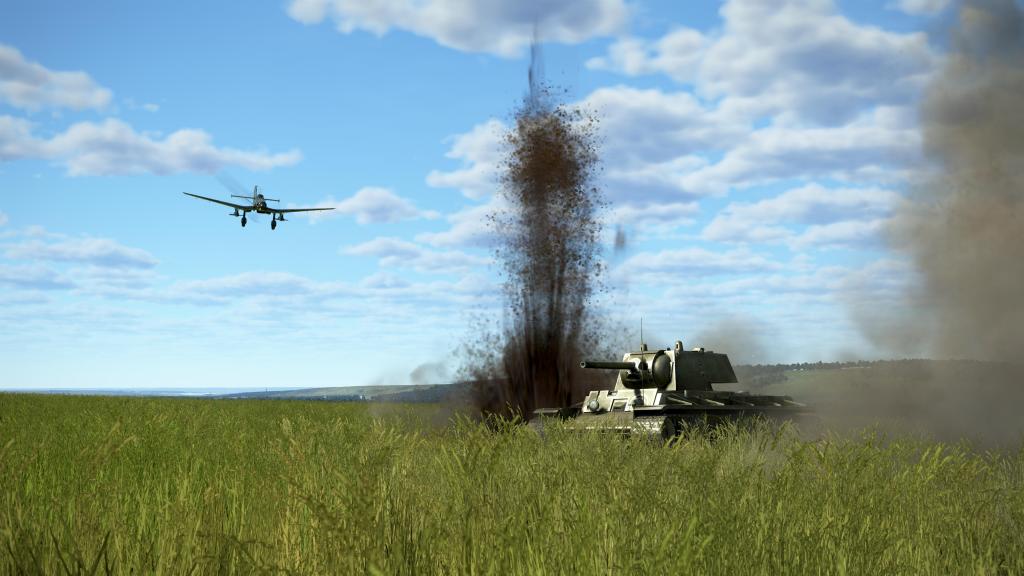
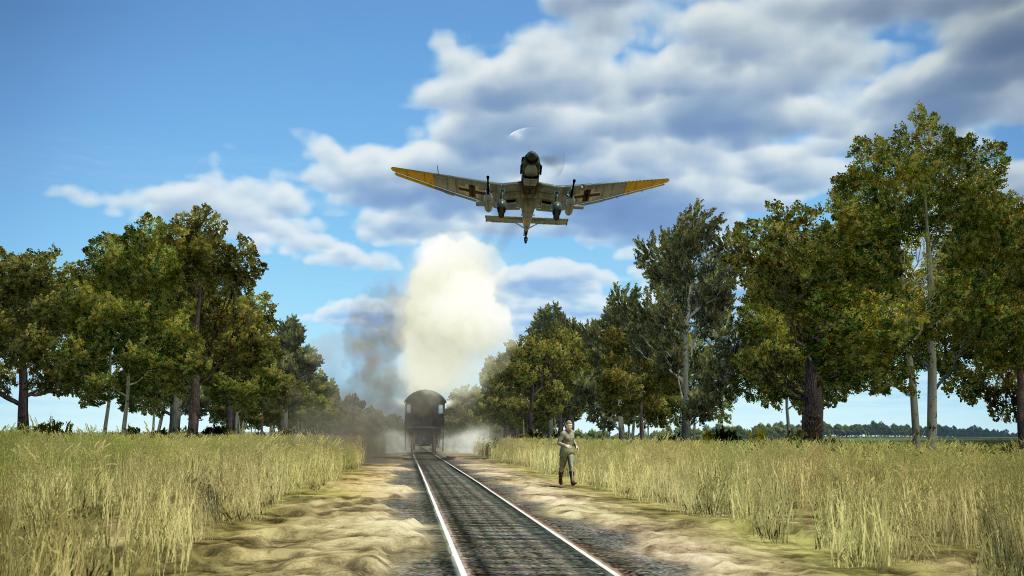
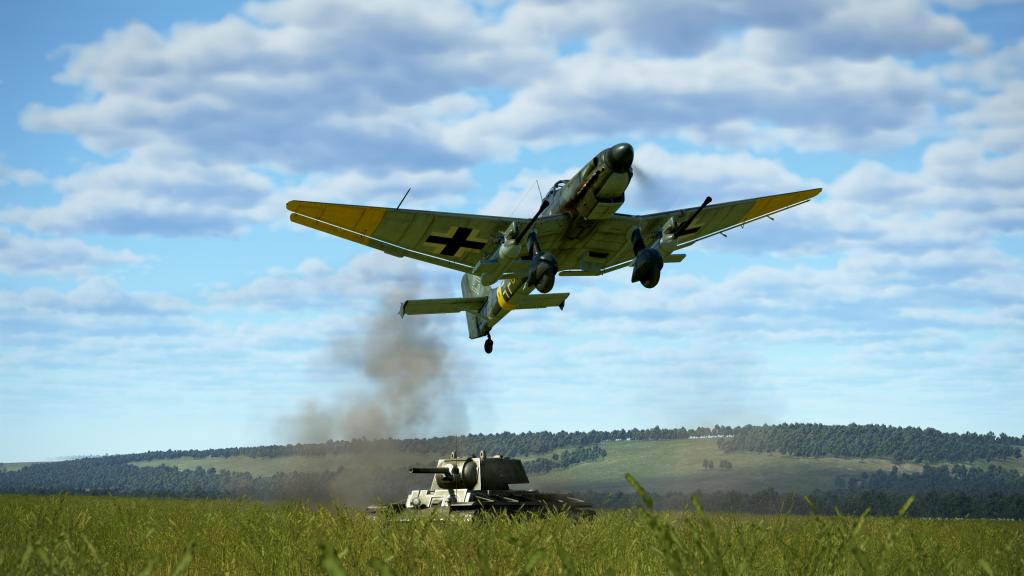
Moving over to the G-2 modification, the BK 3,7 cannons can really put the hurt on enemy tanks, trains, and light armored vehicles. You do need to make sure you’re in convergence range and you need to make sure that you’re hitting correctly. Tanks are the biggest challenge as they are small targets that need to be hit at just the right angle (above and behind for the weakest armor) or you may find your attacks ineffectual. Light tanks and tracked vehicles are easily destroyed with one or two hits. Steam locomotives similarly take a few hits but you can get a mission kill very easily.
Where can you fly it?
Like with most of the aircraft released for Siege and Liberation, the career modes for this airplane are forthcoming and not yet implemented. It will find a place within Siege and Liberation and we may see it added to Normandy or Bodenplatte careers in a limited capacity too – a few Stuka units were on hand, after all, in those sectors.
Right now you can give it some structured missions thanks to the advanced quick mission builder. The aircraft can be found on the Kuban, Normandy and Bodenplatte AQMB scenarios so that’s where you’ll get to fly it.
I’ve flown the aircraft on Combat Box multiplayer server as well in some mixed formations. There the aircraft struggles against enemy fighters in a significant way. When we were left on our own, we were able to deliver bombs precisely on target. When intercepted, we typically went down quickly. Its not the most effective attacker, though it is one of the few aircraft that can deliver the 1,800kg bomb so if you need to demolish something… its worth thinking about.
Conclusion
The Ju87D-5 has been quite surprising for me. I’ve enjoyed it more and found unique features on it more interesting than I would have expected. On one side of the equation, its a much more capable airplane than the Ju87D-3. On the other side, its an aircraft that is very clearly obsolete. The history of the Stuka is an aircraft that was impressive in a narrow range of contexts and not very successful outside of it and that is borne out here. In that sense, this is a very successful simulation.
1CGS did well with this variant giving us a lengthy list of modifications. I appreciate the effort that went into that including not only the D-5 but the related G-2 model of the aircraft with its tank busting potential. That and some of the other modifications are most welcome.
With a lot of modifications, some tactical flexibility, and decent enough selection of things to do, the Ju87D-5 is a fun airplane to have in the mix and a way to help round out the aircraft set. I suspect that some folks would have preferred that they’d done the earlier Ju87B-2 model for very early war battles but there’s charm to be had here too and it fits many scenarios in the series which is a huge bonus.
Screenshots



 Stormbirds
Leave a comment