
Over the years, I’ve reviewed most of the aircraft of the IL-2 Sturmovik: Great Battles Series. These have less been reviews of aircraft from a quality standpoint and more done as an overview of features and capabilities that you can expect while flying them. A little different than my typical review these days. Most recently in this series, I’ve reviewed the releases for aircraft like the I-153, La-7, Bf109E-4, and Ju87D-5. One that I haven’t done? The IL-2 Model 1944! Well let’s set that straight and make sure I’ve completed the series.
The “Arrow-winged” IL-2
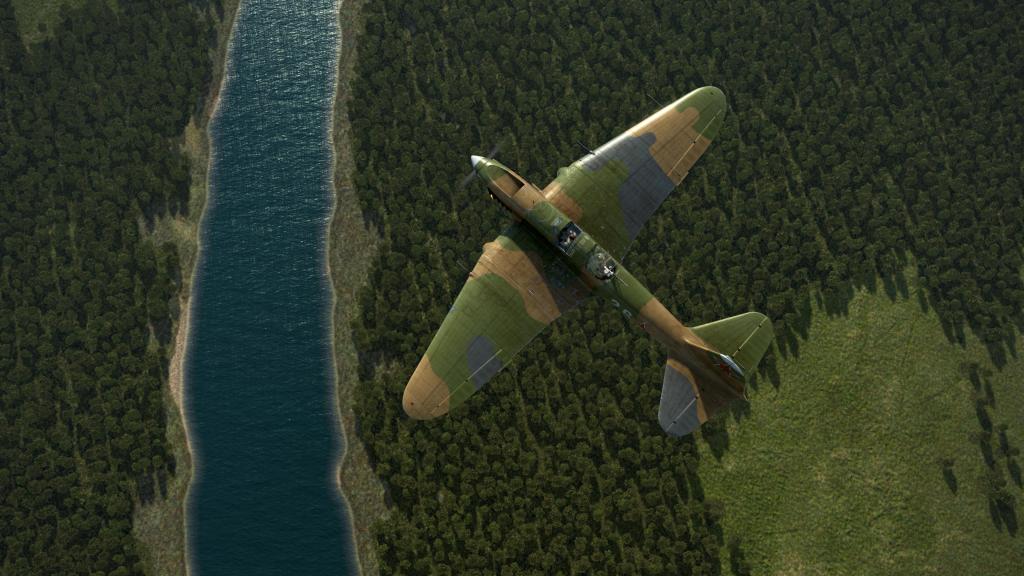
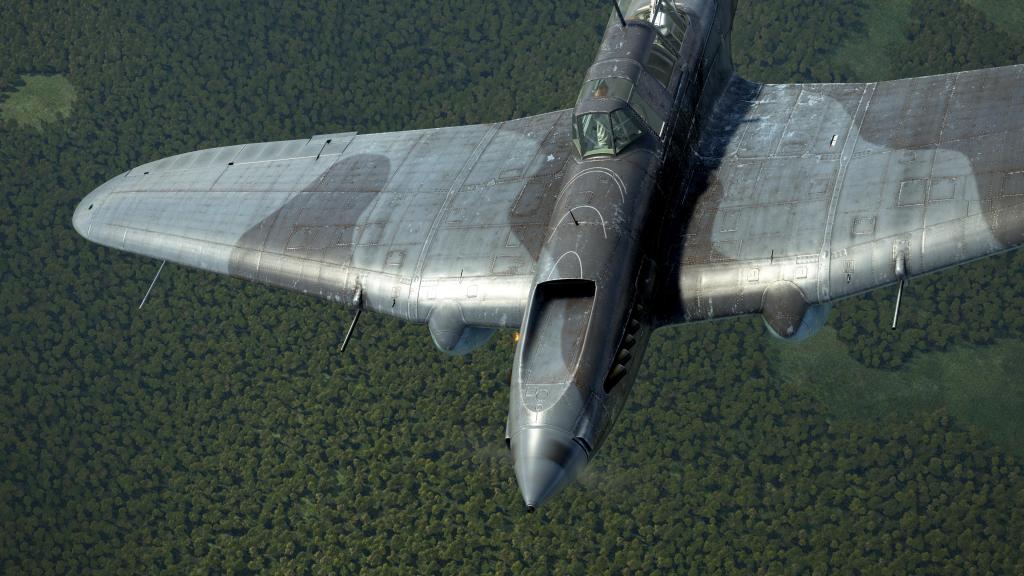
In modern aerodynamics, wing sweep is typically part of a collection of design features that aims to improve speed or efficiency. So when you read that the IL-2 Model 1944 (also known as the IL-2M3) had its wing sweep-back increased from 9 to 15 degrees you might assume that they were trying to find speed or efficiency goals but that was not the driving force.
When the IL-2M series added the rear gunner and its armor plate, the centre of gravity moved rearwards negatively affecting the handling of the aircraft. To redress that, Ilyushin proposed a modification in May of 1943 and by the end of 1943 both wood and metal winged IL-2 models were being produced with the modification. It had no official designation but was often called “So Strelkoi” or “Arrow.”
This would be the popular configuration for the IL-2 series through to the end of the war and the end of production. The IL-2 production lines would continue to make smaller modifications, however, this was the last of the significant modifications before production ceased and the first of the IL-10s began to roll off the production line.
Flying and fighting the IL-2 Model 1944
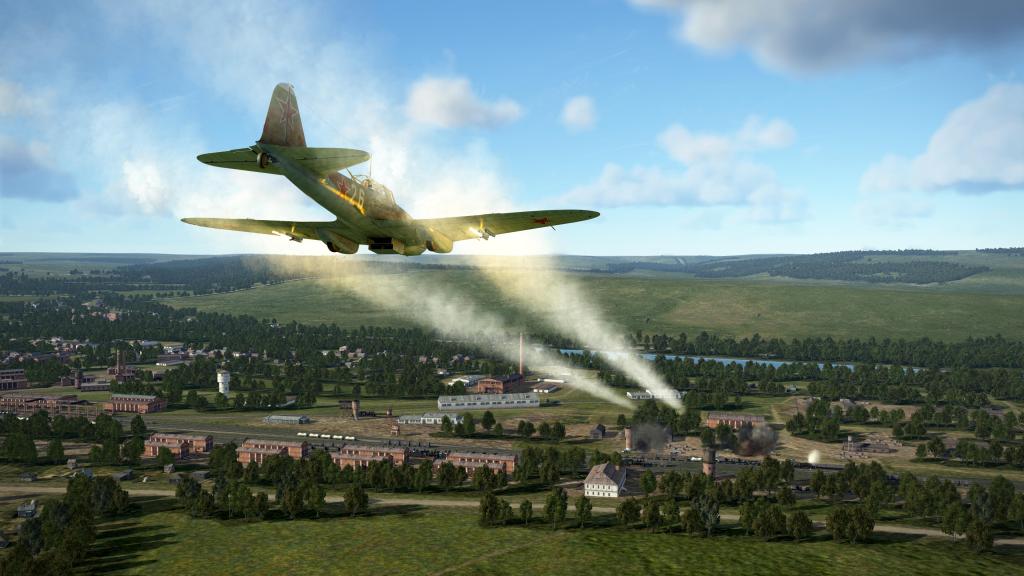
In a lot of ways, you’re not going to notice all that much different between this version and the previous version of the IL-2. Head on down to the performance comparison section to see how the IL-2 series has changed over time, however, the key take away is that you’re flying essentially the same airplane.
There are some subtle differences caused by the centre of gravity shift and I think that does positively affect the handling of the aircraft. It is marginally noted at best but I do find that my strafing attacks are a little easier to stabilize and the nose is easier to predict which is certainly a positive thing.
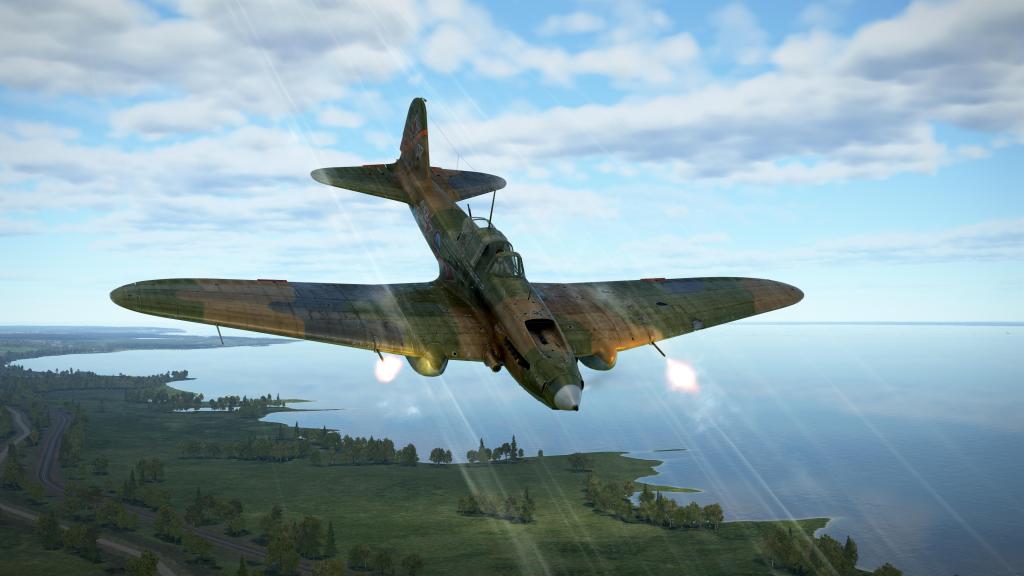
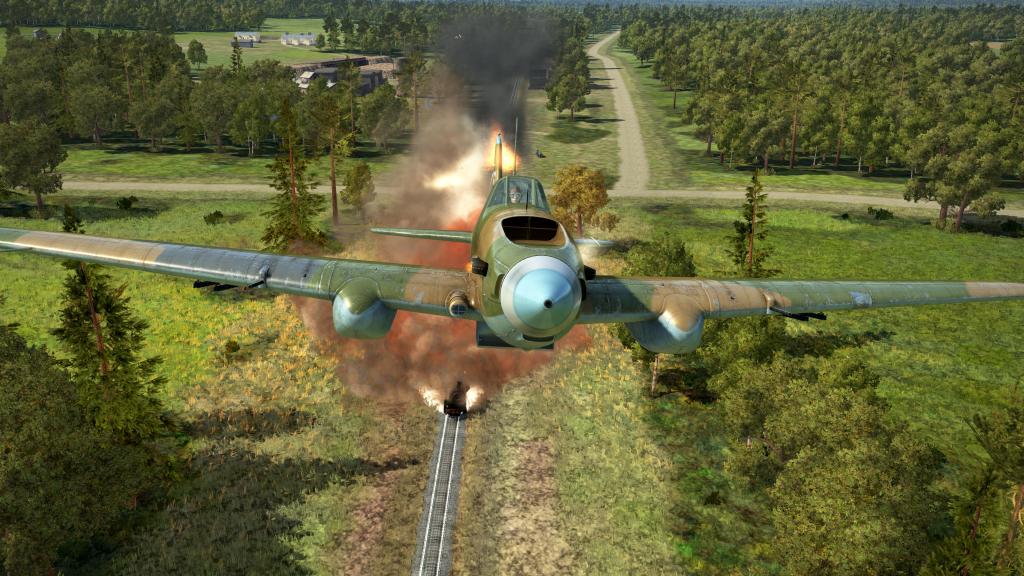
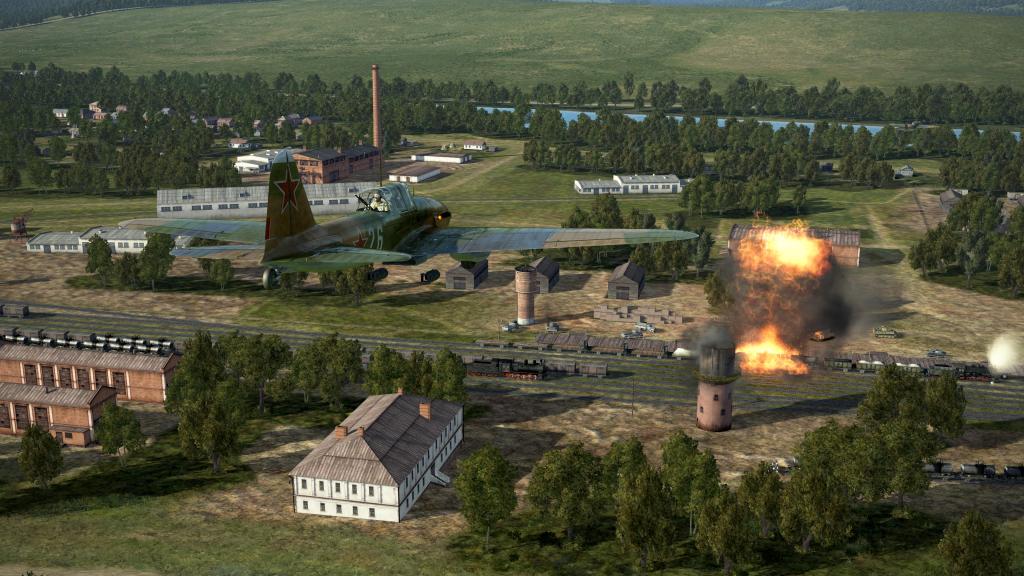
As with other models of the IL-2 Sturmovik, this is an aircraft that is optimized in its role as a close support airplane. It is intended to get close to enemy troops and engage them at short range. The armor, the guns, the payloads it carries, are all intended to make it as effective as possible in this respect.
While the Model 1941 model is quite a competent fighter when unburdened by payload, the Model 1944 is somewhat less capable as a result of the increases in fighter performance. It’s less that the IL-2 has become less capable itself and more that the enemy opposition has gained in speed and firepower. Late model Bf109s and Fw190s are capable of greater speed and climb while possessing more firepower than earlier iterations.
The IL-2 is one of a handful of planes that can truly shrug off repeated hits from light machine gun level weaponry. Even heavy machine guns will take some time to build up critical damage though the big ones, the 20mm and 30mm that these late fighters often sport, is going to end things rapidly. Despite all that, the armored tub that the IL-2’s pilot and engine systems sit in still provides ample protection against everything else.
Key differences and modifications
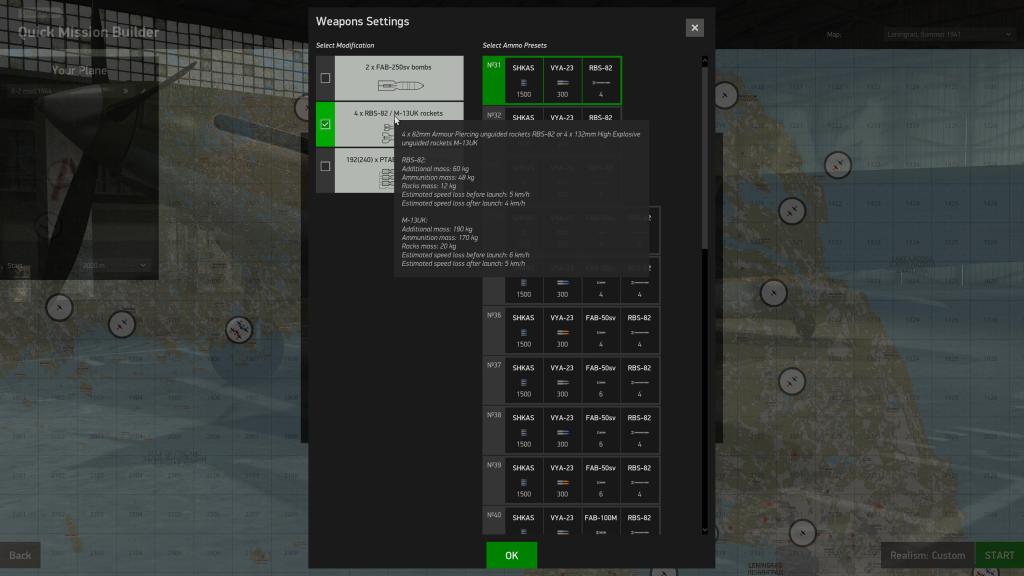
Prior to this release, the latest model of IL-2 available to us was the IL-2M or Model 1943. The two share a great many features and indeed there is very little to distinguish the two beyond the change in centre of gravity as a result of the new arrow wings design.
While the Model 1943 comes with three different cannon options (20mm, 23mm and 37mm), the Model 1944 is more “standardized” and has just the VYa-23 cannons. No options there! Modifications are thus limited to the ability to fit a pair of FAB-250sv bombs (blocking the internal bomb-bays for 100 or 50kg bombs), replace the bombs with 192 or 240 PTAB bomblets and/or fit four RBS-82 or M-13UK rockets. The M-13UK replaces the earlier ROFS-132 rockets and are spin stabilized and that translates practically into slightly improved accuracy.
Liveries
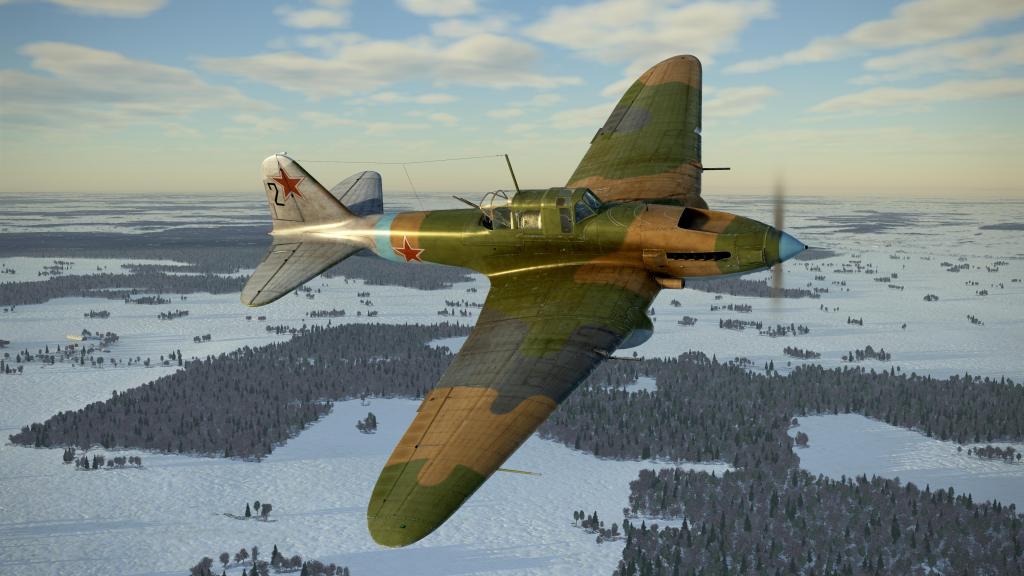
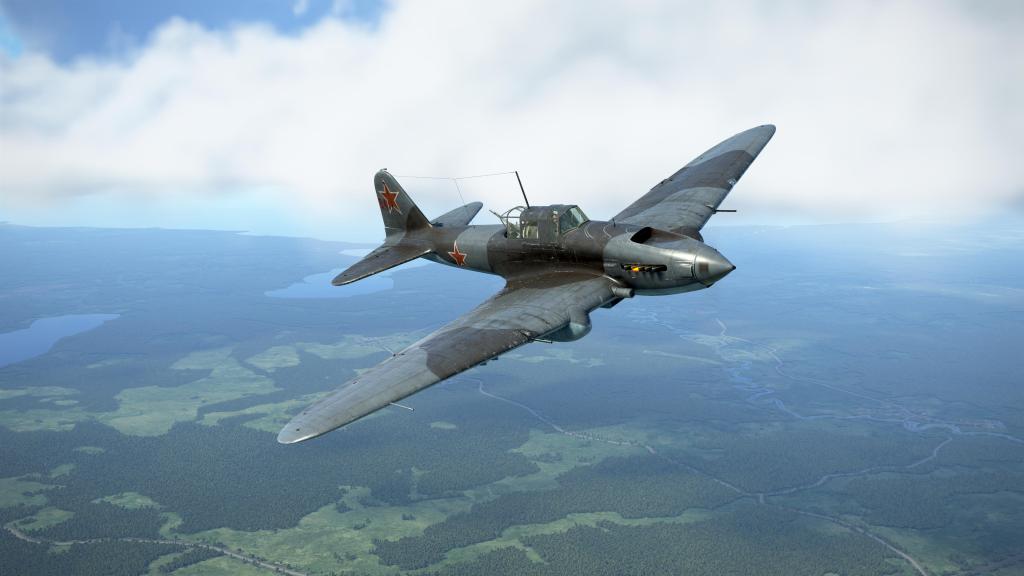
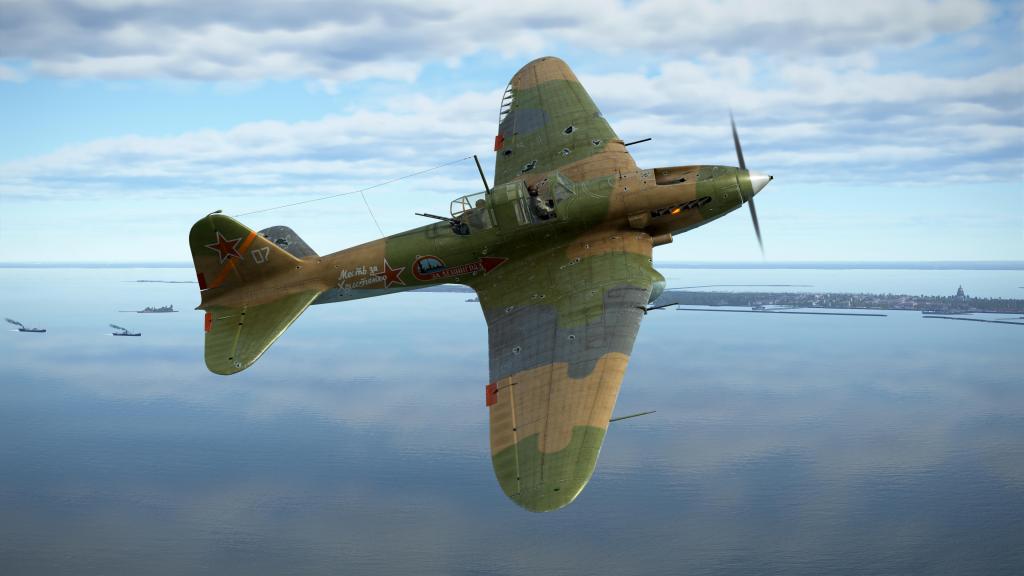
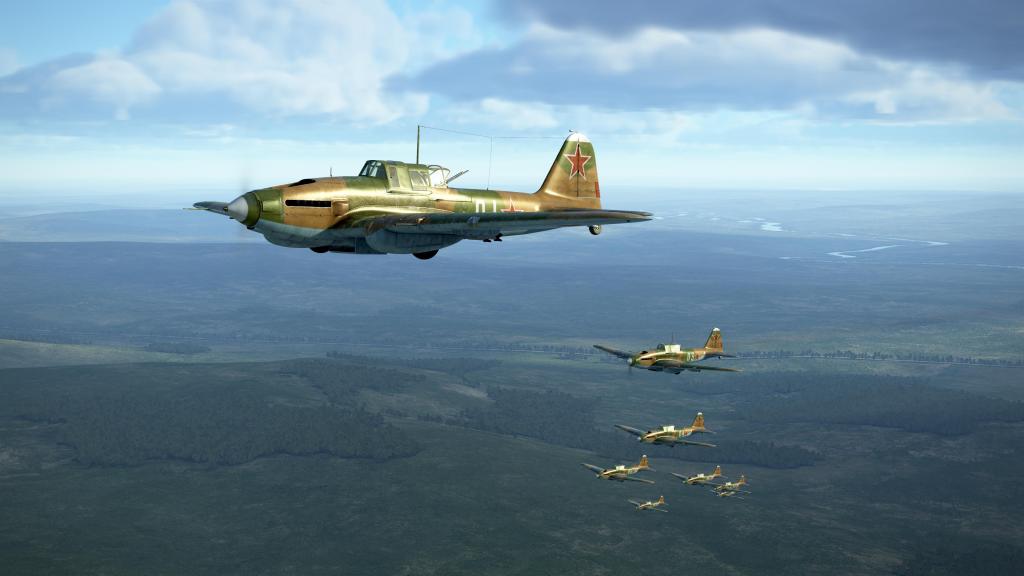
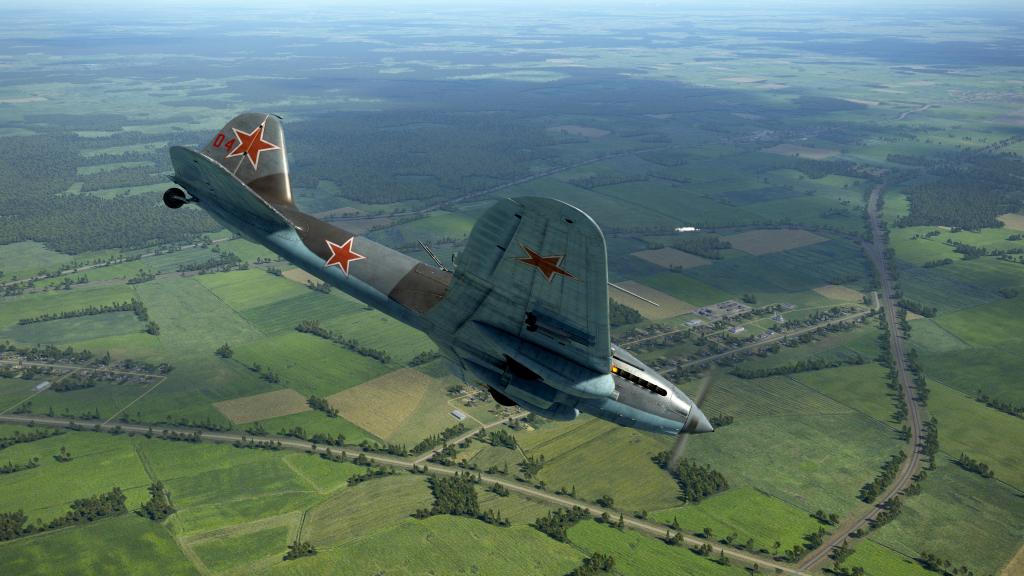
As with other releases we’ve seen recently, the liveries options are fairly light with just 6 to choose from. Two are generic while the others are historical aircraft. All are high quality offerings and I have no complaints… except that I’d love to see a few more included!
Where can you fly it?
Right now, options for the IL-2 Model 1944 are limited. The Odessa liberation campaign is the only Career mode where the aircraft shows up as a flyable option with four units on offer. I expect that we’ll see it added to the list of career options for the 1944 campaign for Leningrad when that arrives late this year. Advanced Quick Mission options are also limited as neither Odessa nor Leiningrad maps have AQMB missions built in yet.
Online I have seen the aircraft on the Combat Box’s Eastern Front scenarios.
Performance comparison
Model 1942
- Maximum true air speed at sea level, engine mode – Boosted: 400 km/h
- Maximum true air speed at sea level, engine mode – Nominal: 380 km/h
- Maximum true air speed at 2500 m, engine mode – Nominal: 414 km/h
- Service ceiling: 6000 m
- Climb rate at sea level: 7.1 m/s
- Climb rate at 3000 m: 5.6 m/s
- Maximum performance turn at sea level: 25.7 s, at 250 km/h IAS.
- Maximum performance turn at 3000 m: 37.3 s, at 250 km/h IAS.
Model 1943
- Maximum true air speed at sea level, engine mode – Boosted: 407 km/h
- Maximum true air speed at sea level, engine mode – Nominal: 389 km/h
- Maximum true air speed at 1200 m, engine mode – Nominal: 400 km/h
- Service ceiling: 5600 m
- Climb rate at sea level: 7.5 m/s
- Climb rate at 3000 m: 4.2 m/s
- Maximum performance turn at sea level: 26.6 s, at 250 km/h IAS.
- Maximum performance turn at 3000 m: 39.3 s, at 250 km/h IAS.
Model 1944
- Maximum true air speed at sea level, engine mode – Boosted: 412 km/h
- Maximum true air speed at sea level, engine mode – Nominal: 391 km/h
- Maximum true air speed at 1200 m, engine mode – Nominal: 386 km/h
- Service ceiling: 5600 m
- Climb rate at sea level: 7.35 m/s
- Climb rate at 3000 m: 4.1 m/s
- Maximum performance turn at sea level: 27.2 s, at 250 km/h IAS.
- Maximum performance turn at 3000 m: 37.1 s, at 250 km/h IAS.
You can see when we compare performance that there’s very little difference between the models. The 1944 is ever so slightly faster while turning and climbing at a slightly reduced rate. The differences are so negligible as to be largely irrelevant in practical application.
Final thoughts
Bringing things full circle with this article, its been fun to get some stick time in on the IL-2 Sturmovik. I have to say that I’ve neglected the whole series of aircraft a fair bit over the last several years but I’m glad to have returned to the titular aircraft. As a flight sim and video game experience there’s a lot of value to be had here. The gameplay side of things here lends itself to fast and fun flying and of course the low level target attacks are often exciting too! Not so much in the real thing, of course, but as a flight sim experience its certainly up there.
There isn’t a lot of extra value to be found here with the IL-2 Model 1944 as its largely the same airplane with the same equipment and overall performance. Minor handling and visual changes notwithstanding, the IL-2 Model 1944 has probably passed largely unnoticed by many sim players. But at the same time, the “arrow winged” version of the IL-2 has been a longstanding request and it fits perfectly into the “filling in the gaps” DLC package that 1CGS set out to make with Siege and Liberation. And more than that… as the title airplane of the entire series, we couldn’t have one last crack at the Eastern Front like this pass without adding a Sturmovik to the list.
While it doesn’t add much, I do feel like the IL-2 Sturmovik: Great Battles Series has rounded out the IL-2 collection representing the Model 1941 through 1944 variants in all of the major modifications and changes that they each represented and as a flight sim fan who also has a deep interest in history, I feel like that’s worth the experience alone.
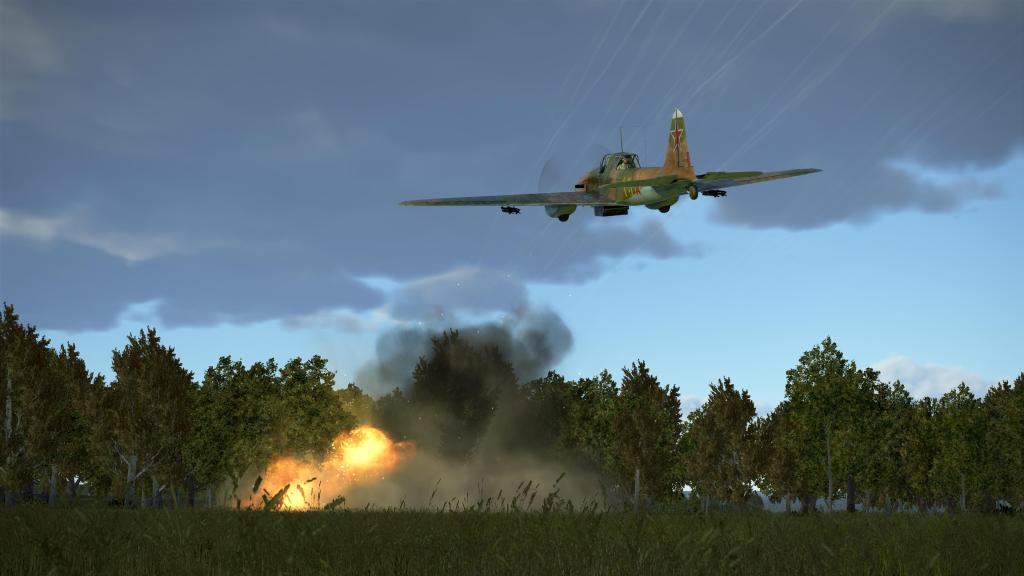
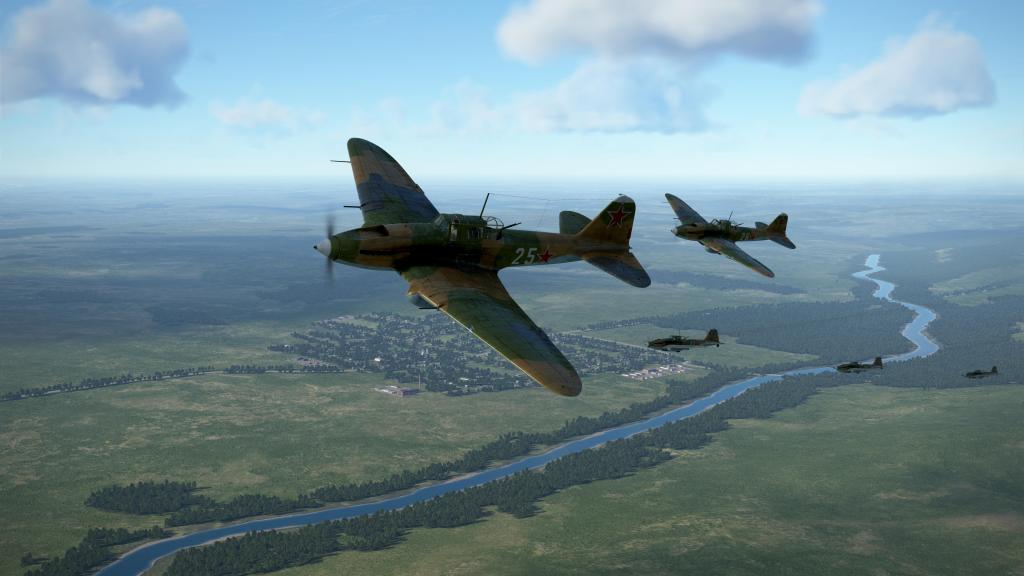
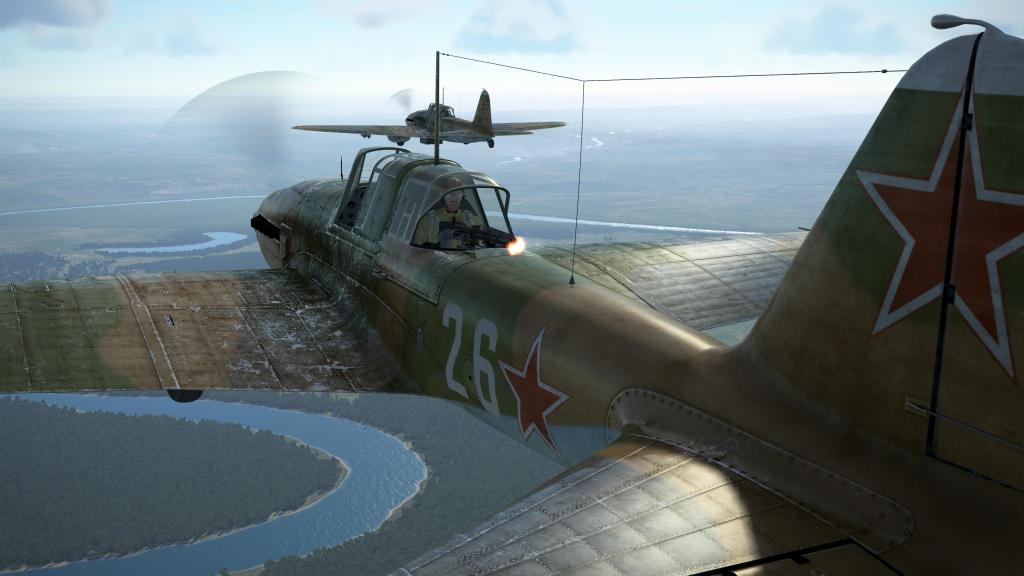
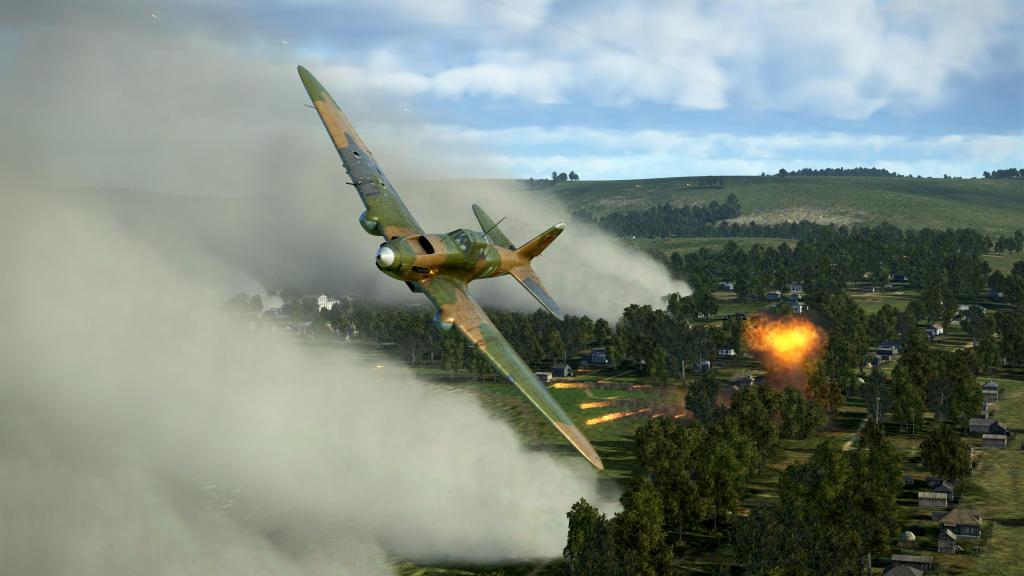
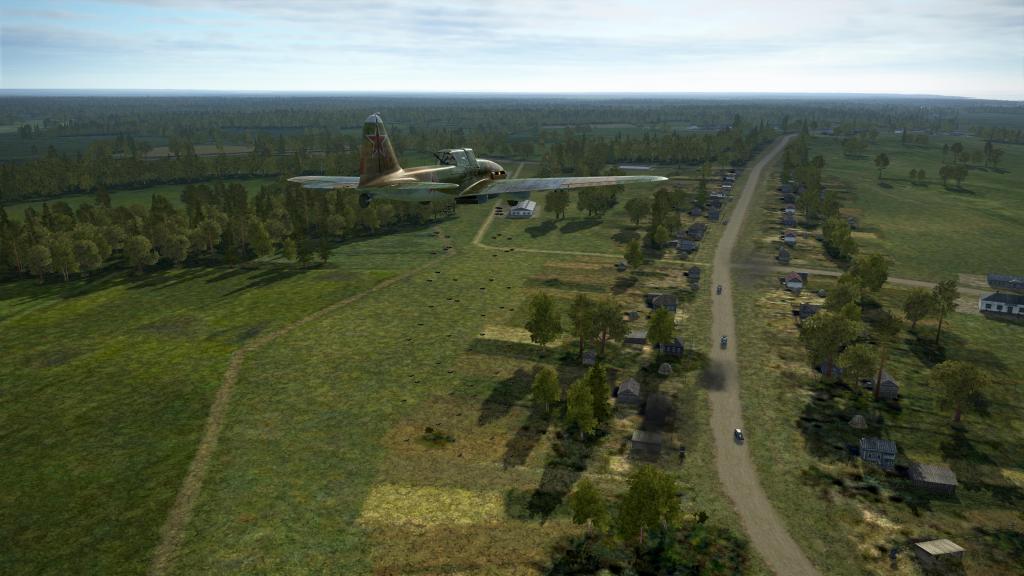
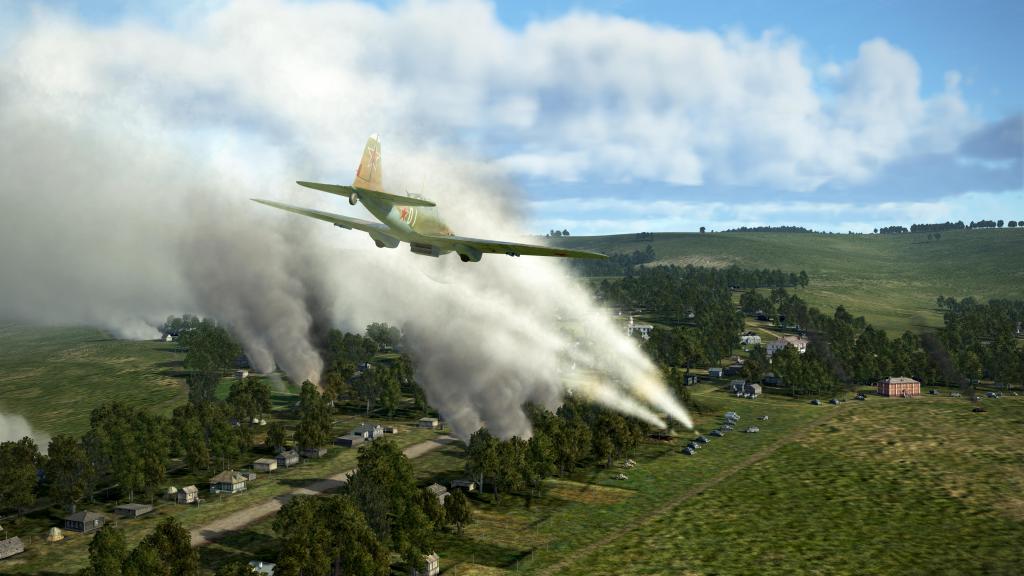
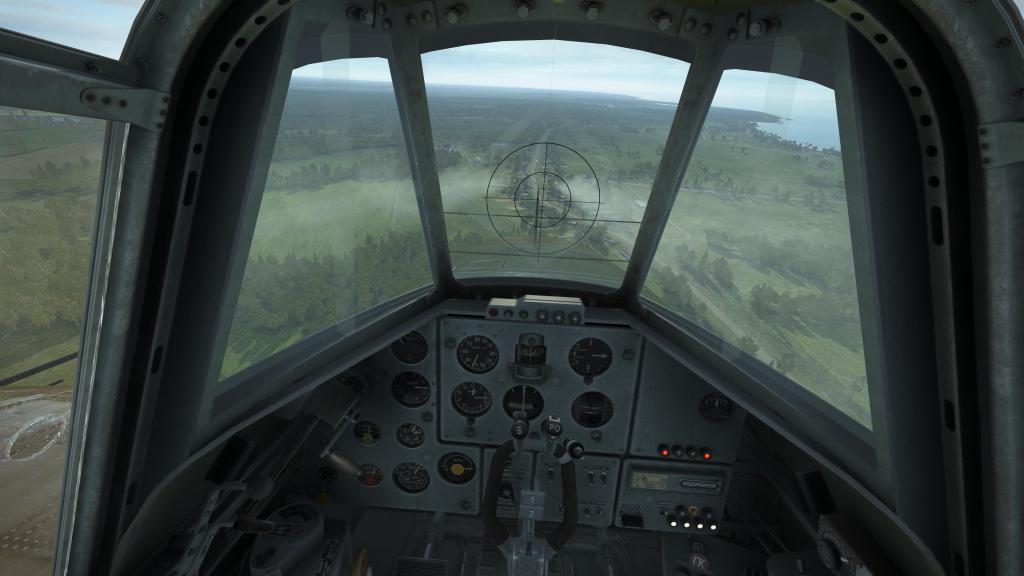
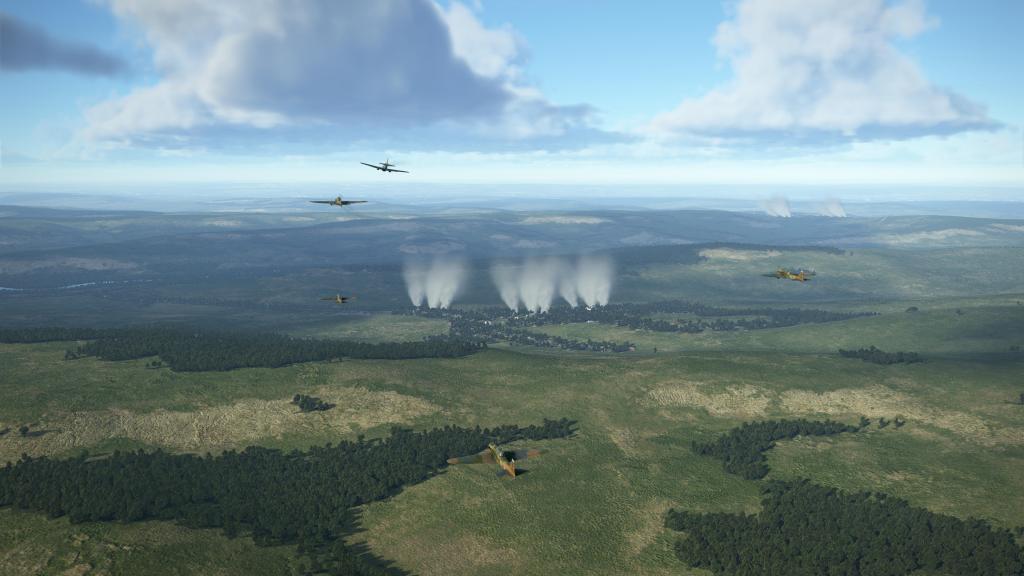
Screenshots
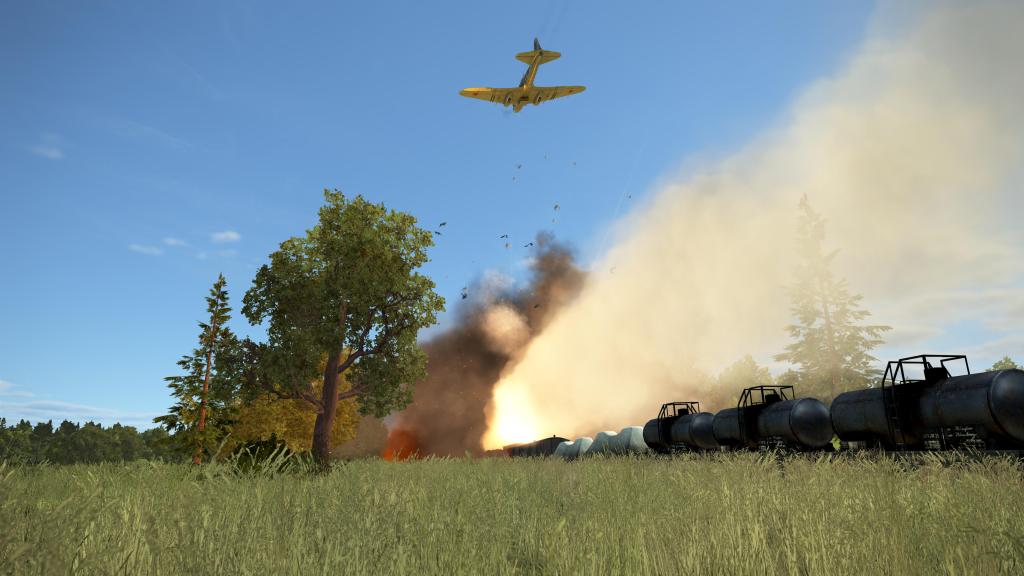
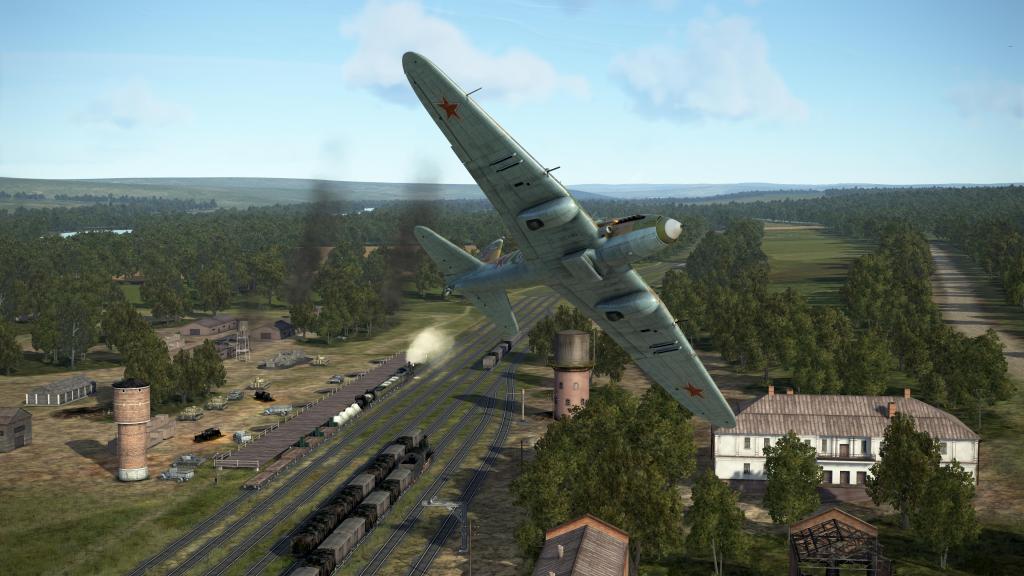
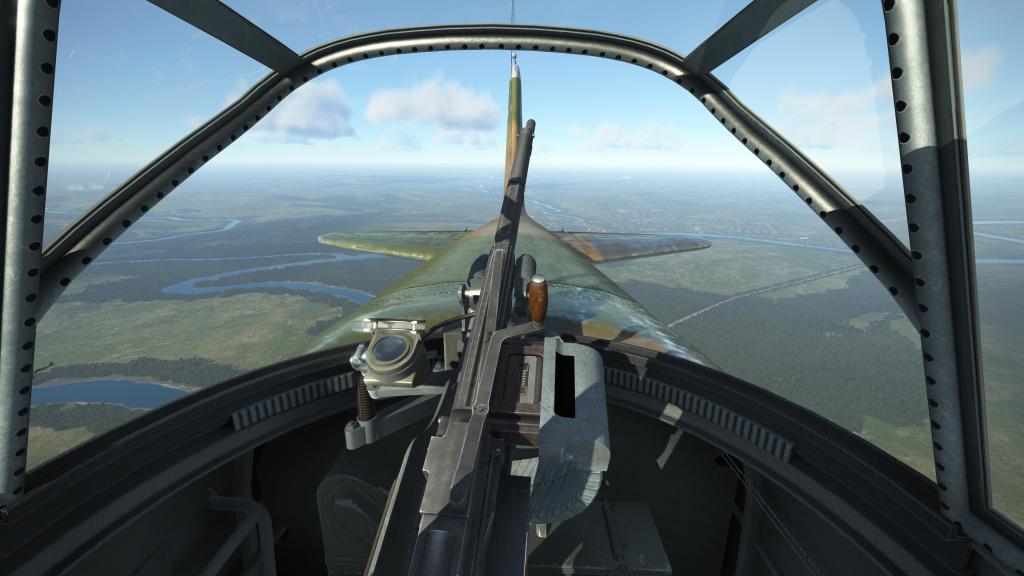
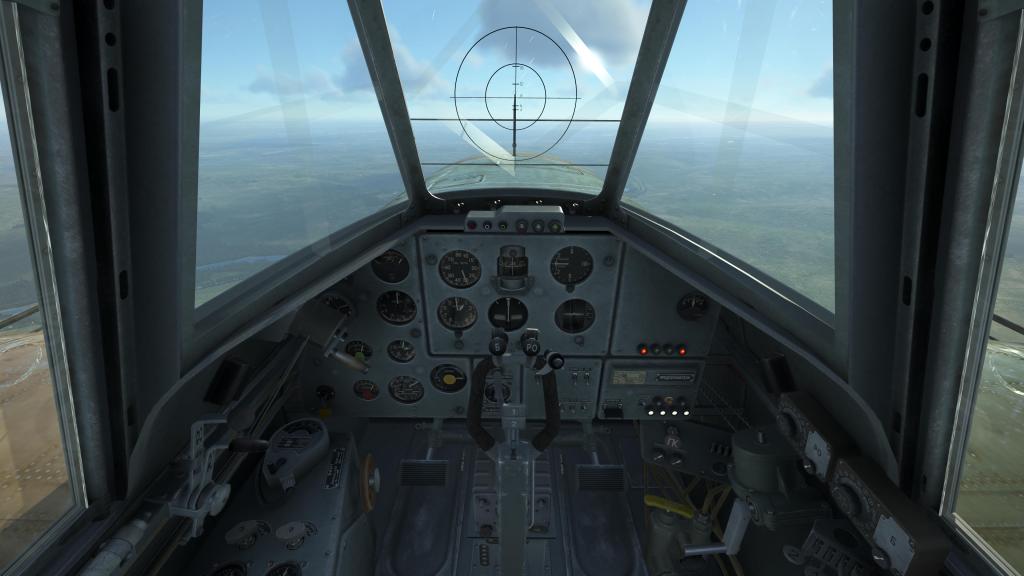
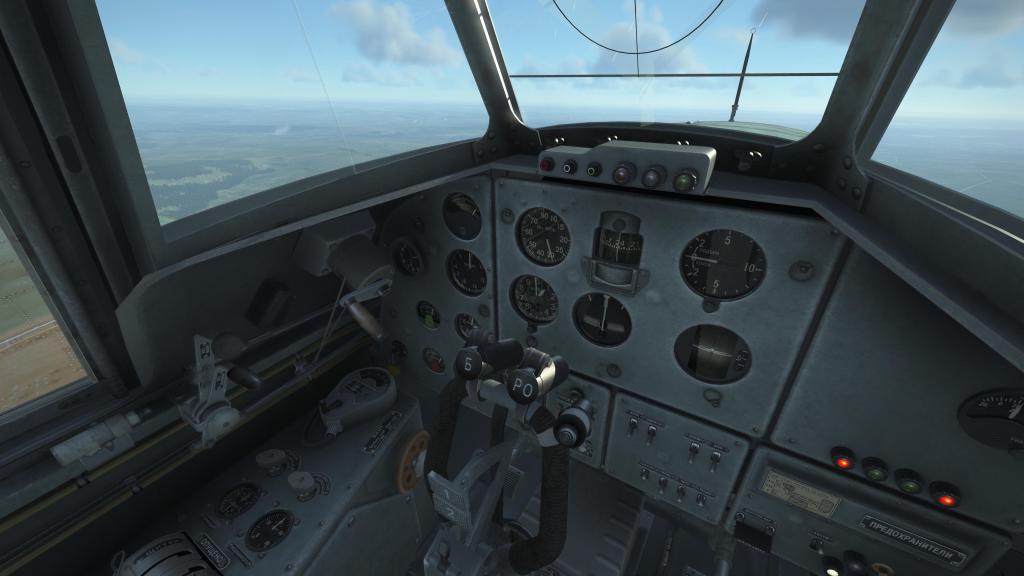
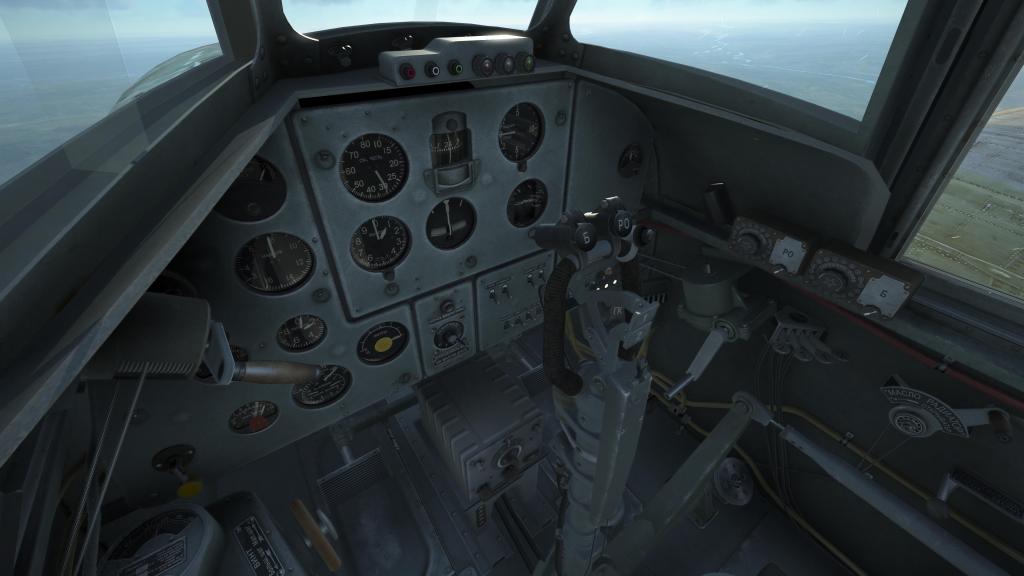
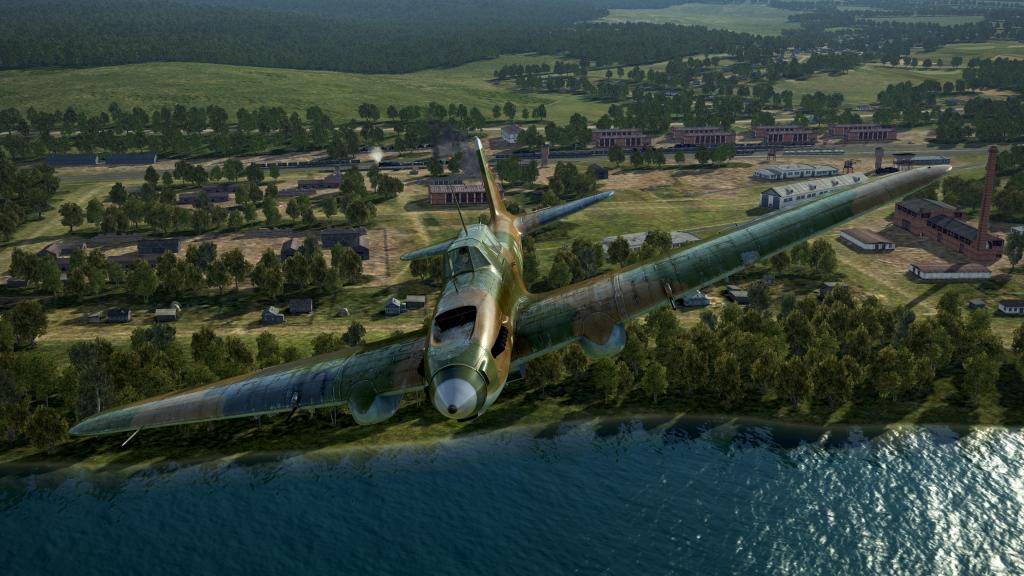
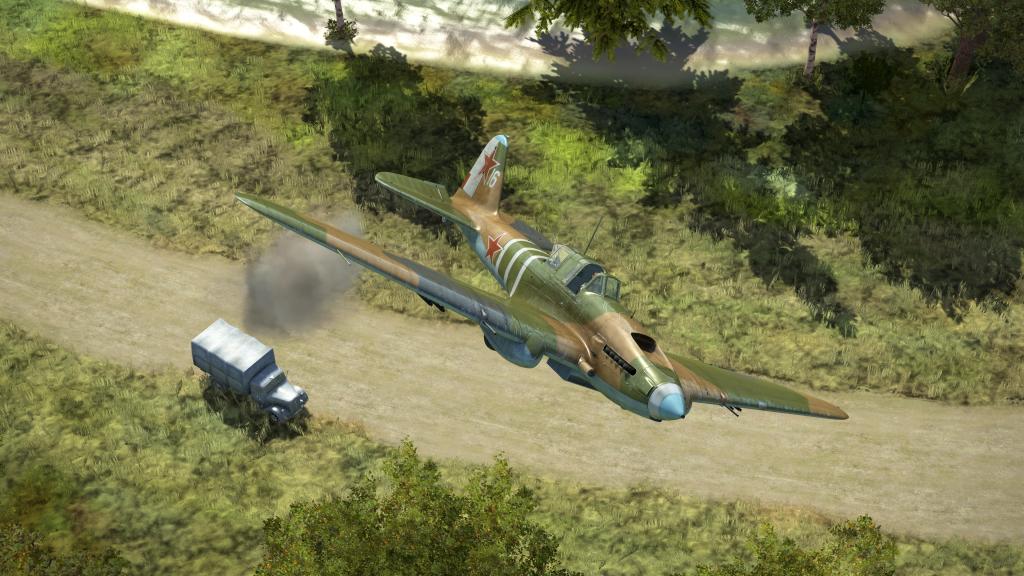




Leave a Reply