
With the announcement of IL-2: Battle of Normandy we have ten new aircraft to look forward to. Some of the aircraft are immediately recognizable but others are quite interesting and may have hidden histories that not everyone knows about. Let’s have a look at some of the new aircraft announced and how they fit not only into Battle of Normandy but the rest of the IL-2 series.
New Allied aircraft
Five new flyable Allied aircraft are being added in Battle of Normandy alongside two more AI aircraft.
P-51B/C Mustang
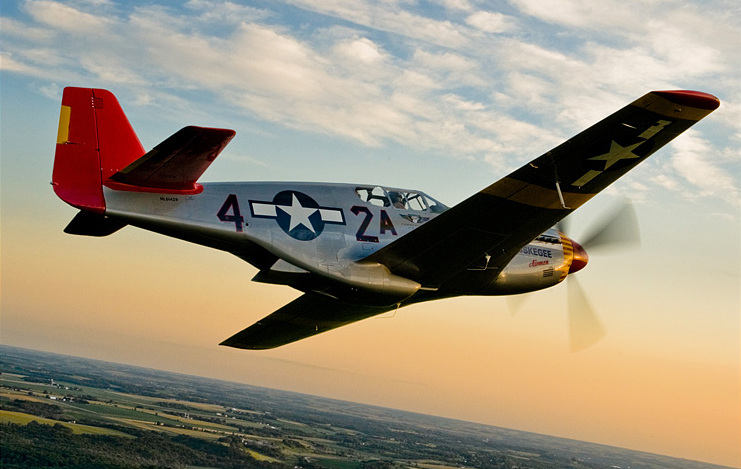
The P-51B/C Mustang is an earlier version of the P-51D-15 that we have in IL-2: Battle of Bodenplatte. This earlier version featured a very different cockpit arrangement and a more traditional “razorback” fuselage.
This variant had the same Merlin engine powering it although the V-1650-5 typically fitted had a slightly higher critical altitude rating propelling the Mustang to slightly faster top speeds but at higher altitudes. Armed with only four .50cal machine guns, a different wing, and many of them were modified with a “Malcolm Hood” canopy providing somewhat improved visibility, this Mustang is quite a different aircraft. It was flown by the USAAF, the RAF, and a number of Allied nations including several high scoring squadrons flown by Polish pilots in the RAF.
P-47D “Razorback”
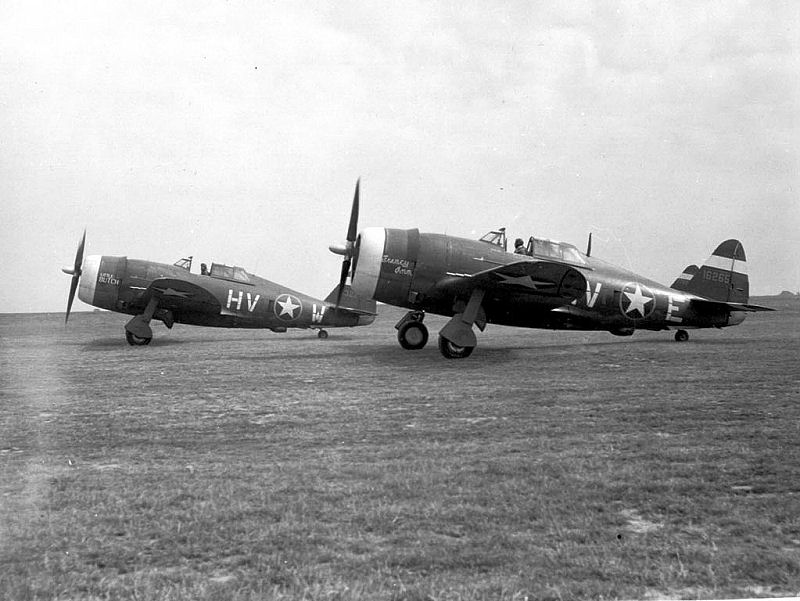
Prior to the P-47D-25, P-47’s had a much taller canopy without the bubble canopy and the excellent all around visibility that it provided. These “Razorback” P-47’s formed the bulk of the USAAF’s fighter force in Europe in 1943 and 1944 before the P-51 gradually replaced it in most units.
Earlier variants of the P-47 were often just as fast as later versions and several were even hot-rodded with extra power through unapproved but still effective modifications. The D-15 version and on had provisions for bomb carrying which would portent the aircraft’s second life as a tactical fighter after having spent a year flying high altitude escort missions.
Typhoon Mark IB

The Typhoon was meant to be the heavy fighter replacement for the Hurricane, however, issues with the Sabre engine and various modifications to the fighter were required. That protracted process finally saw the Typhoon used as a fighter in 1942 and 1943 in numbers. The Mark IB saw four Hispano Mark II 20mm cannons fitted, provisions for bombs and rockets, and a bubble canopy fitted to it (this would later be shared to the Mustang and Thunderbolt).
By 1944, around the time of the Normandy invasion, the Typhoon had found a new life as a capable fighter-bomber. Eight RP-3 rockets or two 1000lb GP bombs could be fitted and squadrons tended to specialize in both. While the Typhoon and Tempest are related aircraft, the Typhoon is very much its own beast with similar turn times, a slower top speed, the worst roll rate of any fighter of WWII, and design issues with the tail section that saw many Typhoons shed their rear tail section in high speed dives. The Typhoon is one of the aircraft I’m most excited to see come to the series as its use extends through the 1943 and 1944 time period into IL-2: Battle of Bodenplatte’s 1944-1945 campaign right through to the end of the war.
Mosquito FB.VI

In what is surely going to be a fan favourite, the Mosquito FB.VI hardly needs an introduction. This twin engine aircraft by de Havilland was designed as a high speed bomber, eschewing defensive armament in favour of tremendous speed. Mosquitos were used as night-fighters, bombers, photo reconnaissance, and attack aircraft. The FB.VI version was armed with four 20mm cannons, four .303 machine guns, and an array of RP-3 rockets or GP bombs carried internally or externally.
Three Mosquito FB.VI wings flew in support of Operation Overlord providing tactical support for troops during the invasion. When not providing direct support, Mosquitos were used to attack radar stations, V-1 launch sites, and supply depots and convoys. Mosquito’s were also used in some daring raids including the attempted precision bombing of the Gestapo headquarters in the Shellhus, Copenhagen in March 1945.
Spitfire XIV
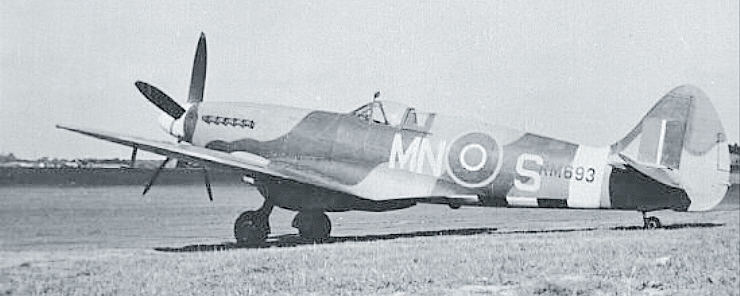
Powered by the 2,000hp Griffon engine, the Spitfire XIV was one of the last marks to see combat during World War II. The first units began reequipping with the fighter in late 1943 and early 1944 and by spring 1944 were conducting their first combat sorties. Spitfire XIV’s were reserved for “anti-diver” patrols shooting down V-1’s for two months before moving onto the continent and participating in the final drive towards victory.
The Spitfire XIV is a very different aircraft from the IX model that we already have. The much larger Griffon engine gives the Spitfire a more muscular appearance. There’s a larger vertical stabilizer and a five-bladed propeller. The Spitfire XIV is one of the highest performing piston driven aircraft of WWII with an incredible climb rate of 4,580 ft/min and a top speed of 448 mph at 26,000 feet. The power and performance had a slightly detrimental effect on the Spitfire’s handling and made it even more of a handful on the ground – ground looping on takeoff was particularly pronounced.
C-47 Dakota (AI)
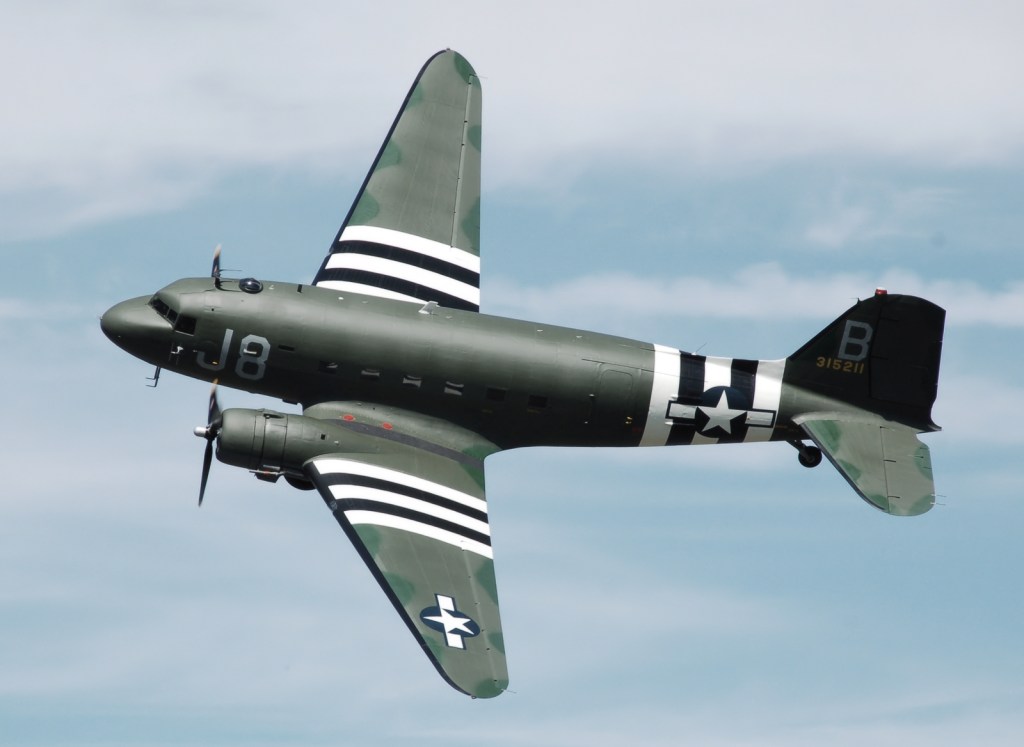
The C-47, a military transport version of the infamous DC-3, was an essential aircraft of the Normandy invasion providing the means with which the first airborne troops arrived on the ground in Normandy seizing vital positions and contributing to the success of Operation Overlord.
C-47’s were used for all manners of troop transport and airborne deployment. Seeing this aircraft on the list wasn’t a huge surprise. At the moment it is listed as an AI only aircraft, however, that may change later on.
B-26 Marauder (AI)
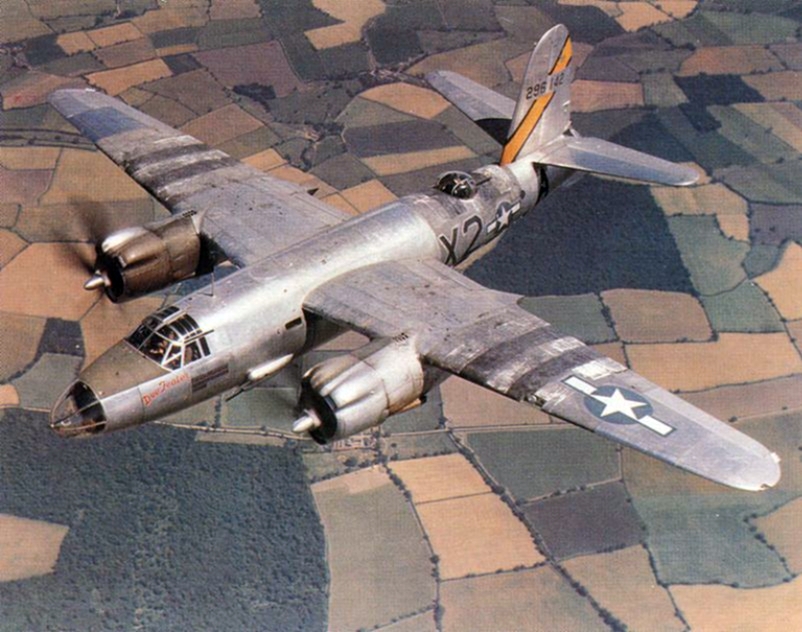
A second American medium bomber is coming to the series and this time it’s the B-26 Marauder. B-26’s were used for both low and medium altitude bombing and saw service in most theatres of WWII but none more than with the 9th Air Force in the lead-up to the Normandy invasion. B-26’s had a troubled development but design changes and pilot training enabled the B-26 to become one of the most successful USAAF bombers.
Once again this is an AI aircraft but with any luck we may see 1CGS turn this aircraft into a flyable type in the future.
Bf109G-6 “Late”
13,000 Bf109G-6 variants were produced and while you may be thinking that we’ve already got a Bf109G-6, this late version had a different canopy, a different tail section, and a variety of performance differences from the early version regaining some of the performance lost in the early version.
The Bf109G-6 “Late” slots into the Bf109 line-up as an intermediate aircraft somewhere in between the early G-6 and the G-14 from IL-2: Battle of Bodenplatte. While I think many see this as yet another Bf109, it seems the Bf109 fans are happy to see this intermediate model and have been calling for one for a while now.
FW190A-6
With a lighter redesigned wing and improved armament (four MG151/20’s instead of two plus two MG-FF/M’s), the FW190A-6 slots firmly in the middle between the A-5 and the A-8. This aircraft was one of my favourite FW190’s in IL-2: 1946 as it combined some of the firepower of the FW190A-8 with crisper handling of the FW190A-5.
Ju88C-6a
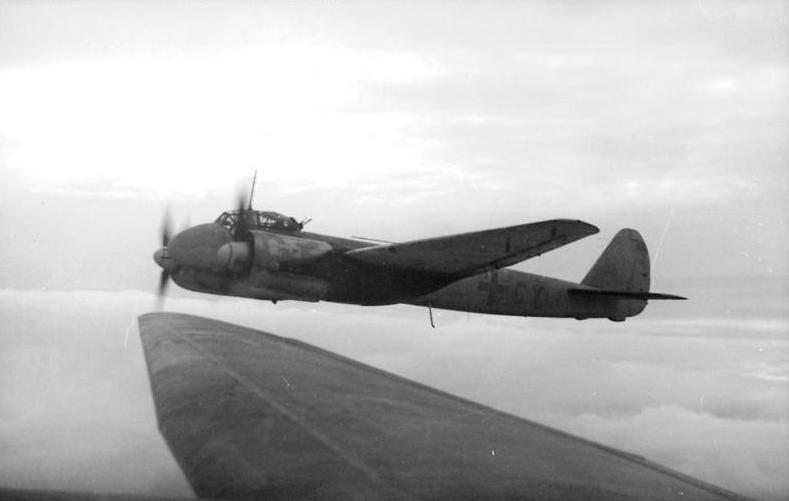
Of all of the new aircraft announced, I think the most number of questions have been around the Ju88C-6a. The C series of Ju88 were converted from the Ju88A-4 and featured a solid nose and fixed forward armament making this aircraft a heavy fighter. The C-6b was equipped with radar for night-fighting while the C-6a (originally designated C-6) had an array of one (or three) MG-FF/M 20mm cannons and three 7.92mm MG 17 machine guns.
KG 40 and ZG 1 flew the C-6 over the Bay of Biscay in 1943 and 1944 and then were deployed against the Normandy invasion before being withdrawn by early August – having suffered tremendous losses against Allied air cover. The C-6a was also used on the eastern front, typically to hunt trains.
This aircraft being based on the Ju88A-4 surely makes 1CGS job easier. Though similar, this unique variant operates more like a large fighter-bomber flying low altitude missions and using both its bombs and guns to engage targets.
Me410
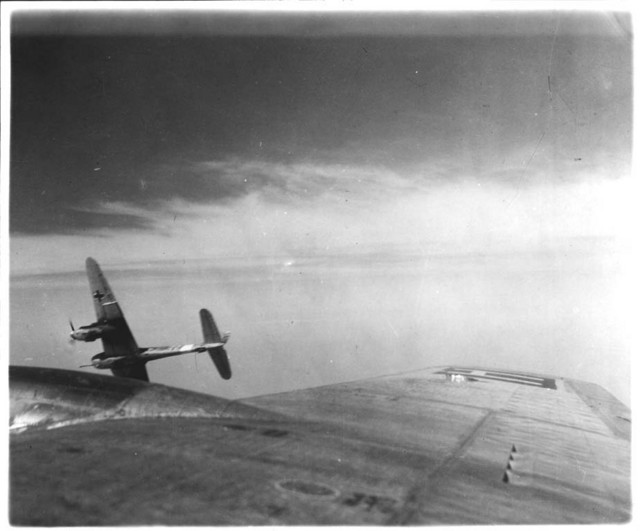
Frequently appearing on fan wish-lists for years now, the highly flexible Me410 was used for just about everything from high altitude bomber interceptor to bomber and attack aircraft. We don’t know which version of the Me410 1CGS intends to build but the highly flexible aircraft was a follow up to the Bf110 and while it never quite eclipsed its predecessor, the Me410 solve most of the Me210’s problems and had plenty of firepower and performance to call on at all altitudes.
The Me410 was often fitted with 30mm or larger cannons and some versions had the BK5 50mm auto-cannon mounted.
Ar234
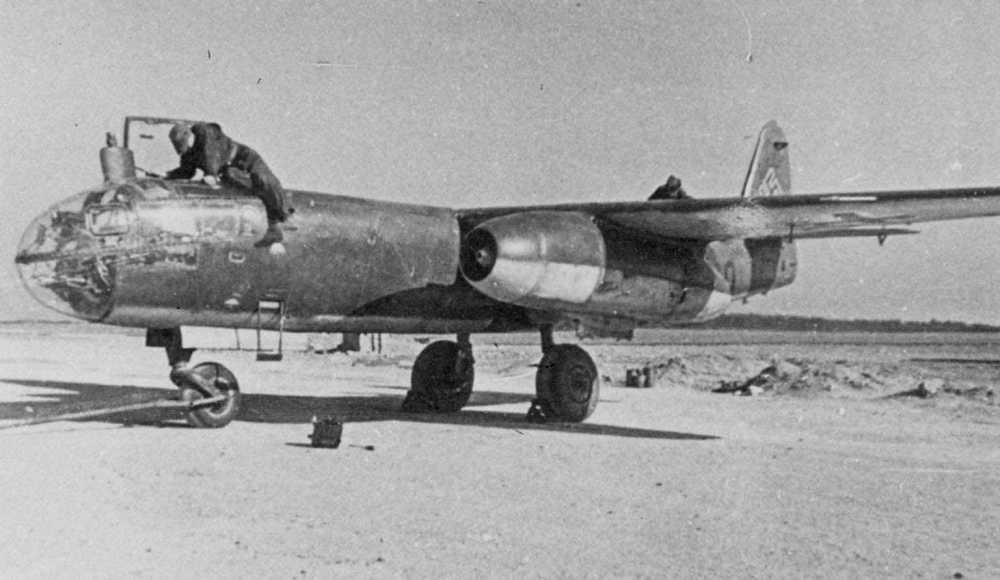
Arado’s Ar234 was the world’s first operational jet bomber and it saw some limited use in the later stages of the Normandy invasion. High altitude reconnaissance and bombing missions were flown with this aircraft which proved difficult to intercept. The Ar234 was later famously used to attempt to destroy the bridge at Remagen.
Possessing speed and heavy bomb loads, the Ar234 offers an interesting bomber type to the Battle of Normandy scenario as well as one that fits well into Battle of Bodenplatte.
An interesting and useful aircraft set
With limited numbers of aircraft available in the Western Front set, any new aircraft is going to be carefully scrutinized and thought about by the community. That said, these aircraft appear to represent the best way for 1CGS to give us some fan requested aircraft types all in one package while simultaneously expanding the aircraft set not just for IL-2: Battle of Normandy but also for IL-2: Battle of Bodenplatte.
Essentially every aircraft from Battle of Normandy can be used as part of the Bodenplatte campaign making these two products joined tightly together. It’s likely that the last day of the eventual future Career mode for Battle of Normandy will be only a few days away from the start of the Battle of Bodenplatte career.
That means that aircraft will be shared across products and even some types intended for Bodenplatte appear to fit the Normandy campaign perfectly. Types such as the P-38J-25 will be appropriate for the Normandy campaign and it may very well be that the decision to model the J-25 (instead the later P-38L as was initially intended) was done so because they had Normandy in mind.
1CGS appears to be playing the long game here and that means that they are getting the most out of the 8+2 aircraft model that they seem to have settled on as one that they can commit to and can try and make financially viable.
At a future point, new virtual pilots asking for recommendations on IL-2 products will likely be steering towards the trio that is IL-2: Battle of Moscow, Stalingrad and Kuban as one path they can take or towards the duo that is IL-2: Battle of Normandy and Bodenplatte – so tightly integrated are these titles and their aircraft are with each other.


 Stormbirds
Leave a reply to BlackHellHound1 Cancel reply