

For almost a year now I’ve been reading and anticipating the launch of the new Microsoft Flight Simulator. What we’ve seen from the various Feature Discovery episodes has been downright impressive and it has me very excited for the sim and for the future of flight simming in general. I felt that in what is likely to be a slow run up towards launch (which I still think will happen this fall) I decided that I would put together a list of the things that I really want to see from the sim at launch.
In a lot of ways, this is a list that is not as much about Flight Simulator itself, but rather the current civilian flight sim market on the whole. From P3D to X-Plane to even the venerable FSX… there’s some big shoes to fill but there are also some barriers to entry that I want to see cut down or eliminated. Many of the features I think are essential do appear to becoming in Flight Simulator if they work the way I think they will work but for the sake of argument, lets go through them and why I think they will make for an essential and successful experience.
#1: Ease of setup
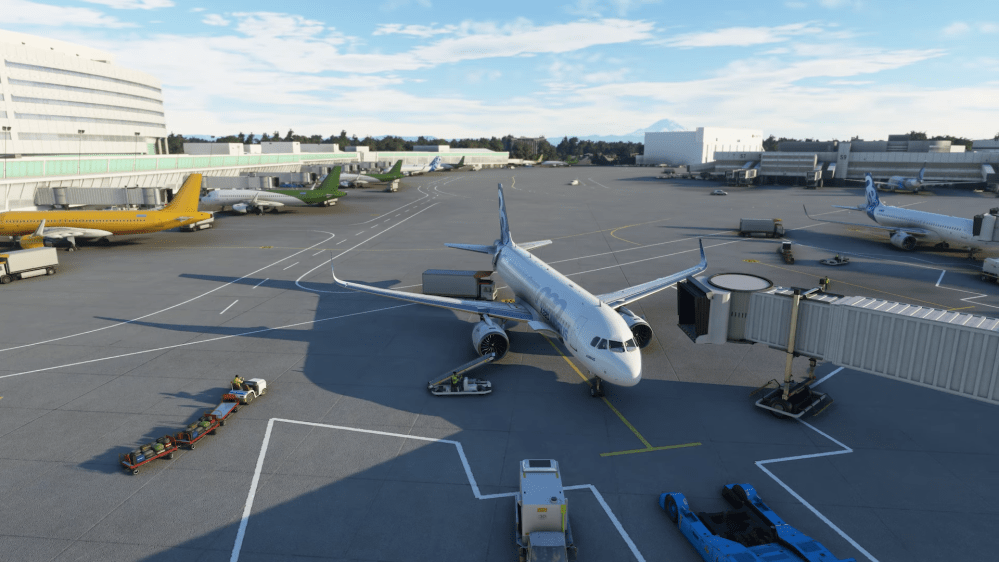
The first thing I think Microsoft Flight Simulator needs to succeed is an easy setup process. You might be saying, yes of course, install the software and go. Unfortunately, that’s not always the case and the level of tinkering required to get a lot of simulators up and running for the first time with a decent feature-set (i.e. detailed aircraft, scenery, etc.) can be a major barrier for entry for a lot of potential simmers and so getting this right is important.
Wide support and default profiles for a variety of peripherals so you can plugin and just play for the first time would be a key piece of this. Editing control setups is almost like a “bonus” mini-game that ships with a lot of flight sims and while having the ability to customize your control scheme is also essential, making it easy for first time simmers or those who don’t want to be bothered with having to mess around with these types of things will be very valuable.
That does mean providing support and default profiles for a wide variety of hardware. From the VIRPIL, VKB and Honeycomb products to the more wildly known Thrustmaster, Logitech and CH Products equipment. It sounds like even an XBox controller is a potential way to play this sim so I’d love for all of these pieces of hardware to work and have profiles right from day one of the official launch.
Another will be the setting up of scenery and visuals for the sim. On this point it sounds like Microsoft and Asobo have it covered with their gorgeous scenery system driven by petabytes of satellite and Azure AI enhanced scenery likely to load in relatively seamlessly. If some user intervention is required, I hope that it’s handled in an easy to manage way (i.e. if you wanted to preload a specific area that you always fly in, that should be easy to manage).
#2: Good training modules and materials
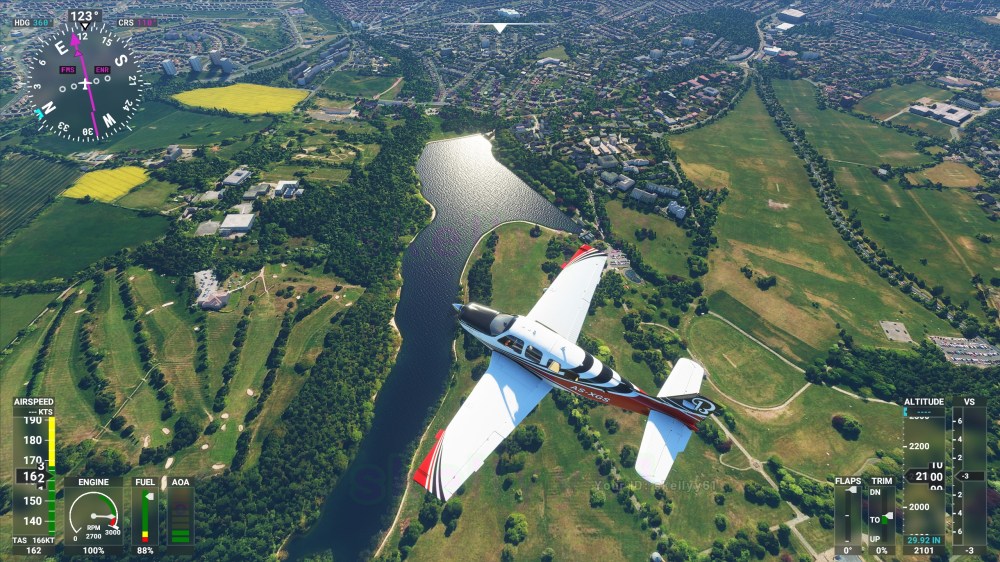
Flight Simulator, with its combination of name, company backing, powerful marketing, beautiful graphics and future XBox plans has captured the attention and hype like no other simulator. It’s made the rounds in the mainstream gaming press that normally focus their attention on the next FPS title and we’ve even seen articles in the wider non-gaming press. There are going to be a lot of new people coming into flight simulator and a lot of them are going to need help to get up and running.
The key piece here will be to provide an excellent learning environment with interactive tutorials, checklists, and walk-throughs that get people up and running. The more the Asobo and Microsoft can do to make this feel less like you’re missing out on the rest of the fun and instead are learning by doing, the better. This is no small feat that I’m asking for but we have already seen evidence in past Feature Discovery episodes of features like interactive checklists that can get you started from cold and dark to flying around.
I want to do more with the G-series of avionics suites, learn more about flight planning, as well as go old school by navigating using older methods such as VOR beacons. These are things that I’m only starting to learn about in civil aviation and I want to learn more. All the better if I can do that through interactive means via tutorials in the sim.
#3: VR and non-VR headtracking
Virtual reality was not a planned feature when Microsoft Flight Simulator was announced last year but Asobo Studios and Microsoft quickly got an earful from everyone across the industry. VR is the killer feature for flight sims that has gone beyond novelty to essential for some to even buy-in in the first place. It has been announced that VR is a feature they are looking into and likely working on and hopefully they have done the necessary under the hood changes to their engine now to make it work so that it can release either at launch or soon after launch with full support.
At the same time, many are also using standard 2D displays and are using TrackIR or some substitute (I use OpenTrack and a Delanclip). Microsoft Flight Simulator needs to ship with these IR or face based head tracking solutions as they are essential fare for a top notch flight sim experience.
Using the mouse or a series of key presses or a hat switch is certainly an alternative for people without that technology but I do see headtracking as essential to the experience. Multiple methods and options will hopefully be embraced.
#4: A high quality marketplace
A capable and powerful marketplace for the sim I think is going to be essential for the title going forward. This is a place that needs to offer both free and paid content and with some essential levels of curation so that some of the best content is easy to access. There’s a business case to be made here where a strong marketplace can support the sim’s overall maintenance and development going forward, but I also think there’s a strong user focused piece here too.
The marketplace as I see it is also your mod manager. Letting you plug in and out different add-ons to Flight Simulator in a controlled way can remove a lot of the frustration of tweaking manually and having to work your way through seemingly endless folder structures. While I understand that some will desire to be able to operate that way (and I’d love to have my cake and eat it too here), I think the vast majority don’t and would prefer it be done with a few button clicks. Think Orbx Direct but on the scale of the whole sim from aircraft to upgraded airports and more.
The announcement that PMDG is bringing four of their aircraft to Microsoft Flight Simulator in the future is likely just the tip of the iceberg and there are likely to be many more announcements in the coming months.
A marketplace of course is also something I do fully expect to see. It offers the potential for the sim to sustain itself, even without a subscription model, by offering endless expansions by third parties and taking a cut of the sales and using the scale of the sims likely substantial installed user base to keep going.
#5: A good multiplayer experience
I’ve been mostly disappointed by the multiplayer experience that I’ve seen from civil aviation sims. Indeed it’s only over the last several years that the combat flight sims have really embraced the multiplayer experience but it looks like, from the Discovery video released earlier this year on multiplayer, that Asobo Studios and Microsoft are building what looks like a solid multiplayer experience.
This is both a technological solution and a “game design” solution. The technical part ensures that the sim uses modern coding techniques to ensure that the experience is as smooth as possible, that glitches from network sources don’t cause overemphasized hassle for the player, and that it all “just works” as much as possible. Of course Microsoft can’t account for unreliable network connections themselves but they can make it so that those connections don’t ruin the experience for other players.
The design side is of course more centered around ensuring that the experience is good. If you just want to fly with friends, then let us set that up quickly and easily. If we want to participate in a busy and crowded multiplayer session, let us do that as well. Indeed it does look like Asobo Studios intends to deliver that and hopefully what we’ve seen in the Feature Discovery series will play out successfully in practice.
#6: A good single player experience
Technically a flight sim can get away without a single player experience. In a flight simulator you can theoretically load your plane on a runway and go exploring. That’s something I fully intend to do in the new Microsoft Flight Simulator. Exploring and hopefully taking in all of the beautiful scenery that this new sim has to offer will be a significant part of the experience. But I do want something more too.
Other sim titles have solved this, not on their own, but through third parties that offer things like FSEconomy which gives your virtual sim pilot something to do. It is my hope that Asobo studios has built in an experience that encourages players to fulfill missions, take basic care of their virtual aircraft, and helps to encourage that exploration through accomplishing goals.
We haven’t seen much of what Asobo and Microsoft plan to deliver here, however, I do hope that they have some of this in mind. A deeper experience with a true economy and aircraft maintenance system may be too far to do for launch but even a more surface experience with missions that are generated and accomplished would really help the “game” part of the experience.
I don’t think I can say this enough that the possibility of so many new non-sim players potentially jumping in for the first time means that a few more “game” features need to be here that work optionally on top of the more hardcore flight sim experience. It’s my hope that they have something very entertaining planned here!
I think they will deliver
More than graphics, flight dynamics, aircraft, or pushing buttons in the right order, Microsoft Flight Simulator has plenty of potential and it may very well upend the market for civilian flight simulation in a big way. But with so many eyes on the product and with the potential of bringing in non-simmers into a simulation environment, Flight Simulator will need to offer in a a great flight sim experience and the above are six ways that I hope that Flight Simulator will help deliver that experience.
What do you think? Let me know in the comments!



 Stormbirds
Leave a reply to BlueHeron Cancel reply