

Until recently, new DCS World maps were few and far between. We had the default Caucasus map and the Nevada map and that was about it. Things have changed and we have a wider variety of maps now available than we’ve ever had before. DCS: Syria is among the latest to be declared a finished product and that means its time for a full review of the DCS: Syria map. This is the second map that third party developer, Ugra Media, has done for DCS World. DCS: Normandy was their first and famously had performance problems and visual glitches that required a significant upgrade a couple of years after its initial release. Does DCS: Syria have the same problems? What is the map best used for? Should you buy this map? Let me try and answer all of those questions.
Overview

This is a 900x500km map covering most of the eastern coastal region of the Mediterranean with Turkey, Israel, Jordan, Syria and Lebanon all represented in part or in whole on the map.
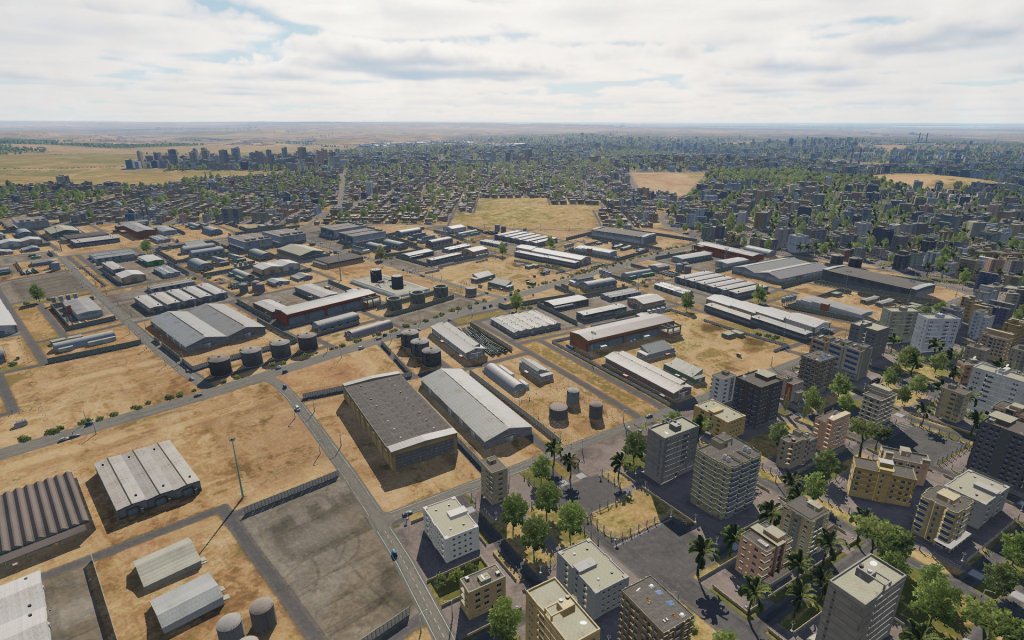
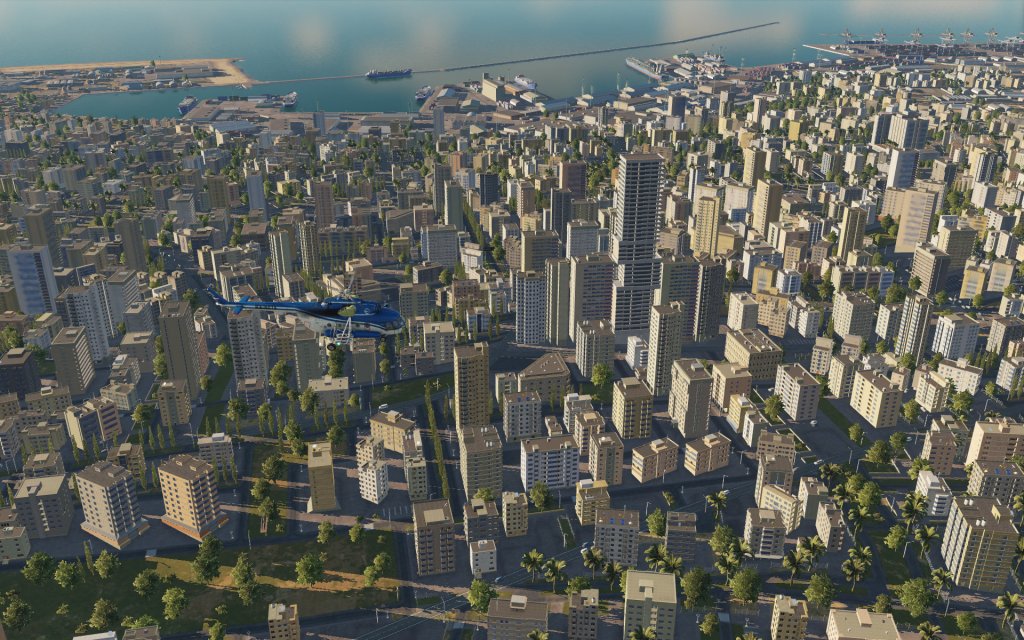
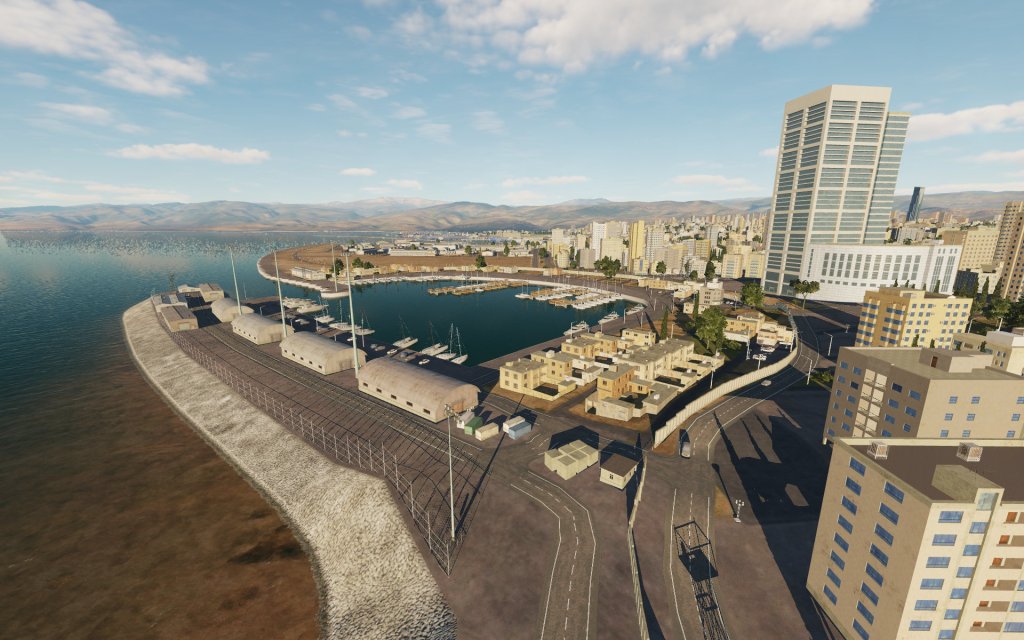
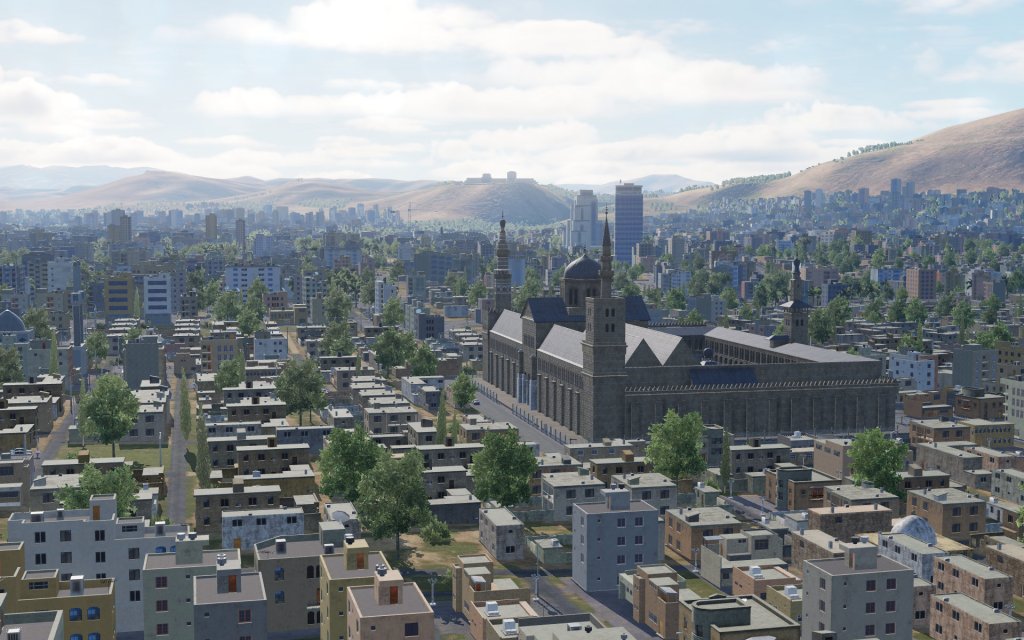
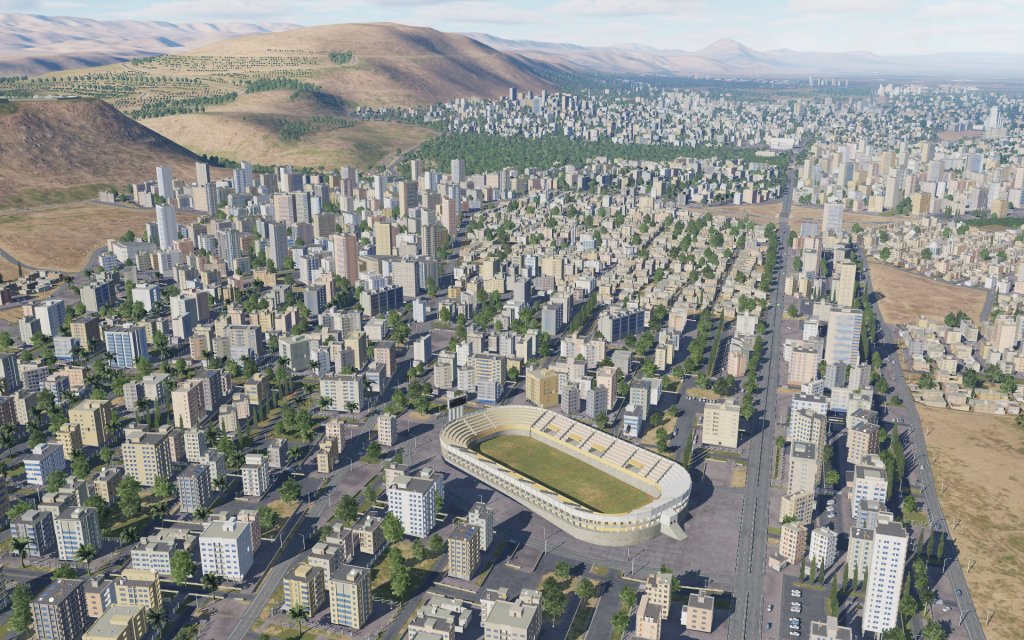
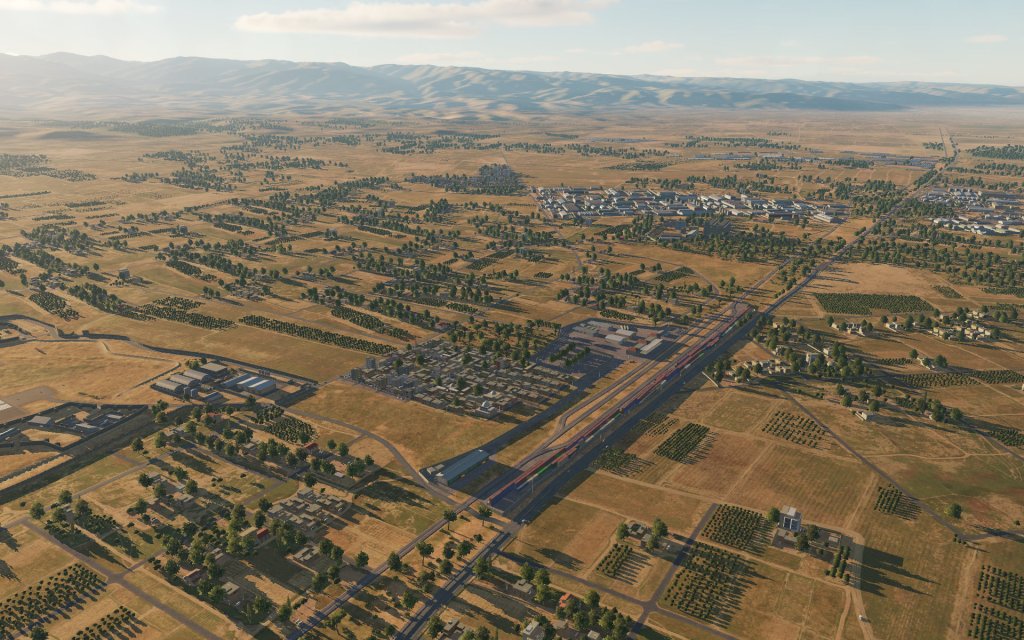
The map covers a wide variety of climate zones that includes the more arid regions in the east as well as the more humid regions near the western coast. It also has a diverse array of locations and points of interest including dense urban areas, rural areas with orchards and farmers fields, as well as industrial port facilities, railyards, warehouses and business parks. In short, it has everything!
DCS: Syria is a modern map with plenty of potential for hypothetical DCS World scenarios covering a wide variety of conflicts from the start of the cold war right up to the modern day. On that note, it is also worth bearing in mind that this is a map that covers a lot of ground that has been ripped from the headlines over the last half decade. Places like Aleppo and Homs have been savaged by the Syrian civil war. By default, all of these places appear pristine in DCS and its up to mission designers to choose to represent that real world devastation.


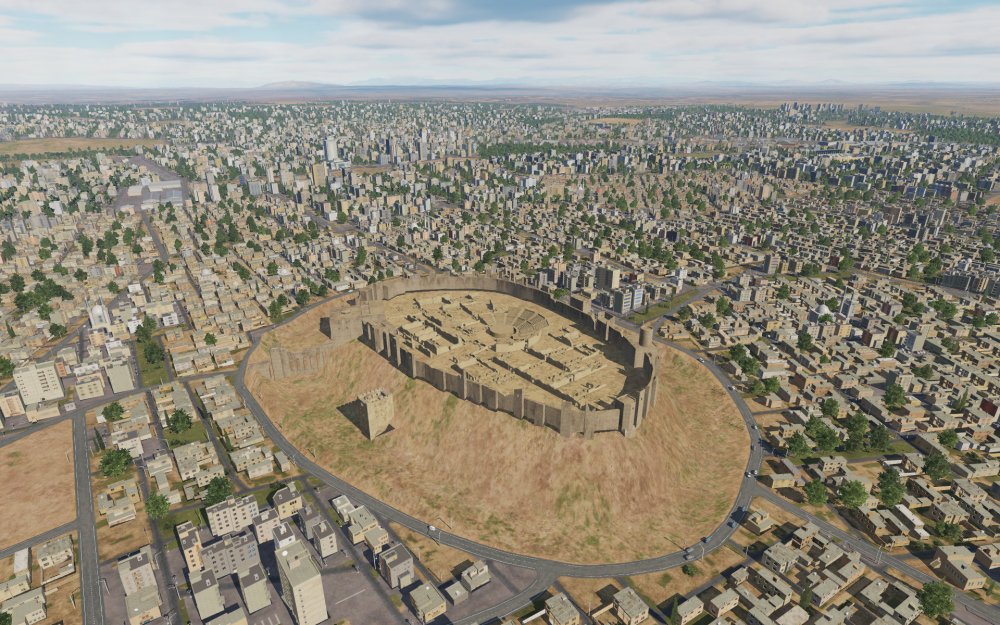
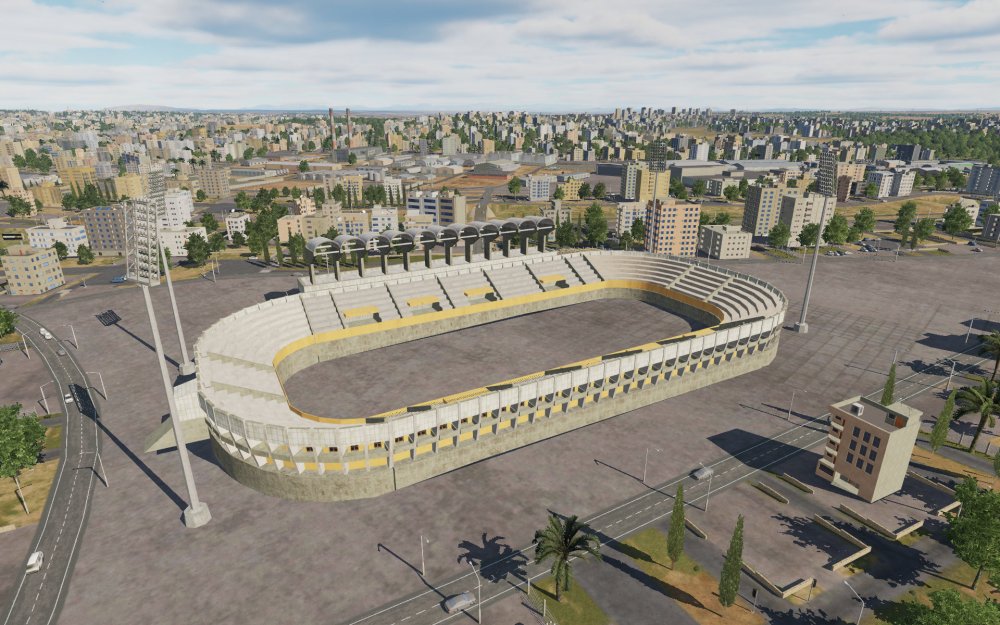
As another reminder of the complex geopolitical and humanitarian issues present, there are also several places where the borders are marked by observation posts, walls, and barbed wire. It’s gritty and perhaps more visceral than some of the other maps that we’ve had in the past which have been either rooted in the past or are more hypothetical like Persian Gulf.
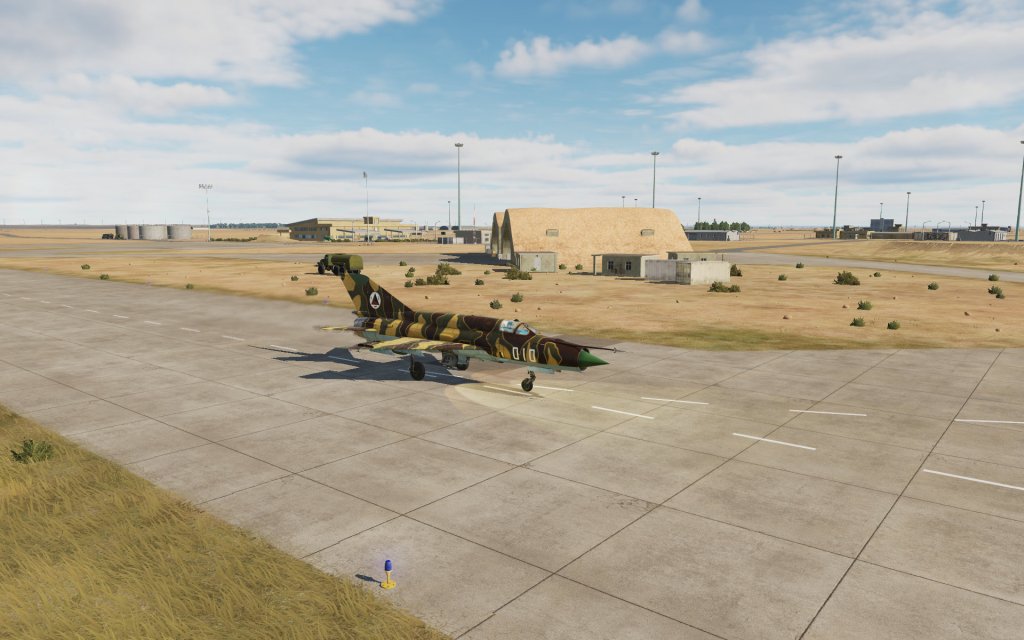
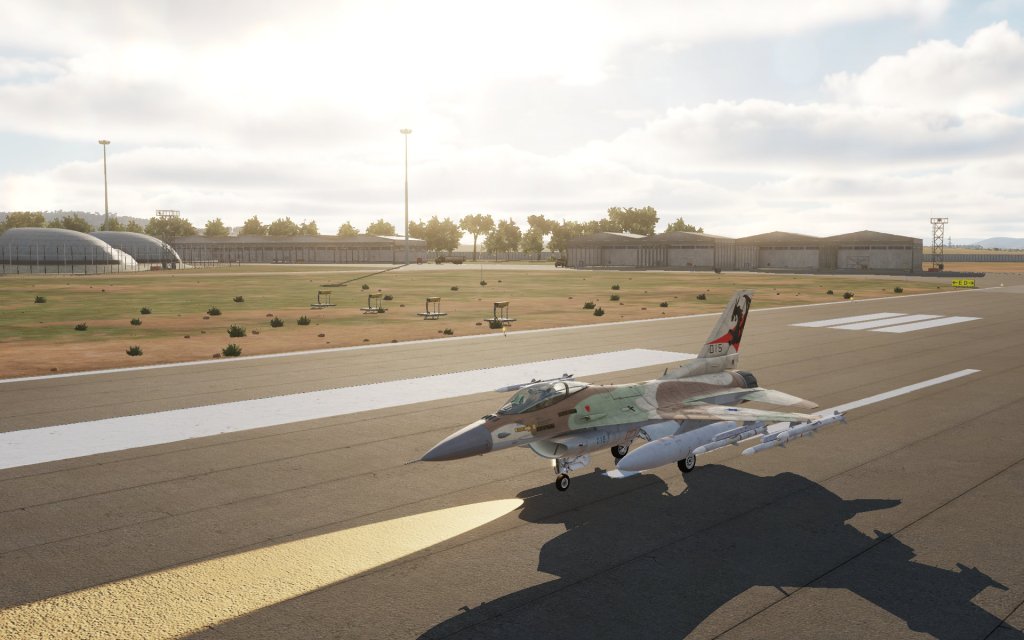
The map features a wide variety of airports. There are 51-airports represented in total and they include both military and primarily civilian airports. Incirlik, Ramat David, Hmeymimim, Naqoura, and Akrotiri are among the key military airports while Beirut, Damascus and Larnaca are key civil airports though some of these civilian airports also have military bunkers.

RAF Akrotiri 
Khmeimim 
Damascus Mezzeh 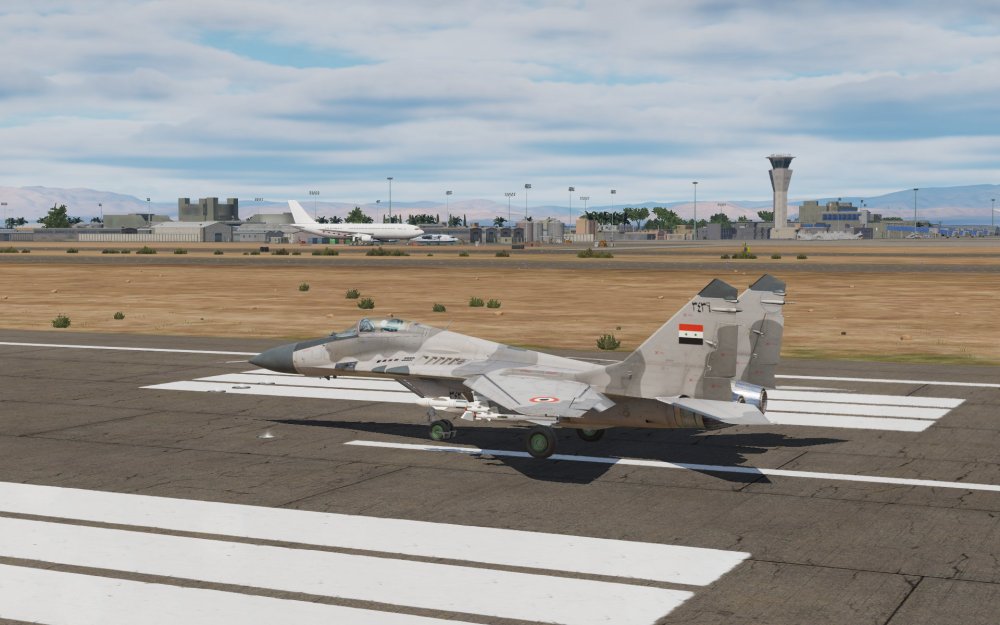
Damascus International 
Ramat David 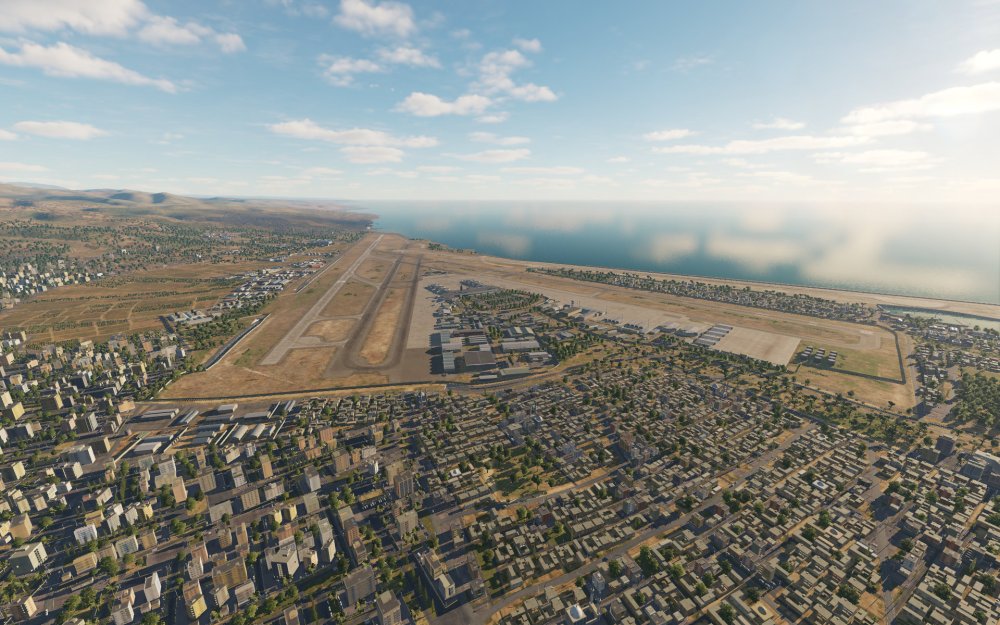
Beirut International
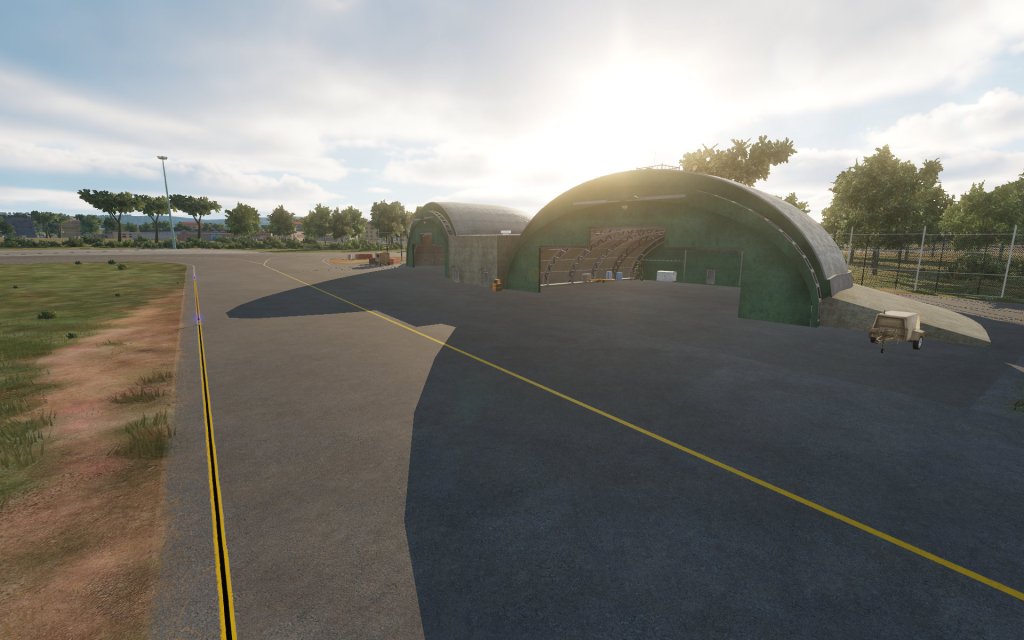
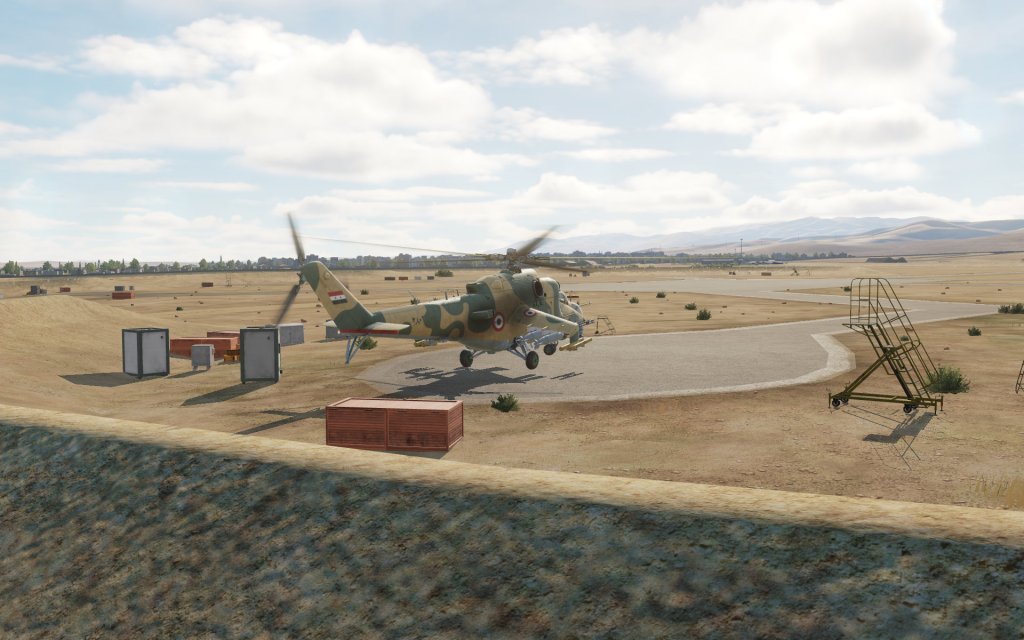
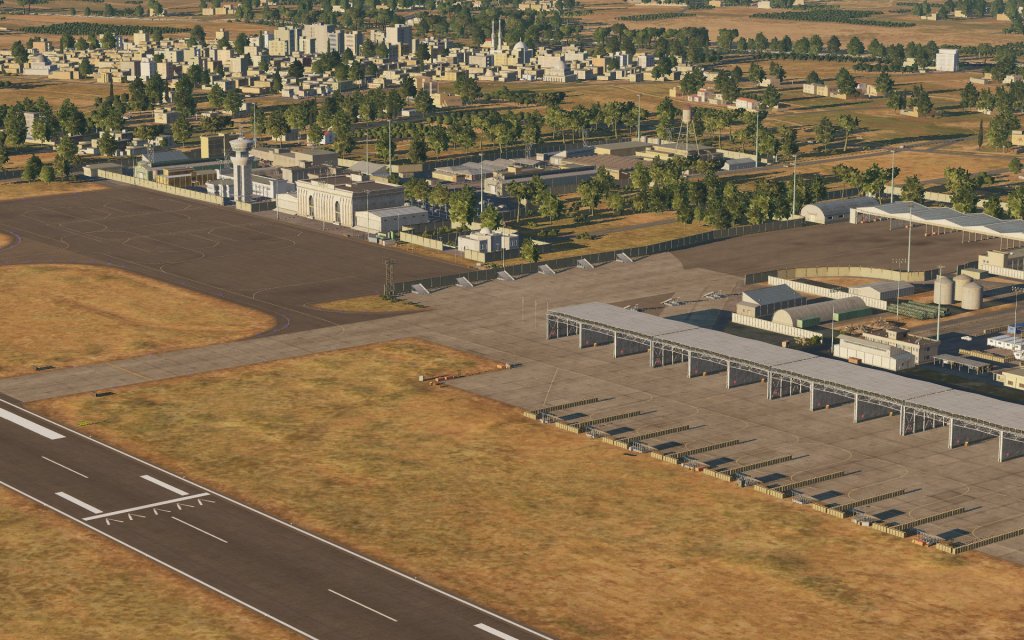
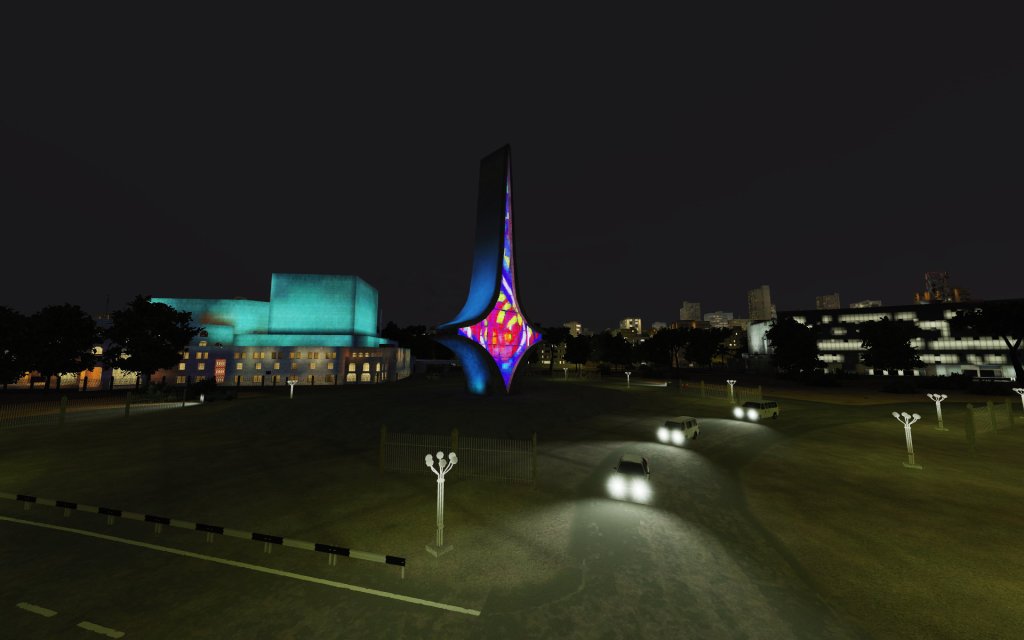
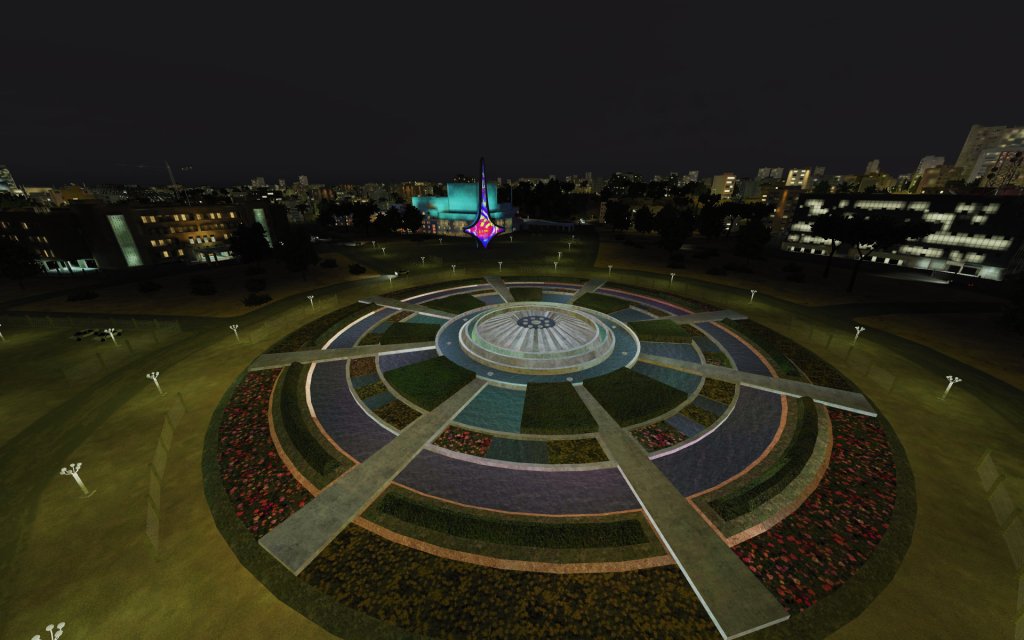
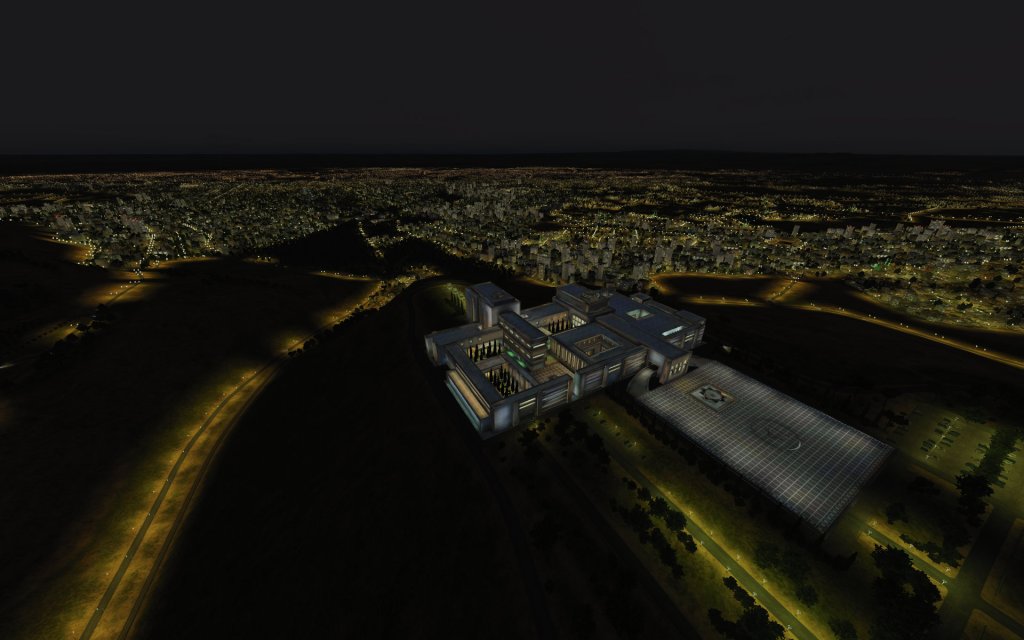
These airports have some of the best detailing we’ve seen in DCS World yet with plenty of fine details including fences, oil drums, ancillary buildings, and some have dugouts and other protected areas for things like SAM systems and radars. Each has their own unique style where appropriate and some of the bases feature hardened concrete shelters that will need some of the hardened penetrator warheads to get through. Details are slightly less than you’d get with an airport upgrade in a civilian simulation but for DCS they are superb and each one has a decidedly custom feel.
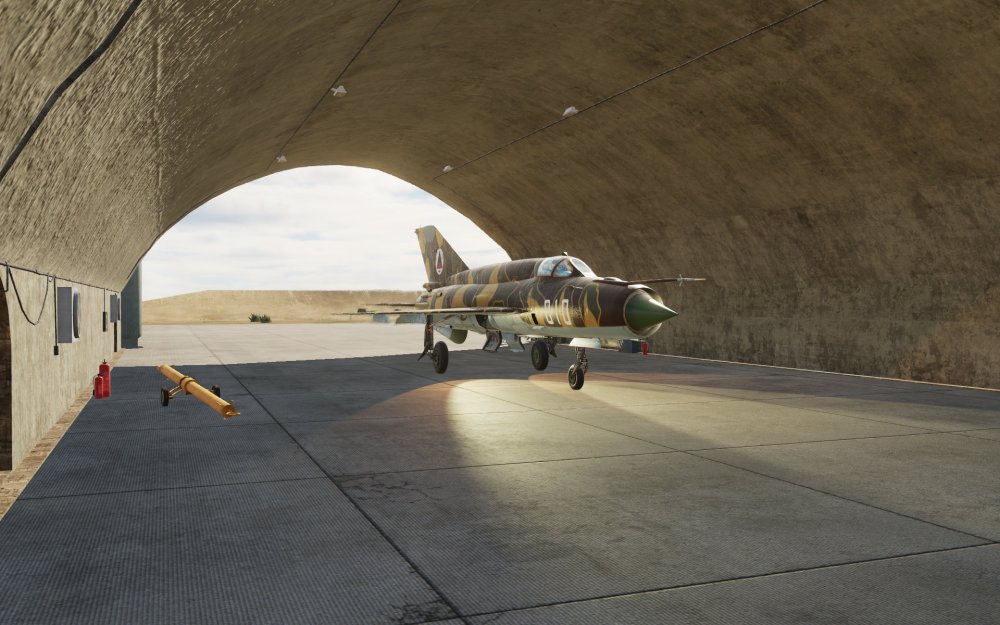
Visually appealing
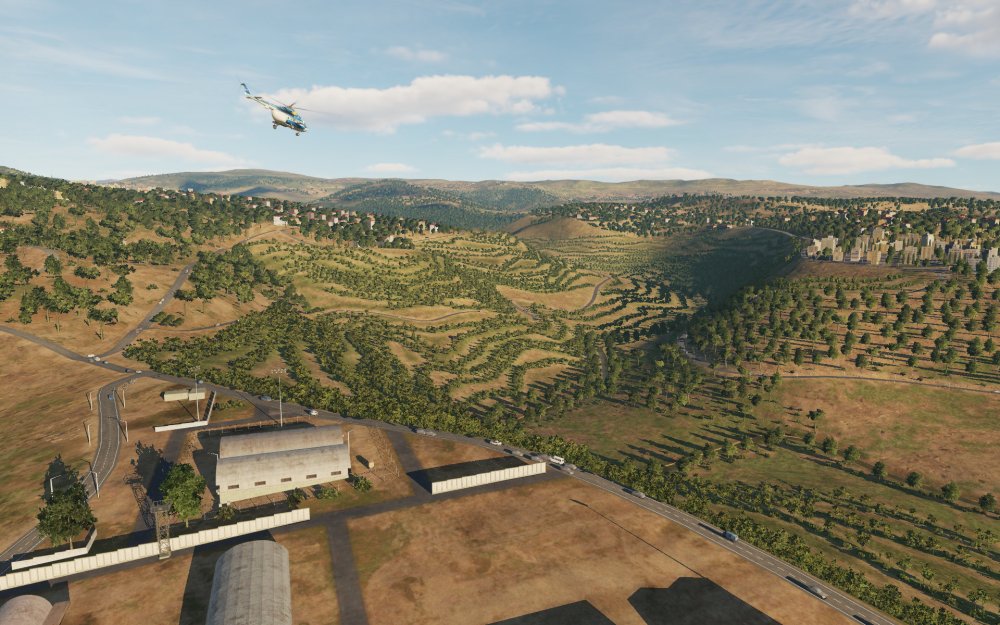
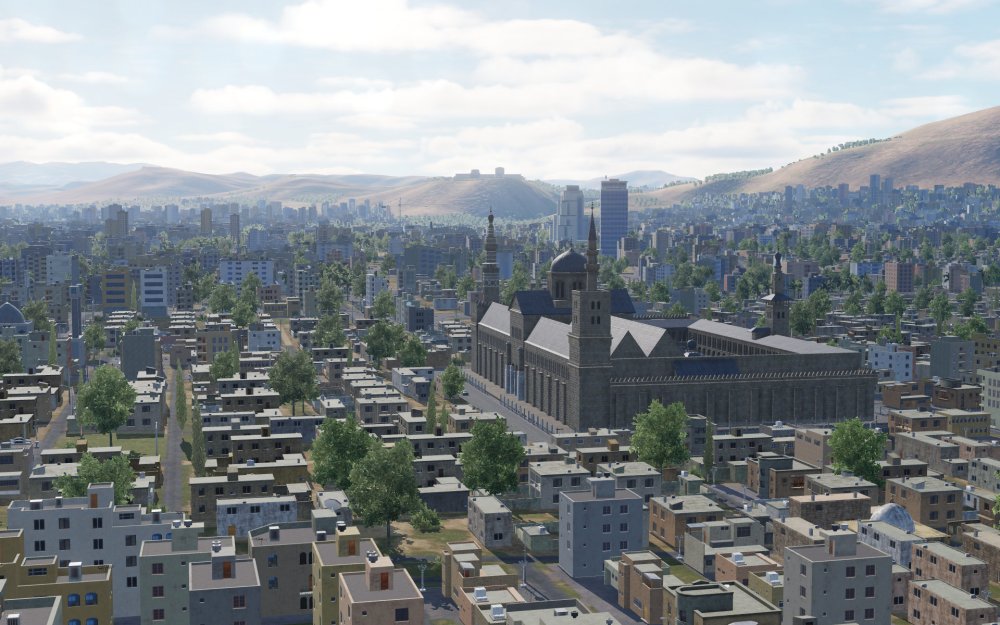
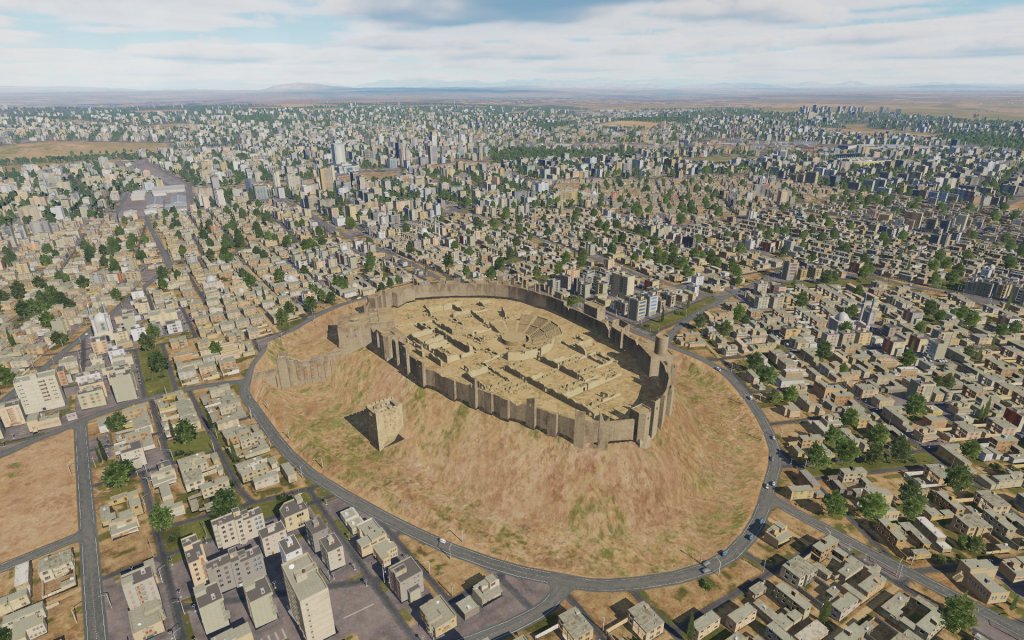
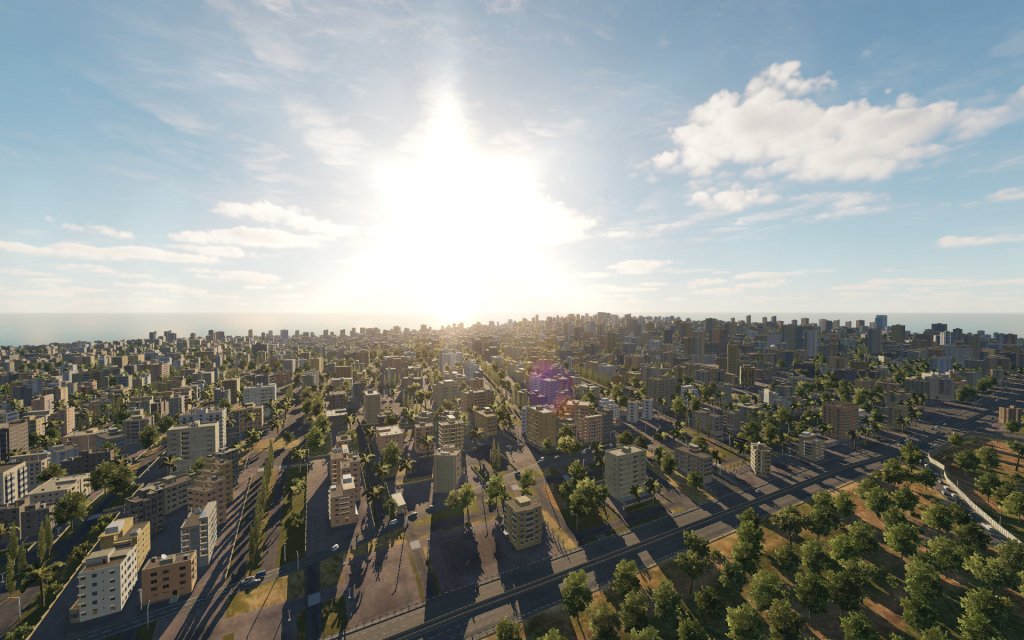
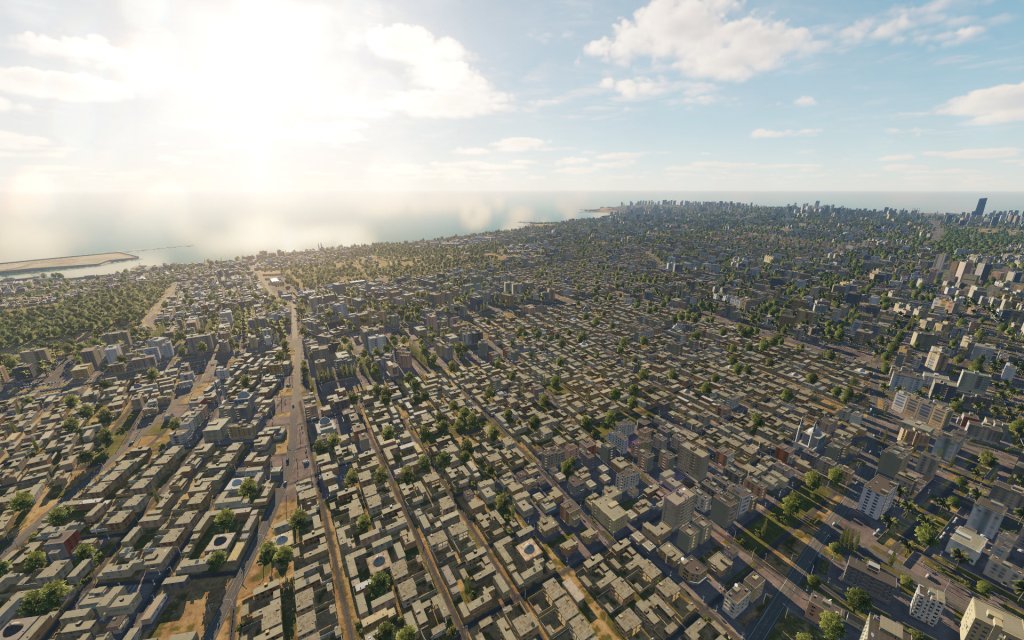
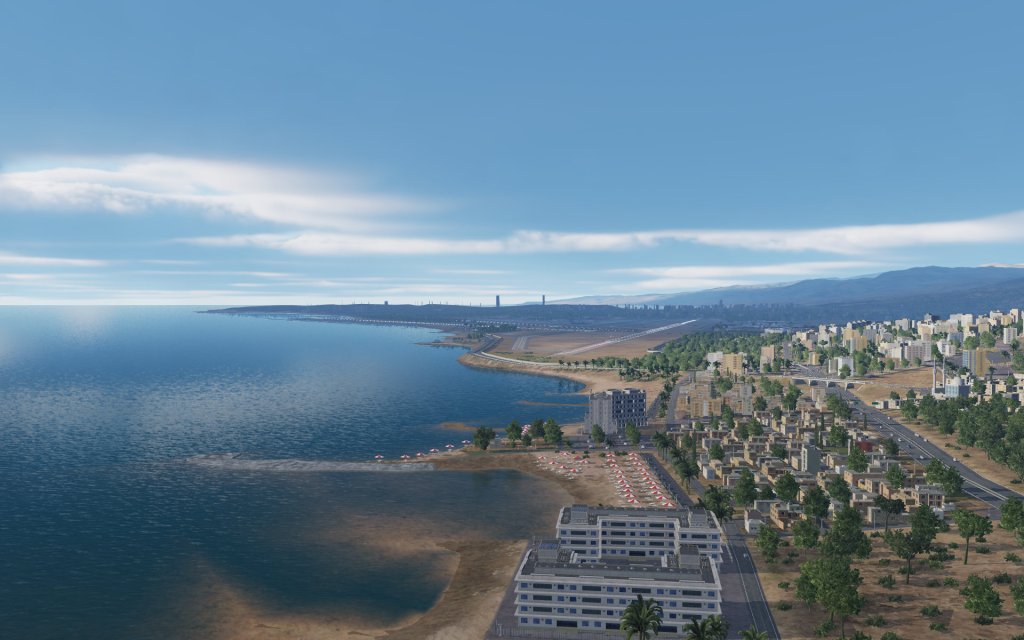
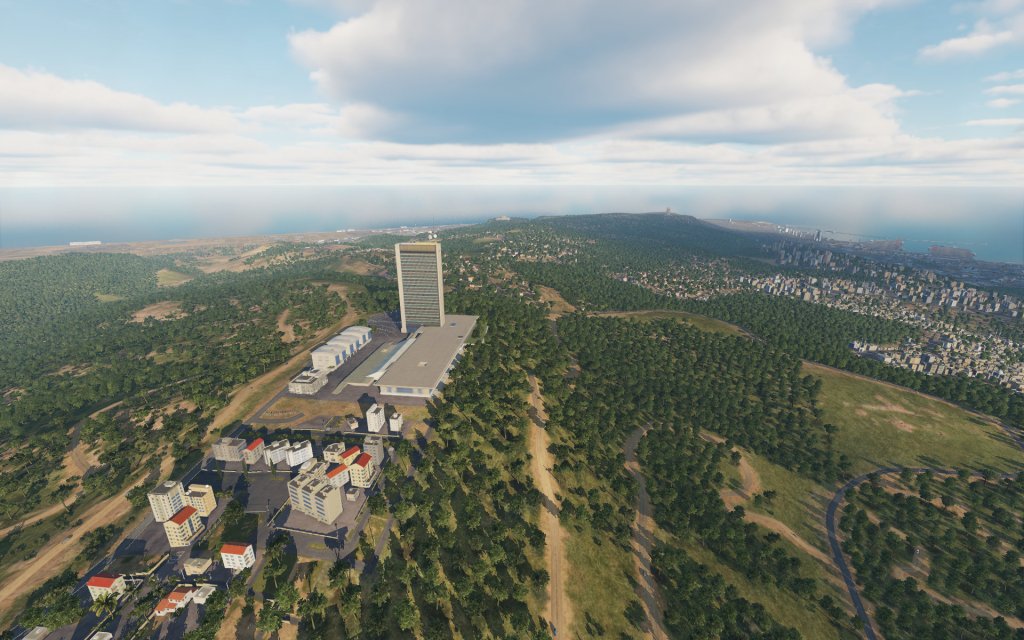
It doesn’t take long with DCS: Syria to see the visual appeal of the map. With such a diverse array of terrain types, mountain ranges, hills, flat lands, orchards, and dense urban areas, it’s hard not to fall in love with the visual detailing that can only be done when a group of dedicated artists turn their craft into a kind of work of art. That has absolutely happened here.
DCS: Syria packs in tons of details and that goes from the wide variety of airports and military bases to the various landmarks that the map packs in. From ancient ruins to modern hotels, skyscrapers to industrial and rural regions, there’s a bit of everything here and it all feels like it fits and belongs on the map.
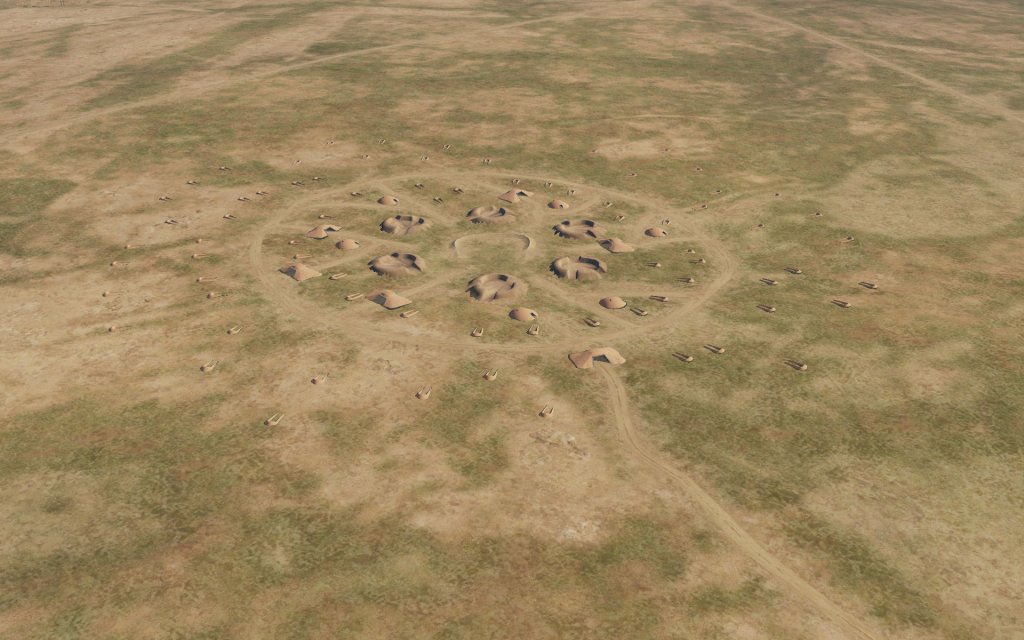
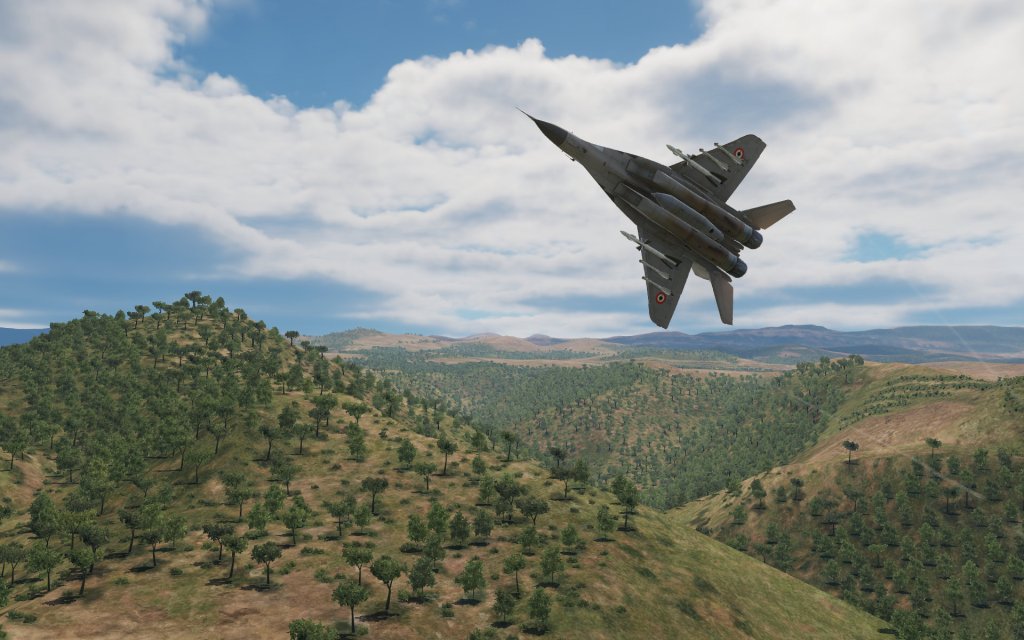
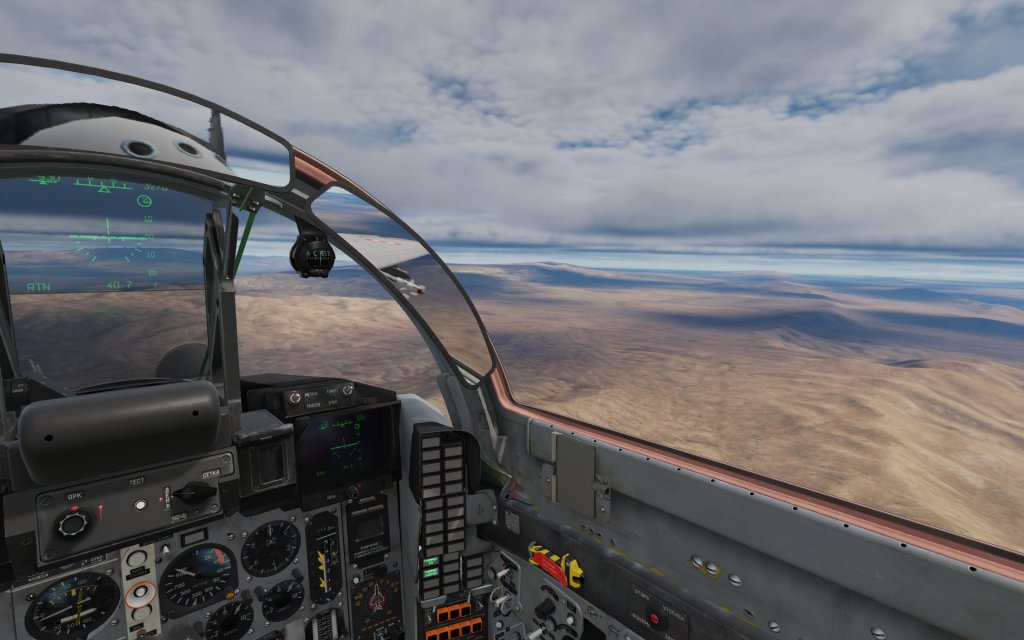
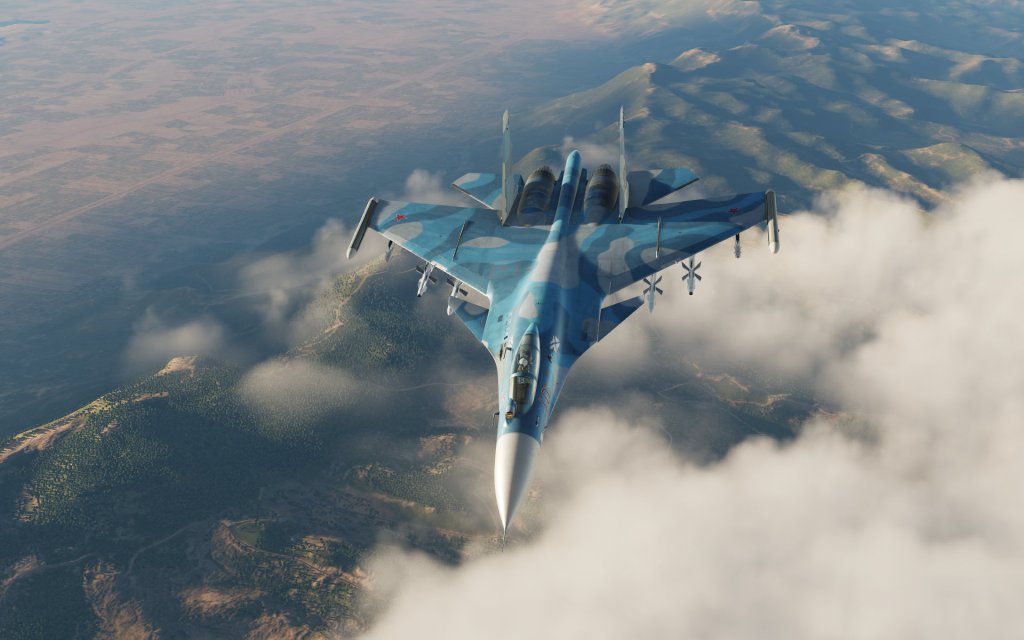
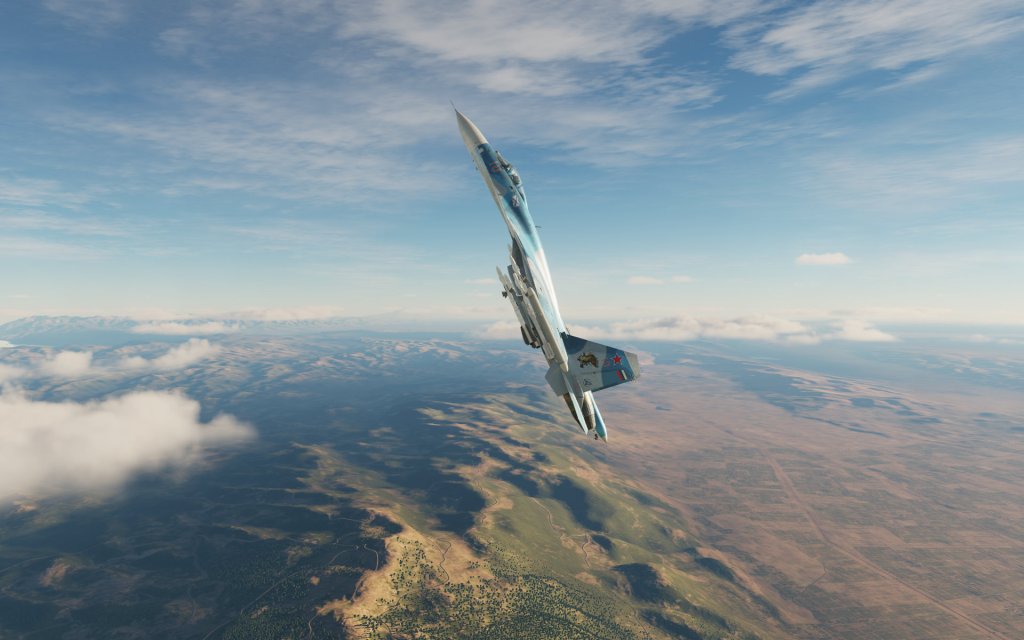
Aside from around the edge of the map, there’s also not really any place on the map where I feel that they obviously reduced the details. From the southern sectors of the map all the way to the north, it all packs in plenty of visual appeal. Some areas are obviously more visually scenic than others and I’m always going to be a sucker for the rolling hills, deep valleys and mountain ranges that stretch along the coast and go all the way up into Turkey. Some of the flatter desert areas are more desolate but that too seems appropriate. The final update to the map adds new areas west of Adana Turkey and also adds the island of Cyprus which seals the deal for visual appeal.


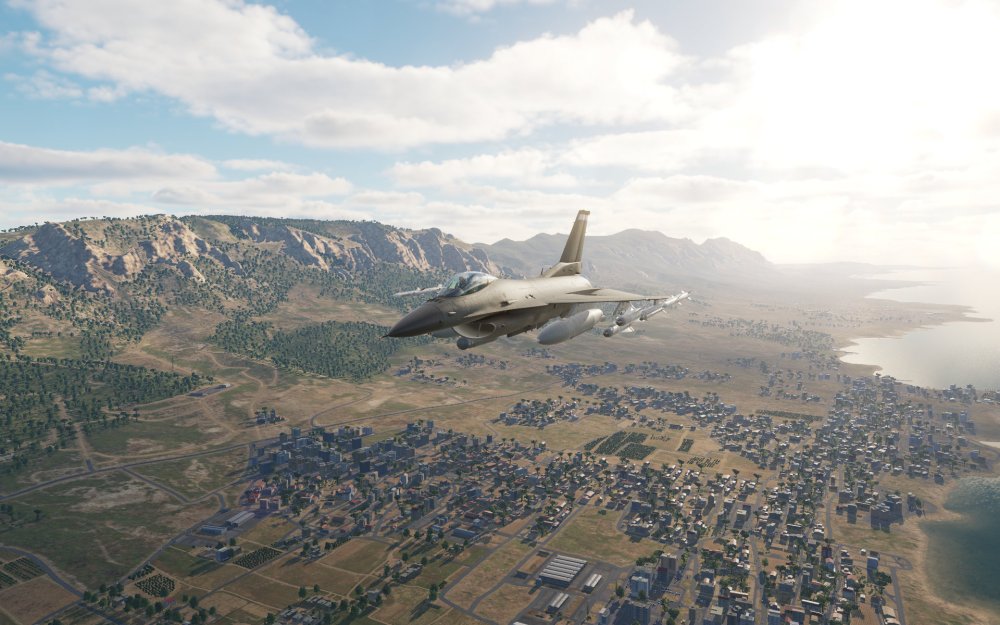
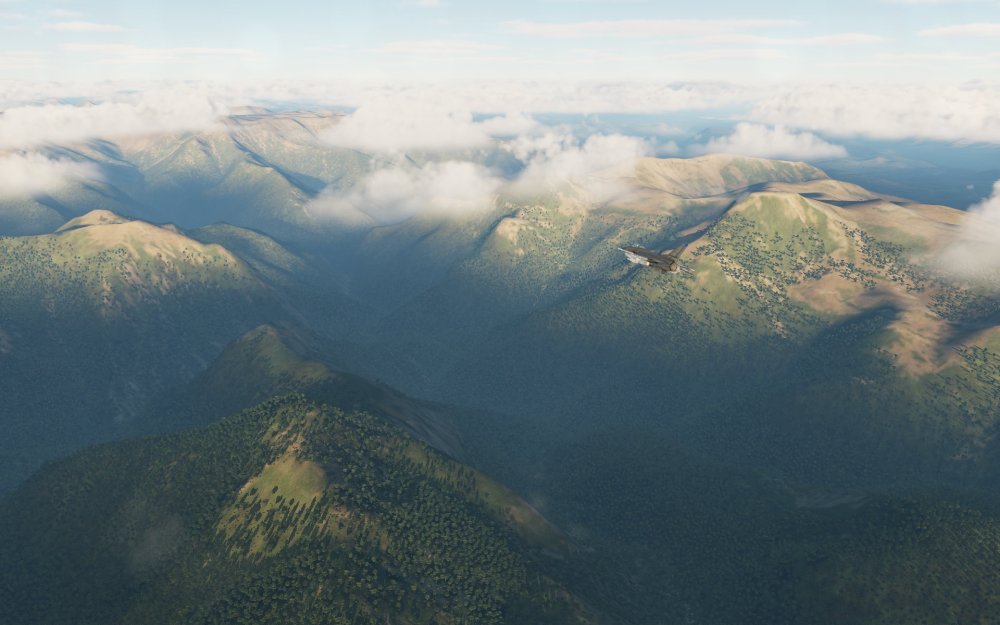
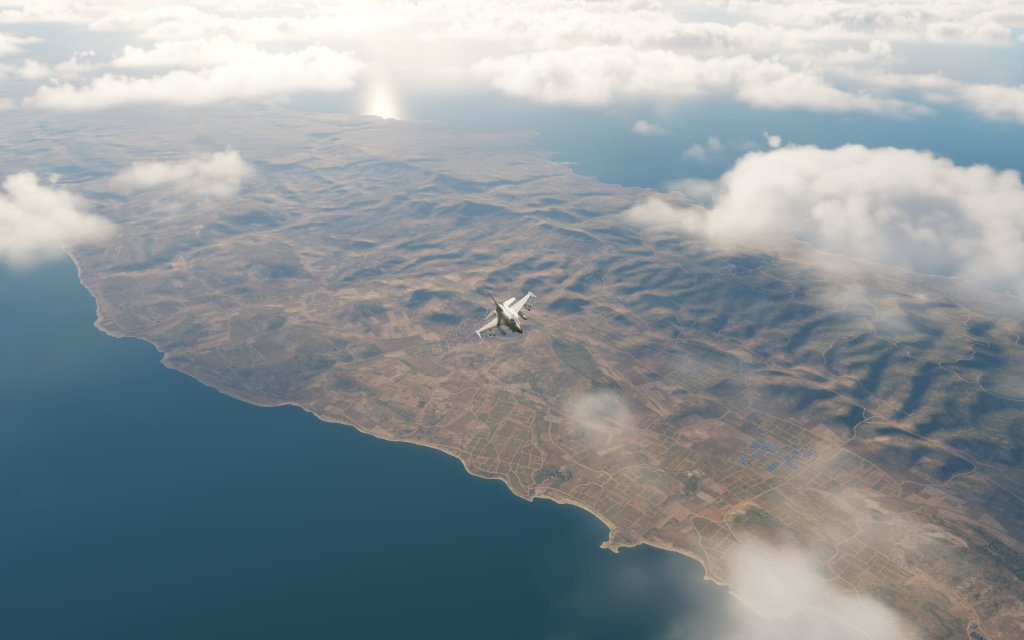
Cyprus is stunning by itself and comes packed with resort towns, cities, and military bases of its own including RAF Akrotiri – the first time we’ve seen a modern RAF base show up on a DCS World map. It also has impressive cliffs and rolling hills on the northern edge of the island. Superb!
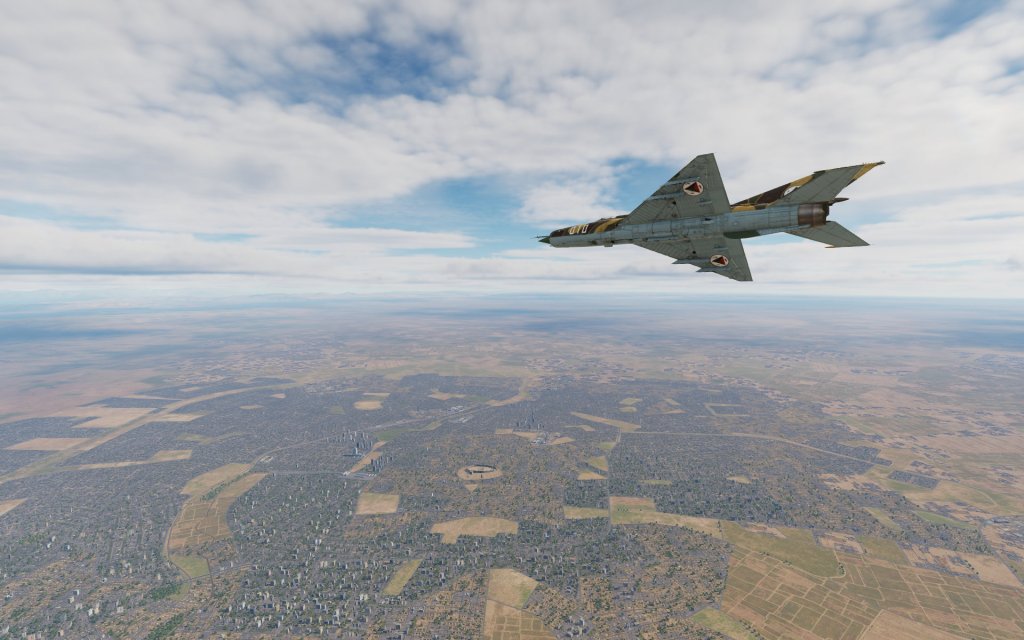
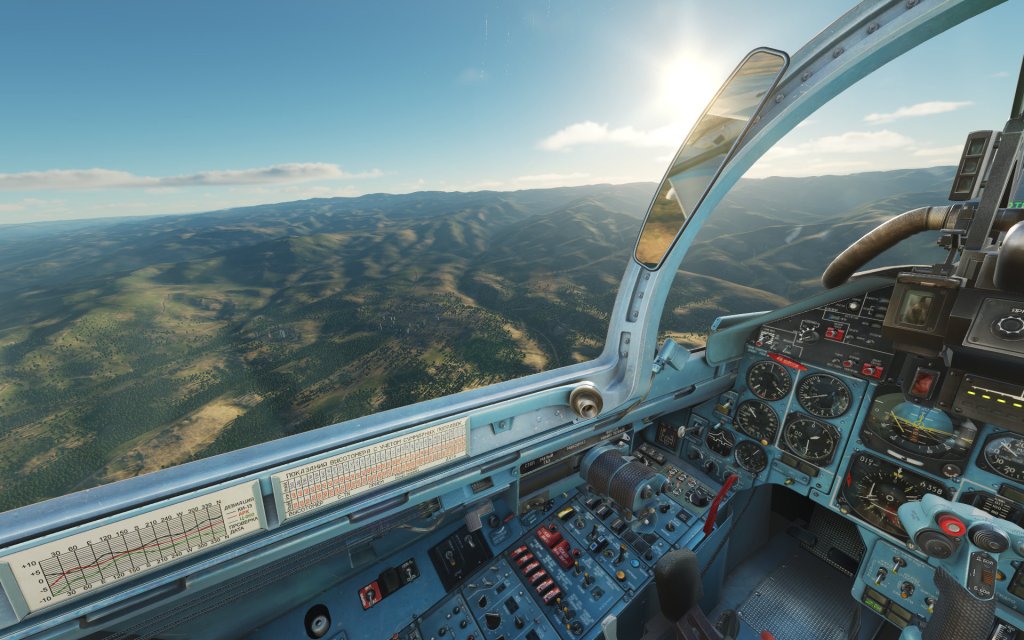
Syria also impresses with both high-altitude visual appeal as well as when flying down low “into the weeds” so to speak. River valleys are detailed and small shrubs and vegetation line roadways and farmers fields. Helicopter flying around the Syria map is unmatched in just how good everything looks. This is a map that pairs well with DCS’ now growing helicopter line-up.
There are a few issues worth noting. A lot of those fine details only appear at close ranges so there are going to be some pop-in details that may distract some. It can take some time for much of a city to pop-up so it looks like another flatland until you get a bit closer and the buildings appear. Frankly, there are so many details at both near and far ranges that having these smaller objects pop-in closer up seem to be a small price to pay. It is an issue for some.
There’s also the issue of performance which I cover in the next section.
A few performance woes, but not all the time
DCS: Syria really pushes the limits of what the DCS World terrain system is capable of right now. Although Eagle Dynamics is pushing forward still with their Marianas Islands map which is apparently pioneering new technologies, I wouldn’t be surprised if what we see on DCS: Syria is already making use of a good number of those technologies too.
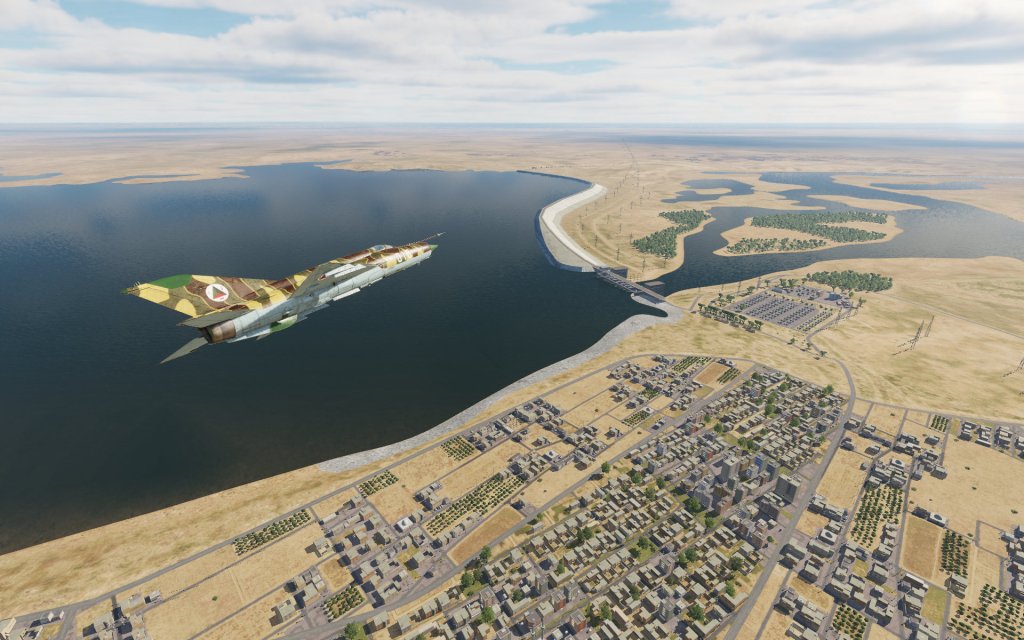
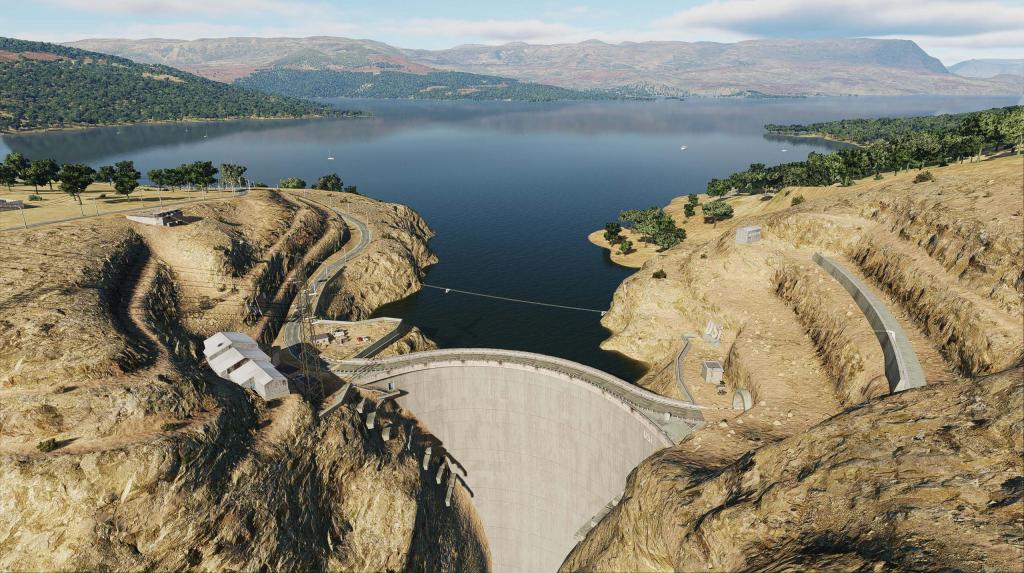
From some of the best water detail we’ve seen in the shallow areas to steep and believable cliffs to tons of fine detail, DCS: Syria has a lot of terrain aspects packed into it. Performance is a concern whenever you push the limits and I’m happy to report that although it is a heavy map, performance issues seem to be at a minimum. Minimum but not entirely absent.
My now five-and-a-half-year-old system is showing its age and with a 6th gen Core i5 processor, 16GB of DDR4 RAM and a slightly newer GTX 1070ti GPU powering it. I was concerned that multiplayer scenarios making use of the map would be unplayable, but my experience has been only slightly behind that of DCS: Persian Gulf. Turn the pre-load radius down a bit and thing stay relatively fluid. Single player scenarios also haven’t really been a problem. That said, I am riding right on the edge of this being a good experience. Older or less powerful systems will struggle while 32GB equipped systems with the most modern CPUs and GPUs will give you a much more solid frame rate.
Critically, this map does not seem to have the kind of inherent performance problems that DCS: Normandy did when it was released and Ugra Media have done well to tweak and improve the performance of the map during its early access period. On release, despite the addition of even more details and a whole new section of the map, DCS: Syria is running better than it ever has so their efforts to provide a smooth running experience have paid off. Even flying over dense urban areas at high speed seemed to offer no significant performance penalty.
In practical use
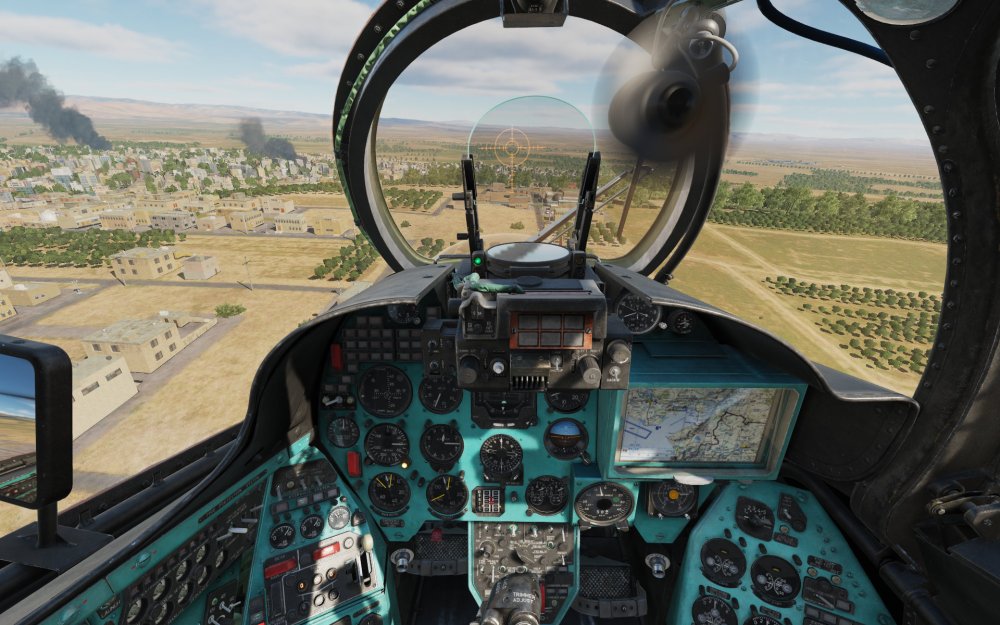

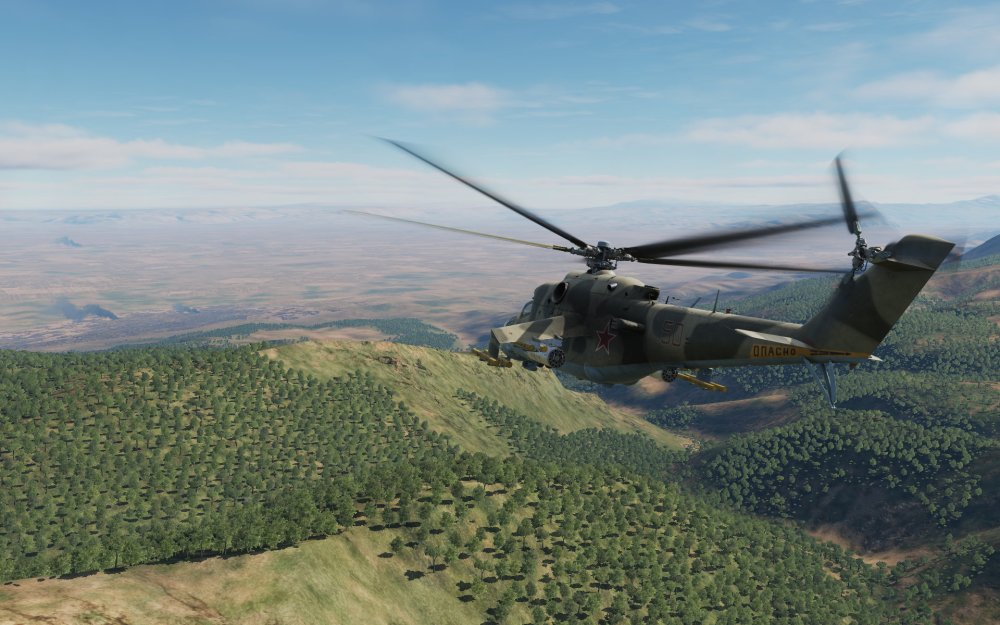
One of the key questions to ask about DCS World maps is… will I even be able to use this? It’s a legitimate question.
The problem of the past with DCS World was that not everyone had bought into some of the other maps and most multiplayer servers stuck with the Caucasus map to keep player numbers up and that was it.
That situation has slowly changed and maps like DCS: Persian Gulf have become very popular options. Fortunately, DCS: Syria has also proven to be popular, and many servers online have been making use of the map. Servers like Hoggit’s Syria at War (still considered an alpha but already quite fun), Low Level Hell, and the Rotorheads server make good use of the map. I’ve flown some exciting missions on Syria at War and another intense series of missions Rotorheads that I’ve detailed in past ‘flight journal’ articles.
Single player scenarios are also widely available and most of Eagle Dynamics newest modules as well as several other module makers have ensured that their aircraft will have at least a couple of missions and instant action missions available on the map.
I think all of DCS: Syria’s other positive attributes, not least of which is the strong visuals and terrain diversity, have contributed to the popularity and decent amount of content that has already come out. So far, no campaigns from the usual list of campaign makers has come for DCS: Syria but some are in development. DCS Liberation dynamic campaign generator does support the map so you’ll be able to jump right in with a lengthy campaign if you want to.
Conclusions and final thoughts
One of the biggest complaints I had with DCS over the years was a limited geographical scope and, as I mentioned in my introduction, that has begun to change. DCS: Syria is just the latest in a growing line of scenery available for DCS World and it pushes the limits of what we’ve seen from the series previously.
The range of experiences that you can have with this map thanks to its phenomenal low altitude scenery and high-altitude scenic views work extremely well no matter if you’re a close air support fan, a helicopter fan, or if you like blasting along at Mach 1.5 at 35,000 feet. This map looks great in all of these scenarios. This map also has a great range of visuals with desert, coastal regions, urban areas, and everything in between and it distinguishes itself easily from the other maps available.
Most of all, you can already have plenty of great experiences on this map already despite its relative newness. Multiplayer server operators have embraced it and many more single player campaigns are coming soon and the DCS Liberation dynamic campaign system is already fully able to use the map too which is great!
There are so few downsides to DCS Syria that I think I can easily recommend this. Unless you run a minimum spec system you should be able to extract decent performance from this and have a great time doing it. I wonder what Ugra Media will tackle next.
































 Stormbirds
Leave a reply to ShamrockOneFive Cancel reply