
Released alongside World Update 14: Central Europe, Microsoft, Asobo and Aeroplane Heaven came together to offer us the appropriately thematic Czechoslovak built AE-45 and AE-145 general aviation airplane for Microsoft Flight Simulator. Now that it’s out and I’ve had a chance to fly it around a bunch, I wanted to offer up a review. Does this Local Legend appeal to you? I have a look!
A bit of history
Development on the Aero Vodochody AE-45 began in the wake of World War II with designers Jiři Bouzek, Ondřej Němec and František Vik working on the aircraft in their spare time. The project would eventually become a company project and the aircraft first flew on July 21, 1947. Between 1947 and 1961, Aero Vodochody and then Let Kunovice would produce a total of 590 aircraft.
The name, Ae-45, referred to the aircraft’s ability to carry 4-5 people.
A number of variants would be produced with the Ae-45 with a “Super Aero” Ae-45S produced by Let offering better navigational equipment. A larger and partially redesigned Ae-145 would be the last major variant. The initial variant would be powered by Walter Minor 4-III engines propelling it to 230 km/h (or 124 knots) cruise and 265 km/h (143 knots) top speed. The later version, the Ae-145, would be powered by Walter M 332-III boosting speed to 250 km/h (135 knots) cruise and 280 km/h (151 knots) top speed.
The aircraft was remarkable for its time with an all metal design, clean aerodynamics, and good reliability. Pilot Jan Anderle received the Norton-Griffiths Challenge Trophy in the 1949 National Air Race in the United Kingdom. The same pilot would later take part in an adventure flying the aircraft from France to Cameroon with a non-stop flight across the Sahara.
According to the articles that I’ve read, few Ae-45 and Ae-145 are still flying today and so Aeroplane Heaven and Microsoft and Asobo have once again managed to provide us with something that is both representation of history as well as a kind of digital archival piece that helps the airplane live on.
Variants
This is an interesting arrangement in that we have two different versions of the airplane available in the package.
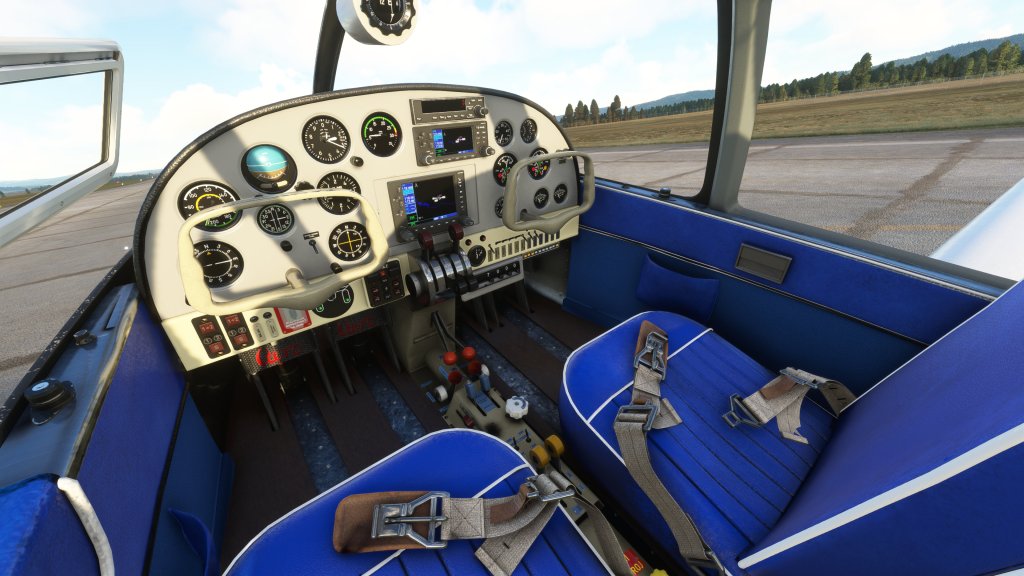
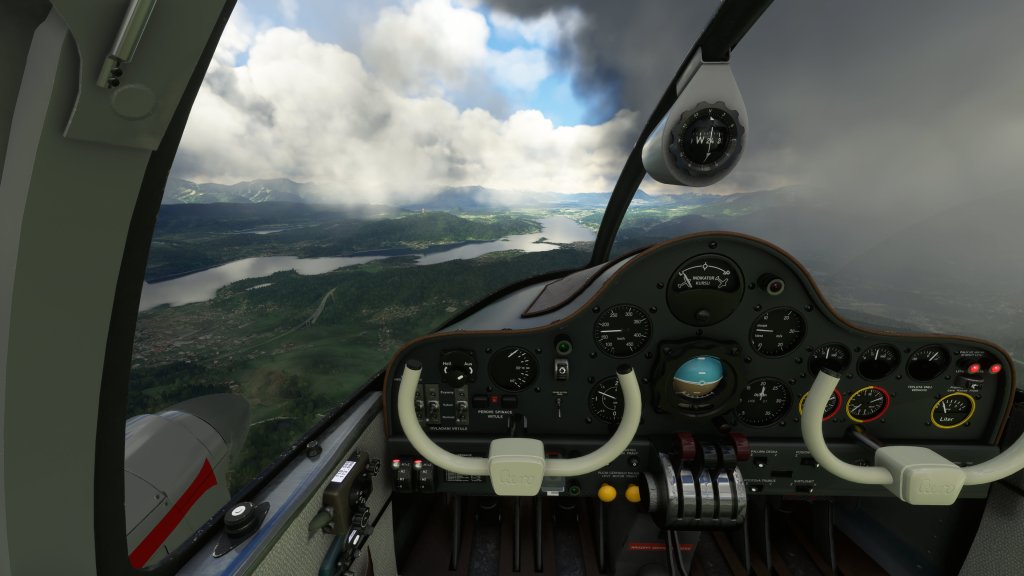
The Ae-45 is the basic and early post-war variant that has less power and less sophisticated avionics. Some of the avionics are going to be very familiar to someone with World War II aviation interests as many of the gauges and some of the controls come straight from German aircraft at the time. The magneto control, for example, is apparently derived from stocks meant for Heinkel He-111 bombers (and the design is familiar to many other German types of the time too).
There’s no autopilot here and only very basic navigational equipment. The view, however, is outstanding and I think this earlier version is more fun to just wing around and fly. It’s certainly a more unique experience.
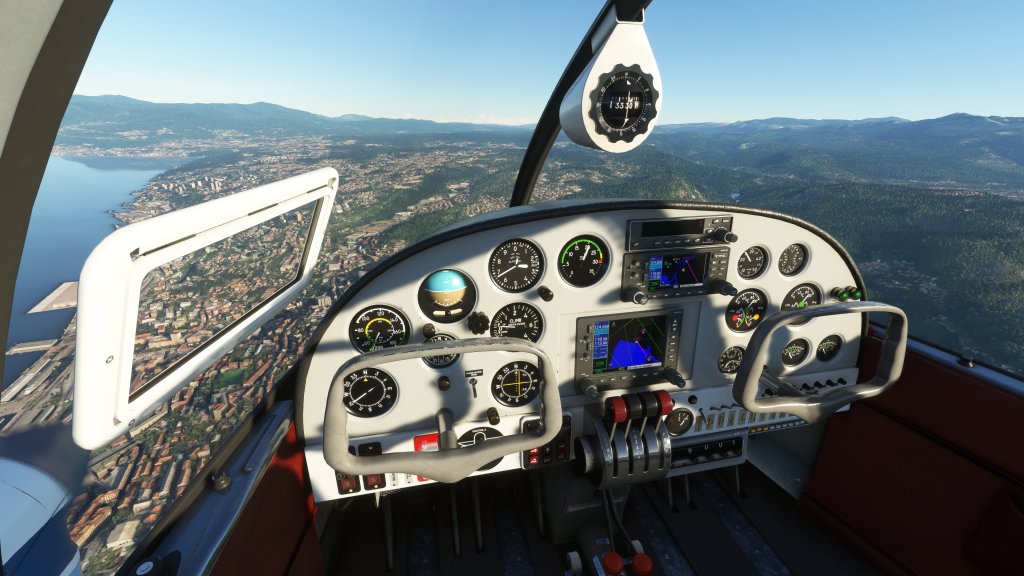
The Ae-145 is more modern starting production in 1959 and borrows more equipment and gauges from western aircraft of that era. If you’ve been flying around Piper Arrows or Cessna types from the 60s you’ll probably feel a little more comfortable here. An autopilot makes flying the aircraft longer distances easier to do and so if you’re doing cross country tours I think this is the one to fly.
Both aircraft have some unique arrangements in the cockpit. Throttle and mixture controls are typical of most aircraft while the propeller pitch is electronically managed and has a couple of different states like takeoff, climb, and cruise. I do want to note, however, that my propeller pitch axis on my throttle overrides these controls which can make for some odd scenarios if you try and go back and forth.
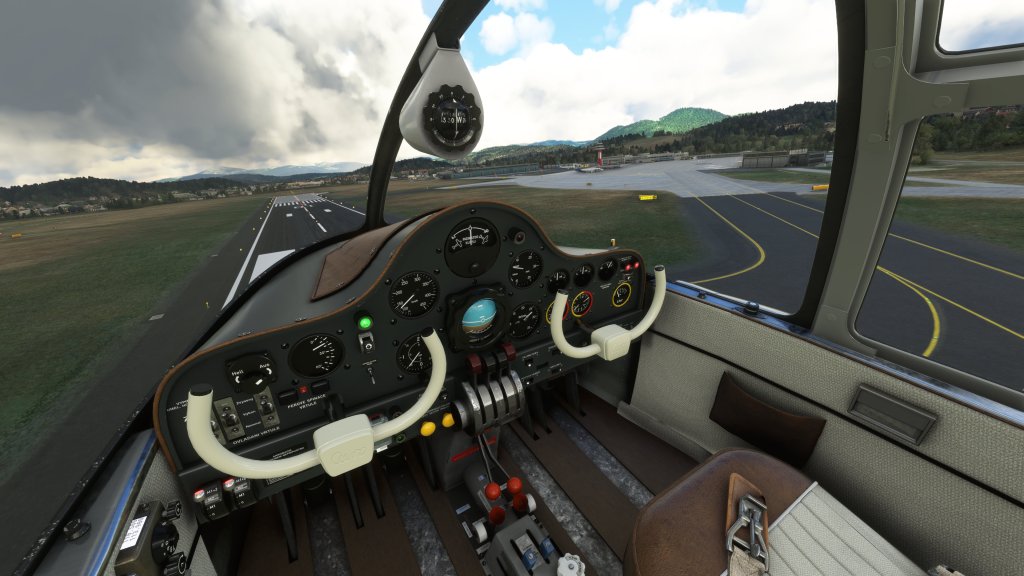
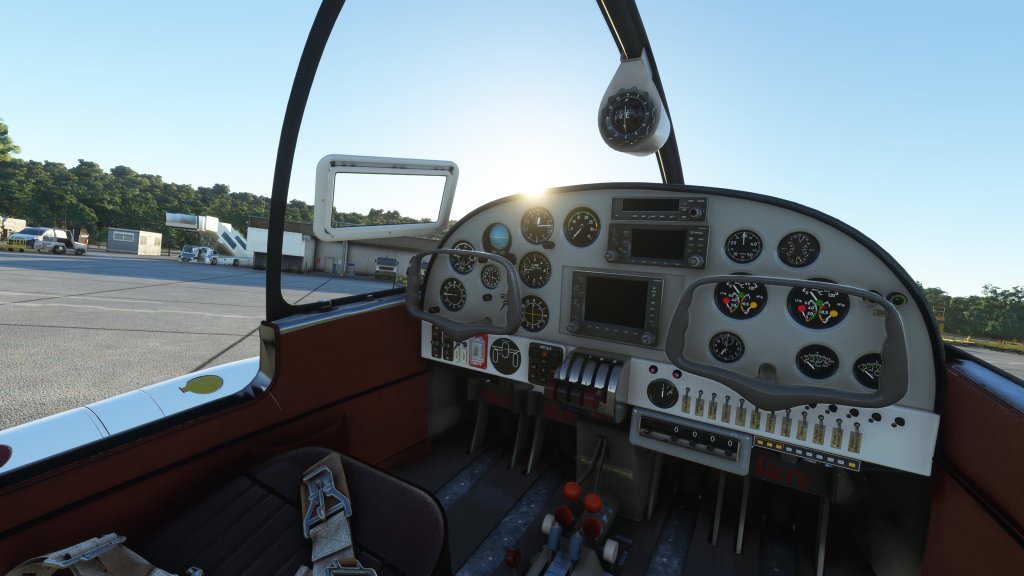
These two versions represent different experiences that are possible with the Ae-45 and Ae-145. No two remaining flight worthy examples are the same and so what we see are two good examples of both an early and a late version.
Visuals and sounds
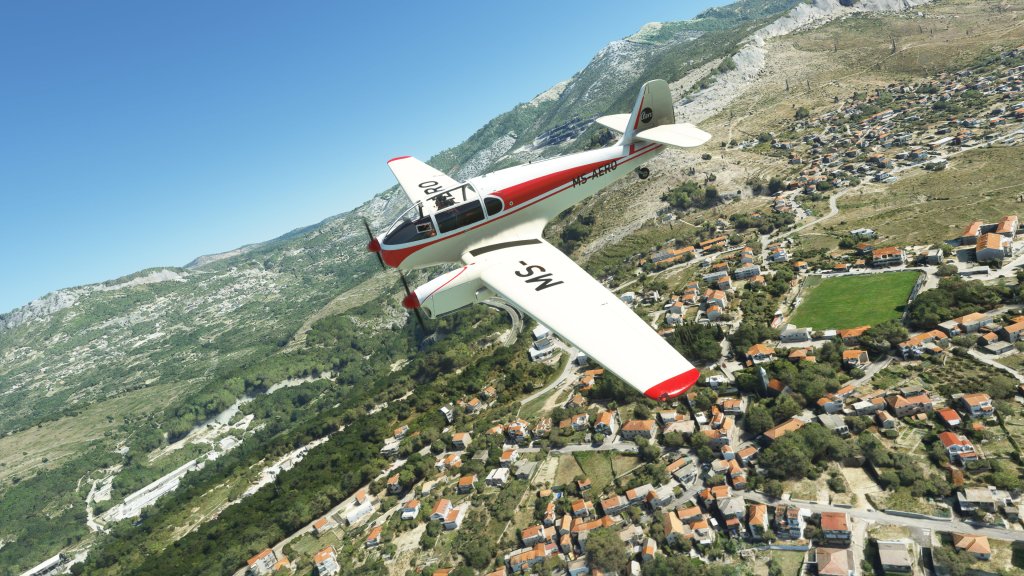
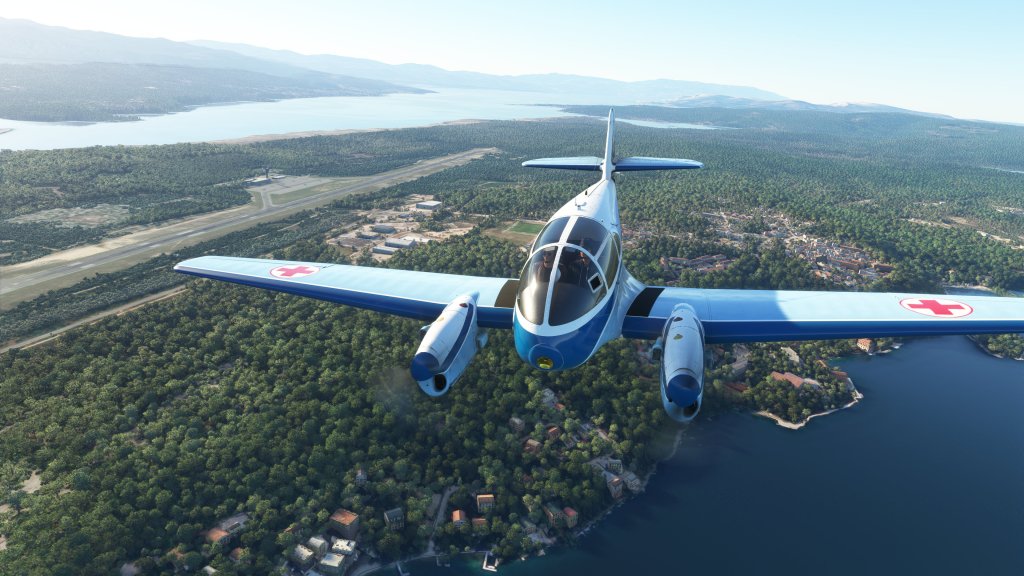
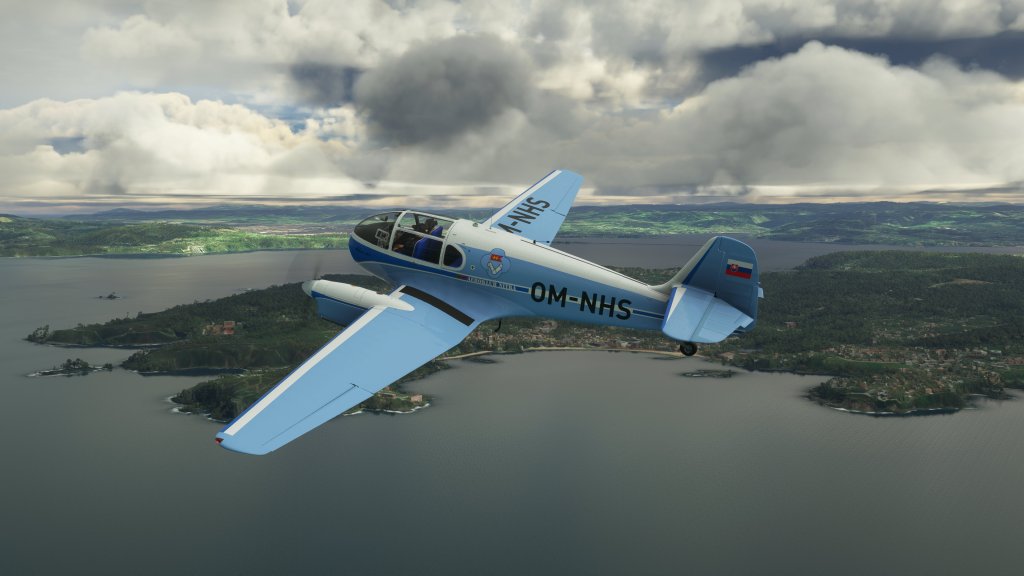
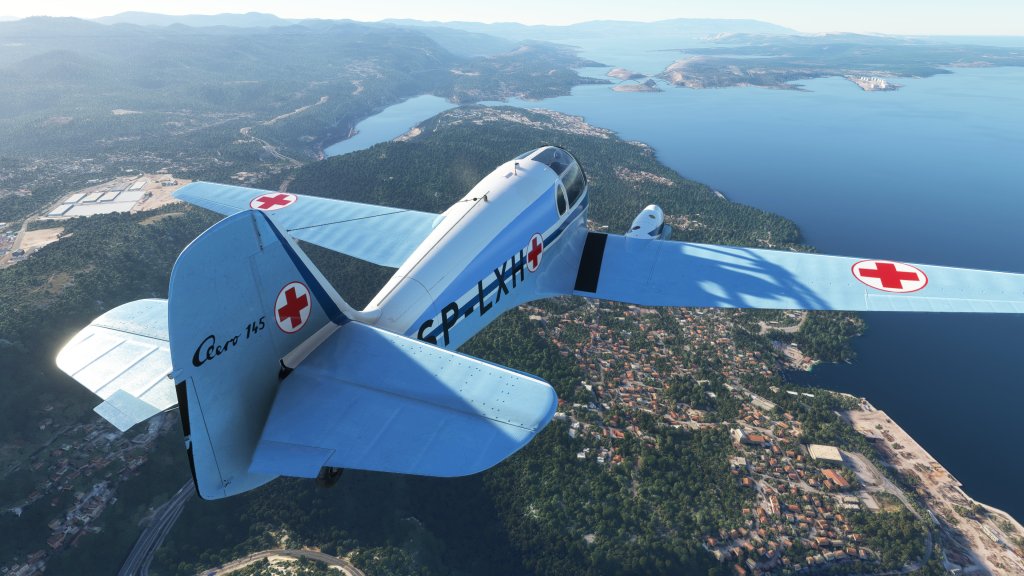
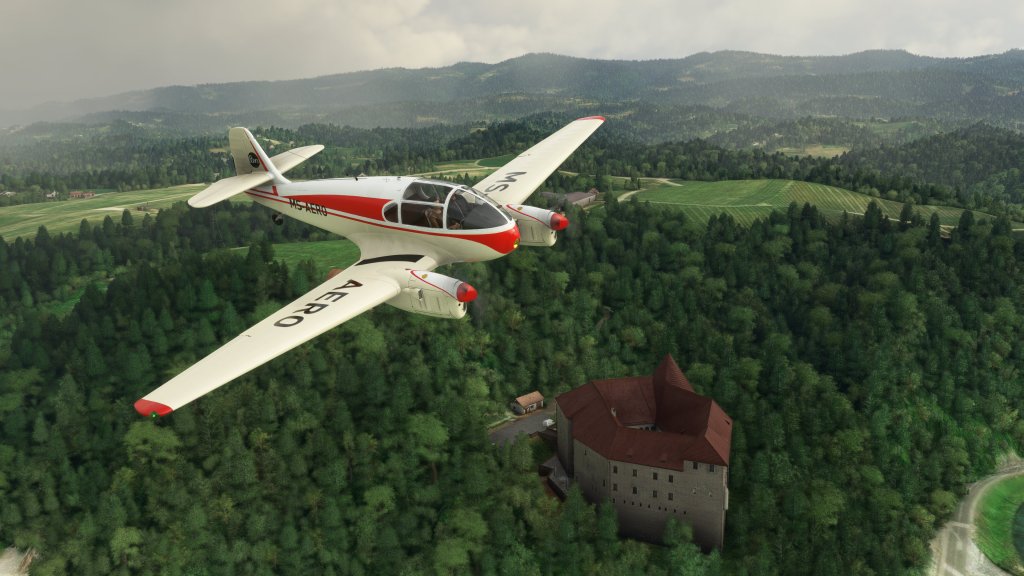
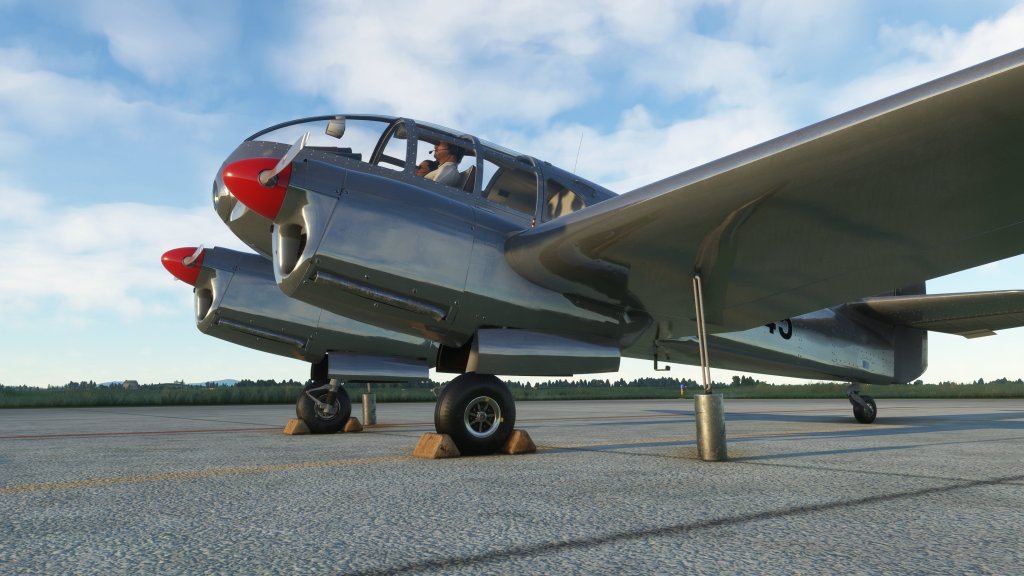
With a sleek and smooth shape, I find the Ae-45 and Ae-145 to be quite aesthetically pleasing to look at. Aeroplane Heaven have captured the overall look well and the textures are well done. Liveries include both matte and gloss finishes and this is perhaps one of the better examples of what Aeroplane Heaven can do with that kind of look on a plane. It works well for me here.
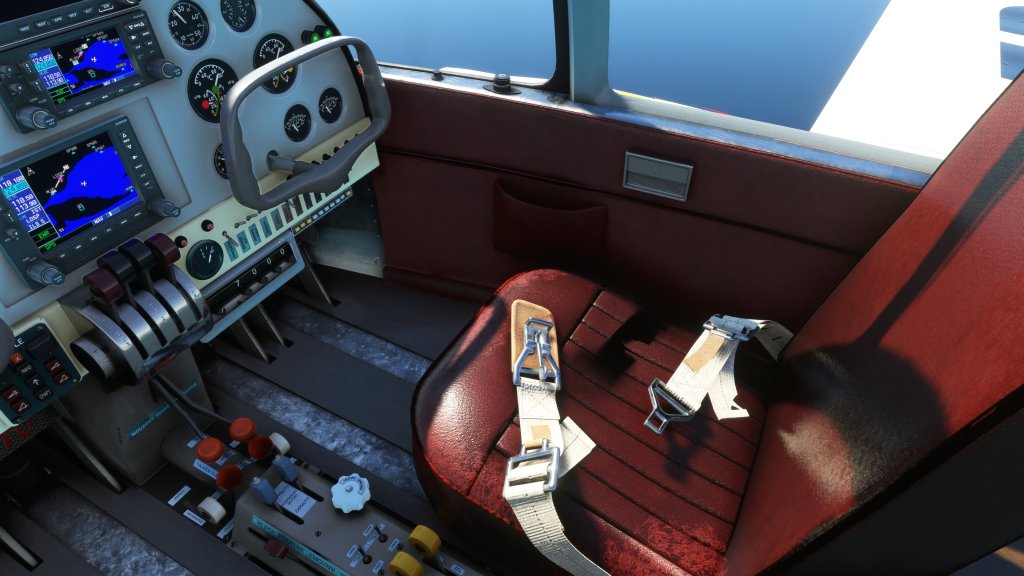
Interior work is also generally good and there are a couple of colour variations on the inside and out with the Ae-145 sporting a couple of different seat colours depending on the livery. Neat! Texturing is generally well realized inside too!
The yoke can be hidden on the Ae-45 but the Ae-145 seems to lack this feature. It feels like an oversight/bug and I hope it can be fixed. Its not as problematic as it would be in some aircraft due to layout but there are legitimate reasons to want to remove the visual of the yoke and you just can’t do it in the 145.
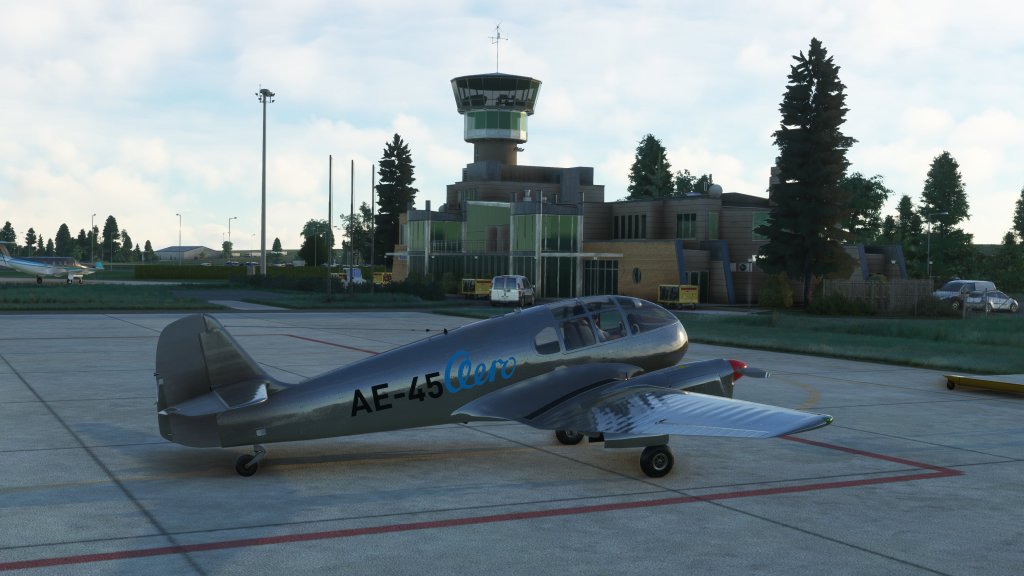
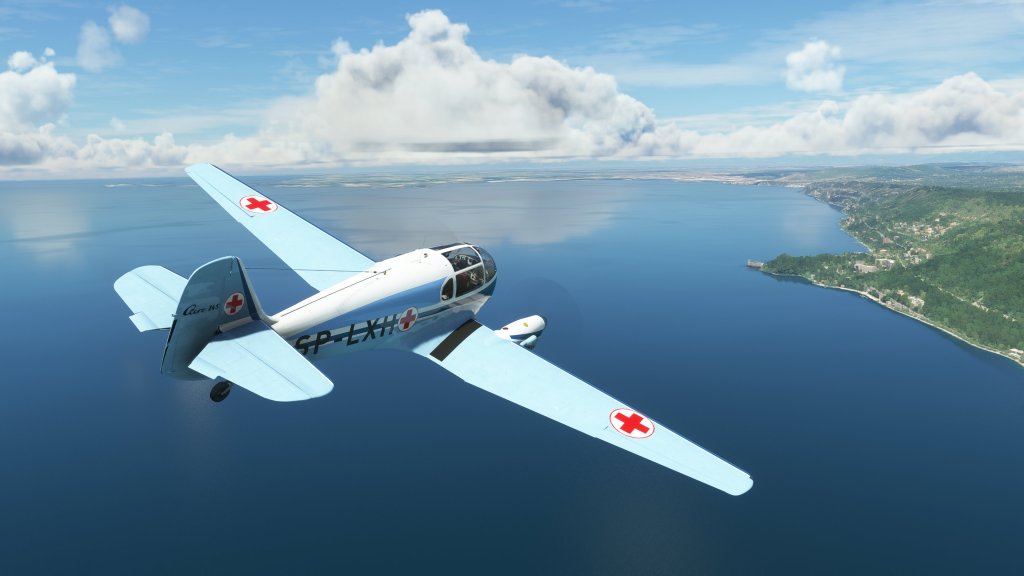
There are a small number of liveries for each. The Ae-45 has three painted options while the Ae-145 comes with four. Both have an all white livery as well.
Here’s the Ae-45.

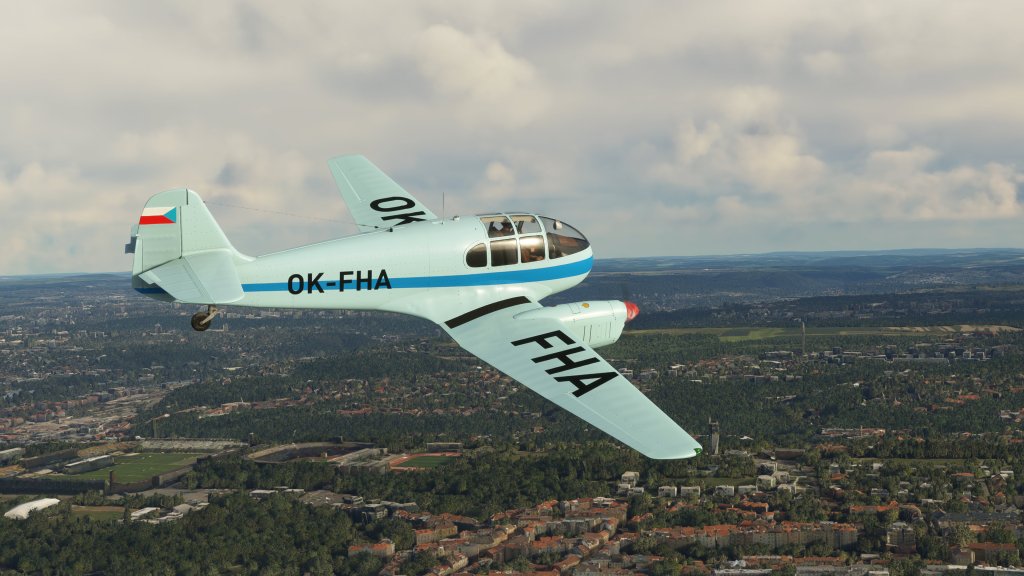
And the Ae-145.

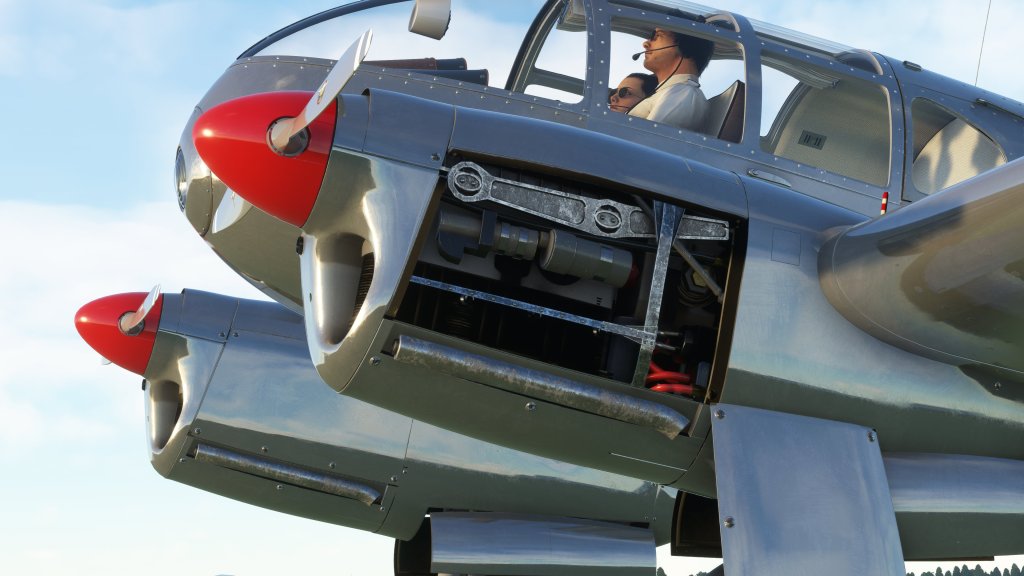
A toggle switch in the cockpit also lets you visually put or or take off the engine cover revealing the components inside.
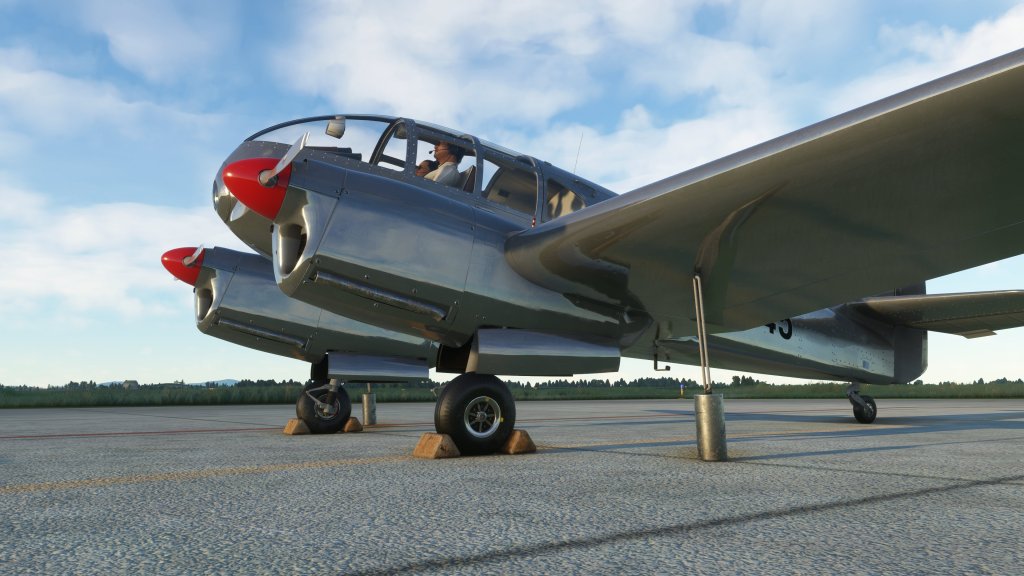
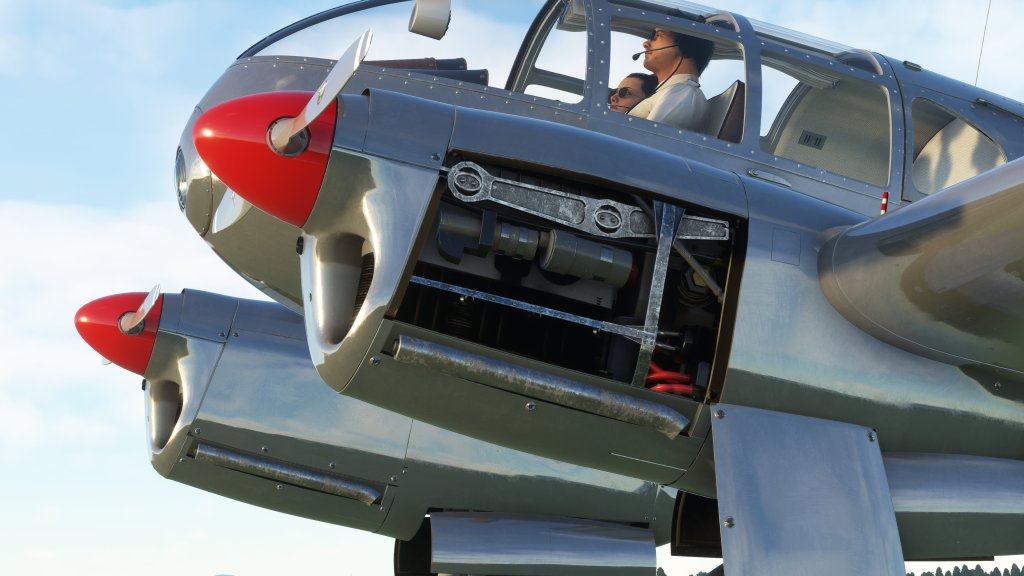
My only other real complaint comes from the perspective of the aircraft’s cleanliness. With a historic type like this, I kind of want to see a little dirt and grime and what we have here are examples that are perfectly preserved. In some ways this fits with the mission of digital preservation but I would love to see a little wear and tear on both inside and outside.
Sounds are reasonably good here too although I don’t notice much difference between versions and I’d say the overall impression is about average. There are a couple of clicking noises in the cockpit that I think are coming from unexpected control movements because I have propeller controls on an axis on my throttle. I haven’t been able to figure out any other cause.
Handling
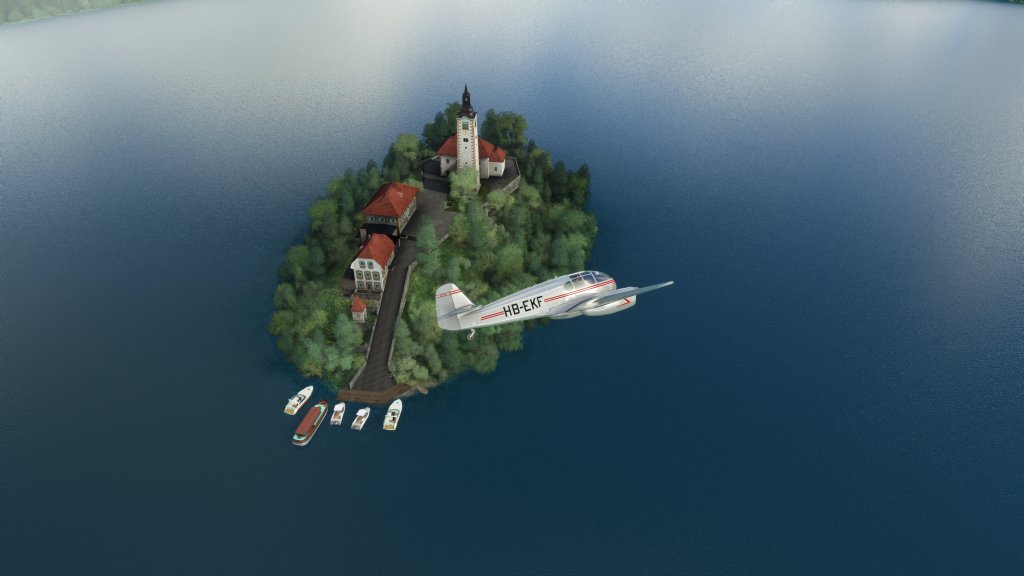
Nothing particularly stands out with the Ae-45 and 145 in Microsoft Flight Simulator when it comes to handling. Its a pleasant and easy to fly GA airplane.
Controls are relatively well dampened and the aircraft is easy to fly, yank into turns, and otherwise manage. The Ae-45 is a bit less powerful like many GA types and so requires careful management of speed particularly in some of the mountainous areas that I’ve been flying it in. The Ae-145 is a bit more powerful although the difference between the two is on the subtle side.
Ground handling is also on the easy side with the tailwheel being fully controlled in the sim. I suspect the real one is a bit more of a handful. This is typical of most MSFS aircraft and I do hope that in future iterations of the sim we can get a more in-depth experience when handling these tail draggers on the ground.
Fortunately, the airplane has none of the weird sideways slip that you sometimes get with taildraggers in MSFS once they transition from three to two wheels on the ground during takeoff. This is controllable and feels reasonably natural in that aspect. It really wants to fly and so liftoff comes quickly with or without flaps.
Final thoughts
I’ve really come to love what Local Legends represent in Microsoft Flight Simulator. While some aircraft have been genuine classics that most people know and love, they’ve also dipped into lesser know types that really do tap into the local legend status.
For $14.99 USD this aircraft manages to meet the same standard that we’ve seen from some of the other local legend examples. A decent and no-nonsense airplane that performs well, looks great, and is fun to fly around while also being a digital recreation of a historical airplane.
This one doesn’t break any new ground but it is a well realized experience. I’ve enjoyed my time with the Ae-45 and Ae-145 and will probably do a cross country at some point with it.
Screenshots







Leave a Reply