
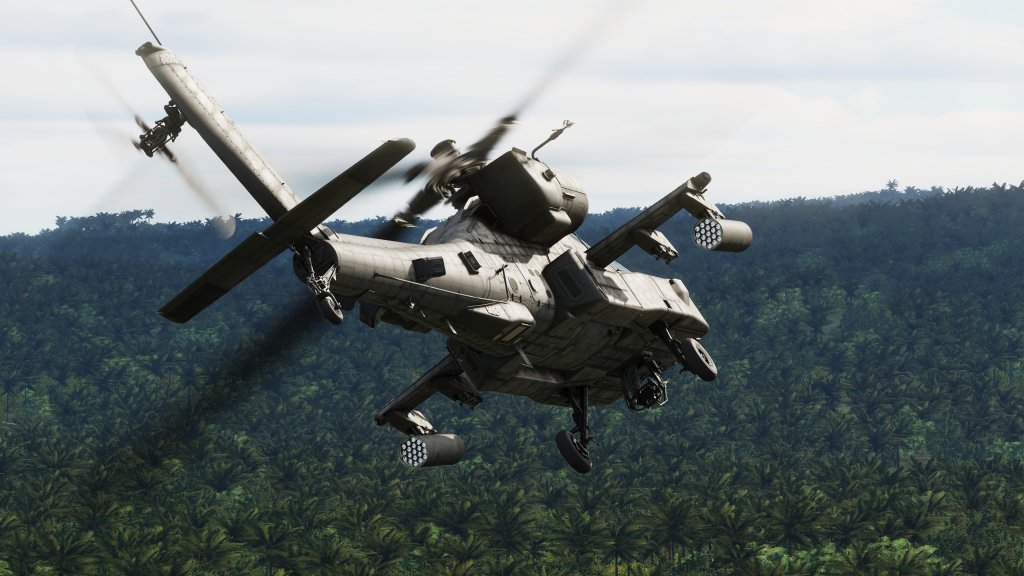
The launch on Thursday of DCS World 2.9 brings us to another key milestone in the history of the series. Performance improvements, new visual effects, and new in-depth system modeling help this update push on all fronts offering depth of simulation, eye candy, and performance boosts for many. I get into some of the details and look at whats new in 2.9.
Performance improvements
The addition of nVidia’s DLSS and AMD’s FSR technology means that we now have more tools available to us to improve the performance of DCS. This is all highly (I stress highly) dependent on your system, its configuration, and how GPU or CPU bound you are.
On my own system that is still relatively recent and sporting an RTX 3080ti I’ve seen only a small change in overall performance. It was smooth before and its still smooth now and I may have even gained a few frames here and there.
While this feature isn’t a magic cure all, many are reporting that their frame rates have gone up and the overall smoothness of their sim experience has gone up alongside it. Now, if your system is struggling on the CPU side this will not give you much or any benefit but if its GPU constrained… now you have another tool in the arsenal.
That all said, its going to take a while for all of us to figure out the exact performance values that will ultimately provide for better performance while retaining good image quality. Some have already reported an overall blurry image while others are generally getting good images but certain graphical elements like HUDs and MFDs are ghosting.
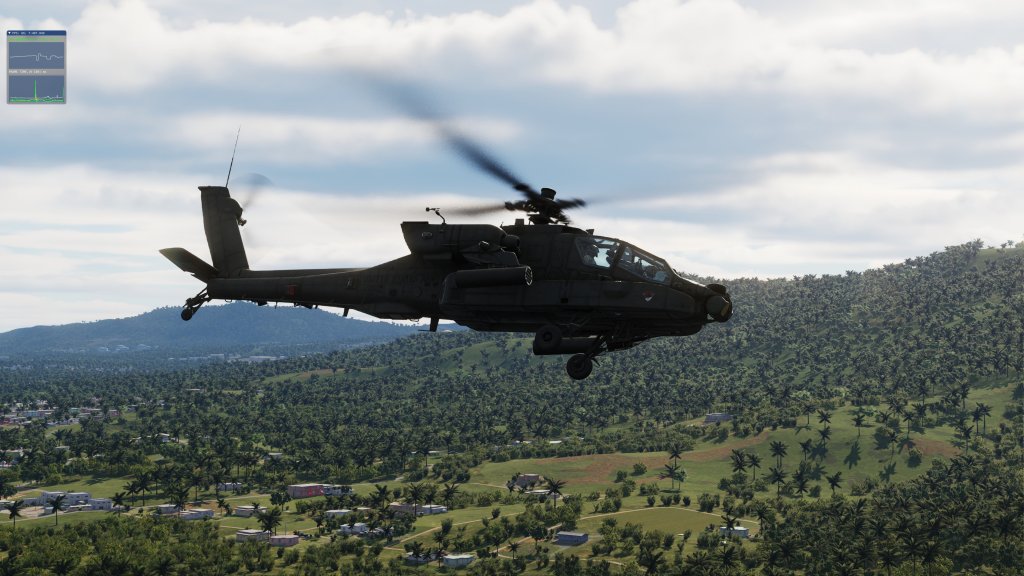
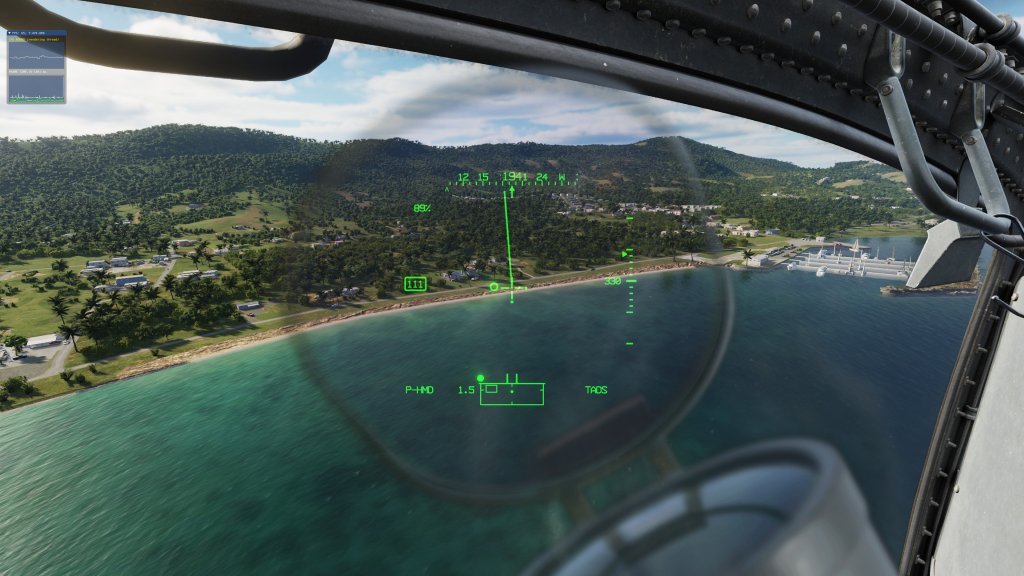
Some of this can be fixed I’m guessing but other parts will be a matter of figuring out the right balance for your system. Future guides from community and from ED themselves will hopefully help us all sort out what gives us some good baseline settings to arrive at. Until then I’ll be doing a little trial and error.
Still, I see this as propping up the two planks of performance for DCS. At the start of the year it was the multi-threading update which gave us quite a bit of a boost on the CPU side. Now we have DLSS which gives us a boost on the GPU side. Together these two are offering overall benefits. Neither are a magic cure all and DCS remains a very performance demanding sim but most should see some serious improvements overall.
Radar improvements
One of the things that I was interested to see in 2.9 was the updates to the way that Eagle Dynamics are modeling the radar on their DCS: F-16C and F/A-18C jets. Both have seen some significant overhauls to the way that the radar systems work. In many ways they are keeping up with their third parties such as Heatblur and even RAZBAM who have been praised for their recent updates. I’m not an expert enough in the background physics to be able to weigh in – I’m more of a practical outcomes kind of person. Fortunately we have that.
Quaggles on the r/Hoggit group has taken to regularly updating a visual chart showing off radar detection capabilities. The thread posted below includes a helpful chart that shows off detection ranges in a variety of different scenarios.
Even better, we have a short summary of what the results show us.
F/A-18C and F-16C have had a huge radar overhaul this patch, they now feature PD (Probability of Detection), range resolution and atmospheric propagation loss. In practice you will initially detect targets at significantly longer ranges than in 2.8 but they will have to get closer to form stable track files on them. For example in 2.9 the Hornet can get an RWS low probability detection at 100nmi now compared to in DCS 2.8 where a reliable detection that was first visible at 55nmi.
Both aircraft have a very large spread in probability of detection, more than any other module currently ingame. This can result in track files being dropped easily if you have a large scan zone or they are at the edge of your detection range, you may need to reduce your scan volumes significantly or use STT instead to maintain reliable tracks.
Quaggles on r/Hoggit
Now that’s practical knowledge and it shows me that we’re seeing the underlying modeling improve and become somewhat more organic. Detection and target lock ranges will depend on even more factors than before leading to scenarios where a solid lock is possible where other situations will require more specialist radar modes or closer ranges to achieve the desired results.
My brief time in both F-16C and F/A-18C match up with Quaggles more extensive testing.
The good and bad on the Spitfire IX cockpit overhaul
One of the few remaining warbirds in DCS to retain its original cockpit has been the Spitfire IX which, fortunately, has now seen a significant overhaul bringing it much closer to the standards that we’ve seen with more recent warbird releases. The first impression is very good with colours and tones that better match DCS World’s modern colour, lighting and shadowing system as well as offering a more consistent feel with the DCS: Mosquito which is among the sim’s best looking WWII cockpits in my humble opinion.
The texture work is superb while the model work is pretty close to the best while being maybe a half step behind the absolute best and most detailed. There are still a few visible polygons in a few places – but you do have to look really hard to find them. All in all, I think it looks fantastic. Some have remarked about glare on the canopy but I haven’t found it to be a real issue for me personally.
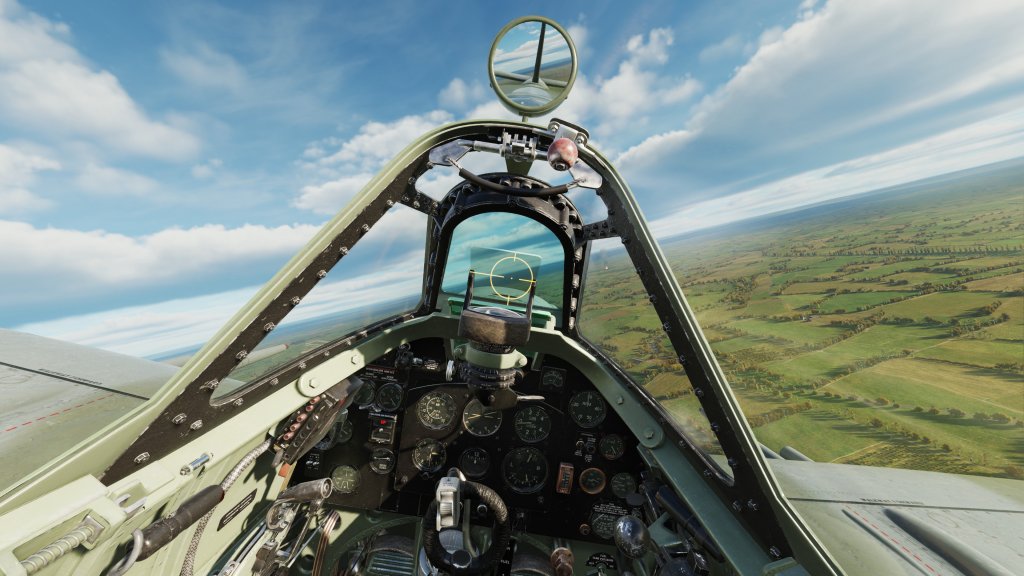
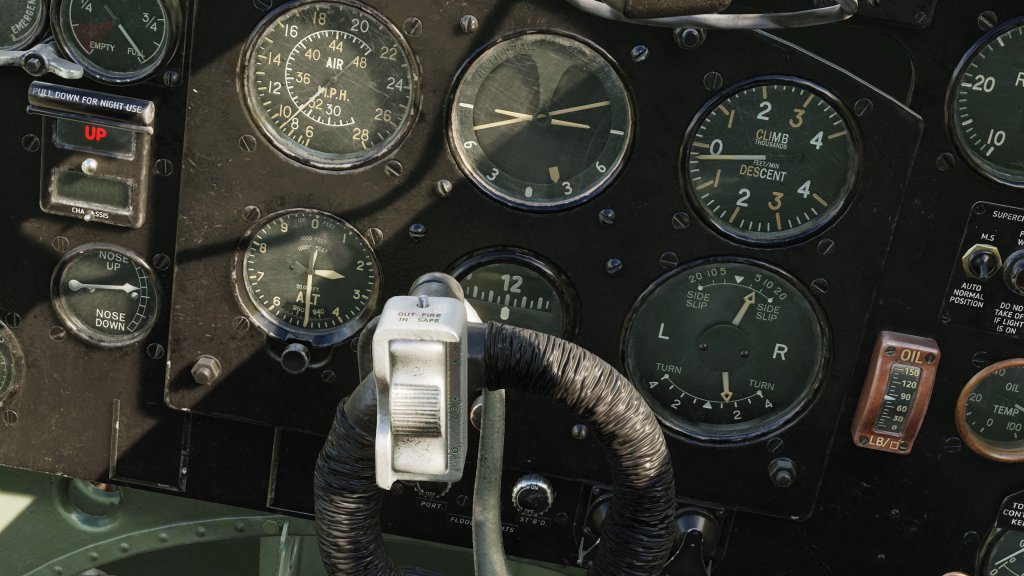
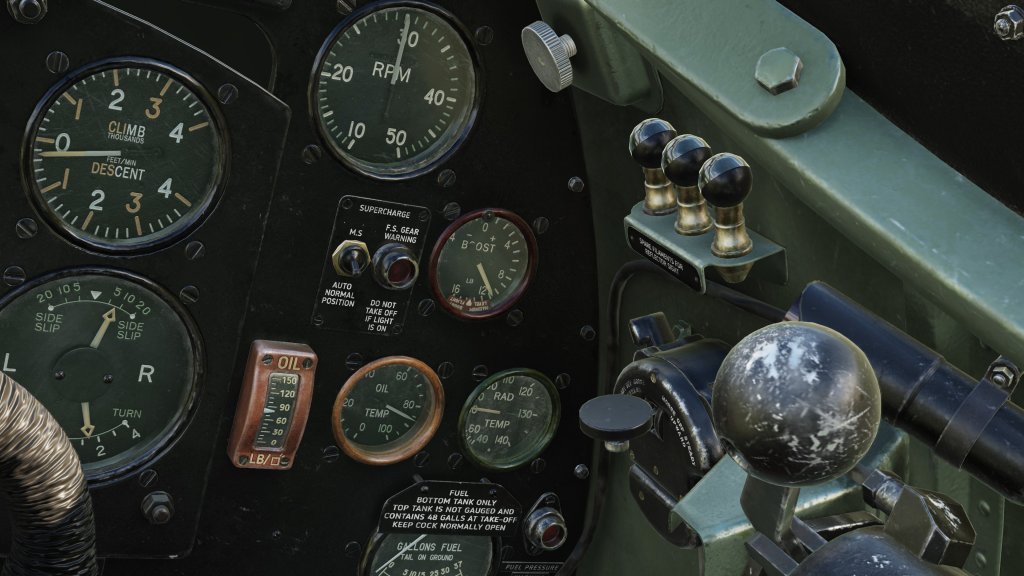
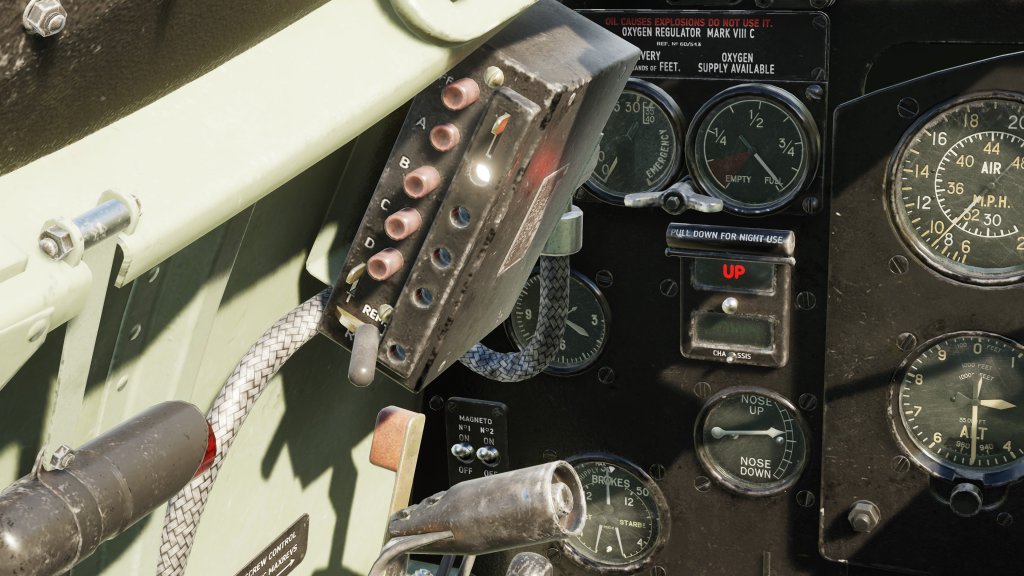
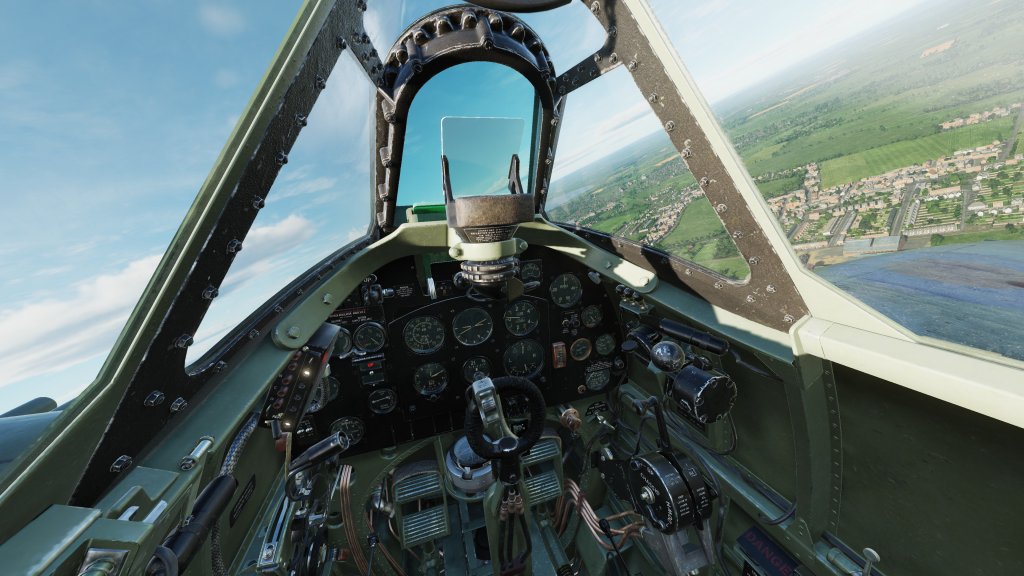
The biggest issue with the update is a bit of a weird problem to have slipped through the Q&A process. The boost gauge, an important measurement of how much power the Spitfire IX’s simulated Merlin 66 engine is putting out, has been changed from a 24lb gauge to one that only goes to 16lbs. For an aircraft with an engine with the ability to run at 18lb boost, this gauge doesn’t represent the last 2lbs of capacity. Worse it doesn’t seem to match with telemetry data according to community testing and bug reporting. Not only is it the wrong gauge but its not matched with the values that the engine is actually running at.
Beware of this issue with the Spitfire IX at present. That said, I’ve already heard from ED Community Manager NineLine that they are aware of the issue so hopefully a quick fix is forthcoming.
Error aside, the new cockpit looks superb and helps keep the Spitfire up with the latest standards. I just wish the boost gauge issue had been sorted out before release because this would be an essentially perfect release otherwise.
The new 3D aircraft models
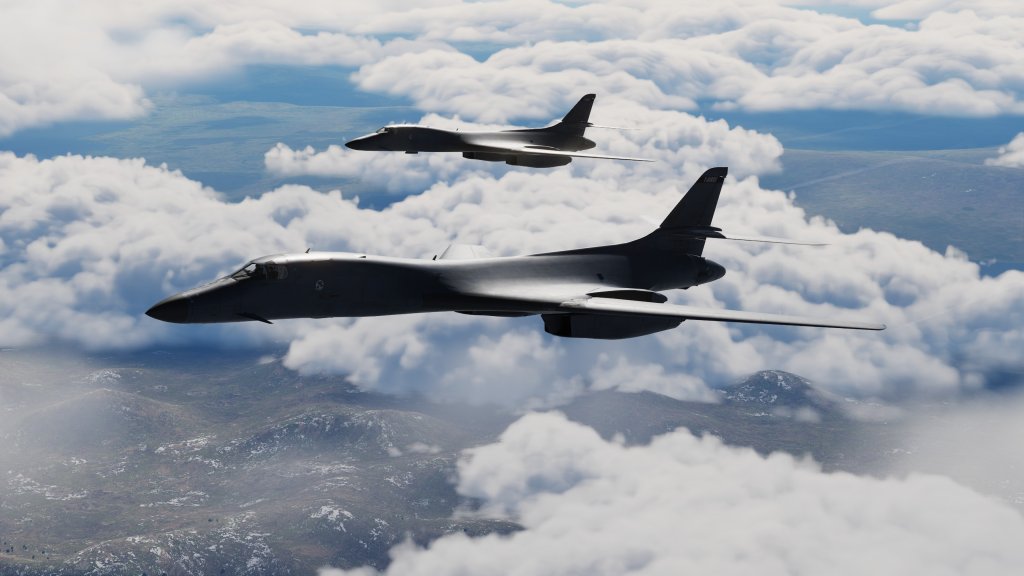
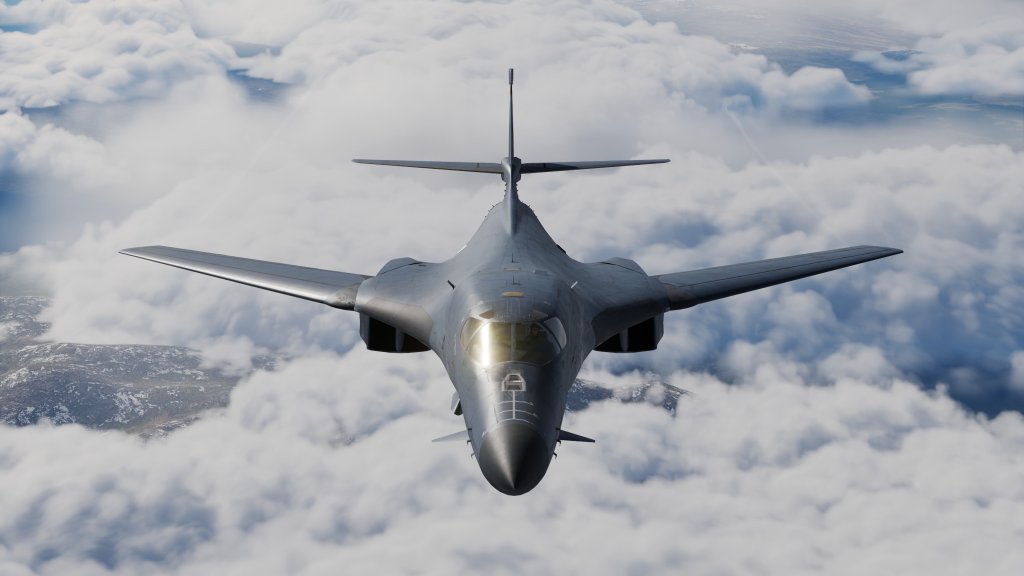
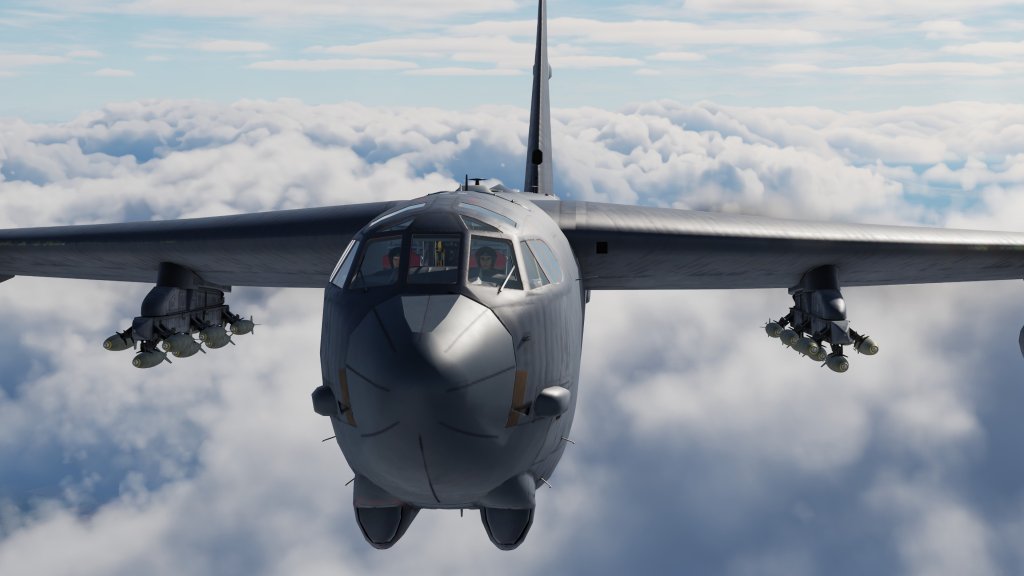
A puzzle that needs to be unpacked are the new 3D aircraft models. We’ve received upgraded and updated models for the AI B-52, B-1B Lancer, and S-3 Viking. Not included is the S-3 Viking tanker configuration which the patch notes report will be coming later on.
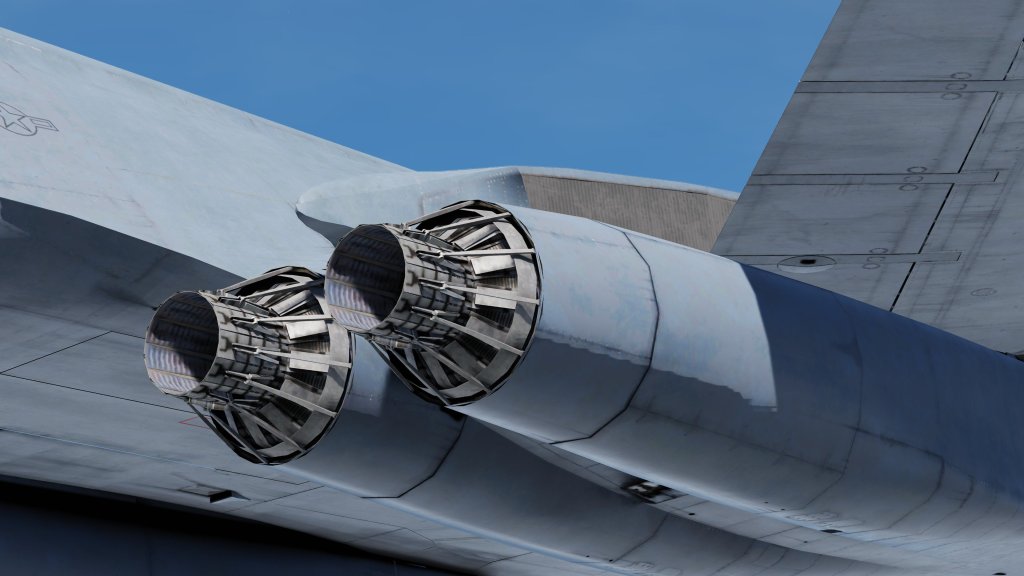
We’ve got the B-1B Lancer.
Here’s the new B-52H Stratofortress.

And the S-3 Viking.


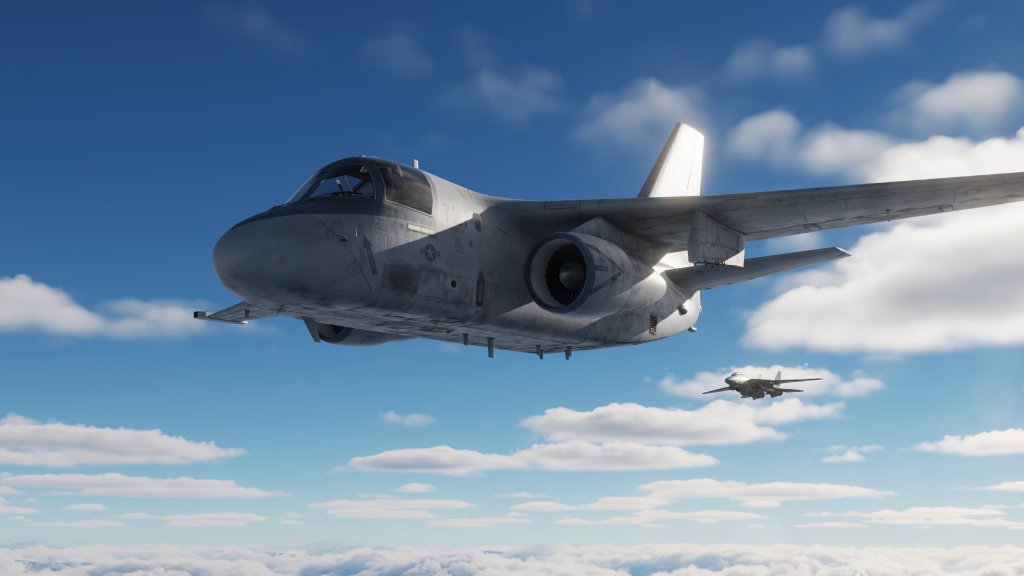
All three of these offer a substantial upgrade from where these models were before. Just compare the still old S-3 Viking tanker variant to see how far we’ve come.
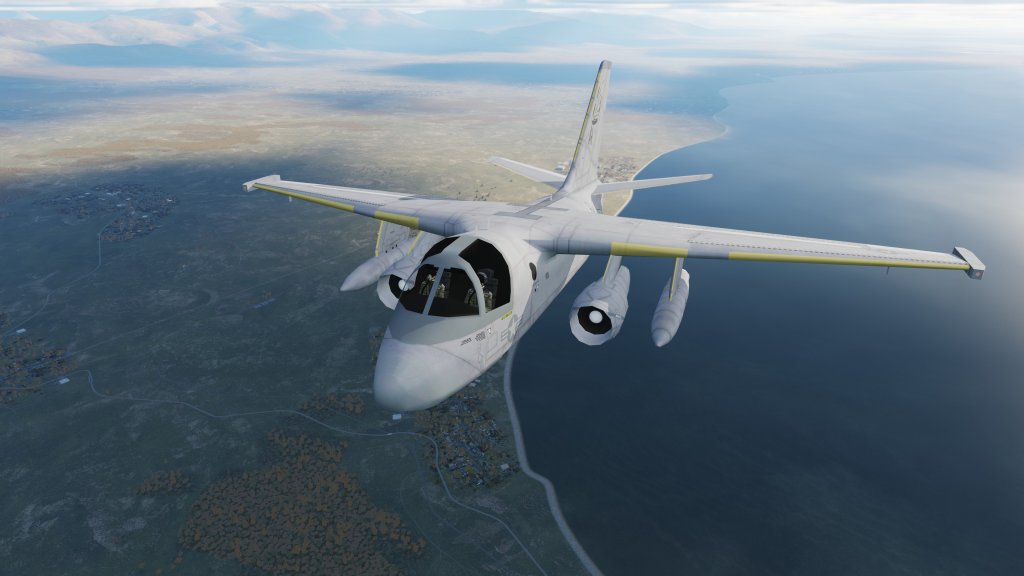
The old models dated back to the Lock-On: Modern Air Combat era and were in desperate need of an update. The good news is that the update is here and they look good but there is a bit of a weird thing going on here too.
Work in progress models showed far higher polygon counts and far more detail than we ended up with in the end. In the old days I’d say that they were just being prudent with chopping back on the poly budget but in 2023 with powerful GPUs and sophisticated LOD management it really shouldn’t be a problem. Compare the work in progress nozzles with the ones on the jet as presented.
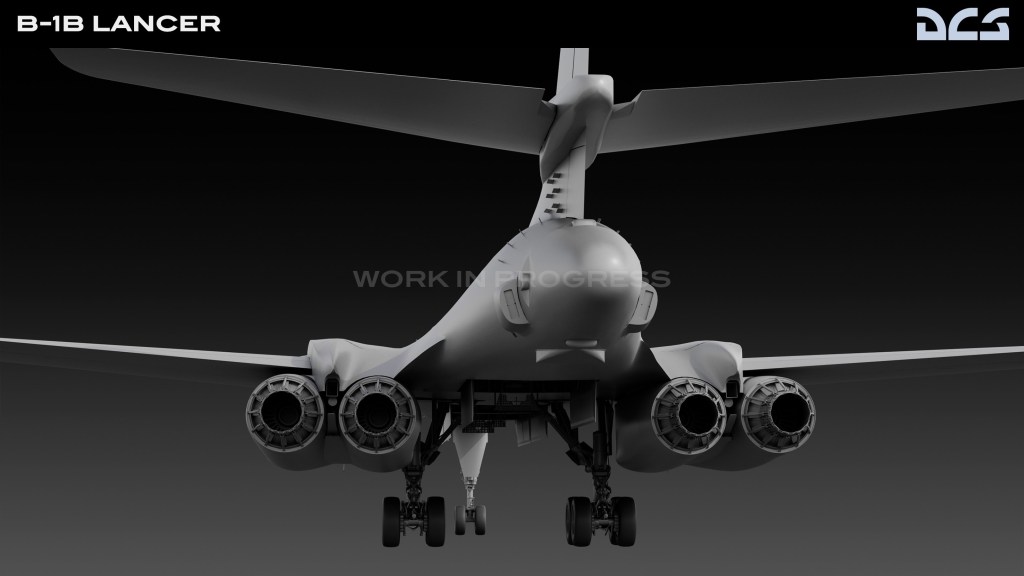
Work in progress imagery showed off much higher detail aircraft on all three and what we’ve seen in this latest update appears to be a few steps down from that.
Don’t get me wrong, they are better than before by leaps and bound. But the expectations were set substantially higher. We can also look at some other assets that were updated such as the Su-34, which was updated half a decade ago, and it reached a far better place than these ones did.
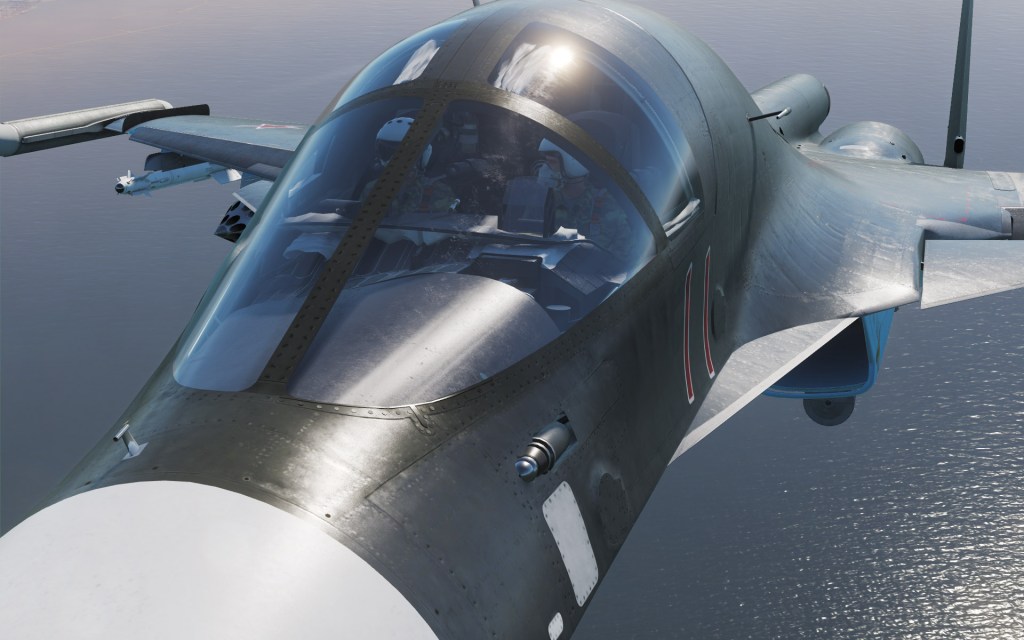
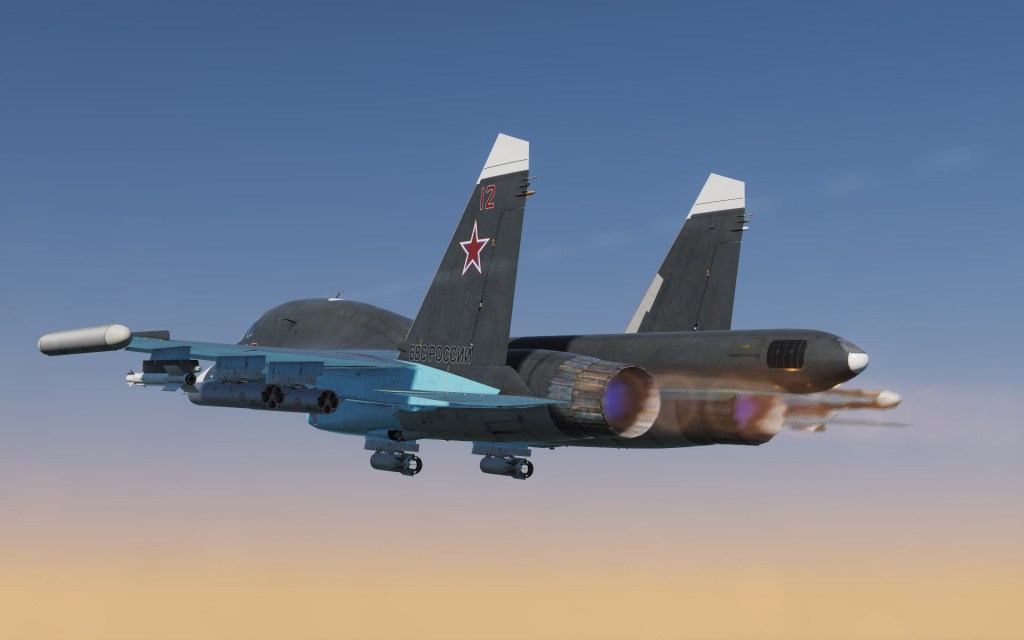
Does it matter a whole lot? No, not really. Most of the time I don’t examine a B-1B up close so what we have is sufficient… but a weird step down for a sim that has been cranking out extremely detailed aircraft, trucks, vehicles, and buildings for years now. Maybe something happened at the last minute.
The new update has also added new ground assets with the Centurion, C-RAM, and SA-10.
F1 BE two seat Mirage

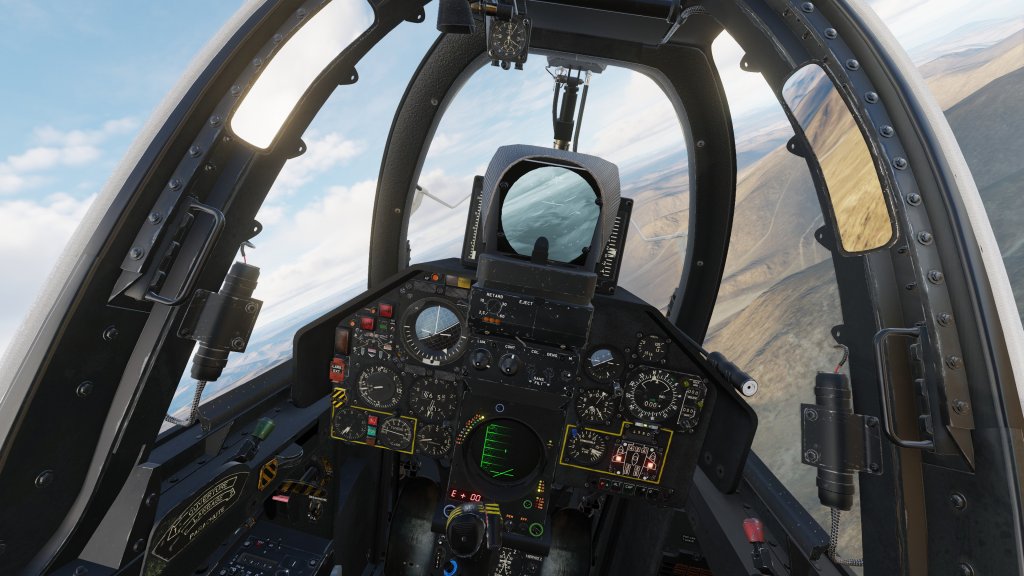
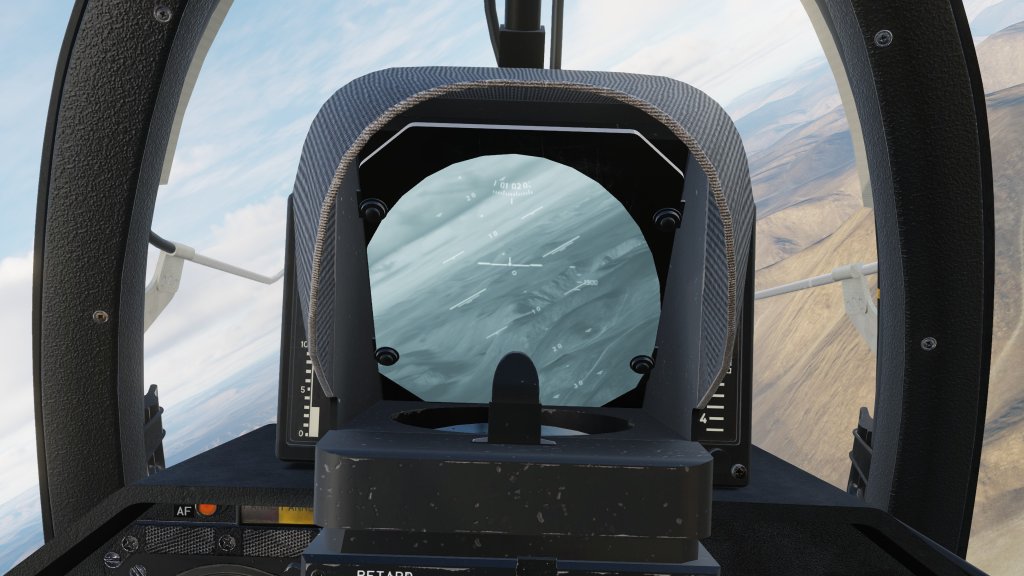
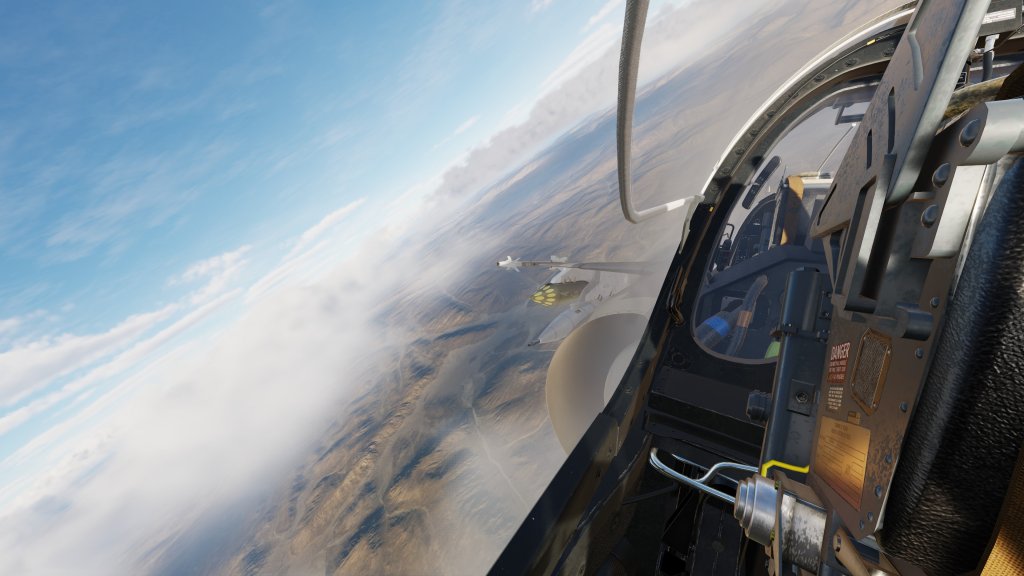
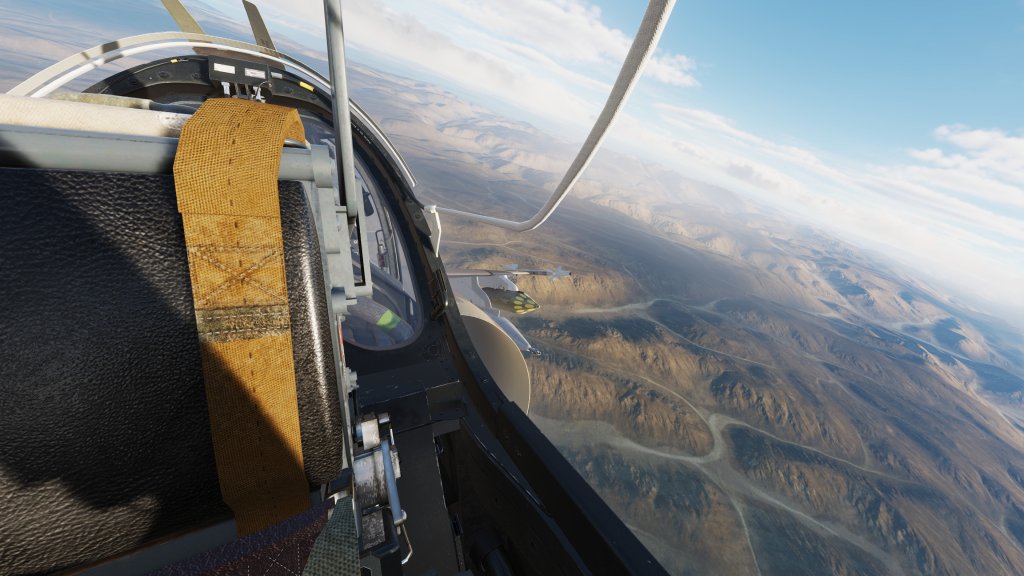
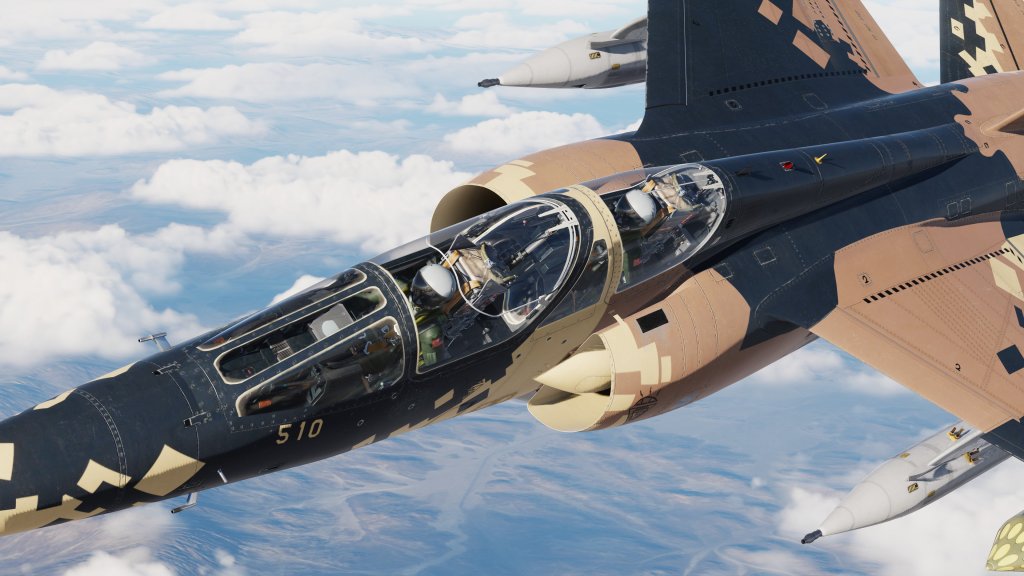

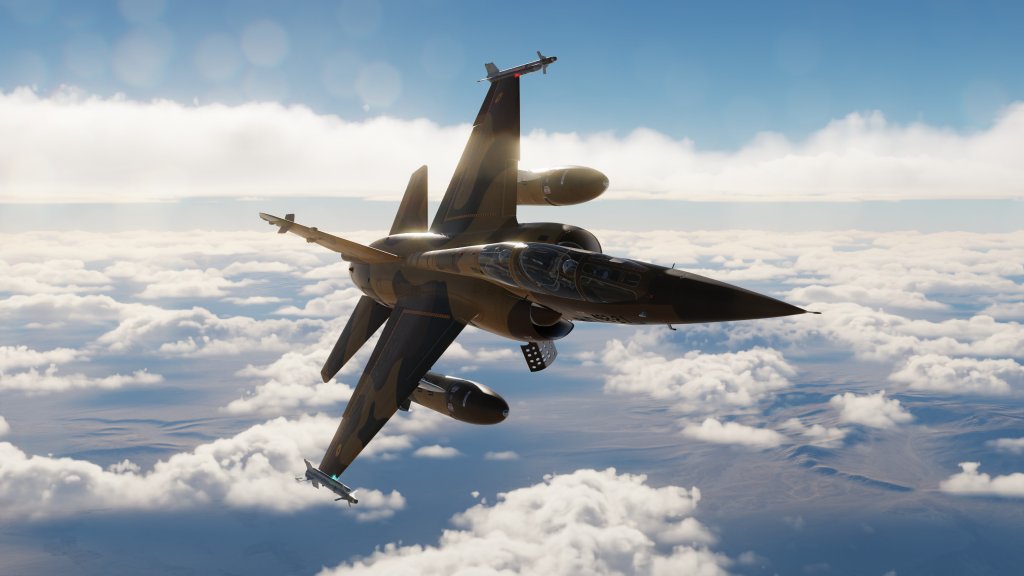
I’ll do a more in-depth look at the Mirage F1 BE and the latest state of the Mirage F1 in general at a later date. For now I’ve got a quick look and some screenshots of the aircraft in my initial testing.
My overall impression is that this is a Mirage F1 CE with an extra cockpit. It flies and functions very similar to the F1 CE. If there’s a performance loss on account of the extra person and cockpit I haven’t noticed it. It feels just about as spirited as the other F1 models. Maybe some more back to back testing will reveal more nuance here.
The rear seat is just as well realized as the front seat is. Beautifully detailed, the back seat in my initial glace over appears to be just as function as the front one is and the HUD repeater is a very cool feature that is well implemented. Its clear, and easy to work with. Easier than I would have anticipated.
I love that Aerges has given us this model but I do have questions on how often I’ll see it in action and if we’ll see people using it as a training aircraft or in some other creative way. Curious to see how that plays out.
New wind and dirt effects for low flying helicopters
I love eye candy and here we’ve got a great little update that really boosts the immersion when flying helicopters. Essentially, two new effects have been added with the first being a dust halo around helicopters at very low altitude and particularly when hovering. The second is wind interactions with the trees.
The dust halo effect is superb with a ring of dust kicking up around the helicopter showing when hovering or taking off/setting down. Its very affected by collective input and it feels incredibly natural. Its both subtle but occasionally blinding and I think ED did a great job of it.
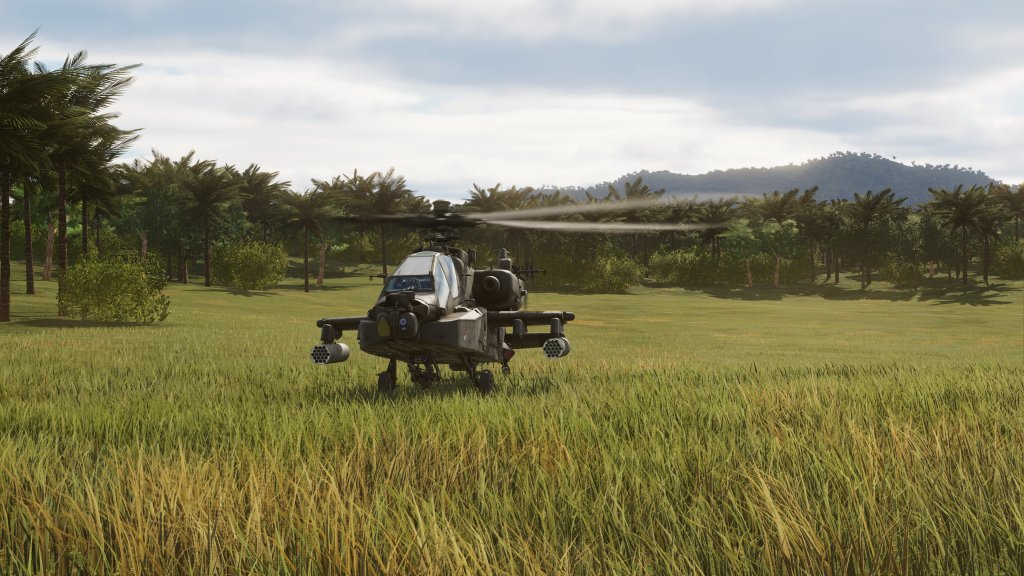

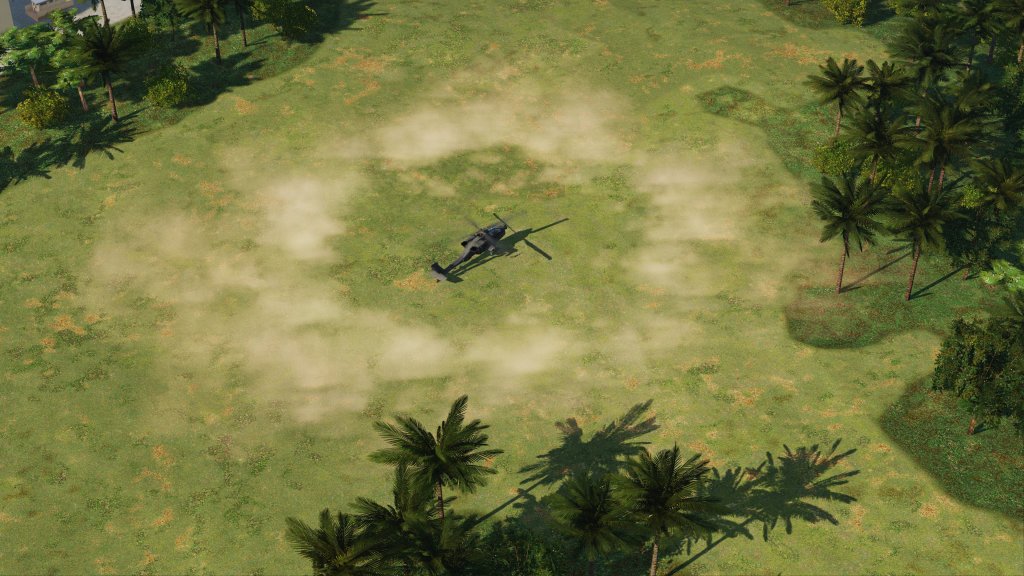
The same goes for the vegetation that includes grasses and trees that are all affected by the downwash of the helicopter. It looks beautiful and its incredibly well realized. I also is useful for immersion but it also communicates well with what you’re doing with the helicopter.
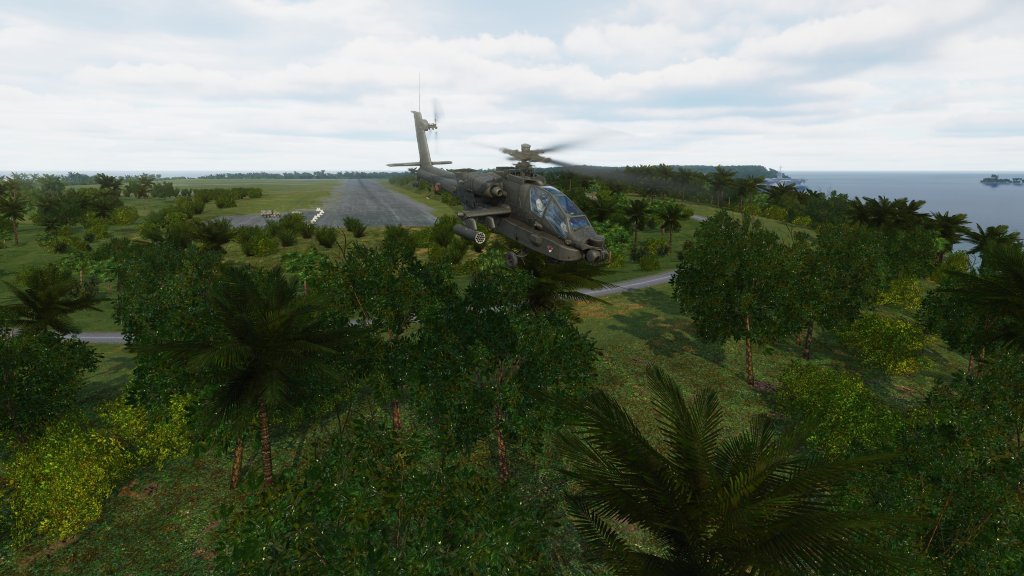
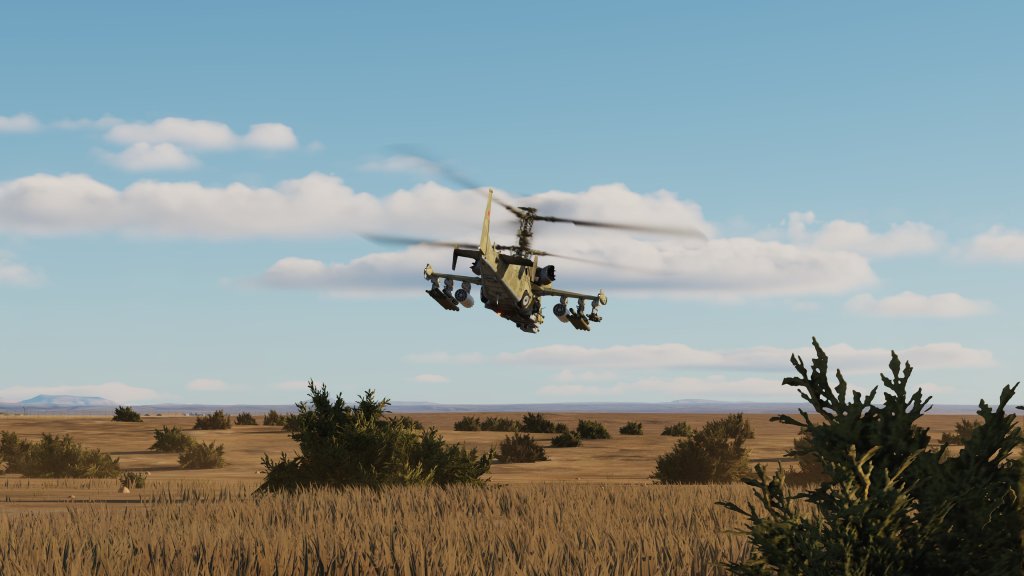
Both effects are very natural in motion and I think they are great.
Haven’t tested the radios yet
One feature I haven’t tested is radios. I haven’t been online yet with the new update and haven’t configured my radios to see what the effects are like. I’ve heard good things about how it sounds and conflicted feelings on how this system will ultimately interact with SRS.
I think one day we may see SRS be retired and having the built in VOIP will ensure even new players to the series will be experiencing radio comms while logged in online. Until then, we’ll have a complicated and fraught transition phase.
Final thoughts
Although I’ve been somewhat critical on some items in this, my overall impressions of what DCS World 2.9 offers is extremely positive. This is a good point release for the series offering a small but important push forward on some key technology pieces while also releasing new content that improve the overall core of the sim. We’ve been asking for core technology updates and this is a piece in that puzzle that needed to come together.
Some of you have been commenting recently on if there’s news on the dynamic campaign and the answer right now is that, no, we haven’t heard anything new. But I see some of these core updates as being part of a bigger puzzle that needs to be put together. To make dynamic campaign work three things need to happen: DCS needs to perform better, its AI need to be smarter, and the appropriate assets need to all be in place. Then they, of course, have to pull off the actual campaign but we have to go through the steps to get there. We’re on the road towards it and 2.9 takes us steps closer.
Every update of DCS, particularly ever point update like this one, has brought us new features and new challenges. Tweaks will be needed, future open beta updates will be needed to solve problems, and things will continue to evolve. Eagle Dynamics often writes thanking us for our passion and support. We’re passionate, were here supporting, and 2.9 is moving things forward but at the same time I do think some small but key issues need addressing quickly as we move past this initial release. Onwards we go!


 Stormbirds
Leave a reply to Unknown Cancel reply