
If you love the F-4 Phantom you’re going to love the latest news from Heatblur Simulations who have announced some impressive feature updates for DCS: F-4E Phantom II while also announcing that the developers are going to release their F-4E Phantom project to Microsoft Flight Simulator. Let’s have a look at both significant pieces of news!
New national specific F-4E features and more
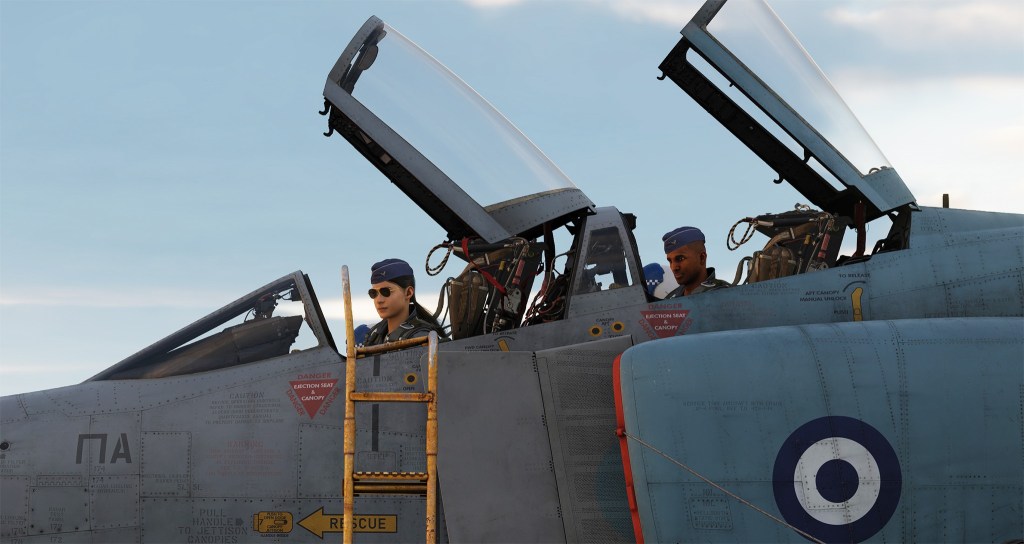
DCS: F-4E Phantom II is one of DCS World’s best modules though the developers behind it are not yet done adding features. On Friday, Heatblur provided a summary of some of their upcoming work for the jet.
The team are busy adding some new features such as the Dogbone gun camera (and associated functionality). They are also adding customization options that will make the Phantom more accurate for specific nationalities. They include:
- External refueling probe as used by Israeli Phantoms
- Removal of the “football antenna” on the tail or new generation antenna
- Other “bits and bobs”
They specifically mention some cosmetic adjustments to make your F-4E into a Greek Phantom if you want. Those excited to see a PI2000 standard with AMRAAM missiles will probably want to hold back on their enthusiasm because it doesn’t sound like that is in the works just this moment (and would represent a significant redo of the airplane).
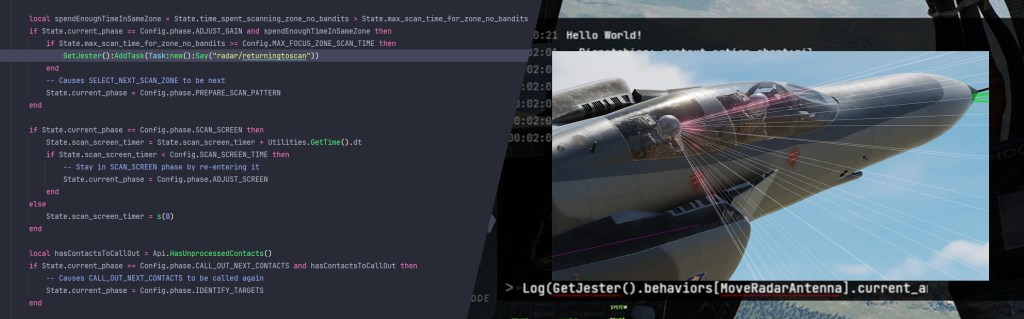
They also are working pilot customization, testing “Jester Pod” which will allow JESTER AI to use the Pave Spike pod, and are nearly ready with the official F-4E paint kit. They are currently working on JESTER modding capabilities for extended functionality. That last one may be of particular interest for campaign makers.




The Phantom comes to MSFS
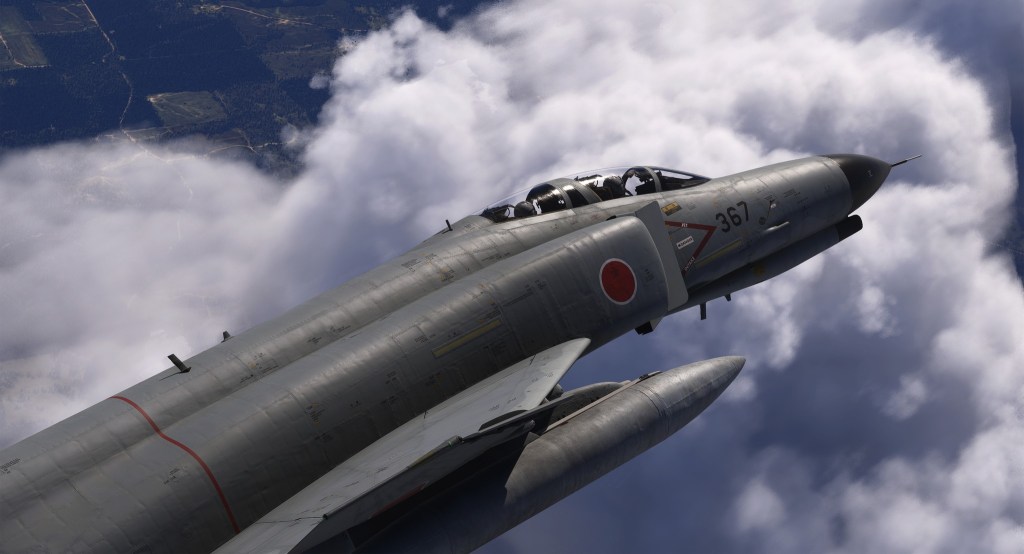
Heatblur has also just announced that the F-4E Phantom is coming to Microsoft Flight Simulator!
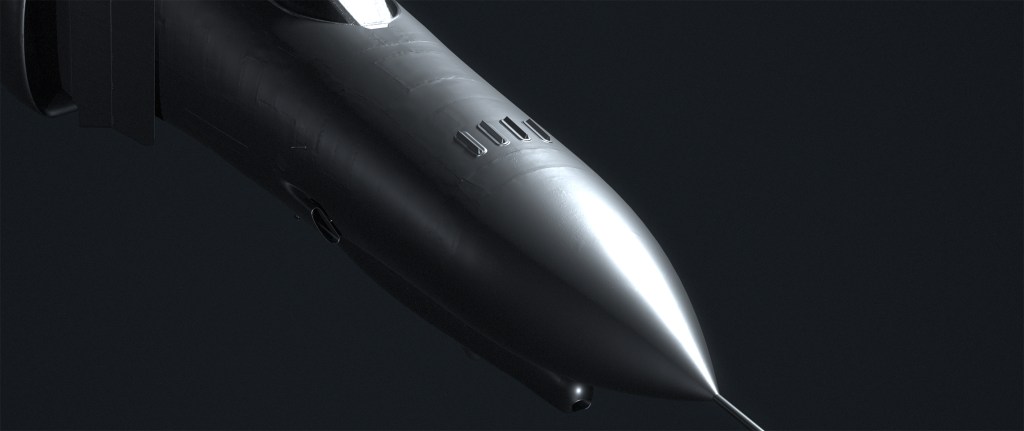
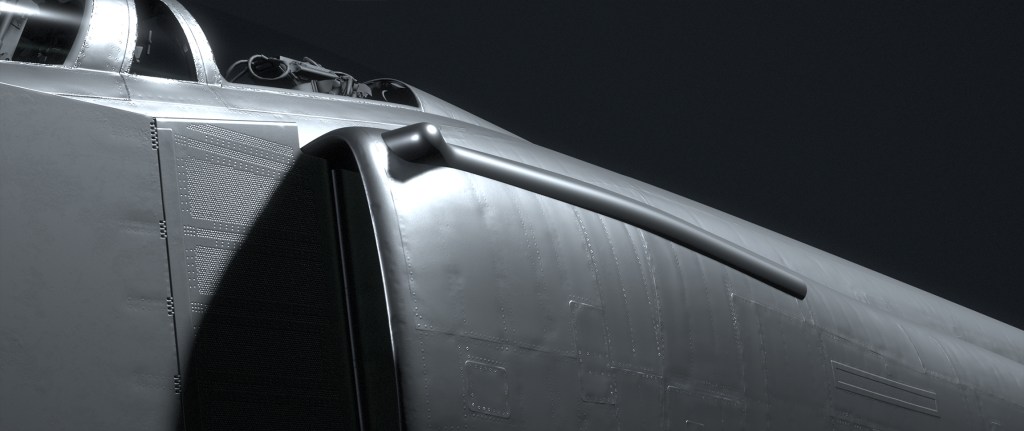
The aircraft is set to inherit much of the work the company did on the DCS model incorporating the highly detailed visuals, tightly tuned flight model, and incorporating an interactive crew chief, JESTER AI, and component based simulation.
The aircraft is simulated as a connection of thousands of individual components. From an instrument needle to control surfaces, each component influences the state of the aircraft and even comes with its own wear and tear. From simulating accurate power draw from the power source to the smallest light bulb and all the nodes along the way, from hydraulic fluid which moves the hydraulics which in turn move the flight surfaces all the way to a mass physics based model – things now happen naturally, influenced by each other, and are not scripted.
Heatblur have clearly learned a lot from their past development efforts as well as their partnership with IndiaFoxtEcho on bringing their DCS F-14 Tomcat into MSFS. The Phantom should meet or exceed what the team was able to do with that jet.
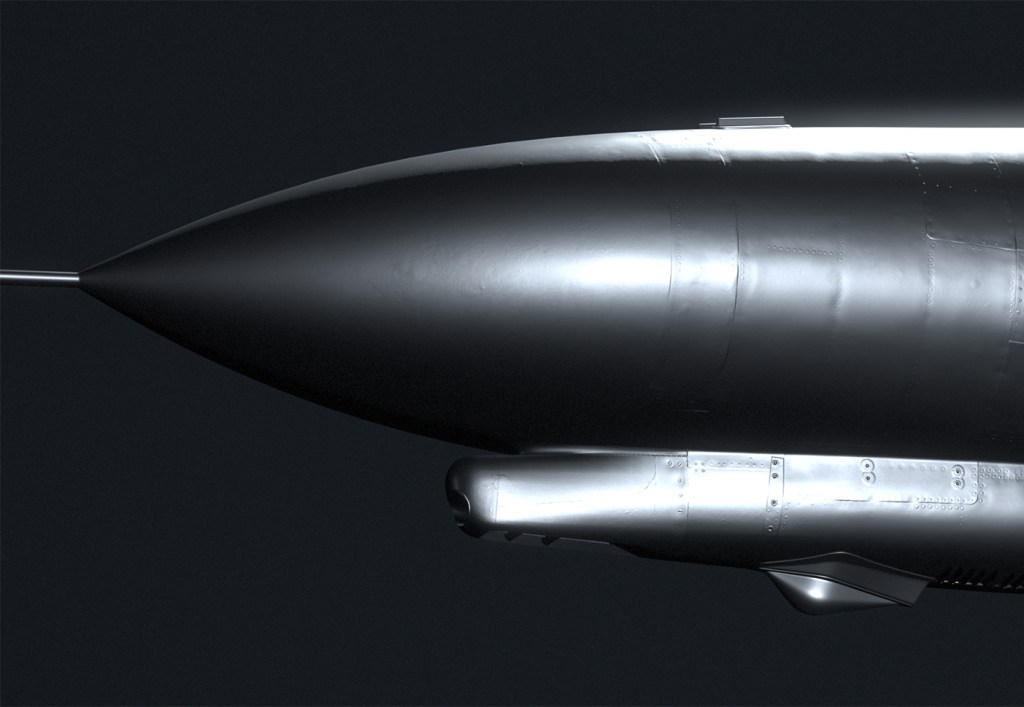
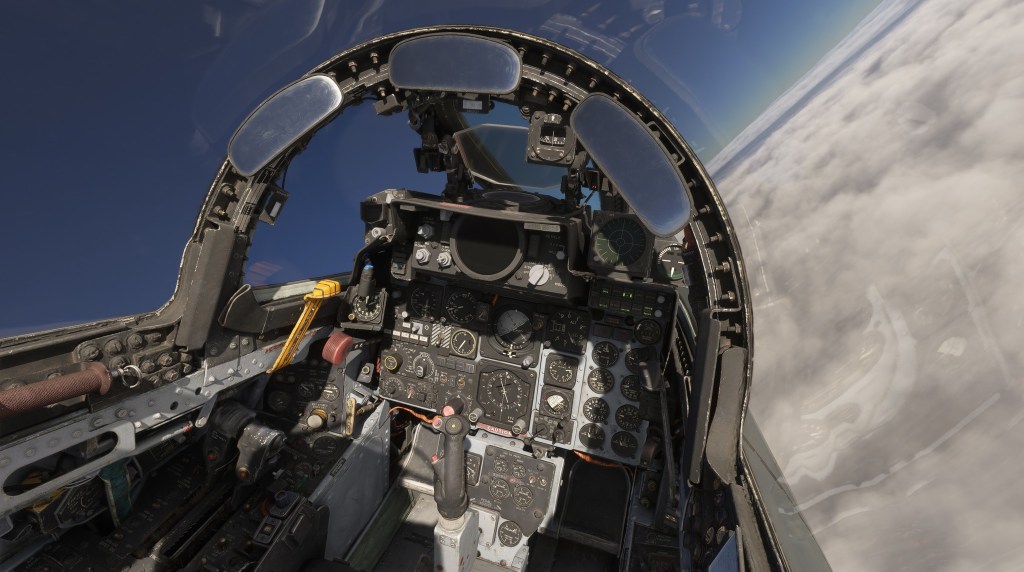
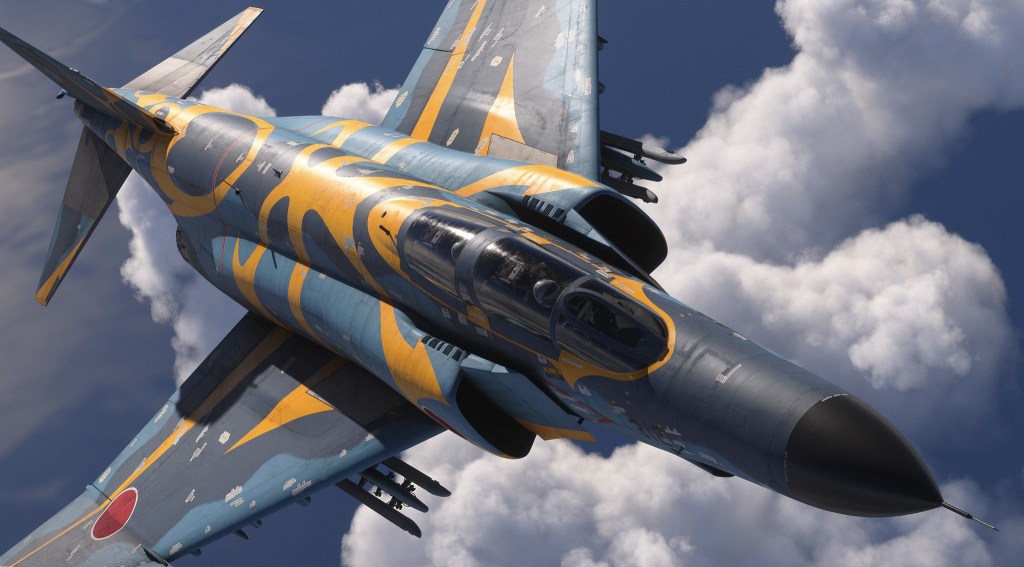
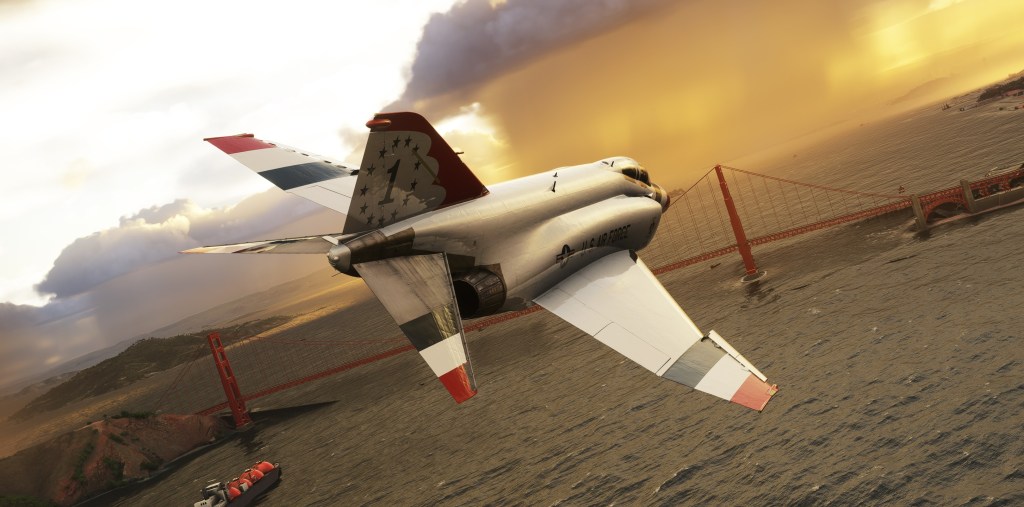
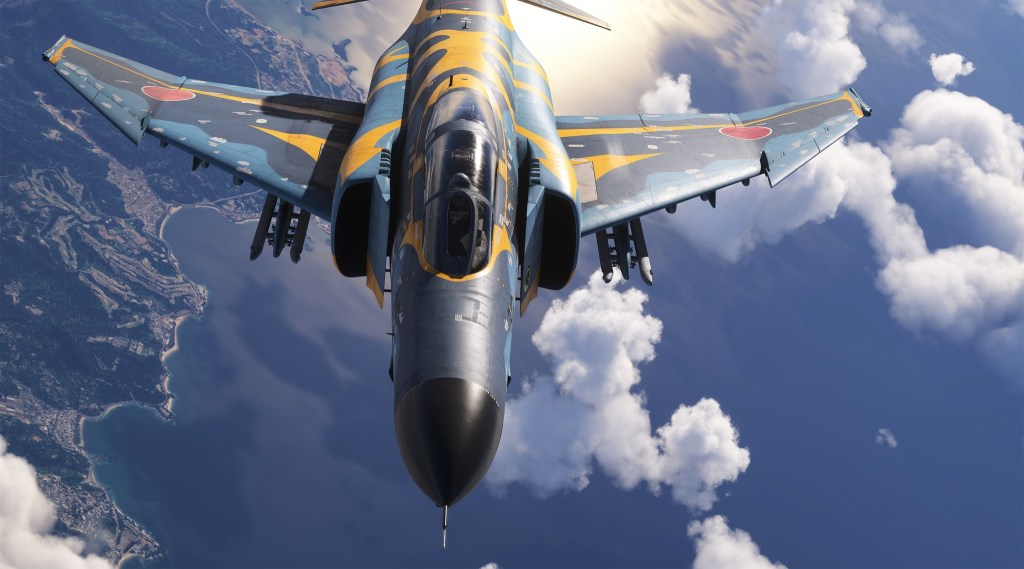
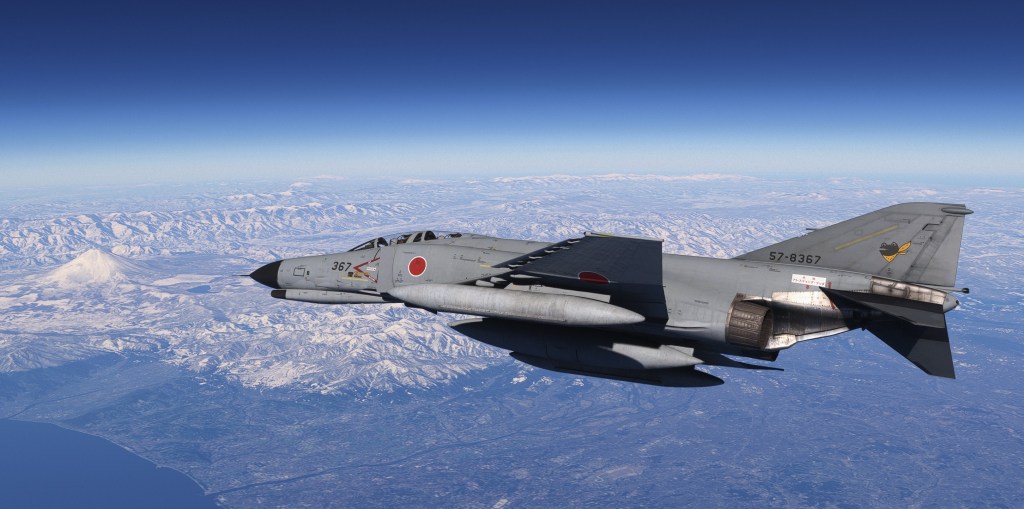
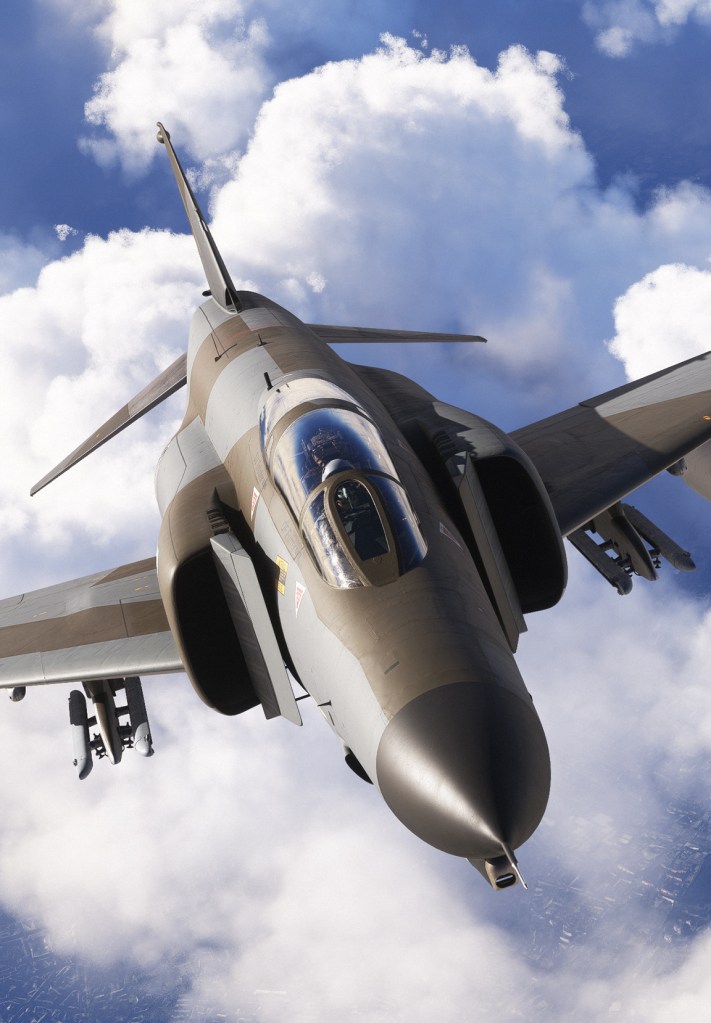
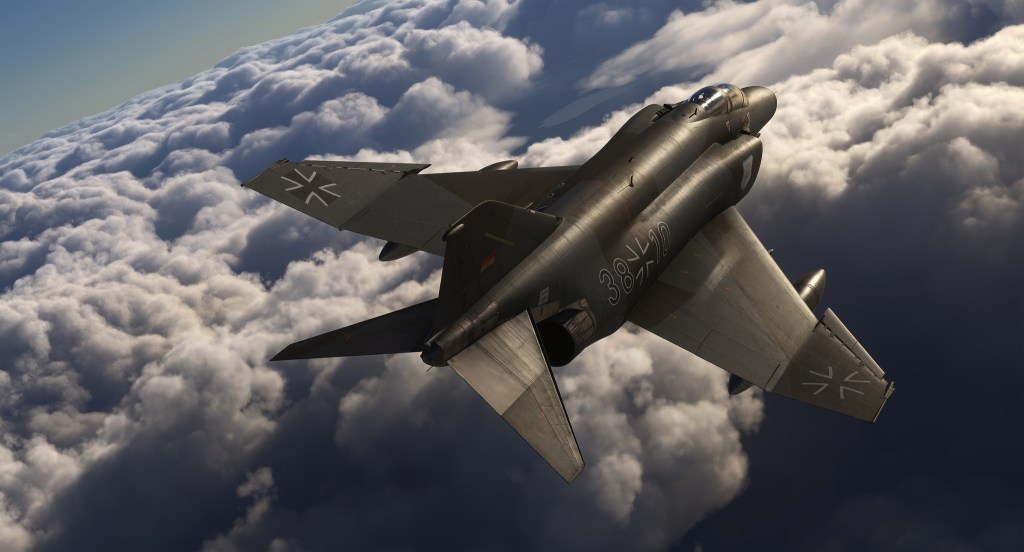
We also have plenty of screenshots showing off the extremely detailed visuals that the Phantom sports in MSFS.



Stay tuned for more information on both the DCS and MSFS F-4E Phantom projects from Heatblur Simulations.


 Stormbirds
Leave a comment