
Sometimes I like to land my fleet of virtual airplanes and take to the simulated rails instead. Over the last few years I’ve put in a lot of time in the Train Sim World series and I thought now would be a good time to talk about it again both as a summary overview of where the series is at plus a discussion about how train simming and flight simming are similar and different. Let’s have a look!
What is the Train Sim World series?

Developed by Dovetail Games, Train Sim World (TSW) is an Unreal Engine based train simulator that is focused primarily on real world operators and routes. The sim attempts to balance a detailed train simulator experience with accessible controls and typically mid fidelity train operation.
The series revolves primarily around its routes and locomotives (and their associated rolling stock). Routes tend to be anywhere from 40-100km in length with a few extending even further. They all offer their own unique combination of experiences and the route length is not always the whole story as different operating patterns can sometimes make short routes all the more engaging.
Some, like many North American routes, will be freight focused heavy hauls through mountain passes and across vast expanses. Others will be commuter routes with lots of station stops to let passengers onboard. Still others might be a high speed route offering few stops and long stretches spent at 200 or even 300 km/h. Crossing that distance is going to be very different depending on the type of train you’re operating.
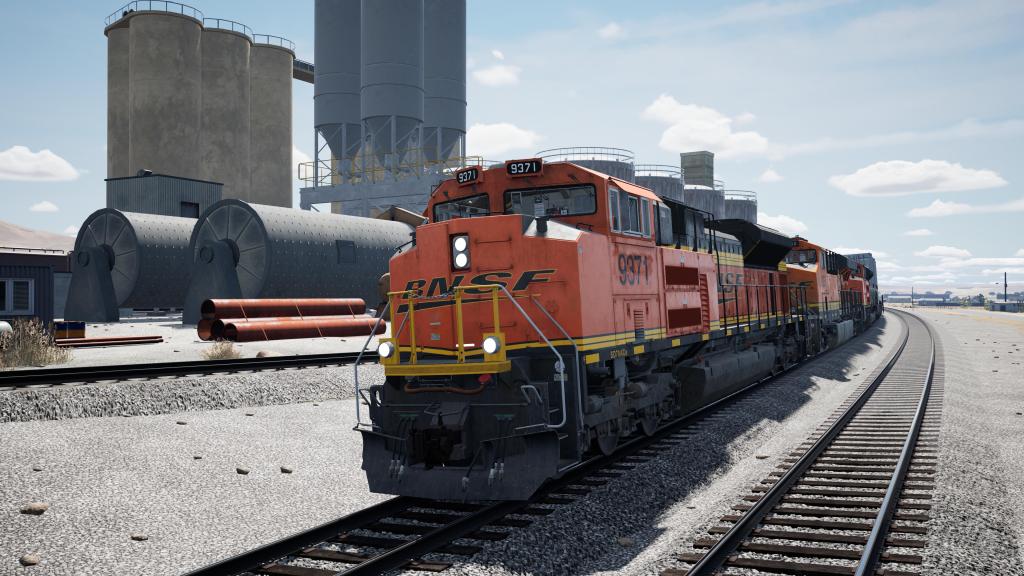


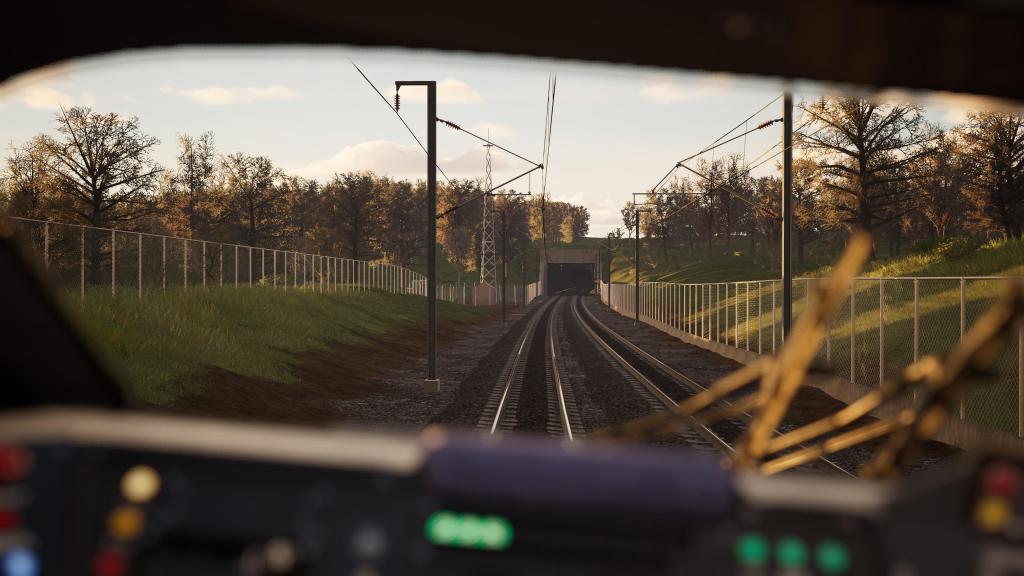
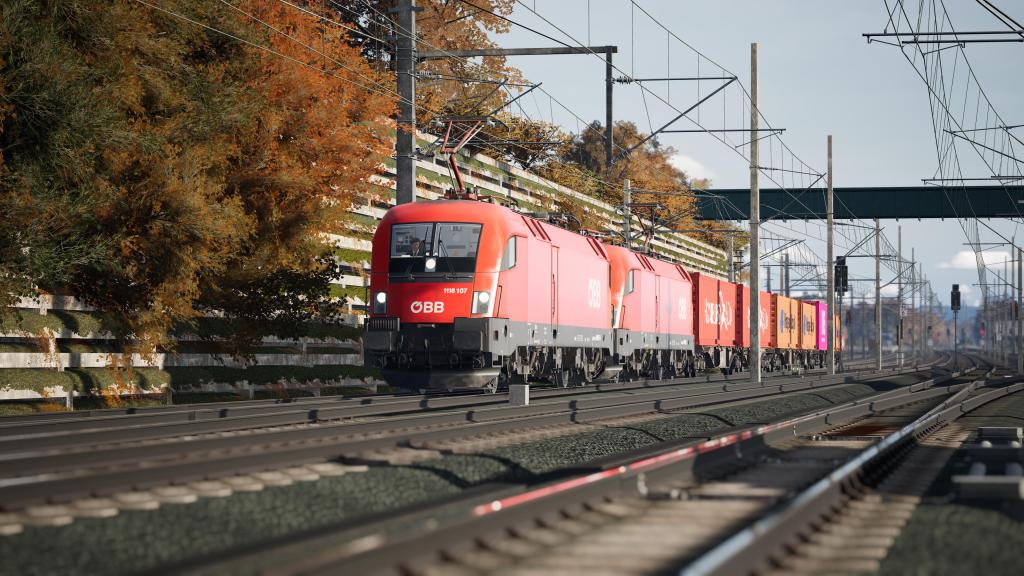

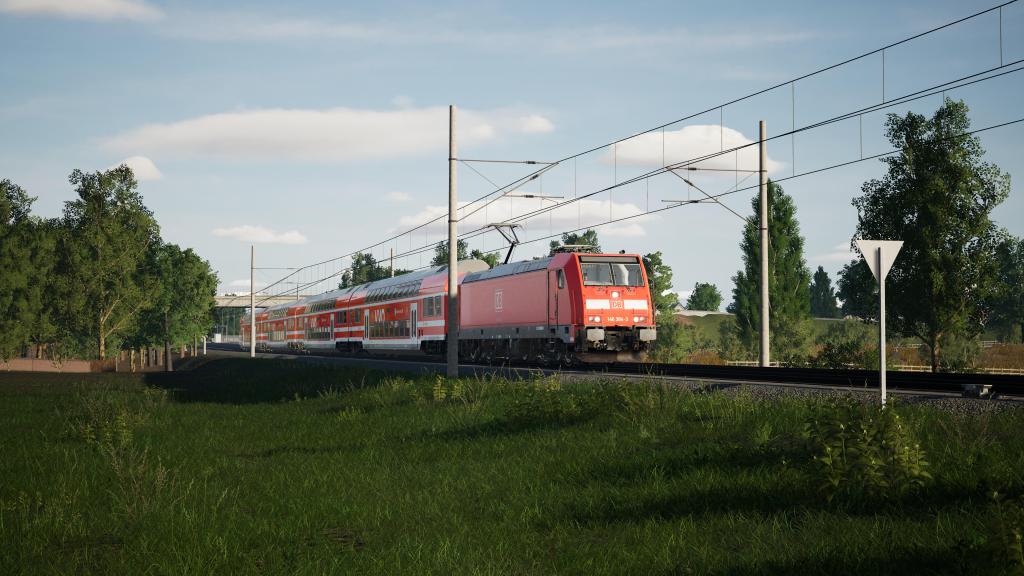

The real world focus here is quite similar to most flight simulators though and isn’t universal throughout the marketplace of train sims. Some, like Derail Valley or Railroader, have chosen fictional or historic settings instead. Dovetail Games meanwhile has done quite a bit of work to license real world trains and operators just as Microsoft has been working to license real operators for their airliners. Condor, Pan Am, Easy Jet, Iberia, and United all show up in Microsoft Flight Simulator and TSW is doing the same with train operators.
If you’re driving a train in North America you’ll see or operate Amtrak, Metrolink, NJT (New Jersey Transit), MBTA (Massachusetts Bay Transportation Authority), BNSF, CSX, and other trains rolling around or parked on the sidings. If you’re in Germany or Austria then you’ll see a lot of red and white DB (Deutsche Bahn), OBB (Österreichische Bundesbahnen), Railion, Railpool or even low cost operator FlixTrains. In the UK there’s a mishmash of operators depending on the route including South Eastern, LNER, ScotRail, Avanti West Coast, EWS, DB Cargo and so forth. There are many others but the operator and their intrinsic connection with the routes that they operate on are central to the experience. Does the series also have unlicensed trains? Yes, it does sometimes but its rare and a sticking point for much of the fan base who want that visual authenticity.

With a name like Train Sim World, emphasis on World, you’d think there would be more countries on display and there has been an effort more recently to start to expand the scope though up until now its primarily been the United States, United Kingdom and Germany that have seen the bulk of the attention. Canada, Austria, Netherlands and France have all seen at least one route and future plans will see routes released for Czechia, Japan and Portgual.
The underpinning of all of this is a technology called SimuGraph that governs a lot of the physics and systems involved within Unreal Engine. A single locomotive is relatively straightforward but throw in a lengthy 100 car train going up a mountain pass and then descending down on the other side and things get a bit complicated. Is your locomotive an all-electric one drawing power from a third rail or overhead line or is it a diesel electric as many North American locomotives are? The handling and operation can be quite different between different types of trains and that combined with their sometimes interesting and challenging systems can mean learning a train takes some time to get right. Like flight models, the physics need to be right for an enjoyable experience and by and large they are though, similar to flight sims, there are detractors that have pointed out obvious or subtle flaws.

The series lives by its regular release of DLC packages. The initial offering is relatively good value for the gameplay (standard edition typically comes with three routes and a half dozen locomotives between them) but purchasing all of the DLC at full price is prohibitively expensive as individual DLC tends to be priced near to what the full game is. The upside to all of this is that there does tend to be a good mix of content released through the year and you’re rarely ever bored.
To mitigate the high prices, the series also frequently offers up some significant discounts on older routes with some going as high as 90% off while the newest routes tend to command only 20-30% off the regular price. There are good deals to be had and some routes I hadn’t initially considered, once offered at a high discount, became surprising favourites. With others I’ve paid the full price if I wanted to play them right then and there. Such is the cost of immediacy.
Gameplay

The core of the game is, of course, centered around driving a train. Setting the direction, controlling the brakes, managing the sometimes intuitive and sometimes esoteric safety systems (all different depending on route and real world operators), opening and closing doors, connecting and disconnecting rail cars, even jumping out and setting switches manually. This is the life of a rail engineer though that’s only the beginning because TSW is pretty good at providing some structure to your activities too in a way that some flight sims struggle with.
Timetable mode, for example, lets you choose a route, locomotive, and specific train to operate and then you run that route aiming to be as on time as possible. Other trains will be doing their scheduled timetables at the same time. It’s more open world than some of the other modes and less guided. Gameplay gets more interesting with features like dynamic weather enabled where weather conditions could change affect your journey. New for TSW6 is a new set of conditions that give you random failures and delays due to temporary speed restrictions.
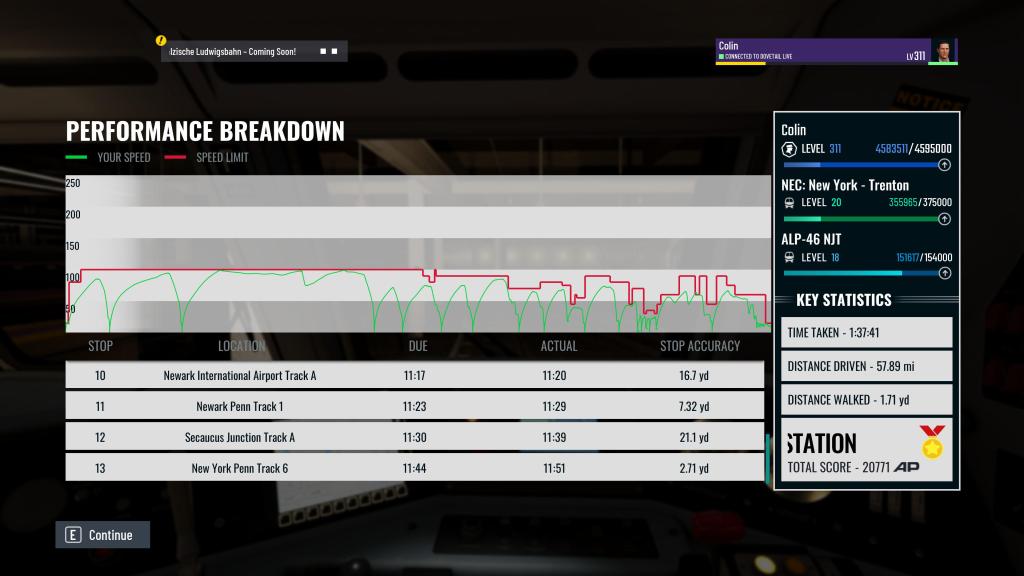
Scenarios are more specific guided pieces that often put you into more unique situations. Driving on a alternate tracks, doing something unique with a train, or responding to challenging weather conditions like a partial flood on part of the track.
Journey Mode is like timetable except with a curated experience leading you to do one timetable after the other in a set sequence and time of year.
Free roam is a more recent introduction where you drop your player down at any given station, spawn a train in, and set a destination. You still need to think about which train goes where and make sure that, if its an electrically driven one for example, it supports the local electrical infrastructure and voltage systems.
Even more recent is the addition of Conductor mode. This one has some serious bugs in it but for some folks its an interesting diversion where instead of driving the train, you wander the passenger coaches checking on tickets. It’s not my preferred mode, but for some folks this is a very relaxing way to engage with the sim.
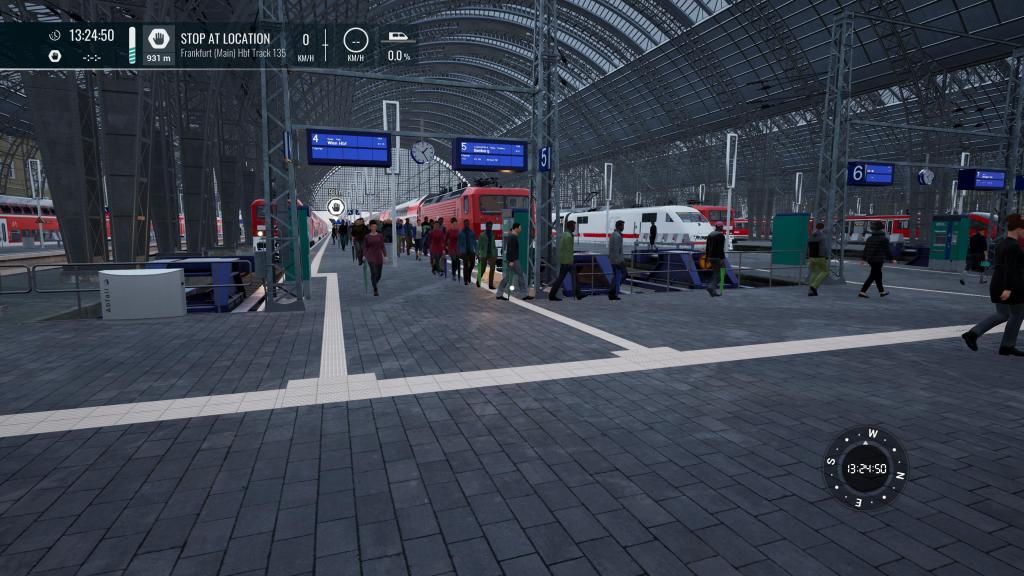
The TSW series offers some benefits over some older train games by taking advantage of the Unreal Engine’s built in abilities to walk around and interact with the world. That means you can get out of your locomotive, walk down the tracks and interact with a switch (or you can do it from the map interface to save time), or walk the length of the train on the exterior and use click spots to disconnect rolling stock, turn on and off individual brakes, or more occasionally fuel a locomotive or operate some sort of loading system. Other times it just amounts to exploring the immediate area around a station or a yard.
Once onboard the locomotive and sitting down in the seat, you seamlessly switch over to having full control over your train. This is quite like MSFS 2024’s walkaround feature which I initially thought was not all that valuable but which has definitely helped me connect better with the aircraft I’m flying. It’s the same with TSW’s trains where walking the platform and working with your train gives you a sense of place in the world. You’re a virtual human operating a virtual train rather than the train itself being your avatar in the world – if that makes sense.
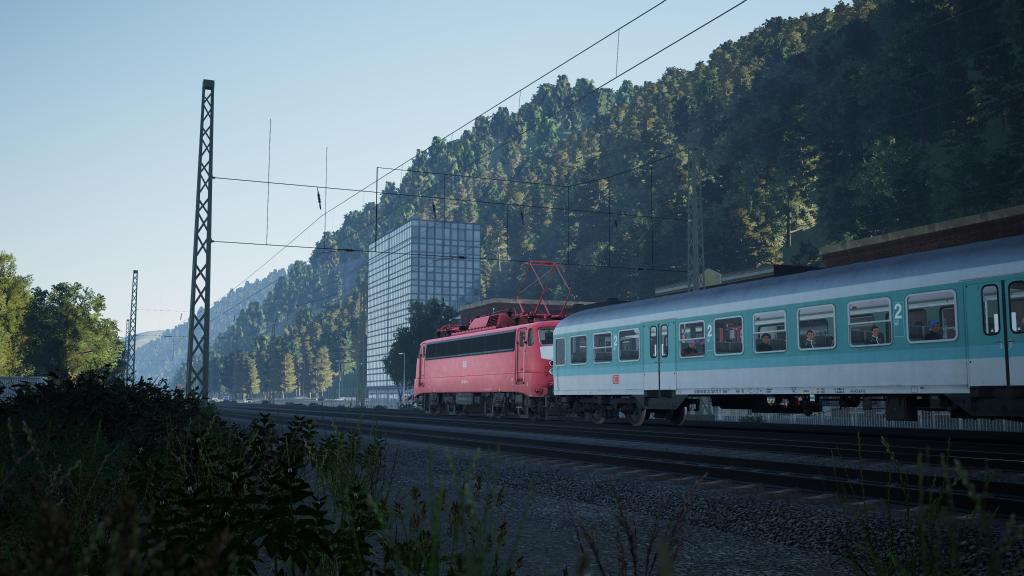
The series has also recently introduced its first high fidelity experience with the Expert DB BR 101 and IC Steuerwagen cab-car. While most TSW trains are in the low to medium fidelity category, this one comes with extensive failures and more detailed simulated systems. It’s an interesting nod to some of the more complex airliners or jet fighters available in various flight sims.
Most other trains have a mix of capabilities but their system depth tends to be relatively surface level.
More recent additions to the series
The last time I wrote about the series, it had just added its first steam locomotives. Since then it’s added a lengthy list of DLC and committed to a yearly release structure. This structure is not without criticism as the release each year is relatively similar to what came before but with some new “base routes” and a few new features each time.
TSW3, 4 and 5 have released over the last few years and TSW 6 has been announced with a September 30th release date. More or less like clockwork at this point. Presumably at this time next year a TSW 7 will have been revealed as well.
Quite rightly, there are concerns and complaints about the yearly cycle. For the last two years, Dovetail have offered a free update for the core of the sim (often time limited), while encouraging most users to buy the new base routes too. There are changes and new features added every year though users justifiably complain that long standing bugs often remain unsolved. There’s also the small matter of needing to download the base game plus all of your prior DLC packages keyed to the latest version. For long time users, that means that download gets bigger every year.
Though changes between versions has sometimes been minimal, there have been some notable changes too. They include a significant overhaul of the lighting system, the addition of volumetric clouds, the addition of volumetric lighting in foggy conditions, a photomode for screenshots (more on that in a bit), and a conductor mode so you can go around the train checking tickets. For TSW6 they’ve announced the addition of dynamic station announcements, train announcements, and the addition of an underlying failures system where some parts of the train may fail and require a reset or a fix. Unfortunately, all of these changes have been implemented on a per route basis and its only rarely that older routes get all of the latest features – though upgrades and overhauls do happen.
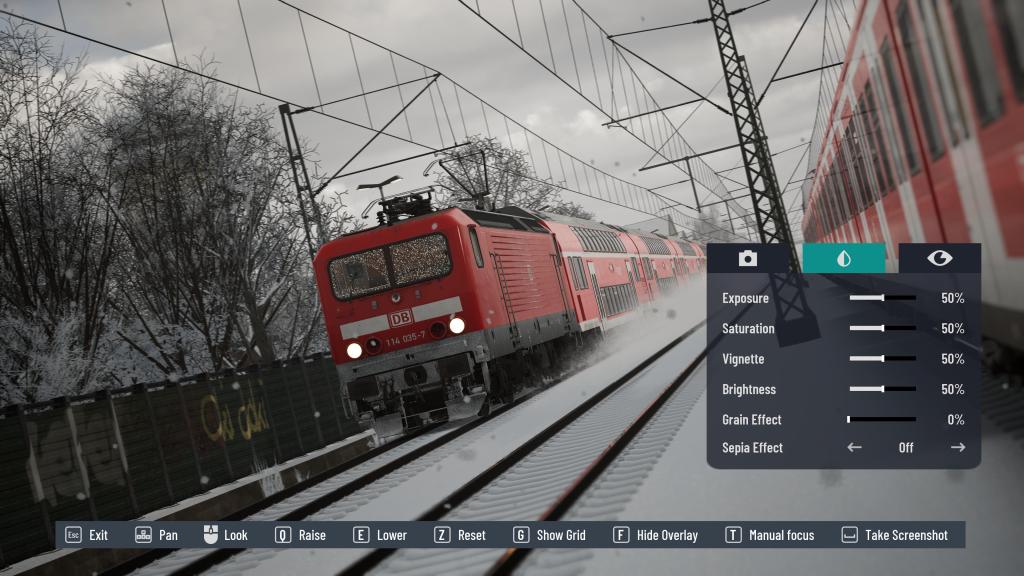
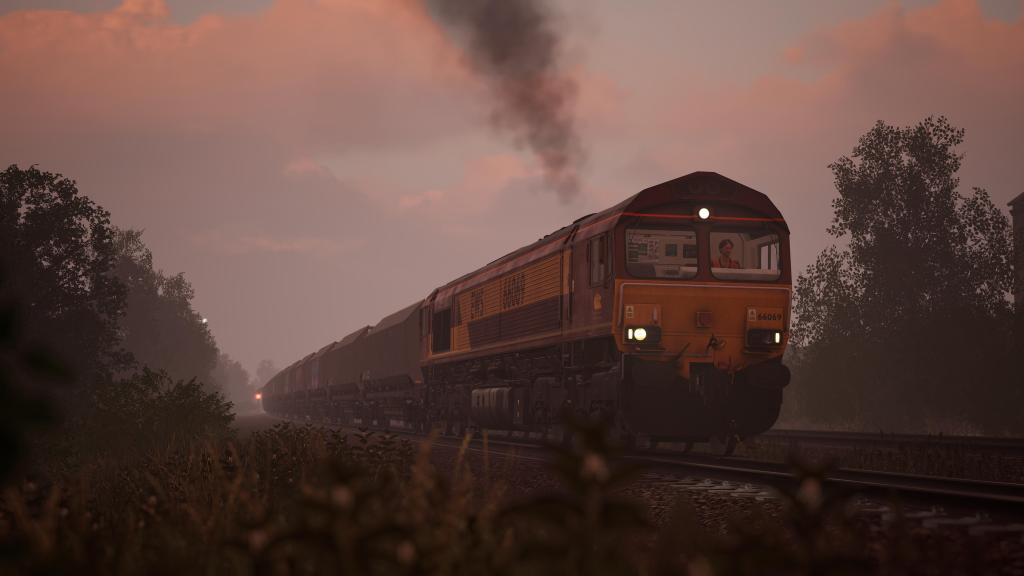
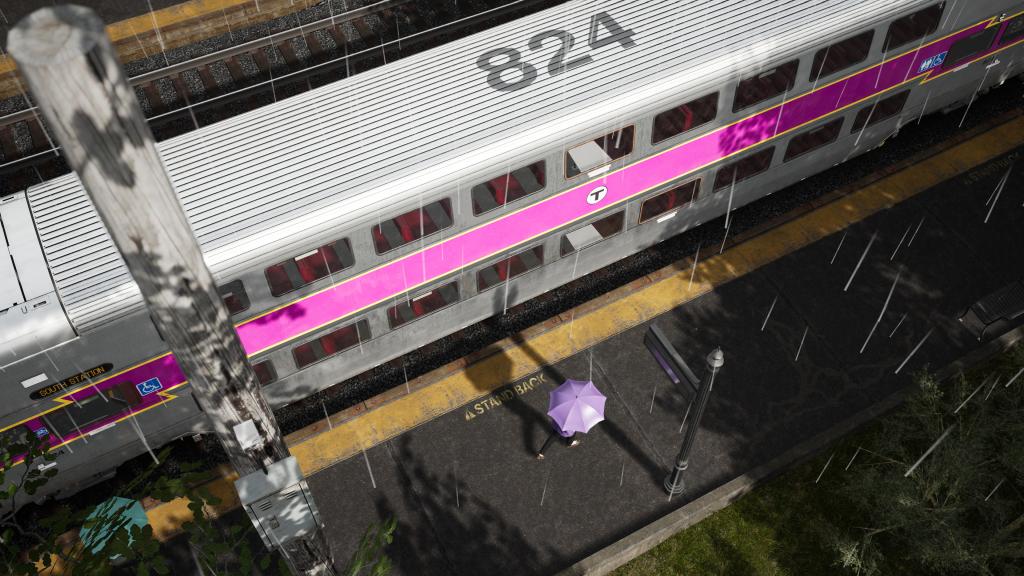
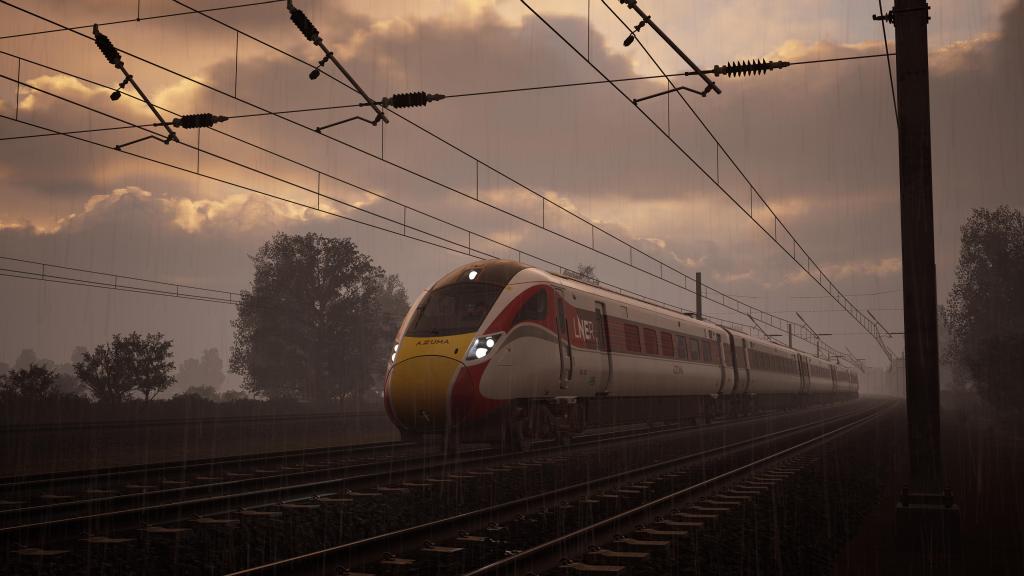
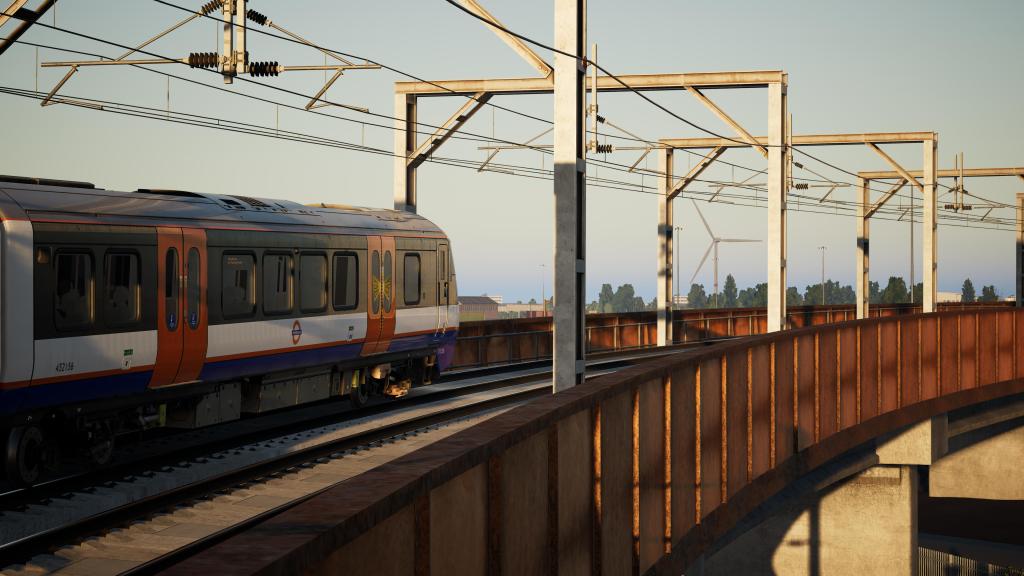
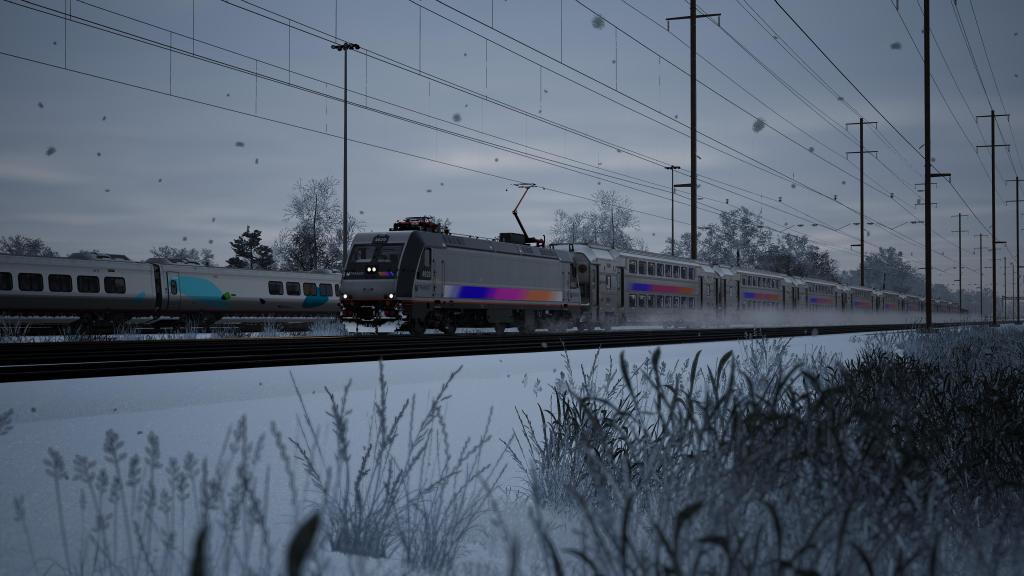
I am a particular fan of the photo mode which freezes the action and provides you with the ability to place the camera in just the right spot while letting you control depth of field, contrast, and add some visual effects like black and white or added/reduced contrast. In TSW you can also adjust the date, time, and weather conditions. I’d love it if more sims, DCS, MSFS, X-Plane, and IL-2 baked in their own versions of this.
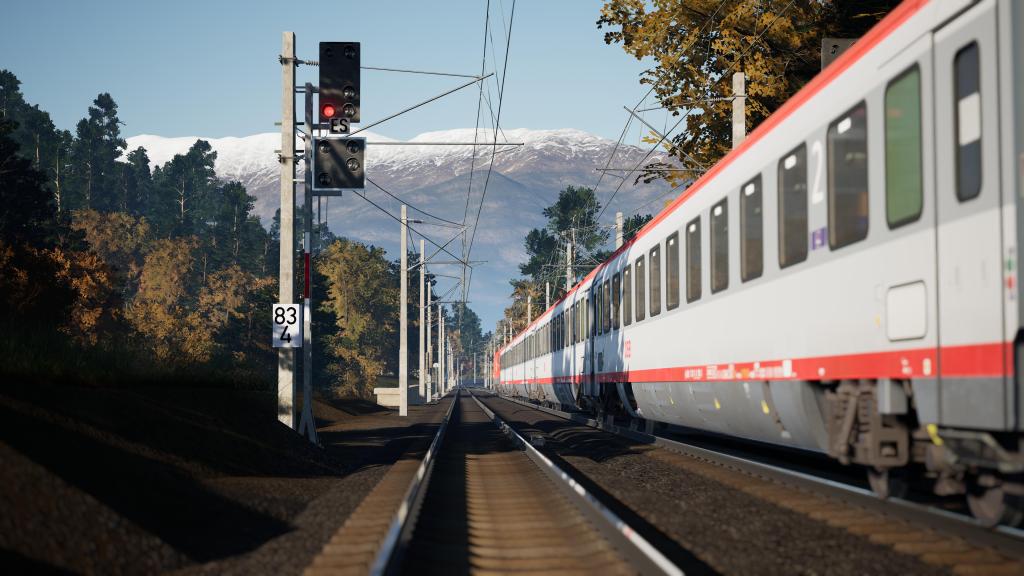
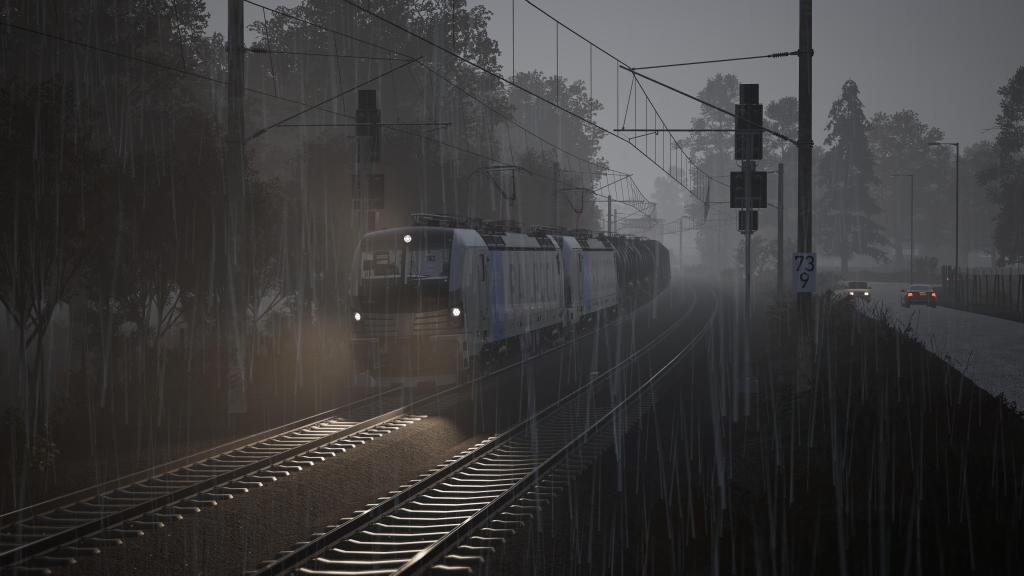
If you see the in-game HUD in any of the screenshots in this article, that was purely a screenshot while the other images are from the photo mode. I find the photo mode nearly half fun of playing TSW personally and I’ve taken many screenshots over the years. It too has been saddled with its own bugs, however, with the mode having an impact on the weather system – eliminating fog and pausing the dynamic weather changes. It’s been listed as “fixed” several times in patch notes but not actually fixed.
Other various issues
I’ve painted mostly a rosy picture here of the series and by and large it can be quite a fun experience. I’ve poured countless hours into the sim and its both relaxing and invigorating at the same time. But it’s not without serious flaws.
I’ve already mentioned yearly releases which have caused significant amounts of discussion within the community. The series also suffers from some technological challenges that are both unique to TSW and also quite familiar to any sim fan. The core of the game is based on Unreal Engine and a version of Unreal Engine 4 to be specific. This was developed in the time before Unreal Engine 5 and that engine’s ability to render large worlds. TSW gets around it by loading the world in a chunk at a time, swapping one in and one out. It mostly works but it can cause a stutter every time it happens – even on the fastest of PC’s.
The game is available on PC, Xbox and PlayStation and Dovetail have continued to support the older Play Station 4 and Xbox One consoles. This has, as the game becomes more complex and fully featured, caused problems with crashing, fuzzy textures, and out of memory errors. Some routes are now somewhat constrained with fewer trains and available services than on more recent consoles and high end PCs. Some in the community have called for an end to supporting older consoles while others are hopeful that optimization efforts help smooth out gameplay and let older consoles do more.

At the same time, TSW often hovers between a very good looking game and one with obvious graphical flaws. More recent routes have picked up better artistic flare with more details, unique objects at different stations, real and fake advertising, and so forth. But there are also times where the game’s graphics struggle a bit and you’ll see obvious seams between the laid track and the surrounding scenery. Some routes have great snow effects with the snow coming up to the tracks while others, typically older ones, don’t and snow looks like a texture effect painted on flat surfaces.
Passengers are often a problem too. While they’ve picked up considerable variation in recent entries in the series (sometimes walking around with briefcases, wearing headphones or using umbrellas when its raining) they remain somewhat mechanical in how they walk around. Worse, they sometimes will spill out onto the tracks or hit an invisible barrier and go flying into the sky. It doesn’t happen often but its enough to sometimes ruin the immersion.
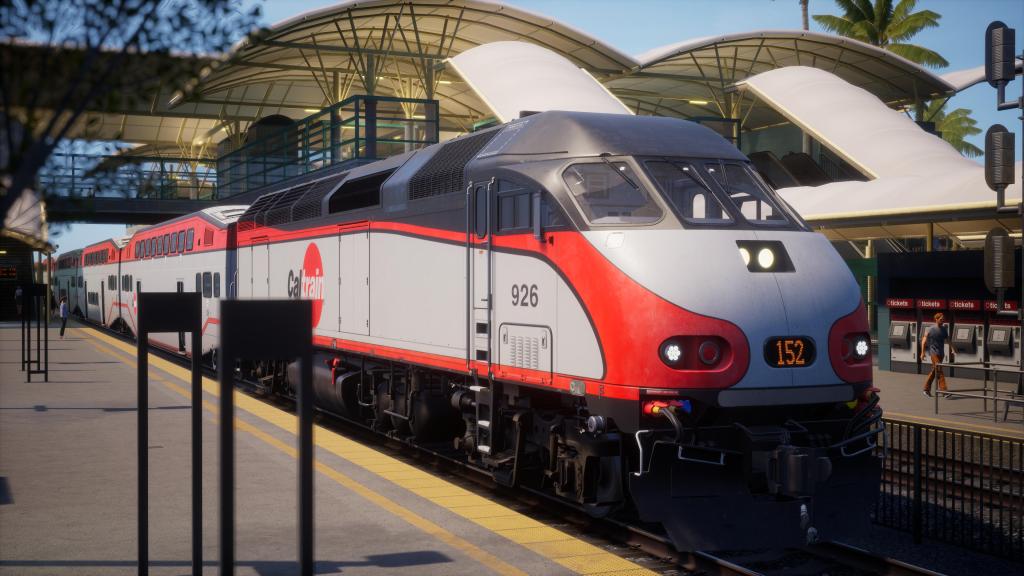
Finally, the series has sometimes struggled on the licensing side of things. Most routes are fully licensed with official logos, colours and branding adorning the trains, the stations, and even your in-game avatar. On the other hand, sometimes licenses have been pulled calling into question the longevity of a route. Most recently, CalTrains in California declined to continue with the license and for a while it looked like the now veteran route from TSW2020 would no longer be available – Dovetail even pulled it from Steam and other storefronts. The latest word is that the route will return but will be unbranded from here on in.
One of the more concerning developments currently is the sim’s presence on Epic Game’s online store. With each TSW release essentially being a re-release of every piece of DLC for the new version, the numbers of listed DLC in the store climb significantly and this is allegedly part of a problem between Epic and TSW’s developers. TSW6 is going to release with just a handful of DLC content available which will not only affect new users but also those who are updating to the latest version. How quickly that gets resolved is going to be key in how annoyed people are about losing out on previously purchased content.
There are, as with any sim series, a myriad of other issues, bugs, problems, and things that annoy parts of the community while passing unnoticed for other parts. But the series does have more than a few challenges on its hands just in-case you thought DCS World or Microsoft Flight Simulator were hogging all of the drama.
Learning trains
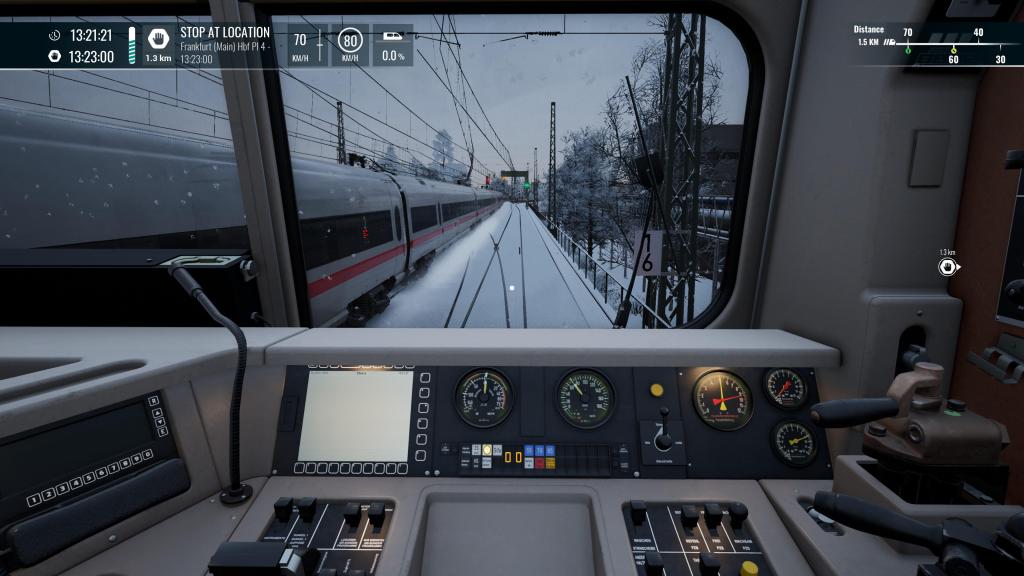

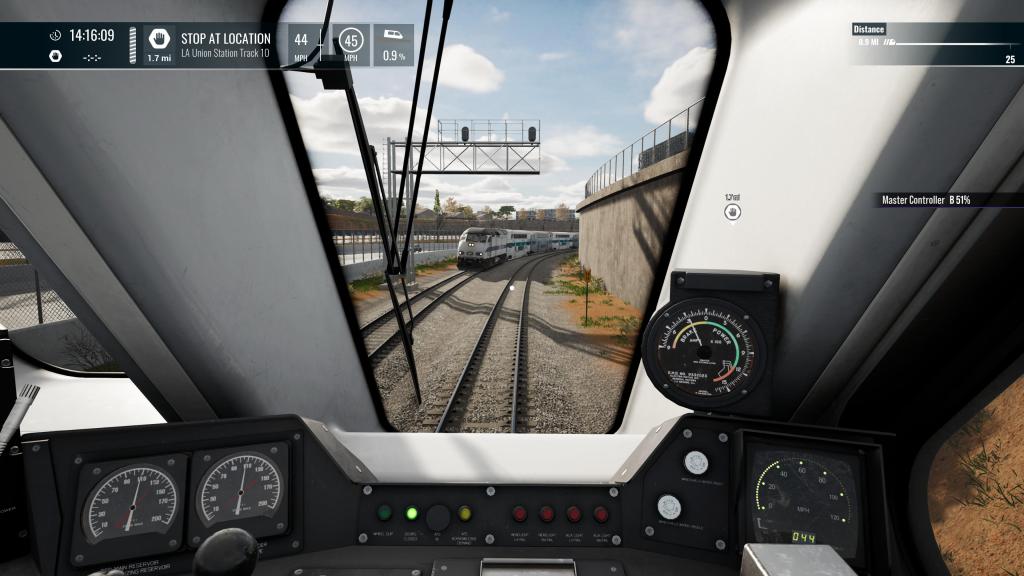
One of the things that the series has done well with is offered up opportunities to learn how trains work. Though few of TSW’s trains approach the complexity of a high fidelity airliner in X-Plane and MSFS or combat aircraft in DCS, they still often have quirks that are required to get them to work. Breaking and acceleration works in vastly different ways on different trains and some trains have safety or cruise control systems that need to be setup and used correctly.
Dovetail have put in a training centre starting with TSW3 which is a kind of proving ground or test track. Its a short route but its got everything you need to learn how to operate a variety of different types of trains. Its interactive as well so you can walk around in and outside of the facility.
Various on screen tool-tips pop up giving you information and pointers on what to do next. Early on, these were required for me to get started with just about any train. A few years later and most trains operate one of a few different ways and, quirks aside, they are mostly the same in overall operation. It’s the same kinds of differences as you’d see between a Boeing and an Airbus or between an F/A-18 and an F-16 – all doing ultimately the same thing but with different operating philosophy.
Route highlights
Train Sim World, as I said, lives and dies by its routes. Routes and their associated locomotives and rolling stock pretty much make or break the experience and different routes are going to appeal to different people.
If you prefer the stop/start experience of running a commuter train, that will narrow down your choices to routes that have that kind of experience. Some people are even more specific in that they only want a UK based commuter train or an American commuter train. Others want huge freight trains doing longer distance hauls. Some folks are more happy with shunting freight around in a yard. If you’re like me, I like the high speed trains (probably comes from the aviation interest) that can get up to 200 or 250 km/h. It all depends on personal preference. Most routes have one or more of those experiences together and the best ones are often doing a good job of offering multiple experiences mashed together.
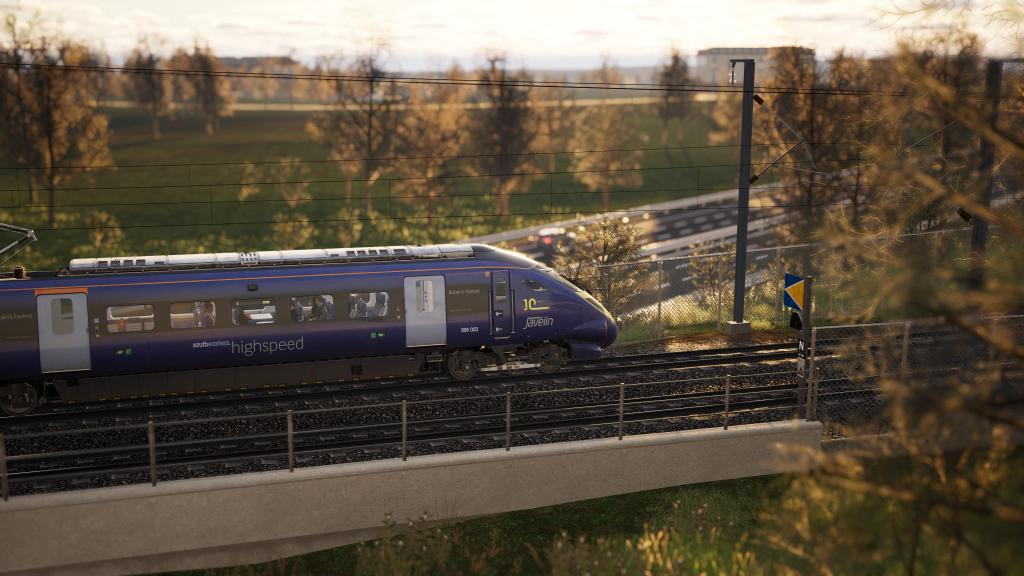
One of the best examples of this is a route called South Eastern High Speed (or SEHS). It’s a route that first shipped as a DLC for TSW2, to mixed reception, and then was extended and upgraded for TSW3 as a base route included with the game. The extra work paid off and this extended version of the route has become a favourite of the community. The mix of good scenery, five locomotives and wide variety of gameplay includes freight, high-speed, and stop-start commuter operations. High speed rail service with the Class 395 from Ashford International (not too far from Dover) to St. Pancras station in London. It crosses over the commuter and freight route from Dartford to Faversham.



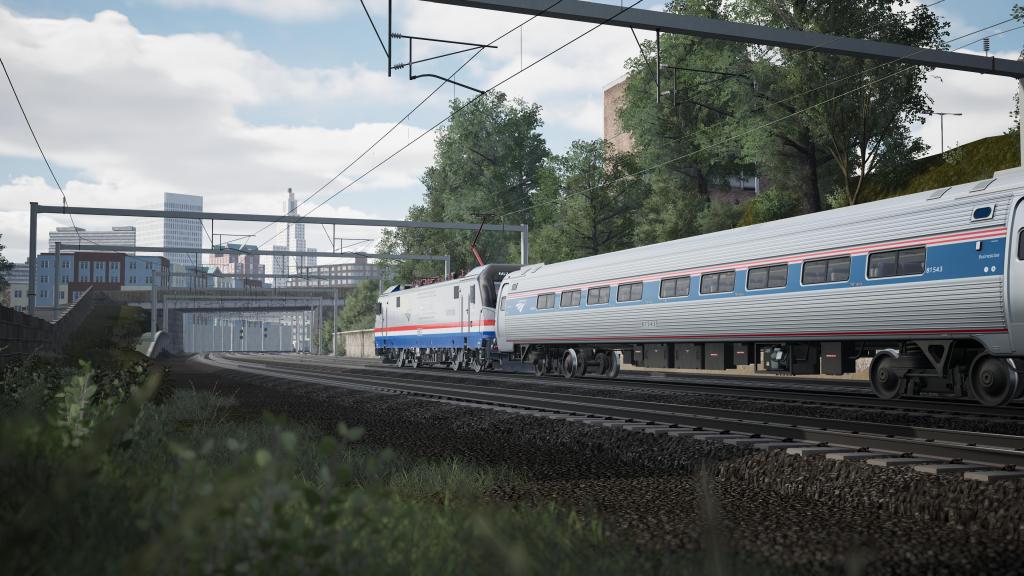
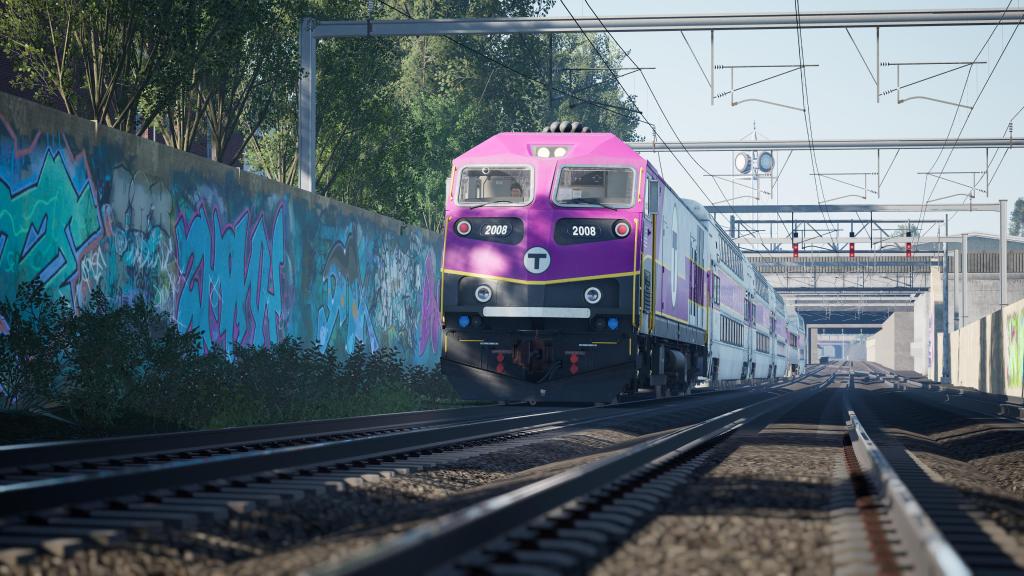
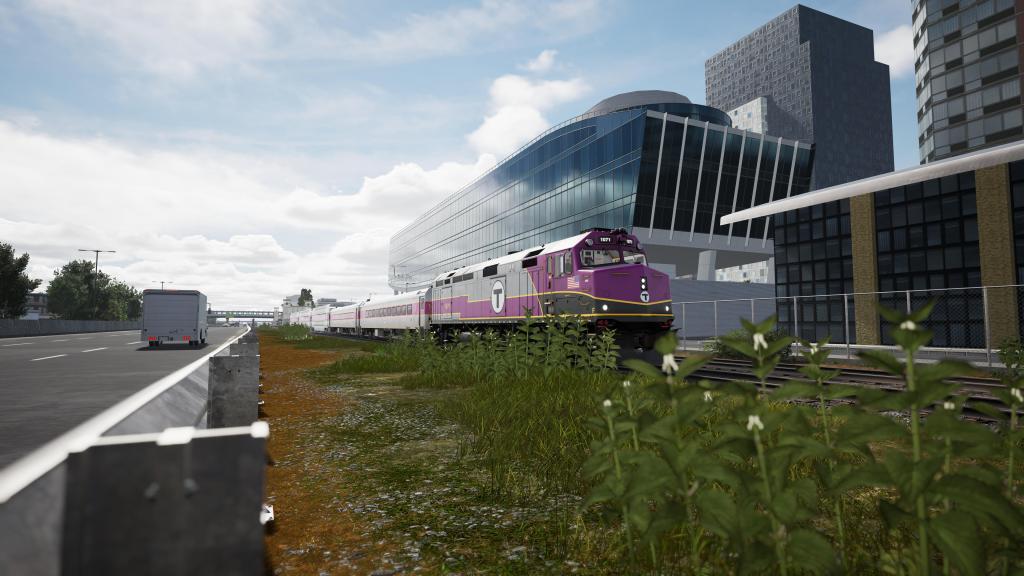
Another fan favourite (and one of my personal favourites) is the Boston to Providence route. Though the playable services are all passenger, they include an interesting mix of diesel electric MBTA commuter trains and overhead line powered Amtrak Regional and Acela (a separate DLC) high speed services. Some routes are point to point while others, like Boston to Providence feature a branch line.



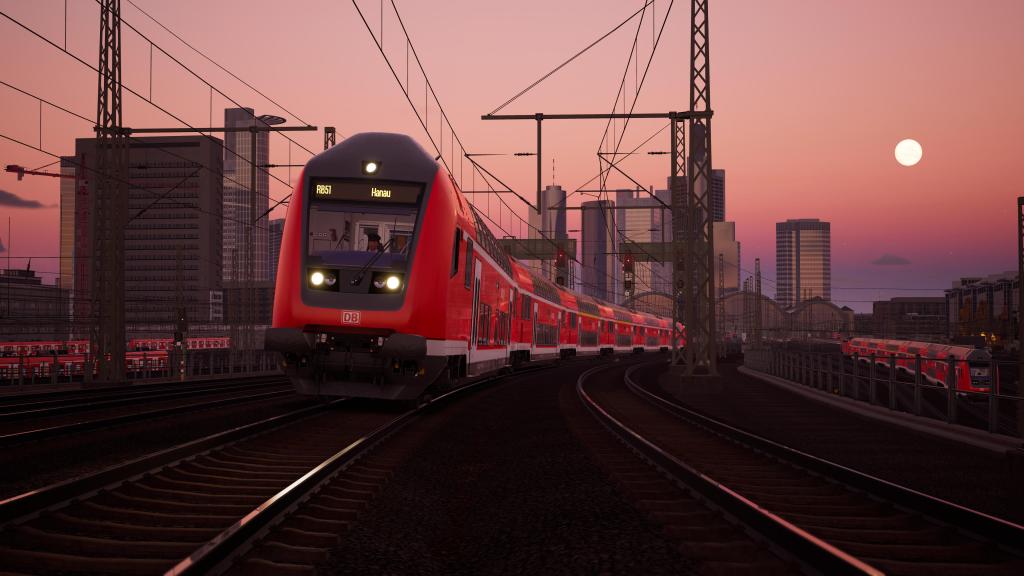
Jumping over into the European continent, TSW features a lot of German routes. Frequently featuring DB (Deutsche Bahn) trains, some of the most interesting routes include Frankfurt to Fulda with a mix of high and mid speed services as well as short distance commuter operations.


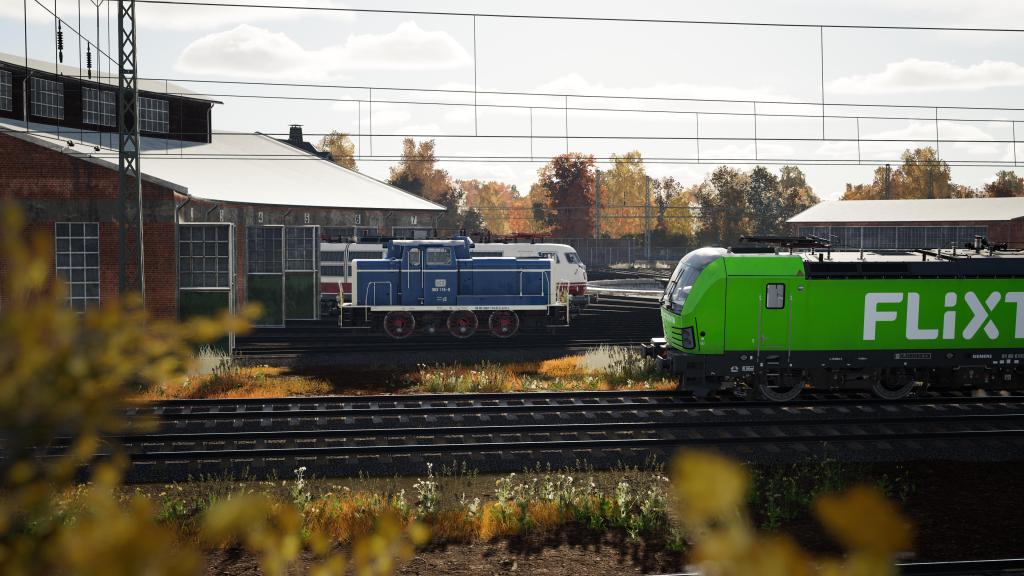

Nahverkehr Dresden is another favourite which again mixes in a variety of freight, commuter services and high speed. This time there’s a short branchline, and two alternative routes that take you to the same end point. A couple of local industries are mixed in a well helping to add to the variety.
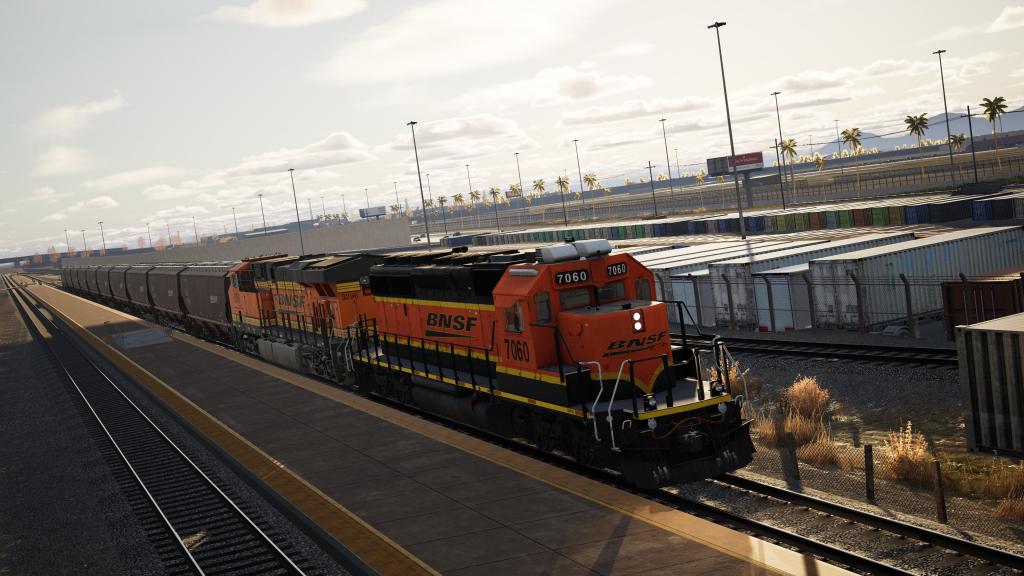
Other routes are more specialist in their approach. Cajon Pass, set in California, takes you up and down the famous pass with BNSF freight trains often featuring a half dozen locomotives to power their way up the pass and into the flatter terrain. The site of numerous high profile run away trains over the decades, its a slow slog up the pass but a nail-biting run down into a large freight yard in Barstow.


I’ve also been enthralled but some of the sim’s shorter routes. Sometimes offered at lower prices, routes like the Suffragette line in London or Cathcart Circle in Glasgow both which offer shorter alternatives and quicker to complete routes that may only take 20-30 minutes of gameplay per run with lots of stops and starts.


Of course everyone has their preferences and other community members would pick different options than the one I’ve selected. I don’t have every route or time to explore them all so these are just the ones that I’ve tackled in recent history.
Coming up next


The series always has something coming up next and that’s not a bad thing! The regular flow of DLC content, as pricey as they are these days, does ensure that things are relatively fresh even if the overall gameplay remains the same.
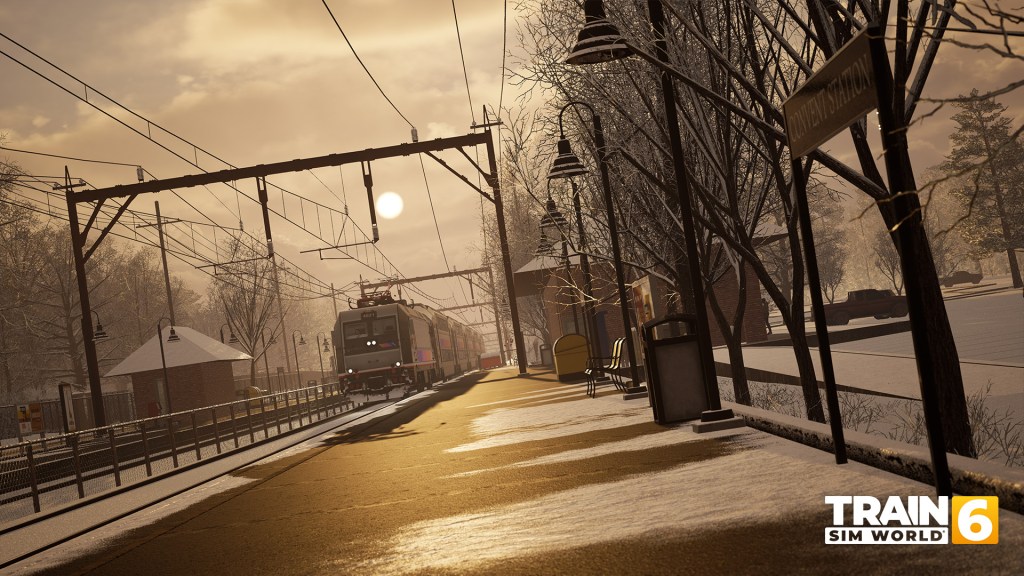
Train Sim World 6 has three announced “core routes” with the UK route being set on the scenic Rivera Line, the US route being the New York and New Jersey based Morristown Line, and the German route is a remaster of an old favourite having been extended nearly twice the its original length to cover the area between Dresden and Leipzig. None of the routes are particularly groundbreaking, however, they are offering a lot of variety and that is generally a good thing with TSW routes. .
Post launch, an extensive array of DLC content is set to arrive covering more parts of the US, Germany and UK as well as introducing new routes from Czechia, Portugal and Japan. Many of these are being done by third party developers who have gradually jumped onboard in recent years. While the initial offering this year seems relatively safe, these expansions into new countries are more exciting.
Final thoughts
After flying aircraft in the various flight sims, train simming has become one of my other favourite things to do. TSW isn’t typically as high fidelity as a DCS module or high end MSFS airliner, but it does offer a relaxing niche activity letting me operate some real world trains in some interesting locales. I find it easy to get in and go, letting the scenery roll past me and enjoying the mechanics of operating different types of trains. The unique nature of each locomotive adds to the appeal as does the scenery that you get to explore – just like in flight simming it gives me the sense that I’ve “been there” or “travelled some distance” even though I’ve been in my office chair the whole time.
TSW has been my go-to train sim over the last several years but its not the only one out there either. Derail Valley has more than once caught my eye and its more open world based experience and crash physics sound absolutely fascinating. It’s a very different game from the real world timetable based TSW but that’s ok! Run8 and SimRail are two others that have started to attract attention too. Most of them haven’t quite been able to offer the slick mix of features that TSW has, but give them enough time and resources and I think they will be serious challengers and a little competition in the space would benefit all.
This experience is certainly not for everyone and some frequent readers will not find the experience as gratifying as flying a simulated aircraft. Still, there’s a fair bit of crossover in technologies and challenges and I find the whole thing fascinating to experience. It helps further my appreciation for simulation in general.
Train Sim World is available for PC, Xbox, and PlayStation with TSW6 set to arrive on September 30th. Learn more about the whole experience here.
Screenshots














 Stormbirds
Leave a reply to CanadaOne Cancel reply