
Yet another legendary fighter has been added to the IL-2 Great Battles Series. The Yakovlev Yak-3 is quite an impressive fighter in the history books and having this variant of the Yak series of fighters added to the sim has been on the wishlists of many over the last several years. Now that it’s here, I set out to find out of it lives up to the real world legend. Let’s have a look in this full review!
A bit of history
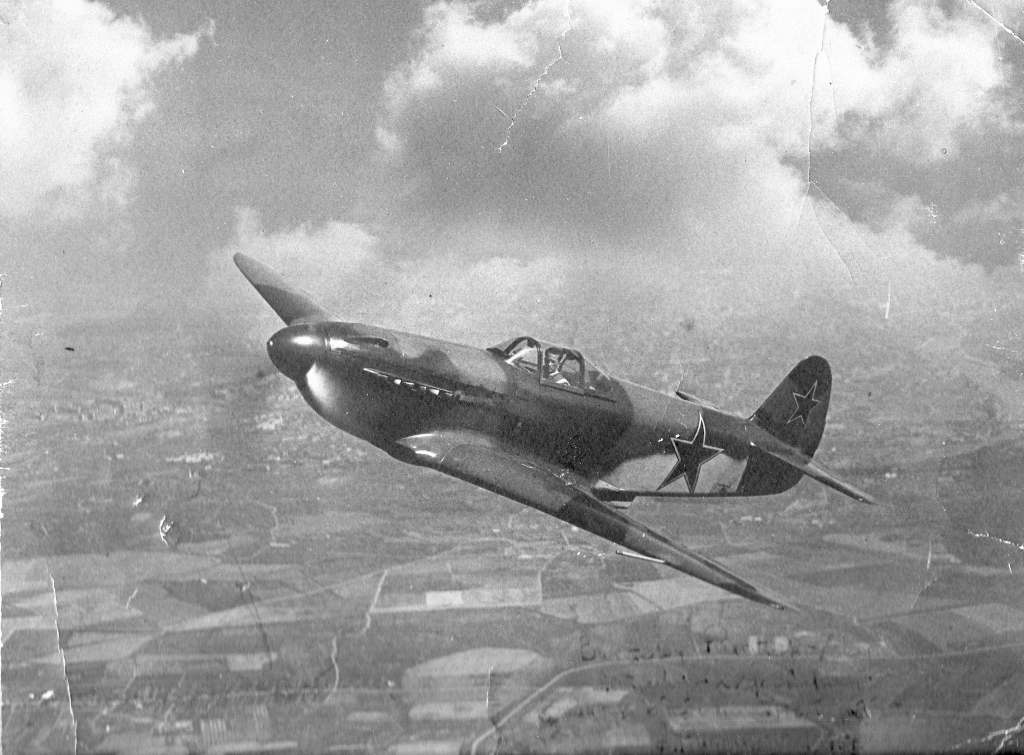
Aiming to improve the performance of the Yak series of fighters, Yakovlev Design Bureau designed and built the Yak-1M prototype in early 1943. Some of the key differences with this variant of the fighter was a reduced wingspan and the use of duralumin alloy spars instead of wood to save weight. The radiator was moved from the nose and instead buried in and under the wing structure reducing drag. More power was provided by the VK-105PF2 engine (boasting roughly an extra 100hp) and there were various other changes including a new propeller. Two prototypes were built before the aircraft moved towards production under the new designation – Yak-3.
Test pilots were glowing with their reports on the aircraft’s handling and that reputation seems to have been largely upheld as the aircraft moved into production. Early production models went into battle during the Battle of Kursk in mid 1943 but it would be the spring of the following year before full scale production enabled the new type to arrive in frontline units in large quantities.
Early battles appeared to favour the new fighter as well. A noted battle in July 1944 saw 18 Yak-3s engage in battle with a reported 30 Luftwaffe fighters with 15 of those fighters being reported as shot down for the loss of a single Yak-3 – even with rampant overclaiming it seems likely that the battle heavily favoured the new fighter.
The legend goes that the Luftwaffe gave directives to avoid dogfights with Yak fighters lacking a forward radiator at altitudes below 4,000 meters though its unclear if that was ever a directive or a tall tale.
The type would go on to be used by a significant portion of the Soviet force and it was also the favoured type by the Normandie-Niemen, a French unit operating on the Eastern Front during the war.
Visuals and sounds

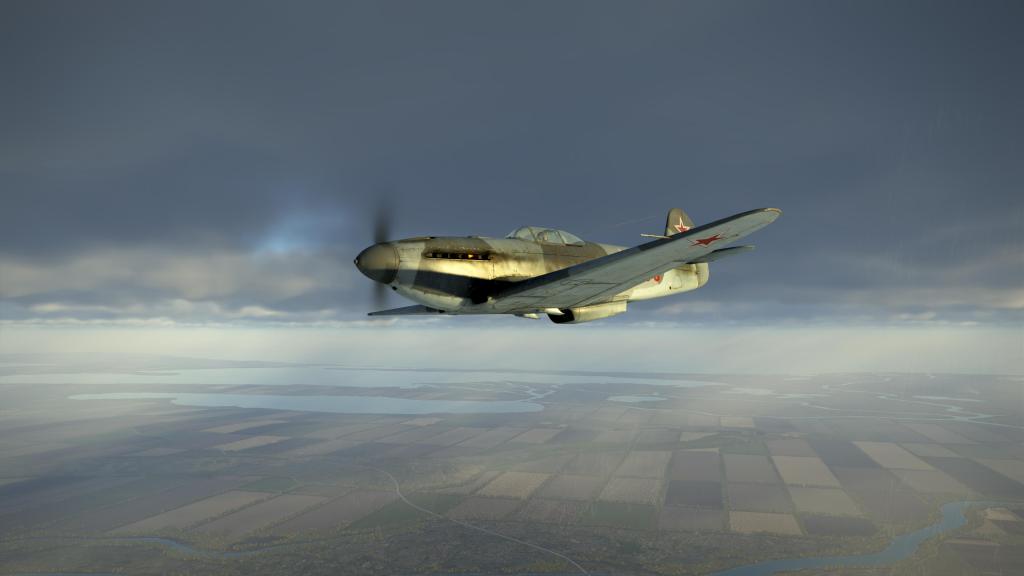


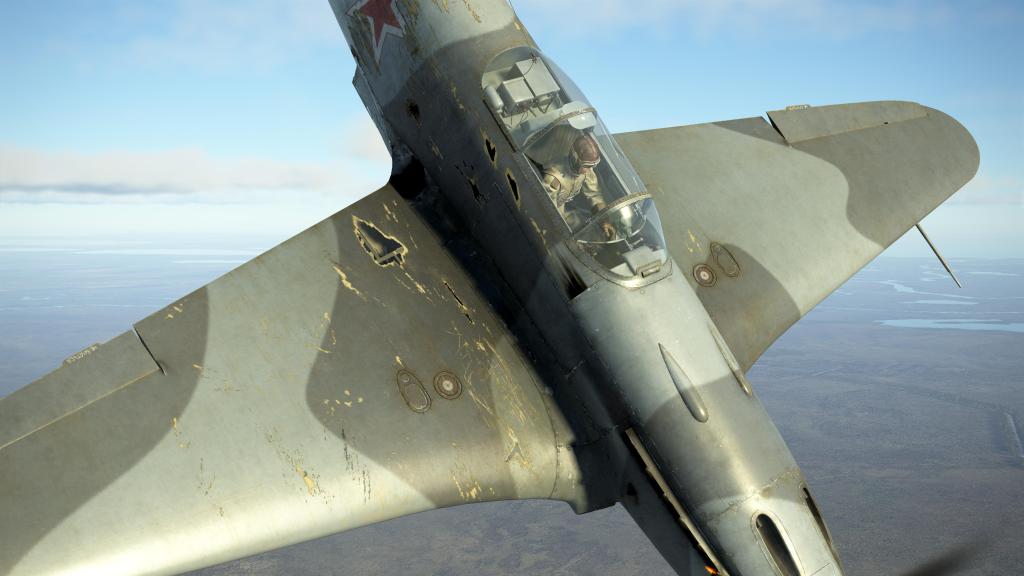
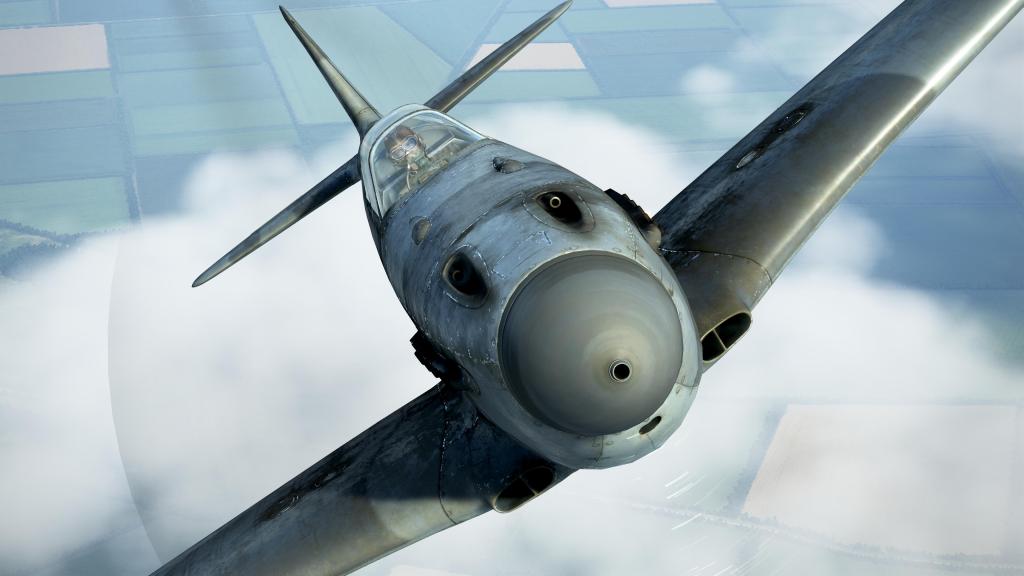
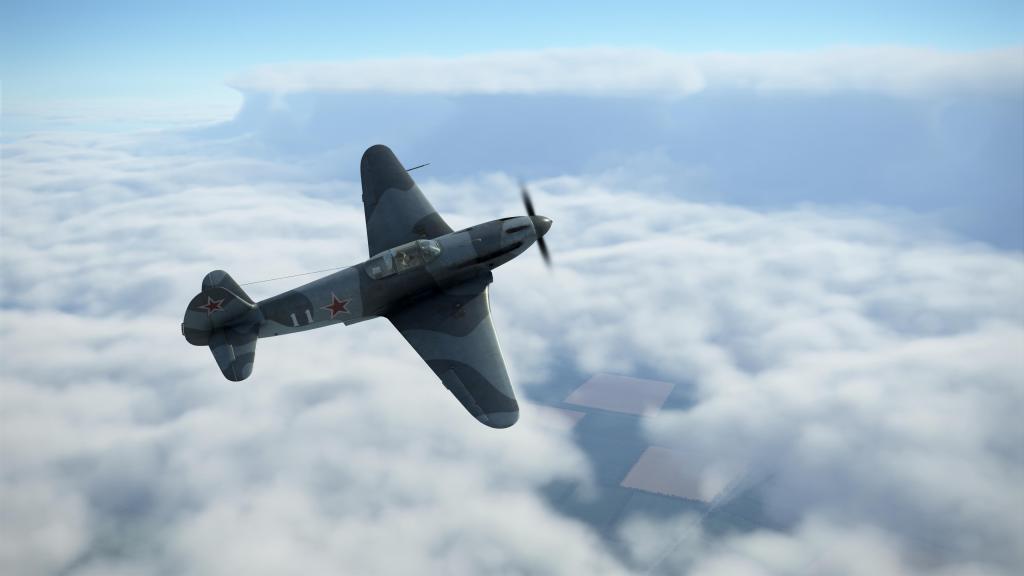

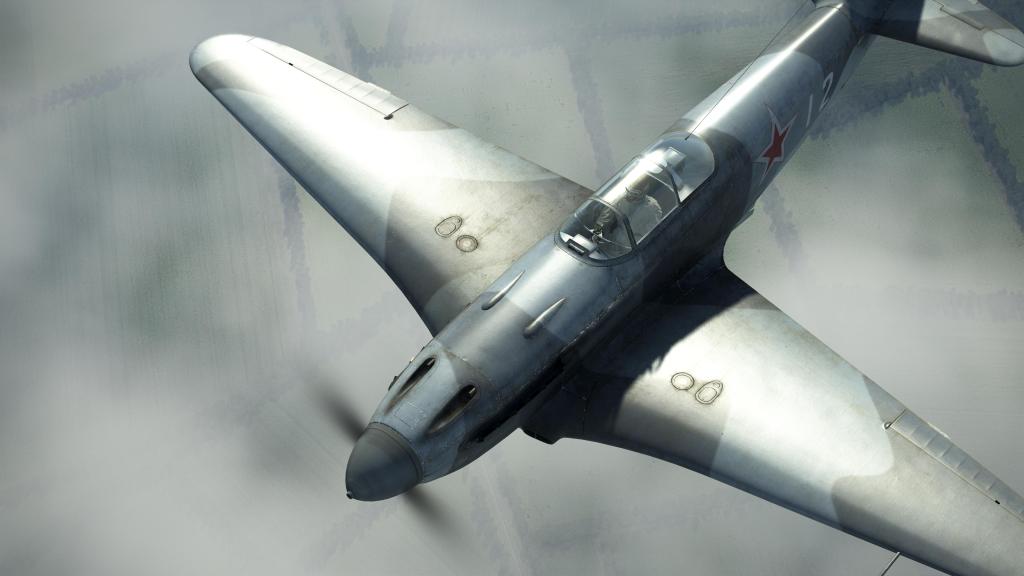
1CGS have once again done quite a good job with an older flight sim engine representing yet another legendary fighter. The Yak-3 looks every bit the part on the outside with solid texture work, great damage decals, and lots of little details everywhere.
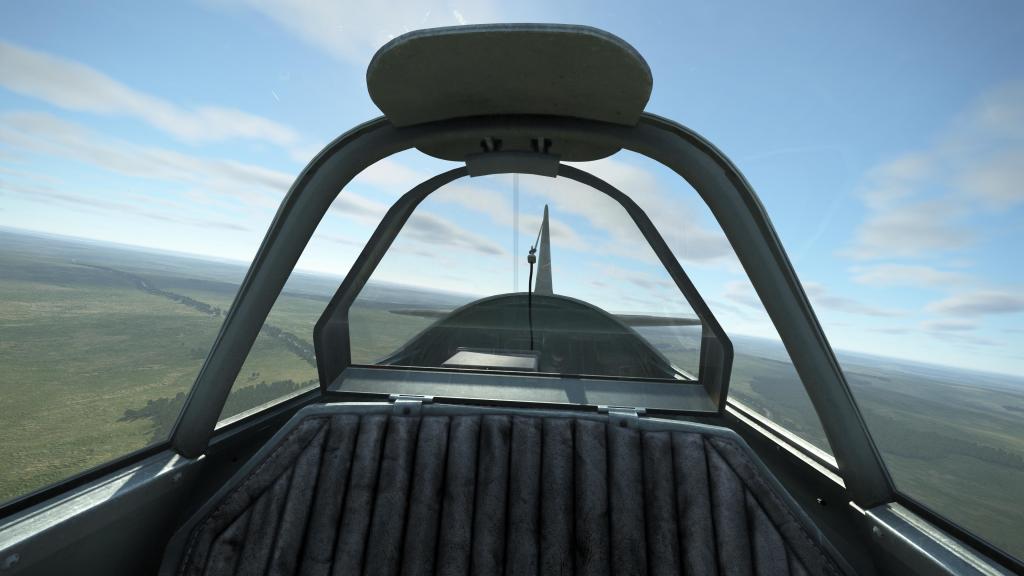
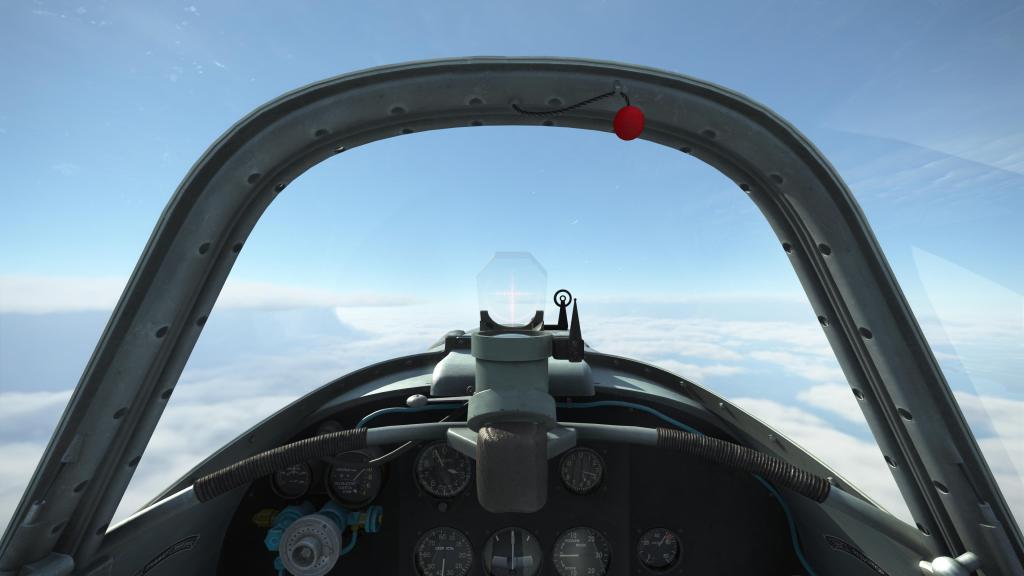
The cockpit is a very spartan place but represents some of the better artistic work that we’ve seen in recent years. It’s not series best, but its not bad either.
The visibility out of the Yak-3 is impressive rivalling other bubble canopy aircraft out there like the P-51D Mustang, the Typhoon and Tempest, and of course the Yak-9 series which has a very similar visibility profile.


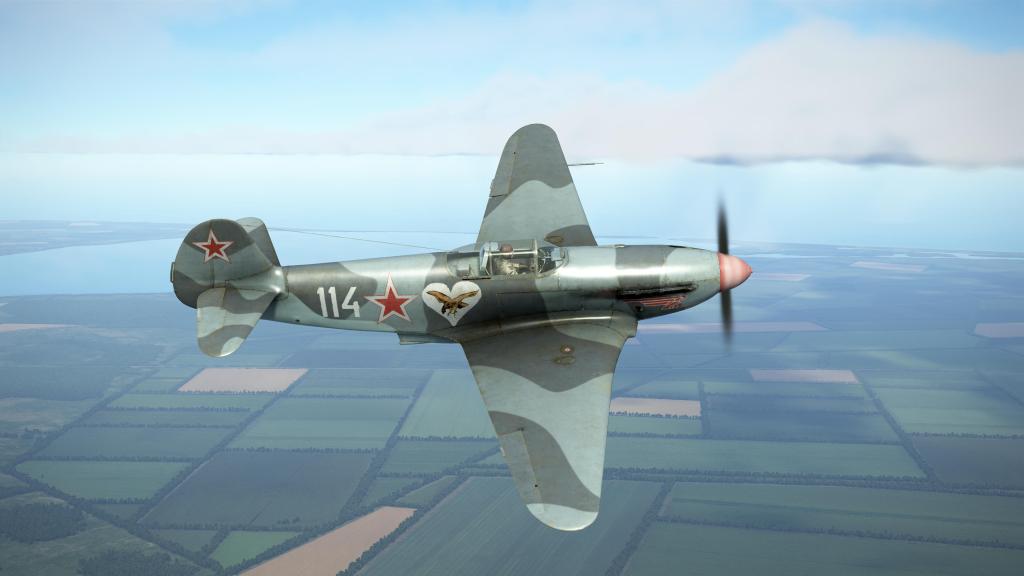
As we’ve seen with all of the Siege and Liberation aircraft, there’s only a small number of liveries. Its just six liveries in total with one generic grey and five unique options. They are good selections as usual although its missing the Normandie-Niemen option seems like an obvious omission.



Sound work is series standard so nothing out of the ordinary here. It’s generally good and very communicative though it remains synthesized and lacks that real world punch from other sims.
Available modifications
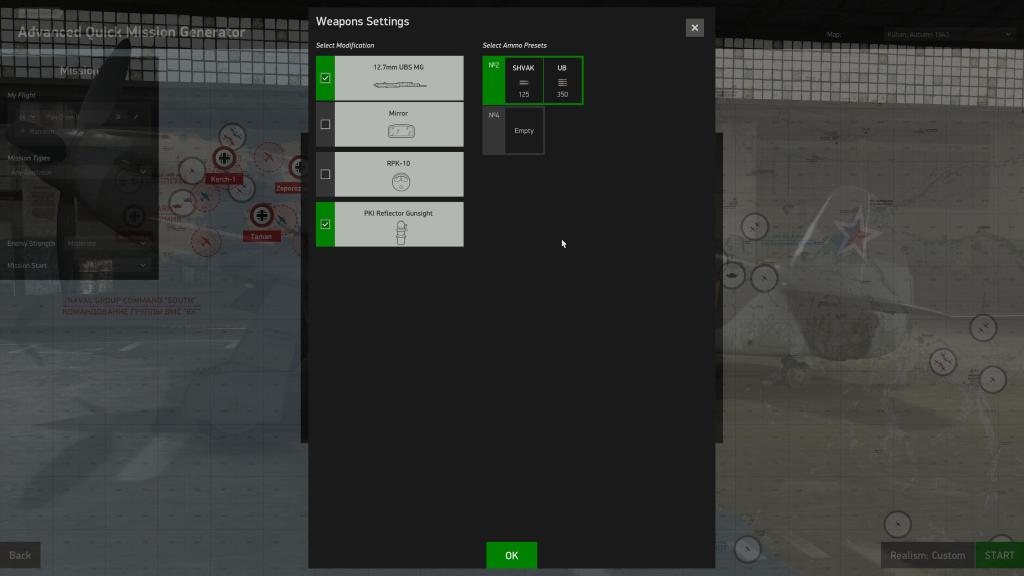
The Yak-3 comes with a few modifications that are noteworthy.
The first is the ability to fit a second Berezin UBS 12.7mm machine gun in the nose. The first couple hundred early production Yak-3s had just the single machine gun and then the hub 20mm ShVAK cannon. Later models added the second gun to the mix for a total of two heavy machine guns and one cannon.

Another option is fitting a mirror in the cockpit for rearward view. A nice feature though maybe not all that useful given the aircraft’s incredible all around view.

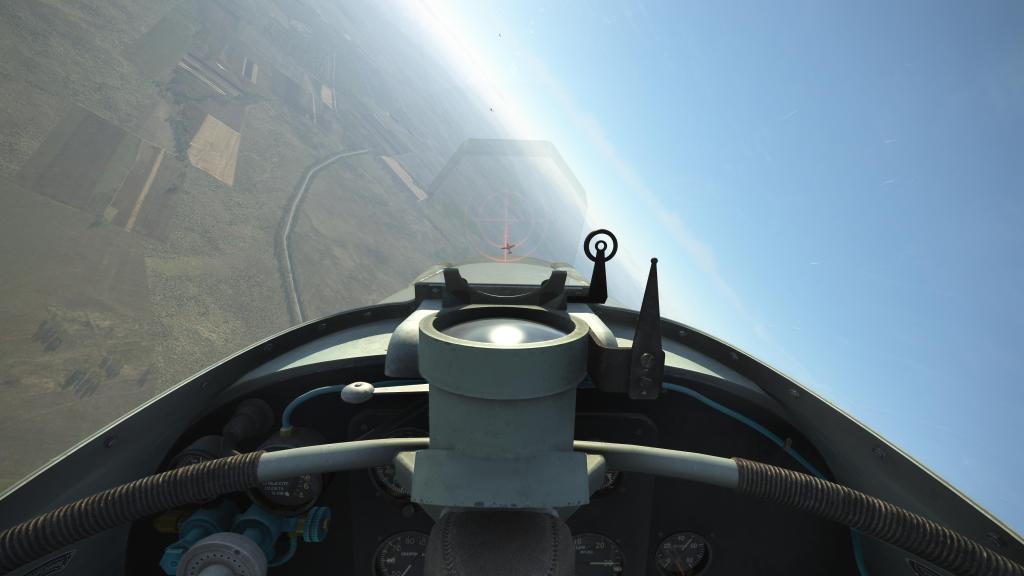
You can also choose to have the PKI gunsight. I’ve tried to do a little reading on the subject but as near as I can tell, the two gunsights offer virtually identical performance in the sim with little to distinguish between them except that the back-up ring and bead option is on the opposite side.

Finally you can fit the RPK-10 beacon system for some limited radio navigation.
That’s it! The Yak-3 is a very simple, purpose built, fighter aircraft with no provisions for bombs or rockets. At this stage of the war, the IL-2 and other ground attack aircraft were available in overwhelming numbers so Yaks were no longer needed to perform double duty.
How does it fly?

In a lot of ways, the Yak-3 flies (and fights) like many of the other Yak fighters in the series. There is a through-line of flying character that is maintained version to version as you go through the series of aircraft, just like the various Bf109s or the Spitfires. But there are differences too and those are worth a look.
As far as basic flying goes, the Yak-3 lifts off the ground quickly and ably even at full fuel. It’s a light fighter in general and this version is both lighter and powered by a more powerful version of the familiar M-105 engine (the M-105PF2 specifically) so get up and go is quick. Climb out is also really easy to do and you’ll climb through 4,000 meters without much trouble. Above that and you’ll start to feel the power dropping off. Again, not an unfamiliar experience in any Yak fighter.
The landing in the Yak-3 is relatively straightforward too though the smaller wing and slightly higher loading means that there’s a slightly less forgiving stall as you get into landing configuration and bring it down into the flare. A little extra attention is needed especially in windy conditions.



How does it fight?
That covers the flying but how does it fight? Well, I’m going to be a broken record and say that the overall feel is similar to other Yak fighters. The Yak-3 is more capable than any of the models we’ve seen before, however, I found it didn’t wow me with gobs of extra performance. Versus some of the late war Bf109s, I was kind of surprised that the Yak-3 didn’t have a bit more in its toolkit.
While the aircraft is faster than previous versions and climbs better, in turns I found it was good but not quite as able to pull the nose around for a quick snapshot the way I am used to with the Yak-9 series. Likely those smaller wings.
It’s also worth noting that the Yak-3 is indeed fast and able to get up to speed quickly. At those speeds, the aircraft’s controls do become a little less effective similar to the late Bf109 aircraft in the sim. So you’ve got the speed but reduced control effect or you can bleed the speed off for more responsiveness but, obviously, less energy in the fight.
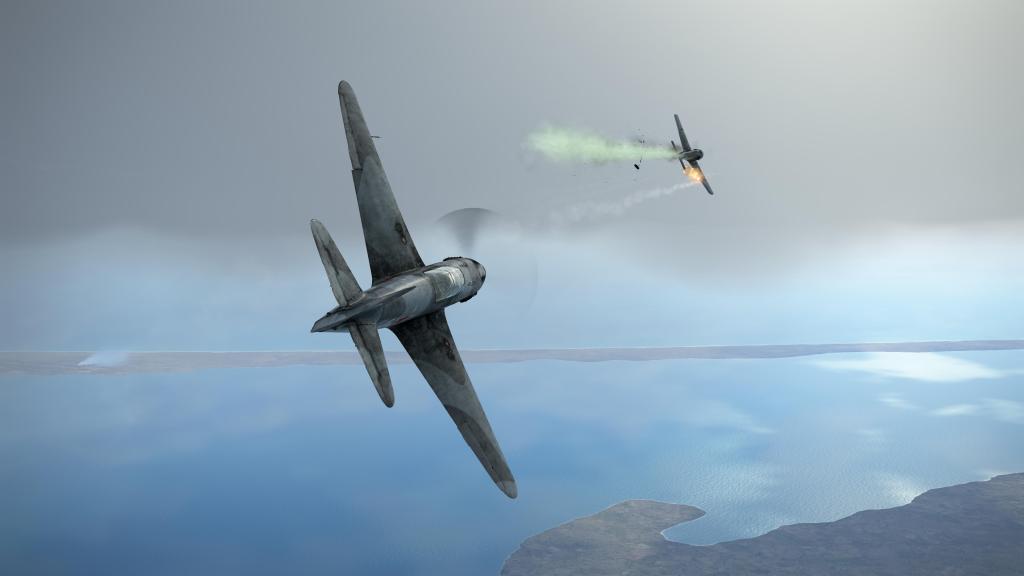
That’s not to say that it isn’t capable. It works really well when you get in close and deliver a quick blow to your opponent at close range. Some opponents are going to struggle in one versus one fights when the Yak-3 is in the advantage, however, in a large multi-aircraft engagement it becomes a bit more challenging. The optional three gun armament (offering the same firepower as the Yak-7B) chews up fighter sized aircraft quickly though the ammo supply is characteristic of the series and you typically have enough ammo for a few targets before its time to head home.
Another thing to watch out for is battle damage. The Yak-3 can’t take much in the way of damage before its flying character is seriously compromised. In these later war battles, with better armed Fw190 and Bf109 fighters, that will be a consideration. Even a few hits can end your mission.
The Yak-3 has this reputation out there that its just such a small and deadly opponent. It was known for defeating the Luftwaffe opposition in some very notable engagements with few losses and significant numbers claimed against the enemy. However, I don’t know if I feel that with this aircraft in the sim. Yes, there are many other factors involved (pilot training and the circumstances of the air battle are big determinants) but I honestly thought it’d be a little better than it is.
It’s a very good fighter, don’t get me wrong, but its definitely not the “uber fighter” that some may be familiar with back in the old IL-2 1946 days. That version of the aircraft was probably a little too good and this one is a little more grounded in reality.
Current gameplay opportunities
As with all of the other releases we’ve seen so far, Siege and Liberation doesn’t yet have its two campaigns so for the moment the Yak-3 is limited to the quick mission builder, advanced quick mission builder scenarios on the Kuban map, and multiplayer.
That will later change as the aircraft picks up some career mode opportunities but we’ll have to wait some time for that.
Performance comparison
Yak-9 Series 1
- Maximum true air speed at sea level, engine mode – Nominal, 2550 RPM: 537 km/h
- Maximum true air speed at sea level, engine mode – Nominal, 2700 RPM: 529 km/h
- Maximum true air speed at 1700 m, engine mode – Nominal, 2700 RPM: 563 km/h
- Maximum true air speed at 3800 m, engine mode – Nominal, 2700 RPM: 594 km/h
- Service ceiling: 10500 m
- Climb rate at sea level: 18.5 m/s
- Climb rate at 3000 m: 15.8 m/s
- Climb rate at 6000 m: 9.0 m/s
- Maximum performance turn at sea level: 17.5 s, at 270 km/h IAS.
- Maximum performance turn at 3000 m: 22.5 s, at 285 km/h IAS.
Fw190D-9
- Maximum true air speed at sea level, engine mode – Emergency: 607 km/h
- Maximum true air speed at 2000 m, engine mode – Emergency: 641 km/h
- Maximum true air speed at 5200 m, engine mode – Emergency: 694 km/h
- Maximum true air speed at sea level, engine mode – Combat: 565 km/h
- Maximum true air speed at 3200 m, engine mode – Combat: 623 km/h
- Maximum true air speed at 6500 m, engine mode – Combat: 663 km/h
- Service ceiling: 11600 m
- Climb rate at sea level: 19.0 m/s
- Climb rate at 3000 m: 17.3 m/s
- Climb rate at 6000 m: 14.6 m/s
- Maximum performance turn at sea level: 20.0 s, at 300 km/h IAS.
- Maximum performance turn at 3000 m: 29.0 s, at 300 km/h IAS.
Bf109G-14
- Maximum true air speed at sea level, engine mode – Emergency: 576 km/h
- Maximum true air speed at 5500 m,, engine mode – Emergency: 668 km/h
- Maximum true air speed at sea level, engine mode – Combat: 505 km/h
- Maximum true air speed at 2000 m, engine mode – Combat: 545 km/h
- Maximum true air speed at 7000 m, engine mode – Combat: 619 km/h
- Service ceiling: 11500 m
- Climb rate at sea level: 19.2 m/s
- Climb rate at 3000 m: 17.5 m/s
- Climb rate at 6000 m: 13.1 m/s
- Maximum performance turn at sea level: 23.0 s, at 270 km/h IAS.
- Maximum performance turn at 3000 m: 31.5 s, at 270 km/h IAS.
Yak-3 Series 9
- Maximum true air speed at sea level, engine mode – Nominal, 2700 RPM: 555 km/h
- Maximum true air speed at 2000 m, engine mode – Nominal, 2700 RPM: 605 km/h
- Maximum true air speed at 4000 m, engine mode – Nominal, 2700 RPM: 629 km/h
- Service ceiling: 10500 m
- Climb rate at sea level: 21.5 m/s
- Climb rate at 3000 m: 16.4 m/s
- Climb rate at 6000 m: 11.7 m/s
- Maximum performance turn at sea level: 18.0 s, at 280 km/h IAS.
- Maximum performance turn at 3000 m: 26.0 s, at 305 km/h IAS.
I’ve compared the Yak-3 versus some odd aircraft here as I try and get to grips with the aircraft. The Fw190D-9 provides a late war competitor, the Bf109G-14 a more common Bf109 series and then a comparison to the Yak-9 Series 1 to get a sense of how it compares to another Yak fighter.
The Yak-3 significantly improves on the Yak-9 Series 1 in nearly every way. Faster at all altitudes, significantly faster climb rate (especially at sea level), and with a loss of just 0.5 seconds turn at sea level… though the Yak-9’s longer wings do better at higher altitudes.
The Yak-3 manages to climb faster than the Bf109G-14 and Fw190D-9 in listed performance numbers at sea level and stays competitive (though slightly behind) at higher altitudes. Both German fighters are faster, sometimes significantly so, in Emergency power but when that extra power runs out the Yak-3 becomes competitive with the Fw190D-9 and outstrips the Bf109G-14 at sea level. Unsurprisingly, both German types outperform it at altitude and though the 6000 meter mark is not listed by the comparison for the Yak-3, anecdotally you can feel the lack of engine response at that altitude in the Yak-3 (and all of the Yak fighters).
Keep it low, keep it fast, and use the climb rate to its advantage and you’ll see the Yak-3 perform well versus competitors.
Conclusion
This is another well simulated aircraft for the IL-2 Great Battles Series filling in a gap in the series’ coverage of the Yak series of fighters. The Yak-3 is a fun and high performing aircraft with strong visuals, series standard sounds, a limited but good selection of custom liveries, and all of the usual features that you’d expect including the dynamic visual damage decal system and tactical codes.
While there’s nothing seemingly wrong with the simulation of the aircraft, I was surprised at the limited success that I was having fighting the Yak-3. While I’m not at my fighter pilot peak these days, I still have found success with the recently released Yak-1 Series 23. Not as much with the Yak-3 against its contemporary 109s and 190s. For an aircraft with such an impressive reputation, I think I expected just a bit more out of it and instead we have a very capable, competent, but certainly not overwhelming fighter.
I was a bit surprised at how underwhelmed I felt with the Yak-3. Its not that its bad, as the performance comparisons, firepower and visibility features clearly portray, but I really struggled to make the most out of this fighter. That’s odd to me as I’ve been a huge fan of the Yak series of fighters all the way along.
The Yak-3 Series 9 is part of the IL-2 Sturmovik: Siege and Liberation aircraft set. If you want to fly it, that’s your only way to get it.
Screenshots




Leave a comment