
I’ve written a lot of Bf109 reviews over the years. I’ve occasionally joked that the IL-2 series maybe should be called the Bf109 series given the sheer number of variants represented. I’ve also said that its probably not possible to release a Great Battles title without including a Bf109 in it and Siege and Liberation – Odessa and Leningrad reconfirms that. Today we’re going to do a mini-review of the Bf109E-4 eschewing some things that I’ve written about endlessly and instead focusing on the specific things that make this E-4 variant unique.
The early legend

Even in 1940, the Messerschmidt Bf109 was a legendary fighter. It made a splash in the ending stages of the Spanish Civil War before leaving a mark on history during the Battle of Britain and in Operation Barbarossa the year after.
The Bf109E-4 is the earliest of the Bf109 models that has been introduced into the Great Battles series and it comes with a couple of different options to make it into the various modifications that existed. The E-4 was first introduced during the Battle of Britain and was still in service the year after, which is arguably more relevant to the battles depicted in the series.
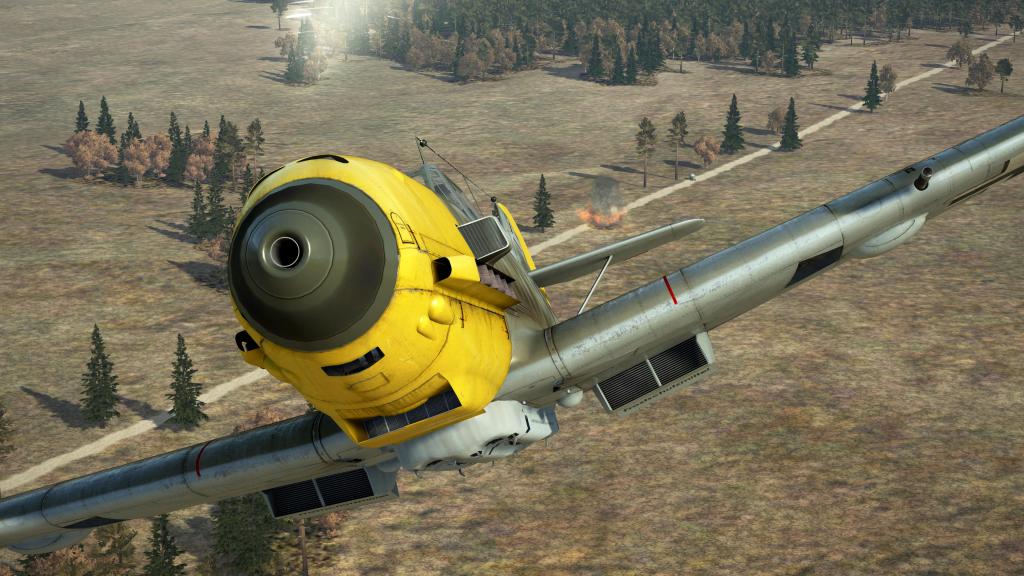
The biggest difference versus earlier Bf109E variants was the introduction of the canopy with the familiar squared off design of later models as well as the change in MG-FF cannons. With the E-4 model, only the wing mounted cannons were fitted and they were of a newer more capable type. The MG-FF/M had a very slightly faster fire rate than the earlier version and could fire the new Minengeschoß shells (aka the “Mine” shell) which were thin walled shells with more explosive than conventional HE rounds.
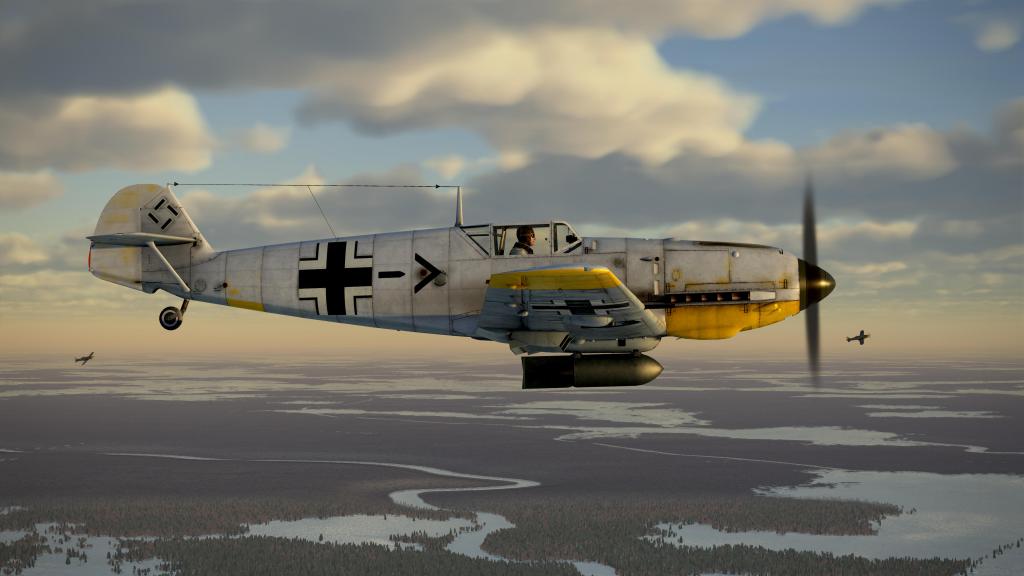
In context, the E-4 quick became obsolete with the introduction of the Bf109F series. It took time for the switchover to happen, however, by the time of Operation Barbarossa the newer model had replaced the E series almost entirely which then went on to see a second life as fighter-bomber. A lot of the modifications for this aircraft are thus aimed at setting it up with fighter-bomber modifications though the base model is still a through and through fighter.
Visuals and sounds


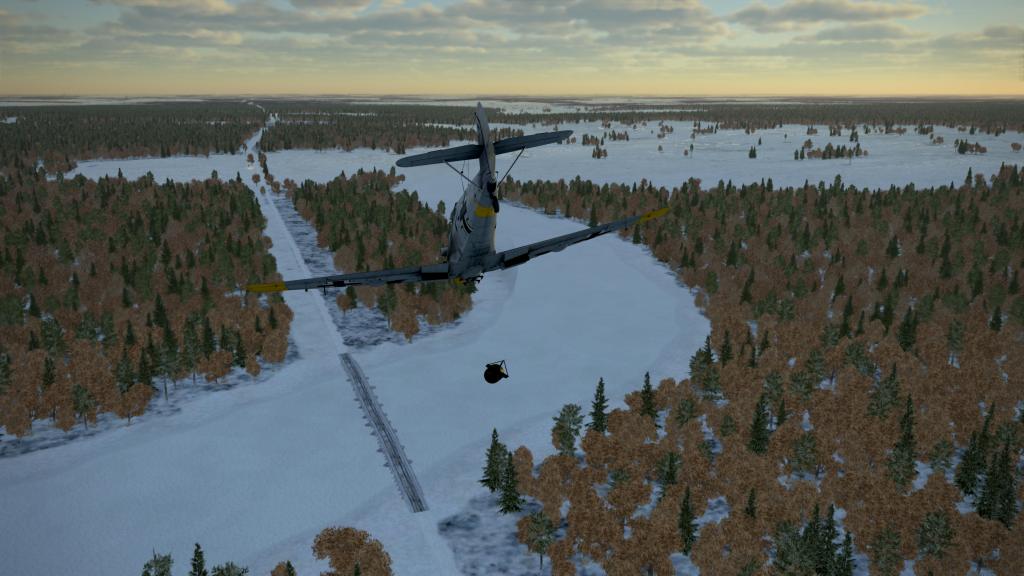
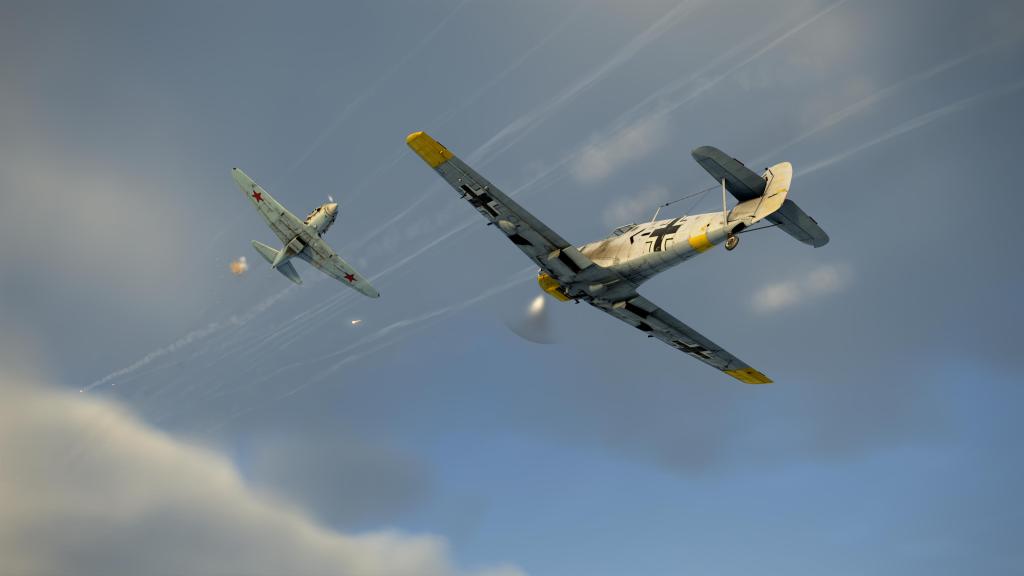


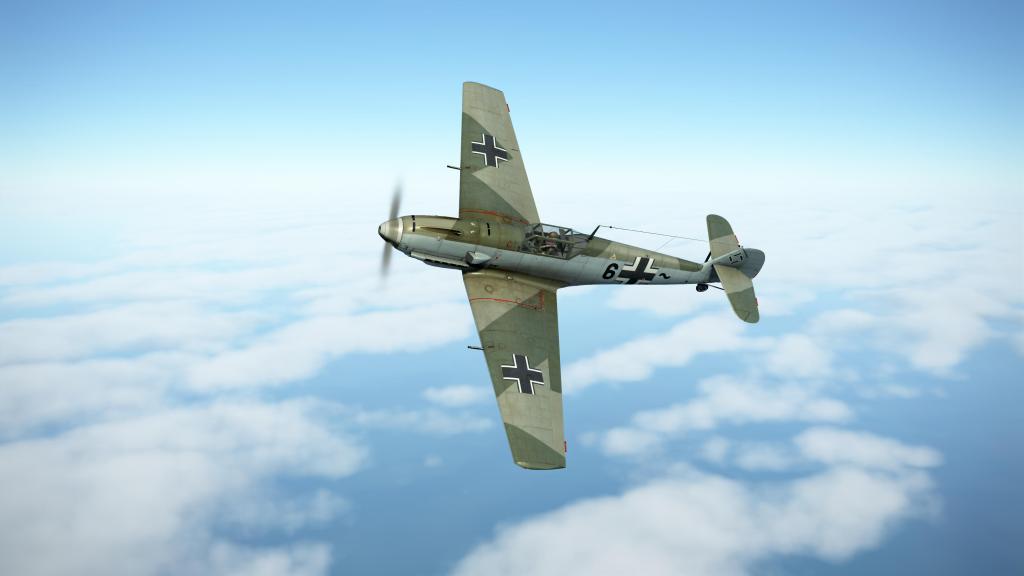
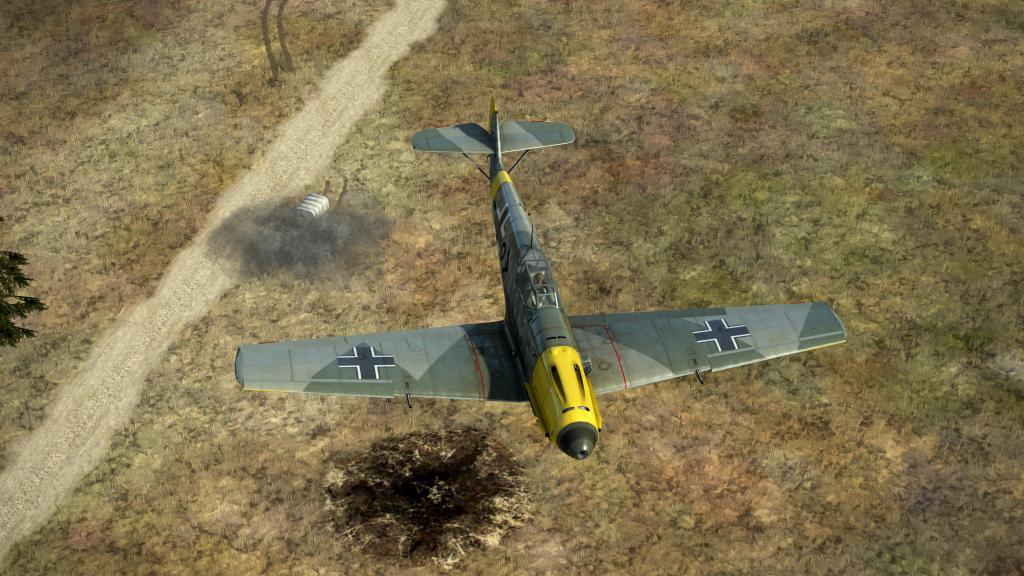
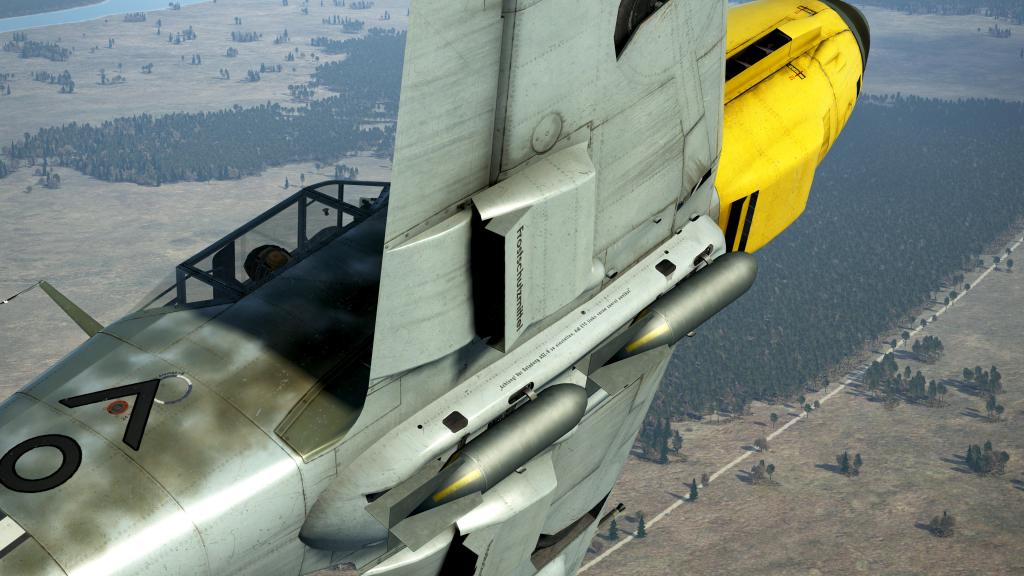
The Bf109E-4 is quite conventional in the IL-2 series at this point with all of the usual features that you’d expect from the series. Tac codes (more on that in a bit), dynamic visual damage features, 4K textures inside and out. It’s the usual and it looks good.

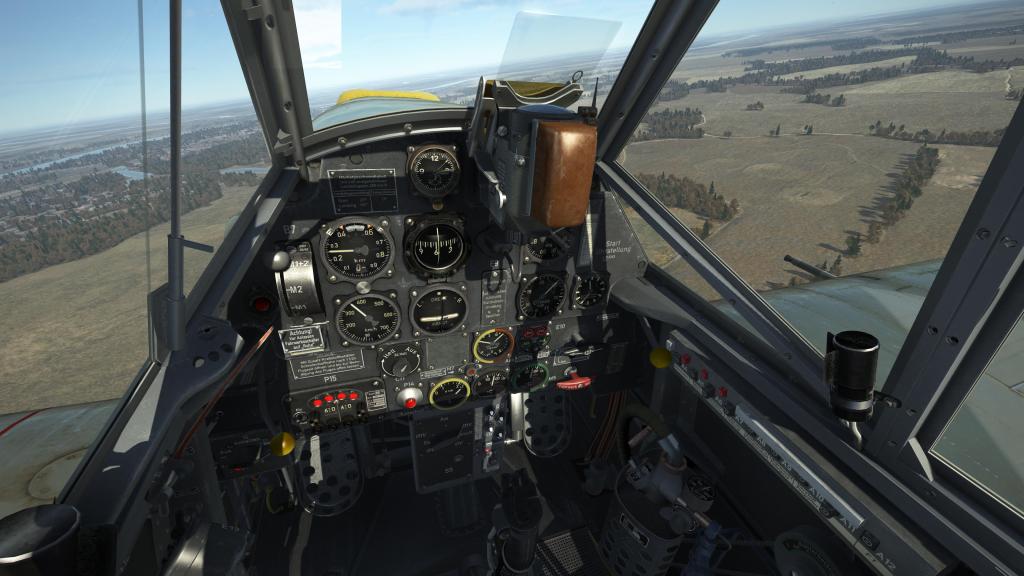
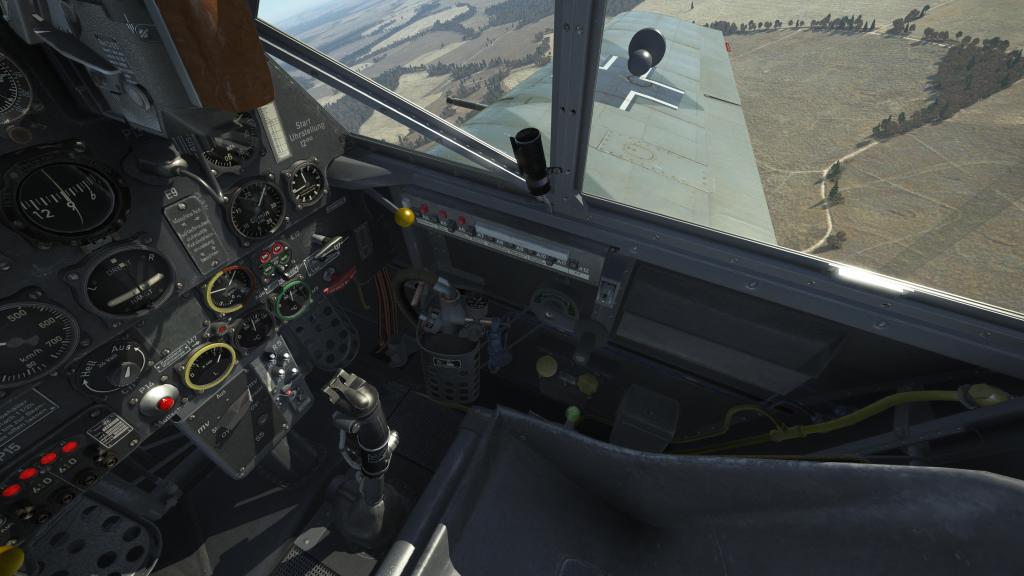
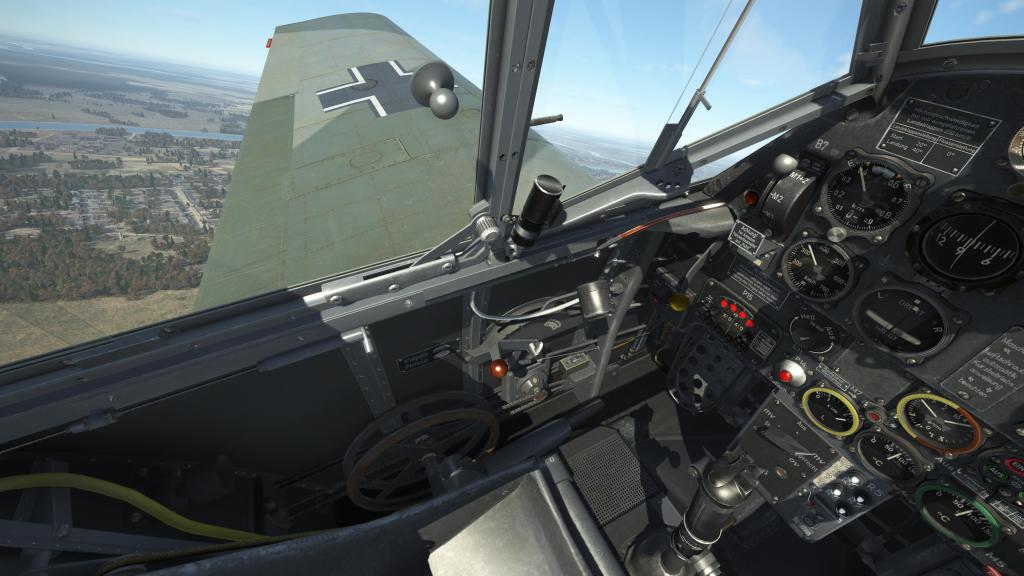
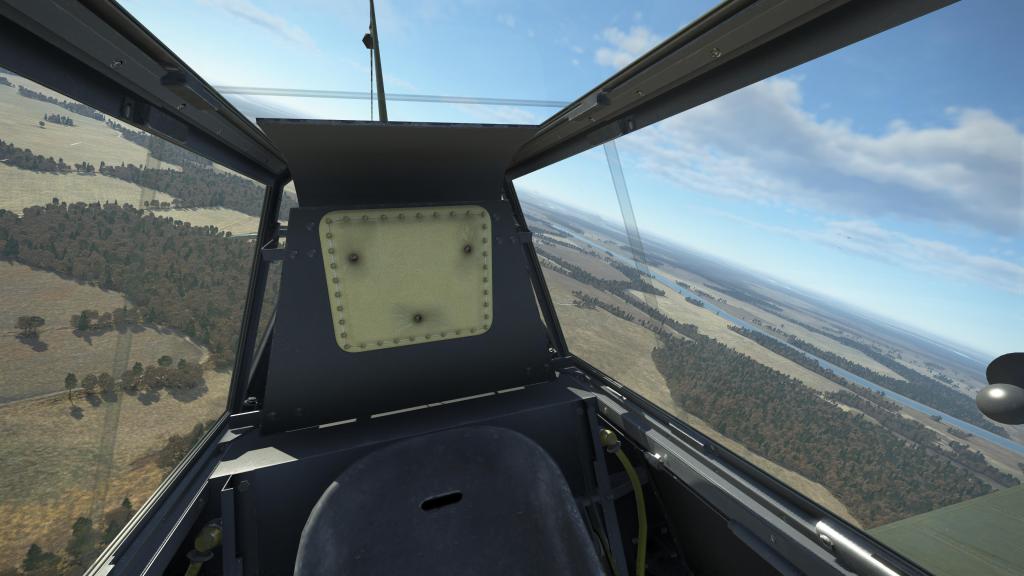
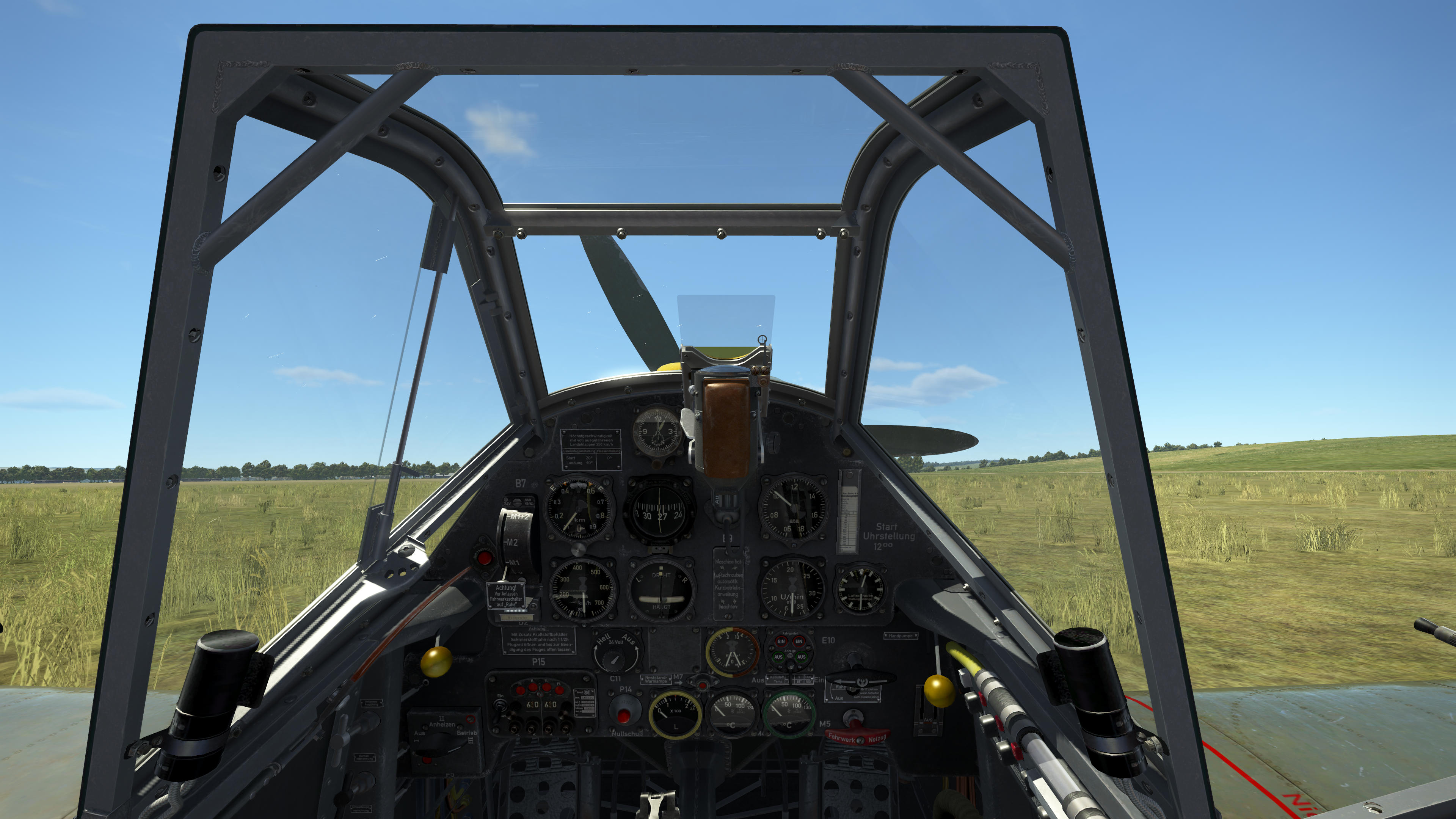
Beyond that, I think the artistry for the Bf109E-4 cockpit is quite well done. The gauges really stand out and the materials work is excellent. Maybe its just the aesthetic of the earlier cockpit but I really enjoy the visuals here versus other Bf109 models. Versus the Bf109E-7, its release dating back to Battle of Moscow, there appear to be subtle improvements though its not dramatically different. It does look really good!

The Bf109E-4 comes with a much longer list of liveries than usual. There are 12 including a default eastern front scheme, early scheme, a winter scheme, desert, night-fighter, and a western front scheme too. Then you have a handful of specific liveries belonging to some more famous pilots including Galland.
The one livery that is disappointing is the Romanian one. The tactical codes don’t line up with the national markings very well at all. Hopefully this is something that will be sorted out later on.


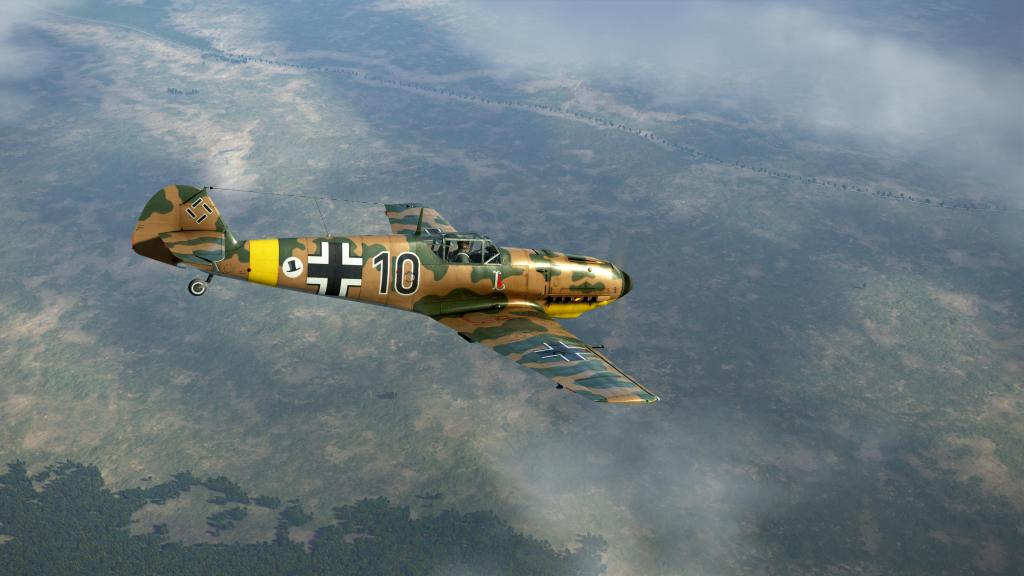

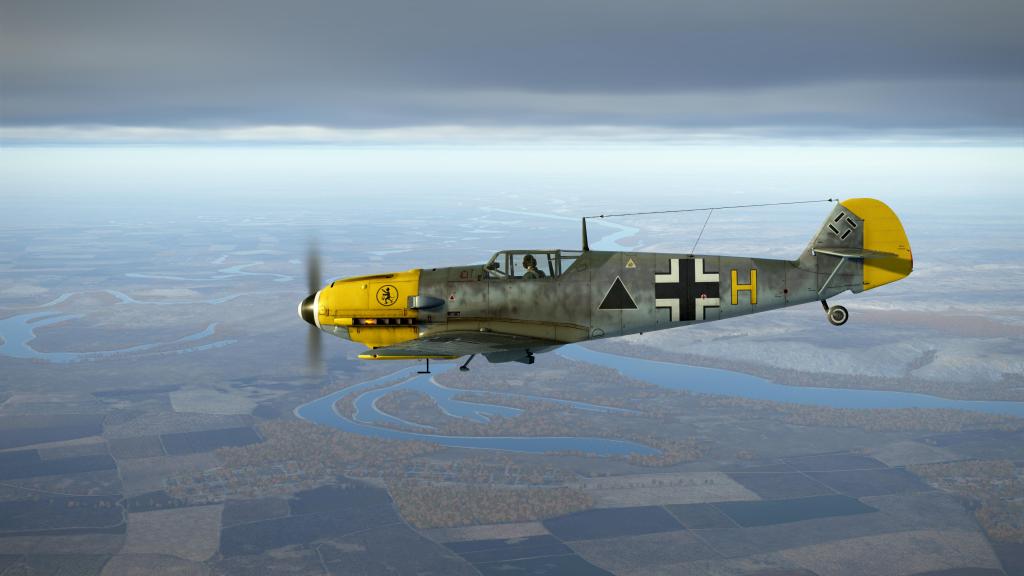

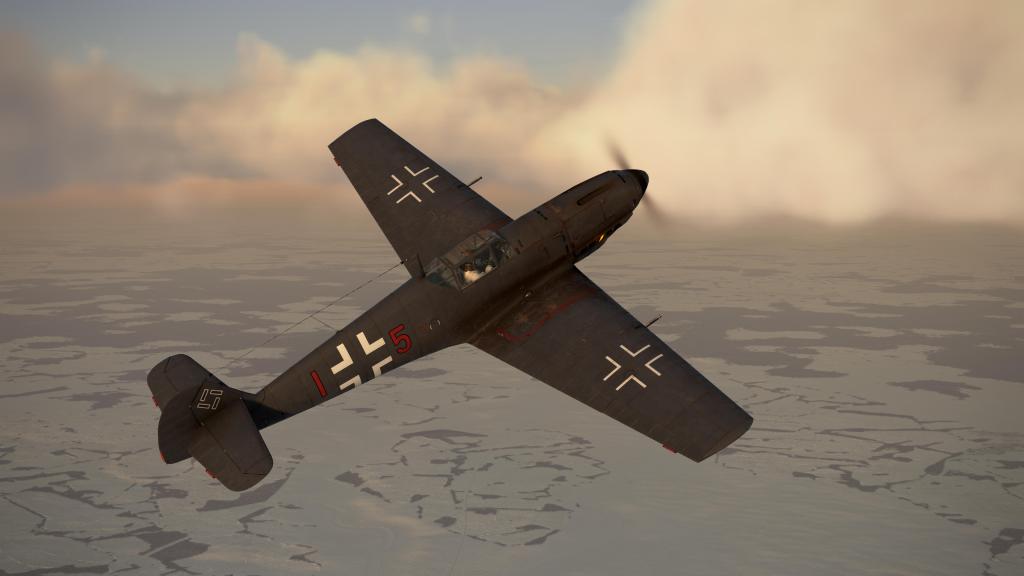
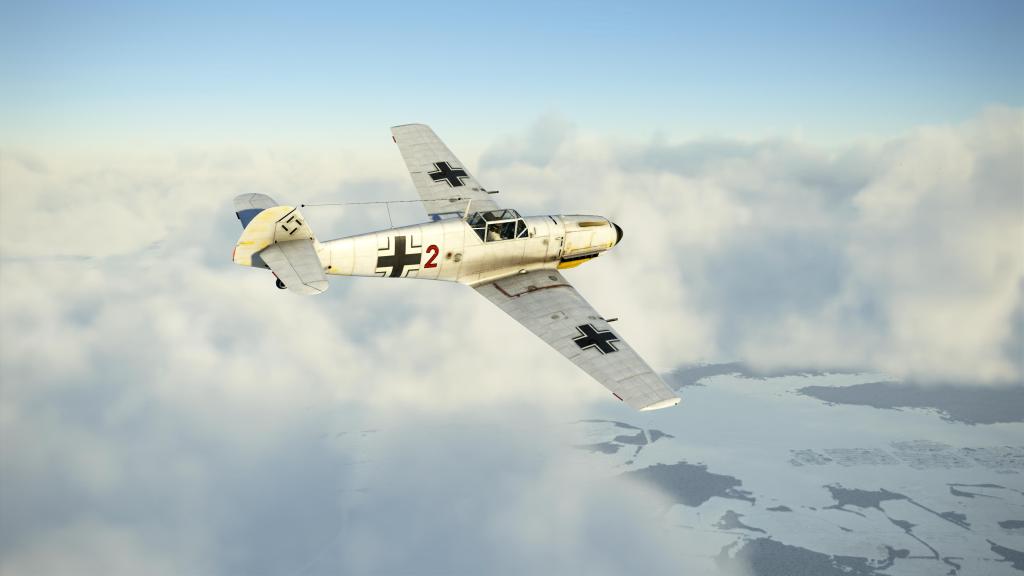



Sounds are series standard and up to par with the other Bf109s. I do still enjoy that characteristic DB601 whine.
Modifications
The Bf109E-4 has a lot of modifications and armament options available. The fighter-bomber modification adds a bomb rack and your choice of either four SC50 bombs or a single SC250 bomb. Consistent with the E-4/B fighter-bomber (or Jabo) variant.
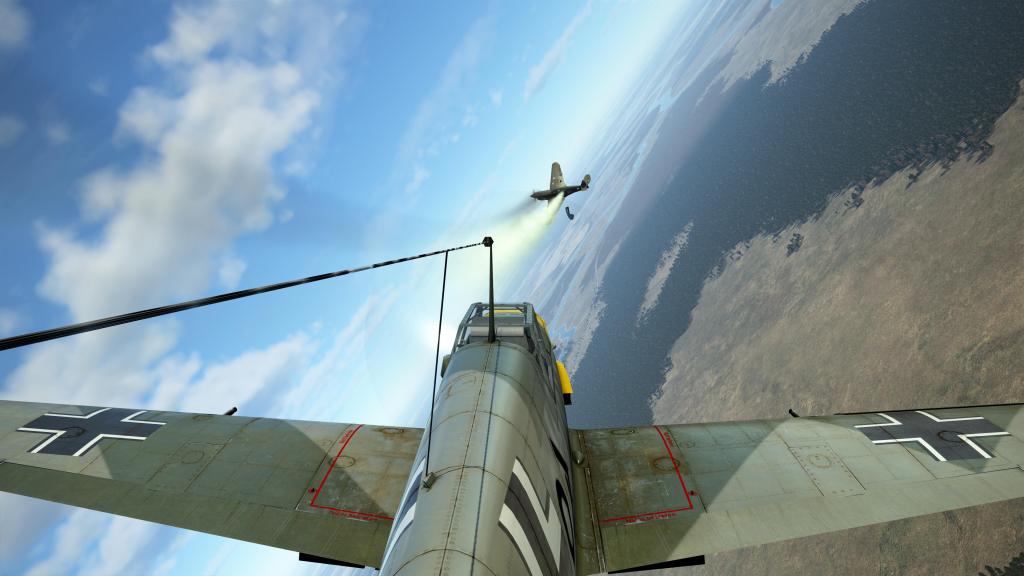
In the cockpit you have some options. You can add an armored windscreen to boost forward protection from gunners. Another option allows you to remove the rear headrest which reduces protection but increases rear visibility. A mirror is also available to help boost rear visibility as well.
Now here’s where things get interesting. As of the latest patch, we now have a choice of three engines. The default DB 601 A engine is the base option but you can also choose the DB 601 N boosting the aircraft’s altitude performance or you can pick the DB 601 Aa which improves performance below 5,000 meters but reduces high altitude performance. The later option was most commonly fitted to Bf109E-4/B, the fighter-bomber variant, while the DB 601 N was also fitted to some fighter-bombers.
Now, let’s talk about performance and how those engine options affect things.
Performance comparisons
We’re going to compare five aircraft here to get a good sense of what the Bf109E-4 brings to the table. We’re about to look at the key performance stats for the I-16, I-153, Yak-1 Series 23, LaGG-3 Series 4 and we’ll also compare to the slightly later Bf109E-7.
I-16
Speed
- Maximum true air speed at sea level, engine mode – Boosted: 448 km/h
- Maximum true air speed at 1800 m, engine mode – Nominal: 460 km/h
- Maximum true air speed at 4500 m, engine mode – Nominal: 490 km/h
Climb
- Climb rate at sea level: 16.7 m/s
- Climb rate at 3000 m: 13.8 m/s
- Climb rate at 6000 m: 8.8 m/s
Turn
- Maximum performance turn at sea level: 19.0 s, at 230 km/h IAS.
- Maximum performance turn at 3000 m: 25.3 s, at 230 km/h IAS.
I-153
Speed
- Maximum true air speed at sea level, engine mode – Boosted: 409 km/h
- Maximum true air speed at 1530 m, engine mode – Nominal: 411 km/h
- Maximum true air speed at 5000 m, engine mode – Nominal: 440 km/h
Climb
- Climb rate at sea level: 16 m/s
- Climb rate at 3000 m: 13.1 m/s
- Climb rate at 6000 m: 9.7 m/s
Turn
- Maximum performance turn at sea level: 11.9s, at 200 km/h IAS.
- Maximum performance turn at 3000 m: 15.3 s, at 200 km/h IAS.
Yak-1 Series 23
- Maximum true air speed at sea level, engine mode – Take-off, 2600 RPM: 485 km/h
- Maximum true air speed at sea level, engine mode – Nominal, 2700 RPM: 475 km/h
- Maximum true air speed at 2000 m, engine mode – Nominal, 2700 RPM: 518 km/h
- Maximum true air speed at 4000 m, engine mode – Nominal, 2700 RPM: 537km/h
- Service ceiling: 10400 m
- Climb rate at sea level: 14.3 m/s
- Climb rate at 3000 m: 12.9 m/s
- Climb rate at 6000 m: 8.85 m/s
- Maximum performance turn at sea level: 19.6 s, at 280 km/h IAS.
- Maximum performance turn at 3000 m: 25.7 s, at 275 km/h IAS.
LaGG-3 Series 4
Speed
- Maximum true air speed at sea level, engine mode – Take Off: 475 km/h
- Maximum true air speed at sea level, engine mode – Nominal: 465 km/h
- Maximum true air speed at 2000 m, engine mode – Combat: 506 km/h
- Maximum true air speed at 5000 m, engine mode – Combat: 523 km/h
Climb
- Climb rate at sea level: 12.5 m/s
- Climb rate at 3000 m: 11.2 m/s
- Climb rate at 6000 m: 7.9 m/s
Turn
- Maximum performance turn at sea level: 22.3 s, at 280 km/h IAS.
- Maximum performance turn at 3000 m: 29.1 s, at 270 km/h IAS.
Bf109E-7
Speed
- Maximum true air speed at sea level, engine mode – Emergency: 477 km/h
- Maximum true air speed at 2000 m, engine mode – Emergency: 520 km/h
- Maximum true air speed at 5000 m, engine mode – Emergency: 564 km/h
Climb
- Climb rate at sea level: 14 m/s
- Climb rate at 3000 m: 13.3 m/s
- Climb rate at 6000 m: 7 m/s
Turn
- Maximum performance turn at sea level: 20.5 s, at 270 km/h IAS.
- Maximum performance turn at 3000 m: 25.5 s, at 270 km/h IAS.
Bf109E-4
Speed
- Maximum true air speed at sea level, engine mode – Emergency: 477 km/h
- Maximum true air speed at 2000 m, engine mode – Emergency: 520 km/h
- Maximum true air speed at 5000 m, engine mode – Emergency: 564 km/h
Climb
- Climb rate at sea level: 14 m/s
- Climb rate at 3000 m: 13.3 m/s
- Climb rate at 6000 m: 7 m/s
Turn
- Maximum performance turn at sea level: 20.5 s, at 270 km/h IAS.
- Maximum performance turn at 3000 m: 25.5 s, at 270 km/h IAS.
When comparing the performance of the Bf109E-4, the proposition of adding this version of the aircraft became clear. The Bf109E-4 and E-7 are, at base level, basically the same airplane with the same engine and performance values. The E-7 came out at a time when the series far less frequently did different engine variations so with that aircraft you have just the one option – the DB601A.
The Bf109E-4 on the other hand gives you options. The low altitude DB601Aa crops power above 4km in altitude in favour of low altitude performance. Good for fighter-bomber ops especially. It also gives us the somewhat rarer DB601N option which is the same engine you see in the Bf109F series. So the E-4 is, when appropriately fitted, higher performing than the E-7. You certainly have more options when the modifications are available and scenario creators also get a chance to represent historical or “balanced” options in multiplayer. Options are good!
- DB601N – reported speed gain of 25km/h and 2m/s climb rate increase with best performance at higher altitudes (4km plus).
- DB601Aa – reported speed gain of 10km/h at sea level, 16km/h at 4000 meters, and 2.8 m/s increase (performance drops rapidly above 4000 meters).
Relative to the other fighters in this comparison, both base models of Bf109E-4 (and E-7) are faster than the I-16 and I-153 but slightly slower in climb. And conversely, the Bf109Es are slower than the Yak-1 Series 23 and LaGG-3 Series 4 but match the Yak for climb and significantly outpace the heavy early LaGG-3 in climb.
The Bf109E does best when flying more strictly as a boom and zoom fighter using speed and altitude as advantage. The Bf109E-4 with its optional engines does have the chance to take the performance crown at different heights but none of them are overwhelmingly better versus the Russian opposition (for that you need to step up to the F-2). Despite this, the Bf109E is such a well balanced fighter in all attributes (speed, climb, and maneuverability) that it still manages to come out on top as long as its flown well.
Final thoughts
If we had have to have yet another Bf109, I’m kind of glad its a classic like this one. The E-4 is an iconic variant of the Bf109 and while the E-7 and the E-4 aren’t that different, we do have an interesting slightly earlier Bf109 to throw into various multiplayer scenarios. It mixes well with the earliest types of aircraft added to Siege and Liberation and so for that I’m happy to see this.
As mentioned, the E-4 is actually far more interesting than the E-7 that we got with Battle of Moscow. While that one does have some added fighter-bomber capabilities (notably in additional armor plates), the E-4 has three engine options and the DB601N option gives it performance that is generally better than the early Russian fighters and only just a little lower than the Bf109F-2. This will, for the Bf109 aficionado, make it far more interesting in competitive early war scenarios.
I’m also glad to see what the E-4 picked up more liveries than some of the recent releases. We’ve got a good mix of offerings including a few different countries that flew the aircraft. Having the Romanian E-4 livery in the mix is great to see, particularly given the relevance to the Odessa part of the campaign but I do hope that its tactical codes get sorted out somehow.
Other than that, there’s not much to say for a series that has introduced a total of 11 variants of this fighter. The handling is excellent, visuals solid, and the gameplay is predictable. If you love Bf109s, you’re going to love this one too. Even if you don’t, I think this early model is more interesting to fly than the later ones having less advantages, more challenges, and those classic Emil variant lines.
Screenshots







 Stormbirds
Leave a reply to Owi Cancel reply