
The Duke is here! It’s long been past time that I review a Black Square product and when the Duke series was up for sale back in the autumn, I sprung for the package deal with both Turbine and Piston versions of this famous (or infamous) Beechcraft twin. I’ve put dozens upon dozens of hours into the Duke since then and now its time for the review. Is it deserving of some of the hype? Which one you should buy if you can only choose one? Let’s have a look!
A bit of history
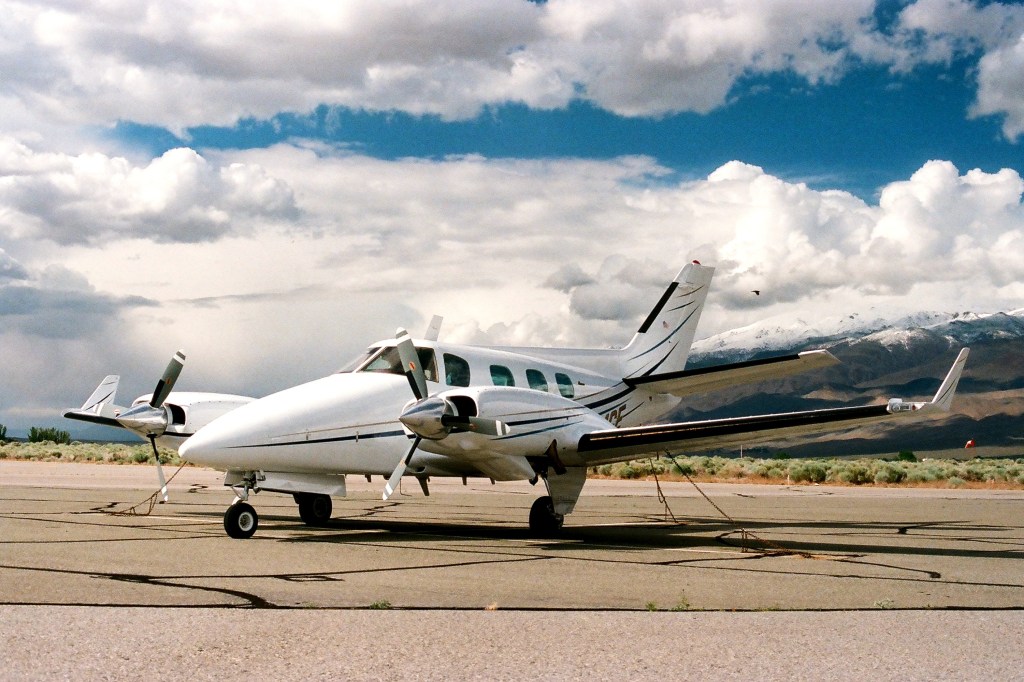
Designed by Beechcraft in 1965, the twin turbocharged low-wing monoplane design was intended to slot in between the company’s Baron and Queen Air (later the King Air). On December 29, the first flight of the aircraft took place and orders began to come in with production totalling 596 by the end of the production run in 1982.
The aircraft’s primary powerplant, a pair of Lycoming TIO-541-E1C4 turbocharged six-cylinder engines, gives the aircraft lots of power and an impressive climb rate. The aircraft is pressurized and provides seating for a pilot, co-pilot, and four additional passengers. It’s a single pilot operated aircraft so the co-pilot seat can also be occupied by a passenger.
The Duke came in a small number of variants starting with the Duke 60, Duke 60A and 60B with variations in equipment and avionics between each of them. The biggest modification was carried out by Rocket Engineering which replaced the six-cylinder engines and replaced them with Pratt & Whitney Canada PT6A turboprops while also increasing the fuel capacity. The power improvement is significant and so is the performance!
The Duke has been likened to a classic sports car. It has power, performance, and style but it’s systems were considered complex and difficult to maintain over the long run. It also has a draggy air-frame, despite the sharp nose appearance, and fuel consumption is stubbornly high according to pilot reports.
What’s available
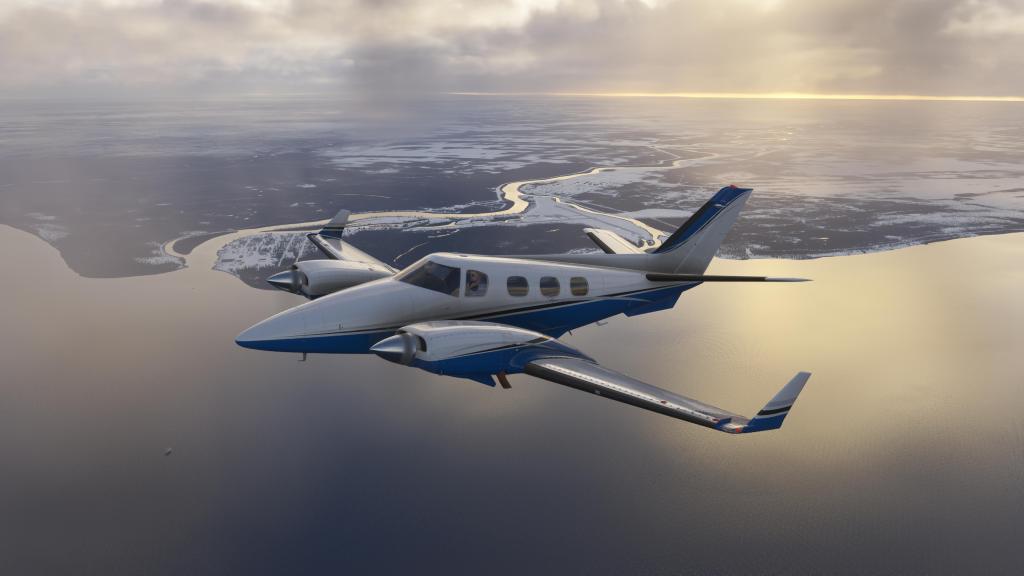
Black Square are offering the Duke in two different packages. The first package is the Piston Duke which includes the B60 Duke as well as the Grand Duke performance package which adds vortex generators, strakes, and winglets for enhanced performance and efficiency.
The second package is the Turbine Duke which represents the P&W Canada PT6A turboprop modification. If you like performance, you’re going to want to look at this one!
And this is how the pricing breaks down:
- Piston Duke for $47.99 USD
- Turbine Duke for $47.99 USD
- Piston and Turbine Duke combo package for $69.99 USD
Naturally, the combo package is the cheapest way to get both.
Visuals and sounds

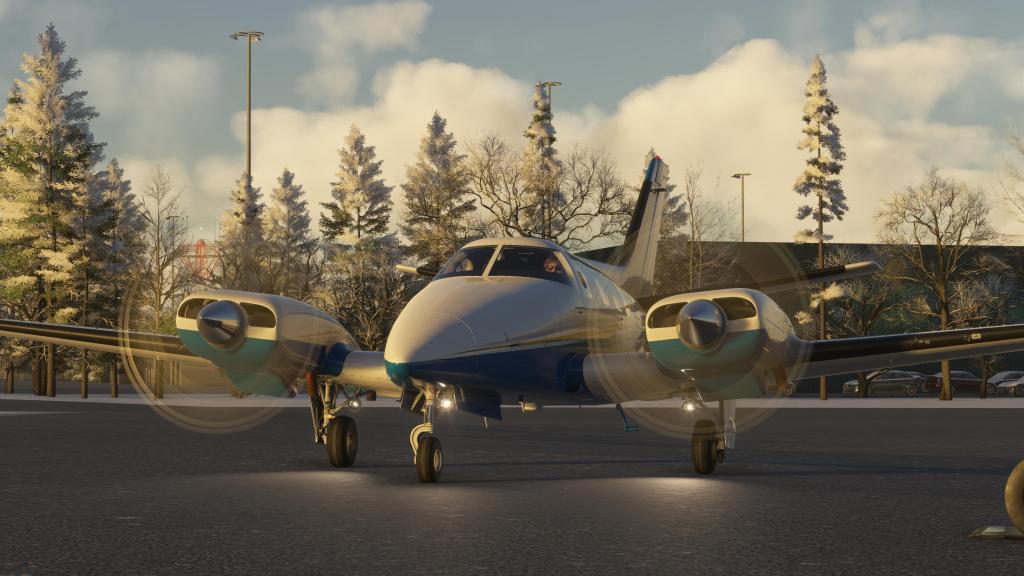
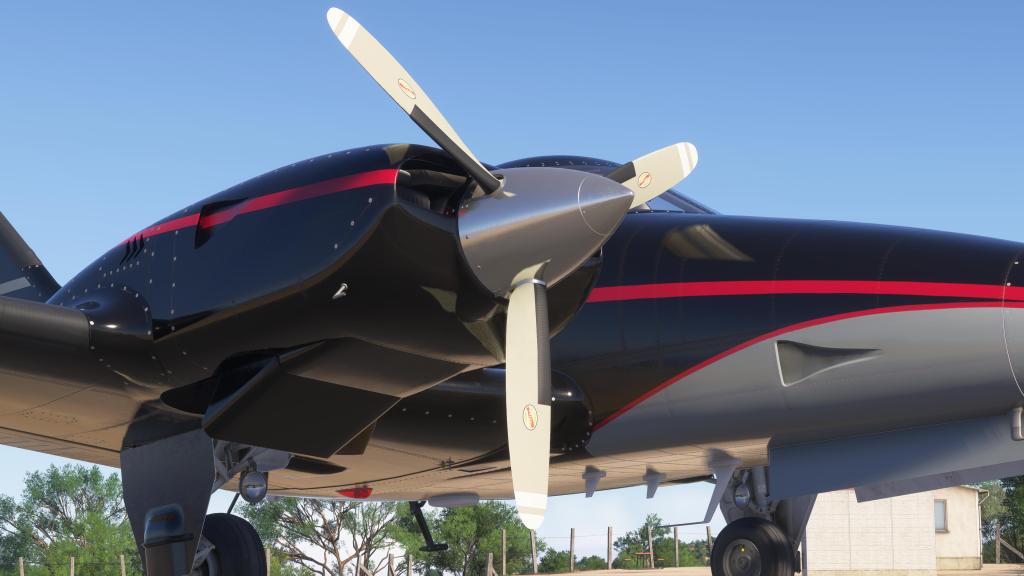
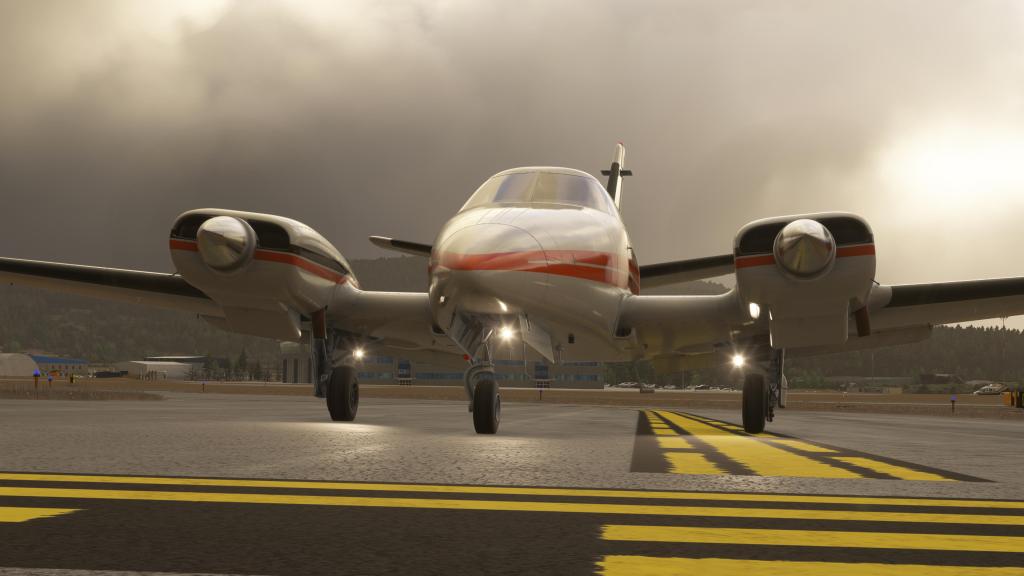

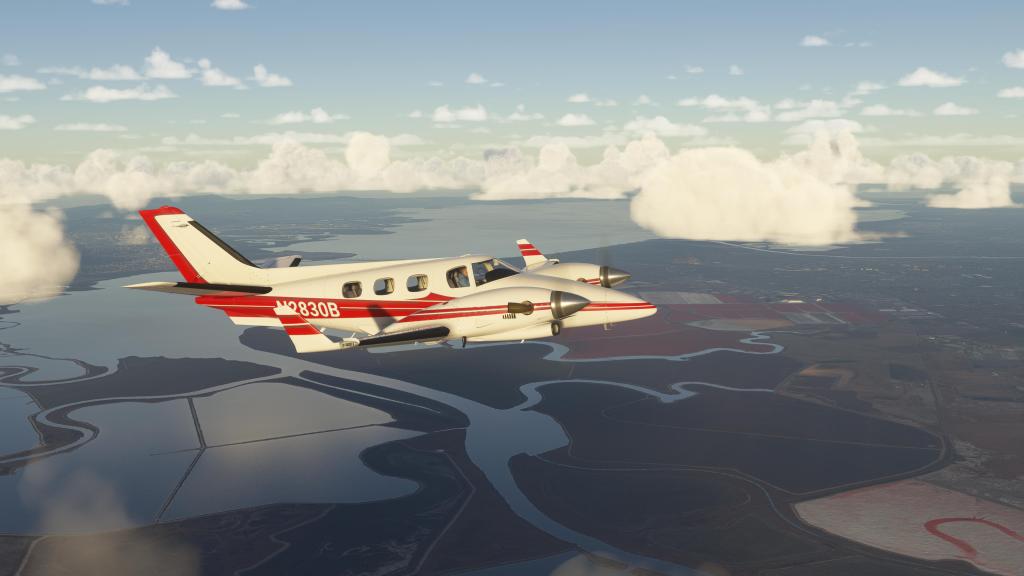
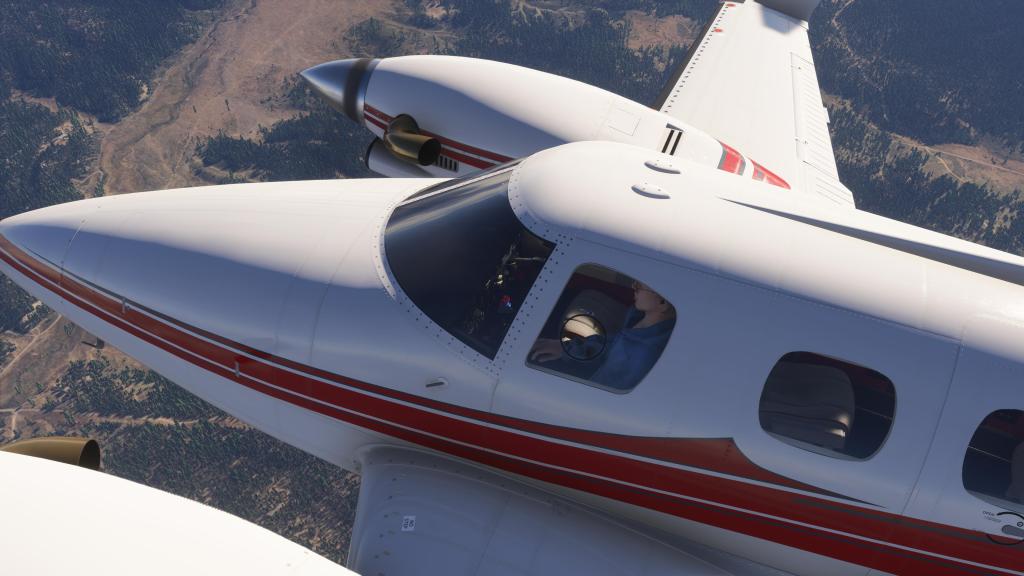
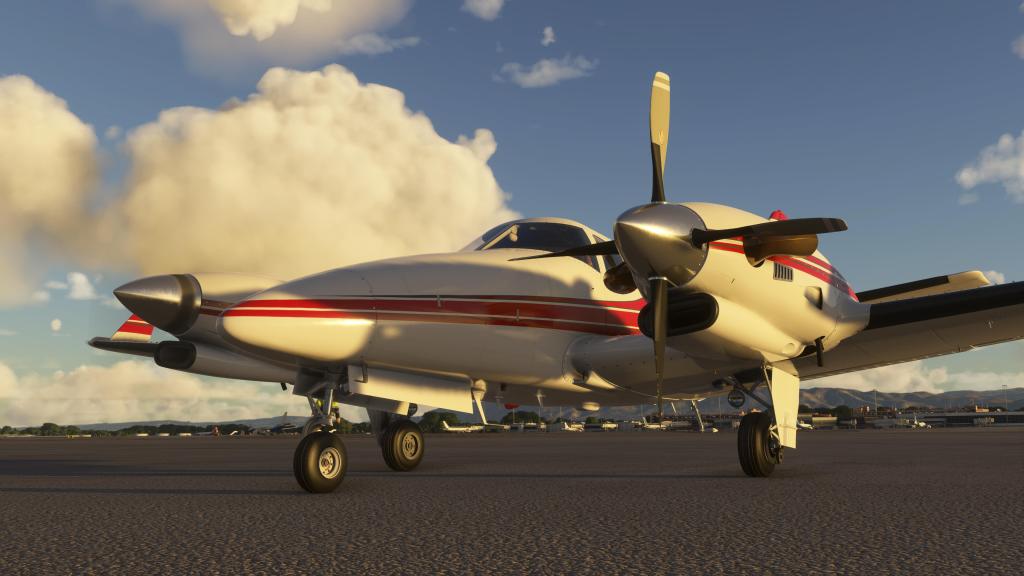
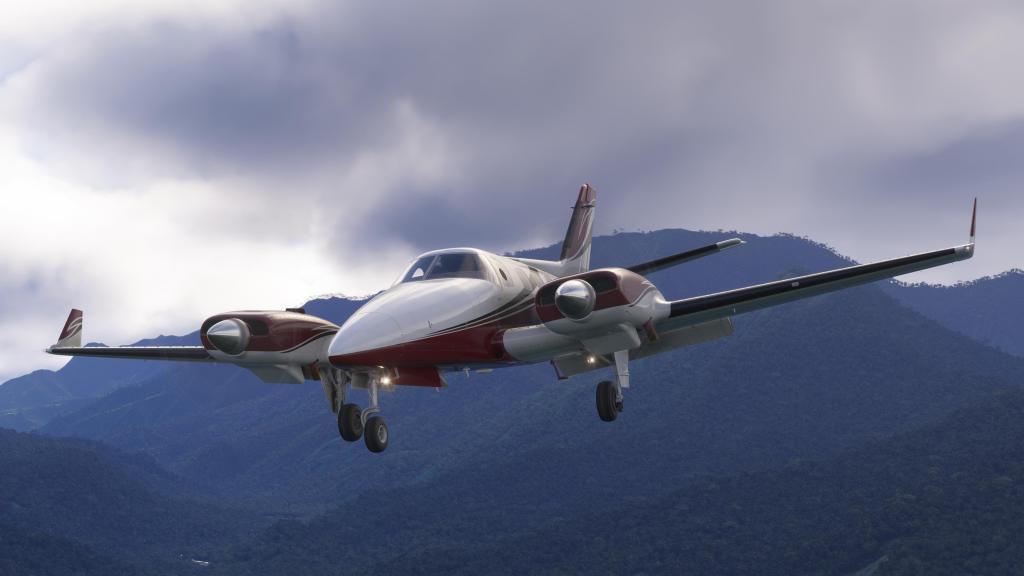
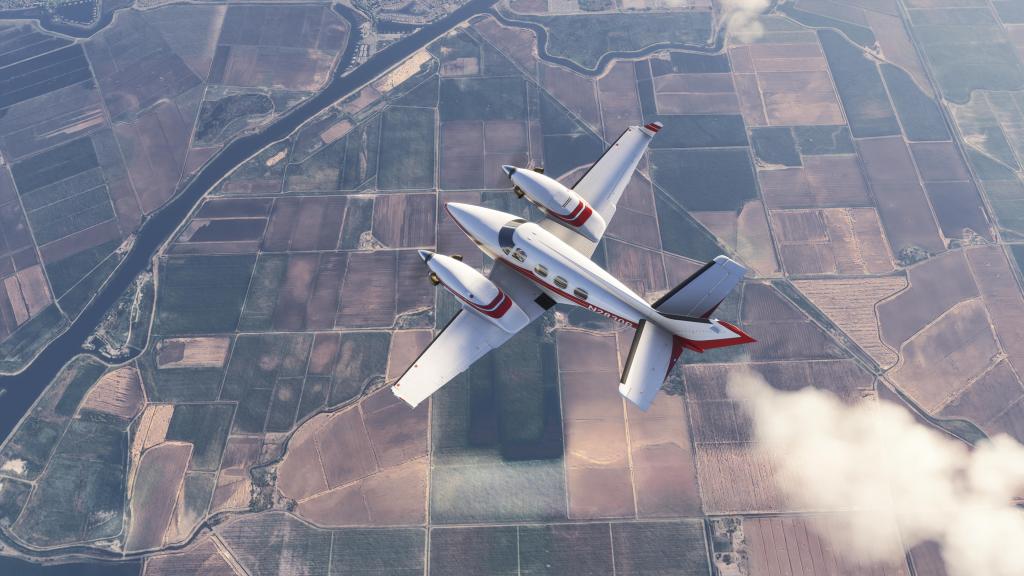
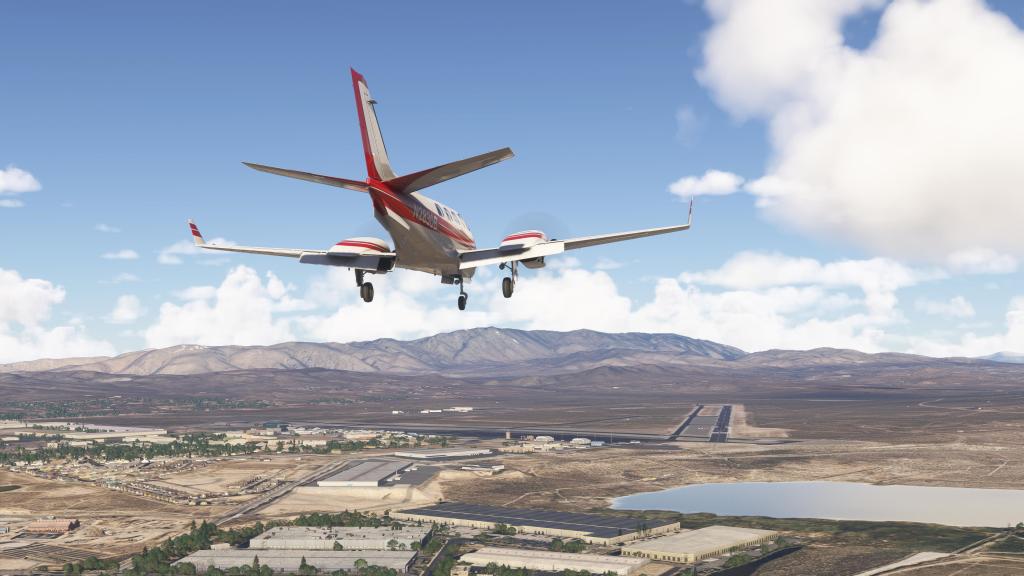

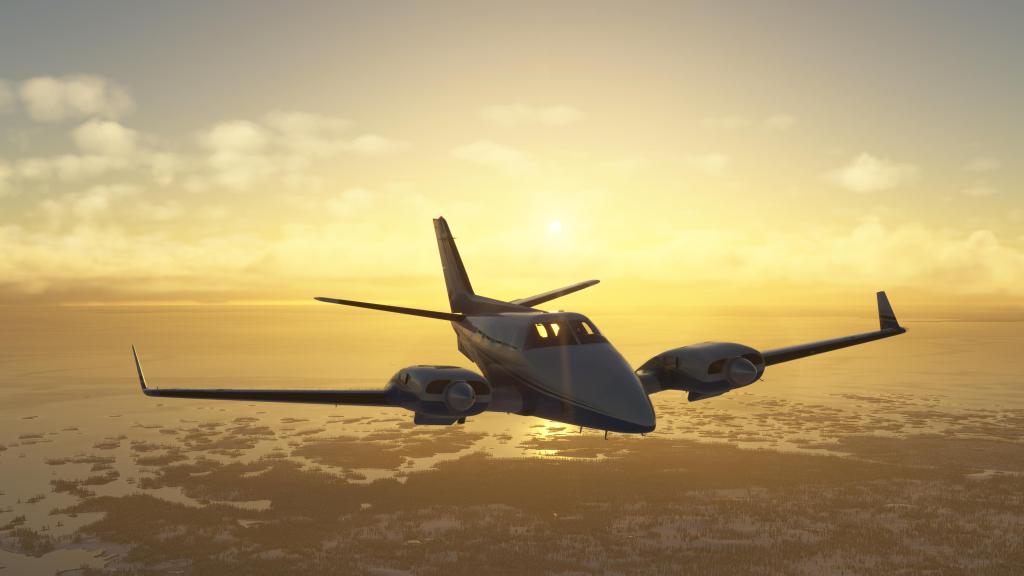
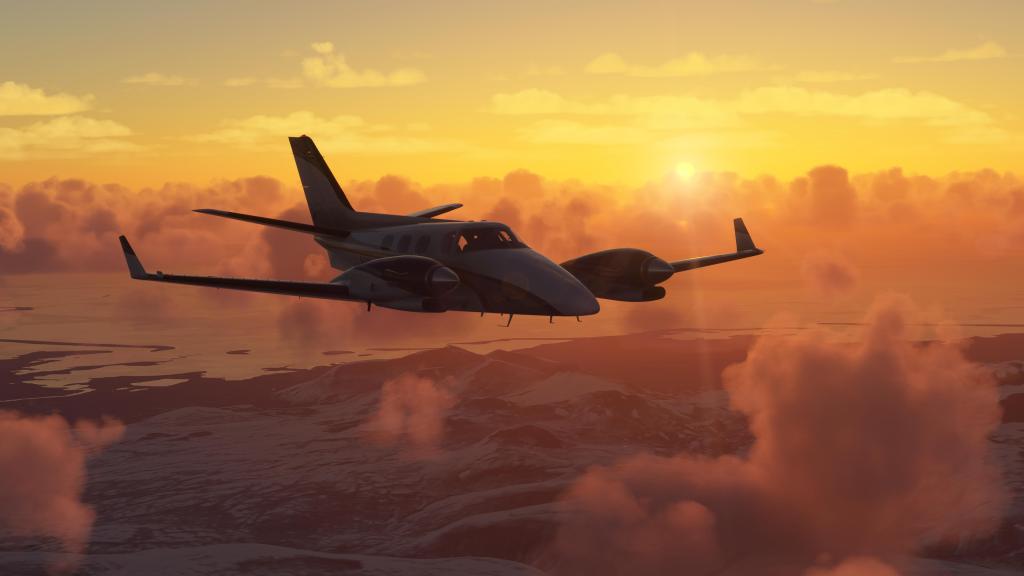
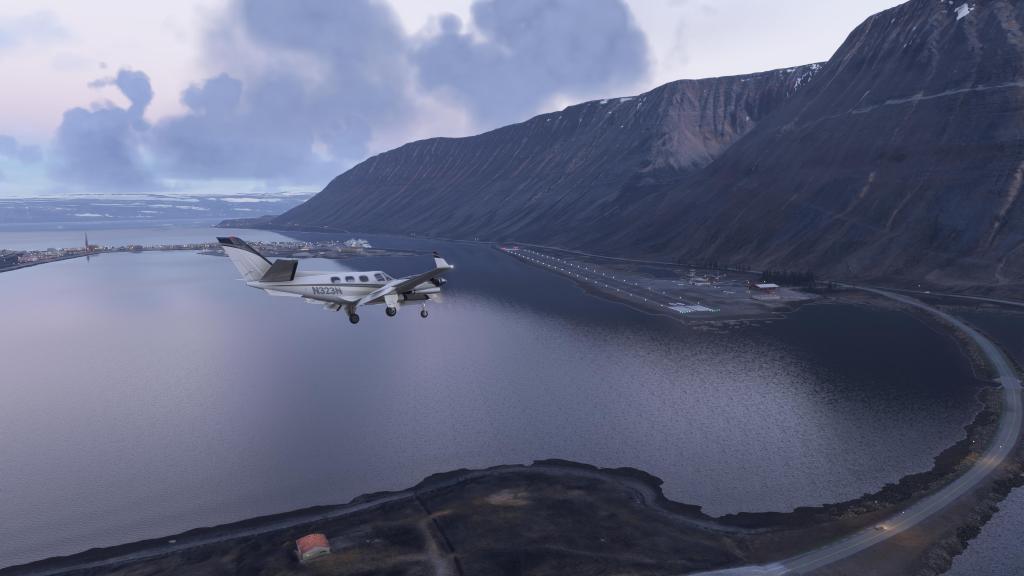
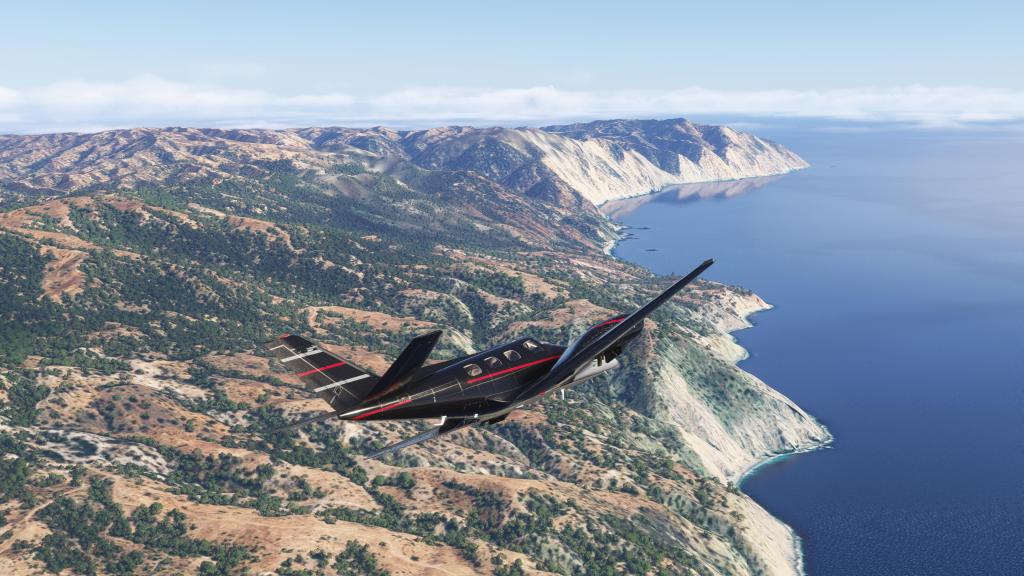
The Black Square Dukes are really impressive aircraft with their visuals and their sounds.
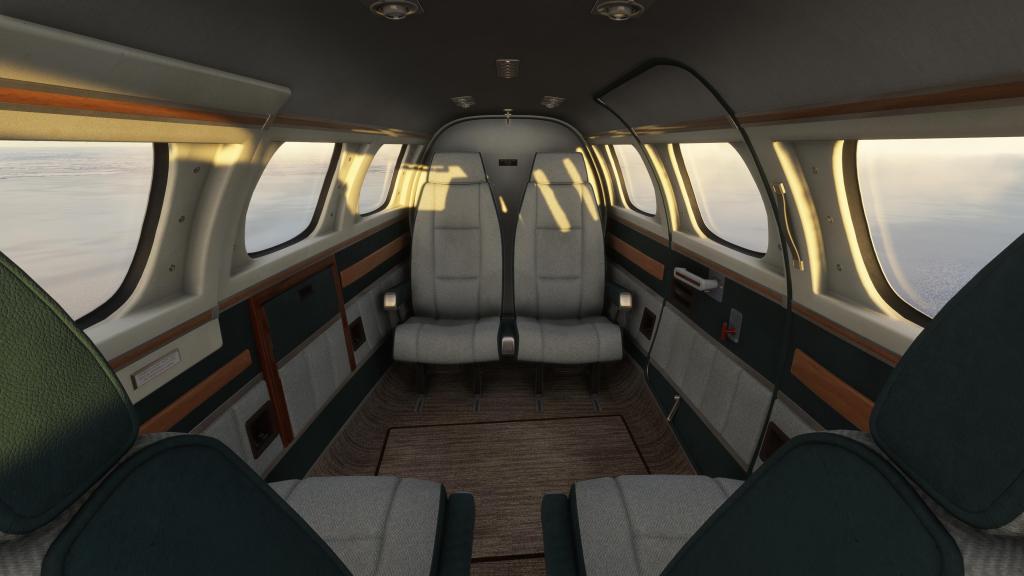
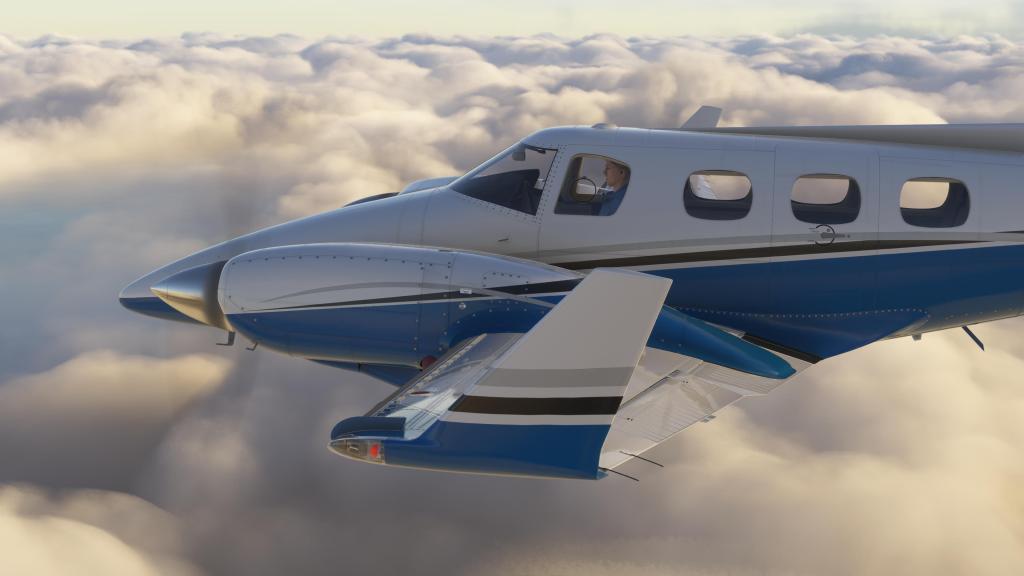
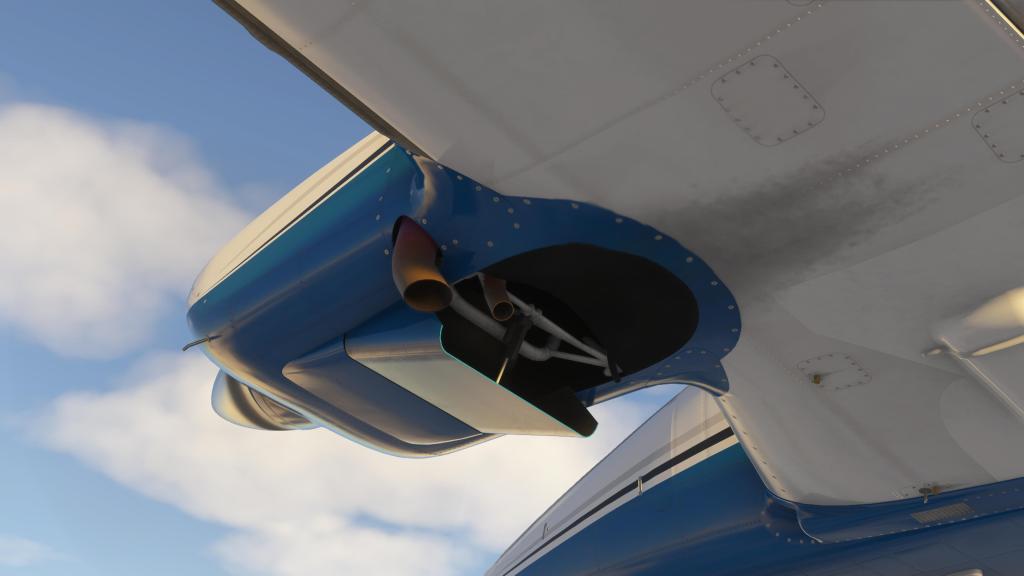
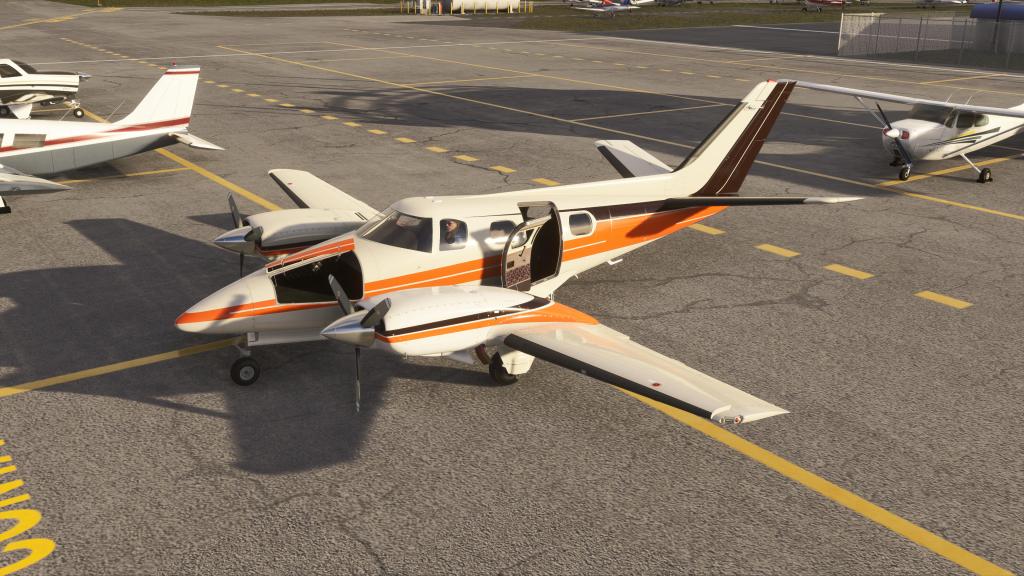
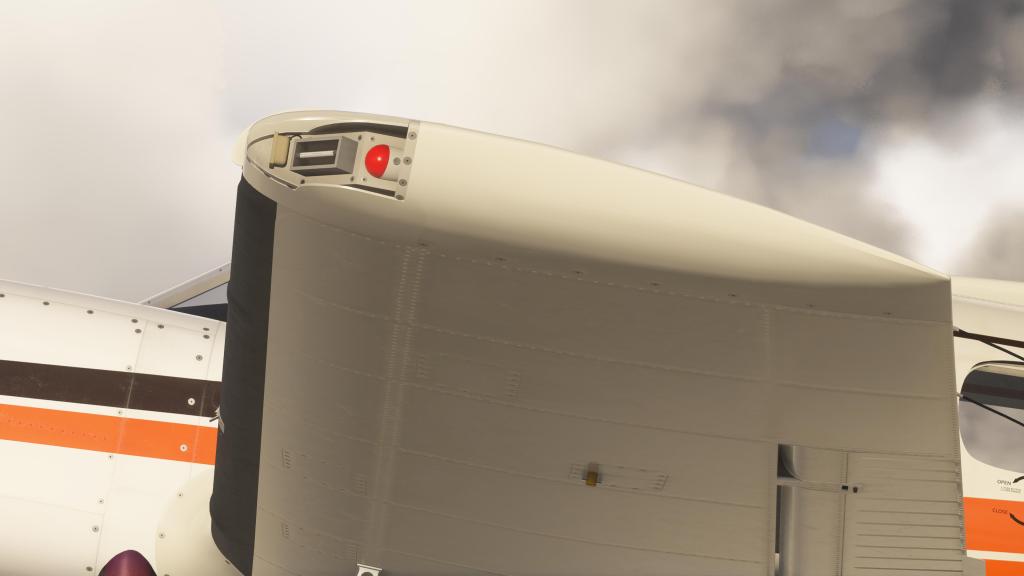
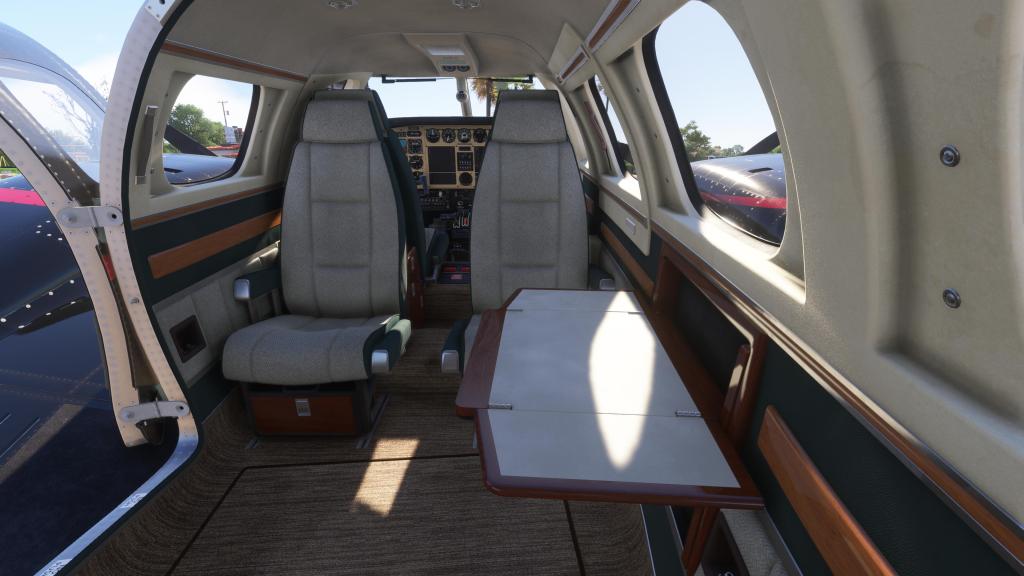
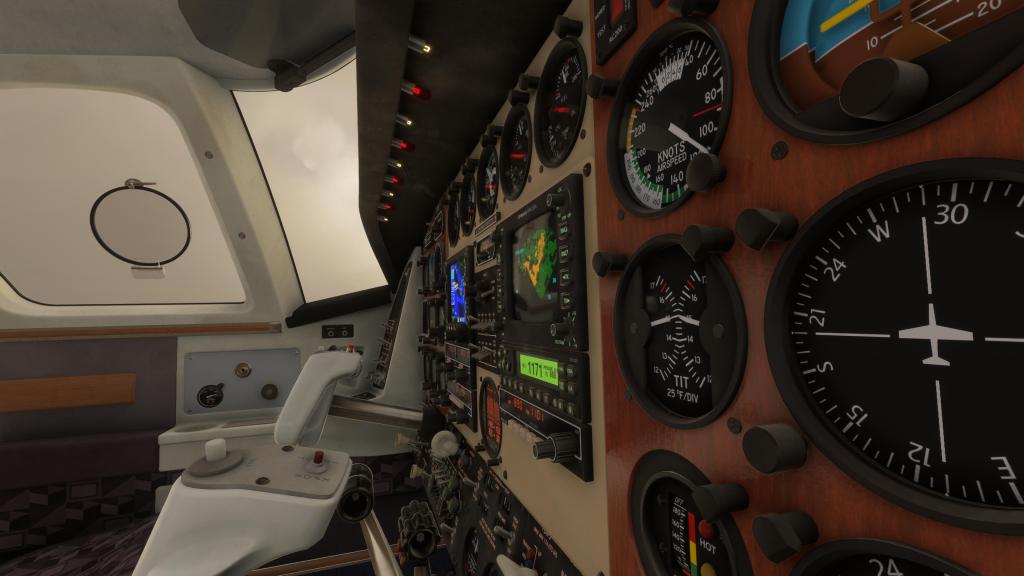
The texture work is incredibly sharp and nearly everything I’ve looked at on the inside and the outside is beautifully and crisply detailed. Detail textures help here for things like screws and rivets while text is handled by vector decals. Zoom right in and its great! The instrumentation, the seat cushions, the controls, even when you look under the seats and at the floors. Now, I should point out that the aircraft do look quite clean and maybe some dirtier textures would add a bit of character, but that’s an extreme nitpick. These aircraft are beautiful and it doesn’t matter if its inside or out.
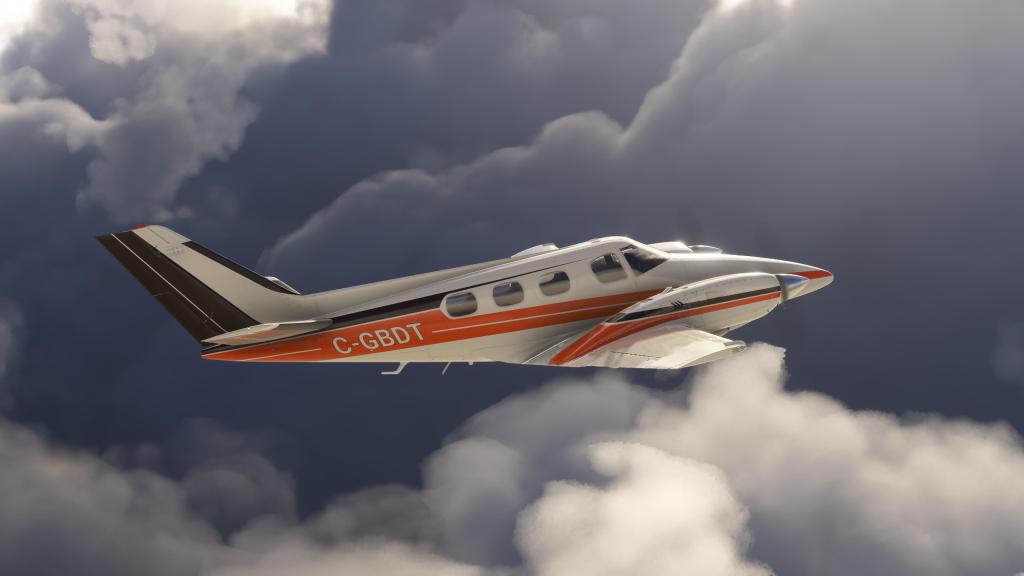
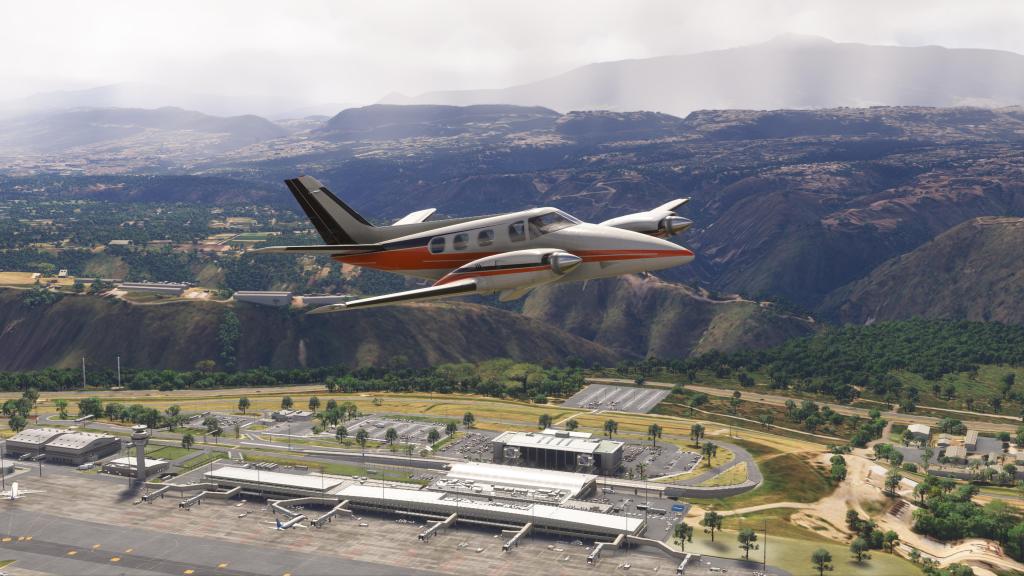
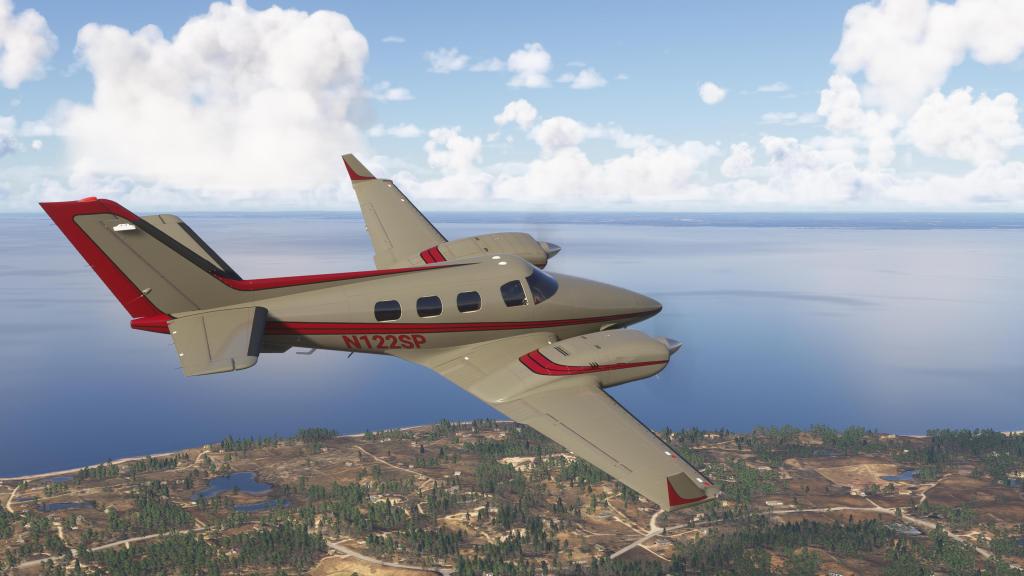
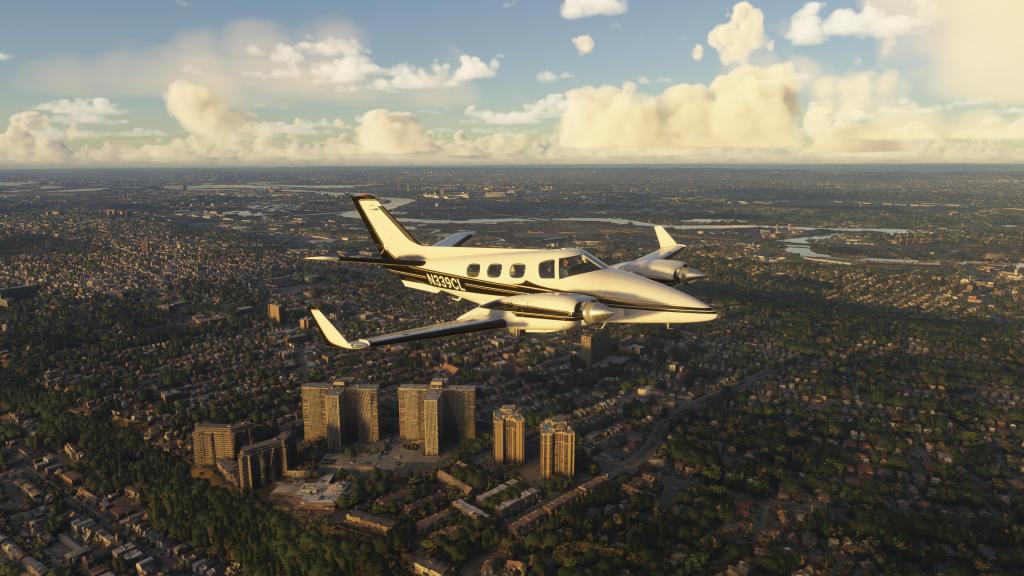
The interiors come with multiple different schemes. Different colour combinations including seats, dashboard and other material colours around the aircraft match their respective liveries and line-up with the historical combinations used in the real aircraft. The exterior liveries are beautifully done and based on real aircraft as well. On the flipside, they are also generic enough that you can put your own registration on the side and it just feels right. I like that a lot in general aviation offerings!
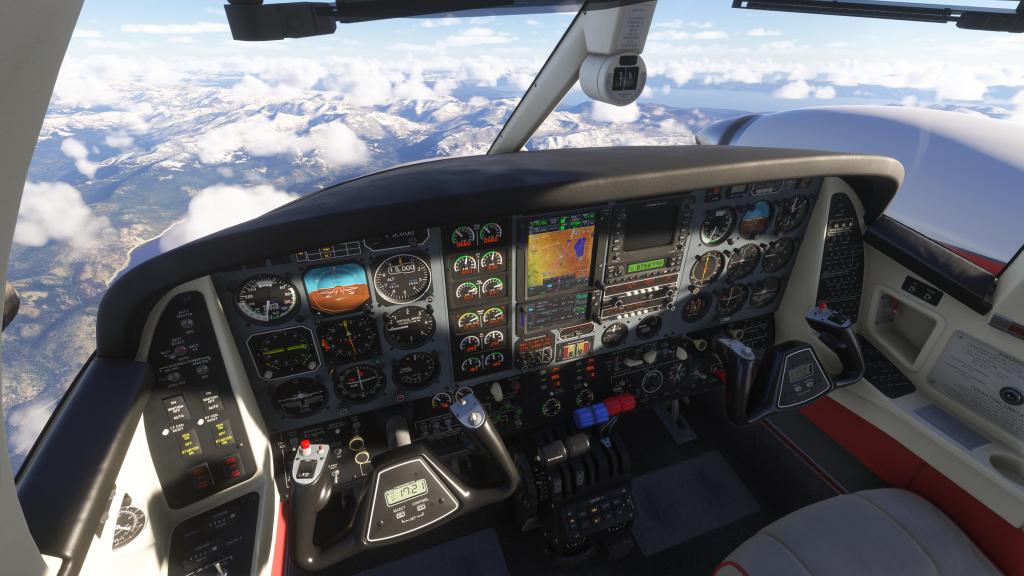
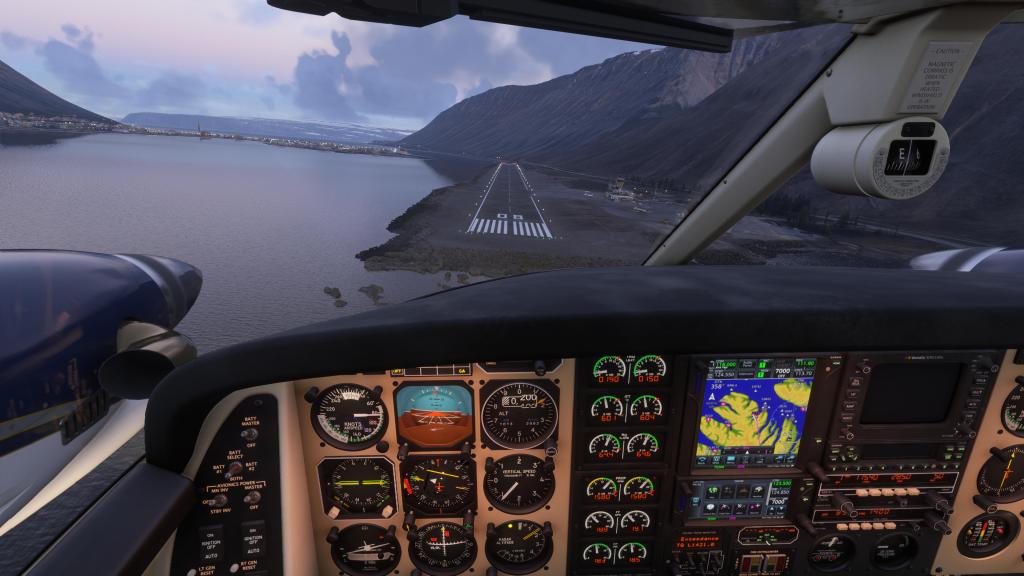
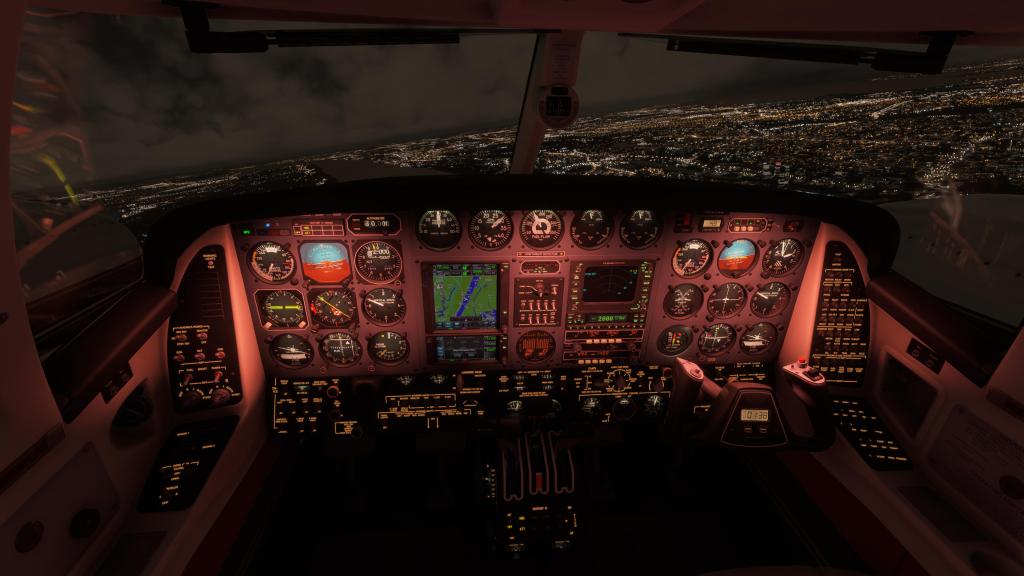
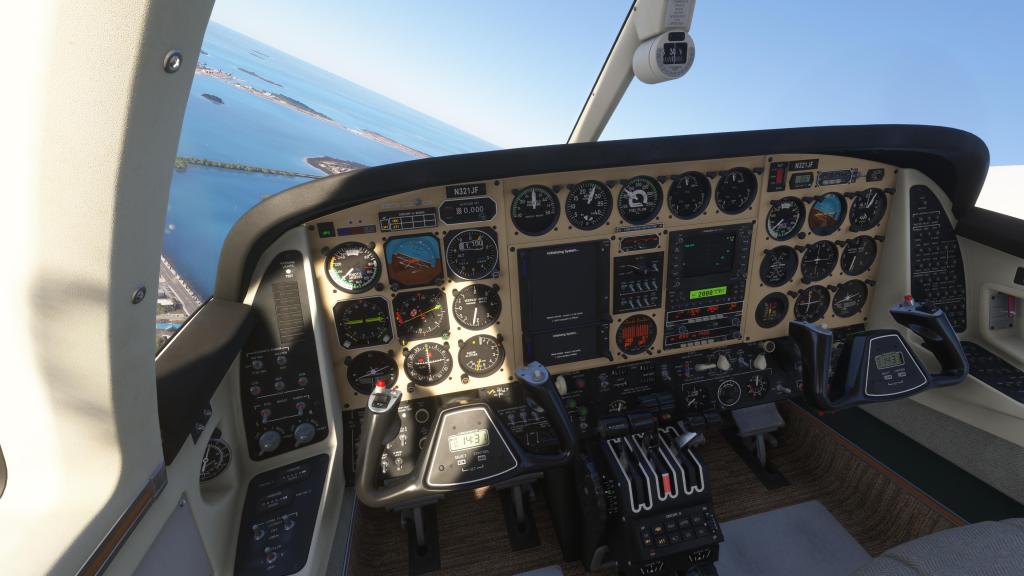

I have noticed a minor issue where visibility of passengers and the co-pilot do not show, even with the item checked and the appropriate weight filled in on the tablet. Something isn’t quite right there. Another issue surrounding dynamic registration, is reportedly buggy and awaiting a fix, however, I think SU4 fixed that problem and that works nicely in my experience.
Turning to the sound, nearly everything here is also excellent. The aircraft have great sounds and that’s particularly felt in the cockpit. The best part is how closely tied the engine sounds are to the engines and their simulation. You’ll not only see the evidence of a rough start but also hear it. Buttons and switches are satisfying to press thanks to an ample soundset and external service hatches, doors, and the cargo area in the nose all have their own sounds too.
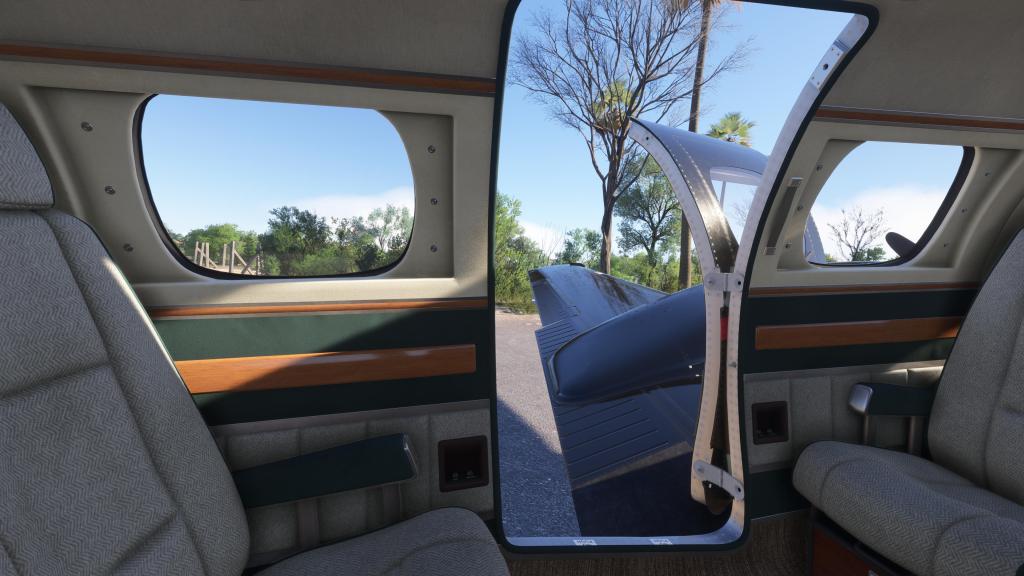
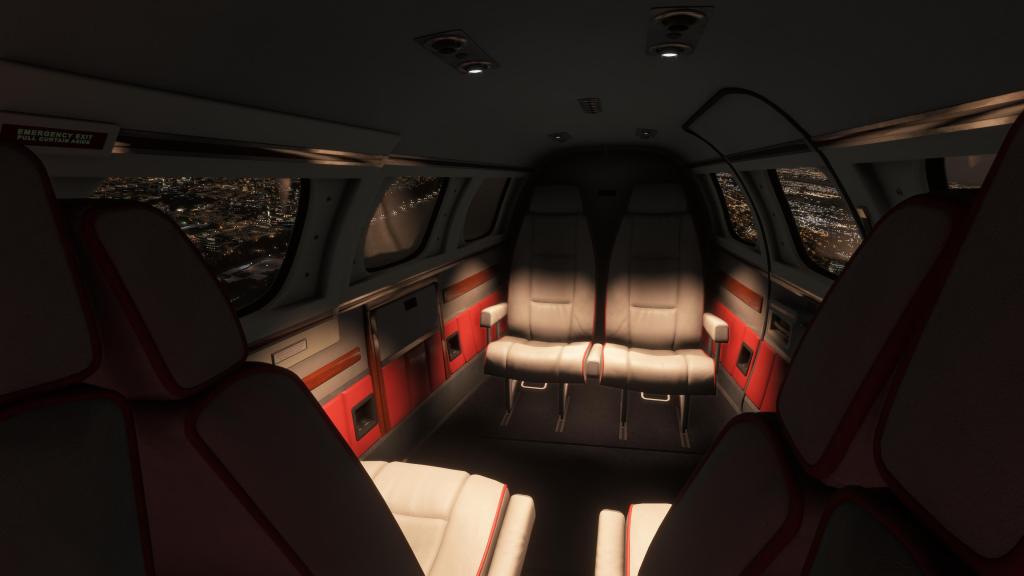
My only complaint with the exterior sounds on the piston version specifically is that while they have an excellent 3D quality to them as you pan around the aircraft, I do find volume levels rise and fall a little more dramatically than I’d like. You’ll be panning around and suddenly you’ll get a quite a bit of blade slapping buzz sound off the prop.
Don’t get me wrong, I like the effect, but the volume does jump up a bit more than I want it to. Maybe this is accurate due to some quirk of the way that the Dukes’ engines and propellers are setup but it is a little off-putting to my ear. The turbine version is much smoother all around and doesn’t have the same rise and fall.
Features
The basic featureset of the aircraft includes high resolution textures and materials, detailed 3D model, electrical system with 100+ circuit breakers, cabin pressure and comfort simulation, 12 hot swappable avionics configurations, 130+ random or trigger based failures across multiple systems, custom engine simulations (for both types of engines) as well as making use of the latest MSFS 2024 technologies like the CFD flight model system, tire and ground physics and on the list goes.
There are also some things that really showcase how cool the technology is. That includes little touches like voltage based light dimming and big things like the way the engines are modeled that really stand out! You have to work with them, particularly the piston version, where each engine start is its own experience. Some days, under some conditions, they will kick in and start right up. Other days you’ve got fuel in there but they are needing a bit more time to crank and get stared. Some flights I’ve had the right engine take ages to turn over but the left one springs to life immediately. There are rough starts, failures, and the need to treat the engines well. You can overdo it a fair bit without damage but eventually your mistakes will pile up. The tablet interface will show damage and prompt you to fix it. It’s harder to break them than you’d think but if you overdo it, they will be damaged.
Another outstanding feature? The tablet! This feature has a superb level of functionality that is among the best I’ve ever seen.
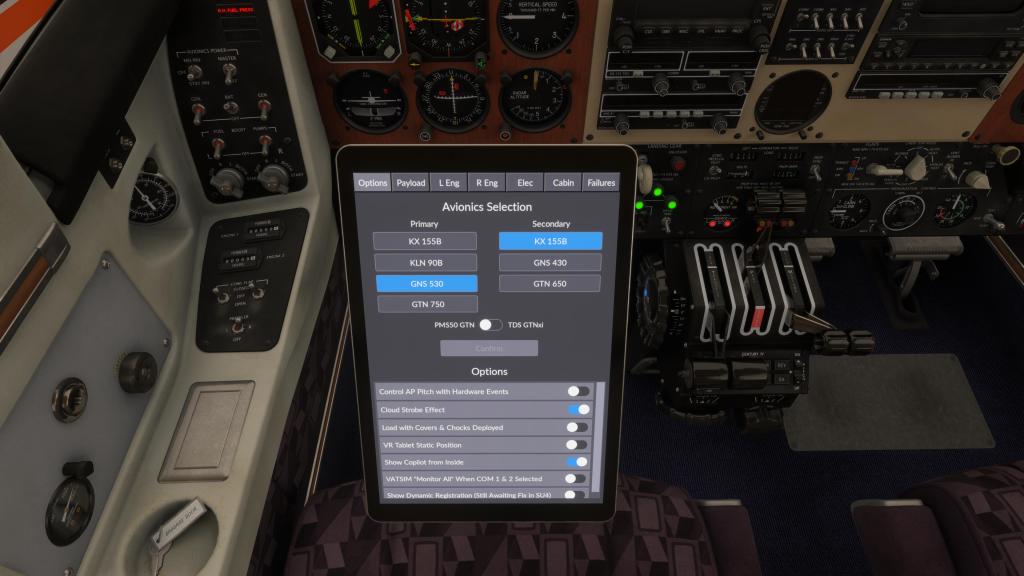
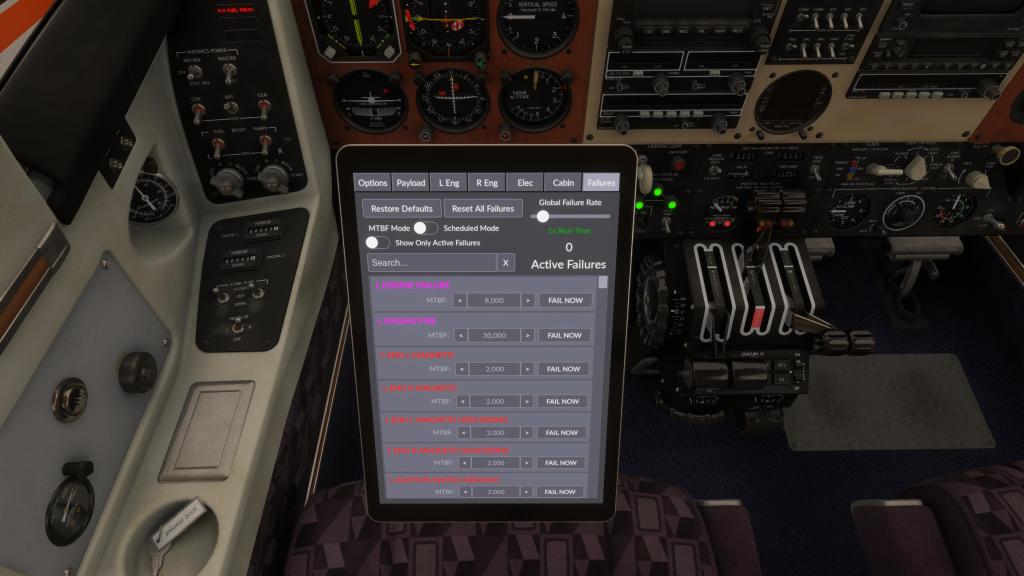
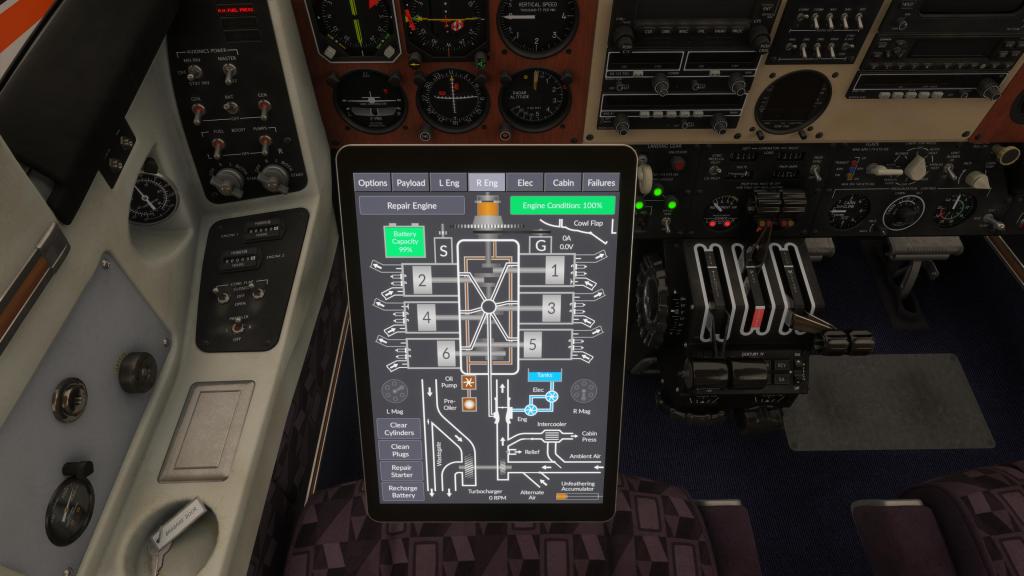
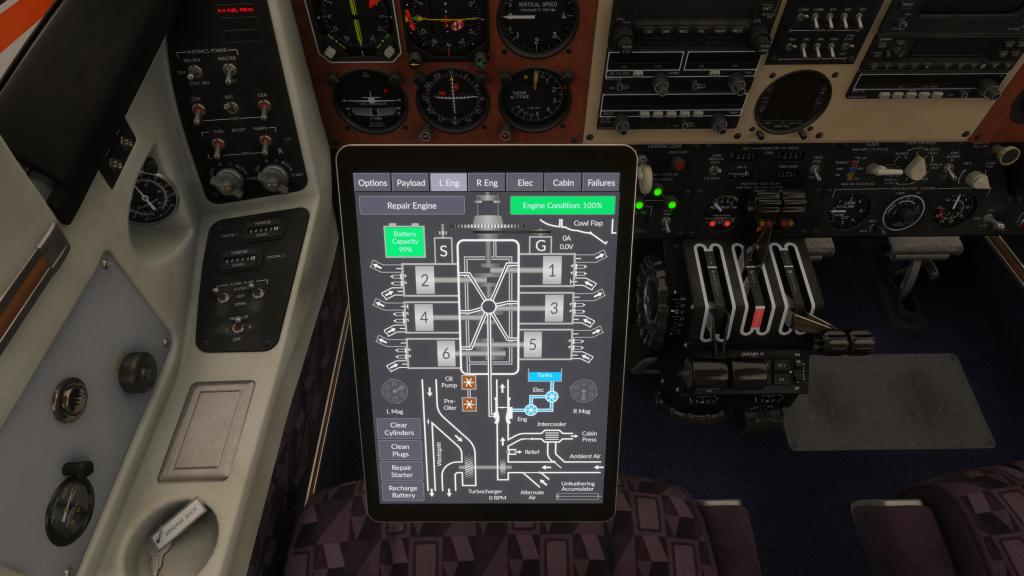
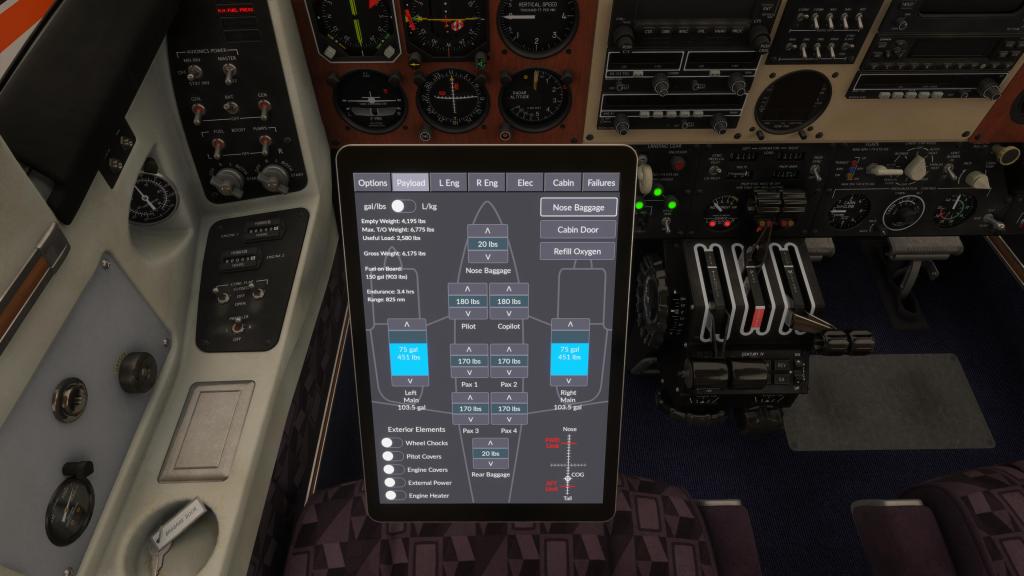
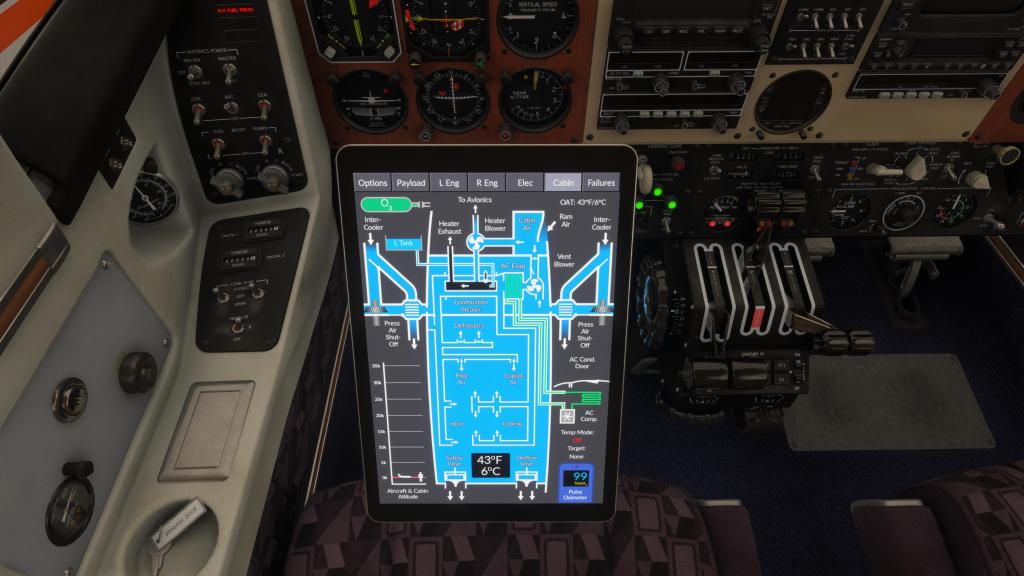
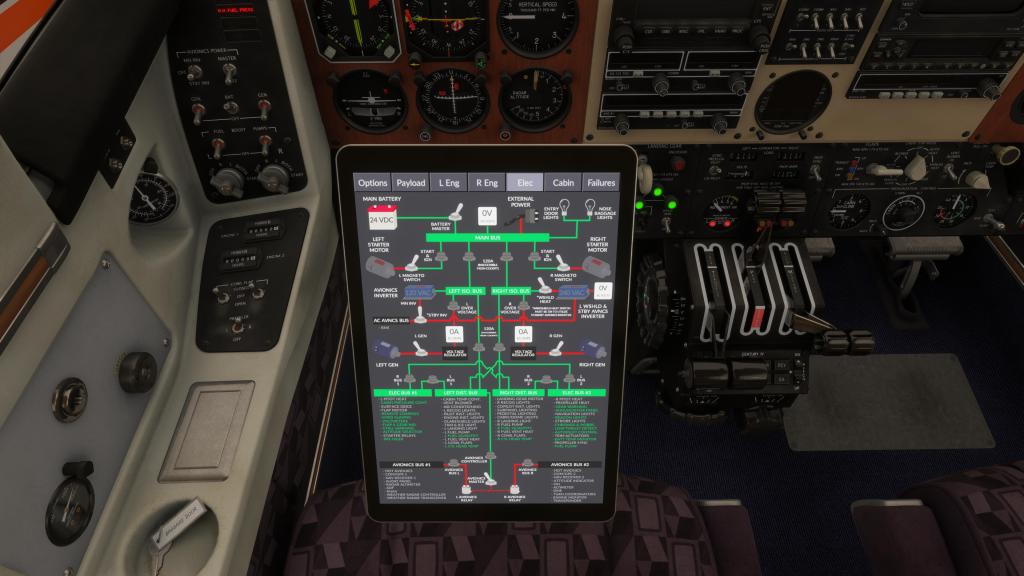
Yes, the tablet has all of the usual abilities but its the data visualization that really stands out! That is taking information and visualizing it so you can see what is happening and that’s exactly what Black Square have done. Its best shown on the tablet when you’re starting the engines and seeing the pistons move, the representation of fuel in the cylinders, the engines catching and starting, all of the systems that are plugged in to make that work. The same is in place for electrical too but its the motion of the engines that really help you understand what is under the hood. Astounding effort!
Flying the plane
The Dukes are the third aircraft that I’ve flown this year that have been both exciting but also intimidating (the other two are the DCS: C-130 and the PMDG 777 for MSFS). Black Square go so deep into simulating the aircraft’s systems that you really have to be on top of your game to make sure you don’t damage an engine or screw-up the setup for a subsystem. Fortunately, they aren’t overly fragile either and, as I wrote earlier, the engines are actually quite fun to manage.
The Dukes are quite fun as an aircraft to fly in a sim because they are known as some pretty hot performers. The piston version is a bit more sedate than the turbine version but I’ll talk about it first. Though its less of a performer, its no slouch either. It’ll easily do 1,500 fpm climbs and even at cruise power you’re likely to see 190 or 200 knots. Its not a long range cruiser as the Dukes are not highly efficient aircraft, but its enough to cover some ground if you want to.
The handling at speed is very good. Aileron control is solid and elevators are effective but not twitchy. The rudder is not bad at cruise, however, the real world version is known for being extremely heavy on rudder. You will need some rudder skills at low speeds, usually while landing, as the short fuselage and high engine power cause the nose to wander more than your usual general aviation airplane. Especially if your centre of gravity is a little more aft with a full load of passengers. It does give the airplane some character.
Landing, once on a stabilized approach, is quite easy with just enough back pressure on a solid glideslope to ease your way into a very gentle flair and touch down. I’ve done some of my best landings in the Dukes!
Piston versus turbine
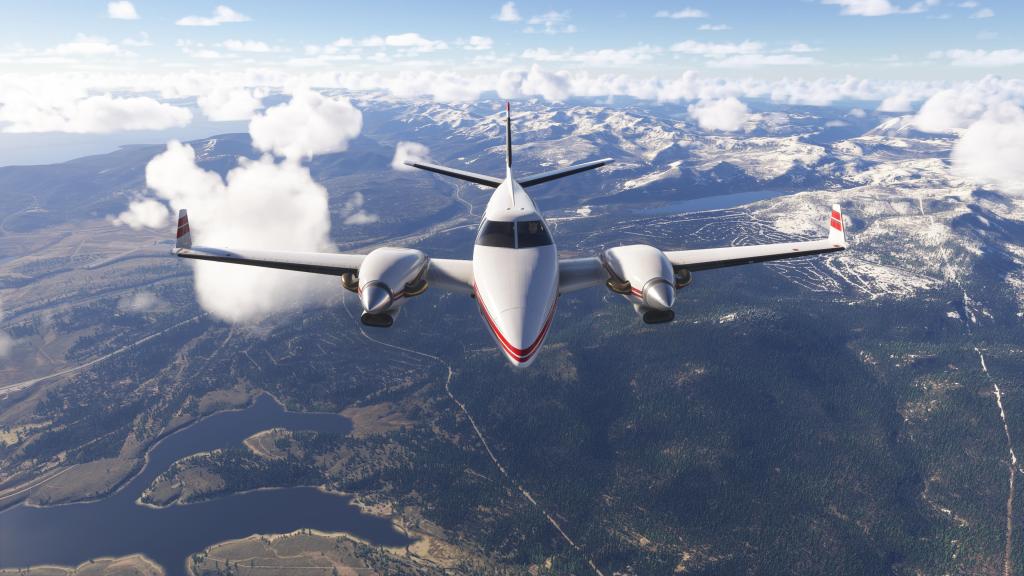
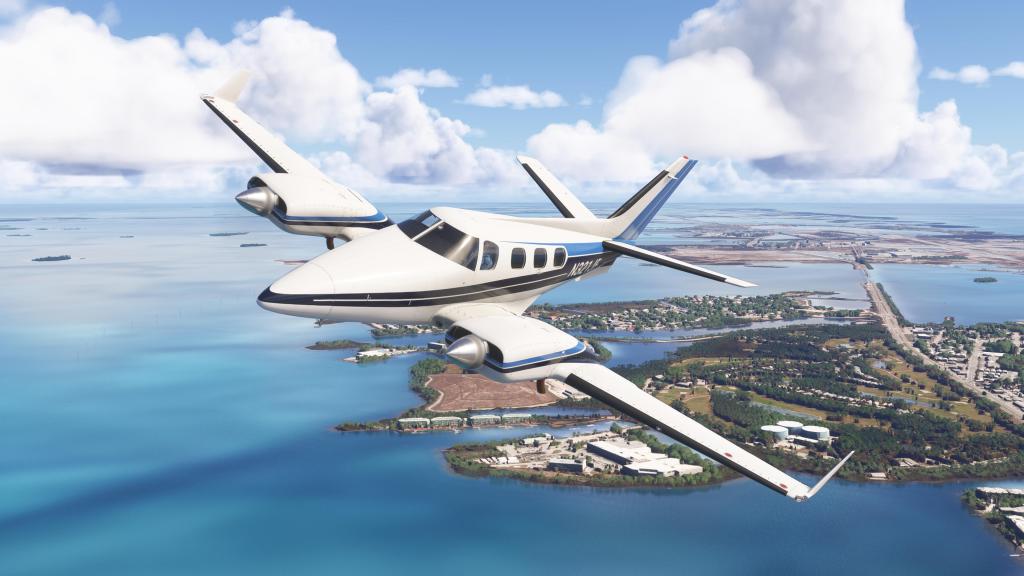
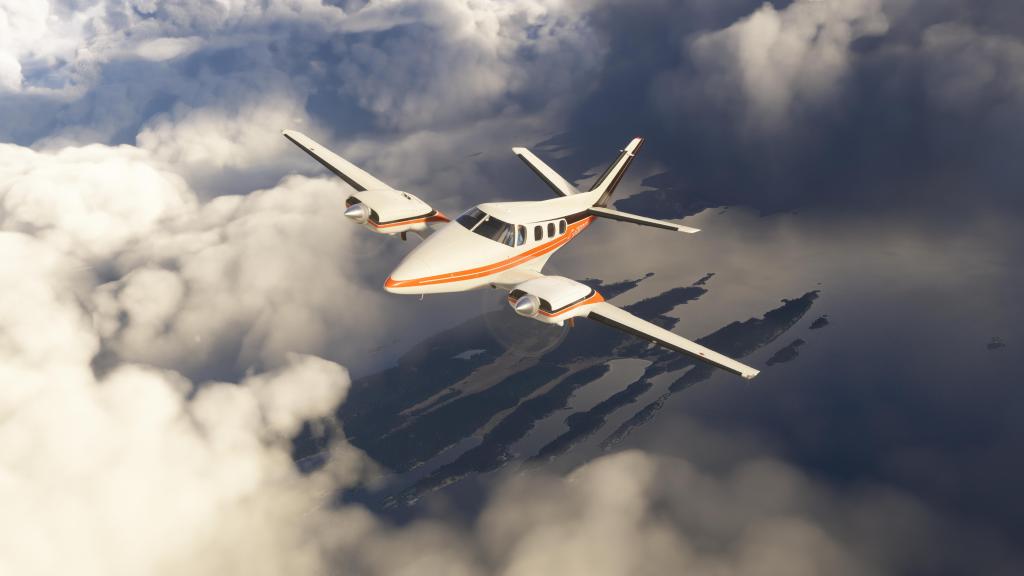
If you are deciding between the available offerings, I can try and offer some suggestions and insights into what you might want to fly.
The Piston version comes in both a standard and Grand Duke configuration. Both are functionally the same in the cockpit, however, the handling and fuel efficiency favour the Grand Duke with its winglets and vortex generators. It just feels a little more steady, especially on landing approach. There are unique liveries for both.
The Turbine version is the modified version of the airplane with a PT6 Turboprop engine. Two turboprops in a small aircraft like the Duke provide the airplane with incredible power and capability. In my experience I was hitting 3,500 feet a minute climbs and zipping along at 200 knots with ease. Its actually very easy to overspeed the Turbine Duke and thus you really need to throttle back once level flight has been achieved or you’ll blast through your maximum speed. These modified aircraft have bigger fuel capacity as well though the turbines consume more fuel too so the range doesn’t really get any better and infact its probably a little worse.
If you can only choose one, I think the piston is a little more challenging but also a little more fun to work with. The turboprops are a bit harder to reign in (overtorque and overspeed are an issue) but starting them up and they are far smoother running than the piston. Just Flight and Black Square have made the bundle pack the best deal if you want both and I’d have a hard time steering anyone in one direction or another – they are both great!
Final thoughts
Black Square’s process of developing aircraft has really hit a zenith at this point! The Dukes are among some of the best developed general aviation aircraft available in the Microsoft Flight Simulator market.
I really like the airplane and I really like the work that Black Square has done to make this slightly quirky airplane come to life! It really does feel much more like a living breathing airplane experience with everything going on under the hood. The whole experience is everything that you normally get in a general aviation experience and then you get a whole lot more too.
The standout feature for me is actually the tablet and I think Black Square was really smart to make the tablet a data visualization experience because it immediately conveys the simulation behind the scenes for a good number of systems. Great for marketing, great for data viz nerds like me, but also incredibly useful for trying to figure out what you’ve done wrong in your start-up procedure or why your engine isn’t running the way it should anymore. Really outstanding way to present the airplane.
This is the best, most deeply simulated, general aviation experience I’ve had to date. Now, I haven’t yet flown or reviewed an A2A product and I suspect that it may be the Aerostar that I end up putting in head to head with the Black Square Duke, but rather than rivalry, I want to suggest that instead we have a golden opportunity to fly some incredibly well detailed airplanes that are at or near the peak of what is possible from all kinds of different levels. I think it will be awfully hard to compare the two.
That’s not to denigrate the experience you can have with some other products either. I’ve flown and enjoyed a lot of general aviation options from Carenado for example. Those products are priced lower and are not as sophisticated, but they are great for people who want to get up and go and have some fun. Even that developer has started to add more details to their experiences recently. Another airplane worth mentioning is the Blackbird Simulations C310R together with the Just Flight Piper series have given me hours of general aviation fun. Those are a notch or two behind what we have here with Black Square and are priced accordingly.
Speaking of pricing, let us talk value. The Dukes are expensive and aren’t going to be offering the same kind of experience or value you get out of a $15 offering. The depth of the simulation here with Black Square makes the pricing worthwhile with its simulated systems and support features that up the detail and experience. The Dukes feel like a whole airplane that you must manage to the best of your piloting ability and that is incredibly fun!
The Black Square Dukes get my highest recommendation as one of the best experiences I’ve had in a flight sim product in years. This is a really outstanding effort with very few issues to speak of and featuring an incredibly fun airplane. An outstanding effort all around.
The Dukes are available from Just Flight here:
- Piston Duke for $47.99 USD
- Turbine Duke for $47.99 USD
- Piston and Turbine Duke combo package for $69.99 USD
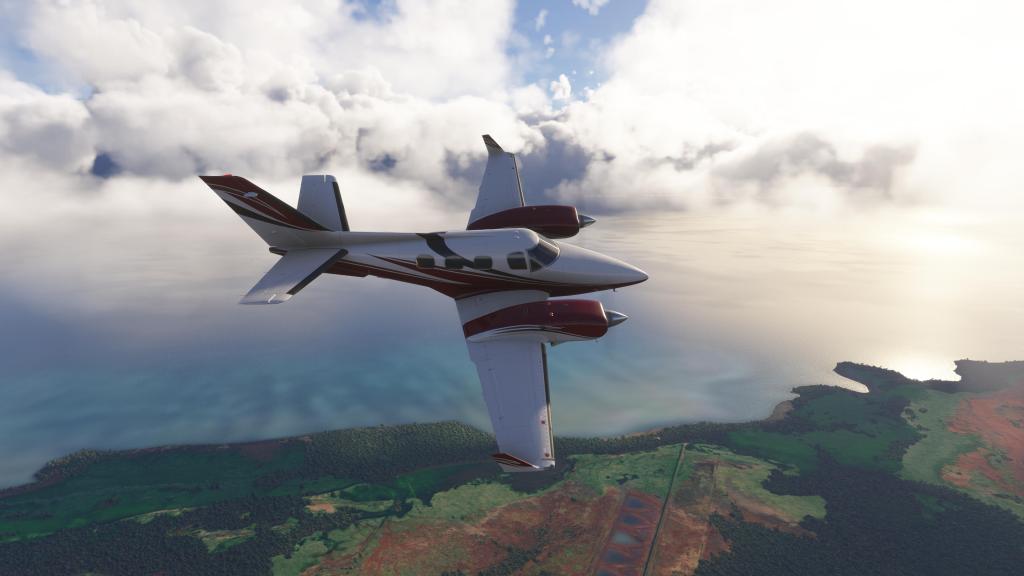
Screenshots






 Stormbirds

Leave a reply to flyingbagpipe Cancel reply