
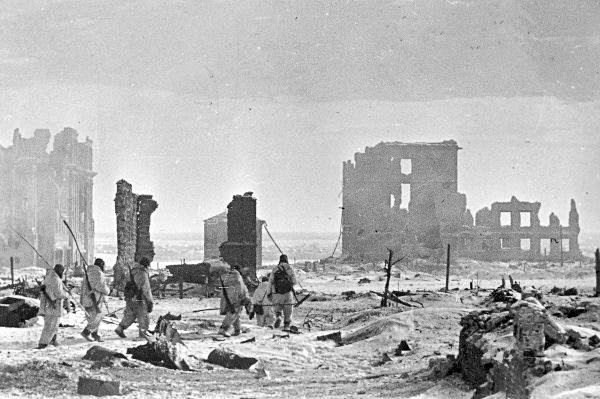
The last of the official armed resistance in the war torn city of Stalingrad ended on February 2nd, 1943 – 75 years ago. It’s a somber anniversary and a key moment in the annals of history but one worth remembering.
Beginning of the end
Stalingrad and the battle for the city lasted from the summer of 1942 through the brutal winter of 1943 with most resistance ending by February 2nd with a series of surrenders by an exhausted 6th Army. Though some German soldiers fought on for some weeks after, the key part of the battle and its place in history had already been realized.
Failed attempts at regaining control of the city, a failed air bridge by the Luftwaffe, and continued pressure by the Soviet armies eventually saw German resistance crumble inside the city while the situation on the front raged on.
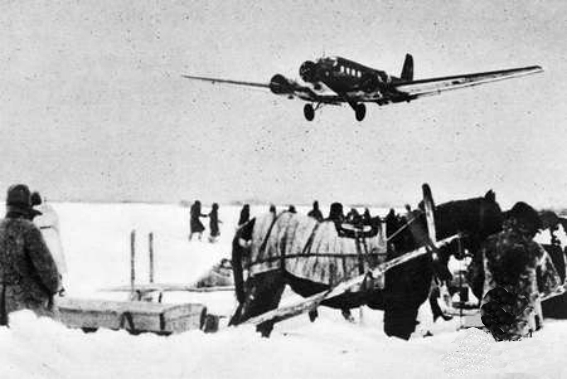
Critically, the Luftwaffe lost 274 transport aircraft and 165 bombers that were used as transports trying to supply the trapped army at Stalingrad. These aircraft were never truly replaced and their experienced crews were often killed or captured making the loss that much worse.
This was the first big defeat for the German army and would mark a turning point – never again would a sustained offensive in Soviet territory gain any substantial ground. For the combined Axis armies, the losses were immense with 627,899 men, 900 aircraft, 1,500 tanks and 6,000 guns lost. The Soviet Union would sustain even greater losses with the loss of 1,129,619 men, 2,769 aircraft, 4,341 tanks, and 15,728 guns (source: Wikipedia).
Stalingrad is considered as one of the largest and bloodiest battles in history.
Backdrop for a simulation
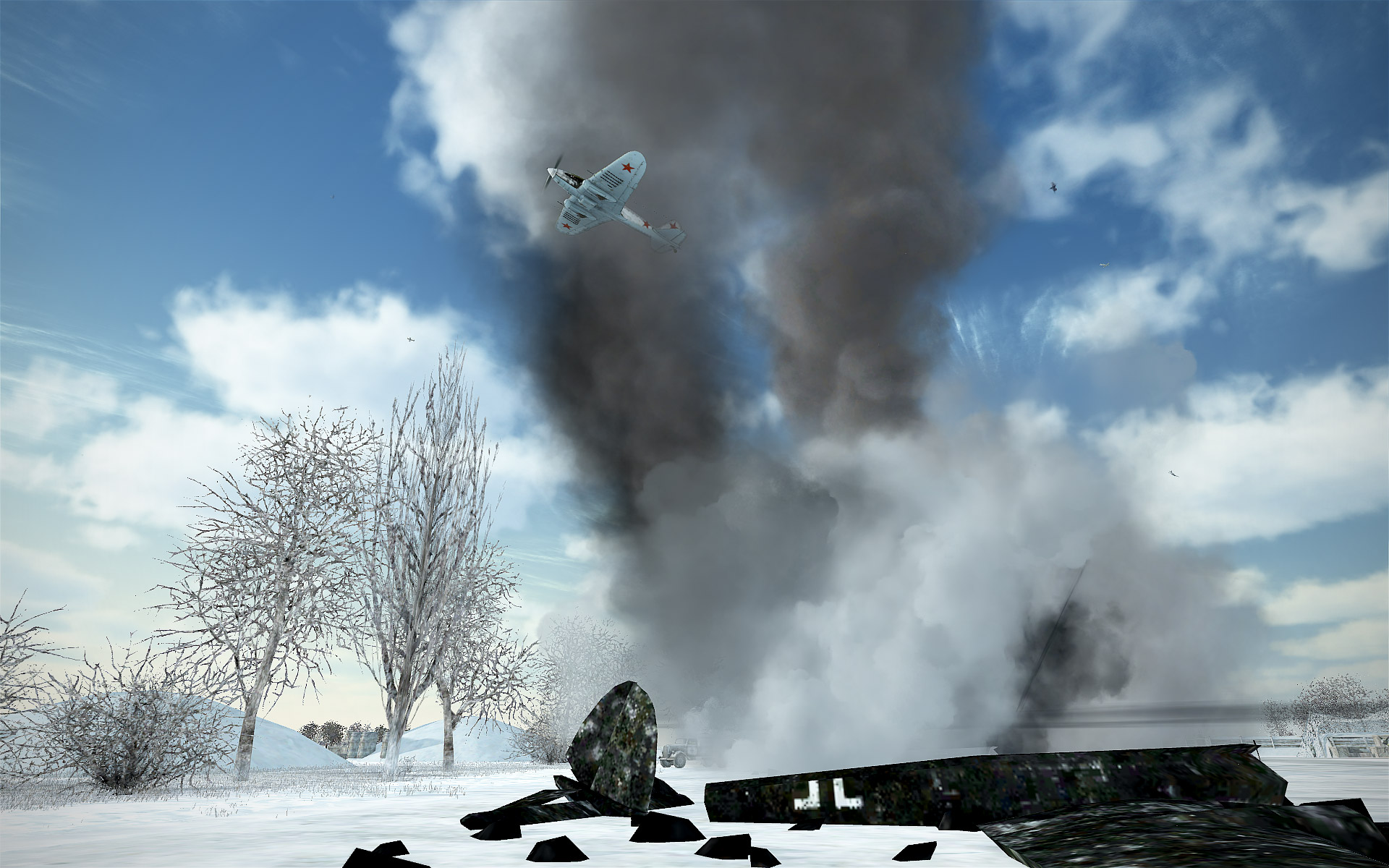
It’s really important to remember that the backdrop and the scenery of IL-2: Battle of Stalingrad features this very brutal battle.
The air war was a critical component of the battle overall. We see it represented in a number of different ways. Fighters flying desperate combat missions over the Volga and surrounding territory, bombers flying battlefield support missions, and transport aircraft trying to fly supplies in to the city. The simulation does its best to help us understand the size and scale of the battle.
Of course a simulation will never truly represent what was. It shouldn’t glorify it. I think what it offers us is a chance to better understand this moment in history and remember it.
Through the IL-2 series I have learned the details of titanic battles fought long ago… forever altering and opening up understanding of the conflict that we know as World War II. Hopefully it has done something similar for you as well.


Leave a Reply