

As some of you know, VIRPIL was nice enough to send me one of their latest pieces of flight sim hardware, the VPC MongoosT-50CM3 Throttle for review. I’ve decided to break my review of the unit into three pieces which gives me a chance to spend more time reviewing the unit for the full review and it lets you ask questions along the way. So, with that in mind, welcome to the first of three articles I’m writing about the VPC MongoosT-50CM3 Throttle.
The box!


Let’s start off with a few important considerations surrounding the purchase of something like the VPC MongoosT-50CM3 Throttle. Unless you happen to live inside the VIRPIL factory, you’re very likely going to have the throttle shipped to you and so packaging actually does matter.
VIRPIL has done a good job of packaging their products and I feel like the latest package, although not flashy in any way, is possibly the best packaged that I’ve seen from them. It certainly on par with other established flight sim hardware manufacturers.
There’s an outer box that takes most of the abuse from shipping and is taped with a VIRPL branded shipping tape which I think is cool. Once opened up, there’s a second product box just inside which contains the throttle and all of the accessories.
My example arrived in great shape and had no serious blemishes. The inner box, though not flashy, was well protected.
Let’s open it up!
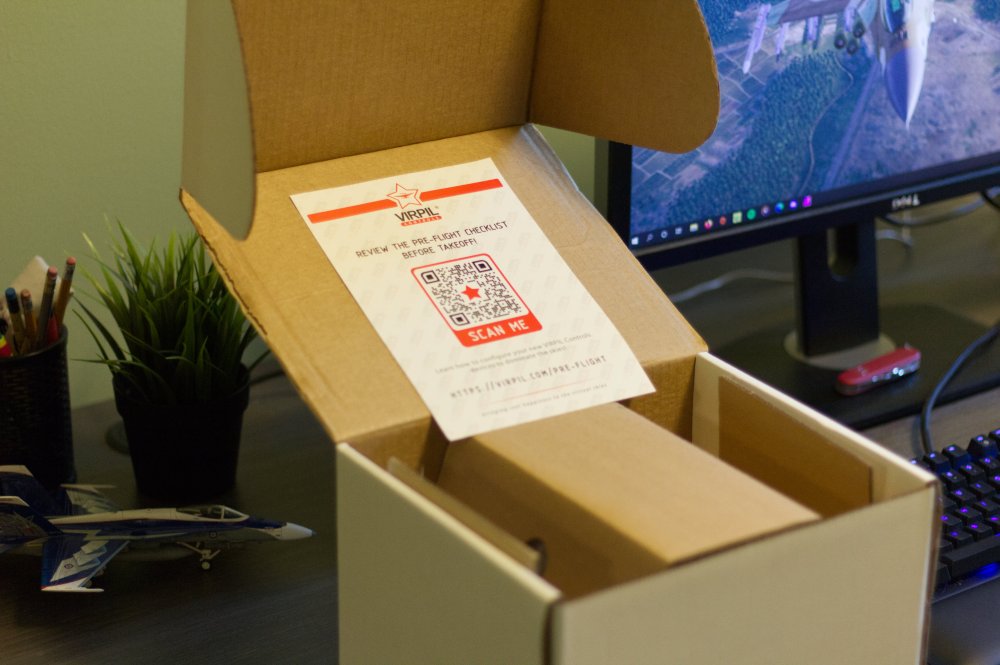
Opening up the box for the first time very quickly reveals some added cardboard to keep the throttle in place and safe during shipping as well as an information card.
The card has a link in both written and QR code format that takes you to the VIRPIL support website. The site has a lot of information on how to setup a throttle, what software you need, and how each of the detent sets work. Detent sets you say? More on that in a moment!
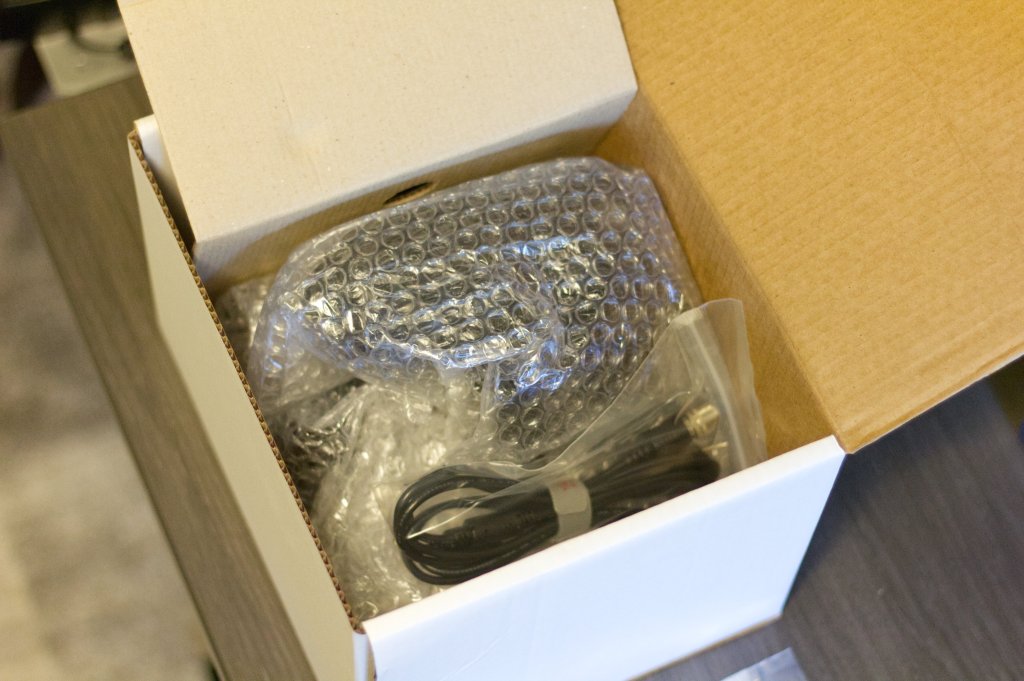
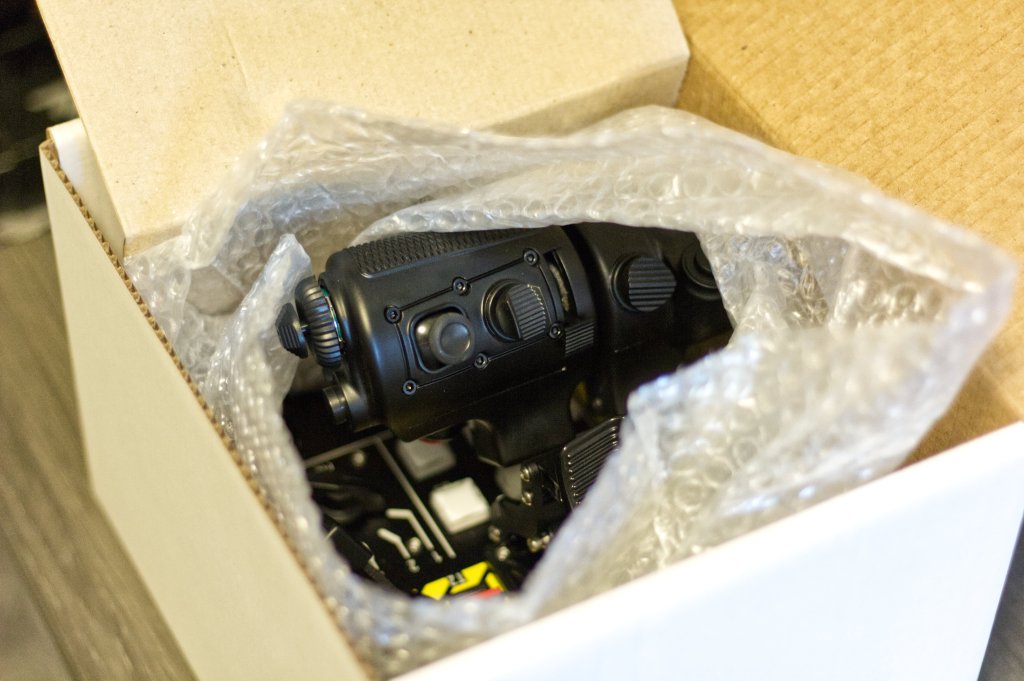
The throttle is also wrapped in bubble wrap which also helps to ensure that the throttle ships without getting jostled around too much.
Detents available
This throttle comes with a configurable system that lets you configure bumps and stops on the throttle by preference. This is ideal if you want to fly an aircraft equipped with afterburners and they only kick in at a certain point. You can be certain that you don’t get into afterburner unintentionally by configuring the throttle with a bump or stop. The VPC MongoosT-50CM3 lets you alter the detent by style as well as by range.
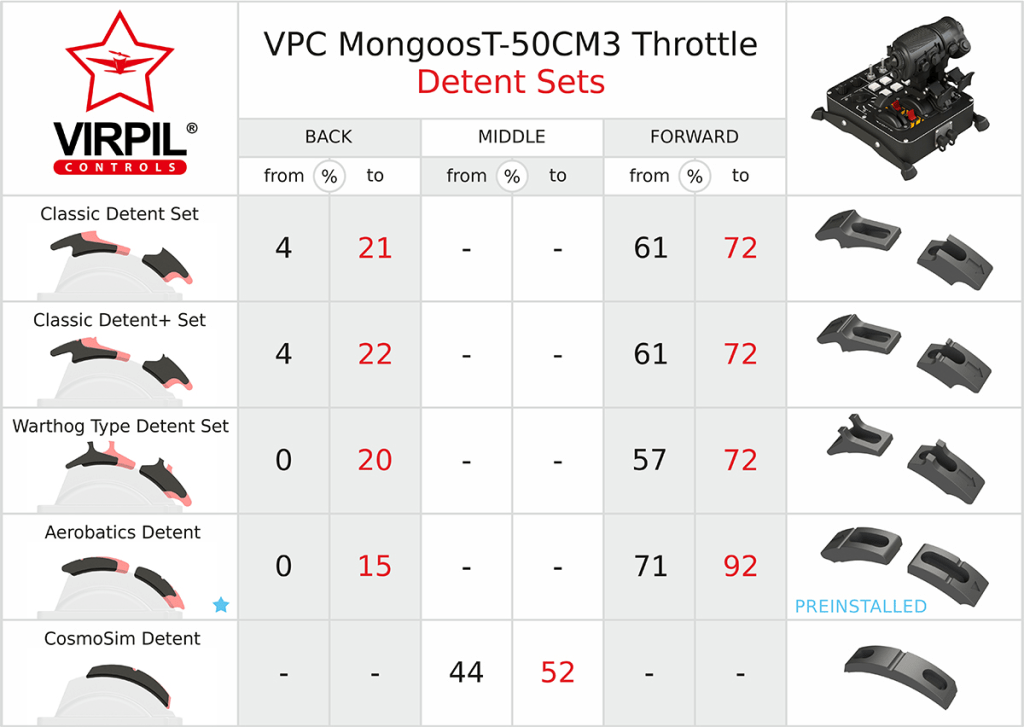
Here are the versions as listed by the product website:
- “Classic” Detents – Lift to pass detents, push return.
- “Classic Plus” Detents – Lift to pass detents, push return but with an additional tactile bump immediately after crossing the detent range.
- “Warthog-Type” Detents – Lift to pass and lift to return detents.
- “Aerobatic” Detents – Push through and push return detents.
- “CosmoSim” Detents – Push through central detent.
If those descriptions don’t fully answer your question on the way that they can be configured, this graphic from the VIRPIL support site surely will.
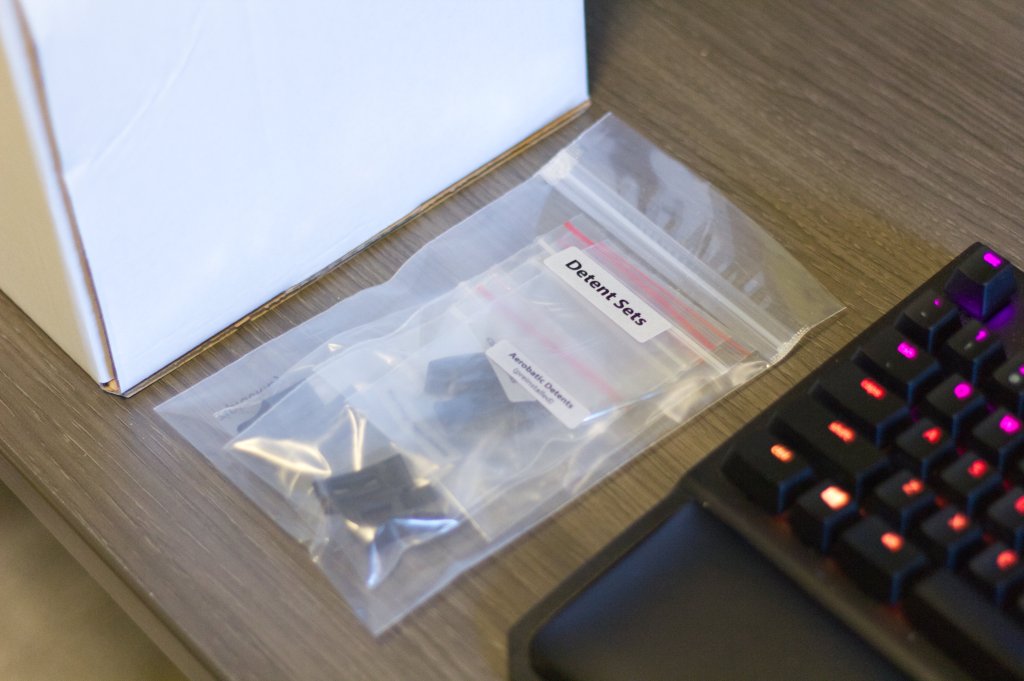
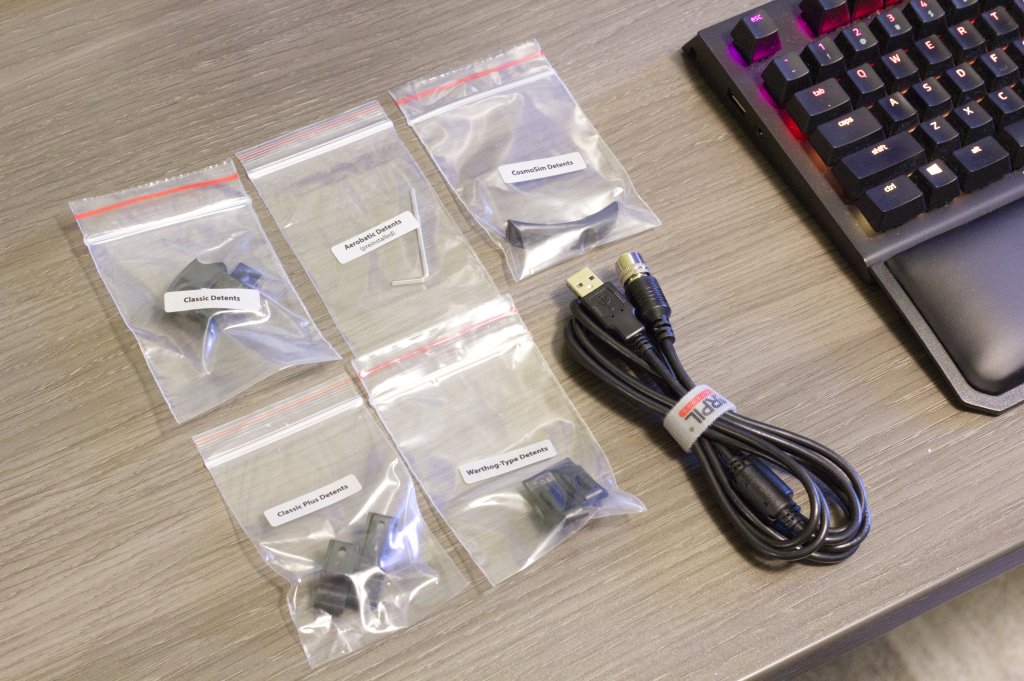
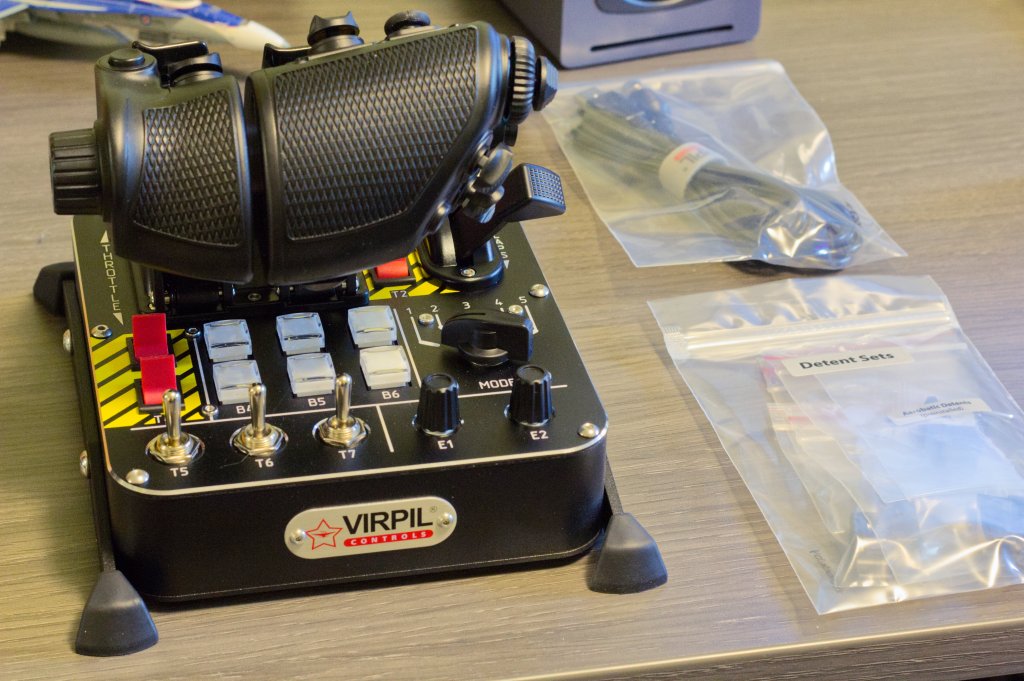
I’ll be exploring each of the detents in time for my full review and I’ll probably cover this section again along with my impressions once I’ve had a chance to do that. In the meantime, you can see each of the detent packages comes with labeled ziplock bags inside a bigger bag. Simple, effective packaging.
Next up, first impressions
I’m looking forward to trying all of these and configuring the throttle to meet some of the things that I’m looking for when flying in all of the different sims that I fly. From X-Plane to Microsoft Flight Simulator to DCS and IL-2, I will be putting this throttle through it’s paces.
Look for my first impressions piece coming soon!








Leave a Reply