
In the last year I’ve had three crashes (not the computer kind) and one end of runway excursion in MSFS. For a sim pilot I feel like I’m doing alright given the range of flying that I do. Still, I have to say that the MU-2, the most recent Local Legend, has accounted for two of those crashes and they’ve both happened in the last 48 hours. Here’s three flights where I explore my mistakes and learning process as I gain some time on the Mitsubishi MU-2!
First flight a disaster
Jumping into the cockpit of the MU-2, I had already watched a couple of videos and familiarized myself with the airplane so I knew mostly what I was getting into. Still, watching is no substitute for experience and my first one was a bit of a disaster.
After going through a reasonably straightforward start up process and getting myself ready to go, I found myself at the end of Runway 27R at Philadelphia International Airport (KPHL) airport. I throttled up and… an accidentally hit the parking brake. Halfway down the runway, with the aircraft not accelerating, I figured out my mistake. Redo time!
After some gaining of speed I managed to get the MU-2 airborne. The aircraft is a bit like some airliners in that it really needs the proper trim and stick procedure or it’ll behave badly on takeoff roll. My technique needed work… not to mention my accidental parking brake incident.
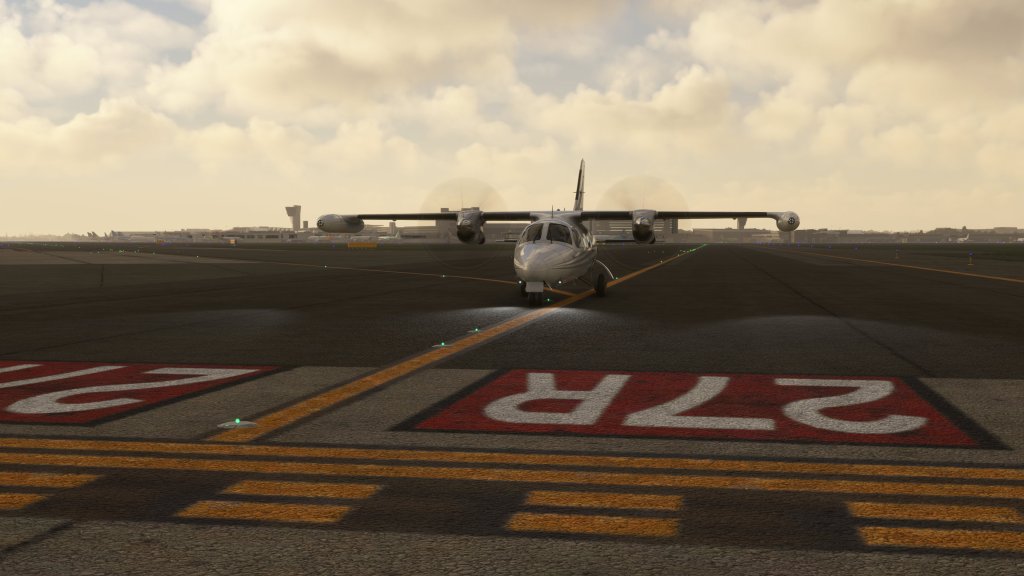
Then I felt like things were getting better. But they weren’t…
Hitting the autopilot I began to learn quickly that the MU-2’s system is a much older technology. IniBuilds seem to have done a great job of simulating this more basic autopilot. With the system on, I engaged heading hold mode and adjusted my climb rate. But soon I found my speed dropping off, a stall warning came on and the aircraft tumbled from the sky.
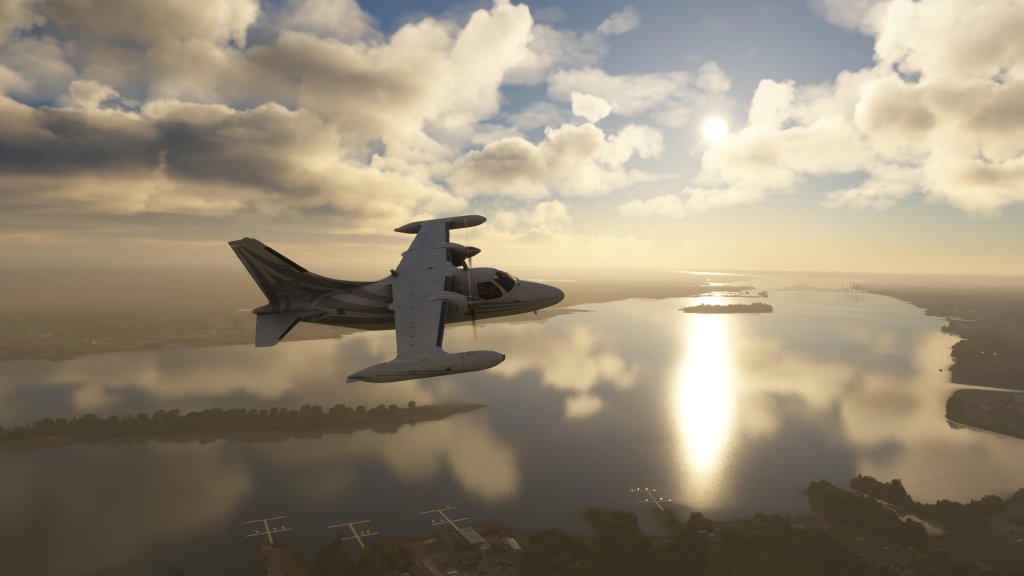
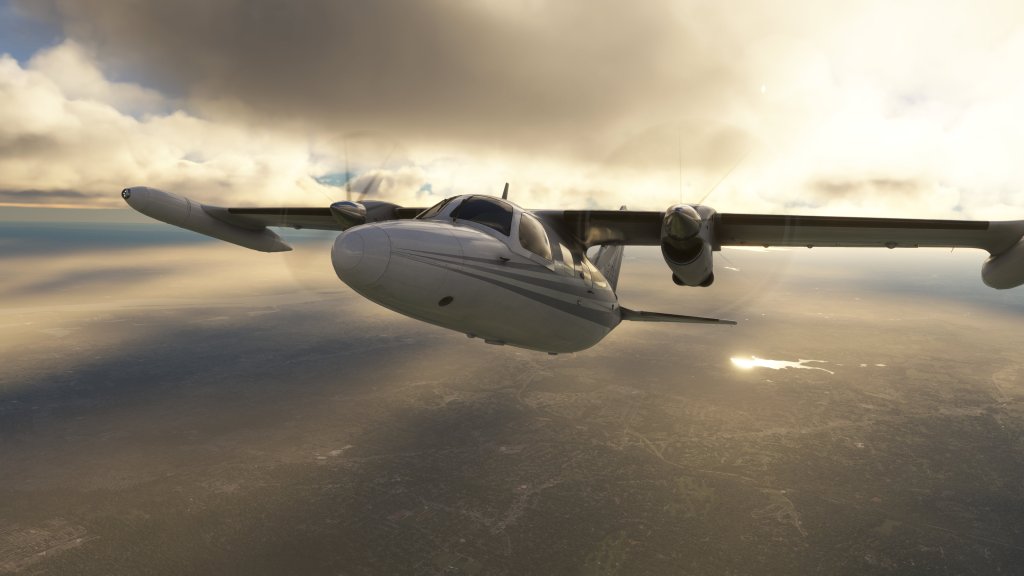

Here I don’t know if a bug or something is law affected me but my MU-2, even with the AP now automatically disengaged, was fighting me. I fumbled to engage and disengage the AP system to see if it’d reset but no luck. The airplane stalled more and crashed into the ground. Ooof.
Second flight a calamity
Later that same day I picked up the MU-2 again. This time I travelled an ocean and continent away to Japan. Doing a forty minute hop from Hachijojima Airport (RJTH) island airport to Tokyo Haneda (RJTT).
Takeoff was much smoother, the climb went far better than before, and I had learned my lesson on managing the airplane and its autopilot system. Mostly.
I cruised over the Pacific spotting the islands of Mikurajima and Miyake off to my left. In the distance, the imposing view of Mount Fuji appeared on the horizon. Then more land appeared and soon I was over Tateyama, south of Tokyo bay, heading for my landing.
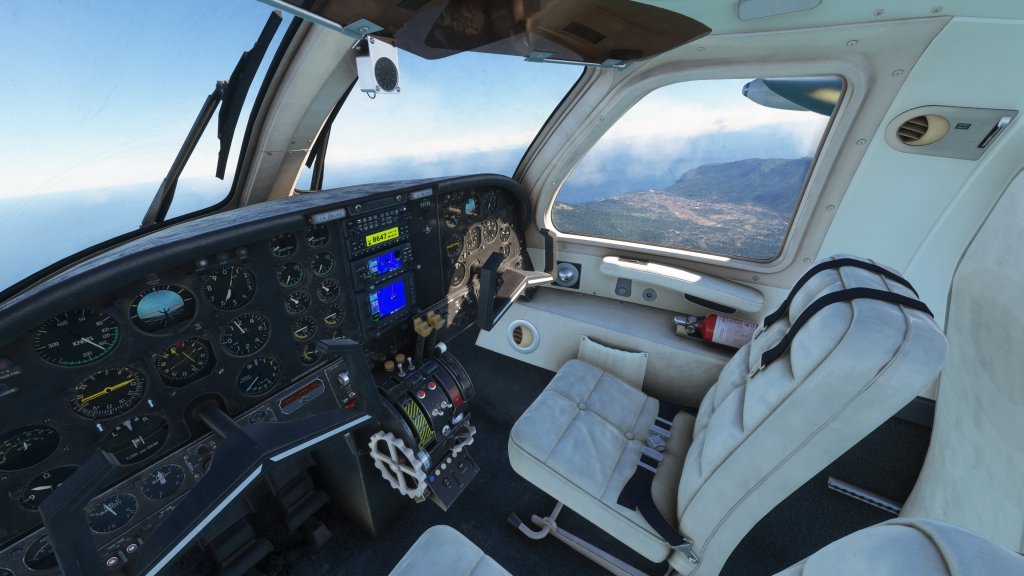
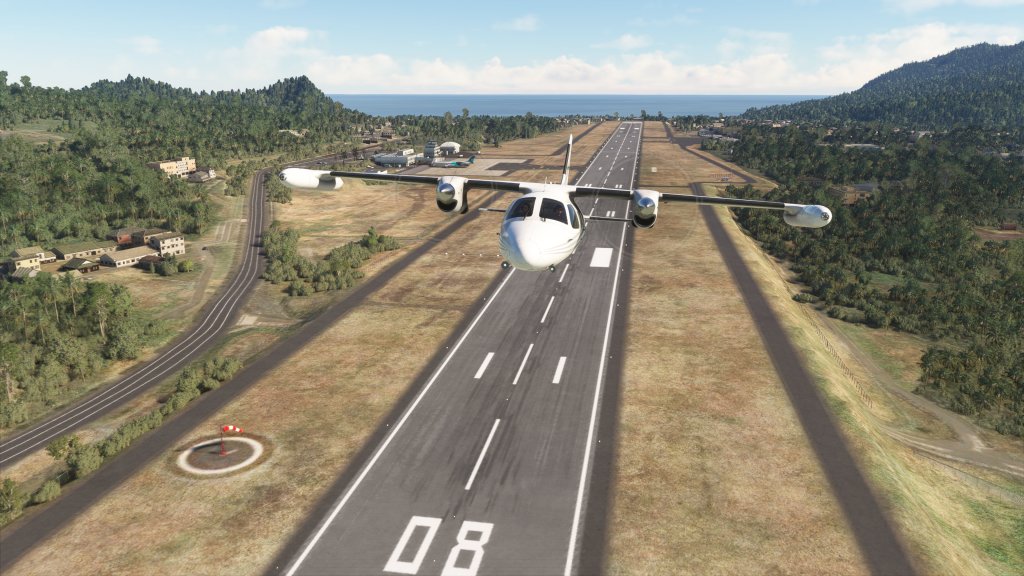
I thought I had everything sorted out at this point but I got distracted setting up for the landing and that’s when things went wrong. I had throttled back for the descent but my speed was actually bleeding off far more quickly as I levelled out.

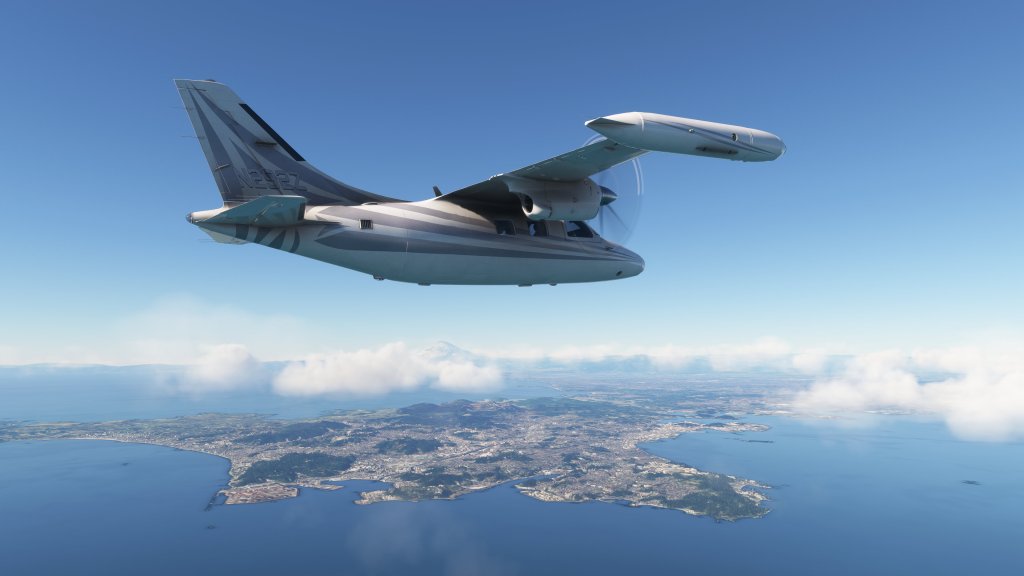
The stall horn came on and the AP disconnected. The MU-2 stalled suddenly and sharply.
Well into my ATC approved descent I was just 3,000 feet above the ground and there was no room for recovery. The airplane crashed into the water.
Mistakes were made and I was determined to get it right.
Third times a charm?
Not wanting to back down from a challenge, I was strongly motivated to get the third time right. My next flight took me to Santa Barbara Airport (KSBA) and then on up to San Jose Mineta International Airport (KSJC) . Starting up the MU-2 much more quickly than my first couple of attempts, this time I was prepared for some of the quirks of this airplane.
I lined up on the runway and made my best takeoff yet. Smooth and up in the air without too much trouble. A banking turn, climbing at full power, and I was up over 10,000 feet quickly and heading north with Santa Barbara airport off to my left.
I climbed up to an ATC approved altitude of 18,000 feet and settled into a comfortable altitude hold with the aircraft following the waypoints. I plugged in a couple of VOR/DME stations along the way using them to test out the aircraft’s navigation systems and everything was working perfectly. The scenery of California passed by quickly as the aircraft easily maintained over 230 knots.


Then it was time to land and this time I was on the ball. I managed the throttle better, keeping a close eye on the airspeed and being much more aware of the braking action of the propellers when throttled down, and maintained a good cruise speed through the descent. I still missed the assigned altitude by 500 feet but better than my previous attempts.
Then it was time to bring it in. I lined up on the runway, gear came down (with a great need to power up to manage the drag), and I began deploying flaps. Full flaps as I neared the runway with no overly difficult to manage pitch up or down behaviours in sight. The MU-2 touched down with a gentleness that I don’t normally achieve.
I taxied and parked the aircraft over at the general aviation and private charter parking area. This time I had it! Third times a charm indeed!


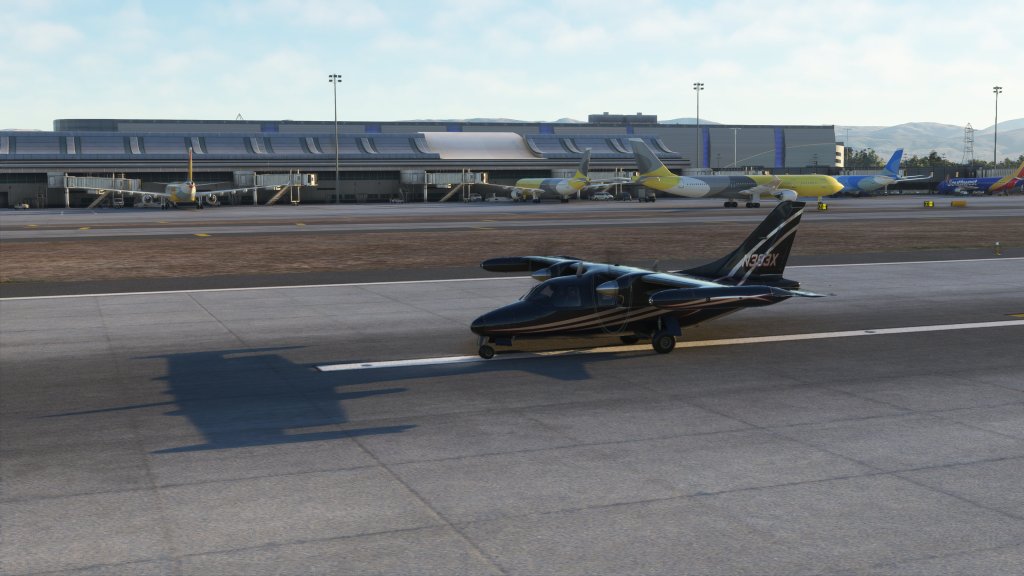

Flying this aircraft has made me once again realize my reliance on autopilot in recent times can, and will, end my virtual flight well before I intend for them to end. Quite unlike a combat sortie where sometimes you can do everything right and still end up in a bad situation… usually your civil aviation sim flights are decided by the mistakes you make. A little humbling is good now and again and fortunately, with pixels on the screen, it just means that its time to hit refly and learn some more.
Full review of the iniBuilds MU-2 coming soon!


 Stormbirds
Leave a reply to Turboprop rocket! MSFS MU-2 full review – Stormbirds Cancel reply