
Just Flight have, as you probably know already, released the V2 version of their Fokker F28 airliner for Microsoft Flight Simulator. This charming old regional jet has a ton of personality baked into it and is easily one of the best airliners in MSFS. One of those flights was in the Argentina Air Force registered Fokker F28 Fellowship that still flies in modern times as one of the oldest jets flying in regular sevice according to this Key.Aero article. I was also inspired by a recent post by Just Flight themselves with a list of modern and historic flights that you can do in the jet. I decided I’d loosely recreate a couple of the flights suggested and so here we go!
Buenos Aires to Cordoba
For this flight I decided to follow a route that this aircraft semi-regularly flies departing Buenos Aires Jorge Newbery Airport (SABE) and heading west to Cordoba International Airport (SACO). My aircraft for today would be the T-50 registered F28 Mk 1000.

For this flight I was using entirely default scenery so there isn’t too much special to see at either airport, however, I was happy to see that everything at these airports seemed to be working correctly and there weren’t any unusual elevation changes.
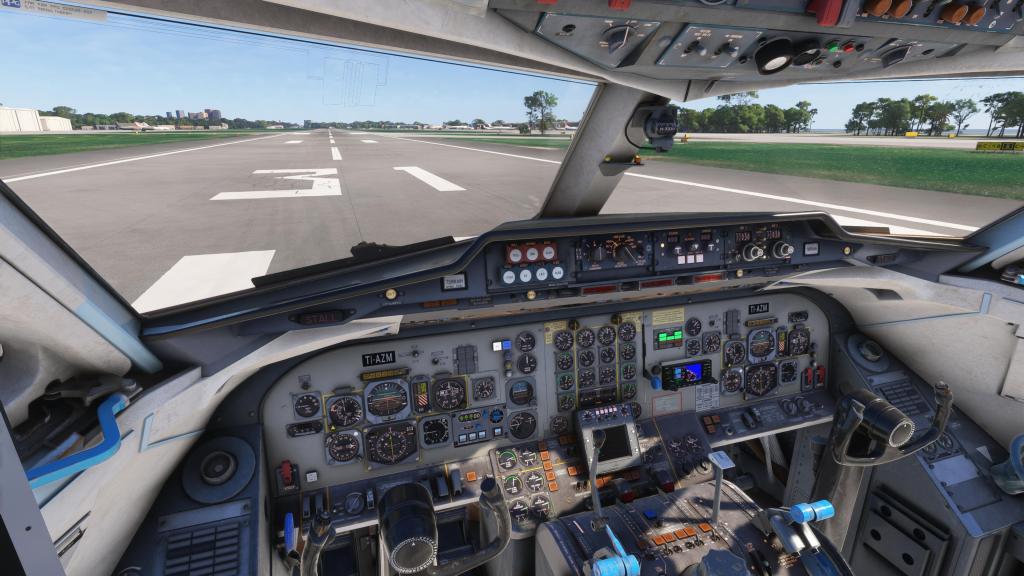
After boarding, powering up the jet, and getting ready to go I taxied out to Runway 31 and got ready for takeoff. Advancing the throttles I noticed immediately that something was wrong. We weren’t gaining speed very quickly… time for a rejected takeoff. Spoilers out and full brakes. The brake gauges showed us reaching the overheat but managed to stop just in time.
Turns out I had accidentally clicked the unlink throttle button and I was getting only partial thrust. Whoops! Taxi again, power up, and immediately noticed the difference. We were airborne quickly and on our way!


Taking off over Buenos Aires I appreciated the scale of the city and the wide area that it covers. It’s a very spread out city with, as I learned later, a population of 3.1 million people (as of 2022). Always good to learn about new places as you visit them in the simulator (or in real life!). I flew the departing SID and got setup onto our route west.
Our route would take us north west along the Paraná River. This river and its associated delta exit into the South Atlantic at Buenos Aires and winds its way inland through several south American countries covering over 4,000 km.
I was struck too by how flat this part of South America is. While the western portion is dominated by mountains, this area is quite similar to other flatland areas and dominated by sparsely populated agricultural areas.

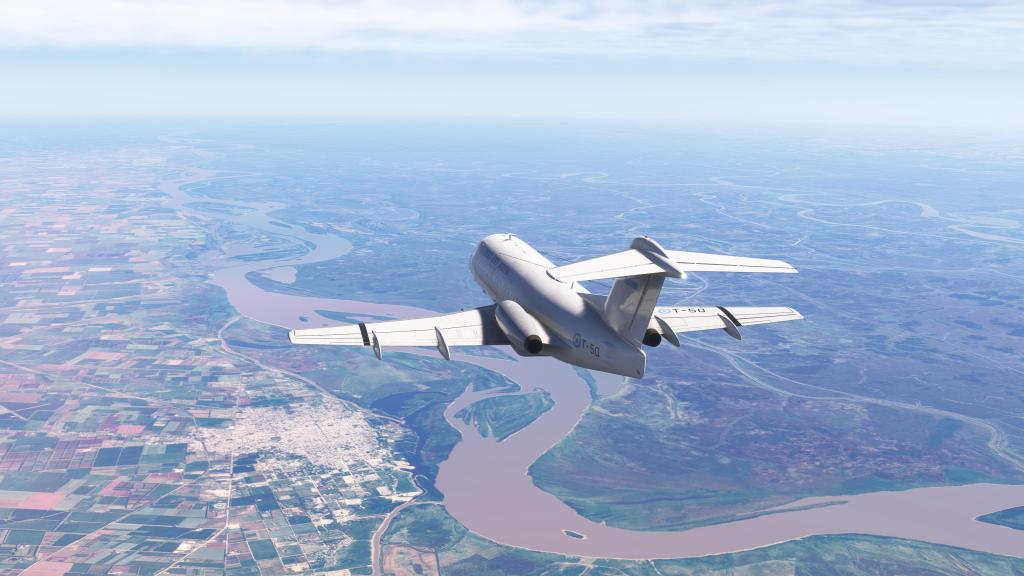


About halfway through the flight we overflew the city of Rosario which I have since learned is the largest city in central Argentina. After passing over the city, we left the Paraná River behind and I began looking at the weather ahead.
As we approached our destination of Córdoba, I could see thicker clouds ahead and some of the foothills that start to rise up ahead of the more mountainous western side of South America.
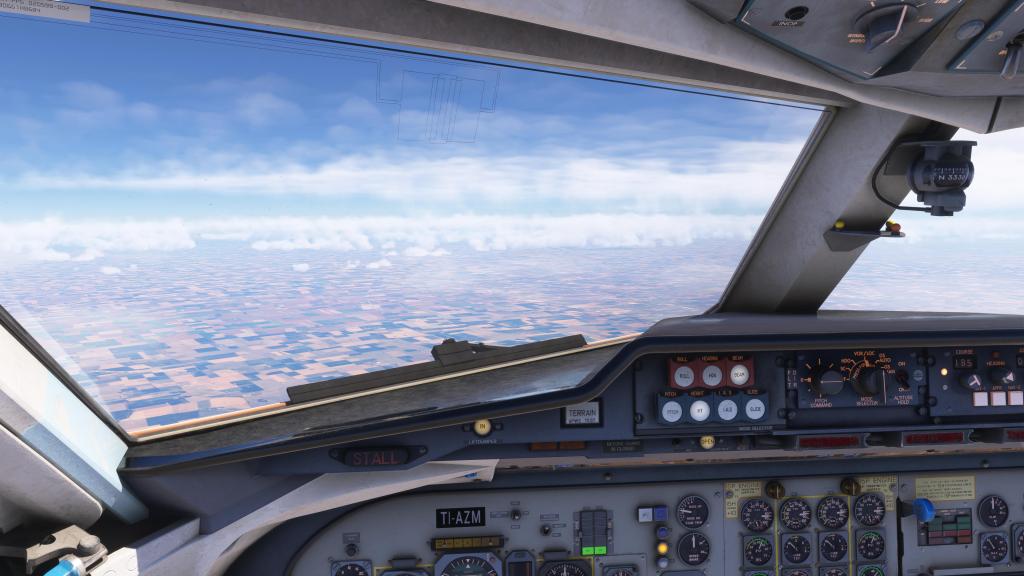
It was at this point that the F28 started to shake around and rise and descend a little into some more turbulent air.
As thicker clouds appeared ahead, it was time to descend. The F28 is a bit interesting here in that throttle is not intended to be reduced all that much and instead the large butterfly airbrake out the back is intended to help slow the aircraft down.

As we descended, we pasted some darker and more dramatic clouds before making the turn towards Córdoba’s airport.


I brought it in for what I think was one of my smoother landings and planted the aircraft with little trouble despite a bit of turbulence and an 8 knot crosswind. Taxied, parked, and deplaned. A good sortie over some unfamiliar territory and an enjoyable flight in the F28!


Rio Gallegos to Ushuaia
That was so fun that I was inspired again by Just Flight’s F28 operations list and flew another F28 sortie in Argentina. This time with the Mk 4000 and T-51. For this flight I would depart Rio Gallegos and head to Ushuaia located at the southern tip of South America. The scenery on landing was sure to be dramatic so I was psyched or this one!
After boarding passengers and cargo, I started the F28 up and got a pushback from the small terminal at Rio Gallegos.
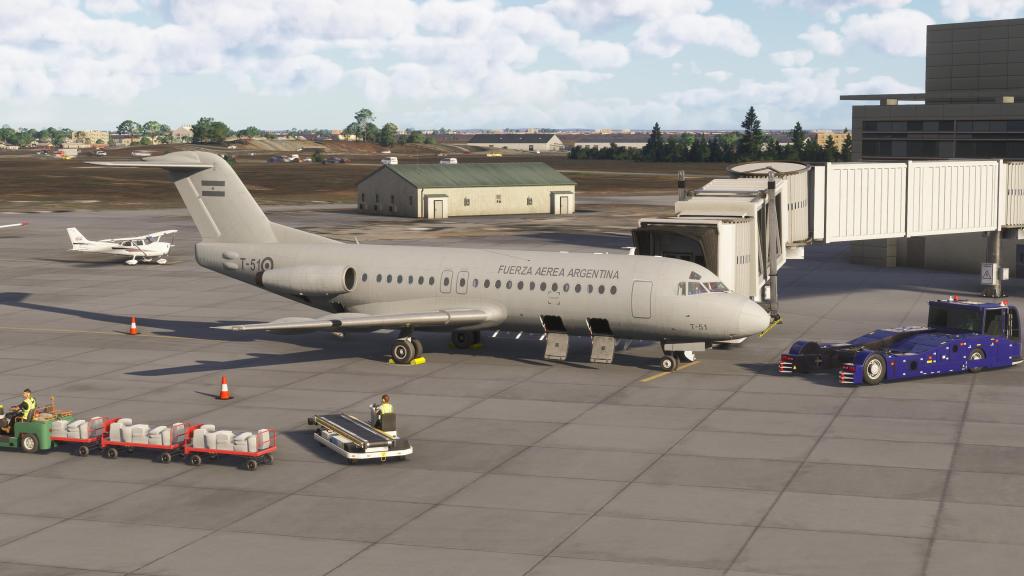
Taxiing took a short period of time and before long we were at the end of Runway 25. A quick taxi on and full power departure in the F28 got us up and away!

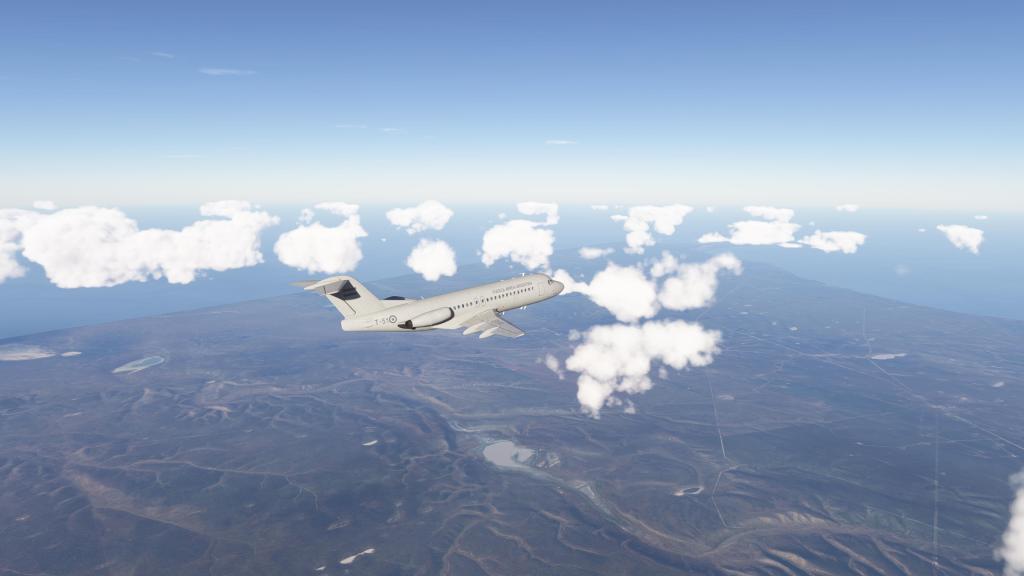
The scenery in this area is a little sparse but that was part of the experience flying down here. I knew we were in for some impressive looking mountains later and so here I appreciated the somewhat more bleak nature of the surrounding area.
As we cruised along the coast, you could make out the vast grasslands, the rivers, inlets and bays along the south Atlantic coast, and the occasional road cutting through it all.
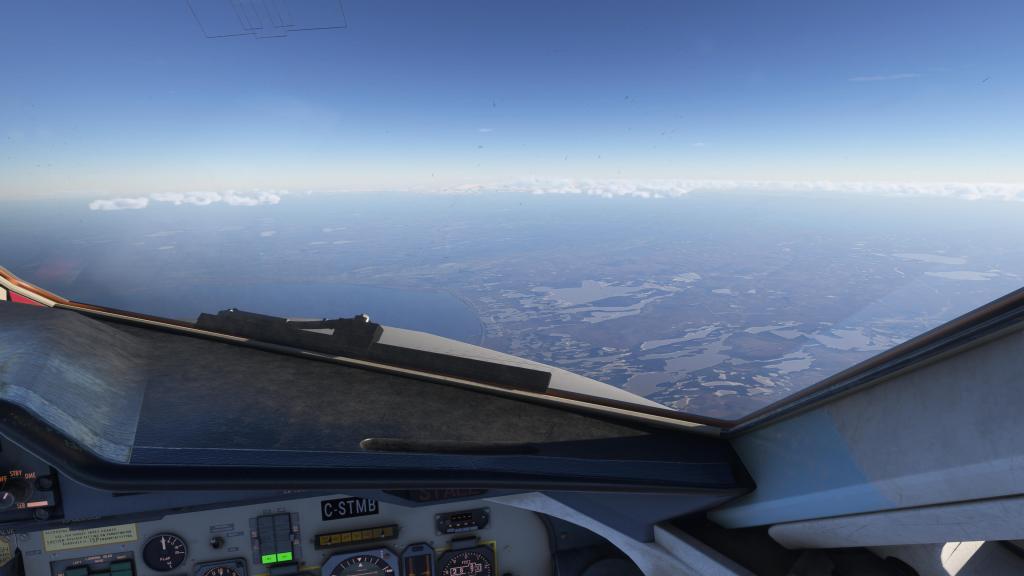

The skies were relatively clear after a brief experience with some icy clouds at higher altitudes and then it was time to descend into our destination.
Mountains rose on the horizon which was the first indication that we were nearing our destination. At this point we reached the top of descent, or the best guess that I could make with the available calculator that I was using, and down we went towards Ushuaia!
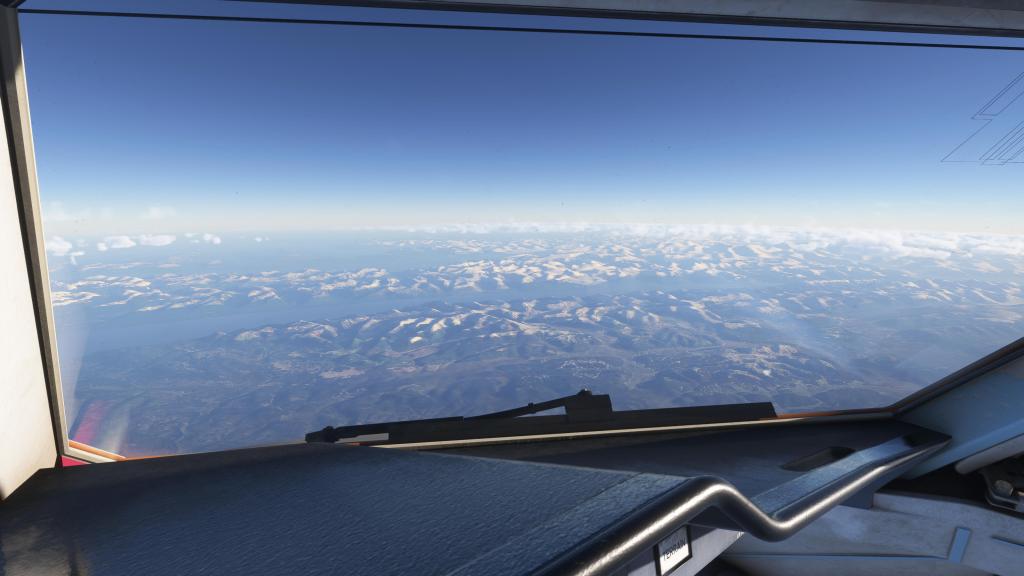
The approach over the mountain ranges here was beautiful and easily the best part of the whole flight. This is what I was looking forward to right from the start.


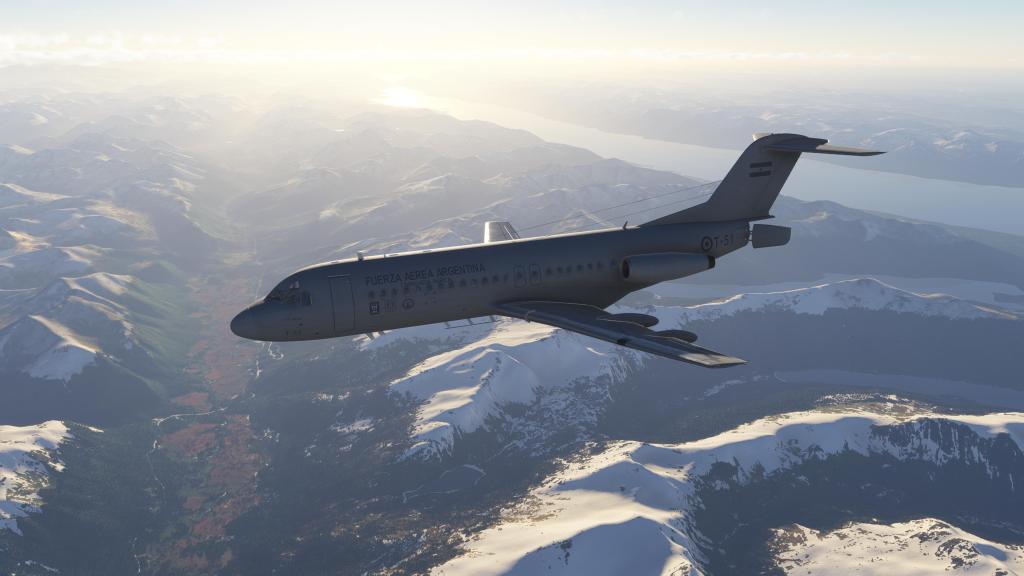

Turning onto final, I followed the flight path down onto runway 25. It was a smooth landing and another enjoyable ending to a flight in the Fokker F28.

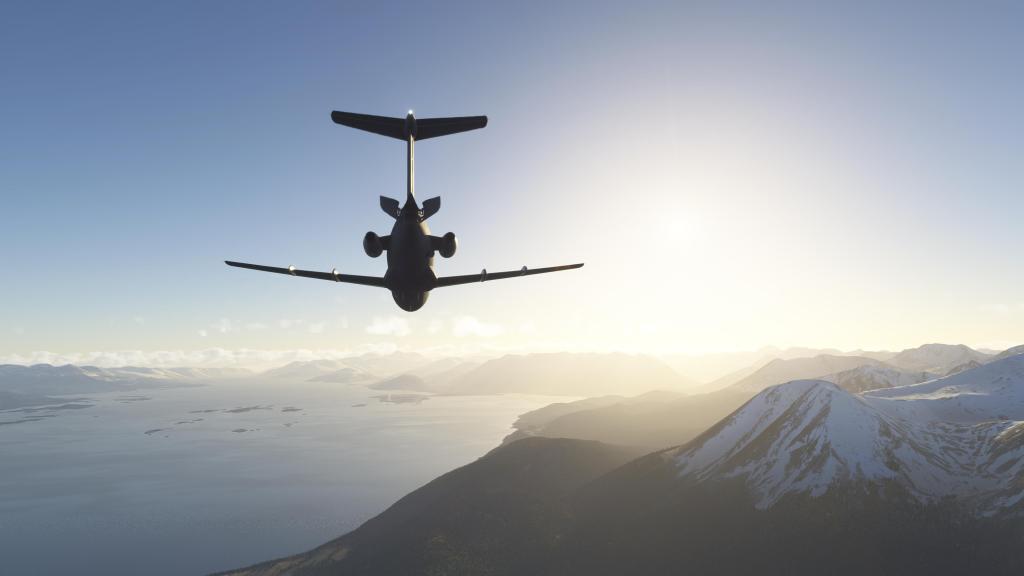
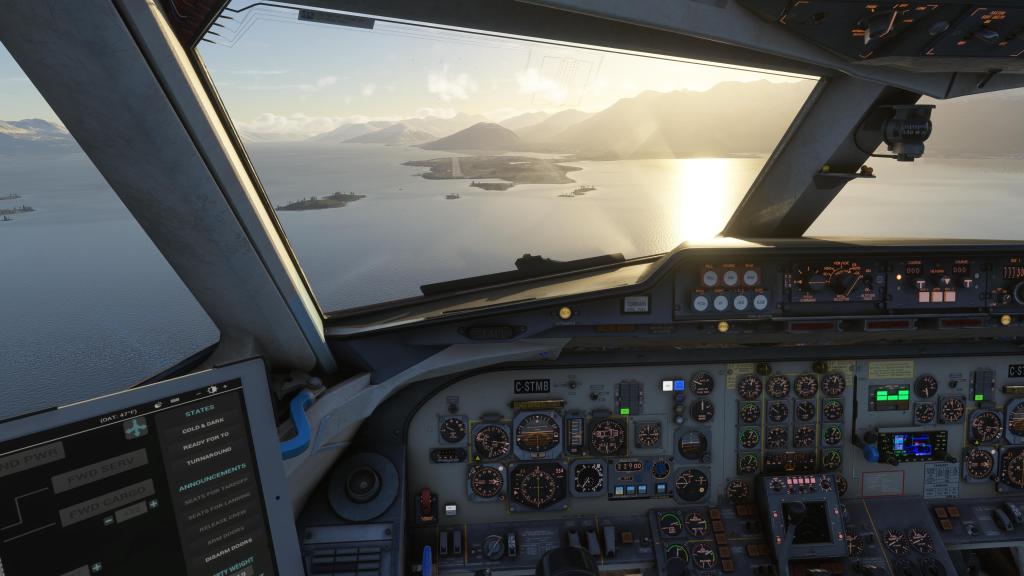

I don’t have any special scenery for Aeropuerto Internacional de Ushuaia / Ushuaia Airport but I will have to look into it because its such an incredible area.
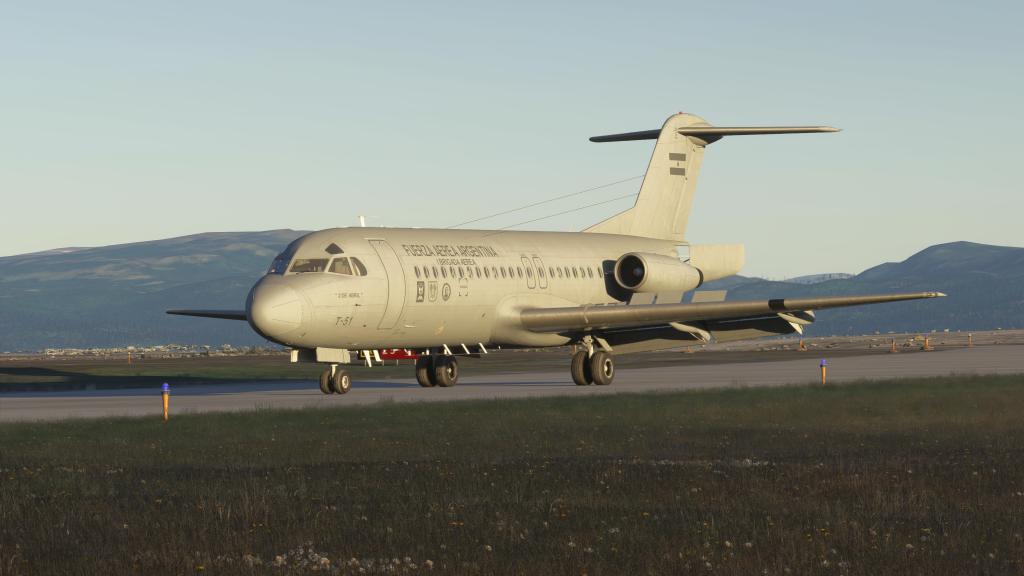

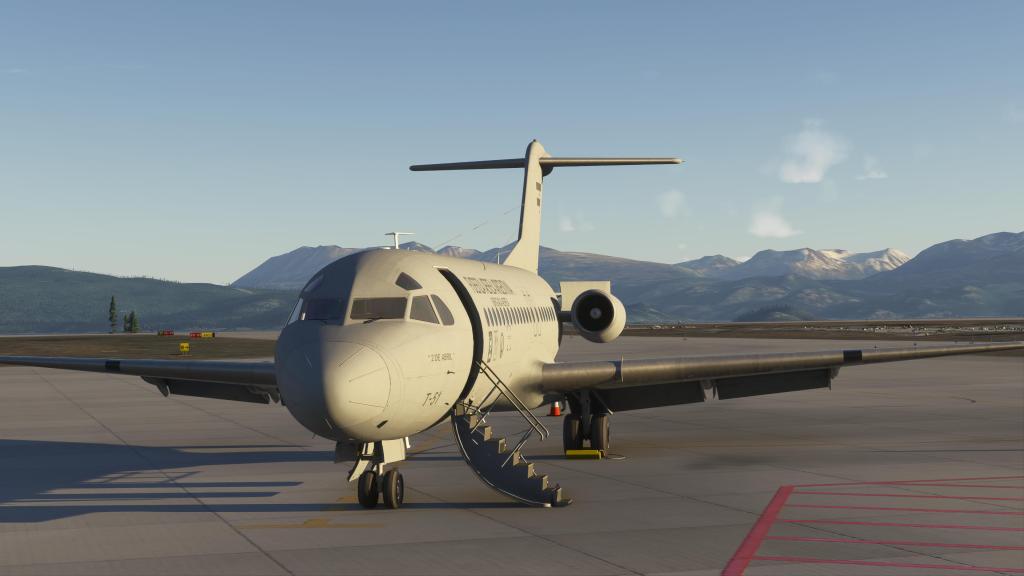
I’ve done a lot of flying with the F28 V2 since it came out but I wanted to share these in their unique locales and based on real world operations that are still going on in the modern day. This is a classic airplane that doesn’t have a lot of real world operations anymore but its always neat to see something carrying on like that. Of course, it can live on in simulation too.




Leave a Reply