
Developed just before the outbreak of war, the early versions of the LaGG-3 had some serious issues. Now we get to experience a tiny piece of that for ourselves with the LaGG-3 Series 4 that has been added to the sim as part of the initial offering of the Siege and Liberation Great Battles release. It’s not the best fighter in history but is it all bad? Can you still have fun with it in the sim environment? Let’s have a look!
A bit of history

The LaGG fighter was designed by Semyon Lavochkin, Vladimir Gorbunov and Mikhail Gudkov and was created in response to an urgent need for the Soviet Union to field new next generation fighters to compete with those appearing in western Europe. Their chief opponent was the Bf109 which had made a significant splash in the fighting during the late parts of the Spanish Civil War. Various designers and bureaus went to work delivering the earliest versions of the Yak-1 and Yak-7, MiG-1 and MiG-3 and the LaGG-1 and LaGG-3 fighters.
The LaGG-3 used a unique combination of chemically reinforced wood with layers of thin birch or pine wood veneer and bonded with a phenol-formaldehyde resin. This was also known as delta wood. The LaGG was not the only aircraft of the war to use wooden construction but was certainly in a small collection of those that did.
The LaGG-1 and then early LaGG-3 models made use of the same M-105 series engine as the Yak series. In overall appearance it was also quite similar to the Yak, however, its heavier construction made it far less agile, not nearly as fast and far slower to climb to altitude. The early prototype actually had quite impressive performance numbers, however, adding all of the necessary combat equipment (radios, ammunition, etc.) and difficulties with the production quality of early aircraft lead to a drastic loss of performance by the time early models arrived.
There are varying and conflicting reputations on how sturdy the airplane was with some reports valuing its double spar wing construction and tough fuselage. Others reported a propensity to light on fire when hit – though that is disputed as the delta wood construction was not particularly fire prone by nature. The nickname “varnished guaranteed coffin” that has sometimes been attributed to the LaGG-3 is somewhat questionable in the light of contradictory evidence.
Whatever the history was, first series production variants struggled with issues that ranged from design to manufacturing. Once in combat, the fighter ultimately struggled to compete and it took an additional year or more to shave weight, improve performance, and deal with production issues. The LaGG series would ultimately be overshadowed by the radial powered La-5 series that succeeded it.
Visuals and sounds


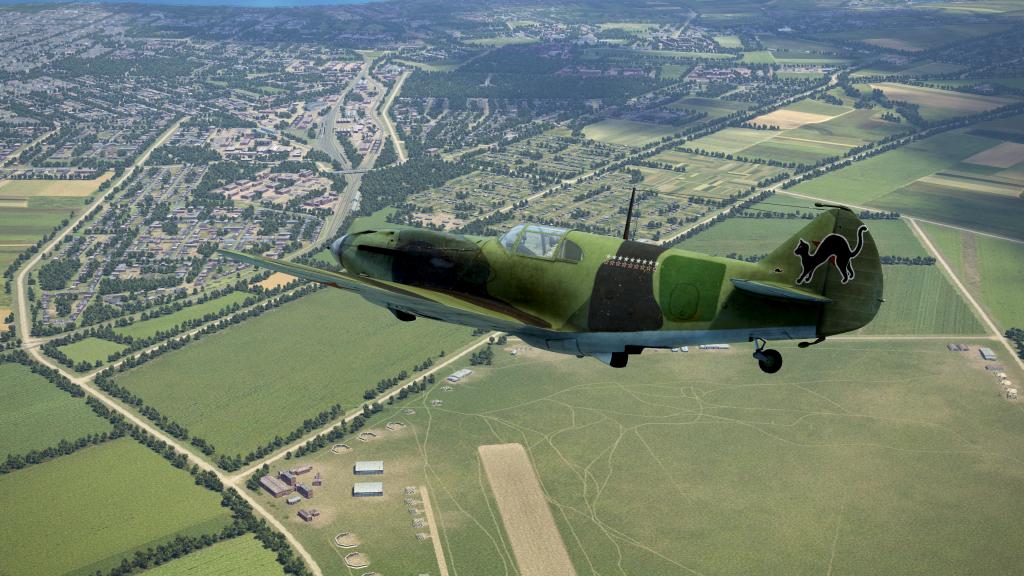


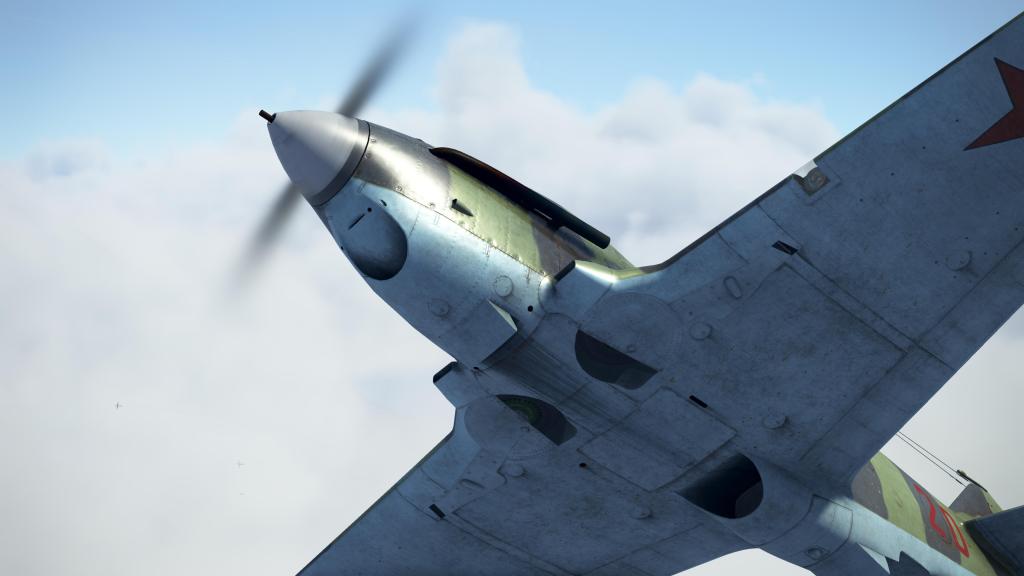


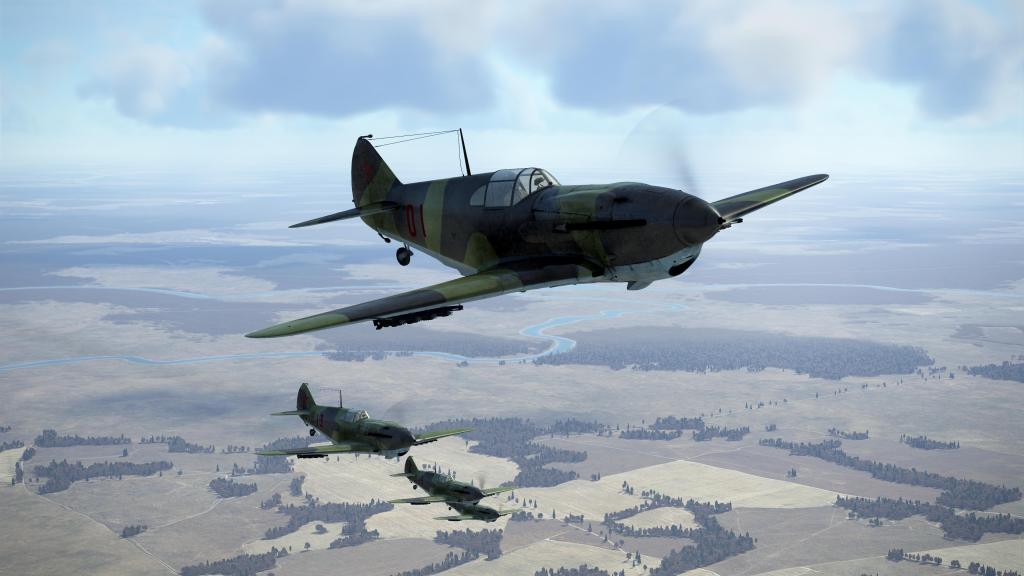
The LaGG-3 occupies an interesting position in the history of the IL-2 Sturmovik: Great Battles series. The LaGG-3 Series 29 was the very first airplane added to the Great Battles title. So early that I first flew it when you could only login to the early access version during the week days. It also had no armament because that hadn’t been added yet either. Very early days! As a result, the LaGG-3 Series 29 has visually (despite a 4K texture update) fallen behind offerings in the rest of the series. Fortunately, this new addition of the LaGG-3 Series 4 helps show off twelve-plus years of progress.
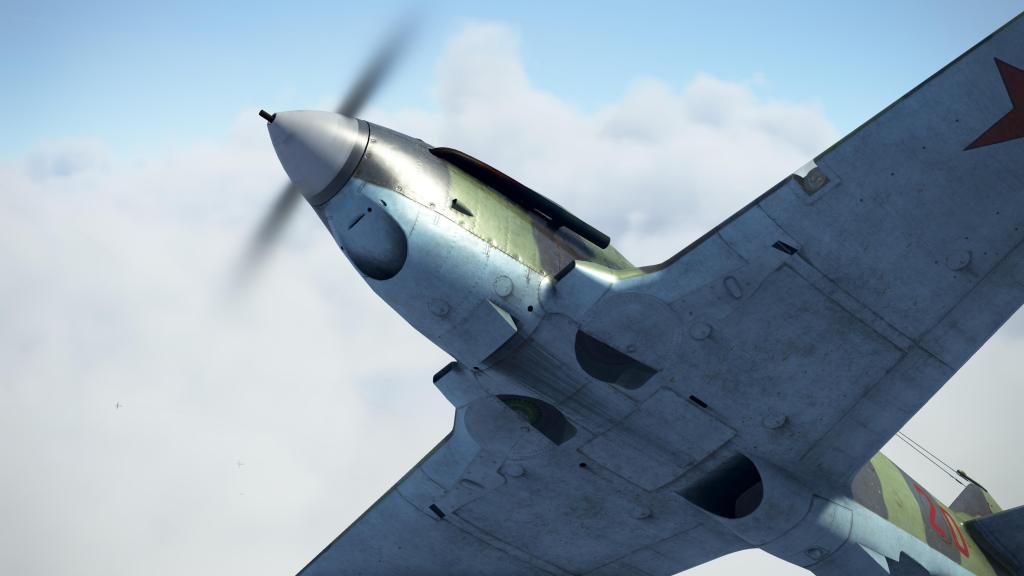
On the exterior, the new Series 4 release has higher poly counts around the radiators and air scoops while the texturing and shine effects are also seemingly better than the Series 29 released over a decade ago.
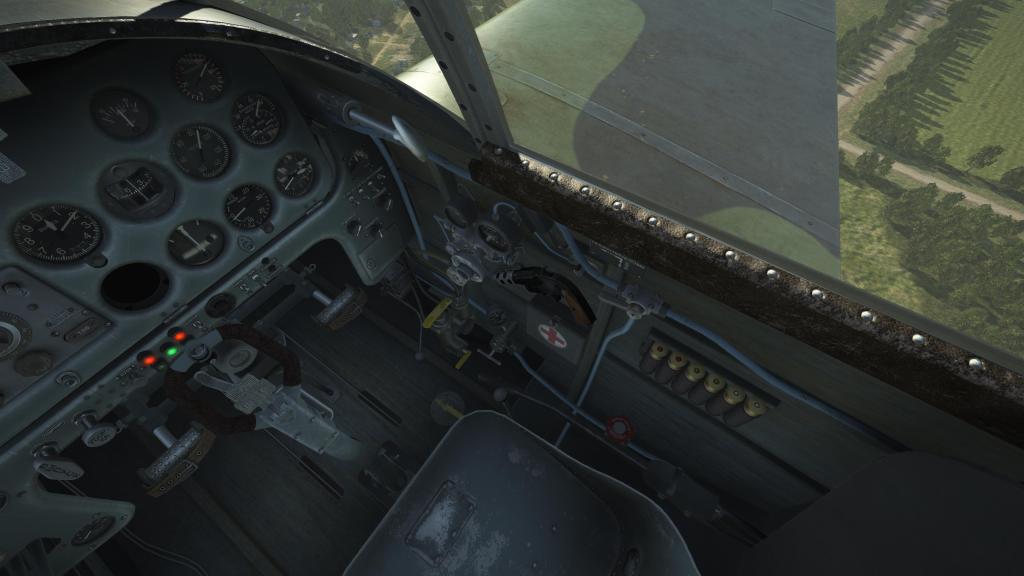
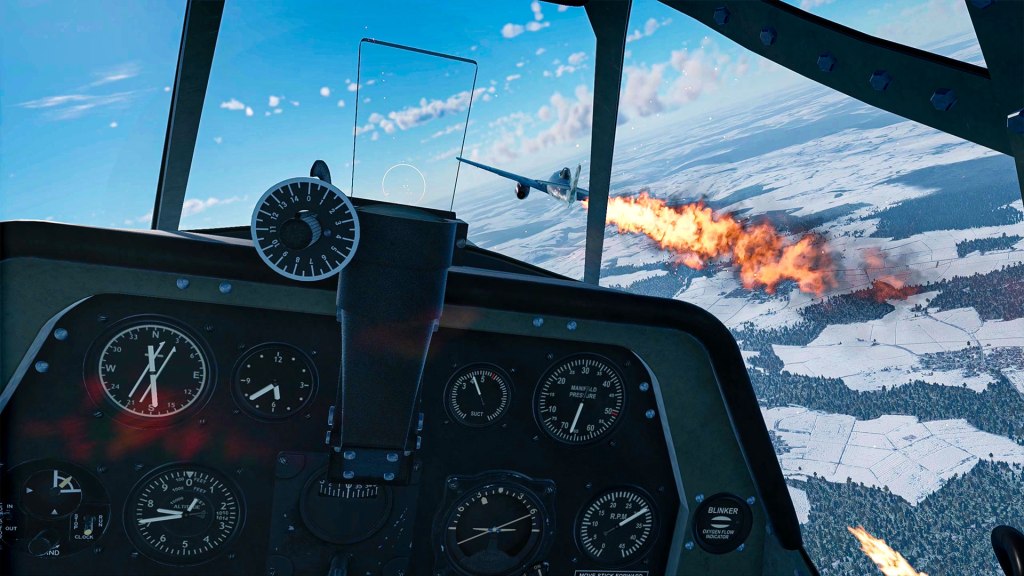
The cockpit, however, is where it really shows the most improvement with a much more detailed and visually pleasing art style.


In taking a lot of screenshots, I’ve also wondered if the prop arc isn’t a little lighter on the Series 4 than on the Series 29 or other fighters for that matter. It may be worth a very slight adjustment. I also feel that the LaGG-3 Series 4, while up to par generally, isn’t quite as spectacular as the work done on the I-153. That one really stands out.
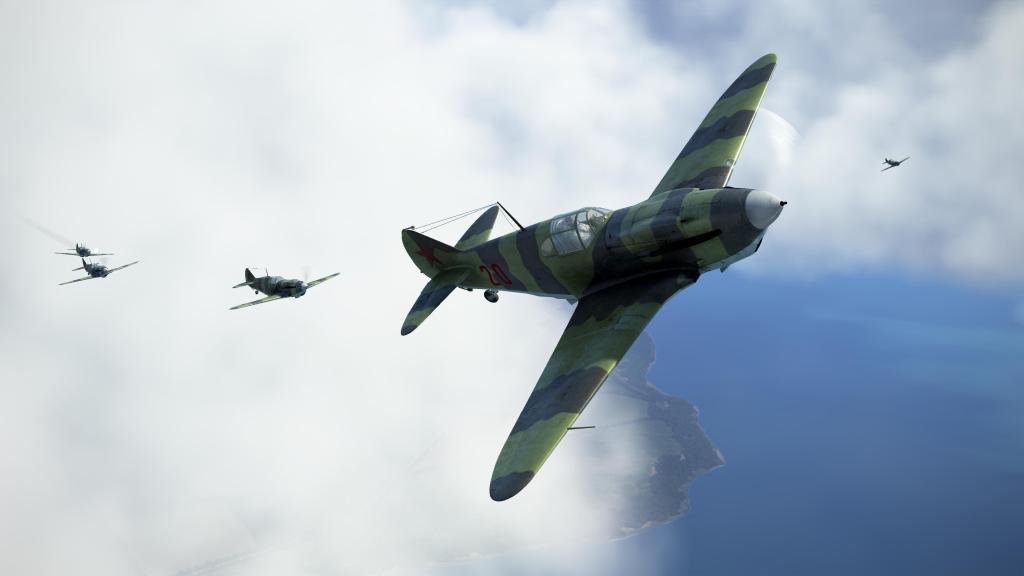
Like the I-153, the LaGG-3 comes with a small selection of generic schemes that are well suited to the tactical code system. There’s a few different camo and national marking styles (these changed quite a bit in the early days of the war) and one winter scheme. There are just three unique schemes from well known Series 4 aircraft. I do wish we got more than the three as there are some really interesting ones out there.




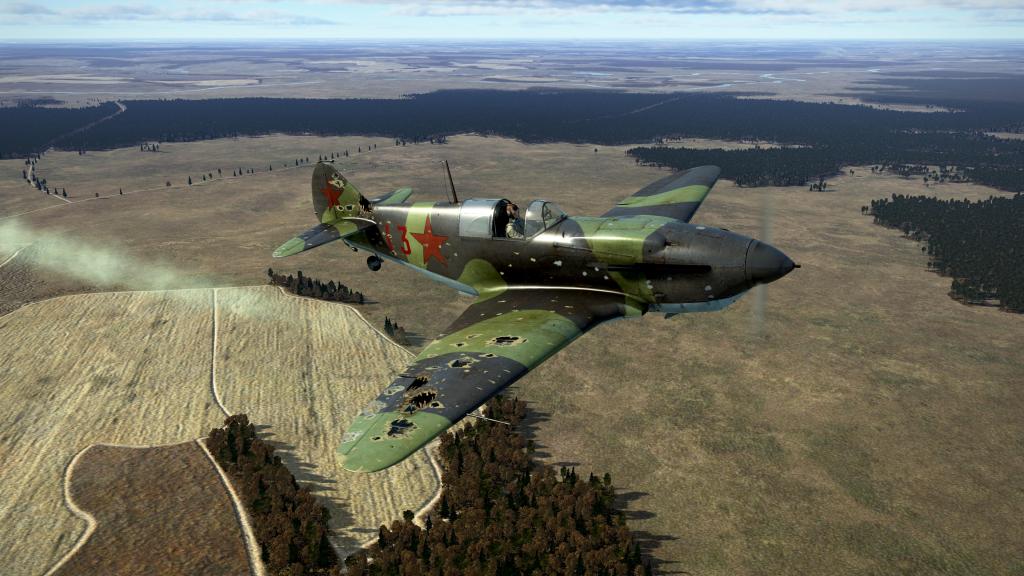
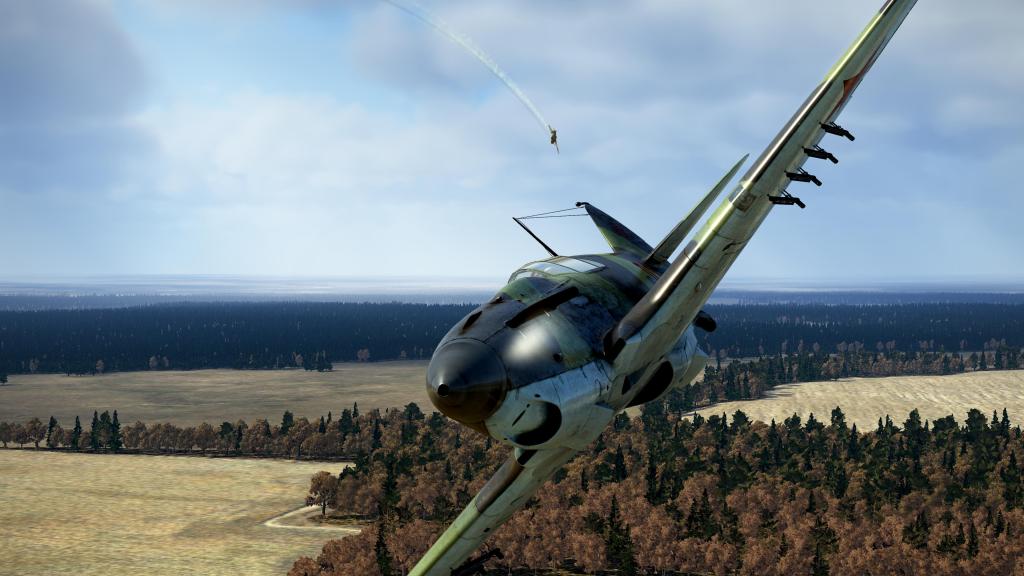
Like other releases, the LaGG-3 makes ample use of the various damage systems that the sim has including the damage decal system. I spent more than the average amount of time getting hit by enemy weapons and so many of my LaGG-3 Series 4 sorties resulted in me returning to base (or not) with quite a few holes.



Sounds are as you’d expect in the series. On par for everything else that I’ve tested recently.
Flying the LaGG-3 Series 4
The LaGG-3 Series 4 differs quite a bit from the Series 29 in enough ways that you really have to remind yourself that you’re not flying the same aircraft.
Takeoff roll is long and climb rate initially is quite slow. Its one of the longest and slowest in the series in my estimation and you really have to trust in the process to just keep your speed increasing while you get your first few hundred meters of altitude. After that it feels more similar to the Series 29 but the first takeoff I did was a bit hairy.
While the takeoff is a bit challenging on shorter fields, the LaGG-3 Series 4 is in other ways quite average and benign as a WWII fighter. Controls are reasonably well balanced, roll rate is actually quite good in most speed regimes, and while climb is slow (see the performance numbers below), its relatively consistent.
On the other hand, when you push it to the edge of its flying envelope, primarily in combat, where things fall apart. The the lack of leading edge slats and the heavy weight means that it will bite you if you try and fly it in the same way that you do other fighters. It needs more gentle control and close attention paid to angle of attack or you’ll find the airplane in an accelerated stall that you really didn’t want to be in. The Series 4 is harder to recover than the Series 29.
I’ve written a bit about how the LaGG-3 Series 29 quite decent to fight in with Battle of Stalingrad but it’s the Series 4 (and other earlier models) where the airplane earned its poor reputation with its pilots and you can experience a tiny piece of why that is thanks to some of these performance attributes.
A few other items of note. The radiator controls on the Series 4 are simple with just the ability to adjust the water radiator. Oil control is locked open. On the Series 29 you can close that up too if you want. Its also worth noting that Supercharger stage 2 comes in around 3.6 km so you will have to get used to not switching it as low as you would with the Series 29 and its adjusted M-105PA engine.
Now as much as all of these negative attributes may be a disincentive to fly the airplane, I rather see it as an interesting flying challenge. Unlike a lot of civilian aviation aircraft out there, combat aircraft from WWII are full of quirks and the LaGG-3 is slightly more quirky and flawed than most. You can have fun with it. You can also experience the series of aircraft and how it evolved going from LaGG-3 Series 4 all the way to La-7 (which is coming later this year in the same package) for a tremendously different level of performance. I always find that interesting.
Fighting in the LaGG-3 Series 4
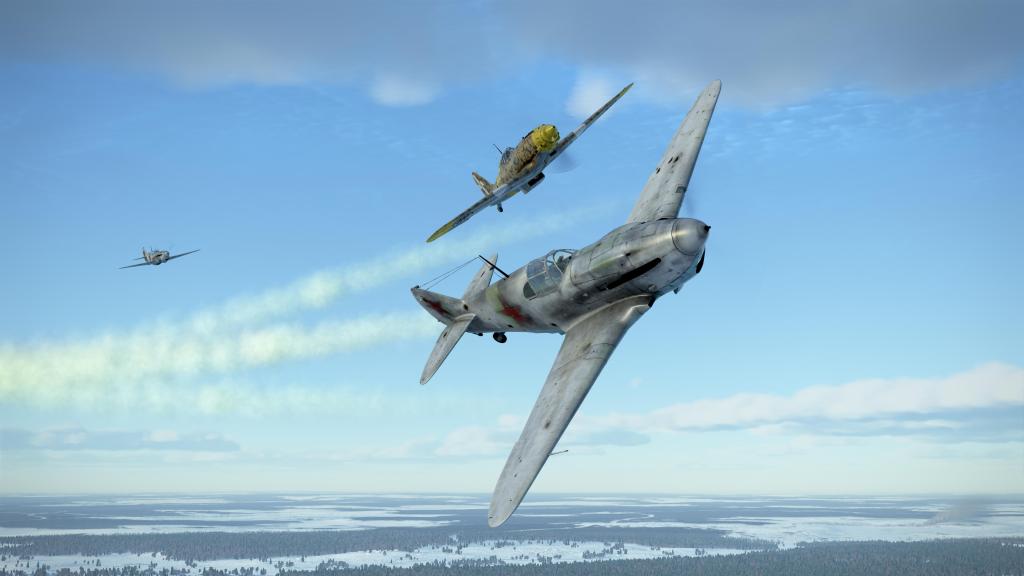

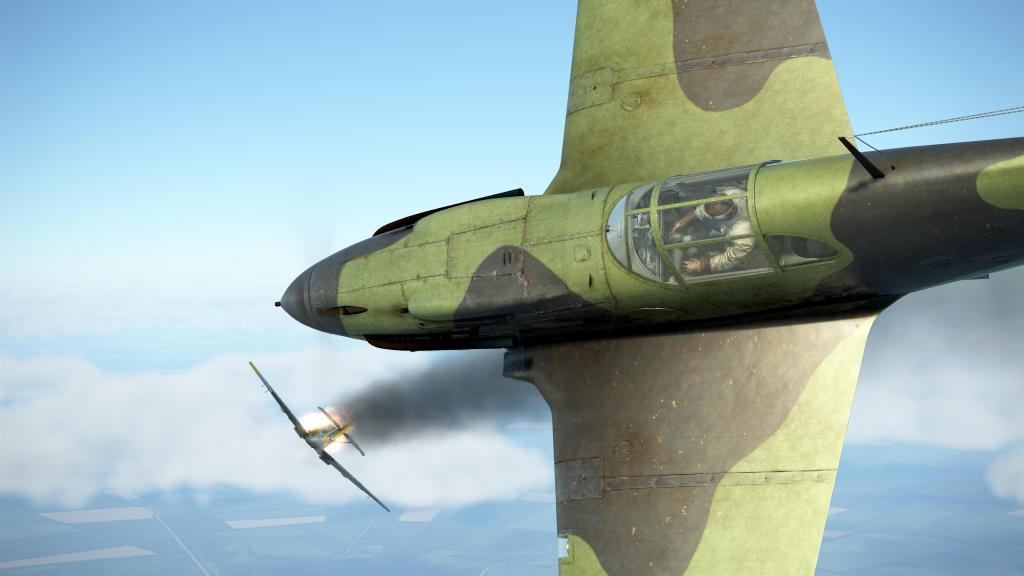
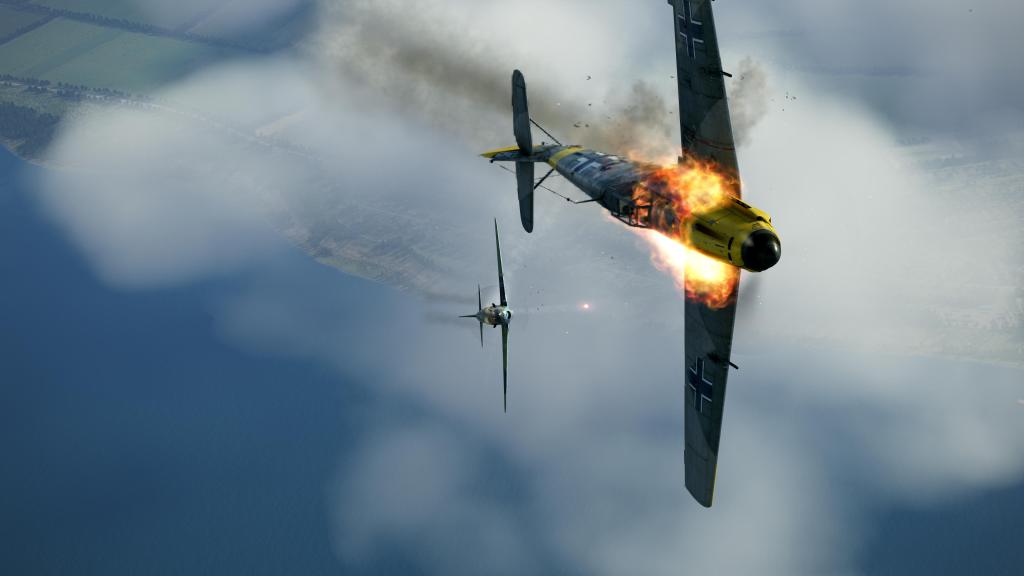

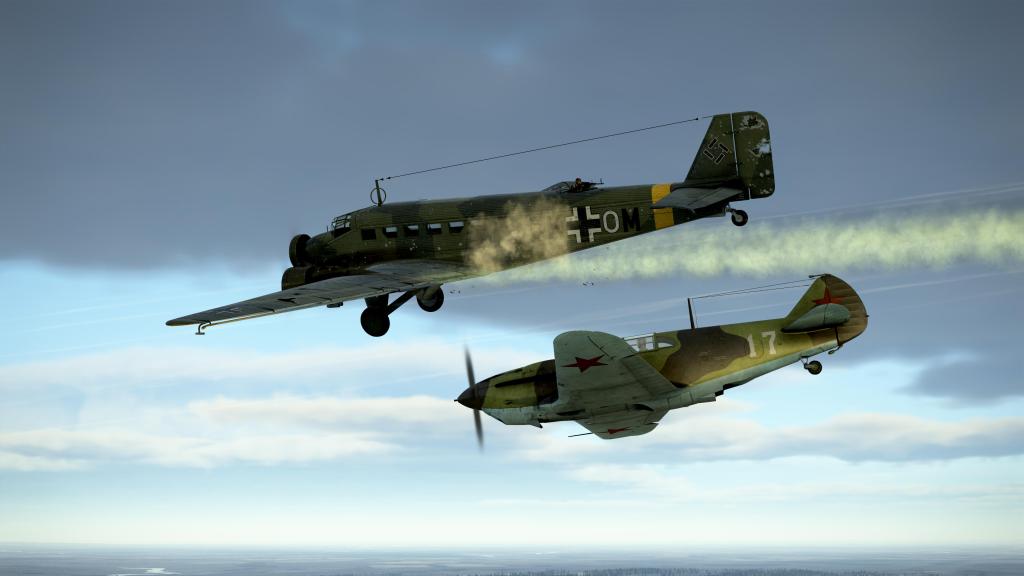
The key attribute for the LaGG-3 Series 4? Firepower. Owing to the pre-war idea that high performance fighters would be used to chase down and destroy enemy bombers with heavy firepower, the LaGG-3 Series 4 was fitted with two ShKAS machine guns, one UBS 12.7mm machine gun, and one 20mm ShVAK cannon. This being one of several combinations tried in the earlier series.
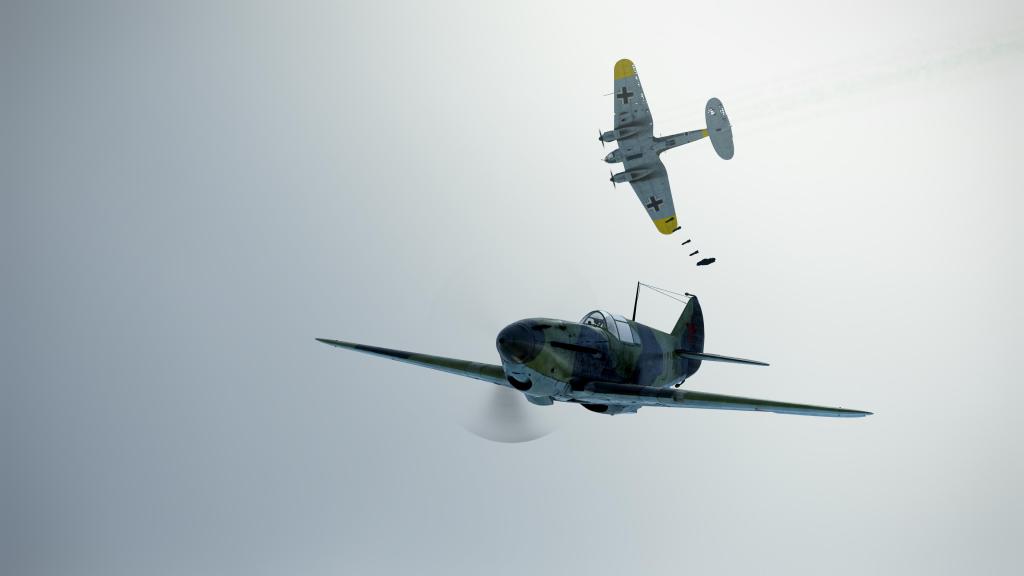
Notably, the Series 4 in the old Forgotten Battles series had one more UBS machine gun but it seems that updated data suggests only one of these guns were fitted with an asymmetric layout. It matters little as the five guns output a lot of firepower for an aircraft in the 1941 time period and that makes it well suited to attacking Ju87s, He111s, and even the Bf110E from positions of advantage. The firepower can cause serious damage in a very short burst.


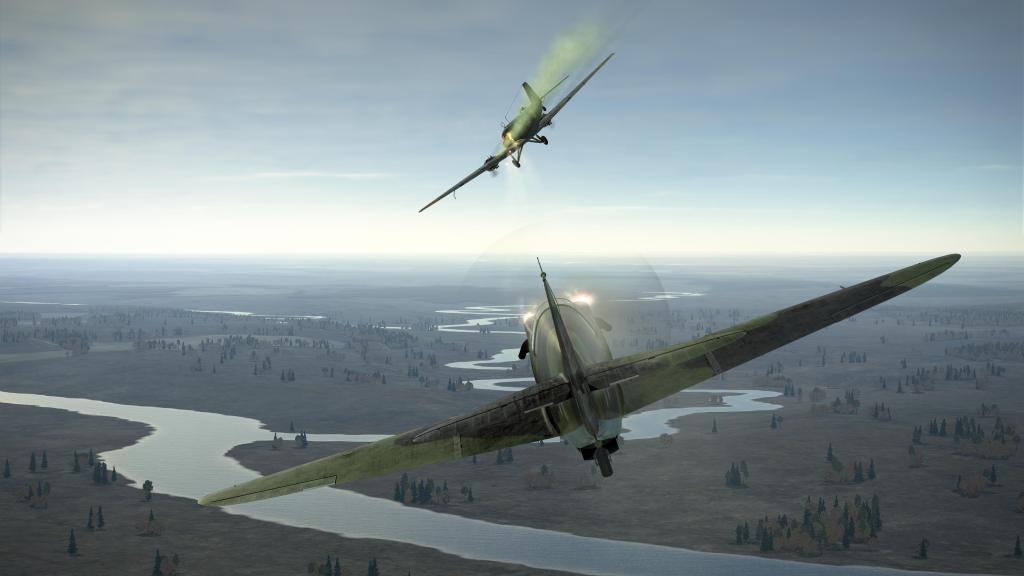

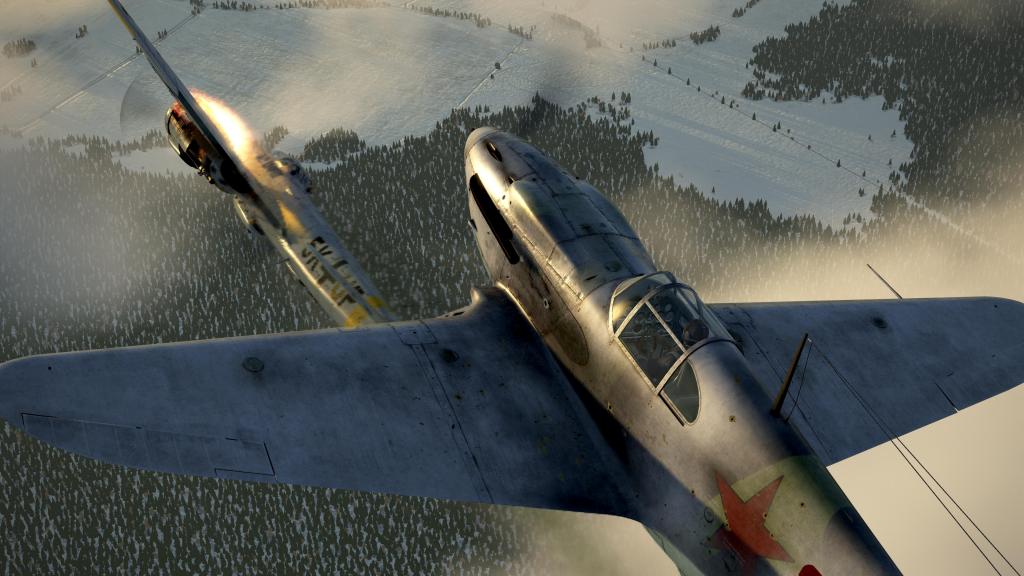
Versus fighters, however, it struggles. It just barely keeps up with the Bf109E-7 at sea level and up to around 2,000 meters before falling back sharply as altitude increases. It also manages to outpace the IAR80 at most altitudes but not the MC.202. Therefore, it does best when used in hit and run attacks flying in with as much speed as possible and engaging the enemy with short bursts of heavy firepower.
Its slow in a turn, it bleeds speed quickly, it also climbs much more slowly than the opposition. This means that you basically get one chance with the LaGG-3 Series 4 to engage the enemy. Staying and fighting in any sort of frenetic air combat is going to find it very quickly at a disadvantage. The weight can help with zoom climbs back up to altitude after a bounce but you will really struggle if you don’t enter the fight without a decisive advantage in energy.
This is not the fighter that you hop in a multiplayer server expecting to dominate the skies with. On the other hand, any kill with the LaGG-3 Series 4 will be an earned victory and the right kinds of tactics mean that you can still be effective with it.
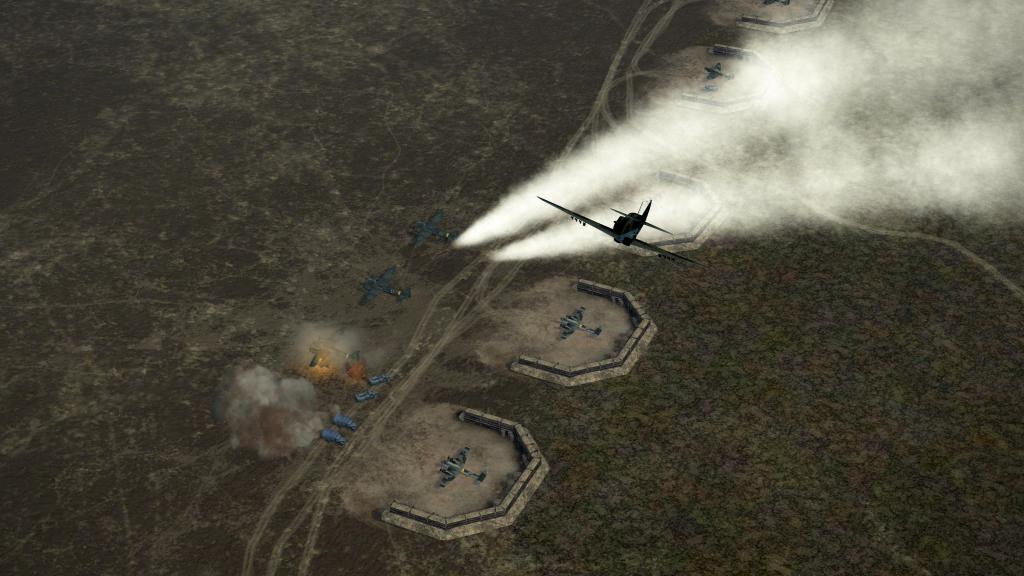

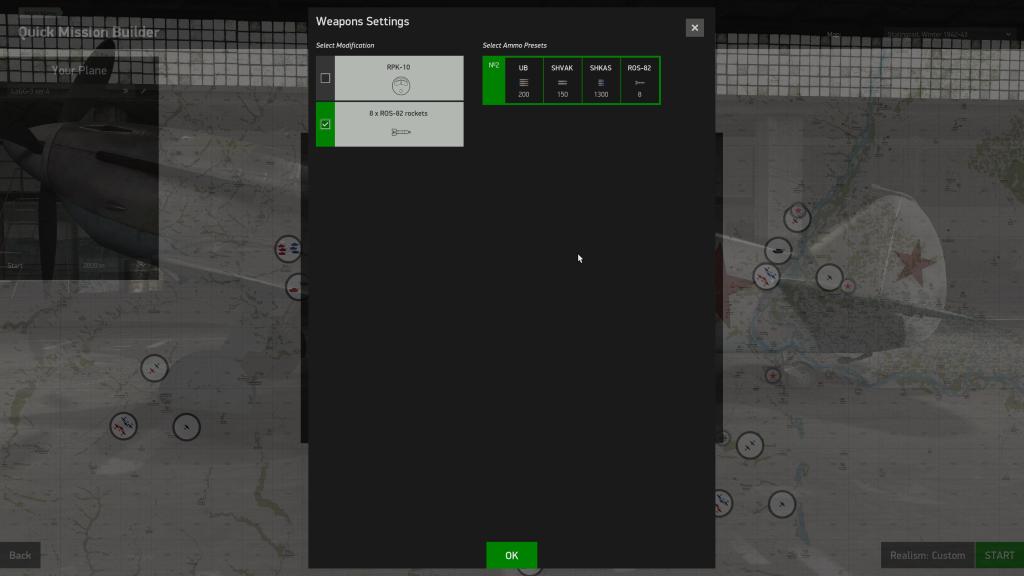
The LaGG-3 has some fighter-bomber capabilities too with the ability to eight carry RS-82 rockets. There are no provisions for bombs here. Fortunately the tough airframe and gun armament can also make short work of lighter targets. Its not Sturmovik but if you wanted to fly some striker type missions, the LaGG-3 Series 4 is capable.
Performance comparison
Bf109E-7
Speed
- Maximum true air speed at sea level, engine mode – Emergency: 477 km/h
- Maximum true air speed at 2000 m, engine mode – Emergency: 520 km/h
- Maximum true air speed at 5000 m, engine mode – Emergency: 564 km/h
Climb
- Climb rate at sea level: 14 m/s
- Climb rate at 3000 m: 13.3 m/s
- Climb rate at 6000 m: 7 m/s
Turn
- Maximum performance turn at sea level: 20.5 s, at 270 km/h IAS.
- Maximum performance turn at 3000 m: 25.5 s, at 270 km/h IAS.
IAR80
Speed
- Maximum true air speed at sea level, engine mode – nominal: 433 km/h
- Maximum true air speed at sea level, engine mode – emergency: 450 km/h
- Maximum true air speed at 4700, engine mode – nominal m: 511 km/h
- Maximum true air speed at 3800 m, engine mode – emergency: 514 km/h
Climb
- Climb rate at sea level: 14,1 m/s
- Climb rate at 3000 m: 13,6 m/s
- Climb rate at 6000 m: 9,7 m/s
Turn
- Maximum performance turn at sea level: 17.8 s, at 300 km/h IAS.
MC.202
Speed
- Maximum true air speed at sea level, engine mode – Combat: 500 km/h
- Maximum true air speed at 2000 m, engine mode – Combat: 543 km/h
- Maximum true air speed at 5000 m, engine mode – Combat: 604 km/h
Climb
- Climb rate at sea level: 17.3 m/s
- Climb rate at 3000 m: 15.1 m/s
- Climb rate at 6000 m: 10.6 m/s
Turn
- Maximum performance turn at sea level: 22.6 s, at 270 km/h IAS.
- Maximum performance turn at 3000 m: 28.2 s, at 270 km/h IAS.
LaGG-3 Series 4
Speed
- Maximum true air speed at sea level, engine mode – Take Off: 475 km/h
- Maximum true air speed at sea level, engine mode – Nominal: 465 km/h
- Maximum true air speed at 2000 m, engine mode – Combat: 506 km/h
- Maximum true air speed at 5000 m, engine mode – Combat: 523 km/h
Climb
- Climb rate at sea level: 12.5 m/s
- Climb rate at 3000 m: 11.2 m/s
- Climb rate at 6000 m: 7.9 m/s
Turn
- Maximum performance turn at sea level: 22.3 s, at 280 km/h IAS.
- Maximum performance turn at 3000 m: 29.1 s, at 270 km/h IAS.
Where can you fly it?
As with the I-153, the LaGG-3 Series 4 right now doesn’t have any career mode experiences available. That will change with the aircraft being a part of both the Odessa and Lenningrad careers in 1941. It may also end up being a part of the Moscow and Stalingrad careers although I’m not sure if that is planned or not.
It is available in the AQMB for Moscow, Stalingrad, and Kuban which gives you some good quick missions if you want to take the LaGG-3 into some varried combat situations. Its obviously available in all standard quick mission builder scenarios too.
The LaGG-3 is now available on some servers (together with the I-153 which has also filtered its way into play) so you can definitely take it up for a spin in a multiplayer environment.
Final thoughts
The LaGG-3 Series 4 is a well developed aircraft from the perspective of an one developed for a flight sim. Good visuals, series typical sound work, just enough liveries, and series typical systems modeling make this variant of the LaGG-3 quite well done and on par with other aircraft currently being developed for Great Battles. This is a quality rendition of the aircraft.
This is also a well realized historical representation one of the worst variants of the LaGG-3 to fight in World War II. The high level of firepower is a redeeming quality. So too is the challenge of attempting to do well in this severe underdog of a fighter. It won’t win you many battles on its own merits but it has firepower and just enough speed and handling that you can surprise dismissive enemies.
It’s not as fun to chuck around the sky as the I-153 is but it does come with its own charms too. I have a certain nostalgia for the fighter as it was the first aircraft in the old IL-2 Forgotten Battles Series that I fought through a lengthy campaign with. I actually did that on more than one occasion.
With that in mind, a career mode challenge to see how well you can survive through successive missions near Lenningrad or Odessa once they become available would be fun. Slightly more cynically, developing this airplane was probably not nearly as complex as many of the other offerings so it helps pad out the selection. Do I mind? Not really as I’ve always wanted a return of this airplane from the IL-2 Forgotten Battles days. Will it be a winner in online dogfight scenarios? Certainly not. But that’s ok!
Screenshots







 Stormbirds
Leave a reply to A look at the Odessa map for IL-2 Siege and Liberation – Stormbirds Cancel reply