
After a lengthy wait, PMDG’s 737NG series has finally made its way into the Microsoft Flight Simulator 2024 ecosystem. The upgrade process for this line-up of airliners for the new sim has been contentious and fraught at times. Public opinion has been spread from full enjoyment of the aircraft on the new platform to accusations that the latest update are a scam – just to give a sense of the wide range in community commentary. PMDG have, as of this review, now released all four variants of the aircraft with a series of rolling updates that have seen core systems, sounds and finally the visuals updated. Now that all of this has arrived, is it finally worth it to upgrade? It’s time to review!
What’s available
PMDG have continued to offer their 737NG series as individual purchases based on major variant. You can buy any model that you want and there is no base model. This comes with both pros and cons surrounding pricing as you can choose which one you want without having to spend extra on models you don’t, however, if you want them all then there is no bundle or discount price as we see with some offerings out there.
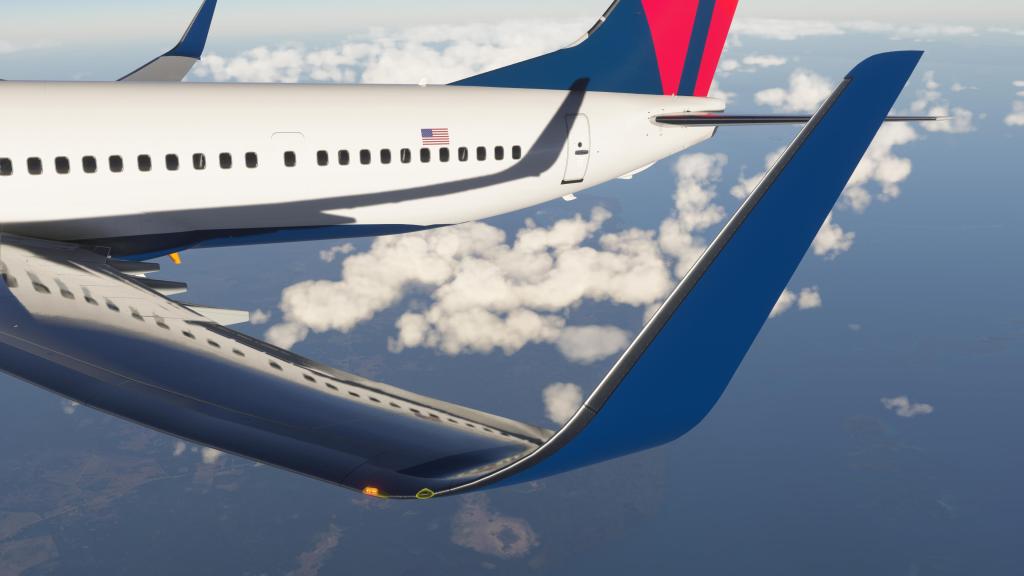
At time of writing, PMDG has released all four variants: 737-600, 737-700 737-800, and 737-900 models for MSFS 2024 on their website and available for download through their PMDG OC3 software and through the MSFS Marketplace (although updates there are slow rolling compared to the website/OC3 software).
Let’s breakdown what is available:
- 737-600 ($34.99) – Comes with passenger (in single and two class configurations) and no wingtip options mirroring the aircraft in the real world.
- 737-700 ($69.99) – Comes with passenger (in multiple configurations) including both blended winglet and split wingtip configuration, BDSF freighter, and Boeing Business Jet (BBJ) configuration.
- 737-800 ($74.99) – Comes with the passenger (in multiple configurations) with blended and split wingtip options, Boeing Business Jet (BBJ), and both BDSF & BCF freighter conversions.
- 737-900 ($49.99) – Comes with both the -900 and -900ER and features options that include both blended winglet and split wingtip configuration. Multiple cabin variations are once again available.
As far as pure value goes, the 737-600 remains the king! It offers up a high fidelity airliner for just $35 USD! That’s pretty good value though the catch is that its attached to a variant of the 737NG that saw few real world sales and was flown by only a small number of operators that have, for the most part, phased it out of their inventories now.
The -700 and -800 are the most expensive of the bunch and come with the greatest variety of configurations including the Boeing Business Jet and Freighter options. They are also the more popular variants out in the real world too and the -800 is, far and away, the most popular worldwide.
The -900 is a more unique choice being the longest of the bunch with the -900ER possessing the highest MTOW (maximum takeoff weight) of the bunch. Far fewer real world operators fly the aircraft though it has a significant presence primarily in North America and with some operators in Asia and Europe.
For this review, I’ve updated my MSFS 2020 fleet of the -600 and -900, and flown them though the overall experience is largely the same across the bunch. Having the shortest and longest 737NG gives me the greatest range of handling.
Visuals
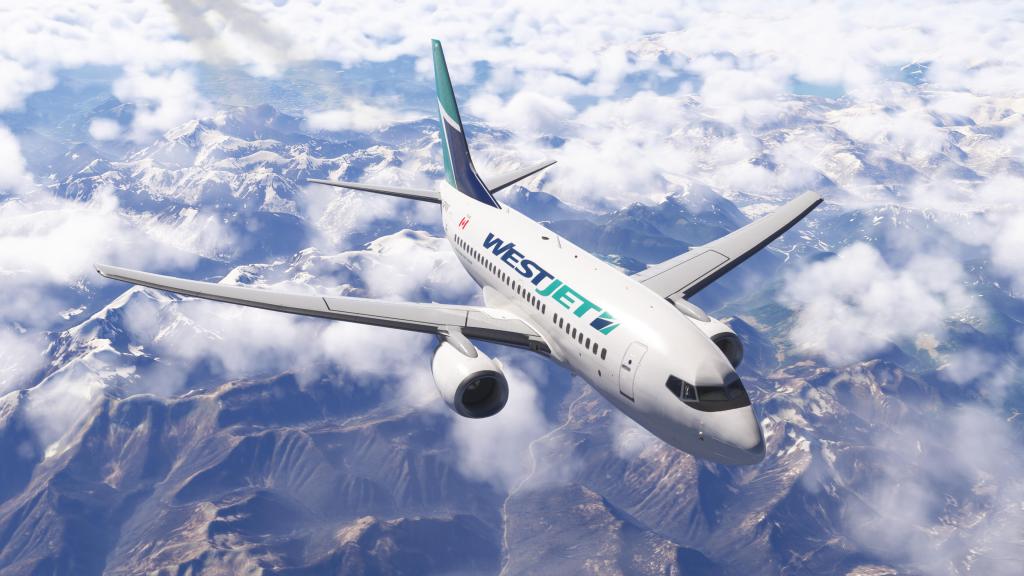
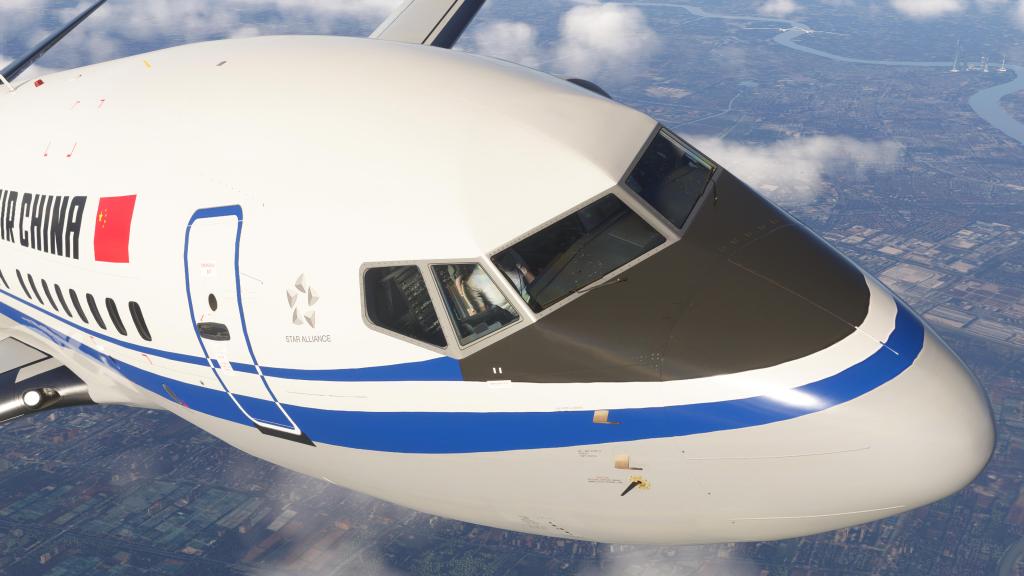
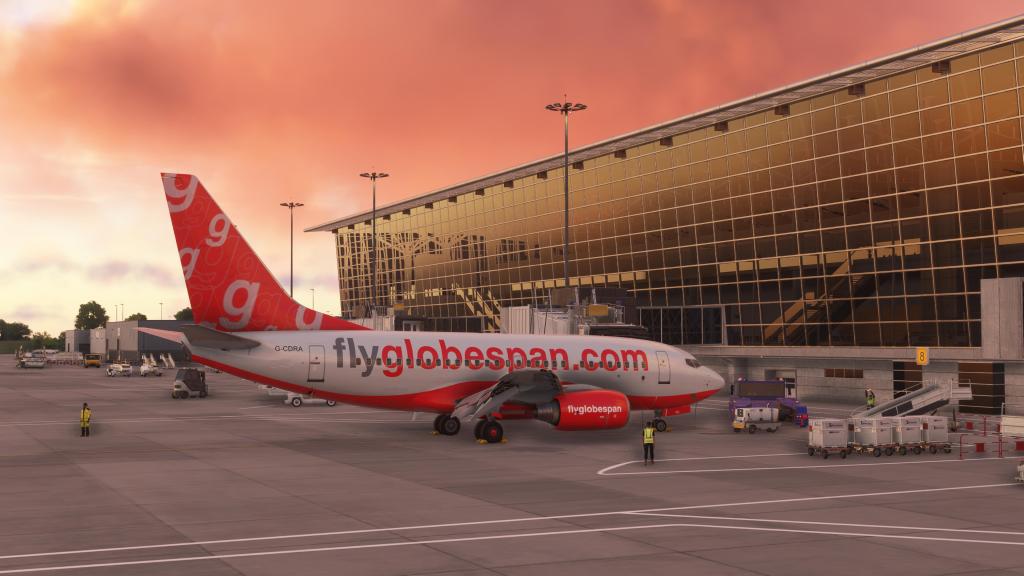
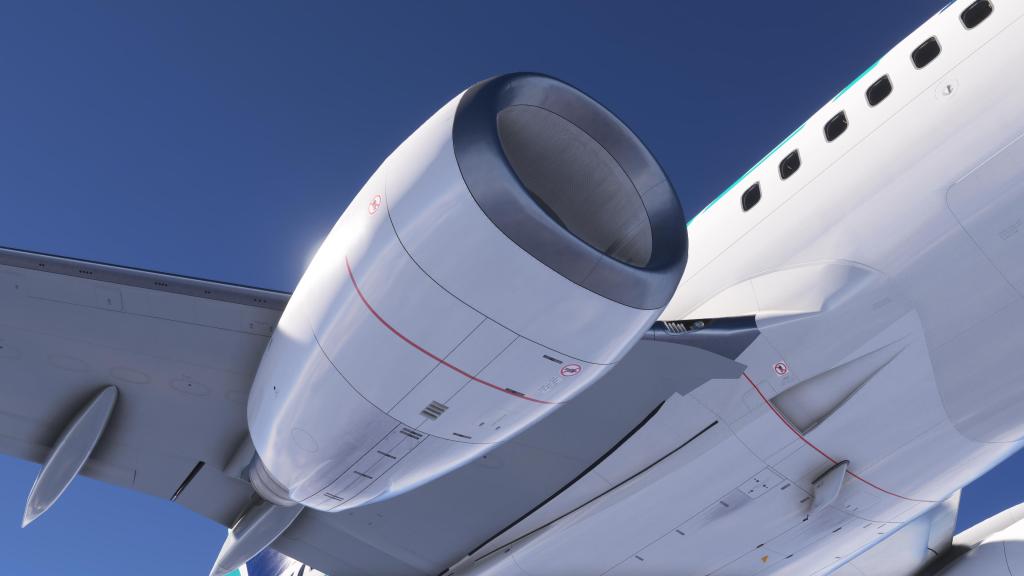
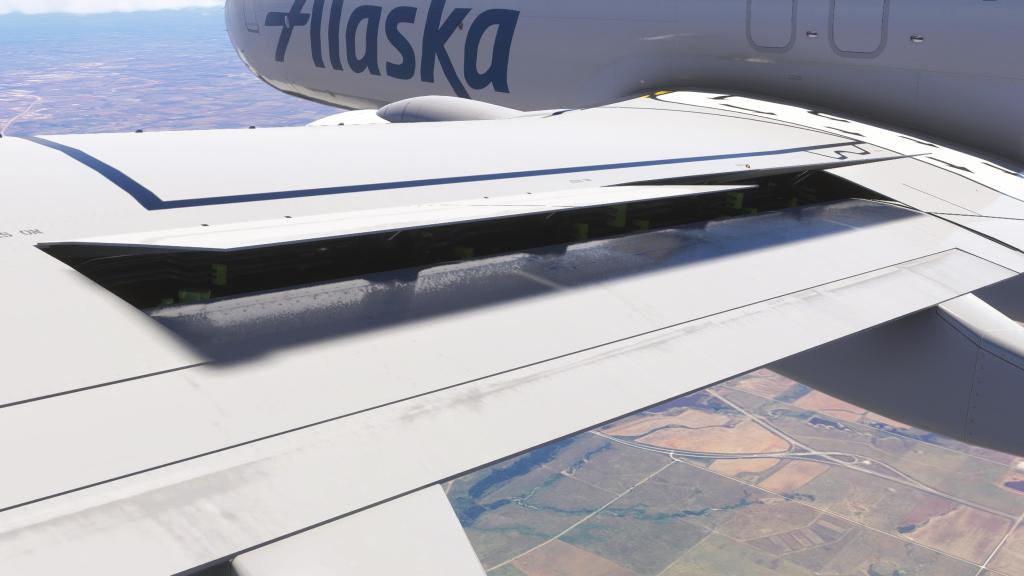
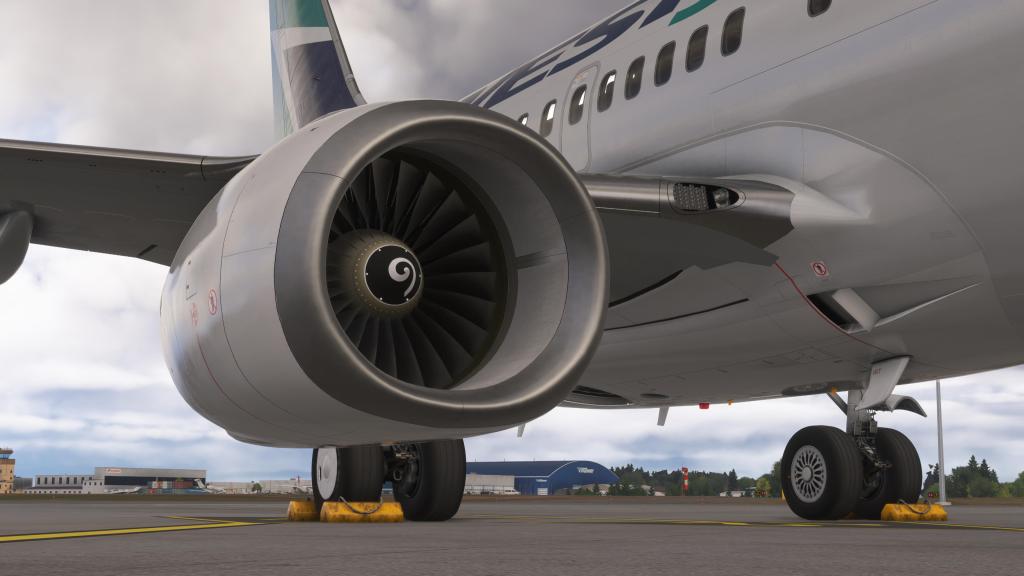
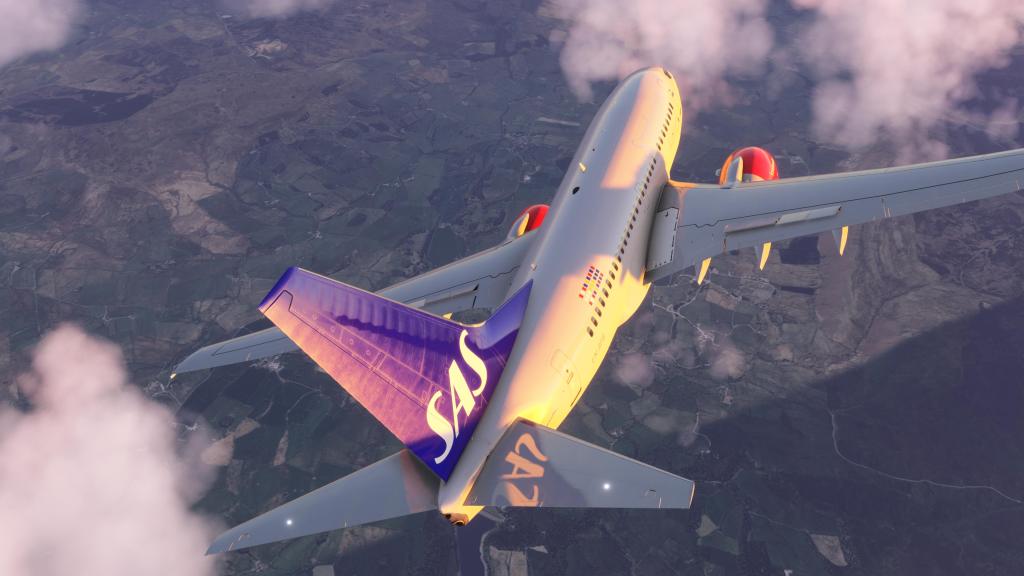
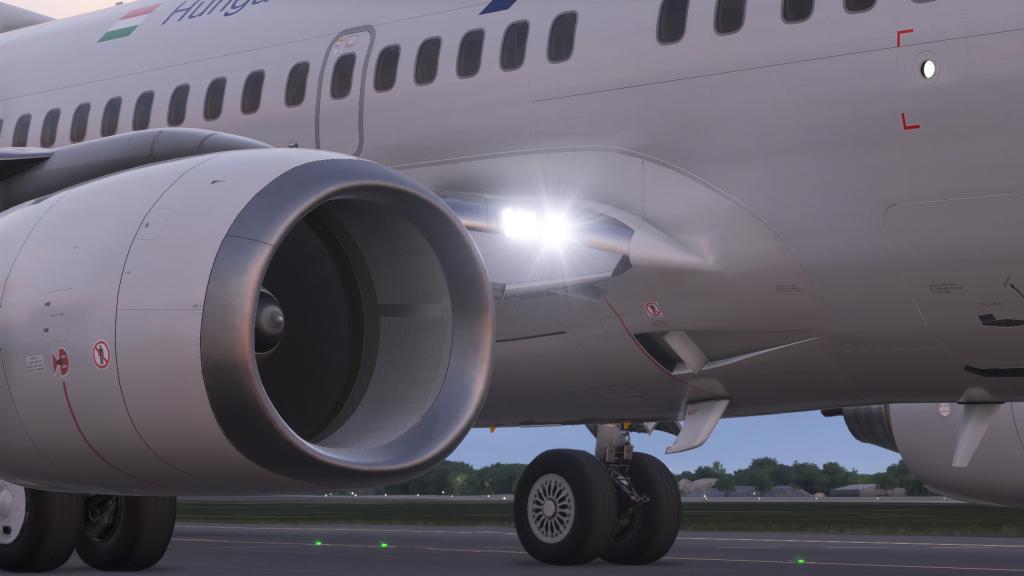
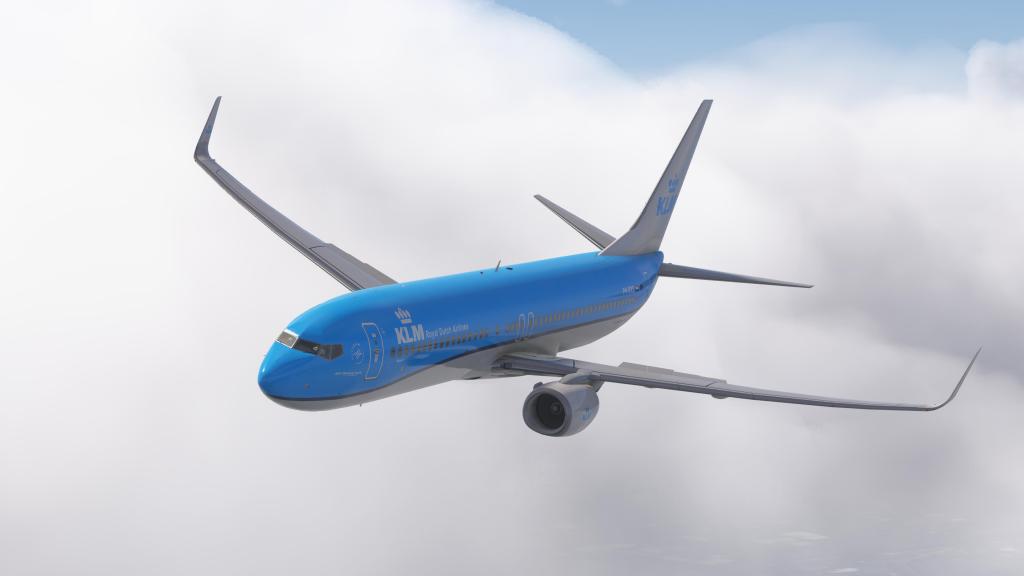
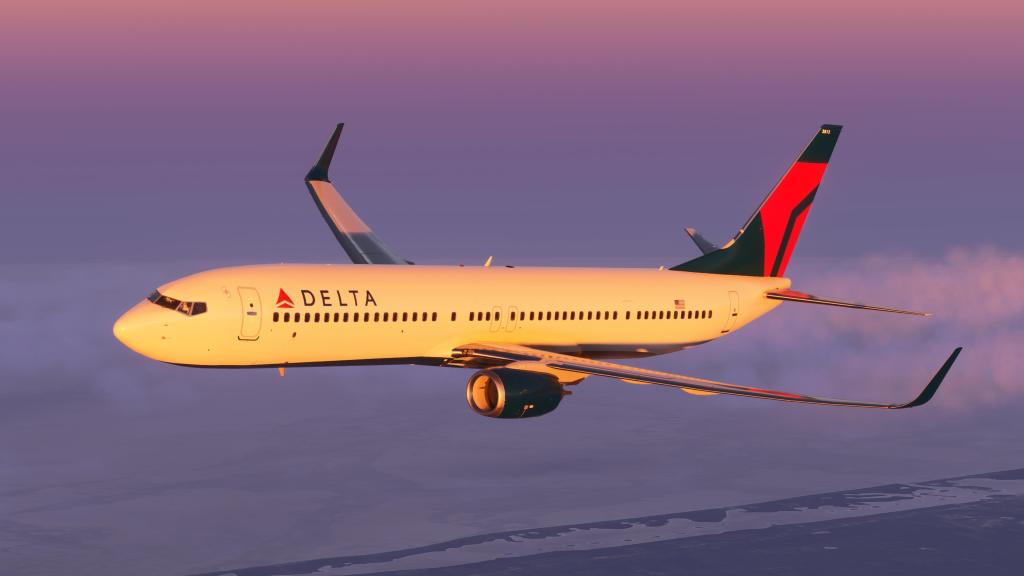
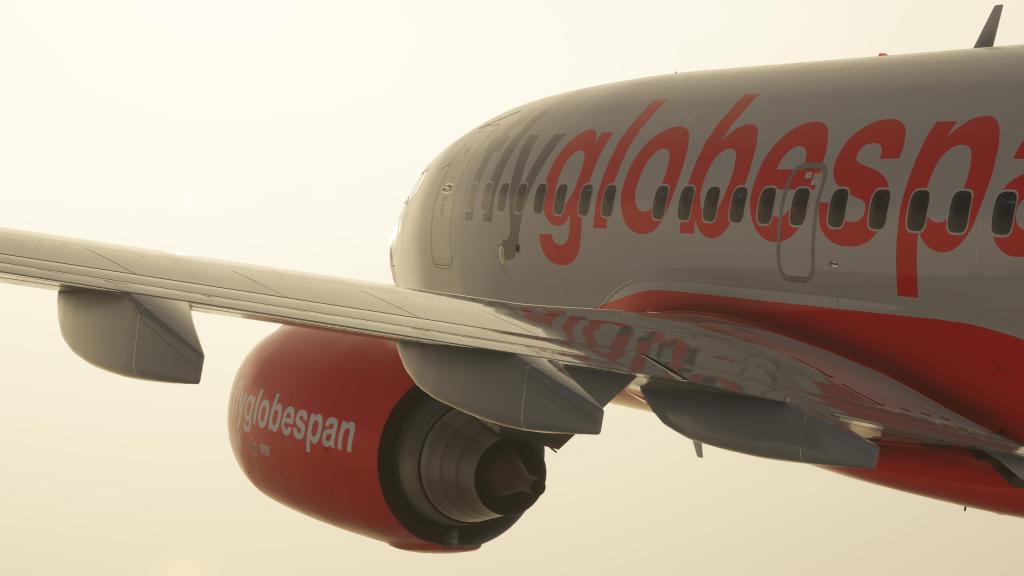
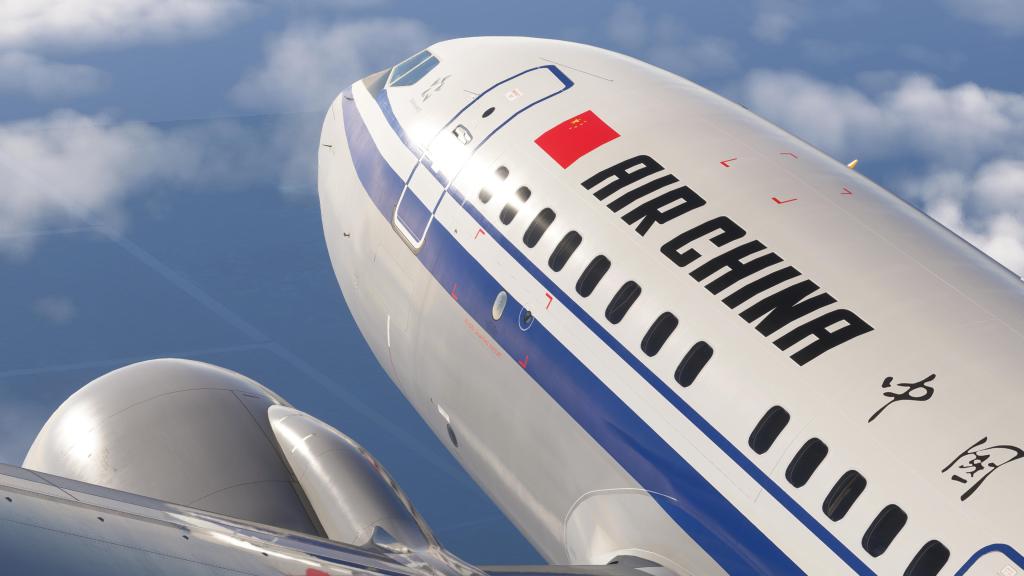
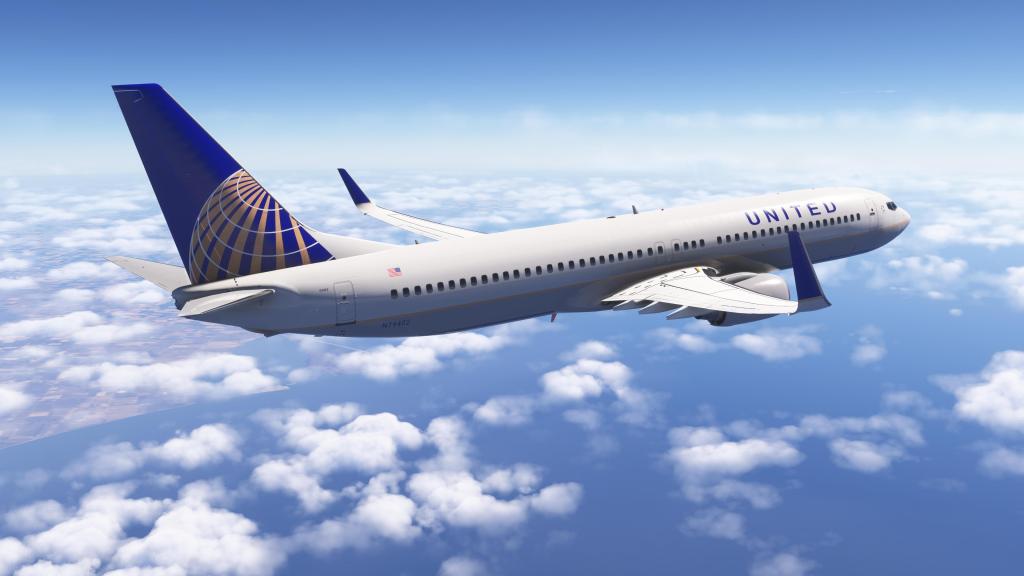
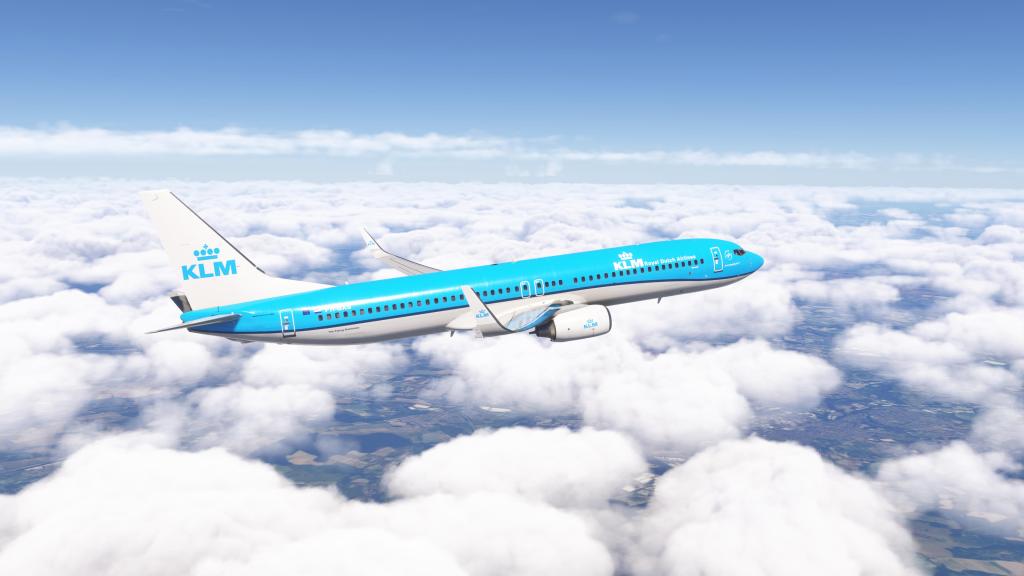
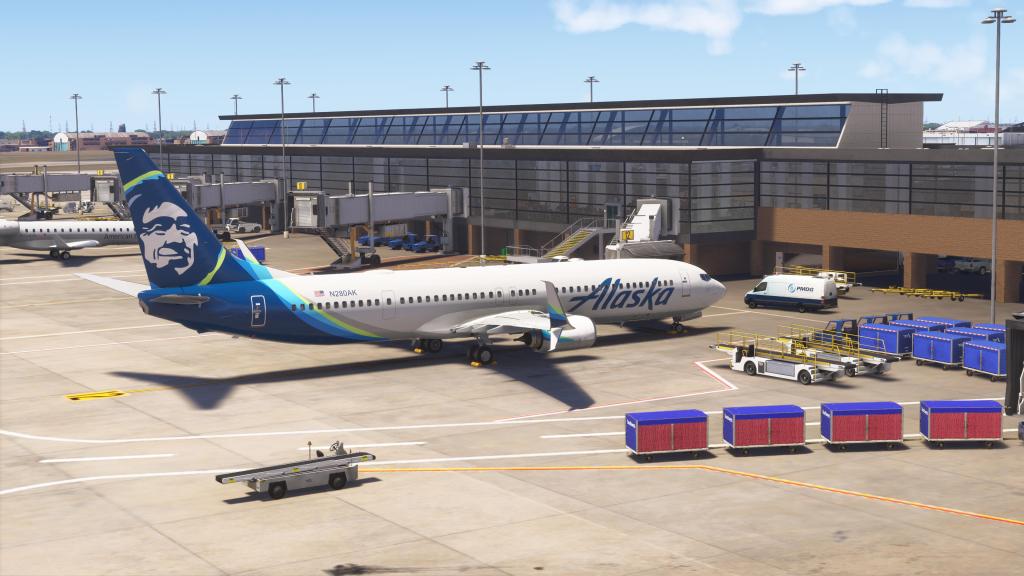
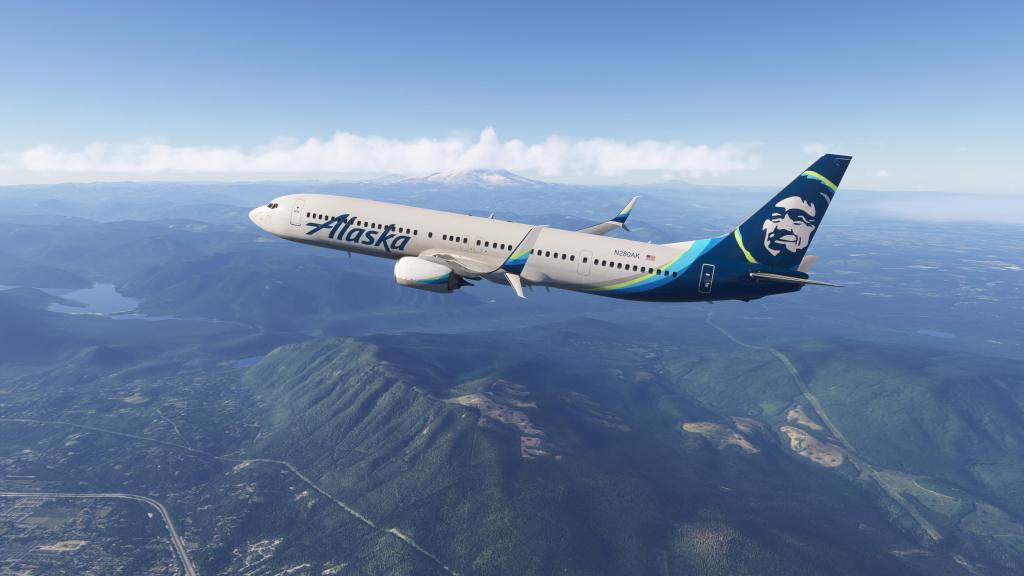
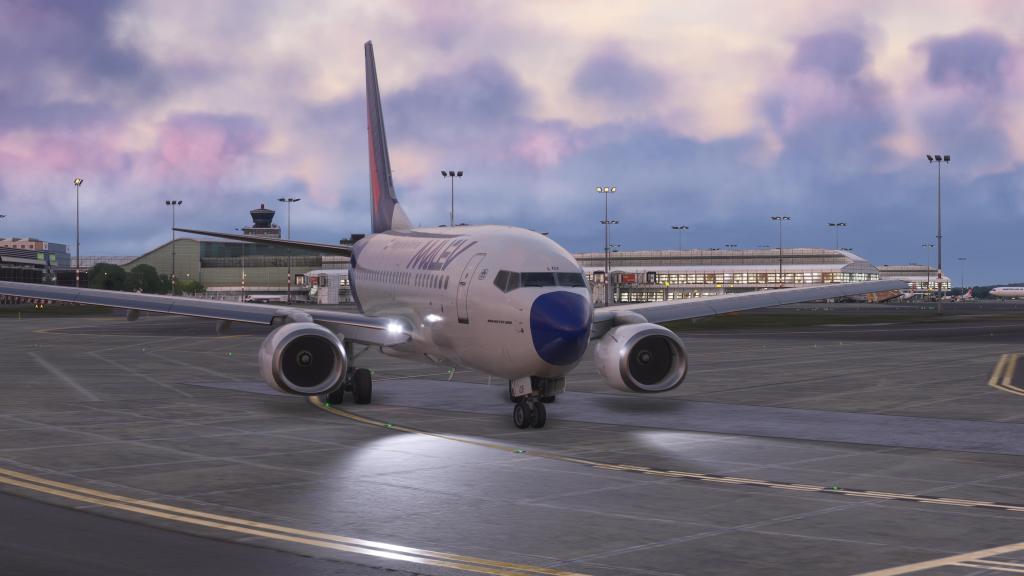
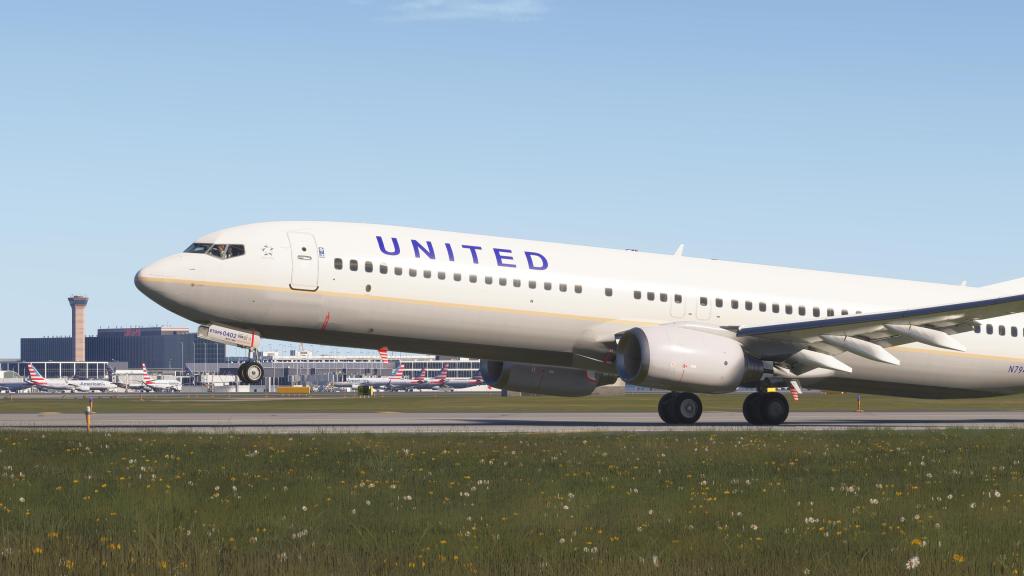
PMDG’s 737NG update for Microsoft Flight Simulator 2024 offers some upgrades and changes from their previous release. I’ll talk more about the controversy surrounding some of the changes further on down in the article (see: The upgrade debate heading below), however, to keep it specifically on topic here let’s talk about what the aircraft are like now.
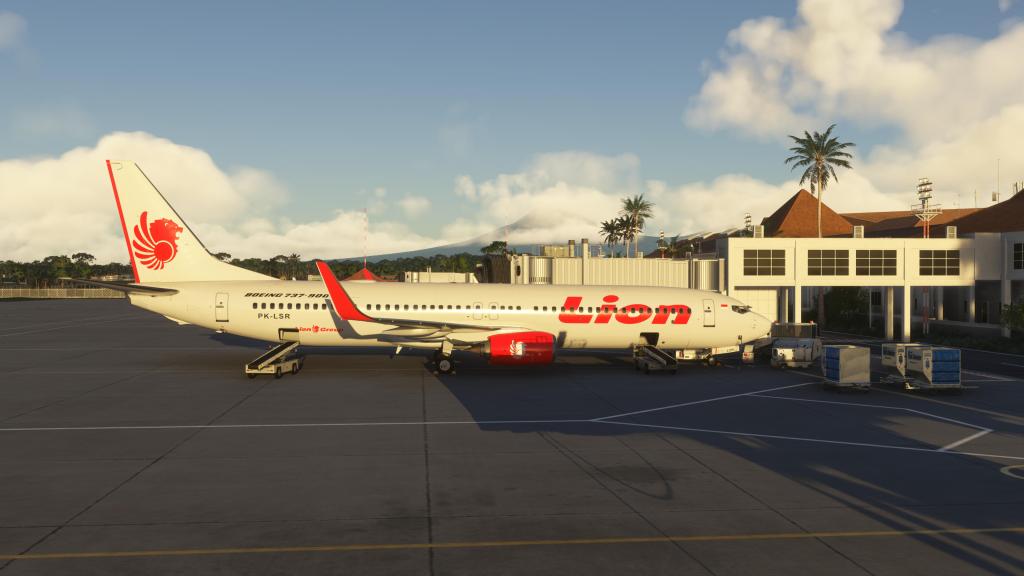
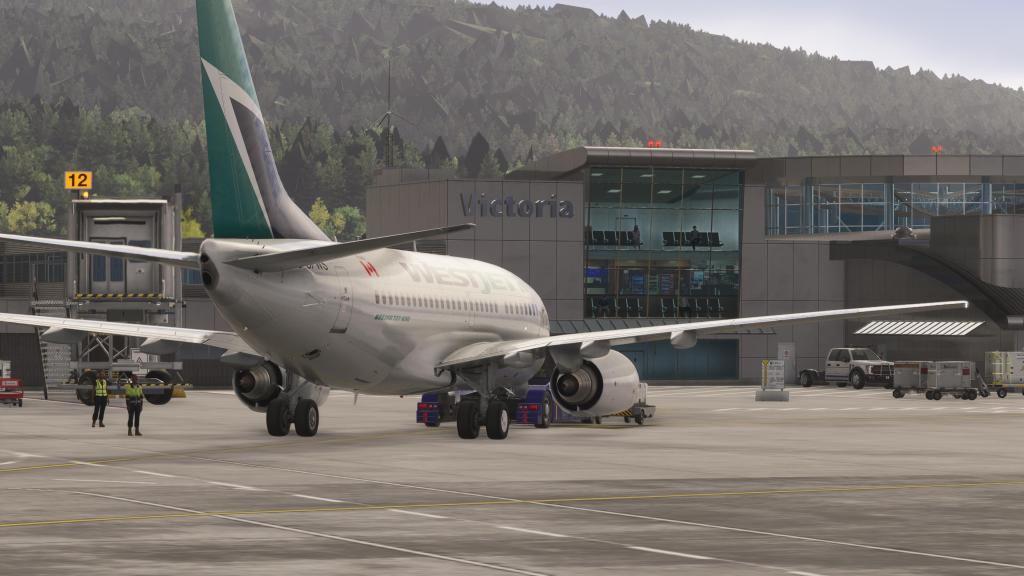
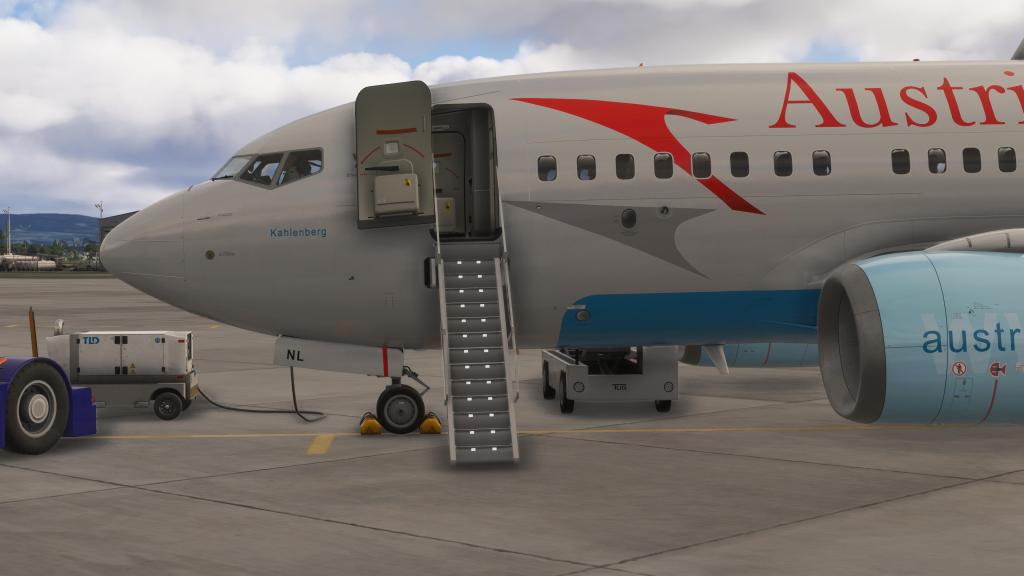
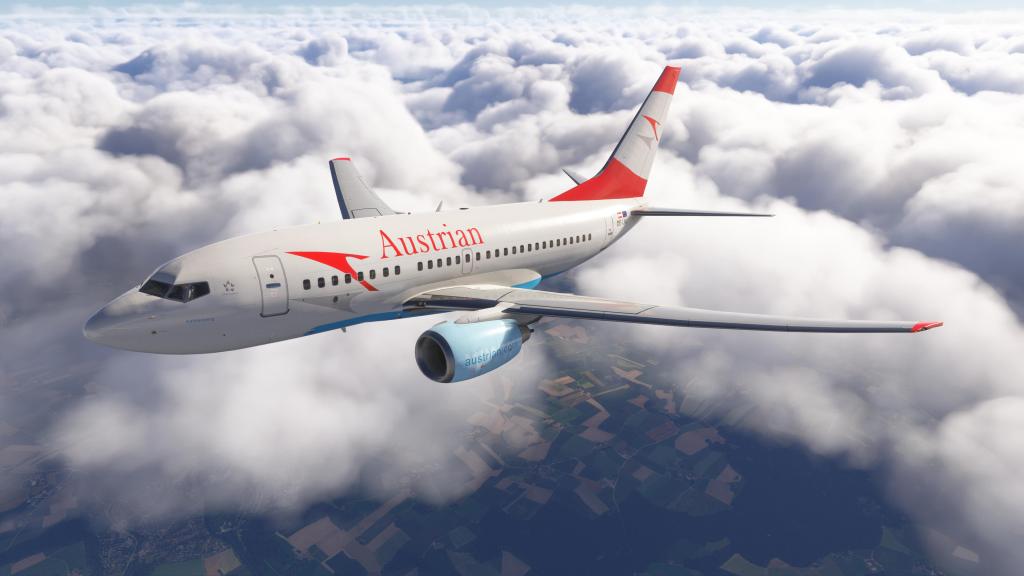
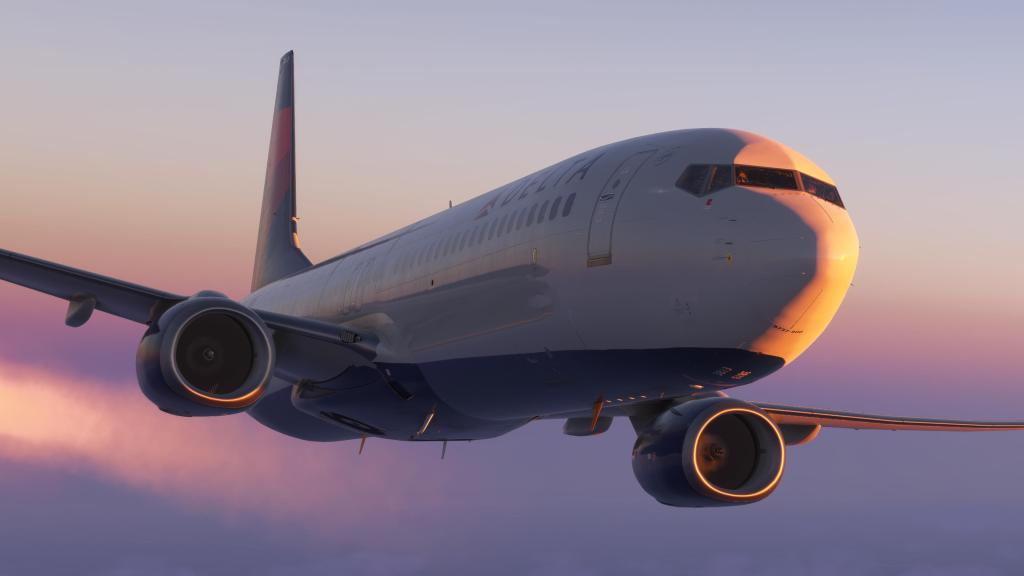
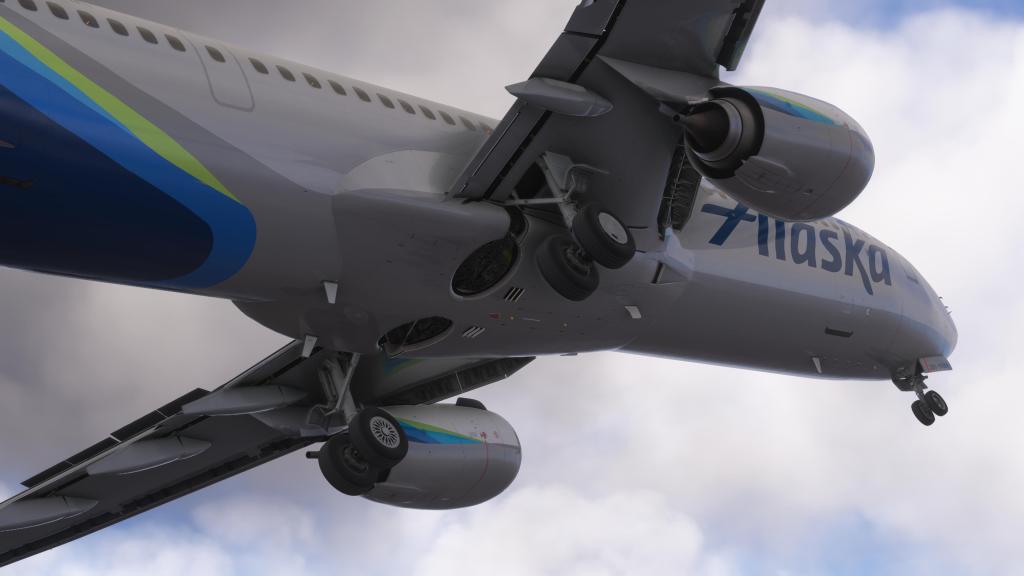
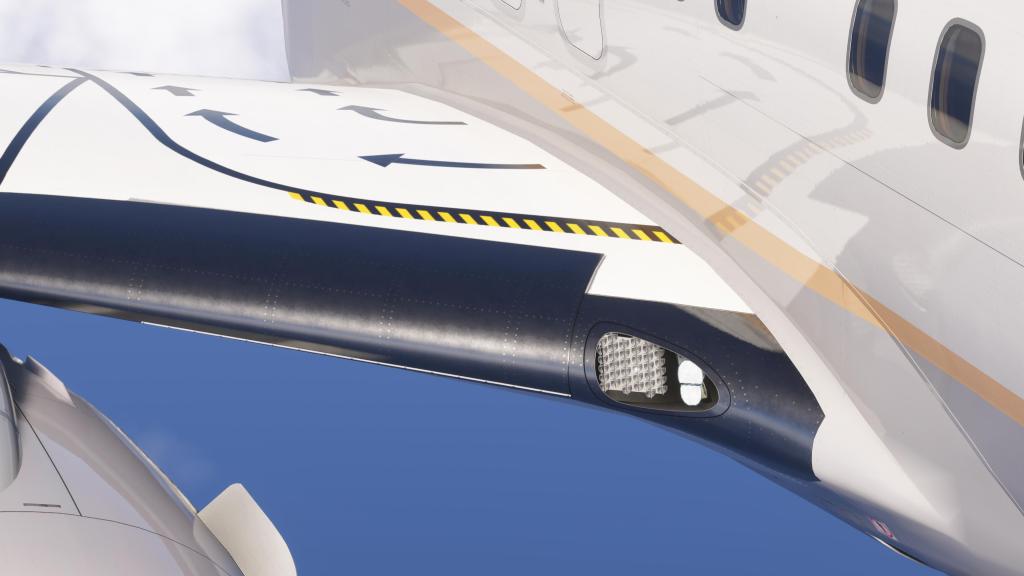
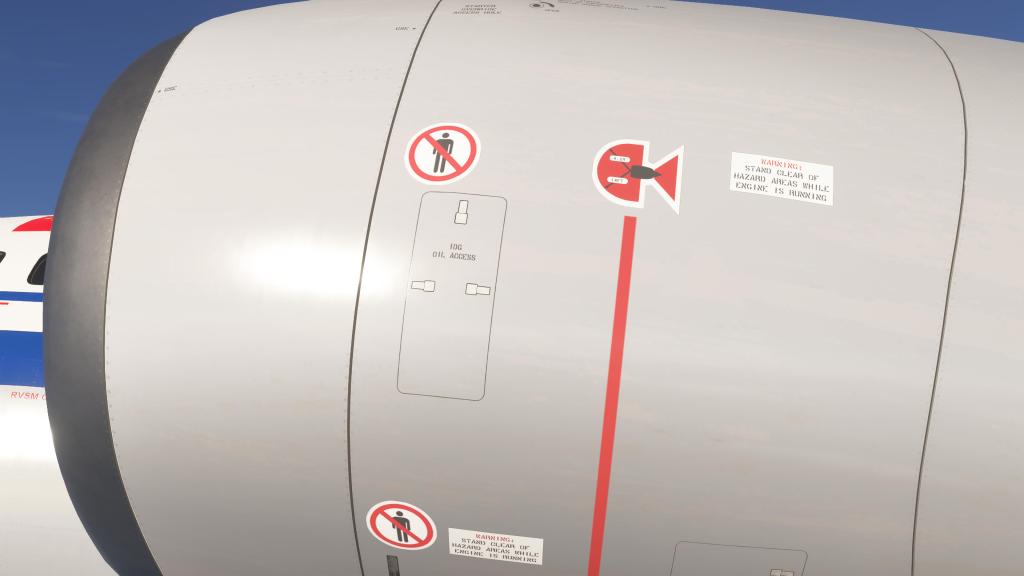
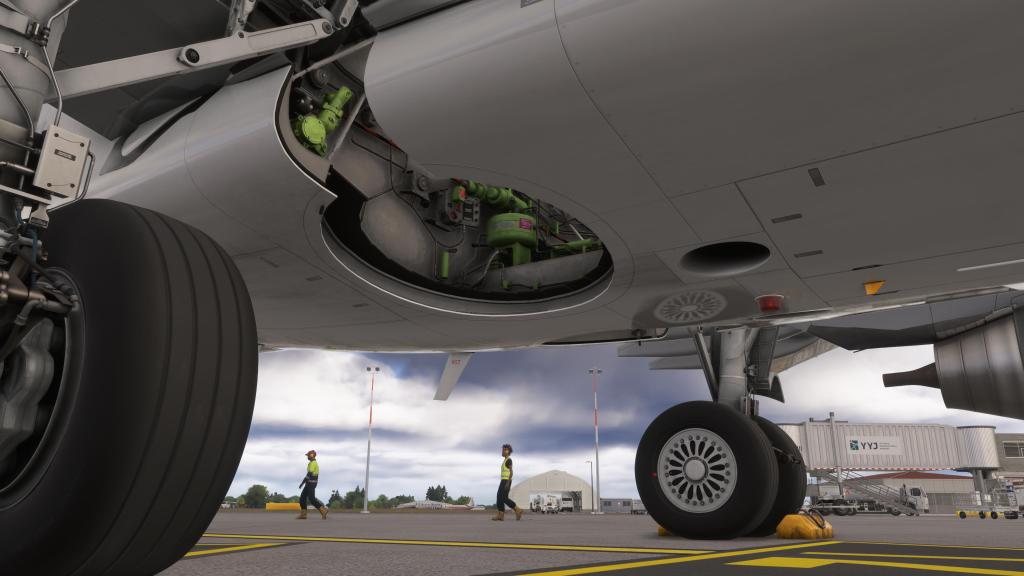
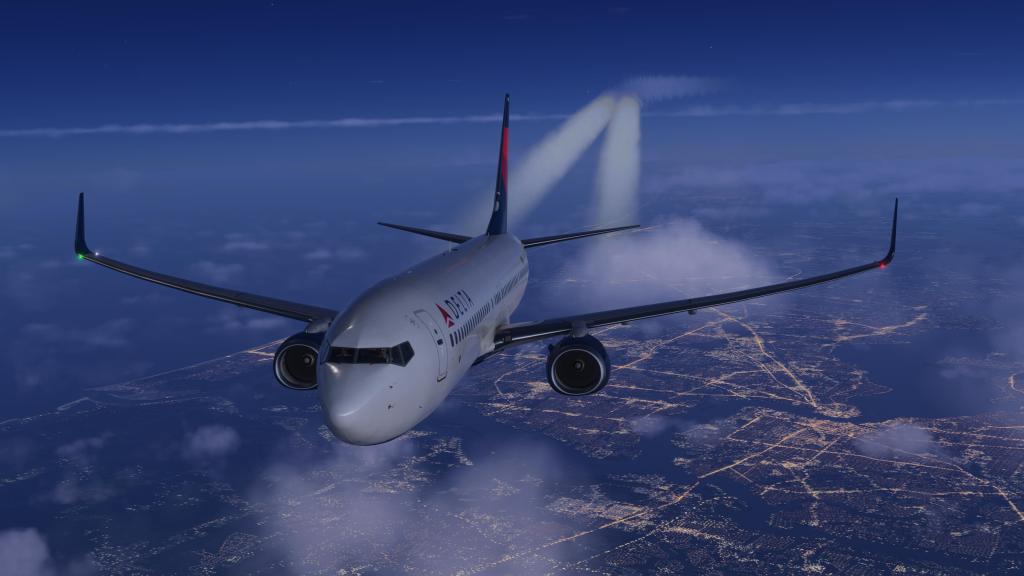
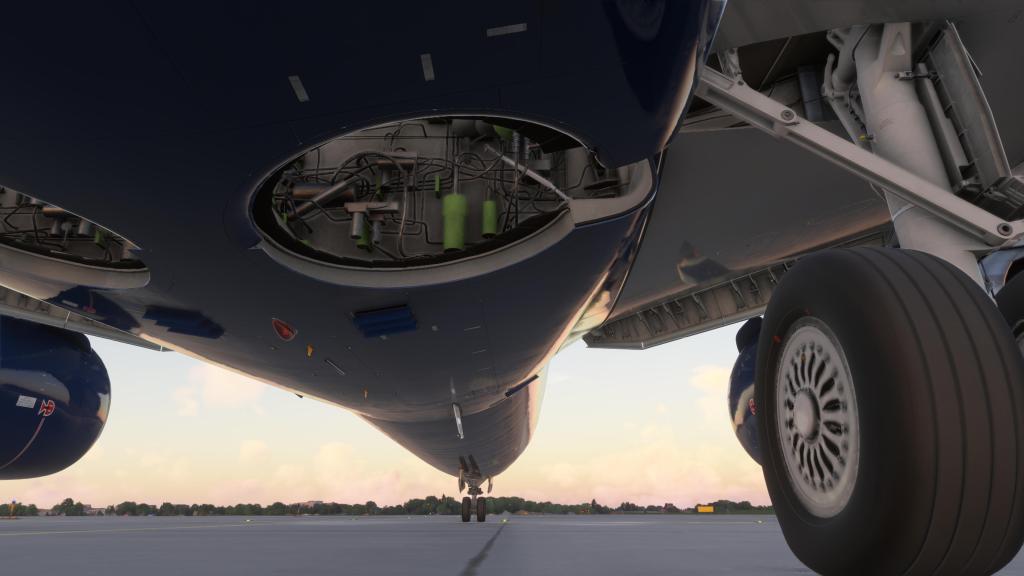
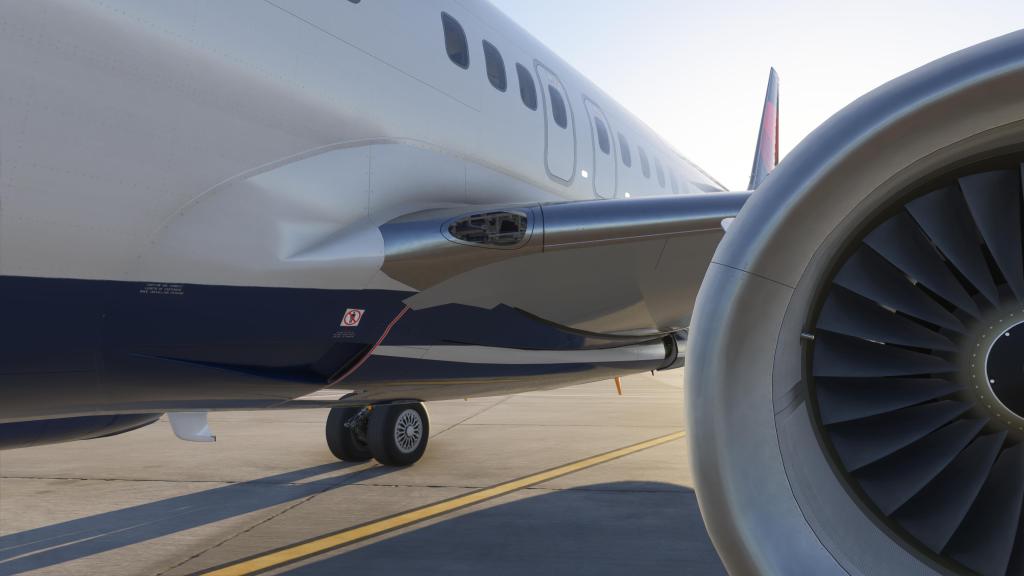
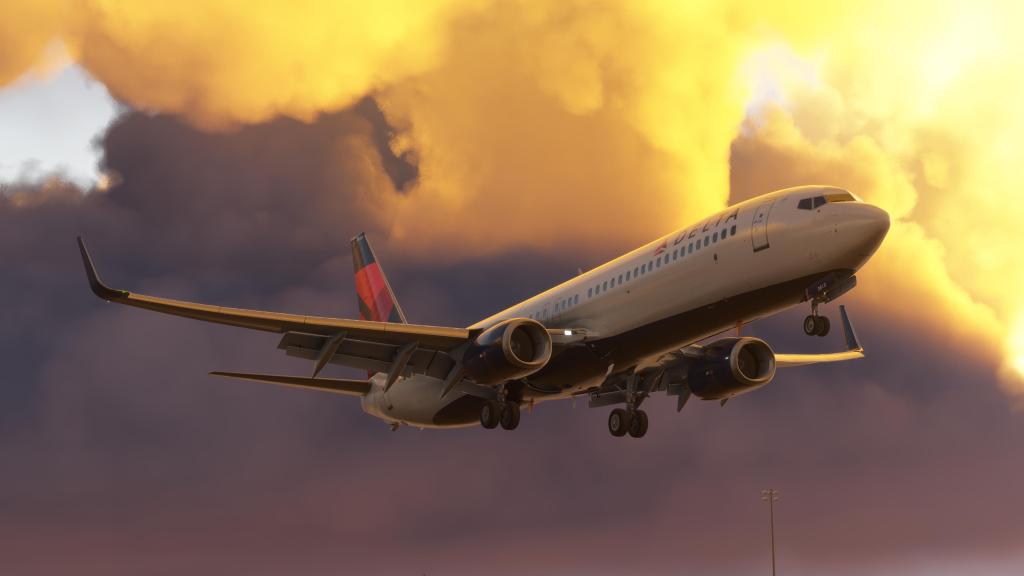
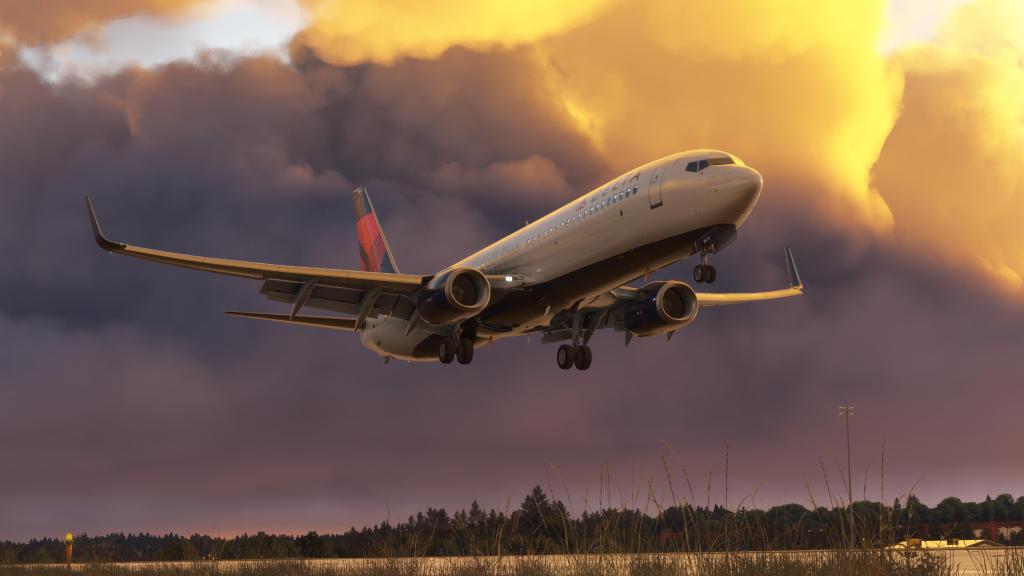
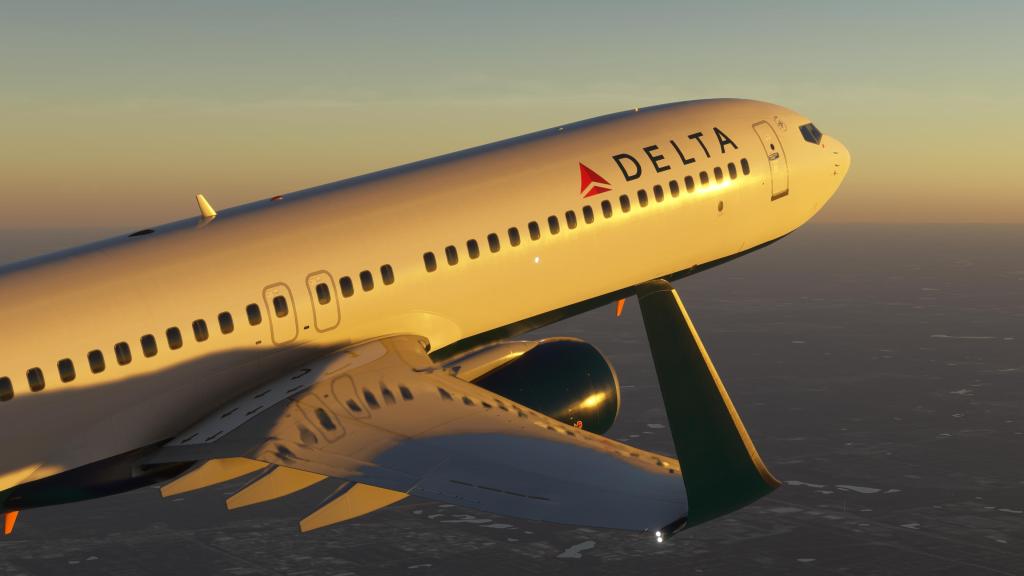
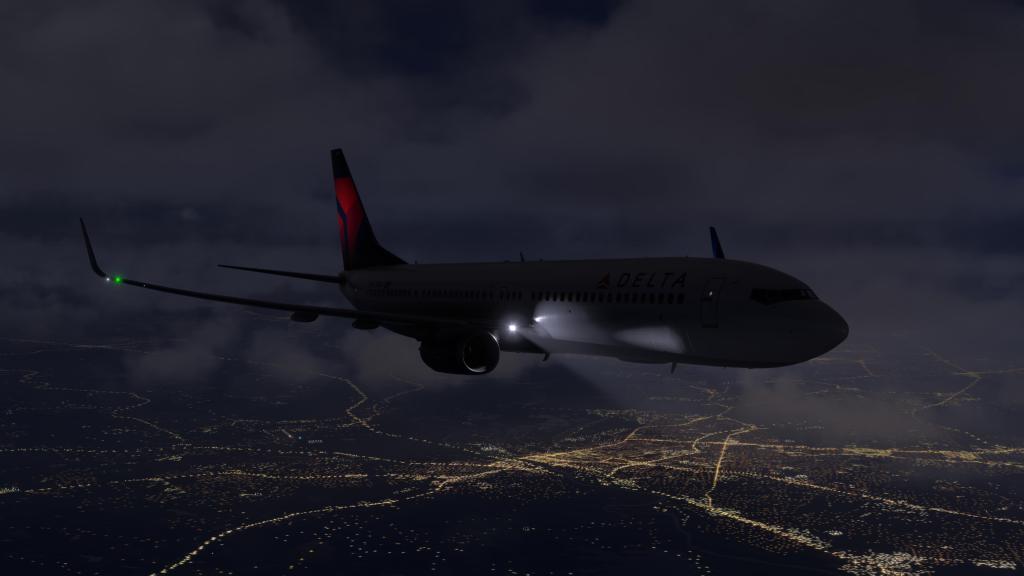
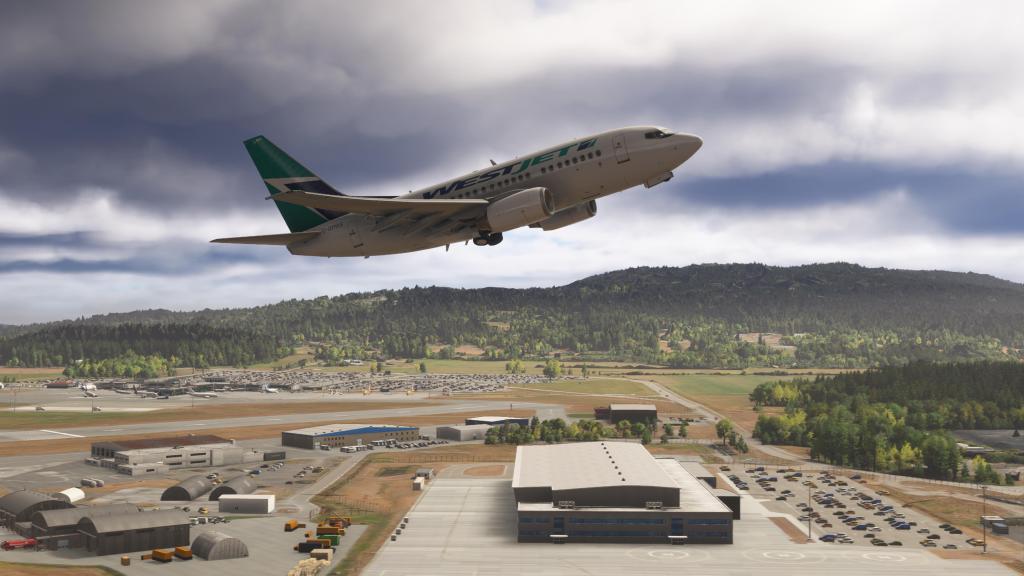
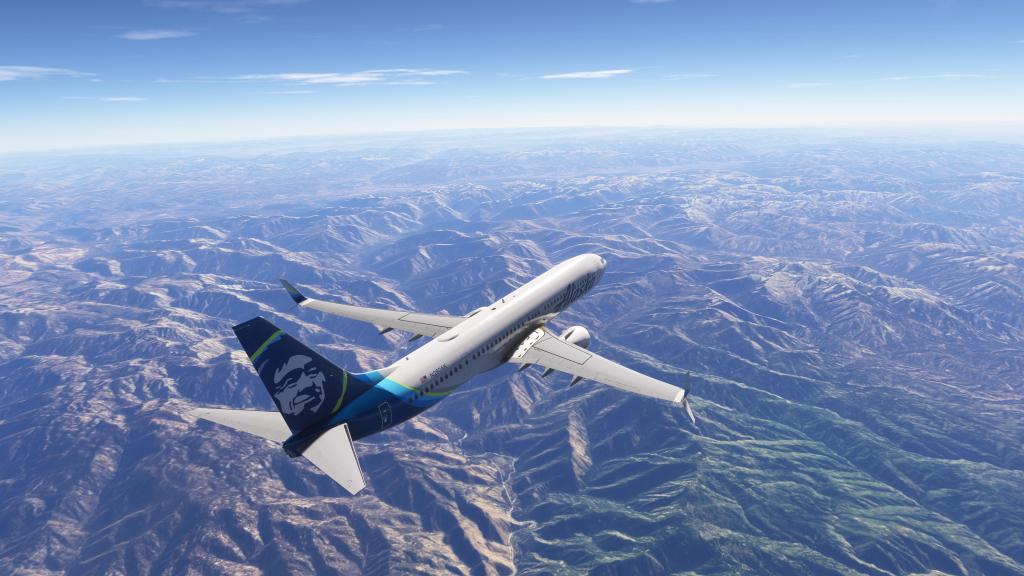
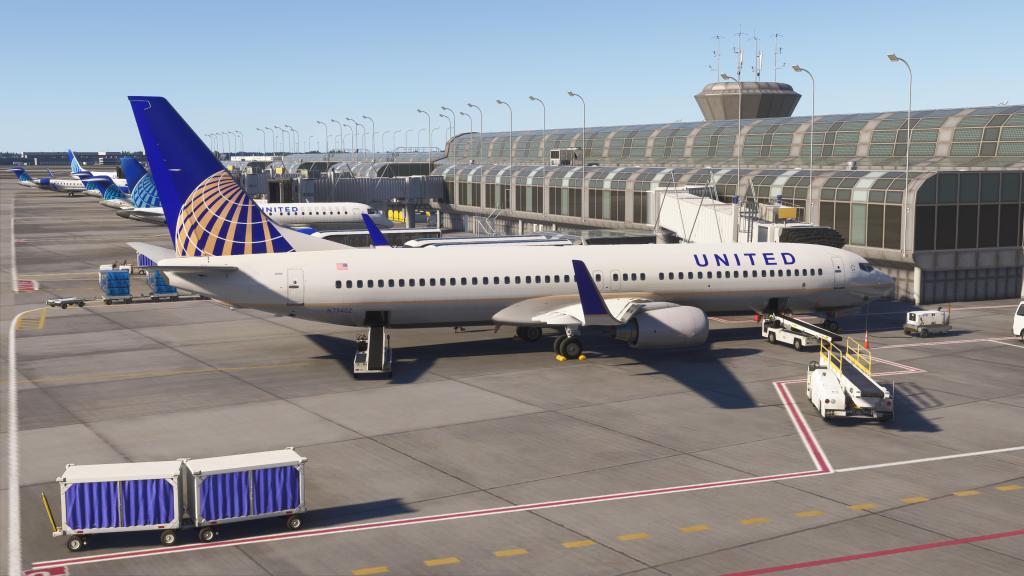
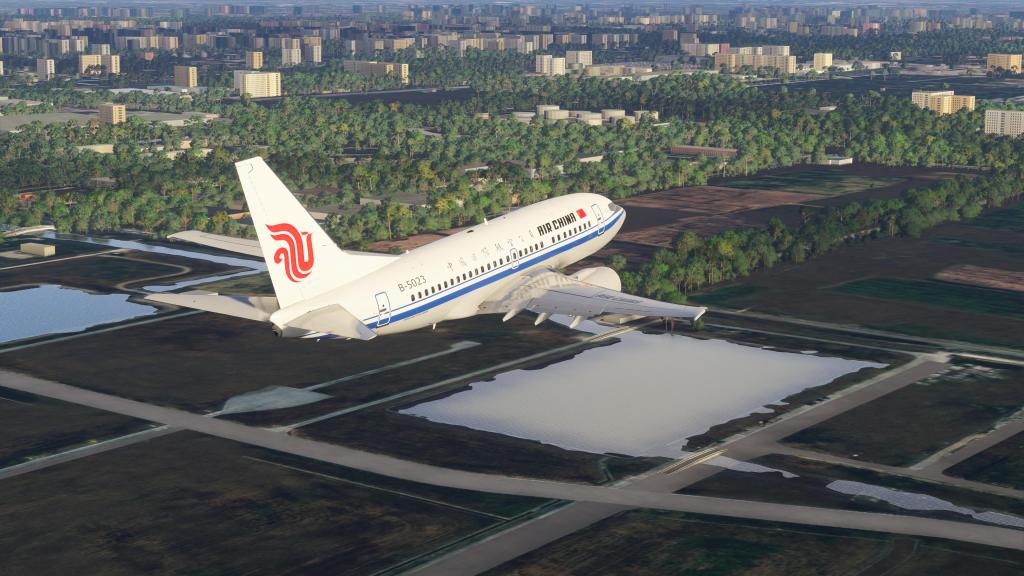
Initially released with very few visual changes from their 2020 brethren, PMDG have finally released a visual refresh to go with the rest of the 2024 update. The update has been a wholesale revisiting of the visuals of the series adding details and upping the polygon count. For example, the wheels on the older versions were still kind of polygonal at times but are looking generally better and there are new details like inside wheel wells which now look fully detailed and various components are animated in there too. Other parts of the exterior are now better such with sharper details, decals are readable at close distances, and optional features like the internet antenna (of which there are two options) are better integrated into the aircraft than in the past.
One unusual item are the landing lights which, when you initially spawn in walkaround mode, are invisible. This, according to community members, is because until you get into the cockpit the options you’ve selected (LED or conventional) aren’t loaded and thus the space is blank and empty.
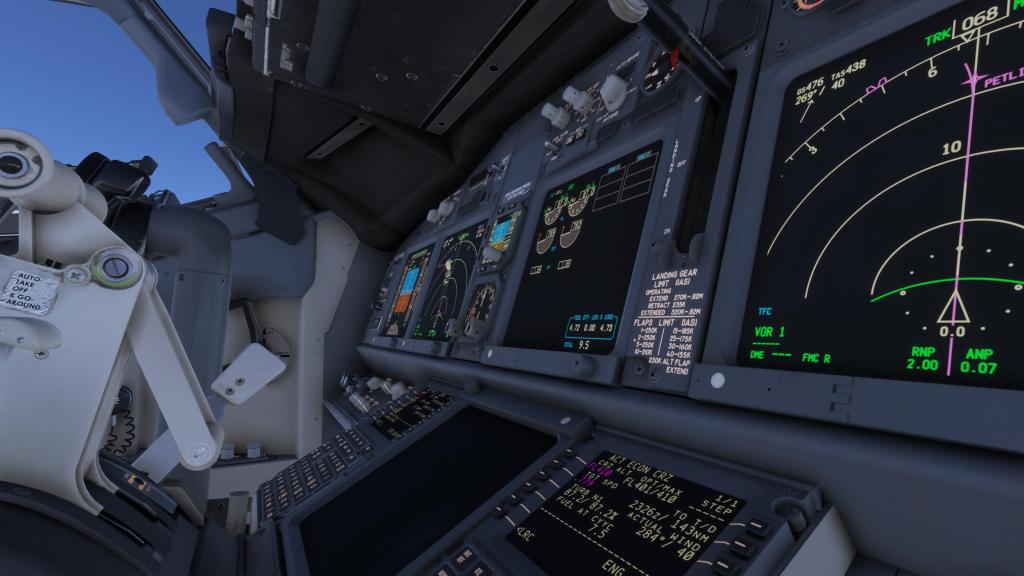
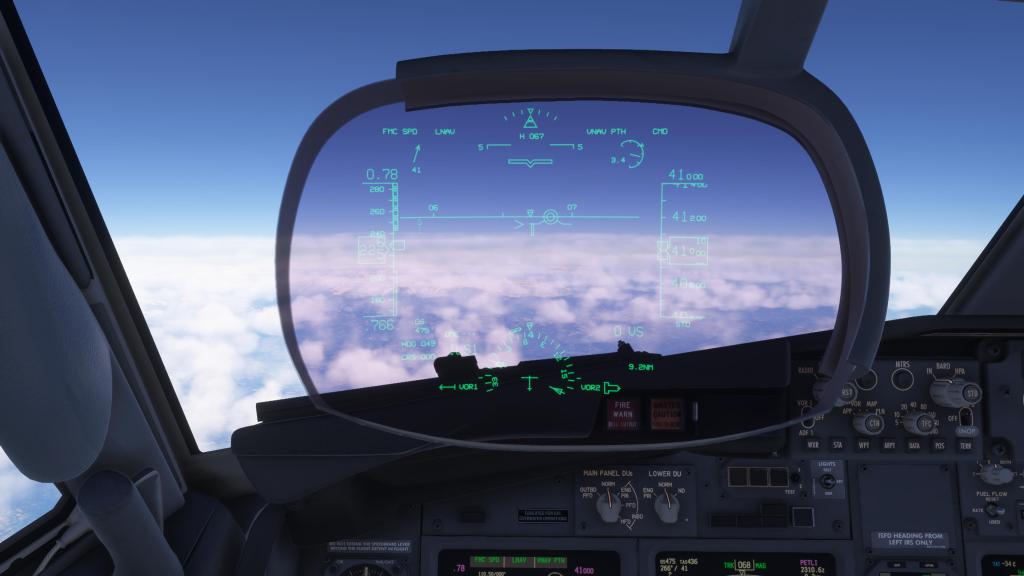
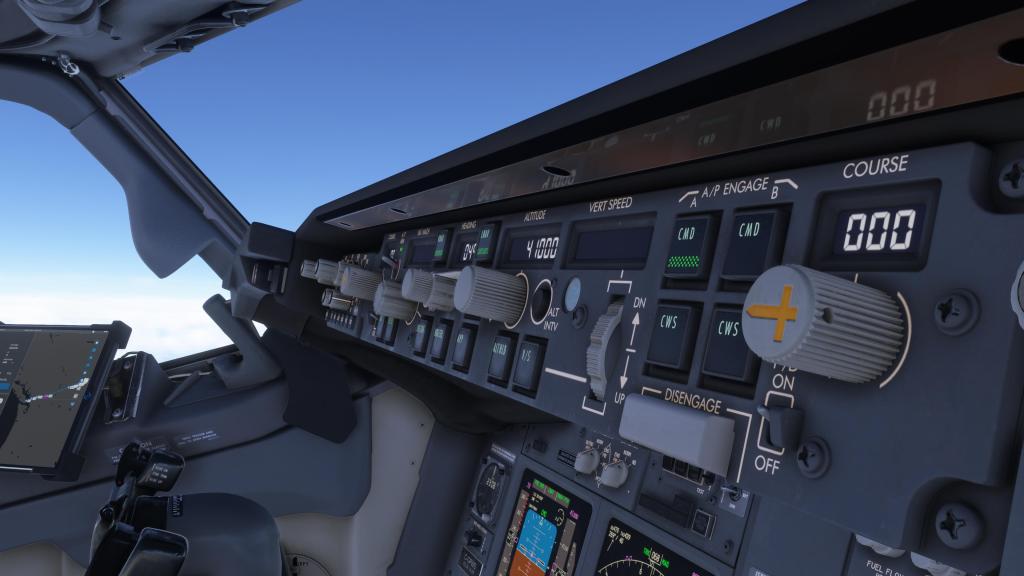
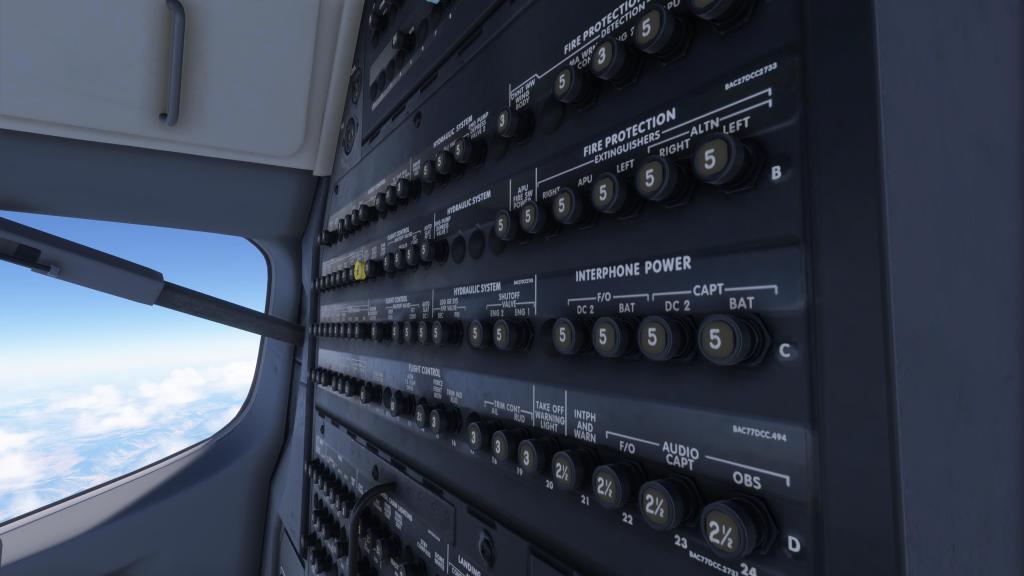
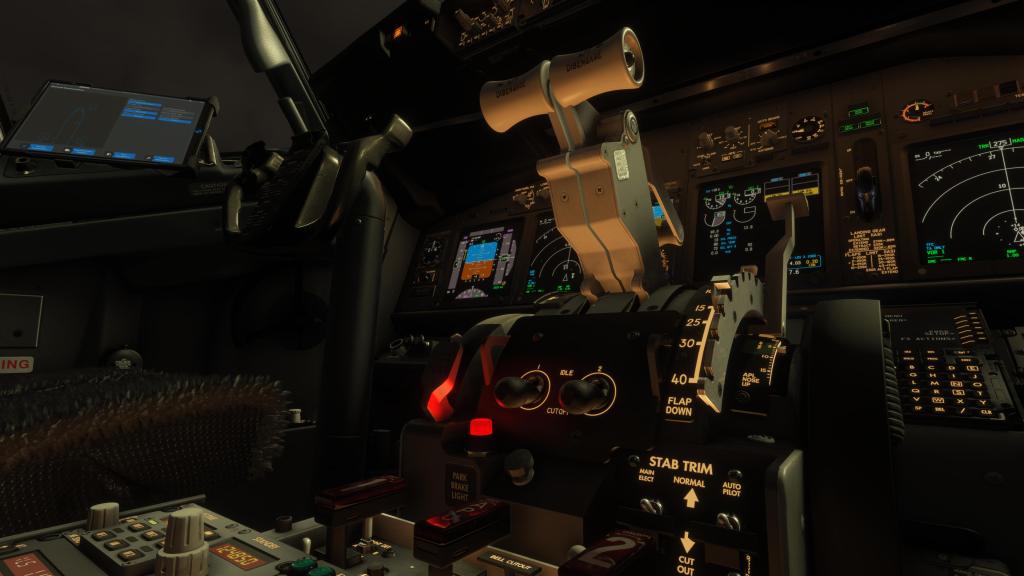
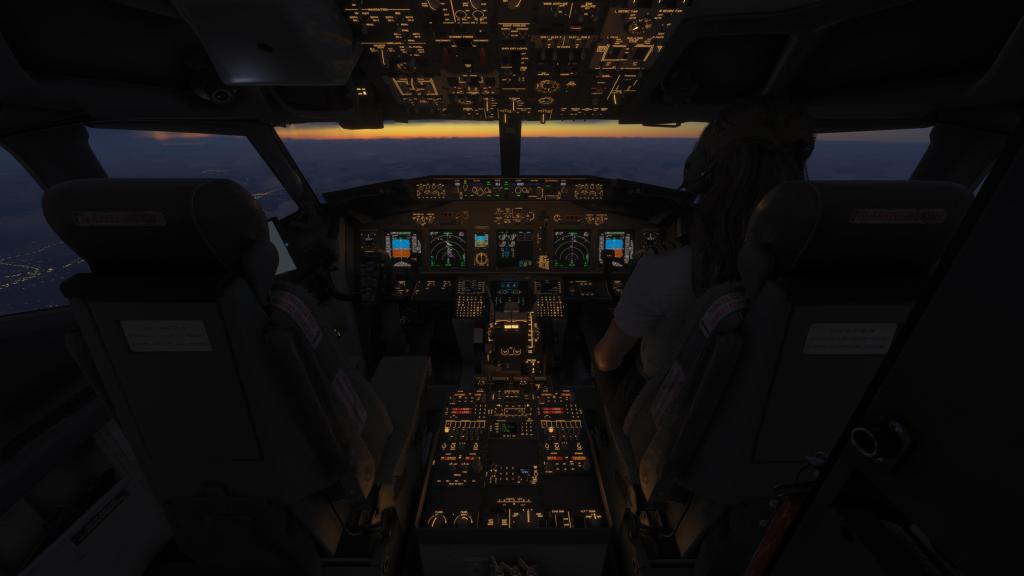
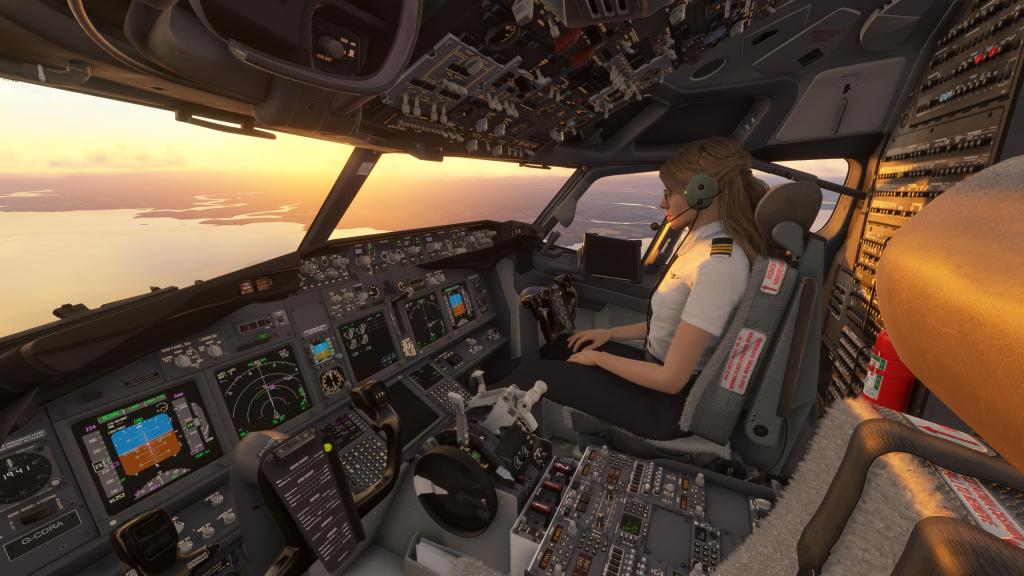
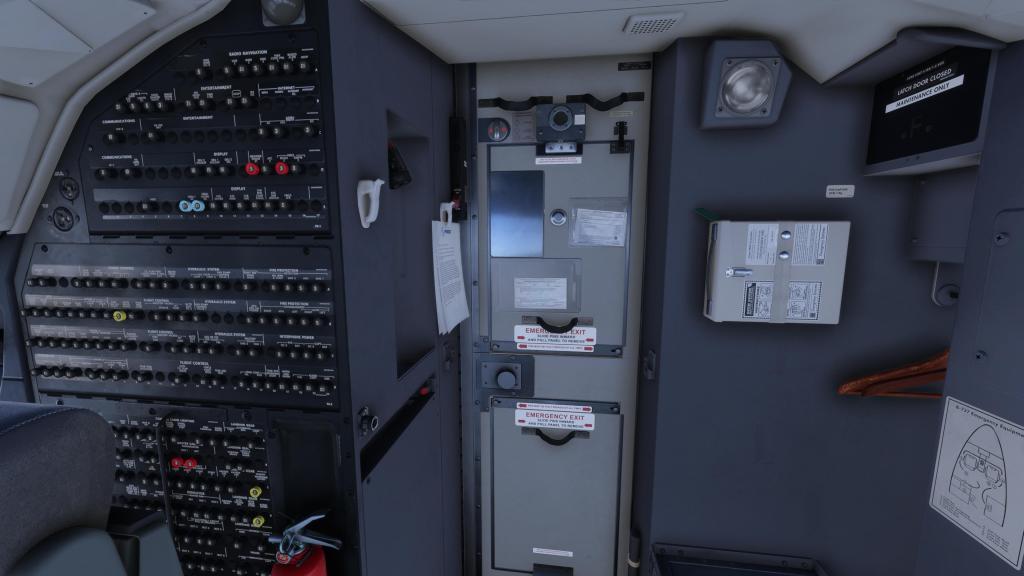
In the cockpit, the textures are sharper and significantly more cohesive. I found some parts of the older series to be like someone adapted a photograph (noise and all) to the image while the new ones are sharp, well blended into the sim, and hold up under far closer scrutiny.
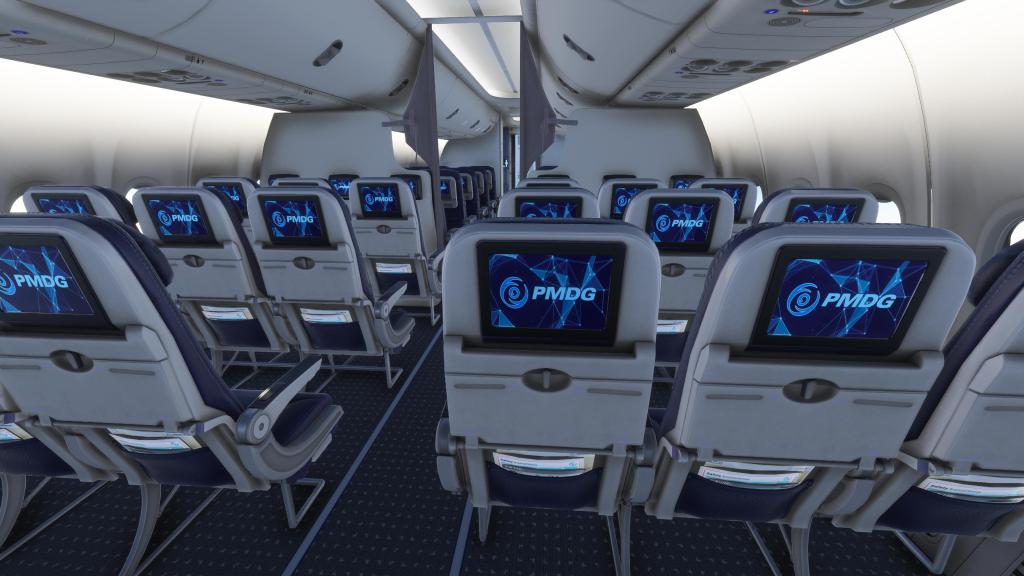
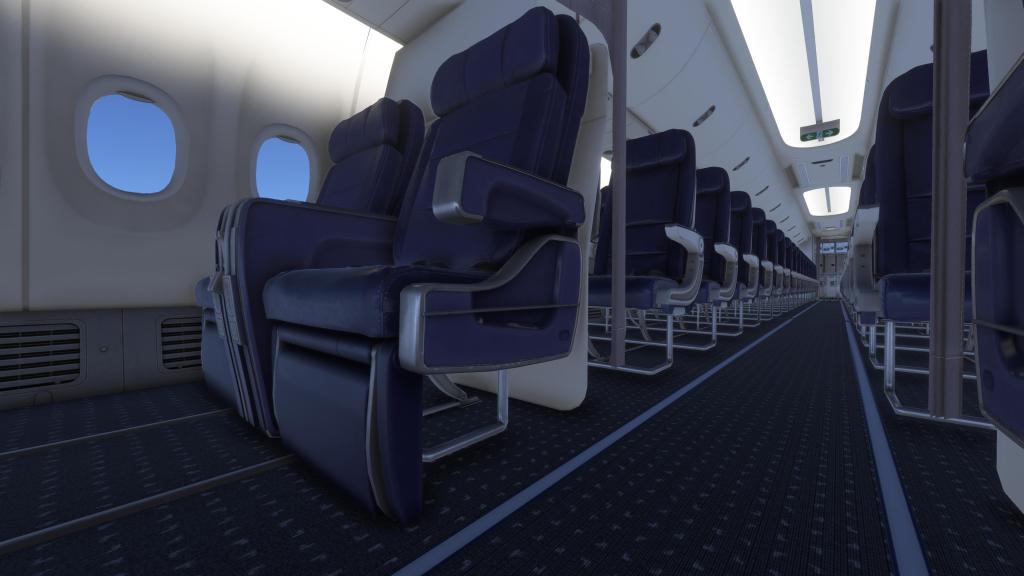
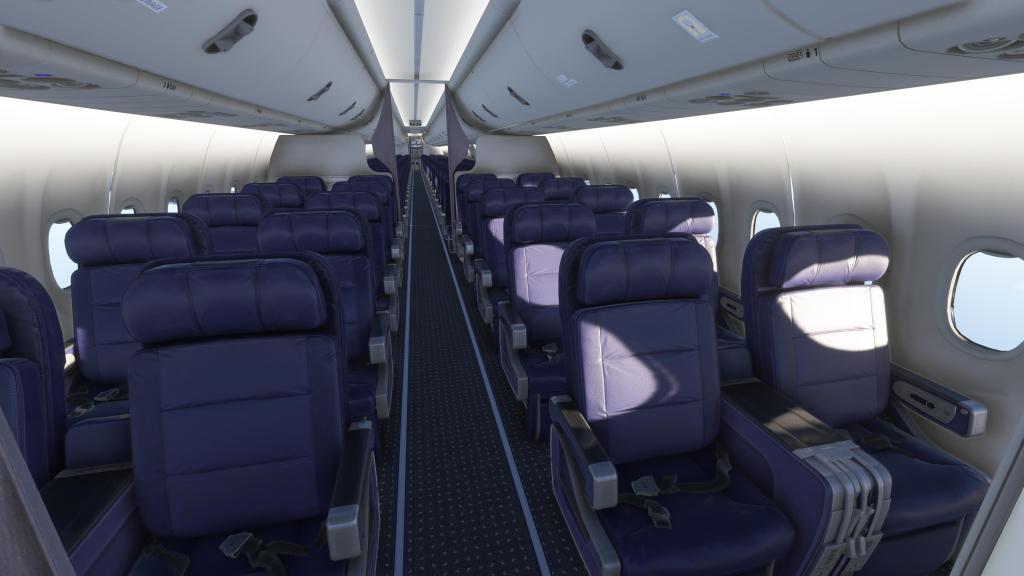
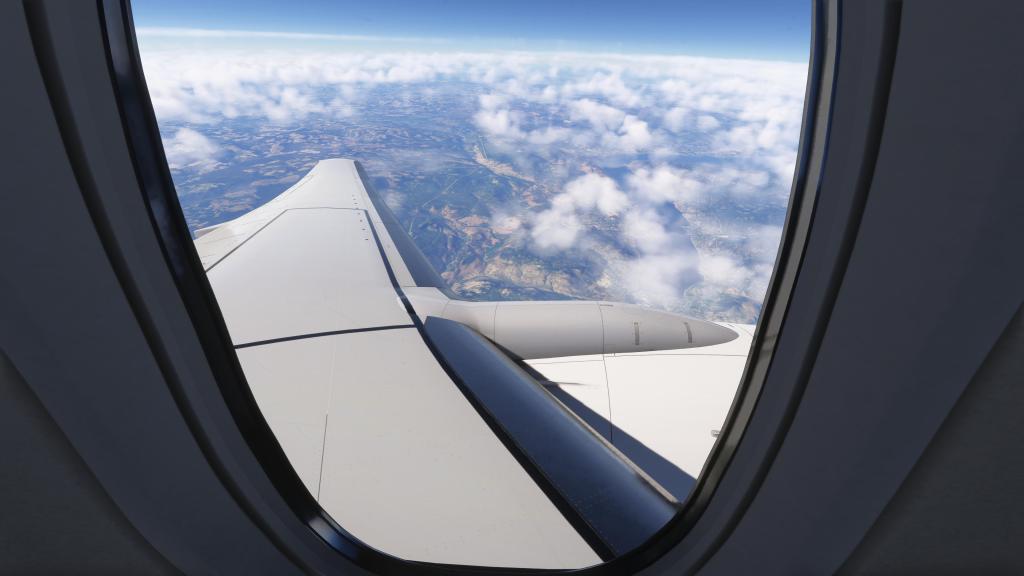
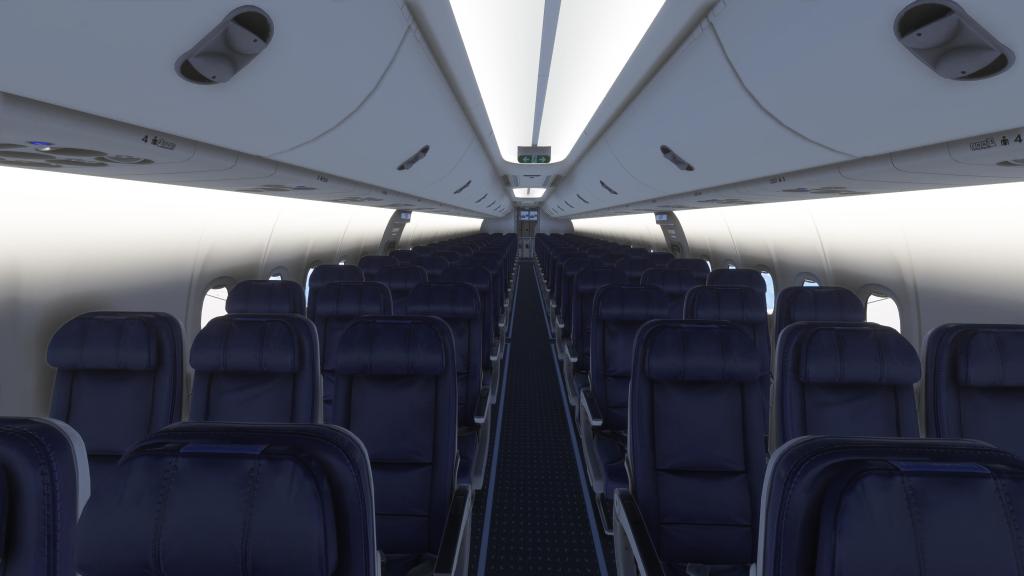
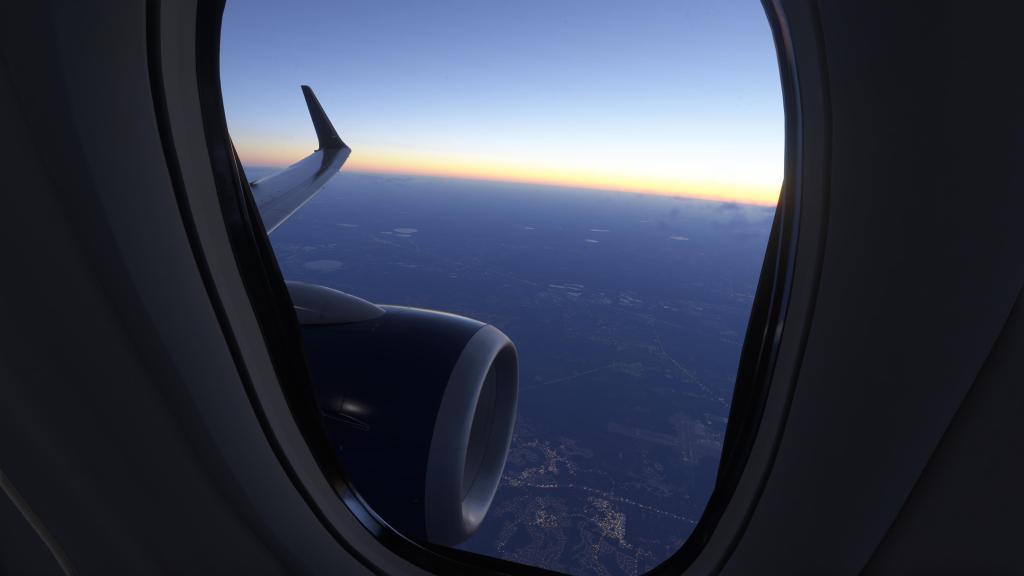
The same can mostly be said for the cabins which look very good though they aren’t as well put together as I’ve seen in some other products. That’s not a mark against in my mind as the overall effect is good and convincing enough for a walk-through. I spend most of my time in the cockpit anyways though I understand the desire for a cabin to add some authenticity. Lighting is customizable and adjustable which is a new feature.
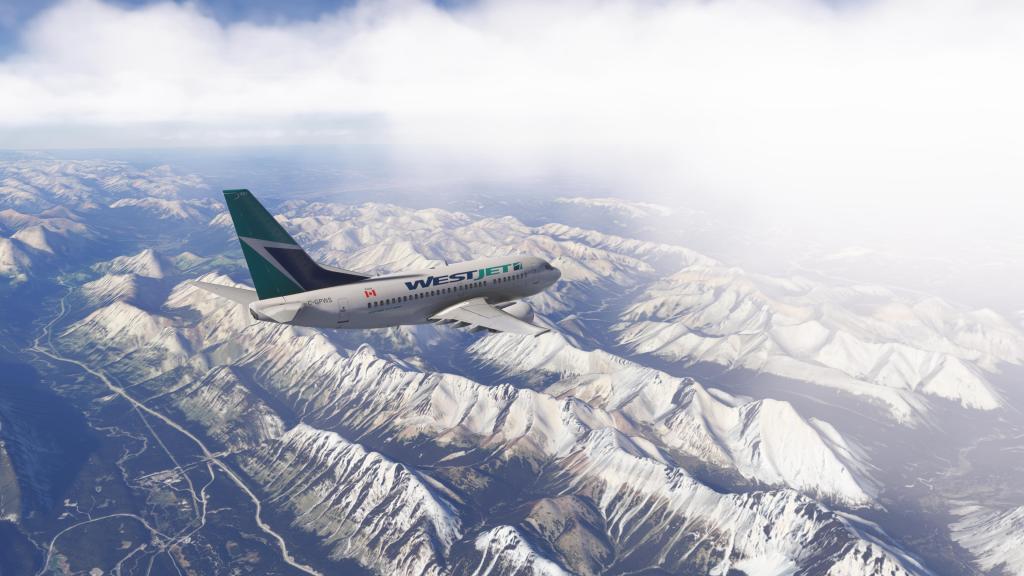
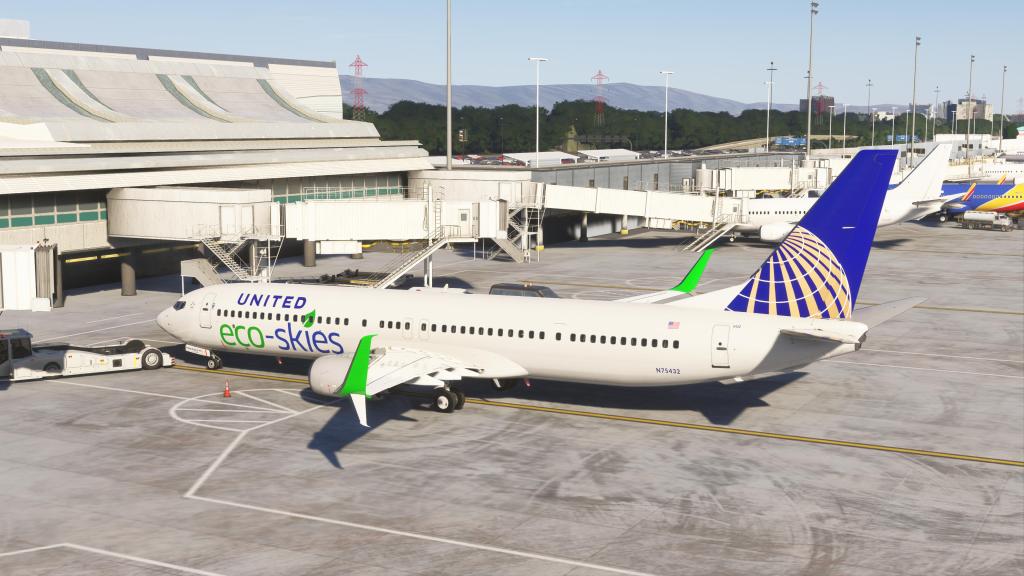
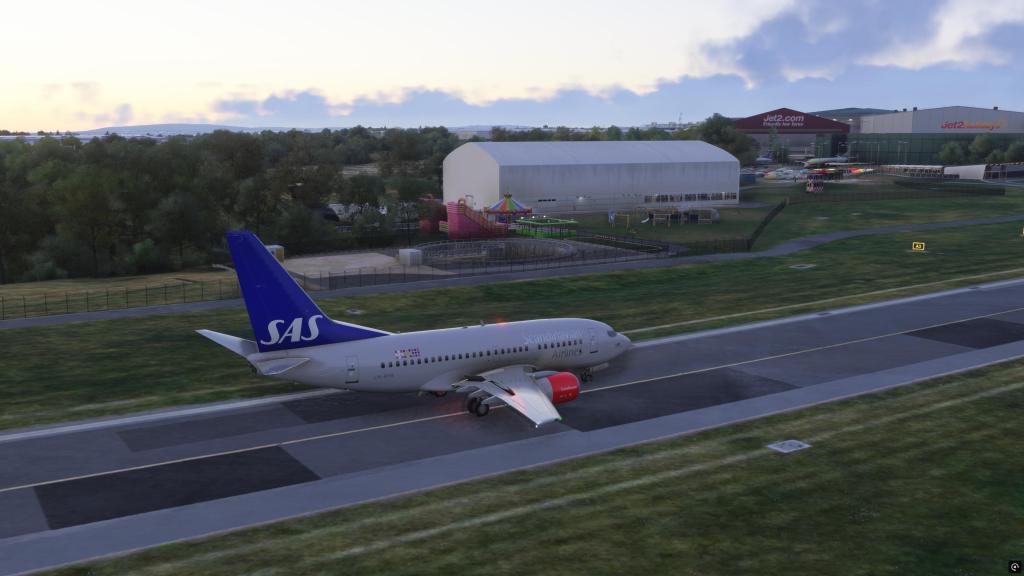
Available and provided liveries in the OC3 software are all upgraded to the new standard and look quite sharp overall.
PMDG have also updated the animations for a variety of systems ranging from the in cockpit controls to cargo doors to the wingflex. All are much smoother than before and are finally up to par with aircraft in the rest of the sim. They were previously a bit jerky or stuttery, almost uniquely so versus the competition, and that effect is now gone thankfully.
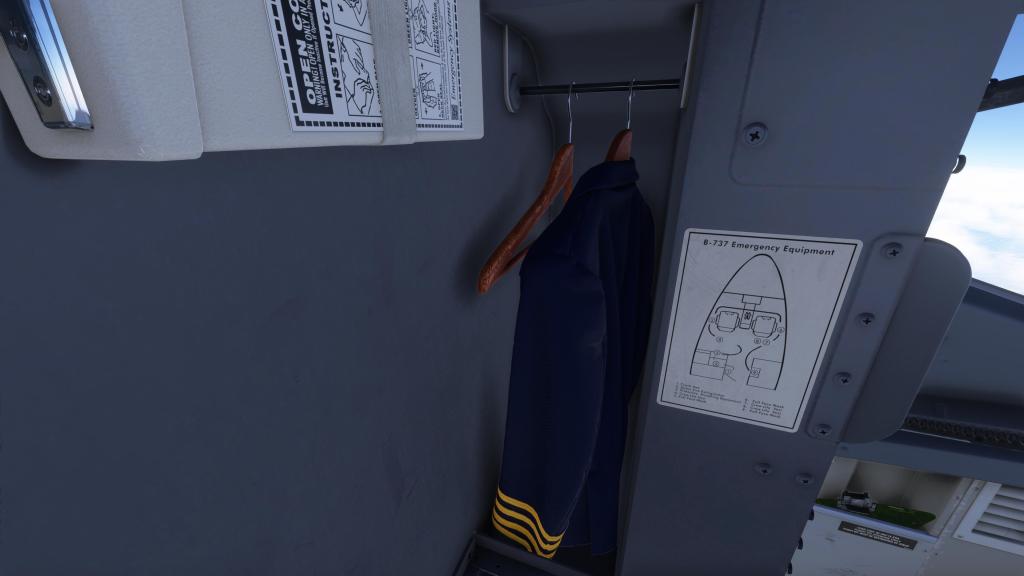
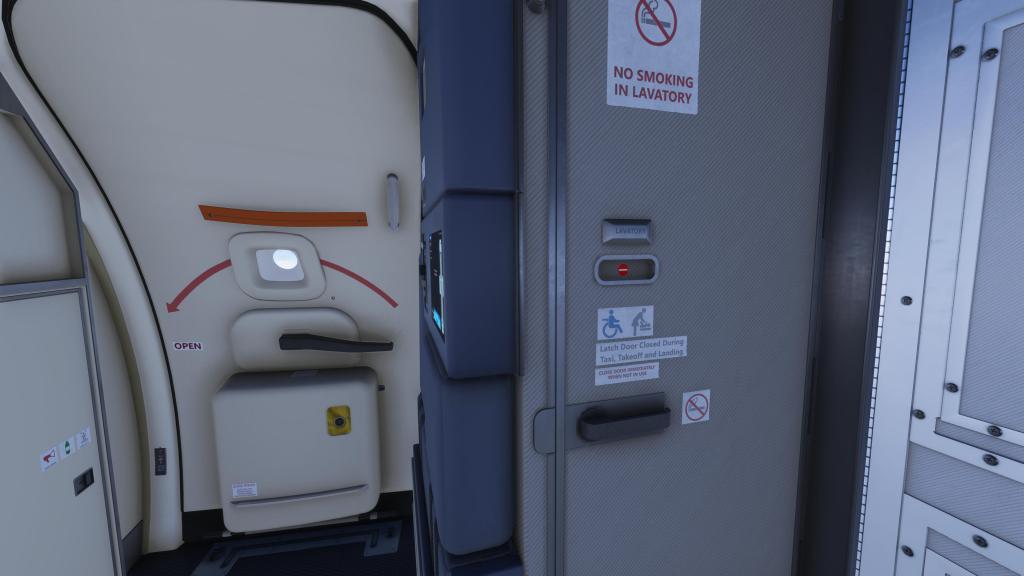
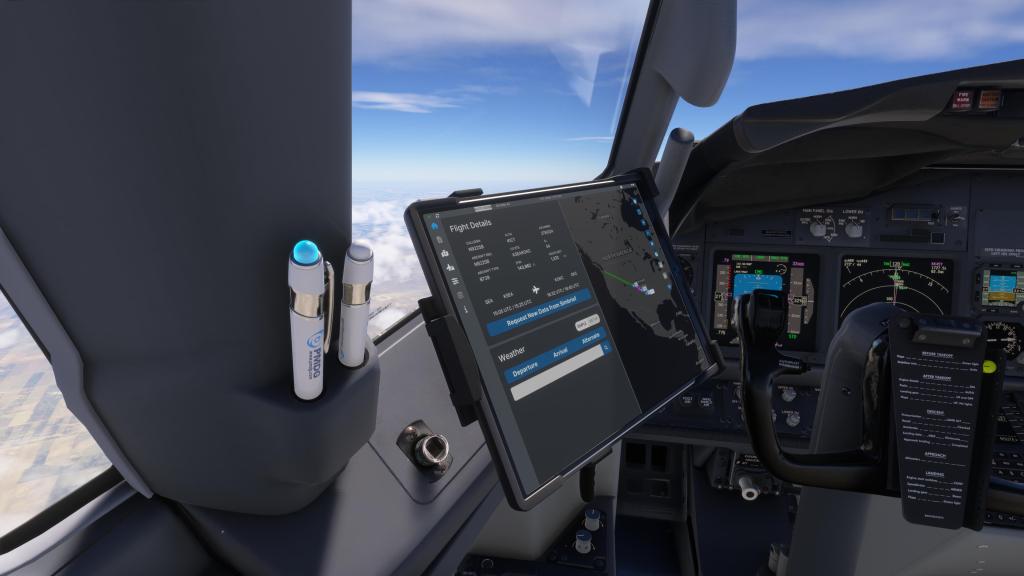
There are a few “easter eggs” sprinkled through the product as well. Not many, PMDG are quite a serious bunch seemingly, but I appreciate little things like the ability to click and hang a flight jacket in the cockpit closet as a fun bonus. There’s also a bit of an audio gag about the lavatory being busy if you try and click on it. I do appreciate these fun items. The overhead bins open, the coffee maker buttons now illuminate as does the extendable airstairs on the -600 so there is a little more interactivity here than there used to be. They must have seen how much I love that little feature on Just Flight’s Avro RJ.
The overall impression of the aircraft visually is that most of the areas that I complained about before as weak spots have been fixed and brought up to par. I still have the sense that iniBuilds and Fenix are still half a notch ahead but the gap has narrowed.
Sounds
Over to the sounds where things have seen by far the biggest update. Echo 19, a well known flight sim audio engineer, has come in to provide the upgraded sounds for PMDG’s new product and that effort combined with their overall goal of upgrading the sound space have made for the biggest change to the product.
The in-cockpit sounds are extremely good. Avionics fans, the electrical systems switching over from battery to APU to engine bus, even the movements and clicks of buttons are far beyond what they were before. PMDG did a pretty good job before with the 2020 versions but these are significantly better. YouTube videos that I watched on the product did not prepare me for how good they would sound on my own system. If you have a subwoofer, I think you’ll particularly enjoy the low frequency work which was less vibrant before.
Move the camera along the cabin and the sound attenuation, already quite good before, is just really excellent. Having been a passenger on more than a few 737NG flights, this does give me a very familiar feeling and that is such a good thing to feel in a flight sim product like this.
On the outside, the sound work is also superb. The 737’s engines are represented with great clarity and care and zooming around the outside with the drone camera is quite fun overall thanks to that sound work.
I thought the sounds were very good before but the work here is definitely an improvement. I haven’t tried them yet but there is a third party soundpackage also available from Boris Audio and I know some streamers in particular favour that option. Even without, however, its safe to say that we have a good audio set.
Systems and features
PMDG have a reputation, built up over a couple of decades, for producing some high quality systems simulations and the latest iteration of the 737NG series are no exception to that. Widely considered to be a very detailed rendition of the aircraft’s systems, I can’t comment on if absolutely everything works the way it does in a 737, however, the commentary that I’ve had from 737 pilots is that it generally is right on where it needs to be.
There are a few areas that PMDG don’t simulate, like being able to pull circuit breakers, but everything else including various emergency procedures appear to be handled well.
More importantly, for a flight simulation entertainment experience that I’m chasing after, there is a feeling of authenticity between the systems, the flight model and the sound system that helps provide feedback that is good not just for realism but also as part of the learning feedback loop. More often than not, I’ve figured something out not only because the system reacted in the correct way but also because I heard and saw the change in systems happen at the same time. This isn’t unique to PMDG but it is well represented here and satisfying to use.
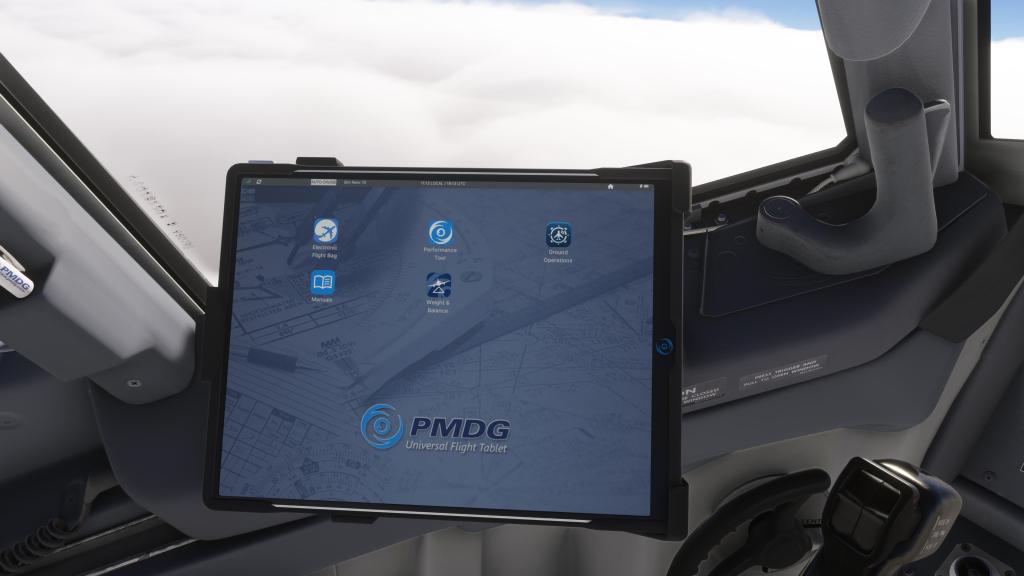
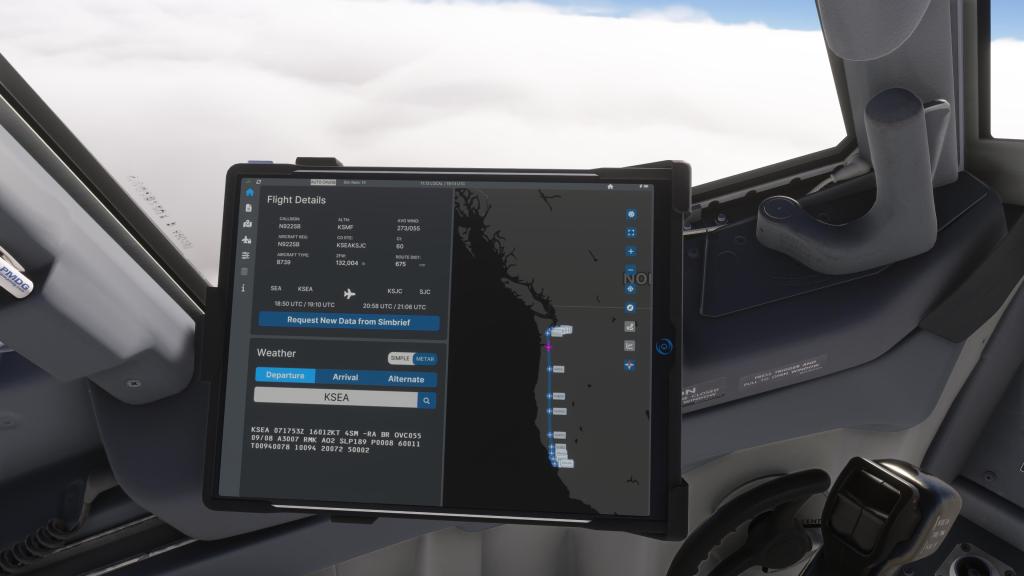
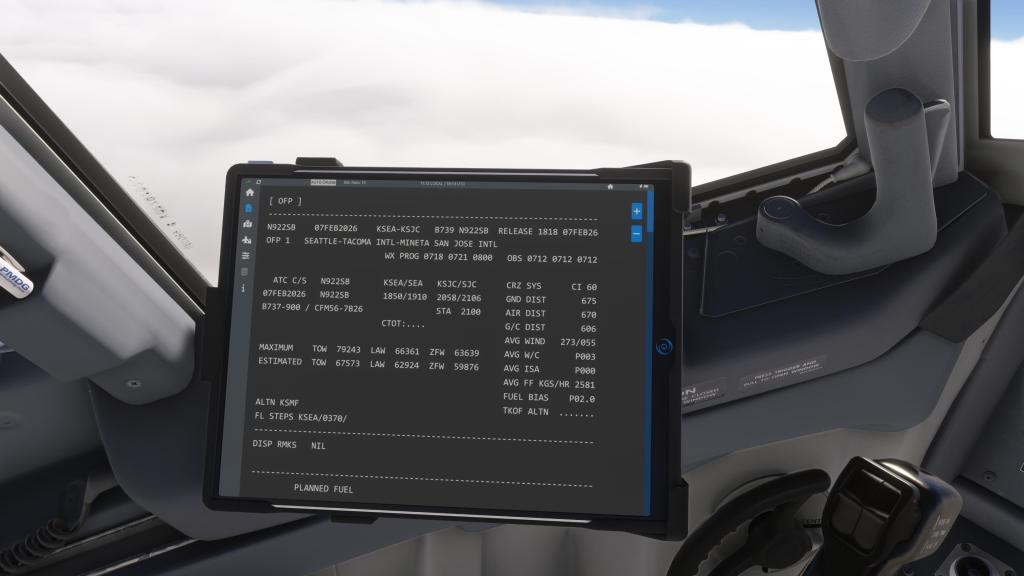
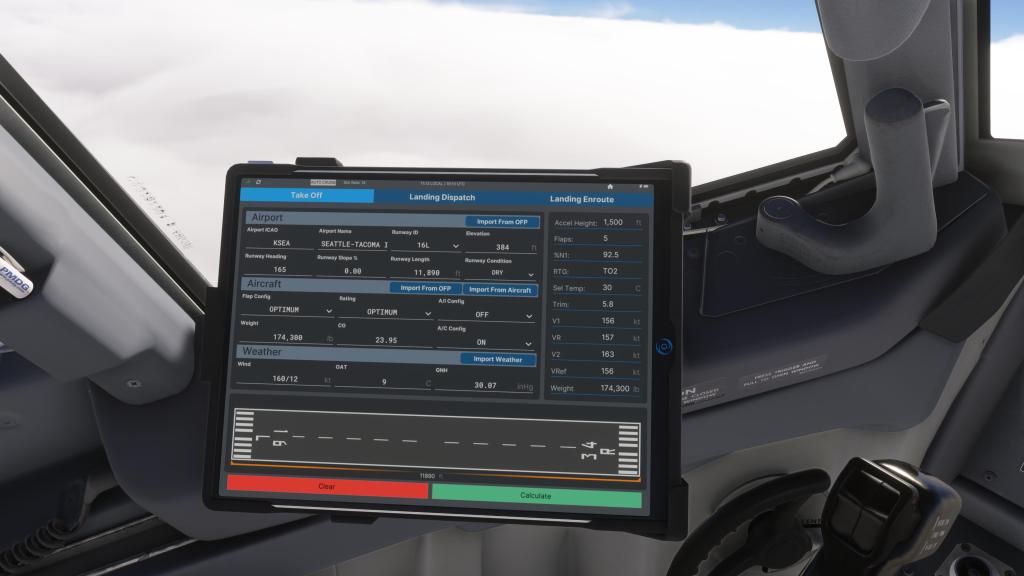
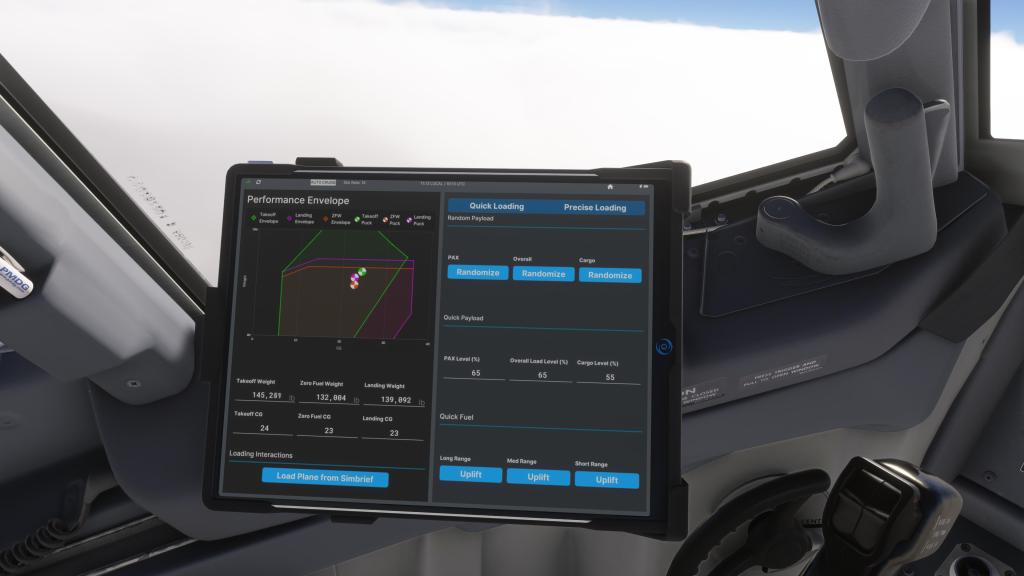
What about the EFB? PMDG’s tablet is well integrated into the 737NG and is quite a bit better than it was when I did the review a few years ago. It continues to run smoothly while having more features like a whole ground handling and operations app – not something the old one had when I reviewed it! Its quite similar to the one in the 777 series now and that is a good thing.
Also important for flight simulation is integration with third parties. Here PMDG mostly execute well though they miss out in one area. First, the good parts include Navigraph and SimBrief support as well as SayIntentions.AI. Importing a flight into the EFB and then from there into the FMC works really well, though the loading times do require a tiny amount of patience. That aside, it makes for a relatively quick and painless way to bring in all of the necessary routing, weight, fuel, weather, passenger, and other data right into the aircraft. Its relatively slick and well integrated once you know your way around the FMC in the 737.
I do have to provide some kudos to PMDG for ensuring that their autopilot system continues to function smoothly. I’ve had no issues with the autopilot that weren’t self inflicted (yep, I still make lots of mistakes but I am getting better!). Even better, when engaging 2x or 4x time compression, these aircraft do straight lines exceptionally well and gentle turns seem to be no problem either. This is great when you’re needing to compress a 3-4 hour flight into an hour flight sim session. None of the bucking and yawing that sometimes crop up in other products.
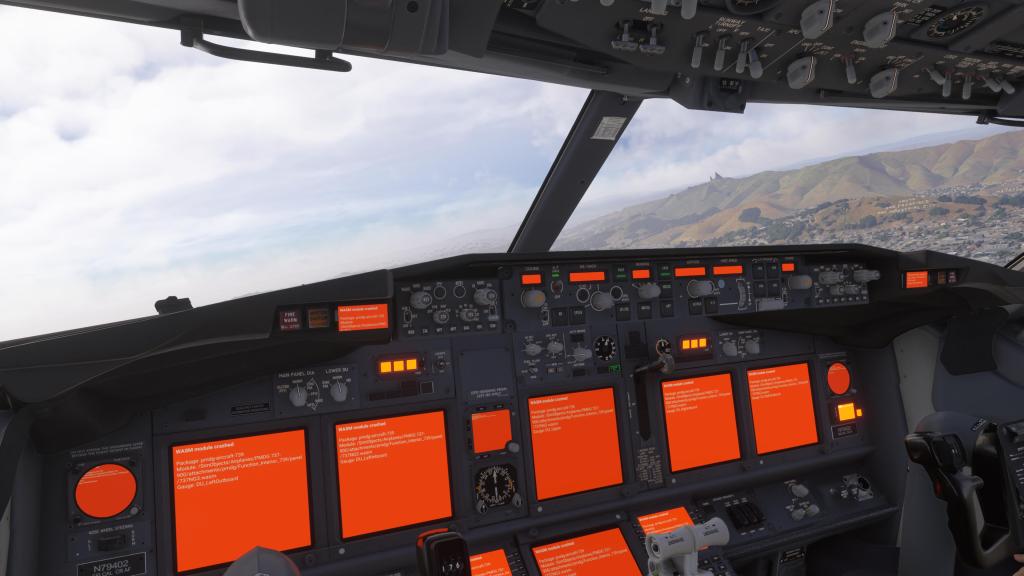
One issue that has cropped up is WASM related crashing. Its not unique to PMDG and several other airliners suffer from it as well. PMDG have been trying to cut down on instances of it and in my experience it happens rarely. In all of the flights that I’ve done since release, I’ve seen it just once. But it is annoying.
Finally, I should mention that PMDG have put in quite a few smaller options that let you tweak your 737NG the way you want it. Things like adding the WiFi antenna, changing out the LED landing lights for older incandescent style, opening up the eyebrow windows, and even swapping to a different autopilot panel. In that sense, PMDG really do offer a complete experience.
External software and liveries
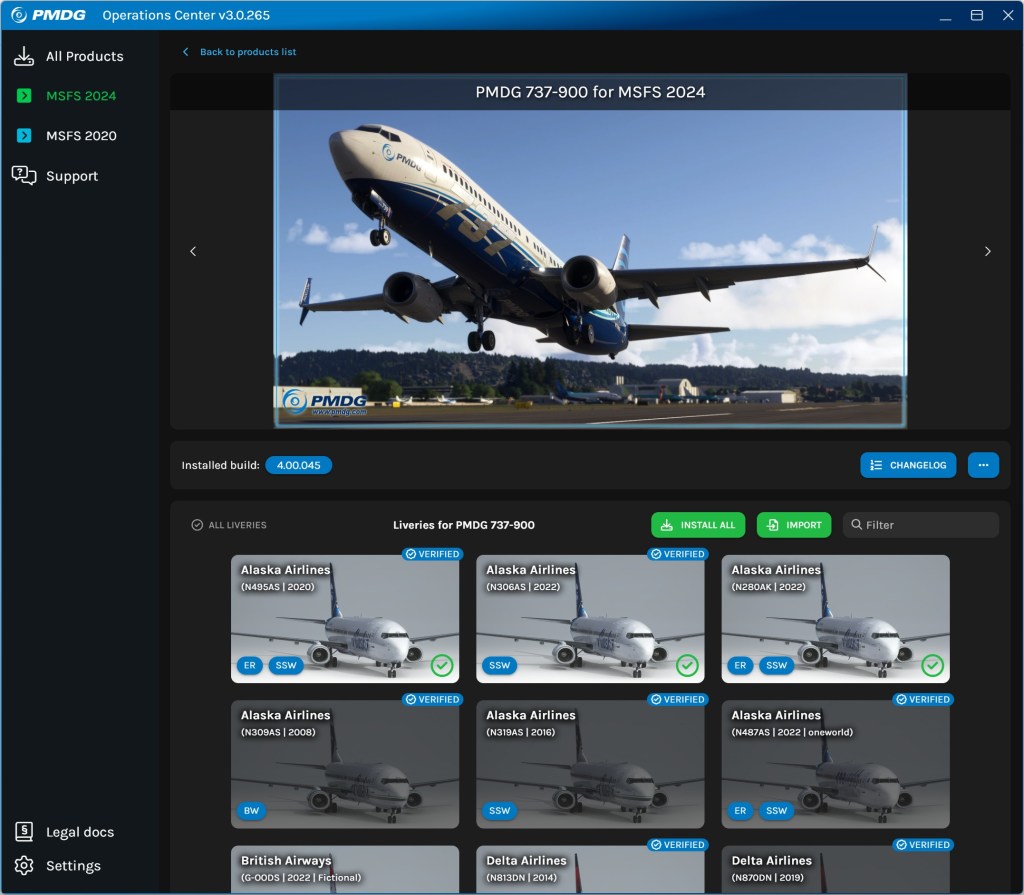
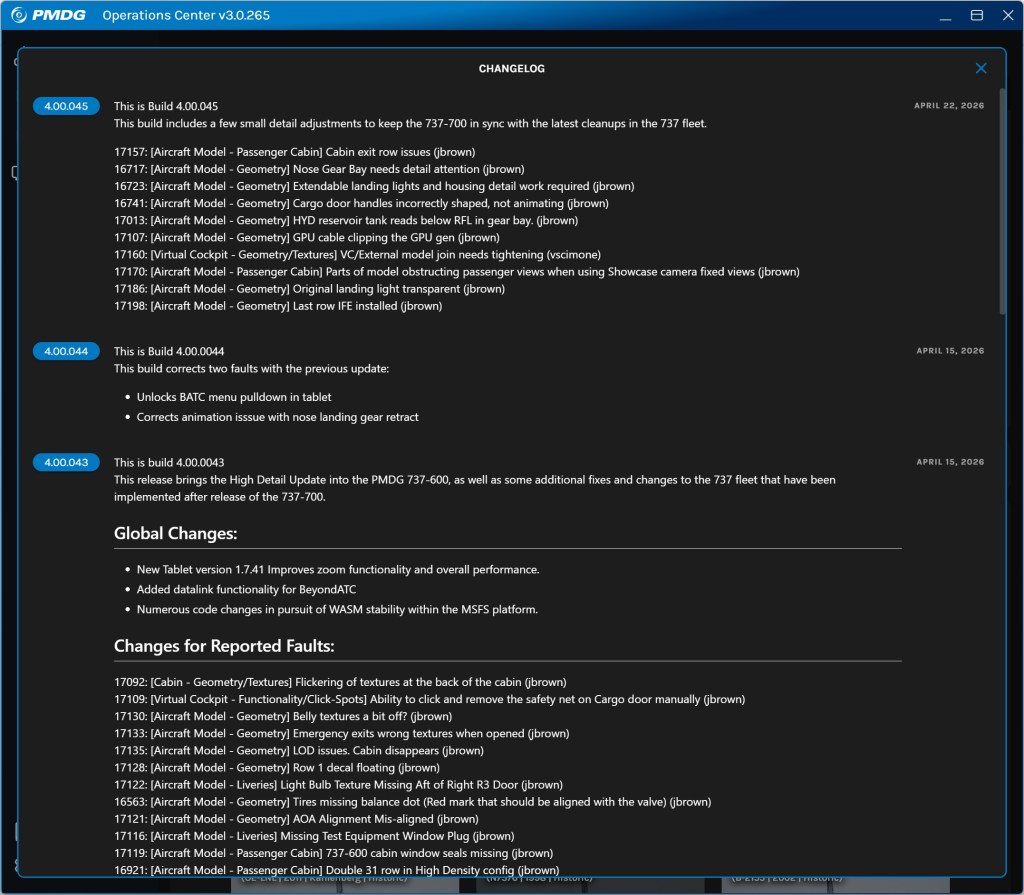
These days, you can’t really bring a high fidelity airliner to market without some sort of companion software to assist. If you’ve purchased outside of the marketplace and direct from PMDG you get to use their OC3 (Ops Centre 3) software.
I previously criticized the old Ops Centre 2 software for not only being a bit clunky and dated but also for requiring frequent reinstalls when it failed. And it failed a lot in my experience requiring me to reinstall it five times over two years. But that was the past!
OC3, as I also wrote about in my 777 review, has been nothing but smooth running with quick and easy updates to the aircraft itself, quick livery management, and no other problems experienced with the software. It compares well with the Fenix Installer as being one of the best companion apps available for an airliner.
If you’ve purchased from the Marketplace, that will be where updates are managed. If you’re on Xbox, you’re also kind of stuck for liveries with only the default PMDG house-liveries available and purchasable livery packs (for $4.99 USD each) needing to gain access. This situation is unchanged for MSFS 2024.
For new users
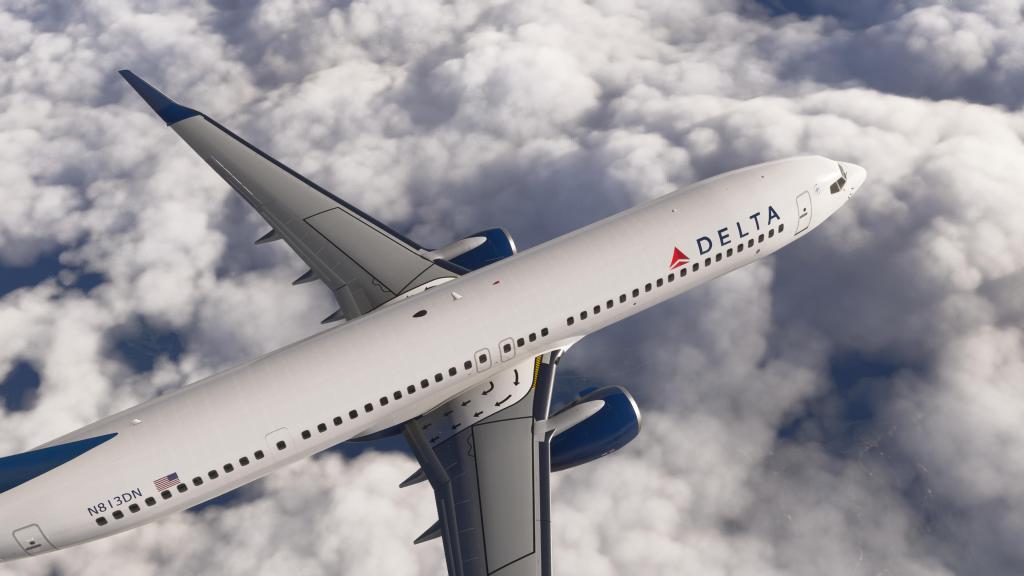
Two pathways emerge when it comes to talking about the PMDG 737NG series. If you’re new to the series, the same value proposition that was in place just a few years ago for MSFS 2020 owners is now back in place for new 2024 purchasers.
On offer are a four high fidelity airliner experiences with deeply simulated systems, strong visuals, great sounds, and a really solid 737NG experience overall. PMDG have, as I’ve also written in my 777 review some months back, addressed most of the shortcomings that they had previously with more or less full featured EFB (mostly replacing the horrendous systems interactions in the FMC from the early days) while also fixing visual and animation issues at the same time. Their OC3 software is a big leap forward compared to the antiquated software available previously. It’s unquestionably a better product than just a couple of years ago.
If you’re new and you want a great 737NG, PMDG have something that is priced about where it should be relative to the rest of the market. They don’t have the best value in town for the most popular variant (the -800) but if you don’t care all that much about variants and just want value… the -600 is right there with all of the features and a much better price.
The upgrade debate
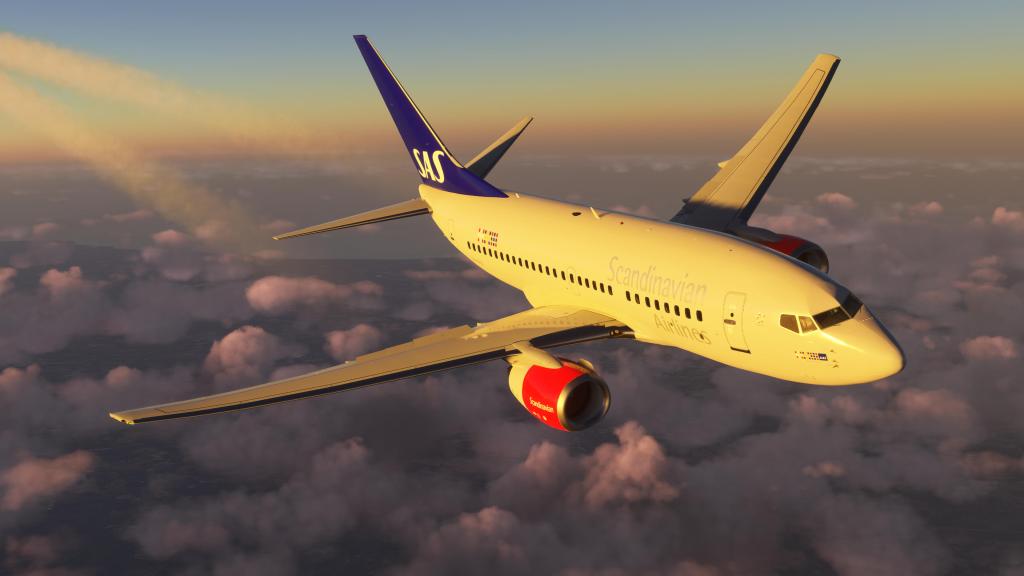
PMDG brought in a huge collection of new and returning customers during their MSFS 2020 release days. I was new to the company and the product back a few years ago and when MSFS 2024 came out and I think I join many folks who assumed that we’d be flying our favourite products pretty into 2024’s tenure. But it wasn’t to be.
With PMDG the story dragged on for well over a year while their closest competitors released in months or even weeks after 2024’s release. Fair enough I said to myself, “development takes time, PMDG have reasonably high standards, and we’ll see something good at the end of it.”
Then the company reported that that there would be an upgrade price but that it would be something reasonable: The price of a couple of cups of coffee they said. Ok, fair enough. If you walk into a nice local coffee shop and pay for a cup of coffee, you’re looking at maybe $10 or so. I’m still fully onboard and I have paid to upgrade a few products in the past when the effort was worth it.
But things haven’t exactly worked out quite the way that was suggested.
The company has offered a 60% off discount for returning users for each of the variants. That’s “not nothing” but its also considerably higher than where the expectation was set.
For different variants, with already widely varying pricing, the upgrade cost is going to be different. That works out to $30 for the -800 and -700, $20 for the -900 and $13 for the 737-600 (still winning the value game). Or in other words about 6 cups of coffee for the -800 or -700, 4 for the -900 and about 3 cups for the -600.
What about the value of the upgrade? Well, the report to us from the company was that the products would be a ground-up revamp of the 737NG line from 2020 and they don’t really seem to be that. To be fair, the visuals are better than ever, the sounds are very much improved, and there are plenty of tweaks all across the product. Does it feel like a whole new product? No! Does it feel like they’ve done a fair bit of work on it? Absolutely yes.
So where does the controversy really come in? I think its the combination of factors. The long wait and the higher than expected upgrade price weigh heavily. Take away a couple of those elements and this would have likely gone much more smoothly.
Is the upgrade worthwhile in the end? Once I got past my initial feeling of “I just paid $20 to get the same airplane as I had before,” and the visual update joined the sound update, I got to a place where I felt it was largely justified. Other developers are charging similar upgrade prices for similar levels of revamped work. But I have to admit that the whole affair was still a little rougher than it really should have been.
Now, some folks still have the pitchforks out and I don’t blame anyone for feeling that way. There are some competing and compelling products out there including iFly’s 737 MAX 8 and Fenix’s A320 family. While neither are 737NG series specifically, both offer popular narrowbody airliners and we certainly aren’t devoid of choice especially with some fun and slightly quirkier options like Just Flight’s Avro RJ or upcoming F70/100 to consider. Many of these other companies offered free updates and earned considerable goodwill through that and realistic expectation setting.
Final thoughts
PMDG’s 737NG series continue to be a very good high-end, high fidelity, airliner experience for Microsoft Flight Simulator and the latest re-release moves the mark forward with better visuals and sounds. That helps PMDG keep pace with the competition while the system fidelity was always excellent and not much has changed in that respect.
For new users, PMDG’s 737NG series represents an excellent product that offers some of the best airliner flying you can have in the sim. Competition is tight and tough right now, but these are still excellent aircraft. For returning users, the conversation is a bit more fraught with upgrade pricing for upgrades that, though good, don’t feel groundbreaking.
PMDG’s pricing and price model also continue to make their products either the cheapest or the among the most expensive on the market depending on which models you end up buying. That does mean you’ll have to think long and hard about which one you want to fly. If you owned the complete line-up for MSFS 2020, the upgrade price to get yourself up to par on 2024 is going to be a significant sum of money.
The upgrade is nonetheless here and so owners of the previous version are going to have to decide if they are onboard for another few years or if they are going to avoid doing the upgrade. I decided to do the upgrade, not only because I wanted to write about them but because I genuinely value flying these aircraft and on that subject I’ve had a very good time indeed!
There are meaningful improvements clearly on display that I can’t ignore and there is value to the upgrade, but at the same time other companies have offered better upgrade pathways, set expectations better, and offered better value. Ultimately the choice is yours: Pay for the upgrade or spend your sim related entertainment dollars on a competing product. Then ask yourself… will we be having a similar discussion in four years time? I don’t know that answer but I do know there is always room for improvement.
Screenshots




Leave a Reply